A bottle closure selection checklist helps packaging buyers confirm the bottle neck finish, closure type, liner material, product compatibility, filling-line requirements, tamper-evident needs, compliance considerations, branding details, and order quantity before requesting samples or a quotation.
Choosing the right bottle closure is not only about cap size or appearance. The closure must work with the bottle, the product formula, the filling equipment, the shipping environment, the retail channel, and the brand experience. A premium bottle can still fail if the cap, stopper, liner, cork, or seal does not match the complete packaging system.
Kandacork Closures supports brands that need custom bottle closures, premium stoppers, cap-and-liner matching, and bottle-to-closure compatibility guidance. Buyers can review the full closure and stopper range when comparing bar-top stoppers, screw caps, ROPP closures, capsules, and specialty closure systems for commercial packaging projects.
What Should a Bottle Closure Selection Checklist Include?
A complete bottle closure selection checklist should include the bottle drawing, physical bottle sample, neck finish, bottle material, fill volume, product formula, closure type, liner or seal requirement, tamper-evident needs, filling-line method, application torque, removal torque, decoration requirements, target market, compliance documents, order volume, and delivery schedule.
The goal is to match the closure to the entire packaging system, not only the bottle opening.
A reliable closure must work with the bottle neck finish, sealing land, product chemistry, liner or gasket, capping equipment, distribution environment, consumer opening experience, and brand presentation. When these factors are checked early, buyers reduce leakage risks, sampling delays, tooling mistakes, filling-line problems, and avoidable production costs.
Who Should Use This Bottle Closure Selection Checklist?
This guide is designed for packaging teams that need to move from research to supplier communication. It is especially useful for spirits brands developing premium bottles, beverage companies sourcing caps and liners, food brands validating leak-resistant closures, cosmetics brands comparing pumps and dispensing caps, and procurement teams preparing RFQs.
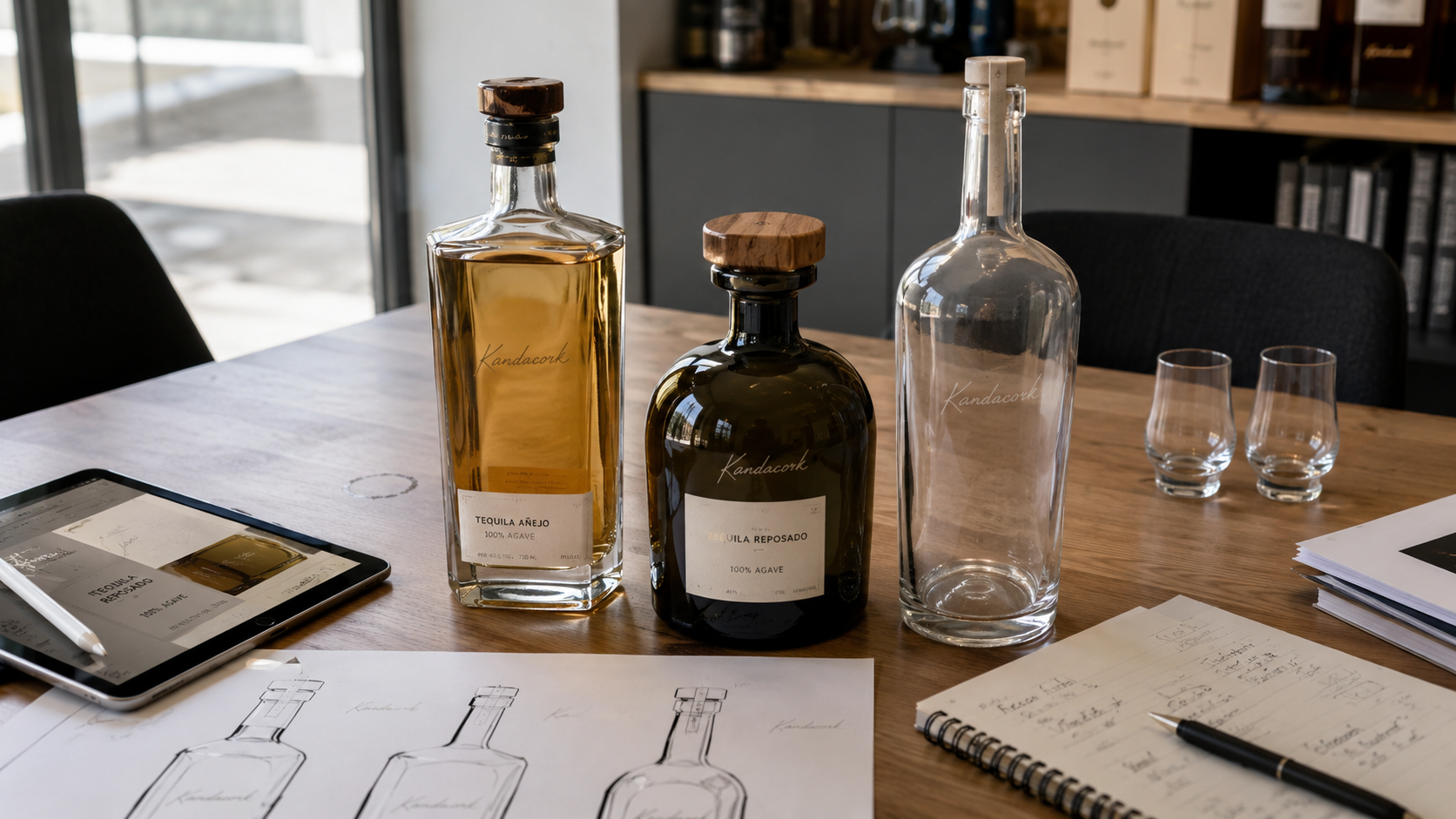
It also helps packaging designers, private-label buyers, importers, and startups that need to turn a bottle concept into a production-ready package. For spirits projects, closure selection often needs to be coordinated with bottle shape, decoration, label design, carton structure, and filling-line performance. Teams working on spirits bottle development should therefore treat the closure as part of the full packaging architecture, not as a last-minute accessory.
Closure Selection Matrix
| Buyer Need | What to Review First | Why It Matters |
|---|---|---|
| Prevent leakage | Neck finish, liner, sealing land, torque | Leakage usually comes from system mismatch, not only cap size |
| Improve premium appearance | Closure material, weight, color, top design, decoration | The closure affects shelf appeal and opening experience |
| Prepare a supplier quote | Bottle drawing, sample, product details, order volume | Complete information reduces quotation errors |
| Validate production | Filling-line method, capper type, torque range, testing | A closure must run reliably in real production |
| Reduce compliance risk | Food-contact materials, gasket composition, destination market | Requirements vary by product category and market |
| Support sustainability goals | Material choice, recyclability, refill or reuse potential | Packaging sustainability must not reduce product protection |
Why Bottle Closure Selection Matters
A bottle closure has three jobs: protect the product, support the user experience, and complete the brand presentation. If it fails in any one of these areas, the entire package is at risk.
For liquid products, the wrong cap or liner can cause leakage during shipping. For alcohol, oils, sauces, acidic products, fragrances, or chemical formulas, the wrong liner material may swell, crack, stain, absorb aroma, or lose sealing performance. For premium spirits, a weak closure can reduce perceived value even when the liquid, bottle, and label are high quality.
A professional bottle closure selection checklist helps prevent cap-to-neck mismatch, poor liner compression, incorrect thread finish, inconsistent application torque, difficult opening experience, failed induction sealing, product evaporation, aroma loss, tamper-evident failure, decoration defects, filling-line downtime, and retail rejection.
The best closure is not always the most expensive option. It is the closure that performs consistently on the actual bottle, with the actual product, under real production and shipping conditions.
Expert tip: If a cap appears to fit but leaks during inversion testing, the issue may not be the nominal cap size. Check sealing land flatness, liner thickness, thread engagement, application torque, and bottle finish tolerance.
Start with the Bottle, Not the Closure
The first step is to confirm the bottle specification. Many buyers begin by asking for a cap style, but closure selection should begin with the bottle.
Prepare the bottle material, fill volume, overflow capacity, neck finish, thread style, outer neck diameter, inner neck diameter, finish height, sealing land width, shoulder shape, bottle drawing, and physical bottle sample.
Two bottles can look almost identical but require different closures because of small differences in tolerance, thread profile, sealing land, or finish height. This is especially important for custom glass bottles, premium spirits bottles, specialty beverage bottles, cosmetic packaging, and private-mold containers.
If a technical drawing is not available, physical bottle samples become essential. Kandacork Closures can review samples to evaluate fit, sealing approach, decorative options, production feasibility, and closure style recommendations.
Not sure whether your bottle uses a standard or custom finish? Send Kandacork Closures your bottle drawing or physical sample during the first review stage so the closure recommendation can be based on real fit conditions.
Confirm the Neck Finish and Cap Size
The neck finish determines whether a cap, stopper, cork, ROPP closure, or other closure system can fit and seal properly.
For many continuous-thread closures, the size appears as a two-part number such as 24-400, 28-410, or 38-400. The first number usually refers to the nominal neck diameter, while the second number refers to the thread style or finish series.
However, matching the printed size alone is not enough. The supplier should also review thread engagement, cap skirt depth, sealing land quality, liner compression, bottle tolerance, and closure height.
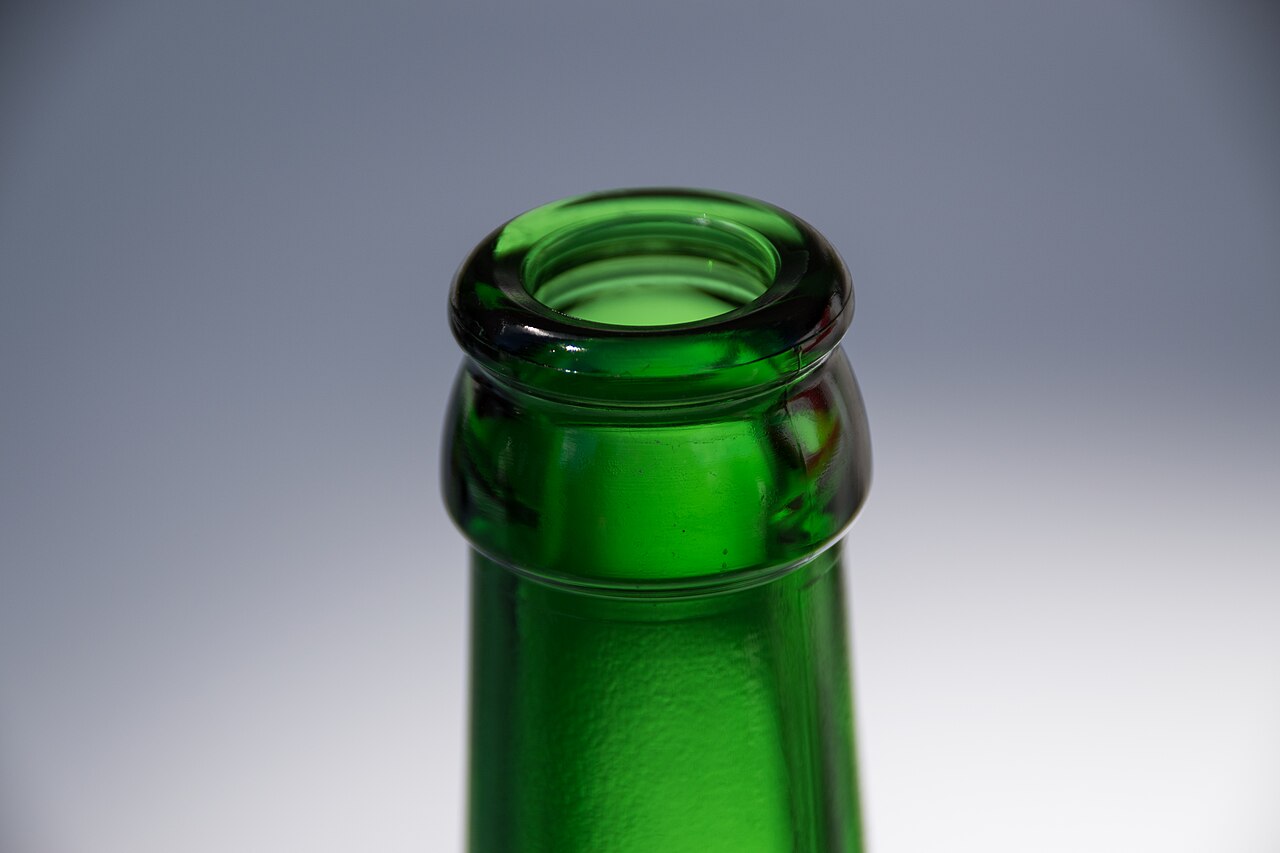
Important neck-finish dimensions may include the T dimension, E dimension, I dimension, S dimension, and H dimension. These dimensions help packaging teams describe the outside thread diameter, neck diameter, inner opening, thread position, and total finish height more accurately.
Before ordering closures, confirm whether the finish is continuous thread, lug, ROPP, cork mouth, crown, or custom. Also check whether the sealing land is flat and consistent, whether the cap engages smoothly, whether the liner compresses correctly, and whether the closure has been tested on the actual bottle.
Match Closure Type to Product Use
The right closure depends on how the product is filled, stored, opened, poured, dispensed, and reused.
| Product Type | Common Closure Options | Key Risk | What to Test |
|---|---|---|---|
| Spirits | Bar-top closures, cork stoppers, ROPP closures, glass stoppers | Alcohol compatibility, aroma retention, premium opening feel | Fit, removal force, seal integrity, appearance |
| Edible oils | Screw caps, ROPP closures, pourer caps | Liner swelling, leakage, oily residue | Liner resistance, inversion testing, pouring control |
| Sauces and syrups | Flip-top caps, screw caps, dispensing closures | Viscosity, residue, clogging | Dispensing performance, leak resistance, hot-fill behavior |
| Cosmetics | Disc-top caps, pumps, sprayers, droppers | Formula interaction, actuator failure | Compatibility, leakage, dispensing consistency |
| Carbonated beverages | Crown caps, swing tops, specialty caps | Pressure retention | Seal strength, carbonation retention, transit testing |
| Dry goods | Screw caps, unlined caps, lined caps | Moisture ingress | Moisture barrier, closure fit, storage stability |
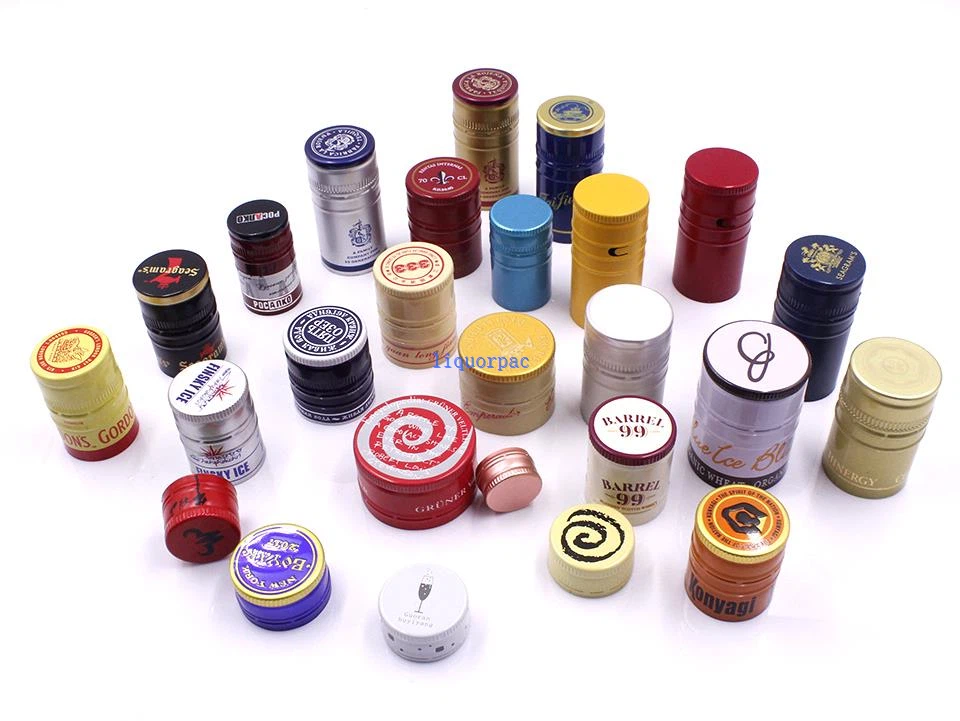
Screw caps are widely used for beverages, food, personal care, household products, and dry goods. ROPP closures are common for spirits, oils, and premium beverages because they provide tamper evidence and a clean metal appearance.
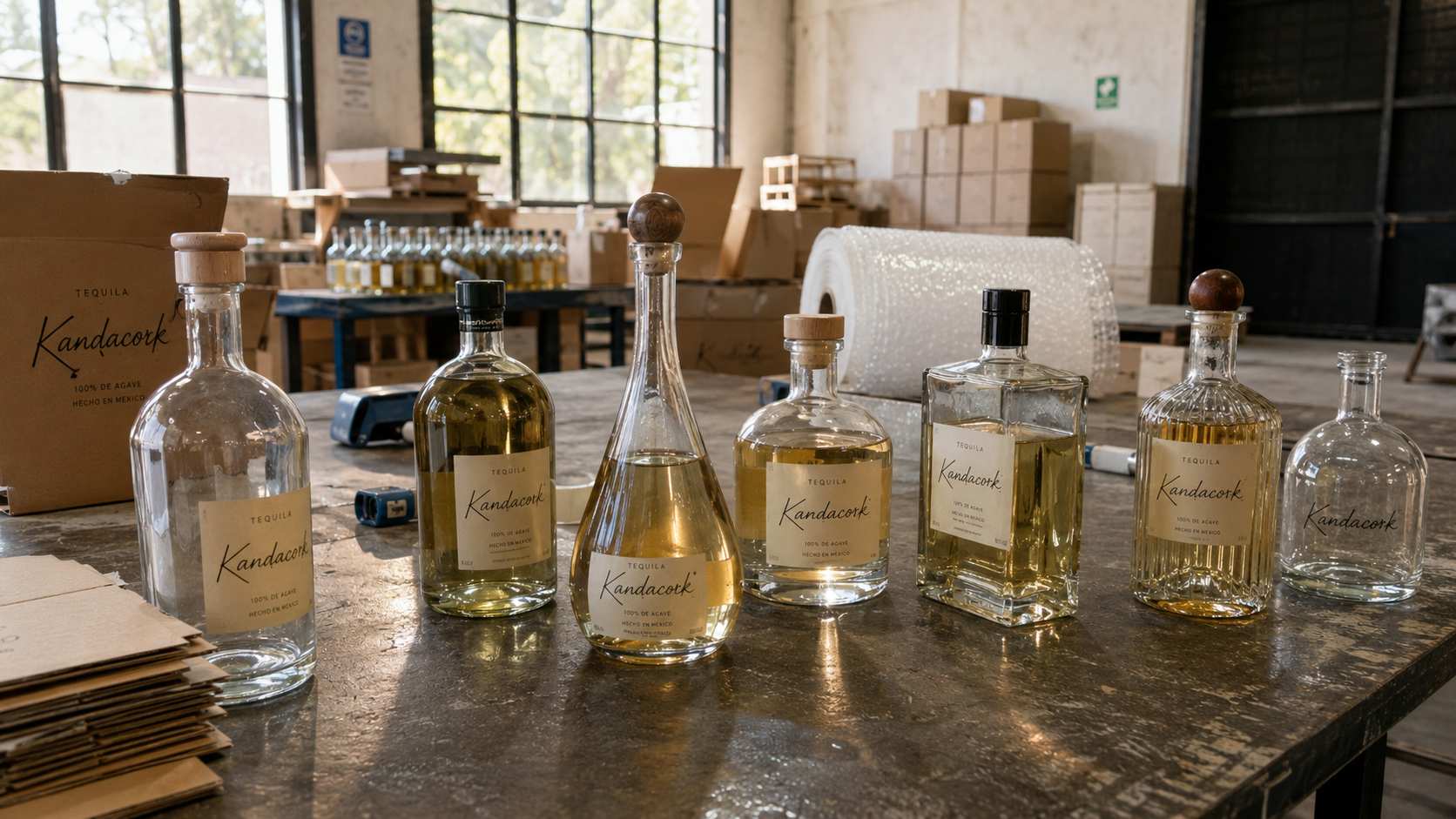
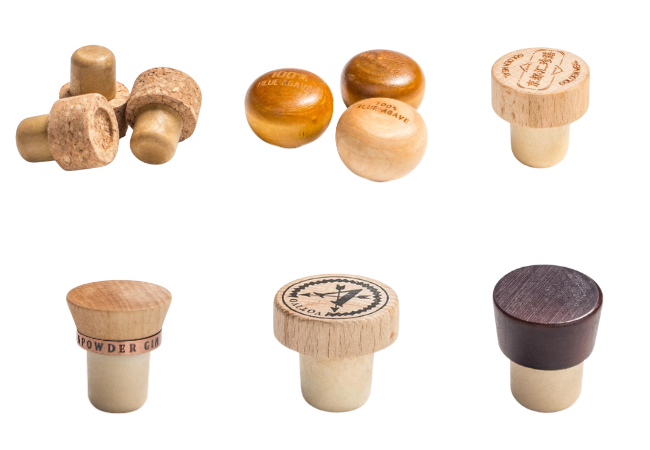
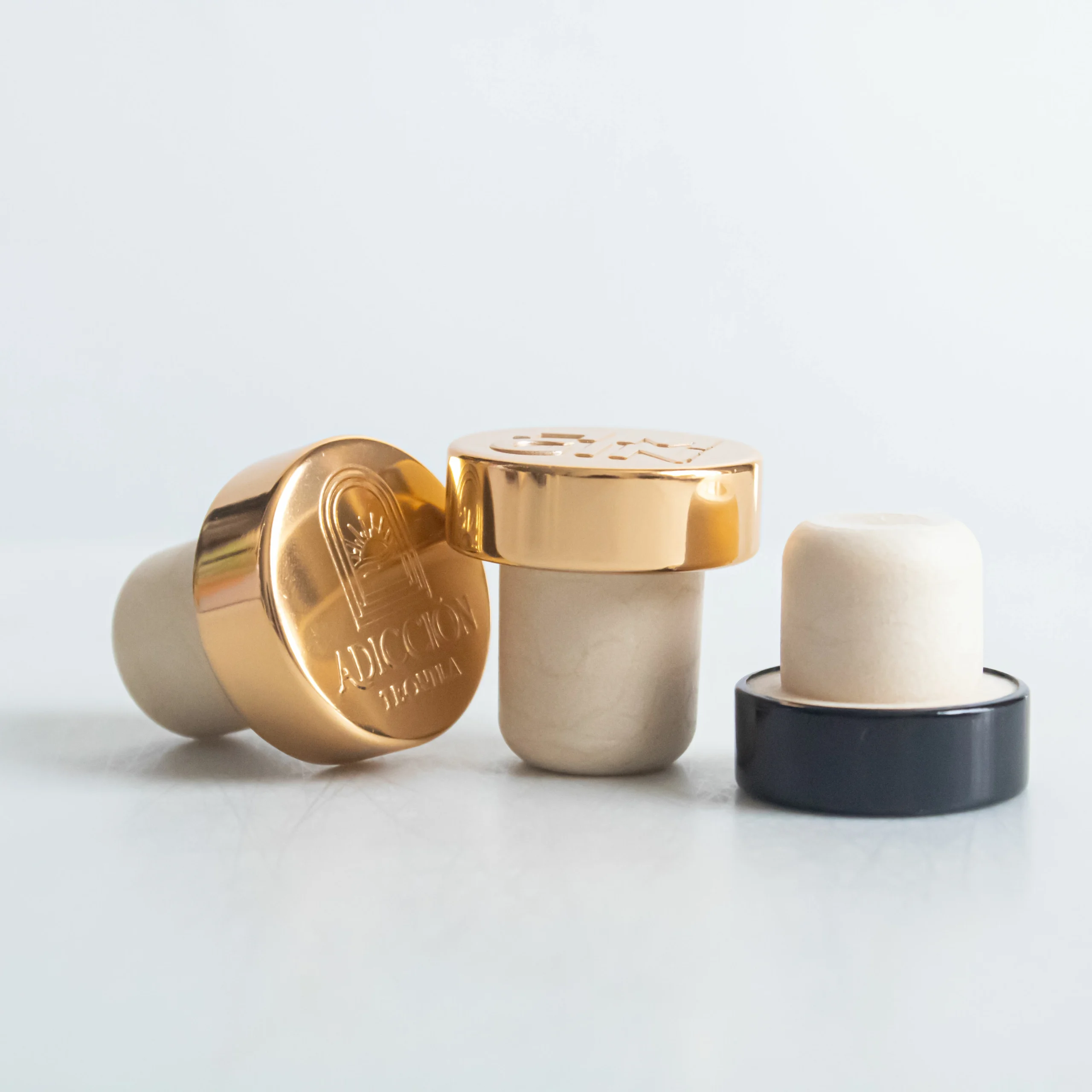
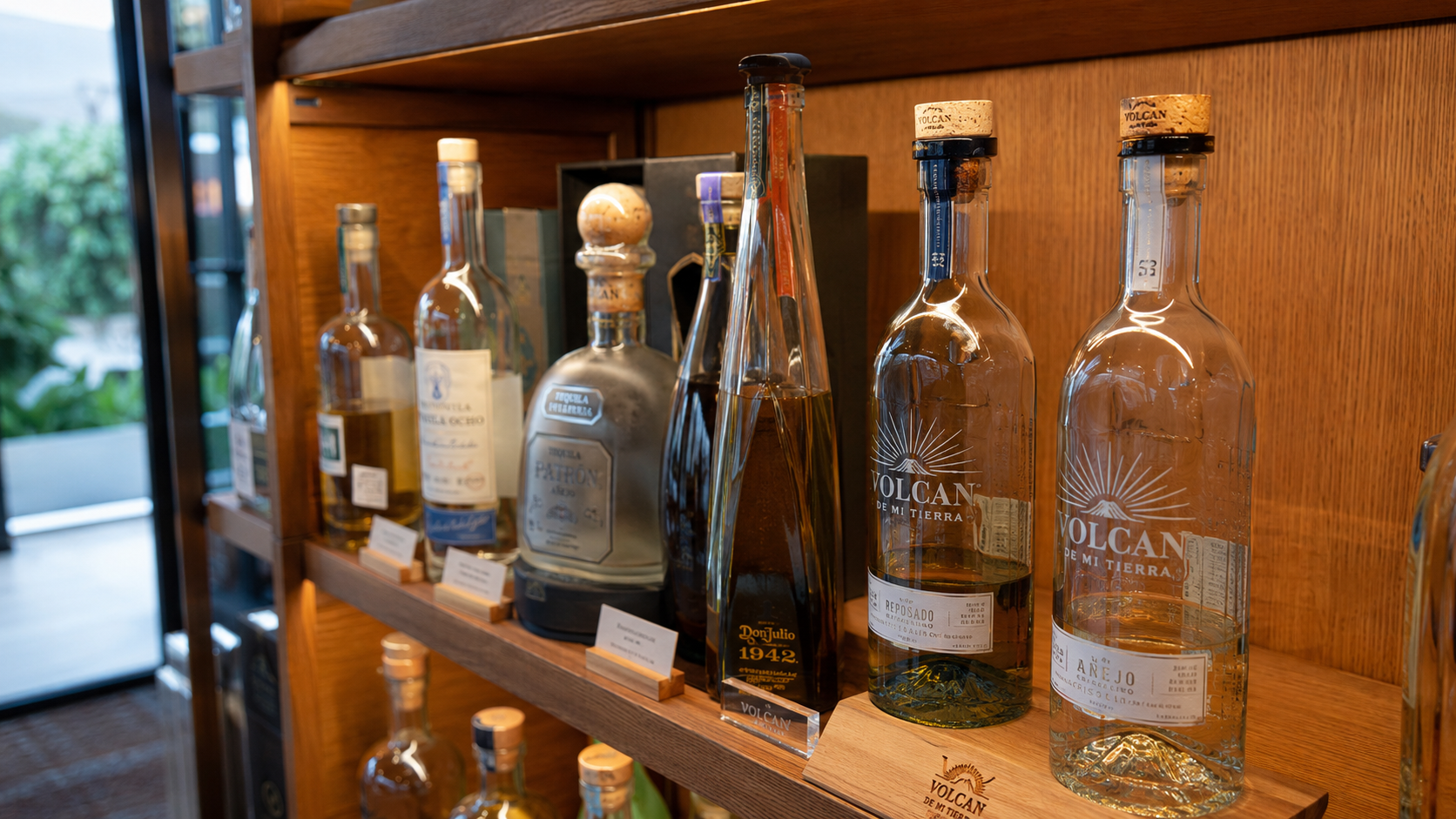
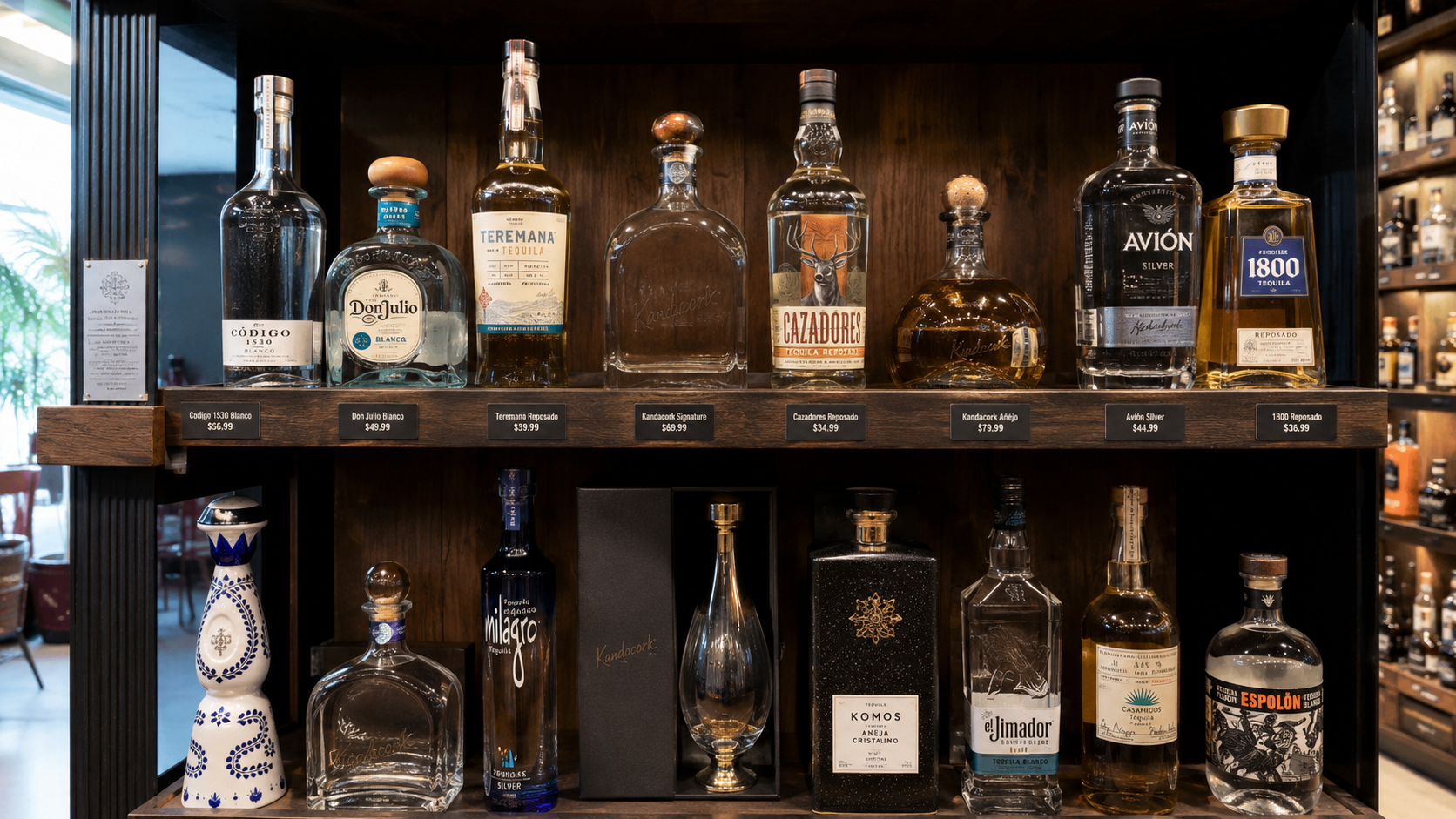
Bar-top closures are often used for whiskey, tequila, rum, gin, brandy, liqueurs, and other premium spirits. Brands that want a natural, craft, or heritage impression often consider custom wooden bar-top stoppers because they combine tactile warmth with strong shelf presence.
Luxury spirits, limited editions, and premium gift packs may require higher visual weight and a more polished hand feel. In these cases, aluminium bar-top stoppers can help create a more refined metallic appearance while still supporting functional closure requirements.
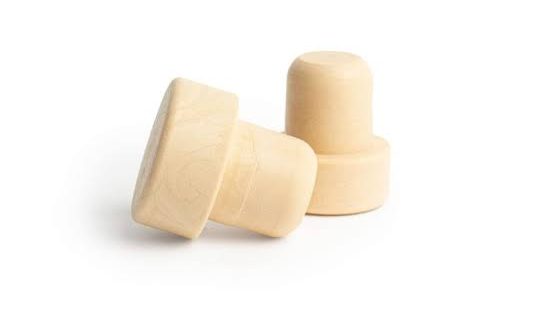
Value lines, multi-SKU ranges, and color-coded brand families may need stable dimensions, efficient production, and flexible decoration. Plastic bar-top stoppers can be useful when brands need consistent geometry, controlled weight, and scalable color options.
A practical bottle closure selection checklist should not only ask what cap looks good. It should ask how the product will be used and what performance the closure must deliver.
Choose the Right Liner or Seal
A liner is the material inside the closure that helps create a seal between the cap and the bottle. Not every closure needs a liner, but many liquid products require one for leakage prevention, shelf-life protection, aroma retention, or tamper evidence.
Common liner and seal options include foam liners, F-217 liners, EPE liners, pressure-sensitive liners, induction seal liners, plastisol liners, cork discs, synthetic sealing elements, and unlined closures.
The correct liner depends on the product. Alcohol, oils, acidic formulas, fragrances, solvents, sauces, powders, and hot-filled liquids may each require different sealing materials.
Before approving a liner, ask whether the product is liquid, powder, paste, oil, alcohol, acidic, or solvent-based. Confirm whether the formula contains fragrance, essential oil, or active ingredients. Review oxygen protection, moisture protection, aroma retention, inversion risk, induction sealing, tamper evidence, and repeated opening requirements.
Expert tip: Liner compatibility should be checked after product exposure, not only during the first fit test. Some liners look acceptable on day one but change after contact with alcohol, oil, fragrance, acid, or heat.
Kandacork Closures can help compare liner, gasket, cork, and synthetic sealing options based on your product category, bottle finish, and packaging goals.
Check Product Compatibility
Product compatibility is one of the most overlooked parts of closure sourcing. A closure that works for water may not work for liquor, oil, vinegar, syrup, fragrance, or chemical products.
Important compatibility factors include alcohol percentage, oil content, pH level, carbonation, viscosity, sugar content, fragrance concentration, essential oil concentration, fill temperature, storage temperature, humidity exposure, shelf-life expectation, and shipping distance.
For spirits brands, compatibility is especially important. High-proof alcohol can interact differently with cork, synthetic shanks, liners, coatings, adhesives, inks, and decorative materials. For food and beverage brands, liner and gasket materials may need to meet food-contact requirements in the target market.
A premium spirits brand may choose a wood bar-top closure for shelf appeal, but the shank material still needs to maintain sealing performance and removal feel after contact with alcohol vapor. A beautiful top design cannot compensate for poor fit or aroma loss.
An edible oil brand may choose a screw cap with a liner that performs well on water but swells after contact with oil. In this case, product compatibility testing is more important than visual inspection.
Kandacork Closures recommends evaluating the closure, liner, bottle, and product together as one packaging system before mass production.
Define Tamper-Evident and Security Requirements
A modern closure selection process should include tamper-evident and anti-counterfeit requirements. These features protect consumers, support retail confidence, and help premium brands defend product authenticity.
Common options include ROPP tamper-evident bands, shrink capsules, tear bands, induction seals, security labels, embossed logos, debossed logos, laser marking, batch coding, QR codes, custom top designs, and unique color or material combinations.
For spirits, food, beverage, nutraceutical, and personal care products, tamper evidence may be a commercial or regulatory expectation. For premium spirits and controlled distribution channels, non-refillable closures may also be considered when brands need added anti-refill protection and stronger product security.
If the product is sold through distributors, duty-free shops, export channels, or high-value retail locations, security should be discussed early in the closure development process.
Match the Closure to the Filling Line
A closure can pass a desk review and still fail on the filling line. Filling-line compatibility belongs in every bottle closure selection checklist.
Before selecting a closure, confirm whether the closure is applied manually, semi-automatically, or automatically. Review capper type, line speed, application method, orientation requirements, application torque, removal torque, induction sealing requirements, hot-fill or cold-fill process, and existing equipment limitations.
Application torque is especially important for threaded and lug-style closures. Too little torque may cause leakage. Too much torque may damage the liner, distort the cap, strip the thread, or make the package difficult to open.
Removal torque matters because it affects consumer experience. A closure that is secure but too difficult to open may create complaints. A closure that opens too easily may create leakage or tamper concerns.
For premium bar-top closures, insertion force and shank fit should also be evaluated. The closure must feel secure without damaging the bottle or becoming difficult for the consumer to remove.
Expert tip: When troubleshooting torque problems, check both equipment settings and packaging components. Bottle finish variation, liner thickness, cap material, capper head condition, and storage temperature can all influence final performance.
Validate Seal Performance Before Production
Testing turns a bottle closure selection checklist into a risk-control tool. Samples should not be approved only because they look attractive. They should be tested on the actual bottle with the actual product whenever possible.
Useful validation tests may include dimensional inspection, cap-to-bottle fit testing, application torque testing, removal torque testing, leak testing, inversion testing, drop testing, vibration or transit simulation, liner compatibility testing, aging studies, temperature cycling, induction seal testing, and consumer opening evaluation.
For threaded or lug-style closures, ASTM D3198 is a recognized test method related to application and removal torque. It is useful when packaging teams need a shared technical reference for torque discussion and closure performance validation.
A closure that performs well immediately after filling may behave differently after weeks of storage, temperature change, or long-distance shipping. For export products, testing should reflect the real supply chain.
Review Industry Standards and Compliance Topics
Packaging buyers often need to communicate with suppliers, compliance teams, and filling partners using recognized terminology. Standards and regulatory references do not replace legal review, but they help teams ask better technical questions before production.
For food, beverage, and other applicable products, the FDA food-contact material guidance helps explain why the regulatory status of each component matters. Closure materials, liners, gaskets, coatings, and adhesives may need review when they are reasonably expected to contact the product.
For certain food-container closure applications in the United States, 21 CFR 177.1210 addresses closures with sealing gaskets for food containers. This kind of reference is useful when buyers are reviewing gasket or liner composition with suppliers.
When products require child-resistant reclosable packaging, ISO 8317 may be relevant because it specifies requirements and test methods for reclosable child-resistant packages. Whether it applies depends on the product category, sales market, and regulatory pathway.
Consider Branding and Shelf Appeal
The closure is often the first part of the bottle the customer touches. It affects perceived quality before the product is opened.
A strong bottle closure selection checklist should include cap color, top material, surface finish, logo treatment, decoration method, premium weight, hand feel, and visual match with the bottle, label, and carton.
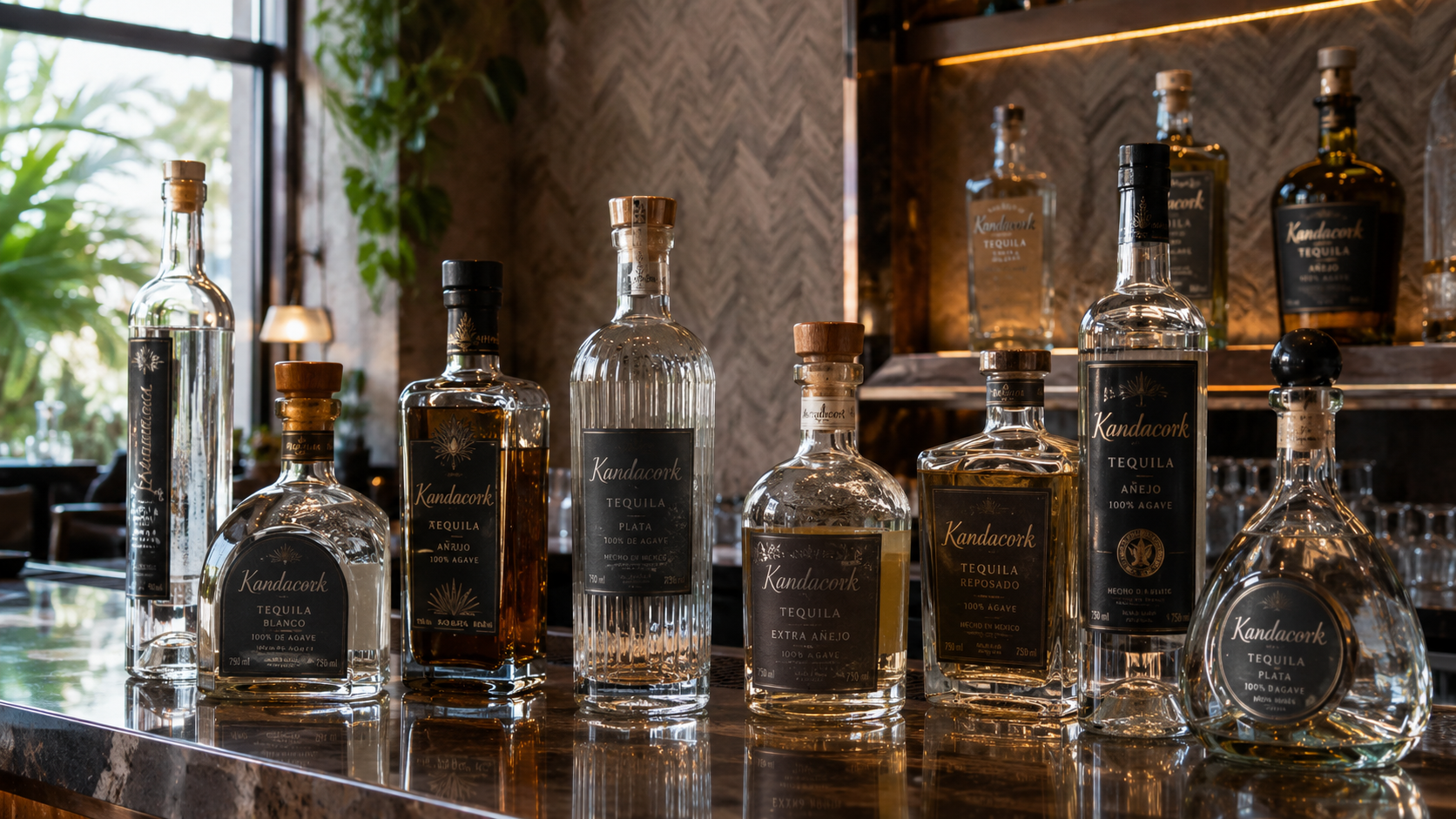
For spirits and premium beverages, a closure can communicate heritage, craftsmanship, luxury, sustainability, or modern simplicity. A natural wood bar-top closure may support a craft identity. A metalized cap may create a luxury impression. A minimal black closure may support a modern premium look.
Surface details also matter. Printing, hot stamping, embossing, debossing, engraving, metallic effects, matte coatings, gloss coatings, and tactile textures should be reviewed with the full pack design. Brands that need coordinated bottle graphics, cap finishes, labels, and secondary packaging can align closure development with decoration and branding support to reduce color mismatch and improve launch consistency.
A craft gin brand may use a custom wood bar-top closure to create a warmer handmade feel, while a luxury vodka brand may prefer a heavier metallic closure for a cleaner premium impression. Both can work, but the right choice depends on bottle design, target price point, sales channel, and consumer expectation.
Evaluate Sustainability and Recycling Goals
Sustainability is now part of packaging selection, but it must be balanced with product protection. A lightweight closure is not sustainable if it causes leakage, product waste, or rejected shipments.
Sustainability questions should cover recyclability, material separation, refill or reuse potential, closure weight, mixed-material complexity, decoration impact, product waste reduction, and compatibility with the bottle recycling stream.
The Sustainable Packaging Coalition emphasizes packaging design as a broad system involving reduction, sourcing, efficiency, material health, and climate-related impact. For closure selection, that means buyers should evaluate both material choices and the functional role of the closure in protecting the product.
For glass packaging projects, bottle weight, decoration, closure material, capsule design, and shipping format should be reviewed together. Teams working with Kandacork Eco Glass can consider sustainability from a complete packaging perspective rather than focusing only on one component.
Calculate Total Cost, Not Only Unit Price
The lowest unit price is not always the lowest total cost. A closure that causes leakage, production delays, or high defect rates can become more expensive than a better-engineered option.
A complete bottle closure selection checklist should consider unit price, tooling cost, decoration cost, liner cost, MOQ, sample cost, lead time, carton quantity, freight cost, filling-line efficiency, defect rate, rework risk, product loss, customer complaints, and retail rejection risk.
For custom closures, tooling and decoration decisions can influence both cost and timeline. A custom wooden top, embossed metal cap, specialty color, custom insert, or premium finish may require additional development time. Buyers should align design goals with launch timing before confirming the final closure.
Total cost should also include operational risk. If a closure requires slower capping speed, creates inconsistent torque, or needs extra manual inspection, the real project cost may be higher than the quoted component price.
Kandacork Closure Review Process
Kandacork Closures follows a practical review process to help brands move from concept to production-ready closure selection.
The process may include reviewing bottle drawings and physical samples, confirming neck finish and sealing land, identifying suitable closure types, comparing liner or shank options, checking product compatibility requirements, reviewing filling-line information, preparing material and decoration recommendations, producing samples where applicable, and confirming production specifications before order placement.
This process helps buyers avoid sourcing based only on catalog photos. It also gives packaging teams a clearer path from design concept to commercial launch.
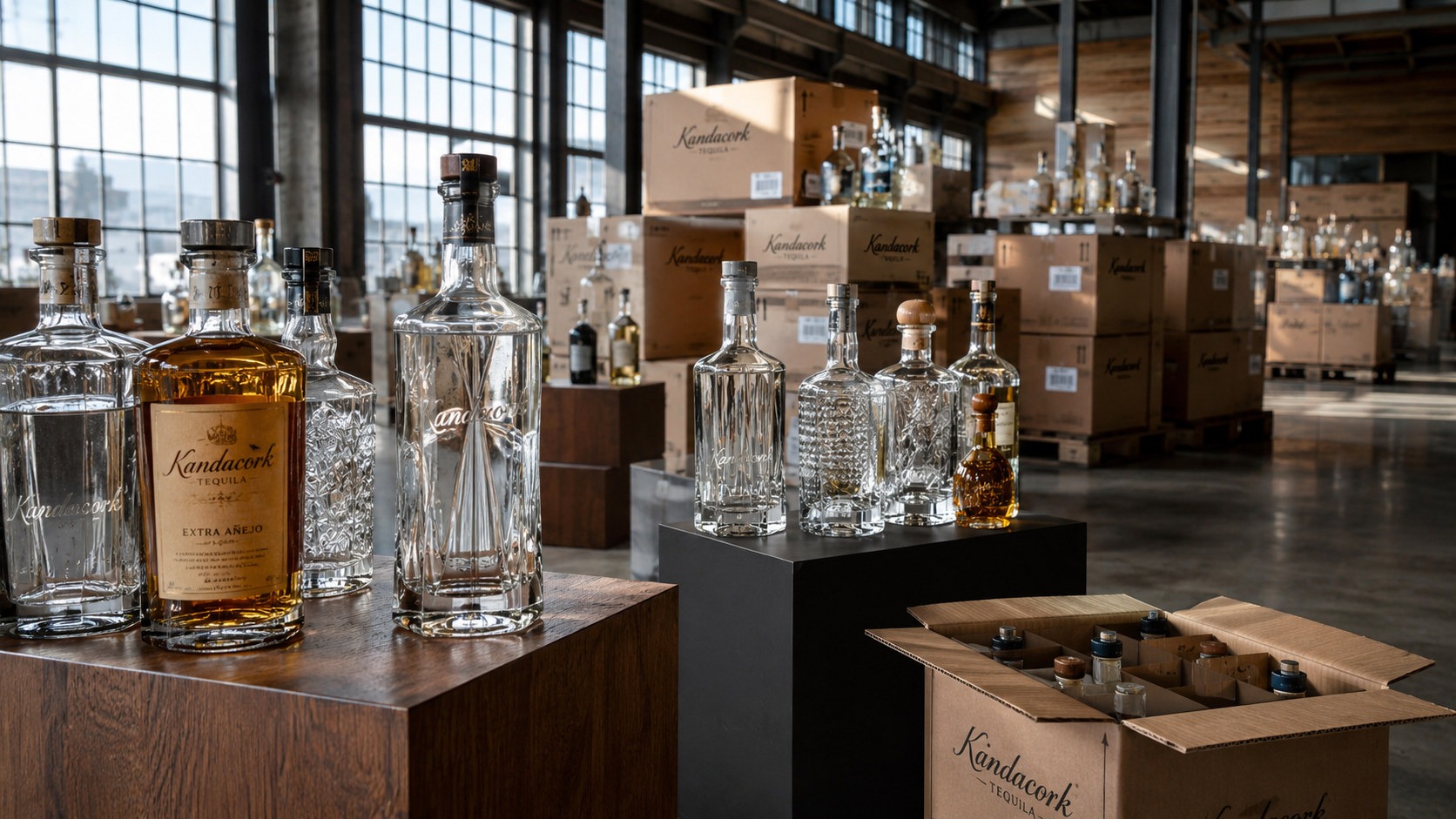
For brands that need bottles, closures, and decoration to work together, coordination with Kandacork Glass can also help align structural glass design, closure fit, decoration surfaces, and export-ready packaging requirements.
Supplier Qualification Checklist
The supplier matters as much as the closure. A good supplier should help identify risks before production, not only sell a catalog item.
Ask potential closure suppliers whether they can review bottle drawings, test closures on physical samples, recommend liner or gasket options, support custom materials and decoration, provide pre-production samples, advise on application torque or fit, support tamper-evident design, scale from pilot order to production, provide inspection reports, and coordinate lead times with the launch plan.
For custom closure projects, the supplier should understand technical fit, premium finishing, product category requirements, and commercial launch timelines. A supplier that asks detailed questions early can help prevent costly corrections later.
What to Send to a Closure Supplier
For the fastest and most accurate recommendation, send the supplier a complete project brief.
Include the bottle drawing, physical bottle sample, bottle material, fill volume, neck finish, product category, formula characteristics, fill temperature, closure type preference, liner or seal requirements, tamper-evident needs, decoration artwork, target color and finish, filling method, capper type, target market, estimated annual volume, first order quantity, and delivery schedule.
This information helps the supplier recommend a closure that is not only attractive but also technically realistic.
If the project includes glass bottles, jars, closures, and accessories across multiple product categories, Kandacork Glass Packaging can help teams think through packaging structure, decoration-ready surfaces, and matched components for broader brand portfolios.
Final Bottle Closure Selection Checklist
Use this condensed checklist before contacting a closure supplier:
- Confirm bottle material, volume, and neck finish
- Prepare a technical drawing or physical sample
- Identify product type and formula characteristics
- Define closure type and material preference
- Select possible liner, gasket, cork, or seal options
- Confirm tamper-evident or security requirements
- Review filling-line method, speed, and torque requirements
- Test fit, seal, leakage, and removal performance
- Check compliance and destination-market needs
- Define color, finish, logo, and decoration requirements
- Estimate order quantity, MOQ, budget, and lead time
- Share all specifications with the supplier before sampling
This final bottle closure selection checklist can reduce quotation errors, sampling delays, and production risks.
Why Work with Kandacork Closures?
Kandacork Closures helps brands select and customize closures that support product protection, production efficiency, and brand presentation. Whether you need premium bar-top closures for spirits, custom bottle stoppers, cap-and-liner matching, tamper-evident systems, or decorative closure development, the right process begins with clear technical information.
Kandacork Closures can support custom closure design, premium bottle stoppers, spirits and beverage closure projects, bottle-to-closure compatibility review, liner and seal discussions, decorative finishing, branding details, sample development, and production planning.
If you are preparing a new bottle launch, send your bottle drawing, physical sample, product details, closure preferences, decoration goals, and estimated order quantity to request a custom closure quote.
FAQ
How do I choose the right bottle closure?
Start with the bottle neck finish, product type, liner requirement, filling method, and target market. Then evaluate closure type, material, torque, decoration, tamper evidence, and compliance needs. The best closure is the one that fits the bottle, protects the product, runs on the filling line, and supports the brand experience.
What is the most important part of a bottle closure selection checklist?
The most important part is compatibility between the bottle neck finish, closure design, liner or gasket, product formula, and filling process. These factors determine whether the closure can seal consistently during filling, storage, shipping, and consumer use.
Do all bottle closures need liners?
No. Some dry products may use unlined closures. Many liquids, oils, alcohol products, food products, and products requiring shelf-life protection need a suitable liner, gasket, cork, induction seal, or other sealing system.
Why does application torque matter?
Application torque affects how tightly a threaded closure is applied. Too little torque may cause leakage, while too much torque may damage the cap, liner, or bottle finish and make the package difficult to open.
What closure is best for premium spirits bottles?
Premium spirits often use bar-top closures, cork stoppers, ROPP closures, glass stoppers, or custom decorated closures. The best choice depends on the bottle finish, brand positioning, tamper-evident needs, product compatibility, and filling process.
When should I test closures before production?
Test closures before mass production and ideally before final artwork or packaging approval. Testing should include bottle fit, sealing performance, liner compatibility, application torque, removal torque, leakage, shipping simulation, and consumer opening experience.
What should I send to a closure supplier before requesting a quote?
Send the bottle drawing, physical bottle sample, neck finish, product category, formula characteristics, closure preference, liner needs, decoration requirements, filling method, target market, estimated order quantity, and delivery schedule.