ROPP closures must match the bottle neck finish and capping process to perform correctly. This guide explains how buyers can review cap size, liner type, pilfer band structure, torque requirements and sample testing.
Who This Guide Is For
This guide is written for distilleries, spirits brands, wine producers, beverage manufacturers, edible oil brands, syrup brands, packaging distributors, contract bottlers, importers, and private-label teams sourcing custom ROPP closures for commercial bottle production.
It is especially useful if you are comparing suppliers, replacing an existing closure, developing a new bottle, preparing for export, solving leakage problems, or improving the shelf appearance of a spirits or beverage package.
Before Buying ROPP Closures, Confirm These Details
| Before Buying, Confirm | Why It Matters |
|---|---|
| Bottle neck finish | Prevents fit, thread, and sealing failure |
| Closure diameter and height | Confirms mechanical and visual compatibility |
| Liner material | Helps reduce leakage and product interaction risk |
| Capping machine setup | Supports stable production and thread forming |
| Application and removal torque | Improves opening, resealing, and user experience |
| Tamper-band behavior | Confirms visible first-opening evidence |
| Decoration method | Protects branding quality during application |
| Export packing method | Reduces transport damage and batch inconsistency |
A complete request helps the supplier recommend the right closure faster. If the buyer only sends a bottle photo or cap diameter, the supplier may not have enough information to confirm production compatibility.
What Are ROPP Closures?
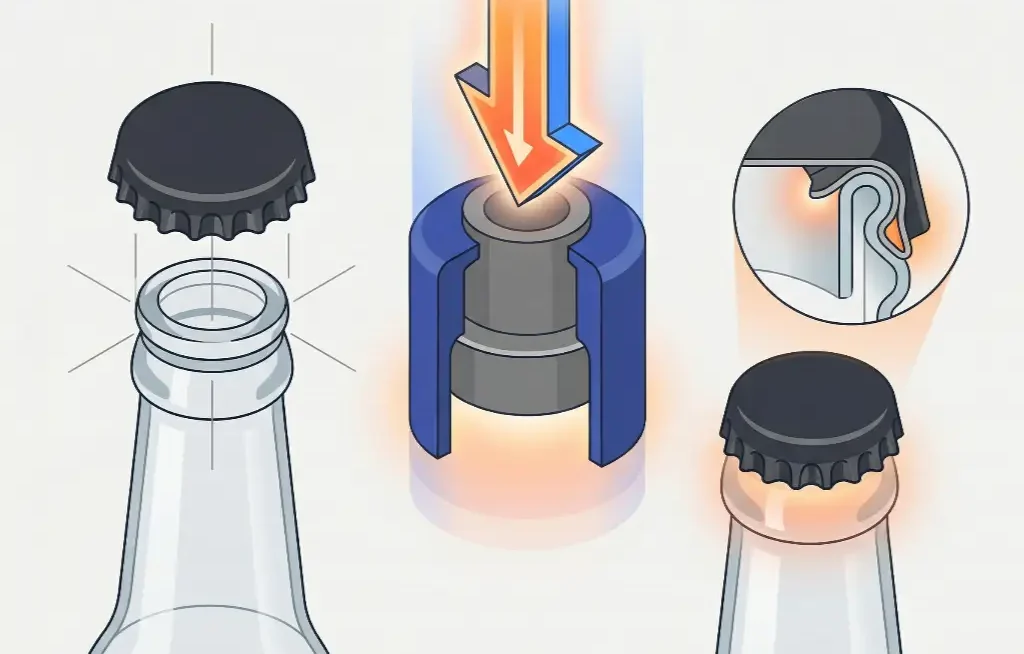
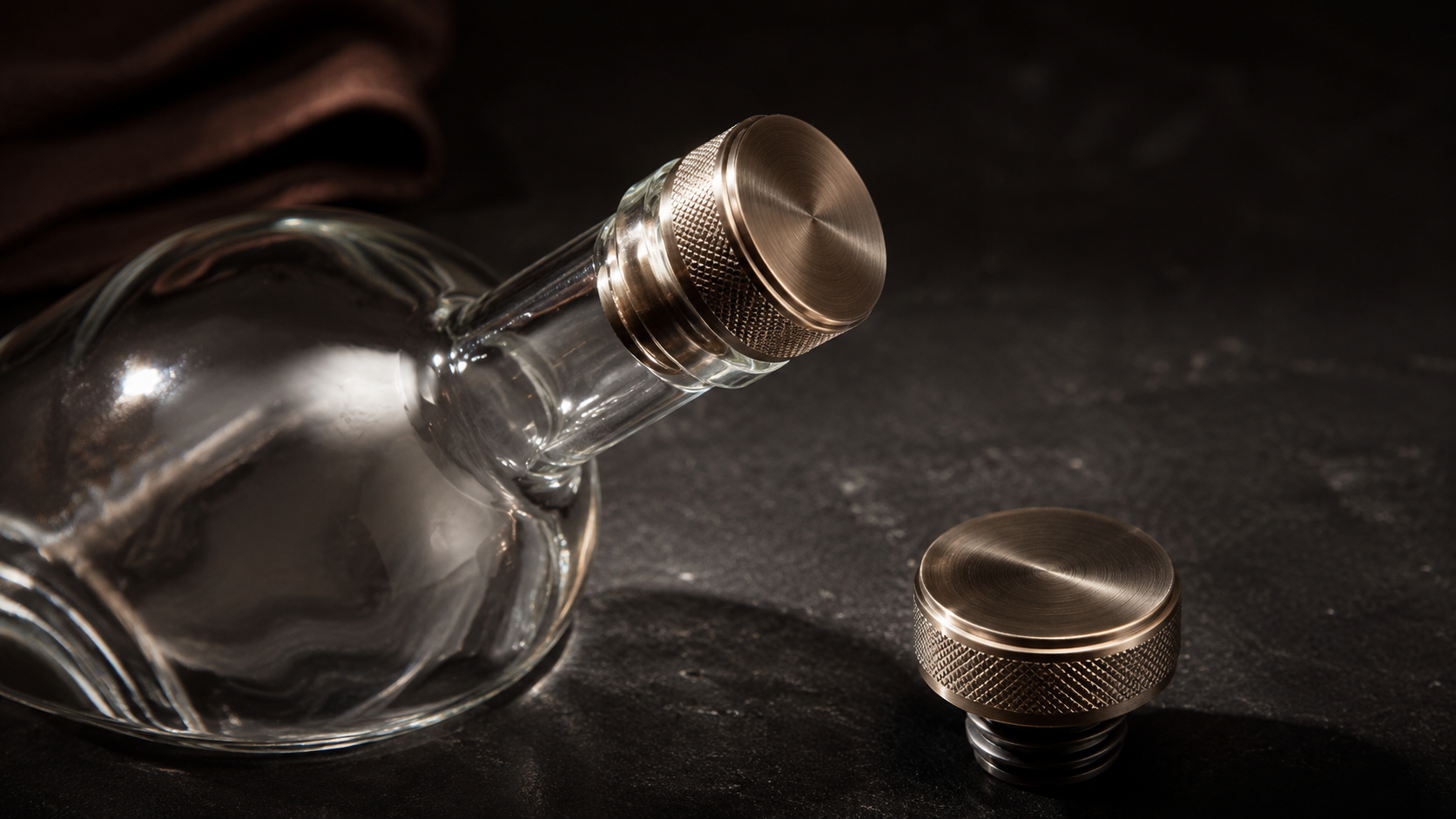
ROPP means Roll-On Pilfer-Proof. ROPP closures are usually aluminum or aluminum-alloy caps applied to compatible bottle neck finishes by a roll-on capping machine. During application, the capping head forms the closure thread around the bottle finish and secures the cap to the bottle.
The lower pilfer band breaks when the bottle is opened for the first time. This creates visible tamper evidence and helps consumers recognize whether the package has already been opened.
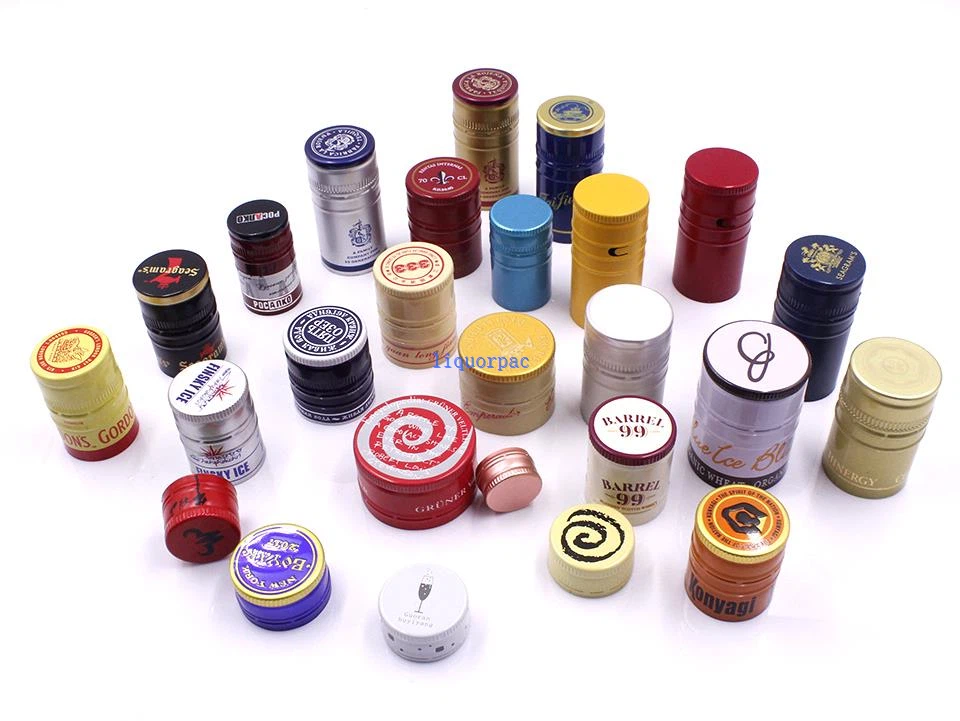
A complete ROPP closure system may include an aluminum shell, internal sealing liner, thread-forming area, tamper-evident pilfer band, skirt section, printed or coated surface, and optional pourer insert. For buyers comparing multiple pack types, the broader bottle closures and stoppers range can help clarify where ROPP closures fit beside screw caps, capsules, bar-top stoppers, and non-refillable systems.
For commercial buyers, the most important rule is simple: ROPP closures must be matched to the actual bottle neck finish. Choosing by cap diameter alone is risky.
When Should Buyers Choose ROPP Closures?
ROPP closures are a strong choice when a bottle needs secure sealing, tamper evidence, reclosability, and efficient machine application. They are widely used for vodka, gin, rum, whisky, tequila, brandy, liqueurs, wine, edible oil, syrups, RTD cocktails, and non-carbonated beverages.
They are especially useful for brands that need consistent filling-line performance and a clean, professional closure appearance.
Choose ROPP closures when your project needs visible first-opening protection, reliable sealing during storage and transport, stable application on semi-automatic or automatic capping lines, custom color or logo options, good resealing performance, and scalable production for retail or export markets.
ROPP closures may not be the best option if your brand requires a cork-style opening ritual, a decorative bar-top stopper, or a specialized anti-refill system for high-risk spirits markets.
ROPP Closures vs Screw Caps, Bar-Top Stoppers, and Non-Refillable Closures
| Buyer Need | Best Closure Choice | Why It Works |
|---|---|---|
| Tamper evidence and machine capping | ROPP closures | Roll-on application, pilfer band, secure sealing |
| Simple resealable packaging | Screw caps | Practical, familiar, and cost-efficient |
| Premium cork-style opening | Bar-top stoppers | Strong luxury feel and ritual opening experience |
| Anti-refill protection | Non-refillable closures | Helps reduce refilling and counterfeiting risk |
| High-volume spirits or beverage production | ROPP closures | Suitable for automated production when properly matched |
| Decorative neck presentation | Long-skirt ROPP closures or bar-top stoppers | More visual space for branding |
This comparison helps buyers avoid choosing a closure only because it looks familiar. The better approach is to match the closure system to the bottle, product, market, equipment, and brand position. For spirits programs where several closure formats may be considered together, bottle closure systems for spirits can support a more complete evaluation across ROPP caps, screw caps, stoppers, capsules, and NRF options.
Key Benefits of ROPP Closures for Packaging Buyers
Tamper-Evident Protection
The pilfer band gives a visible first-opening signal. This is valuable for spirits, wine, edible oils, pharmaceuticals, beverages, and specialty liquids where consumer trust and product integrity matter.
Reliable Sealing Performance
A properly selected liner compresses against the bottle sealing surface to help reduce leakage and protect product quality. Final sealing performance depends on the bottle finish, liner material, cap dimensions, capping setup, and torque control.
Filling-Line Efficiency
ROPP closures are suitable for commercial filling lines. When the bottle finish and machine setup are correct, they can support stable production speeds and consistent cap application.
Strong Branding Value
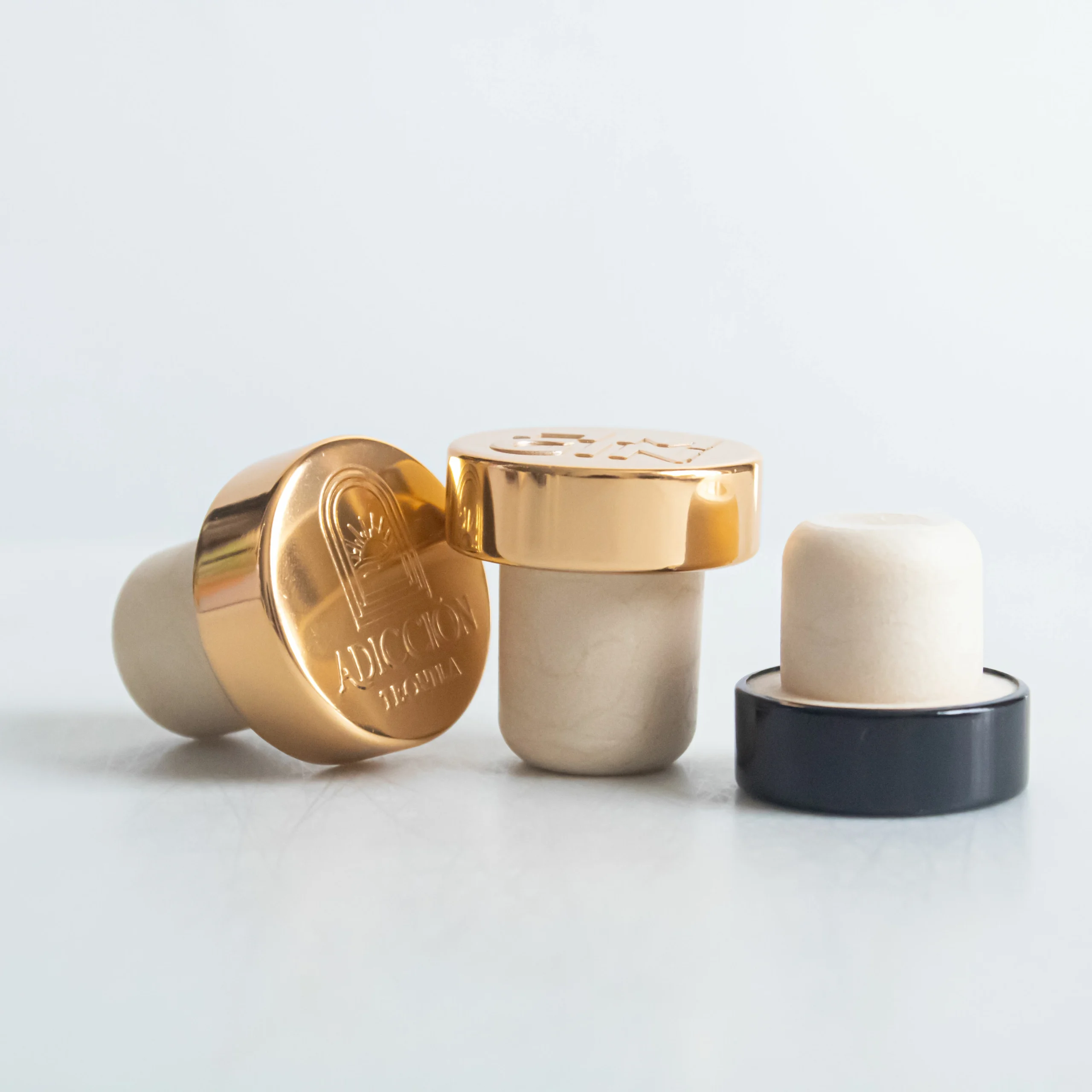
The closure is one of the most visible and touched parts of the bottle. Custom colors, top printing, sidewall printing, embossing, debossing, brushed effects, matte finishes, and metallic coatings can turn a functional closure into a brand asset.
Lightweight and Recyclable Packaging Appeal
Aluminum is widely used for ROPP closures because it supports roll-on forming, decoration, and lightweight packaging. The Aluminum Association identifies recycling as a critical part of the modern aluminum value chain, which makes aluminum closures relevant for brands that want packaging with practical sustainability appeal.
ROPP Closure Size Guide
ROPP closure size must be confirmed by the bottle neck finish, not by appearance. A closure that looks close in diameter may still fail if the thread profile, sealing land, skirt height, or pilfer-band position does not match.
| Closure Size | Common Applications |
|---|---|
| 18mm | Mini spirits bottles, samples, small-format beverages |
| 28mm | Wine, beverages, selected spirits, specialty liquids |
| 30×35mm | Standard spirits, liqueurs, and beverage bottles |
| 30×44mm | Taller neck coverage and stronger visual presence |
| 30×60mm | Premium spirits and long-skirt presentation |
| 31.5×24mm | Edible oil, syrup, beverage, and specialty liquid bottles |
| 31.5×44mm | Taller closure profile for selected bottle and pourer systems |
CETIE cap data sheets provide technical references for aluminum caps and glass finishes. For buyers, the practical lesson is that bottle finish drawings and closure specifications should be reviewed together before sampling or production.
How to Measure a ROPP Closure
To measure a ROPP closure, confirm both diameter and height. For example, a 30×44mm ROPP closure usually refers to an approximate 30mm diameter and 44mm height. However, this does not automatically confirm compatibility.
A supplier still needs to check the bottle neck drawing, thread profile, sealing land, liner compression area, and pilfer-band engagement.
30×35mm vs 30×44mm ROPP Closures
A 30×35mm closure is often used when the buyer wants a standard spirits closure profile. A 30×44mm closure provides a taller skirt, more neck coverage, and more visual space for branding.
For premium spirits, the taller option may look more refined. For cost-sensitive or standard bottle programs, the shorter option may be more practical.
28mm ROPP Closures
A 28mm ROPP closure may be used for selected beverage, wine, spirits, and specialty liquid applications. The final decision depends on the neck finish, liner, and capping equipment.
31.5mm ROPP Closures
A 31.5mm ROPP closure is commonly considered for edible oils, syrups, beverages, and selected specialty packaging. Some versions may work with pourer inserts or functional dispensing systems.
How to Confirm Neck Finish Compatibility
Neck finish compatibility is one of the most important technical checks before ordering ROPP closures. A buyer should never approve bulk production based only on a product photo.
Key dimensions include outside neck diameter, thread profile, thread depth, thread start position, sealing land width, bore diameter, neck height, bead position, pilfer-band engagement area, bottle material, neck strength, and closure skirt height.
A mismatch can cause leakage, spinning caps, weak tamper-band break, difficult opening, poor resealing, or production stoppages.
For new bottle projects, send both bottle drawings and physical bottle samples. For existing filling lines, also provide capping machine type, head configuration, production speed, and torque expectations. A proper technical review reduces the risk of ordering a closure that looks correct but fails during application.
ROPP Closure Materials and Liner Options
Most ROPP closures for spirits and beverages use aluminum or aluminum alloy. Aluminum provides the formability needed for roll-on application while supporting high-quality decoration and lightweight packaging.
The liner is just as important as the shell. It forms the sealing interface between the closure and bottle.
Common liner options include PE foam liners, EPE liners, Saranex liners, Saran-Tin liners, and special fitment systems. PE foam liners are often used for general sealing applications that need flexibility and compression. EPE liners are common in beverage, spirits, food, and specialty liquid packaging, depending on product compatibility. Saranex and Saran-Tin liners may be considered when barrier performance, alcohol compatibility, or specialty liquid resistance is important.
For food, beverage, and spirits packaging, liner materials should be reviewed with food-contact expectations in mind. The U.S. Food and Drug Administration provides industry guidance on packaging and food contact substances, while the European Commission explains that food contact materials must comply with EU safety rules intended to prevent unsafe transfer of substances into food or drink.
How to Choose the Right Liner
The right liner depends on the product formula, filling method, storage condition, and shelf-life target. Buyers should not assume one liner is suitable for every liquid.
Review alcohol percentage, sugar content, oil content, acidity, aroma compounds, filling temperature, hot-fill exposure, expected shelf life, export climate, bottle orientation during shipping, and local compliance requirements before sampling.
For spirits, alcohol compatibility is especially important. Vodka, gin, rum, whisky, tequila, botanical spirits, flavored liqueurs, and RTD cocktails may interact differently with liners, coatings, or inserts.
Liner selection should be tested with the actual product whenever possible. Water-only testing may not reveal issues caused by alcohol, oil, acidity, aroma compounds, sugar content, or long-term storage.
Customization Options for ROPP Closures
ROPP closures can be customized for both branding and function. Decoration should be planned together with cap size, skirt height, and capping requirements.
Common customization options include custom color coating, top logo printing, sidewall printing, metallic finish, matte finish, gloss finish, brushed aluminum effect, embossed logo, debossed logo, ribbed sidewall, smooth branding bands, and pilfer-band color contrast.
For premium spirits, a long-skirt ROPP closure can create a more elegant neck profile and provide more space for branding. For modern vodka, gin, and RTD cocktail brands, matte black, silver, white, or color-matched caps can support a clean identity. Brands developing more detailed cap graphics can also coordinate closure decoration with custom branding for spirits closures so the cap, bottle, label, and capsule feel like one system.
Artwork should be reviewed according to printable area, embossing depth, sidewall ribbing, and capping chuck contact zones. Decoration must not interfere with thread forming, grip, or tamper-band performance.
Physical color standards or approved pre-production samples should be used for color control. Digital screens alone are not reliable for approving metallic, matte, or coated closure finishes. For projects where finish consistency is critical, review available closure colors and finishes before confirming artwork and production samples.
ROPP Closures for Spirits Bottles
Spirits brands often choose ROPP closures because they combine tamper evidence, secure sealing, efficient machine application, and strong shelf consistency.
For vodka bottles, ROPP closures often use clean metallic, matte white, matte black, or minimalist finishes. For gin bottles, colored closures can match botanical, citrus, herbal, or craft positioning. For rum and whisky bottles, taller closures, darker metallic finishes, antique effects, and embossed details can create a premium appearance.
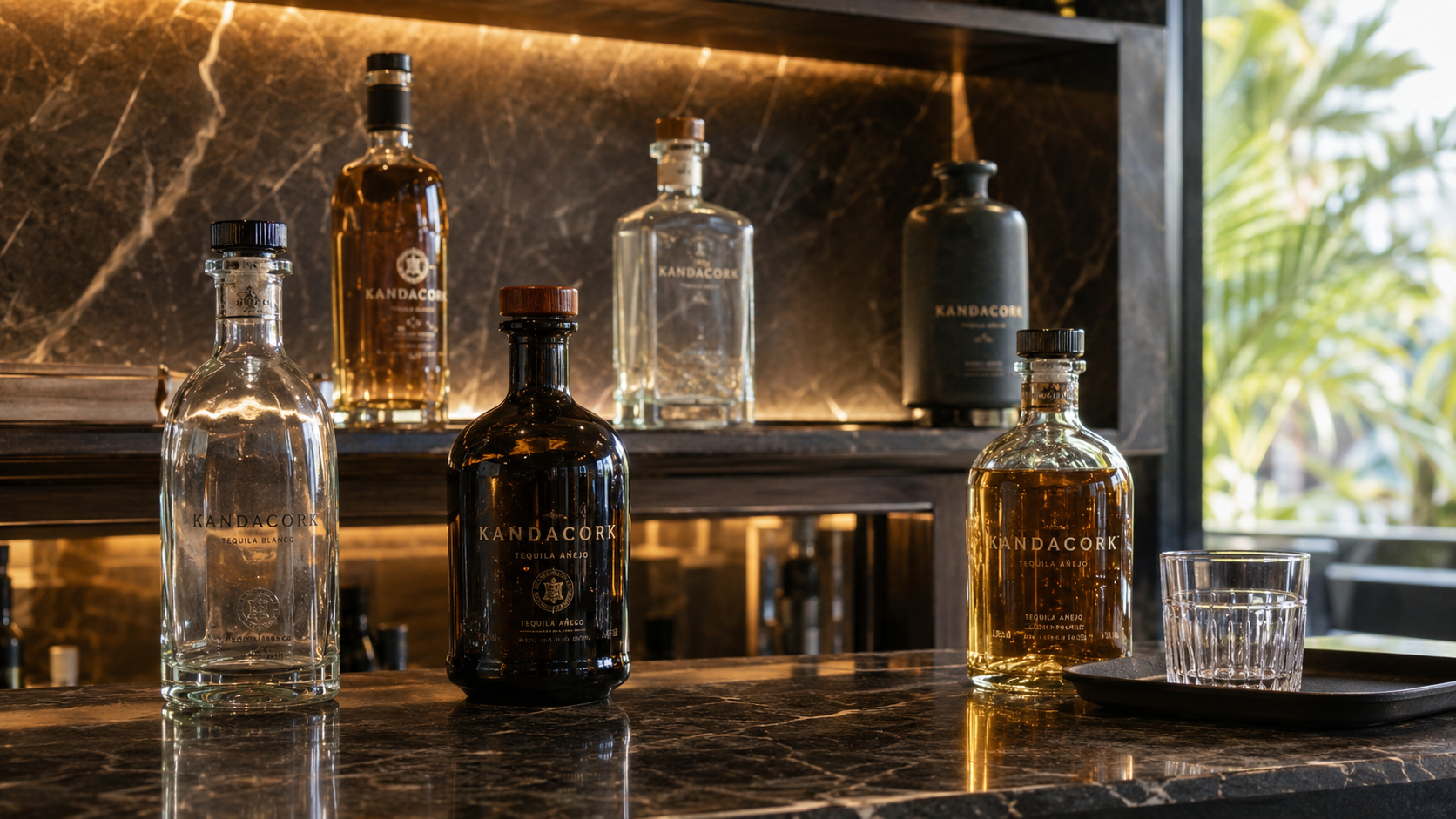
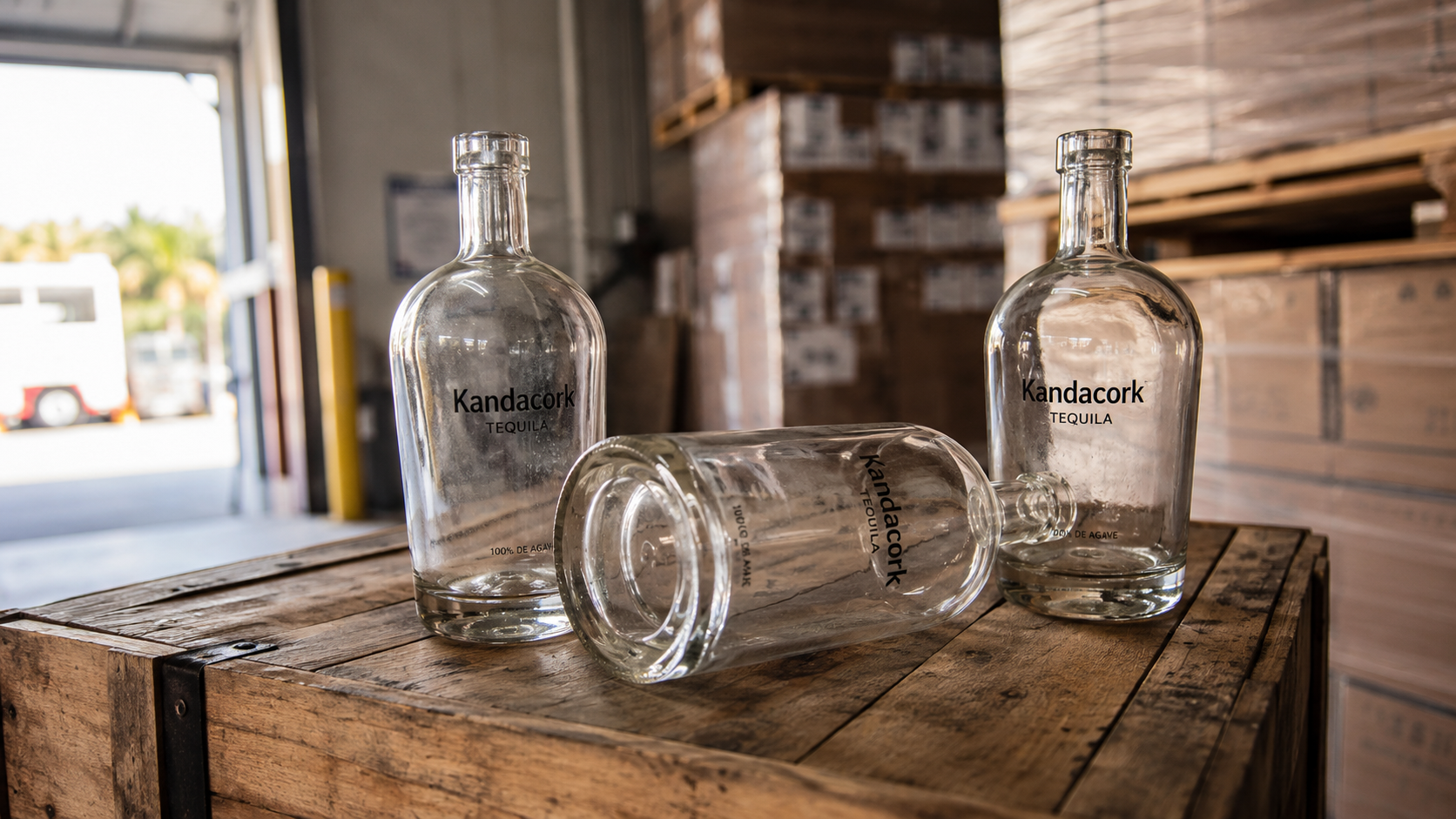
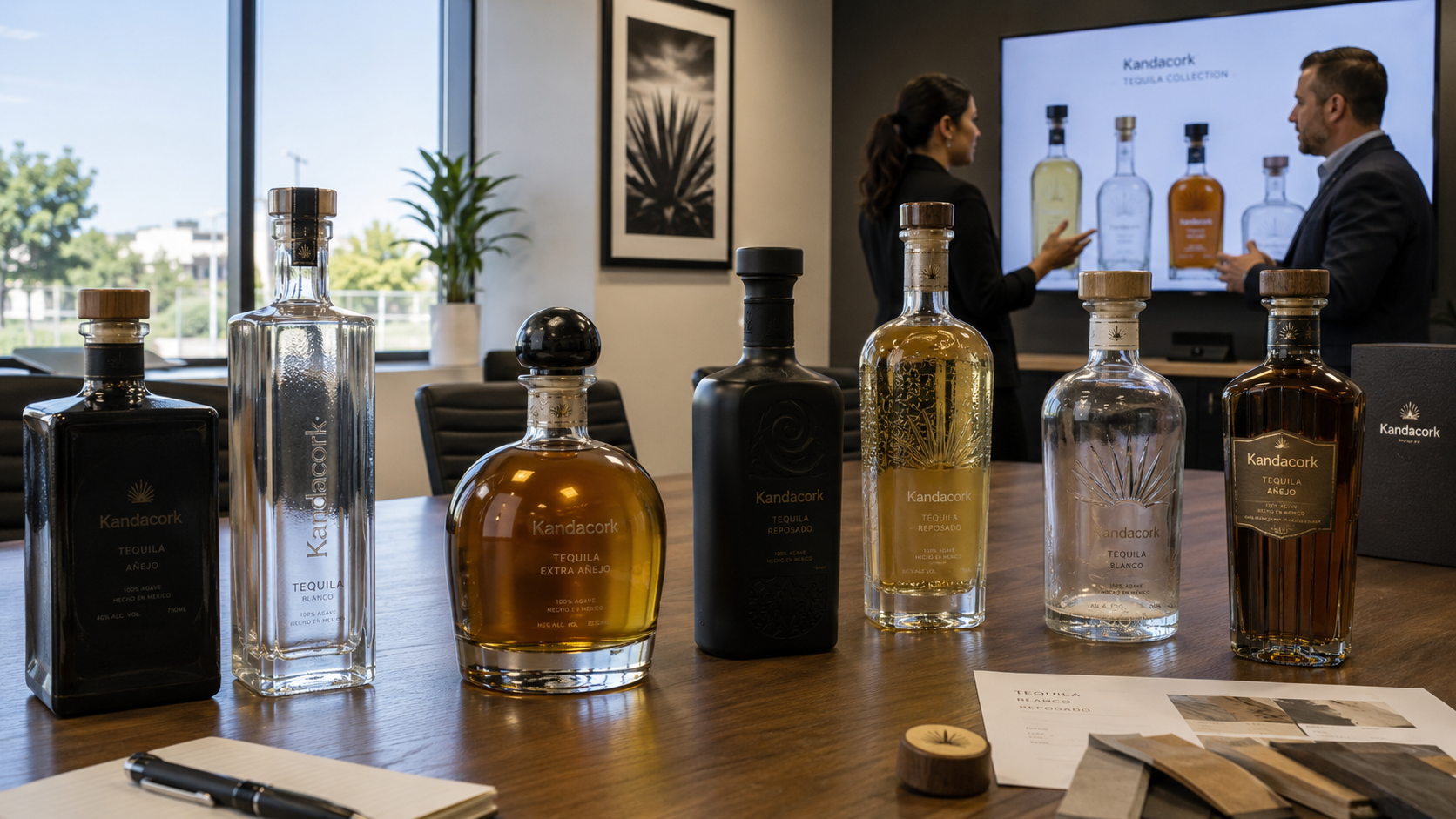
For tequila and mezcal bottles, closure fit should be reviewed carefully because many bottles have distinctive shapes, heavier glass bases, or unusual neck profiles. For mini spirits bottles, small ROPP closures must be checked for handling stability, torque consistency, and high-volume capping performance.
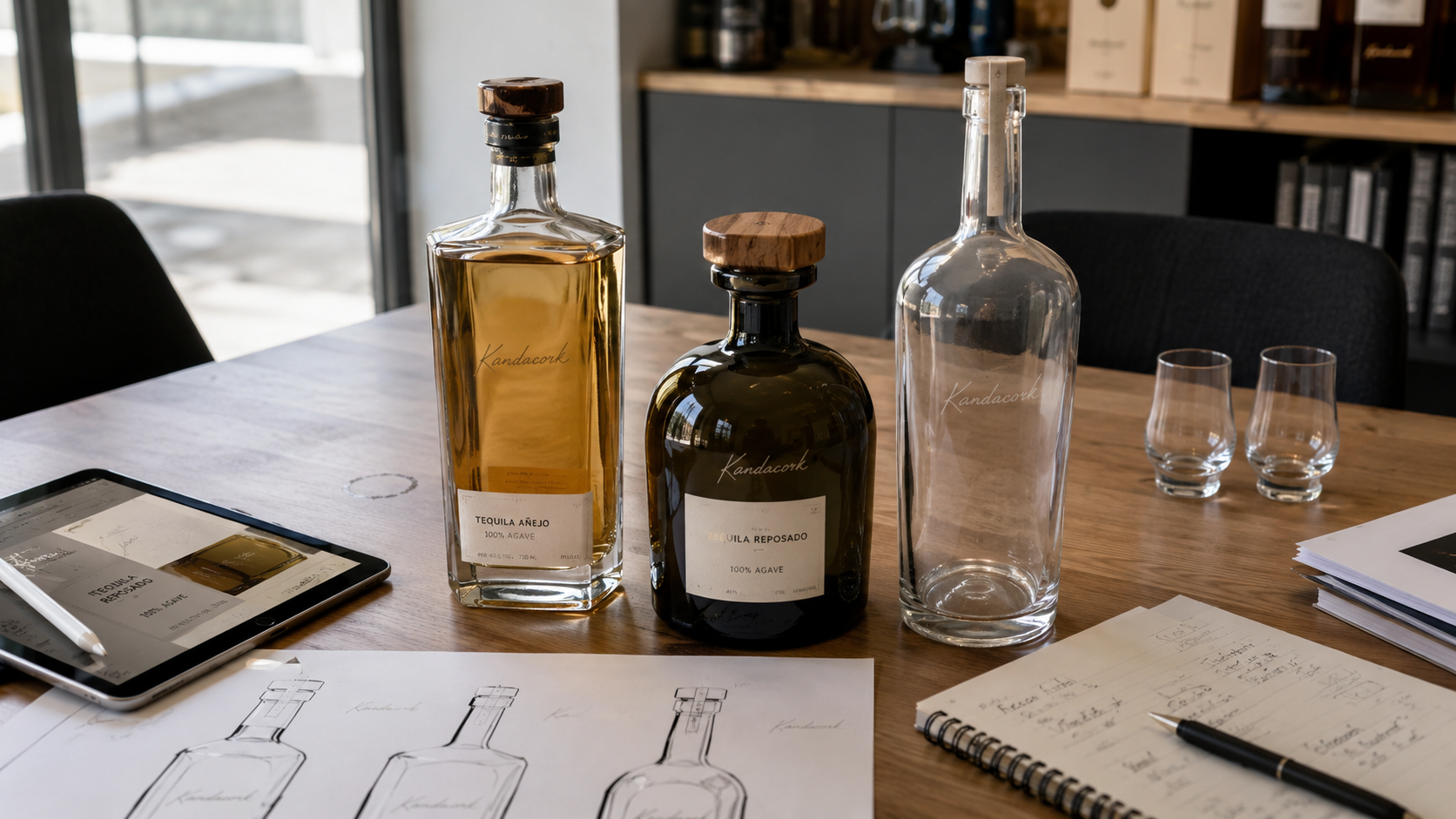
Bottle development and closure fit should be coordinated early. Brands planning a full spirits packaging program can align neck finish, capacity, structure, and closure compatibility through custom spirits bottle development rather than treating the bottle and cap as separate decisions.
For every spirits project, the closure should be tested with the actual bottle, real product, and intended filling process.
Quality Testing Before Bulk Production
Quality testing protects the buyer from leakage, production delays, customer complaints, and brand damage. It also helps confirm whether the closure, liner, bottle, and capping equipment work as a complete system.
Recommended checks include bottle neck fit review, cap dimension inspection, liner position check, application torque test, removal torque test, leak test, pilfer-band break test, thread-forming inspection, cap spinning check, visual finish inspection, color consistency review, logo alignment review, carton packing check, and transport stability review.
Application torque and removal torque should be validated during trial capping. If opening torque is too high, consumers may find the bottle difficult to open. If application torque or liner compression is too weak, leakage or poor resealing may occur.
For supplier evaluation, buyers can use ISO 9001 quality management principles as a framework for reviewing process control, documentation, inspection records, corrective actions, and repeat-order consistency.
ROPP Closure Problems and How to Prevent Them
| Problem | Likely Cause | Buyer Action |
|---|---|---|
| Cap spins after application | Poor thread forming, wrong finish, or weak roller setup | Review neck finish, closure dimensions, and capping machine adjustment |
| Leakage during shipping | Wrong liner, low compression, damaged sealing land, or poor torque control | Test liner compatibility and inspect bottle sealing surface |
| Hard opening | Excessive application torque or unsuitable thread forming | Adjust capping setup and review removal torque |
| Pilfer band does not break cleanly | Band and neck finish mismatch | Recheck pilfer-band design and bottle finish dimensions |
| Logo scuffs after capping | Decoration placed in chuck contact area | Adjust artwork position or surface process |
| Uneven cap height | Inconsistent bottle finish or capping pressure | Inspect bottle tolerances and machine settings |
| Liner moves or deforms | Incorrect liner structure or poor placement | Review liner specification and supplier QC |
| Color varies between batches | Weak color control or coating inconsistency | Confirm color standard and pre-shipment inspection process |
This troubleshooting section is important because real buyers often search for solutions after a closure fails in production. Addressing these problems helps procurement, production, and quality teams communicate clearly before approving the next sample or purchase order.
How to Evaluate a ROPP Closure Supplier
A reliable supplier should do more than quote a low price. The supplier should help confirm technical fit, sealing performance, decoration feasibility, quality control, and supply stability.
Ask whether the supplier can review bottle drawings, neck finish data, liner options, capping conditions, and closure structure. A technically capable supplier should understand how cap diameter, skirt height, liner compression, and thread forming work together.
Ask how the supplier controls incoming materials, cap dimensions, liner placement, printing quality, coating consistency, and packing. For international buyers, supplier reliability also includes MOQ clarity, lead time, packing method, shipment planning, documentation, and repeat-order consistency.
If your brand needs logo printing, embossing, matte coating, metallic finishes, color matching, or long-skirt closures, confirm whether the supplier can provide artwork proofing, pre-production samples, and finish approval. For advanced bottle and cap decoration programs, Kandacork Decor can help coordinate decoration direction across glass, labels, caps, and supporting brand elements.
A low unit price may not be the best value if the supplier cannot solve fit problems, prevent leakage, or support stable bulk production.
Questions to Ask a ROPP Closure Supplier
| Buyer Priority | What to Ask the Supplier |
|---|---|
| Lower leakage risk | Which liner is recommended for my product formula? |
| Better shelf impact | Can you provide matte, metallic, embossed, or long-skirt options? |
| Faster production | Is the closure compatible with my capping machine? |
| Export reliability | What packing and inspection process do you use? |
| Repeat-order consistency | How do you control color, dimensions, and liner placement? |
| Better sample approval | Can you provide plain samples and decorated samples before bulk production? |
| Clearer cost planning | What affects unit price, MOQ, tooling, decoration cost, and lead time? |
| Compliance confidence | What food-contact or quality documents can be provided for review? |
This table supports buyers who need to compare several suppliers and avoid choosing based only on the lowest quotation.
ROPP Closures Buying Checklist
Before requesting a quotation, prepare as much technical information as possible. This helps the supplier recommend the right closure faster and reduces repeated communication.
Send bottle sample photos, bottle drawings, neck finish drawings, bottle capacity, product type, alcohol percentage or formula description, required closure size, target closure height, liner requirement, filling method, capping machine details, target color, logo artwork, finish preference, estimated order quantity, annual demand forecast, destination country, compliance needs, testing requirements, and launch timeline.
If the bottle is already in production, also provide current closure samples and describe any problems such as leaking, hard opening, spinning caps, broken bands, or inconsistent torque.
A complete request helps the supplier provide a more accurate quotation and technical recommendation. Buyers who need closure matching, samples, or project review can submit details through a custom closure quote request.
Common Mistakes When Buying ROPP Closures
Choosing Only by Diameter
Cap diameter is not enough. The thread profile, sealing land, pilfer-band area, liner, and skirt height must also match the bottle.
Ignoring Liner Compatibility
The liner must suit the product formula, alcohol percentage, storage condition, and shelf-life target.
Skipping Capping Trials
A cap that looks correct may still fail during machine application if roller pressure, torque, or cap structure is not matched.
Approving Artwork Without Checking Cap Structure
Embossing, printing, and coating must fit the available decoration area and avoid capping contact zones.
Ordering Bulk Production Before Sample Testing
Sample approval helps confirm fit, seal, color, logo, opening behavior, and production stability.
Treating All Aluminum Caps as Interchangeable
ROPP closures differ by shell material, thickness, liner, dimensions, coating, band design, and decoration process.
Sample Approval Workflow for ROPP Closures
A clear approval workflow helps prevent costly mistakes.
Start with bottle and neck finish review, then confirm closure size, liner selection, plain sample testing, artwork proofing, decorated sample approval, trial capping, leak and torque testing, bulk production approval, pre-shipment inspection, and repeat-order standards.
For artwork, buyers should provide editable vector files such as AI, PDF, EPS, or CDR when available. The supplier should confirm printable area, color standard, embossing feasibility, coating effect, and logo position before production.
For inspection, buyers should pay attention to closure diameter, closure height, liner placement, coating quality, printing clarity, band cut, carton packing, inner bag protection, pallet strength, and moisture control.
Export packaging should be checked for carton strength, inner bag protection, pallet stability, moisture resistance, and container-loading safety. These details are especially important for long-distance shipping and repeat orders.
Coordinating ROPP Closures With Full Bottle Packaging
ROPP closure performance improves when the bottle, cap, liner, decoration, and packing method are developed together. A cap can only perform well if the glass finish is consistent, the liner suits the product, the decoration survives capping, and the export packaging protects the finished goods.
For spirits brands that need bottle, closure, and decoration alignment, Kandacork Glass supports integrated packaging programs across custom glass bottles, closures, and decoration. For buyers working across spirits, gourmet, beauty, or home-fragrance packaging categories, Kandacork Glass Packaging can help coordinate broader glass packaging requirements with compatible closures and accessories.
This integrated approach is useful for new product launches, line extensions, private-label programs, and export SKUs where visual consistency and production reliability are both important.
FAQ
What does ROPP mean?
ROPP means Roll-On Pilfer-Proof. It describes a closure that is rolled onto a compatible bottle neck during capping. The lower tamper-evident band breaks when the bottle is first opened, giving a visible indication that the package has been opened.
Are ROPP closures suitable for spirits bottles?
Yes. ROPP closures are widely used for vodka, gin, rum, whisky, tequila, brandy, liqueurs, RTD cocktails, and mini spirits bottles. They are suitable when the bottle neck finish, liner, closure material, and capping equipment are correctly matched.
What size ROPP closure do I need?
The correct size depends on the bottle neck finish, closure diameter, closure height, thread profile, liner, and capping machine. Common sizes include 18mm, 28mm, 30×35mm, 30×44mm, 30×60mm, 31.5×24mm, and 31.5×44mm, but the final choice must be confirmed with the actual bottle drawing or sample.
Can ROPP closures be customized with a logo?
Yes. ROPP closures can be customized with top printing, side printing, embossing, debossing, color coating, matte finish, gloss finish, metallic finish, and sidewall texture. Artwork should be reviewed before production to confirm printable area and decoration feasibility.
What liner should I choose for alcohol bottles?
The liner should be selected based on alcohol percentage, product formula, shelf life, filling process, and storage conditions. PE foam, EPE, Saranex, and Saran-Tin liners may be considered depending on the application. Product contact testing is recommended before bulk orders.
Do ROPP closures require a capping machine?
In most commercial applications, yes. ROPP closures are commonly applied by semi-automatic or automatic ROPP capping equipment. The machine forms the closure threads and secures the cap to the bottle neck during application.
Why do ROPP closures leak?
ROPP closures may leak because of poor neck finish compatibility, incorrect liner selection, low liner compression, damaged sealing surfaces, weak torque control, or improper capping setup. Testing with real bottles and product samples helps identify the cause before bulk production.
How do I prevent cap spinning?
Cap spinning can happen when the thread is not formed correctly, the neck finish is incompatible, or the capping rollers are not adjusted properly. Buyers should review bottle drawings, closure samples, and capping-machine settings before approving bulk production.
How do I request a ROPP closure quote?
To request an accurate quote, send the bottle drawing, neck finish drawing, bottle sample photos, product type, alcohol percentage, required cap size, liner preference, decoration requirement, order quantity, destination market, and project timeline.
Conclusion: Buy ROPP Closures Based on Fit, Seal, Brand, and Supply Reliability
The best ROPP closures are not chosen from a size list alone. They are specified through a complete review of bottle neck finish, liner compatibility, capping process, sealing performance, tamper-evident behavior, decoration requirements, and supplier capability.
For packaging buyers, the safest process is straightforward: confirm the bottle finish, choose the right liner, test real samples, review decoration carefully, and approve bulk production only after fit and sealing performance are verified.
This ROPP closures buyer guide gives procurement teams a practical framework for comparing sizes, liners, customization options, quality checks, and supplier support before committing to a bulk order.
Kandacork Closures can support custom ROPP closure projects from early specification to sample review and export supply. Buyers can send bottle drawings, closure samples, artwork, liner requirements, and order details to receive a practical recommendation for secure, branded, and production-ready bottle closures.