Quick Answer
A closure fits one bottle but not another because bottle capacity and bottle appearance do not define closure compatibility. The real fit depends on the bottle neck finish, bore diameter, thread design, finish height, sealing land, stopper shank diameter, liner compression, material behavior, filling-line conditions, and glass tolerance.
For spirits brands, distilleries, private label buyers, importers, distributors, bottlers, and packaging buyers, this issue is more than a small packaging detail. A wrong closure fit can cause leakage, loose pull-out feel, difficult opening, poor shelf appearance, failed tamper evidence, inconsistent capping torque, or production delays.
If you are unsure whether a cork stopper, synthetic stopper, screw cap, ROPP cap, or tamper-evident closure will fit your bottle, the safest step is to review the bottle drawing, neck dimensions, and physical samples before bulk production.
Why Bottle Capacity Does Not Confirm Closure Fit
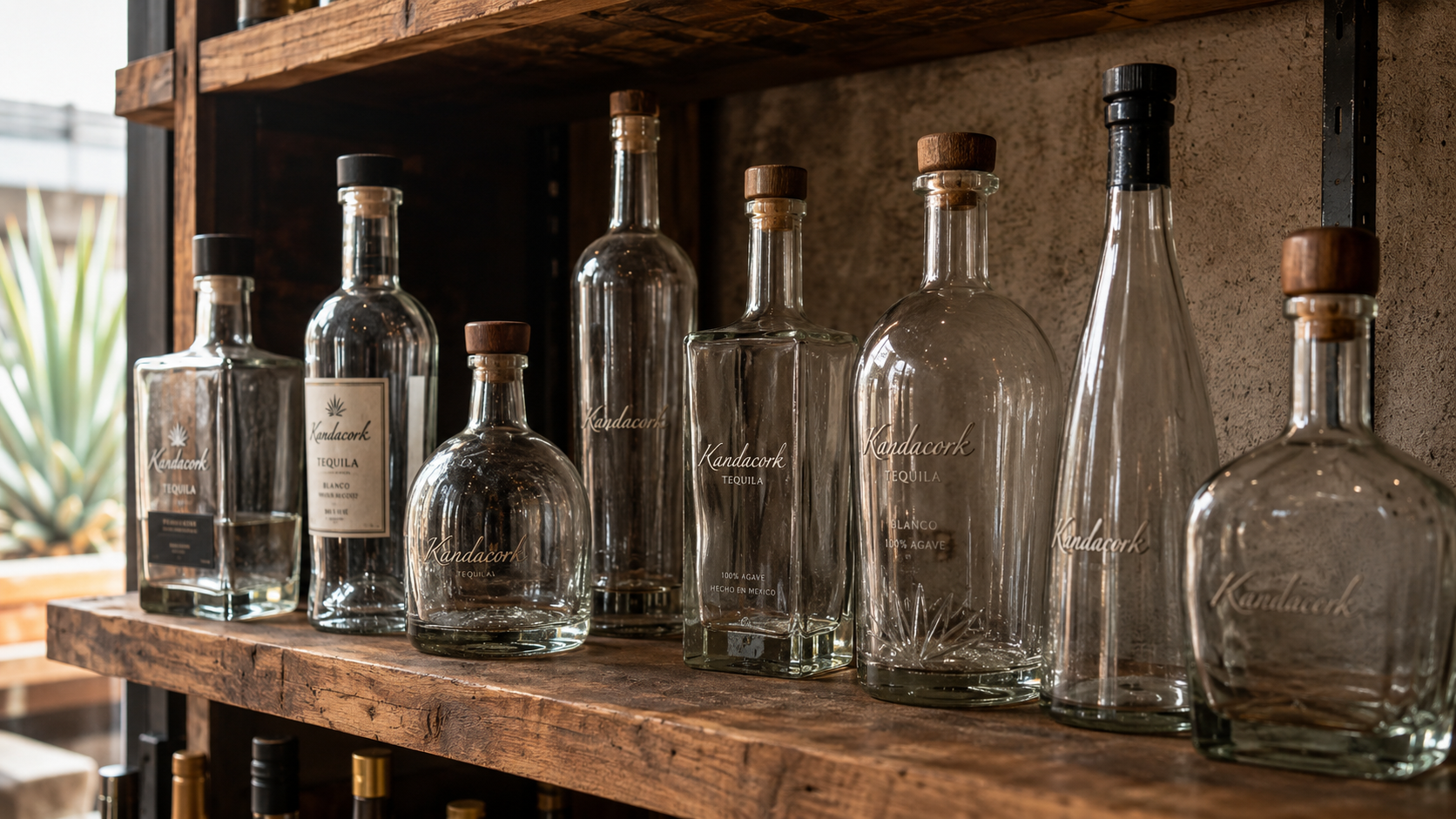
Many buyers assume that a closure for one 750 ml whiskey bottle will also fit another 750 ml bottle. In reality, bottle volume only tells you the filling capacity. It does not confirm the neck opening, thread profile, finish height, sealing surface, closure system, or tolerance range.
Two bottles may both be 700 ml or 750 ml, but one may use a bar-top cork finish while another uses a screw finish, ROPP finish, BVS finish, or non-refillable closure system. One bottle may have an 18.5 mm inner neck opening, while another may have a 21.5 mm opening. They may look similar in a catalog photo, but they can require completely different closures.
For bottle-side selection, a detailed spirits bottle neck finish guide can help buyers understand the relationship between bar-top cork, CT, and ROPP finishes before selecting the closure.
The safest rule is simple: choose the closure based on the bottle neck, not the bottle capacity.
Before You Order: Why Closure Fit Must Be Confirmed Early
Closure and bottle should not be purchased as two separate decorative parts. They work as one packaging system.
If the bottle has already been mass-produced and the closure does not fit, correction options may be limited. A buyer may need to change the stopper shank, modify the cap liner, adjust capping equipment, source a different closure, or, in the worst case, remake the glass bottle.
This is why closure fit should be confirmed before approving bottle production, closure tooling, decoration, or bulk purchase orders.
Before ordering closures, confirm:
- Bottle drawing and neck finish
- Inner neck diameter / bore size
- Thread finish or closure type
- Stopper shank diameter and length
- Cap top material and weight
- Liner material and sealing surface
- Filling and capping method
- Tamper-evident or destination-market requirements
- Physical sample testing plan
For spirits packaging, early fit testing protects the production schedule, product integrity, and brand presentation.
Key Neck Dimensions That Control Closure Fit
A bottle closure is part of a sealing system. If one neck dimension changes, the same cap or stopper may no longer work.
| Dimension | What It Means | Why It Matters |
|---|---|---|
| I dimension / bore size | Inner opening of the bottle neck | Critical for cork stoppers, synthetic stoppers, and bar-top closures |
| T dimension | Outside diameter across the threads | Critical for screw caps and continuous thread closures |
| E dimension | Outside diameter of the neck below the threads | Affects thread depth and cap engagement |
| H dimension | Total height of the neck finish | Affects cap seating, skirt coverage, and tamper band position |
| S dimension | Distance from sealing surface to thread start | Affects thread engagement and liner compression |
| Thread pitch | Distance and profile of threads | Determines whether a screw cap tightens correctly |
| Sealing land | Flat surface where the liner or closure seals | Affects leakage resistance and torque performance |
A screw cap may appear to close but still leak if the liner does not compress against the sealing land. A cork stopper may feel secure during hand testing but leak during transport if the shank does not compress evenly. A ROPP cap may look correct before production but fail if the bead, skirt height, or capping-head setting is not compatible.
For a deeper technical buying workflow, Kandacork’s bottle-neck and closure matching guide explains how bulk buyers can move from uncertain bottle information to a clearer closure specification.
Why Two Similar Spirits Bottles May Need Different Closures
A closure fits one bottle but not another when the bottle and closure are not designed around the same finish, tolerance, and sealing method.
Same 750 ml Capacity, Different Bore Size
A 750 ml gin bottle may use an 18.5 mm neck opening, while a 750 ml whiskey bottle may use a 21.5 mm opening. Both bottles have the same capacity, but the stopper shank diameter should be different.
Same 28 mm Diameter, Different Thread Finish
A buyer may see “28 mm” and assume all 28 mm caps are interchangeable. This is risky. A 28-400 and 28-410 finish can differ in thread turn, thread height, and cap engagement. The nominal diameter is only one part of the specification.
Similar Glass Shape, Different Tolerance
Two glass bottles from different suppliers may look nearly identical, but the bore size, sealing land, wall thickness, or finish height can vary. A small tolerance difference can change insertion force, pull-out feel, leakage resistance, and shelf appearance.
Same Closure, Different Filling Line
A closure that works in hand sampling may fail on an automatic bottling line. Capping torque, insertion pressure, roller-head setting, bottle support, and line speed all affect closure performance.
Closure Type and Material Comparison
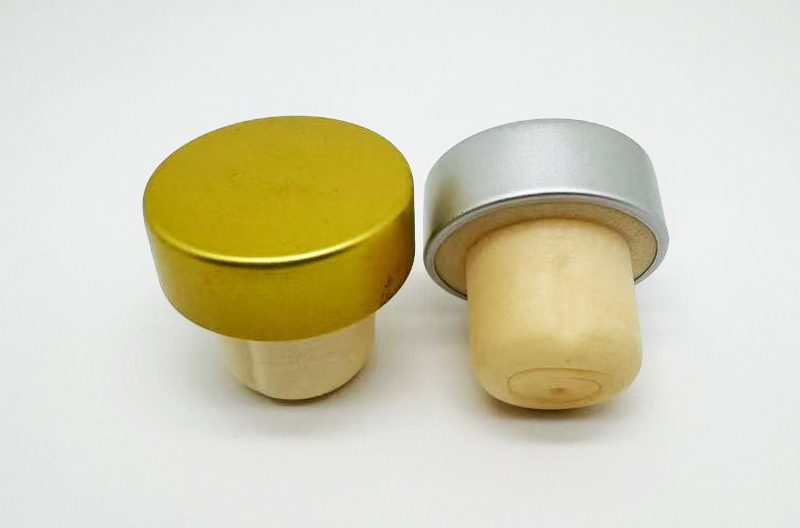
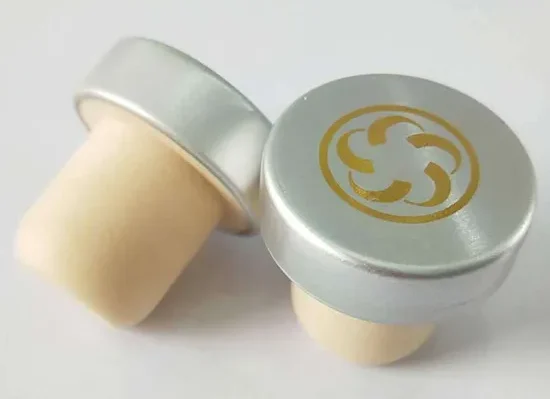
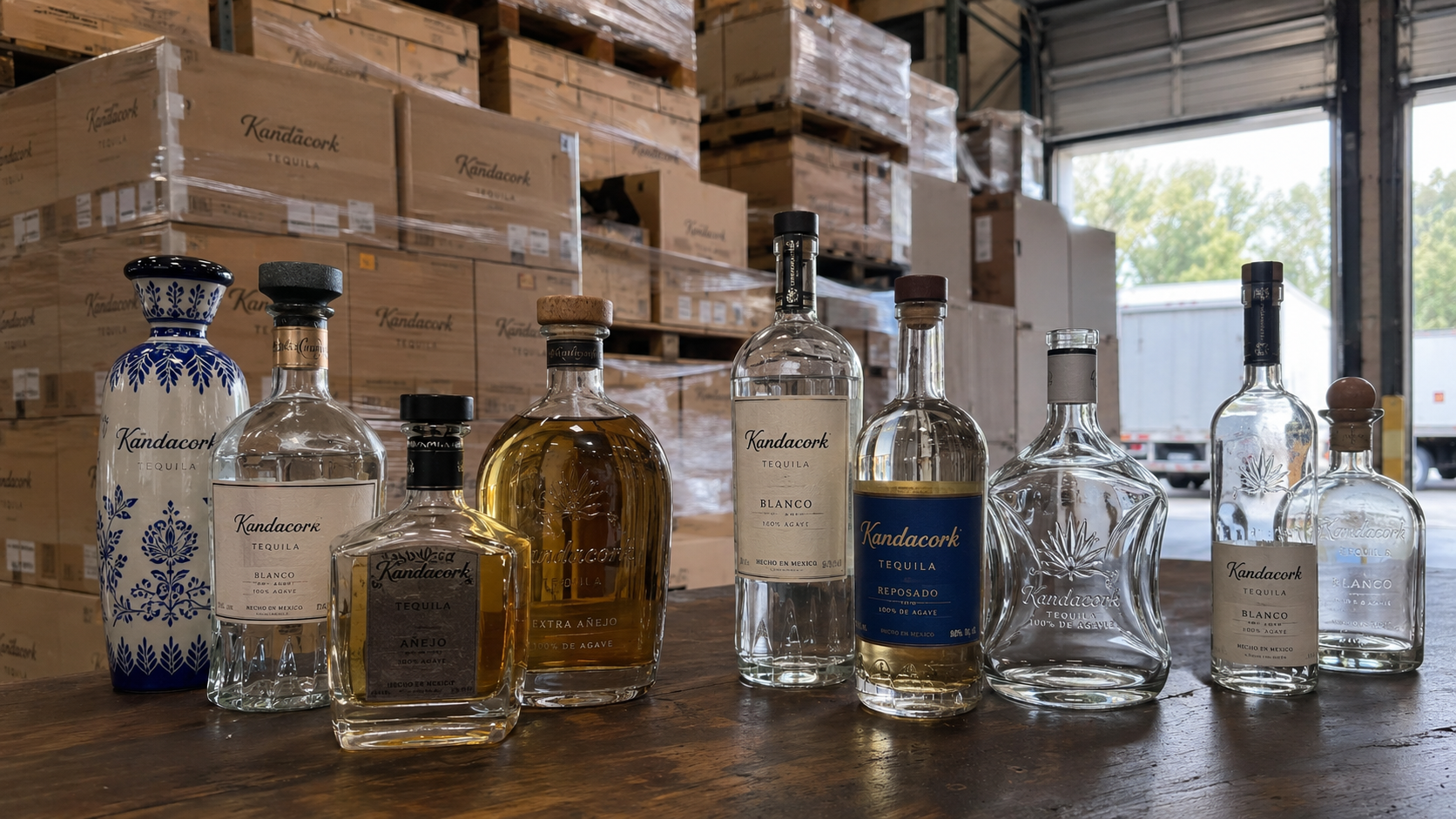
Different closure systems rely on different fit factors. Kandacork supplies custom bottle closures and stoppers for whisky, vodka, gin, rum, tequila, brandy, cognac, liqueur, and other spirits packaging projects.
| Closure / Material | Best For | Main Fit Risk | Buyer Note |
|---|---|---|---|
| Natural or micro-agglomerated cork stopper | Premium whiskey, brandy, rum, craft spirits | Natural variation, compression, pull-out feel | Test multiple samples before approval |
| Synthetic stopper | Private label spirits, repeat orders, color-controlled projects | Too tight or too loose if shank is wrong | Useful for dimensional consistency |
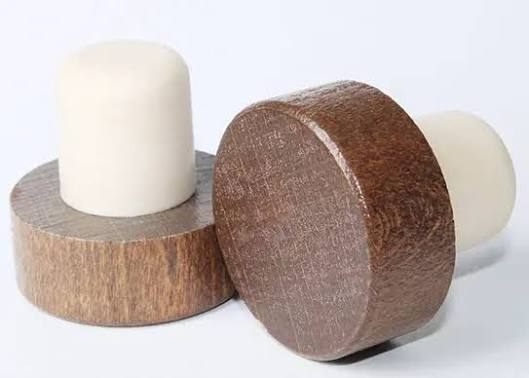
| Wood or aluminum top stopper | Whiskey, tequila, gin, vodka, luxury spirits | Heavy top may wobble if shank support is weak | Match top weight with shank length and diameter |
| Screw cap | Vodka, gin, mini spirits, RTD spirits | Thread or liner mismatch | Match exact neck finish and torque setting |
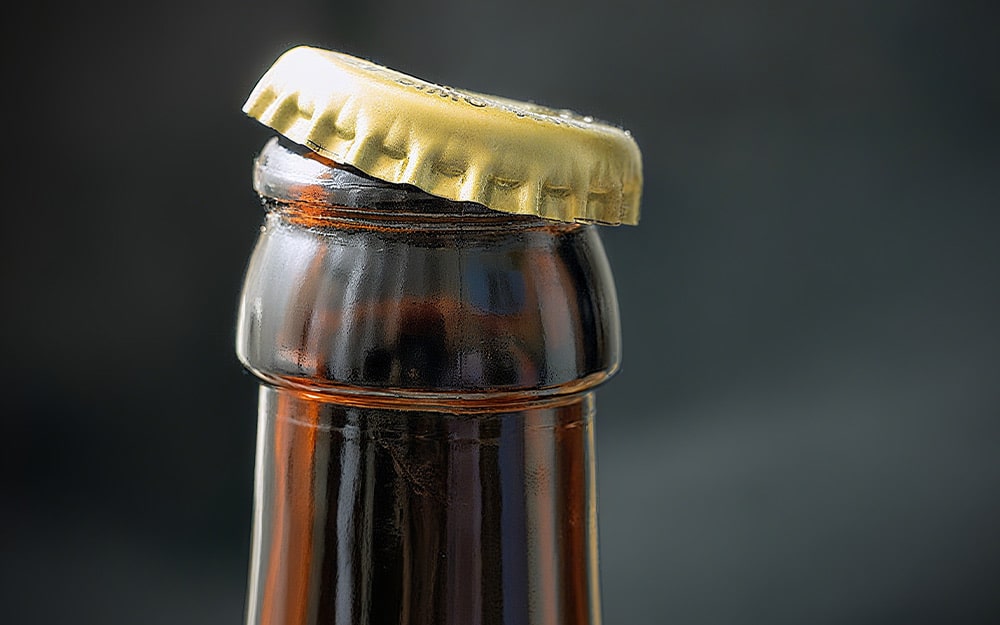
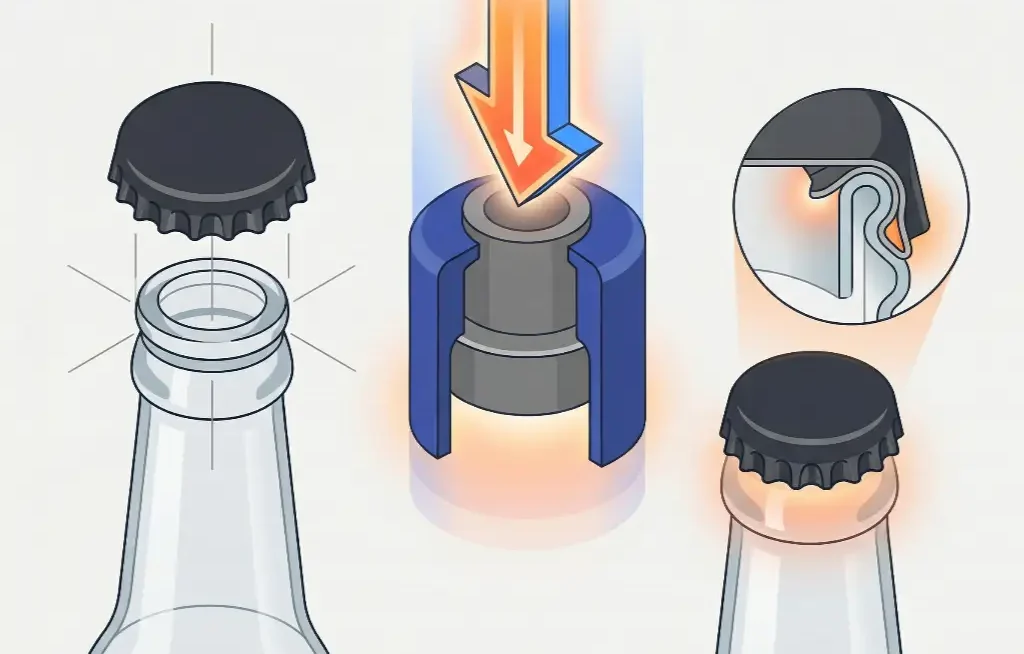
| ROPP closure | Export spirits, tamper-evident packaging | Bottle finish and capping-head mismatch | Requires machine trial |
| Non-refillable closure | Duty-free, export spirits, brand protection | Valve, fit, and tamper-evident failure | Useful where anti-refill function is required |
Beverage finish references such as ISBT Threadspecs can support finish and closure compatibility discussions, but final cap-specific performance still depends on closure design, material, liner, and real production testing.
Bar-Top Stopper Size Guide for Spirits Bottles
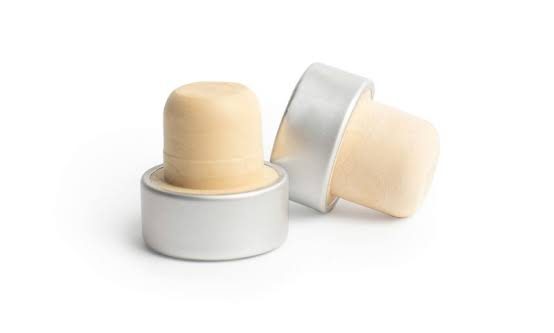
For bar-top corks and T-top stoppers, the most important measurement is the bottle neck inner diameter. The stopper shank must be slightly larger than the bottle opening so it can compress and create holding force.
A common starting point is to select a cork or synthetic shank about 1 mm larger than the bottle neck opening. However, this is only a starting rule. Final fit depends on bottle tolerance, shank material, shank length, top weight, insertion method, storage angle, and filling-line conditions.
| Bottle Neck Opening | Common Stopper Shank Starting Point | Typical Use |
|---|---|---|
| 18.5 mm | 19.5 mm | Mini spirits, slim gin bottles, vodka bottles, some liqueurs |
| 19.5 mm | 20.5 mm | Custom spirits bottles and private mold bottles |
| 21.5 mm | 22.5 mm | Whiskey, rum, tequila, premium spirits bottles |
| 22.5 mm+ | Custom testing required | Heavy luxury bottles, special molds, large decorative tops |
Buyers comparing cap materials, stopper sizing, logo options, samples, MOQ, and bulk supply support can also review Kandacork’s custom bar-top closure guide before preparing an RFQ.
This chart is not a final approval standard. Physical bottle samples, leakage testing, inversion testing, and production-line trials should be completed before bulk production.
Why a Cap Can Feel Tight But Still Leak
A screw cap or ROPP closure can feel tight but still leak because tightness is not the same as sealing performance.
For many caps, the thread provides mechanical engagement, but the liner or sealing surface creates the actual seal. If the liner does not compress correctly against the bottle’s sealing land, the bottle can leak even when the cap feels fully tightened.
Common causes include:
- Wrong thread finish
- Incorrect thread pitch
- Poor liner compression
- Uneven or narrow sealing land
- Chipped or damaged bottle mouth
- Incorrect cap interior depth
- Wrong torque range
- Incompatible liner material
- Capping-head or roller setting issues
This is especially important for spirits, liqueurs, and high-proof products, where alcohol compatibility, vapor pressure, storage angle, and transport vibration may expose weak sealing performance.
A proper fit review should check the bottle finish, liner type, sealing land, torque setting, and leakage performance together.
Closure Fit Decision Tree
Use this simple decision path when a closure fits one bottle but fails on another.
Does the closure insert or apply correctly?
├── No
│   └── Check bore ID, shank diameter, thread finish, cap diameter, or material hardness.
└── Yes
    ├── Does it leak?
    │   ├── Yes
    │   │   └── Check compression, liner contact, sealing land, torque, and bottle mouth quality.
    │   └── No
    │       └── Continue testing.
    ├── Is it hard to remove?
    │   ├── Yes
    │   │   └── Reduce shank diameter, adjust shank length, or change material.
    │   └── No
    │       └── Continue testing.
    ├── Does it look crooked or unstable?
    │   ├── Yes
    │   │   └── Check top weight, shank support, bottle tolerance, and insertion depth.
    │   └── No
    │       └── Continue testing.
    └── Does it run well on the filling line?
        ├── No
        │   └── Check torque, insertion pressure, capping head, roller setting, and line speed.
        └── Yes
            └── Approve for pilot run or controlled production trial.
This decision tree helps buyers move from a vague problem — “the closure does not fit” — to a specific technical issue that can be solved before production.
Common Closure Fit Problems and How to Diagnose Them
Most closure fit problems can be traced to a small number of technical causes.
| Problem | Likely Cause | What to Check | Recommended Action |
|---|---|---|---|
| Stopper feels loose | Shank diameter too small or bottle bore too large | Neck inner diameter, stopper shank diameter | Test a 0.5–1.0 mm larger shank |
| Stopper too tight | Shank too large or bore tolerance too small | Bore ID across multiple bottles | Adjust shank size, material hardness, or insertion depth |
| Stopper leaks during inversion | Insufficient compression or uneven bore | Bore roundness, shank contact area, storage angle | Test multiple shanks and run leakage testing |
| Stopper is difficult to remove | Excessive compression or long shank | Pull-out force, cork material, shank length | Reduce shank diameter or modify material |
| Screw cap leaks after tightening | Liner not compressed correctly | Thread finish, sealing land, torque | Confirm finish code, liner type, and torque setting |
| Cap cross-threads | Thread pitch mismatch | T dimension, thread profile, thread turns | Match exact cap and bottle finish |
| ROPP cap fails | Bottle finish or capping-head mismatch | Bead, skirt height, roller setting | Run machine trial with production bottles |
| Tamper band breaks poorly | Band position or bridge design mismatch | Cap height, finish bead, application setting | Adjust cap specification or capping equipment |
| Capsule wrinkles | Closure skirt or bottle bead interference | Cap height, capsule thickness, bead position | Test capsule before final approval |
| Closure looks crooked | Uneven neck finish or top imbalance | Bottle tolerance, top weight, stopper alignment | Test more bottles and adjust closure design |
Example: Same 750 ml Bottle Size, Different Stopper Fit
A private label spirits buyer tested one 22.5 mm synthetic stopper on two 750 ml bottles. The stopper felt secure in the first bottle but loose in the second.
After checking the bottle necks, the issue was not the bottle volume. The second bottle had a slightly larger bore, which reduced stopper compression and holding force. The solution was to test a larger shank size, confirm pull-out feel, and run leakage testing before requesting a final quotation.
This type of issue is common when buyers source bottles and closures from different suppliers. A closure may look correct in product photos, but the real test is how it performs with the actual bottle, liquid, filling line, and shipping conditions.
How to Test Closure Fit Before Bulk Production
A proper closure fit test should move from technical review to real-world validation. Do not approve a spirits closure only because it looks good in a photo or fits one sample by hand.
1. Confirm the Bottle Drawing and Neck Finish
Start with the bottle drawing. Confirm the bore size, neck finish, thread dimensions, finish height, bead design, sealing land, and tolerance range. If the drawing is unavailable, request a technical specification sheet from the glass supplier.
2. Measure Multiple Bottle Samples
Do not measure only one bottle. Test several samples from the same batch and, when possible, from different production lots. Glass tolerance can vary between molds, cavities, suppliers, and runs.
3. Test Physical Closure Samples
Test several stopper shank sizes or cap options. For bar-top stoppers, check insertion force, vertical alignment, top stability, and pull-out feel. For screw caps, check thread engagement, liner contact, and torque. For ROPP closures, test with the intended capping equipment.
4. Run Leakage, Inversion, and Transport Simulation
A closure that looks correct may still leak. Test inverted bottles, horizontal storage if relevant, temperature change, and transport vibration. For export spirits, packaging should be tested under realistic shipping and handling conditions.
5. Confirm Filling-Line and Final Decoration Compatibility
Capsules, shrink sleeves, neck labels, embossing, and tamper bands can interfere with closure fit. Test the full packaging system, not only the bare bottle and closure.
Practical Fit Review Notes from Kandacork
In spirits closure projects, most fit issues are not caused by bottle volume. They usually come from bore tolerance, stopper shank compression, cap liner contact, finish height, top weight, or filling-line settings.
For this reason, Kandacork normally recommends checking multiple bottle samples instead of approving fit from one bottle only. A closure that works on one sample can still fail if the next batch of bottles has a slightly different bore, sealing land, or finish height.
For custom spirits packaging, the best approval process is:
- Review the bottle drawing.
- Measure several physical bottles.
- Test more than one stopper or cap option.
- Run leakage and handling checks.
- Confirm decoration and filling-line performance.
This process reduces risk before tooling, decoration, and bulk production.
Kandacork Closure Fit Review Process
Kandacork supports spirits buyers from early compatibility review to sample development and quotation.
| Step | What Kandacork Reviews | Buyer Output |
|---|---|---|
| 1 | Bottle drawing and neck finish | Initial compatibility check |
| 2 | Physical bottle samples | Real fit testing |
| 3 | Shank size or cap option comparison | Sample recommendation |
| 4 | Material, decoration, and top weight | Custom closure direction |
| 5 | MOQ, timeline, packing, and market needs | Quotation proposal |
This process helps buyers avoid choosing a closure only by appearance. It also helps align technical fit, decoration quality, production timing, and commercial requirements.
For brands that need color matching, coating systems, printed effects, or premium surface treatments, Kandacork can also support closure colors and finishes during the sample-development stage.
RFQ Checklist: What to Send Before Requesting Closure Samples
To receive accurate samples or a quotation, buyers should provide both technical and commercial details at the start of the project.
| RFQ Information | Why Kandacork Needs It |
|---|---|
| Bottle drawing | Confirms neck finish, bore size, finish height, and tolerance |
| 3–5 physical bottle samples | Allows real closure fit testing |
| Neck inner diameter | Helps select stopper shank size |
| Closure type | Cork, synthetic, screw cap, ROPP, tamper-evident, or non-refillable |
| Cap top material | Wood, aluminum, plastic, glass, zamac, or custom material |
| Logo decoration | Engraving, embossing, printing, hot stamping, color matching |
| Filling method | Manual, semi-automatic, or automatic filling line |
| Destination market | May affect tamper evidence, documentation, and compliance |
| MOQ and target price | Helps match stock options or custom development |
| Launch timeline | Supports sampling, testing, approval, and production planning |
Send 3–5 physical bottle samples or a detailed bottle drawing to Kandacork before confirming bulk production. Kandacork can review neck fit, recommend stopper size, prepare samples, and quote suitable closure options for spirits packaging.
Compliance and Tamper-Evident Considerations for Spirits
Closure fit is not only about sealing. In spirits packaging, it can also affect compliance, brand protection, and consumer trust.
For example, U.S. TTB guidance on tamper-evident closures states that distilled spirits plants and importers must securely affix a tamper-evident closure or similar device to bottles or other containers of distilled spirits. Buyers should also check destination-market rules when selling into multiple regions.
A stopper, screw cap, ROPP cap, or non-refillable closure should be reviewed for opening evidence, resealing behavior, shelf appearance, and market requirements before production approval.
5 Questions to Ask Your Closure Supplier
Before placing a bulk order, ask these five questions:
- Can the supplier review bottle drawings and physical bottle samples before recommending a closure?
- Can they provide several stopper shank sizes or cap options for fit testing?
- Can they support cork, synthetic, screw cap, ROPP, and custom top materials?
- Can they help review leakage risk, filling-line performance, and material documentation?
- Can they support repeat production with stable dimensions, decoration quality, and delivery timing?
A good spirits closure supplier should not only sell a stopper or cap. They should help confirm whether the bottle, closure, decoration, and filling process work together as a complete packaging system.
FAQ
Why does a cork stopper fit one bottle but not another?
A cork stopper fits one bottle but not another because the bottle neck inner diameter, bore tolerance, stopper shank diameter, and material compression may be different. Even a small bore difference can change pull-out force and leakage performance.
Can I choose a stopper based only on bottle volume?
No. Bottle volume does not confirm closure fit. A 700 ml or 750 ml spirits bottle may have different neck finish dimensions, thread profiles, bore sizes, or sealing surfaces.
What stopper fits an 18.5 mm or 21.5 mm spirits bottle neck?
A common starting point is a 19.5 mm shank for an 18.5 mm neck opening and a 22.5 mm shank for a 21.5 mm neck opening. Final fit should still be confirmed with physical samples, leakage testing, and production-line trials.
Why does my screw cap leak even when it feels tight?
The cap may feel tight but still fail if the thread finish, liner contact, sealing land, or torque is incorrect. A screw cap must compress the liner properly to create a reliable seal.
Should I send a bottle drawing or physical samples before ordering?
Yes. A bottle drawing confirms technical dimensions, while physical samples allow real stopper or cap fit testing. For custom spirits packaging, sending both is the safest option.
How do I request closure samples for a new spirits bottle?
Send the bottle drawing, 3–5 physical bottle samples, neck inner diameter, closure type, cap material, decoration requirement, MOQ, destination market, and launch timeline. Kandacork can use this information to recommend suitable stopper or cap options and prepare a quotation.