A clear RFQ helps closure suppliers evaluate fit, materials, branding requirements, production feasibility and export packing more accurately. This guide shows liquor brands, importers and packaging buyers what information to prepare before requesting samples or quotations for custom bottle closures.
Quick Answer
A custom closure supplier for liquor bottles provides bottle stoppers, caps, corks, ROPP caps, screw caps, non-refillable closures, capsules, shrink sleeves, and decorative closure components for spirits packaging. A reliable supplier should help confirm bottle neck fit, sealing performance, material compatibility, decoration method, MOQ, sample testing, bulk production, and export packing requirements.
Buyers should prepare bottle drawings, bottle samples, spirit type, alcohol content, logo artwork, color references, target quantity, and filling-line details before requesting a quote. This helps the supplier recommend the most practical closure structure and avoid costly mistakes before mass production.
What Makes Liquor Bottle Closures Different from Ordinary Caps?
Liquor bottle closures must balance appearance, sealing performance, handling, and brand value. Unlike simple packaging caps, spirits closures are often expected to create a premium opening ritual. The consumer may notice the weight of the stopper, the texture of the top, the resistance of the cork shank, the sound of opening, and the way the bottle reseals after use.
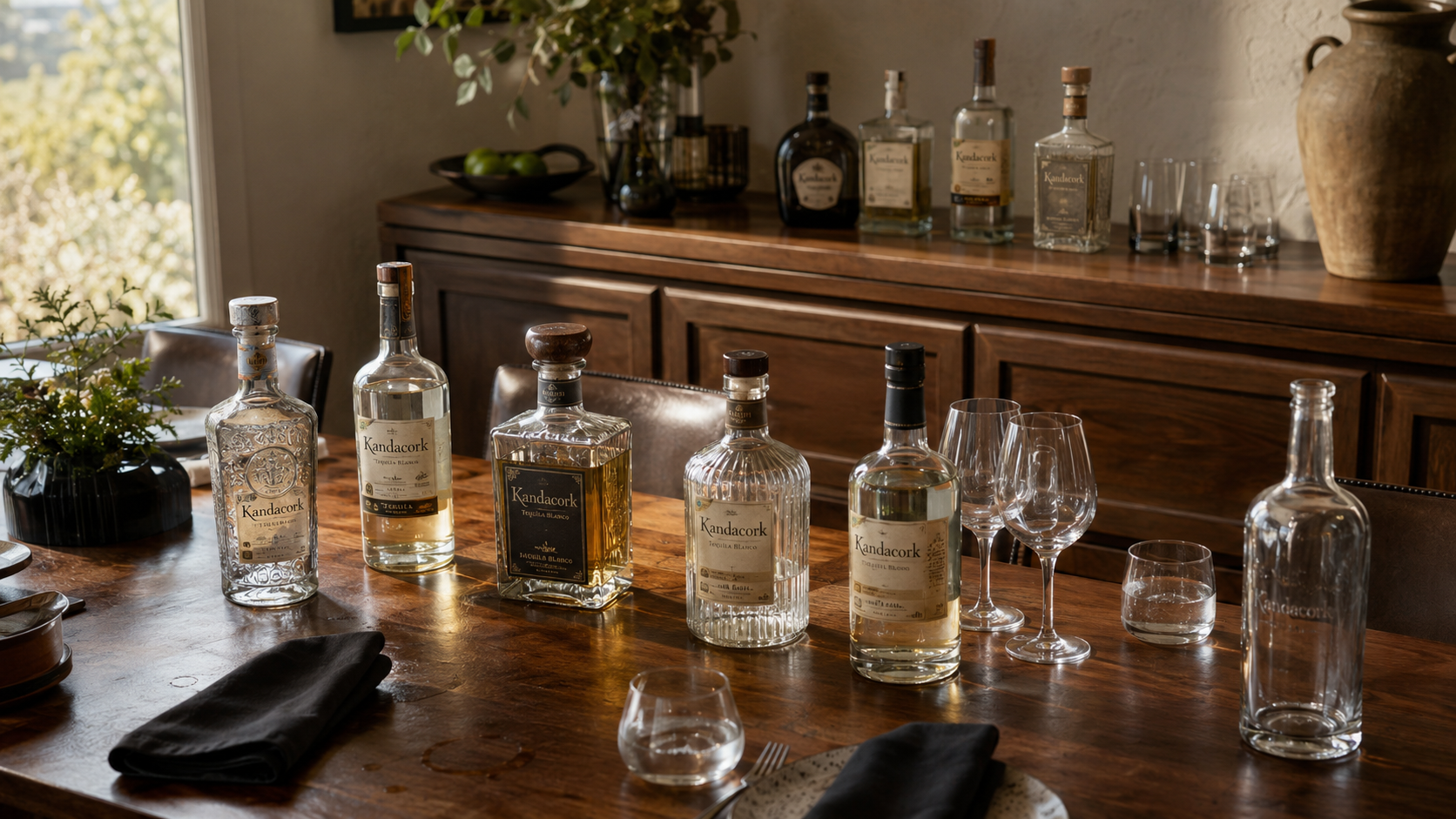
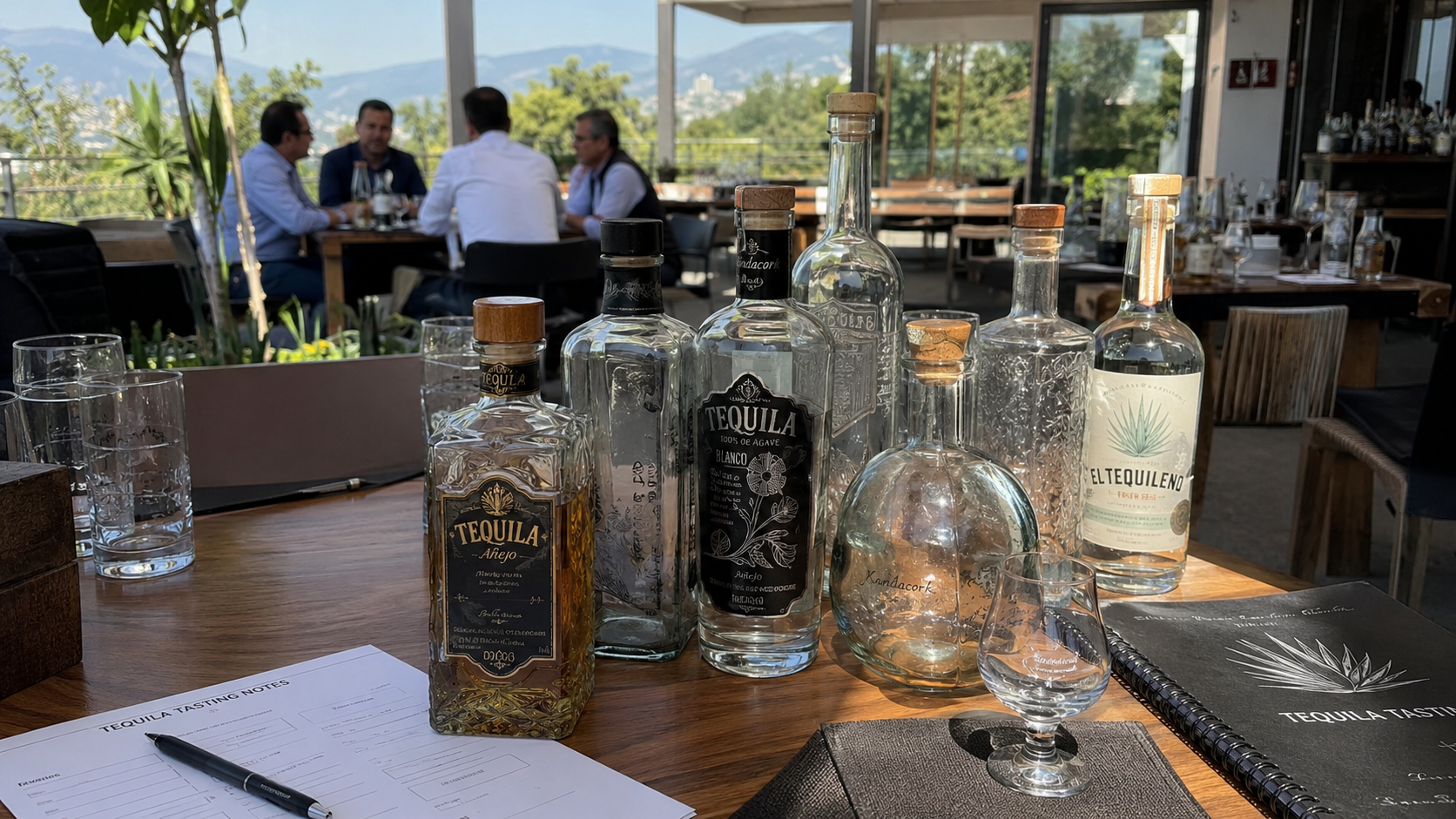
For premium whisky, a wooden or metal bar-top stopper can communicate craft and tradition. For vodka, a clean aluminum ROPP cap or screw cap can support a modern, minimal appearance. For tequila or rum, a heavy stopper may help create a stronger shelf presence. For liqueur or RTD spirits, convenience and repeat resealing may matter more than heavy luxury styling.
A good custom closure supplier for liquor bottles should understand both visual branding and technical performance. Product photos alone are not enough. The closure must work with the bottle neck, filling line, liquid profile, carton packing, and destination market.
Main Types of Custom Liquor Bottle Closures
Bar-Top Corks and T-Top Stoppers
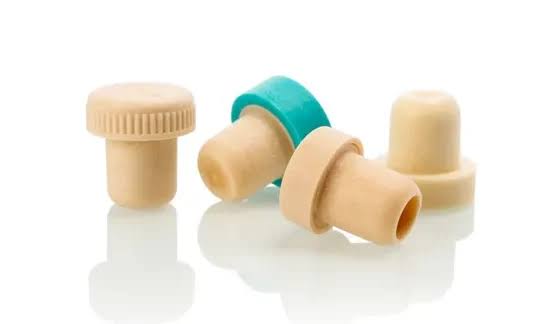
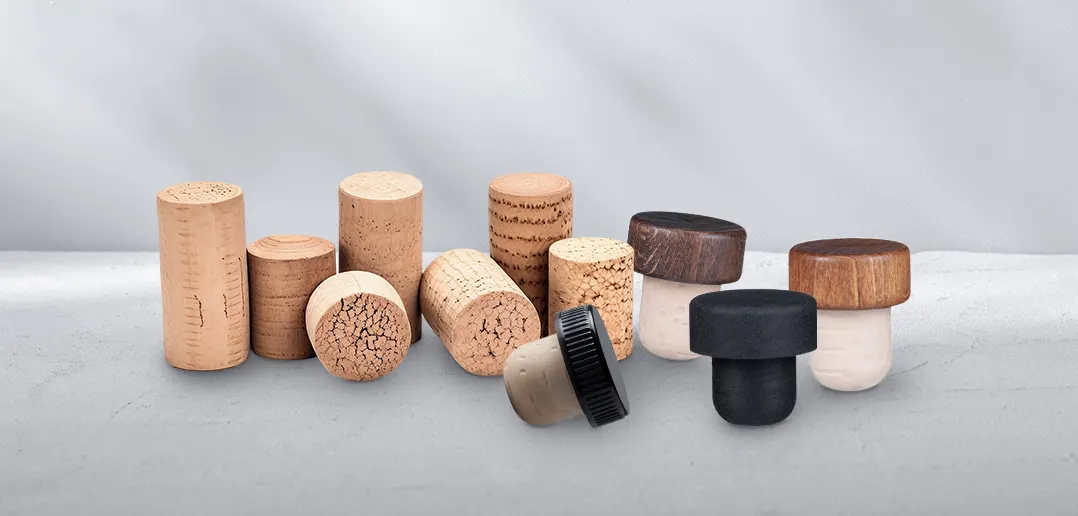
Bar-top corks, also called T-top stoppers, are widely used for whisky, rum, tequila, brandy, cognac, gin, liqueur, and premium spirits. They usually include a decorative top and a shank that fits into the bottle neck.
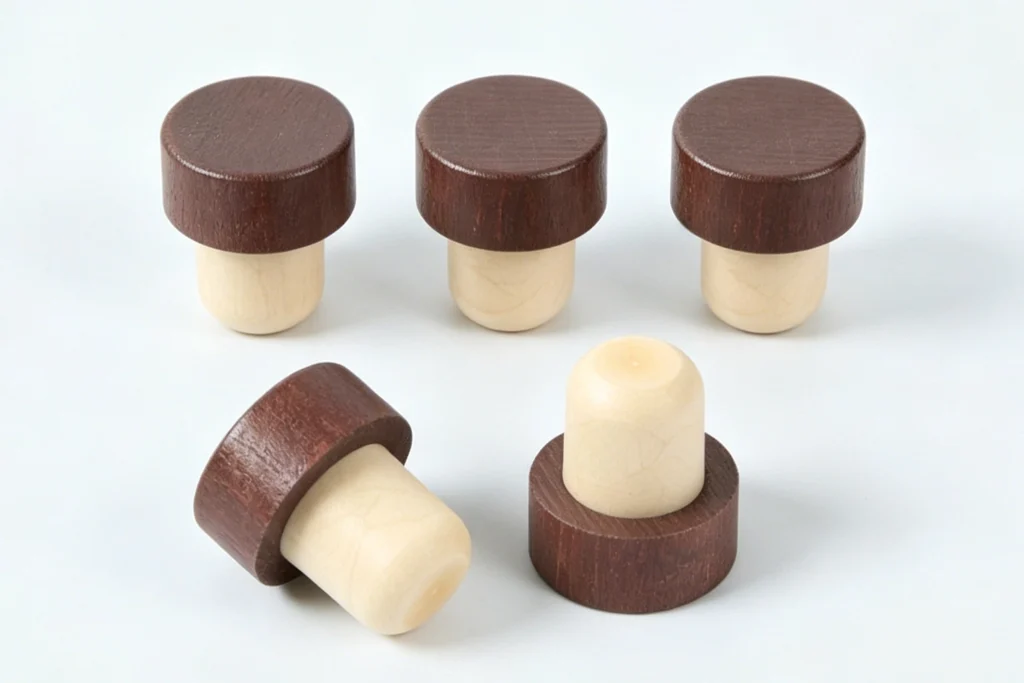
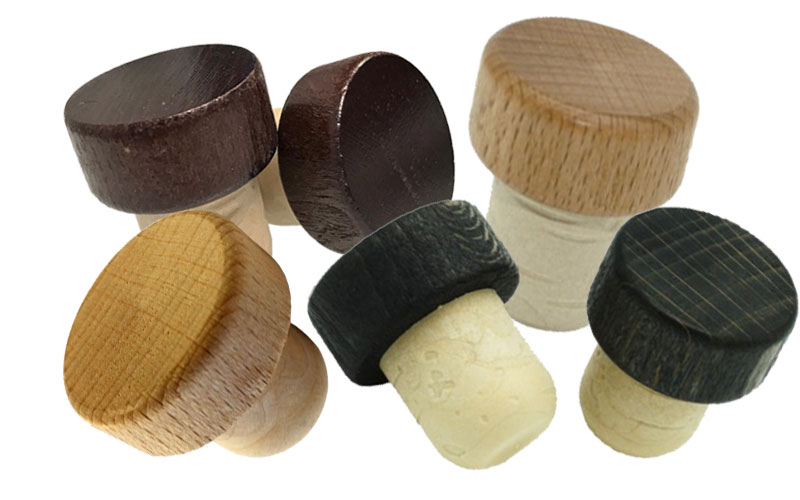
The top can be made from wood, aluminum, zinc alloy, glass, plastic, ceramic, or other decorative materials. The shank may be natural cork, micro-agglomerated cork, synthetic cork, or another engineered sealing material. For brands that want a warm, premium, craft-oriented look, wooden bar-top stoppers are often a strong option.
Bar-top stoppers are popular because they are easy to remove, easy to reseal, and highly customizable. Brands can adjust the shape, size, weight, color, logo, surface finish, and material combination. A craft whisky may choose a stained wooden top with laser engraving, while a luxury vodka may prefer a polished metal or glass top.
ROPP Caps
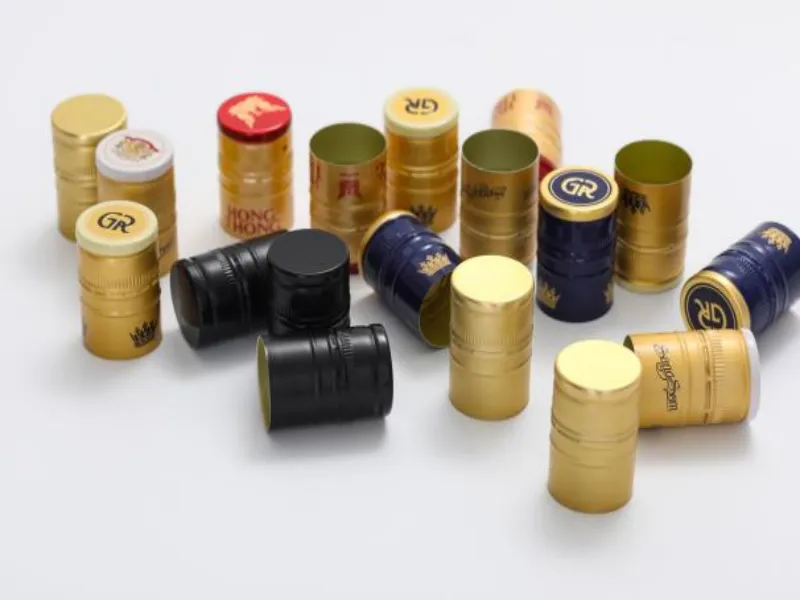
ROPP means roll-on pilfer-proof. ROPP caps are often used for vodka, gin, liqueur, RTD spirits, and high-volume liquor production. They are usually made from aluminum and formed onto the bottle neck during the capping process.
Custom ROPP closures provide tamper evidence, clean shelf appearance, and strong production efficiency. They can be printed, embossed, debossed, color-coated, hot-stamped, or matched to a brand’s packaging system.
For brands that need speed, consistency, and reliable tamper evidence, ROPP caps are practical. However, they must match the bottle neck finish and bottling equipment. Thread profile, cap height, liner material, pilfer band design, and torque performance should be confirmed before bulk production.
Screw Caps
Screw caps are suitable for liquor brands that need simple opening, convenient resealing, and efficient production. They are commonly used for vodka, gin, liqueur, flavored spirits, mini bottles, private-label liquor, and ready-to-drink spirits.
A screw cap may be made from aluminum, plastic, or composite materials. It can include a liner for sealing performance and can be customized with printing, embossing, color matching, or top decoration.
The main advantage of screw caps is convenience. They are familiar to consumers, practical for repeat use, and suitable for modern retail channels. For high-volume brands, screw caps can offer a strong balance of cost, function, and visual consistency.
Non-Refillable Closures
Non-refillable closures are designed to reduce refilling risk and support brand protection. They may include internal valves, pourer inserts, tamper-evident components, or special structures that make unauthorized refilling more difficult.
These closures are often used for export spirits, duty-free products, premium liquor brands, and markets where anti-counterfeit packaging is important. They can be used for whisky, vodka, rum, tequila, gin, and other spirits categories.
When selecting a non-refillable closure, buyers should confirm pouring behavior, opening experience, bottle compatibility, filling-line requirements, and target-market expectations.
Capsules, Shrink Sleeves, and Security Add-ons
Capsules and shrink sleeves complete the bottle neck presentation and can add visible tamper evidence. They are often paired with cork stoppers, bar-top closures, and premium spirits packaging.
A capsule can make the bottle look more finished. A shrink sleeve or security band can provide a clear opening indicator. These components should be considered early because they affect neck dimensions, label alignment, filling-line steps, and retail appearance.
Closure Type Comparison for Liquor Bottles
| Closure Type | Best For | Main Benefit | Customization Options |
|---|---|---|---|
| Bar-top cork / T-top stopper | Whisky, rum, tequila, brandy, gin, liqueur | Premium look and strong opening experience | Wood, metal, glass, plastic, logo engraving, embossing, custom mold |
| ROPP cap | Vodka, gin, liqueur, RTD spirits | Tamper evidence and high-speed production | Printing, embossing, color coating, hot stamping, liner selection |
| Screw cap | Mini bottles, flavored spirits, private-label liquor | Easy opening and resealing | Aluminum or plastic shell, printed logo, color matching, liner options |
| Non-refillable closure | Export spirits, duty-free, premium liquor | Brand protection and anti-refilling support | Pourer insert, valve structure, tamper-evident band, custom shell |
| Capsule or shrink sleeve | Premium spirits and security packaging | Finished neck appearance and visible tamper evidence | Color printing, foil effect, matte finish, security band |
How to Match Closures to Different Spirits Categories
Different spirits categories require different closure strategies. The best choice depends on brand positioning, bottle shape, neck finish, production line, and consumer expectations.
| Liquor Category | Recommended Closure Options | Packaging Goal |
|---|---|---|
| Whisky / Whiskey | Wooden bar-top cork, metal stopper, premium cork shank | Mature, traditional, craft, premium |
| Vodka | ROPP cap, screw cap, glass stopper, metal cap | Clean, modern, efficient, high-volume |
| Gin | Bar-top stopper, screw cap, decorative cap | Botanical, colorful, distinctive |
| Tequila / Mezcal | Heavy bar-top stopper, wood top, metal top, non-refillable closure | Authentic, bold, premium |
| Rum | Wood stopper, synthetic cork stopper, metal top | Warm, rich, gift-ready |
| Brandy / Cognac | Luxury bar-top cork, glass top, metal stopper | Elegant, classic, high-value |
| Liqueur / RTD spirits | Screw cap, ROPP cap, functional closure | Convenient, resealable, cost-effective |
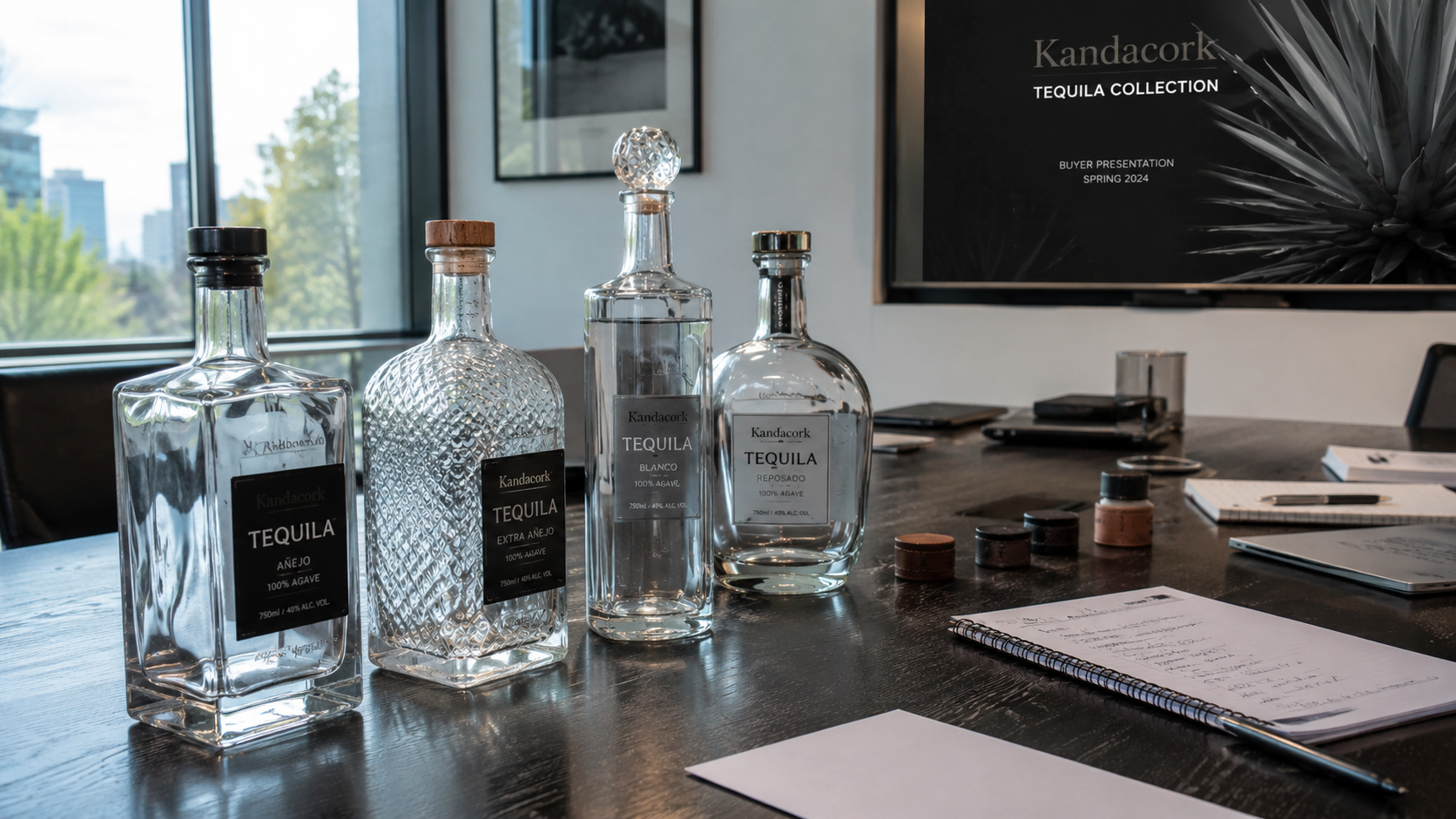
For example, a tequila brand using a heavy glass bottle may choose a zinc alloy bar-top stopper with a synthetic shank to create a premium feel and stable resealing. A private-label vodka project may choose an aluminum ROPP cap because it supports tamper evidence, fast capping, and clean shelf presentation.
When the bottle itself is still being developed, closure selection should happen early. The neck finish, mouth diameter, shoulder shape, decoration area, and carton height can all affect closure choice. Brands developing a new bottle may coordinate closure fit with spirits bottle development to reduce mismatch risk before tooling and mass production.
Technical Factors Before Ordering Custom Liquor Bottle Closures
Bottle Neck Finish
Bottle neck details are essential before ordering custom closures. The supplier needs to confirm inner diameter, outer diameter, neck height, thread profile, finish type, and tolerance range.
Bottle drawings are useful, but physical samples are often more reliable for final confirmation. Glass bottles may have small production tolerances, and even minor differences can affect fit, sealing, insertion force, or capping performance.
For custom bottles, closure development should begin before the bottle design is finalized. This allows the bottle manufacturer, closure supplier, and bottling team to confirm compatibility before mass production.
Shank Diameter and Pull-Out Force
For bar-top corks and T-top stoppers, shank diameter is one of the most important technical details. If the shank is too small, the closure may feel loose or allow leakage. If it is too large, it may be difficult to insert or remove.
Pull-out force should feel secure but comfortable. A premium whisky closure should not come out too easily, but it should also not frustrate the consumer. A liqueur bottle that is opened frequently should reseal smoothly after repeated use.
This is why bottle-fit sampling matters. The closure should be tested on real bottles, not only reviewed through drawings.
Liner and Seal Compatibility
For ROPP caps and screw caps, liner selection affects sealing performance. The liner should be suitable for the spirit type, alcohol content, storage condition, and expected shelf life.
Some spirits contain botanical extracts, essential oils, sugar, acids, or high alcohol levels. These factors may affect material compatibility. Buyers should confirm liner recommendations and request relevant material declarations when required.
For U.S. market planning, the FDA explains that food packaging and other food-contact substances include packaging components that contact food or beverage. For European market planning, the European Commission provides guidance on food contact materials and the principles used for materials intended to contact food.
Filling-Line Compatibility
A closure must work with the buyer’s actual filling and capping process. ROPP caps, screw caps, bar-top corks, and non-refillable closures may require different equipment, torque settings, pressure conditions, or feeding systems.
If a brand uses a contract bottler, closure samples should be reviewed by the bottler before bulk ordering. This helps confirm whether the closure can run smoothly on the existing line.
Filling-line compatibility is especially important for high-volume production. A closure that looks excellent in a sample box may still cause downtime if it does not feed correctly, cap correctly, or maintain stable torque.
Leakage and Transport Testing
Leakage can damage bottles, labels, cartons, pallets, retail displays, and brand reputation. Testing should be completed before mass production, especially for new bottles, new closure structures, and export shipments.
| Test Item | Purpose |
|---|---|
| Upright storage test | Checks normal storage stability |
| Inverted bottle test | Evaluates leakage risk under pressure |
| Vibration test | Simulates transport movement |
| Temperature variation test | Checks performance under heat and cold |
| Torque or pull-out test | Confirms opening and resealing performance |
| Carton drop consideration | Helps assess packing protection |
| Filling-line trial | Confirms machine compatibility |
Long-distance export shipments may involve temperature changes, container movement, warehouse handling, and pressure differences. For this reason, buyers should approve samples only after testing them under realistic conditions.
Customization Options for Premium Spirits Closures
Customization turns a closure into a brand asset. The closure should connect visually with the bottle, label, capsule, carton, and product story.
Common closure materials include wood, aluminum, zinc alloy, stainless steel, plastic, glass, synthetic cork, natural cork, and micro-agglomerated cork. Wood feels natural and craft-oriented. Metal feels strong and premium. Glass feels elegant and modern. Plastic can be lightweight and cost-efficient. Natural cork and synthetic shanks offer different performance characteristics depending on the bottle and spirit type.
Closure shape can be flat, round, mushroom-style, beveled, tall, short, heavy, minimal, or fully custom molded. A custom mold may be useful when a brand wants a distinctive silhouette or a signature top shape.
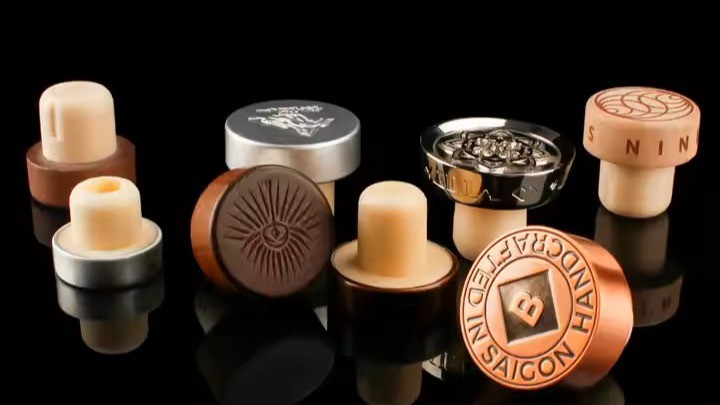
Surface finishing options may include matte coating, glossy coating, satin texture, metallic plating, brushed metal, natural wood grain, painted color, frosted glass, or antique effects. Logo decoration methods include laser engraving, embossing, debossing, screen printing, pad printing, hot foil stamping, and color filling.
Color consistency is also important for premium packaging. The closure should match or complement the bottle color, label, capsule, gift box, and brand guideline. Buyers should provide Pantone references, artwork files, and physical samples when possible. For coordinated artwork, logo placement, surface effects, and packaging identity, brands may also align closure development with decoration and branding support.
For closure-specific branding options, custom branding for spirits closures can include colors, finishes, logos, sidewall effects, and material-specific decoration methods.
Kandacork Closures Capability Overview
Kandacork Closures supports both standard closure decoration and fully customized OEM/ODM development for spirits packaging projects.
| Capability | Kandacork Closures Support |
|---|---|
| Closure types | Bar-top corks, T-top stoppers, ROPP caps, screw caps, non-refillable closures, capsules, shrink sleeves |
| Materials | Wood, aluminum, zinc alloy, plastic, glass, natural cork, synthetic cork, micro-agglomerated cork |
| Decoration methods | Laser engraving, embossing, debossing, screen printing, pad printing, hot stamping, color coating |
| Buyer types | Spirits brands, distilleries, bottlers, importers, distributors, private-label liquor projects |
| Project support | Bottle matching, drawing confirmation, samples, custom mold development, bulk production, export packing |
| Application categories | Whisky, vodka, gin, tequila, rum, brandy, cognac, liqueur, RTD spirits |
| Supply model | B2B bulk supply, OEM/ODM customization, private-label packaging support |
This capability structure helps buyers choose a supplier that can support both brand design and technical packaging requirements. Instead of purchasing a generic cap, buyers can develop a closure system that fits the bottle, spirit category, filling process, and target market.
RFQ Checklist: What to Send Your Closure Supplier
A complete RFQ helps the supplier recommend the right closure faster and quote more accurately.
| Information Needed | Why It Matters |
|---|---|
| Bottle drawing | Confirms neck dimensions and finish type |
| Bottle sample | Allows real fit and sealing tests |
| Spirit type | Helps select shank or liner material |
| Alcohol content | Supports material compatibility review |
| Closure reference image | Clarifies style, structure, and finish |
| Logo artwork | Determines decoration method and tooling needs |
| Pantone or color reference | Supports accurate color matching |
| Order quantity | Affects MOQ, price, and production method |
| Target market | Helps identify compliance and packing expectations |
| Filling-line information | Confirms torque, insertion, and capping compatibility |
| Packaging requirements | Helps plan cartons, dividers, pallets, and export packing |
Buyers who provide these details early can reduce sampling time, avoid miscommunication, and receive more practical recommendations.
Quality, Compliance, and Export Considerations
Quality control is essential for liquor bottle closures because small defects can affect sealing, appearance, and production efficiency. Buyers should ask suppliers about dimensional inspection, surface inspection, logo accuracy, color consistency, assembly quality, packing protection, and batch traceability.
ISO 9001 is widely recognized as a quality management standard and is often used by buyers as a reference when evaluating structured manufacturing processes. Certification requirements vary by buyer and market, but repeatable inspection procedures and clear production records are valuable in any closure project.
For U.S. distilled spirits packaging, the Alcohol and Tobacco Tax and Trade Bureau notes requirements related to tamper-evident closures for distilled spirits containers. Requirements can vary by product, container type, and destination market, so buyers should always confirm final regulatory obligations with their importer, compliance advisor, or local authority.
For retail and distribution, some brands also use GS1 barcode standards to support product identification across supply chains. While barcode standards are not closure-specific, they are relevant to broader packaging, logistics, and retail readiness.
A professional custom closure supplier for liquor bottles should not replace the buyer’s regulatory advisor, but it should provide clear product information and support documentation when required.
Working with Glass Bottles, Decoration, and Complete Packaging Systems
Closures perform best when they are designed together with the bottle, label, decoration, capsule, and shipping carton. A premium stopper may lose value if the bottle neck is not compatible. A beautiful cap may look mismatched if the color is not aligned with the label or capsule. A closure that seals correctly in the office may still fail if the bottling line applies the wrong torque or insertion force.
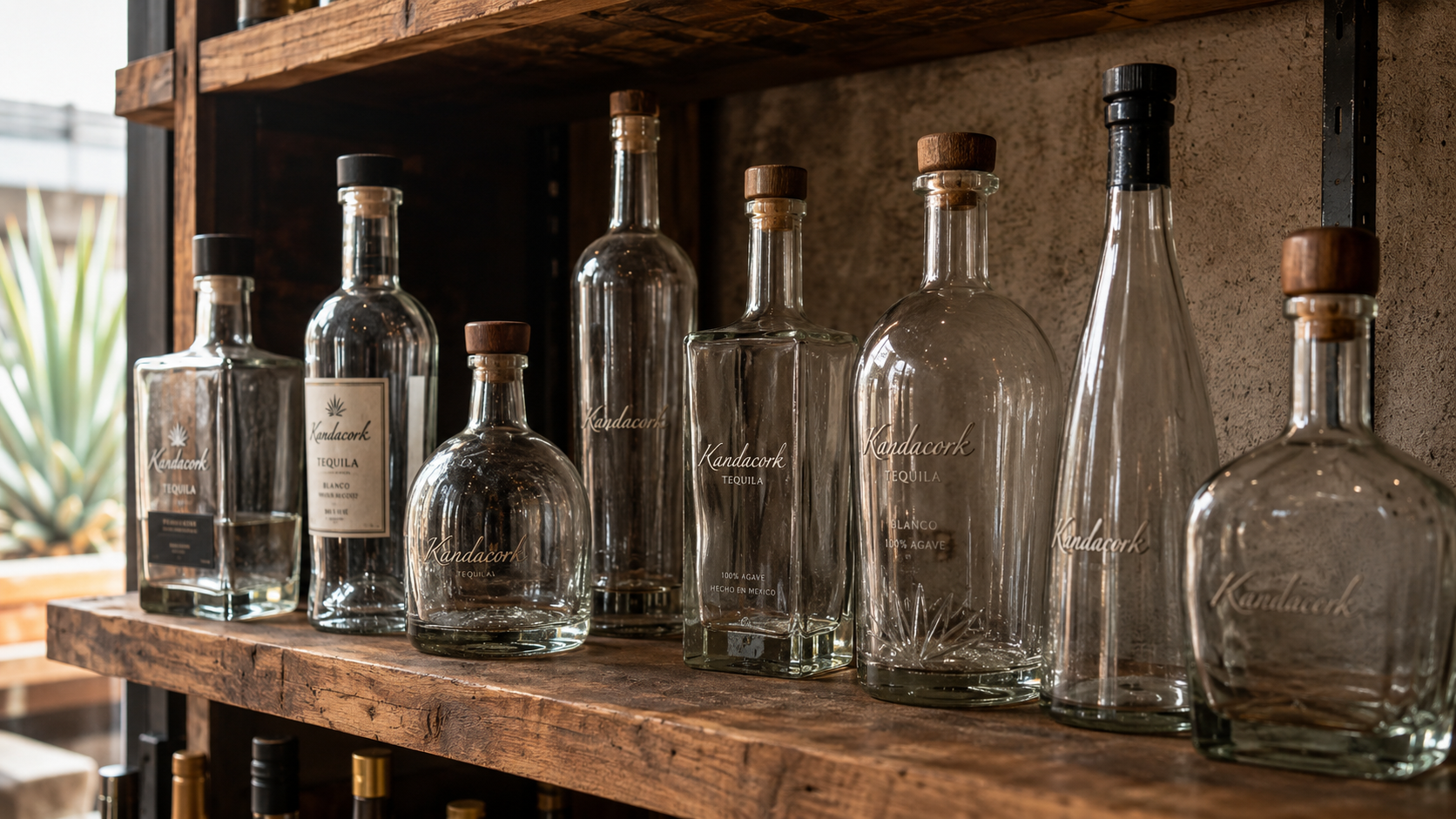
For buyers who need a full packaging system, Kandacork Glass can support broader spirits glass packaging coordination. For projects involving custom bottles, closures, and multi-category glass packaging, Kandacork Glass Packaging may also support integrated packaging planning.
This type of coordination is especially useful for new product launches, private-label ranges, gift packs, limited editions, and export spirits programs where bottle shape, closure fit, decoration, and logistics must work together.
What to Look for in a Custom Closure Supplier for Liquor Bottles
A good supplier should understand both design and engineering. Buyers should evaluate whether the supplier can support the full project from concept to shipment.
Look for a supplier that offers multiple closure types, including bar-top corks, ROPP caps, screw caps, non-refillable closures, capsules, and shrink sleeves. A broad bottle stoppers and closures range gives buyers more flexibility when comparing appearance, cost, performance, filling-line requirements, and export needs.
The supplier should understand bottle compatibility. Neck finish, shank diameter, liner selection, torque, pull-out force, and capping process should be discussed before production.
The supplier should also support sample development before bulk orders. Samples help confirm appearance, fit, sealing, opening feel, and production-line performance.
For international buyers, export packing experience is important. Closures should be packed to prevent scratching, deformation, dust, moisture, and carton damage during shipping.
Finally, communication quality matters. A supplier that checks drawings, asks technical questions, and explains options clearly can help prevent mistakes that may be expensive to correct later.
Start Your Custom Closure Project
To receive a practical recommendation, send Kandacork Closures your bottle drawing, bottle sample, closure reference image, logo artwork, Pantone color, order quantity, spirit type, alcohol content, filling-line information, and target market.
Our team can help evaluate fit, material, decoration method, sample options, bulk production requirements, and export packing needs. Whether you need a premium bar-top stopper, aluminum ROPP cap, screw cap, non-refillable closure, shrink sleeve, capsule, or fully custom spirits stopper, Kandacork Closures can support your liquor bottle packaging project from concept to production.
For quotations, samples, and project review, contact the Kandacork custom closure team.
Frequently Asked Questions
What is the best closure for liquor bottles?
The best closure depends on the spirit category, bottle neck, brand positioning, filling line, and target market. Bar-top corks are often used for premium whisky, rum, tequila, brandy, and gin. ROPP caps and screw caps are common for vodka, liqueurs, RTD spirits, and high-volume production. Non-refillable closures are useful when anti-refilling or brand protection is required.
Can liquor bottle closures be customized with a logo?
Yes. Liquor bottle closures can be customized with laser engraving, embossing, debossing, hot foil stamping, screen printing, pad printing, color coating, and custom molds. The best decoration method depends on the closure material, artwork complexity, order quantity, and desired finish.
What information is needed for a custom closure quote?
A supplier usually needs bottle drawings or samples, bottle neck dimensions, closure type, material preference, logo artwork, color requirements, spirit category, alcohol content, order quantity, target market, and packaging requirements. For ROPP caps or screw caps, filling-line information may also be needed.
What is the MOQ for custom liquor bottle closures?
MOQ depends on the closure type, material, decoration process, and whether a custom mold is required. Stock closures with logo decoration usually have a lower MOQ than fully custom-molded closures. Buyers should confirm MOQ during the early development stage.
How long does custom closure production take?
Lead time depends on design complexity, sample approval, mold requirements, decoration process, and order quantity. Standard decorated closures are usually faster than fully customized structures. For new product launches, buyers should allow time for sampling, testing, approval, mass production, and international shipping.
Can Kandacork Closures match closures with custom glass liquor bottles?
Yes. Kandacork Closures can help match closures with custom glass liquor bottles when buyers provide drawings, bottle samples, or neck finish details. Fit testing is strongly recommended before bulk production.
Are samples available before bulk production?
Yes. Samples are recommended before bulk production, especially for custom closures, new bottle designs, premium spirits packaging, and export projects. Samples help confirm appearance, fit, seal, opening feel, and filling-line compatibility.
Conclusion
Choosing a custom closure supplier for liquor bottles is not only about buying a cap, cork, or stopper. It is about selecting a packaging partner that understands spirits branding, bottle compatibility, sealing performance, decoration methods, production efficiency, compliance considerations, and export requirements.
The right closure can improve shelf impact, protect product quality, support brand recognition, and reduce production risk. Before placing a bulk order, buyers should confirm bottle neck details, closure structure, material, liner or shank performance, decoration method, sample testing, filling-line compatibility, and packing requirements.
Kandacork Closures helps spirits brands, distilleries, bottlers, importers, and private-label buyers develop custom liquor bottle closures for premium and commercial spirits packaging. Send your bottle drawing, sample, logo artwork, closure idea, and estimated quantity to start a practical custom closure project.