Quick Answer: How Bar-Top Stoppers Seal Spirits Bottle Necks
Bar-top stoppers seal spirits bottle necks by inserting a cork, synthetic, or engineered shank into the inner bore of the bottle neck. The shank compresses against the glass wall to create sealing pressure, holding force, and pull-out resistance. The visible top remains above the neck for grip, branding, and premium presentation.
For spirits brands, distilleries, private label buyers, bottlers, importers, distributors, and packaging buyers, the correct bar-top stopper fit depends on neck bore, shank diameter, material compression, insertion depth, pull-out force, leakage resistance, resealing performance, and filling-line compatibility.
Need to confirm bar-top stopper fit before bulk ordering? Explore Kandacork Closures’ custom spirits bottle closures and stoppers to compare closure options, then send your bottle drawing, neck size, or empty bottle samples for matched shank recommendations and sample support.
Why Stopper-to-Neck Fit Matters for Spirits Brands
A spirits closure is a small component, but it affects product protection, consumer experience, and brand trust. A stopper may look premium in a rendering but fail if it does not fit the bottle neck correctly.
A loose stopper can cause leakage, evaporation, unstable resealing, or weak shelf confidence. A stopper that is too tight can slow filling, create cork dust, stress the bottle neck, or make the product difficult to open. A poorly bonded stopper top may wobble or detach during repeated use.
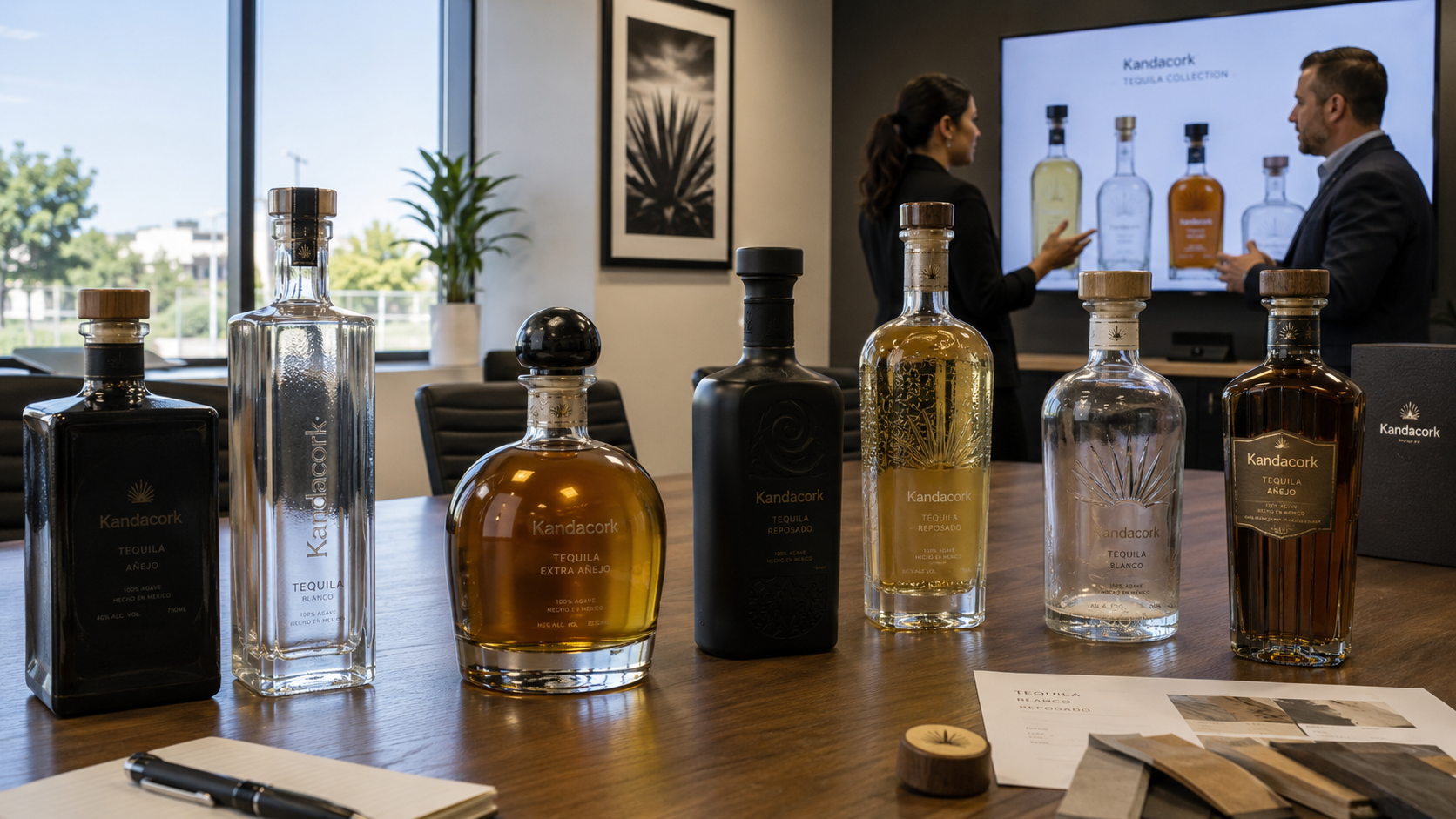
For whisky, rum, gin, vodka, tequila, mezcal, brandy, and liqueurs, the closure must work as part of a full packaging system. Bottle neck geometry, shank material, stopper top weight, capsule clearance, wax seal design, filling-line pressure, and shipping conditions all affect performance.
This article focuses on bar-top stopper fit validation: how buyers confirm whether a stopper shank works with a spirits bottle neck before approving samples, quotations, and bulk production.
What Is a Bar-Top Stopper?
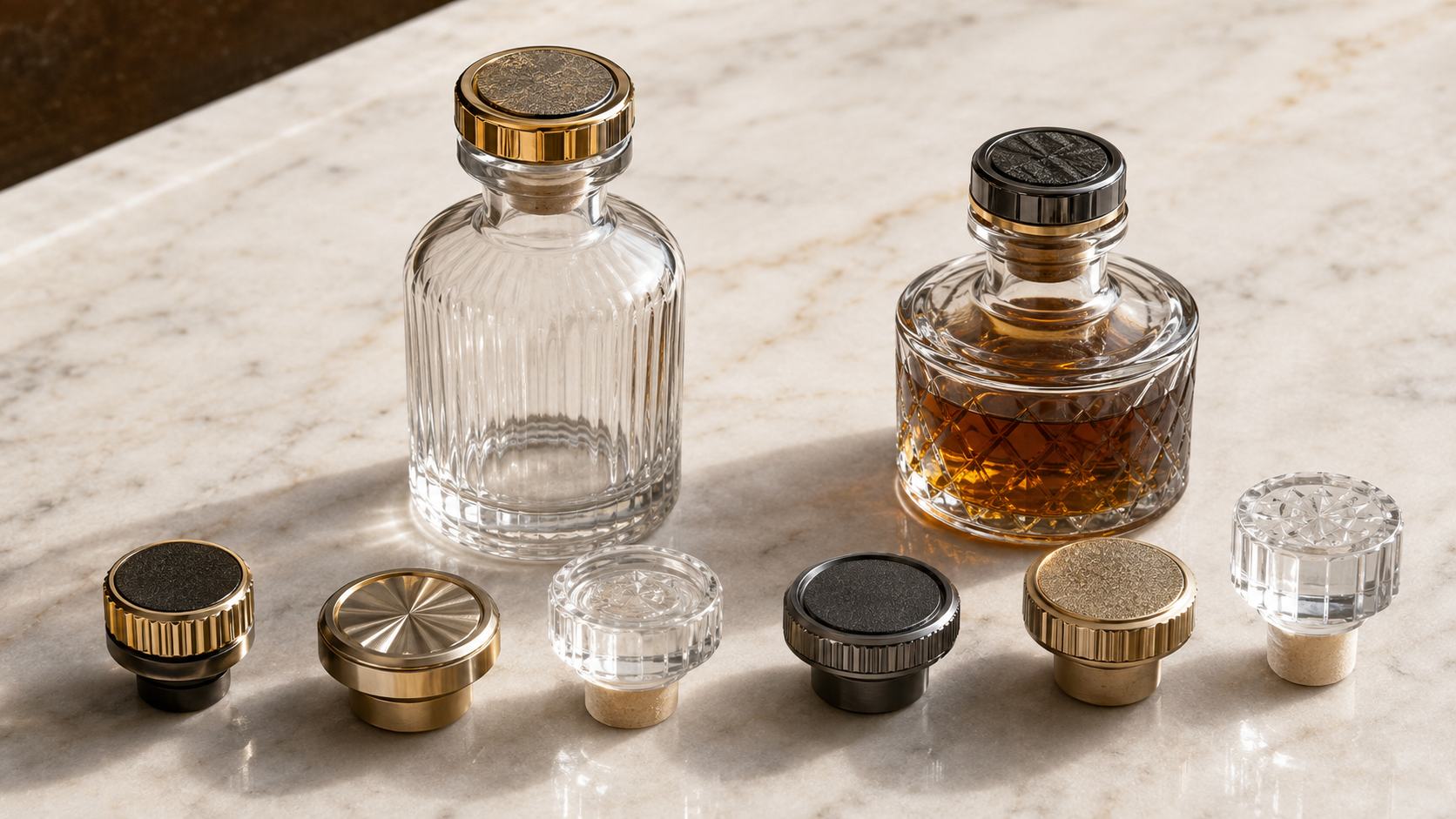
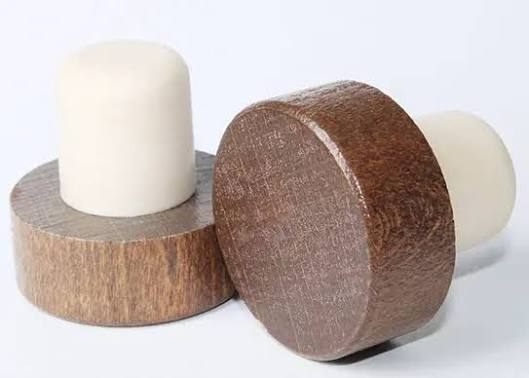
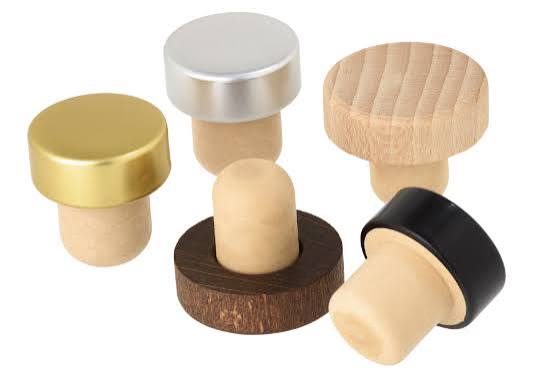
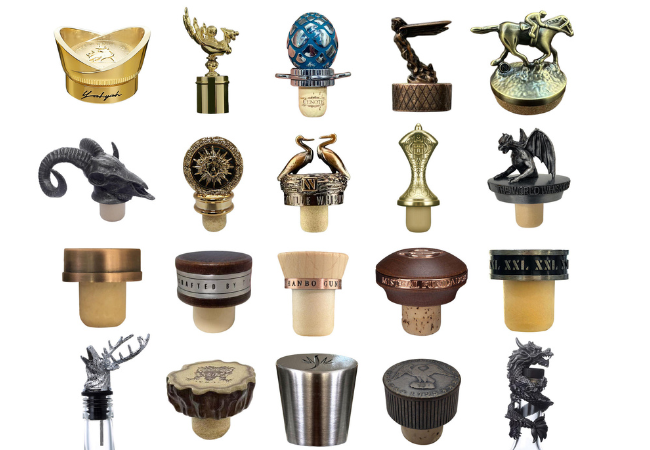
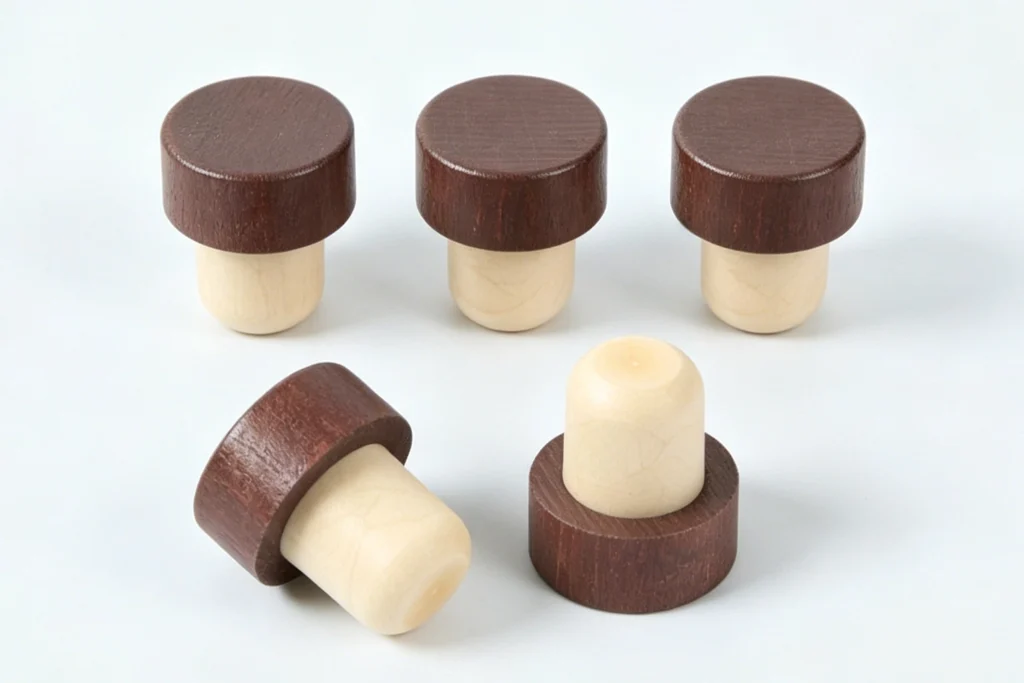
A bar-top stopper, also called a T-top closure or bartop closure, has two main parts: the visible top and the inserted shank.
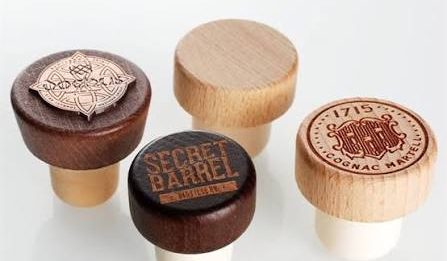
The top is the part consumers see and touch. It can be made from plastic, wood, metal, glass, or composite materials. Plastic tops support color consistency and cost control. Wooden tops communicate craft and heritage. Metal tops add premium weight. Glass tops create a high-end collectible effect.
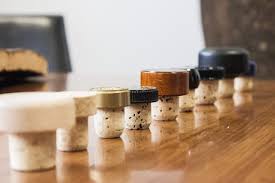
The shank is the part inserted into the bottle neck. It is the functional sealing component. Common shank materials include natural cork, micro-agglomerated cork, synthetic cork, and engineered polymer.
For bottle neck fit, the shank is the most important part of the closure. It determines compression, recovery, pull-out force, leakage resistance, and resealing behavior. The top still matters because heavier tops require stronger bonding and may affect opening feel, but the shank controls most stopper-to-neck performance.
What Is a Spirits Bottle Neck Finish?
A spirits bottle neck finish is the upper part of the bottle that receives the closure. It includes the inner bore, opening diameter, finish height, outside diameter, bead profile, sealing surface, and any thread or smooth finish detail.
Not every spirits bottle is designed for bar-top stoppers. Some bottles use ROPP caps, BVS screw caps, continuous thread closures, GPI-style finishes, or other tamper-evident systems. A bar-top neck finish is usually smooth and designed for an inserted stopper shank rather than a screw thread.
CETIE finish data sheets are useful references when reviewing bottle finish geometry for alcohol and spirits packaging. For projects that also involve bottle structure, buyers can review this spirits bottle neck finish guide to understand how bar-top, CT, and ROPP finishes affect closure compatibility.
However, buyers should not rely only on catalog dimensions. Actual glass bottles can vary because of mold tolerance, production batch variation, and supplier differences. A bottle drawing is useful, but physical bottle samples are still essential for confirming real-world fit.
| Technical item | Why it matters |
|---|---|
| Inner neck diameter | Determines starting shank size |
| Bore tolerance | Shows possible glass variation |
| Finish height | Affects insertion depth and top seating |
| Neck profile | Reveals taper, pinch points, or tight zones |
| Bead shape | Affects capsule, wax, and visual alignment |
| Physical sample | Confirms real fit beyond the drawing |
| Filling method | Affects insertion pressure and speed |
How Neck Bore, Shank Diameter, Compression, and Pull-Out Force Work Together
A bar-top stopper works through controlled compression. When the shank enters the bottle neck, the glass bore squeezes the shank slightly. This compression creates radial pressure against the inner wall of the neck.
If compression is too low, the stopper may feel loose or leak. If compression is too high, insertion becomes difficult and the consumer may struggle to open the bottle.
Neck bore
The neck bore is the internal opening where the stopper shank sits. It is more important than the outside neck diameter. Two bottles can look similar from the outside but have different internal bore profiles.
Shank diameter
The shank diameter must be selected in relation to the bottle neck bore. A common starting rule is to test a shank slightly larger than the neck opening, but this is only a reference. Final size depends on shank material, glass tolerance, and target pull-out force.
Insertion depth
Insertion depth affects both sealing and appearance. If the shank sits too shallow, the stopper may not seal securely. If it sits too deep, the top may look wrong or interfere with a capsule, wax seal, or decorative sleeve.
Pull-out force
Pull-out force is the force needed to remove the stopper. It should feel secure but not excessive. Premium spirits usually need a confident opening feel: firm enough to signal quality, but smooth enough for comfortable consumer use.
Resealing behavior
Most spirits bottles are opened and resealed multiple times. The shank must recover well enough to maintain fit after repeated use. Natural cork, micro-agglomerated cork, synthetic cork, and engineered polymer shanks each compress and recover differently.
Common Bottle Neck and Shank Size Reference
The following table gives a practical starting point for bar-top stopper discussions. It should not replace physical testing.
| Bottle neck opening | Typical starting shank size | Common use case | Important note |
|---|---|---|---|
| 18.5 mm | Around 19.5 mm | Smaller spirits bottles and standard liquor formats | Confirm with real bottle samples |
| 21.5 mm | Around 22.5 mm | Many 700 ml / 750 ml spirits bottles | Check pull-out force and insertion depth |
| 27 mm and above | Project-specific | Large format, luxury, or custom bottles | Requires drawing and sample validation |
| Custom bore | Sample-based | Private molds or special editions | Do not rely on nominal size only |
These are starting references only. Final stopper fit must be confirmed with actual bottle samples because glass tolerance, shank material, insertion depth, and compression behavior can change the result.
Buyer Warning: Why Nominal Neck Size Is Not Enough
A 21.5 mm bottle neck does not automatically guarantee that every 22.5 mm shank will perform correctly. Nominal size should start the conversation, not end the validation process.
Glass tolerance, internal taper, pinch points, shank material hardness, stopper top weight, insertion depth, resealing cycles, and shipping conditions can all change the final fit.
This is why a reliable stopper recommendation should not be based only on the top opening diameter. Buyers should measure the internal bore at several depths, compare multiple bottles from the same production batch, and test stopper samples for insertion force, pull-out force, resealing, and leakage.
For custom spirits bottles, private molds, premium releases, and export projects, physical validation is more important than catalog size matching.
How to Measure a Spirits Bottle Neck for Bar-Top Stopper Fit
One common sourcing mistake is measuring only the top opening of the bottle neck. A bar-top stopper does not seal only at the rim. The shank interacts with the internal bore at different depths.
A stronger measurement process should build a simple neck profile before final stopper selection.
| Measurement point | What to check | Why it matters |
|---|---|---|
| Top opening | Initial entry size | Helps choose starting shank diameter |
| 2–3 mm below rim | Early compression point | Detects sharp entry or tight upper bore |
| Mid-depth | Main sealing zone | Shows actual shank compression behavior |
| Lower shank depth | Bottom interference risk | Prevents bottoming out or uneven seating |
| Multiple bottles | Batch variation | Confirms production consistency |
| Full package | Capsule, wax, sleeve, carton, and filling method | Avoids system-level conflicts |
A practical buyer workflow includes:
| Step | Action | Purpose |
|---|---|---|
| Review the bottle drawing | Check nominal bore, tolerance, finish height, and neck profile | Establish the design baseline |
| Measure several bottles | Use samples from the actual production batch if possible | Identify glass variation |
| Measure at different depths | Check the bore below the top opening | Detect taper or pinch points |
| Test multiple shank sizes | Compare insertion feel and pull-out force | Find the best compression range |
| Check the full package | Include capsule, wax, label, carton, and filling method | Avoid system-level conflicts |
| Record results | Document insertion, leakage, and opening performance | Support repeat production |
For custom spirits packaging projects, Kandacork Closures recommends sending empty bottle samples together with the bottle drawing. This allows the supplier to compare nominal dimensions with actual glass behavior before recommending a stopper.
Natural Cork vs Synthetic Cork vs Engineered Shanks
The best shank material depends on the spirit category, brand positioning, production volume, performance target, and budget.
| Shank material | Advantages | Buyer considerations | Best fit |
|---|---|---|---|
| Natural cork | Traditional, premium, natural appearance | More natural variation; cork grade matters | Whisky, rum, brandy, craft spirits |
| Micro-agglomerated cork | Cork-based look with improved consistency | Quality control for density and finish is important | Premium but scalable spirits |
| Synthetic cork | Strong dimensional consistency and clean appearance | Must confirm material feel and brand fit | Gin, vodka, tequila, private label |
| Engineered polymer | Controlled compression and recovery | Requires technical discussion and testing | High-volume or technical projects |
Natural cork works well when brands want heritage and premium cues, but buyers should confirm cork grade, moisture control, and dimensional tolerance. Micro-agglomerated cork offers a cork-based appearance with more controlled structure.
Synthetic cork is useful for repeatable dimensions, stable compression, and scalable supply. Engineered polymer shanks are selected when the project requires specific compression, recovery, or sealing performance.
Bar-Top Stoppers vs ROPP, BVS, and Screw Caps
Bar-top stoppers are often selected for premium spirits because they create a strong opening ritual, reusable closure experience, and high-quality shelf presentation. However, they are not the only closure option.
| Closure system | Best for | Main buyer concern |
|---|---|---|
| Bar-top stopper | Premium spirits, craft brands, gift packaging | Neck bore fit, pull-out force, resealing |
| ROPP cap | Tamper-evident spirits, export markets, high-speed lines | Capping equipment and torque control |
| BVS screw cap | Wine/spirits crossover and modern packaging | Thread finish compatibility |
| Continuous thread cap | Standardized packaging and cost control | Cap and finish code matching |
| Wax or capsule over stopper | Premium presentation and tamper cues | Clearance, application method, opening experience |
If the bottle is already designed with a smooth bar-top finish, focus on stopper shank fit, insertion depth, pull-out force, and leakage testing. If the bottle uses threaded or ROPP finishes, the closure system should be reviewed separately before stopper selection. Buyers comparing alternative closure systems can also review Kandacork Closures’ guide to bottle closures vs bottle stoppers.
Testing Checklist Before Bulk Production
Before approving bar-top stoppers for mass production, buyers should test the complete bottle-and-closure system.
| Test | What it checks | Why it matters |
|---|---|---|
| Insertion force | How much force is needed to insert the stopper | Prevents line issues and over-tight fit |
| Pull-out force | How much force is needed to remove the stopper | Controls consumer opening experience |
| Resealing cycles | Performance after repeated opening and closing | Confirms real consumer use |
| Upright and inverted leakage | Seal strength under normal and stressed positions | Reduces leakage and transport risk |
| Sideways or vibration simulation | Performance during storage and shipping | Supports export and carton planning |
| Head-to-shank bonding | Strength of the assembled closure | Prevents wobble or separation |
| Odor and alcohol compatibility | Contact material neutrality and liquid compatibility | Protects spirit aroma and quality |
Food-contact suitability should also be considered. For markets such as the United States, packaging buyers can review the FDA’s information on food contact substances and confirm that closure materials intended for beverage contact are appropriate for the intended use.
Sample Approval Criteria Before Bulk Ordering
A sample should not be approved only because it looks good on the bottle. It should pass practical fit, sealing, handling, and packaging checks.
| Approval item | Pass condition |
|---|---|
| Visual seating | Top sits level and aligned on the neck |
| Insertion | Stopper inserts smoothly without shaving or excessive force |
| Pull-out feel | Opening feels secure but comfortable |
| Leakage | No leakage under upright, inverted, or transport-simulation conditions |
| Resealing | Stable fit after repeated opening cycles |
| Bonding | Top does not wobble, loosen, or detach |
| Secondary packaging | Capsule, wax, sleeve, carton, or display pack fits without interference |
| Batch consistency | Multiple samples perform within an acceptable range |
Different teams may need to review different approval areas before bulk ordering.
| Approval area | Who should review |
|---|---|
| Fit and leakage | Packaging engineer or QA team |
| Opening feel | Brand owner and product team |
| Filling-line compatibility | Bottler or co-packer |
| Decoration and seating | Brand or packaging design team |
| Export packing | Logistics team, importer, or distributor |
For premium spirits, export shipments, and private label launches, sample approval should be documented before bulk ordering. Kandacork Closures’ quality and testing support helps connect bottle neck matching, closure structure, decoration requirements, and export packing control into one practical review process.
Common Bar-Top Stopper Fit Problems and Solutions
| Problem | Likely cause | Recommended solution |
|---|---|---|
| Stopper feels loose | Shank undersized, bore oversized, weak compression | Re-measure neck bore and test a larger or different shank material |
| Stopper is too tight | Shank oversized, bore too narrow, material too rigid | Reduce shank diameter or change material |
| Leakage during transport | Low sealing pressure, inconsistent insertion, glass tolerance variation | Test insertion depth, compression, and storage conditions |
| Cork dust or shaving | Sharp neck edge, poor insertion angle, oversized shank | Inspect finish and adjust shank size or insertion process |
| Stopper pops out | Low retention, pressure change, unsuitable shank recovery | Test pull-out force and material recovery |
| Top wobbles or detaches | Weak bonding, poor assembly, heavy top stress | Improve bonding process or top/shank design |
| Capsule interference | Top diameter too large or capsule not matched | Confirm capsule size and clearance before production |
| Inconsistent opening feel | Bottle tolerance or shank variation | Test multiple bottles and confirm batch control |
This troubleshooting approach helps buyers identify whether the issue comes from the bottle, shank, top, application method, or full packaging system.
How to Request Matched Bar-Top Stopper Samples
A clear sample request helps the supplier recommend the right bar-top stopper faster. Instead of asking only for “a cork stopper,” buyers should provide the information needed to validate fit.
Prepare the following before requesting samples or pricing:
Bottle drawing
Three to five empty bottle samples if available
Inner neck diameter and tolerance
Bottle capacity, such as 700 ml or 750 ml
Spirit type, such as whisky, rum, gin, vodka, tequila, or liqueur
Alcohol by volume
Target market and export destination
Preferred shank material
Preferred top material
Decoration artwork or logo file
Color or surface finish requirements
Capsule, wax, or tamper-band requirements
Expected order quantity
Launch timeline
Filling method or bottling partner information
Buyers should also explain whether the project is a one-time promotional order, seasonal release, limited edition, or long-term repeat SKU. This helps the supplier evaluate material selection, mold planning, MOQ, testing needs, and production consistency.
Kandacork Closures can review bottle information, compare shank material options, prepare matched stopper samples, and support quotation planning for spirits bottle projects. To start a project, use the custom closure quote page and include your bottle drawing, sample availability, target shank material, decoration artwork, and estimated order quantity.
FAQ
What shank size do I need for a spirits bottle?
The correct shank size depends on the bottle neck inner diameter, bore tolerance, shank material, insertion depth, and target pull-out force. A common starting point is a shank slightly larger than the neck opening, but final approval should always be based on real bottle samples.
Can one bar-top stopper fit several bottle necks?
Sometimes, but it should not be assumed. Bottles with the same nominal neck size may have different bore profiles, tolerances, finish heights, or glass variation. If one stopper will be used across several bottles, every bottle should be tested.
Are synthetic cork shanks better than natural cork?
Synthetic cork shanks are often more consistent and suitable for high-volume projects. Natural cork shanks provide traditional appearance and premium material cues. The better choice depends on brand positioning, spirit category, performance target, and budget.
Why does a bar-top stopper leak?
A bar-top stopper may leak because of low shank compression, oversized neck bore, inconsistent insertion depth, unsuitable material, bottle tolerance variation, or transport stress. Leakage testing should be completed before bulk production.
How do I request matched stopper samples?
Send the bottle drawing, three to five empty bottle samples if available, inner neck diameter, spirit type, ABV, preferred top material, preferred shank material, decoration requirements, capsule or wax requirements, order quantity, target market, and launch schedule.
Conclusion: Validate Bar-Top Stopper Fit Before Bulk Production
Bar-top stoppers are not simple decorative accessories. They are functional spirits packaging components that affect sealing, opening feel, resealing, leakage risk, shelf appearance, and consumer trust.
A successful project requires the bottle neck bore, shank diameter, shank material, insertion depth, pull-out force, bonding strength, decoration method, and secondary packaging elements to work together.
For spirits brands, distilleries, private label buyers, importers, distributors, bottlers, and packaging buyers, the safest path is to validate fit before bulk production.
Request matched bar-top stopper samples or a quotation from Kandacork Closures. Share your bottle drawing, three to five empty bottle samples if available, neck size, spirit type, preferred shank material, top material, decoration artwork, target market, and estimated order quantity.