Quick Answer: What Is Bottle Neck Roundness?
Bottle neck roundness is the circular accuracy of the bottle opening or sealing area. If the neck is oval, tapered, offset, chipped, or inconsistent between molds, the closure may not create even sealing pressure.
A spirits bottle can have the correct neck finish and still leak. The hidden reason is often poor bottle neck roundness. A closure does not seal against an “average” diameter. It seals against the real bottle neck surface, including the tightest point, widest point, sealing land, finish height, and internal bore profile.
For spirits brands, distilleries, private label buyers, importers, distributors, bottlers, and packaging buyers, this issue can lead to leakage, loose stoppers, difficult insertion, inconsistent pull-out force, cap crossthreading, ROPP sealing failure, or poor shelf appearance.
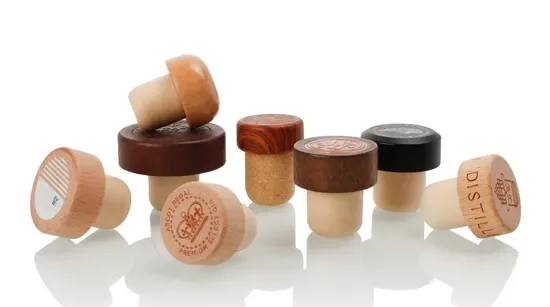
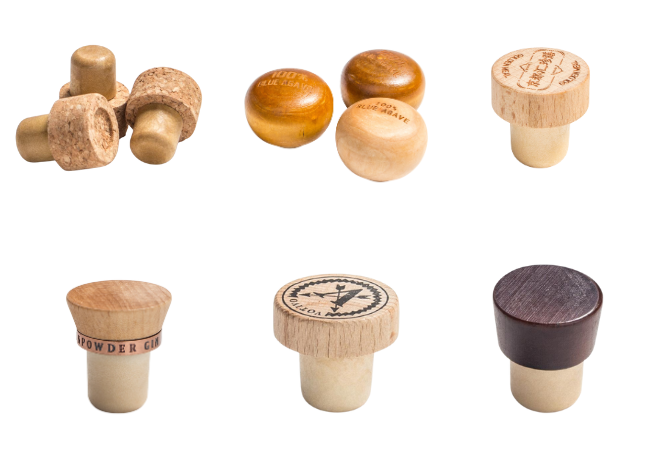
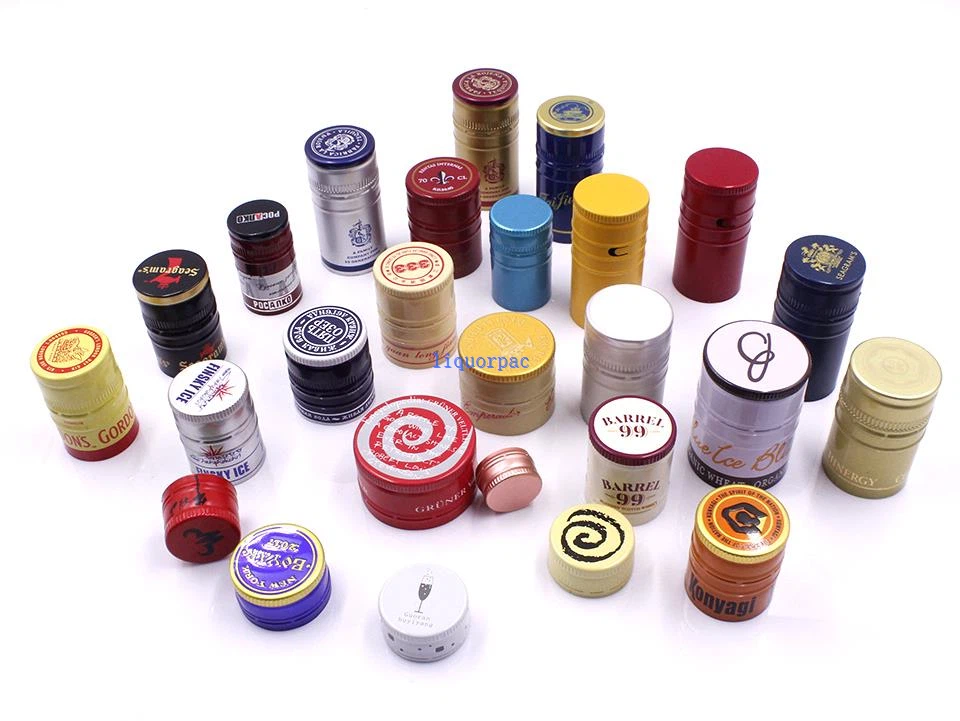
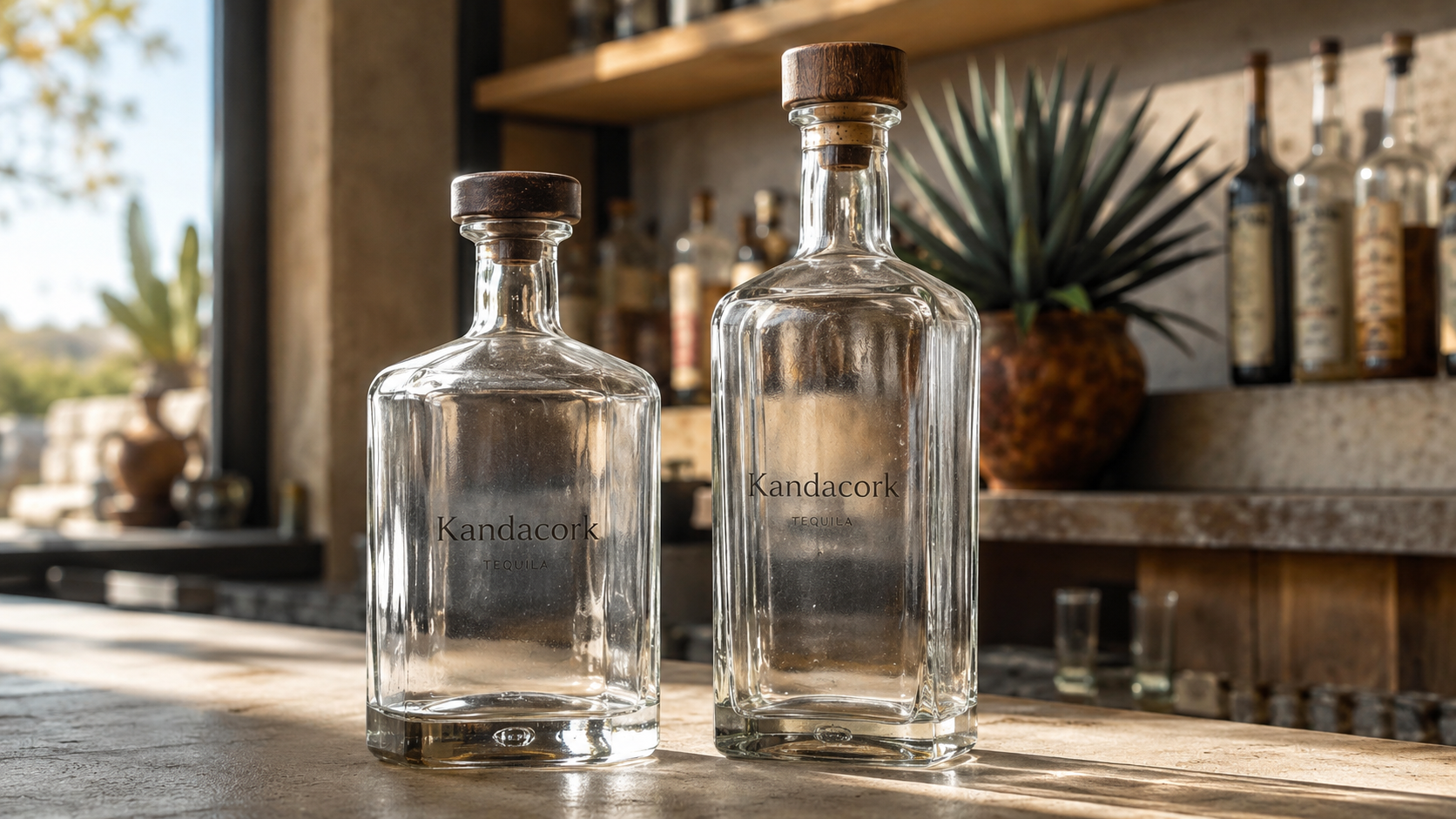
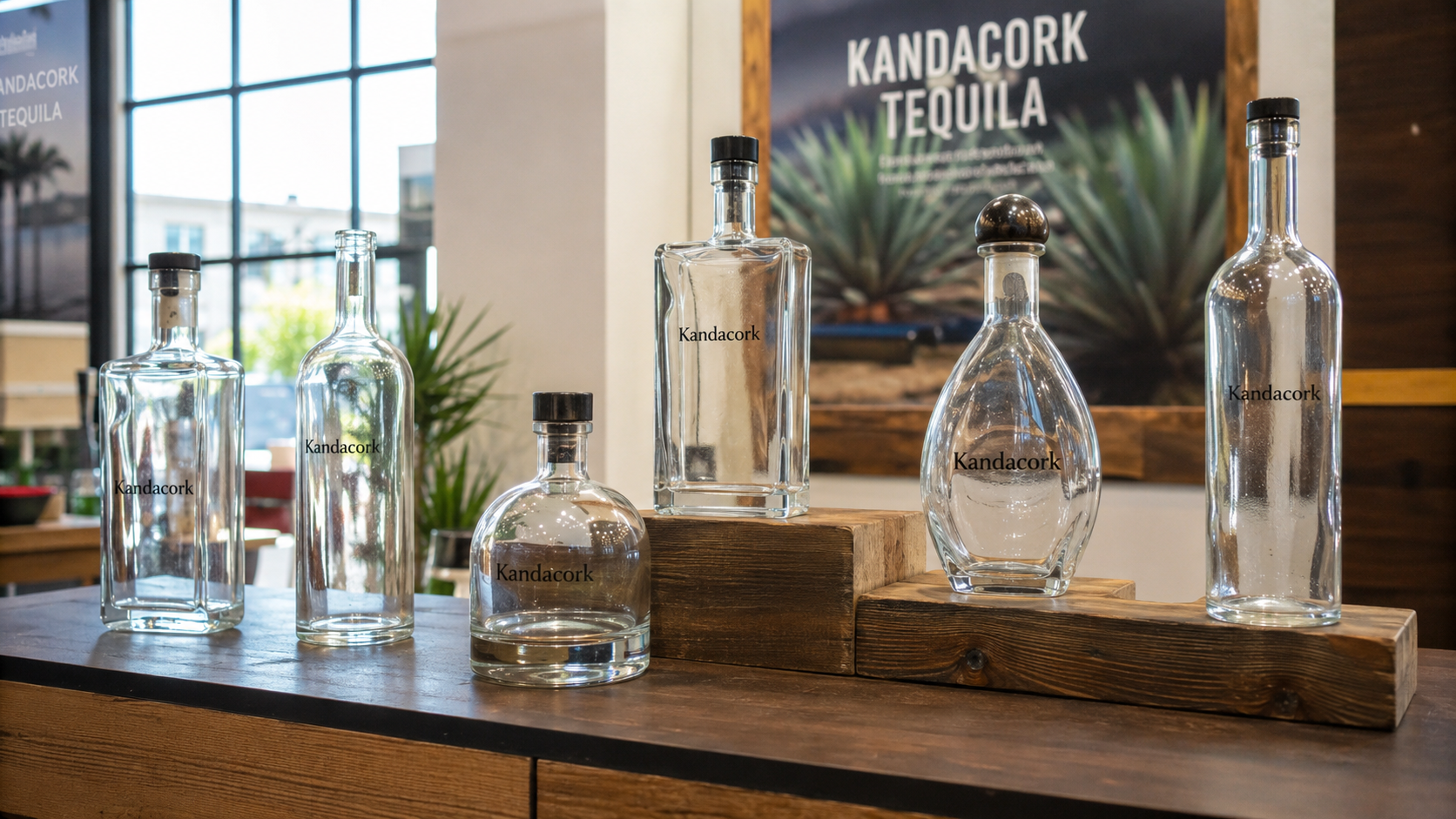
Kandacork Closures & Stoppers helps buyers review bottle drawings, test physical samples, compare closure materials, and confirm closure fit before bulk production. Buyers can start by reviewing Kandacork’s custom spirits bottle closures and stoppers to understand available cork, synthetic, glass, metal, screw cap, and ROPP options.
In This Guide
This guide explains:
- Why a correct neck finish can still leak
- How to calculate bottle neck ovality
- Common closure fit problems and their possible neck-related causes
- How to measure bottle neck roundness before ordering closures
- How roundness affects cork stoppers, synthetic stoppers, glass stoppers, CT screw caps, and ROPP caps
- Which closure types are more forgiving of minor ovality
- What to send Kandacork for closure fit review, samples, or quotation
Why a Correct Neck Finish Can Still Leak
Many packaging buyers first check the bottle neck finish when selecting a closure. This is necessary, but it is not enough.
A neck finish describes the designed top section of the bottle that receives the closure. It may include the opening, thread, bead, sealing surface, transfer ring, or ROPP profile. Packaging references commonly define neck finish compatibility through dimensions such as T, E, I, S, and H. These measurements help determine closure size, thread engagement, cap fit, and sealing position.
However, the real production bottle may vary from the drawing.
A glass bottle can have the correct stated neck finish but still have:
- An oval internal bore
- A tapered bottle neck
- An uneven sealing land
- A chipped or rough bottle lip
- An offset or crooked finish
- Mold-to-mold dimensional variation
- Inconsistent neck height or bead profile
This is where closure fit problems begin.
For example, a bottle drawing may show a 19.5 mm internal diameter. In production, one direction may measure 19.2 mm while another direction measures 19.8 mm. The average diameter looks acceptable, but the stopper experiences uneven compression: too tight on one side and too loose on the other.
That is why bottle neck roundness should be checked before approving bulk closure production. For new packaging programs, Kandacork can support bottle neck compatibility and closure fit testing before bulk sampling or large-order confirmation.
Buyer Warning: Do not approve bulk closure production based only on nominal neck size or bottle drawings. Always test real closures in real production bottles before confirming samples, tooling, or large orders.
Bottle Neck Ovality Formula
Bottle neck ovality is the difference between the widest and narrowest measured neck diameters.
Bottle Neck Ovality = Maximum Measured ID − Minimum Measured ID
Example:
| Measurement | Value |
|---|---|
| Maximum internal diameter | 19.8 mm |
| Minimum internal diameter | 19.2 mm |
| Bottle neck ovality | 0.6 mm |
A small ovality value may be acceptable for some closure systems. A larger ovality value can cause uneven sealing pressure, loose fit, leakage, inconsistent torque, or stopper misalignment.
The acceptable range depends on the closure type, closure material, bottle design, filling method, storage direction, alcohol content, and distribution conditions. There is no universal tolerance that applies to every spirits bottle. The safest approach is to measure real bottles and test real closures together.
Real Example: Correct Neck Finish, Failed Closure Fit
A spirits brand selected a bar-top cork stopper based on a nominal 19.5 mm bottle neck. On paper, the bottle and closure appeared compatible. During sample testing, however, several bottles failed tilt testing and showed inconsistent pull-out force.
After measuring real production bottles, the internal neck diameter ranged from 19.2 mm to 19.8 mm depending on direction and bottle sample. The stopper was strongly compressed on the narrow side but had weaker sealing contact on the wider side. The issue was not the nominal neck finish. It was the bottle neck ovality and inconsistent internal bore.
Kandacork adjusted the closure recommendation, reviewed the shank compression range, and tested revised samples before bulk production. This helped the buyer reduce leakage risk before shipment and avoid approving a closure based only on drawings.
Common Closure Fit Problems Caused by Poor Roundness
Many closure problems are first blamed on the cork, cap, liner, or capping machine. In reality, the bottle neck may be the hidden cause.
| Problem | Possible Bottle Neck Cause | What Buyers Should Check |
|---|---|---|
| Stopper too loose | Maximum ID too large or oval neck | Measure max ID and run pull-out test |
| Stopper too tight | Minimum ID too small or tapered bore | Measure min ID at actual insertion depth |
| Leakage after filling | Uneven sealing pressure | Run inverted and tilt leakage tests |
| Crooked stopper | Offset neck or uneven internal bore | Check verticality and bore profile |
| Cork wicking | Rough inner neck or weak compression | Check cork coating and internal surface |
| Cap crossthreading | Distorted thread or oval finish | Check T dimension and thread profile |
| Inconsistent torque | Uneven liner compression | Test bottles from different molds |
| ROPP band failure | Incorrect bead, finish height, or rolling setup | Review ROPP finish and capper settings |
| Filling-line stoppage | Neck height or diameter variation | Inspect production lot consistency |
This table is especially useful when bottles and closures come from different suppliers. The closure supplier may receive only a nominal neck size, while the real issue is hidden in bottle tolerance, ovality, or sealing surface quality. In automated bottling environments, inspection specialists also treat chips, cracks, out-of-round mouth conditions, and sealing-land problems as critical quality issues for container sealing performance, as explained in this guide to empty bottle inspection and bottle-mouth defects.
Neck Finish vs. Bottle Neck Roundness
Neck finish and bottle neck roundness are related, but they are not the same.
| Item | What It Means | Why It Matters |
|---|---|---|
| Neck finish | Designed closure area of the bottle | Helps choose the correct closure family |
| T dimension | Outside diameter across the thread | Important for screw caps and CT closures |
| I dimension | Inner bottle opening diameter | Important for corks, stoppers, and pour control |
| Sealing land | Surface where liner, cork, or gasket seals | Critical for leakage prevention |
| Roundness | How close the neck is to a true circle | Controls even sealing pressure |
| Ovality | Difference between widest and narrowest measurements | Helps diagnose loose, tight, or leaking closures |
A neck finish tells you the intended closure type. Bottle neck roundness tells you whether that closure can seal consistently in real production.
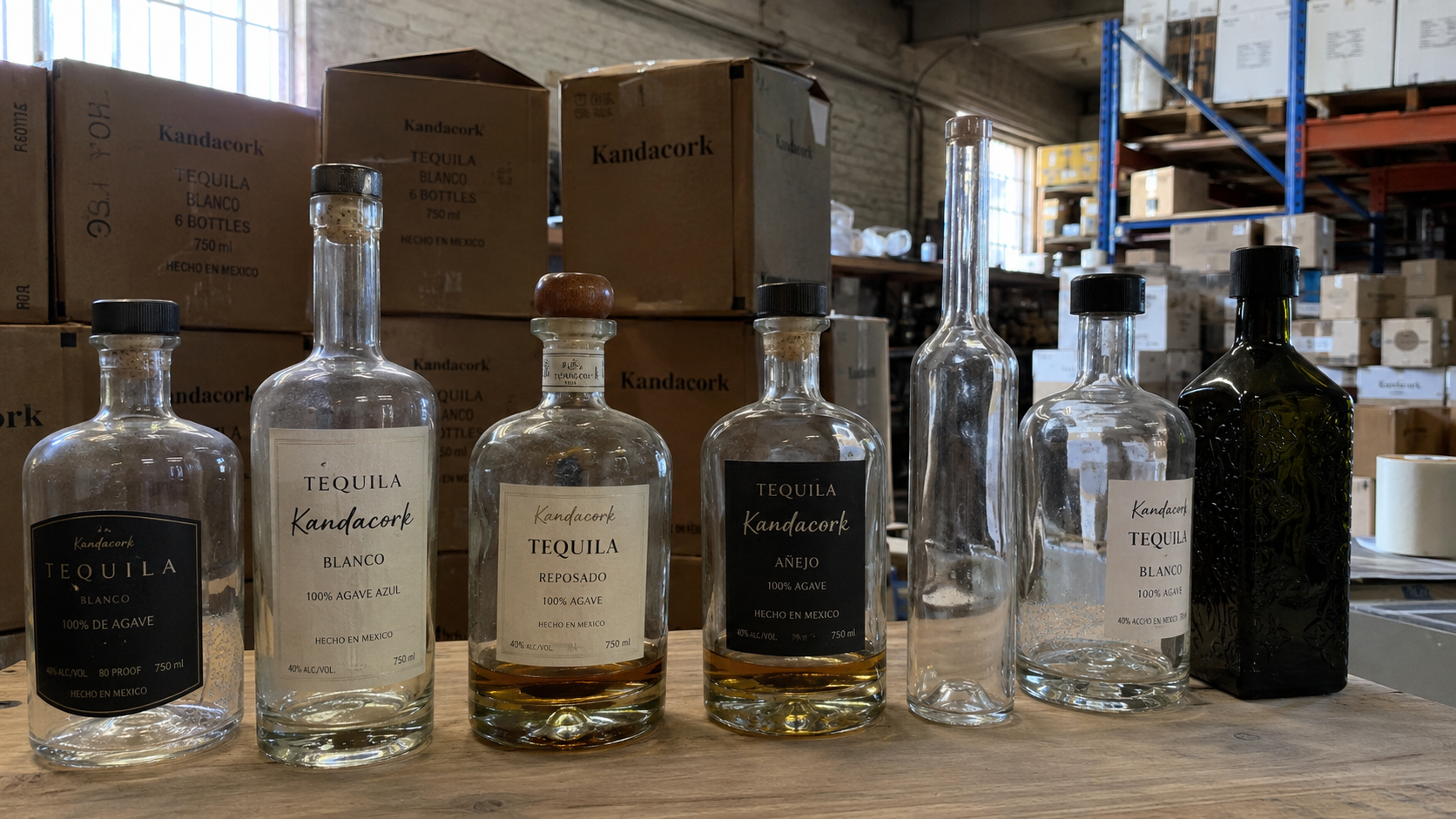
For spirits packaging, this difference is important because premium bottles often use custom glass, heavy bases, decorative shoulders, bar-top corks, aluminum caps, glass stoppers, or ROPP closures. These design choices improve shelf appeal, but they can also increase closure-fit risk if the bottle neck is not controlled well.
Why Bottle Neck Roundness Matters in Spirits Packaging
Spirits packaging has both functional and visual requirements. A closure must seal the liquid, protect the carton, survive transport, support tamper evidence, and create a consistent consumer experience.
Poor bottle neck roundness can affect:
- Leakage during filling, storage, and export transport
- Alcohol evaporation and aroma loss
- Stopper insertion depth
- Cork or synthetic shank compression
- Pull-out force and opening feel
- Cap torque consistency
- ROPP thread formation
- Tamper-evident band performance
- Stopper alignment and shelf appearance
- Capping or corking line efficiency
For premium spirits, closure fit is not only a technical issue. It is also a brand-quality issue. A crooked stopper, stained carton, loose cap, or leaking bottle can create distributor complaints and reduce buyer confidence.
When the bottle itself is still under development, closure buyers should coordinate neck finish, bore size, decoration, and filling-line expectations together with the bottle supplier. For full glass packaging projects, Kandacork Spirits can support custom spirits bottle development alongside closure matching.
How to Measure Bottle Neck Roundness Before Ordering Closures
Before ordering bulk closures, buyers should perform a simple but practical roundness check.
1. Collect Real Production Bottles
Use bottles from actual production tooling. Do not rely only on drawings, 3D renderings, showroom samples, or early prototype glass.
For custom spirits bottles, collect samples from different mold cavities and production lots when possible.
2. Measure Internal Diameter at Multiple Angles
Measure the internal bottle neck diameter at:
- 0°
- 90°
- 180°
- 270°
Record the smallest and largest values. The difference between them indicates bottle neck ovality.
3. Measure at the Actual Sealing Depth
For cork stoppers and synthetic stoppers, do not measure only the top lip. Measure the area where the shank actually seals inside the bottle neck.
A bottle may look acceptable at the opening but become wider, narrower, or tapered deeper inside.
4. Inspect the Lip and Sealing Land
Check the top sealing area for:
- Chips
- Cracks
- Rough glass
- Uneven lip thickness
- Mold seams
- Wavy sealing land
- Surface contamination
A damaged sealing surface can cause leakage even when bottle neck roundness is acceptable.
5. Test With Real Closures
Do not approve mass production based only on drawings. Test real closures in real bottles under the intended filling and storage conditions.
Recommended tests include:
- Insertion force
- Pull-out force
- Application torque
- Removal torque
- Inverted leakage test
- Tilt test
- Vibration test
- Temperature exposure
- Alcohol compatibility
- Repeated opening and resealing
How Roundness Affects Different Closure Types
Different closure systems respond to bottle neck roundness in different ways.
| Closure Type | How It Seals | Roundness Risk | Buyer Checkpoint |
|---|---|---|---|
| Bar-top cork stopper | Cork or synthetic shank compresses inside the neck | Uneven compression can cause leakage or loose fit | Min/max ID, insertion depth, pull-out force |
| Natural cork stopper | Cork compresses and recovers against the internal bore | Severe ovality can create weak sealing zones | Cork diameter, coating, leakage test |
| Synthetic stopper | Elastic material creates controlled compression | Poor roundness can cause tight insertion but weak recovery | Compression range and sample testing |
| Glass stopper | Gasket or sealing ring contacts the neck | Out-of-round neck can create partial sealing | Gasket contact and tilt leakage test |
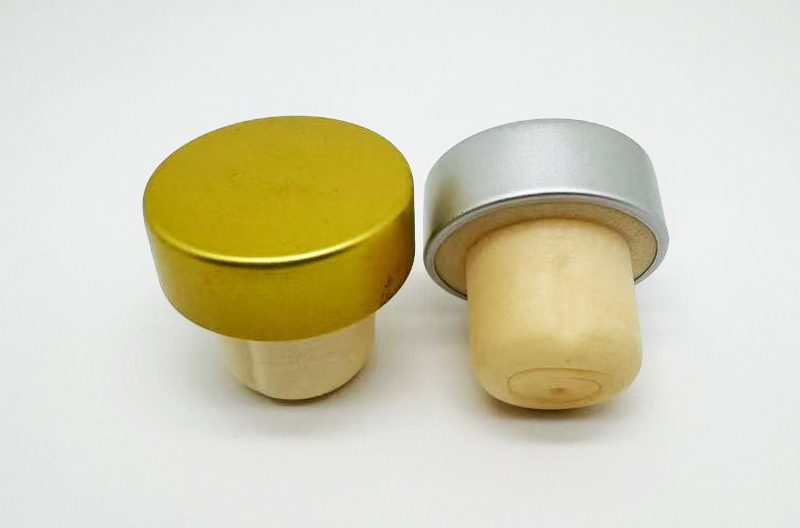
| Aluminum bar-top closure | Decorative top plus functional shank | Crooked seating or uneven pull-out feel | Visual alignment and shank fit |
| CT screw cap | Thread engagement plus liner compression | Distorted finish can cause crossthreading or torque variation | T dimension, liner contact, torque test |
| ROPP cap | Aluminum cap is rolled onto the bottle finish | Ovality can affect thread formation and tamper band | ROPP profile, bead, liner, capper setup |
A flexible cork or synthetic stopper may compensate for small variation, but no closure can fully correct a severely oval, chipped, tapered, or inconsistent bottle neck.
For stopper-based projects, Kandacork’s guide to how bar-top stoppers fit spirits bottle necks explains why shank diameter, bore size, insertion depth, and pull-out force should be checked together.
Which Closure Type Is More Forgiving of Minor Ovality?
Some closure systems can tolerate small bottle neck variation better than others. However, “more forgiving” does not mean “safe without testing.”
| Closure Type | Forgiveness to Minor Ovality | Practical Comment |
|---|---|---|
| Cork stopper | Medium to high | Cork can compress and recover, but severe ovality still causes leakage risk |
| Synthetic stopper | Medium | More consistent material recovery, but still needs correct compression range |
| Glass stopper | Low to medium | Depends strongly on gasket contact and neck consistency |
| CT screw cap | Medium | Depends on thread accuracy, liner compression, and torque control |
| ROPP cap | Low to medium | Requires correct neck profile, bead, liner, and capping head setup |
For custom spirits bottles, Kandacork recommends choosing the closure based on actual bottle measurements, brand positioning, filling-line conditions, and leakage testing results. If the project uses screw caps, the screw cap thread finish matching guide can help buyers understand why thread profile, liner contact, and torque control matter as much as nominal cap size.
Sample Approval Process Before Bulk Production
Kandacork recommends confirming closure fit before mass production. A structured sample process helps avoid leakage claims, distributor complaints, stained cartons, and launch delays.
Step 1: Bottle Drawing Review
Send the bottle neck drawing, finish specification, target closure type, and filling method. This helps identify the intended closure family and possible tolerance risks.
Step 2: Physical Bottle Sample Review
Send 20–50 physical bottles when possible. More samples are recommended for handmade glass, custom molds, or projects with previous leakage problems.
Step 3: Closure Material Recommendation
Kandacork can compare natural cork, micro-agglomerated cork, synthetic stoppers, aluminum bar-top closures, glass stoppers, screw caps, and ROPP caps based on the actual bottle neck and brand positioning.
Step 4: Prototype Closure Sampling
Sample closures should be tested in actual bottles before bulk quotation approval. This step helps confirm shank diameter, liner selection, gasket structure, top size, decoration method, and overall fit.
Step 5: Functional Testing and Golden Sample Approval
Test sealing, opening feel, insertion depth, pull-out force, torque, leakage, and visual alignment. Once approved, keep a golden sample for future production comparison.
A golden sample gives both buyer and supplier a physical reference for future quality checks. This is especially useful for repeat orders, new production batches, and projects involving multiple suppliers.
Supplier Capability Checklist for Closure Buyers
When evaluating a spirits closure supplier, buyers should ask whether the supplier can support technical fit review, not only product catalog selection.
A qualified closure supplier should be able to provide:
- Bottle neck drawing review
- Physical bottle sample evaluation
- Closure structure recommendation
- Cork, synthetic, glass, aluminum, screw cap, and ROPP options
- Custom shank diameter or liner selection
- Logo engraving, embossing, printing, or color matching
- Prototype sampling before bulk production
- Leak testing, torque, or pull-out force guidance
- Capping or corking compatibility review
- Export packaging support
- Batch consistency control
- Quotation for sample and bulk quantities
For premium spirits packaging, the supplier’s role should not be limited to selling closures. The supplier should help verify whether the closure actually fits the bottle.
For buyers considering glass-on-glass or gasket-based closure systems, Kandacork’s article on glass stopper neck finish matching explains why gasket contact and bottle neck consistency must be reviewed before approval.
What to Send Kandacork for Fit Review or Quotation
To help Kandacork Closures & Stoppers recommend the right closure fit, prepare the following information:
- Bottle neck drawing
- Bottle finish specification
- Bottle photos from front, side, and top
- 20–50 physical bottle samples, if available
- Target closure type
- Existing leakage or fit problem, if any
- Fill product and alcohol percentage
- Filling and capping method
- Storage direction
- Export market
- Annual order quantity
- Branding and decoration requirements
- Target sample date
- Target launch date
With this information, Kandacork can evaluate closure options, recommend suitable materials, prepare samples, and provide a quotation for custom spirits bottle closures.
Why Work With Kandacork Closures & Stoppers?
Kandacork Closures & Stoppers supports spirits brands, distilleries, private label buyers, importers, distributors, bottlers, and packaging buyers with custom closure development and fit evaluation.
For projects involving bottle neck roundness, Kandacork can help compare closure materials, review bottle drawings, test physical bottle samples, recommend shank or liner structures, and support sample confirmation before mass production.
The goal is simple: help buyers avoid closure fit problems before they become leakage claims, distributor complaints, stained cartons, or delayed product launches.
FAQ
Can a bottle have the correct neck finish but still leak?
Yes. A bottle can have the correct nominal neck finish but still leak if the neck is oval, tapered, chipped, offset, or inconsistent from mold to mold. Closure fit depends on the real bottle neck surface, not only the stated neck size.
Is average bottle neck diameter enough for closure sizing?
No. Average diameter can hide bottle neck ovality. Buyers should measure minimum ID, maximum ID, insertion depth, lip condition, and sealing surface quality before approving bulk closure production.
How does bottle neck roundness affect cork stopper fit?
Cork stoppers seal by compression. If the bottle neck is out of round, one side of the cork may be over-compressed while the other side has weak contact. This can cause leakage, loose fit, or inconsistent pull-out force.
Does bottle neck roundness matter for ROPP caps?
Yes. ROPP caps are rolled onto the bottle neck. If the neck profile is oval or inconsistent, thread formation, liner contact, and tamper-evident band performance may be affected.
What is the best way to prevent spirits bottle leakage?
The best way is to test the bottle and closure together before bulk production. Buyers should review drawings, measure bottle neck roundness, test real samples, check leakage, and approve golden samples.
Should I send drawings or physical bottles to Kandacork?
Send both if possible. Drawings show the intended design, while physical bottles reveal real production variation. For custom spirits bottles, physical sample testing is strongly recommended before final quotation and mass production.