Introduction
Luxury glass stoppers must be designed around both appearance and bottle compatibility. This guide explains how stopper shape, glass quality, shank structure, neck fit, safety checks and export packing affect premium spirits packaging projects.
What Are Premium Glass Stoppers?
Premium glass stoppers are high-end bottle closures made with a glass head and a sealing component that fits into the bottle neck. They are commonly used for spirits bottles that require a refined appearance, custom branding, reliable resealing, and a stronger opening or pouring experience.
The right glass stopper should match the bottle’s internal neck diameter, closure insert material, alcohol compatibility requirements, pull-force feel, decoration style, and transport-testing conditions.
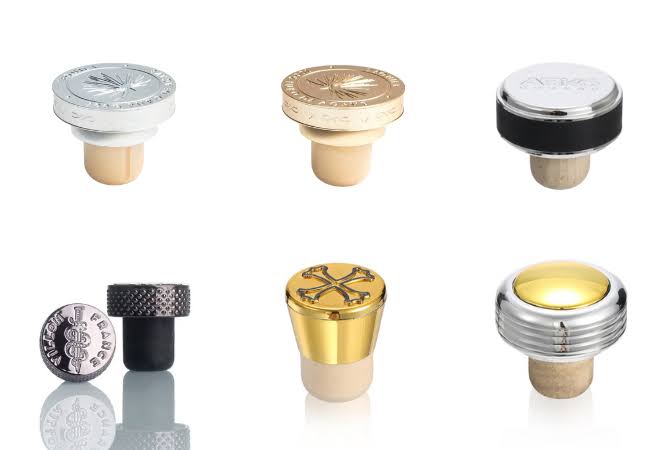
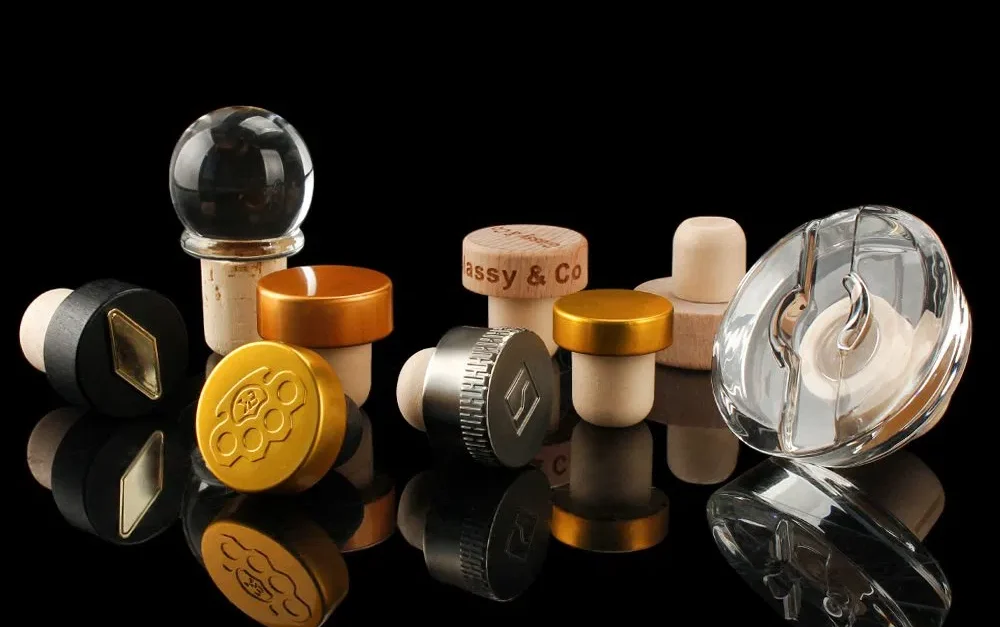
Common structures include glass heads with synthetic cork inserts, glass heads with TPE sealing rings, glass bar-top stoppers, crystal-style glass stoppers, and Vinolok-style glass closures.
For buyers building a full spirits pack, the stopper should be evaluated together with the bottle, label, carton, capsule, and closure application process. A beautiful stopper that does not fit the neck correctly can create leakage, inconsistent opening feel, or production delays.
Why Spirits Brands Choose Premium Glass Stoppers
Luxury Shelf Presentation
Premium spirits packaging must compete visually in retail stores, duty-free shops, tasting rooms, hotel bars, gift sets, and online product photography. The bottle closure plays a major role in this presentation.
Premium glass stoppers create a clean, heavy, and refined look. They are especially suitable for brands that want a decanter-style package, a collector bottle, or a modern luxury identity.
A clear glass stopper can emphasize purity and transparency. A frosted stopper can create a soft premium effect. A tinted or faceted stopper can make the bottle more distinctive under shelf lighting.
Stronger Brand Differentiation
Many spirits brands use similar bottle shapes, labels, and caps. A custom glass stopper can help the product stand apart.
The stopper can be developed with brand-specific shapes, logo engraving, embossing, laser marking, colored glass, frosted surfaces, metallic accents, or decorative inserts. These design choices turn the closure into part of the brand identity.
A premium gin brand may choose a transparent or frosted glass stopper to support a botanical, clean, and modern image. A rum brand may prefer a heavier tinted glass stopper to match an aged, heritage-driven story. A tequila brand may use a sculptural glass head to reinforce craftsmanship and gifting value.
Better Gift and Collector Appeal
Premium spirits are often purchased as gifts. Consumers may also keep luxury bottles after use, especially for limited releases, aged expressions, private-label collaborations, and holiday editions.
A premium glass stopper gives the bottle a more permanent and collectible feel. It also improves the tactile experience when the consumer opens, pours, and reseals the bottle.
This repeated physical interaction helps reinforce perceived quality. A well-designed stopper can make the bottle feel complete rather than simply closed.
Practical Resealing Performance
Although appearance is important, premium glass stoppers must also perform. The sealing result depends on the bottle neck, insert material, stopper diameter, compression, insertion depth, and tolerance control.
A good stopper should feel secure without being difficult to remove. It should reseal smoothly after use and maintain a consistent consumer experience across production batches.
This is why stopper selection should include technical review, sample matching, and leakage testing rather than visual approval alone.
Premium Glass Stoppers vs Other Spirits Bottle Closures
| Closure Type | Best For | Strengths | Buyer Considerations |
|---|---|---|---|
| Premium glass stoppers | Luxury spirits, reserve bottles, gift sets, limited editions | Elegant look, strong shelf impact, custom shape options, collectible feel | Requires accurate neck-fit testing and careful packing |
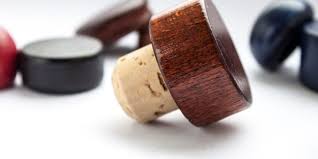
| Wooden stoppers | Craft spirits, whisky, rum, heritage-style packaging | Warm natural look, traditional feel, artisanal signal | Natural variation in grain, color, and finish |
| Metal stoppers | Modern spirits, vodka, tequila, premium liqueurs | High-end shine, weight, plating options, bold appearance | May feel less integrated with glass bottle design |
| Plastic stoppers | Standard product lines, cost-sensitive projects | Economical, lightweight, flexible production | Lower perceived value for premium spirits |
| Standard cork closures | Traditional spirits, classic packaging | Familiar opening experience, heritage appeal | Less visual differentiation than custom glass |
For premium and super-premium spirits, the closure should support the product’s price position. Premium glass stoppers are often selected when the brand wants both a luxury visual signal and a better tactile experience.
Buyers comparing closure materials may also review wooden bar-top stoppers, custom metal stoppers, and plastic bar-top stoppers before deciding which closure style best matches the brand, bottle design, filling process, and target price tier.
Premium Glass Stopper Specifications Buyers Should Confirm
Bottle Neck Finish and Bore Diameter
The bottle neck is the starting point for every glass stopper project. Buyers should confirm the internal bore diameter, neck finish, tolerance range, and insertion depth before selecting a stopper.
A stopper that is too loose may cause leakage, poor resealing, or weak consumer confidence. A stopper that is too tight may be difficult to remove, slow the bottling process, or damage the insert.
Kandacork Closures recommends reviewing technical drawings and actual bottle samples before confirming mass production. When the bottle is still in development, the closure team should be involved early so the glass neck and stopper can be matched before final mold approval.
Stopper Head Diameter and Shape
The stopper head must match the bottle’s visual proportion and handling requirements. A large stopper may create a luxurious look, but it must also fit the carton, gift box, and filling-line process.
Buyers should check the head diameter, closure height, glass weight, edge finish, and hand feel. For export packaging, the stopper head should also be protected against scratching, chipping, and impact damage.
Insert Material
The insert is responsible for sealing performance. Common options include synthetic cork, natural cork, micro-agglomerated cork, TPE, and other technical polymer sealing systems.
The best insert depends on the bottle neck, spirit type, filling conditions, target price, decoration requirements, and desired opening feel. For higher-alcohol products, buyers should evaluate whether the insert material is suitable for beverage contact and long-term storage conditions. In regulated markets, packaging teams may refer to FDA food-contact material guidance when reviewing components used in food and beverage packaging.
Sealing Fit and Pull Feel
A premium closure must feel right in the consumer’s hand. Pull force, insertion comfort, rotational stability, and resealing feel all affect the user experience.
If the stopper removes too easily, the bottle may feel insecure. If the stopper is too hard to pull, the product may feel inconvenient or poorly engineered. The best premium glass stoppers balance sealing confidence with smooth handling.
Alcohol Compatibility
Spirits contain ethanol, and some formulas also include botanicals, oils, extracts, sugars, acids, or flavor compounds. These ingredients may interact differently with closure inserts.
Brands should test the stopper with the actual liquid or a representative formulation before bulk approval. This is particularly important for gin, flavored vodka, botanical spirits, liqueurs, bitters, high-proof spirits, and specialty blends.
Alcohol compatibility testing helps evaluate swelling, aroma transfer, discoloration, insert stability, and long-term closure performance.
Insert Material Comparison for Premium Glass Stoppers
| Insert Type | Best For | Key Benefit | Buyer Check |
|---|---|---|---|
| Synthetic cork | Spirits brands needing stable sealing and consistent dimensions | Controlled compression and reliable appearance | Test pull force, resealing feel, and bottle-neck fit |
| TPE sealing ring | Modern technical sealing systems | Precise fit and clean closure structure | Confirm alcohol compatibility and compression behavior |
| Natural cork | Traditional premium spirits | Classic feel and natural appearance | Check variation, aroma risk, and dimensional consistency |
| Micro-agglomerated cork | Engineered cork-style performance | More consistent than many natural cork options | Confirm density, diameter tolerance, and sealing stability |
| Custom polymer insert | Special bottle or filling requirements | Tailored sealing performance | Test with actual liquid and final bottle samples |
This comparison helps buyers choose the correct sealing structure instead of selecting a premium glass stopper only by appearance.
Kandacork Closures’ Recommended Glass Stopper Testing Process
Review the Bottle Drawing
The first step is to review the bottle drawing, including neck finish, internal bore diameter, neck height, tolerance range, and closure area.
This helps identify whether a standard stopper can be used or whether a custom glass stopper is required. It also helps avoid late-stage redesigns after the bottle mold, label, or carton structure has already been approved.
Measure Physical Bottle Samples
Drawings are important, but physical bottle samples reveal practical production variation. Kandacork Closures recommends checking actual bottle samples from pilot or production runs whenever possible.
This reduces the risk of approving a stopper based only on theoretical dimensions. For high-value spirits, even a small mismatch between bottle bore and insert diameter can affect leakage, pull force, and consumer confidence.
Match the Insert Material
The insert should be selected according to the spirit type, alcohol level, bottle neck, desired pull feel, and closure appearance.
For many premium spirits projects, synthetic cork or TPE sealing systems offer stable, controlled performance. For traditional packaging, cork-based inserts may be preferred.
Produce and Test Samples
Sample testing should evaluate insertion depth, pull force, sealing pressure, resealing feel, and visual alignment.
Samples should also be reviewed with the final bottle, label, carton, and gift box to confirm that the closure works as part of the complete packaging system.
Conduct Leakage and Transport Checks
Buyers should test inversion, vibration, temperature variation, carton compression, and transport handling. These tests help identify loose fit, leakage, stopper movement, carton interference, and breakage risk before bulk production.
Packaging teams can use ASTM D4169 performance testing as a reference point when evaluating whether shipping units can withstand expected distribution conditions.
Confirm Bulk Production Tolerance
After sample approval, buyers should confirm the acceptable tolerance range for the stopper head, insert diameter, decoration position, closure height, and packing method.
This step helps maintain consistency from sample development to mass production. For repeat projects, it also gives buyers a clearer standard for future replenishment orders and quality inspections.
Customization Options for Premium Glass Stoppers
Glass Head Shape
The glass head is the most visible part of the closure. It can be round, square, oval, cylindrical, faceted, conical, high-top, low-top, or fully custom molded.
The shape should match the bottle’s body, shoulder, neck height, label layout, and brand story. A faceted stopper may suit a premium whisky bottle. A smooth rounded stopper may work well for vodka or gin. A sculptural custom stopper may support a limited-edition tequila, rum, or brandy release.
Glass Effects
Premium glass stoppers can be produced with different visual effects to match the bottle and brand identity.
Clear glass supports purity, transparency, and minimalism. Frosted glass creates a soft luxury effect. Tinted glass helps align with brand colors. Colored glass improves recognition. Heavy crystal-style glass gives the bottle a decanter-like appearance. Textured or faceted glass adds tactile and visual depth.
When the bottle design, closure, and visual decoration must be developed as one coordinated pack, Kandacork’s sibling teams can support custom bottle structures through Spirits Bottle packaging and surface finishing through Decoration & Branding.
Branding and Decoration
Custom glass stoppers can support logo engraving, embossing, debossing, printing, laser marking, metallic accents, color filling, and decorative inserts.
Decoration should be clear but not excessive. In premium packaging, subtle branding often performs better than oversized logos. A refined mark, custom shape, or elegant surface treatment can communicate quality without overcrowding the design.
Bottle and Stopper Design Matching
A glass stopper should feel like part of the bottle, not an accessory added at the end.
Buyers should review stopper design together with bottle shape, neck height, shoulder profile, label size, capsule or shrink band requirements, gift-box clearance, and carton packing.
This coordinated approach helps the final package look intentional and perform reliably during production and distribution.
Best Premium Glass Stopper Styles by Spirits Category
| Spirits Category | Recommended Stopper Style | Packaging Goal |
|---|---|---|
| Whisky and bourbon | Heavy crystal-style glass stopper, faceted glass head, glass bar-top stopper | Create reserve, aged, and collector appeal |
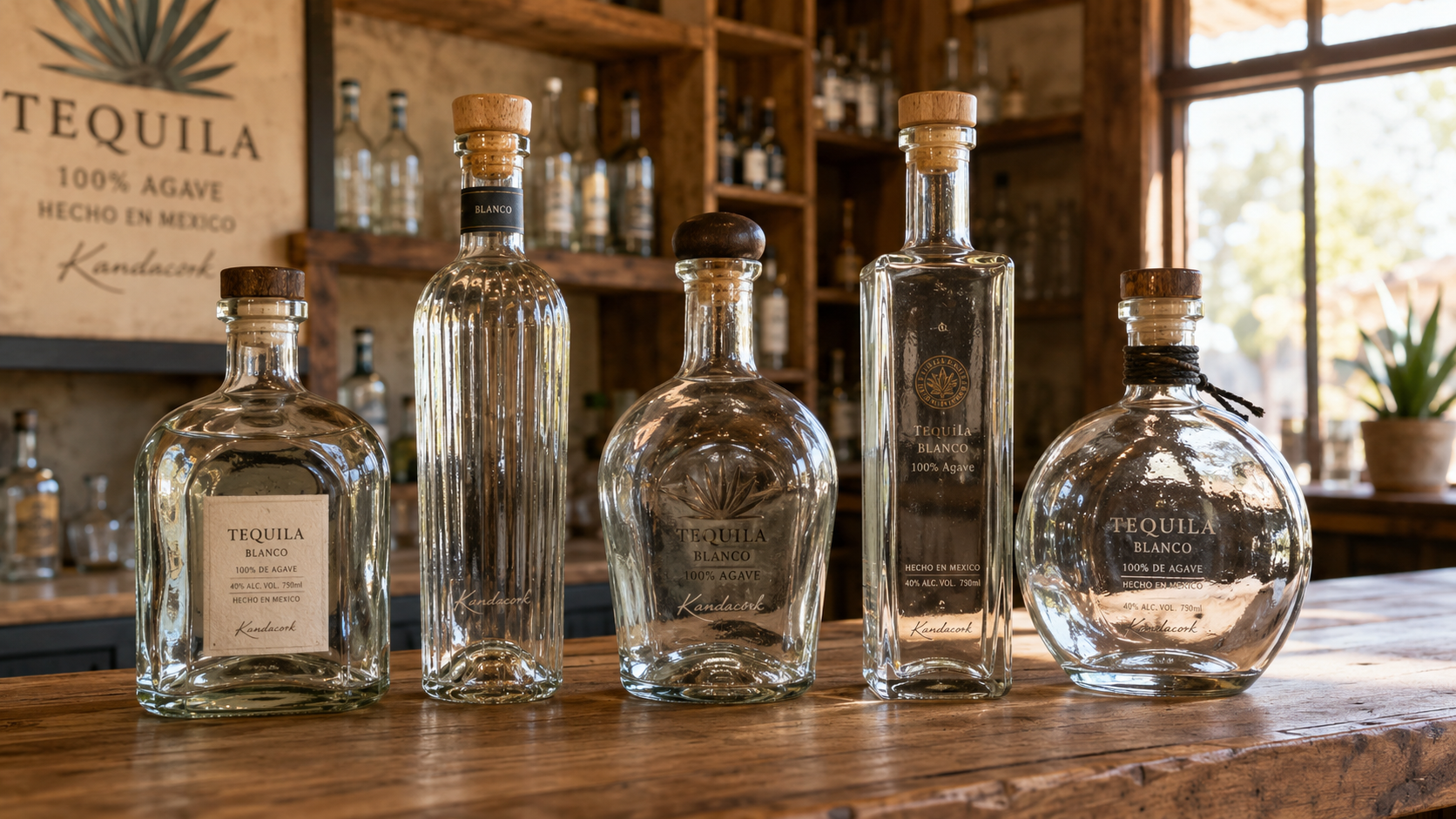
| Tequila and mezcal | Sculptural glass head, custom molded stopper, tinted glass stopper | Reinforce craft, gifting, and brand signature |
| Rum and brandy | Tinted glass stopper, heavy-look glass head, rounded bar-top stopper | Communicate warmth, depth, and heritage |
| Gin | Clear or frosted glass stopper, minimalist glass head | Support botanical clarity and modern premium design |
| Vodka | Clear glass stopper, low-profile glass head, frosted finish | Emphasize purity, simplicity, and clean design |
| Liqueur and specialty spirits | Decorative glass stopper, colored glass head, custom insert detail | Strengthen gifting, flavor identity, and shelf distinction |
This table gives buyers a practical starting point, but the final choice should always be confirmed through bottle matching, sample testing, and packaging review.
For brands managing several bottle formats, it can be useful to develop a closure family rather than a single stopper. A shared design language across whisky, gin, rum, tequila, and liqueur SKUs can make a product range feel more cohesive while still allowing each bottle to use the right stopper size and insert structure.
Common Buying Mistakes to Avoid
Choosing Appearance Before Fit
A stopper may look beautiful but fail if the insert does not match the bottle neck. Fit should be reviewed before final decoration or bulk production.
Ignoring Pull-Force Feel
Buyers sometimes focus only on leakage. Opening feel is also important. A stopper that is too tight can create a poor consumer experience, while a stopper that is too loose can make the bottle feel insecure.
Testing With the Wrong Bottle
A prototype bottle may not have the same tolerance as the final production bottle. Buyers should test with actual production samples whenever possible.
Overlooking Carton and Gift-Box Clearance
A tall or wide stopper may interfere with secondary packaging. Closure height should be checked early in the design process.
Forgetting Export Protection
Glass heads require careful packing to prevent scratches, chips, and breakage during long-distance shipping. Export packaging should be part of the closure plan.
Quality, Compliance, and Sustainability Considerations
Premium spirits packaging should be evaluated through both design and quality-control standards. Buyers may consider ISO 9001 quality management principles when reviewing supplier production consistency, inspection systems, and batch control.
For sustainability communication, glass packaging is often discussed by entities such as the Glass Packaging Institute and FEVE because glass is widely recognized in beverage packaging for its recyclability, premium appearance, and material stability.
Brands should still evaluate the full packaging system, including stopper insert materials, decoration methods, carton packaging, and logistics impact. A glass stopper may support a premium and sustainability-oriented story, but the final claim should be based on real materials, market regulations, recyclability routes, and supplier documentation.
For companies building broader glass packaging programs, Kandacork Glass and Kandacork Eco Glass can support bottle development, sourcing coordination, and packaging system planning alongside closure selection.
How to Choose a Custom Glass Stopper Supplier
Engineering Support
A supplier should do more than provide a catalog. The right partner should help review the bottle neck, stopper drawing, insert material, sealing structure, and filling conditions.
For premium glass stoppers, engineering support may include sample matching, bore diameter review, insert selection, leakage checks, pull-force evaluation, and packaging recommendations.
Custom Development Capability
Some projects need standard stoppers. Others require semi-custom or fully custom designs.
A capable supplier should support multiple project levels, from existing molds and standard glass heads to custom-molded shapes, decorated tops, and brand-specific closure systems.
Decoration Coordination
Luxury packaging depends on consistency. The stopper should coordinate with the bottle decoration, label material, foil, carton, and outer packaging.
Decoration coordination may include logo placement, color matching, frosting, metallic detailing, engraving, embossing, printing, and surface finish control.
Bulk Production and Export Support
Premium closure projects require consistency from sample approval to mass production. Buyers should evaluate quality inspection, packing protection, MOQ planning, lead time, documentation, and export experience.
For international spirits brands, packaging protection is especially important. Glass stopper heads should be packed to reduce scratching, chipping, and breakage during transit.
Why Work With Kandacork Closures?
Kandacork Closures helps spirits packaging buyers develop custom premium glass stoppers that combine luxury design with practical closure performance.
As a focused spirits closure manufacturer, the company supports glass head selection, custom stopper design, synthetic cork and TPE insert matching, bottle neck fit review, sample development, decoration coordination, bulk production planning, and export packaging support.
For brand owners, bottlers, packaging distributors, and private-label spirits projects, Kandacork Closures provides a practical route from concept to production-ready closure.
Instead of choosing a stopper only by appearance, buyers can evaluate the full closure system: bottle neck, insert material, sealing feel, decoration, production tolerance, carton fit, and final consumer experience.
FAQ
Are premium glass stoppers suitable for spirits bottles?
Yes. Premium glass stoppers are suitable for spirits bottles when the stopper insert, bottle neck, and sealing structure are correctly matched. They are commonly used for whisky, tequila, rum, gin, vodka, brandy, cognac, liqueur, and limited-edition spirits packaging.
Are glass stoppers airtight?
Glass stoppers can be airtight or highly leak-resistant when the insert material, gasket compression, and bottle neck tolerance are correctly matched. Buyers should confirm performance through leakage, inversion, and transport testing before bulk production.
Can glass stoppers be customized with a logo?
Yes. Premium glass stoppers can be customized with molded shapes, engraving, embossing, debossing, laser marking, printing, colored glass, frosted effects, metallic accents, and decorative inserts.
What size glass stopper do I need?
The correct size depends on the bottle’s internal neck diameter, neck finish, insertion depth, insert material, and desired sealing feel. Buyers should provide bottle drawings or physical samples before confirming stopper size.
What insert material works best for premium glass stoppers?
The best insert depends on the bottle neck, spirit type, alcohol compatibility, and desired pull-force feel. Synthetic cork and TPE inserts are common choices for stable sealing performance, while cork-based inserts may suit more traditional spirits packaging.
What should I test before ordering premium glass stoppers?
Buyers should test neck fit, leakage, pull-force feel, resealing performance, alcohol compatibility, carton clearance, vibration resistance, and transport stability before bulk production.
Are premium glass stoppers only for luxury spirits?
They are most common in premium, super-premium, reserve, limited-edition, and gift-set spirits packaging. They can also help emerging brands create stronger shelf differentiation and a more memorable consumer experience.
Which spirits categories use premium glass stoppers most often?
Premium glass stoppers are widely used for whisky, bourbon, tequila, mezcal, rum, brandy, cognac, gin, vodka, liqueur, and specialty spirits. They are especially effective for gift sets, collector bottles, and premium product lines.
Conclusion
Premium glass stoppers help spirits brands turn a closure into a meaningful part of the packaging experience. They support luxury presentation, collectible value, brand differentiation, and practical resealing performance when properly engineered.
The best stopper is not simply the most decorative option. It is the closure that matches the bottle neck, protects the product experience, supports the brand story, and performs reliably through filling, shipping, retail display, and consumer use.
Kandacork Closures helps buyers develop custom premium glass stoppers with the right balance of design, fit, sealing performance, and production practicality.
Send your bottle drawing, bottle sample, or packaging concept through the custom closure quote page to start stopper size matching, sealing insert recommendation, sample development, and custom closure planning for your next premium spirits project.