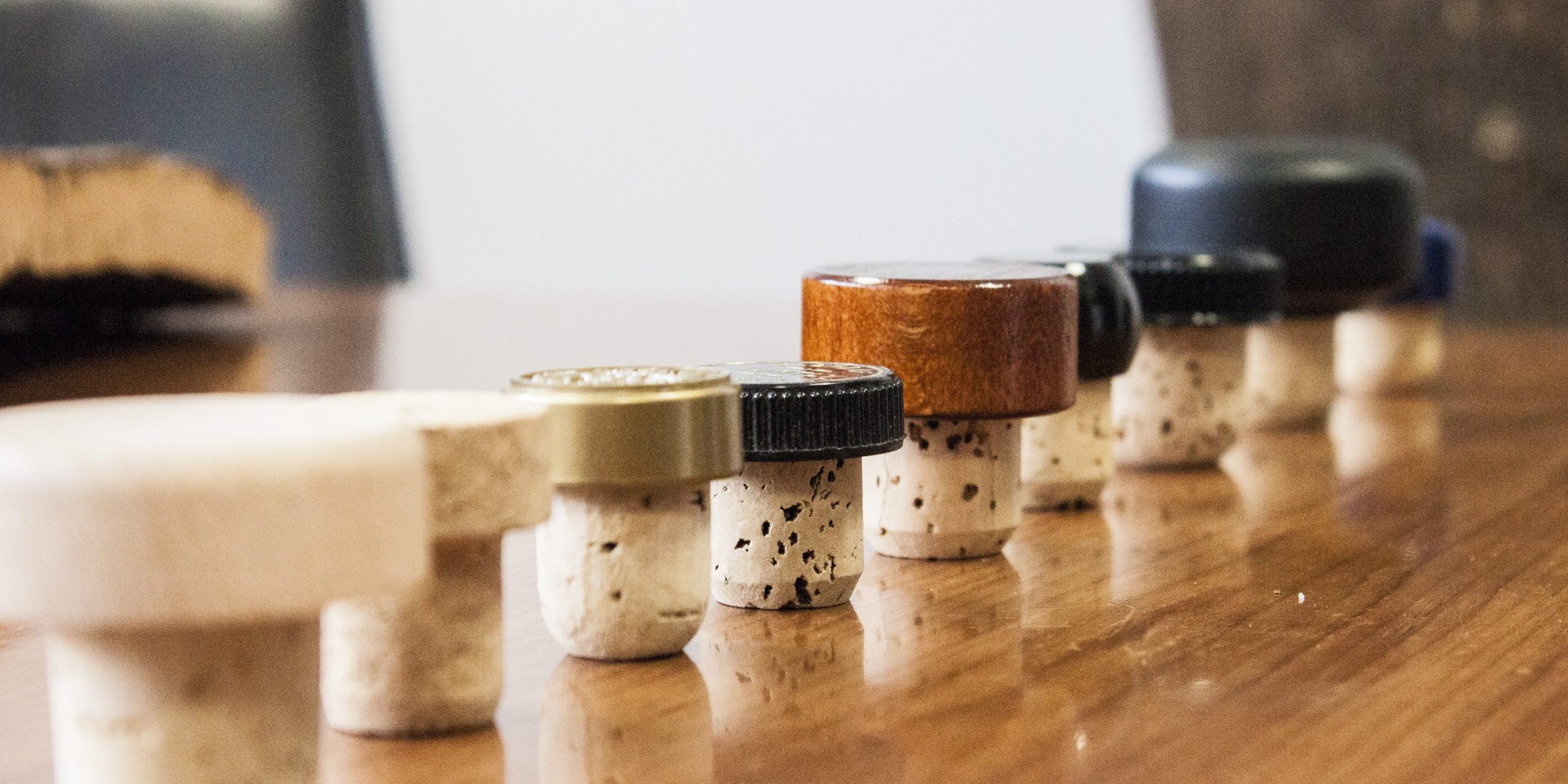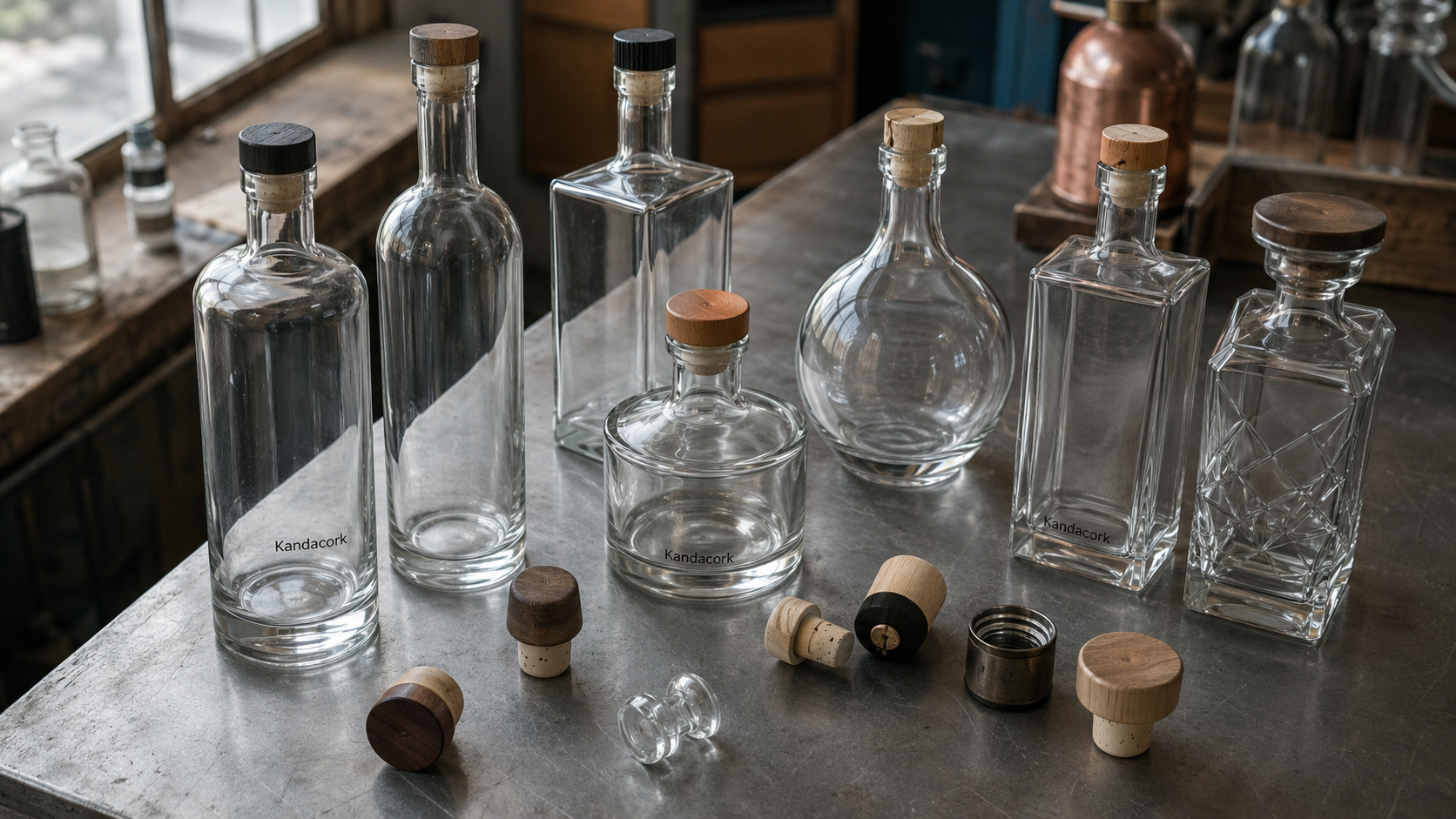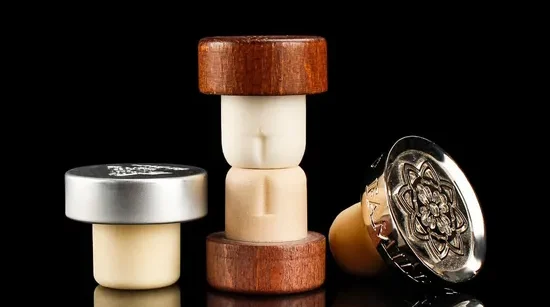
Before ordering spirits bottle closures in bulk, buyers should confirm bottle drawings, neck finish, bore diameter, closure material, liner or shank compatibility, torque or pull-out force, leak testing, filling-line fit, tamper evidence, decoration samples, carton fit, golden sample approval, and RFQ details.
This bottle closure fit checklist is designed for spirits brands, distilleries, private label buyers, importers, distributors, bottlers, and packaging buyers preparing for bulk production.
This guide is not only a neck finish explanation. It is a pre-bulk closure approval playbook for spirits buyers who need to confirm closure fit, sample performance, supplier readiness, and quotation details before mass production.
A closure is more than a finishing component. It affects sealing performance, consumer opening experience, filling-line efficiency, shipping safety, shelf appearance, and brand trust. A cap or stopper may look correct in a sample photo but fail during production because the shank is too tight, the liner does not compress properly, the torque is unstable, or the tamper-evident band does not break cleanly.
Kandacork Closures helps spirits packaging buyers review bottle information, compare closure structures, prepare samples, and confirm fit before bulk production with custom spirits bottle closures and stoppers for premium liquor packaging projects.
Why Closure Fit Must Be Approved Before Bulk Ordering
Closure fit should be approved before bulk ordering because spirits packaging works as a complete system. The bottle neck, closure body, liner, cork shank, synthetic shank, filling method, capping equipment, tamper evidence, carton, and shipping environment all affect final performance.
Small fit errors become expensive when multiplied across thousands or millions of bottles. A stopper that is slightly undersized may leak. A shank that is slightly oversized may be difficult to insert. A screw cap with poor thread engagement may cross-thread or loosen. A ROPP cap with the wrong skirt height may fail at the tamper band.
For export spirits, risks are higher. Bottles may face temperature variation, vibration, pallet pressure, long storage, customs handling, and distributor inspection. A structured bottle closure fit checklist before bulk orders helps packaging buyers identify problems before filling, packing, and shipping finished goods.
Pre-Bulk Closure Approval Workflow
Use this workflow before approving spirits caps, cork stoppers, synthetic stoppers, ROPP caps, non-refillable closures, or decorative bar-top closures for bulk production.
| Stage | Buyer Action | Output |
|---|---|---|
| Bottle review | Send bottle drawing, photos, and physical samples | Neck finish and bore dimensions confirmed |
| Closure selection | Compare cork, synthetic stopper, screw cap, ROPP, or specialty closure | Closure direction selected |
| Sample testing | Test fit, torque, pull-out force, leakage, and resealing | Technical approval record created |
| Line trial | Test with bottler, capping head, stopper inserter, or ROPP equipment | Production compatibility confirmed |
| Golden sample | Approve final physical closure and assembled bottle | Bulk production standard confirmed |
| RFQ submission | Send quantity, market, packing, artwork, and timeline | Accurate quotation and production plan |
This workflow separates a basic product inquiry from a true production-ready closure approval process.
One-Page Bottle Closure Fit Checklist
Use this quick checklist before approving any spirits bottle closure for bulk production.
| Checkpoint | What to Confirm | Why It Matters |
|---|---|---|
| Bottle drawing | Neck finish, bore diameter, finish height, thread profile | Prevents size mismatch |
| Physical bottle sample | Real glass tolerance and actual neck shape | Confirms real-world fit |
| Closure type | Cork, synthetic stopper, screw cap, ROPP, bar-top, non-refillable closure | Matches product and production needs |
| Material compatibility | Cork, polymer, liner, adhesive, coating, ink | Reduces alcohol-contact risk |
| Pull-out force | Opening force for corks and bar-top stoppers | Protects consumer experience |
| Torque | Application and removal torque for screw caps and ROPP caps | Prevents leakage and over-tightening |
| Leak test | Upright, inverted, horizontal, vibration, temperature change | Reduces shipping claims |
| Filling-line fit | Capping head, chuck, stopper inserter, rolling head | Prevents production stoppage |
| Tamper evidence | Band break, shrink capsule, security seal, ROPP band | Supports market compliance |
| Branding sample | Logo, color, finish, engraving, embossing, printing | Protects premium presentation |
| Carton fit | Closure height, diameter, case divider clearance | Avoids packing problems |
| Golden sample | Final approved physical reference | Controls bulk production quality |
Bottle and Neck Finish Information to Confirm
The first step is to collect accurate bottle information. Do not approve a bulk closure order based only on bottle capacity, bottle photos, or a general description such as “750 ml spirits bottle.”
Ask the bottle supplier for a technical drawing. The drawing should show the neck finish, top diameter, inner neck diameter, neck depth, finish height, sealing land, thread profile, tamper bead, and tolerance range. If the bottle is custom molded, request the mold number and glass production tolerance information.
For screw caps and ROPP caps, neck finish compatibility is essential. Packaging engineers often refer to dimensions such as T, E, I, S, and H when checking cap and bottle compatibility. These dimensions help define the outside thread diameter, inner opening, finish height, thread start, and sealing area.
For cork stoppers, synthetic stoppers, and bar-top closures, the inner neck diameter is especially important. The shank must compress enough to seal but not so much that insertion becomes difficult or glass stress increases.
If a buyer works with more than one bottle supplier, each bottle source should be checked separately. Two spirits bottles may look similar and hold the same volume, but their neck bore, thread finish, sealing land, or tamper bead may differ.
For deeper neck-finish education, buyers can review this glass bottle neck closure matching guide. This article focuses on approval steps before bulk closure ordering.
Closure Type Compatibility Matrix
Different spirits closures require different fit checks. Use this matrix to compare common closure options before requesting samples.
| Closure Type | Must-Check Dimension | Key Test | Common Failure | Buyer Action |
|---|---|---|---|---|
| Bar-top cork closure | Bore ID, shank diameter, shank length, insertion depth | Pull-out force and reseal test | Too loose, too tight, uneven top | Send real bottle samples |
| Natural cork stopper | Inner neck diameter, cork grade, compression range | Extraction force and leak test | Dust, poor recovery, inconsistent fit | Define cork grade and tolerance |
| Synthetic stopper | Bore ID, shank compression, material stability | Leak, reseal, alcohol exposure test | Poor recovery or flavor concern | Test with actual ABV |
| Screw cap | Thread finish, cap height, liner, torque range | Application and removal torque | Back-off, cross-threading, leakage | Test after application and 24 hours |
| ROPP cap | Neck bead, skirt height, liner, rolling profile | Rolling test and tamper-band break | Weak band, poor thread formation | Test on actual capping line |
| Non-refillable closure | Insert retention, pourer fit, market requirement | Leak and anti-refill function | Insert loosening or pour failure | Confirm target market early |
This matrix helps buyers compare closure materials and technical requirements more quickly. It also helps suppliers recommend samples with fewer assumptions.
Material, Food-Contact, and Market Compliance Checks
Closure fit is not only about dimensions. The closure material must be suitable for the spirit formula, filling method, storage conditions, and destination market.
Spirits may contain alcohol, botanical extracts, sugar, acidity, flavor oils, colorants, or high-proof formulations. These can interact with cork, synthetic polymers, liners, adhesives, coatings, inks, and decorative finishes. A closure that works for one product may not be suitable for another product with different ABV or ingredients.
For food-contact review, buyers should ask for documentation related to materials that may contact the product. The U.S. Food and Drug Administration is relevant when reviewing food-contact substances and packaging components, including liners, adhesives, colorants, and related materials.
For the European market, Regulation (EC) No 1935/2004 is an important framework for food-contact materials and articles. It is relevant when buyers need to confirm food-contact safety principles for packaging components used in EU-bound spirits products.
For spirits closures, buyers should request suitable declarations or material information for liners, cork shanks, synthetic shanks, adhesives, coatings, inks, and other relevant components. Even if the decorative top does not directly contact the liquid, its coating, adhesive, and assembly method should still be reviewed for quality and export stability.
Tamper evidence should also be reviewed before bulk production. In the United States, the Alcohol and Tobacco Tax and Trade Bureau is a key authority for distilled spirits packaging requirements, including tamper-evident closure expectations.
Tamper evidence may come from a screw-cap band, ROPP band, shrink capsule, tear strip, tax-stamp system, security seal, non-refillable closure, or specialty closure. Before approval, check whether the band breaks cleanly, whether bridges are too weak or too strong, whether the ROPP cap rolls correctly, and whether the security feature fits the target market.
Sample Testing Protocol Before Bulk Production
A practical bottle closure fit checklist before bulk orders must include sample testing. Drawings help, but real bottles and real closures reveal true fit.
For better results, test samples from the actual bottle batch when possible. If the bottle is custom molded, test more than one bottle. If the closure will be used across multiple bottle suppliers, test each bottle source separately.
Recommended sample test sequence:
- Test 10–30 bottle samples from the actual bottle batch when available
- Measure bore diameter and neck finish dimensions
- Apply closures manually
- Apply closures by machine if production equipment is available
- Check immediate fit, alignment, insertion feel, and cap seating
- Measure pull-out force for corks and bar-top closures
- Measure application torque and removal torque for screw caps and ROPP caps
- Repeat torque or opening-force checks after 5 minutes and 24 hours
- Conduct upright, inverted, and horizontal leak tests
- Add vibration and temperature-change checks for export orders
- Test resealing after repeated opening and closing
- Approve a golden sample only after fit, seal, decoration, and carton fit are confirmed
For cork and bar-top closures, pull-out force is a key quality-control point. ISO 9727-5 provides a recognized method for determining the maximum force required to extract cylindrical cork stoppers. Spirits brands may define their own acceptance range, but the testing principle is important: opening force should be measured and recorded.
For screw caps and ROPP caps, torque testing is essential. Application torque is the force used to apply the closure. Removal torque is the force required to open it. ASTM D2063 is commonly referenced for torque retention testing of continuous-thread closures on containers. In practice, removal torque often changes after application because the liner and closure system relax over time. This is why checks after 5 minutes and 24 hours are useful.
Leak testing should simulate realistic storage and transport conditions. Test bottles upright, inverted, and horizontal. Add vibration and temperature-change checks for export orders. Do not rely only on water testing for alcoholic products. High-proof spirits, flavored spirits, botanical spirits, liqueurs, and oil-containing formulas may behave differently. For a more focused leakage review, buyers can also read this guide on spirits bottle closure leakage prevention.
Sample testing is much less expensive than correcting a full production run. Buyers should request pre-production closure samples before confirming bulk quantity.
Filling-Line, Decoration, and Carton Fit
A closure that works by hand may not work on the filling line. Before bulk production, buyers should confirm how the closure will be applied.
For screw caps, review capping chuck design, torque setting, cap feeding, liner compression, cap height, and cap tilt. For ROPP caps, review rolling head setup, skirt length, pressure, thread formation, and tamper-band engagement. For bar-top closures, review insertion force, top shape, machine clearance, and bottle stability.
If a contract bottler will fill the spirits, involve the bottler before approving the closure. Send samples early and request feedback on application speed, rejection rate, cap alignment, torque range, and packaging handling.
The filling process also matters. Cold fill, ambient fill, hot fill, carbonated products, and high-proof spirits may create different closure requirements. Buyers should clearly explain the product type and filling method before requesting a quote.
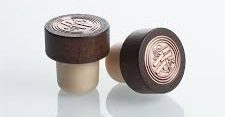
Decoration should be checked at the same time. A closure can technically seal well but still fail brand approval if the color is wrong, the logo is off-center, the wood grain is inconsistent, or the top height does not match the bottle shape.
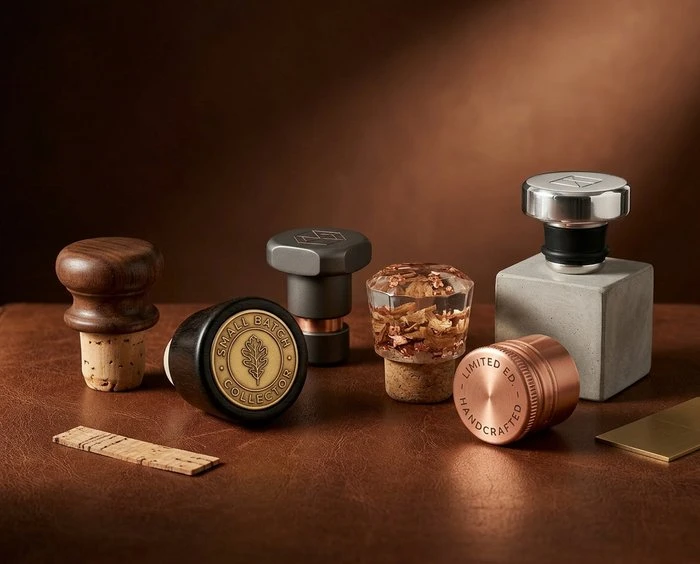
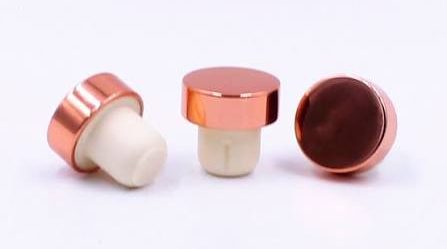
Common decorative options include wood tops, metal tops, plastic tops, glass tops, resin tops, embossing, debossing, engraving, screen printing, hot stamping, color matching, side printing, and custom surface finishes.
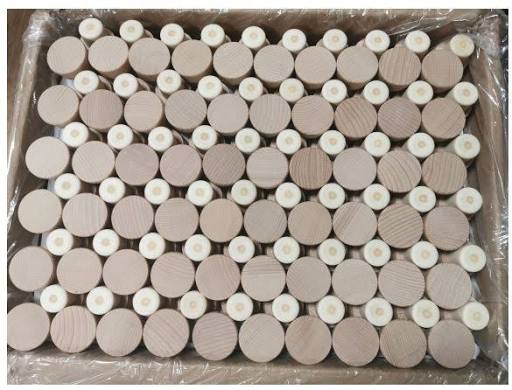
Also review secondary packaging. A taller bar-top closure or wider cap may interfere with gift boxes, dividers, cartons, export cases, and pallet stacking. Carton fit should be checked before final approval. For buyers coordinating bottles, closures, decoration, cartons, and export packing together, a complete custom spirits packaging platform can help align the full project before bulk production.
What Buyers Often Miss Before Bulk Closure Orders
Many closure problems happen because the buyer approved appearance before confirming production performance. Before placing a bulk order, watch for these common mistakes.
Some buyers test only one perfect bottle sample instead of checking several bottles from the actual batch. This can hide tolerance variation. Others test with water only, even though the final spirit may have higher ABV, flavor oils, sugar, or botanical extracts.
Another common mistake is approving decoration before confirming fit. A beautiful wood top or metal cap does not solve leakage, poor torque, or unstable pull-out force. Fit and performance should be approved first, then decoration should be finalized.
Buyers may also forget carton clearance. A slightly taller stopper can affect gift boxes, dividers, export cartons, pallet stacking, and freight stability. This should be checked before confirming bulk packaging.
For screw caps and ROPP caps, some teams measure torque immediately after application but do not test again after 24 hours. Because torque can relax over time, delayed checks are important.
A final mistake is requesting a quotation without bottle drawings, neck dimensions, product ABV, target market, or filling method. This often creates vague pricing, unsuitable samples, and longer development timelines.
Example: Why Sample Testing Matters Before Bulk Closure Orders
A spirits buyer may approve a wood bar-top closure because the top material, color, and logo look premium. But when the actual bottle batch arrives, the shank may feel too tight because the inner neck diameter is slightly narrower than the sample bottle. This can slow down insertion, increase breakage risk, or create inconsistent opening force.
Another buyer may approve a screw cap immediately after application because the first torque reading looks acceptable. After 24 hours, however, removal torque may drop because the liner and closure system relax. If the buyer does not run delayed torque checks, the issue may only appear after filling or shipping.
These examples show why real bottle samples, delayed testing, leak checks, carton review, and golden sample approval should come before bulk production.
Supplier Capability and RFQ Checklist
The right closure supplier should do more than sell a cap or stopper. A reliable supplier should help review bottle information, recommend suitable closure structures, prepare samples, support testing, and control bulk production consistency.
Before choosing a supplier, ask whether they can review bottle drawings, work from physical bottle samples, recommend stopper or cap dimensions, support multiple closure types, customize decorative tops, provide material documentation, control tolerance, and support export packing requirements.
For projects that require early technical review, Kandacork Closures provides a dedicated bottle closure matching service to help buyers compare bottle-neck fit, closure type, liner or shank structure, branding needs, and filling conditions before sampling or bulk ordering.
To request a more accurate quotation, prepare the following RFQ information:
- Bottle drawing
- Bottle photos
- Physical bottle samples if available
- Inner neck diameter
- Neck depth
- Neck finish code
- Product category and ABV
- Filling method
- Closure type preference
- Top material preference
- Liner or shank requirement
- Tamper-evident requirement
- Branding and decoration requirement
- Target order quantity
- Sample deadline
- Bulk production deadline
- Destination market
- Packing and carton requirements
If you only have a bottle sample and no drawing, Kandacork Closures can still begin with sample-based review. However, a technical drawing is strongly recommended before final bulk production approval because it helps confirm dimensions, tolerance, and production standards.
Common Closure Fit Problems
| Problem | Likely Cause | What to Check First |
|---|---|---|
| Closure too loose | Undersized shank, wide bore, weak compression recovery, low torque | Bore ID, shank size, removal torque |
| Closure too tight | Oversized shank, narrow bore, excessive insertion depth, high torque | Insertion force, pull-out force, torque range |
| Bottle leakage | Poor liner compression, wrong thread finish, stopper recovery failure, vibration | Leak test, liner system, neck finish |
| Cap cross-threading | Wrong finish, poor thread start, cap tilt, capping-head misalignment | Thread profile, capping chuck, cap seating |
| Tamper band failure | Wrong bottle bead, cap skirt, bridge strength, ROPP setup | Band break test, skirt height, bead engagement |
| Decoration rejection | Color mismatch, off-center logo, inconsistent finish | Golden sample, artwork file, decoration method |
| Carton interference | Closure too tall or too wide | Gift box, case divider, export carton fit |
This table should be used before final sample approval. It helps buyers identify the first technical area to review instead of changing closure suppliers too quickly.
FAQ
How do I know if a closure fits my spirits bottle?
A closure fits when it matches the bottle neck dimensions, seals reliably, opens with the correct force, works on the filling line, passes leak testing, maintains resealing performance, and supports the intended brand appearance.
Should I test closures before ordering bulk production?
Yes. Closures should be tested with real bottle samples before bulk production. Testing helps identify leakage, poor torque, weak pull-out force, cross-threading, tamper-band failure, decoration issues, and filling-line problems before a large order is produced.
How many samples should be tested before bulk production?
For early screening, a small sample set may be enough. For final approval, test multiple bottles from the actual bottle batch, ideally 10–30 samples or more depending on project risk, order quantity, and filling-line requirements.
What should I send before requesting a closure quote?
Send the bottle drawing, bottle photos, inner neck diameter, neck depth, neck finish code, product type, ABV, filling method, closure style, branding requirements, tamper-evident needs, order quantity, destination market, and sample deadline.
Can Kandacork recommend a closure if I only have a bottle sample?
Yes. Kandacork Closures can begin with physical bottle samples and photos. However, a technical drawing is still recommended before final bulk production approval because it helps confirm dimensions, tolerance, and production standards.