Quick Answer
Closure matching before bottle decoration approval means confirming that the selected cork, stopper, screw cap, ROPP closure, capsule, sleeve, or wax system works with the actual bottle neck, decoration area, filling method, and final packaging before decorated bottle samples are approved.
This guide focuses on the approval stage before decorated bottle samples move into buyer review, quotation, or bulk production. It helps spirits brands, distilleries, private label buyers, importers, distributors, bottlers, and packaging teams decide what to confirm before decoration approval.
A decorated spirits bottle should be approved as a complete packaging system: bottle + closure + decoration + filling method + secondary packaging.
Why Closure Matching Comes Before Decoration Approval
Bottle decoration often receives attention first. Buyers review glass color, label shape, frosting, screen printing, hot foil, embossing, capsules, wax seals, cartons, and shelf presentation.
But the closure is not a final accessory. It affects both technical performance and brand perception.
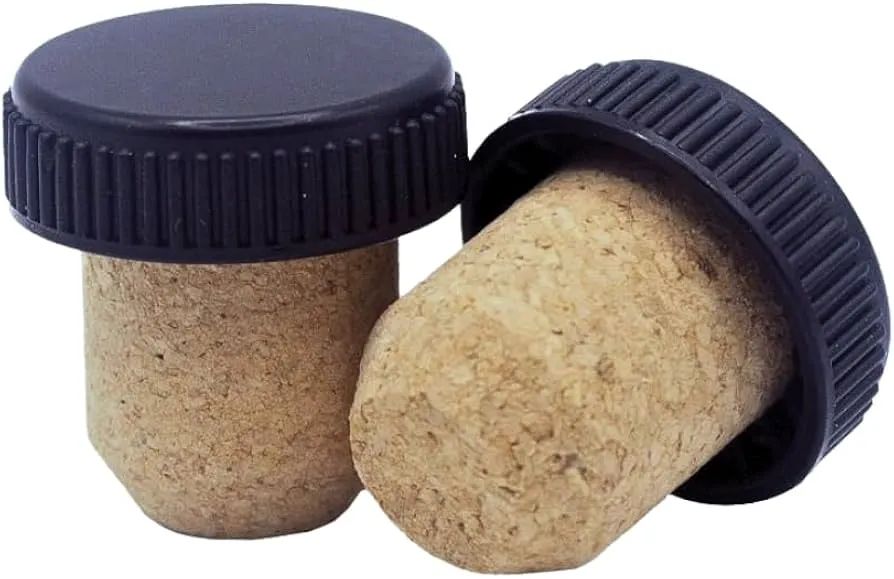
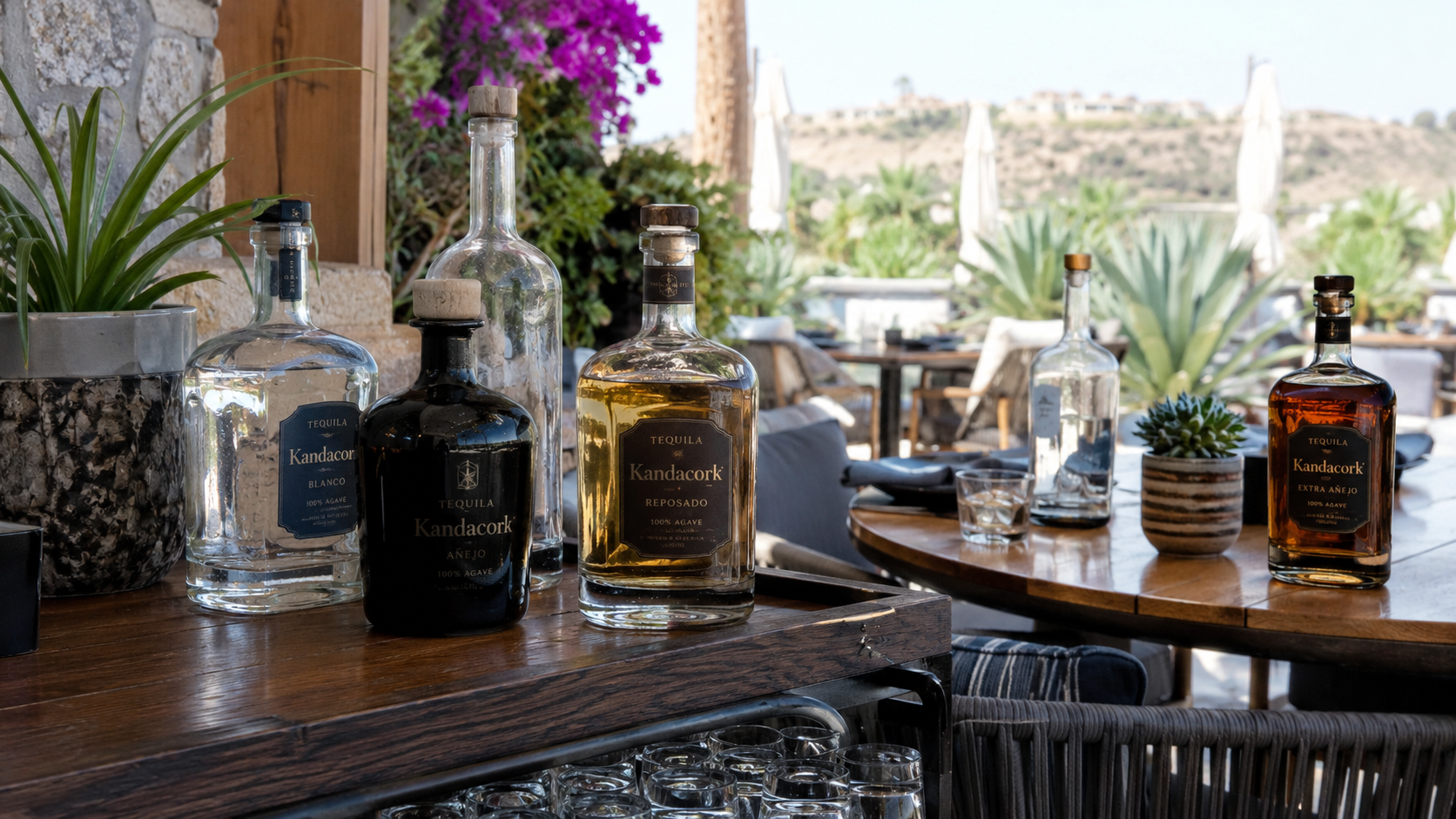
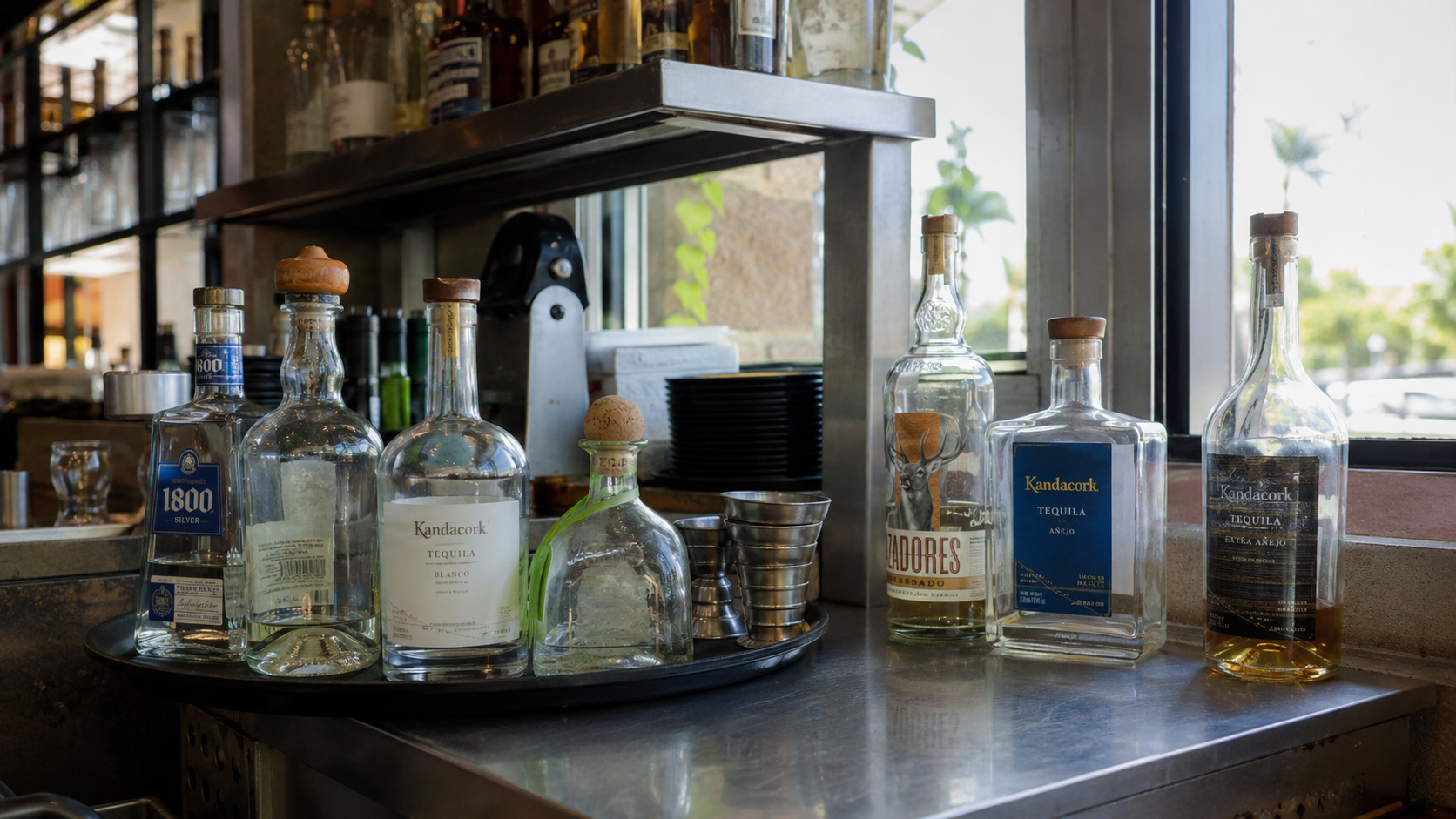
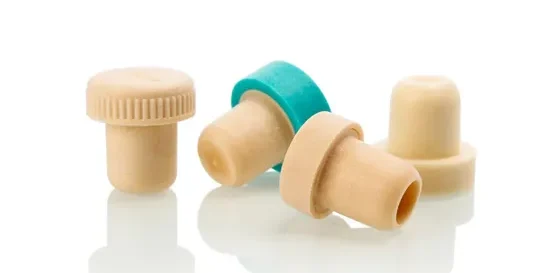
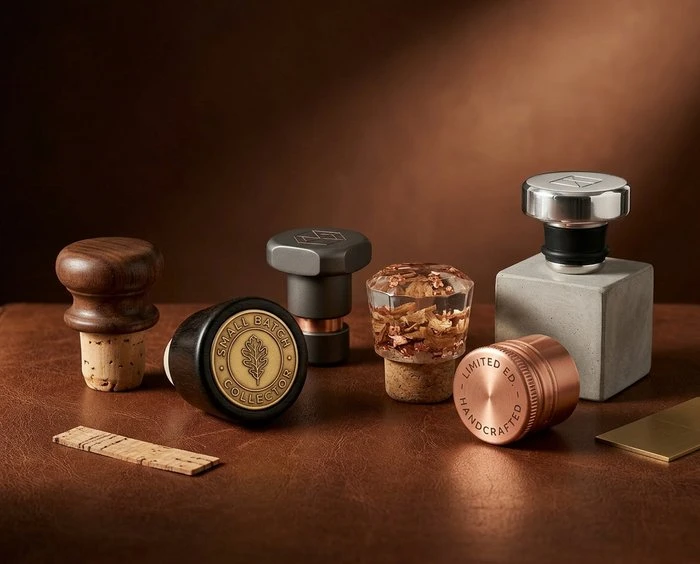
A wooden-top stopper can make whisky packaging feel warm and premium. A brushed aluminum stopper can support a clean vodka or gin design. A synthetic stopper can help private label projects maintain repeatable sizing and supply stability. A ROPP closure can support tamper evidence and high-volume retail packaging.
However, if the closure is selected after the decorated bottle is approved, the project may need rework. The stopper top may hide a neck logo. A capsule may cover foil detail. A cap may scratch coating during application. The finished bottle may become too tall for the gift box.
That is why closure matching before bottle decoration approval should be treated as an approval-stage checkpoint, not a late-stage packaging decision.
What Is Closure Matching in Spirits Packaging?
Closure matching is the process of validating the right closure for a specific bottle, liquid, decoration method, production line, and target market.
In spirits packaging, it includes:
- Bottle neck finish compatibility
- Inner bore and shank diameter
- Stopper insertion depth
- Pull-out feel or cap torque
- Liner and sealing performance
- Closure material and brand positioning
- Decoration clearance
- Filling-line compatibility
- Carton and gift box fit
- Sample approval before bulk production
For beverage packaging, finish standardization helps bottle suppliers, closure suppliers, decorators, and filling partners work with clearer dimensional expectations. ISBT Threadspecs® are voluntary beverage-focused finish guidelines created for common beverage industry interests, while cap details and additional dimensions may remain part of closure manufacturers’ expertise.
This is why bottle finish and closure selection should be reviewed early, especially when the bottle will also use custom decoration, capsules, wax, or gift packaging.
Why Late Closure Matching Creates Packaging Risk
The main risk is simple: a bottle can look approved but still fail as a finished pack.
The most common problems include:
- Loose stopper fit or poor pull-out feel
- Leakage during inversion, storage, or transport
- Cap color mismatch with label, glass, or carton
- Capsule, wax, or stopper top covering neck artwork
- Scratched frosting, coating, or screen printing
- Finished bottle height exceeding carton or gift box space
These problems are expensive because they often appear after money has already been spent on decorated samples, printed labels, cartons, buyer presentations, or pre-production approvals.
When closure matching is completed before decoration approval, artwork, closure color, bottle height, capsule coverage, and carton fit can still be adjusted early. When it is checked after approval, buyers may need to remake samples, revise quotations, change printed artwork, or delay bulk production.
Real Approval Mistakes to Avoid
Example 1: Frosted Bottle Scratched by Stopper Insertion
A whisky brand approves a frosted bottle before testing the wooden stopper. During insertion, the stopper edge scratches the frosted neck coating. The closure fits the bottle, but the decorated finish fails the appearance review.
Example 2: Aluminum Closure Mismatched With Metallic Label
A gin brand approves metallic label artwork before comparing the aluminum closure finish. Under retail lighting, the cap and foil appear different. The closure is technically correct, but the finished pack looks inconsistent.
Example 3: Gift Box Insert Approved Before Final Bottle Height
A private label buyer approves the gift box insert before confirming final bottle height with the closure inserted. After stopper application, the bottle no longer fits the box. The carton design must be revised.
These examples show why closure matching before bottle decoration approval is both a technical review and a commercial risk-control step.
Closure Types to Compare Before Decoration Approval
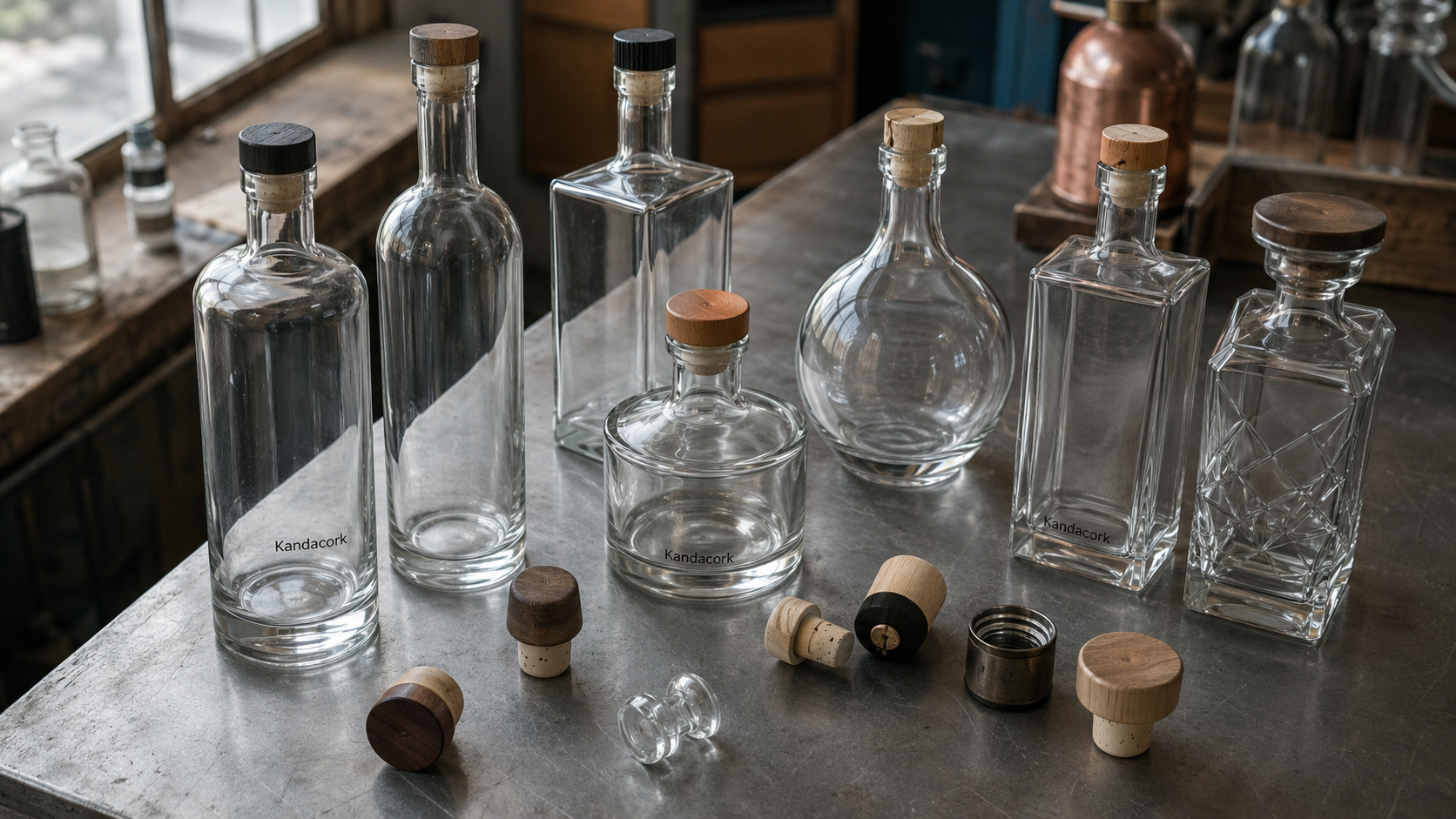
Before choosing a final direction, buyers should compare custom bottle closures and stoppers by technical fit, material feel, decoration compatibility, filling-line requirements, and target market positioning.
| Closure Type | Best For | Key Requirement | Decoration Risk | Buyer Note |
|---|---|---|---|---|
| Wooden or natural cork bar-top stopper | Whisky, rum, brandy, craft spirits | Correct shank diameter, compression, and pull-out feel | Wood or cork variation may affect appearance | Premium and traditional |
| Aluminum-top stopper | Vodka, gin, tequila, modern spirits | Stable top finish and accurate shank fit | Metallic tone may clash with foil or ink | Clean and precise |
| Synthetic stopper | Private label, export, repeat orders | Consistent shank size and compression | May feel too standard for luxury packs | Stable and repeatable |
| Screw cap | Vodka, liqueur, high-volume lines | Thread finish, liner, and torque control | Skirt height may affect neck design | Efficient for automated filling |
| ROPP closure | Export, retail, tamper-evident spirits | Compatible ROPP neck and capping equipment | Tamper band may cover neck artwork | Strong for security |
| Capsule or wax system | Limited editions and luxury packaging | Correct coverage, clearance, and opening feel | May hide logo, foil, or embossing | Requires real sample testing |
Aluminum-top projects need extra attention to top diameter, shank fit, metallic finish, logo method, and color matching. For deeper technical review, see this aluminum stopper neck fit and shank size guide.
Technical Details to Confirm Before Decoration
Before approving bottle decoration, buyers should confirm the technical details that directly affect fit and performance.
For bar-top corks and T-top stoppers, check the bottle inner bore, shank diameter, shank length, insertion depth, top diameter, top height, pull-out feel, and resealing performance. For a more detailed technical explanation, review how bar-top stoppers fit spirits bottle necks.
For many bar-top spirits bottles, buyers may see a common sizing rule where the cork shank is slightly larger than the neck opening to create a tight friction fit. This should only be treated as a starting point. Glass tolerance, shank material, insertion depth, alcohol exposure, and desired pull-out feel must still be tested with real samples.
For screw caps and ROPP closures, check thread finish, finish height, sealing surface, liner material, application torque, removal torque, tamper-evident band position, and filling-line setup.
For capsules, sleeves, and wax systems, check coverage height, shrink behavior, wax thickness, opening experience, decoration visibility, and final bottle height.
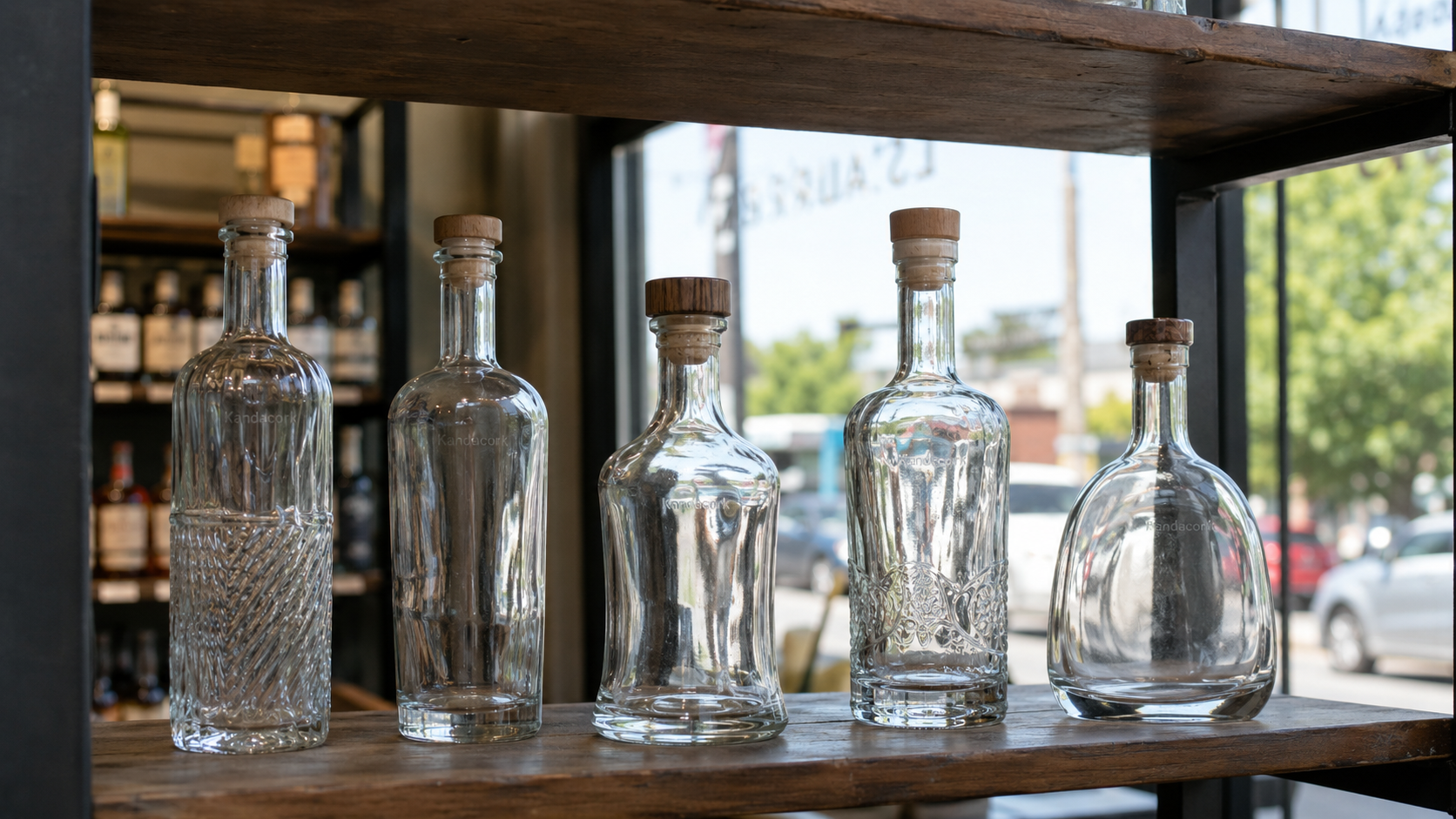
For decorated bottles, always test the closure on the decorated sample, not only on a clear glass sample. Coating, frosting, screen printing, hot foil, and labels can change the way the closure looks and performs.
Decoration Risk Checklist Before Approval
Decoration approval should include a closure review, especially when the bottle uses frosting, coating, screen printing, foil, embossing, wax, or capsules. For projects where surface finish is a major design element, this frosted glass spirits bottles buyer checklist can help buyers review decoration and closure compatibility together.
| Decoration Area | Closure Matching Risk | What to Check Before Approval |
|---|---|---|
| Neck screen printing | Stopper top or capsule may cover logo | Check top diameter, capsule height, and visible area |
| Frosted glass neck | Closure insertion may scratch coating | Test on decorated samples, not only clear glass |
| Hot foil detail | Wax or sleeve may cover foil | Confirm final visible area after closure application |
| Embossed shoulder | Large stopper may visually crowd the bottle | Review front, side, and top view |
| Metallic label | Aluminum top may not match foil tone | Compare real samples under retail lighting |
| Gift box insert | Finished bottle may be too tall | Measure total height after closure insertion |
| Wax or shrink capsule | Coverage may hide decoration or affect opening | Confirm capsule length, wax thickness, and removal feel |
This checklist is especially important for premium spirits packaging because decoration approval is often based on visual samples. A closure may pass technical fitting but still weaken the final commercial presentation if the material, color, height, or coverage is wrong.
Pre-Approval Workflow for Closure Matching
1. Review Bottle Drawing and Neck Finish
Start with technical information, not only photos.
Check bottle capacity, inner bore, neck finish, thread profile, finish height, shoulder shape, decoration area, bottle height, and carton or gift box space.
For U.S. distilled spirits projects, packaging teams should coordinate label and bottle approval requirements early. The Alcohol and Tobacco Tax and Trade Bureau explains that many alcohol beverage labels require Certification/Exemption of Label/Bottle Approval, or COLA, before products enter the U.S. market.
2. Shortlist Closure Materials and Styles
Choose closure options based on product positioning, spirit category, decoration style, filling method, export market, and target price level.
A premium whisky may need a stained wooden-top stopper. A modern gin may need an aluminum-top stopper. A private label vodka may need a consistent synthetic stopper or screw cap. A retail export project may need a ROPP closure with tamper evidence.
3. Test Physical Closure Fit
A drawing can reduce risk, but only a physical sample confirms real fit.
Test stopper insertion, pull-out feel, resealing, shank compression, top alignment, cap torque, leakage risk, and visual balance. For bar-top stoppers, test several bottles and closures because glass tolerance and shank material can affect performance.
4. Review Closure With Decorated Sample
Once the closure fits the bottle, review it with the decorated sample or realistic mockup.
Check whether the closure hides neck artwork, whether the cap color matches the label and carton, whether the top diameter looks proportional, whether a capsule or wax seal covers key decoration, and whether the finished bottle still fits secondary packaging.
5. Approve Sample Before RFQ or Bulk Production
Only approve the project after the closure, decorated bottle, and secondary packaging have been reviewed together.
The final sample should confirm bottle specification, closure material, closure dimensions, logo method, color reference, neck fit, sealing performance, final bottle height, capsule or wax compatibility, carton fit, order quantity, and lead time.
How to Evaluate a Closure Supplier Before Decoration Approval
A closure supplier should do more than provide a price for a stopper or cap. Before decoration approval, buyers should evaluate whether the supplier can support technical review, material comparison, sampling, and production planning.
| Supplier Capability | Why It Matters Before Decoration Approval |
|---|---|
| Neck drawing review | Reduces wrong closure selection before sampling |
| Physical bottle fit testing | Confirms real fit beyond CAD drawings or photos |
| Multiple material options | Helps compare cork, synthetic, wood, aluminum, screw cap, and ROPP solutions |
| Decoration matching support | Reduces color, logo, capsule, wax, and finish conflicts |
| Filling-line awareness | Helps avoid torque, insertion, and application problems |
| Sample-to-RFQ workflow | Makes quotations more accurate before bulk order |
In closure matching projects, Kandacork typically reviews the bottle neck drawing, empty bottle sample, decorated mockup, closure material preference, logo method, and target filling conditions together. Fit, decoration, and packing risks often appear across these details rather than in one isolated component.
For hands-on fit review, buyers can use Kandacork’s closure matching support after reviewing the checklist above. This keeps the article focused on buyer education while allowing the service process to handle sample development and quotation details.
What Buyers Should Send to Kandacork for Closure Matching
A complete RFQ package helps the supplier recommend realistic closure options and quote more accurately.
| RFQ Information | Why It Helps |
|---|---|
| Bottle drawing, CAD file, or neck finish drawing | Confirms dimensions and closure feasibility |
| Inner bore measurement and empty bottle sample | Essential for bar-top stopper fit testing |
| Decorated sample or realistic rendering | Helps review color, logo, capsule, wax, and visibility risks |
| Closure reference photo and material preference | Shows preferred style, price level, and market positioning |
| Logo and color requirements | Defines embossing, debossing, engraving, printing, stamping, or Pantone matching |
| Spirit type, ABV, and filling method | Supports material, sealing, and line-compatibility review |
| Order quantity and export market | Supports MOQ, packing, and quotation planning |
| Carton or gift box drawing | Confirms final bottle height and insert fit |
| Sample deadline and launch date | Supports development and production timing |
The more complete the information, the easier it is to avoid guessing. This is especially important for custom stoppers, decorated glass, premium gift packaging, export projects, and private label programs with tight launch schedules.
FAQ
Should I choose the closure before or after bottle decoration?
Choose the closure before final bottle decoration approval. The closure affects neck fit, sealing performance, bottle height, label visibility, color matching, capsule or wax coverage, and carton fit.
Can a closure that looks good in a rendering fail in production?
Yes. A rendering cannot confirm neck fit, shank compression, pull-out feel, leakage, torque, coating durability, or filling-line compatibility. Physical samples should be tested before approval.
What is the most important measurement for bar-top stoppers?
For bar-top stoppers, the bottle inner bore and stopper shank diameter are critical. Insertion depth, shank material, compression, and pull-out feel should also be tested.
What should I check for screw caps or ROPP closures?
Check neck finish, thread engagement, liner compatibility, application torque, removal torque, tamper-evident band position, and capping equipment compatibility.
How do I know if my decorated bottle sample is ready for quotation?
A decorated bottle sample is ready for quotation when closure fit, visible decoration area, final bottle height, sealing performance, filling method, carton fit, logo requirement, order quantity, and target timeline are confirmed.
What information is needed for a closure quotation?
Send the bottle drawing, neck finish, inner bore, closure style, material preference, decoration requirements, order quantity, export market, sample deadline, and any available physical bottle samples.