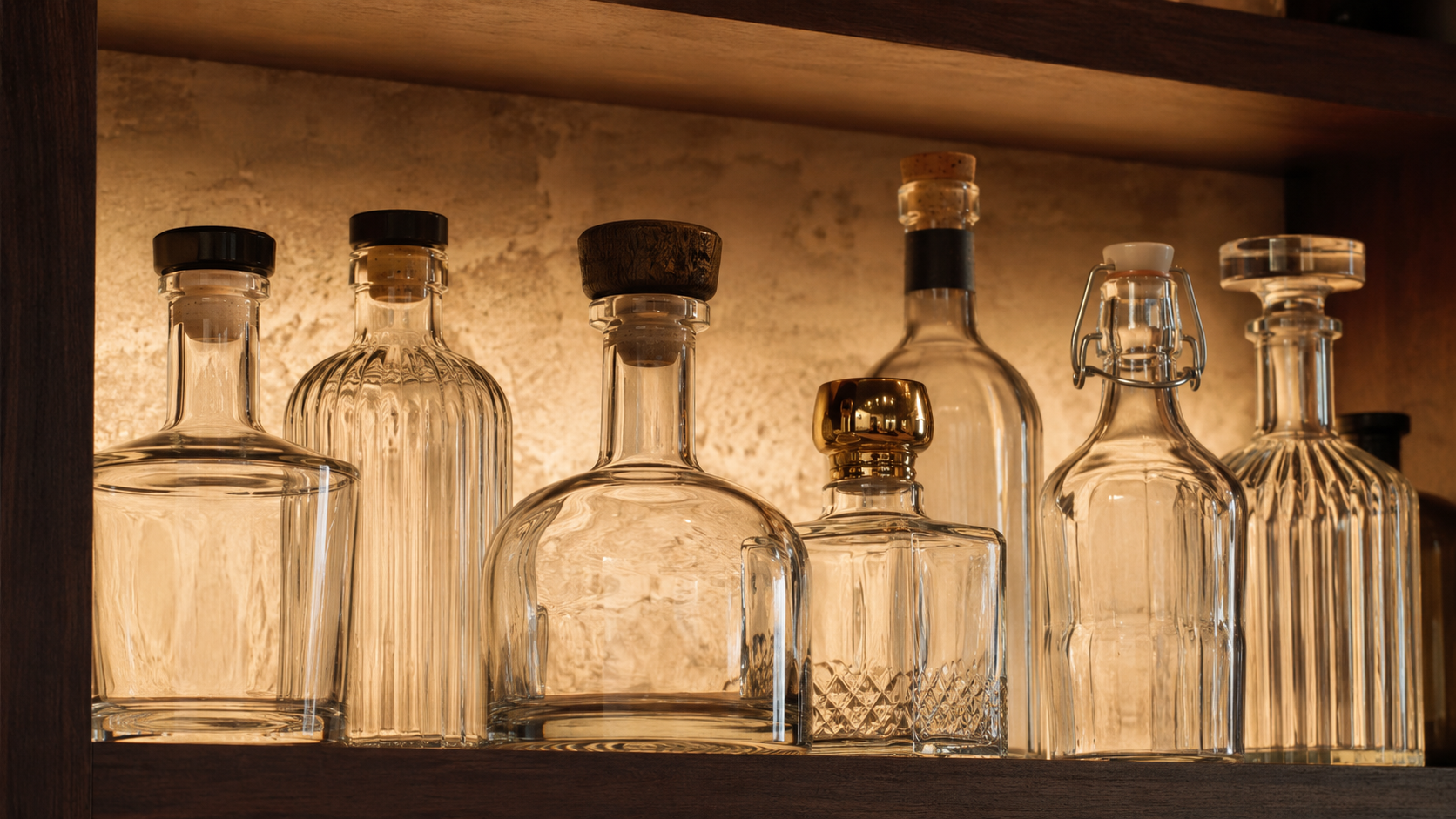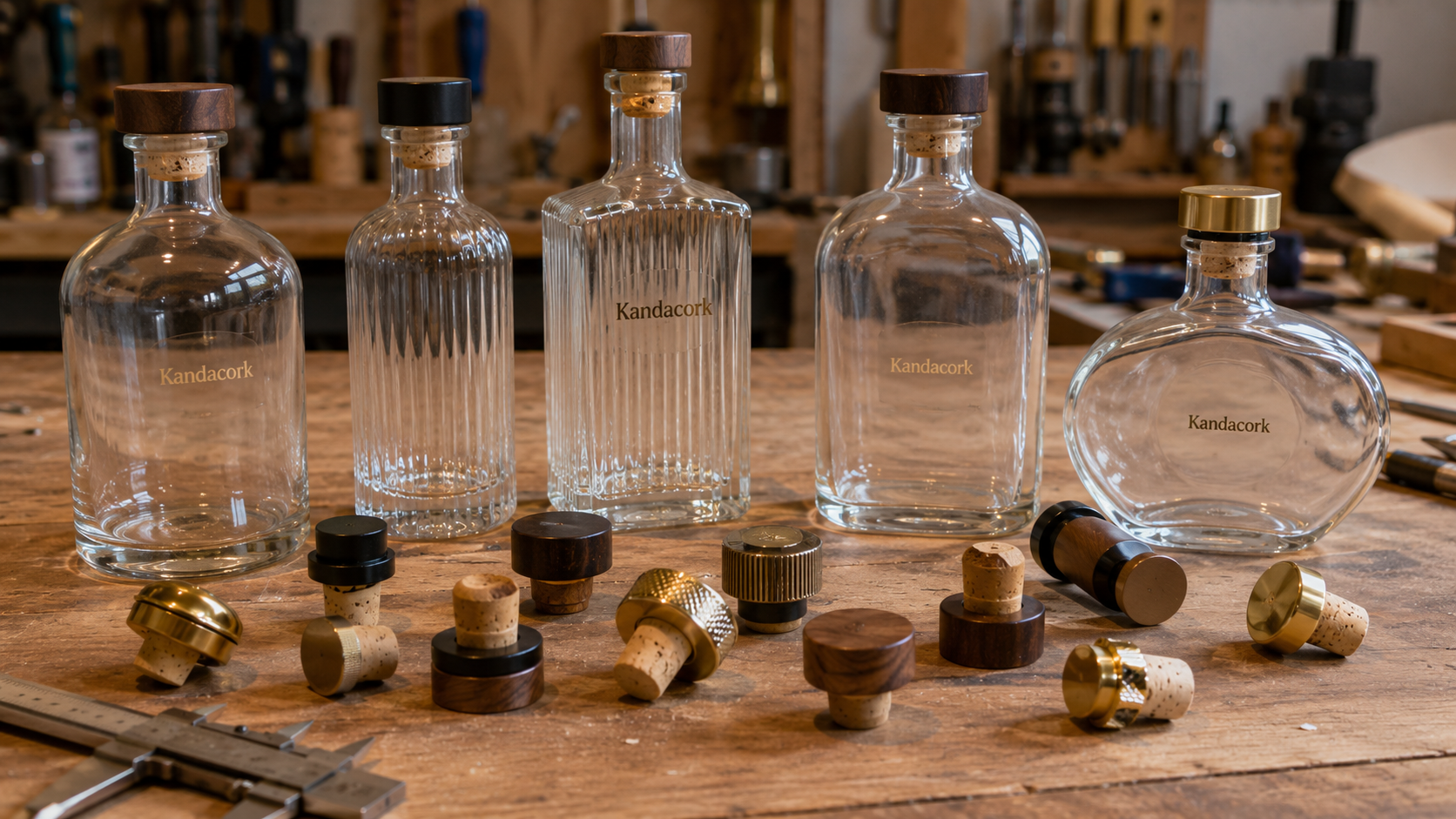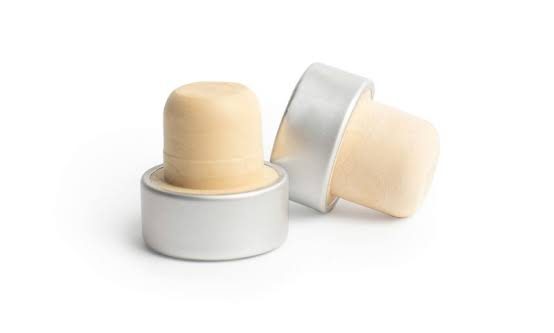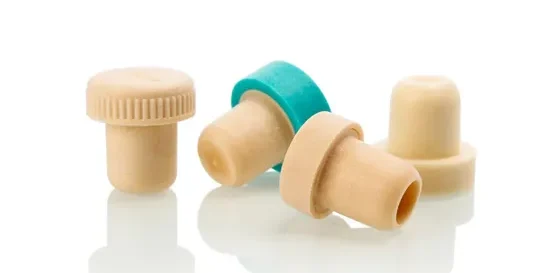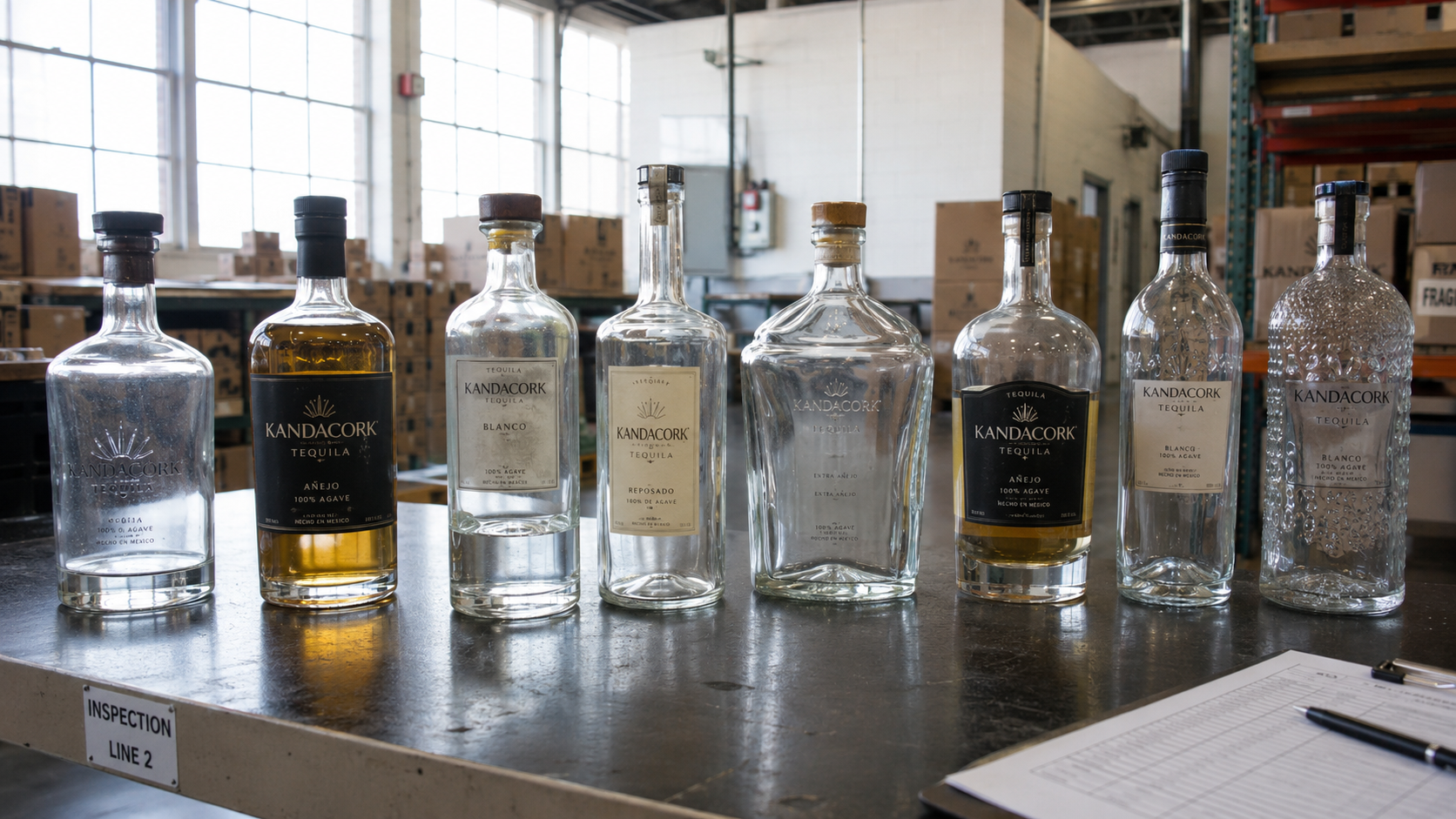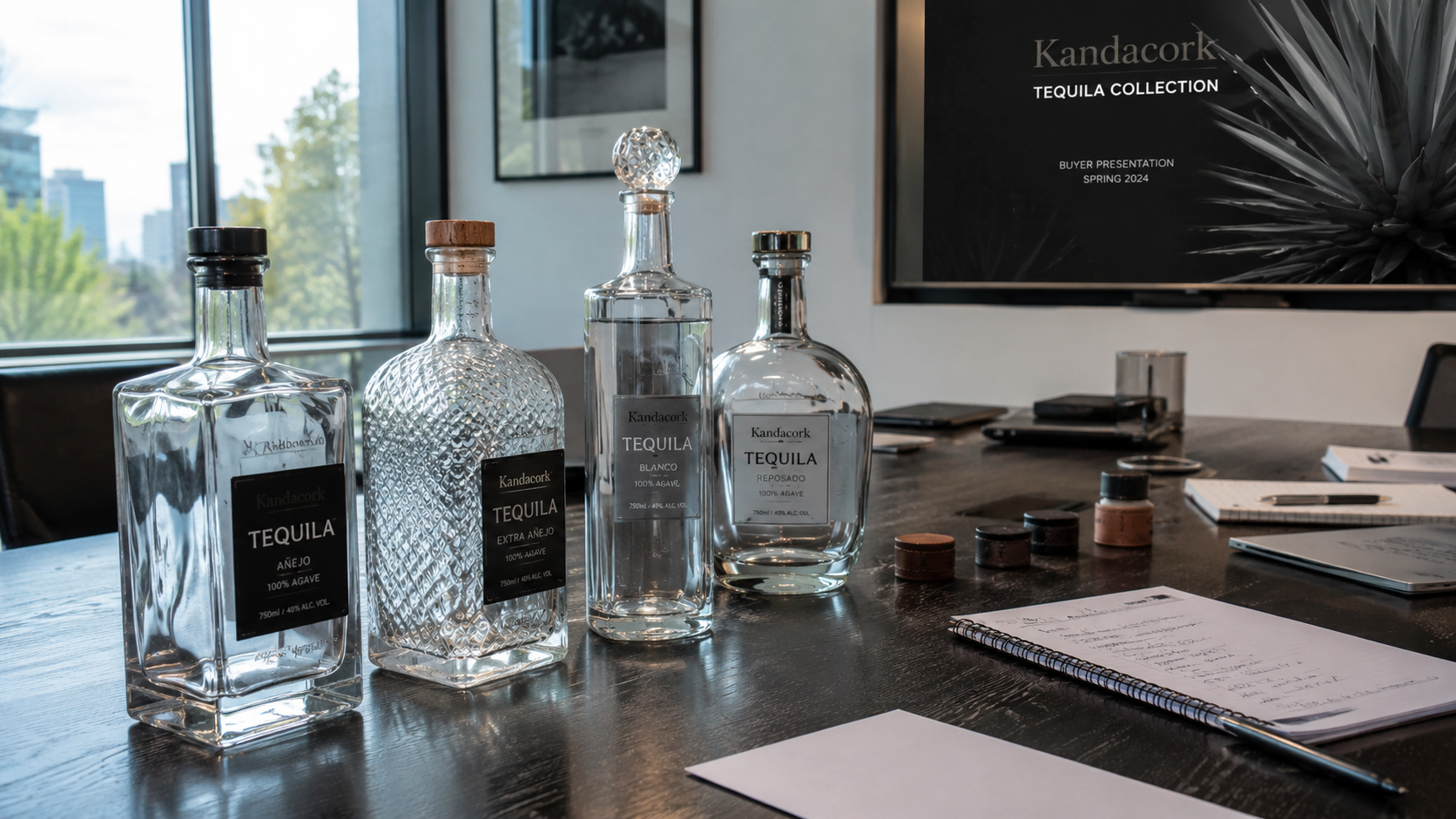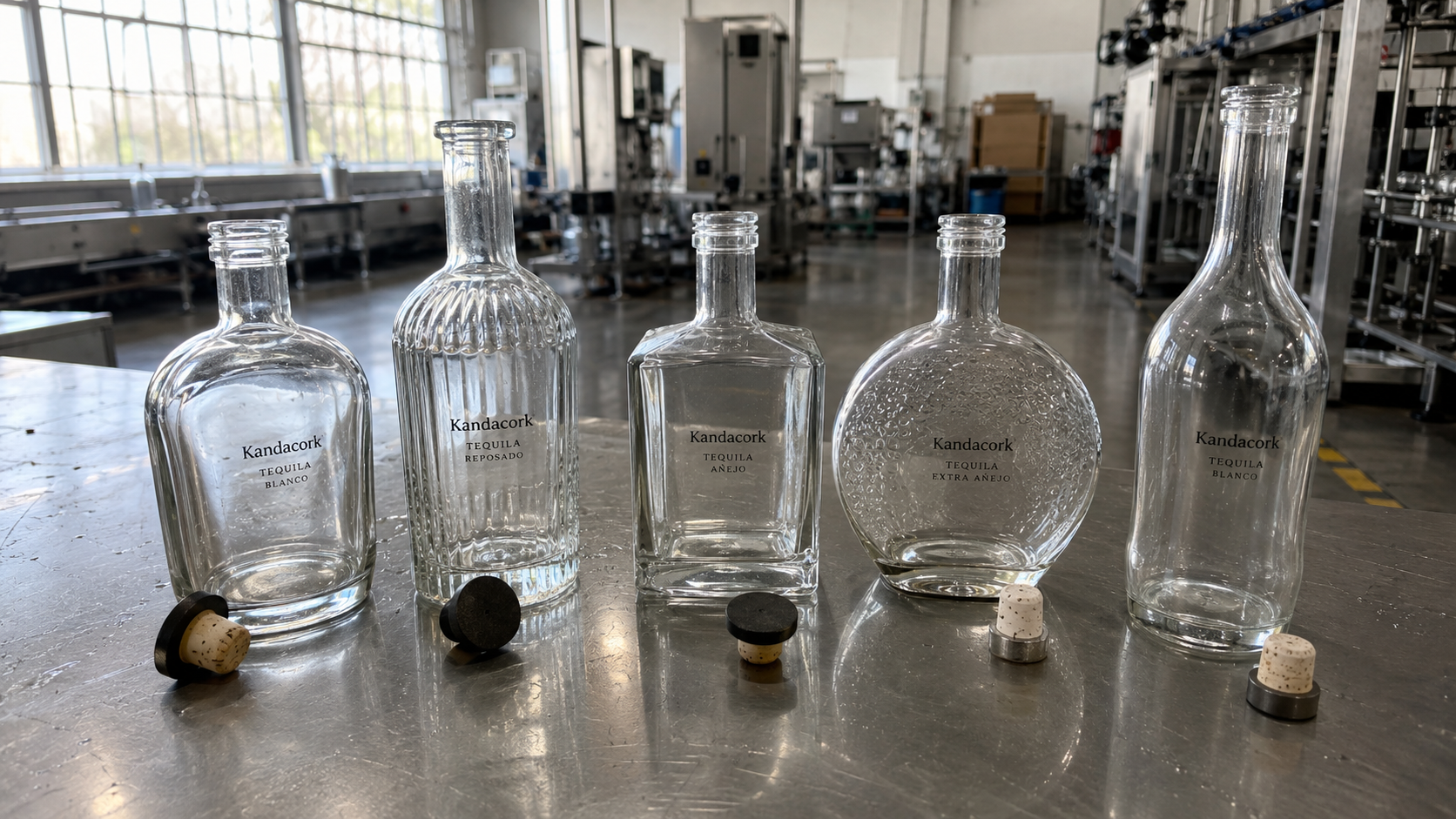
Glass stoppers can give a spirits bottle a premium, collectible, and gift-ready look. They are often used for whisky, rum, tequila, brandy, cognac, gin, vodka, liqueur, and limited-edition packaging where the closure is part of the brand experience. Yet many packaging buyers ask a practical question before placing a bulk order: how serious is the glass stopper breakage risk?
Glass stopper breakage risk is usually caused by impact, poor bottle-neck fit, excessive insertion force, high pull force, surface defects, weak transport packaging, or rough handling. The risk can be reduced when the stopper is matched to the bottle neck, fitted with the right sealing insert, tested before bulk production, and protected during shipping.
For premium spirits brands, the safest way to evaluate a glass stopper is to treat it as part of a complete closure system. The glass head, insert material, bottle neck finish, inner diameter tolerance, seating depth, opening force, filling-line process, carton structure, and export route all affect performance.
Brands developing luxury closures can start by reviewing custom glass stoppers with the actual bottle neck instead of choosing a stopper only from a product photo or rendering. This helps prevent mismatch, unstable seating, leakage, and avoidable breakage before mass production begins.
Who Should Read This Guide?
This guide is written for spirits brand owners, packaging managers, procurement teams, private-label liquor companies, bottle designers, gift-box developers, and export beverage brands evaluating glass stoppers for commercial use.
It is especially useful for brands developing premium spirits packaging where the closure must do more than seal the bottle. In luxury packaging, the stopper affects shelf appeal, opening experience, perceived value, transport safety, and customer satisfaction.
If your project involves a custom bottle, premium closure, gift box, export shipping, or limited-edition launch, glass stopper breakage risk should be reviewed before approving samples or placing a bulk order.
What Is Glass Stopper Breakage Risk?
Glass stopper breakage risk is the possibility that a glass closure may chip, crack, fracture, or shatter during production, filling, packing, shipping, retail display, or consumer use. In spirits packaging, this matters because broken glass can create safety concerns, product loss, shipment delays, quality complaints, and brand reputation damage.
A glass stopper is not only a decorative top. It is a functional packaging component. It must seal the bottle, sit correctly in the neck, support the brand image, survive handling, and provide a smooth opening experience for the consumer.
In most commercial projects, breakage is not caused by one issue alone. It usually comes from a combination of impact, incorrect fit, excessive compression, surface defects, weak packaging, or unsuitable filling-line handling. That is why glass stoppers should be tested with the real bottle before mass production.
Are Glass Stoppers Safe for Spirits Bottles?
Yes, glass stoppers can be safe for spirits bottles when they are designed, matched, tested, and packed correctly. They are often selected for premium spirits packaging because glass offers strong shelf appeal, visual clarity, aroma neutrality, reusability, and a refined opening experience.
Glass is widely valued in beverage packaging because it is inert, nonporous, and recyclable. The Glass Packaging Institute describes glass as fully recyclable, while FEVE highlights glass as an inert and permanent packaging material. These qualities support glass as a premium packaging choice, but the stopper still needs engineering control.
A beautiful glass stopper may still fail if the insert is too tight, the neck tolerance is inconsistent, or the carton allows bottle-to-bottle collision during export shipping. A well-matched stopper with proper packaging can perform reliably in commercial use.
Main Causes of Glass Stopper Breakage
Impact During Handling
Impact is one of the most common causes of glass stopper damage. A stopper may be dropped during manual assembly, knocked against filling-line equipment, hit by another bottle inside a carton, or damaged during warehouse handling.
The exposed glass head is especially important. If the stopper sits high above the bottle shoulder or extends beyond the protection of a gift box, it needs stronger support. Dividers, trays, molded pulp, foam inserts, and rigid box structures can help prevent direct impact.
Poor Bottle-Neck Fit
A glass stopper must match the bottle neck correctly. If the neck inner diameter is too narrow, the insert may create excessive compression. If the neck is too wide, the stopper may wobble, leak, or sit unevenly. Both conditions can increase glass stopper breakage risk.
Bottle-neck fit should be reviewed through drawings, physical samples, and tolerance checks. Important details include inner diameter, neck finish, seating depth, contact area, and whether the stopper remains straight after insertion. Brands can compare multiple options across a complete closure and stopper range before locking the final design.
Excessive Insertion Force
A stopper should feel secure, but it should not require extreme force to insert. If workers need to push too hard, stress may transfer to the glass head, insert, or bottle neck. This can create chips, micro-cracks, inconsistent seating, or production-line inefficiency.
The insert material plays a major role. Synthetic cork, TPE, silicone, EVA, and other sealing components all behave differently under compression. The right insert should create a stable seal without overloading the glass head or bottle neck.
High Pull Force
Opening force is another important factor. A closure that is too tight may frustrate consumers and encourage twisting, rocking, or pulling at an angle. These actions can increase breakage risk after the product leaves the factory.
Premium spirits packaging should feel controlled and refined. The stopper should not feel loose, unstable, or dangerously difficult to remove. Testing opening feel with real samples helps brands avoid problems before launch.
Surface Defects
Small surface defects can become weak points. Chips, scratches, sharp edges, rough seams, visible cracks, or uneven polishing can increase the chance of damage under pressure or impact.
Glass stopper inspection should include edge smoothness, head shape, polishing quality, glass clarity, bubble control, and consistency across multiple samples. A closure must look premium, but it must also survive real handling conditions.
Transport Vibration and Carton Compression
Export shipping exposes bottles to vibration, stacking pressure, pallet movement, temperature changes, and repeated handling. A stopper that looks fine during a simple desk review may fail if the finished packaging system is weak.
Packaging teams often refer to distribution-testing principles such as ASTM D4169 when evaluating whether shipping units can withstand handling, vibration, compression, and transport conditions. For glass stoppers, the packaging system should be reviewed together with the carton, dividers, gift box, pallet pattern, and export route.
Glass Stopper Breakage Risk: Cause and Prevention Table
| Breakage Cause | What Can Happen | Prevention Method |
|---|---|---|
| Poor bottle-neck fit | Stopper wobbles, leaks, sits crooked, or needs too much force | Check inner diameter, tolerance, finish height, and seating depth |
| Excessive insertion force | Stress transfers to the stopper or bottle neck | Adjust insert material, compression range, or stopper size |
| High pull force | Consumer twists or pulls at an angle | Test opening feel and repeated open-close performance |
| Impact during handling | Glass head chips, cracks, or breaks | Use trays, dividers, foam, molded pulp, or rigid box support |
| Surface defects | Small chips become crack points | Inspect edge quality, polishing, seams, bubbles, and cracks |
| Weak export packaging | Bottle movement causes collision damage | Review carton strength, internal support, and pallet protection |
| Poor filling-line control | Misalignment or over-force during stoppering | Run line trials before bulk production |
This table helps buyers avoid a common mistake: approving a glass stopper based only on appearance. A premium stopper must be evaluated by fit, handling, sealing, packaging, and shipping performance.
Glass Stopper Risk Level Guide
| Risk Level | Project Condition | Recommendation |
|---|---|---|
| Low | Bottle neck is confirmed, insert is tested, packaging protects the stopper, and samples pass fit checks | Proceed after final sample approval |
| Medium | Bottle sample is available, but carton design or export packaging is not finalized | Test the stopper and packaging together before bulk order |
| High | Neck tolerance is unknown, insert compression is untested, or no protective packaging is planned | Do not approve bulk production yet |
| Very high | Stopper requires excessive force, sits crooked, chips during testing, or the bottle moves inside the carton | Redesign the closure fit, insert, or packaging system |
A low-risk project is not simply a project using thick glass. It is a project where the stopper, insert, bottle neck, filling method, carton, and shipment route have all been checked together.
Glass Stopper Breakage Risk by Application
Premium Spirits Bottles
Glass stoppers are suitable for premium spirits bottles when the product requires strong visual impact and the packaging budget allows proper protection. They are especially effective for high-end whisky, aged rum, tequila, cognac, brandy, vodka, liqueur, and collector-edition packaging.
For these projects, the closure is not only a sealing component. It is part of the consumer’s first impression. A glass stopper can communicate clarity, craftsmanship, and luxury, but it must be supported by good engineering and packaging design.
Packaging teams developing premium closures often work alongside bottle suppliers, decorators, and branding partners. For example, a project may combine custom stopper engineering with custom spirits bottles and coordinated bottle decoration and branding to create a complete retail-ready pack.
Decanter-Style Bottles
Decanter-style bottles often use glass stoppers because they create a refined table-service experience. The stopper becomes part of the overall display value.
However, decanter packaging requires careful fit control. If the stopper sits too high, leans to one side, contacts the neck unevenly, or requires forceful opening, the glass stopper breakage risk increases. The stopper should align cleanly, seal consistently, and remove smoothly.
Gift Boxes and Limited Editions
Gift boxes can reduce breakage risk when they support the bottle and stopper correctly. Rigid boxes, molded inserts, foam supports, and protective neck areas help prevent movement during storage and shipping.
Decorative packaging should not be judged only by appearance. If the bottle moves inside the box, the glass head may hit the lid, sidewall, or another hard surface. A luxury box should protect the closure as well as display it.
Beverage and Wine Closures
Glass closures are also used in beverage and wine packaging, often with gasket-based sealing systems. These applications show that glass can be used successfully when the closure, sealing element, and bottle finish are engineered together.
For spirits brands, the lesson is clear: glass stopper safety depends on compatibility and process control, not only on material selection. ISO’s category for bottles, pots, jars and closures also reflects how glass containers and closures are treated as connected packaging components in technical classification.
Glass Stopper vs Other Closure Materials
| Closure Type | Main Advantages | Main Risk Considerations | Best Use Case |
|---|---|---|---|
| Glass stopper | Premium look, transparency, reusability, luxury feel | Needs fit testing and stronger packaging protection | Luxury spirits, decanter bottles, limited editions |
| Wooden stopper | Natural texture, traditional spirits image, warm appearance | Finish consistency, moisture control, insert quality | Whisky, rum, tequila, craft spirits |
| Metal stopper | Heavy feel, premium appearance, strong decoration options | Scratches, dents, plating consistency, higher weight | High-end whisky, cognac, tequila, gift packaging |
| Synthetic cork stopper | Stable compression, scalable production, practical sealing | Less transparent luxury effect than glass | Repeat production, broad spirits programs |
| Plastic or polymer stopper | Lightweight and cost-effective | May feel less premium without special design | Value products, small formats, functional packaging |
Glass stoppers are not always the lowest-risk or lowest-cost closure option. Their value is strongest when the brand needs a premium visual effect and is willing to invest in proper testing and protection.
For brands that need controlled compression and repeatability, synthetic stoppers may be a practical alternative. For projects that need metallic weight, durability, or a different luxury feel, aluminium stoppers may offer a better fit.
How to Reduce Glass Stopper Breakage Risk
Review the Bottle Neck First
Before choosing a glass stopper, review the bottle-neck drawing or physical sample. Important dimensions include inner diameter, finish height, seating depth, tolerance range, and contact area.
A closure supplier should not recommend a final stopper only from a product photo. The bottle neck determines whether the stopper can seal, sit straight, and open safely.
Choose the Right Insert Material
The sealing insert controls compression, grip, leakage resistance, and opening feel. Common options include synthetic cork, TPE, silicone, EVA, or custom sealing rings depending on bottle type and product requirements.
A good insert should hold the stopper securely without forcing the glass head or bottle neck into excessive stress. For spirits packaging, the insert should also be suitable for the product environment, filling process, and target market. The U.S. FDA explains that the regulatory status of a food-contact material depends on the status of each component substance, which is why gasket and insert materials should be reviewed for their intended use through appropriate food-contact material guidance.
Test Samples Before Bulk Production
Sample testing is one of the most effective ways to reduce glass stopper breakage risk. The stopper should be tested with the real bottle, not inspected separately.
Useful tests include insertion feel, pull-force feel, repeated open-close cycles, inverted bottle leakage, visual alignment, side-load handling, carton movement checks, and basic drop or transport simulation.
Check Packaging Protection
The stopper should be protected during both component shipment and finished-goods distribution. Packaging should prevent glass-to-glass contact, stopper-to-carton impact, and uncontrolled movement inside the box.
For premium spirits packaging, protection may include bottle dividers, inner trays, molded pulp, foam inserts, rigid gift box supports, reinforced export cartons, and pallet-level stabilization. Brands building large packaging programs may also coordinate closures with integrated glass packaging projects to reduce mismatch between bottle structure, stopper design, decoration, and final packing.
Control Filling-Line Handling
Glass stopper breakage risk can increase if the filling line is not prepared for the closure. Manual stoppering, semi-automatic insertion, and automated assembly may each require different tolerances and handling procedures.
Before full production, brands should test how workers or machines handle the stopper. If the process requires excessive pressure, creates misalignment, or causes visible chips, the closure or insert should be adjusted.
Kandacork Closures’ Glass Stopper Risk Review Process
Kandacork Closures evaluates glass stopper breakage risk from the full packaging system, not from the stopper alone. This helps brands make better decisions before they commit to molds, decoration, cartons, or bulk production.
Bottle-Neck Compatibility Review
Kandacork Closures reviews the bottle drawing, neck finish, inner diameter, tolerance range, and seating depth. This helps determine whether a glass stopper can sit securely without excessive compression or wobble.
Stopper Head and Shape Evaluation
The glass head shape affects grip, impact exposure, visual balance, and carton protection. Smooth edges, suitable thickness, stable geometry, and comfortable handling all help reduce risk.
Insert Material Recommendation
Different insert materials create different sealing performance and opening feel. Kandacork Closures helps buyers compare synthetic cork, TPE, silicone, EVA, and other insert options based on product type, bottle neck, and target user experience.
Sample Matching and Testing
Before bulk production, Kandacork Closures can help buyers test physical samples with real bottles. This includes fit, sealing, alignment, insertion feel, pull force, repeated use, and packaging compatibility.
Export Packaging Review
For export projects, closure safety depends heavily on packaging protection. Kandacork Closures can review whether the stopper needs trays, dividers, foam, molded pulp, gift box supports, or stronger cartons to reduce transport damage.
Alternative Closure Comparison
If glass is not the best option for the project, Kandacork Closures can help compare wood, metal, synthetic cork, polymer, or hybrid closures. This gives buyers a realistic balance between design, cost, performance, and launch schedule.
Recommended Pre-Production Validation Steps
| Validation Step | Purpose | Buyer Benefit |
|---|---|---|
| Sample fit approval | Confirms the stopper sits straight and securely | Reduces mismatch risk before bulk order |
| Leak test | Checks sealing performance under practical conditions | Helps avoid product loss and complaints |
| Repeated open-close test | Reviews consumer-use durability | Improves user experience |
| Pull-force review | Confirms opening feel is not too loose or too tight | Supports safety and premium feel |
| Filling-line trial | Tests manual or automated stoppering | Reduces production delays |
| Visual inspection | Checks chips, bubbles, scratches, seams, and polishing | Protects premium presentation |
| Carton movement review | Checks whether the bottle shifts inside the package | Reduces collision damage |
| Export packing simulation | Reviews vibration, compression, and handling protection | Supports shipping reliability |
These validation steps help turn a glass stopper from a design idea into a production-ready closure. They also give procurement and packaging teams clearer evidence before approving bulk orders.
Buyer Checklist Before Ordering Glass Stoppers
Prepare the following information before requesting a glass stopper quotation:
Bottle drawing or physical bottle sample
Bottle neck inner diameter and tolerance
Neck finish height and seating depth
Stopper head style and target appearance
Insert material preference
Spirit category and alcohol level
Fill volume and headspace
Manual or automated stoppering method
Expected opening feel
Domestic or export shipping route
Gift box or bulk carton requirement
Annual order quantity
Decoration requirements
Launch timeline
Target market and compliance requirements
This information helps the supplier identify potential risk early and recommend a more reliable closure solution. It also helps avoid costly changes after decoration, bottle molds, insert tooling, or export cartons have already been approved.
When Should a Brand Choose Glass Stoppers?
Choose glass stoppers when the product needs a premium, transparent, reusable, and gift-ready closure. They are a strong choice for luxury spirits, collector bottles, decanter-style packaging, and limited-edition releases.
Glass stoppers are especially suitable when the brand can test samples, confirm bottle-neck compatibility, and invest in protective packaging. In these cases, the closure can improve both shelf appeal and consumer experience.
Glass may also support sustainability storytelling when paired with responsible packaging design. Brands exploring lower-impact bottle programs can review eco glass packaging options alongside closure design, carton protection, and decoration methods.
When Should a Brand Avoid Glass Stoppers?
A brand may want to avoid glass stoppers when the product is designed for very rough distribution, the packaging budget does not allow protection, the bottle neck tolerance is unknown, or the launch timeline does not allow sample testing.
Glass may also be less suitable for very low-cost mass-market products where speed, cost, and filling-line simplicity are more important than luxury presentation. In these cases, wood, metal, synthetic cork, or polymer closures may provide a better balance.
Decision Guide: Choose or Avoid Glass Stoppers
| Choose Glass Stoppers When | Consider Another Closure When |
|---|---|
| The product is premium or collectible | The project needs the lowest possible closure cost |
| The bottle will use protective gift packaging | The bottle neck tolerance is uncertain |
| The brand wants transparency and luxury appearance | The product will face rough distribution |
| Sample testing is possible before production | The launch timeline allows no testing |
| Export packaging can be reviewed | Carton protection budget is limited |
| The closure is part of the brand story | Filling-line speed is the top priority |
This decision guide helps buyers separate visual preference from practical performance. A glass stopper may be the best choice for one premium SKU and the wrong choice for another product in the same brand family.
Frequently Asked Questions
Do glass stoppers break easily?
Glass stoppers do not break easily when the stopper, insert, bottle neck, and packaging are matched correctly. Breakage risk increases when the stopper is dropped, forced into the wrong neck size, or shipped without protection.
What causes most glass stopper breakage?
Most glass stopper breakage is caused by impact, poor bottle-neck fit, excessive insertion force, high pull force, weak carton protection, or surface defects such as chips and scratches.
Are glass stoppers suitable for export spirits bottles?
Yes, glass stoppers can be suitable for export spirits bottles. Export projects should include sample testing, protective packaging, carton review, pallet protection, and transport risk checks before bulk shipment.
How can I test a glass stopper before ordering?
Test the glass stopper with the real bottle. Check insertion feel, sealing performance, opening force, repeated use, visual alignment, leakage, side impact, carton movement, and shipping protection.
Is a glass stopper better than a wooden stopper?
A glass stopper is better when the goal is transparency, luxury, reusability, and a premium visual effect. A wooden stopper may be better when the brand wants a natural look, lower visible breakage concern, or a more traditional spirits closure.
What insert material is best for reducing breakage risk?
The best insert material depends on the bottle neck, product type, target opening feel, and sealing requirement. Synthetic cork, TPE, silicone, and EVA can all work when the compression range is properly matched.
Can glass stoppers be used with automated filling lines?
Glass stoppers can be used with automated or semi-automated lines if the closure, insert, and bottle neck are tested with the equipment. Line trials are recommended before bulk production.
What information should I send for a glass stopper quotation?
Send your bottle drawing or sample, neck dimensions, spirit type, alcohol level, fill volume, desired stopper style, insert preference, order quantity, decoration needs, target market, and shipping route.
Conclusion
Glass stoppers can be an excellent choice for premium spirits packaging, but they should be treated as engineered closures rather than simple decorative accessories. The real question is not whether glass can break. The better question is whether the stopper, insert, bottle neck, filling process, and packaging system have been designed to manage glass stopper breakage risk.
For luxury spirits brands, a glass stopper can create strong shelf impact, a refined opening experience, and a memorable product presentation. With proper neck-fit review, sample testing, insert selection, filling-line checks, and export packaging, the risk can be reduced significantly.
To review a glass stopper project before bulk production, contact Kandacork Closures with your bottle drawing, neck dimensions, stopper concept, insert preference, order quantity, and shipping requirements.