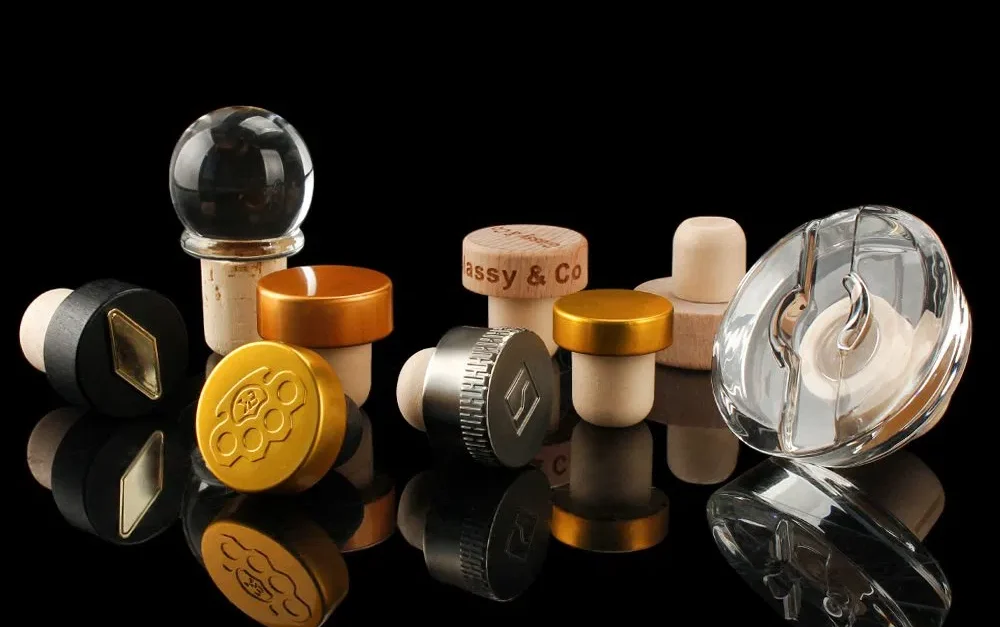
Introduction
A bar-top stopper is more than a decorative closure for a spirits bottle. It affects bottle fit, sealing performance, filling-line efficiency, shelf presentation, consumer opening feel, export handling, and brand value.
This bar-top stopper buying guide is written for spirits brands, distilleries, private label buyers, importers, distributors, bottlers, and packaging procurement teams that need to compare closure options before requesting samples or quotations.
For commercial spirits projects, the right stopper should be selected through a practical review of bottle neck size, shank fit, material, decoration method, compliance needs, production conditions, supplier capability, and sample testing.
Need help matching a bar-top stopper to your bottle? Send Kandacork Closures your bottle drawing, neck bore, target material, logo file, quantity, and destination market to request stopper fit review, samples, or quotation support.
Who This Guide Is For
This guide is especially useful for spirits brands developing new packaging, distilleries upgrading closures, private label buyers comparing stock and custom options, importers reviewing market requirements, and bottlers testing stopper fit before production.
It is designed to help packaging teams move from general research to a practical closure decision.
Quick Answer: How to Choose a Bar-Top Stopper
Spirits packaging teams should choose a bar-top stopper by confirming the bottle neck bore, shank diameter, shank material, head material, insertion depth, pull-out feel, leakage resistance, branding method, tamper-evident requirements, filling-line conditions, and supplier production capability.
Before bulk production, buyers should test physical samples with the actual bottle. Bottle drawings are useful, but real bottle testing is essential because glass neck tolerance, stopper compression, alcohol contact, insertion depth, and filling-line pressure can all affect final performance.
A practical buying process includes measuring the bottle neck bore, comparing materials, testing fit and leakage, approving decoration samples, checking compliance requirements, reviewing supplier QC, and preparing a complete RFQ before mass production.
Decision Summary for Packaging Buyers
| Buyer Question | Fast Direction |
|---|---|
| Need a premium shelf look? | Consider wood, aluminum, glass, ceramic, zamak, or specialty tops |
| Need production consistency? | Consider synthetic cork shanks and repeatable head materials |
| Unsure about stopper size? | Test actual bottle neck bore and physical shank samples |
| Need lower development cost? | Consider stock shapes or semi-custom decoration |
| Need stronger brand differentiation? | Consider fully custom head shapes, finishes, or inserts |
| Need export packaging? | Review tamper-evident systems, packing protection, and documentation |
| Need fast quotation? | Prepare bottle drawing, neck size, logo file, material target, quantity, and destination market |
This summary helps buyers move from broad research to a more specific stopper direction before requesting samples.
What Is a Bar-Top Stopper?
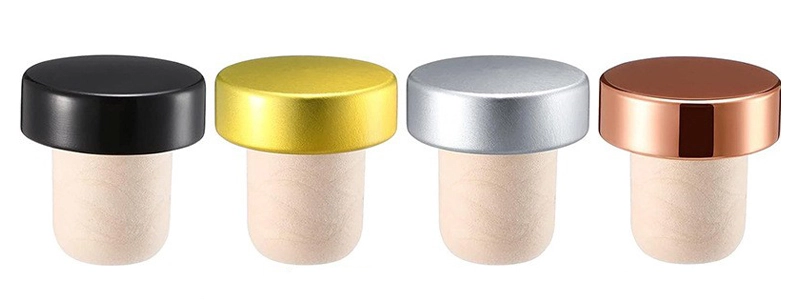
A bar-top stopper, also called a T-top stopper, T-cork, or bartop closure, is a spirits bottle closure with two main parts.
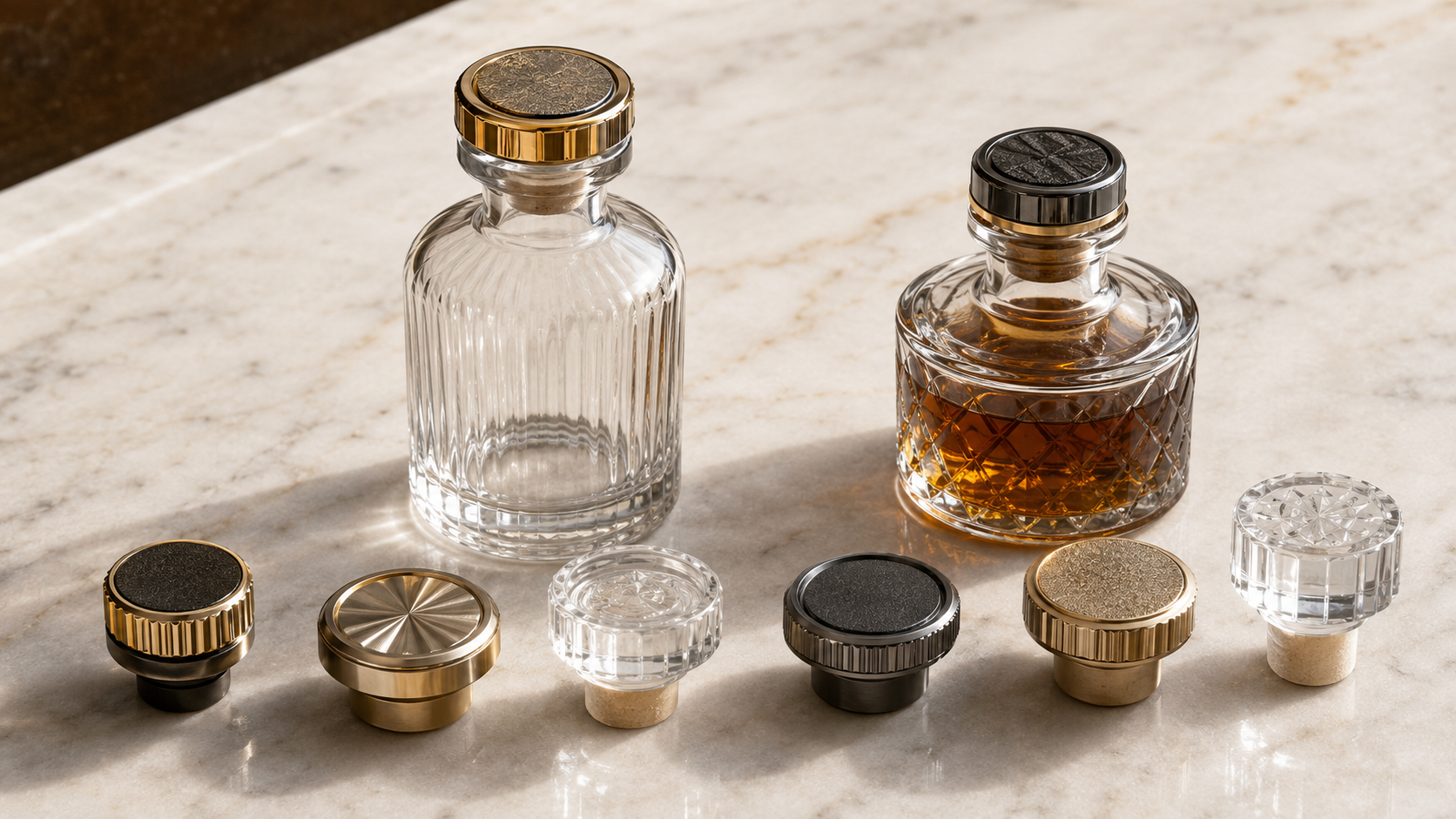
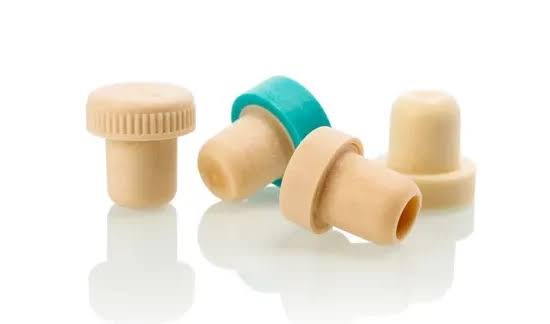
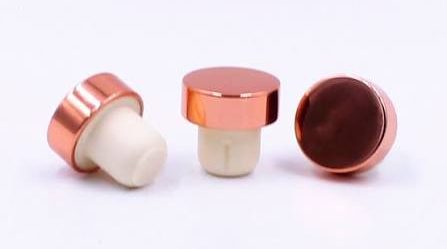
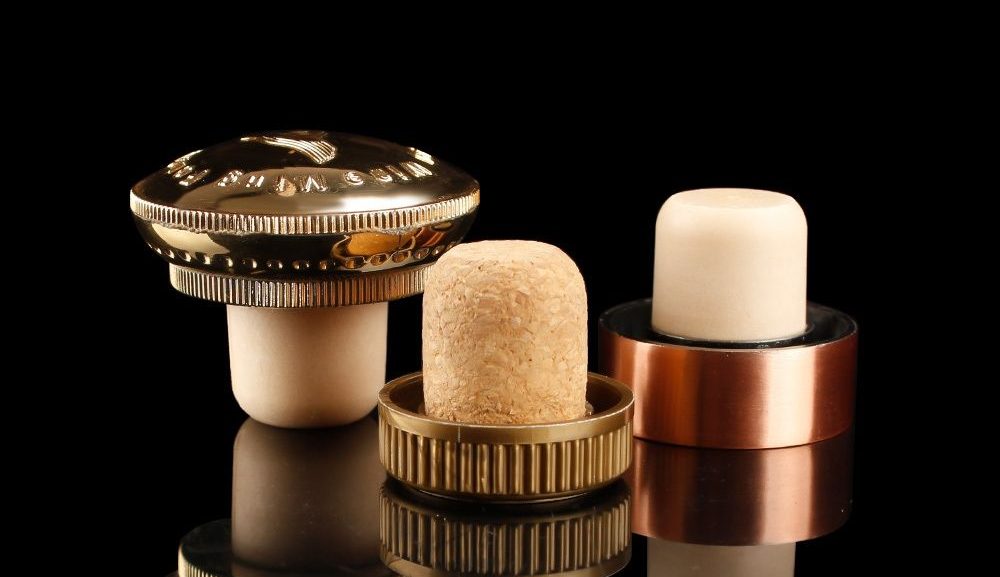
The first part is the head or cap. This is the visible top section that consumers see and touch. It may be made from wood, aluminum, plastic, glass, ceramic, zamak, or another decorative material. The head is also the main branding area for logo printing, laser engraving, embossing, debossing, hot stamping, color matching, or metal inserts.
The second part is the shank or stem. This is the sealing section inserted into the bottle neck. It may be made from natural cork, synthetic cork, polymer, or another engineered material. The shank affects compression, sealing, insertion feel, pull-out force, and bottle compatibility.
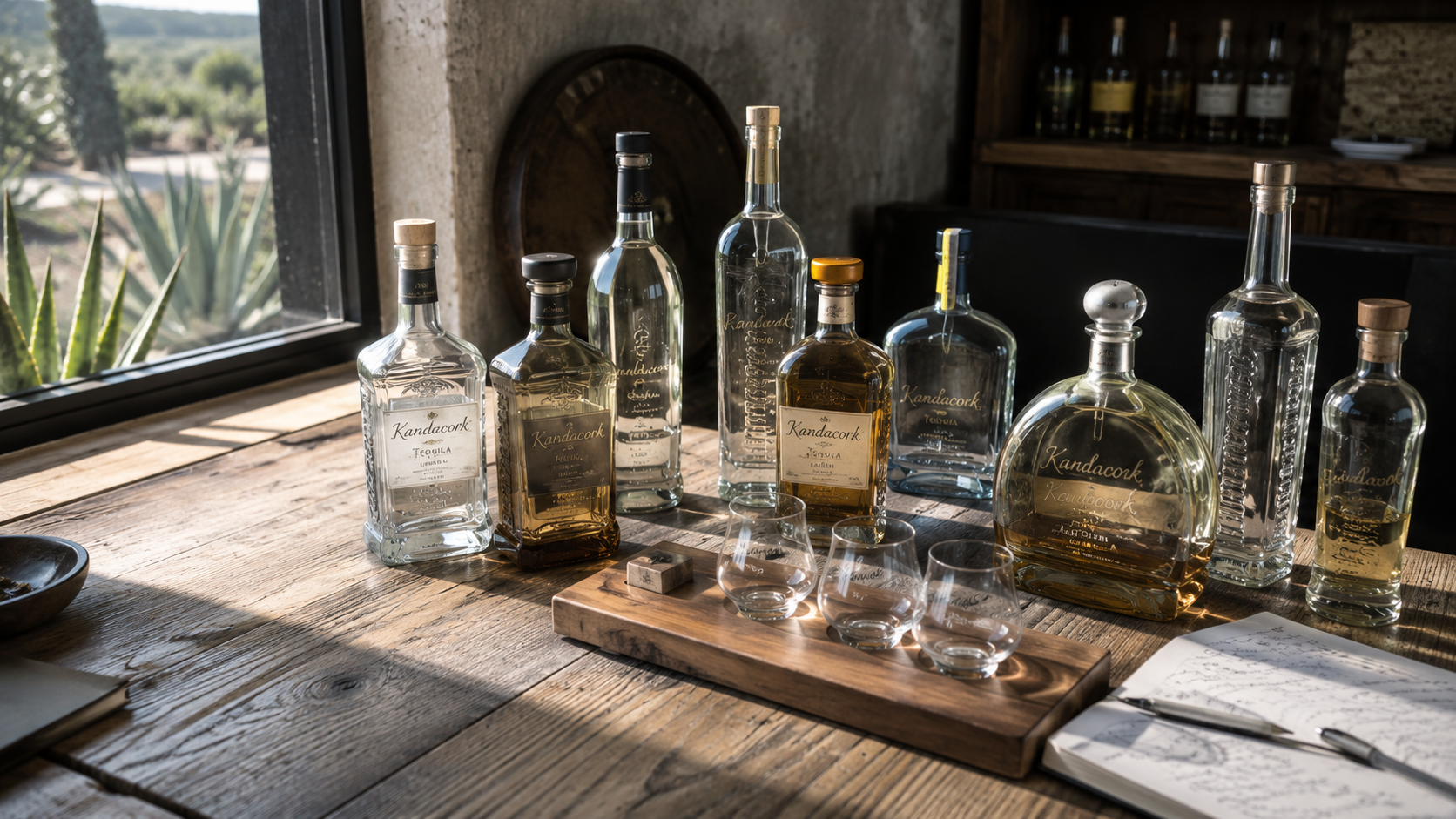
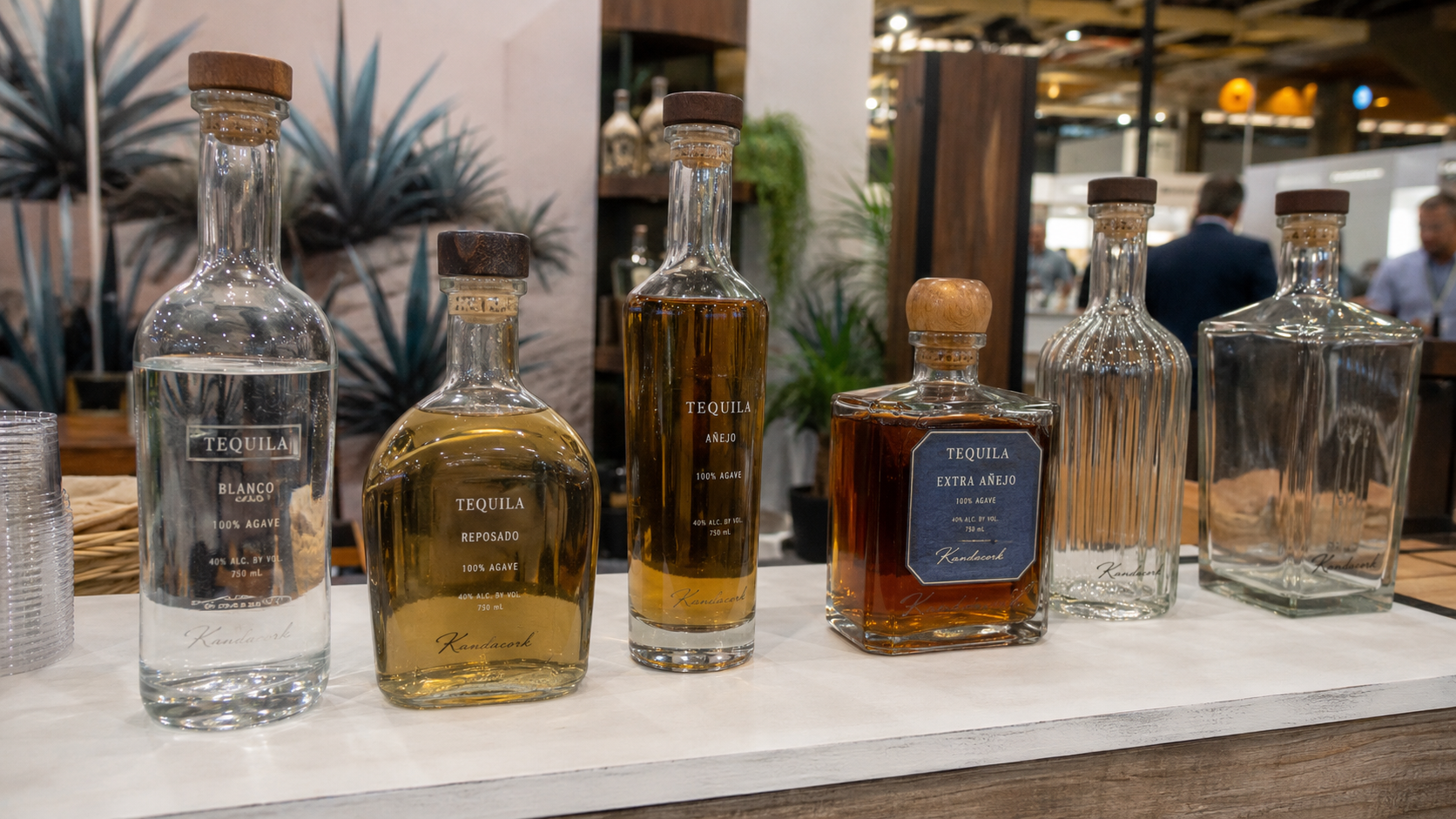
In spirits packaging, the stopper often becomes part of the brand identity. A wooden top can suggest craft and tradition. A brushed aluminum top can support a modern premium look. A glass, ceramic, or zamak top can strengthen a luxury or limited-edition presentation. Packaging teams can also review Kandacork’s broader bar-top stopper and closure range when comparing stopper formats for different bottle projects.
Bar-Top Stopper Size Chart: 18.5mm, 21.5mm and Shank Fit
Bottle neck fit is one of the most important parts of stopper selection. A stopper can look premium but still fail if the shank does not match the bottle neck correctly.
Most spirits bar-top bottles use common neck bore directions such as 18.5 mm or 21.5 mm. As a starting point, buyers often test a shank about 1 mm larger than the bore, but final approval must depend on actual bottle samples, glass tolerance, shank material, insertion depth, and pull-out force.
| Bottle Neck Bore | Common Shank Direction | Typical Use | Buyer Warning |
|---|---|---|---|
| 18.5 mm | Around 19.5 mm | Smaller spirits bottles and some standard formats | Test actual bottle tolerance before approval |
| 20 mm | Around 21 mm | Custom spirits bottles and mid-size formats | Confirm insertion depth and pull-out force |
| 21.5 mm | Around 22.5 mm | Many standard spirits bottle projects | Do not approve bulk orders by catalog size only |
| Custom bore | Custom shank | Private mold bottles and luxury projects | Supplier should review drawings and physical samples |
For custom bottles, measure the internal neck profile at more than one depth, not only at the lip, because the bore may narrow inside the neck.
A good stopper fit should insert smoothly, stay secure, resist leakage, and open with a controlled pull. If the stopper is too loose, it may leak or move during transport. If it is too tight, it may slow production, damage the closure, or create a poor consumer experience.
If you are unsure whether your bottle needs a 19.5 mm, 22.5 mm, or custom shank, send the bottle drawing to Kandacork Closures for fit review.
Bar-Top Stopper vs ROPP vs Screw Cap for Spirits Bottles
Different spirits closures serve different branding and production goals.
| Closure Type | Best For | Premium Feel | Production Fit | Tamper-Evident Support | Cost Level |
|---|---|---|---|---|---|
| Bar-top stopper | Premium spirits, craft brands, gift bottles | High | Requires fit testing | Often paired with capsule, shrink sleeve, or security band | Medium to high |
| ROPP closure | High-volume spirits, liqueurs, export projects | Medium | Strong for automated production | Strong tamper-evident options | Medium |
| Screw cap | Convenience-focused or cost-sensitive lines | Low to medium | Efficient and familiar | Depends on design | Low to medium |
| Non-refillable closure | Export spirits and anti-refill markets | Medium | More complex | Strong anti-refill and tamper-control potential | Medium to high |
| Glass stopper | Decanters and luxury editions | Very high | Requires careful fit and packing | Usually needs secondary protection | High |
| Capsule or shrink sleeve | Secondary protection and decoration | Medium | Additional application step | Strong visual tamper evidence | Low to medium |
A bar-top stopper is ideal when brand presentation and consumer experience matter. ROPP and screw caps may be better when speed, cost, or built-in tamper-evident performance is the main priority.
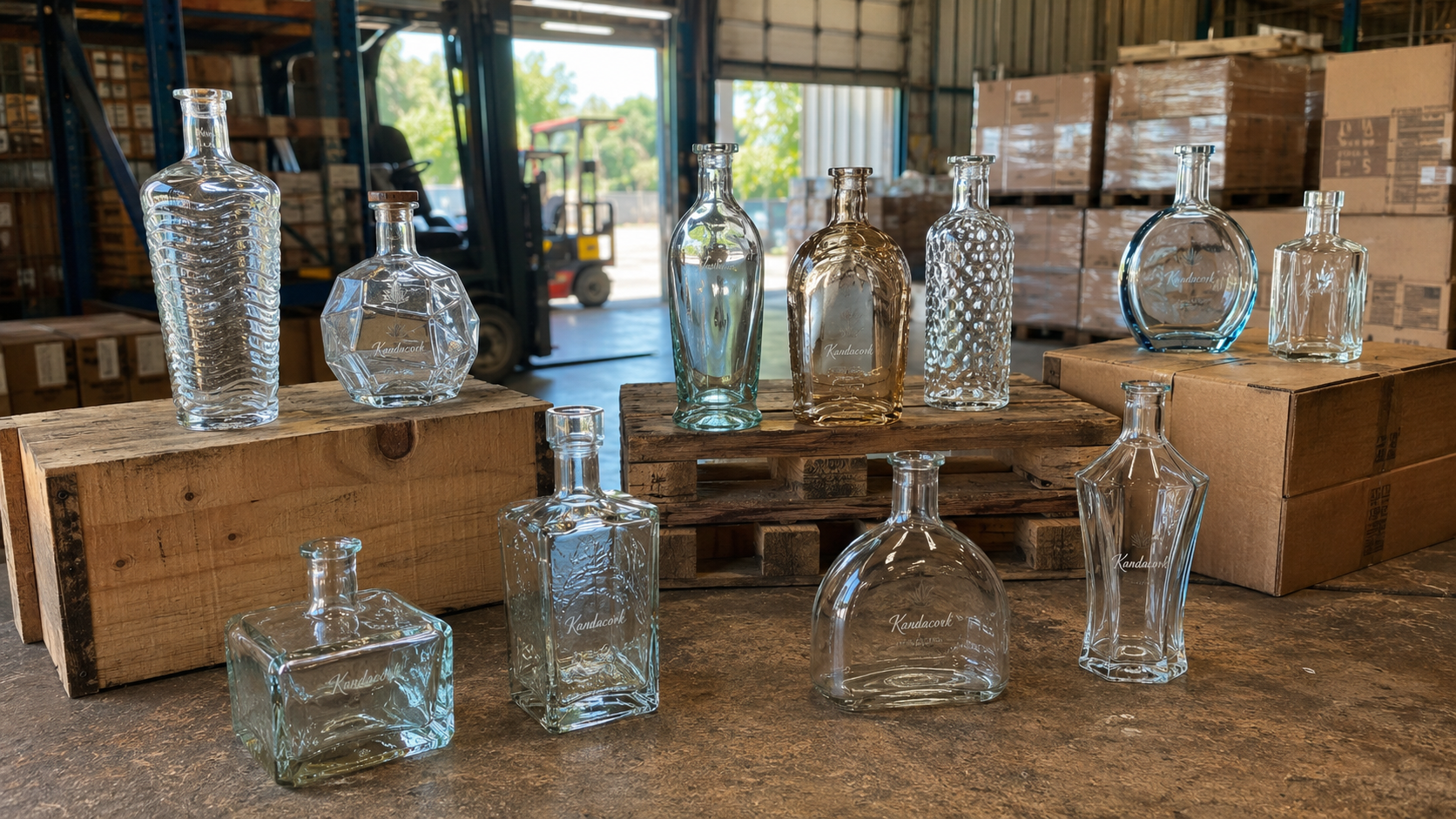
Many premium spirits projects combine a bar-top stopper with a capsule, shrink sleeve, or security band to balance design, protection, and market requirements. If the closure is being developed together with a new glass bottle, buyers may also coordinate bottle form, neck finish, decoration, and closure direction through integrated custom spirits bottle solutions.
Stock vs Custom Bar-Top Stoppers
Packaging buyers often need to decide whether to use a stock stopper, semi-custom stopper, or fully custom stopper. The best choice depends on launch timing, budget, MOQ, brand position, and design requirements.
| Option | Best For | Advantage | Limitation |
|---|---|---|---|
| Stock stopper | Fast projects, smaller launches, lower development budgets | Shorter lead time and lower development cost | Less unique brand identity |
| Semi-custom stopper | Private label spirits and mid-volume brands | Uses an existing shape with custom logo, color, or finish | Limited shape flexibility |
| Fully custom stopper | Premium spirits, luxury editions, exclusive bottle projects | Strong brand differentiation and custom shelf impact | Higher tooling cost and longer lead time |
Stock options can be practical when buyers need speed and cost control. Semi-custom options are often suitable for private label brands that want branded decoration without full tooling investment. Fully custom stoppers are best for projects where closure shape, weight, finish, and tactile feel are central to the brand story.
For buyers still comparing materials, sizes, logo options, samples, MOQ, and bulk supply support, Kandacork’s bar-top closure project checklist can help organize early sourcing discussions.
Bar-Top Closure Specifications Before Requesting a Quote
A professional quotation requires more than a reference photo. To receive accurate pricing and useful samples, packaging teams should prepare technical and commercial details.
| Specification Group | Details to Confirm |
|---|---|
| Bottle information | Bottle drawing, bottle capacity, neck inner diameter, neck finish, neck height |
| Stopper dimensions | Shank diameter, shank length, insertion depth, cap diameter, cap height, cap shape |
| Material direction | Head material, shank material, finish color, surface treatment |
| Branding | Logo file, decoration method, Pantone color, engraving or printing requirement |
| Production | Quantity, sample deadline, mass production schedule, filling-line method |
| Market and packing | Destination market, tamper-evident needs, export packing, required documents |
A reliable supplier should review bottle drawings, ask about the bottle neck, confirm the target spirit category, and recommend sample testing before mass production.
Bar-Top Stopper Materials Compared
Material choice affects cost, weight, brand perception, durability, decoration possibilities, and production consistency. Packaging teams should compare both the head material and the shank material.
| Material | Best For | Main Strength | Main Risk |
|---|---|---|---|
| Wood | Whiskey, rum, craft gin, brandy | Natural premium feel and strong craft image | Grain and color variation |
| Aluminum | Gin, vodka, tequila, premium private label | Modern appearance and consistent finish | Scratch risk if packing is weak |
| Plastic / polymer | Mini bottles, promotional lines, cost-sensitive projects | Color flexibility and lower cost | Lower premium perception |
| Natural cork shank | Heritage spirits and premium storytelling | Traditional appearance and tactile value | Natural variation and stricter QC needs |
| Synthetic cork shank | Larger production runs and repeat orders | Dimensional consistency and stable compression | Less natural visual story |
| Glass / ceramic / zamak | Luxury editions, decanters, gift packaging | High perceived value and distinctive design | Higher cost, weight, tooling, and packing risk |
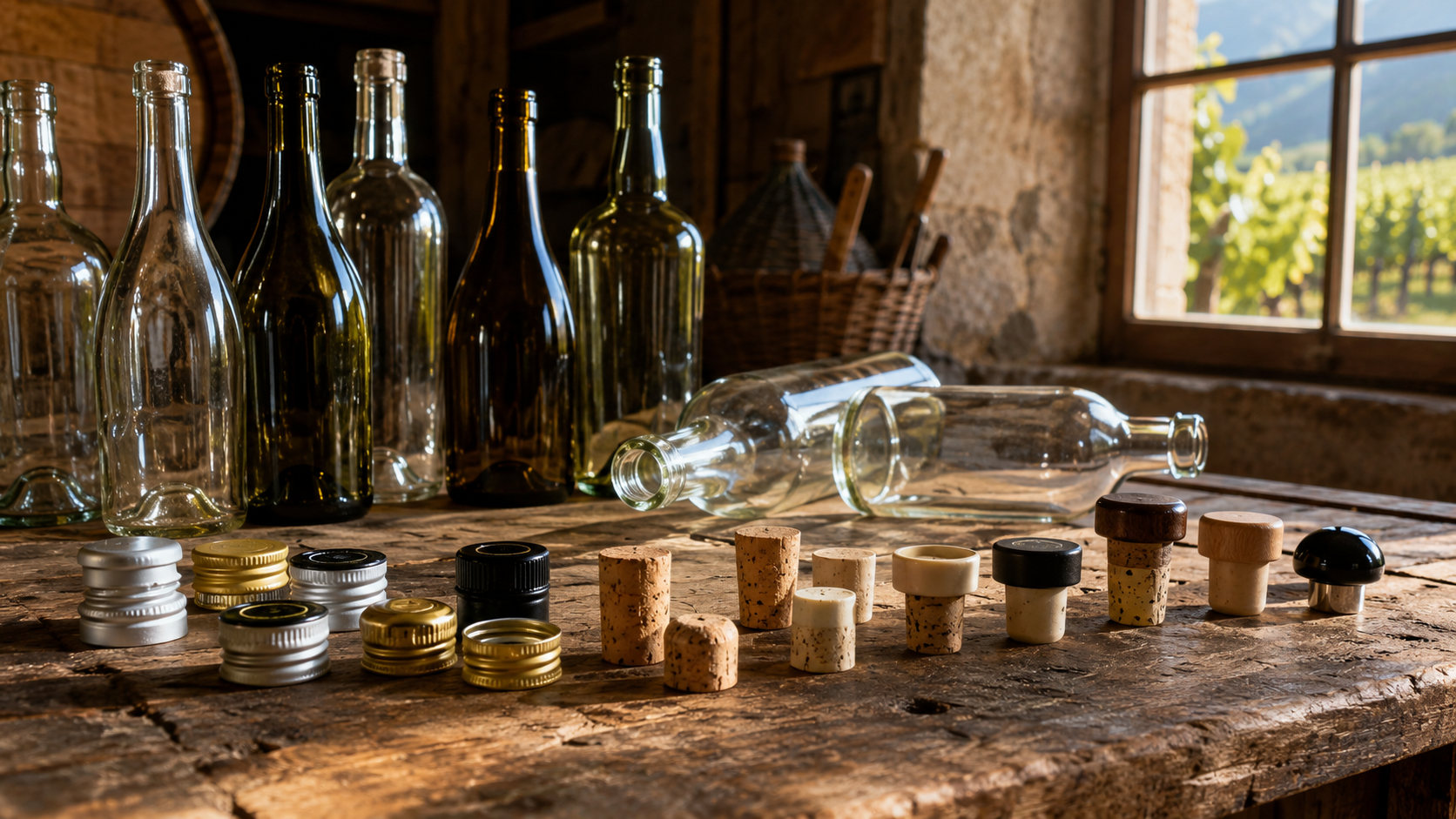
Wood is a strong direction for brands that want warmth, craft, and tradition. Aluminum is suitable for clean, modern, and premium bottle designs. Plastic and polymer can work well for practical, colorful, or cost-sensitive projects. Natural cork supports a traditional story, while synthetic cork is often selected when repeatable fit and controlled production are priorities.
Specialty materials such as glass, ceramic, and zamak can create strong shelf impact, but they require more careful development, inspection, and export packing.
Branding and Decoration Options
A bar-top stopper is a high-value branding surface. It can reinforce the brand before the consumer reads the label.
Common decoration options include:
- Top printing
- Side printing
- Laser engraving
- Embossing
- Debossing
- Hot stamping
- Metal inserts
- Logo medallions
- Pantone color matching
- Wood stain matching
- Anodized aluminum finishes
- Matte, glossy, brushed, or textured effects
Different materials support different decoration methods. Laser engraving works well on wood and metal. Hot stamping creates a premium metallic effect. Embossing and debossing add tactile depth. Printing supports detailed logos and color graphics.
For best results, buyers should send vector logo files, Pantone references, bottle drawings, label artwork, finish samples, and brand guidelines. For projects where the stopper head carries an important brand mark, Kandacork’s custom top surface design for spirits closures can support logo placement, embossing, printed artwork, inserts, and sample review.
Technical Tests Before Bulk Production
Testing is essential before mass production. Even if the stopper looks correct, packaging teams need to confirm real-world performance.
Core tests include:
- Bottle neck measurement
- Stopper insertion test
- Pull-out force review
- Leakage test
- Inverted bottle test
- Alcohol contact review
- Filling-line trial
- Packing and transport check
For premium or export spirits projects, teams should also review surface durability, logo stability, head-to-shank bonding, abrasion risk, carton strength, and moisture protection.
The goal is not only to confirm that the stopper fits. The goal is to confirm that it can survive filling, storage, shipping, retail handling, and consumer use.
Compliance and Tamper-Evident Checklist
Spirits packaging teams should treat closures as product-contact or product-adjacent packaging components. The shank may contact the liquid or vapor environment, while the head, adhesive, coating, ink, colorant, or decorative layer may require review depending on construction and destination market.
| Compliance Area | What Buyers Should Check |
|---|---|
| Food-contact suitability | Review whether the shank material, adhesive, coating, ink, or colorant may be relevant to food-contact expectations |
| Alcohol compatibility | Confirm whether the stopper material is suitable for high-alcohol spirits and storage conditions |
| Tamper-evident closure | Check whether the destination market requires a capsule, shrink sleeve, security band, tear strip, or similar protection |
| EU market requirements | Review food-contact material safety and inertness principles for packaging materials |
| Export documentation | Ask suppliers for declarations, material information, test reports, and inspection records |
| Secondary closure fit | Confirm whether cap diameter, head shape, neck finish, and shoulder design work with capsule or sleeve application |
For U.S. projects, packaging teams should consider FDA food-contact packaging guidance where relevant. For distilled spirits in the U.S. market, teams should also review TTB tamper-evident closure requirements before finalizing the closure system.
Compliance should be discussed before finalizing the stopper design, not after the branded sample is approved.
Bar-Top Stopper Supplier Evaluation Scorecard
A low unit price is not enough if the supplier cannot control fit, finish, sampling, inspection, or export packing. Packaging teams should evaluate suppliers with a structured scorecard.
| Evaluation Area | Questions to Ask | Score |
|---|---|---|
| Bottle compatibility | Can the supplier review bottle drawings, neck bore, and physical samples? | /10 |
| Material capability | Can they offer suitable head and shank material options for your brand tier? | /10 |
| Custom branding | Can they support engraving, hot stamping, embossing, printing, and color matching? | /10 |
| Sample support | Can they provide fit samples, finish samples, and branded pre-production samples? | /10 |
| QC and inspection | Can they provide dimensional checks, visual standards, and inspection reports? | /10 |
| Export packing and repeat orders | Can they protect closures during shipment and maintain consistency for future orders? | /10 |
A qualified supplier should help buyers reduce uncertainty before production. Kandacork Closures can support stopper matching, material comparison, branding development, sample testing, and quotation preparation for spirits packaging teams.
What Kandacork Closures Needs for Quotation
A detailed RFQ helps Kandacork Closures quote faster and recommend a more accurate stopper direction.
To quote accurately, Kandacork Closures needs:
- Bottle drawing or sample bottle
- Neck bore and neck finish
- Target stopper material
- Preferred shank material
- Logo file and finish reference
- Quantity and destination market
- Sample deadline and production schedule
- Filling-line information
- Packing or compliance requirements
For custom projects, buyers may also provide artwork, brand guidelines, mold requirements, color standards, packaging layout, and target retail positioning.
Kandacork Closures can use these details to recommend material direction, sample options, and quotation ranges.
Sample Approval Workflow
A clear sample workflow helps packaging teams avoid costly mistakes.
| Step | What Happens | Why It Matters |
|---|---|---|
| Specification review | Buyer sends bottle drawings, bottle samples, market details, and material preferences | Confirms the technical starting point |
| Drawing and material confirmation | Dimensions, material, shank size, decoration area, and packing needs are reviewed | Reduces mismatch risk |
| Fit sample testing | Physical stoppers are tested with actual bottles | Confirms insertion, pull-out feel, and leakage risk |
| Branding sample approval | Logo placement, color, finish, engraving, or printing is reviewed | Confirms visual quality |
| Filling-line trial | Stoppers are tested with manual or automated bottling conditions | Checks production compatibility |
| Pre-production approval and bulk inspection | Final sample becomes the approved production standard | Supports consistent bulk production |
This process is especially important for private mold bottles, export spirits, custom decoration, and premium packaging projects.
Common Buying Mistakes to Avoid
Many closure problems happen because buyers approve stoppers too quickly.
The most common mistake is choosing by appearance only. A stopper may look beautiful but still fail if the shank does not fit correctly, the closure leaks, or the filling line cannot apply it smoothly.
Another major mistake is skipping physical samples. Catalog dimensions and digital drawings cannot replace real-world testing with the actual bottle.
Packaging teams should also avoid ignoring tamper-evident requirements. Many spirits projects need capsules, shrink sleeves, security bands, tax strips, or other protection systems depending on the destination market.
Other mistakes include assuming all standard necks are the same, approving logo artwork without a real sample, selecting fragile finishes without packing review, ignoring filling-line conditions, and ordering bulk closures before line trials.
Recommended Stopper Direction by Spirits Category
| Spirit Category | Recommended Stopper Direction | Buyer Notes |
|---|---|---|
| Whiskey / bourbon | Wood, aluminum, natural cork, synthetic cork | Secure fit and premium pull-out feel are important |
| Gin | Aluminum, wood, colored polymer, glass-style tops | Match stopper finish with bottle color and label style |
| Rum | Wood, dark stain, metal accent, natural-look shank | Strong for aged, vintage, and craft positioning |
| Tequila / mezcal | Wood, cork, ceramic, metal, custom shapes | Consider regional design cues and tamper-evident needs |
| Vodka | Aluminum, glass, clear polymer, metallic finishes | Clean and modern styling often works well |
| Brandy | Wood, glass, gold or bronze accents | Suitable for classic premium presentation |
| Liqueur | Colorful polymer, metal, decorative tops | Flavor and shelf appeal may guide color choices |
| Mini spirits | Plastic, polymer, compact aluminum | Cost, speed, and scale are important |
| Gift packs | Glass, zamak, wood, specialty materials | Packing protection must be reviewed carefully |
| Private label lines | Stock or semi-custom stopper programs | Balance MOQ, lead time, repeatability, and branding |
How Kandacork Closures Supports the Buying Process
Kandacork Closures supports spirits packaging teams that need more than a standard catalog stopper. For many brands, the challenge is not simply finding a bar-top stopper. The real challenge is finding a closure that fits the bottle, supports the brand, works with the filling process, and can be produced consistently.
Kandacork Closures can help buyers review bottle neck compatibility, compare head and shank materials, develop custom branding, prepare samples, confirm pre-production standards, support bulk production, and protect closures for export shipment.
For teams planning international shipments, Kandacork’s export-ready closure supplier guidance can help buyers think through closure requirements, decoration ideas, order quantity, destination market, and export packing before production.
FAQ
What size bar-top stopper do I need for a spirits bottle?
Measure the bottle neck inner diameter and test a stopper shank that provides suitable compression. The shank is often slightly larger than the bore, but the final size depends on bottle tolerance, shank material, insertion depth, and desired pull-out feel. Always confirm with physical samples.
Are bar-top stoppers suitable for whiskey, gin, rum, and tequila?
Yes. Bar-top stoppers are commonly used for whiskey, gin, rum, tequila, mezcal, brandy, liqueurs, and premium private label spirits. The best material and shape depend on brand position, bottle neck, filling line, destination market, and tamper-evident system.
Which is better, natural cork or synthetic cork shank?
Natural cork offers a traditional appearance and premium story. Synthetic cork offers stronger dimensional consistency and controlled production performance. The better choice depends on brand positioning, sealing expectations, production scale, and quality control requirements.
Can bar-top stoppers be customized with a logo?
Yes. Bar-top stoppers can be customized with printing, laser engraving, embossing, debossing, hot stamping, medallions, molded logos, color matching, wood stains, anodized finishes, and textured effects. The best method depends on the head material and brand design.
Do bar-top stoppers need tamper-evident protection?
Many spirits projects require tamper-evident protection depending on the destination market and product type. A bar-top stopper may be paired with a capsule, shrink sleeve, tear strip, security band, tax strip, or another tamper-evident device.