Plastic stopper mold cost is one of the first questions spirits brands ask when they want a custom bar-top closure. The direct answer is that the cost depends on stopper head complexity, cavity count, mold steel, runner system, logo detail, shank connection, sampling requirements, and planned production volume.
For a buyer, the lowest tooling fee is not always the best commercial decision. A simple mold may work for a small launch, while a multi-cavity production mold may lower unit cost for repeat bulk orders. The right choice should balance tooling investment, bottle fit, sealing performance, opening feel, shelf impact, lead time, and reorder stability.
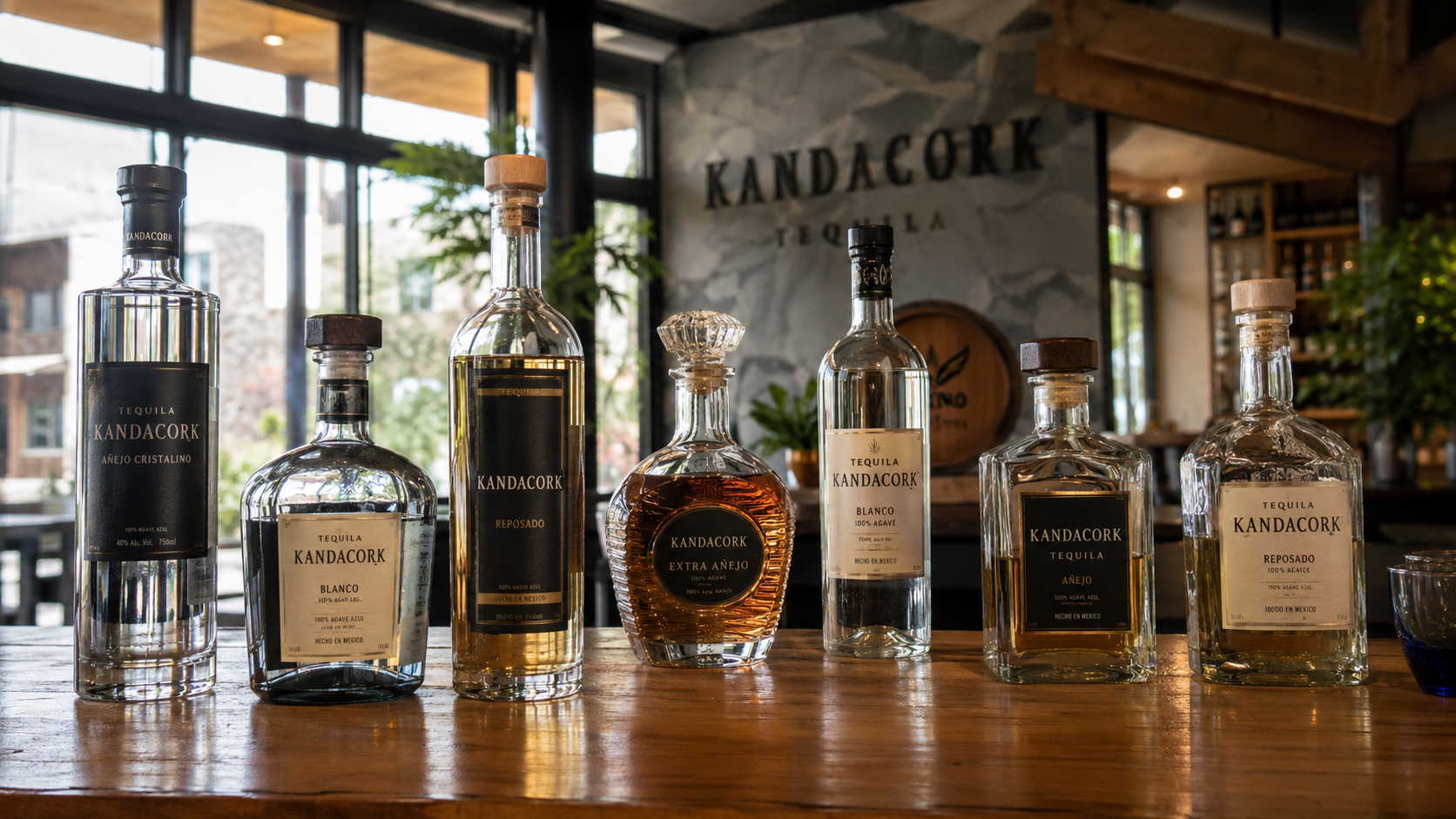
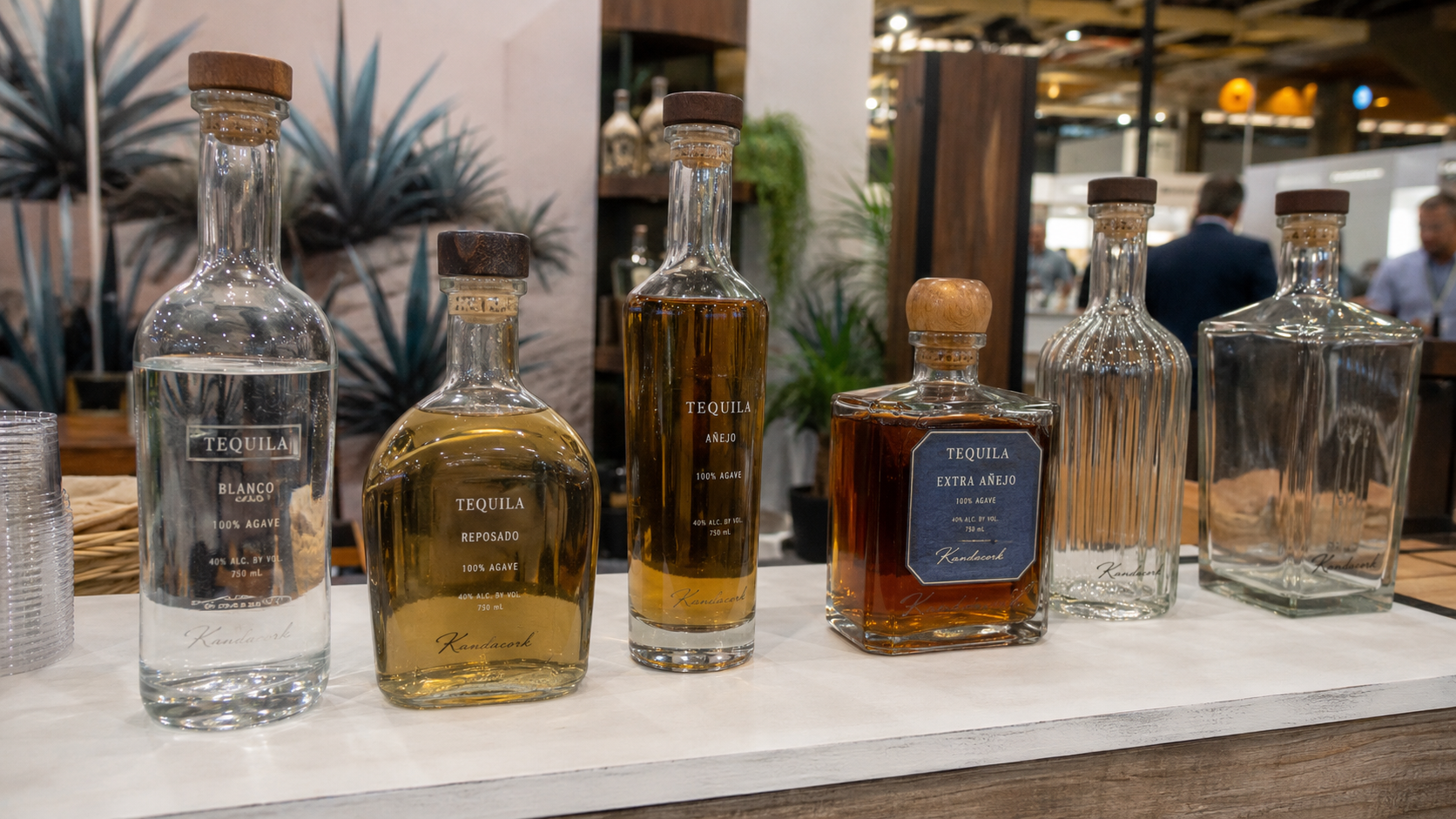
Kandacork Closures supports brands that need plastic bar-top stoppers for whisky, vodka, gin, rum, tequila, liqueur, RTD spirits, private label programs, and export packaging projects. The goal is to help buyers choose a closure strategy that fits both the bottle and the business plan.
What Is Included in Plastic Stopper Mold Cost?
Plastic stopper mold cost usually covers the tooling work required to produce the molded plastic stopper head. Depending on the project, the quotation may include 3D structure review, mold design, CNC machining, EDM detail work, polishing, texture development, T1 sample molding, mold adjustment, and production approval.
For a standard stopper, a new mold may not be needed if an existing shape fits the bottle and brand. For a semi-custom stopper, the buyer may customize color, finish, logo printing, or shank type while using an existing tool. For a fully custom stopper, the mold must be developed around a dedicated head shape, logo position, surface finish, and shank connection.
A complete quotation should make the mold specification clear. Buyers should confirm the cavity count, mold steel, expected mold life, hot runner or cold runner structure, logo treatment, sample policy, color matching method, and whether mold modifications are included after first trials.
Plastic Stopper Mold Cost by Project Type
The exact plastic stopper mold cost depends on drawings, bottle samples, materials, and production targets. Still, buyers can understand the cost direction by comparing project types.
| Project type | Best for | Cost direction | Buyer consideration |
|---|---|---|---|
| Standard plastic stopper | Trial orders, urgent launches | Lowest or no new mold fee | Uses existing stopper geometry |
| Semi-custom plastic stopper | Private label and early-stage brands | Low to medium | Custom color, finish, logo, or shank with lower tooling risk |
| Single-cavity custom mold | Low-volume custom head | Medium | Lower initial tooling, slower output |
| 2–4 cavity stopper mold | Growing spirits brands | Medium to high | Better for repeat commercial production |
| 8+ cavity production mold | Bulk orders and multi-SKU programs | Higher upfront investment | Better long-term unit cost potential |
| Complex branded stopper mold | Premium spirits packaging | Highest | Supports exclusive shape, molded logo, texture, or special finish |
Plastic stopper mold cost should always be compared with annual order quantity. A mold that looks expensive at the start may become more economical when the tooling fee is spread across repeated production runs.
Standard, Semi-Custom, or Fully Custom Stopper?
Many buyers ask for a custom mold before confirming whether they need one. A standard stopper may be best when speed, lower cost, and proven bottle fit matter most. A semi-custom stopper is useful when the brand needs color or decoration without full tooling investment. A fully custom mold is appropriate when the closure must become part of the product identity.
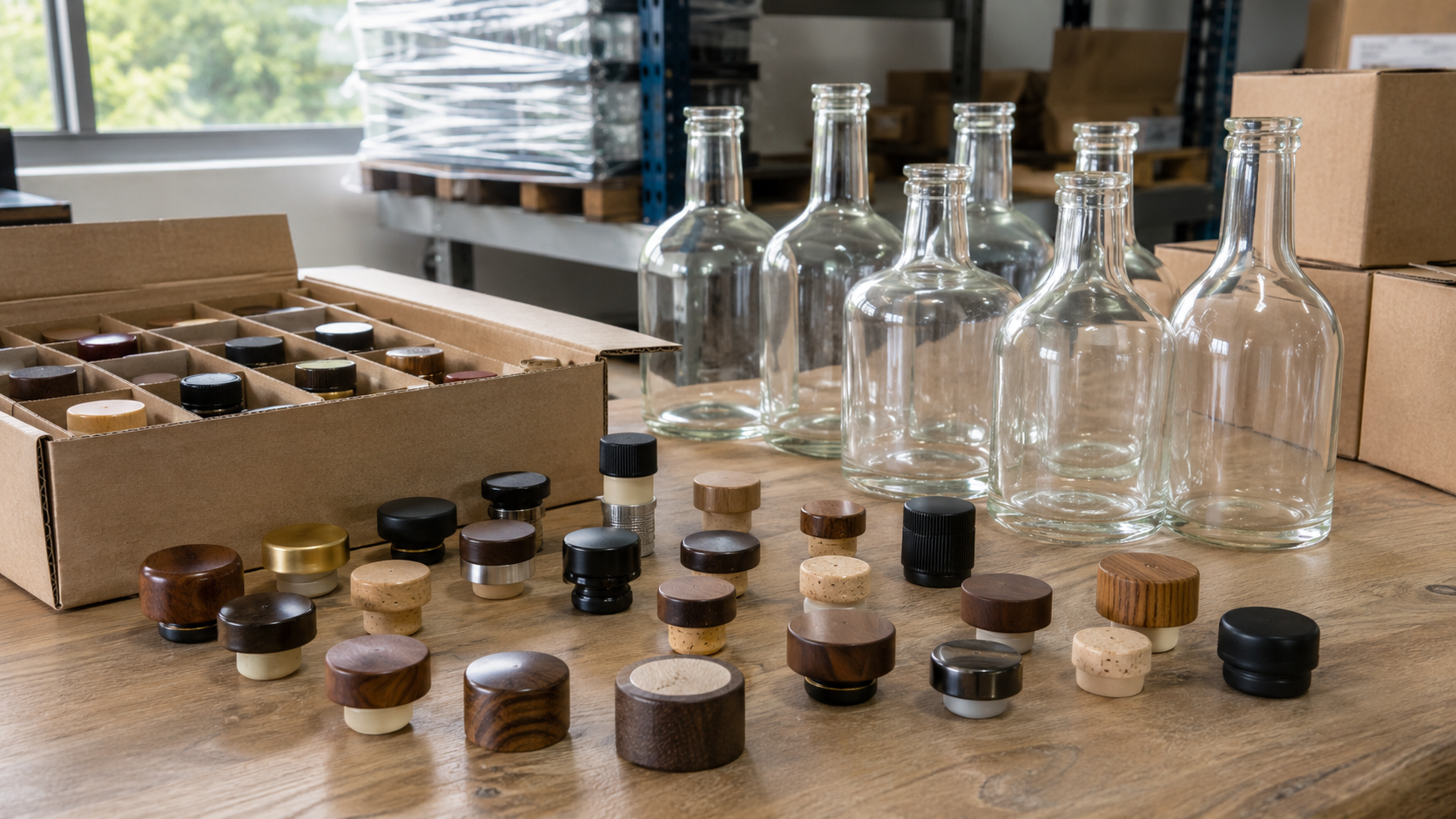
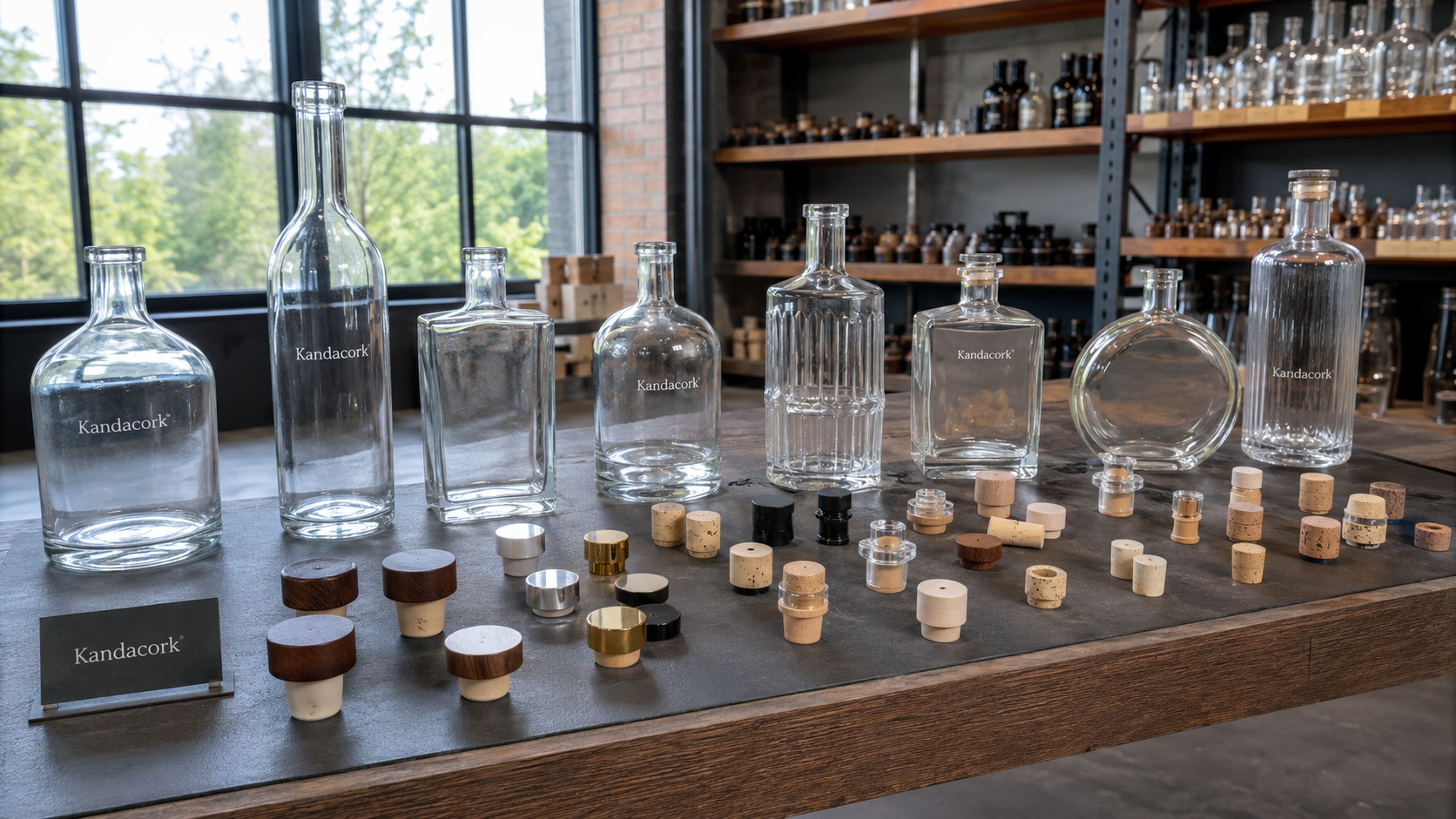
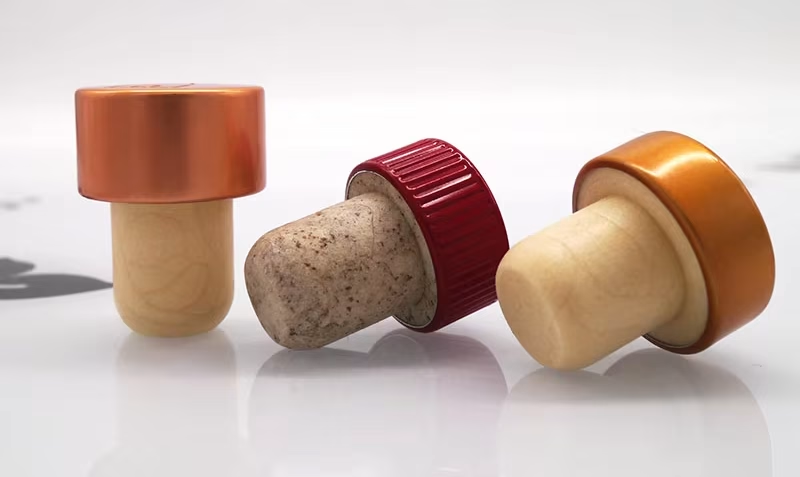
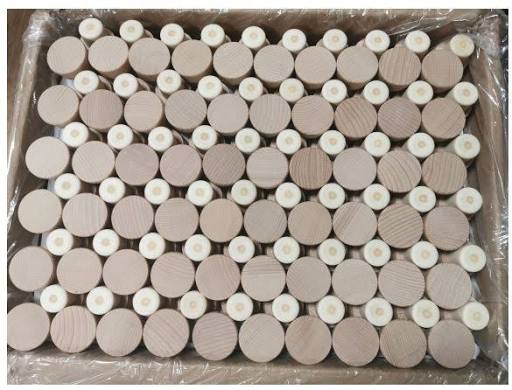
Kandacork develops custom plastic T-top stoppers that combine molded plastic heads with cork, synthetic cork, or TPE shanks. This option is often practical for brands that need consistent dimensions, flexible branding, reliable sealing, and a controlled unit cost across multiple spirits SKUs.
A fully custom plastic stopper mold is usually worth considering when the brand needs an exclusive shape, molded logo, special hand feel, repeat orders, or a closure family that can support several bottle formats. If the project is a one-time market test, standard or semi-custom options may protect budget and timeline.
Why Plastic Stopper Mold Cost Varies
Plastic stopper mold cost varies because a stopper is both a functional closure and a visible brand component. The head affects shelf appeal, hand feel, and perceived value. The shank affects insertion, compression, sealing, pull-out force, and compatibility with the bottle neck.
A simple round top is easier to mold than a sculpted stopper with deep logo relief, textured sidewalls, sharp corners, metallic effects, or special assembly requirements. Mold steel and runner design also matter because they influence cycle stability, part consistency, waste, and long-term production efficiency.
For buyers comparing bottle stoppers and closures, the right question is not only “How much is the mold?” but “Which closure system gives the best balance of cost, appearance, performance, and repeatability?”
Main Factors That Affect Plastic Stopper Mold Cost
| Cost factor | Why it matters | Cost impact |
|---|---|---|
| Stopper head shape | Complex geometry needs more mold engineering | Medium to high |
| Cavity count | More cavities raise mold complexity but improve output | Medium to high |
| Mold steel | Better steel supports longer mold life and cleaner finish | Medium |
| Runner system | Hot runners may reduce waste but cost more upfront | Medium to high |
| Logo detail | Fine embossing or debossing requires precision machining | Medium |
| Surface finish | Matte, gloss, texture, or high polish needs extra control | Medium |
| Shank connection | Head and shank must support secure bottle fit | Medium |
| Sampling and testing | T1 samples reduce production risk | Low to medium |
If two suppliers quote very different plastic stopper mold cost levels, they may not be quoting the same tool. One may include lower-cost steel, fewer cavities, minimal sampling, or a basic cold runner. Another may include production-grade steel, stronger mold life, multi-cavity output, and more complete sample approval.
Stopper Head Shape, Logo Detail, and Surface Finish
Stopper head shape is one of the most visible cost drivers. Round, flat, and lightly domed heads are usually easier to tool. Square, oval, fluted, stepped, sculpted, or brand-signature shapes require more mold design and machining work.
Branding detail also matters. A printed logo is different from a logo built into the mold. Embossed logos, debossed logos, fine text, sidewall patterns, and textured surfaces require more precise CNC or EDM work. Very thin lines or deep relief may need adjustment before tooling so the molded result remains clean and repeatable.
Surface finish can change both cost and perceived value. Matte, gloss, soft-touch effects, color-matched resin, hot stamping, and metallic decoration should be reviewed together with the bottle, label, capsule, and carton. Kandacork’s closure colors and finishes support this type of coordinated packaging decision, while production-specific sidewall design options help align ribs, textures, print zones, and grip details with the closure structure.
Cavity Count, Mold Steel, and Runner System
Cavity count means how many stopper heads a mold produces in one injection cycle. A single-cavity mold produces one head at a time. A 2-cavity, 4-cavity, 8-cavity, or higher-cavity mold produces more parts per cycle but requires a larger and more carefully balanced tool.
For small projects, a low-cavity mold can reduce the initial tooling investment. For repeat production, a higher-cavity mold can reduce unit cost and improve output. This is why plastic stopper mold cost should be matched to annual volume rather than only first-order quantity.
Mold steel affects durability, surface quality, maintenance, and mold life. Aluminum may be used for some prototype or low-volume applications, while production molds often use steels such as P20, 718H, S136, or hardened steel. Runner design also matters. Cold runner molds may cost less upfront, while hot runner molds can improve efficiency and reduce waste for larger programs.
Material, Compliance, and Packaging Responsibility
Material selection affects shrinkage, cycle time, surface finish, color consistency, decoration compatibility, and unit cost. For plastic stopper heads, buyers may need a material that supports stable color, clean molding, scratch resistance, and reliable decoration. For shanks and sealing elements, flexibility, recovery, compression, and compatibility with spirits packaging are critical.
Where a closure component may be used in food or beverage contact applications, buyers should review applicable market requirements. In the United States, the FDA provides guidance and inventories for food-contact substances and packaging materials. For material testing and performance language, ASTM plastics standards are commonly referenced in the wider plastics industry.
Sustainability may also influence specification choices. Lightweight plastic heads can reduce shipping weight compared with heavier materials, while clear material identification can support downstream handling. ISO 11469 provides a system for generic identification and marking of plastics products, which may be relevant when brands want clearer material communication in appropriate applications.
Shank Fit, Pull-Out Force, and Bottle Compatibility
A plastic stopper head usually works with a shank that seals inside the bottle neck. The shank may be natural cork, agglomerated cork, synthetic cork, TPE, or another sealing material. If the head looks good but the shank fit is wrong, the closure may feel loose, leak during storage, break during opening, or cause bottling-line issues.
Before approving a mold, buyers should confirm bottle neck inner diameter, neck tolerance, insertion depth, shank diameter, shank length, target pull-out force, storage conditions, export requirements, and filling-line compatibility.
During sample review, T1 samples should be checked for head appearance, logo clarity, surface finish, shank alignment, insertion feel, pull-out force, and bottle-neck fit. These checks protect the project before mass production begins and help avoid expensive late-stage mold changes.
How to Reduce Plastic Stopper Mold Cost
Plastic stopper mold cost can often be controlled without weakening the brand result. The most effective approach is to make key decisions before tooling begins.
Simplify the stopper head where possible. Avoid tiny logo details that cannot mold cleanly. Confirm bottle-neck dimensions early. Choose cavity count according to annual order volume. Approve color and finish before machining. Use an existing stopper base when exclusivity is not essential. Review shank fit before production approval.
Another practical strategy is to design a stopper family. One head shape may support several products, while color, decoration, or shank selection changes by SKU. This can help multi-SKU brands reduce tooling complexity while keeping a consistent shelf identity across the range.
Packaging coordination also matters. When the bottle, decoration, and closure are developed separately, small mismatches can create cost and schedule pressure. Brands using spirits bottle development and bottle decoration and branding alongside closure planning can often reduce revision cycles before launch.
Plastic Stopper Mold Quote Checklist
A reliable plastic stopper mold quote requires accurate project information. The more complete the brief, the more useful the plastic stopper mold cost estimate will be.
Prepare the bottle drawing or physical bottle sample, bottle neck inner diameter, neck tolerance if available, stopper head diameter and height, preferred head shape, logo artwork, surface finish requirement, color reference, material preference, shank type, first order quantity, annual forecast, target launch timeline, sampling requirements, and packaging requirements.
If your team is still comparing bottle formats, closure styles, and decoration methods, an integrated spirits packaging approach can help align the package before tooling decisions are locked. For projects that extend beyond spirits into beauty, fragrance, gourmet, or other premium categories, matched glass packaging systems can also support bottle-and-closure coordination.
To begin a practical tooling discussion, buyers can request a custom closure quote with bottle details, target order quantity, shank preference, and artwork. A supplier can then compare standard, semi-custom, and fully custom stopper options before mold investment begins.
Common Mistakes That Increase Plastic Stopper Mold Cost
Starting tooling before confirming the bottle neck is one of the most common mistakes. If the neck finish is not final, the stopper may need redesign, re-sampling, or mold modification.
Choosing too few cavities for a large order can also raise long-term cost. A low-cavity mold may look cheaper at first, but it can slow production and increase the final cost per stopper.
Adding logo detail too late creates avoidable rework. Logo depth, line thickness, texture, and position should be reviewed before mold design is finalized.
Comparing quotations without checking specifications is another risk. A lower price may reflect different steel, fewer cavities, simpler surface treatment, limited testing, or shorter mold life.
Skipping samples is rarely worth the risk. T1 samples, bottle-fit testing, appearance approval, and sealing review help identify problems before mass production.
Real-World Buying Scenarios
A small-batch gin brand may not need a new mold at launch. A standard plastic stopper with custom color or printed branding may be enough for market testing, helping the brand move quickly while controlling budget.
A growing rum or whisky brand with repeat annual orders may benefit from a custom molded plastic head. The plastic stopper mold cost can be spread across multiple production runs while the brand gains a consistent closure identity.
A tequila or liqueur brand may choose a sculpted plastic top to create a premium look without moving to heavier metal or wood. In this case, the mold design should consider surface finish, logo detail, hand feel, and shank fit from the beginning.
A private-label bottler managing several SKUs may use one stopper family across multiple products. The same head shape can support consistency, while different colors or decorations separate product lines.
Structured Data and Search Presentation
For a buyer-focused article, structured data should describe the visible page content accurately. FAQ content can be marked up with Google-supported FAQPage structured data when the questions and answers appear on the page. Product or service schema may also be appropriate when the page clearly describes a commercial stopper solution.
Technical authority should come from useful content, not from adding names for decoration. Recognized organizations such as FDA, ASTM International, ISO, and the Plastics Industry Association can support material, compliance, and standards context when relevant. The Plastics Industry Association also maintains information on plastics codes and standards that may help buyers understand the broader machinery and materials environment behind injection-molded parts.
FAQ
How much does a plastic stopper mold cost?
Plastic stopper mold cost depends on head design, cavity count, mold steel, runner system, logo detail, shank connection, sampling, and production volume. Simple projects cost less, while complex multi-cavity production molds require higher tooling investment.
What affects plastic stopper mold cost the most?
The biggest cost factors are stopper head complexity, cavity count, mold steel, hot runner or cold runner design, logo detail, surface finish, shank fit, and expected mold life.
Is a multi-cavity mold worth it?
A multi-cavity mold is often worth it for repeat bulk orders because it improves production efficiency and can lower long-term unit cost. For small trial orders, a standard stopper or low-cavity mold may be more practical.
Can I make plastic stoppers without a custom mold?
Yes. If an existing stopper fits your bottle and brand needs, you can use a standard or semi-custom plastic stopper. A custom mold is usually needed for exclusive shapes, molded logos, or special bottle-fit requirements.
How can I reduce plastic stopper mold cost?
You can reduce plastic stopper mold cost by simplifying the head shape, using an existing stopper base, confirming bottle-neck dimensions early, avoiding overly fine logo detail, choosing the right cavity count, and approving color and finish before tooling.
What should I prepare before requesting a quote?
Prepare the bottle sample or drawing, neck dimensions, stopper size, target material, logo artwork, color requirement, finish preference, shank type, first order quantity, annual forecast, and launch timeline.
Does mold cost affect unit stopper price?
Yes. Tooling cost is usually spread across the expected order quantity. A higher-quality mold may cost more upfront but can reduce unit cost for repeat production.
How long does plastic stopper mold development take?
The process usually includes design review, drawing confirmation, mold machining, T1 samples, fit testing, adjustment, approval, and mass production. Timing depends on mold complexity, sample review, and buyer approval speed.
Conclusion
Plastic stopper mold cost is not only a tooling fee. It is part of a complete packaging decision that affects appearance, sealing performance, production efficiency, reorder stability, and brand identity.
For small launches, standard or semi-custom plastic stoppers can control cost and shorten development time. For repeat bulk spirits programs, custom plastic stopper tooling can create a more distinctive closure and lower long-term unit cost.
The best mold strategy starts with clear bottle details, realistic volume planning, confirmed branding requirements, and sample testing before mass production. By evaluating the stopper as part of the full packaging system, buyers can avoid unnecessary cost, reduce launch risk, and build a closure that performs reliably in the market.