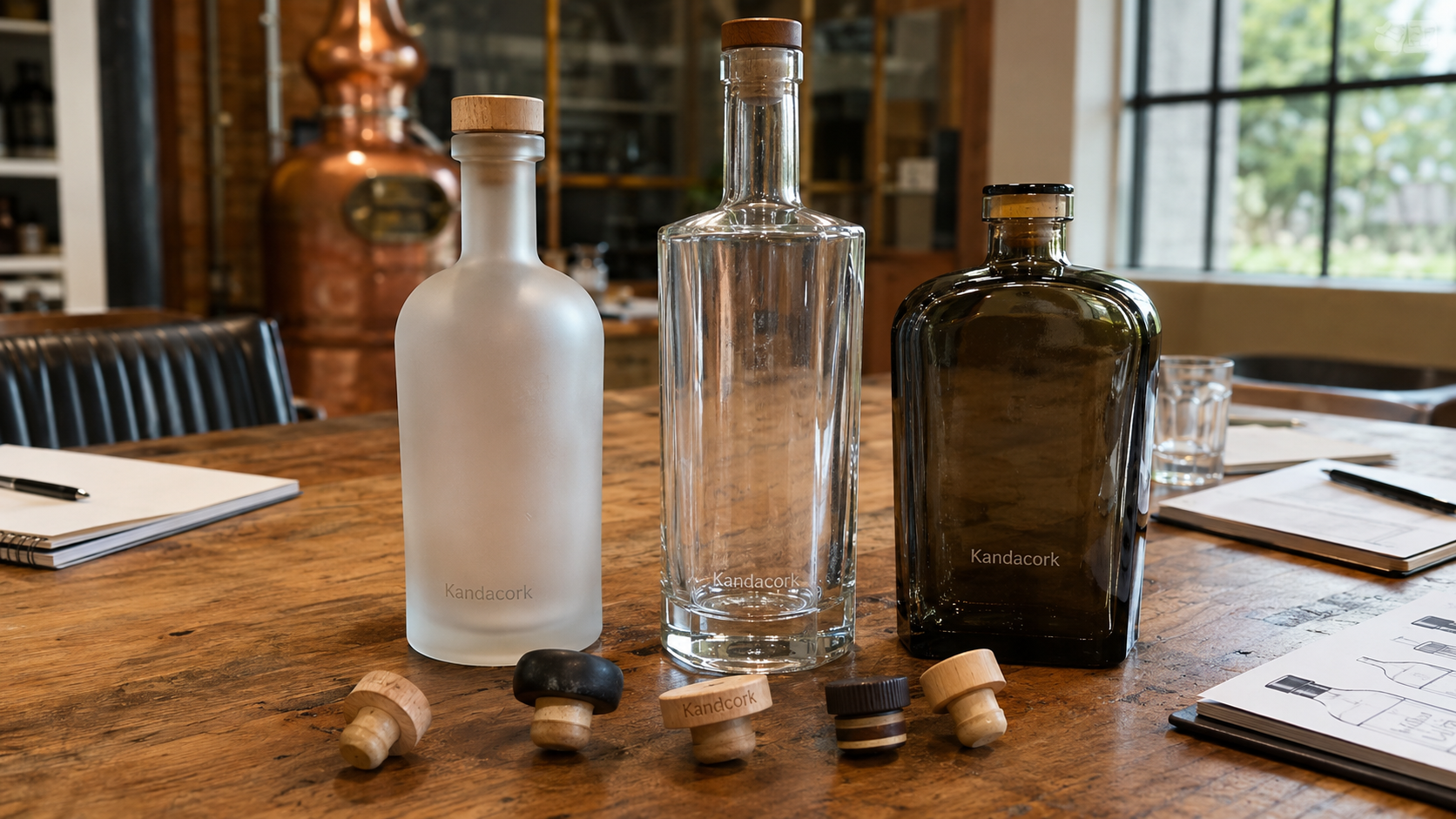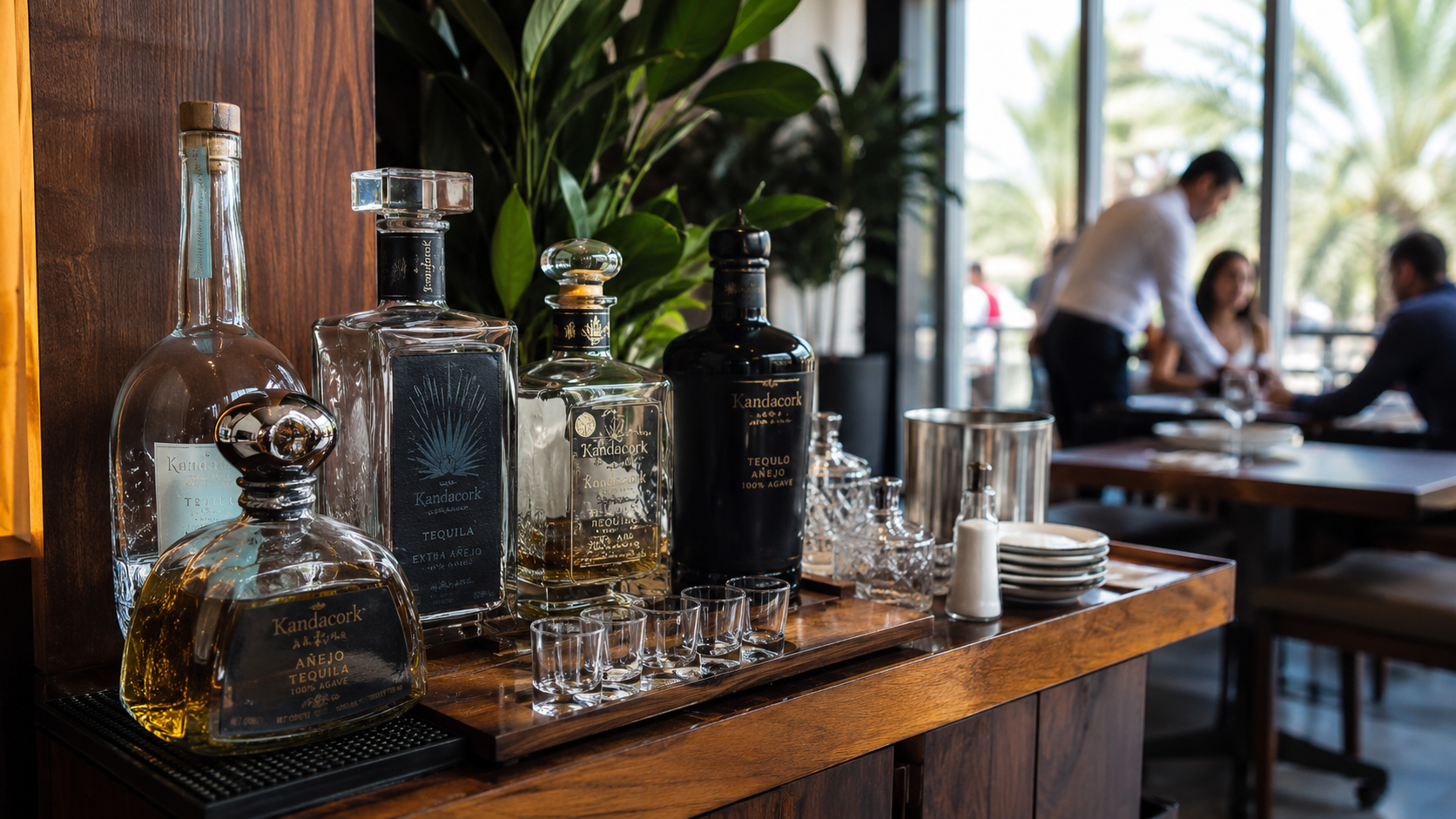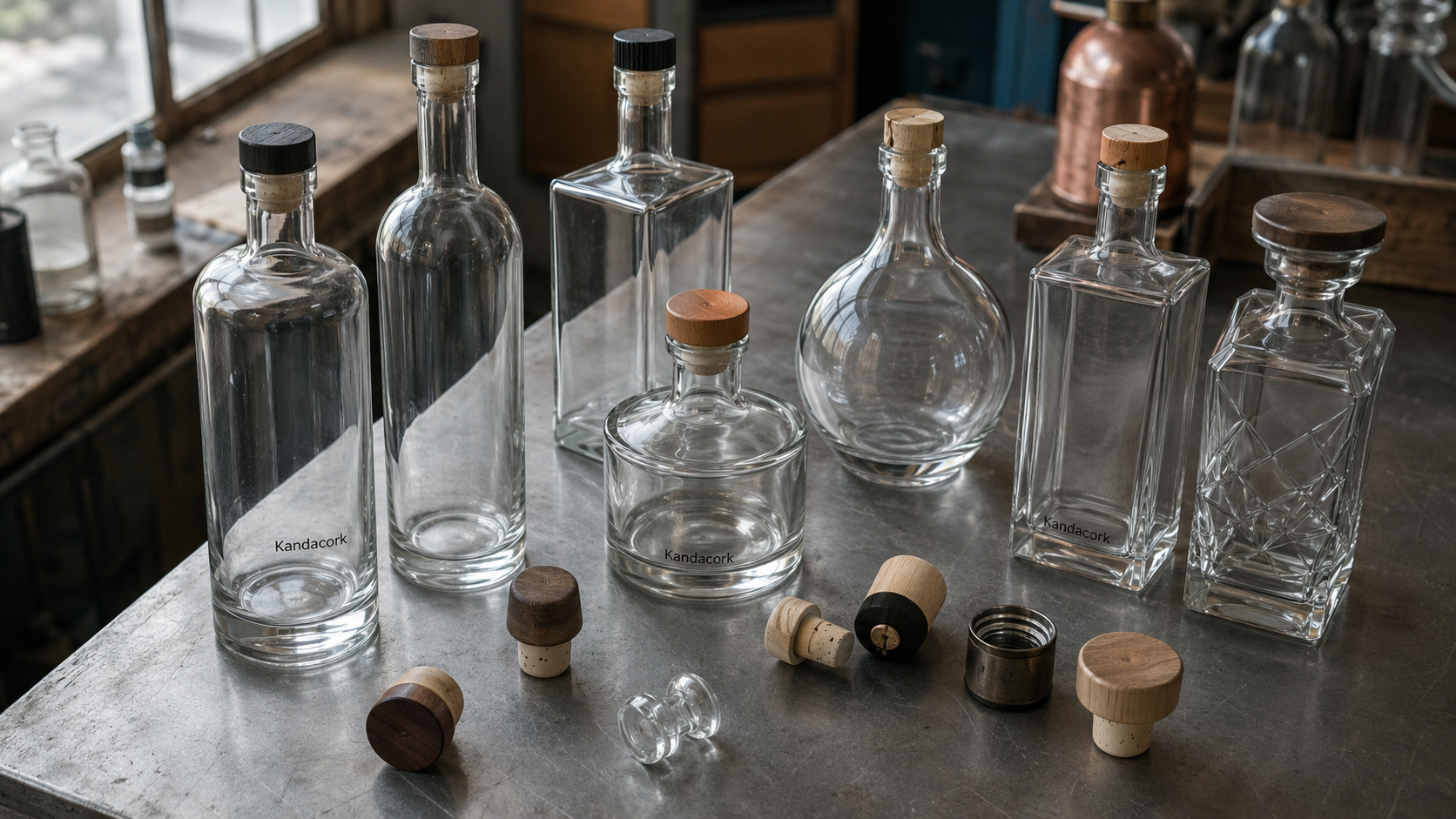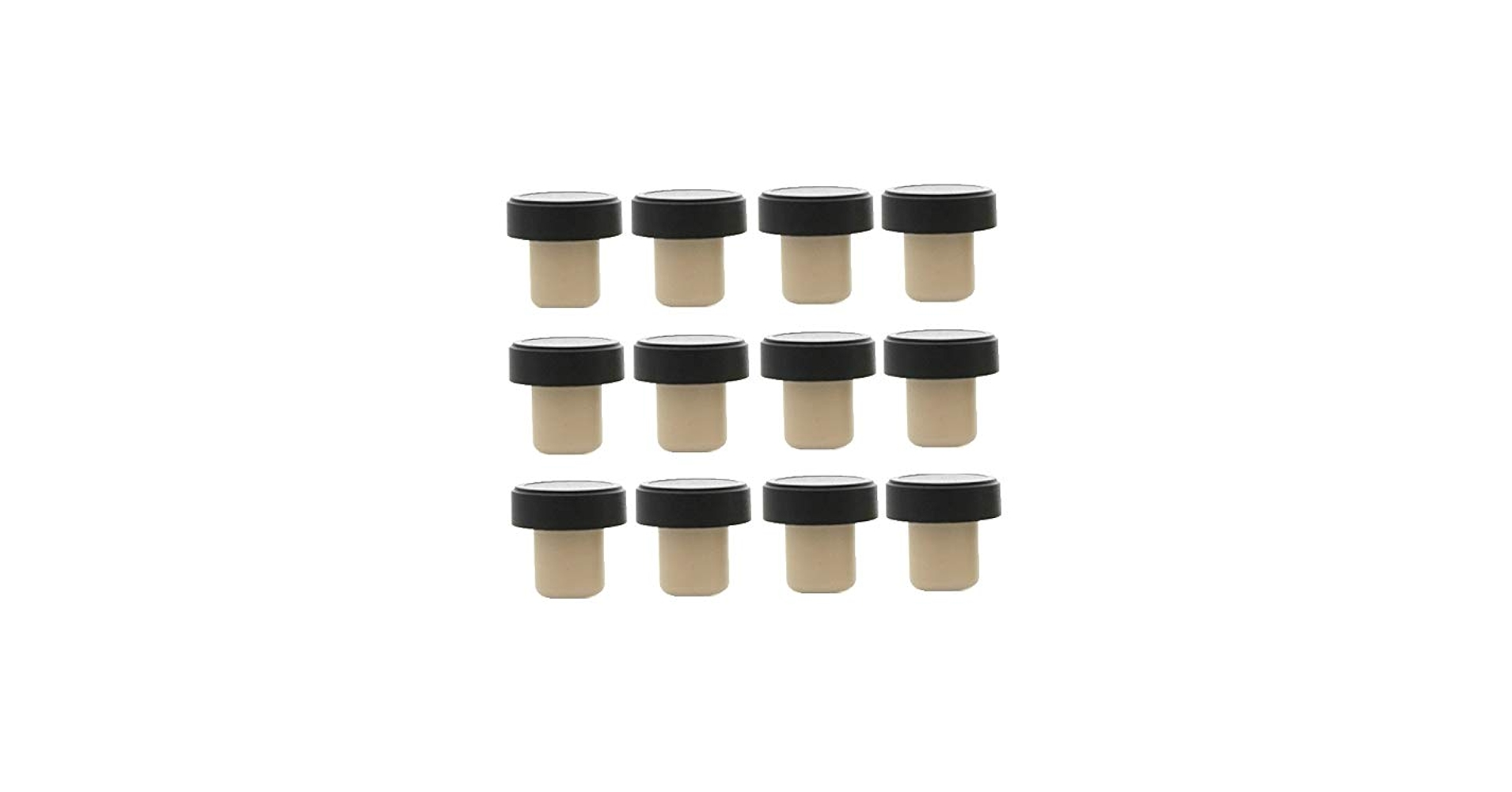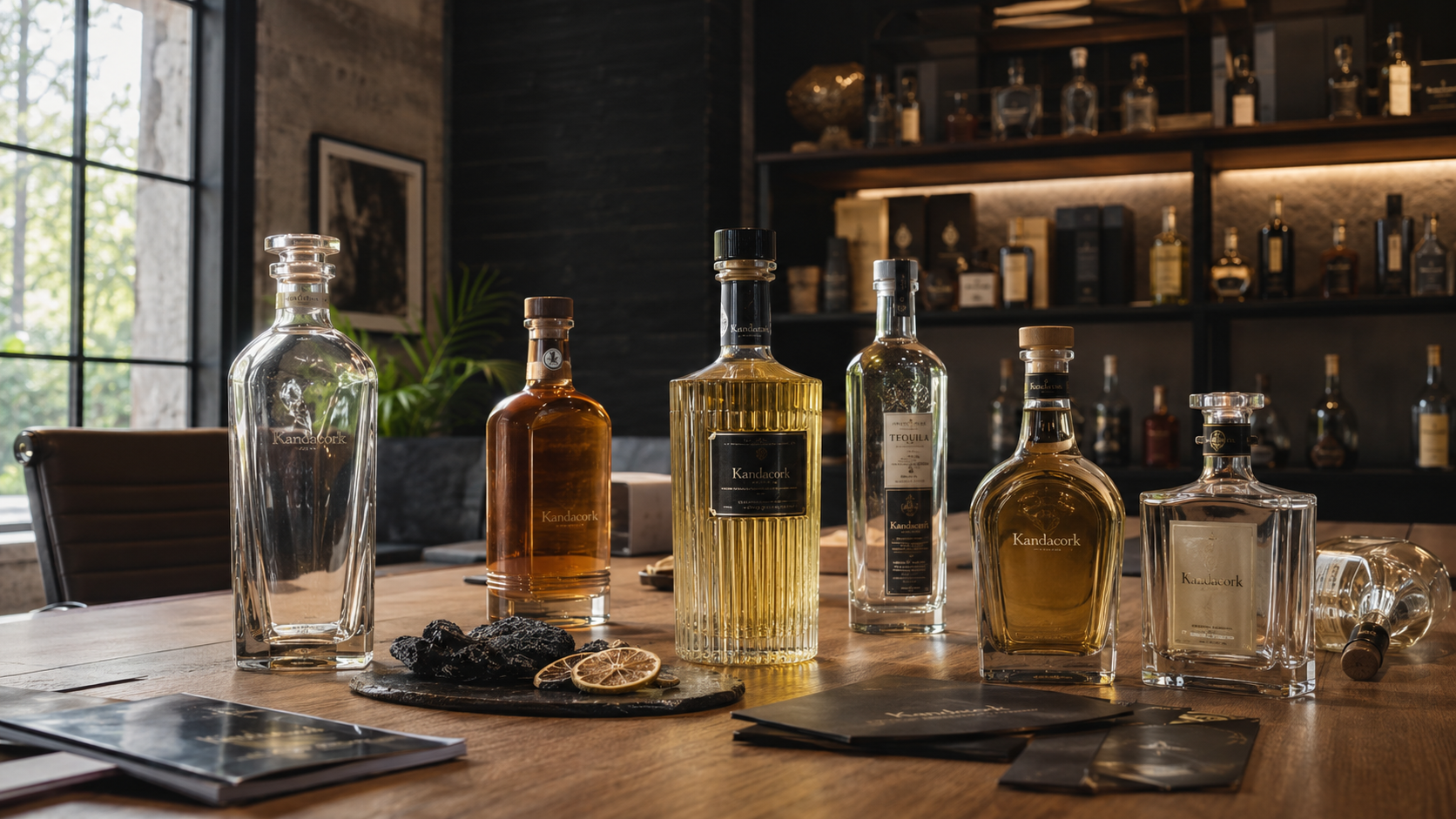
Multi-SKU spirits brands need plastic stoppers that stay consistent across different bottle shapes, colors and production batches. This guide explains how to plan fit, color matching, logo details, tooling and packing for multiple SKUs.
At a Glance
Plastic stoppers for multi-SKU brands are useful when a spirits company needs one closure system for several products.
They help brands standardize stopper shape, logo placement, shank fit, color logic, and repeat-order specifications.
They are especially suitable for spirits portfolios, private-label programs, flavor extensions, seasonal releases, premium and standard tiers, and brands using several bottle formats.
The main benefits include stronger brand consistency, easier SKU differentiation, better procurement control, clearer quality standards, and more efficient repeat orders.
Kandacork Closures can support custom stopper design, shank matching, color and finish planning, sampling, bottle fit validation, and bulk closure supply.
What Are Plastic Stoppers for Multi-SKU Brands?
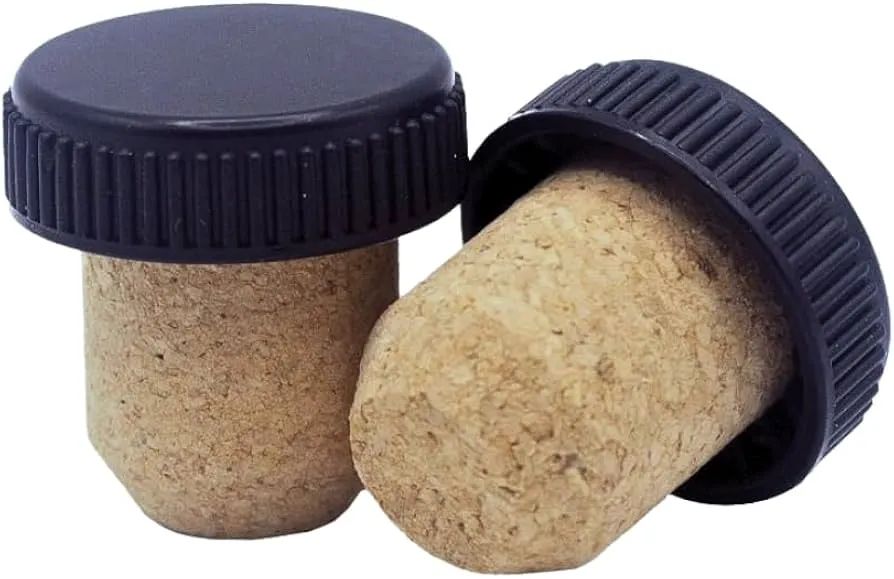
Plastic stoppers for multi-SKU brands are custom or semi-custom bottle closures designed to work across multiple products within the same brand portfolio. They usually combine a molded plastic top with a sealing shank made from cork, synthetic cork, TPE, or another suitable material.
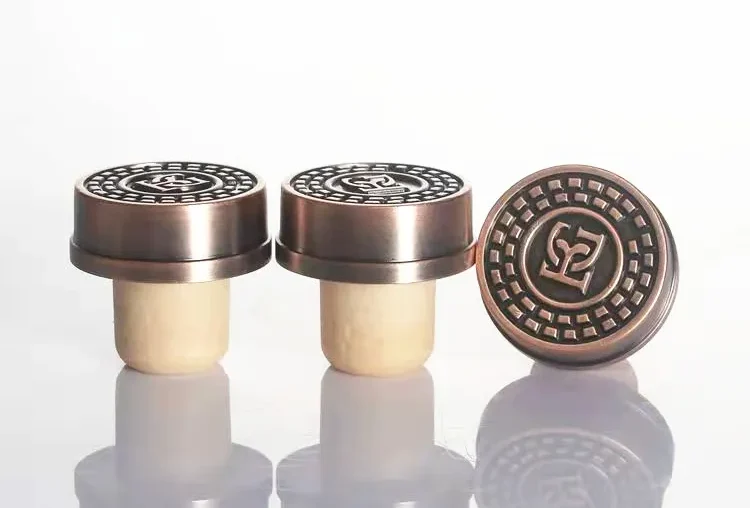
The plastic top creates the visible brand surface. It can be molded, colored, printed, embossed, debossed, textured, polished, or finished in matte, gloss, satin, transparent, or metallic-look styles.
The shank controls closure performance. It affects sealing stability, insertion force, pull-out force, wobble control, bottle neck compatibility, and the final opening experience.
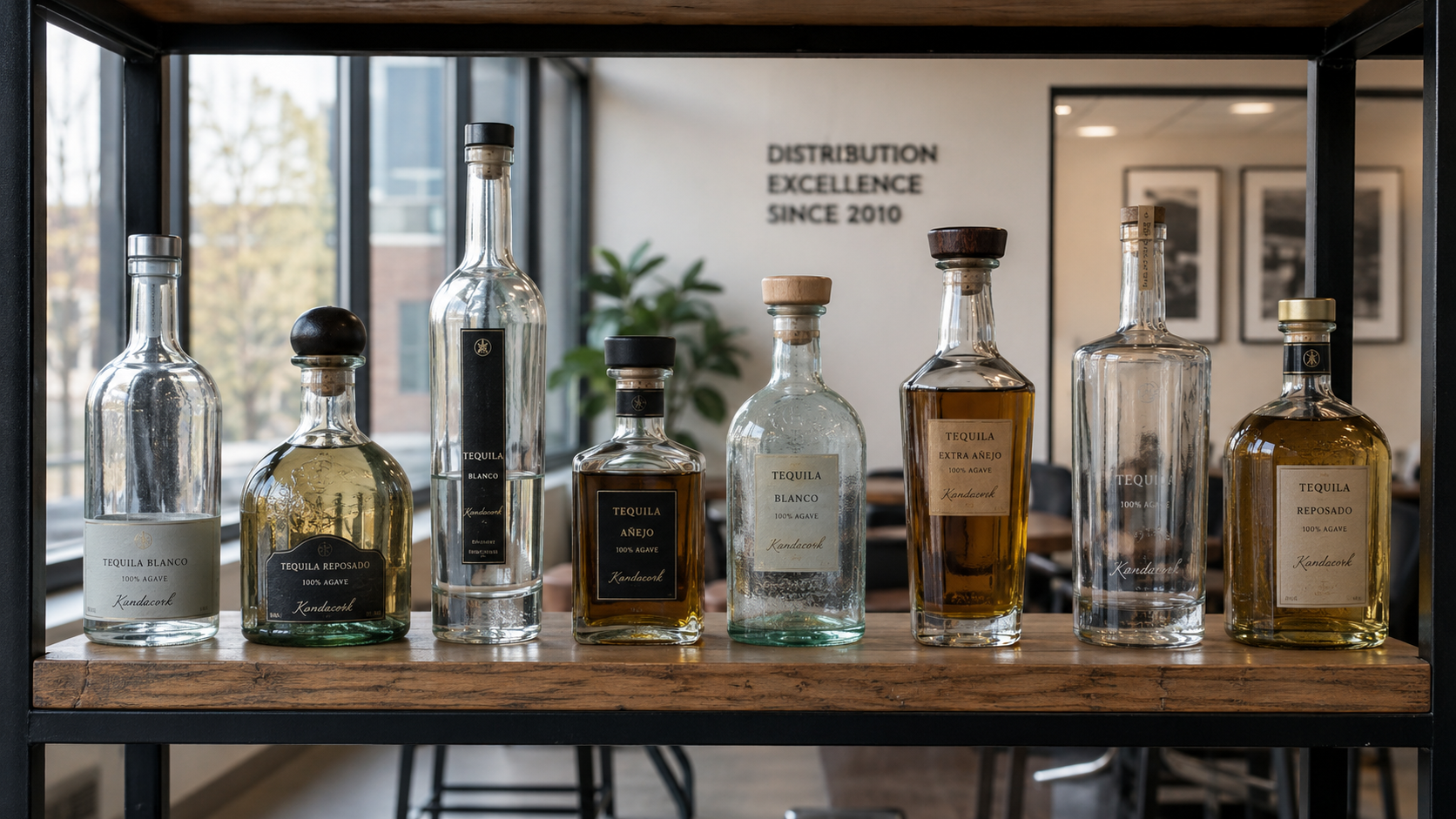
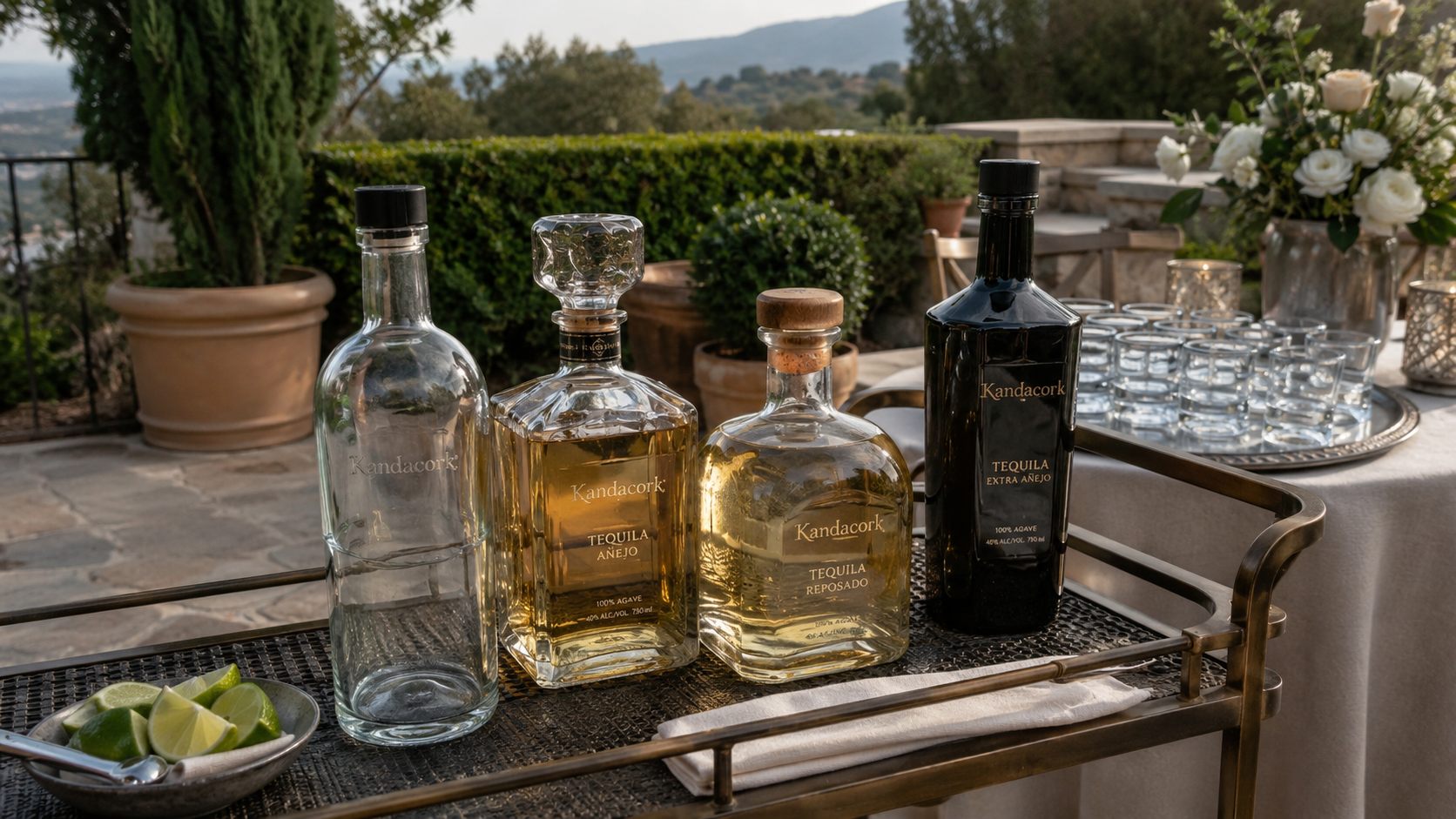
For multi-SKU brands, the value comes from repeatability. A brand can use one stopper profile across several products while changing only the elements needed for differentiation. For example, one spirits portfolio may use the same stopper shape for vodka, gin, rum, and liqueur, but adjust color, finish, and top decoration for each SKU.
Why Multi-SKU Spirits Brands Need a Stopper System
Multi-SKU packaging is more complex than single-product packaging. Every new product creates more decisions around bottle shape, neck finish, label design, capsule, color, closure material, order quantity, and reorder control.
If each SKU uses a different stopper style, the brand may face inconsistent shelf presentation, longer development timelines, higher sourcing complexity, and weaker brand recognition. A gin line may not look connected to the vodka line. A premium product may feel unrelated to the core range. Reorders may vary in color, finish, or fit.
A plastic stopper system helps prevent these problems. The brand defines which closure elements stay consistent and which elements can change by SKU.
Consistent elements may include stopper silhouette, head diameter, logo position, opening feel, shank quality, and general brand style. Variable elements may include SKU color, finish, printed artwork, embossed details, capsule pairing, and shank specification.
This gives the brand a scalable packaging structure instead of a collection of unrelated closures.
Key Benefits of Plastic Stoppers for Multi-SKU Brands
Plastic stoppers offer a practical balance of branding flexibility, production control, and cost efficiency.
They support brand consistency. A shared stopper shape helps customers recognize related products across a spirits portfolio.
They make SKU differentiation easier. Brands can use color coding, surface finish, icons, top printing, or molded details to separate spirit types, flavors, tiers, or limited editions.
They help improve repeat-order control. Molded plastic parts can be managed through tooling, approved samples, color references, technical drawings, batch checks, and documented specifications.
They support scalable customization. A brand can start with a core stopper design and adapt it across new SKUs without rebuilding the closure strategy every time.
They are useful for private-label programs. One base plastic stopper platform can be customized for different retailers, distributors, hospitality groups, or export customers.
They can reduce sourcing complexity. When bottle families and stopper specifications are grouped correctly, buyers can simplify procurement and reduce unnecessary variation.
How to Choose Plastic Stoppers for a Multi-SKU Spirits Portfolio
Choosing plastic stoppers for a multi-SKU spirits portfolio should begin with packaging structure, not decoration.
Start by grouping your SKUs by bottle family. Products with the same bottle supplier, bottle neck finish, inner diameter, fill size, and production conditions may be able to share one shank specification.
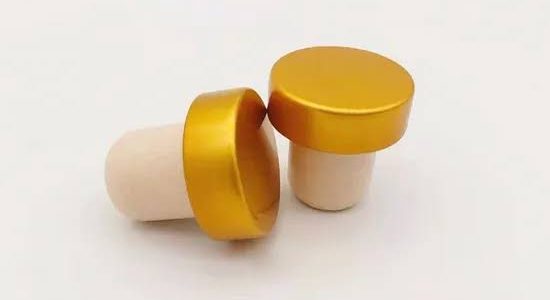
Next, define the shared stopper profile. Choose whether the portfolio should use a flat T-top, dome bar-top, wide-disc top, transparent top, metallic-look top, knurled top, or custom molded plastic head. For spirits applications that require a classic pull-out closure format, bar-top stoppers are a practical starting point.
Then decide the brand rules. Confirm where the logo appears, which shape stays consistent, which colors represent each product line, and how premium SKUs should differ from standard SKUs.
After that, select decoration methods. Options may include top printing, side printing, embossed logos, debossed details, molded icons, texture, or special finishes.
Then validate the shank. The shank must fit the bottle correctly and support the intended opening feel. Fit testing should include insertion force, pull-out force, wobble control, sealing behavior, and capsule compatibility.
Finally, document the approved specification for each SKU. This should include bottle reference, stopper drawing, shank material, shank dimensions, color standard, finish standard, artwork, packaging quantity, and approved sample.
This selection process helps brands build a closure system that can support current SKUs and future product launches.
What Should Stay Consistent Across SKUs?
The most effective plastic stoppers for multi-SKU brands keep the core brand architecture stable.
The stopper silhouette should remain recognizable. A shared shape helps connect different products on the shelf, even when labels, bottle colors, or flavors change.
Logo placement should stay consistent. A logo printed or molded in the same position across the portfolio improves brand recognition.
The opening feel should be controlled. Customers should not experience one SKU as loose and another as overly tight if both belong to the same range. This requires careful shank matching and bottle neck validation.
The finish quality should remain stable. A premium SKU may use a more refined finish, but the basic quality level should not drop across standard products.
Documentation should stay consistent. Every SKU should have a clear specification so future repeat orders can be compared with the approved sample.
What Can Change by SKU?
Plastic stoppers give brands many ways to separate products without losing portfolio unity.
Color can change by spirit type, flavor, market, or product tier. A vodka line may use white or silver. A gin line may use green or botanical tones. A rum line may use brown, amber, black, or copper. Liqueur and flavored spirits may use stronger color coding.
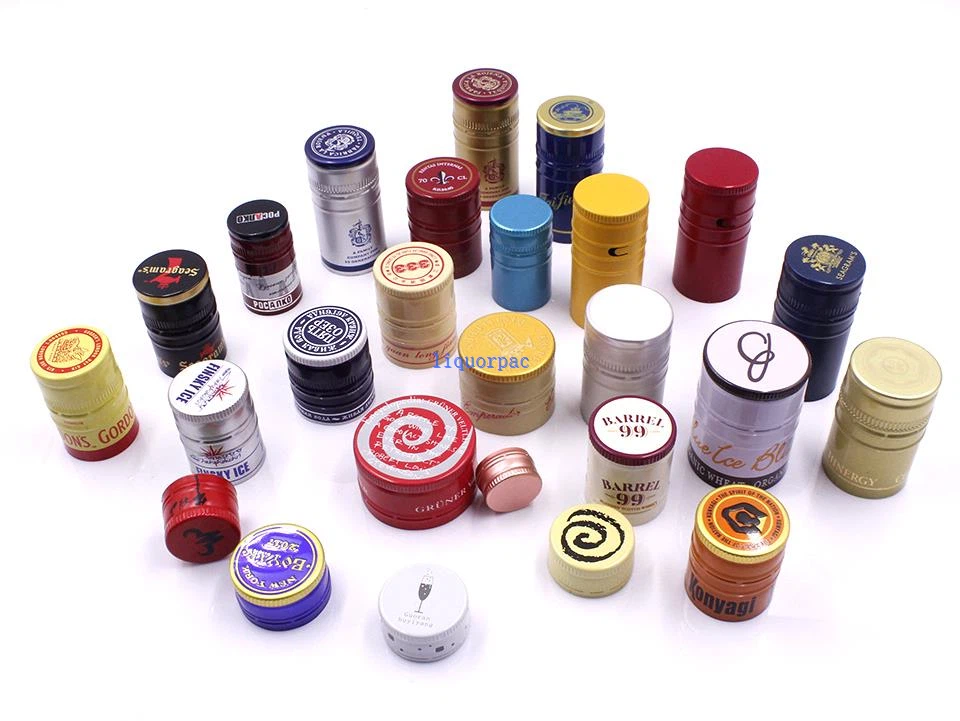
Finish can change by positioning. Matte finishes support a modern premium look. Gloss finishes create bright shelf impact. Satin finishes feel balanced and refined. Metallic-look finishes help create a premium impression without using true metal.
Decoration can change by SKU. A standard product may use simple top printing, while a premium release may use embossing, debossing, texture, or a custom molded element.
Shank details can change when the bottle changes. One plastic top design may need different shank sizes or materials for different bottle neck finishes.
Capsule pairing can also change. Premium SKUs may use a more decorative capsule or sleeve, while core products may use a simpler neck finish.
Plastic Stopper Options by SKU Strategy
| SKU Strategy | Recommended Stopper Approach | Customization Method | Best Use Case |
|---|---|---|---|
| Same brand, different spirits | Shared stopper profile | Different colors by spirit type | Vodka, gin, rum, tequila, liqueur portfolios |
| Same spirit, different flavors | Same shape and logo position | Color-coded tops or printed icons | Flavored vodka, gin, rum, and liqueur lines |
| Premium and standard tiers | Same closure family with upgraded finish | Matte, metallic-look, embossing, texture | Good-better-best spirits architecture |
| Private-label programs | Flexible base stopper platform | Changeable color, logo, or top artwork | Retail, hospitality, distributor, and export programs |
| Seasonal releases | Existing stopper structure | Special color, finish, or side decoration | Holiday editions, limited batches, collaborations |
| Multiple bottle formats | Shared visual style with adjusted shank | Different shank sizes or materials | Brands using several bottle neck finishes |
Common Plastic Stopper Designs for Spirits Brands
Flat plastic T-top stoppers are clean, simple, and efficient. They suit vodka, gin, tequila, and modern spirits packaging where a crisp, minimal look is preferred.
Dome plastic bar-top stoppers create a softer and more premium impression. They work well for rum, whisky, liqueur, and craft spirits that need a warmer tactile feel.
Knurled plastic stopper heads add grip and visual texture. They can help a brand communicate craftsmanship, function, or technical precision.
Wide-disc plastic stoppers provide a larger top surface for branding. They are useful for bottles displayed in gift boxes, back bars, retail shelves, or e-commerce images where the top view matters.
Transparent or acrylic-style plastic stoppers create a clean and contemporary look. They are suitable for clear glass bottles, vodka, botanical gin, tequila, and limited-edition packaging.
Metallic-look plastic stoppers offer premium visual impact while keeping the weight, moldability, and cost advantages of plastic.
Custom molded plastic stopper heads give brands the highest level of differentiation. A proprietary shape, icon, texture, or logo detail can make the stopper part of the brand identity.
Plastic vs Wood vs Aluminium vs Glass Stoppers
| Stopper Material | Visual Effect | Strengths | Limitations | Multi-SKU Suitability |
|---|---|---|---|---|
| Plastic | Modern, colorful, matte, gloss, transparent, or metallic-look | Flexible color matching, moldable shapes, scalable customization, cost control | Requires finish control to avoid a low-cost appearance | Very strong for multi-SKU systems |
| Wood | Natural, warm, crafted, premium | Strong tactile appeal, traditional spirits feel | Natural grain and color variation can affect consistency | Good for craft brands, less precise for color-coded systems |
| Aluminium | Sleek, durable, metallic, premium | Strong perceived quality and durability | Higher cost and more complex finishing | Strong for premium tiers, less flexible for broad SKU expansion |
| Glass | Luxury, heavy, decorative | High-end appearance and strong shelf impact | Heavier, more fragile, usually higher cost | Best for luxury SKUs, less practical for large ranges |
| Synthetic cork top | Simple and closure-focused | Practical sealing option, consistent structure | Less visual branding surface than molded plastic | Useful for functional consistency but limited for brand expression |
Plastic is not the only closure material, but it is often the most scalable option for brands managing many SKUs. It gives packaging teams flexibility in color, shape, finish, decoration, and repeat-order control.
When buyers compare closure options, they should consider not only appearance but also reorder stability, bottle compatibility, filling-line performance, packaging weight, handling risk, and total project complexity.
Stock Plastic Stoppers vs Custom Plastic Stoppers
Stock plastic stoppers are suitable when speed, budget, or small order quantities are the main priority. They may work well for early-stage brands, trial runs, or temporary packaging programs.
Custom plastic stoppers are better when the brand needs stronger identity, portfolio consistency, proprietary color, molded logo details, or repeatable multi-SKU control.
For multi-SKU spirits brands, the best solution may be semi-custom. A brand can use an existing stopper structure while customizing color, finish, top logo, or shank selection. This approach can reduce development complexity while still creating a brand-specific packaging result.
Kandacork Closures can help buyers evaluate whether stock, semi-custom, or fully custom plastic stoppers are most suitable based on order quantity, bottle design, launch timeline, and branding goals.
How to Match Plastic Stoppers to Bottle Neck Finishes
A plastic stopper should never be selected by appearance alone. Fit validation is one of the most important steps in closure development.
Bottle neck inner diameter, neck finish tolerance, glass variation, stopper shank diameter, shank material, fill level, alcohol content, storage conditions, and stoppering equipment can all affect performance.
A stopper may look correct but still feel too loose, too tight, unstable, difficult to insert, or difficult to remove. Poor fit can also affect leakage resistance, capsule application, and consumer experience.
Kandacork Closures recommends validating plastic stoppers with the actual bottle or an approved technical drawing. For multi-SKU portfolios, fit testing should be completed by bottle family, not only by the hero product.
If several SKUs share the same bottle neck finish, one validated shank specification may support the full group. If a brand uses different bottle suppliers, bottle sizes, or neck finishes, each configuration should be tested separately.
Plastic Stopper Specifications to Confirm Before Bulk Production
| Specification | Why It Matters |
|---|---|
| Bottle neck inner diameter | Determines whether the shank can seal correctly |
| Neck finish tolerance | Affects insertion force, pull-out force, and stability |
| Stopper head diameter | Influences visual balance and capsule compatibility |
| Shank material | Affects sealing behavior, compression, and opening feel |
| Shank diameter | Determines fit, wobble control, and leakage resistance |
| Insertion force | Impacts production efficiency and stoppering equipment performance |
| Pull-out force | Affects consumer opening experience and closure security |
| Spirit type and ABV | Helps confirm material and shank compatibility |
| Decoration method | Determines logo clarity, durability, and production feasibility |
| Color and finish standard | Supports repeat-order consistency |
| Capsule or sleeve compatibility | Prevents interference during packaging and opening |
| Packing quantity and carton labeling | Supports inventory control and batch traceability |
Send Kandacork Closures your bottle drawing, SKU list, target colors, preferred finish, order quantity, and launch timeline. The team can help recommend a plastic stopper system that supports bottle fit, brand consistency, and repeat-order supply.
Shank Options for Plastic Bar-Top Stoppers
The plastic top creates the visible brand impression. The shank controls how the stopper performs.
Natural cork shanks provide a traditional pull experience and are often used when brands want a familiar spirits closure feel. Buyers comparing natural materials can review related natural cork stoppers to understand how cork-based closure components may support different packaging goals.
Synthetic cork shanks are useful when brands need consistent compression, controlled dimensions, and reduced natural variation. For projects that prioritize engineered consistency, synthetic stoppers may be suitable for comparison during shank selection.
TPE or synthetic sealing shanks can be engineered for predictable fit and sealing behavior. They may be suitable for brands that require tighter dimensional control across several SKUs.
The best shank depends on the bottle neck, alcohol content, product type, filling method, storage conditions, export requirements, and desired opening feel.
Packaging teams should also consider food-contact material compliance and market requirements. In the United States, the FDA provides guidance on food contact substances, while the TTB provides regulatory information for distilled spirits. These sources are useful references, but every packaging project should be reviewed according to its target market and product requirements.
Branding Options for Plastic Stoppers
Plastic stoppers offer strong branding flexibility for multi-SKU spirits portfolios.
Brands can use color matching to organize product families. White or silver may represent vodka. Green may represent gin. Amber, brown, copper, or black may represent rum. Bright colors may represent liqueurs, flavors, or seasonal releases.
Finish can communicate positioning. Matte finishes feel modern and premium. Gloss finishes create a polished shelf effect. Satin finishes feel balanced and professional. Metallic-look finishes can support a higher-end expression without the weight or cost of metal.
Decoration methods may include top printing, side printing, embossed logos, debossed logos, molded icons, raised textures, rim details, or custom patterns. Brands that need coordinated surface design, bottle decoration, or packaging artwork can also work with Kandacork decoration and branding teams to align stopper details with the full visual system.
Every variation should have a strategic purpose. A strong multi-SKU closure program does not make every stopper different for decoration alone. It uses controlled variation to help customers understand the product range.
Best Plastic Stoppers for Private-Label Spirits Programs
Private-label spirits programs often require flexibility, speed, and brand separation. One supplier may need to manage closures for several retail chains, hospitality groups, export customers, or distributor-owned brands.
Plastic stoppers are useful because a shared base platform can support different logos, colors, finishes, and bottle pairings. This helps private-label suppliers offer customized packaging without creating unnecessary complexity for every project.
A retailer may request a matte black stopper for a premium gin, a gloss white stopper for vodka, and a copper-look stopper for rum. A hospitality group may want the same stopper shape with a different logo and color. An export customer may need a different capsule pairing or packing format.
For buyers sourcing bottles and closures together, Kandacork Glass can provide useful context for bottle selection while Kandacork Closures supports stopper fit, finish, and supply planning.
How to Keep Stopper Color Consistent Across Repeat Orders
Color consistency is important for multi-SKU packaging because even small differences can be visible on shelf.
Brands should approve physical color samples before bulk production. Digital artwork and screen colors are not enough for final approval.
A color standard should be linked to the exact stopper material, surface finish, and production method. Matte and gloss surfaces can make the same color appear different.
Reorders should be compared with approved samples or golden samples. Batch records, carton labels, and specification sheets can help packaging teams track production history.
For multi-SKU brands, this is especially important when color represents product type or flavor. If green identifies gin and amber identifies rum, those colors must remain stable across future orders.
How Plastic Stoppers Improve Shelf Recognition
Shelf recognition matters because spirits buyers often compare several bottles quickly. A closure can help a product stand out in retail stores, bars, gift boxes, and e-commerce images.
A shared stopper shape creates brand memory. Repeated logo placement builds recognition. Color-coded tops help buyers identify flavors or categories. A consistent finish standard prevents the portfolio from looking fragmented.
For example, a spirits brand may use the same flat plastic T-top across all products. Vodka uses gloss white. Gin uses botanical green. Rum uses warm brown. A premium reserve SKU uses matte black with an embossed top logo.
The products remain distinct, but the closure system tells buyers they belong to the same brand.
For brands building a full spirits packaging range, Kandacork Spirits Bottle can support bottle-side portfolio planning while the closure system reinforces consistency at the neck and top of the package.
How to Build a Stopper Matrix for Multiple SKUs
A stopper matrix is a practical document that connects each SKU to its approved closure specification.
It should list the product name, bottle type, neck finish, stopper shape, shank material, shank size, top color, finish, decoration method, capsule pairing, approved sample, and reorder notes.
This matrix helps buyers, designers, suppliers, and production teams stay aligned. It also reduces the risk of ordering the wrong stopper for a product.
A simple matrix can make future product launches faster. When the brand adds a new flavor, the team can choose from approved stopper shapes, colors, shanks, and decoration rules instead of restarting the closure development process.
A good matrix should also identify which elements are fixed and which are flexible. Fixed elements may include stopper profile, logo position, and approved shank range. Flexible elements may include color, finish, print detail, or capsule pairing.
Quality Control for Repeat Orders
Repeat-order consistency is one of the biggest concerns for multi-SKU spirits packaging.
A brand may approve a stopper in one quarter, launch two new SKUs in the next quarter, and reorder several closures later in the year. If the supplier cannot control color, finish, logo position, shank size, and fit, the brand may receive closures that look or perform differently from the approved sample.
Kandacork Closures supports repeat-order consistency through controlled sampling, approved references, technical specifications, and batch checks.
Useful quality tools include approved reference samples, golden samples, color standards, finish standards, shank specifications, dimensional inspection, artwork confirmation, carton labeling, and reorder comparison records.
The ISO 9001 quality management framework is widely recognized because it emphasizes documented requirements, process control, corrective action, and continual improvement. Even when a closure project does not require formal certification, this type of quality thinking is valuable for multi-SKU packaging control.
For plastic stoppers for multi-SKU brands, quality discipline is essential because one closure platform may affect the appearance and performance of many products.
Supply Chain and Product Identification Considerations
Multi-SKU brands also need disciplined product identification. A packaging team may manage several colors, shanks, bottle sizes, cartons, and reorder cycles. Without clear identification, similar-looking components can be mixed or ordered incorrectly.
Product codes, carton labels, batch references, and internal specification sheets help reduce confusion. The GS1 standards ecosystem is widely used in global supply chains to support consistent product identification and data exchange, making it a relevant reference point for brands managing complex packaging portfolios.
For closure sourcing, this thinking can be applied through SKU-level stopper codes, batch labels, approved drawings, and clear reorder documentation.
Material Testing and Performance Considerations
Plastic stopper development should consider appearance and performance together. A stopper must look appropriate for the brand, but it must also withstand handling, storage, transport, and normal consumer use.
Important performance checks may include fit testing, dimensional inspection, pull-out behavior, color stability, surface finish review, decoration durability, and compatibility with capsules or sleeves. Where standardized test methods are needed, organizations such as ASTM International provide recognized standards across materials, packaging, and testing categories.
For spirits brands, the practical goal is clear: the approved stopper should look, fit, and perform consistently from sampling through repeat production.
Example: Craft Distillery with Five Spirits
A craft distillery sells vodka, gin, white rum, spiced rum, and coffee liqueur. At first, each product uses a different closure. The shelf presentation feels inconsistent, and the purchasing team must manage too many closure specifications.
The distillery creates one plastic stopper family. All five products use the same stopper shape and logo position.
Vodka uses gloss white. Gin uses botanical green. White rum uses clear or silver-look plastic. Spiced rum uses warm brown. Coffee liqueur uses matte black.
The new closure system improves brand recognition, simplifies sourcing, supports future flavor extensions, and makes repeat orders easier to control.
Example: Premium and Standard Product Tiers
A spirits brand sells a standard rum, a spiced rum, and a reserve rum. The brand wants the products to feel connected, but the reserve product needs a more premium signal.
All three SKUs use the same plastic stopper profile. The standard rum uses a gloss brown stopper. The spiced rum uses a copper-look finish. The reserve rum uses matte black with an embossed top logo.
This creates clear tier differentiation while preserving the same brand architecture.
Example: Flavor Extension Line
A gin brand launches several flavored expressions, including citrus, berry, herbal, and floral variants.
Instead of designing a new closure for each bottle, the brand uses one plastic T-top stopper shape. Each flavor receives a different top color and a small printed icon.
The closure system helps customers identify flavors quickly while keeping the full product line visually unified.
Sustainability and Packaging Weight Considerations
Plastic stoppers can also support packaging efficiency when weight, freight, and handling are important. Compared with heavier closure materials, plastic can reduce component weight while still allowing strong color, finish, and decoration options.
Sustainability should be evaluated across the full packaging system, not by one material alone. Brands should consider product protection, shipping weight, damage prevention, recyclability, material compliance, and the expected product life cycle.
For companies developing bottle and closure systems with a lower-impact packaging mindset, Kandacork Eco Glass can support broader glass packaging considerations while Kandacork Closures focuses on closure fit and specification control.
Common Mistakes to Avoid
One common mistake is choosing a stopper only by appearance. A closure must look good, but it must also fit the bottle, work with production equipment, and remain stable during storage and transport.
Another mistake is using too many unrelated stopper designs across one brand family. This can weaken shelf recognition and make the portfolio feel disconnected.
A third mistake is approving color without a physical reference standard. Color should be controlled by samples, agreed tolerances, and reorder comparisons.
A fourth mistake is ignoring the shank. The top carries the brand, but the shank controls fit and sealing behavior.
A fifth mistake is failing to test capsules or shrink sleeves with the final stopper. A closure that works alone may still interfere with neck packaging if dimensions are not checked together.
Buyer Checklist Before Requesting a Quote
Before requesting plastic stoppers for multi-SKU brands, prepare the information your supplier needs to recommend the right closure system.
Useful project details include:
- bottle drawing or physical bottle sample;
- bottle neck inner diameter;
- neck finish specification;
- number of SKUs;
- bottle sizes and bottle families;
- spirit type and alcohol content;
- expected order quantity per SKU;
- target stopper colors;
- preferred finish, such as matte, gloss, satin, or metallic-look;
- logo artwork or brand files;
- top printing, side printing, embossing, or debossing requirements;
- capsule, sleeve, or tamper-evident packaging requirements;
- target market or export region;
- preferred opening feel;
- timeline for sampling and bulk production.
The more complete the information, the faster Kandacork Closures can recommend a practical plastic stopper system.
Glossary of Technical Terms
Bar-top stopper: A closure with a visible top and a sealing shank, commonly used for spirits bottles.
T-top stopper: A stopper shape where the top sits above the bottle neck and the shank fits inside the neck.
Shank: The part of the stopper that enters the bottle neck and helps create the seal.
Bottle neck finish: The dimensions and shape of the bottle opening where the closure fits.
Inner diameter: The internal width of the bottle neck, usually critical for stopper fit.
Insertion force: The force needed to insert the stopper into the bottle.
Pull-out force: The force needed to remove the stopper from the bottle.
Golden sample: An approved physical sample used as the reference for future production and repeat orders.
Closure matrix: A document that maps each SKU to its approved stopper specification.
Color standard: A physical or documented reference used to control color consistency across production runs.
Why Choose Kandacork Closures?
Kandacork Closures helps spirits brands develop closure systems that support real commercial growth. The goal is not just to make a stopper look attractive. The goal is to make it work across products, production runs, and market requirements.
For multi-SKU spirits brands, Kandacork Closures can support plastic stopper design, color and finish planning, shank matching, bottle fit validation, logo decoration, sampling, repeat-order consistency, and bulk closure supply.
The team can also help buyers build stopper families, SKU color systems, private-label closure programs, and custom molded designs.
If your brand is launching several SKUs, expanding an existing spirits line, or improving closure consistency across a product portfolio, Kandacork Closures can help build a stopper system that fits the bottle and supports the brand.
Share your bottle drawings, SKU list, target stopper colors, order quantity, and branding direction through Kandacork Closures to begin planning a custom plastic stopper system for your spirits portfolio.
FAQ
What are plastic stoppers for multi-SKU brands?
Plastic stoppers for multi-SKU brands are custom or semi-custom bottle closures designed to work across several products in one brand portfolio. They help standardize closure shape, color systems, shank fit, and repeat-order quality.
Why do spirits brands use plastic stoppers?
Spirits brands use plastic stoppers because they are customizable, lightweight, color-flexible, scalable, and suitable for repeatable packaging systems. They can support both brand consistency and SKU differentiation.
Can one plastic stopper design be used across several SKUs?
Yes, one plastic stopper design can be used across several SKUs if the bottle necks and shank requirements are compatible. The brand can keep the same top shape while changing color, finish, logo detail, or shank specification.
Are plastic stoppers suitable for premium spirits?
Yes, plastic stoppers can be suitable for premium spirits when they use refined finishes, accurate fit, high-quality decoration, and controlled color standards. Matte, metallic-look, embossed, and custom molded effects can create a premium appearance.
How do plastic stoppers help with SKU differentiation?
Plastic stoppers help with SKU differentiation through color coding, surface finish, molded details, printed icons, and logo decoration. This allows brands to separate flavors, spirit types, product tiers, and limited editions.
What is the best shank for plastic bar-top stoppers?
The best shank depends on bottle neck dimensions, alcohol content, sealing requirements, storage conditions, and desired opening feel. Common options include natural cork, synthetic cork, and TPE sealing shanks.
Do plastic stoppers need fit testing?
Yes, plastic stoppers should be tested with the actual bottle or approved bottle drawing before bulk production. Fit testing helps confirm insertion force, pull-out force, sealing performance, vertical alignment, and capsule compatibility.
Can plastic stoppers be used with capsules or shrink sleeves?
Yes, many plastic bar-top stoppers can be paired with capsules, shrink sleeves, neck labels, or tamper-evident packaging. The stopper and capsule should be checked together before bulk production.
How can brands keep stopper color consistent across repeat orders?
Brands can keep stopper color consistent by using approved reference samples, color standards, finish standards, batch inspection, and reorder comparison records. Clear specifications are essential for multi-SKU closure programs.
What information does Kandacork Closures need for a quote?
Kandacork Closures typically needs bottle drawings or samples, neck finish details, spirit type, alcohol content, number of SKUs, order quantity, logo artwork, color requirements, finish preferences, and target market information.
Conclusion: Build a Closure System, Not Just a Stopper
Multi-SKU spirits brands need more than attractive packaging parts. They need a closure system that supports brand consistency, SKU differentiation, production reliability, and repeat-order confidence.
Plastic stoppers for multi-SKU brands offer a practical balance of design flexibility, cost control, color consistency, technical fit, and scalable customization. With the right stopper architecture, a brand can keep its packaging family unified while giving every SKU a clear identity.
Kandacork Closures works with spirits brands, distilleries, importers, and private-label packaging teams to develop plastic stoppers that fit the bottle, support the brand, and scale with the product portfolio.
Brands comparing plastic with other closure materials can also review wooden stoppers when planning premium, craft, or natural-look packaging lines.
Share your bottle drawings, SKU list, color requirements, and branding direction with Kandacork Closures to build a custom plastic stopper system for your next multi-SKU spirits packaging program.