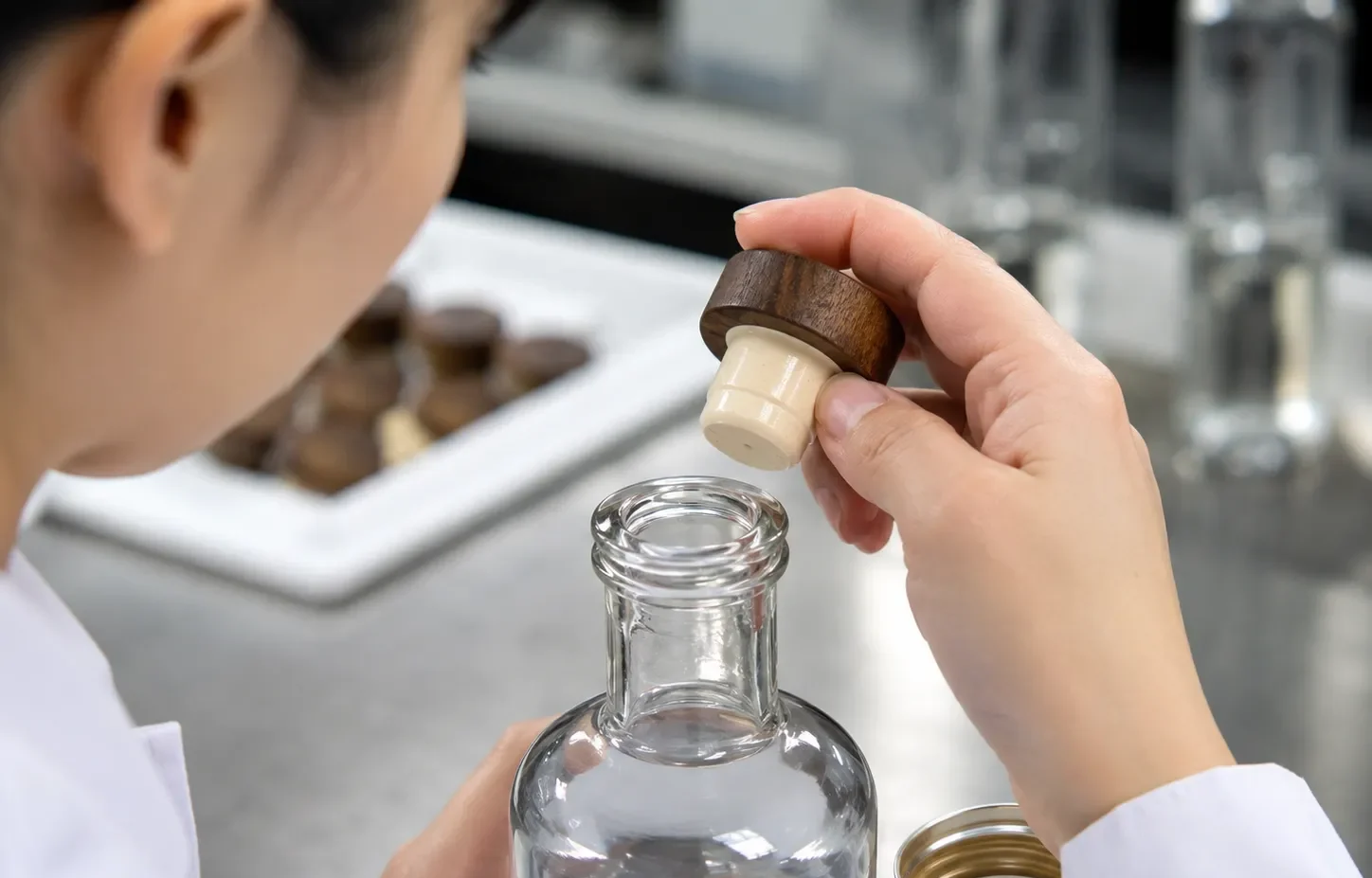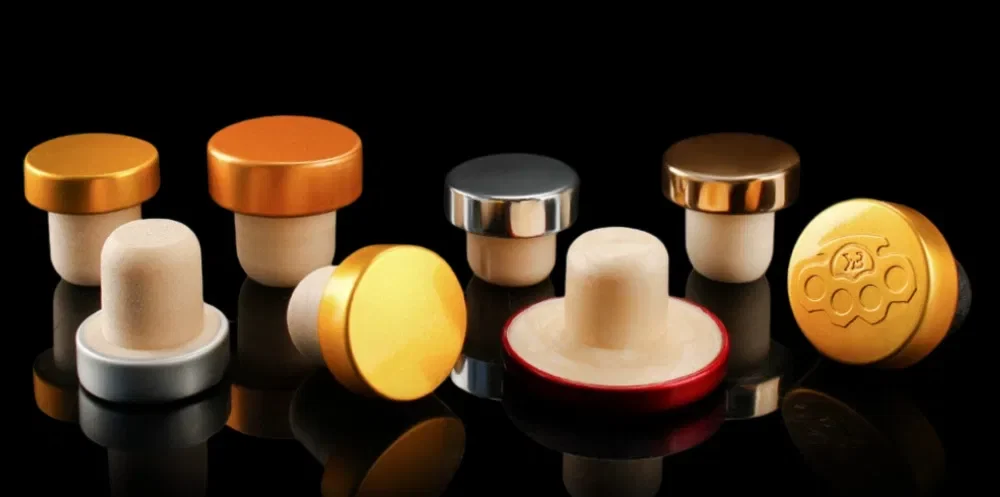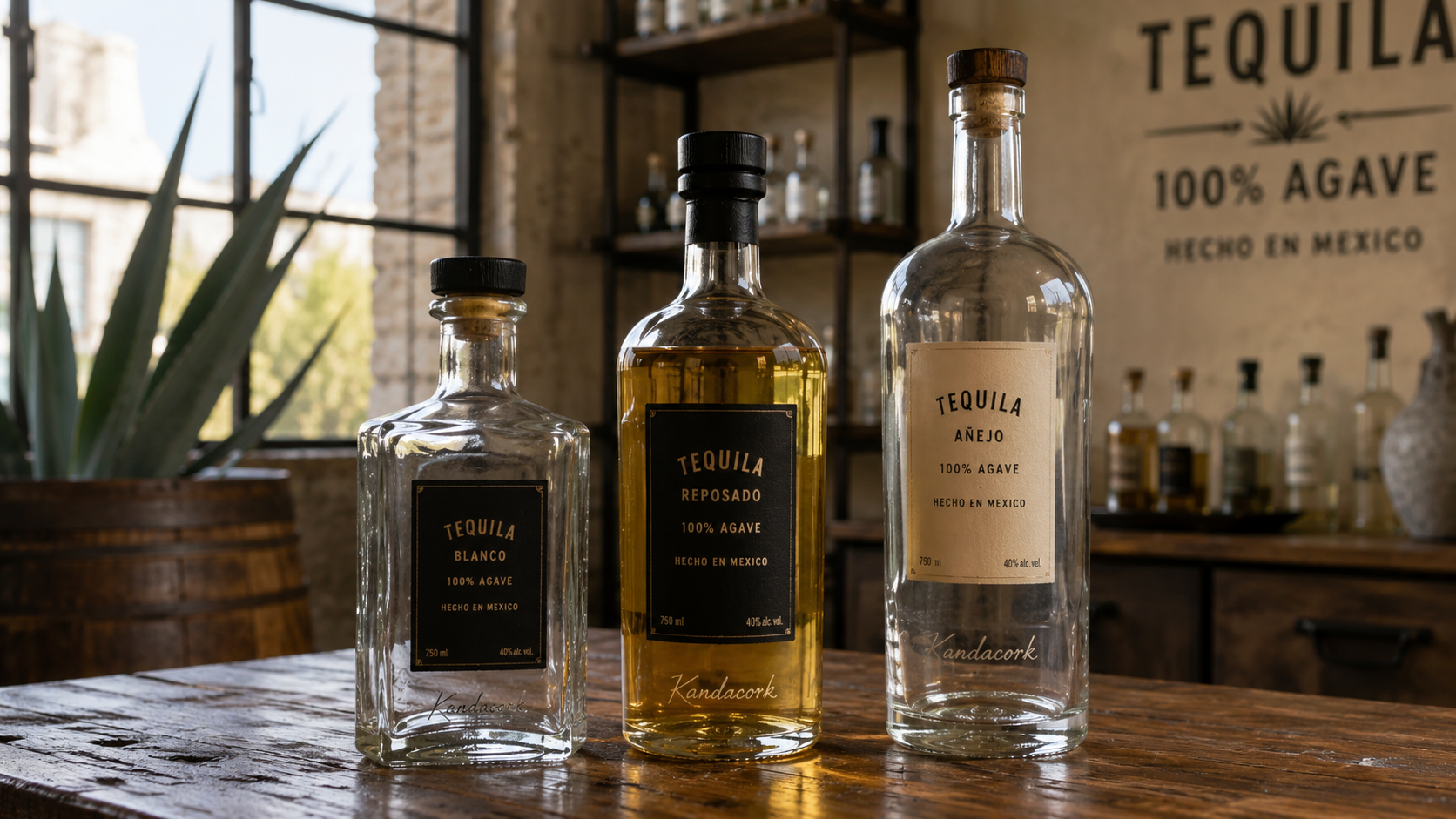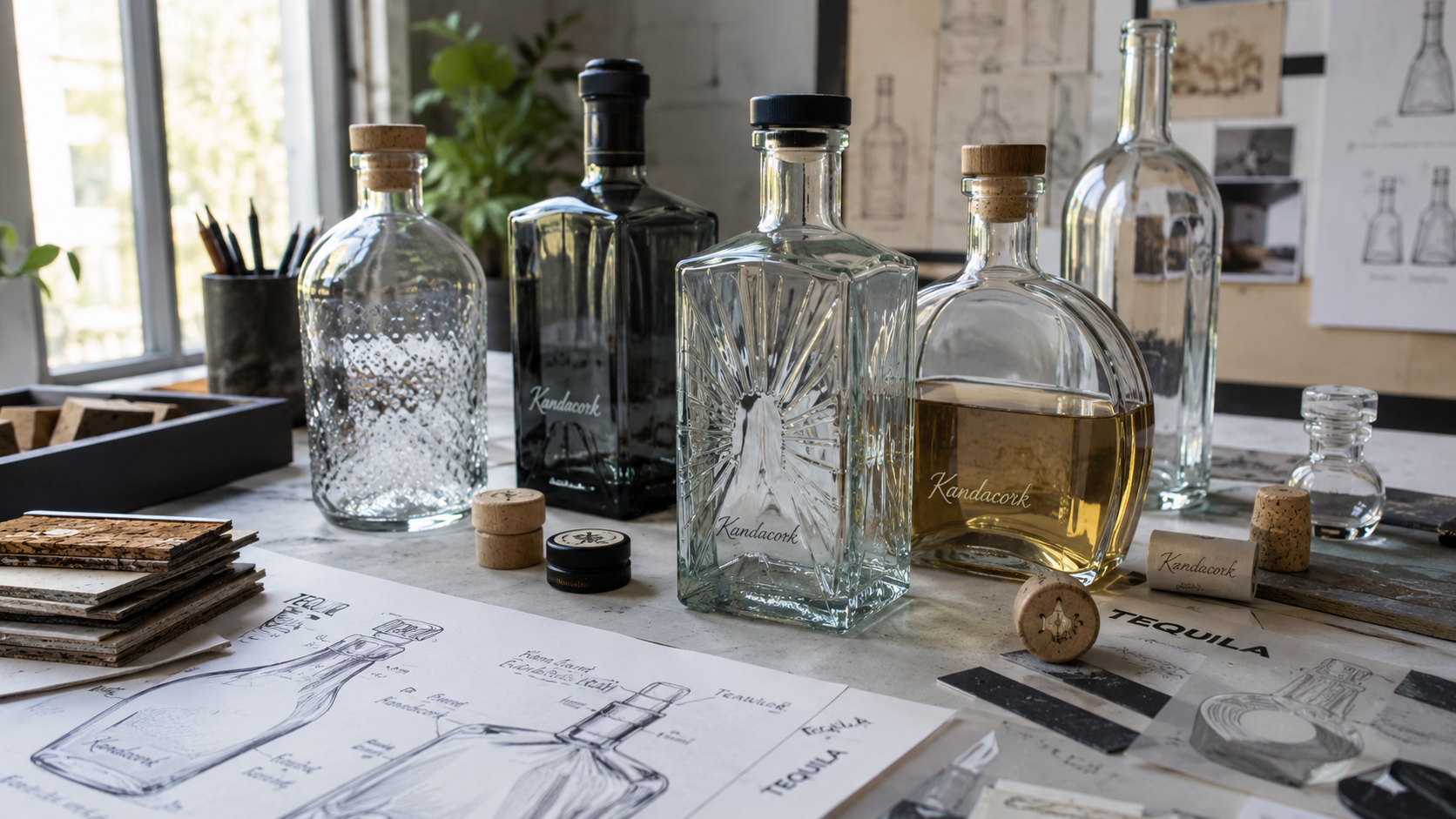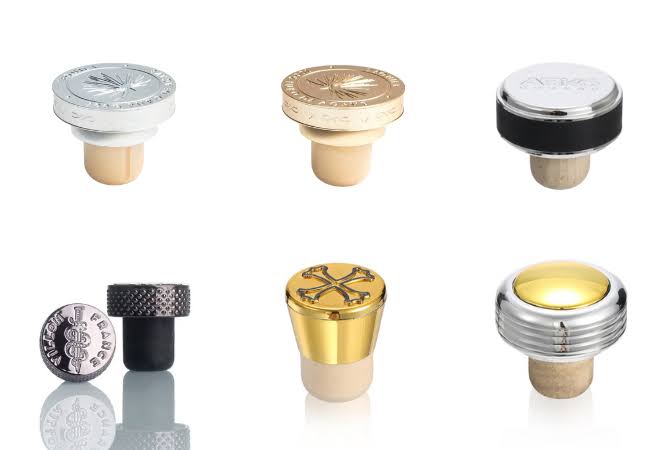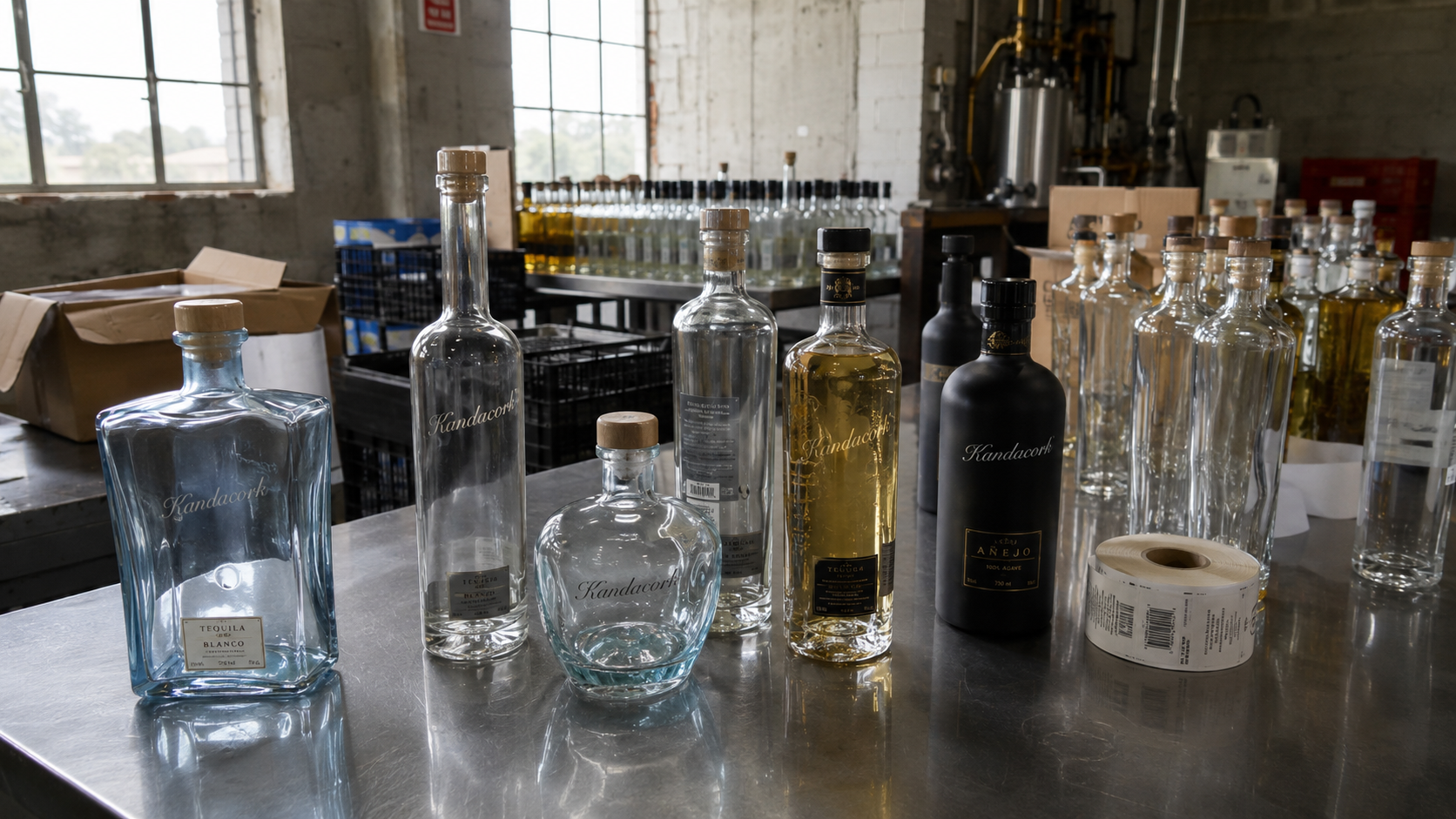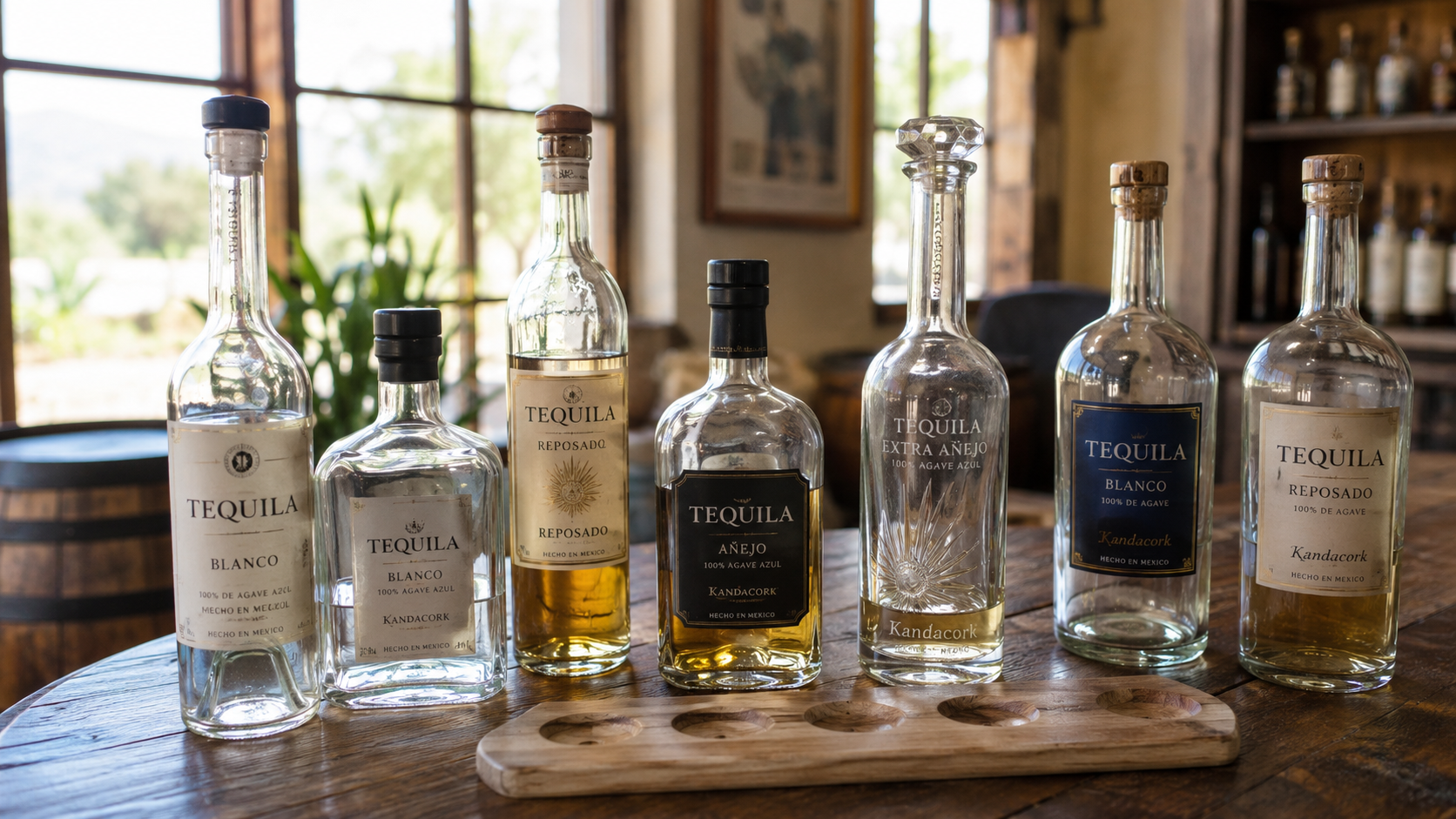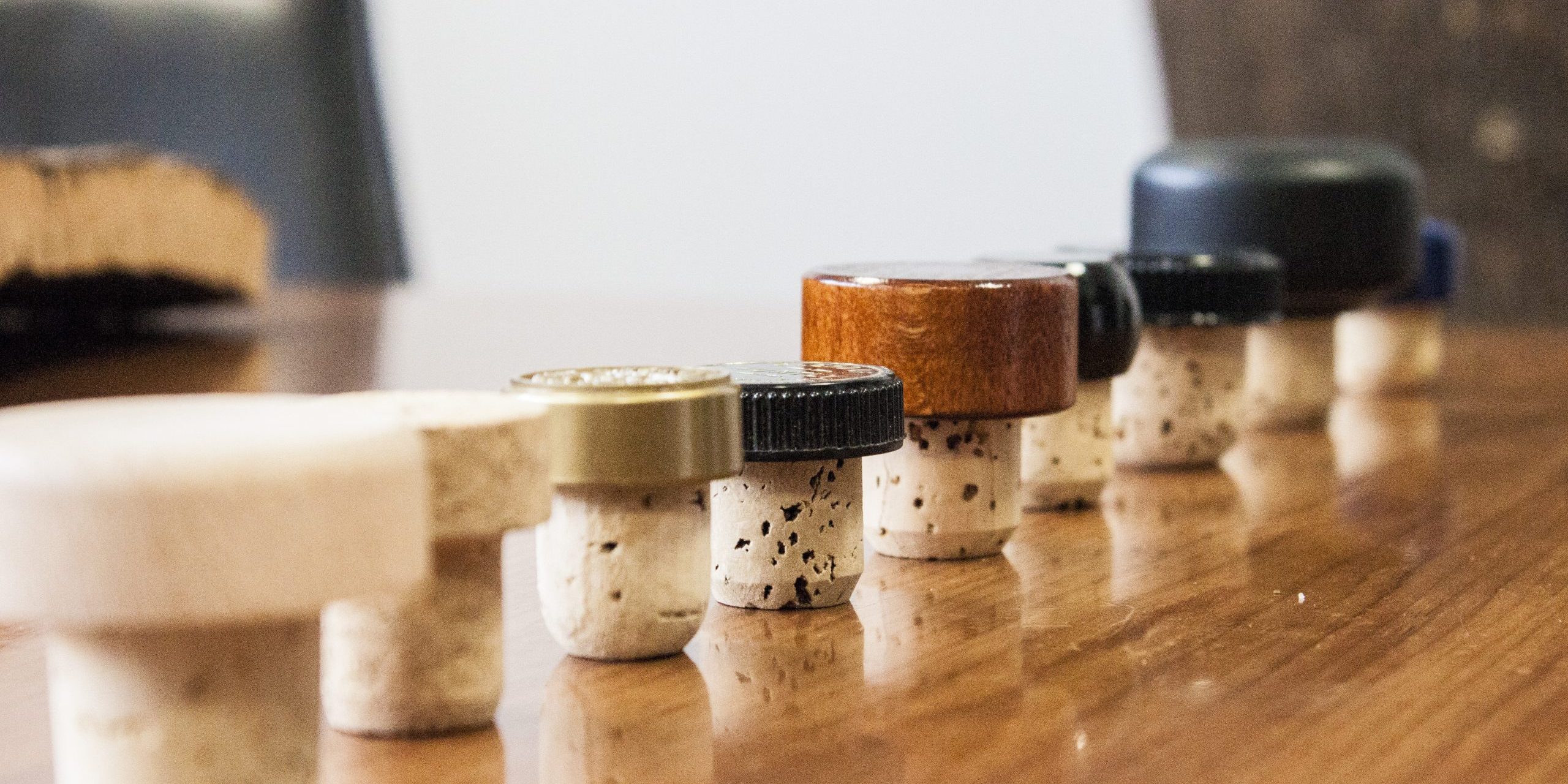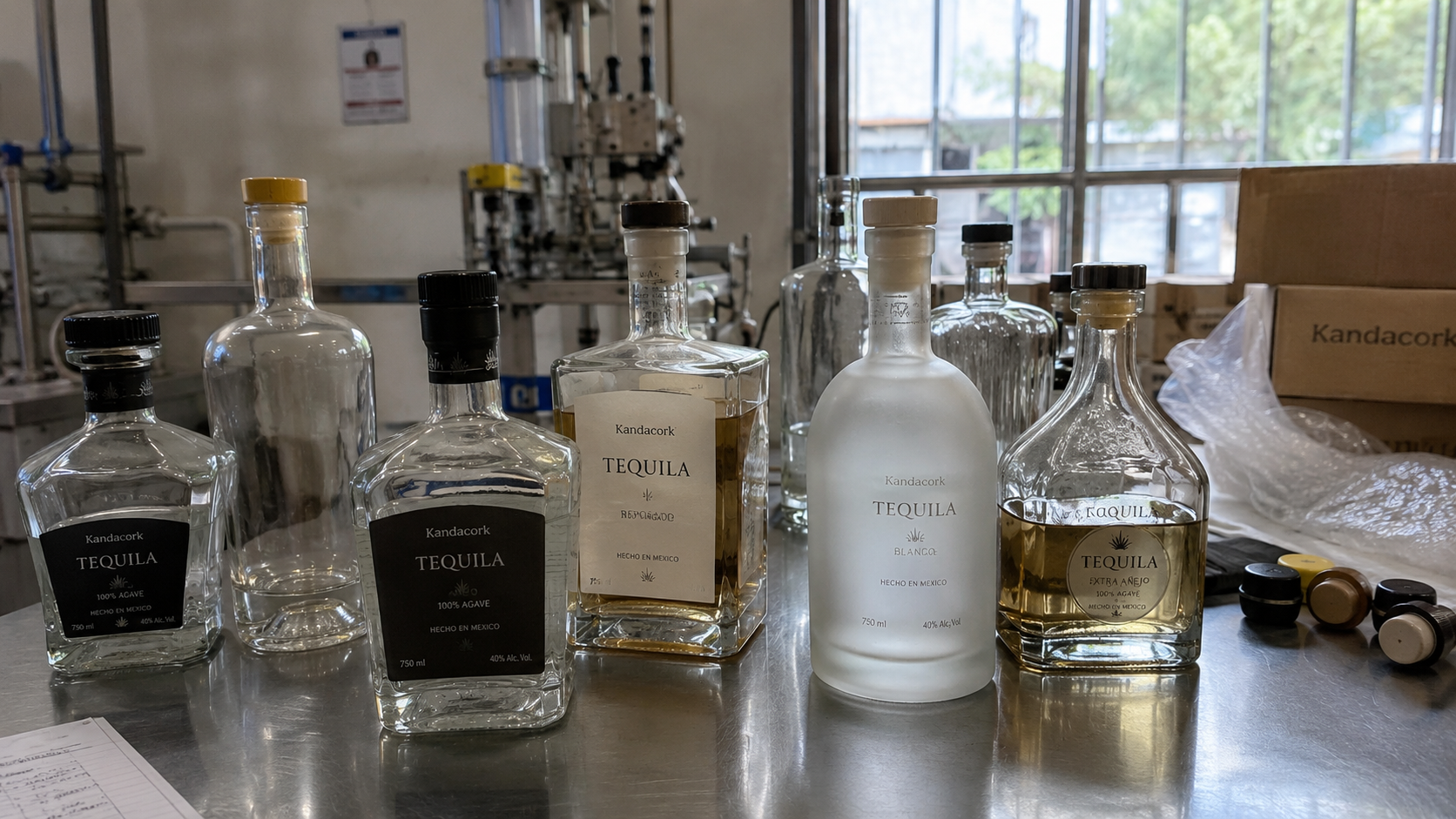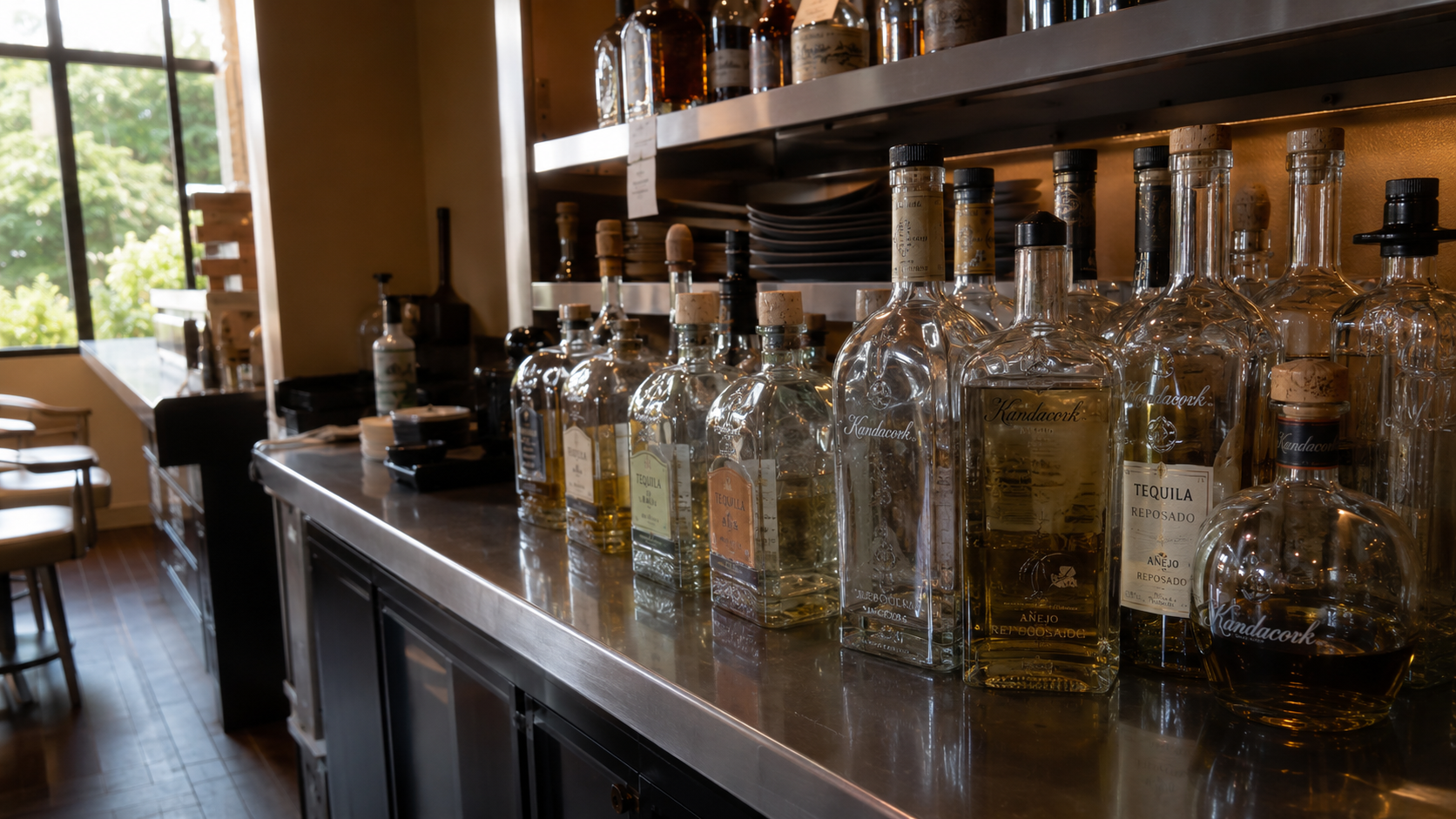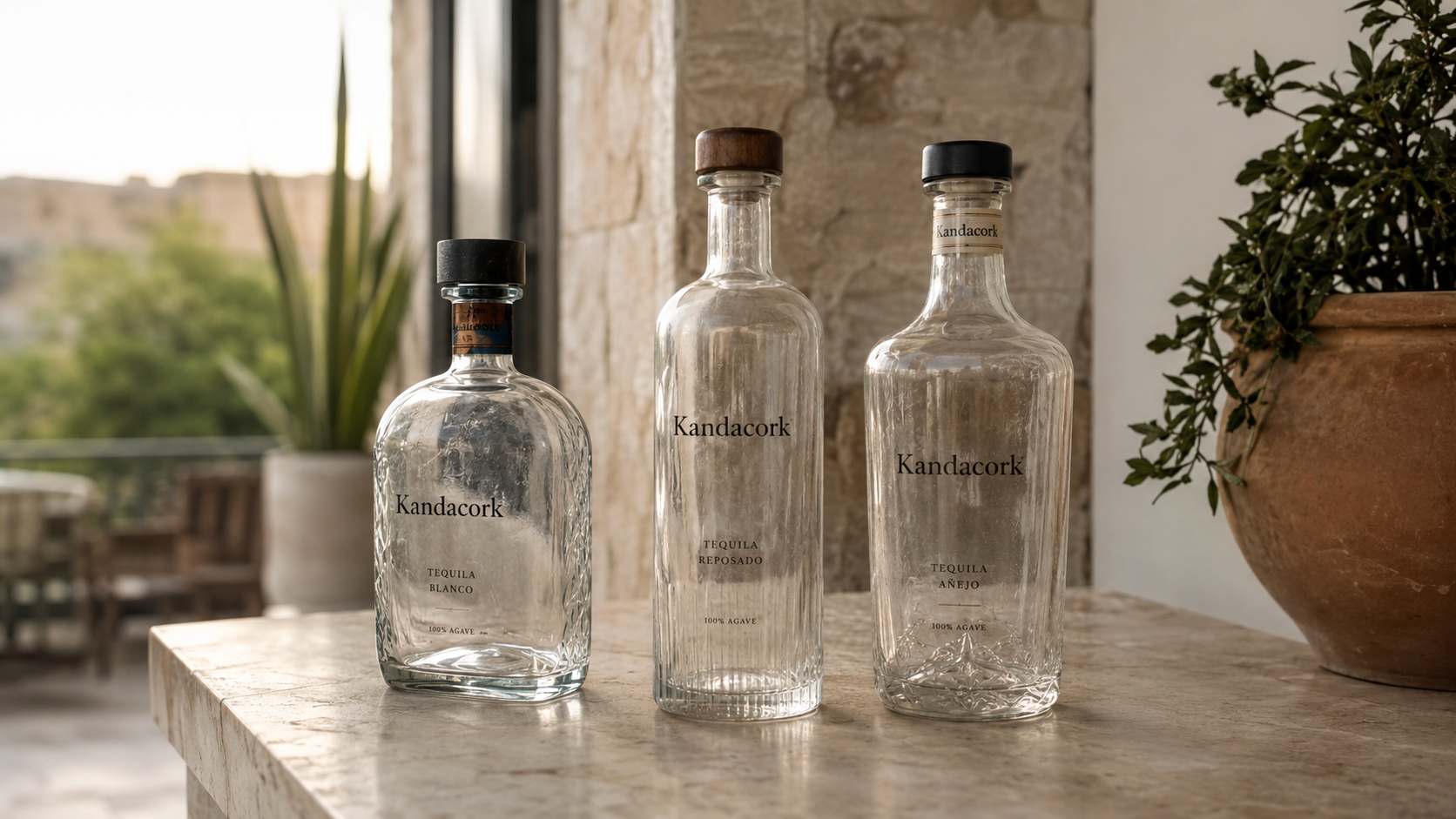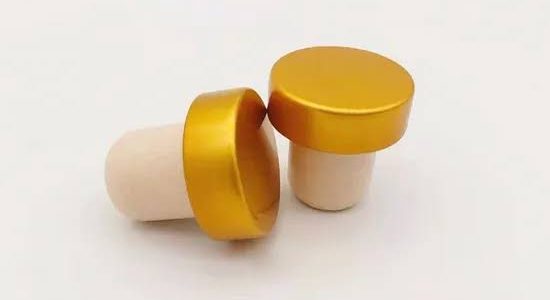
Custom bar-top stoppers are small packaging components, but they strongly affect how a spirits bottle looks, feels, and performs in the market. For whisky, rum, gin, vodka, tequila, brandy, liqueurs, craft spirits, and private label bottles, the stopper is both a functional closure and a visible brand detail.
Preparing artwork for custom bar-top stoppers is not only about sending a logo. The artwork must match the stopper material, cap diameter, shank fit, bottle neck dimensions, decoration method, color standard, sampling process, tooling requirements, and production quantity.
Unlike a general closure catalog, this guide focuses on how to prepare production-ready artwork and technical information before stopper sampling, tooling, or quotation. It is written for spirits brands, distilleries, importers, distributors, bottlers, and packaging buyers who need to reduce sampling risk and move efficiently toward a custom closure project with Kandacork Closures.
Quick Answer: What Should You Send to a Stopper Supplier?
To prepare artwork for custom bar-top stoppers, send a vector logo file, outlined fonts, Pantone or physical color references, top and side artwork placement, bottle neck drawing, closure size requirements, preferred material, decoration method, estimated order quantity, and sample approval requirements.
| Required Item | Why It Matters |
|---|---|
| Vector logo file | Keeps engraving, embossing, printing, and molding sharp |
| Outlined fonts | Prevents missing font or font substitution issues |
| Pantone or color reference | Reduces mismatch between stopper, label, capsule, and gift box |
| Bottle neck drawing | Helps confirm shank diameter, insertion depth, and closure fit |
| Top and side artwork placement | Prevents wrong logo scale or curved-surface distortion |
| Decoration method | Determines tooling, printing, engraving, or molding requirements |
| Estimated quantity | Affects MOQ, sample cost, tooling cost, and unit price |
| Target launch date | Helps the supplier plan review, sampling, and production |
For buyers comparing closure structures, materials, and branding options, Kandacork Closures offers a broad range of custom spirits bottle closures and stoppers for whisky, vodka, gin, rum, tequila, brandy, liqueurs, and private label spirits.
Artwork Submission Package Before Quotation
A clear submission package helps the supplier review your project faster. It also reduces back-and-forth communication before quotation.
The ideal artwork package includes separate files for the stopper top, stopper side, bottle neck drawing, color reference, and approved packaging reference. Do not send all details as a single low-resolution image if the project requires custom decoration or tooling.
| File Name Example | What It Should Include |
|---|---|
| BrandName_StopperTop_Logo_Vector.ai | Main logo or icon for top decoration |
| BrandName_StopperSide_Text_Vector.pdf | Side wordmark, batch text, or decorative band |
| BrandName_BottleNeck_Drawing.pdf | Bottle mouth diameter, neck finish, and tolerance data |
| BrandName_ColorReference_Pantone.pdf | Pantone numbers, approved colors, or finish notes |
| BrandName_ApprovedLabelReference.jpg | Existing label, capsule, carton, or gift box reference |
| BrandName_StopperBrief.docx | Material preference, quantity, market, timeline, and sample request |
If the brand is still in the concept stage, send the available files first. Kandacork Closures can help identify what needs to be confirmed before sampling.
Why Stopper Artwork Must Match Material, Decoration, and Neck Fit
A logo that works well on a bottle label may not work perfectly on a small stopper top. Fine lines, gradients, tiny text, complex crests, and detailed illustrations may lose clarity when converted into laser engraving, hot foil stamping, embossing, debossing, pad printing, or molded decoration.
For commercial packaging buyers, this is a sourcing and production risk issue. A well-prepared artwork package helps the closure supplier judge whether the design can be produced reliably, which process should be used, and whether the stopper will match the full bottle package.
When buyers need to turn a small stopper surface into a clear brand asset, reviewing custom closure top surface design early can help define safe areas, logo scale, embossing depth, print limits, and finish direction before tooling.
Artwork File Checklist Before Quotation
Before requesting a quotation, prepare files in a format the supplier can use for production review.
Use Vector Artwork
Vector files such as AI, EPS, SVG, or editable PDF are preferred because they can be scaled without losing quality. They are easier to convert into engraving paths, printing plates, foil dies, embossing tools, debossing tools, or mold details.
JPG and PNG files can be used as visual references, but they are usually not enough for custom closure production.
Outline Fonts
All fonts should be converted to outlines before sending the artwork. This prevents font replacement when the supplier opens the file. It also allows the technical team to check whether small letters, scripts, and thin strokes can be reproduced clearly.
For stopper tops, simple brand marks, initials, monograms, icons, or short wordmarks usually perform better than long slogans or small legal text.
Simplify Fine Details
Many spirits brands use complex crests, shields, animals, patterns, signatures, or heritage symbols. These details may look strong on a large label but may become unclear on a small bar-top closure.
Before approval, check minimum line thickness, smallest text height, logo spacing, usable top area, side decoration height, and decoration depth. A simplified stopper version of the logo often produces a cleaner result.
Separate Colors by Layer
If the design uses pad printing, screen printing, hot foil stamping, or multi-color decoration, separate each color into clear layers. This helps the supplier prepare plates, fixtures, and production files.
For color-sensitive packaging, print-control principles such as ISO 12647 can help buyers understand why proofing, color references, and process consistency matter.
Provide Pantone or Physical Color References
Digital screen colors are not reliable for production approval. The same gold, black, cream, green, or copper tone may look different on varnished wood, coated plastic, polished metal, paper labels, and gift boxes.
Provide Pantone references, approved label samples, color chips, or physical packaging components whenever possible.
Artwork Preparation by Decoration Method
Different decoration methods require different artwork preparation. Choosing the method early helps prevent sample delays.
| Decoration Method | Best For | Artwork Requirement | Common Buyer Risk |
|---|---|---|---|
| Laser engraving | Wood, cork, selected metals, craft spirits | Clean vector artwork, simplified lines, strong contrast | Thin lines may disappear |
| Pad printing | Simple color logos on small areas | Separated color layers and Pantone references | Registration issues on curved surfaces |
| Hot foil stamping | Metallic premium marks | Bold vector artwork and foil color approval | Tiny text may blur |
| Embossing / debossing | Tactile luxury branding | Thick lines and simplified logo depth | Fine details may not form cleanly |
| Molded logo | High-volume branded closures | Technical drawing or 3D-ready artwork | Higher tooling cost and longer development |
| Metal badge / insert | Premium whisky, tequila, rum, gift bottles | Badge artwork, plating, size, and attachment details | Finish mismatch or wrong badge proportion |
Laser Engraving
Laser engraving is often used for wooden bar-top stoppers, cork surfaces, and selected metal closures. It creates a permanent, tactile mark and is suitable for craft spirits, barrel-aged rum, whisky, limited editions, and natural-positioned brands.
Use black-and-white vector artwork with clean lines. Avoid gradients, shadows, very small text, and overly detailed crests. On dark wood, the supplier may need to adjust engraving depth or contrast.
Pad Printing
Pad printing works well for small color logos on wood, plastic, coated metal, or treated surfaces. It is useful when the buyer wants a clear brand mark without changing the stopper shape.
Provide separated color layers and Pantone references. If the logo uses more than one color, the supplier should check registration accuracy before sampling.
Hot Foil Stamping
Hot foil stamping creates metallic effects such as gold, silver, copper, bronze, or specialty foil finishes. It is often used for premium spirits, gift packaging, heritage brands, and limited editions.
Foil artwork should be bold and simple. Fine text, hairline strokes, and small decorative details may blur or break during stamping. The foil color should be reviewed with the label, capsule, and secondary packaging.
Embossing and Debossing
Embossing raises the logo above the surface, while debossing presses it into the surface. Both methods create a tactile premium effect.
These processes usually require tooling, so they are better for projects with enough volume to justify mold or die costs. Artwork should use strong shapes, clear spacing, and realistic depth.
Molded Logos
For larger-volume spirits projects, the stopper itself can become a brand asset. A molded logo, sculpted top, or custom cap shape can make the closure more recognizable.
Molded decoration requires more technical review. The supplier may need a 3D drawing, draft angle review, surface finish details, and production tolerance confirmation.
Metal Badges and Inserts
Metal badges, coins, plaques, and inserts are common in premium whisky, tequila, rum, and collector bottles. They can combine engraving, plating, enamel, embossing, or printing.
Prepare badge artwork separately from the main stopper file. Include diameter, thickness, finish, plating color, logo treatment, and attachment method.
Not sure whether laser engraving, pad printing, or hot stamping fits your design? Ask Kandacork Closures for a sample recommendation before tooling.
How Stopper Materials Affect Artwork Results
Artwork does not appear the same on every material. Buyers should select the stopper material and decoration method together.
| Stopper Material | Best Decoration Options | Artwork Risk | Recommendation |
|---|---|---|---|
| Wood | Laser engraving, foil stamping, pad printing, debossing | Grain may affect consistency | Use bold marks and approve physical samples |
| Aluminum / metal | Laser marking, embossing, plating, printing | Reflection may change perceived color | Compare with label and gift box |
| Plastic | Pad printing, molded logo, hot stamping | Curvature may affect print accuracy | Keep artwork simple and test samples |
| Glass / crystal | Laser marking, inserts, badges | Transparency affects contrast | Use mockups and physical samples |
| Synthetic cork / polymer shank | Printing, color matching, molded texture | Surface texture may reduce detail | Test small text before production |
For craft whisky or aged rum, a wooden stopper with laser engraving can support a warm and natural brand image. For premium tequila or vodka, a metal stopper with embossing, debossing, or a badge can create a heavier luxury feel. For private label spirits, plastic or synthetic tops with pad printing can support consistent production at scale. For limited editions, a custom molded top with a metal insert can help the bottle feel more collectible.
For beverage packaging, buyers should also consider food-contact material requirements in the target market when inks, coatings, adhesives, or closure materials are used near the beverage packaging system.
Top Artwork vs Side Artwork Safe Areas
A custom stopper may carry branding on the top, the side, or both.
Top artwork is best for logos, initials, crests, monograms, icons, and short brand marks. Before approving top artwork, confirm top diameter, usable decoration area, safe margin, center alignment, material texture, decoration method, and color contrast.
Side artwork is useful when the bottle is viewed at shelf level. It may include a short brand name, pattern, decorative band, batch name, or limited-edition mark. However, the side surface may be curved, tapered, or narrow. Long wordmarks and thin horizontal lines can distort, so side decoration should be checked through a mockup and physical sample.
Premium projects may combine top engraving, side foil stamping, molded texture, painted color, metal badges, and matched secondary packaging. Each surface should have its own artwork file, size specification, color reference, and approval sample.
Recommended image: top artwork safe-area diagram and side artwork placement diagram.
Suggested alt text: “custom bar-top stopper artwork safe area” and “top and side logo placement for bar-top stoppers.”
Why Bottle Neck Fit Must Be Reviewed Before Final Artwork Approval
Final artwork approval should not happen before bottle neck fit review. The stopper size, top diameter, shank diameter, insertion depth, and visible closure height can affect how the artwork appears on the finished bottle.
If the shank diameter changes, the closure structure may need adjustment. If the top diameter changes, the logo size and safe area may also change. If the visible height changes, side printing or side engraving may need to be redesigned.
Before final approval, confirm bottle mouth diameter, inner neck tolerance, neck height, insertion depth, shank diameter, shank length, top diameter, total closure height, pull-out feel, and resealing performance.
For projects where bottle drawings or mouth dimensions are uncertain, the glass bottle neck closure matching guide can help buyers understand why fit review should happen before final artwork and production approval.
Recommended image: bottle neck fit and shank diameter diagram.
Suggested alt text: “bottle neck fit and shank diameter for custom stoppers.”
Sample Failure Troubleshooting: Common Problems and Fixes
A physical sample is valuable because it reveals issues that may not appear in a digital mockup. Use the sample stage to check logo clarity, material feel, decoration quality, color match, closure proportion, and bottle fit.
| Problem Found in Sample | Likely Cause | Fix Before Production |
|---|---|---|
| Logo looks blurry | Raster file, thin strokes, or too much detail | Use vector artwork and simplify the logo |
| Foil mark breaks | Artwork is too fine for stamping | Increase stroke width and reduce small details |
| Side logo looks distorted | Curved or tapered surface was not considered | Shorten the wordmark or adjust side layout |
| Color does not match label | No Pantone or physical reference was provided | Send approved color standards or packaging samples |
| Stopper looks oversized | Top diameter was not reviewed with the bottle | Recheck bottle proportion and closure height |
| Engraving lacks contrast | Material color or grain reduces visibility | Adjust engraving depth, logo weight, or material finish |
| Decoration approved but stopper fits poorly | Neck drawing or physical bottle sample was missing | Confirm shank diameter and fit sample before production |
This troubleshooting table can help packaging buyers communicate more clearly with internal design, purchasing, and brand teams.
Example: Fixing a Logo Before Stopper Sampling
A spirits brand may send a detailed crest logo that works well on a front label but becomes too complex for a small wooden stopper top. Fine lines, tiny text, and decorative borders can disappear during laser engraving, especially if the stopper uses a darker wood tone.
Before sampling, Kandacork Closures can review the artwork and suggest a simplified stopper version. The revised file may keep the main crest shape, remove tiny text, increase line weight, and improve spacing around the symbol. This makes the logo easier to engrave and easier to inspect during sample approval.
The result is not a different brand identity. It is a production-ready version of the same identity, adjusted for stopper size, material, and decoration method.
Sample Approval Workflow
A clear approval workflow helps packaging buyers make faster and safer decisions.
Initial Artwork Review
Kandacork Closures reviews the logo file, artwork format, material preference, decoration method, bottle drawing, neck dimensions, target quantity, and launch schedule.
Digital Mockup
A digital mockup confirms logo placement, scale, color direction, top view, side view, and overall bottle appearance. This helps buyers compare decoration options before physical samples are made.
Physical Sample
A physical sample confirms logo clarity, material feel, surface finish, closure proportion, neck fit, pull-out feel, resealing performance, and color effect. For premium spirits, physical samples are essential because weight, texture, shine, and tactile quality cannot be judged accurately from a screen.
Pre-Production Approval
Before mass production, buyers should approve final artwork, material, dimensions, decoration method, color, finish, packaging method, sample reference, and production quantity. The approved sample becomes the benchmark for quality control and repeat orders.
Recommended image: artwork review to sample approval workflow.
Suggested alt text: “custom stopper artwork review and sampling workflow.”
Supplier Artwork Review Questions
Before choosing a closure supplier, ask whether the supplier can review both design feasibility and bottle compatibility. These questions help buyers compare supplier capability beyond unit price.
Can you check minimum line thickness before sampling?
Can you confirm top and side artwork safe areas?
Can you compare laser engraving, pad printing, hot stamping, embossing, and badge options?
Can you review whether the logo is too detailed for the stopper size?
Can you check bottle neck fit before final artwork approval?
Can you provide a digital mockup before physical sampling?
Can you produce a pre-production sample for approval?
Can you keep the approved sample as a repeat-order benchmark?
Can you coordinate stopper color with label, capsule, bottle, and gift box?
Can you explain MOQ, tooling cost, sample timing, and production lead time clearly?
A capable supplier should help buyers connect artwork, material, fit, decoration, sampling, and production planning. The best supplier is not always the lowest-cost option. The best supplier is the one that reduces development risk and supports reliable repeat production.
Kandacork Closures supports spirits brands and packaging buyers with artwork review, material recommendation, decoration selection, bottle neck compatibility review, sample development, quality inspection, and bulk order planning.
For brands that need the closure, bottle, decoration, carton, and export supply to work as one packaging system, Kandacork Glass can support broader spirits packaging coordination beyond the stopper alone.
RFQ Checklist for Kandacork Closures
To receive a more accurate quotation, prepare the following information:
Brand name
Spirit category
Bottle drawing or physical bottle sample
Bottle mouth diameter
Neck finish and tolerance information
Preferred stopper material
Preferred top shape
Logo artwork in vector format
Pantone or physical color reference
Top artwork placement
Side artwork placement
Preferred decoration method
Estimated order quantity
Sample quantity required
Target launch date
Destination market
Export packing requirements
If some details are missing, Kandacork Closures can still review the project and suggest what should be confirmed before sampling.
Prepare your artwork package and request a custom bar-top stopper quotation from Kandacork Closures.
FAQ
What file format is best for custom bar-top stopper artwork?
Vector files such as AI, EPS, SVG, or editable PDF are usually best. They keep logos sharp and allow the supplier to prepare engraving, printing, embossing, debossing, hot stamping, or mold tooling more accurately.
Can I use a JPG or PNG logo for stopper production?
A JPG or PNG can be used as a visual reference, but it is usually not enough for production. Most custom closures require vector artwork with outlined fonts and clear color separation.
Should artwork be approved before bottle neck testing?
No. Artwork can be prepared early, but final approval should happen together with bottle neck fit review. If the stopper size or shank specification changes, logo size, side artwork, and decoration layout may also need adjustment.
Which decoration method is best for premium spirits closures?
Laser engraving, hot foil stamping, embossing, debossing, molded logos, and metal badges are common premium options. The best choice depends on stopper material, logo detail, order quantity, budget, and brand positioning.
Can the same artwork be used on wood, plastic, and metal stoppers?
The same brand mark can often be used, but the production artwork may need adjustment. Wood grain, plastic curvature, and metal reflection all affect how the logo appears.
What information does a supplier need for quotation?
A supplier usually needs the logo file, bottle drawing, neck dimensions, material preference, decoration method, order quantity, sample requirements, destination market, and launch schedule.
Can Kandacork Closures review artwork before sampling?
Yes. Buyers can send logo files, bottle drawings, stopper ideas, material preferences, and estimated quantities so Kandacork Closures can recommend a practical decoration and sample development route.