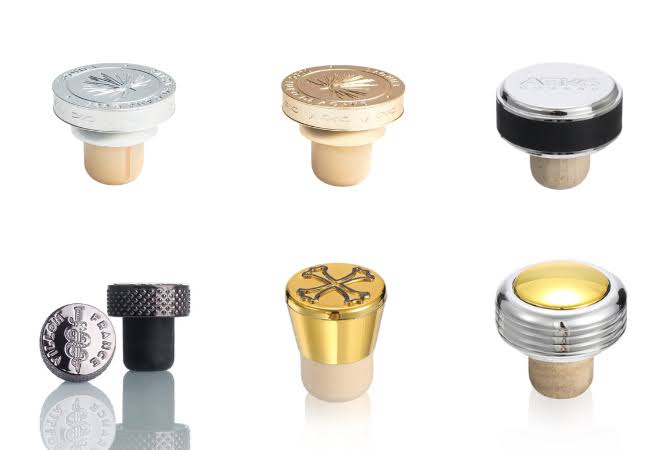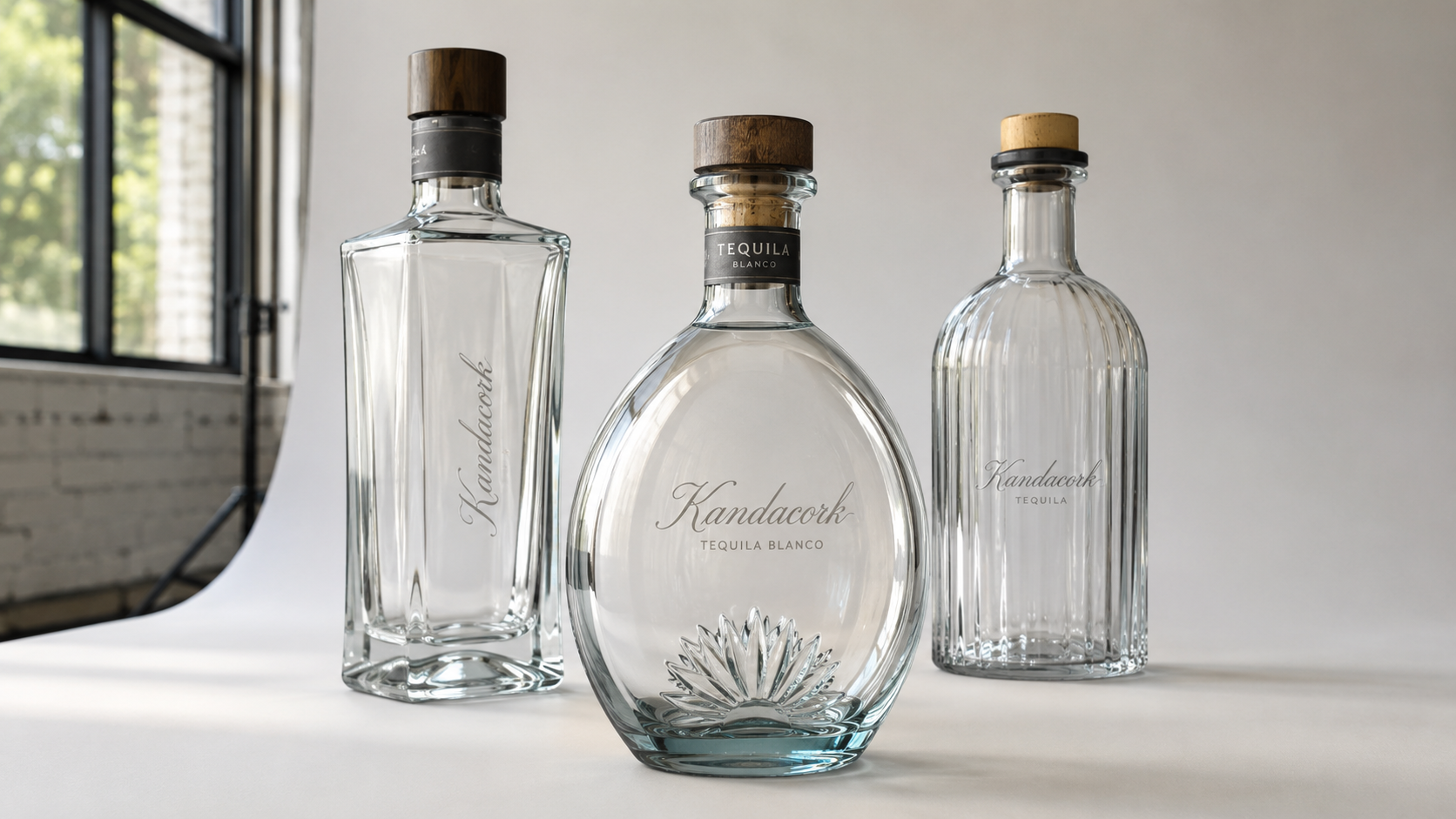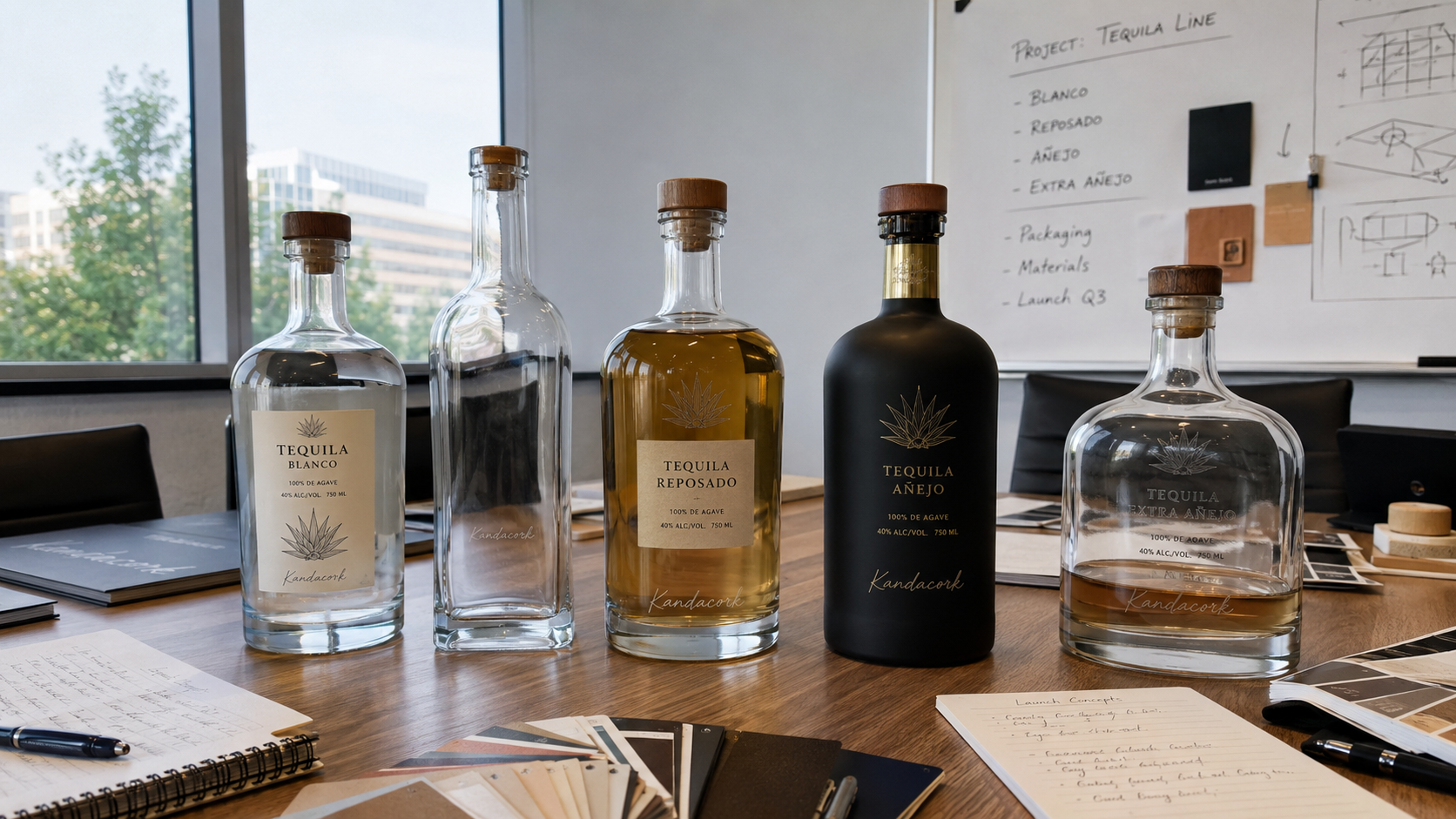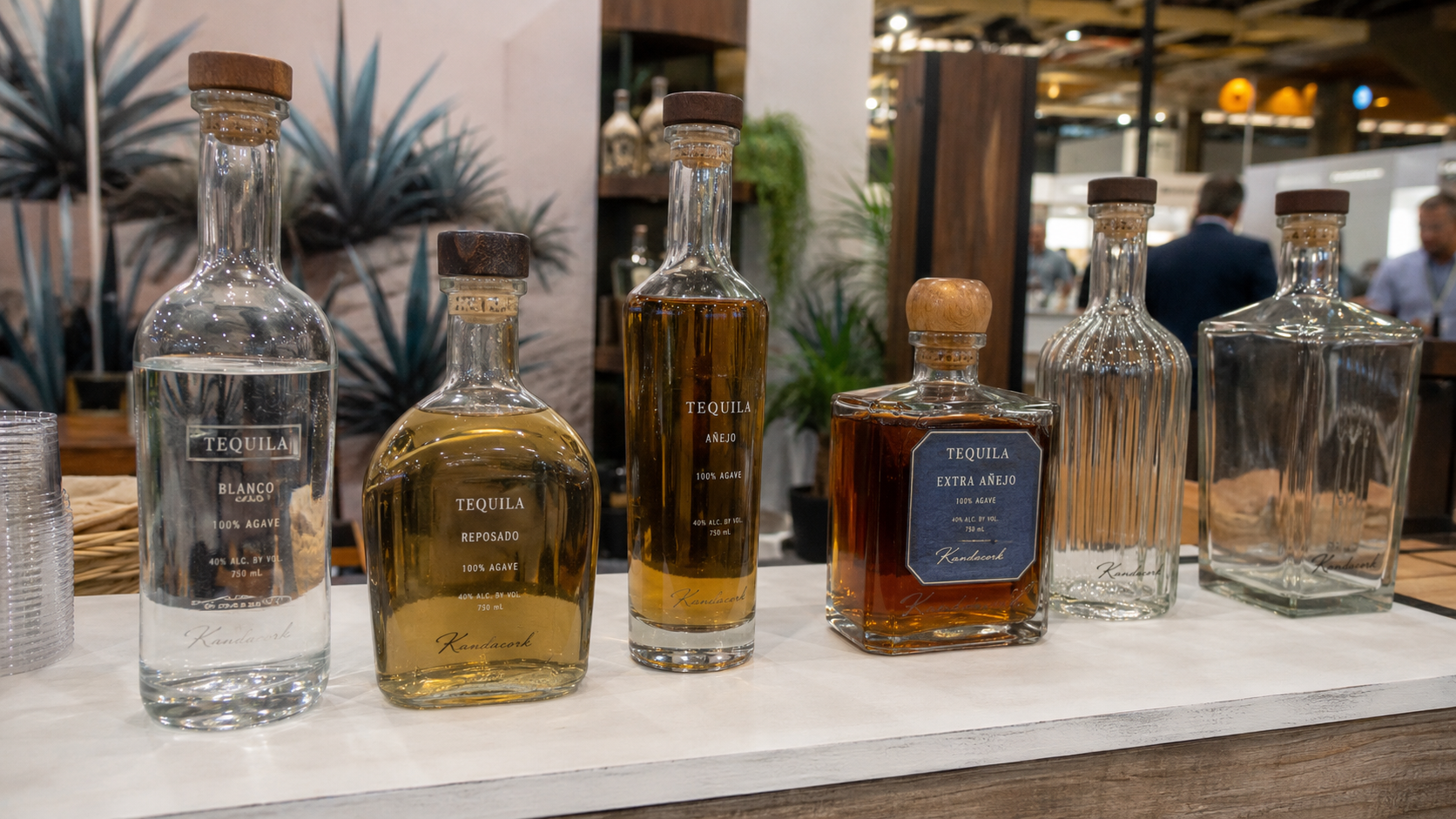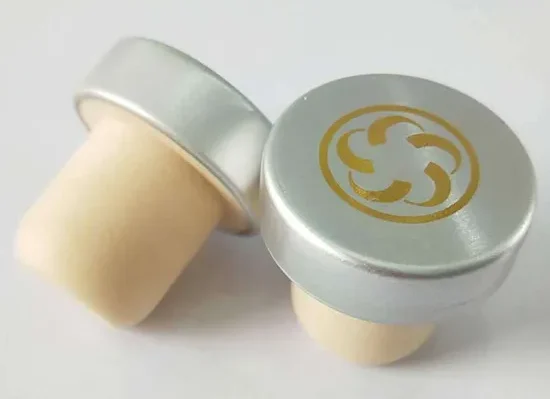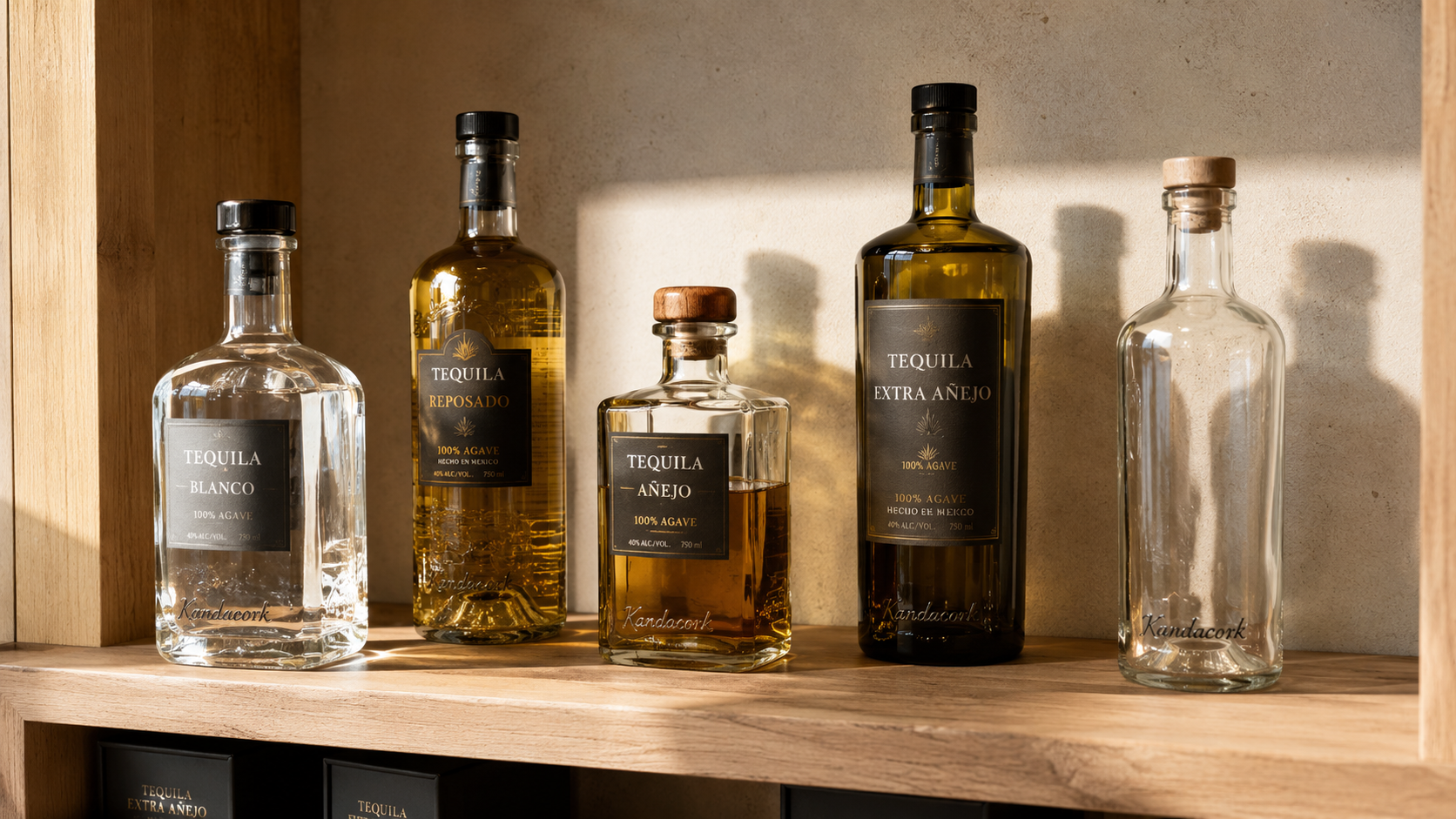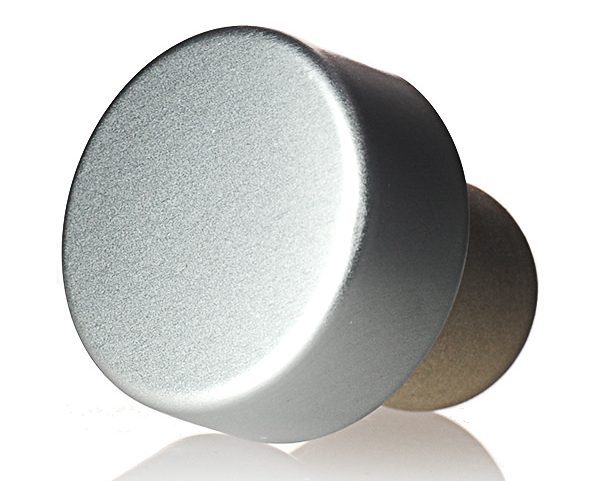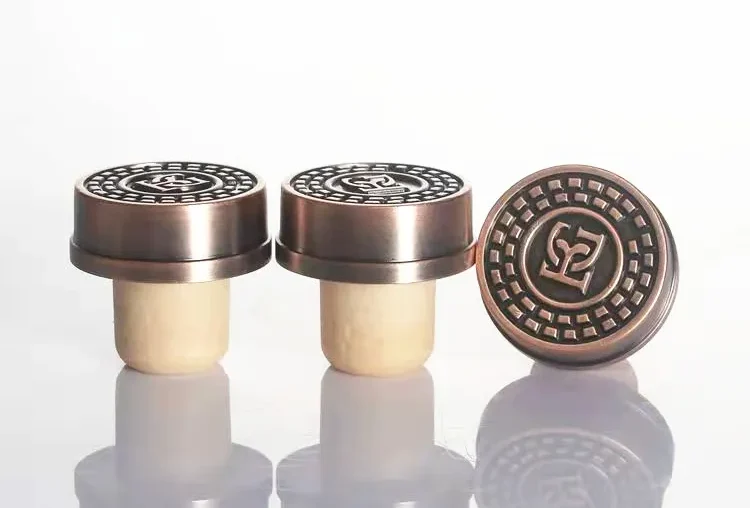
Zinc Alloy Bar-Top Stoppers for Heavy Spirits Bottles are designed for premium whisky, rum, tequila, mezcal, brandy, cognac and private label spirits packaging where the closure must match the bottle’s weight, finish and brand value. For distilleries, bottlers, importers and packaging buyers, the right zinc alloy or Zamak stopper should combine premium hand feel, reliable neck fit, durable finishing and a clear sample-to-bulk production path.
A heavy glass bottle creates a strong first impression. That impression can be weakened if the closure feels too light, fits poorly, scratches during transport or fails to match the bottle’s premium position. A zinc alloy bar-top stopper should not only look decorative; it should support the full packaging experience from filling line to retail shelf to first opening.
Kandacork Closures supports custom metal bar-top stopper development for spirits packaging projects, including material selection, stopper head design, cork and synthetic shank matching, logo decoration, surface finish sampling, neck-fit review and bulk order supply.
Send your bottle drawing, stopper reference and logo artwork for a quick zinc alloy closure review.
Quick Buyer Summary
| Buyer Need | Recommended Direction |
|---|---|
| Premium closure weight | Zinc alloy or Zamak stopper head |
| Reliable sealing feel | Synthetic cork, micro-agglomerated cork or controlled polymer shank |
| Heritage spirits look | Antique bronze, copper, brass or dark metal finish |
| Modern luxury style | Gunmetal, black nickel, matte black or brushed silver |
| Strong branding | Molded logo, medallion, embossing, debossing or engraving |
| Lower sampling risk | Physical bottle fit sample before bulk production |
| Better quotation accuracy | Bottle drawing, sample bottle, logo file, finish reference and quantity |
This summary helps buyers quickly confirm whether a zinc alloy stopper is suitable for their packaging project before moving into detailed material, fit and supplier evaluation.
What Are Zinc Alloy Bar-Top Stoppers?
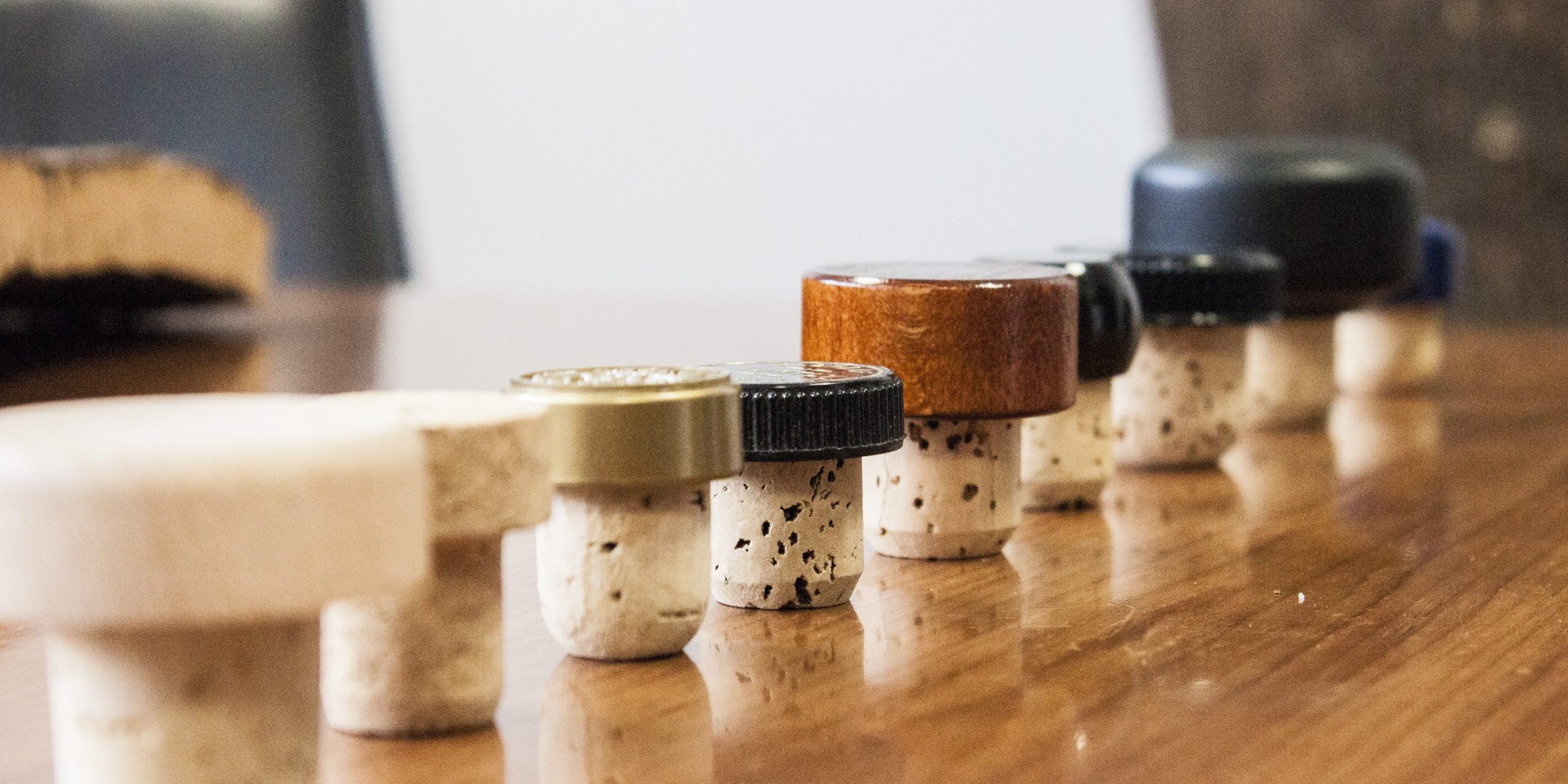
Zinc alloy bar-top stoppers are reusable spirits closures made with a metal top and a sealing shank. The top is commonly produced from zinc alloy or Zamak, while the lower shank may use natural cork, micro-agglomerated cork, synthetic cork or a technical polymer material.
The metal top provides weight, grip, decorative detail and premium identity. The shank provides bottle-neck fit, sealing feel and repeat-use performance.
Buyers may also see these closures described as Zamak stoppers, Zamac bottle stoppers, metal bar-top stoppers, T-top stoppers, T-shape cork stoppers, liquor bottle stoppers, spirits bottle closures or custom metal bottle stoppers. For a deeper look at metal stopper styles and applications, buyers can compare zinc alloy and Zamak bar-top stopper selection before confirming a sample direction.
In sourcing discussions, Zamak usually refers to a zinc-based die-casting alloy family used for detailed metal components. The International Zinc Association explains that ZAMAK alloys are a family of zinc casting alloys known for die castability and strength, which helps explain why buyers often choose zinc alloy for detailed stopper heads and premium metal components in spirits packaging through zinc die-casting alloy guidance. For spirits closures, buyers should confirm the exact alloy, finish process, shank material and inspection standard before sample approval.
Why Heavy Spirits Bottles Need Better Closure Engineering
Heavy spirits bottles are commonly used for premium positioning. Thick glass, broad shoulders, heavy bases and custom bottle profiles can help whisky, rum, tequila, mezcal, brandy and cognac products feel more valuable. When buyers are developing the bottle and closure together, coordinated custom glass spirits bottle development can help the closure, glass weight, neck finish and decoration direction work as one complete packaging system.
The stopper must feel visually and physically balanced with the bottle. If the stopper is too small, too light or too generic, the package may feel incomplete. If the stopper is too heavy or poorly fitted, it can create practical risks during filling, shipping, retail display and repeated consumer use.
For heavy spirits bottle closures, engineering should consider stopper head weight, bottle neck inner diameter, neck height, shank diameter, insertion force, extraction force, leakage resistance, bottle balance, plating durability, gift-box compatibility and export packing protection.
A zinc alloy stopper should be tested as part of the complete packaging system, not selected by appearance alone.
Zinc Alloy / Zamak vs Aluminum, Wood, Plastic and Glass Stoppers
Different stopper materials create different buyer perceptions and technical results. A premium closure should be selected based on the bottle, category, brand position, target cost and production requirements.
| Stopper Material | Best For | Weight Feel | Decoration Potential | Buyer Considerations |
|---|---|---|---|---|
| Zinc alloy / Zamak | Premium whisky, rum, tequila, mezcal, brandy and cognac | Heavy | Excellent for sculpted shapes, plating and logos | Requires neck-fit review, plating protection and good packing |
| Aluminum | Modern spirits and lighter premium bottles | Light to medium | Good for clean metal finishes and simple branding | Less dense than zinc alloy |
| Wood | Craft, heritage and natural-positioned spirits | Medium | Good for rustic or premium effects | Grain, color and moisture consistency should be controlled |
| Plastic / resin | Mid-market or cost-sensitive closures | Light | Flexible color and shape options | Lower premium perception for heavy spirits bottles |
| Glass / crystal | Luxury decanters and collectible bottles | Medium to heavy | Elegant and decorative | Higher breakage and packing risk |
For heavy glass bottles, zinc alloy usually provides the strongest balance of tactile weight, decorative flexibility and luxury presentation. However, the best material should always be confirmed through bottle fit testing, sample review and brand-positioning comparison.
Standard and Custom Zinc Alloy Stopper Options
Different buyer projects need different development paths. Some brands need a faster standard closure solution, while others need a custom molded stopper that becomes part of the brand identity.
| Stopper Type | Best For | Buyer Benefit |
|---|---|---|
| Standard zinc alloy bar-top stopper | Common bottle projects and faster sampling | Lower development time and easier initial review |
| Custom molded Zamak stopper | Premium brand icons, crests or sculpted designs | Stronger brand identity and unique shelf impact |
| Medallion-style metal stopper | Whisky, rum, cognac and gift packaging | Premium visual detail with controlled design cost |
| Heavy antique-finish stopper | Heritage spirits and limited editions | Luxury tactile effect and collectible appearance |
| Minimal metal stopper | Modern spirits and clean label design | Premium finish without overly complex shape |
This product grouping helps buyers choose whether to begin with an existing style, modify a standard design or develop a fully customized zinc alloy stopper from the beginning.
Typical Specifications for Custom Zinc Alloy Stoppers
Buyers often compare suppliers by price, MOQ and appearance. However, a useful quotation should also include technical and production details.
| Item | Common Options or Review Points |
|---|---|
| Top material | Zinc alloy, Zamak or Zamac-style die-cast metal |
| Shank material | Natural cork, micro-agglomerated cork, synthetic cork or polymer |
| Surface finish | Gold, silver, bronze, copper, gunmetal, black nickel, matte black or antique finish |
| Logo process | Embossing, debossing, engraving, laser marking, color filling or medallion insert |
| Bottle fit review | Neck inner diameter, neck height, shank diameter, insertion and extraction force |
| Sample testing | Visual balance, sealing feel, leakage resistance and repeated opening performance |
| Packing | Inner bag, tray, carton, divider, pallet and export carton |
| Quotation files | Bottle drawing, bottle sample, logo file, finish reference, quantity and timeline |
MOQ, lead time and sample cost may vary depending on mold status, finish complexity, stopper weight, shank material, order quantity and logo customization. Buyers should avoid comparing quotations by unit price alone unless the material, finish, size, shank and packing requirements are clearly aligned.
When Zinc Alloy May Not Be the Best Choice
Zinc alloy is a strong option for premium spirits closures, but it is not always the most practical choice. A buyer should consider other materials when the bottle or brand strategy does not require a heavy metal closure.
Zinc alloy may not be the best choice when:
- The bottle is very lightweight
- Total packaging weight must be minimized
- The project is highly cost-sensitive
- The brand wants a natural craft look
- A minimalist aluminum closure better fits the design
- The bottle neck is too small for a heavy stopper head
- The gift box or shipping structure cannot protect plated finishes
- The product is designed for a lighter, cleaner or more modern presentation
This kind of reverse selection is important. A reliable closure supplier should help buyers choose the right material, not simply recommend zinc alloy for every project.
Bottle Neck Fit and Shank Selection
Bottle-neck fit is one of the most important technical steps in stopper development. A stopper may look excellent in a product photo but still fail if the shank does not match the actual glass bottle.
Buyers should confirm bottle neck inner diameter, mouth tolerance, neck height, shank diameter, shank length, sealing depth, insertion force, extraction force and leakage resistance. A technical drawing is useful for early review, but a physical bottle sample is strongly recommended because real glass bottles may have tolerance differences that cannot be fully understood from drawings alone. A practical reference on glass bottle neck and closure matching can help buyers understand why drawings, real bottle samples and shank testing should be reviewed together.
The shank material also affects sealing feel, opening comfort and repeat-use performance.
Natural cork gives a traditional and premium appearance. It is often used for whisky, rum, brandy, cognac and classic spirits packaging.
Micro-agglomerated cork provides a cork-based look with improved consistency. It can be useful when buyers want a natural appearance but more stable dimensions.
Synthetic cork offers stable color, predictable dimensions and consistent sealing feel. It is commonly used when uniformity and repeatability matter.
Technical polymer shanks can provide precise dimensional control and specific extraction performance. They may be useful for large production volumes or projects requiring a very consistent fit.
For Zinc Alloy Bar-Top Stoppers for Heavy Spirits Bottles, the heavy metal top also creates leverage during opening and handling. The connection between the metal head and shank must be stable, and the stopper should not loosen, tilt or separate after repeated use.
Request a physical fit sample before approving bulk production.
Surface Finishes, Logo Options and Brand Effects
Surface finish is one of the main reasons spirits brands choose zinc alloy closures. A well-finished stopper can make a bottle look more expensive, more distinctive and more memorable.
Common finish options include polished silver, brushed silver, antique gold, antique bronze, copper, gunmetal, black nickel, matte black, gloss black, two-tone plating, color coating and aged metal effects.
Common logo and decoration options include embossed logos, debossed logos, laser engraving, molded brand icons, color-filled details, coin-style medallions, printed top inserts, sculpted custom heads and side logo marking.
Different spirits categories often require different finish directions. Whisky and bourbon may use antique bronze, copper, gunmetal or dark metal. Aged rum often works well with warm brass, bronze or copper tones. Tequila and mezcal brands may prefer sculpted forms, matte black, antique silver or custom icon details. Cognac and brandy packaging may use gold, silver or refined dark metallic finishes.
Finish samples should be reviewed with the actual bottle, label and gift box before production approval. A finish that looks premium in a sample photo may appear different under retail lighting or when paired with a specific glass color, label stock or gift-box insert.
Heavy Stopper Risks and Testing Checklist
A heavy stopper can improve perceived value, but it can also create risk if it is not engineered properly. The goal is not to make the stopper as heavy as possible. The goal is to create the right balance between premium feel and practical performance.
| Risk | Why It Matters | Control Method |
|---|---|---|
| Stopper feels too heavy | Bottle may become top-heavy or uncomfortable | Test weight balance with filled and empty bottles |
| Loose shank | May reduce sealing confidence and consumer trust | Review shank material, adhesive strength and assembly |
| High extraction force | Consumer may struggle to open the bottle | Adjust shank diameter, length and material |
| Low extraction force | Stopper may feel loose or unstable | Improve fit tolerance and test leakage resistance |
| Plating scratches | Damages luxury presentation | Use protective packing and approve finish samples |
| Gift-box rubbing | Stopper finish may be damaged before retail | Test gift-box insert clearance |
| Batch color variation | Reduces brand consistency | Confirm finish standard and production sample |
| Poor export packing | Heavy stoppers may rub or dent | Use trays, dividers, cartons and pallets where needed |
A capable supplier should help review these issues before production. For premium spirits packaging, testing should include not only appearance but also handling, packing, shipping and repeated opening.
Best Applications by Spirits Category
Zinc alloy stoppers can be used across many premium spirits categories, but the design direction should match the bottle and brand story.
| Spirits Category | Recommended Stopper Direction |
|---|---|
| Whisky / Bourbon | Antique bronze, gunmetal, embossed crest, heavy tactile feel |
| Rum | Copper, brass, warm antique finishes and heritage visual identity |
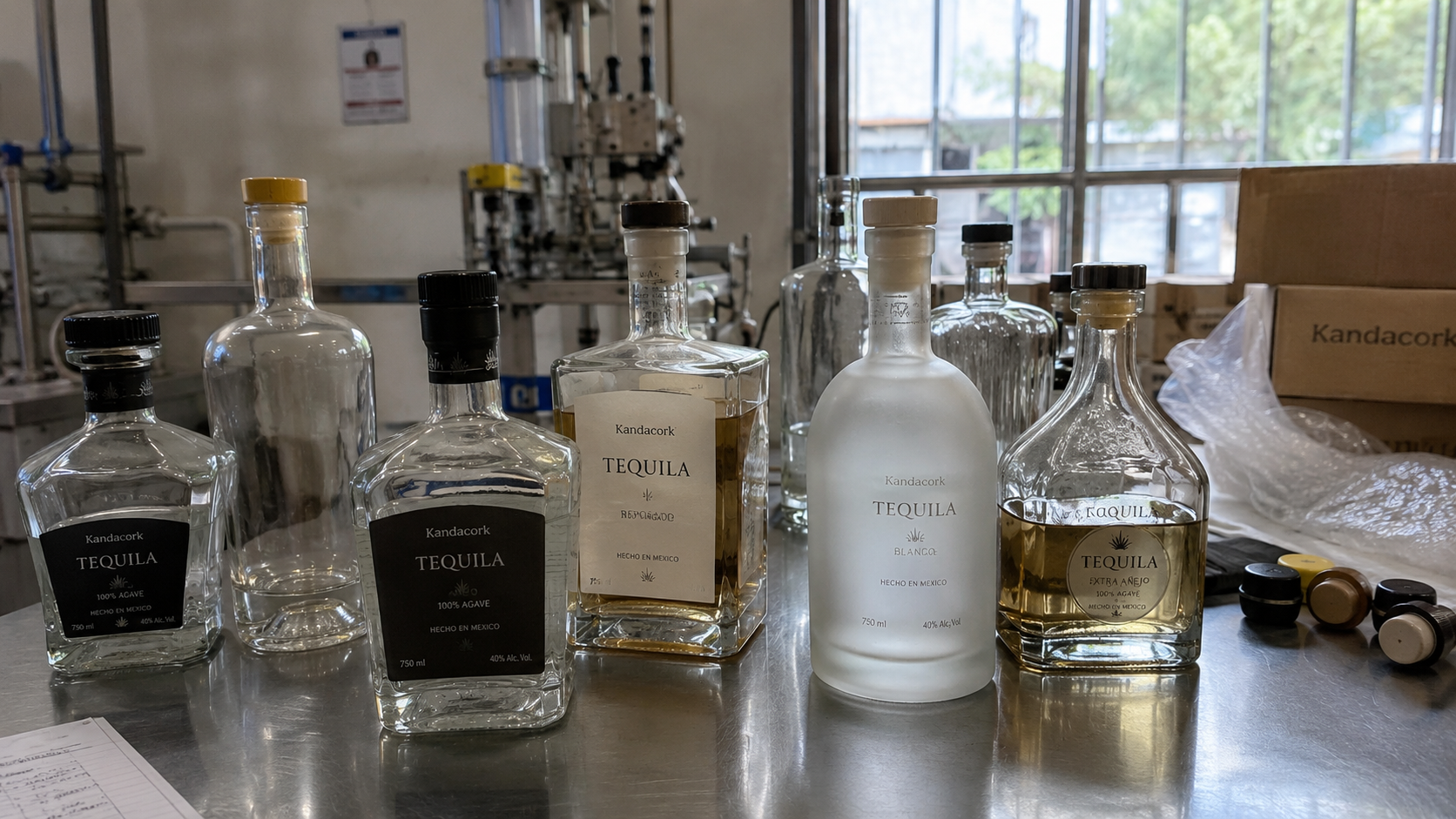
| Tequila / Mezcal | Sculpted icon, matte black, antique silver or bold geometric design |
| Brandy / Cognac | Polished gold, silver or refined luxury finish |
| Gin / Vodka | Zinc alloy for luxury or collectible lines; aluminum may suit lighter modern designs |
| Private Label Spirits | Custom molded logo, controlled finish, flexible shank selection and sample review |
For bottles with short necks, broad shoulders or unusual profiles, physical sample testing should be done early. A stopper that works well for a standard whisky bottle may not automatically suit a custom tequila or rum bottle.
RFQ Preparation Box
Before requesting a quotation for zinc alloy bar-top stoppers, prepare the following information:
- Bottle drawing
- Physical bottle sample
- Bottle neck inner diameter
- Stopper reference image
- Logo artwork
- Desired finish reference
- Preferred shank material
- Estimated order quantity
- Destination market
- Launch timeline
- Gift box or packing requirements, if available
This information helps the supplier review technical feasibility, recommend a suitable shank, estimate sampling requirements and provide a more accurate quotation.
Supplier Capability Checklist
Before choosing a supplier, buyers should evaluate more than unit price. A zinc alloy stopper is a custom packaging component, and the supplier should understand both decoration and technical fit.
Key supplier questions include:
- Can the supplier produce custom zinc alloy or Zamak stopper heads?
- Can the supplier review bottle drawings and physical samples?
- Are natural cork, micro-agglomerated cork, synthetic cork and polymer shanks available?
- Can shank diameter and length be adjusted?
- What logo decoration methods are available?
- What plating and coating finishes can be sampled?
- What are the sample lead time, bulk lead time and MOQ?
- How is finish consistency controlled?
- How are heavy stoppers packed for export?
- Are pre-production samples and final inspections available?
A strong supplier should support bottle-fit review, material matching, finish control, sample-to-bulk confirmation and export packaging protection. These capabilities reduce the risk of delays, mismatched closures and quality issues after launch.
Sample Development Process
A professional zinc alloy stopper project usually follows a clear development process.
First, the buyer shares bottle drawings, sample bottles, branding references and order requirements. The supplier reviews the bottle neck, closure style, material options and decoration needs.
Second, the stopper concept is confirmed. This may include head shape, approximate weight, shank type, logo position, finish direction and packing method.
Third, samples are prepared. Depending on the design, this may involve existing mold samples, modified samples or new custom tooling.
Fourth, the buyer tests samples with real bottles and reviews fit, insertion force, extraction force, visual balance, finish quality and sealing feel.
Finally, after sample approval, a pre-production sample may be confirmed before bulk production. Final production should include inspection for dimensions, surface finish, logo detail, assembly strength, shank quality, packing protection and carton labeling.
This process helps reduce problems during filling, shipping, retail display and consumer use.
Product Details Buyers Should Review in Photos
Product images should do more than show the stopper shape. For B2B closure sourcing, photos should help buyers evaluate proportion, finish, logo clarity, shank construction and packing protection before requesting samples.
Buyers should review:
- Stopper proportion on the bottle
- Finish color under real lighting
- Logo depth and edge detail
- Cork, synthetic cork or polymer shank construction
- Fit between stopper and bottle neck
- Gift-box clearance around the stopper
- Export packing protection for plated metal parts
Recommended image directions include zinc alloy stopper on a heavy whisky bottle, Zamak finish comparison, cork and synthetic shank comparison, bottle neck fit diagram, embossed logo detail and export packing photo. These visuals help the page compete with product-heavy supplier pages while also improving buyer confidence.
Why Work With Kandacork Closures?
Kandacork Closures helps spirits brands, distilleries, private label buyers, importers, distributors, bottlers and packaging buyers develop closures that match bottle design, brand value and production requirements.
For Zinc Alloy Bar-Top Stoppers for Heavy Spirits Bottles, Kandacork Closures can support custom zinc alloy and Zamak stopper development, heavy spirits bottle closure matching, cork and synthetic shank options, bottle-neck fit review, logo embossing and engraving, custom molded stopper head design, plating and antique finish sampling, private label packaging support, sample development, bulk production and export packing. Buyers who need a more structured closure sourcing path can also review Kandacork’s metal stopper development support for material selection, design review, sampling and production planning.
Kandacork Closures works as a closure development partner, not only a stopper supplier. The process can begin with bottle-fit review, then move into material selection, stopper design, finish sampling, shank matching, pre-production confirmation and export-ready packing.
A well-developed stopper should match the bottle visually, perform reliably during use and support the brand’s premium position. Kandacork Closures helps buyers move from concept to sample to bulk production with fewer technical and sourcing risks.
FAQ
Are zinc alloy bar-top stoppers suitable for heavy spirits bottles?
Yes. Zinc alloy bar-top stoppers are suitable for heavy spirits bottles when the brand needs premium weight, strong visual impact and a closure that matches thick glass or heavy-base packaging. The stopper should be tested with the actual bottle before bulk production.
What is the difference between zinc alloy and Zamak stoppers?
Zamak usually refers to a zinc-based die-casting alloy family used for detailed metal components. In spirits packaging, buyers may see both “zinc alloy stopper” and “Zamak stopper” used for heavy decorative metal bar-top closures. The supplier should confirm the exact material and finish process.
Are zinc alloy stoppers better than aluminum stoppers?
Zinc alloy stoppers are usually better for heavier, sculpted and luxury-style closures. Aluminum stoppers are lighter and may be better for modern designs, lower shipping weight or cost-sensitive projects. The right choice depends on bottle weight, brand position and target price.
What shank material should be used with zinc alloy stopper heads?
Common shank options include natural cork, micro-agglomerated cork, synthetic cork and technical polymer. The best choice depends on bottle-neck dimensions, sealing feel, appearance, extraction force and production consistency.
Do buyers need bottle samples before ordering custom zinc alloy stoppers?
Yes. Bottle samples are strongly recommended. A drawing can help with early review, but a physical bottle is needed to test fit, insertion force, extraction feel, visual balance and leakage resistance.
What information is needed to quote a custom zinc alloy stopper?
Buyers should provide a bottle drawing, physical bottle sample, neck inner diameter, stopper reference image, logo artwork, finish reference, preferred shank material, estimated quantity, destination market and launch timeline. Pricing may also be affected by material weight, mold complexity, surface finish, packing requirements and tooling needs.
Conclusion
Zinc Alloy Bar-Top Stoppers for Heavy Spirits Bottles combine function, weight, decoration and brand experience. They are not only closures; they are part of how consumers judge the product before and during the first pour.
For whisky, rum, tequila, mezcal, brandy, cognac and limited-edition spirits, zinc alloy and Zamak stopper heads can create a premium opening moment that supports the value of heavy glass packaging. However, successful closure development depends on more than appearance. Buyers should evaluate material, weight, bottle-neck fit, shank type, surface finish, logo process, assembly strength, packing protection and supplier capability.
Kandacork Closures can help spirits brands, distilleries, private label buyers, importers, distributors, bottlers and packaging buyers develop custom zinc alloy bar-top stoppers that match the bottle, brand and market.
Share your bottle sample, logo file, finish reference, quantity and launch timeline to contact Kandacork Closures for quotation review.