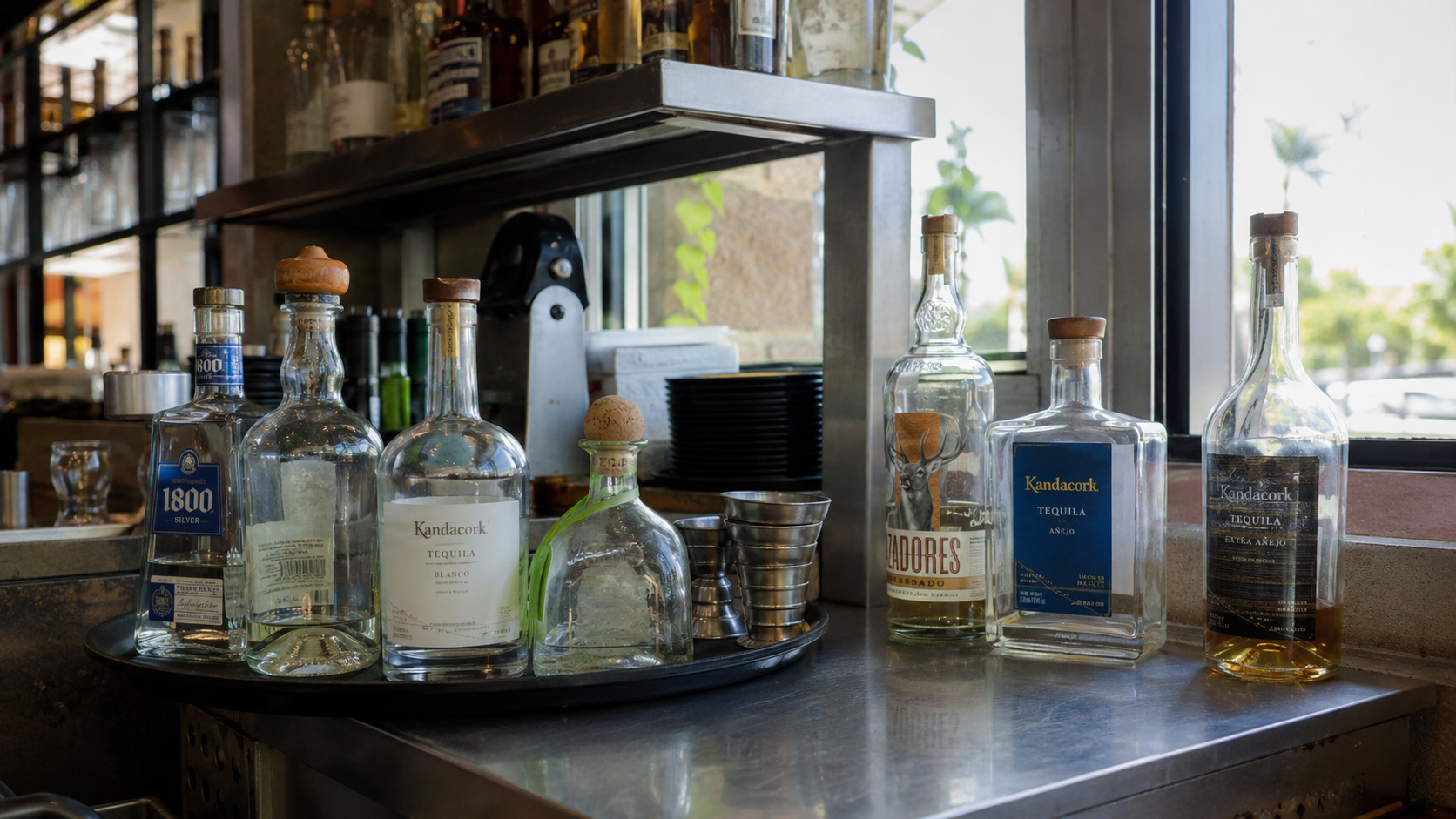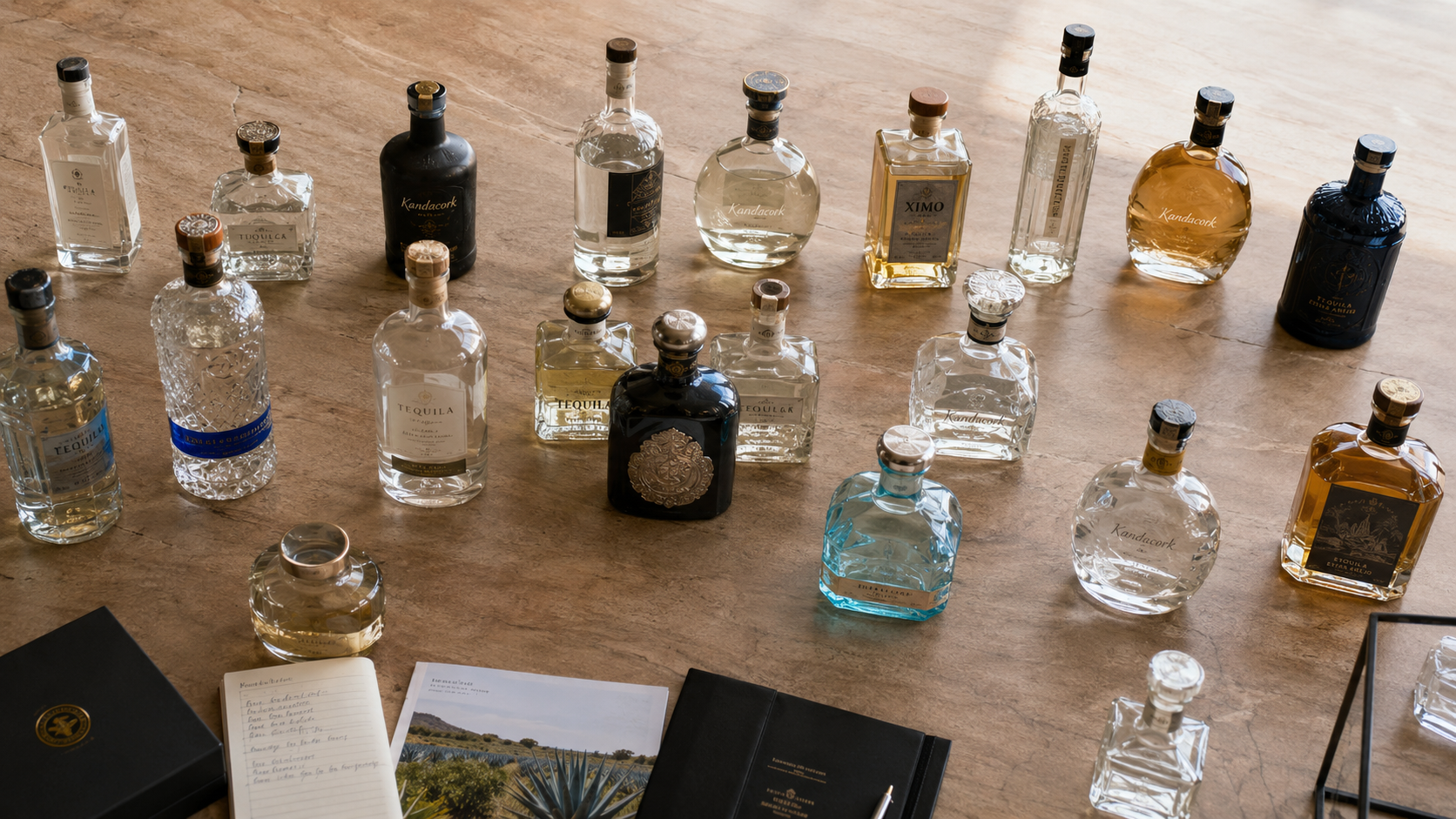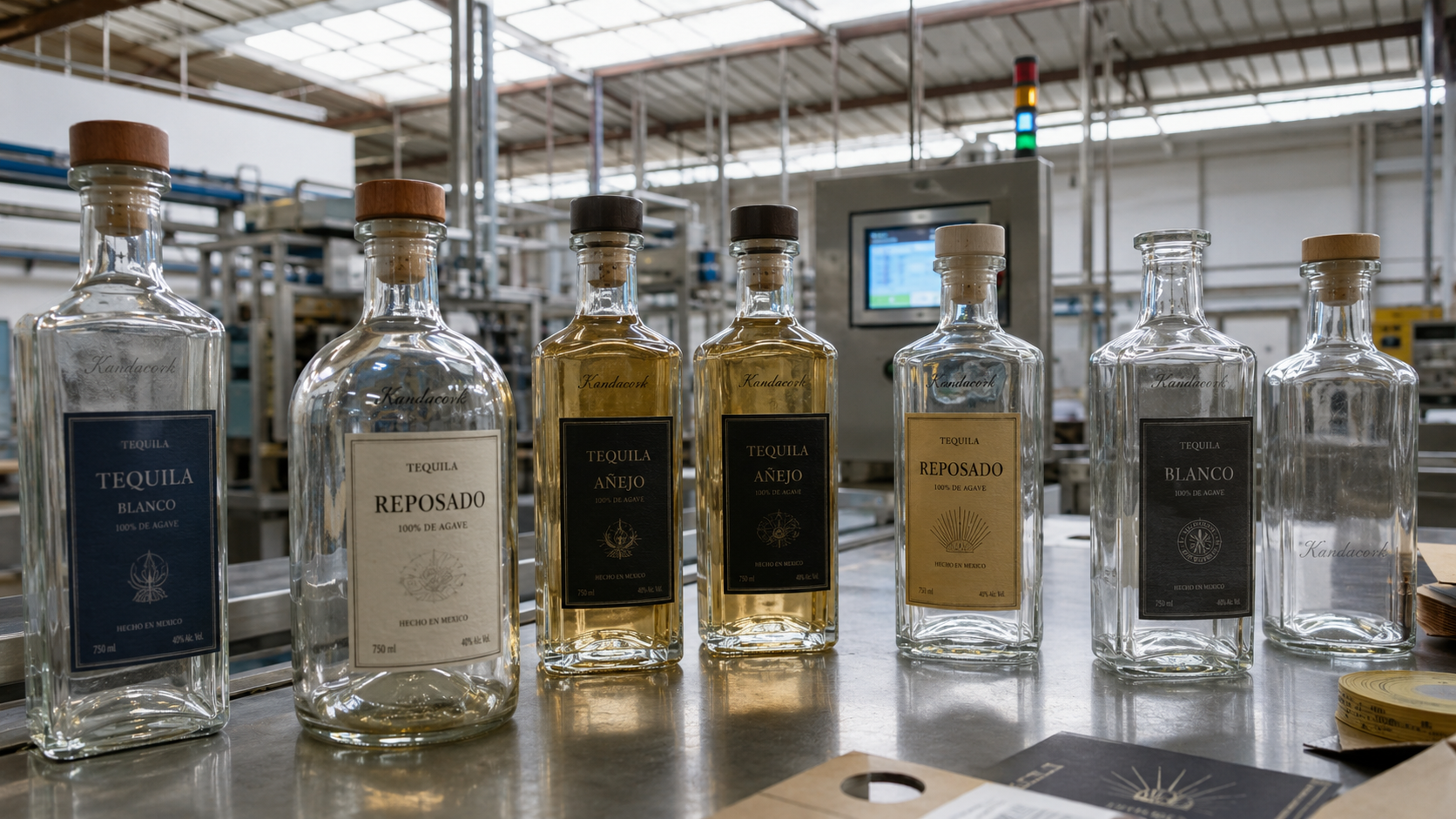
A premium spirits bottle is judged before it is opened. The glass weight, label texture, neck finish, closure material, and opening feel all shape how buyers perceive product quality.
For whisky, rum, gin, vodka, tequila, brandy, liqueurs, and private label spirits, the stopper is more than a closing component. It affects shelf appeal, hand feel, resealability, transport reliability, and brand positioning.
This bar-top stopper design guide helps spirits brands, distilleries, private label buyers, importers, distributors, bottlers, and packaging buyers compare stopper materials, confirm bottle neck fit, evaluate supplier capability, and prepare for sample requests or quotation inquiries.
Kandacork Closures supports custom bar-top stopper design for premium spirits brands that need both visual differentiation and technical reliability.
Quick Answer: How Do You Choose a Bar-Top Stopper for Spirits Bottles?
Choose a bar-top stopper by confirming the bottle neck inner diameter, stopper shank diameter, shank height, insertion depth, top material, spirit category, filling method, branding process, food-contact documentation, tamper-evident packaging needs, and sample testing results. Premium spirits brands should validate fit with real bottle samples before approving bulk production.
What Is a Bar-Top Stopper?
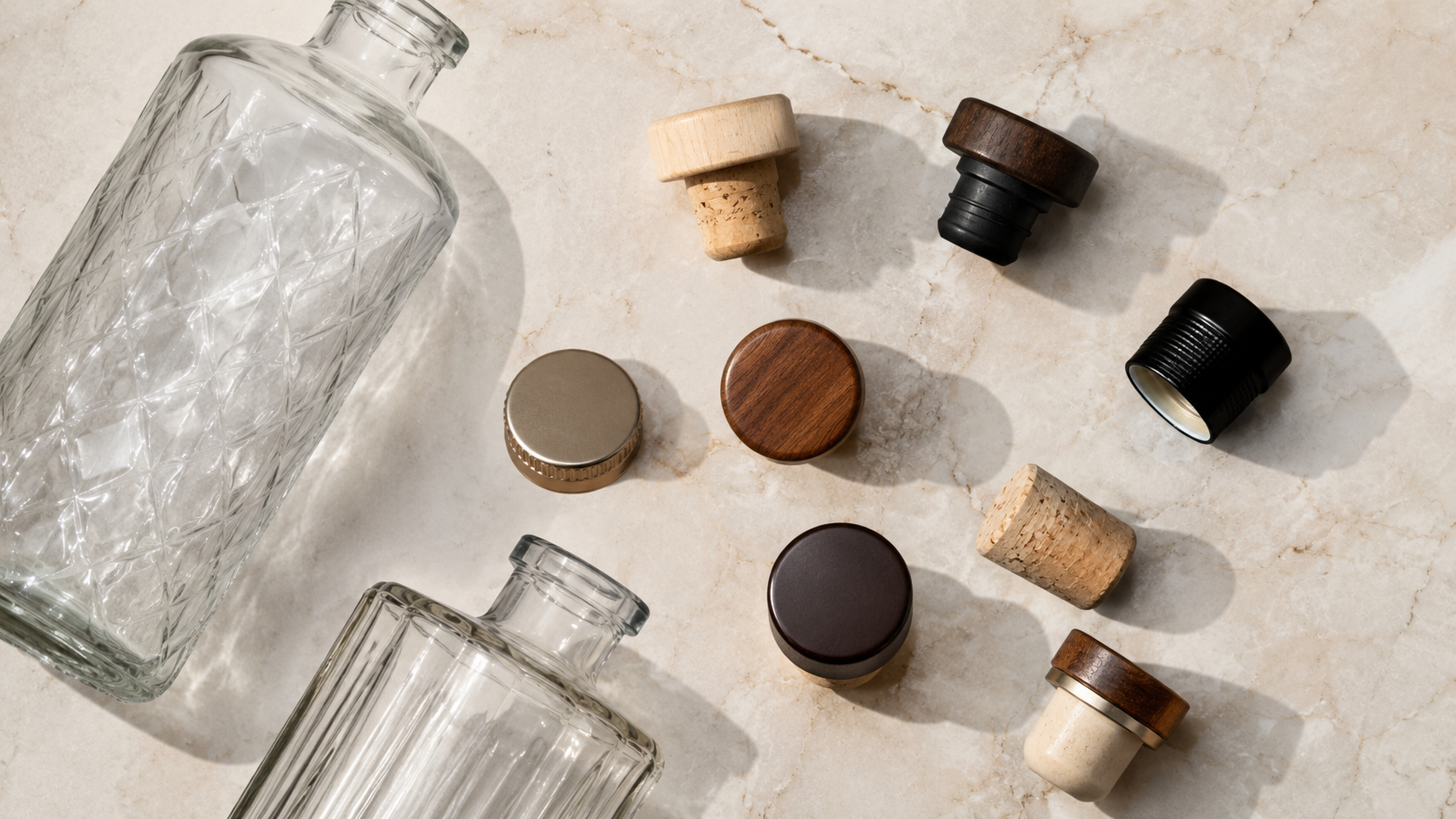
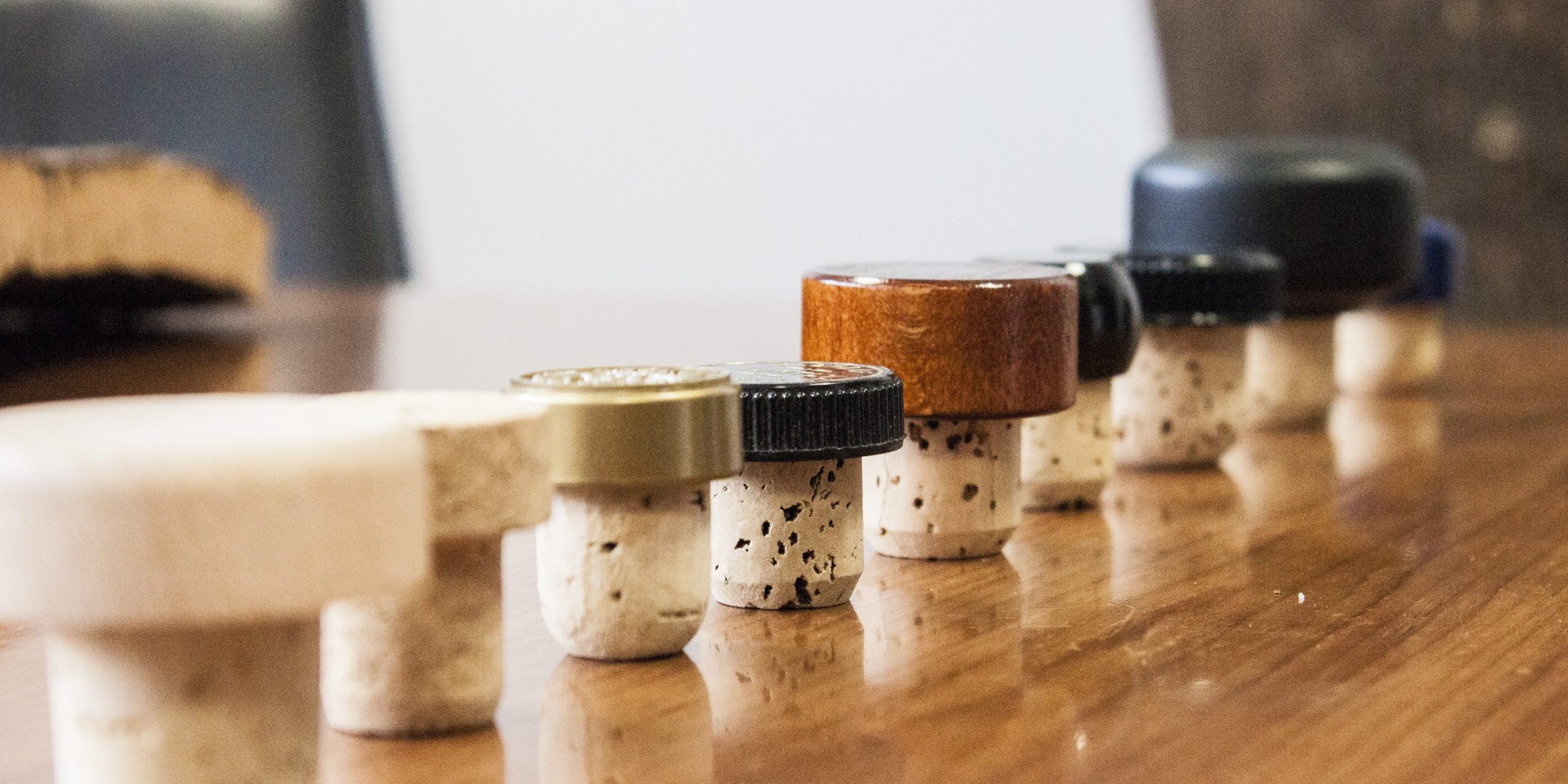
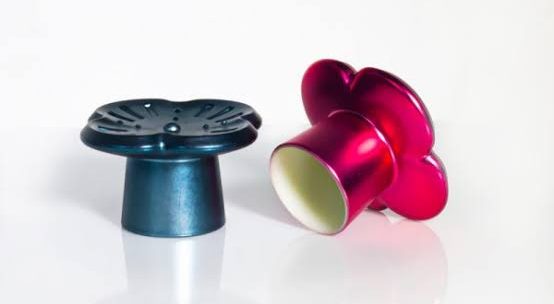
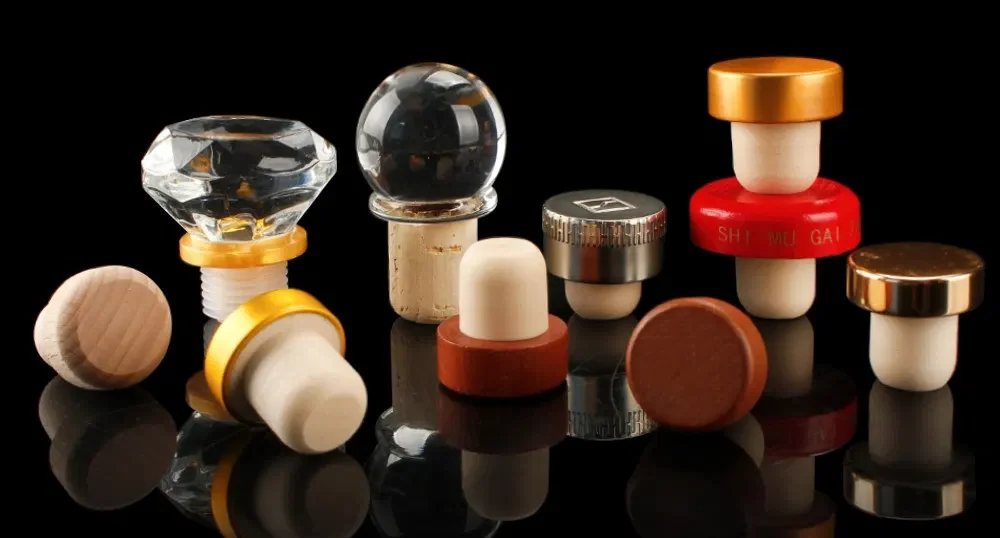
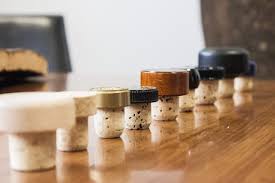
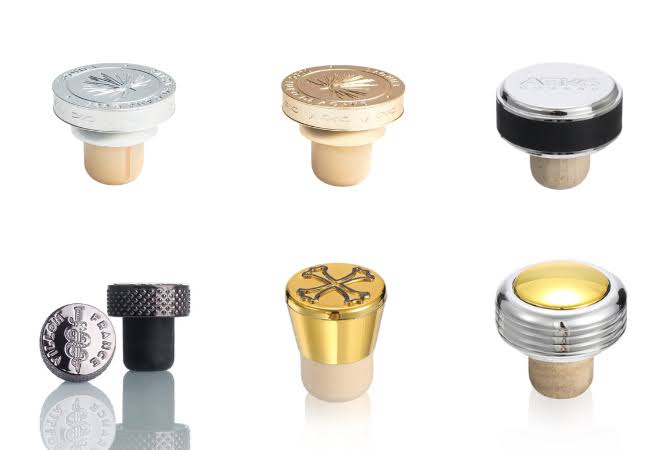
A bar-top stopper is a spirits bottle closure made from two main parts: a decorative top and a lower shank.
The decorative top may be made from wood, aluminum, zinc alloy, plastic, glass, ceramic, or other custom materials. The shank is usually made from natural cork, micro-agglomerated cork, synthetic cork, or polymer material.
Bar-top stoppers are also called T-top stoppers, bartops, capsulated cork stoppers, spirits bottle stoppers, or liquor bottle stoppers. Buyers comparing standard and custom options can review Kandacork Closures’ bar-top stoppers for spirits bottles to understand common material, shank, branding, and bulk supply directions.
For packaging buyers, bar-top stopper design is not only about appearance. It is a technical decision involving bottle neck compatibility, sealing performance, pull-out force, production tolerance, decoration method, and destination-market requirements.
Key Components of a Bar-Top Stopper
Decorative Top
The decorative top is the visible part of the closure. It carries much of the brand identity and can be customized through shape, color, material, texture, engraving, printing, hot stamping, embossing, debossing, or decorative inserts.
Common top materials include wood, aluminum, zinc alloy, plastic, glass, ceramic, and composite materials. Each material creates a different visual effect, cost level, weight, tooling requirement, and production timeline.
Shank
The shank is the lower part inserted into the bottle neck. It creates the friction fit and helps support sealing performance.
Common shank materials include natural cork, micro-agglomerated cork, synthetic cork, and polymer compounds. The shank must match the bottle neck inner diameter, neck tolerance, insertion depth, spirit type, storage condition, and distribution route.
Adhesive and Assembly
The bond between the decorative top and shank is critical. If the adhesive system is weak or assembly alignment is poor, the top may separate from the shank during opening.
Buyers should ask suppliers about bonding strength, assembly tolerance, curing process, visual inspection, and batch consistency.
Sizing Example: 18.5 mm Neck and 19.5 mm Shank
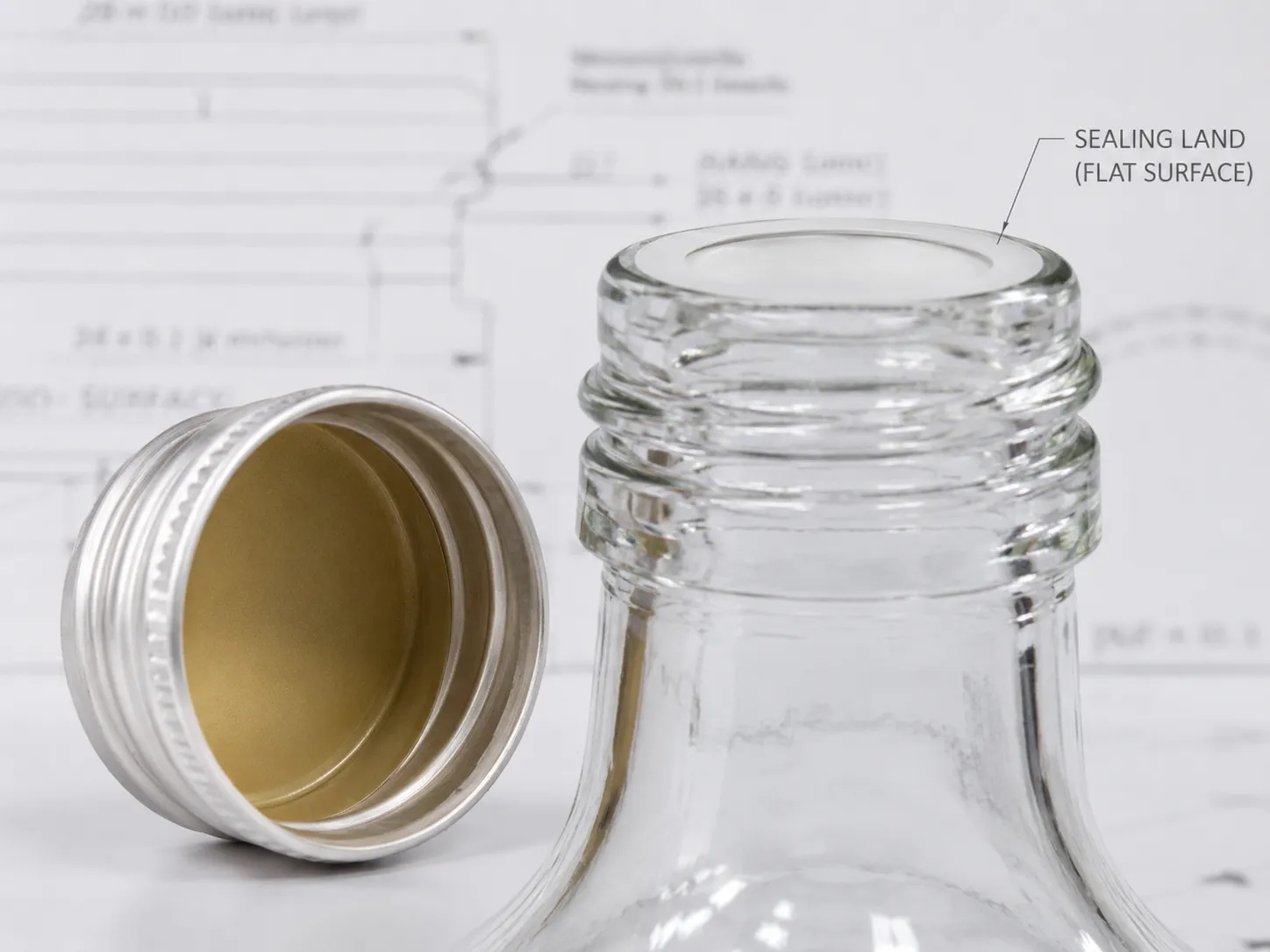
One common sizing example is an 18.5 mm bottle neck opening paired with a 19.5 mm stopper shank. The slightly larger shank helps create friction fit inside the bottle neck.
However, this should not be treated as a universal rule for every bottle. Glass tolerance, neck bore profile, shank material, shank height, insertion depth, and filling-line conditions can all change the final result.
For this reason, buyers should not approve a bar-top stopper only from a catalog size. The safest process is to send bottle drawings and physical bottle samples to the supplier, then confirm fit through real sample testing. Buyers working with unusual bottle mouths or display-style closures can also review this neck finish matching guide before sampling.
Practical Note from Stopper Development Projects
Most stopper fit problems appear after buyers move from drawing review to physical bottle testing. A stopper may match the nominal neck size but still feel loose, tight, unstable, or difficult to insert because of glass tolerance, bore shape, shank material, or insertion depth.
Kandacork Closures recommends approving a physical sample standard before confirming mass production. This approved sample should control the final fit, pull-out feel, surface finish, logo placement, color, bonding strength, and packing method.
Bottle Neck Fit Checklist
The most common mistake in bar-top stopper sourcing is choosing by appearance before confirming fit. A stopper that looks premium can still fail if the shank does not match the bottle neck.
| Technical Item | Why It Matters |
|---|---|
| Bottle neck inner diameter | Determines required shank diameter |
| Neck tolerance | Affects fit consistency across bottles |
| Shank diameter | Controls friction fit and sealing feel |
| Shank height | Affects insertion stability |
| Insertion depth | Influences sealing, appearance, and opening force |
| Top diameter | Affects visual proportion and handling |
| Overall stopper height | Impacts bottle silhouette and carton fit |
Many spirits bottles use common bar-top neck openings such as 18.5 mm or 21.5 mm, but buyers should not rely only on nominal sizes. Bottle tolerance, glass thickness, neck shape, and supplier differences can change the final fit.
Kandacork Closures can provide stopper fit review support based on bottle drawings, physical samples, and project requirements.
Bar-Top Stopper Material Comparison
| Material | Best For | Main Advantages | Key Considerations |
|---|---|---|---|
| Wood | Whisky, rum, brandy, craft spirits | Warm, natural, heritage feel | Natural grain and color variation |
| Aluminum | Gin, vodka, modern whisky, private label spirits | Lightweight, clean, scalable | Less heavy than zinc alloy |
| Zinc alloy / Zamak | Luxury whisky, tequila, rum, limited editions | Heavy feel, sculpted shape, strong shelf impact | Higher cost, tooling, packing protection |
| Plastic / polymer top | High-volume, private label, promotional spirits | Cost control, repeatability, custom molding | Needs good finish to avoid low-end look |
| Glass / crystal-style top | Gin, vodka, liqueurs, gift packaging | Transparent, elegant, decorative | Fragility, weight, protective packing |
| Natural cork shank | Traditional spirits | Classic cork character | Natural variation, storage control |
| Micro-agglomerated cork shank | Brands needing consistency | Uniform cork-based structure | Less raw natural appearance |
| Synthetic cork / polymer shank | Export, high-volume, private label | Dimensional stability, repeatability | Less traditional than natural cork |
A good bar-top stopper design guide should not recommend one material for every project. The right choice depends on brand positioning, bottle design, target price, filling method, order quantity, and launch market.
Material Selection by Buyer Priority
Different buyers evaluate closures from different angles. A luxury spirits brand may care most about weight and hand feel, while a private label buyer may focus on MOQ, lead time, and repeatability.
| Buyer Priority | Recommended Direction | Why It Helps |
|---|---|---|
| Fast sample development | Stock aluminum or plastic top | Reduces tooling and approval time |
| Luxury shelf impact | Zinc alloy / Zamak top | Creates weight, sculpted detail, and stronger hand feel |
| Craft positioning | Wood top + natural cork | Supports heritage, barrel aging, and natural texture |
| High-volume consistency | Synthetic shank or micro cork | Improves dimensional repeatability |
| Export reliability | Tested synthetic or micro cork shank | Helps control fit and batch variation |
| Strong logo visibility | Aluminum, Zamak, or molded plastic | Provides cleaner branding surfaces |
| Transparent premium look | Glass or crystal-style top | Works well for gin, vodka, and liqueurs |
| Cost control | Plastic top or standard aluminum top | Supports scalable private label programs |
This buyer-priority approach helps packaging teams choose based on project goals instead of selecting only from product photos.
Natural Cork vs Synthetic Cork vs Micro Cork
| Shank Type | Best Use | Strength | Main Risk |
|---|---|---|---|
| Natural cork | Traditional premium spirits | Classic look and natural character | Variation in appearance and density |
| Micro-agglomerated cork | Brands needing cork identity with consistency | More uniform structure | Less rustic than natural cork |
| Synthetic cork / polymer | High-volume, export, private label | Stable dimensions and repeatability | Less traditional appearance |
Natural cork gives a classic closure story, but it requires careful quality control. Micro-agglomerated cork offers a more uniform cork-based option. Synthetic cork and polymer shanks are useful when dimensional stability and repeatability are priorities.
The best choice depends on the spirit category, bottle neck, filling method, storage condition, brand position, and target market.
Best Stopper Materials by Spirits Category
| Spirits Category | Recommended Stopper Direction | Design Notes |
|---|---|---|
| Whisky | Wood, natural cork, micro cork, antique metal | Supports heritage, barrel aging, craft identity |
| Rum | Dark wood, gold metal, bronze, vintage finishes | Works well for aged, spiced, and premium rum |
| Gin | Glass, aluminum, bright color, botanical motifs | Good for modern, botanical, and clear bottle designs |
| Vodka | Aluminum, clear glass, white, silver, minimalist forms | Supports clean, modern positioning |
| Tequila / Mezcal | Zinc alloy, sculpted metal, ceramic-style textures | Useful for origin stories and artisanal branding |
| Brandy | Wood, warm metal, decorative tops | Matches traditional and gift packaging |
| Liqueurs | Glass, decorative plastic, metalized finishes | Can enhance color, occasion, and shelf appeal |
When Bar-Top Is the Right Choice — and When It Is Not
A bar-top stopper is the right choice when the brand wants a reusable opening ritual, strong shelf presence, refined hand feel, and a closure that supports the bottle’s visual identity.
It is especially suitable for spirits bottles where the consumer may open and reseal the product many times. It also works well when the closure is part of the brand story, such as craft whisky, aged rum, botanical gin, limited-edition tequila, or gift packaging.
However, a bar-top stopper may not be the best choice for every project.
A high-speed automated filling line may prefer a ROPP cap if line efficiency and visible tamper evidence are the top priorities. A low-cost value spirits product may be better served by a screw cap or continuous-thread closure. A fragile glass stopper may not suit rough export routes without stronger protective packing. A heavy Zamak top may require stronger cartons, dividers, and drop testing.
Many brands combine bar-top stoppers with capsules, shrink sleeves, neck bands, or other tamper-evident systems. Buyers comparing bar-top stoppers, screw caps, ROPP caps, capsules, and anti-refill systems can use this spirits closure sourcing guide to review broader closure directions before final selection.
Testing Before Bulk Production
Closure testing helps reduce launch risk and confirms that the approved stopper works with the actual bottle, liquid, packing method, and distribution route.
| Test | What It Checks | Why Buyers Need It |
|---|---|---|
| Pull-out force test | Opening resistance | Prevents closures from feeling too loose or too difficult to open |
| Leakage test | Seal reliability | Reduces storage, transport, and shelf-display risk |
| Alcohol compatibility test | Material stability | Important for high-ABV spirits and long storage cycles |
| Bonding strength test | Top-to-shank connection | Helps prevent stopper separation during opening |
| Drop and vibration test | Shipping durability | Useful for export, ecommerce, and fragile closure designs |
| Temperature and humidity exposure | Material and fit stability | Helps evaluate performance under changing climates |
For premium spirits packaging, testing should be part of the approval process, not an optional final check.
Pre-Production Sample Approval Criteria
Before bulk production, buyers should approve a physical sample standard. This sample should control fit, material, color, decoration, bonding, and packing expectations.
| Approval Item | Accept / Reject Criteria |
|---|---|
| Fit | No looseness, no excessive pull force |
| Alignment | Top centered with shank |
| Bonding | No separation during repeated opening |
| Surface finish | Matches approved physical sample |
| Logo | Clear, centered, correct size and position |
| Color | Matches Pantone or physical reference |
| Shank quality | No visible defects affecting fit or appearance |
| Packing | No scuffing, cracking, deformation, or movement damage |
| Carton fit | Stopper height does not interfere with bottle packing |
This approval standard helps prevent confusion between sample approval and mass production expectations.
Branding and Decoration Options
A custom bar-top stopper can carry brand identity through material, shape, color, texture, and decoration.
Common decoration methods include laser engraving, hot stamping, screen printing, embossing, debossing, metal badge insertion, side printing, color banding, textured edges, and custom molded logo details.
For high-end spirits packaging, the stopper should be developed together with the bottle, label, capsule, carton, and secondary packaging. Buyers planning a complete packaging system can coordinate closure design with custom spirits bottle development so the neck finish, stopper proportion, decoration area, and carton plan support the same launch goal.
Buyers should provide vector logo files, Pantone references, bottle samples, label proofs, and physical finish references. Digital screen colors should not be used as final production approval.
Compliance and Documentation Buyers Should Request
Spirits closures may contact the liquid directly or indirectly through vapor, splash, storage, or transport conditions. Buyers should request suitable documentation for shank materials, adhesives, coatings, inks, varnishes, inserts, and decorative components.
Useful documents may include:
- Food-contact material declaration
- Material specification sheet
- Migration or compliance testing where required
- Batch inspection record
- Color and finish approval record
- Packaging specification
- Export packing details
- Traceability documents
- Tamper-evident packaging confirmation
For U.S. market projects, buyers should review FDA food-contact packaging requirements for packaging components and indirect additives. For distilled spirits sold in the United States, TTB tamper-evident closure guidance should also be reviewed.
This section is not legal advice. Requirements vary by product, destination market, importer, and bottling arrangement. Buyers should confirm final requirements with regulatory specialists, bottlers, importers, or legal advisors before launch.
Supplier Evaluation Checklist
A reliable bar-top stopper supplier should support both design and technical validation. Buyers should evaluate suppliers using the following checklist.
| Evaluation Area | Questions to Ask |
|---|---|
| Bottle fit review | Can the supplier review bottle drawings and physical samples? |
| Shank recommendation | Can they recommend shank diameter, material, height, and insertion depth? |
| Material options | Can they support wood, aluminum, zinc alloy, plastic, glass, natural cork, synthetic cork, and micro cork? |
| Custom design | Can they develop custom top shapes or molds? |
| Branding process | Can they support engraving, embossing, hot stamping, printing, and color matching? |
| Compliance documents | Can they provide relevant food-contact and material documentation? |
| Sampling | Can they provide samples before mass production? |
| Quality control | Do they inspect dimensions, bonding, decoration, color, and packing? |
| Production capacity | Can they meet MOQ, lead time, and reorder requirements? |
| Export support | Can they provide suitable packaging for international shipping? |
The best supplier is not simply the one with the lowest unit price. For premium spirits packaging, supplier capability affects launch risk, brand consistency, and long-term reorder reliability.
Sample Request Form Fields
To receive accurate samples and pricing, buyers should prepare clear project information. A complete request helps the supplier recommend the correct structure, material, and sample direction.
| Field | Information to Provide |
|---|---|
| Bottle drawing | Neck finish, inner diameter, bottle height, and packing limits |
| Physical bottle sample | Needed for fit validation |
| Neck inner diameter | Helps determine shank direction |
| Desired top material | Wood, aluminum, zinc alloy, plastic, glass, ceramic, or other |
| Desired shank material | Natural cork, micro cork, synthetic cork, or polymer |
| Logo method | Engraving, hot stamping, printing, embossing, debossing, or molded logo |
| Color reference | Pantone code or physical finish sample |
| Quantity range | Trial order, launch order, annual forecast, or reorder estimate |
| Destination market | Helps identify documentation and packaging needs |
| Filling method | Manual, semi-automatic, or automatic |
| Tamper-evident requirement | Capsule, shrink sleeve, seal, neck band, or other |
| Target launch date | Helps plan sampling, tooling, approval, and production |
If the project is still at concept stage, Kandacork Closures can help compare material directions. If the bottle has already been selected, the first step should be fit validation. If the brand design is already approved, the focus should shift to decoration method, sample approval, testing, and production planning.
Common Mistakes to Avoid
- Choosing a stopper only because it looks premium in a product photo.
- Assuming all 18.5 mm or 21.5 mm neck openings behave the same.
- Approving color from screen images instead of physical samples.
- Skipping pull-out force, leakage, bonding, and transport testing.
- Ignoring tamper-evident packaging requirements.
- Forgetting export packing for heavy, fragile, or sculpted closures.
Recommended Bar-Top Stopper Development Process
Define the Brand Direction
Clarify whether the closure should feel luxury, craft, modern, heritage, sustainable, minimalist, playful, or limited edition.
Confirm Bottle Compatibility
Review bottle drawings, neck finish, inner diameter, tolerance, and physical samples before selecting the final shank.
Select Materials and Decoration
Choose the decorative top, shank material, logo method, color, and surface finish based on brand image, spirit category, cost, production volume, filling method, and destination market.
Develop and Approve Samples
Create samples for shape, color, logo, surface finish, material feel, and fit. Review both appearance and function before mass production.
Test and Finalize Production
Check pull-out force, leakage, alcohol compatibility, bonding strength, temperature exposure, transport performance, inspection standards, and packing method.
FAQ
What is the difference between a bar-top stopper and a T-top stopper?
A bar-top stopper and a T-top stopper usually refer to the same closure style: a decorative top attached to a cork, synthetic cork, micro cork, or polymer shank. The terms may vary by supplier, region, or product category.
What size bar-top stopper do I need?
The correct size depends on the bottle neck inner diameter, shank diameter, shank height, insertion depth, and bottle tolerance. Buyers should provide bottle drawings and physical samples before confirming final stopper size.
Is natural cork or synthetic cork better for spirits?
Natural cork offers a traditional look, while synthetic cork provides stronger dimensional repeatability. Micro-agglomerated cork is a balanced option for brands that want cork character with more controlled consistency.
Can bar-top stoppers be customized with a logo?
Yes. Customization options may include laser engraving, embossing, debossing, hot stamping, screen printing, color matching, custom top shapes, metal inserts, and tailored shank materials.
Do bar-top stoppers need tamper-evident packaging?
In many markets, spirits packaging needs tamper-evident protection. A bar-top stopper may need to be paired with a capsule, shrink sleeve, seal, neck band, or other device depending on product type and destination market.
What information is needed for a stopper quotation?
A useful quotation request should include bottle drawings, physical samples, neck inner diameter, target material, logo artwork, Pantone reference, order quantity, destination market, filling method, packaging requirements, and launch timeline.
Conclusion: Build a Stopper That Looks Premium and Performs Reliably
A successful bar-top stopper design guide should help buyers move from design idea to production-ready specification. The decision should include brand positioning, bottle neck fit, shank selection, decoration control, compliance documentation, performance testing, supplier evaluation, and sample approval.
Kandacork Closures supports custom bar-top stopper development for premium spirits brands, distilleries, private label buyers, importers, distributors, bottlers, and packaging buyers.
To start a project, send your bottle drawing, physical bottle sample, neck dimensions, logo artwork, target material, expected quantity, destination market, and launch schedule. Request bar-top stopper samples or a custom quotation to confirm fit, compare materials, and develop a closure specification ready for production.