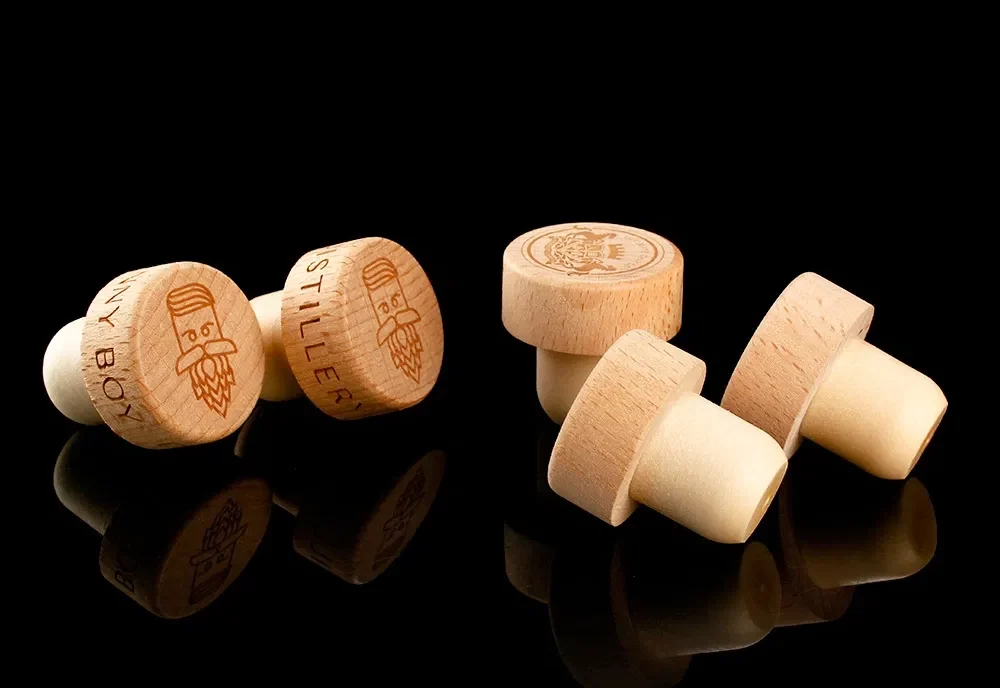
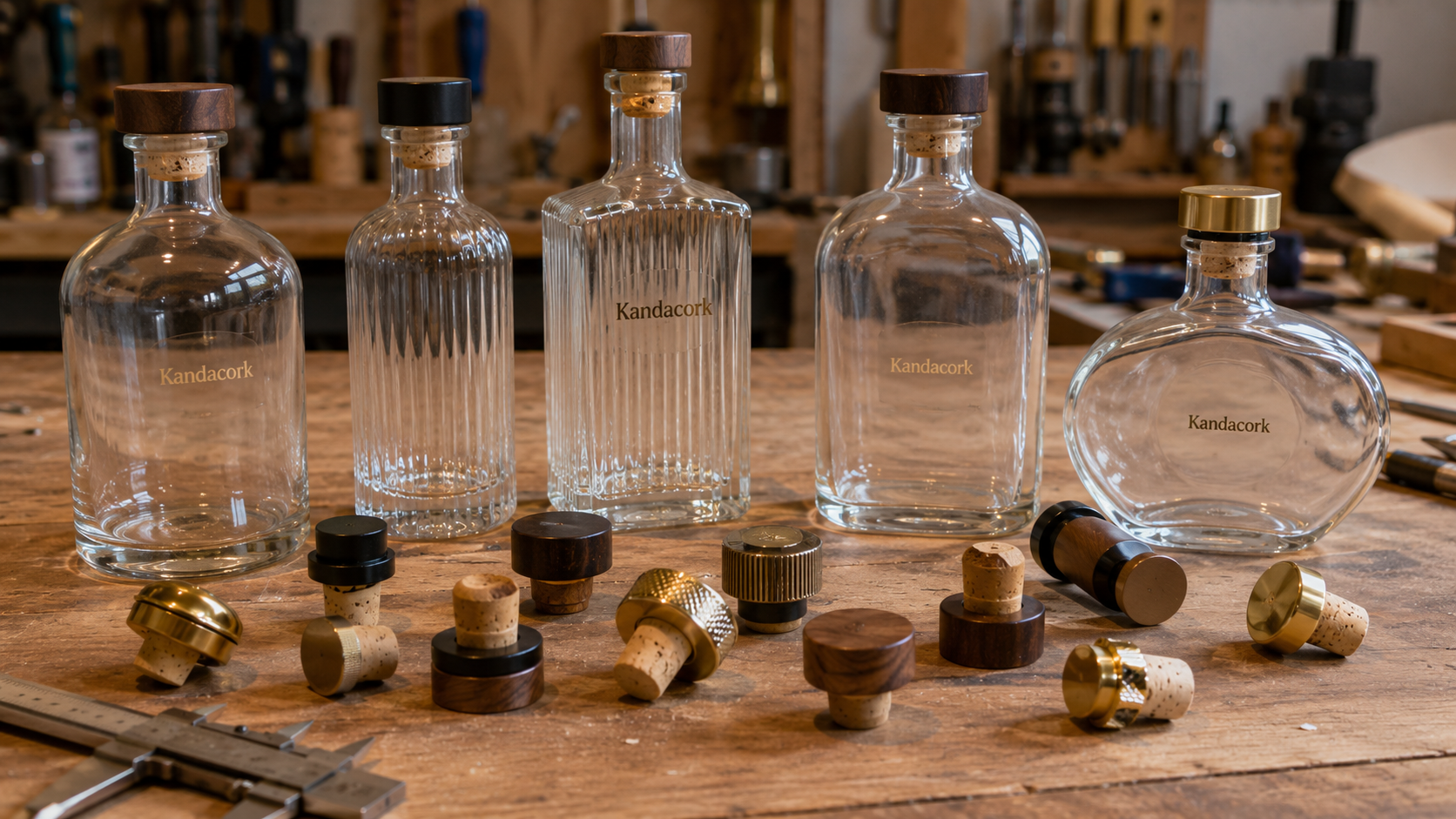
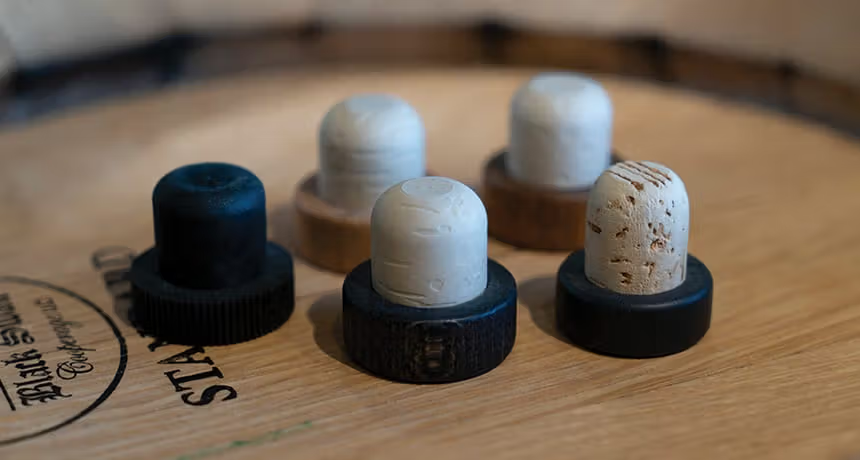
Capsules and shrink sleeves must match the bottle neck shape, height and application process. This guide explains how fit, material choice, shrink ratio, printing method and packing protection affect spirits bottle neck finishing.
Quick Buyer Summary
| Buyer Question | Practical Direction |
|---|---|
| Need premium bottle neck decoration? | Choose custom bottle capsules. |
| Need visible tamper evidence? | Choose perforated shrink sleeves or shrink bands. |
| Need printed neck branding? | Choose custom printed bottle neck sleeves. |
| Need a luxury spirits finish? | Consider foil-style, aluminum-style, matte, metallic, or embossed capsules. |
| Need cost-effective bottle neck coverage? | Consider PVC shrink capsules or standard shrink sleeves. |
| Need export packaging? | Test the sleeve or capsule with the final bottle, closure, and target market requirements. |
| Need a quote? | Prepare bottle drawings, closure dimensions, sleeve height, artwork, quantity, and application method. |
This quick summary helps buyers identify the right direction before comparing materials, decoration, and supplier capabilities.
What Are Bottle Capsules and Shrink Sleeves?
Bottle capsules are decorative or functional covers used around the bottle neck and closure. Shrink sleeves are heat-shrinkable films that tighten around a bottle, cap, stopper, or container after heat is applied.
Both solutions are used to improve appearance, protect the closure area, and support a professional packaging presentation. In spirits packaging, they are commonly used with bar-top stoppers, screw caps, ROPP closures, synthetic stoppers, metal caps, and promotional bottle designs.
A bottle capsule usually focuses on premium neck finishing. A shrink sleeve usually focuses on heat-shrink fit, tamper-evident appearance, or flexible branding coverage. Some custom projects combine both benefits, especially when a brand wants a clean closure area and a visible opening feature.
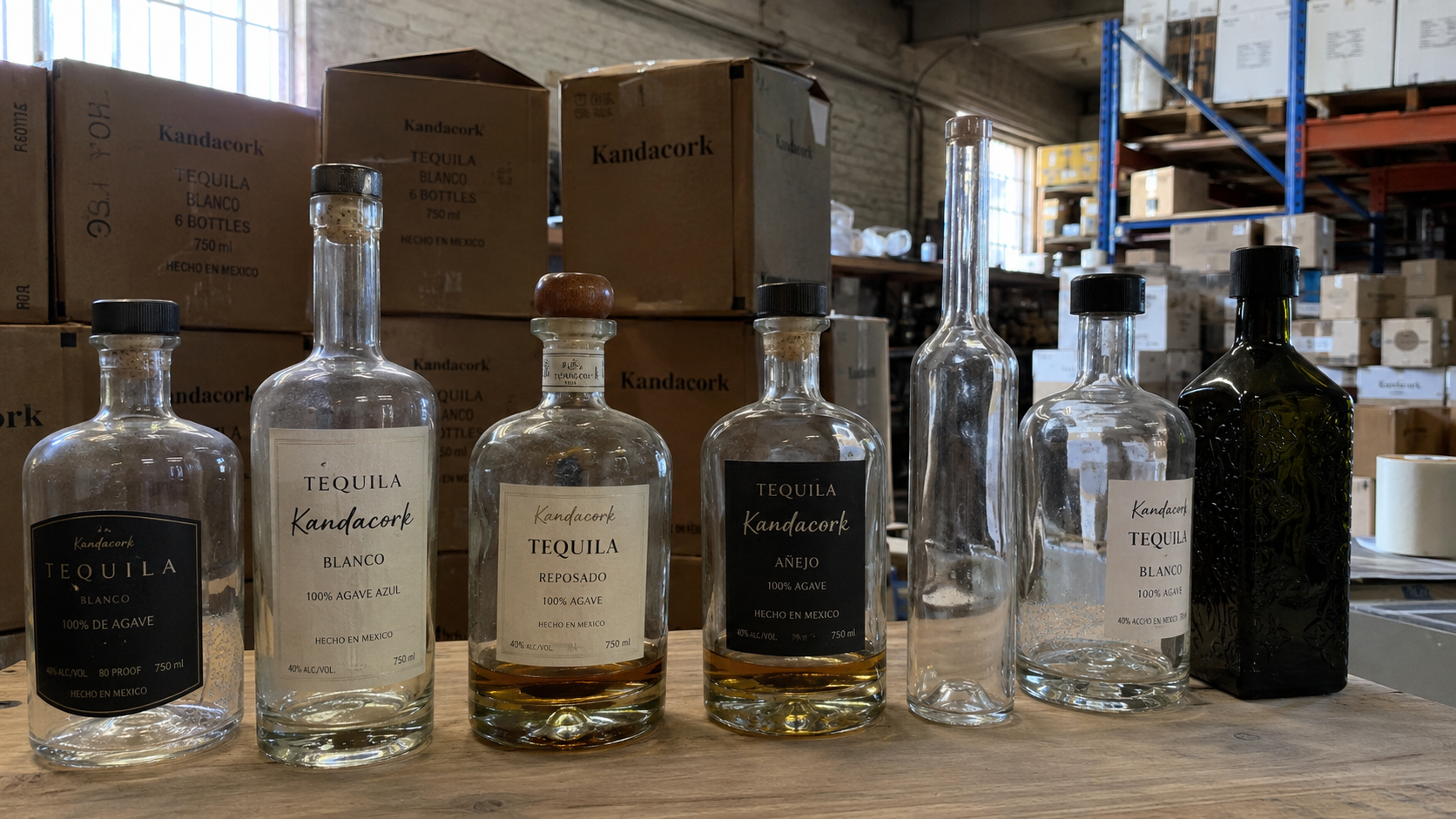
For brands developing a complete spirits package, the capsule or sleeve should be reviewed alongside the bottle shape, label position, cap height, cork head, outer carton, and retail display environment.
Bottle Capsules vs Shrink Sleeves
Bottle capsules and shrink sleeves are often discussed together, but they serve different packaging needs.
| Feature | Bottle Capsules | Shrink Sleeves |
|---|---|---|
| Main purpose | Premium neck finishing and closure coverage | Heat-shrink sealing, decoration, and tamper-evident presentation |
| Common position | Bottle neck and closure area | Cap, neck, shoulder, partial body, or full body |
| Common materials | PVC, foil-style, aluminum-style, PET, PET-G | PVC, PET, PET-G, OPS, PLA, and other shrink films |
| Branding area | Neck, sidewall, and top disc | Neck, cap, partial body, or full body |
| Tamper-evident option | Possible with tear tab or perforation | Strong option with perforation or shrink band |
| Best for | Luxury spirits appearance | Flexible fit, printed graphics, and visible seal protection |
| Application | Manual or machine-assisted | Heat gun, steam tunnel, heat tunnel, or automatic sleeving line |
Choose bottle capsules when the main goal is a refined neck finish, premium metallic look, or elegant closure coverage.
Choose shrink sleeves when the main goal is heat-shrink fit, tamper-evident sealing, printed neck branding, or flexible application across different bottle shapes.
Choose custom bottle capsules and shrink sleeves together when the brand needs both shelf impact and practical closure-area control. This is common for export spirits, limited-edition releases, private label programs, and products that need a consistent finish across several bottle sizes.
Why Spirits Brands Use Bottle Capsules and Shrink Sleeves
Spirits brands use bottle capsules and shrink sleeves because the closure area directly affects consumer trust, shelf appeal, and perceived value.
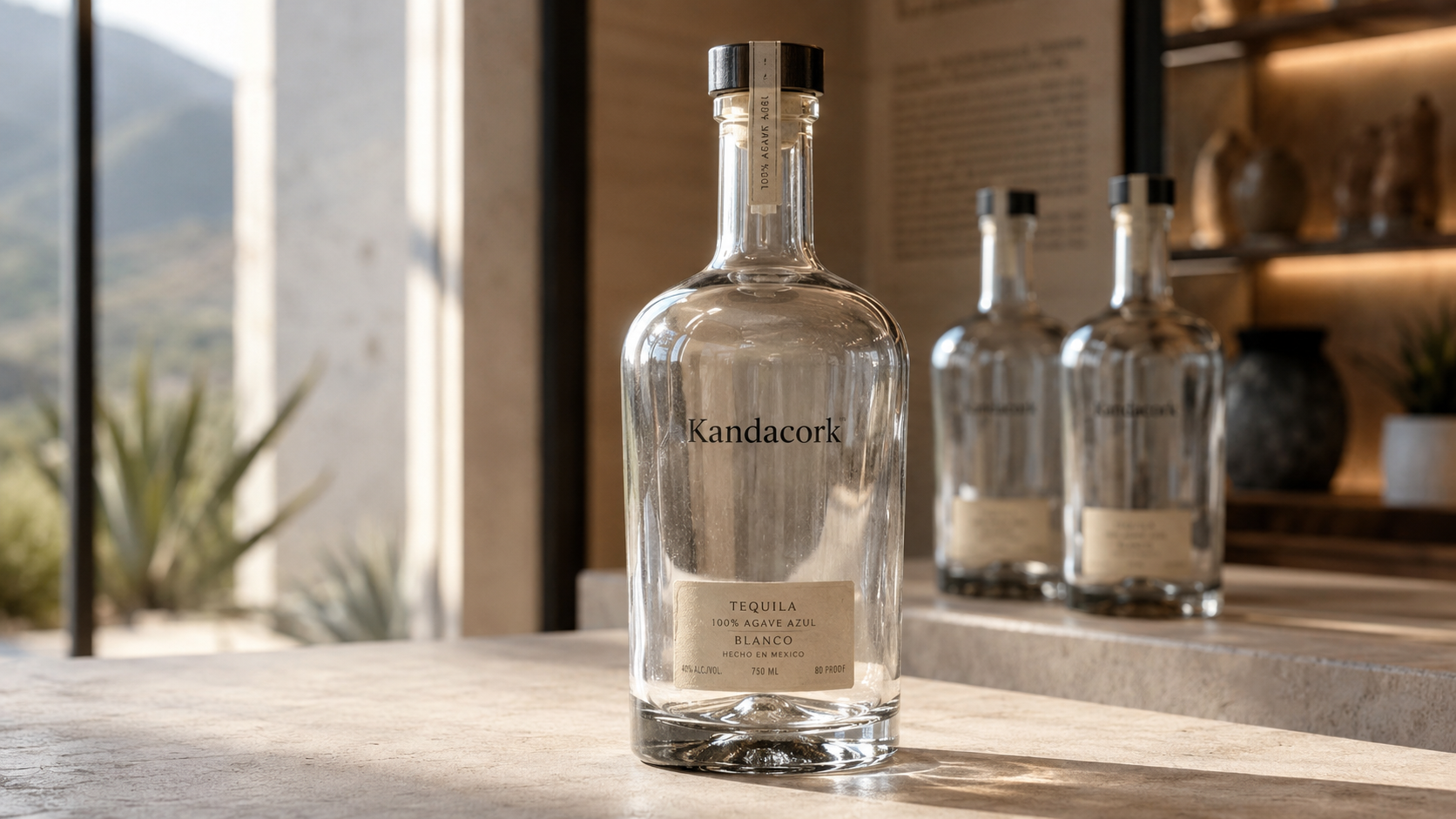
A whisky bottle with a matte black capsule can feel more premium. A rum bottle with a bronze metallic capsule can support a heritage look. A gin bottle with a transparent printed sleeve can feel modern and botanical. A tequila bottle with a short perforated shrink sleeve can create a clean tamper-evident opening experience.
These components help brands improve bottle neck presentation, create a finished transition between closure and glass, add tamper-evident or tamper-indicating features, support private label and limited-edition packaging, match capsules with labels and cartons, and prepare export-ready packaging.
For a broader closure program, buyers can review Kandacork Closures and Stoppers together with the capsule or sleeve so the final package performs as a complete system rather than a collection of separate parts.
Best Choice by Buyer Need
Different buyer goals require different capsule and sleeve solutions.
| Buyer Need | Recommended Option |
|---|---|
| Premium whisky or brandy presentation | Foil-style or aluminum-style capsule |
| Cost-effective bottle neck coverage | PVC shrink capsule |
| Tamper-evident cap and neck sealing | Perforated shrink sleeve or shrink band |
| Printed neck branding | Custom PET-G or PVC shrink sleeve |
| Minimalist premium spirits design | Transparent sleeve with small logo |
| Small-batch craft spirits | Manual-applied shrink sleeve or capsule |
| Export private label project | Tested capsule or sleeve matched with final closure |
| Luxury gift-box packaging | Metallic capsule matched with carton and label finish |
| High-end limited edition | Embossed capsule with top disc decoration |
| Promotional spirits launch | Printed shrink sleeve with campaign graphics |
This selection should always be confirmed through samples. A capsule or sleeve that looks correct on a drawing may behave differently on the actual bottle, closure, and filling line.
Common Materials for Bottle Capsules and Shrink Sleeves
Material selection affects cost, shrink behavior, print quality, appearance, application stability, recyclability questions, and opening experience.
| Material | Common Use | Advantages | Points to Check |
|---|---|---|---|
| PVC | Standard shrink capsules and neck sleeves | Economical, easy to shrink, widely available | Sustainability policies and market restrictions |
| PET | Printed sleeves and some shrink applications | Good clarity and print appearance | Shrink behavior and application temperature |
| PET-G | High-shrink printed sleeves | Strong shrink performance, useful for curved areas | Distortion control and artwork adjustment |
| OPS | Certain shrink sleeve applications | Good shrink properties for specific shapes | Availability and application suitability |
| PLA | Alternative film applications | May support certain sustainability goals | Heat sensitivity and actual recycling route |
| Foil-style material | Premium spirits capsules | Luxury appearance, metallic finish | Cost, opening method, and decoration limits |
| Aluminum-style material | High-end neck capsules | Rigid premium look, strong shelf impact | Fit tolerance and production handling |
PVC can be suitable for standard spirits bottle capsules and shrink sleeves when cost, simple shrinking, and broad color availability are important. PET and PET-G may be better for projects requiring stronger shrink performance, high-quality printing, or more complex bottle geometry.
Foil-style and aluminum-style capsules are often selected for premium whisky, rum, brandy, cognac-style spirits, and gift packaging. They can support matte, gloss, metallic, embossed, debossed, or top-printed decoration.
Sustainability claims should be handled carefully. The APR Design Guide provides design guidance for packaging recyclability, including how package components such as labels, sleeves, inks, adhesives, and material separation can affect recycling compatibility. Spirits brands should verify claims by target market instead of relying on broad material assumptions.
Custom Printing and Decoration Options
Custom printing turns the capsule or sleeve into a brand communication surface. For premium spirits packaging, the bottle neck can carry identity, quality signals, product series information, batch details, and anti-counterfeiting elements.
Common decoration options include logo printing, top disc printing, matte finish, gloss finish, metallic effects, hot foil stamping, embossing, debossing, transparent sleeve design, QR code printing, batch code marking, perforation line design, tear-tab positioning, and security marks.
For example, a craft gin brand may use a transparent shrink sleeve with a small botanical icon. A dark rum brand may use a bronze capsule with embossed lettering. A vodka brand may prefer a clear or silver sleeve for a clean modern look. A premium whisky brand may choose a matte black capsule with gold hot stamping.
Artwork for bottle capsules and shrink sleeves should be reviewed before production. Shrink film changes shape during application, so logos, QR codes, barcodes, and small text must be positioned carefully. High-shrink areas can distort graphics if the design is not adjusted.
For barcode, QR code, or traceability projects, GS1 US standards may be relevant because scannability and code placement must remain reliable after printing, shrinking, filling, handling, and retail display.
When buyers want the capsule graphics to coordinate with bottle labels, cartons, and special finishes, Kandacork can also support related packaging programs through Kandacork Decoration & Branding.
How to Measure Bottle Capsules and Shrink Sleeves
Accurate measurement is essential. A sleeve that is too loose can slide, wrinkle, or shrink unevenly. A sleeve that is too tight can tear, deform, or become difficult to apply.
| Measurement or Detail | Why It Matters |
|---|---|
| Bottle neck outside diameter | Determines capsule or sleeve fit |
| Closure outside diameter | Prevents loose or overly tight coverage |
| Closure height | Controls sleeve height and opening area |
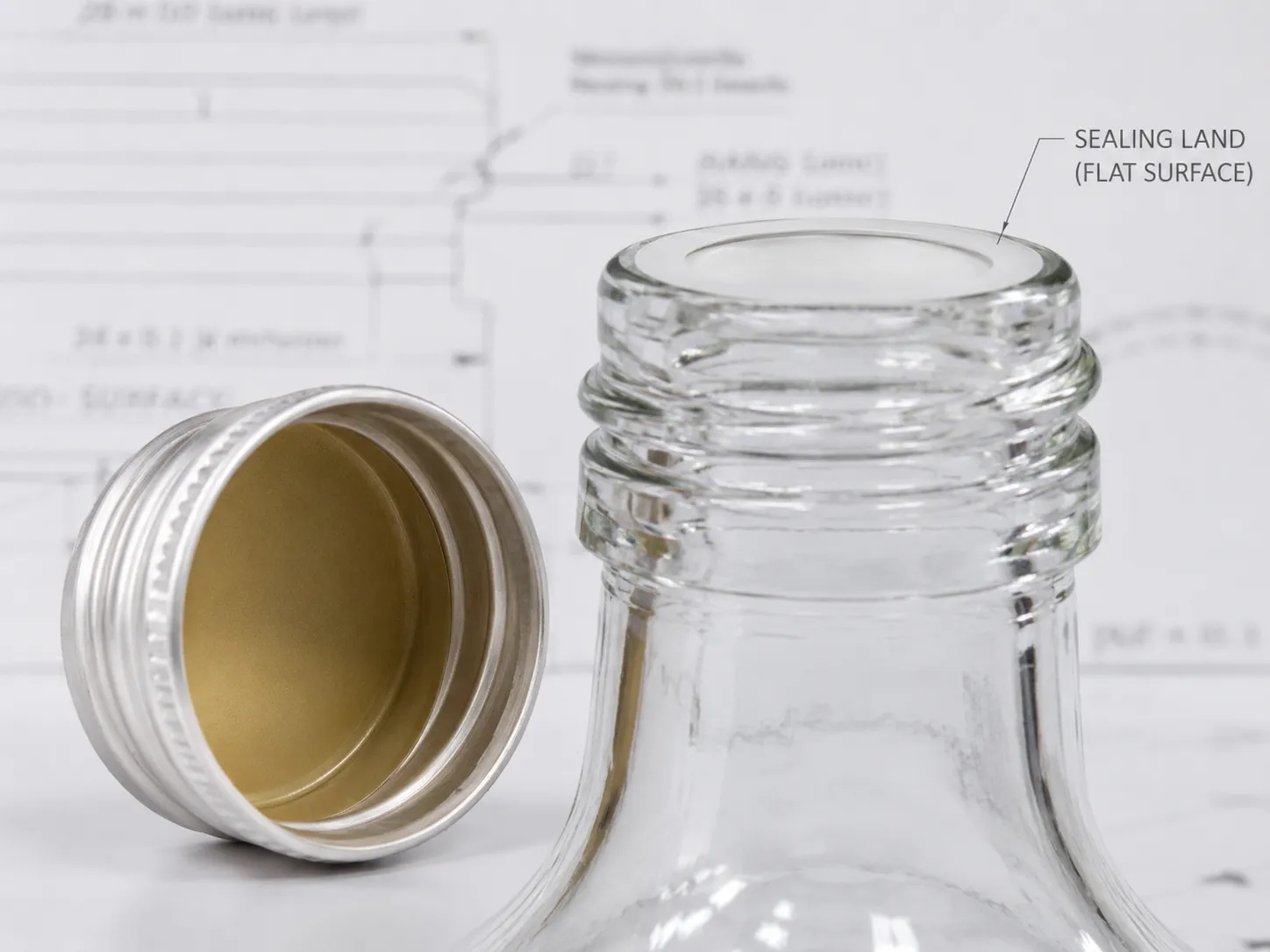
| Bottle neck finish drawing | Confirms neck shape and tolerances |
| Capsule or sleeve height | Determines coverage and appearance |
| Shoulder shape | Affects wrinkle risk and shrink behavior |
| Material preference | Affects shrink ratio, cost, and finish |
| Printing requirement | Determines artwork and distortion testing |
| Perforation or tear-tab requirement | Supports tamper-evident opening |
| Application method | Affects tolerance and heat behavior |
| Bottle and closure samples | Confirms real-world fit before production |
The final fit depends on the complete closure system, not the bottle alone. A bar-top stopper, screw cap, ROPP closure, synthetic stopper, or wood-top closure can change the required sleeve height and diameter.
For accurate sampling, Kandacork Closures can review the bottle neck, stopper, sleeve height, material, and application method before mass production.
Minimum Specification for Faster Quotes
A supplier can respond faster when the buyer provides clear technical information.
| Minimum Detail | Example |
|---|---|
| Bottle neck diameter | 28 mm, 30 mm, 32 mm |
| Closure type | Bar-top stopper, screw cap, ROPP closure |
| Closure height | 25 mm, 35 mm, 45 mm |
| Sleeve or capsule height | 35 mm, 45 mm, 60 mm |
| Material | PVC, PET, PET-G, foil-style, aluminum-style |
| Finish | Matte black, metallic gold, transparent, glossy silver |
| Decoration | Logo print, top print, embossing, hot stamping |
| Tamper-evident feature | Tear tab, perforation, full cap-and-neck coverage |
| Order quantity | 10,000 / 50,000 / 100,000 pieces |
| Application method | Manual, heat tunnel, steam tunnel, automatic line |
| Target market | Domestic, export, duty-free, private label |
| Timeline | Sampling date and bulk production deadline |
If the buyer does not yet have a full technical drawing, photos, approximate dimensions, and closure samples can still help start the review process.
Application Methods
Bottle capsules and shrink sleeves can be applied manually or by automated equipment. The right method depends on production quantity, line speed, quality requirements, and bottle shape.
| Application Method | Best For | Key Consideration |
|---|---|---|
| Manual heat gun | Samples and small batches | Operator skill affects consistency |
| Steam application | Curved bottles and shrink sleeves | More even heat distribution |
| Heat tunnel | Larger production runs | Requires line setup and testing |
| Automatic sleeving line | High-volume production | Needs precise sleeve size and equipment control |
| Pilot trial | New bottle or closure system | Confirms fit before bulk production |
Manual application is useful for samples, craft spirits, and short trial runs. However, it can create inconsistent results if temperature, distance, and rotation are not controlled.
Steam tunnels and heat tunnels are better for larger production because they provide more consistent heat exposure. Steam can be useful for curved bottle shapes because it distributes heat around the container more evenly.
Every new project should be tested with the actual bottle, closure, sleeve, and production conditions. Trial testing helps confirm shrink ratio, wrinkle behavior, logo alignment, tear-tab position, and consumer opening experience.
Tamper-Evident Features
Tamper-evident bottle capsules and shrink sleeves help show whether the closure area has been opened or disturbed. This is valuable for spirits packaging, retail confidence, gifting, export distribution, and consumer trust.
Common tamper-evident features include perforation lines, tear tabs, full cap-and-neck coverage, printed seal messages, visible break points, easy-opening strips, and security marks.
A good tamper-evident sleeve should be easy to understand and easy to open. If the tear tab is hidden, the perforation is too weak, or the sleeve tears unevenly, the consumer experience can suffer.
The FDA guidance on tamper-resistant packaging explains that heat shrink bands or wrappers are applied around the cap-and-container junction and must be cut or torn to open the package. Although spirits packaging is regulated differently from OTC products, the principle is useful when discussing visible opening indicators and consumer confidence.
For U.S. spirits sold in regulated channels, packaging teams should also review TTB distilled spirits labeling guidance and the applicable 27 CFR Part 5 rules for distilled spirits containers with qualified compliance support before finalizing market claims, label placement, and container presentation.
Common Problems and How to Prevent Them
Bottle capsules and shrink sleeves look simple, but small technical issues can create visible defects.
| Problem | Likely Cause | Prevention |
|---|---|---|
| Loose sleeve after shrinking | Sleeve too large or heat too low | Confirm diameter, lay-flat width, and shrink temperature |
| Wrinkles near shoulder | Sleeve too long or uneven heat | Adjust sleeve height, material, or heat distribution |
| Distorted logo | Artwork placed in high-shrink area | Use distortion-adjusted artwork and sampling |
| Poor tear-tab position | Incorrect alignment with opening motion | Test tear-tab location with final closure |
| Uneven heat marks | Application temperature not controlled | Use proper equipment and line settings |
| Color mismatch | Finish reviewed in wrong lighting | Check samples with label, closure, glass, and carton |
| Batch inconsistency | Bottle or closure tolerance changes | Keep approved samples and define tolerance range |
| Barcode or QR code scanning failure | Code placed in shrink-distortion zone | Test code readability after application |
| Difficult opening | Perforation or tear tab poorly designed | Confirm tear direction and opening force with real samples |
These issues are easier to prevent before bulk production than to correct after filling. Buyers should approve physical samples, not only digital drawings.
For projects that involve detailed capsule graphics, foil bands, patterns, or neck graphics, the sidewall design process can help align artwork with sleeve height, skirt length, and application conditions.
Common Mistakes When Ordering Bottle Capsules and Shrink Sleeves
Many packaging problems happen because the capsule or sleeve is ordered too late in the project. Buyers can avoid delays by checking the full closure system early.
Common mistakes include ordering by bottle volume instead of neck dimensions, ignoring closure height and stopper shape, approving artwork before shrink testing, choosing material only by price, forgetting tear-tab direction, not checking barcode or QR code readability after shrinking, matching color without the final label and carton, and assuming one sleeve size will fit multiple bottle necks.
The safest approach is to test the capsule or sleeve with the final bottle, closure, artwork, and application method before bulk production.
Capsule and Shrink Sleeve Selection by Closure Type
The closure determines how the sleeve or capsule should be designed.
Bar-top cork stoppers often pair well with decorative capsules or short shrink sleeves. The capsule should not block the consumer’s ability to pull the stopper out cleanly.
Screw caps can use shrink sleeves for tamper-evident coverage, color matching, or private label decoration. The sleeve should not make the cap difficult to grip.
ROPP closures may already include functional tamper-evident features. A decorative capsule or sleeve should enhance appearance without hiding required opening details. For this format, review custom ROPP closures together with capsule height, pilfer band position, liner choice, and capping-line settings.
Synthetic stoppers, glass stoppers, metal stoppers, and wood-top closures can all work with custom capsules, but diameter, height, and opening method must be reviewed carefully.
A premium closure deserves a matching neck finish. If the stopper looks luxury but the capsule wrinkles, mismatches, or tears poorly, the final package loses value.
Sustainability and Material Considerations
Sustainability should be specific, not vague. Material choice, removability, ink coverage, separation behavior, and local recycling infrastructure all affect whether a capsule or sleeve supports the brand’s sustainability goals.
Important questions include whether the target market restricts certain packaging materials, whether the consumer can remove the capsule or sleeve easily, whether the sleeve interferes with container sorting, whether inks and labels are compatible with the recycling route, whether a shorter sleeve can reduce material use, and whether a removable design can achieve the same branding goal.
For glass spirits bottles, buyers should still review local recycling rules and avoid broad claims unless they can be verified. Brands developing sustainability-focused bottle programs may also compare closure and sleeve choices with recycled-glass packaging options from Kandacork Eco Glass.
Kandacork Closures can help compare material options, but final sustainability statements should be checked against market-specific regulations and recycling systems.
How to Choose a Bottle Capsules and Shrink Sleeves Supplier
A good supplier should do more than sell a standard capsule size. For custom spirits packaging, the supplier should understand bottle neck dimensions, closure matching, shrink behavior, decoration limits, application methods, and export packaging requirements.
| Supplier Capability | Why It Matters |
|---|---|
| Material options | Helps match budget, appearance, shrink behavior, and sustainability goals |
| Custom printing | Supports logo, brand color, QR code, and limited-edition decoration |
| Sampling support | Confirms fit before bulk production |
| Closure matching | Prevents fit problems between sleeve, cap, stopper, and bottle neck |
| Application guidance | Reduces wrinkles, loose fit, and heat distortion |
| Export packaging experience | Supports international projects and private label programs |
| Tolerance control | Improves consistency between production batches |
| Technical communication | Speeds up quote review and sample approval |
| Decoration knowledge | Helps avoid logo distortion and color mismatch |
| Quality review | Supports packaging performance and buyer confidence |
For buyers coordinating bottles, closures, decoration, and export packing under one development schedule, Kandacork Glass Packaging can support broader spirits packaging programs beyond the closure area.
What Information Is Needed for a Custom Quote?
A complete specification helps the supplier respond faster, reduce sample errors, and recommend the right capsule or sleeve structure.
| Quote Requirement | Why It Matters |
|---|---|
| Bottle drawing or sample | Confirms neck diameter, shoulder shape, and fit |
| Closure sample or dimensions | Determines sleeve height and coverage |
| Neck finish size | Prevents loose or tight fit |
| Material preference | Affects cost, shrink behavior, and appearance |
| Finish target | Matches label, closure, and carton design |
| Artwork file | Confirms printing and distortion needs |
| Perforation or tear-tab request | Supports opening and tamper-evident design |
| Order quantity | Affects production method and pricing |
| Application method | Determines tolerance and shrink behavior |
| Target market | Helps review compliance and material concerns |
| Launch timeline | Supports sampling and production planning |
If full technical drawings are not available, buyers can start with bottle photos, closure photos, approximate dimensions, and target quantity. Kandacork Closures can identify missing details before sampling.
Packaging quality should also be managed through repeatable inspection, sampling, tolerance control, and supplier communication. The ISO 9001 quality management standard is a useful reference for buyers who want production processes to follow documented quality-management principles.
Why Work With Kandacork Closures?
Kandacork Closures supports custom bottle capsules and shrink sleeves as part of a complete closure and packaging solution for spirits brands.
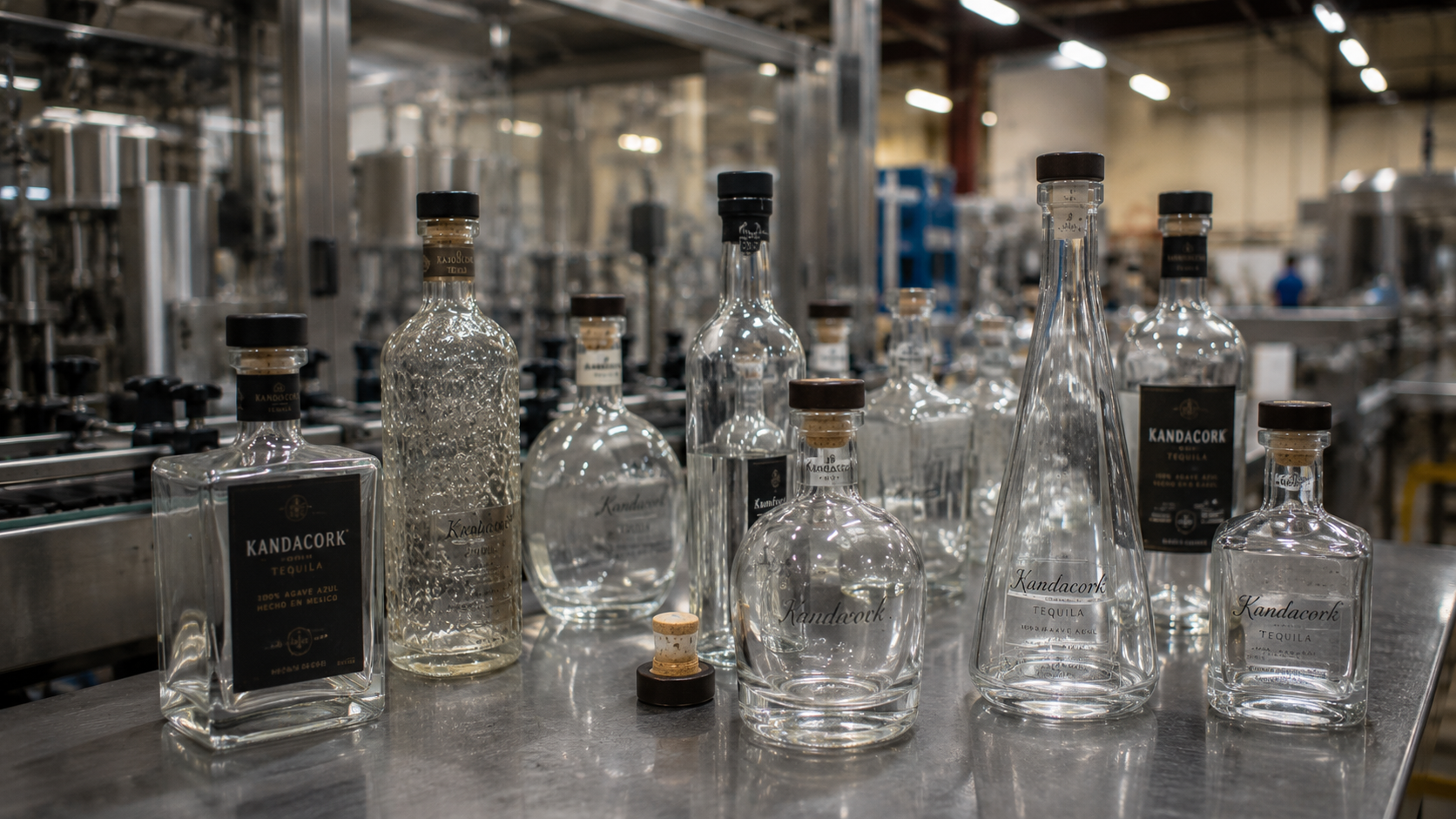
The company can help coordinate bottle capsules, shrink sleeves, bar-top stoppers, screw caps, ROPP closures, synthetic stoppers, bottle neck matching, branding and decoration, sealing review, assembly support, and export packaging coordination.
This is important because the neck area includes multiple parts. A sleeve may fit the bottle but not the stopper. A capsule may match the label but not the cap. A printed sleeve may look good before shrinking but distort after heat application.
By reviewing the full closure system, Kandacork Closures helps buyers reduce sourcing complexity, improve packaging consistency, and avoid expensive mistakes before mass production. Buyers developing full bottle lines can also coordinate the closure finish with custom bottle supply from Kandacork Spirits Bottle.
Need a recommendation? Send Kandacork Closures your bottle drawing, closure dimensions, artwork target, material preference, and order quantity through the custom closure quote page for a project review.
FAQ
What are bottle capsules used for?
Bottle capsules are used to cover and decorate the bottle neck and closure area. They improve shelf presentation, help protect the opening area, and can support tamper-evident design when combined with perforations or tear tabs.
In spirits packaging, bottle capsules are commonly used for whisky, rum, tequila, vodka, gin, brandy, liqueur, and private label bottles.
Are shrink sleeves the same as shrink bands?
Shrink bands are smaller sleeves usually used around the cap or neck for tamper-evident sealing. Shrink sleeves can refer to neck sleeves, partial-body sleeves, or full-body labels.
Both use heat-shrinkable film, but their coverage area and branding purpose can be different.
Can shrink sleeves be used for liquor bottles?
Yes. Shrink sleeves can be used for liquor bottles to provide tamper-evident presentation, neck decoration, private label branding, and promotional packaging.
The sleeve must match the bottle neck, closure size, material behavior, application equipment, and opening method.
Which material is best for bottle neck shrink sleeves?
The best material depends on bottle shape, shrink ratio, print design, application method, budget, and target market. PVC is common for economical neck sleeves, while PET and PET-G are often used for printed or higher-shrink applications.
Foil-style and aluminum-style capsules may be better for luxury spirits packaging.
Can bottle capsules be printed with a logo?
Yes. Bottle capsules can be printed with logos, brand colors, top disc designs, QR codes, batch marks, metallic effects, embossing, debossing, or hot foil stamping.
For shrink sleeves, artwork should be tested after shrinking to confirm that logos, text, and codes remain clear.
How do I measure a bottle neck for a shrink sleeve?
Measure the outside diameter of the closure and bottle neck, the closure height, the desired sleeve height, and the area that must be covered.
For best results, provide actual bottle and closure samples so the supplier can confirm fit and shrink behavior.
Do capsules and shrink sleeves work with bar-top stoppers?
Yes. Capsules and shrink sleeves can work with bar-top stoppers, but the design must allow the consumer to pull the stopper out cleanly.
The capsule height, tear-tab position, material stiffness, and opening direction should be tested before bulk production.
What causes wrinkles in bottle neck shrink sleeves?
Wrinkles are usually caused by uneven heat, incorrect sleeve height, unsuitable material, steep shoulder shape, or poor size matching.
Testing the sleeve with the final bottle, closure, and application method helps prevent wrinkle issues before bulk production.
Can shrink sleeves include QR codes or barcodes?
Yes. Shrink sleeves can include QR codes, barcodes, batch codes, or traceability marks, but the code must remain readable after shrinking.
The safest approach is to test code placement and scan performance on finished samples before mass production.
Can Kandacork Closures supply capsules, shrink sleeves, and closures together?
Yes. Kandacork Closures can support bottle capsules and shrink sleeves together with stoppers, screw caps, ROPP closures, neck matching, decoration, sealing review, assembly, and export packaging coordination.
This helps spirits brands create a more consistent closure system and reduce sourcing complexity.
Conclusion
Bottle capsules and shrink sleeves are small packaging components with major visual and functional impact. They help spirits brands improve neck finishing, strengthen shelf appeal, support tamper-evident presentation, and create a more complete brand experience.
The best result depends on correct material selection, accurate measurement, closure compatibility, artwork planning, application testing, supplier capability, and export-ready packaging.
Instead of choosing a capsule or sleeve only by color or price, buyers should review the full bottle closure system. To start a custom project, send Kandacork Closures your bottle drawing, closure sample or dimensions, sleeve height, material preference, decoration target, application method, order quantity, and launch schedule. The team can review fit, sampling, branding, and production requirements before bulk ordering.