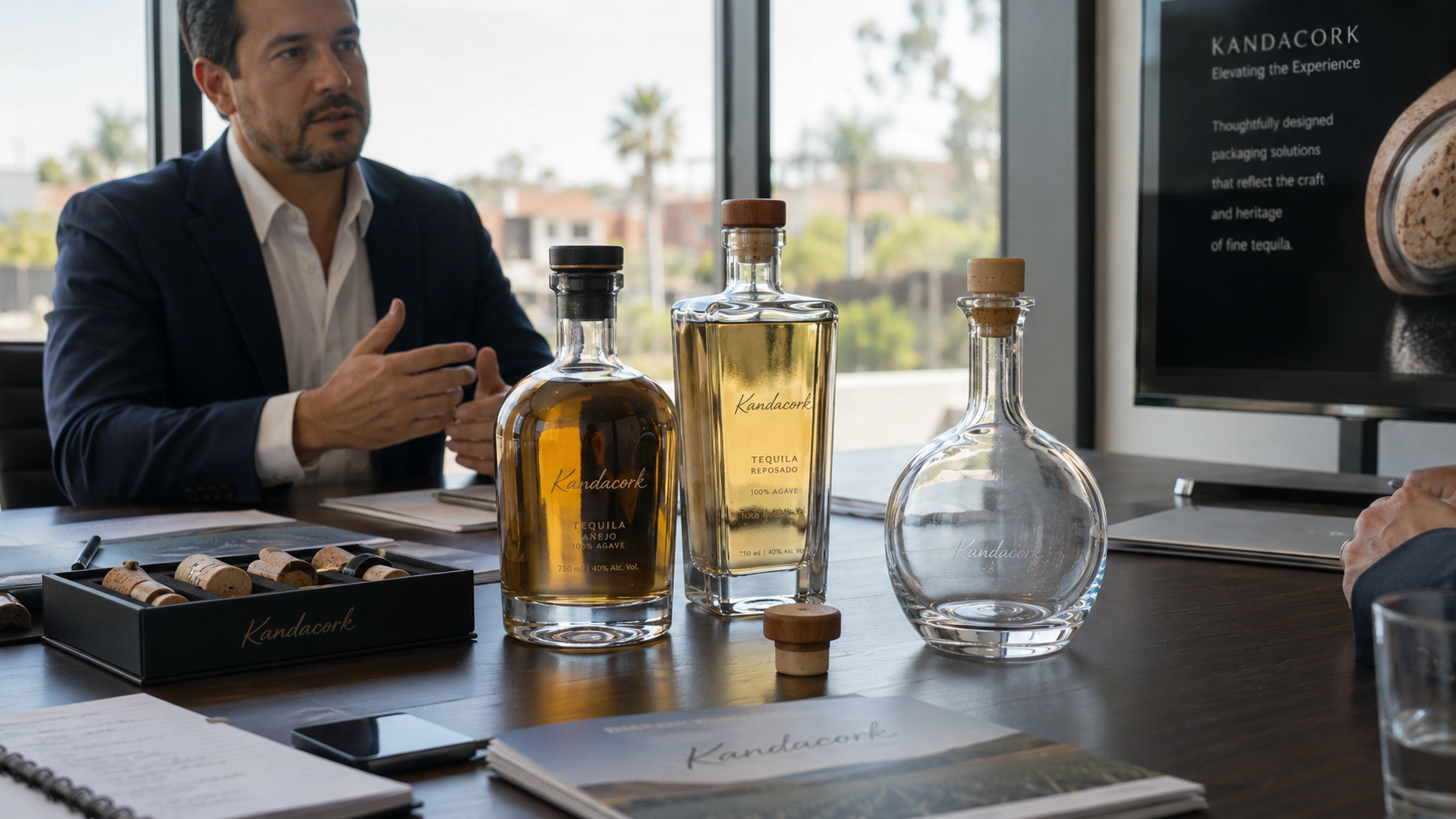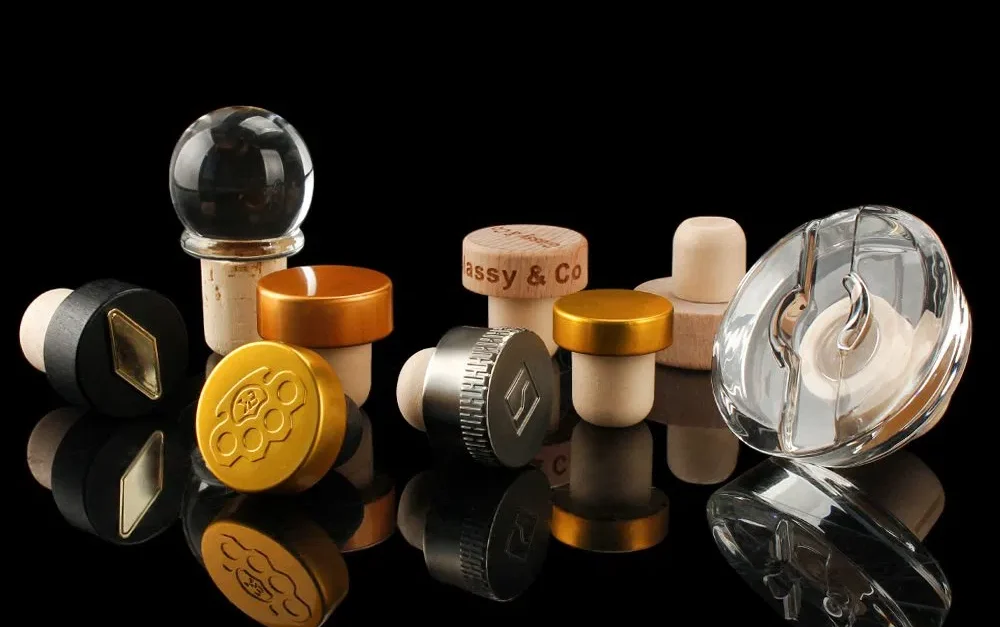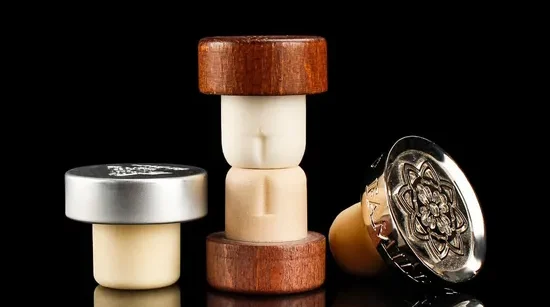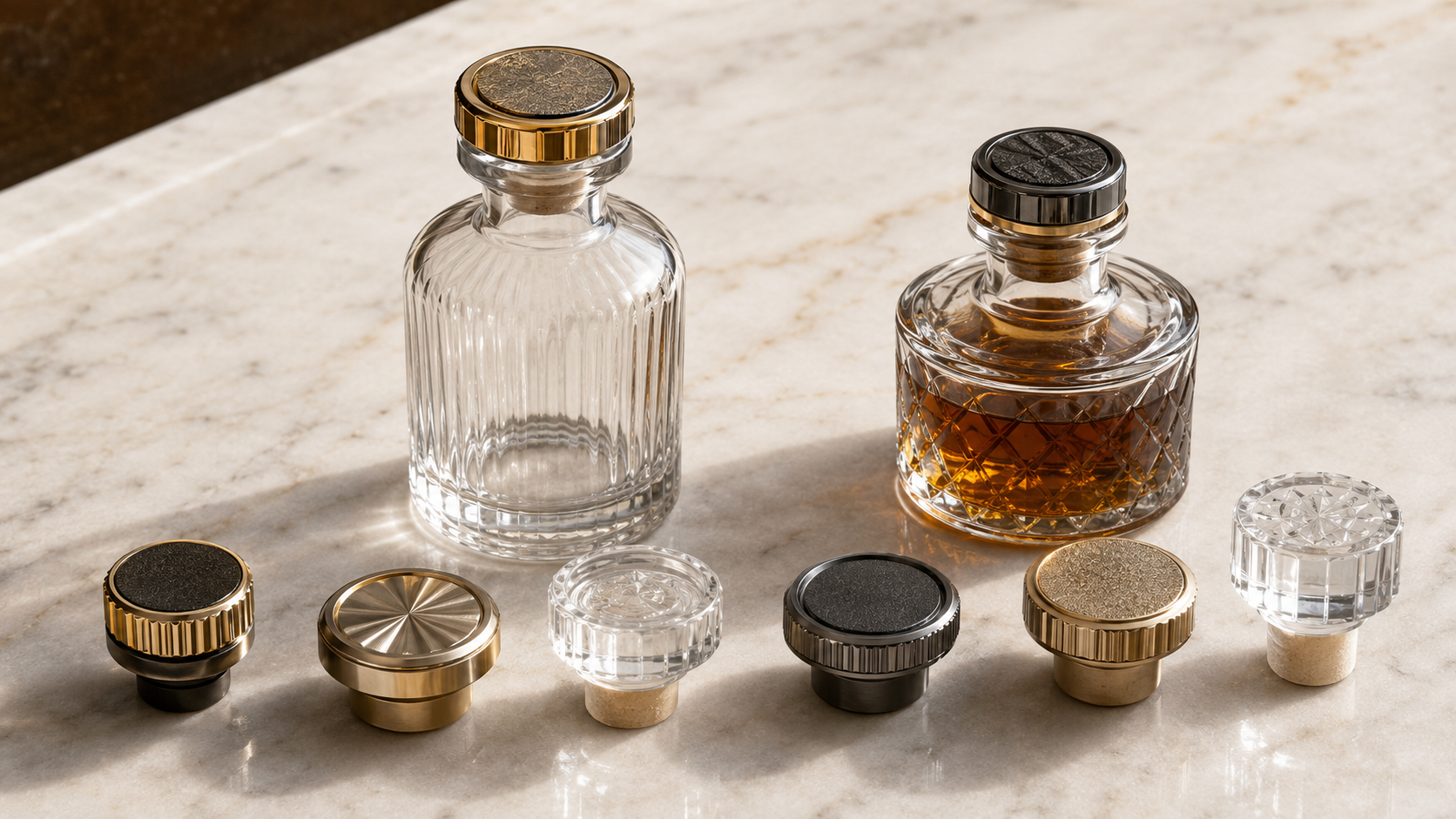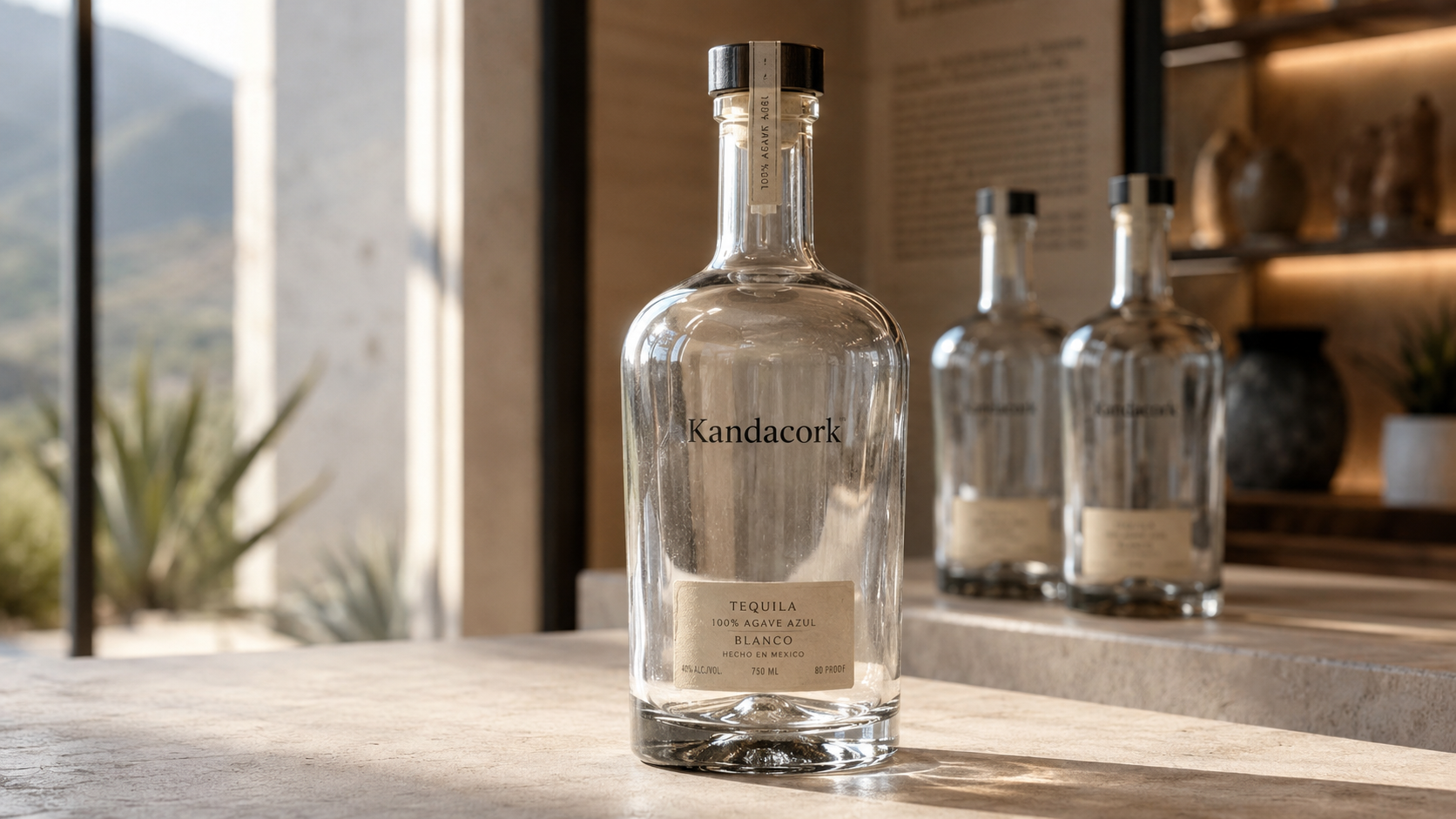
A glass bottle stopper project should confirm design style, neck compatibility, handling safety and packaging protection before mass production. This checklist helps liquor brands prepare key details for sampling, testing and bulk order approval.
What Are Glass Bottle Stoppers for Luxury Liquor?
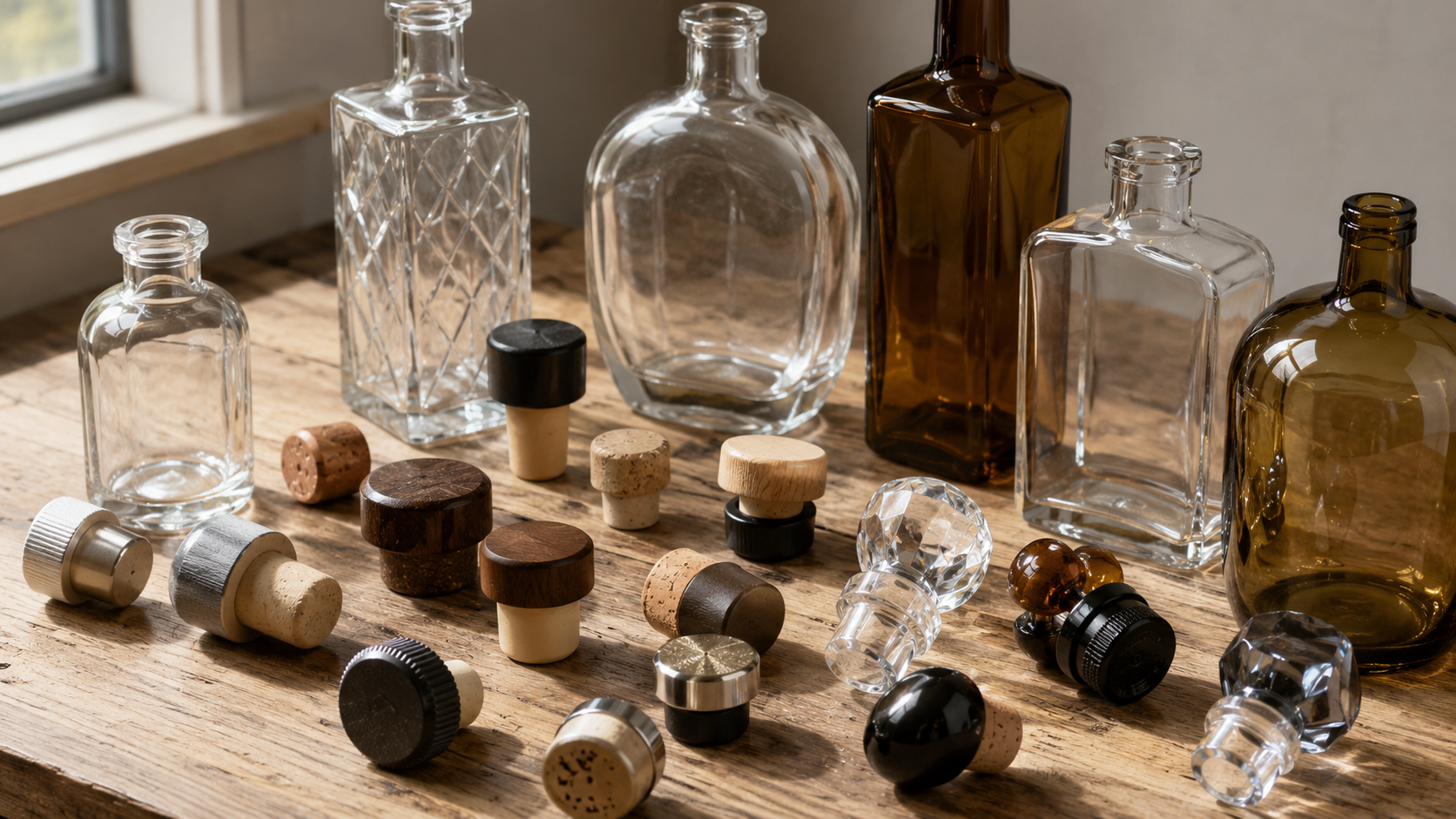
Glass bottle stoppers are premium spirits closures that combine a decorative glass head with a functional sealing component. The visible top may be clear, frosted, tinted, faceted, round, flat, diamond-cut, or custom molded. The insert may use synthetic cork, natural cork, micro-agglomerated cork, TPE, or another technical sealing material.
The glass head creates the luxury appearance. The insert controls most of the sealing performance. Both parts must work together with the bottle neck, filling process, packaging format, and consumer-use experience.
This is why production-ready glass liquor stoppers are different from decorative gift stoppers. A decorative stopper may look attractive on a bar cart, but a closure for commercial spirits packaging must be tested for neck fit, seating height, compression, leakage risk, repeated use, transport safety, and packing protection.
Why Luxury Liquor Brands Choose Glass Stoppers
Luxury liquor brands choose glass stoppers because they improve the consumer’s first impression. Glass communicates clarity, weight, craftsmanship, and display value. When matched with the right bottle shape and label system, a glass stopper can make a product look more premium before the customer reads the label.
Glass bottle stoppers for luxury liquor also strengthen brand identity. A diamond-cut stopper can make whisky or cognac feel collectible. A frosted flat-top stopper can support modern gin or vodka packaging. A tinted glass stopper can echo the color palette of rum, tequila, or botanical spirits. A custom molded stopper can become a recognizable brand signature.
The opening ritual is another advantage. Premium spirits are not always consumed in one use. The bottle may be opened, resealed, displayed, and shared many times. A stopper should feel secure when inserted, smooth when removed, and consistent after repeated handling.
Key Technical Factors Buyers Should Review
A glass stopper is suitable for luxury liquor when it combines premium appearance, accurate neck fit, reliable resealing, comfortable pull force, and safe transport performance. For sourcing teams, the technical review should happen before decoration or mass production decisions.
The first factor is the bottle neck inner diameter. Even small dimensional differences can affect how the insert compresses inside the neck. If the insert is too loose, the stopper may wobble or leak. If it is too tight, consumers may find the bottle difficult to open.
The second factor is seating height. This is the visible position of the stopper after insertion. Seating height affects appearance, capsule fit, neck label alignment, carton dimensions, and gift-box compatibility. A premium stopper should not sit too high, too low, or unevenly.
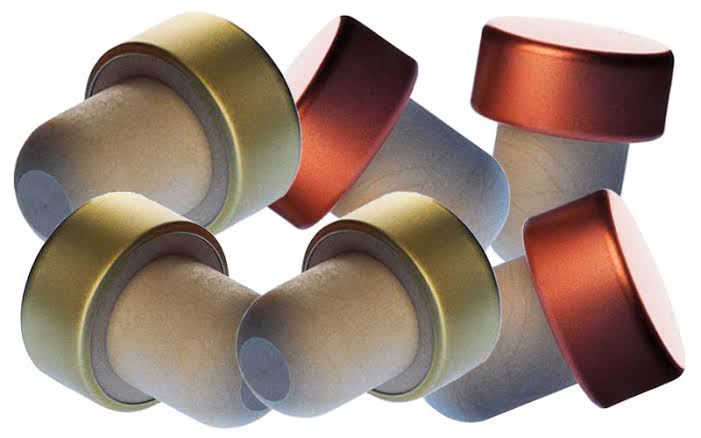
The third factor is insert material. Synthetic cork offers consistency and controlled dimensions. Natural cork gives a traditional feel but may have more natural variation. Micro-agglomerated cork can balance classic appearance with improved uniformity. TPE and polymer rings can support controlled compression for specific bottle-neck designs.
The fourth factor is pull force. A luxury closure should feel secure but not difficult to remove. Pull force that is too weak may suggest poor quality. Pull force that is too strong can damage the user experience.
The fifth factor is transport performance. Premium spirits may pass through filling, packing, warehousing, export shipping, retail handling, and gifting. The stopper must stay stable, avoid leakage risk, and resist visible damage during distribution.
Food Contact, Compliance, and Tamper-Evident Considerations
Luxury packaging should look premium, but it must also support responsible commercialization. In the United States, the TTB tamper-evident closure guidance is relevant for distilled spirits containers because closure security is part of market readiness.
Material suitability also matters. The FDA food-contact substance information explains that packaging components, coatings, adhesives, colorants, and other substances can be considered food-contact substances when they may come into contact with food or beverages.
For brands entering Europe, the European Commission food-contact materials framework sets general principles for safety and inertness of food-contact materials. Buyers should review the insert, adhesive, coating, decoration, and any closure component that may contact the bottle mouth or product environment.
Packaging teams may also use management-system references such as ISO 22000 food safety management system guidance when assessing suppliers and factory controls. In addition, the FEVE glass packaging health and safety position reinforces the role of container-glass quality and food-safety expectations in European packaging discussions.
Popular Glass Stopper Styles for Premium Spirits
Different spirits need different stopper styles. The best choice depends on the brand story, bottle shape, price tier, retail environment, and customer experience.
Diamond-Cut Glass Stoppers
Diamond-cut glass stoppers are ideal for whisky, bourbon, brandy, cognac, and collector editions. Their faceted surfaces catch light and create a jewelry-like effect. They work especially well with heavy-base bottles, dark labels, gold foil, embossed details, and rigid gift boxes.
A whisky brand using a 700ml heavy-base bottle may choose a diamond-cut stopper to reinforce a premium collector impression. The stopper adds visual weight at the top of the bottle and supports the perception of a higher-value release.
Round Glass Stoppers
Round glass stoppers create a softer, more classic profile. They suit rum, liqueur, brandy, and heritage-style spirits packaging. A round glass head can feel elegant without looking overly formal.
For an aged rum brand, a round or amber-tinted glass stopper can support warmth, heritage, and craft cues. This style pairs well with textured labels, dark glass, and gift cartons.
Flat-Top Glass Stoppers
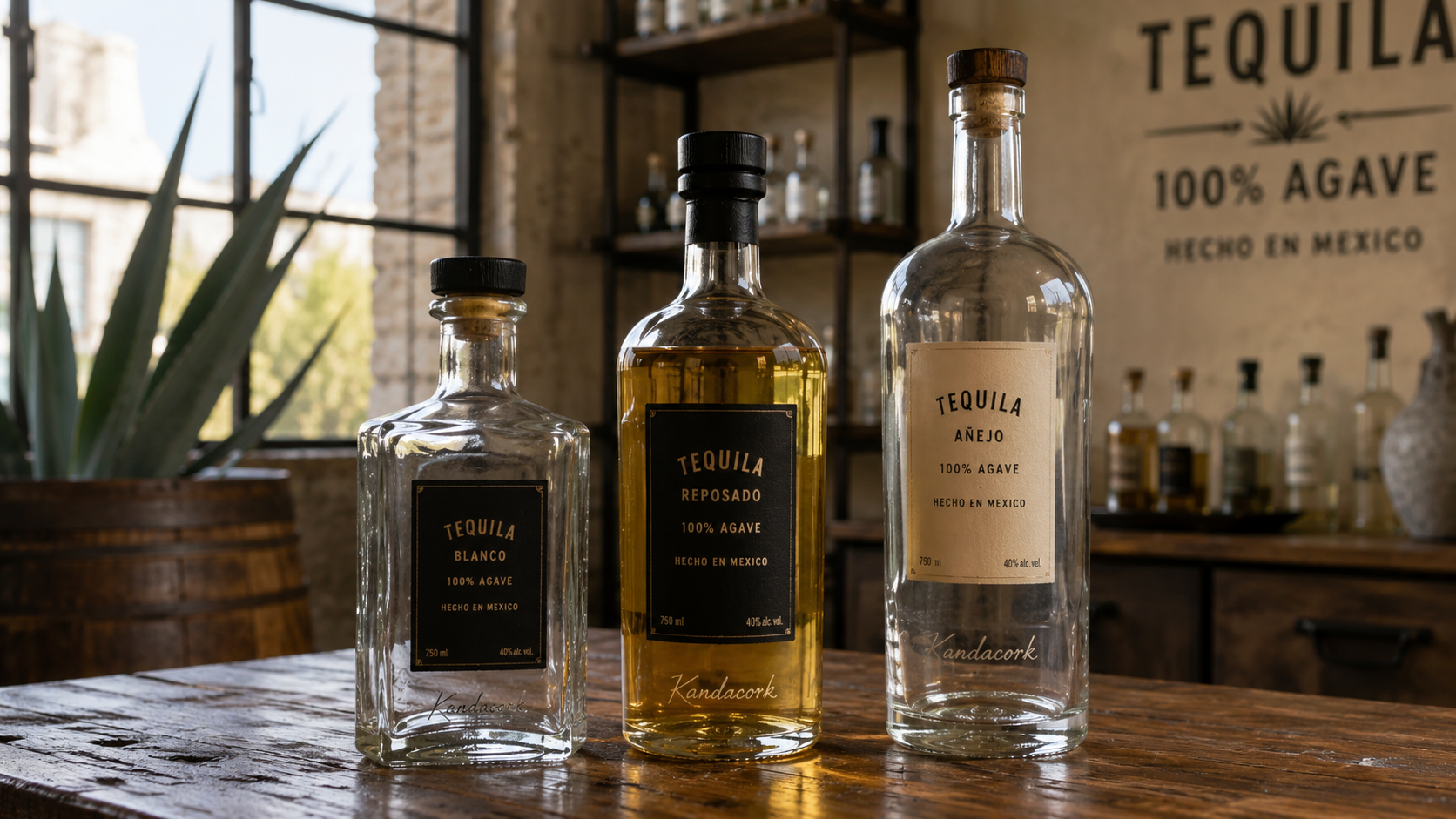
Flat-top glass stoppers are well suited for vodka, gin, tequila, and minimalist premium spirits. Their clean geometry pairs well with straight-wall bottles, screen printing, frosted glass, and contemporary label systems.
A gin brand using a frosted bottle may choose a flat clear or frosted stopper for a clean botanical look. A vodka brand may use a flat-top stopper to reinforce precision, purity, and modern shelf presence.
Frosted or Tinted Glass Stoppers
Frosted, smoked, amber, green, blue, or custom-tinted glass stoppers help brands build stronger visual recognition. They are useful when the closure needs to match a bottle color, label palette, botanical concept, aged-spirit tone, or limited-edition campaign.
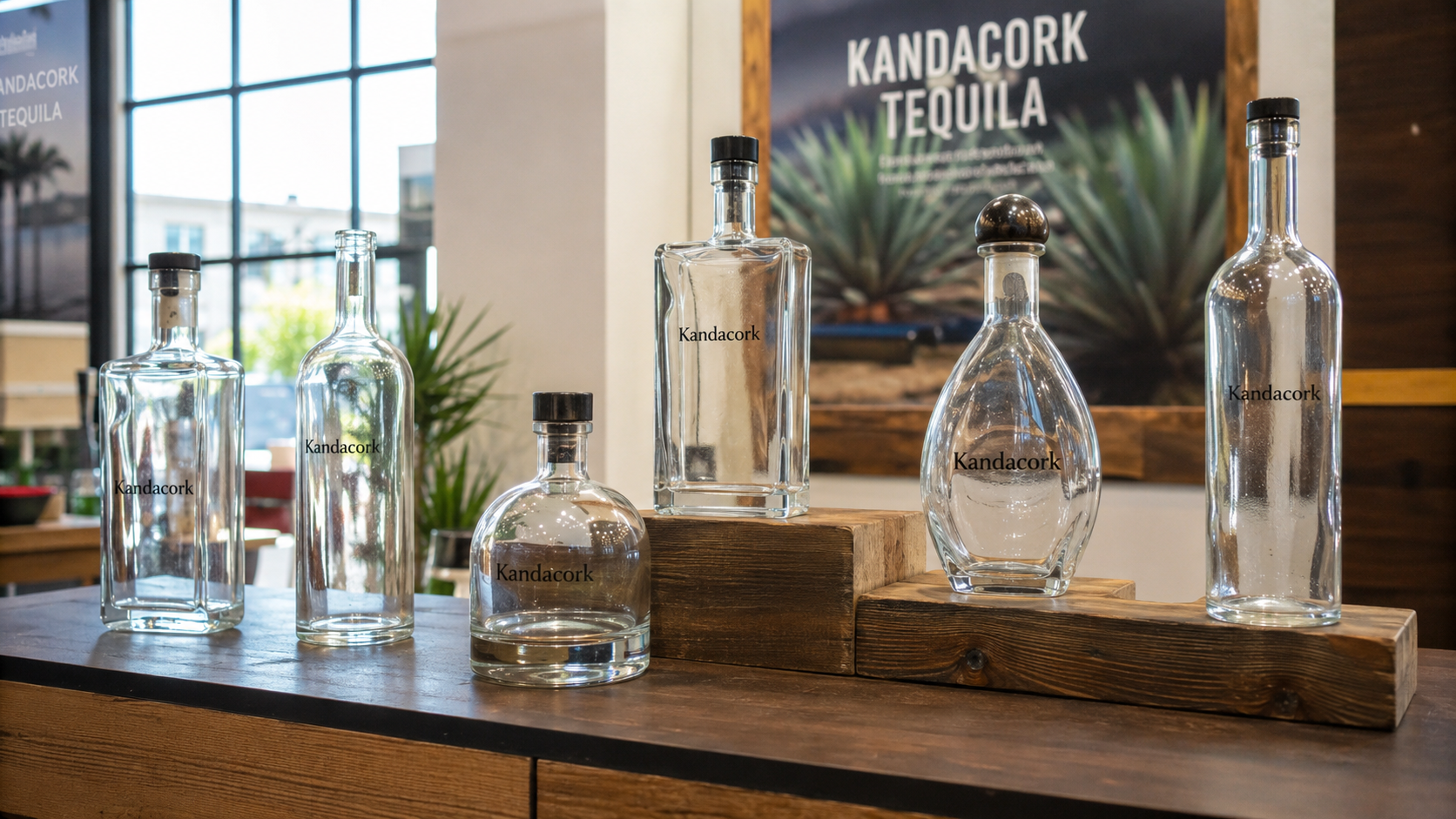
A tequila brand with a sculptural bottle may use a smoked or custom-colored stopper to match the bottle silhouette and create a more memorable retail display.
Custom Molded Glass Stoppers
Custom molded glass stoppers provide the strongest differentiation. They can include unique shapes, raised logos, brand icons, sculptural contours, or collector-style details. This option is especially effective for luxury launches, anniversary editions, private-label spirits, and high-value retail packaging.
For a limited-edition cognac or liqueur, a custom molded stopper can become part of the collectible value. When consumers keep the bottle after use, the stopper continues to represent the brand.
Best Glass Stopper Styles by Spirit Category
| Spirit category | Recommended stopper style | Packaging advantage |
|---|---|---|
| Whisky and bourbon | Diamond-cut or heavy glass stopper | Creates collector value and premium shelf weight |
| Tequila and mezcal | Sculptural or custom molded glass stopper | Supports bold bottle design and brand storytelling |
| Rum and brandy | Round, amber-tinted, or classic glass stopper | Communicates warmth, heritage, and aged-spirit character |
| Vodka and gin | Flat, frosted, or clear glass stopper | Supports clean, modern, transparent, or botanical branding |
| Cognac and liqueur | Faceted, ornate, or custom molded stopper | Strengthens gift appeal and prestige positioning |
This matrix helps buyers avoid choosing a stopper only because it looks attractive. The closure should match the spirit category, target price point, label design, bottle weight, and consumer occasion.
Custom Options at a Glance
| Custom option | Common choices | Buyer benefit |
|---|---|---|
| Glass head shape | Round, flat, diamond-cut, square, custom molded | Matches brand style and bottle profile |
| Glass finish | Clear, frosted, tinted, smoked, coated | Supports premium visual identity |
| Insert material | Synthetic cork, natural cork, micro-agglomerated cork, TPE, polymer insert | Controls sealing feel, neck fit, and opening comfort |
| Decoration | Engraving, embossing, debossing, medallion, sandblasting, coating | Builds brand recognition and premium detail |
| Fit testing | Neck fit, pull force, leakage risk, seating height, capsule compatibility | Reduces launch risk before bulk production |
| Packing method | Tray packing, partition packing, protective wrapping, export carton planning | Helps prevent scratches, collision marks, and chipping |
This table gives buyers a fast way to understand the main decisions involved in custom glass liquor stopper development. It also helps purchasing teams, packaging designers, and brand managers discuss the same specifications before sampling begins.
For brands that want bottle, decoration, and stopper decisions to align from the start, spirits bottle projects should be planned together with closure development. This reduces the risk of choosing a stopper that looks attractive in isolation but does not fit the bottle geometry or retail presentation.
Customization Options for Luxury Brands
Customization is one of the main reasons spirits brands choose glass stoppers. A stopper can carry a logo, crest, icon, initials, pattern, or custom shape that reinforces brand identity.
Common decoration methods include engraving, embossing, debossing, frosting, sandblasting, color tinting, surface coating, metal medallions, decorative inserts, and custom mold development. A packaging team can also coordinate bottle artwork, foil, label texture, and closure decoration through specialized decoration and branding support.
A premium closure should coordinate with the full packaging system. The stopper must work with the bottle finish, label material, capsule, tamper-evident band, carton insert, gift box, and outer shipping carton. A beautiful stopper can lose value if it creates assembly problems or packing damage.
For buyers comparing closure families, Kandacork’s complete closure and stopper range helps clarify how glass stoppers relate to cork, synthetic, wood, metal, ROPP, capsule, sleeve, and non-refillable options.
Glass Stoppers vs Other Luxury Liquor Closures
Glass stoppers are not always the lowest-cost option, but they can deliver strong premium value when the product positioning supports a higher retail price.
| Closure type | Best for | Premium value | Key risk to check |
|---|---|---|---|
| Glass stopper | Luxury whisky, tequila, rum, cognac, gin, vodka, and liqueur | High visual impact, collectible feel, strong opening ritual | Neck fit, insert compression, chipping protection, packing safety |
| Wooden stopper | Craft spirits, heritage brands, natural packaging styles | Warm, traditional, tactile appearance | Moisture consistency, decoration limits, material variation |
| Metal stopper | Modern vodka, tequila, and limited editions | Durable, sleek, premium hand feel | Surface scratches, weight, cost, finish compatibility |
| Synthetic cork stopper | Mid-range and premium spirits needing consistency | Stable dimensions and practical resealing | Lower visual impact if used without a premium top |
| ROPP or screw cap | High-speed filling and functional spirits packaging | Efficient, secure, familiar | Less ceremonial opening experience for prestige spirits |
Brands that want a warm craft feel may compare glass with wooden bar-top stoppers. Brands that want a heavier, modern, plated, or brushed finish may compare glass with metal bar-top stoppers. The best closure depends on the product story, filling requirements, retail price, and expected consumer ritual.
How Kandacork Closures Tests Glass Stopper Fit Before Bulk Production
A custom glass stopper project should move from design concept to physical testing before bulk production. Kandacork Closures uses a practical development workflow to help brands reduce launch risk.
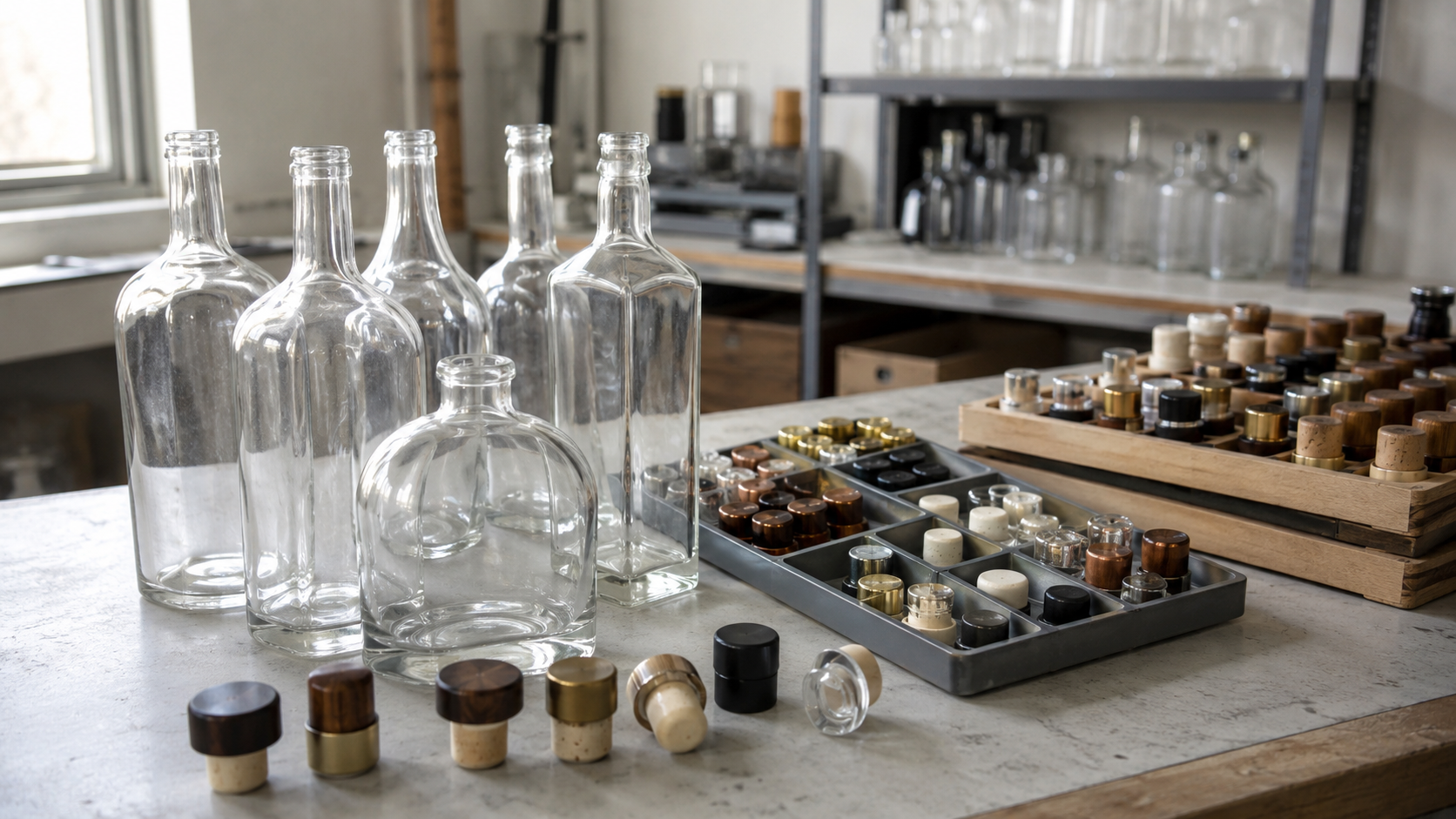
The process begins with bottle drawing review. The bottle neck finish, inner diameter, mouth shape, and closure area are checked before recommending a stopper structure.
Next, the insert material is matched to the bottle. Synthetic cork, cork-based inserts, TPE rings, and polymer components each create different compression and hand-feel results.
Then, seating height is reviewed. The stopper should align with the bottle mouth and support the intended luxury appearance. This step also helps confirm whether capsules, tamper-evident bands, neck labels, or gift-box inserts will fit properly.
Pull force and opening comfort are also checked. The stopper should feel secure without making the bottle difficult to open.
Leakage-risk review is another key step. Samples should be evaluated under realistic handling, storage, and shipping expectations before a bulk order is approved.
Finally, packing protection is reviewed. Glass stopper heads must be protected from scratches, collision marks, chipping, and decoration damage during shipping and assembly.
Building a Complete Spirits Packaging System
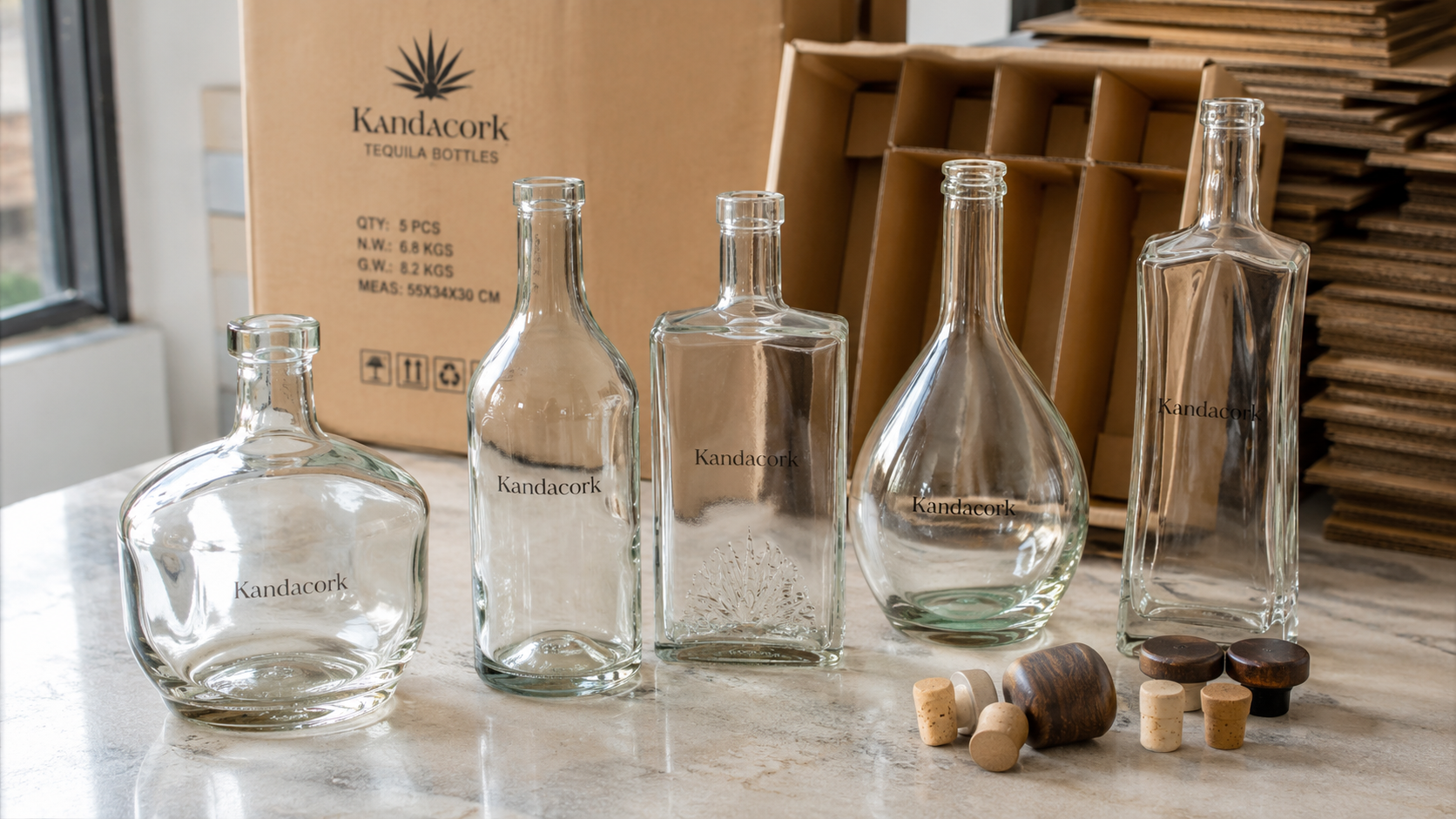
A luxury stopper works best when it is developed together with the bottle and decoration plan. Buyers sourcing only the closure may miss important details such as shoulder profile, neck label spacing, gift-box height, carton partitions, and display-case clearance.
For integrated spirits packaging programs, Kandacork Glass can support bottle and closure coordination across whisky, vodka, gin, rum, tequila, brandy, liqueur, and RTD beverage projects. When a brand also needs multi-category glass packaging or broader export-ready coordination, Kandacork Eco Glass provides another relevant packaging pathway within the Kandacork group.
This integrated approach is useful for private-label launches, premium line extensions, travel-retail bottles, and limited-edition releases. It helps teams align technical fit, decoration accuracy, closure feel, and retail presentation before production.
How to Choose a Glass Stopper Supplier
A reliable glass stopper supplier should ask technical questions before giving a final recommendation. If a supplier only asks for a photo, the risk of poor fit is higher.
Before requesting a quote, prepare the bottle drawing, physical bottle sample if available, neck inner diameter, spirit category, bottle capacity, desired stopper shape, decoration requirements, MOQ, launch timeline, and target retail positioning.
A professional supplier should help evaluate insert material, stopper diameter, seating height, visual alignment, leakage risk, pull force, packing method, and bulk production consistency.
For luxury liquor brands, sample approval is essential. A sample confirms how the stopper looks, feels, fits, opens, reseals, and survives handling. It also allows the brand team to check decoration placement, color effect, capsule compatibility, carton fit, and overall presentation.
Common Mistakes to Avoid
The first mistake is choosing a stopper based only on appearance. A beautiful glass head cannot compensate for poor neck fit, weak compression, or uneven seating.
The second mistake is ignoring the insert. The insert is the main functional component. It affects sealing, opening comfort, stability, and repeat use.
The third mistake is skipping sample testing. Drawings are useful, but physical samples confirm real-world performance.
The fourth mistake is forgetting the rest of the packaging system. Capsules, tamper-evident bands, labels, gift boxes, partitions, and cartons must all work with the stopper height and shape.
The fifth mistake is underestimating transport protection. Glass stopper heads need suitable packing to reduce scratches, impact damage, chipping risk, and surface defects before assembly.
Buyer Checklist Before Requesting a Quote
Use this checklist before sourcing custom glass stoppers for premium spirits packaging:
- Bottle capacity and spirit category
- Bottle drawing or physical bottle sample
- Neck finish and inner diameter
- Preferred stopper shape and size
- Desired glass color, clarity, or finish
- Insert material preference
- Logo or decoration requirements
- Capsule or tamper-evident closure plan
- Sample testing requirements
- Bulk order quantity
- MOQ and launch timeline
- Packing and export requirements
- Target retail price and brand positioning
- Gift box or carton compatibility needs
This information allows the supplier to recommend a stopper that fits the bottle, supports the brand, and performs reliably during production and distribution.
FAQ
What Are Glass Bottle Stoppers Used for in Luxury Liquor Packaging?
Glass bottle stoppers are used to seal, reseal, decorate, and elevate premium spirits bottles. They help transform a closure from a functional component into a brand asset. For luxury liquor, the stopper supports shelf appeal, gift value, opening ritual, and long-term display.
Are Glass Stoppers Better Than Wooden Stoppers?
Glass stoppers are better when the brand wants brilliance, clarity, weight, and a collectible appearance. Wooden stoppers are better for warm, natural, craft, or heritage positioning. The best choice depends on bottle design, target price, category, and brand story.
Can Glass Bottle Stoppers Be Customized with a Logo?
Yes. Glass bottle stoppers can be customized with engraving, embossing, debossing, frosting, sandblasting, tinting, coating, metal medallions, or decorative inserts. For high-end launches, a custom molded stopper can create a signature shape that strengthens brand recognition.
Do Glass Bottle Stoppers Provide a Secure Seal?
Glass bottle stoppers can provide a secure seal when the insert material and bottle neck are correctly matched. The seal depends on inner neck diameter, insert compression, seating depth, pull force, and sample testing. The glass head provides premium appearance, while the insert provides the main sealing function.
Should Buyers Request Samples Before Bulk Production?
Yes. Buyers should request samples before bulk production. Samples help confirm visual quality, stopper fit, logo placement, sealing performance, opening feel, seating height, capsule compatibility, gift-box fit, and packing protection. This is especially important for luxury spirits because small details affect perceived value.
What Information Should I Send to a Stopper Supplier?
Buyers should send the bottle drawing, neck inner diameter, bottle sample if available, target stopper style, decoration requirements, spirit category, quantity, launch timeline, and packing needs. These details help the supplier recommend a suitable glass stopper structure and reduce the risk of poor fit.
Which Spirits Work Best with Glass Bottle Stoppers?
Glass bottle stoppers work well for premium whisky, bourbon, tequila, mezcal, rum, brandy, cognac, vodka, gin, and liqueur. They are especially effective for products positioned as gifts, collector editions, limited releases, private-label spirits, or high-end retail packaging.
How Do I Start a Custom Glass Stopper Project?
Start by sending your bottle drawing, neck size, target stopper style, decoration requirements, quantity, and launch timeline. If a physical bottle sample is available, it can help the supplier review fit, seating height, pull force, and visual alignment more accurately.
Build a Complete Luxury Closure System
Glass bottle stoppers for luxury liquor should not be treated as isolated accessories. They are part of a complete packaging system that includes the bottle, neck finish, sealing insert, decoration, label, capsule, carton, and shipping method.
The best stopper is not simply the most decorative one. It is the one that looks distinctive, fits precisely, seals reliably, feels premium in the hand, and supports the consumer’s opening experience.
Brands can contact Kandacork Closures with a bottle drawing, neck size, or physical sample to begin custom glass stopper fit review, decoration planning, and sample development for luxury liquor packaging.
When the stopper is engineered with the same care as the bottle, the entire package becomes stronger. It feels more premium on the shelf, more memorable in the hand, and more valuable to the customer.