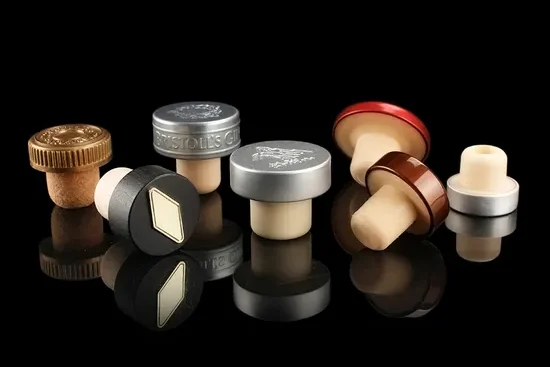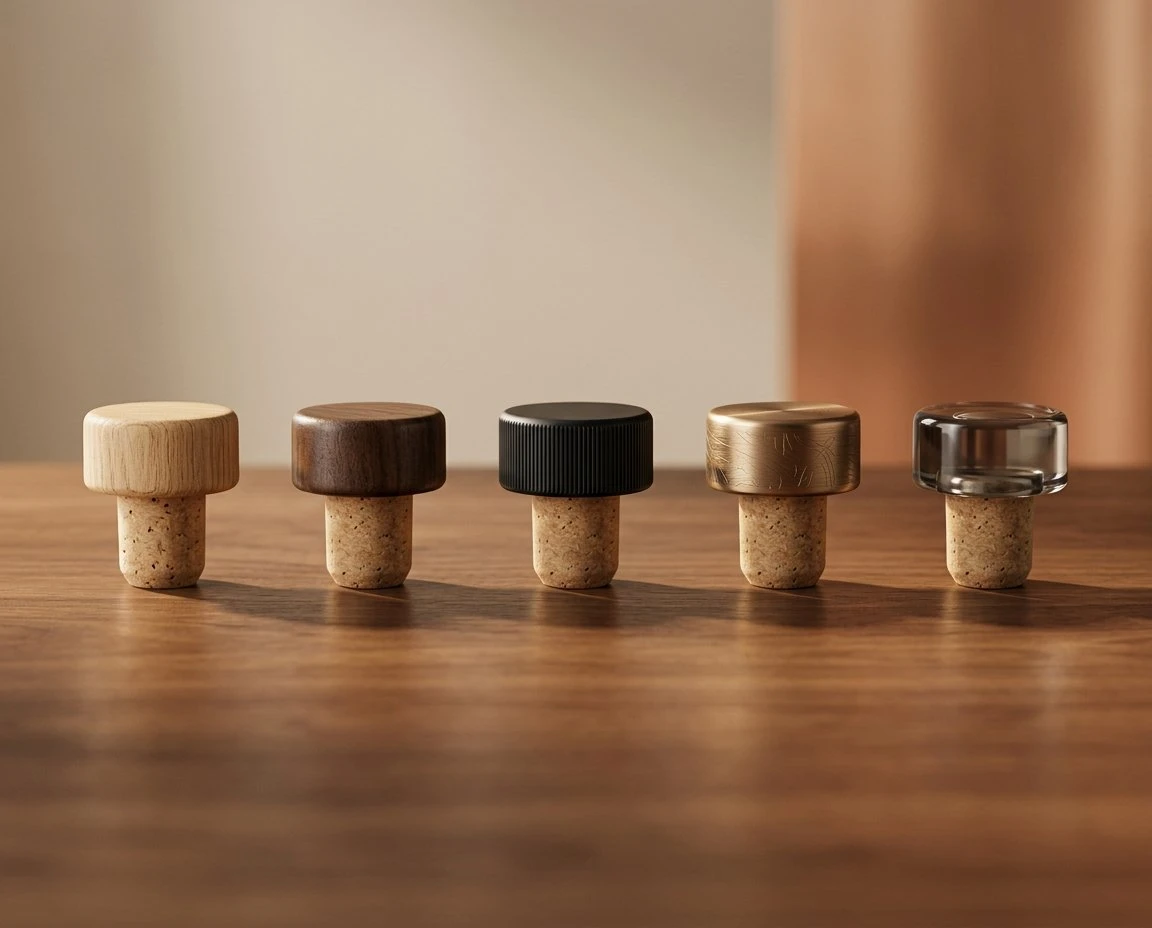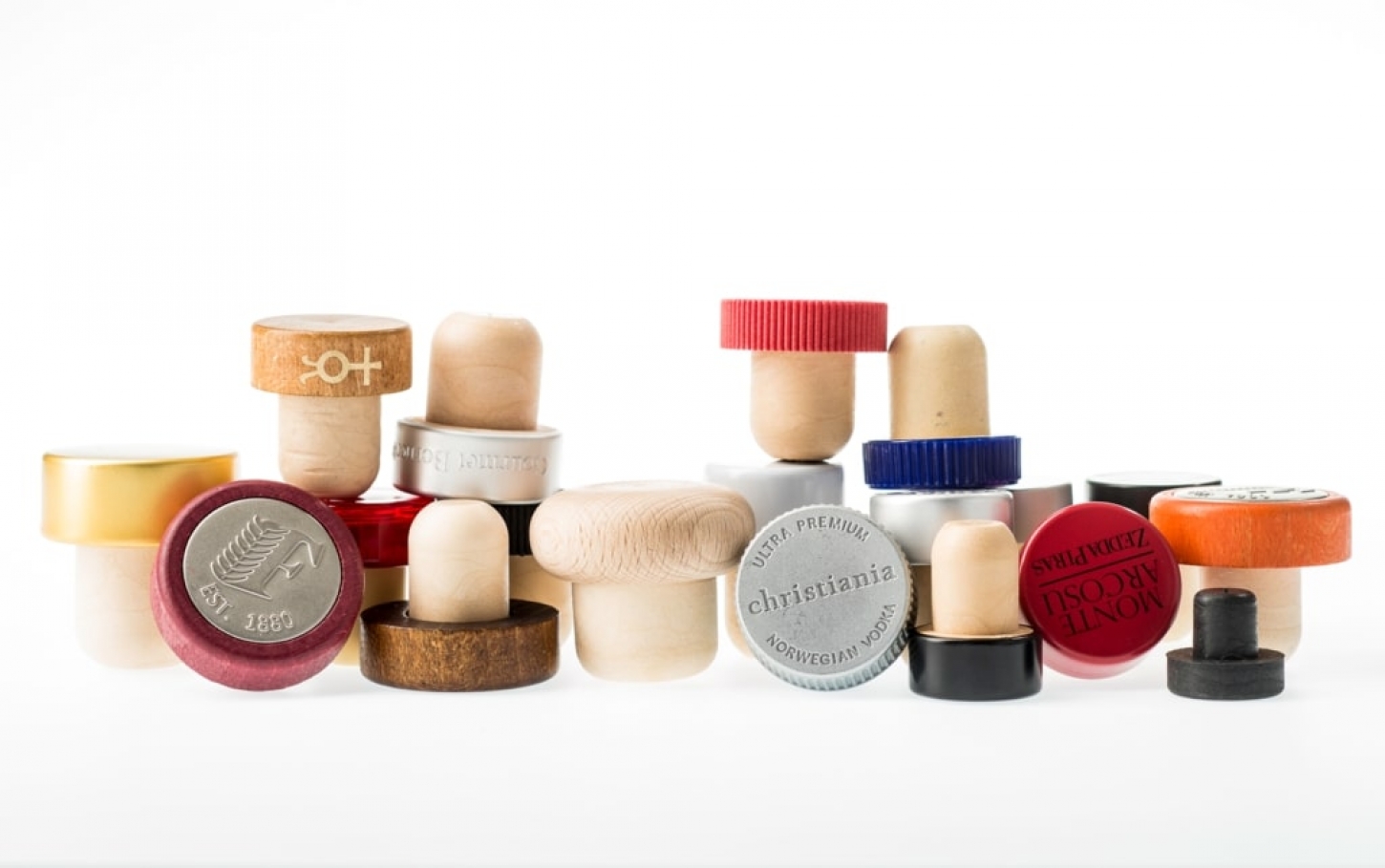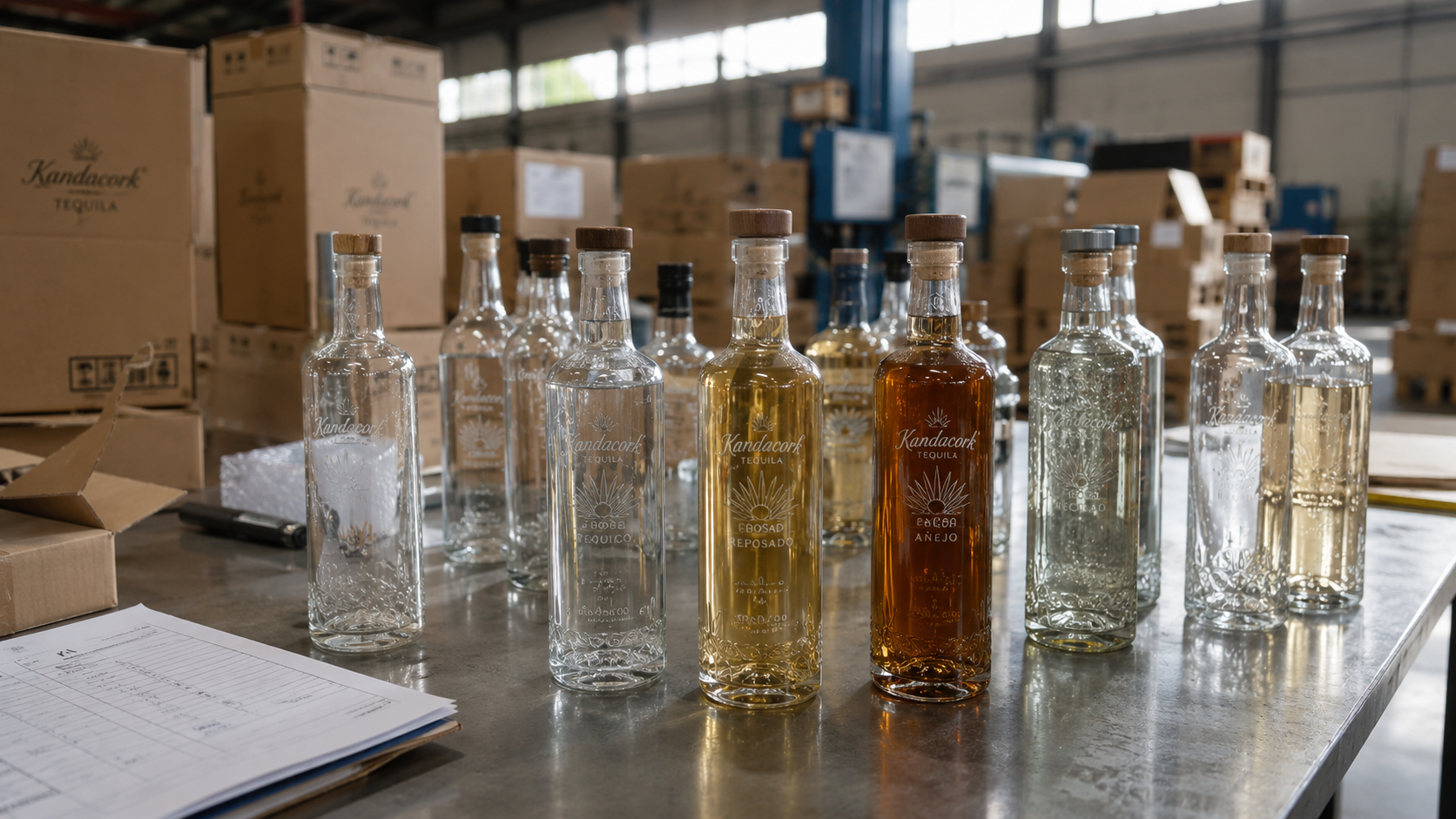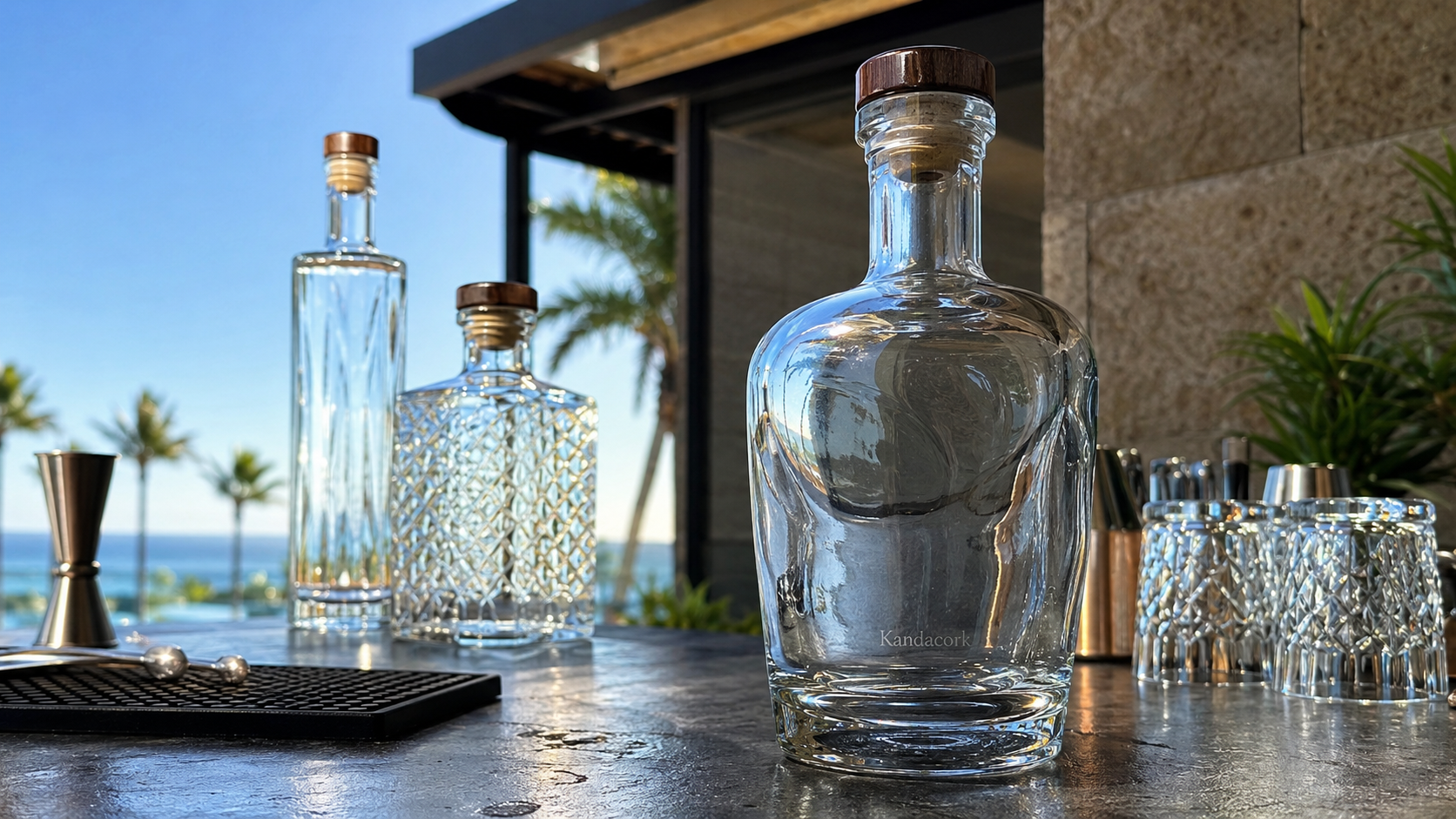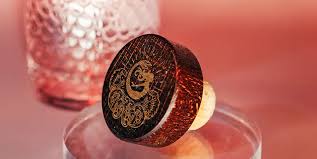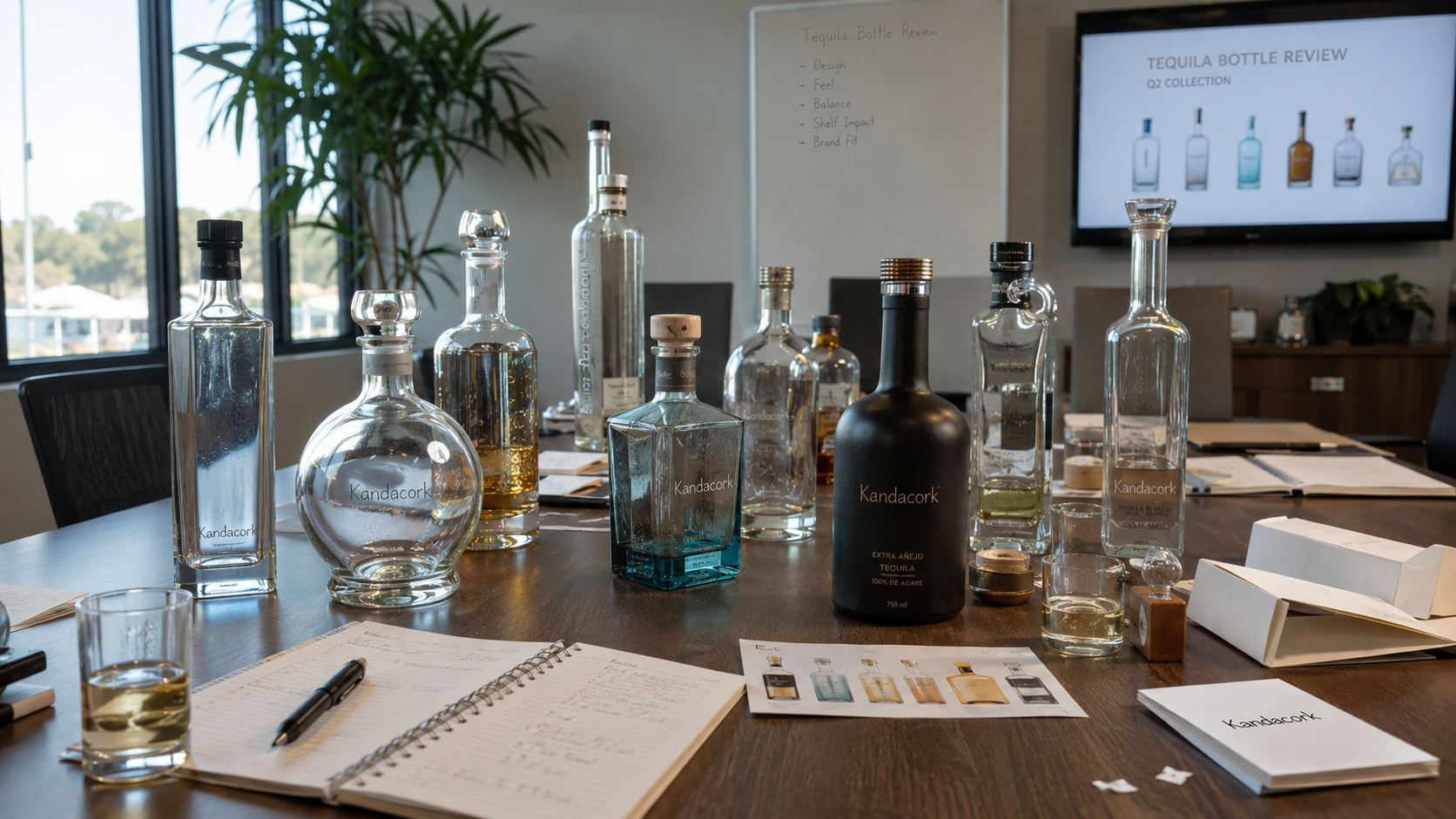
A premium glass stopper can make a spirits bottle look more valuable, collectible, and refined. But the stopper only succeeds when it fits the bottle neck correctly. If the stopper is too loose, the bottle may leak or feel low quality. If it is too tight, consumers may struggle to open it. If it sits too high, it may interfere with capsules, labels, gift boxes, or export cartons.
Glass stopper neck finish matching is the process of aligning a bottle’s internal neck diameter, finish tolerance, stopper shank, sealing insert, and pull-out force so the closure seals securely and opens smoothly. For premium spirits, this is not only a technical detail. It affects product protection, shelf presentation, bottling-line efficiency, customer experience, and brand value.
For packaging buyers, distilleries, private-label companies, and importers, the safest approach is to treat the glass stopper and bottle neck as one complete closure system. The glass head, insert material, sealing ring, bottle bore, seating height, and final packaging must be checked together before bulk production.
Kandacork Closures supports standard matching and custom development for glass stoppers used on whisky, gin, rum, tequila, vodka, brandy, liqueur, and limited-edition spirits packaging. This guide explains how to match a glass stopper with the right bottle neck finish, how to avoid common fitment problems, and what information buyers should prepare before requesting samples.
Quick Answer: How Do You Match a Glass Stopper to a Bottle Neck Finish?
To match a glass stopper to a bottle neck finish, measure the internal neck diameter, confirm the bottle drawing, review the tolerance range, select a compatible stopper structure, and test real stopper samples with real bottle samples before bulk production.
The most important checks are internal bore size, stopper shank diameter, sealing-ring compression, insertion depth, pull-out force, leak resistance, resealing performance, and carton clearance. A nominal neck size is not enough because two bottles with similar external finishes may have different internal dimensions.
For a faster technical review, buyers should send bottle drawings, neck finish details, physical bottle samples, product type, alcohol percentage, target stopper style, decoration requirements, expected order quantity, and launch timeline.
Key Terms Buyers Should Understand
| Term | Meaning | Why It Matters |
|---|---|---|
| Neck finish | The top structure of the bottle that interacts with a closure | Determines closure compatibility and sealing design |
| Internal neck diameter | The bore size inside the bottle opening | Controls stopper insertion, compression, and leakage risk |
| Stopper shank diameter | The lower part of the stopper that enters the neck | Affects tightness, pull-out force, and resealing |
| Sealing compression | Contact pressure between insert, ring, or gasket and the bottle neck | Helps prevent leakage and loose fit |
| Insertion depth | How far the stopper enters the bottle neck | Affects seating height, appearance, and sealing stability |
| Pull-out force | Force needed to remove the stopper | Influences consumer opening experience |
| Tolerance | Allowed variation in bottle or stopper dimensions | Explains why sample testing is necessary |
What Is a Bottle Neck Finish?
A bottle neck finish is the upper part of the bottle designed to work with a closure. For screw caps, it may include thread profile, finish height, bead geometry, and sealing land. For bar-top and glass stoppers, the most important details are usually the internal neck diameter, bore consistency, sealing contact area, and insertion depth.
Many buyers confuse external neck finish with internal neck diameter. This is a common cause of mismatch. A bottle may look correct from the outside, but the internal bore may still be too large, too small, too shallow, or inconsistent across production batches.
In glass stopper neck finish matching, the internal neck diameter is especially important because the stopper must enter or seal against the bottle neck in a controlled way. If the bore is too large, the stopper may feel loose or leak. If the bore is too small, the stopper may be difficult to insert or remove. If the tolerance range is too wide, fit can vary from bottle to bottle.
The Glass Packaging Institute is a recognized industry entity for glass container terminology, glass packaging advocacy, and packaging education. For buyers, the key takeaway is practical: do not rely on appearance alone. Always review drawings, finish dimensions, and physical samples before confirming a stopper.
Glass Stopper Fitment vs. Cap or Cork Fitment
Glass stopper fitment is different from screw cap fitment. A screw cap depends on thread engagement, torque, liner compression, and tamper-evident performance. A bar-top cork depends on cork or synthetic shank compression inside the bottle bore. A glass stopper may use a decorative glass head combined with synthetic cork, TPE, silicone, natural cork, or another engineered sealing insert.
This means glass stopper neck finish matching must evaluate both the visual component and the sealing component. The stopper should match the bottle shape, brand style, neck dimensions, sealing requirement, filling process, and consumer opening experience.
A successful glass stopper should answer several questions. Will the stopper enter the bottle smoothly? Where does the sealing contact occur? How much compression does the insert need? Does the opening feel premium? Can the bottle reseal after repeated use? Will the stopper stay stable during shipping? Will it work with capsules, gift boxes, cartons, and line equipment?
Kandacork Closures develops custom glass stoppers for spirits bottles by reviewing the glass head design, insert structure, bottle neck fit, decoration requirements, sample testing, and bulk supply needs together.
Key Measurements for Glass Stopper Neck Finish Matching
Internal Neck Diameter
Internal neck diameter is one of the most important measurements for glass stopper neck finish matching. It defines the space available for the stopper shank, sealing insert, gasket, or sealing ring.
Buyers should measure more than one bottle sample because glass bottles can have tolerance variation. A single measurement may not represent the full production range. For a reliable review, measure the internal diameter at the mouth, the sealing contact area, and the expected insertion depth.
Neck Finish Tolerance
Tolerance is the allowed variation in bottle dimensions. Even when bottles are produced to the same nominal specification, slight differences can occur during glass forming, cooling, inspection, and production changeovers.
For glass stoppers, tolerance matters because the sealing component often needs controlled compression. A small variation can change opening feel, leak resistance, seating height, and resealing performance. This is why drawings, measurements, and physical samples should be reviewed together.
Stopper Shank Diameter
The stopper shank is the part that enters or seals against the neck. Depending on the design, it may be made from synthetic cork, natural cork, TPE, silicone, or another engineered insert.
A shank that is too small may not seal correctly. A shank that is too large may cause excessive insertion force or difficult opening. For luxury spirits packaging, the ideal fit should feel secure, smooth, and intentional.
Sealing Ring Compression
Some glass stoppers use a sealing ring or gasket to create controlled contact with the bottle neck. The ring must compress enough to prevent leakage, but not so much that it causes difficult opening, excessive friction, or material deformation.
When a sealing component may contact the beverage, buyers should also consider material suitability. The U.S. FDA explains that food-contact substances include packaging and components that come into contact with food or beverages, which is relevant when evaluating stopper inserts, gaskets, coatings, and closure materials for bottled products through food packaging and food-contact substance guidance.
Insertion Depth and Seating Height
Insertion depth affects both function and appearance. If the stopper sits too high, it may look unstable or interfere with capsules, neck labels, gift boxes, or cartons. If it sits too low, the glass head may touch the bottle finish incorrectly or create an unattractive visual proportion.
Seating height should always be checked with the real bottle, real stopper, and final packaging components.
Pull-Out Force
Pull-out force is the force needed to remove the stopper from the bottle. For premium spirits, the opening experience matters. A stopper should feel secure, refined, and comfortable.
If pull-out force is too low, the closure may feel cheap or unstable. If it is too high, consumers may find the bottle hard to open. A good closure system balances security with usability.
Material Options for Glass Stopper Sealing Systems
| Stopper Structure | Best For | Main Fitment Concern | Buyer Notes |
|---|---|---|---|
| Glass head with synthetic cork insert | Whiskey, rum, brandy, gin, tequila | Bore diameter and compression | Good premium feel with stable resealing |
| Glass head with natural cork insert | Heritage spirits and traditional brands | Cork variability and moisture behavior | Needs careful quality control |
| Glass head with TPE sealing ring | Premium spirits and export packaging | Ring compression and material compatibility | Good for consistent fit |
| Glass head with silicone sealing ring | Reusable bottles and gift packaging | Friction, softness, and alcohol compatibility | Useful when flexibility is needed |
| Crystal-style decorative glass stopper | Luxury editions and collector bottles | Weight, carton clearance, and breakage risk | Must be tested with full packaging |
| Vinolok-style glass closure | Premium wine, spirits, and specialty beverages | Precision neck design and ring geometry | Best planned early in bottle development |
Matching Glass Stoppers for Spirits Bottles
Whiskey bottles often use heavy glass, broad shoulders, and premium bar-top closures. For whiskey, the stopper should feel substantial and refined. Pull-out force should be secure but not excessive, and the final assembly should work with gift boxes, capsules, and export cartons.
Gin brands often use distinctive bottle silhouettes, clear or colored glass, and modern decoration. A glass stopper can support a clean, botanical, minimalist, or luxury visual identity. For long-neck gin bottles, insertion depth and seating height deserve special attention.
Rum bottles may use vintage shapes, heavy bases, short necks, or decorative stopper heads. A glass stopper can strengthen the heritage feel of aged rum, spiced rum, or limited-edition releases. Transport stability is especially important when bottles are shipped internationally.
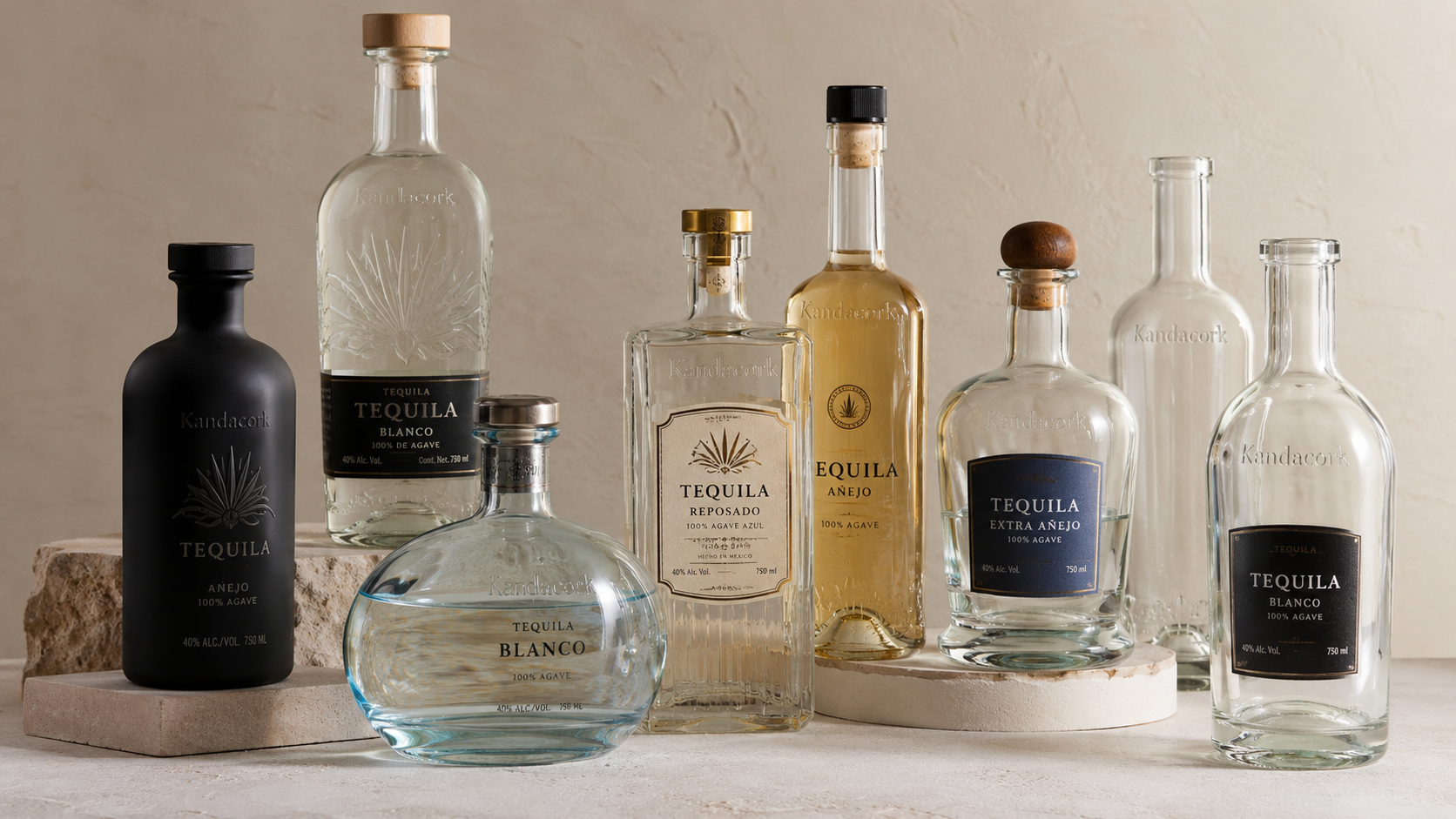
Tequila and mezcal brands often use bold shapes, sculptural glass, and tactile packaging. Because these bottles may have non-standard shoulders or neck profiles, buyers should confirm stopper clearance, seating height, hand feel, and carton compatibility before mass production.
Liqueur and gift bottles often prioritize visual impact and reuse value. Decorative glass stoppers can make the bottle feel like a keepsake, but sweet or viscous products may leave residue around the neck. Sealing area, cleaning behavior, and resealing feel should be reviewed carefully.
For packaging teams developing a complete bottle-and-closure system, Kandacork’s sibling group can also support coordinated spirits bottle sourcing when bottle shape, capacity, finish, and closure fit need to be planned together.
Example: Matching a Stopper to a Spirits Bottle Neck
Consider a spirits bottle with an internal neck diameter that varies between 18.4 mm and 18.8 mm across production samples. A stopper insert that fits the 18.4 mm sample may feel too loose in the 18.8 mm sample. A larger insert that seals the 18.8 mm sample may create excessive pull-out force in the 18.4 mm sample.
In this situation, the supplier should not approve the stopper based on one bottle. The correct approach is to test multiple bottle samples across the tolerance range, compare different insert sizes or material hardness levels, and check leakage, resealing, insertion force, and pull-out force.
This example shows why glass stopper neck finish matching is more than choosing a standard stopper size. The right fit depends on the real production tolerance window, not only the nominal drawing.
Why Glass Stopper Neck Finish Matching Fails Without Sample Testing
Glass stopper fit problems often appear only after real samples are tested. A drawing can show intended dimensions, but physical bottles may vary. Inserts may also behave differently depending on material, hardness, surface finish, and storage conditions.
Without sample testing, buyers may approve a stopper that looks correct but fails during filling, shipment, or consumer use. Common risks include loose fit, leakage, difficult opening, uneven seating, carton interference, and inconsistent performance across bottle batches.
A practical sample review should include several bottles from the intended production source, the selected stopper structure, the final insert material, and the packaging components that will be used during launch. If the project includes decoration, gift boxes, capsules, or shrink sleeves, these should be tested with the stopper before bulk approval.
Glass Stopper Neck Finish Matching Checklist
| Checkpoint | What to Confirm | Why It Matters |
|---|---|---|
| Bottle drawing | Neck finish, bore size, height, and tolerance | Prevents size assumptions |
| Physical bottle samples | Real production variation | Confirms practical fit |
| Internal neck diameter | Mouth and sealing-zone measurements | Determines stopper insert size |
| Stopper shank size | Diameter, length, material, and compression | Controls sealing and opening feel |
| Seating height | Final position of stopper on bottle | Affects appearance and carton fit |
| Pull-out force | Ease of opening | Supports premium user experience |
| Leak test | Seal stability under movement | Reduces product loss and complaints |
| Resealing test | Repeated opening and closing | Supports post-purchase usability |
| Alcohol compatibility | Insert and ring material behavior | Protects product safety and closure performance |
| Transport test | Vibration, temperature, and carton movement | Reduces export risk |
Glass Stopper Fit Problems and Solutions
| Problem | Likely Cause | Recommended Solution |
|---|---|---|
| Stopper leaks | Insert too small, poor compression, or inconsistent bottle bore | Recheck internal diameter and adjust insert size or sealing ring |
| Stopper feels loose | Bore is larger than expected or shank is undersized | Test a larger shank or different sealing material |
| Stopper is too tight | Oversized insert, excessive compression, or high-friction material | Reduce shank diameter or adjust material hardness |
| Stopper sits too high | Insertion depth is too shallow or insert length is incorrect | Modify shank length or review bottle neck depth |
| Stopper sits unevenly | Neck finish variation or stopper assembly issue | Test multiple bottle samples and review stopper QC |
| Fit varies between bottles | Wide glass tolerance range | Measure several samples and design for the tolerance window |
| Stopper interferes with carton | Glass head is too tall or wide | Confirm final packaging before production |
| Consumer opening feels rough | Excessive friction or poor insert surface | Adjust insert material, diameter, or surface finish |
Testing Before Bulk Production
Before approving a glass stopper order, buyers should complete practical tests that reflect real production and shipping conditions.
A neck fit test confirms whether the stopper enters the bottle smoothly and seats at the correct height. An insertion force test checks whether the stopper can be applied consistently by hand or on the filling line. A pull-out force test confirms whether the opening feel is secure but comfortable. An inversion leakage test checks whether the bottle leaks under controlled movement. A resealing test confirms whether the closure performs after repeated opening and closing.
For export packaging, vibration and transport checks are also important. The International Safe Transit Association publishes ISTA test procedures used by packaging professionals to evaluate packaged-product performance under distribution conditions. While every spirits project has its own packaging requirements, the principle is clear: the stopper should be tested as part of the full packed bottle system, not as a loose component.
Kandacork Closures also provides guidance on glass stopper breakage risk because heavy or decorative glass heads must be evaluated for carton clearance, impact protection, alignment, and transport stability.
Compliance and Quality Considerations
When a glass stopper uses a sealing insert, gasket, ring, coating, adhesive, or decorative component that may contact the product or bottle mouth, buyers should consider food-contact suitability and market requirements. In the European Union, Regulation (EC) No 1935/2004 sets out general safety and inertness principles for food-contact materials, as explained by the European Commission’s food contact materials legislation.
Quality management also matters. A premium stopper project should have controlled specifications, approved samples, inspection criteria, and repeatable production processes. ISO describes ISO 9001 quality management as a globally recognized standard that helps organizations improve performance and meet customer expectations. For packaging buyers, this reinforces the need to ask suppliers about dimensional inspection, incoming material checks, AQL standards, batch consistency, and documentation.
Compliance and quality review should not be left until the end of the project. They should be part of early stopper selection, especially for high-ABV spirits, export markets, gift packaging, and large-volume production.
Decoration, Branding, and Shelf Presentation
A glass stopper is often selected because it strengthens the premium impression of a bottle. The glass head may be clear, frosted, colored, engraved, embossed, screen printed, or paired with metal, wood, ceramic, or other decorative details. But decoration should not compromise fit.
Logo position, head height, weight, color, transparency, and surface finish should be reviewed together with the bottle design. A stopper may look excellent on a rendering but appear too large, too small, or visually unbalanced on the actual bottle. This is why physical samples remain essential.
For projects that require coordinated closure decoration, label harmony, capsule design, or secondary packaging, Kandacork’s sibling brand for decoration and branding can support a more unified packaging presentation.
Sustainability and Reuse Considerations
Glass stoppers can support premium reuse stories because they feel durable, decorative, and worth keeping. In gift packaging, hospitality programs, and limited editions, consumers may keep the stopper and bottle long after the first purchase.
Sustainability performance depends on the full system: glass head material, insert material, separability, decoration method, packaging weight, local recycling infrastructure, and reuse potential. A glass head may align well with a premium circular-packaging message, but inserts, adhesives, coatings, and secondary packaging should also be reviewed.
Kandacork Closures offers resources for buyers considering eco-friendly glass spirits stoppers where material selection, premium presentation, compliance, and packaging narratives need to work together. For broader glass packaging coordination, Kandacork’s sibling resources for Kandacork Glass and Kandacork Eco Glass can support bottle-focused discussions.
What Information Should Buyers Send to Kandacork Closures?
To speed up the fitment review, buyers should prepare as much information as possible before requesting a quote.
Useful information includes:
Bottle drawing or CAD file
Bottle neck finish specification
Internal neck diameter and tolerance
Physical bottle samples
Target stopper style or reference image
Preferred insert material, such as synthetic cork, TPE, silicone, or natural cork
Product type, alcohol percentage, and fill volume
Filling method and line speed
Expected annual quantity
Brand decoration requirements
Launch timeline
Export market and packaging method
If some information is not available, Kandacork Closures can still begin with bottle samples, reference photos, and target packaging goals. However, the more technical data available, the faster the matching process can move.
For distilleries and spirits buyers that need several closure formats across a product range, Kandacork Closures also supports custom bottle closures for distilleries, including bar-top stoppers, corks, caps, ROPP closures, capsules, and shrink sleeves.
How Kandacork Closures Supports Glass Stopper Neck Finish Matching
Kandacork Closures helps buyers approach glass stoppers as complete closure solutions. Instead of selecting a stopper by appearance alone, the team reviews bottle neck fit, insert structure, sealing requirement, decoration direction, packaging protection, and bulk production needs together.
Support can include custom glass stopper design, sealing insert review, bottle sample checking, prototype development, fitment recommendations, logo decoration, color matching, surface finishing, QC planning, and export packing support.
For an existing bottle, Kandacork Closures can review the current neck finish and recommend whether a standard stopper structure is suitable. If the bottle has special dimensions, a semi-custom insert or fully custom stopper may be needed.
For a new bottle project, the best approach is to coordinate the bottle and stopper from the beginning. This allows the neck finish, sealing area, stopper head, insert material, decoration, and packaging layout to be developed as one system.
Buyers comparing different closure types can also review the broader bottle closures and stoppers range before deciding whether glass, metal, wood, plastic, cork, ROPP, capsule, or non-refillable systems best match the product strategy.
FAQ
Is neck finish the same as internal neck diameter?
No. Neck finish usually describes the top closure area of the bottle, including dimensions that interact with caps, stoppers, or other closures. Internal neck diameter is the bore measurement inside the bottle opening. For glass stoppers, internal diameter is especially important because it affects insertion, sealing, and pull-out force.
How do I know what size glass stopper fits my bottle?
Measure the internal neck diameter, confirm the bottle drawing, check the tolerance range, and test real stopper samples with real bottle samples. Do not choose a glass stopper only by visual size or product photo.
Can one glass stopper fit multiple bottles?
Sometimes. One stopper may fit several bottles if the internal neck diameter, tolerance, insertion depth, and sealing area are similar. However, every bottle should be tested before bulk use because small dimensional differences can change sealing performance.
Why does my glass stopper leak?
A glass stopper may leak because the shank is too small, the sealing ring compression is insufficient, the bottle neck tolerance is inconsistent, the insert material is not suitable, or the stopper was not tested with the actual bottle before production.
Why is my glass stopper too hard to remove?
The stopper may be oversized, the insert may be over-compressed, the insertion depth may be too deep, or the sealing material may be creating too much friction against the bottle neck. Pull-out force testing can help identify the problem before bulk production.
Can glass stoppers be used for high-ABV spirits?
Yes, but the insert, sealing ring, gasket, adhesive, and decoration system should be reviewed for alcohol compatibility and intended market requirements. High-ABV products make material selection and sample testing especially important.
What causes stopper fit to vary between production batches?
Fit may vary because of bottle bore tolerance, glass forming variation, stopper shank tolerance, material hardness, storage conditions, or changes in supplier production. Testing multiple bottle and stopper samples helps identify the correct tolerance window.
How many bottle samples should be tested before bulk production?
There is no single number for every project, but buyers should test more than one bottle and preferably samples from different cartons or production points. For high-volume projects, testing across the expected tolerance range is safer than approving one perfect sample.
Can Kandacork Closures make glass stoppers for an existing bottle?
Yes. Kandacork Closures can review bottle drawings, neck finish dimensions, internal neck diameter, insertion depth, stopper style, and sample bottles before recommending a standard, semi-custom, or custom glass stopper solution.
Conclusion: Match the Stopper as a Complete Closure System
A glass stopper is not just a decorative accessory. It is part of a complete bottle closure system that affects sealing, opening feel, brand presentation, filling-line performance, export shipment, and customer experience.
The safest approach is to treat glass stopper neck finish matching as a technical development step. Review the bottle drawing, measure the internal neck diameter, confirm tolerance, select the right insert material, test real samples, and approve production only after fit and sealing performance are confirmed.
For spirits brands developing whiskey, gin, rum, tequila, brandy, liqueur, vodka, or gift packaging, Kandacork Closures can help connect design, fitment, sealing, decoration, and bulk supply into one coordinated solution.
Send your bottle drawing, neck finish details, or physical bottle samples to Kandacork Closures to begin a custom glass stopper fit review.