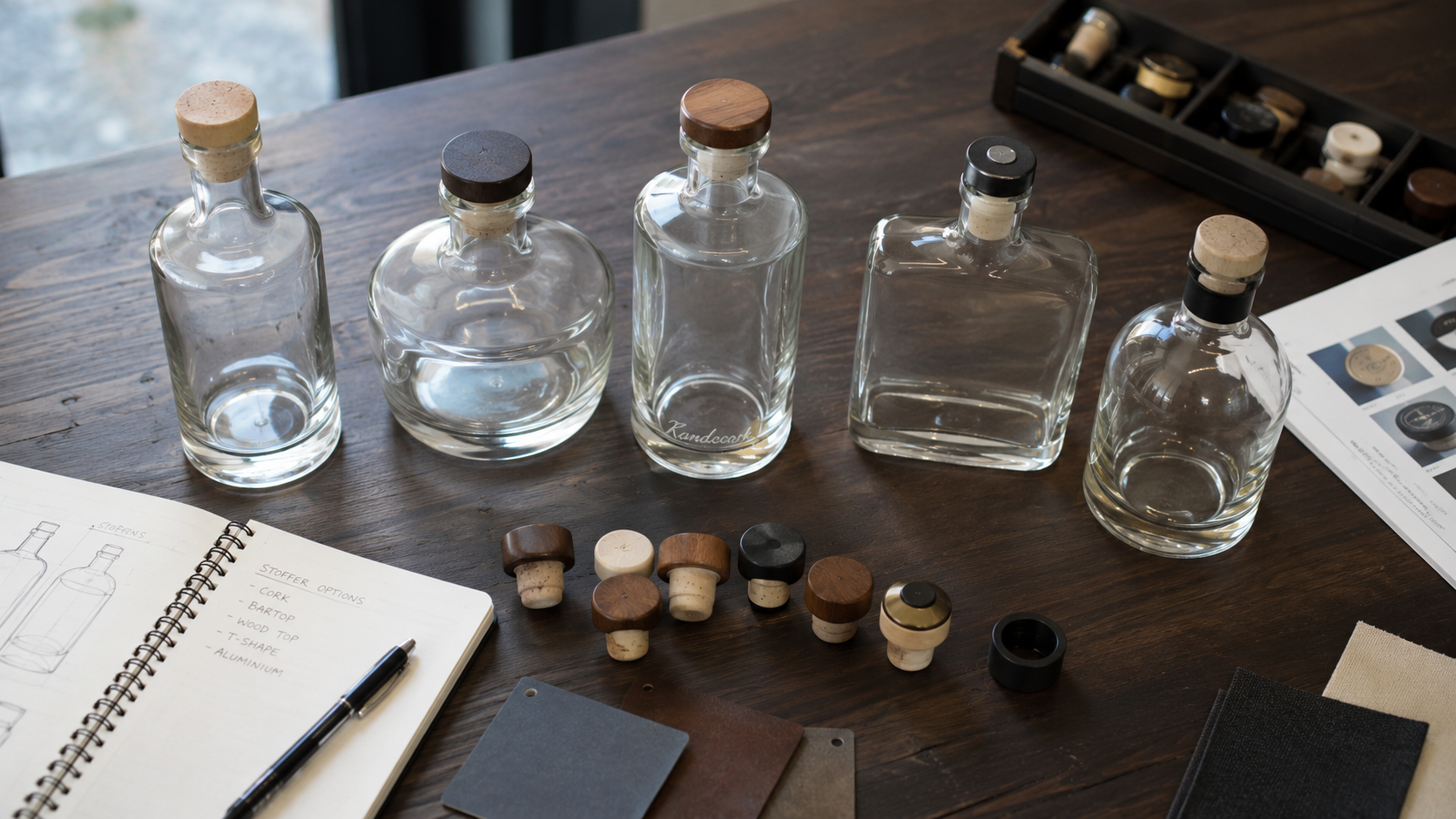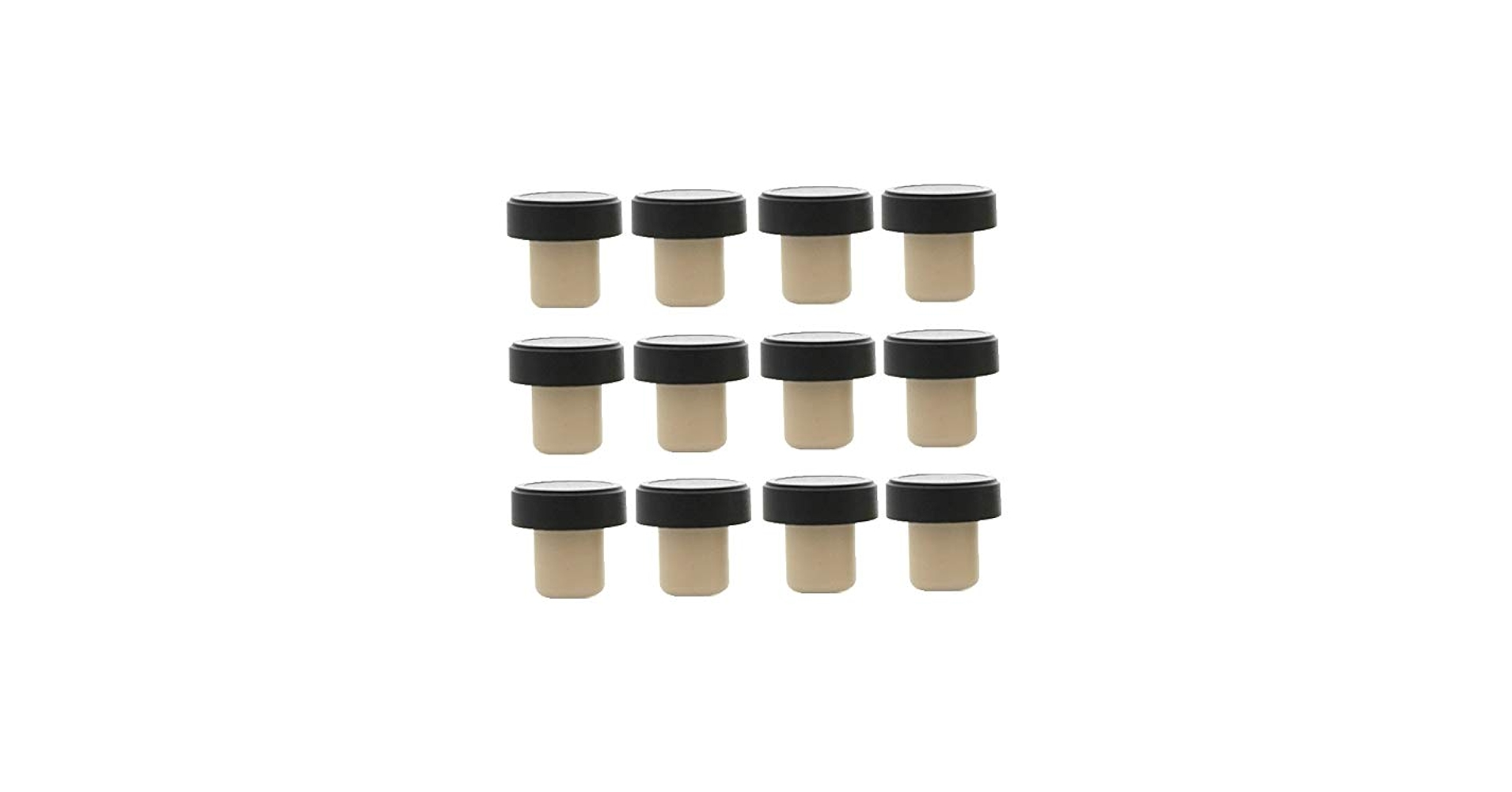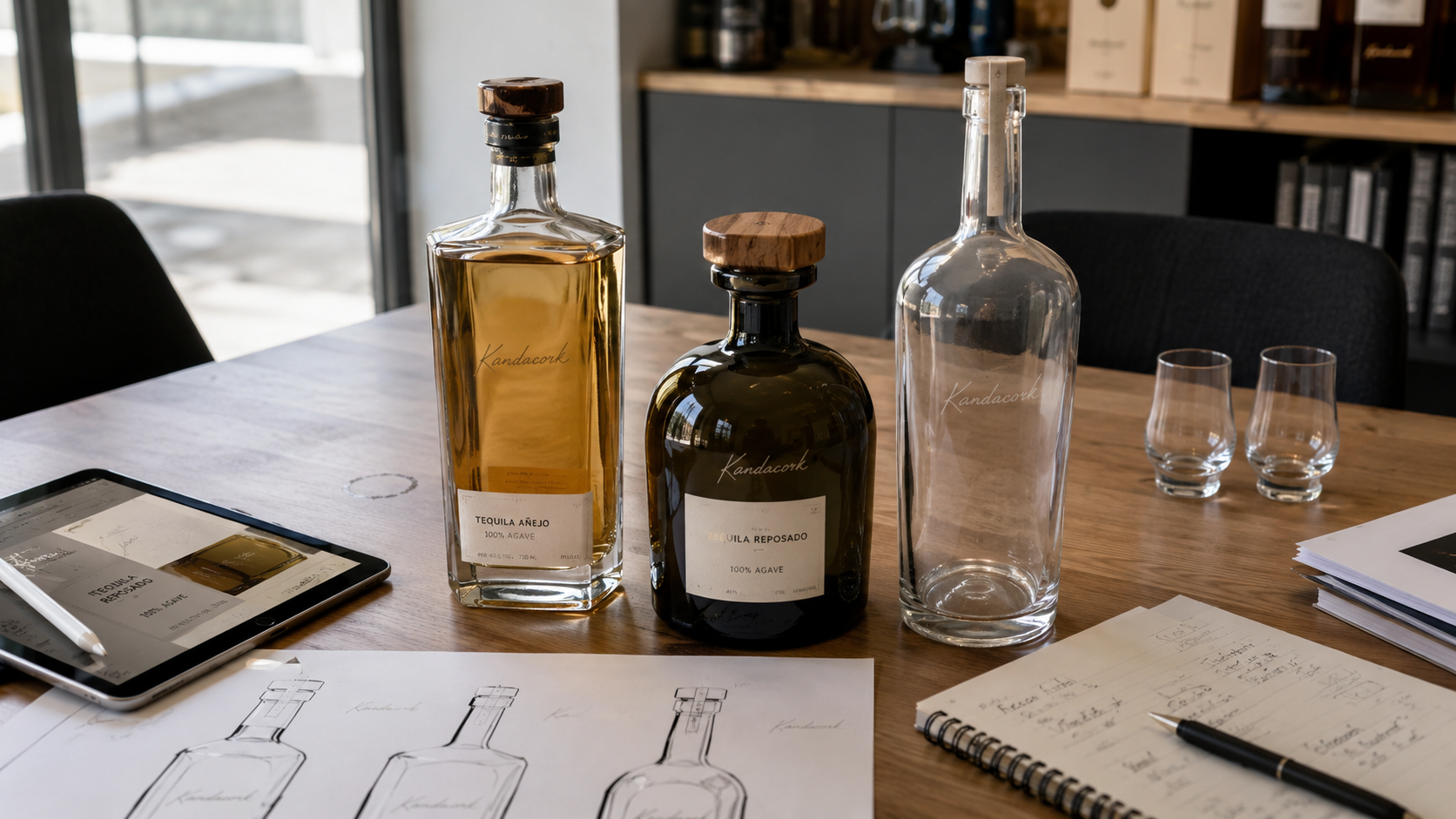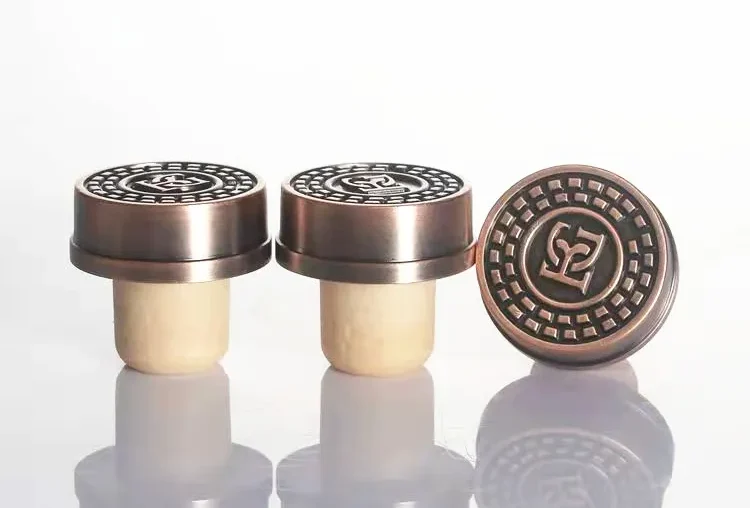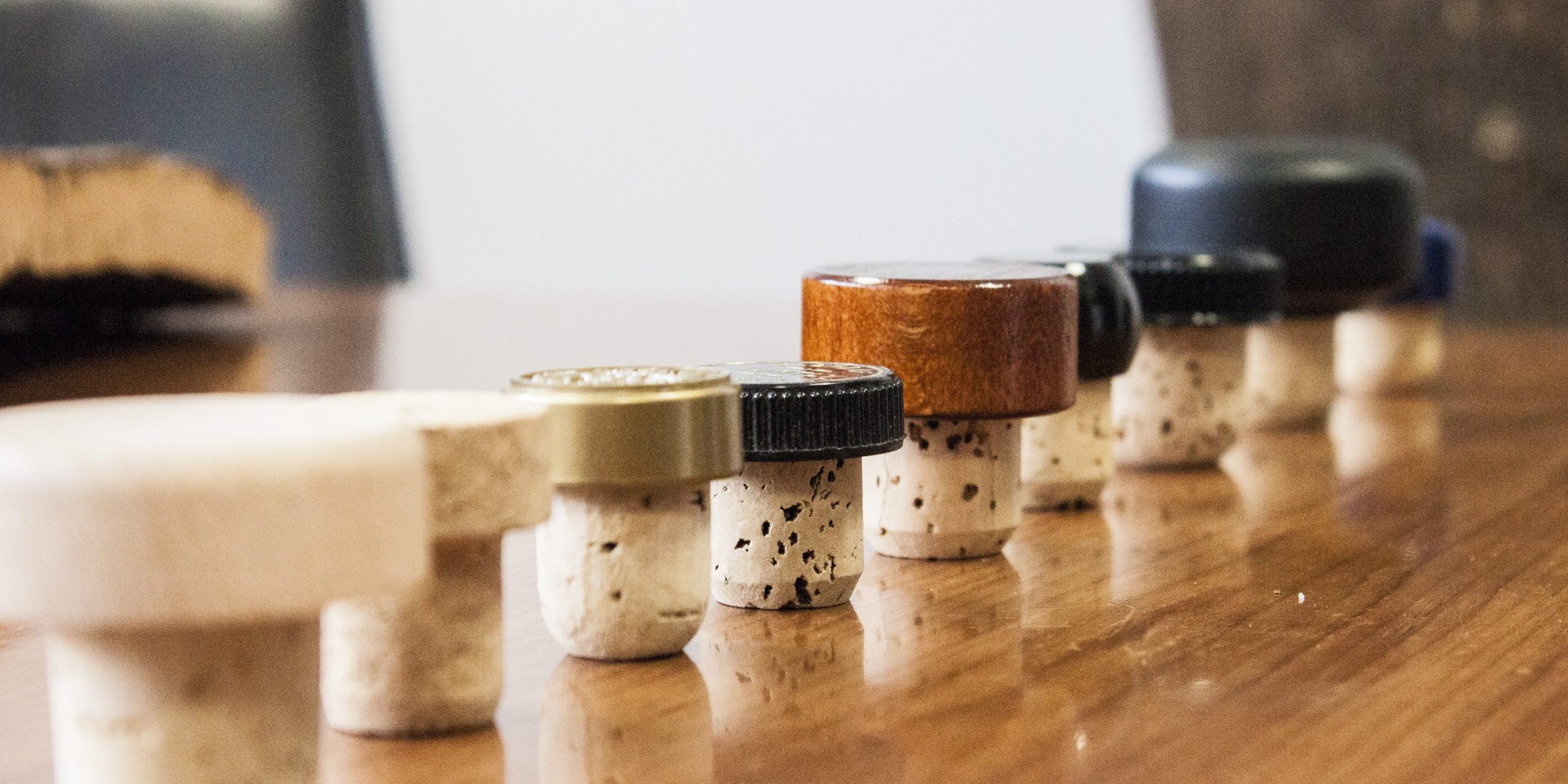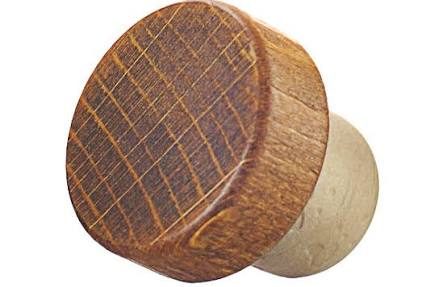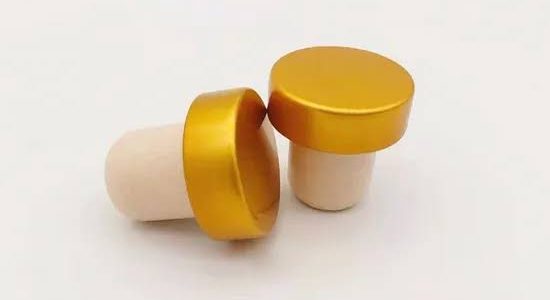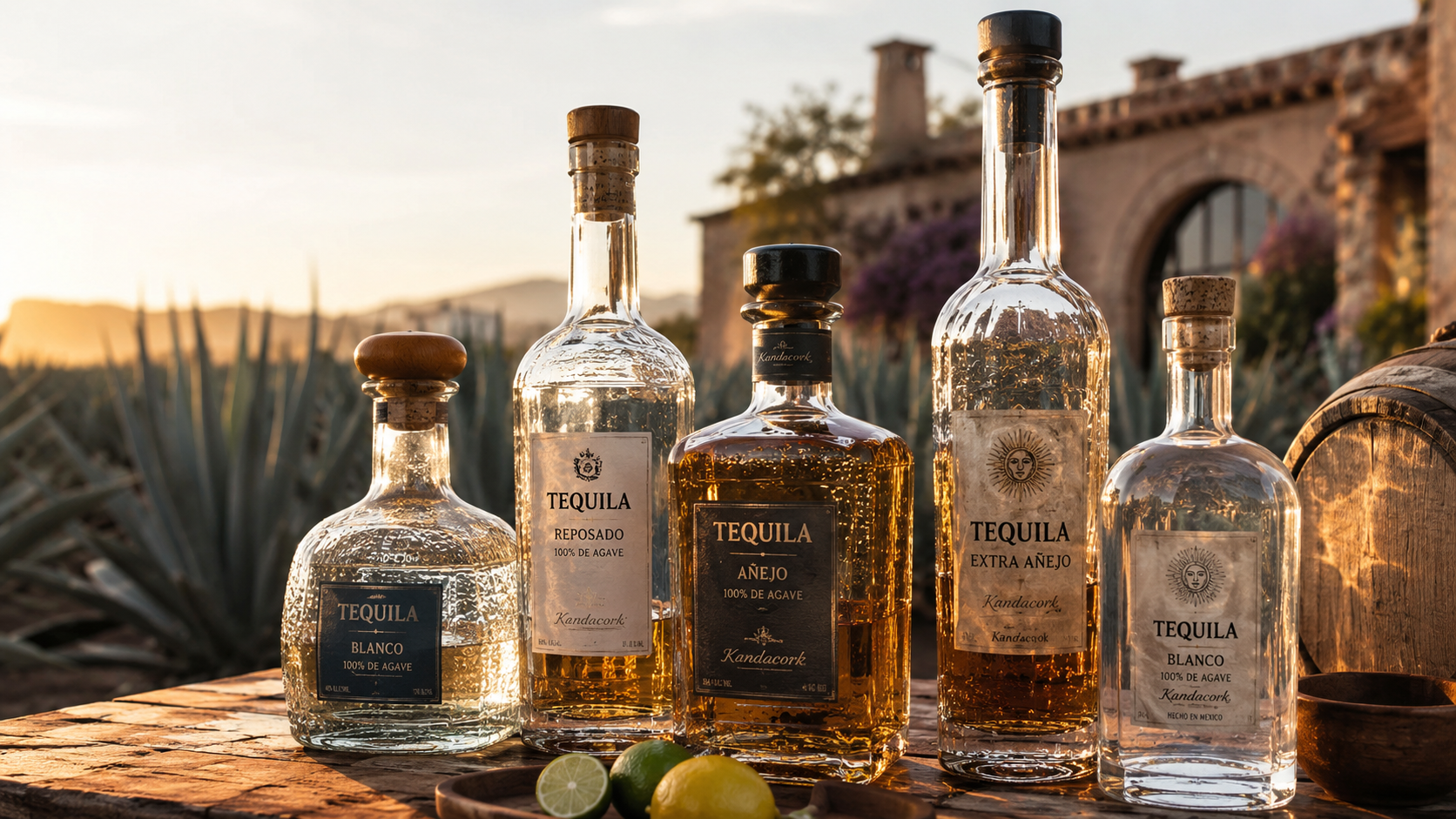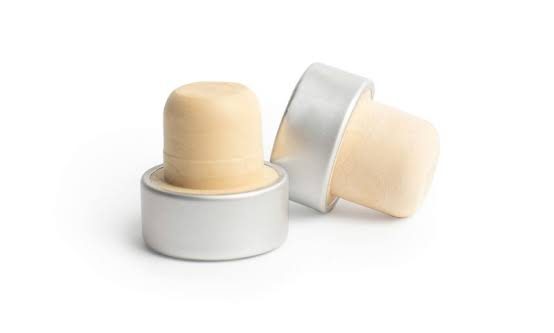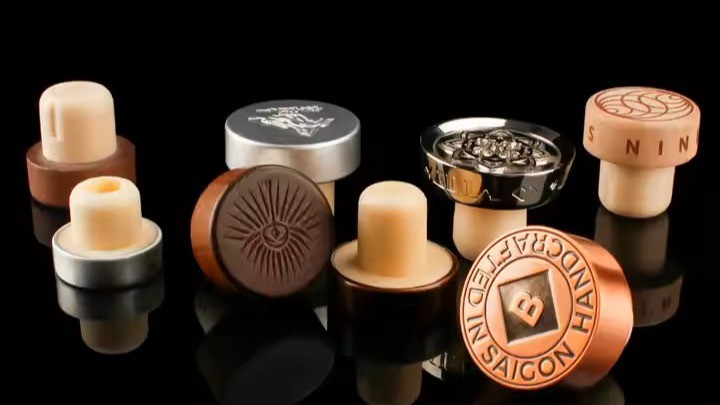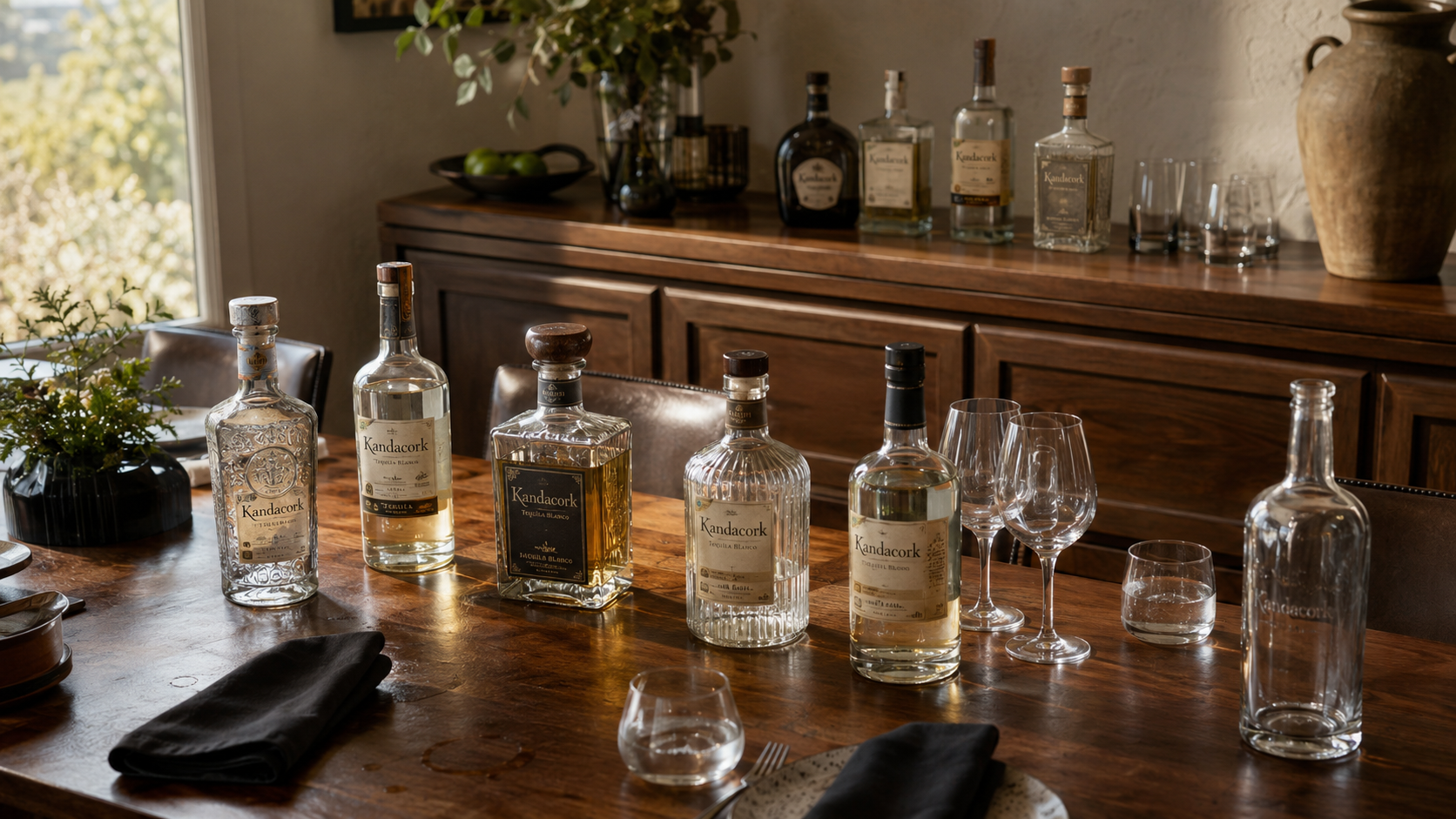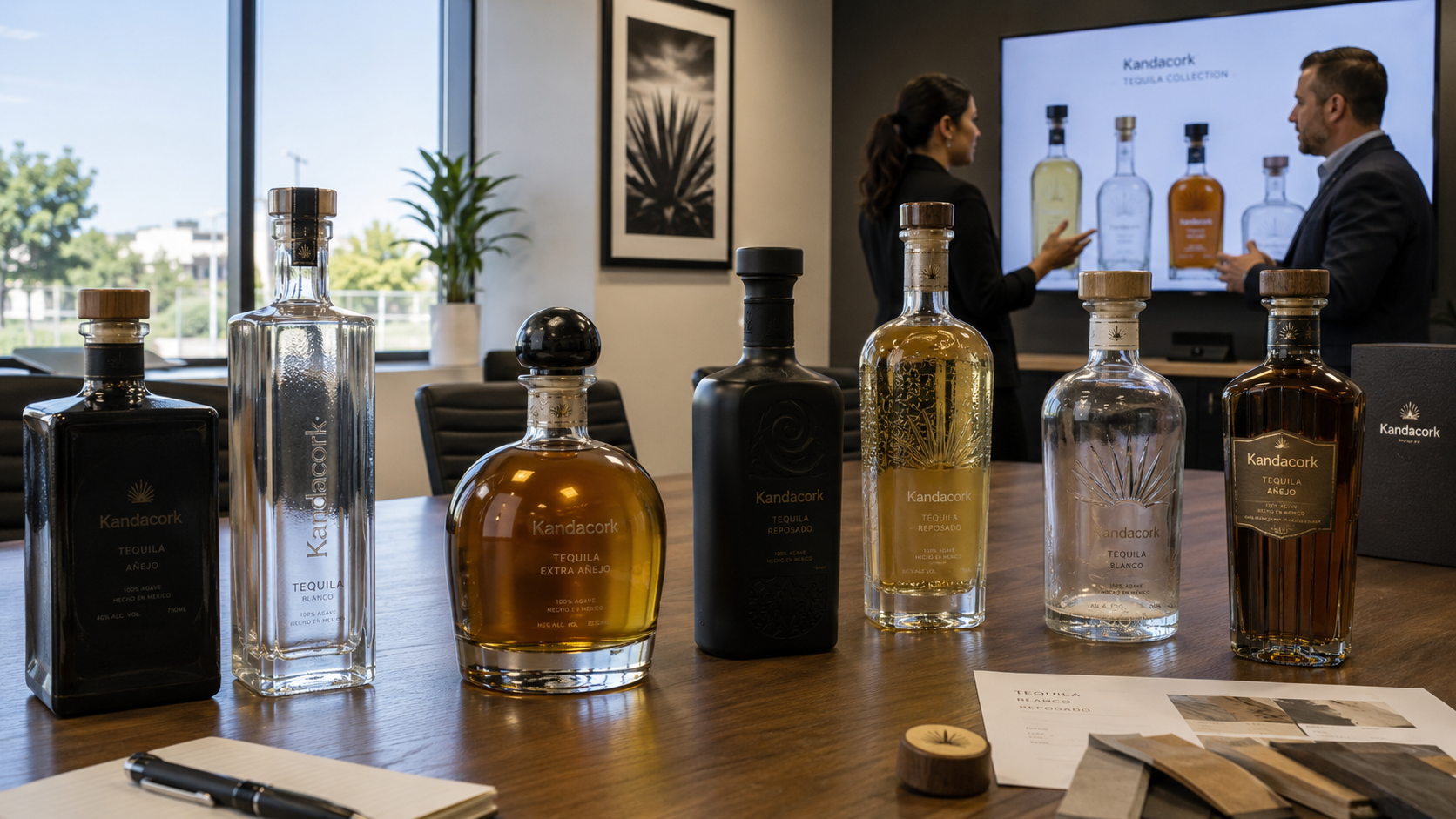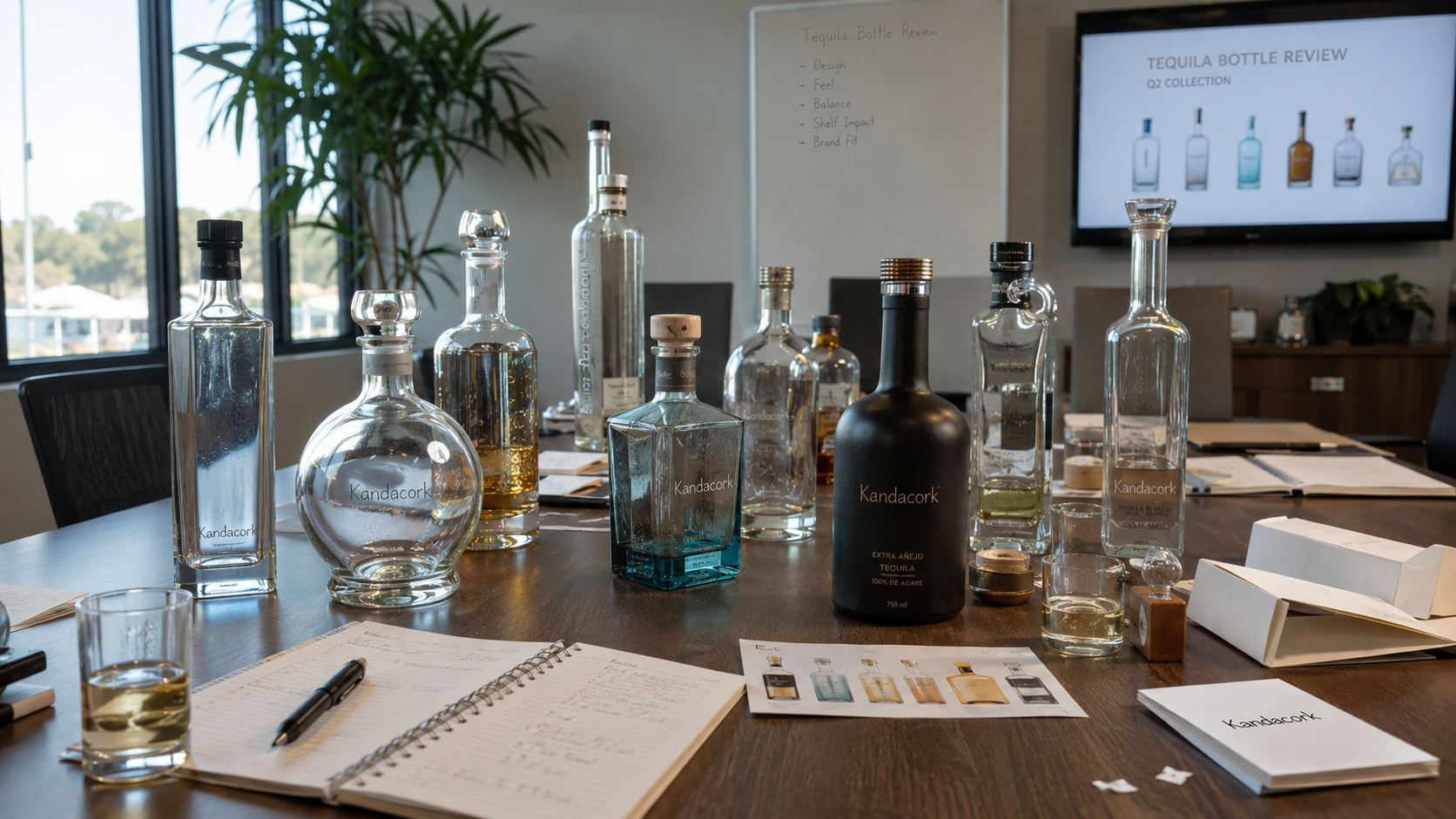
Choosing between wooden stoppers vs plastic stoppers is more than a packaging style decision. The wrong stopper can create weak shelf appeal, poor pull-out feel, leakage risk, higher rejection rates, or a mismatch between packaging cost and retail positioning.
For spirits brands, the stopper is one of the first physical touchpoints after purchase. Consumers notice the weight, texture, opening feel, and resealing performance before they taste the product. That makes the closure part of the brand experience, not just a functional component.
A premium whisky bottle with a natural wooden bar-top closure can communicate age, craft, and tradition. A modern vodka or gin bottle with a color-matched plastic stopper can look clean, scalable, and consistent across large production runs. Both materials can perform well, but they support different commercial goals.
This guide compares wooden stoppers vs plastic stoppers for distilleries, private-label spirits companies, bottlers, importers, packaging buyers, and beverage startups looking for custom spirits bottle closures.
Quick Answer: Should You Choose Wooden or Plastic Stoppers?
Wooden stoppers are usually better for premium spirits packaging, while plastic stoppers are usually better for cost control, color consistency, and large-volume production. Sealing performance depends mainly on the shank and bottle-neck fit, not the visible top material alone.
Choose wooden stoppers if your spirits bottle needs a natural, premium, handcrafted, or heritage appearance. They are often suitable for whisky, rum, tequila, cognac, brandy, craft gin, liqueurs, and limited-edition packaging. Buyers developing premium closure sets can explore custom wooden bar-top stoppers designed for warm tactile appeal, logo decoration, and bottle-fit sampling.
Choose plastic stoppers if your project needs lower unit cost, lightweight handling, consistent color, flexible molding, and repeatable mass production. They are often suitable for vodka, modern gin, flavored spirits, mini bottles, promotional packs, and private-label lines.
The best stopper is not decided by appearance alone. Buyers should also evaluate the shank material, shank diameter, taper, bottle neck tolerance, insertion force, pull-out force, alcohol compatibility, and bottling-line performance.
Stopper Anatomy: Head, Shank, Fit, and Pull-Out Force
A spirits stopper usually has two main parts: the head and the shank.
The head is the visible top section. It creates the brand impression and affects how the consumer feels the closure in hand. The head may be made from wood, plastic, metal, glass, ceramic, or composite materials.
The shank is the sealing section inserted into the bottle neck. It may be made from natural cork, micro-agglomerated cork, synthetic cork, or engineered polymer. The shank usually has more influence on sealing performance than the head material.
The bottle neck bore is the inner opening of the bottle neck. If the bore does not match the shank diameter and taper, the stopper may be too loose, too tight, difficult to insert, or inconsistent after shipping.
Pull-out force describes how much effort the consumer needs to remove the stopper. A good closure should feel secure but not frustrating. Insertion force matters for bottling-line compatibility, while pull-out force matters for consumer experience.
For wooden stoppers vs plastic stoppers, the head material affects branding and handling, but the technical fit depends on the shank, bottle neck, and production tolerance.
Buyer Decision Matrix
| Buyer Situation | Better Choice | Reason |
|---|---|---|
| Premium whisky or aged rum | Wooden stopper | Stronger luxury, craft, and heritage perception |
| High-volume vodka or gin | Plastic stopper | Better cost control, color consistency, and scalability |
| Export spirits program | Depends on shank testing | Leakage resistance, pull-out force, and bottle-neck fit matter most |
| Gift-box or limited-edition packaging | Wooden stopper | Better tactile and premium unboxing effect |
| Private-label launch | Plastic stopper | Faster scaling and lower unit cost |
| Botanical craft gin | Wooden stopper | Natural texture supports botanical positioning |
| Color-led liqueur range | Plastic stopper | Stronger color matching and visual consistency |
| Bottle with strict neck tolerance | Depends on stopper construction | Real bottle testing is required before bulk production |
A beautiful closure that does not fit the bottle correctly can create operational risk. A low-cost closure that weakens shelf appeal can reduce perceived value. The best choice should balance brand image, technical fit, production volume, and target price.
What Are Wooden Stoppers?
Wooden stoppers are bottle closures with a visible wooden head attached to a sealing shank. The head creates the visual and tactile impression, while the shank fits into the bottle neck to support sealing and resealing.
A wooden bar-top closure may use a natural cork shank, micro-agglomerated cork shank, synthetic shank, or engineered polymer insert. The wooden head is usually the brand-facing component. The shank is the technical component that affects fit, compression, and pull-out feel.
Common wooden stopper styles include flat-top, mushroom, domed, beveled, stepped, faceted, and custom-shaped heads. Decoration methods may include laser engraving, debossing, embossing, staining, varnishing, hot stamping, and top printing.
Wooden bottle stoppers are especially effective when the bottle needs to communicate warmth, craftsmanship, tradition, or luxury. A dark wooden stopper on aged rum can suggest maturity and depth. A pale wooden stopper on botanical gin can suggest natural ingredients and small-batch production.
For premium packaging, natural wood grain can become an advantage. It gives each closure a more organic and tactile feel. However, buyers who need strict color consistency should confirm sorting standards, finish specifications, and acceptable natural variation before production.
What Are Plastic Stoppers?
Plastic stoppers are bottle closures with a plastic head, synthetic body, or molded bar-top design. They can be produced in many colors, shapes, textures, and finishes, making them practical for brands that need visual consistency across large production runs.
A plastic stopper may use a synthetic cork shank, natural cork insert, agglomerated cork shank, or full synthetic sealing body. Depending on the project, the head can be glossy, matte, ribbed, smooth, embossed, debossed, color-matched, or decorated with metallic-effect details.
Plastic bottle stoppers are often chosen for cost-sensitive or high-volume spirits packaging. They are lightweight, dimensionally consistent, and suitable for repeatable production. This makes them useful for vodka, gin, liqueurs, ready-to-drink spirits, miniatures, travel-size bottles, and promotional sets.
Plastic does not automatically mean low-end. With the right mold design, surface texture, and color control, custom plastic T-top stoppers can support a modern and premium-looking spirits package while keeping production predictable.
Wooden Stoppers vs Plastic Stoppers: Side-by-Side Comparison
| Factor | Wooden Stoppers | Plastic Stoppers |
|---|---|---|
| Brand perception | Natural, premium, craft, heritage | Modern, clean, colorful, scalable |
| Typical cost | Usually higher | Usually lower |
| Customization | Engraving, staining, shaping, logo marking | Color matching, molding, embossing, matte/gloss finish |
| Production consistency | Good, but natural variation may occur | Very consistent across large batches |
| Sustainability story | Strong when responsibly sourced | Depends on resin, recycling system, and material separation |
| Weight | Moderate | Lightweight |
| Best use cases | Whisky, rum, tequila, cognac, craft gin | Vodka, gin, liqueurs, mini bottles, private-label spirits |
| Sealing performance | Depends on shank, not just wood head | Depends on shank, not just plastic head |
| Shelf impact | Strong tactile and premium cue | Strong color and design consistency |
The key takeaway is that wooden stoppers vs plastic stoppers is not a simple “better or worse” decision. The right choice depends on product category, retail price point, target consumer, bottle design, production volume, sustainability priorities, and filling-line requirements.
Which Stopper Looks More Premium?
Wooden stoppers usually look more premium because wood has natural grain, warmth, and texture. Plastic stoppers can also look premium when they use strong design, accurate color matching, and high-quality surface finishing.
Wooden stoppers are widely associated with craft spirits, aged spirits, gift packaging, and luxury presentation. They work especially well with heavy glass bottles, embossed labels, textured paper labels, wax-style design language, and premium cartons.
For whisky, rum, tequila, cognac, and collectible bottles, the stopper is part of the opening ritual. The consumer feels the closure, hears the release, and judges whether the package matches the price point. A wooden bar-top stopper can make this moment feel more substantial.
Plastic stoppers support a different type of premium image. They are effective for clean, modern, colorful, or minimalist packaging. A matte plastic stopper with a precise molded logo may fit a contemporary vodka or gin brand better than a rustic wooden top.
If the brand story is based on tradition, origin, natural ingredients, or aging, wood usually has the stronger visual advantage. If the brand story is based on modern lifestyle, color identity, affordability, or scale, plastic may be the smarter choice.
Which Stopper Seals Better?
Neither wood nor plastic automatically seals better. Sealing depends mainly on the shank material, shank diameter, shank taper, bottle neck tolerance, compression, insertion force, and pull-out force.
The visible head material affects appearance and handling, but the shank is responsible for most of the sealing function. Important sealing factors include bottle neck inner diameter, shank top diameter, shank bottom diameter, shank length, shank taper, compression behavior, alcohol compatibility, storage direction, and transport conditions.
In the United States, food-contact closure components are commonly reviewed against applicable rules such as 21 CFR 177.1210 for closures with sealing gaskets. For spirits packaging buyers, this reinforces the importance of confirming material declarations, gasket or shank composition, and intended contact conditions.
A wooden stopper with a poorly matched shank may feel loose, wobble, or leak. A plastic stopper with a well-engineered synthetic shank may deliver very consistent sealing. The opposite can also be true if the wooden closure is paired with the correct cork or synthetic shank.
For spirits packaging, buyers should avoid choosing closure material based only on photos. Real bottle testing is essential. The stopper should insert smoothly, hold securely, reseal comfortably, and remain stable during handling, shipping, and retail display.
Which Stopper Is More Cost-Effective?
Plastic stoppers are usually more cost-effective for large-volume projects, while wooden stoppers usually justify their higher cost through stronger premium perception and higher shelf value.
Plastic stoppers can often be produced efficiently through molding. This helps control unit cost, color consistency, and repeatability. For high-volume spirits, private-label programs, mini bottles, and promotional packaging, plastic can offer a strong balance of performance and price.
Wooden stoppers usually cost more because they require cutting, shaping, sanding, finishing, inspection, and decoration. Natural wood variation may also require sorting if the brand needs a specific tone, grain pattern, or premium appearance.
However, procurement teams should not judge cost only by the closure price. A wooden stopper may support a higher retail price, better gift appeal, stronger shelf differentiation, and improved consumer perception.
For brands building complete bottle programs, stopper cost should be reviewed together with glass weight, bottle decoration, cartons, closures, freight, filling-line efficiency, and expected retail positioning. A higher-cost closure can be commercially reasonable if it helps the bottle communicate value at first glance.
Which Stopper Is Better for Sustainability?
Wooden stoppers can support a stronger natural-material story when responsibly sourced, while plastic stoppers may offer lightweight production and consistency. The more sustainable choice depends on sourcing, material separation, recyclability, transport, and documentation.
Wood and cork can support a renewable material narrative when sourced responsibly. Environmental organizations such as the Rainforest Alliance describe cork oak landscapes as ecosystems with biodiversity and soil-protection value, and cork harvesting can occur without cutting down the tree.
Plastic stoppers have different advantages. They are lightweight, efficient to manufacture, and highly consistent. Some projects may explore recyclable plastics, recycled-content materials, or mono-material designs. However, mixed-material closures can be difficult to recycle if the head, shank, adhesive, and decoration cannot be separated.
Packaging buyers should also consider wider recycling realities. The U.S. EPA containers and packaging data shows that recovery rates vary significantly by material type and packaging format, so brands should avoid making recyclability claims without market-specific evidence.
Buyers should request documentation instead of relying only on sustainability claims. Useful documents may include food-contact material declarations, technical data sheets, responsible wood or cork sourcing information, recycled-content statements, coating declarations, migration compliance documents, and packaging reduction plans.
Which Stopper Is Better for Custom Branding?
Wooden stoppers are strong for tactile branding and premium storytelling. Plastic stoppers are strong for color control, molded identity, and large-scale visual consistency.
Wooden stoppers can be customized through laser engraving, debossing, embossing, staining, varnishing, shape development, and top printing. A wooden head can become a signature design element for whisky, rum, tequila, craft gin, and premium liqueur brands.
Plastic stoppers can be customized through color matching, molded logos, embossed symbols, debossed lettering, matte finishes, glossy finishes, metallic-effect decoration, and custom profiles. This makes plastic ideal for brands with strong color systems or large product families.
Closure design should also coordinate with bottle structure and decoration. Brands that need a complete visual system can align closures with custom bottles from Kandacork Spirits Bottle and finishing strategies from Kandacork Decoration & Branding, creating a unified package from glass shape to final shelf appearance.
For custom spirits bottle stoppers, the strongest design programs coordinate the stopper with the bottle shape, glass color, label stock, embossing, capsule style, carton design, and shelf position.
Which Stopper Works Better on Bottling Lines?
Plastic stoppers often provide stronger dimensional consistency for high-speed bottling lines, while wooden stoppers can also perform well when dimensions, shank alignment, adhesive bonding, and finishing are tightly controlled.
Plastic components can maintain stable size, weight, and surface finish across large batches. This can help reduce variation in automatic feeding, stoppering, and packing. For brands producing large volumes, this repeatability can be valuable.
Wooden stoppers can also work on automated or semi-automated bottling lines, but quality control is important. The supplier should control head diameter, stopper height, shank straightness, bonding strength, finish consistency, and acceptable wood variation.
Before confirming bulk production, buyers should check stopper feeding behavior, head orientation, insertion force, pull-out force, shank compression, wobble after insertion, leakage during handling, neck scuffing, carton compatibility, temperature stability, and filling-speed compatibility.
Quality systems matter because closure projects involve repeatable measurements, batch consistency, and documented inspection. The ISO 9001 quality management standard is widely recognized for process control and continual improvement, which are important principles when buyers evaluate packaging suppliers and production reliability.
Technical Specifications Buyers Should Confirm Before Production
A professional stopper supplier should not only ask what material you like. The supplier should help confirm the technical requirements that determine whether the closure will perform correctly.
Buyers should confirm bottle neck inner diameter, bottle neck finish drawing, stopper head diameter, stopper total height, shank top diameter, shank bottom diameter, shank length, shank taper, shank material, insertion force target, pull-out force target, bonding method, alcohol compatibility, coating safety, color tolerance, logo decoration method, carton packing method, filling-line requirements, sample approval process, and pre-production inspection standard.
For brands comparing stoppers with screw caps or alternative closure systems, custom ROPP closures for spirits bottles may also be worth reviewing. ROPP formats can be suitable for brands that prefer tamper-evident, recloseable metal closures on roll-on neck finishes rather than bar-top stoppers.
This technical checklist helps prevent common problems such as loose closures, difficult insertion, excessive pull-out force, inconsistent appearance, leaking bottles, and mismatched packaging components.
For wooden stoppers vs plastic stoppers, these specifications matter as much as visual design. A beautiful closure still needs to perform under real production and distribution conditions.
Common Specification Mistakes to Avoid
Many stopper problems begin before production. They happen when buyers approve a visual sample without confirming the technical fit.
A common mistake is choosing wooden stoppers or plastic stoppers before confirming the bottle neck bore. Even a small mismatch between shank and bottle neck can affect insertion, sealing, and pull-out feel.
Another mistake is testing only appearance samples. A stopper may look correct in photos but fail during filling-line trials or export transport. Buyers should test functional samples with real bottles and real handling conditions.
Some buyers ignore pull-out force. If the stopper is too loose, the bottle feels low quality and may leak. If it is too tight, the consumer may struggle to open it. The goal is a secure but comfortable opening experience.
It is also risky to assume all synthetic shanks behave the same. Different materials can vary in compression, recovery, surface feel, and alcohol compatibility.
A final mistake is choosing a premium head material with a poorly matched shank. A wooden top may look excellent, but if the shank is wrong, the complete closure will not meet buyer expectations.
Best Use Cases by Spirits Category
Whisky
Wooden stoppers are often preferred for premium whisky because they support tradition, weight, aging, and craftsmanship. A wooden bar-top closure can match heavy glass, embossed labels, and gift-box packaging. Plastic stoppers may be suitable for entry-level whisky, miniatures, and high-volume private-label ranges.
Rum
Aged rum, dark rum, and limited-edition rum often work well with wooden stoppers. The natural texture can support a warm and mature brand image. Flavored rum, white rum, and mass-market rum may benefit from plastic stoppers with color-matched branding.
Gin
Craft gin can use wooden stoppers to support botanical, natural, or small-batch positioning. Modern gin brands may prefer plastic stoppers for bright colors, clean geometry, and consistent shelf identity across different flavors.
Vodka
Plastic stoppers are often a strong fit for vodka because they support clean design, efficient production, and modern brand language. Premium vodka brands may also consider wood, metal-look plastic, or hybrid closures if they want a more distinctive tactile cue.
Tequila and Mezcal
Wooden stoppers work well for tequila and mezcal when the brand emphasizes craft, origin, agave culture, or gift presentation. Plastic stoppers may be suitable for value ranges, flavored tequila, and promotional packaging.
Liqueurs
Plastic stoppers are useful for colorful liqueur brands because they can match fruit flavors, seasonal campaigns, or label colors. Wooden stoppers may be better for premium cream liqueurs, dessert spirits, and craft liqueur ranges.
Real-World Buyer Scenarios
A premium whisky startup may choose a dark wooden stopper with a micro-agglomerated cork shank. The goal is to create a warm, substantial opening experience that matches a heavy glass bottle and higher retail price.
A high-volume vodka brand may choose a matte plastic stopper with a synthetic shank. The goal is to maintain color consistency, reduce unit cost, and support repeatable bottling-line performance.
A botanical gin brand may compare both options. A pale wooden stopper can highlight natural ingredients, while a color-matched plastic stopper can create stronger shelf blocking across multiple flavors.
A private-label liqueur project may choose plastic stoppers because speed, price, and visual consistency are more important than handcrafted appearance. If the product is positioned as a premium gift item, the same buyer may upgrade to a wooden stopper.
For brands building full packaging programs, stopper selection may also need to align with glass bottle manufacturing, decoration surfaces, cartons, and export packing. Coordinated packaging support from Kandacork Glass can help buyers connect bottle structure, closures, decoration, and production planning under one sourcing framework.
Food-Contact and Export Compliance Considerations
Spirits closures may come into contact with alcohol vapor, liquid residue, or the bottle neck area during filling, shipping, and resealing. Buyers should treat stopper materials, shanks, coatings, inks, adhesives, and liners as packaging components that require appropriate review.
For European market projects, the European Commission food contact materials framework explains that food-contact materials should not release substances into food in ways that could endanger health, change composition, or affect taste and odor. This is especially relevant when selecting closure components for alcoholic products, export markets, and long shelf-life spirits.
Buyers should ask suppliers for the correct documentation before bulk production. Depending on the destination market, this may include material declarations, food-contact statements, coating information, migration test references, batch traceability, and production inspection records.
Buyer Checklist: How to Choose Between Wooden and Plastic Stoppers
Before choosing a stopper, answer these questions:
- What is the inner diameter of the bottle neck?
- What is the glass neck tolerance?
- What shank material do you need?
- What insertion force works with your filling line?
- What pull-out force feels right for the consumer?
- Will the bottle be stored upright?
- Will the bottle be shipped long distance?
- Will the product face temperature changes during transport?
- What is the target unit cost?
- Is the spirit positioned as premium, mid-range, value, craft, or private label?
- Do you need logo engraving, embossing, debossing, color matching, or custom molding?
- What order volume and MOQ do you need?
- Which compliance documents are required for your target market?
- Do you need samples for visual review, bottle fit testing, or filling-line trials?
If these questions are answered early, stopper development becomes faster, more accurate, and less risky.
How Kandacork Closures Supports Custom Stopper Projects
Kandacork Closures supports custom stopper development for spirits brands, bottlers, packaging buyers, and private-label beverage projects. For buyers comparing wooden stoppers vs plastic stoppers, the value is not only choosing a material. The value is matching closure design to bottle fit, sealing needs, brand positioning, production requirements, and target price.
A typical custom stopper project may include the following workflow:
- Review bottle drawing and neck finish
- Confirm bottle neck bore and tolerance
- Recommend wooden or plastic stopper construction
- Select cork, micro-agglomerated cork, synthetic, or polymer shank options
- Confirm stopper head size, shape, and finish
- Review logo engraving, embossing, debossing, printing, or color matching
- Prepare samples for visual and functional approval
- Test fit, insertion feel, pull-out feel, and resealing performance
- Confirm pre-production sample
- Start bulk production and quality control
- Arrange packing, carton planning, and shipment support
For brands that also need tamper-evident or anti-refill functions, non-refillable closures for spirits bottles can be considered alongside wooden or plastic bar-top options, depending on bottle finish, market risk, and brand-protection needs.
Buyers can share bottle drawings, neck finish details, reference images, logo artwork, target market, order quantity, filling-line method, and preferred price range. Based on these details, Kandacork Closures can recommend suitable stopper constructions and prepare samples for approval.
The best closure should feel intentional. It should fit the bottle, protect the spirit, support the brand story, and perform reliably through production, shipping, retail display, and consumer use.
Packaging System Fit: Bottle, Stopper, Decoration, and Carton
A stopper should not be selected in isolation. It should fit the total packaging system, including bottle shape, glass weight, decoration area, label material, carton design, filling method, and export packing.
A wooden stopper can elevate a premium bottle, but the effect is stronger when paired with suitable glass weight, embossing, textured labels, and high-quality cartons. A plastic stopper can make a modern bottle more consistent, but it should match the brand palette, surface finish, and decoration style.
For buyers working across multiple glass categories or export programs, Kandacork Eco Glass can support broader packaging coordination where bottle design, decoration-ready surfaces, closures, and accessories need to work together.
The strongest packaging result comes from early coordination. When the bottle, stopper, label, decoration, and carton are developed together, buyers reduce rework and create a more polished retail presentation.
FAQ
Are wooden stoppers better than plastic stoppers?
Wooden stoppers are better for premium, craft, heritage, and luxury spirits packaging. Plastic stoppers are better for cost control, color consistency, lightweight production, and large-volume projects. The better choice depends on brand positioning, bottle design, and technical fit.
Are plastic stoppers cheaper than wooden stoppers?
Plastic stoppers are usually cheaper than wooden stoppers, especially for high-volume orders. Wooden stoppers usually cost more because of material selection, machining, finishing, decoration, sorting, and quality inspection.
Do wooden stoppers seal better?
Wooden stoppers do not automatically seal better. Sealing depends mainly on the shank material, shank diameter, bottle neck tolerance, compression, insertion force, and pull-out force. A well-engineered plastic stopper can seal better than a poorly specified wooden stopper.
Can plastic stoppers look premium?
Yes. Plastic stoppers can look premium when they use matte finishes, accurate color matching, molded logos, clean geometry, embossing, debossing, or metallic-effect decoration. Design quality matters more than the material name alone.
Are wooden stoppers sustainable?
Wooden stoppers can support a strong sustainability story when wood and cork materials are responsibly sourced and properly documented. Buyers should ask for sourcing details, food-contact declarations, coating information, and finish documentation.
What stopper is best for whisky bottles?
Wooden bar-top stoppers are often best for premium whisky because they support heritage, weight, and craft perception. Plastic stoppers may work well for entry-level whisky, miniatures, or high-volume private-label whisky.
What stopper is best for vodka bottles?
Plastic stoppers are often a strong choice for vodka because they support clean design, color consistency, and efficient production. Premium vodka brands may also consider wood, metal-look plastic, or hybrid closures for differentiation.
What stopper is best for gin bottles?
For craft gin, wooden stoppers can support botanical and natural positioning. For modern gin, plastic stoppers can create strong color identity and consistent shelf impact.
Should I test stoppers before bulk production?
Yes. Every custom stopper should be tested with the actual bottle. Fit checks, pull-out force tests, leakage checks, filling-line trials, and visual approvals help reduce risk before bulk production.
What information should I send to a stopper supplier?
You should send the bottle drawing, neck finish details, stopper reference images, target material, logo artwork, order quantity, alcohol type, filling method, target market, and any compliance requirements. This helps the supplier recommend the right wooden or plastic stopper construction.
Conclusion: Match Stopper Material to Brand Strategy
The choice between wooden stoppers vs plastic stoppers should be based on brand strategy, technical fit, cost target, production volume, sustainability goals, and consumer experience.
Wooden stoppers are the stronger choice when the bottle needs warmth, craft, premium texture, and gift-worthy shelf appeal. Plastic stoppers are the stronger choice when the project needs cost efficiency, repeatable color, lightweight handling, and high-volume consistency.
For spirits brands, the best result often comes from testing both material directions with real bottles. Compare how each stopper looks, feels, seals, and performs on the filling line. Then choose the closure that supports your product story and commercial goals.
Send Kandacork Closures your bottle drawing, neck finish, target stopper style, logo artwork, order quantity, and filling-line requirements. The team can recommend wooden or plastic stopper constructions, prepare samples, and support bulk production for custom spirits bottle closures through a custom closure quote.