Distilleries considering plastic stoppers should review fit, material appearance, logo method and production consistency before sampling. This checklist explains the key points buyers should confirm for plastic stopper projects.
What Are Plastic Stoppers for Spirits Bottles?
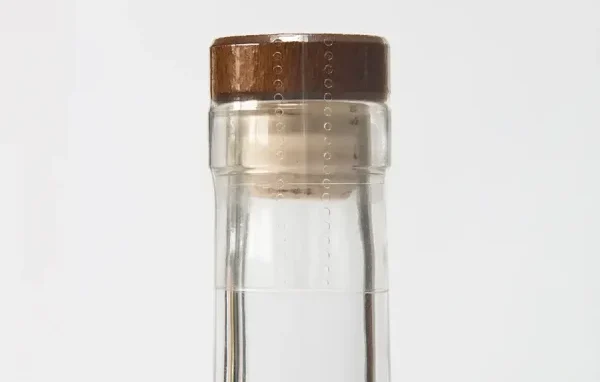
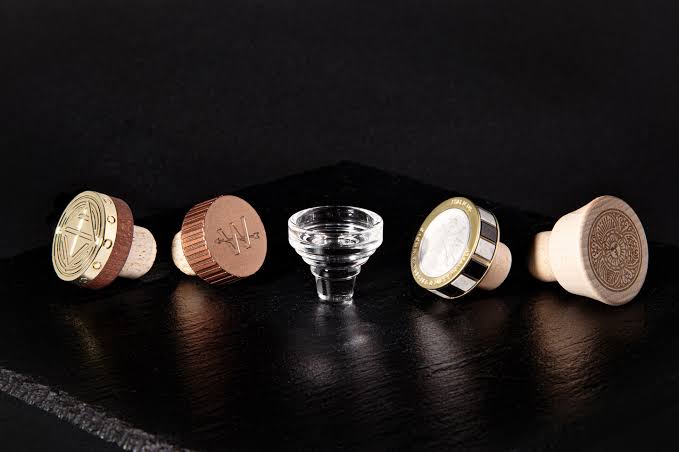
Plastic stoppers for spirits bottles are bar-top or T-top closures with a visible plastic head and a sealing shank that fits into the bottle neck. They are commonly used for liquor bottles that need a premium resealable closure rather than a simple screw cap.
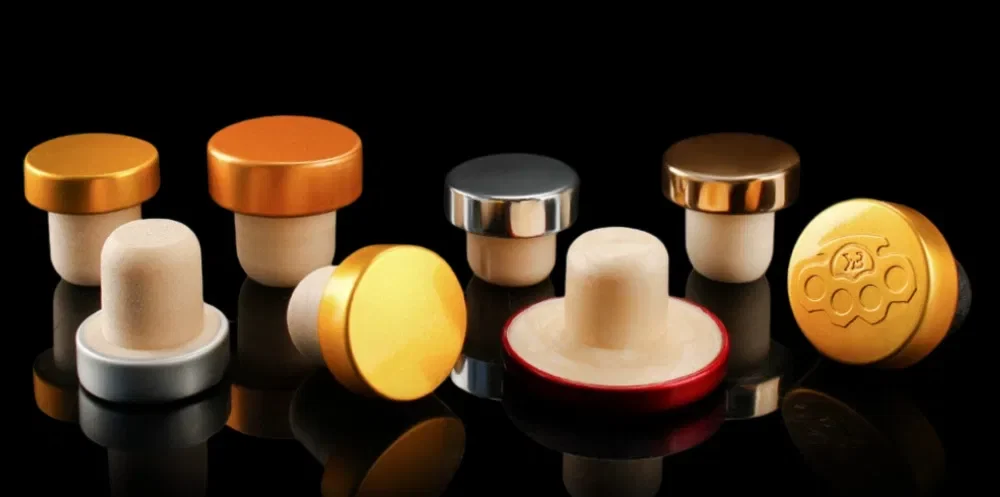
The plastic head is the visible top component. It can be smooth, ribbed, matte, glossy, textured, printed, embossed, debossed, color-matched, or custom molded. This part creates the visual identity of the closure and influences how the bottle feels in the customer’s hand.
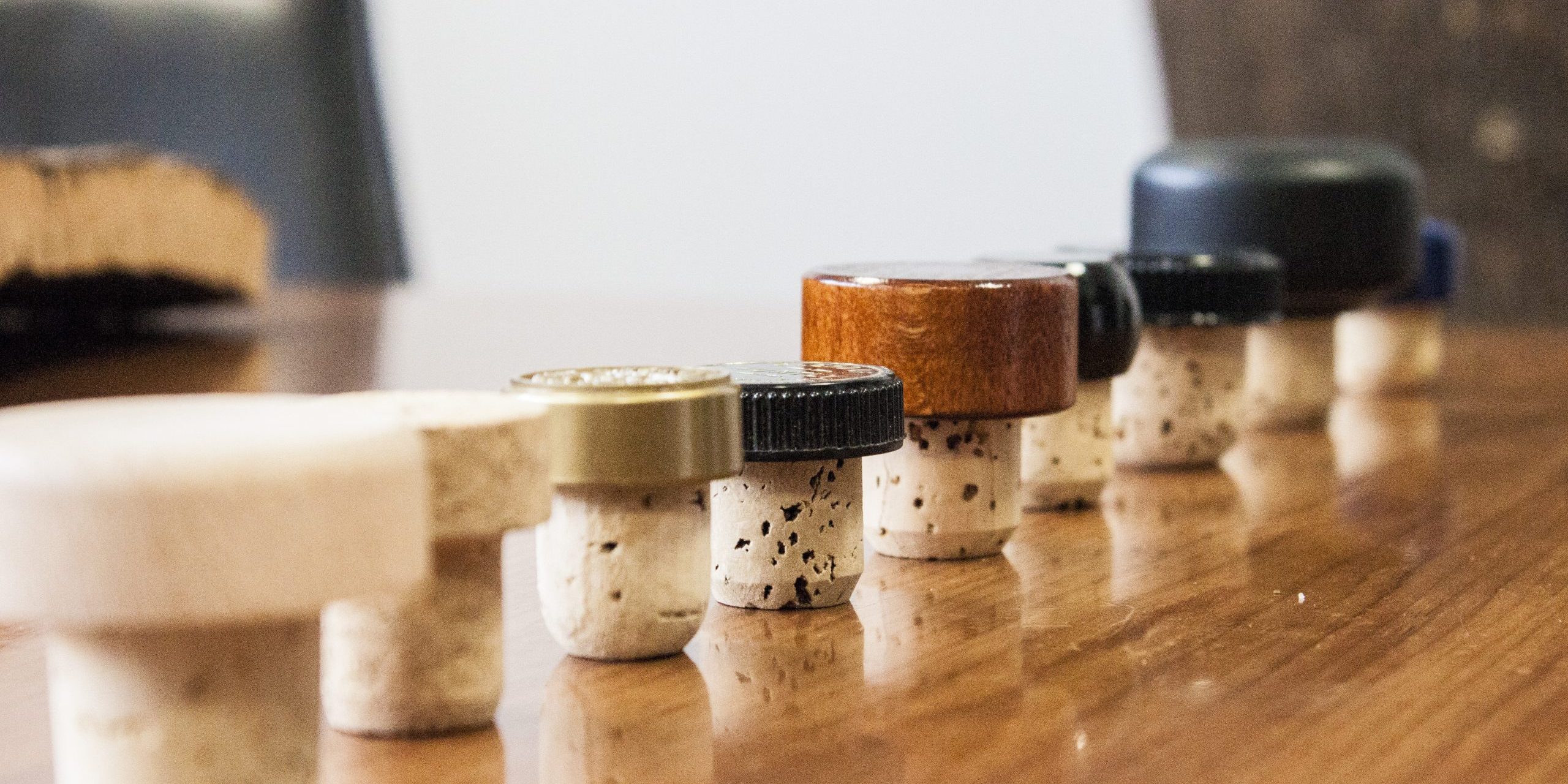
The shank is the insert that enters the neck of the bottle. It creates the friction, compression, and sealing contact needed for a secure fit. Depending on the product and positioning, the shank may be synthetic cork, technical cork, natural cork, TPE, or another polymer-based material.
In sourcing discussions, these closures may be described as plastic bar-top stoppers, plastic T-top corks, liquor bottle stoppers, synthetic cork bar-top closures, custom plastic bottle stoppers, branded plastic bottle stoppers, or spirits bottle closures. The terminology may vary, but the buying decision always comes back to fit, sealing performance, visual quality, and supply reliability.
Why Spirits Brands Use Plastic Stoppers
Spirits brands use plastic stoppers because they provide design flexibility, repeatable appearance, and cost control for commercial packaging programs. A molded plastic head can be produced in a wide range of colors, shapes, finishes, and logo styles, making it useful for both premium spirits and high-volume private-label projects.
A vodka brand may choose a glossy black plastic T-top stopper for a clean modern look. A rum brand may prefer a warm brown ribbed stopper to suggest depth and richness. A gin brand may use botanical green or blue to connect the closure with flavor cues on the label. A liqueur brand may use color-coded stoppers to separate different flavors within one product family.
Plastic stoppers are also practical for multi-SKU spirits programs. A brand can use the same closure profile across whisky, rum, gin, vodka, tequila, and liqueur while changing the color, logo, or surface finish. This helps simplify sourcing, improve shelf consistency, and support repeat orders.
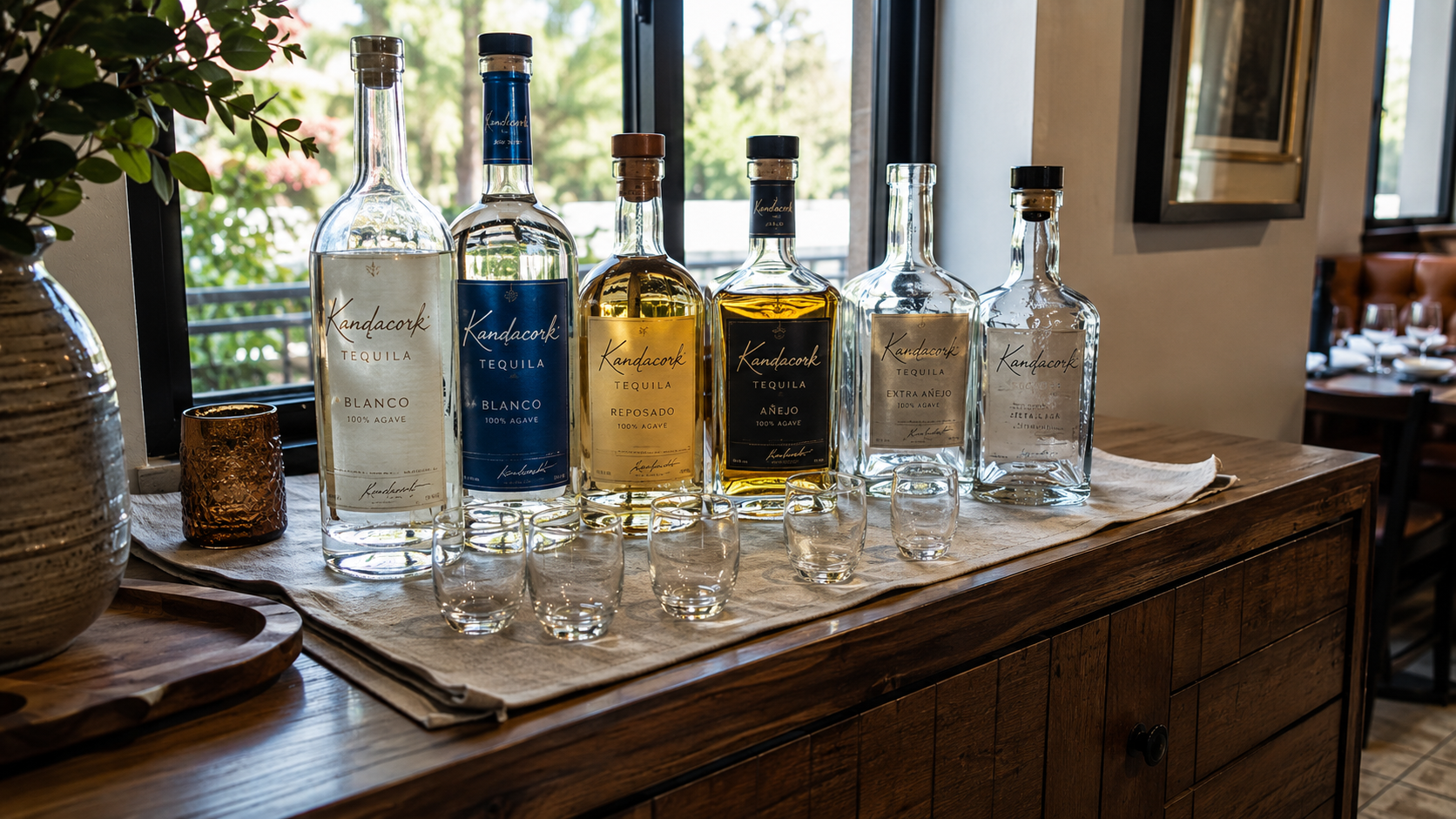
For buyers who need closure engineering, fit matching, and brand customization in one process, Kandacork Closures supports spirits packaging projects from sample review to bulk production.
Plastic Bar-Top Stoppers vs Plastic T-Top Stoppers
Plastic bar-top stoppers and plastic T-top stoppers usually refer to the same general closure format. Both have a wider top head and a narrower shank that fits inside the bottle neck.
The term bar-top is common in the spirits industry because this style is widely used for bottles opened and resealed in bars, restaurants, tasting rooms, retail displays, and home bars. The term T-top describes the physical shape: a top cap attached to a vertical shank.
When sourcing plastic stoppers for spirits bottles, buyers should not rely only on the product name. A proper specification should confirm head diameter, shank diameter, shank length, shank material, head material, surface finish, decoration method, neck compatibility, packing format, and order quantity.
Two closures may both be called 22.5 mm T-top stoppers, but they may not perform the same way. Small differences in shank material, compression, bottle tolerance, and insertion depth can change the fit and opening feel.
Core Buying Factors for Plastic Stoppers
A good plastic stopper should match both the bottle and the brand. Before requesting samples or a bulk quote, buyers should prepare the most important technical, branding, and commercial details.
| Buying factor | What to confirm | Why it matters |
|---|---|---|
| Bottle neck ID | Internal neck diameter and tolerance | Determines the correct shank size |
| Shank material | Synthetic cork, natural cork, technical cork, TPE, or polymer | Affects compression, sealing, and pull feel |
| Head design | Diameter, profile, shape, weight, and finish | Controls visual proportion and handling |
| Decoration | Printing, embossing, debossing, molded logo, or color matching | Supports brand recognition |
| Spirit type | Whisky, vodka, gin, rum, tequila, brandy, liqueur, or RTD | Helps review compatibility and positioning |
| ABV | Alcohol strength of the filled product | Supports material compatibility review |
| Filling method | Manual, semi-automatic, or automatic line | Affects insertion force and handling |
| Target market | Domestic, U.S., EU, export, or multi-market | Helps plan documentation and compliance |
| Order volume | First order and annual forecast | Affects MOQ, pricing, and production planning |
This process prevents one of the most common sourcing problems: choosing a closure from a photo without confirming whether the shank actually fits the bottle.
How to Choose the Right Stopper Size
The right stopper size starts with the bottle neck, not the visible top. The plastic head affects the look of the finished package, but the shank controls fit, sealing, insertion, and pull-out feel.
Buyers should measure the internal neck diameter, then match it with the correct shank diameter, shank length, and compression range. If possible, the supplier should review both bottle drawings and physical samples.
A stopper that is too loose may leak, wobble, or come out during shipping. A stopper that is too tight may be difficult to insert, deform under pressure, or feel uncomfortable for the customer to remove. The best fit is secure without being excessive.
Glass bottle tolerance also matters. Two bottles with similar nominal neck dimensions may behave differently if they come from different molds, factories, or production batches. That is why sample testing is essential before bulk production.
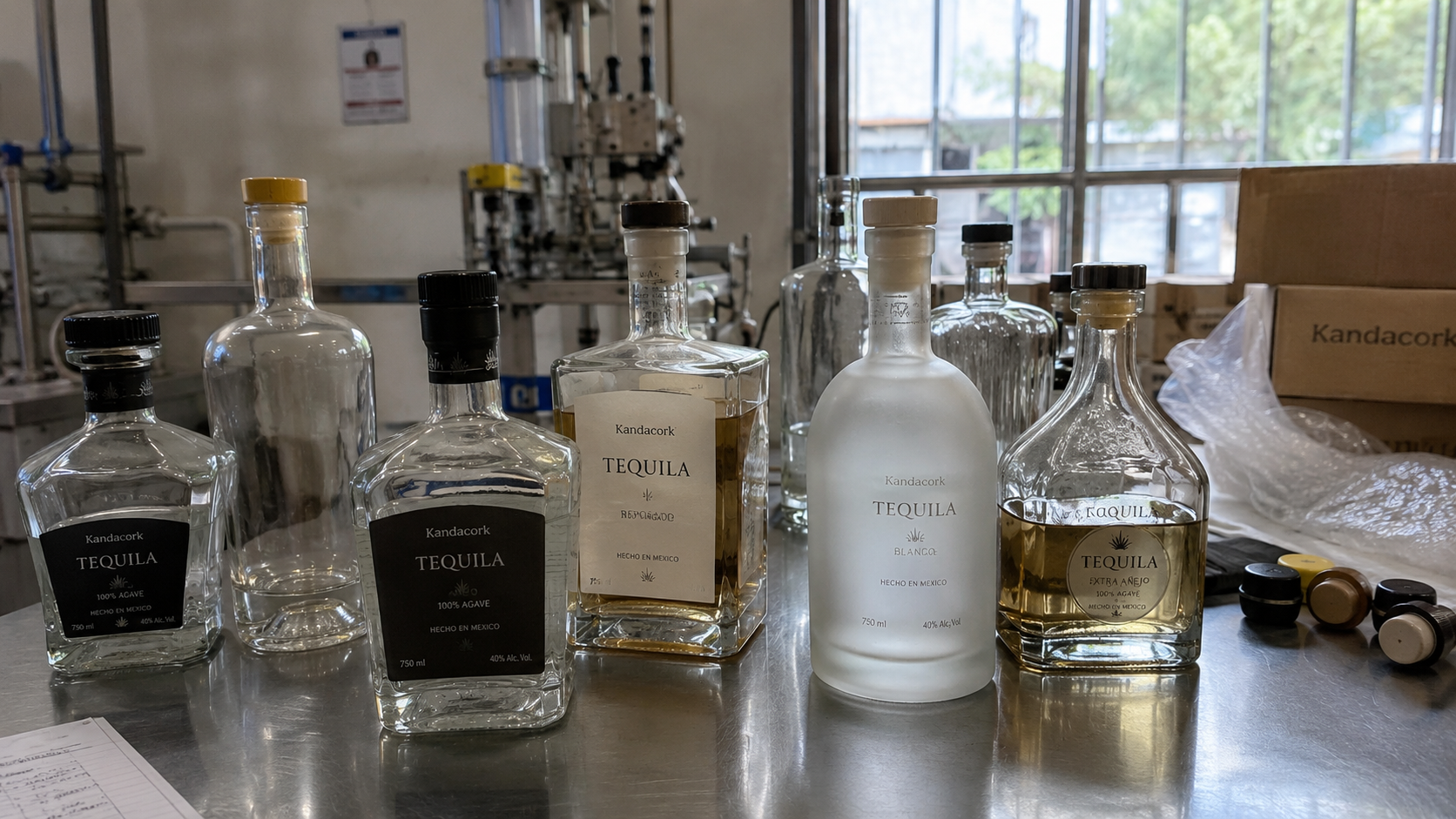
When buyers source bottles and stoppers from separate suppliers, they should still test them together as one packaging system. The bottle neck, closure shank, fill product, filling line, carton packing, and shipping route all influence the final result.
Shank Compression and Pull-Out Feel
Shank compression is the pressure created when the stopper is inserted into the bottle neck. It is one of the most important technical factors in plastic stoppers for spirits bottles.
If compression is too low, the closure may feel loose or fail during inversion, storage, or transport. If compression is too high, the stopper may be difficult to apply on the filling line or hard for customers to pull out.
Pull-out force is part of the consumer experience. Premium spirits should feel secure, controlled, and intentional when opened. A loose stopper feels cheap and unreliable. An overly tight stopper feels inconvenient and may damage the customer’s perception of quality.
The goal is balanced closure performance: smooth insertion, stable sealing, comfortable opening, and reliable resealing. This is why plastic bar-top stoppers should be tested on the actual bottle, not selected by catalog size alone.
Choosing the Right Shank Material
The plastic head creates the visual identity, but the shank does most of the functional work. Choosing the right shank material helps balance appearance, compression, cost, and production stability.
Synthetic cork shanks are widely used in spirits packaging because they offer consistent dimensions, controlled compression, and repeatable appearance. They are especially useful for high-volume programs, private-label spirits, and modern packaging designs. Buyers comparing polymer-based closure options can also review synthetic bottle stoppers when they need stable fit and clean visual repeatability.
Natural cork shanks provide a traditional look and a familiar opening experience. They may be suitable for heritage spirits, craft brands, or products that want a natural material story. However, buyers should account for natural variation in appearance and performance.
Technical cork shanks use processed cork materials to improve consistency while retaining a cork-based identity. They can be a practical middle ground for brands that want tradition with more controlled performance.
TPE and polymer shanks may be selected when a project needs a specific sealing behavior, flexibility, or technical fit. These materials should be reviewed carefully for the intended beverage, ABV, and target market.
Plastic vs Wood vs Aluminum vs Cork Stoppers
The best closure material depends on brand positioning, bottle design, target cost, production volume, and the desired customer experience.
| Closure type | Best use case | Main advantages | Watch-outs |
|---|---|---|---|
| Plastic stopper | Custom colors, molded shapes, high-volume spirits, private-label programs | Flexible design, controlled cost, repeatable appearance, lightweight, strong color options | Must confirm fit, material suitability, odor neutrality, and finish quality |
| Wooden stopper | Craft spirits, heritage brands, natural packaging stories | Warm tactile feel, natural appearance, premium traditional image | Natural variation, possible higher cost, color and grain differences |
| Aluminum stopper | Modern vodka, gin, tequila, whisky, and premium minimalist brands | Metallic finish, durable surface, contemporary premium look | Decoration, tooling, and cost planning may differ |
| Natural cork stopper | Classic spirits packaging and cork-led brand stories | Recognizable material, traditional pull feel, natural appeal | Variation and fit consistency must be managed |
| Synthetic shank stopper | Stable production and consistent closure performance | Controlled compression, clean appearance, strong repeatability | Must be matched correctly to the bottle neck |
Plastic stoppers are especially valuable when a spirits brand needs exact color control, molded geometry, repeatable appearance, and scalable supply. Wood or aluminum may create a different premium signal, but plastic often gives the buyer more freedom in color, profile, and cost planning.
Food-Contact and Regulatory Considerations
Plastic stoppers for spirits bottles should be specified with suitable materials and documentation for the intended market. The closure may contact the bottle mouth, product residue, vapor space, or the spirit itself during storage and use, so buyers should not treat material selection as an afterthought.
In the United States, the FDA provides resources for packaging and food contact substances, including materials and components that may come into contact with food or beverages. For European projects, Commission Regulation (EU) No. 10/2011 is a key reference for plastic materials and articles intended to come into contact with food.
For spirits packaging, buyers should discuss material declarations, migration considerations, colorants, coatings, adhesives, inks, odor neutrality, and high-ABV compatibility early in the project. This is especially important for custom colors, metallic-effect decoration, and printed or coated surfaces.
A closure can look correct but still be unsuitable if the material system is not appropriate for the beverage application or target market. Early documentation review helps reduce the risk of delays after artwork, tooling, or bulk purchasing decisions have already been made.
Quality Control in Bulk Production
Bulk closure purchasing requires repeatable quality. One attractive sample is not enough to prove that thousands or millions of stoppers will perform consistently.
Quality control for plastic stoppers for spirits bottles should review head diameter, shank diameter, shank length, color consistency, surface finish, logo clarity, cap-to-shank bonding, odor, insertion feel, pull-out force, leak resistance, and carton condition.
Quality systems matter because closure performance depends on controlled materials, stable production settings, dimensional inspection, and documented procedures. ISO 9001 quality management is widely recognized as a framework for consistent process control and continual improvement.
For a spirits brand, closure quality affects more than packaging appearance. It affects bottling efficiency, shipping performance, customer trust, and reorder confidence. A closure that varies from batch to batch can create production stoppages, complaints, or inconsistent shelf presentation.
Testing Before Bulk Orders
Sample testing is the best way to confirm whether a plastic stopper works for the real bottle and product. Testing should happen before a bulk order, not after finished packaging has already been scheduled.
Recommended checks include neck measurement, trial insertion, pull-out testing, inversion testing, leak testing, storage review, odor review, visual inspection, and carton packing review. If the stopper will run on a filling line, the buyer should also test insertion equipment, line speed, stopper feeding, and operator handling.
| Test | What it confirms |
|---|---|
| Neck measurement | Actual bottle bore and tolerance |
| Trial insertion | Application feel and fit stability |
| Pull-out test | Consumer opening experience |
| Inversion test | Obvious leakage risk |
| Storage review | Fit behavior over time |
| Odor review | Potential unwanted closure odor |
| Visual inspection | Color, finish, logo, and surface quality |
| Filling-line trial | Production compatibility |
| Packing review | Protection during storage and export |
For export projects, buyers should also evaluate vibration, carton stacking, temperature changes, and long-distance logistics. Organizations such as ISTA are often referenced in transport packaging contexts because real distribution conditions can affect the complete bottle-and-closure system.
Testing helps reduce the risk of leakage, customer complaints, production delays, and emergency replacement orders.
Custom Branding Options for Plastic Stoppers
One of the strongest advantages of plastic stoppers for spirits bottles is branding flexibility. Plastic heads can be molded and finished in ways that support both premium positioning and efficient production.
Common options include custom color matching, molded profiles, smooth sides, ribbed sides, matte finishes, glossy finishes, textured surfaces, top logo printing, side printing, embossing, debossing, and molded brand symbols.
A whisky brand may prefer a dark, weighty visual style. A tequila brand may want a bold color that stands out on shelf. A gin brand may use botanical tones to support its flavor story. A liqueur brand may use different closure colors to separate flavor variants.
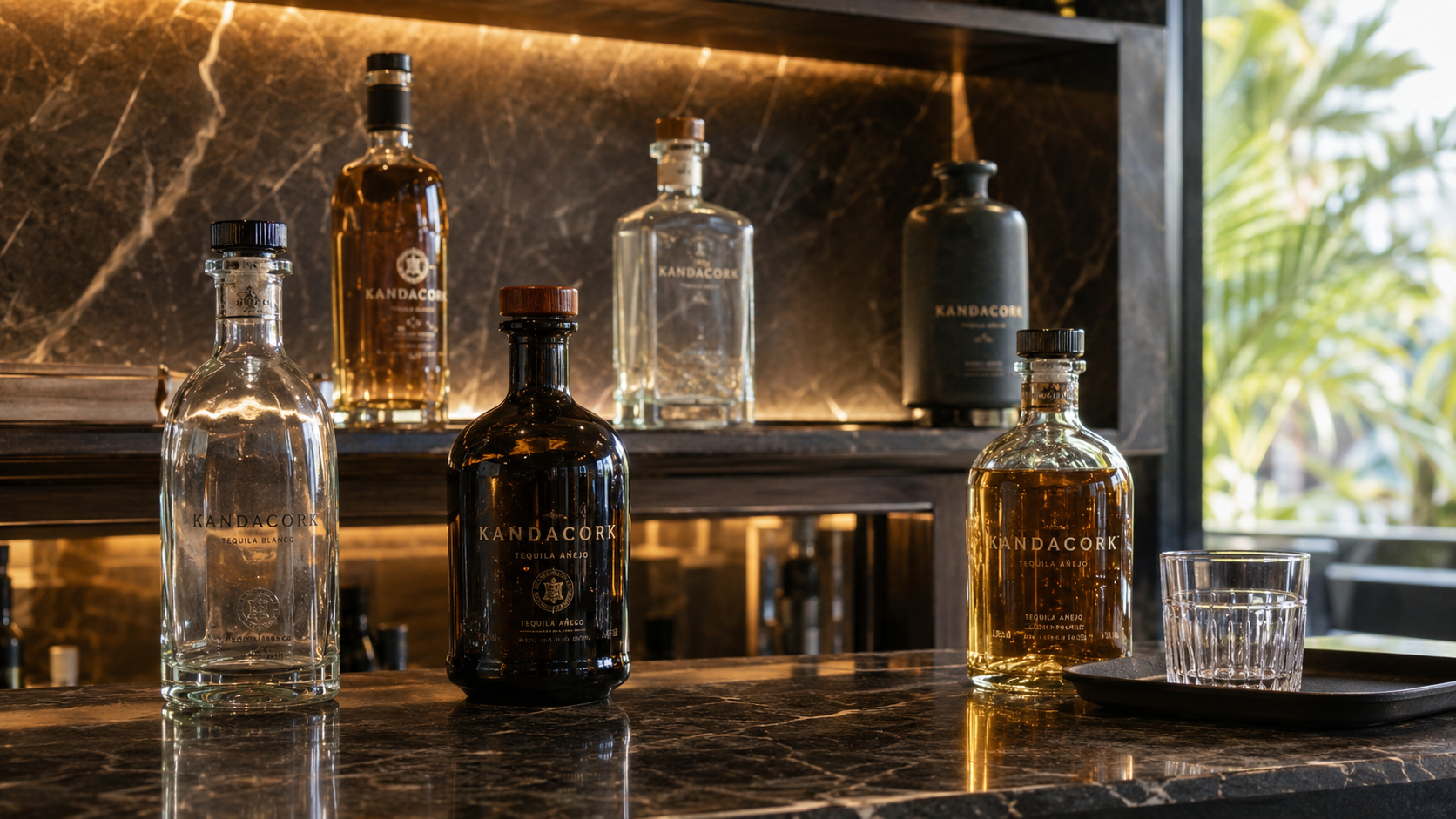
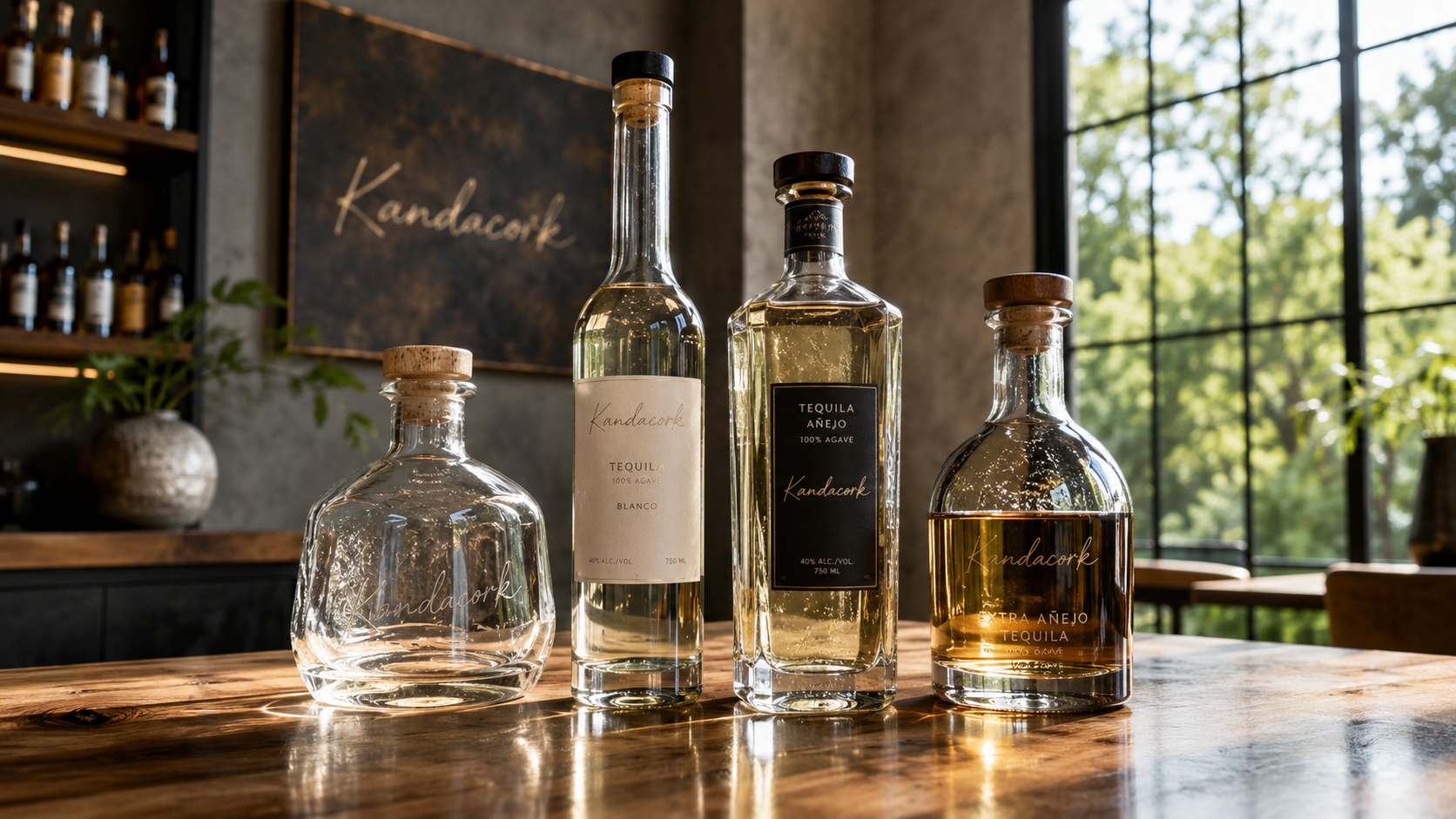
For brands building a complete packaging identity, closure design should be coordinated with bottle shape, glass color, label material, carton structure, and decorative finishing. Sibling packaging resources such as spirits bottle solutions and decoration and branding support can help teams think about the stopper as part of the full bottle system rather than an isolated component.
The Kandacork Stopper Selection Framework
Kandacork uses a practical selection process to help buyers move from concept to production-ready closure.
| Selection stage | What the team reviews |
|---|---|
| Bottle fit | Bottle drawing, neck bore, glass tolerance, neck finish, physical sample |
| Product requirement | Spirit type, ABV, target market, filling method, storage conditions |
| Shank selection | Synthetic cork, natural cork, technical cork, TPE, or polymer options |
| Head design | Plastic head shape, diameter, profile, surface finish, and color |
| Brand decoration | Logo method, color matching, embossing, debossing, or printing |
| Sample testing | Insertion, pull-out, leakage, odor, appearance, and handling |
| Bulk approval | Final specification, packing, quantity, lead time, and reorder plan |
This framework helps buyers avoid generic selection. Instead of choosing a stopper only from a product photo, the project is reviewed around the actual bottle, product, brand position, filling process, and production requirement.
For buyers building a full closure program, Kandacork also provides broader spirits bottle packaging supplier support for bar-top closures, stoppers, caps, decoration requirements, sample development, and export-ready coordination.
What Buyers Should Prepare for a Quote
A detailed request helps the supplier recommend the right stopper faster. Buyers do not always need every technical drawing at the first contact, but the more information available, the easier it is to reduce sampling delays.
Useful technical details include bottle drawing, neck finish drawing, bottle sample, internal neck diameter, bottle material, bottle supplier, filling method, spirit type, ABV, storage conditions, and target market.
Useful branding details include logo artwork, Pantone reference, desired color, surface finish, embossing or debossing requirements, decoration reference images, and packaging direction.
Useful commercial details include first order quantity, annual forecast, required delivery date, shipping destination, packing requirements, and any documentation needs.
If the bottle is still under development, the closure should be considered early. Bottle neck design, stopper shank selection, and filling-line requirements should be aligned before final glass molds or bulk stopper tooling are confirmed.
Coordinating Bottles, Closures, and Decoration
A stopper performs best when it is developed as part of a complete packaging system. The glass bottle, neck finish, closure, label, decoration, carton, and logistics route should all support the same commercial objective.
For example, a premium whisky bottle with a heavy base may need a closure with stronger visual weight and a controlled pull feel. A minimalist vodka bottle may benefit from a clean molded plastic top with a smooth finish. A craft gin bottle may need closure color matching that works with transparent glass, botanical artwork, and printed label details.
When buyers are also reviewing glass structure, capacity, and decoration surfaces, Kandacork Glass can support broader bottle development, while closure details can be refined through Kandacork Closures. For technical comparison across closure formats, buyers can also review the bottle closures and stoppers sourcing guide.
This integrated approach helps prevent mismatched decisions. A stopper selected too late may not fit the bottle proportion, the filling line, or the brand image. Early coordination protects launch timing and improves the final package.
Sustainability and Material Choices
Sustainability in spirits packaging should be considered across the full system, not only the stopper. Bottle weight, recycled glass content, decoration methods, closure material, carton design, shipping efficiency, and reorder planning all influence the environmental profile of a packaging program.
Plastic stoppers can support efficient production and lightweight closure design, but buyers should still ask practical questions: Is the material appropriate for the target market? Can decoration be simplified? Does the closure reduce waste from misfit or leakage? Can the stopper be packed efficiently for export? Can the same closure platform serve multiple SKUs to reduce complexity?
Brands with broader sustainability goals may also evaluate glass options, recycled content, lighter bottle structures, and coordinated packaging choices through Kandacork Eco Glass. A well-planned package balances appearance, performance, cost, compliance, logistics, and responsible material use.
Common Buying Mistakes to Avoid
Many closure problems happen because buyers focus on the top appearance while ignoring the shank and bottle neck.
A stopper can look premium in a photo but fail in production if it does not match the bottle bore. Common mistakes include choosing by head diameter only, skipping bottle neck measurement, assuming similar bottles fit the same stopper, ignoring shank compression, and placing a bulk order before sample testing.
Another mistake is using decorative retail stoppers for commercial filling. Retail stoppers may be suitable for small resale or consumer use, but production closures should be matched to the actual bottle, filling method, spirit type, distribution route, and target market.
Buyers should also avoid confirming custom colors, inks, coatings, adhesives, or metallic effects without discussing food-contact suitability and documentation. The decoration must look good, but it must also be appropriate for the beverage application.
Are Plastic Stoppers Suitable for Premium Spirits?
Plastic stoppers can be suitable for premium spirits when the design, finish, shank, and fit are properly specified.
Premium value does not come from the material name alone. It comes from the complete packaging experience: bottle shape, glass weight, label quality, closure fit, top finish, opening feel, color harmony, and brand consistency.
A well-designed plastic bar-top stopper can look clean, modern, and premium. It can also provide strong consistency across large production batches. For brands that need exact color control, unique molded shapes, or repeatable appearance across multiple SKUs, plastic can be a very practical premium option.
The key is to avoid generic selection. A premium plastic stopper should be developed around the bottle shape, brand position, surface finish, logo method, shank behavior, and sample test result.
Distilled Spirits Labeling and Market Presentation
The closure is not a label, but it contributes to the overall presentation of a regulated spirits product. In the United States, the Alcohol and Tobacco Tax and Trade Bureau provides guidance on distilled spirits labeling, and brands should make sure the final package supports the required label placement, visibility, and market expectations.
A large stopper, capsule, neck label, tamper feature, or decorative band should not interfere with the readability or placement of required information. This is especially important when packaging teams design premium neck treatments, shrink sleeves, or complex decorative closures.
For export projects, buyers should review the bottle, label, closure, and secondary packaging together before final approval. Packaging that looks attractive in design renderings still needs to work in real compliance, filling, shipping, and retail conditions.
FAQ
What are plastic stoppers for spirits bottles?
Plastic stoppers for spirits bottles are bar-top or T-top closures with a plastic head and a sealing shank. They are used to close whisky, vodka, rum, gin, tequila, brandy, liqueur, and other spirits bottles while supporting branding and resealing.
How do I choose the right size plastic stopper?
Measure the bottle’s internal neck diameter, then match the shank diameter, shank length, and compression range. The stopper should be tested on the actual bottle before bulk production to confirm fit, insertion feel, pull-out force, and leakage resistance.
Are plastic stoppers suitable for premium spirits?
Yes. Plastic stoppers can be suitable for premium spirits when the head design, surface finish, logo decoration, shank material, and bottle fit are carefully specified. Premium quality depends on the full packaging experience, not material alone.
Can plastic bar-top stoppers be customized?
Yes. Plastic bar-top stoppers can be customized with brand colors, molded shapes, matte or gloss finishes, ribbed sides, printed logos, embossed details, debossed marks, and different shank materials.
What is the difference between a plastic stopper and a synthetic cork stopper?
A plastic stopper usually refers to the visible plastic head. A synthetic cork stopper usually refers to the shank material. Many spirits closures combine a plastic head with a synthetic cork or polymer-based shank.
Do plastic stoppers affect the taste of spirits?
A properly specified stopper should be selected for odor neutrality and product compatibility. Buyers should test the closure with the actual spirit and discuss food-contact documentation, especially for high-ABV products and export markets.
Should I order samples before bulk production?
Yes. Sample testing is strongly recommended. Buyers should check insertion feel, pull-out force, leakage, odor, appearance, logo quality, filling-line compatibility, and packing performance before approving a bulk order.
What information should I send for a quote?
Send the bottle drawing, neck finish drawing, bottle sample if available, spirit type, ABV, target market, order quantity, logo artwork, color reference, finish preference, and documentation requirements. To begin a project, contact Kandacork through the custom closure quote page.
Conclusion
Plastic stoppers for spirits bottles offer a practical balance of branding flexibility, sealing performance, production consistency, and cost control. They can support premium packaging, high-volume bottling, private-label spirits, limited editions, export projects, and multi-SKU product families.
The best stopper is selected through real technical review, not appearance alone. Bottle neck diameter, shank compression, material compatibility, food-contact documentation, decoration method, quality control, and sample testing all influence the final result.
For distilleries, spirits brands, importers, and packaging buyers, Kandacork Closures can help develop plastic bar-top stoppers that match the bottle, support the brand, and perform in bulk production. A well-specified closure protects product integrity, improves shelf presentation, and gives customers a confident opening experience from the first pour.