ROPP closures are roll-on pilfer-proof caps commonly used for secure bottle sealing. This guide explains their structure, bottle neck requirements, liner options, pilfer band function and key checks for spirits bottle projects.
What Are ROPP Closures?
ROPP closures are roll-on pilfer-proof caps, usually made from aluminum or aluminum alloy. Unlike a pre-threaded screw cap, a ROPP cap is typically formed onto the bottle during capping. The cap begins as a smooth or partially formed metal shell. During application, rollers press the cap skirt around the bottle’s thread profile while forming the tamper-evident band below the locking ring.
The “pilfer-proof” function refers to visible first-opening evidence. When the consumer opens the bottle, the lower band breaks, separates, or remains on the neck. This helps show whether the package has already been opened.
In practical buyer terms, a ROPP closure is a tamper-evident aluminum bottle cap that is rolled onto a compatible neck finish during the filling and capping process.
ROPP caps are common in vodka, gin, tequila, mezcal, rum, liqueur, RTD cocktails, mini spirits, wine, olive oil, and selected specialty-liquid packaging. They are especially useful when a brand needs a clean metal finish, controlled opening performance, reliable reclosure, and efficient filling-line compatibility.
Why Spirits Brands Use ROPP Closures
Spirits brands use ROPP closures because they solve several packaging challenges at once: tamper evidence, sealing, repeatable application, reclosure, and shelf appearance.
Tamper evidence is one of the main reasons. In the United States, the Alcohol and Tobacco Tax and Trade Bureau explains that distilled spirits bottles and containers must use a securely affixed tamper-evident closure or similar device that breaks when the container is opened. While requirements vary by market, visible first-opening evidence is an important packaging expectation for many spirits products.
Sealing performance is another major benefit. When the correct liner and bottle finish are used, ROPP caps can help reduce leakage risk across storage and distribution. This matters because leakage can damage labels, soften cartons, create odor issues, reduce fill appearance, and increase customer complaints.
ROPP closures also support production efficiency. They are widely used with semi-automatic and automatic capping equipment, making them suitable for brands moving from small-batch filling to larger commercial production.
From a branding perspective, the aluminum surface gives buyers many finishing options. ROPP caps can be color-coated, printed, embossed, debossed, knurled, brushed, matte, gloss, metallic, or coordinated with capsule and label systems. For brands that need broader closure selection, Kandacork Closures also supplies spirits closures and stoppers for different bottle styles, market positions, and filling requirements.
Quick Closure Selection Guide
| Packaging Goal | Suitable Closure Direction | Best Fit |
|---|---|---|
| Visible tamper evidence and metal finish | ROPP closure | Vodka, gin, tequila, liqueur, RTD cocktails, mini bottles |
| Traditional premium opening ritual | Bar-top stopper | Whisky, rum, brandy, craft spirits |
| Anti-refill protection | Non-refillable closure | Export spirits, high-risk markets, anti-counterfeit packaging |
| Simple threaded container use | Screw cap | General threaded bottles and beverage containers |
| Full visual packaging coordination | ROPP cap with bottle decoration | Premium spirits, private label, limited editions |
How Do ROPP Closures Work on a Bottle?
ROPP closures work through top pressure, liner compression, and roller forming.
First, the cap is placed over the filled bottle. The capping head applies downward pressure so the liner inside the closure compresses against the bottle’s sealing surface. This liner contact is essential because it helps create the seal between the cap and the bottle.
Next, side rollers form the aluminum skirt around the bottle’s thread profile. Because aluminum is formable, the cap takes the shape of the compatible neck finish during application. A separate forming stage shapes the pilfer band below the bottle’s locking ring.
When the consumer twists the cap for the first time, the upper cap turns while the tamper-evident band resists movement. The bridge points break, giving the consumer visible evidence that the bottle has been opened.
This process explains why ROPP performance depends on the full packaging system. The cap, liner, bottle neck finish, sealing surface, thread area, pilfer band position, and capping machine settings must work together. If one element is mismatched, the result may be leakage, cap spinning, high opening torque, low opening torque, cap deformation, or uneven pilfer band breakage.
Common Applications for ROPP Closures
ROPP closures are widely used in spirits and beverage packaging because they offer a clean, efficient, and tamper-evident format.
Vodka and gin brands often choose ROPP caps for a modern, minimal, and production-friendly presentation. Tequila and mezcal brands may use them when they want tamper evidence and line consistency instead of a cork-style ritual. Liqueur and RTD cocktail projects often benefit from ROPP systems because sealing performance is important for sweet, flavored, or mixed liquid formulas.
Mini spirits bottles are another strong application. Smaller bottle formats need consistent closure fit, strong leak resistance, and reliable tamper evidence, especially when used for samples, travel retail, gift sets, and promotional programs.
Outside spirits, ROPP closures may be used for wine, olive oil, sauces, syrups, functional beverages, and selected pharmaceutical or nutraceutical liquids. In each case, the closure must be reviewed against the product formula, neck finish, liner choice, filling process, and destination-market expectations.
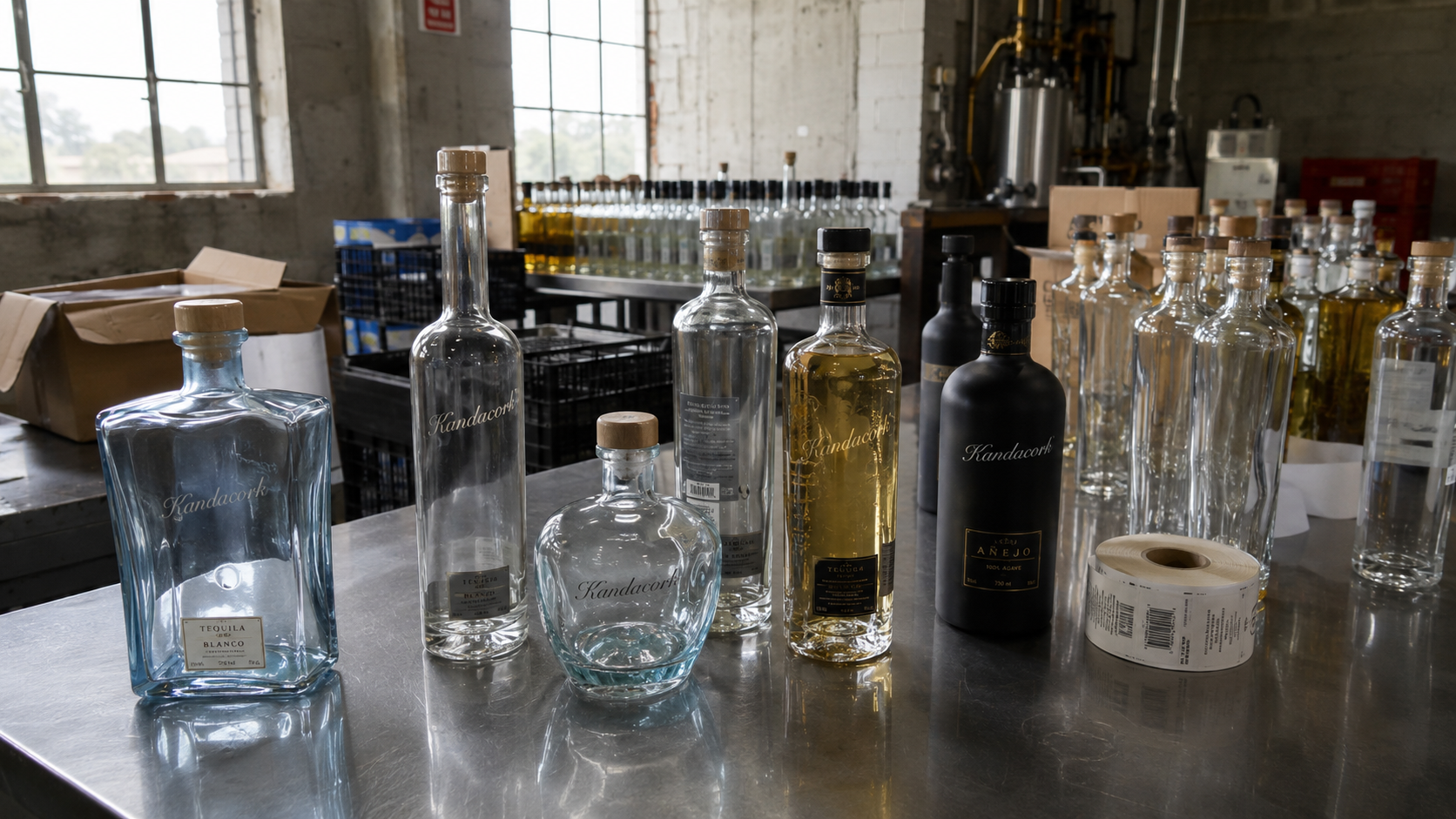
For brands developing both bottle and closure together, custom spirits bottle development can help align glass structure, neck finish, closure fit, bottle proportions, and shelf presentation from the start of the project.
ROPP Closure Materials and Components
A typical ROPP closure includes an aluminum shell, internal liner, skirt, bridge points, and pilfer band. Depending on the project, it may also include a pourer insert, flow-control fitment, or non-refillable component.
The aluminum shell provides the main structure and decoration surface. Aluminum is valued in closure production because it is lightweight, formable, and suitable for high-quality decoration. It is also relevant to packaging sustainability discussions because aluminum can be recycled through established recovery systems; the International Aluminium Institute provides industry resources on aluminum recycling and circularity.
The liner is selected according to the liquid, alcohol level, flavor profile, storage conditions, filling method, and target market. For products sold in food and beverage channels, buyers should consider food-contact expectations for closure liners and packaging components. The U.S. Food and Drug Administration describes food-contact substances as materials that contact food but are not intended to have a technical effect in the food itself.
For EU-market projects, packaging teams should also consider the European Commission food contact materials framework, which addresses packaging materials intended to come into contact with food, including metal, glass, plastic, paper, and other materials.
Key Specifications Buyers Should Confirm
ROPP closures should not be selected by appearance alone. The most important technical factor is the bottle neck finish. The closure must match the neck diameter, thread profile, sealing surface, transfer bead, pilfer band area, and cap height requirement.
Buyers should confirm the closure diameter, closure height, shell thickness, liner type, finish, decoration method, opening torque target, and capping machine compatibility. Small dimensional differences can affect liner compression, thread formation, opening feel, and tamper band performance.
For spirits and beverage products, the liquid itself also matters. Alcohol percentage, sugar level, acidity, flavor oils, carbonation, filling temperature, storage temperature, and export shipping conditions may all influence liner choice and testing requirements.
A professional supplier should ask for bottle drawings, neck finish drawings, bottle samples, product information, filling-line details, artwork, annual volume, and target market. Kandacork Closures offers cap and neck compatibility support to help buyers review these details before approving samples or bulk production.
ROPP Closures vs Screw Caps
ROPP closures and screw caps may look similar on a finished bottle, but they are not the same closure system.
A standard screw cap is usually pre-threaded before application. It is screwed onto a matching threaded bottle neck. Depending on the design, it may or may not include a tamper-evident feature.
A ROPP cap is formed during application. The capping machine rolls the aluminum skirt around the bottle thread profile and forms the pilfer band. This makes bottle neck compatibility and machine setup especially important.
| Factor | ROPP Closure | Standard Screw Cap |
|---|---|---|
| Thread formation | Formed during capping | Pre-formed before application |
| Tamper evidence | Usually integrated with pilfer band | Depends on cap design |
| Equipment | Requires ROPP capping machine | Uses screw capping equipment |
| Main material | Commonly aluminum or aluminum alloy | Metal or plastic, depending on use |
| Reclosure | Usually resealable after opening | Usually resealable |
| Best use | Spirits, wine, beverages, oils, specialty liquids | General threaded bottles and containers |
For brands comparing cap formats, Kandacork Closures also provides custom screw caps for projects where a pre-threaded cap is more suitable than a roll-on system.
ROPP Closures vs Bar-Top Stoppers
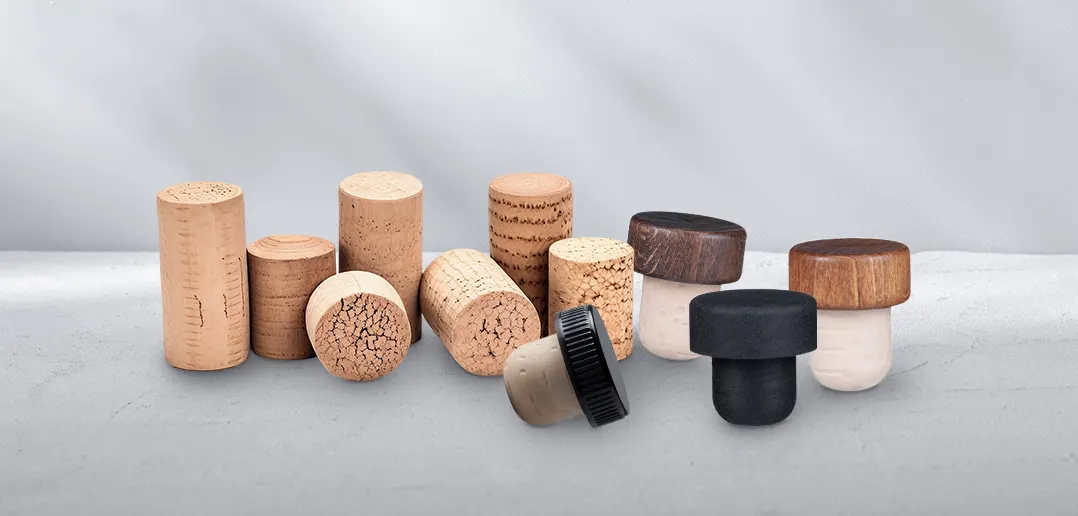
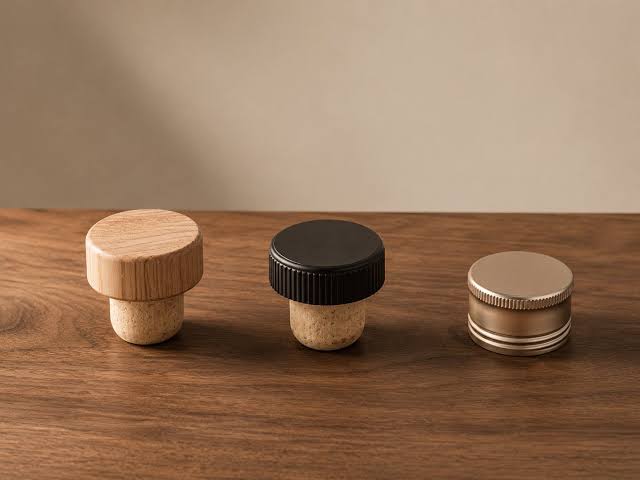
Bar-top stoppers are often used for premium spirits because they create a traditional opening ritual. They may combine a cork, synthetic shank, or plastic leg with a wood, metal, ceramic, glass, or synthetic top. This makes them popular for whisky, rum, brandy, tequila, and craft spirits where tactile experience and heritage cues matter.
ROPP closures serve a different purpose. They are usually better for brands that prioritize tamper evidence, efficient machine application, consistent reclosure, and a slim aluminum profile.
A premium sipping rum may use a bar-top stopper to communicate tradition. A vodka, gin, liqueur, RTD cocktail, or mini bottle may use a ROPP cap for production efficiency and clear first-opening evidence.
The best option depends on bottle design, product positioning, market requirements, filling-line setup, and consumer expectation.
ROPP Closures vs Non-Refillable Closures
ROPP closures are mainly designed for sealing, reclosure, and tamper evidence. Non-refillable closures are designed to make bottle refilling difficult after first use. They are often considered for markets where counterfeit spirits, refilling, or product diversion are significant concerns.
Some closure systems combine a ROPP-style outer cap with a pourer insert or anti-refill fitment. In this case, the buyer must evaluate both first-opening evidence and refill resistance.
If the main goal is visible tamper evidence, a standard ROPP closure may be enough. If the main concern is counterfeit refilling, non-refillable closures may be more appropriate.
For export spirits, packaging teams should review destination-market regulations, distributor expectations, retail channel requirements, and local consumer habits before finalizing the closure structure.
How to Choose the Right ROPP Cap Liner
The liner is one of the most important parts of a ROPP closure. It sits inside the cap and contacts the bottle’s sealing surface. Its role is to support leak resistance, product protection, opening performance, and reclosure feel.
For clear spirits, liner compatibility with alcohol is important. For liqueurs, the formula may include sugar, colorants, acids, or flavor compounds that require additional review. For RTD cocktails, the buyer must consider alcohol level, carbonation if applicable, filling method, storage conditions, and shelf-life expectations.
A liner that works well for one product may not work for another. This is why sample testing is important before mass production. Testing should include the actual bottle, actual closure, selected liner, real product or approved test liquid, and intended capping equipment whenever possible.
The goal is not simply to pass one sample-room inspection. The goal is to maintain stable sealing performance through filling, storage, handling, export shipping, retail display, and consumer use.
Custom Branding Options for ROPP Closures
ROPP closures are functional components, but they also contribute strongly to shelf presentation. The aluminum surface can be customized with top printing, side printing, custom color coating, matte finish, gloss finish, metallic finish, brushed effect, embossing, debossing, ribbing, or knurled sidewalls.
Some brands choose a simple matte black or brushed silver cap for a minimal look. Others use metallic gold, champagne, copper, or full-height decoration to create a more premium impression. The closure should match the bottle shape, label material, glass color, capsule system, and brand story.
For complete packaging programs, bottle decoration and branding can help coordinate closure color, glass coating, screen printing, embossing, labels, cartons, and gift-box presentation so the finished bottle feels consistent from top to base.
Common ROPP Closure Problems and How to Prevent Them
Several common problems can occur when the cap, bottle, liner, or machine setup is not properly matched.
Leakage may happen if the liner is wrong, the sealing surface is damaged, the cap is under-applied, or the bottle neck finish is inconsistent. High opening torque may occur when the cap is over-formed or the thread engagement is too tight. Low opening torque may happen when the cap is under-formed or the liner does not compress correctly.
Cap spinning can occur when the closure turns without opening properly. This may result from poor thread formation, incorrect cap dimensions, weak roller engagement, or bottle finish variation. Pilfer band failure may happen if the band is not formed under the locking ring correctly or if bridge strength is unsuitable.
Prevention starts with technical validation. Buyers should not approve a cap only by color, price, or appearance. They should test the closure on the real bottle, with the intended liquid, on the expected capping machine, under realistic storage and transport conditions.
For packaging teams that need added validation, Kandacork Closures supports sealing and leakage tests to help review closure fit, liner compression, leak resistance, and practical packaging risks before bulk production.
ROPP Closure Defect Diagnosis Table
| Issue | Possible Cause | What to Check |
|---|---|---|
| Leakage | Poor liner compression, wrong liner, damaged sealing surface | Liner type, top load, bottle finish, cap application |
| Cap spinning | Weak thread formation or incorrect cap size | Roller setting, neck thread, cap diameter, cap height |
| High opening torque | Over-forming or excessive compression | Torque setting, roller pressure, thread profile |
| Low opening torque | Under-forming or poor liner contact | Capping head setup, top pressure, liner thickness |
| Band does not break cleanly | Incorrect pilfer band formation | Bridge design, locking ring, roller position |
| Cap deformation | Excessive capping force or unsuitable cap thickness | Aluminum gauge, machine pressure, cap dimensions |
| Inconsistent appearance | Poor machine alignment or bottle variation | Bottle tolerances, cap quality, capping head alignment |
Testing Before Bulk Production
A professional ROPP closure project should include testing before final approval. This is especially important for spirits, export packaging, high-value products, and large-volume production.
Recommended validation steps include cap-to-bottle fit checks, liner contact inspection, opening torque testing, reclosure torque testing, inverted leakage checks, filled-product storage observation, pilfer band breakage review, capping-line trials, visual inspection after temperature changes, and decoration durability review.
Transport conditions should also be considered. Packaging may face vibration, compression, temperature variation, and long-distance movement before it reaches the retail shelf. The International Safe Transit Association provides test procedure resources that help packaging teams think about distribution performance and transport-related risk.
Testing should use real project conditions wherever possible. A cap that performs well on a clean sample bottle in an office may behave differently during high-speed filling, humid storage, container shipping, or regional distribution.
How Kandacork Closures Validates a Custom ROPP Closure Project
A custom ROPP closure project should move through a structured validation process before bulk production. This helps reduce leakage risk, decoration mistakes, torque problems, and filling-line delays.
| Validation Stage | Purpose |
|---|---|
| Bottle drawing review | Confirms neck finish, sealing surface, thread profile, and pilfer band area |
| Product and market review | Checks liquid type, alcohol level, destination market, and packaging expectations |
| Closure structure recommendation | Matches cap diameter, height, liner, shell, and decoration method |
| Sample fitting | Confirms visual fit, thread formation, liner contact, and band position |
| Torque and leakage testing | Checks opening force, reclosure feel, and sealing performance |
| Decoration approval | Reviews color, printing, embossing, debossing, finish, and brand consistency |
| Capping-line trial | Confirms the cap performs on the intended machine under real operating conditions |
| Pre-production confirmation | Finalizes specifications before mass production |
This workflow helps buyers avoid choosing caps only by appearance. A technically matched ROPP closure should support both packaging reliability and brand presentation.
Common Mistakes When Buying ROPP Closures
Many sourcing problems happen before the first production order. Buyers often focus on cap color, price, or diameter while overlooking the technical details that determine whether the closure will work.
| Common Mistake | Packaging Risk |
|---|---|
| Choosing only by diameter | The cap may not match the thread profile or pilfer band position |
| Sending bottle photos without drawings | Important neck-finish tolerances may be missed |
| Skipping liner testing | Leakage, flavor interaction, or poor opening performance may occur |
| Approving decoration before fit testing | Artwork may be finalized for the wrong closure structure |
| Ignoring capping machine compatibility | Torque, thread formation, and band breakage may become inconsistent |
| Testing with water only | Real spirits, liqueurs, or RTDs may behave differently |
| Waiting too long to discuss lead time | Sampling, decoration, tooling, and production may delay launch schedules |
The safest approach is to validate the closure before confirming bulk production. A small amount of testing early can prevent expensive packaging failures later.
What Information Is Needed for a Custom ROPP Closure Quote?
To receive an accurate quotation, buyers should prepare more than a simple cap size request.
Send the bottle drawing, neck finish drawing, bottle photos, and physical samples if possible. Share the product category, alcohol percentage, liquid characteristics, filling temperature, target markets, and estimated annual volume.
Also provide the desired closure size, color, finish, printing requirements, logo artwork, liner expectations, and capping-line details. If the project has a launch deadline, include that timeline early.
This information helps the supplier recommend the correct structure, identify technical risks, estimate tooling or decoration requirements, and prepare realistic samples.
For brands sourcing bottles, closures, and decoration together, integrated liquor packaging can help coordinate the complete package so the closure, glass, decoration, and export packing are reviewed as one system.
Quote Preparation Checklist
| Information Needed | Why It Matters |
|---|---|
| Bottle drawing | Confirms dimensions and neck finish |
| Neck finish drawing | Helps verify thread and sealing compatibility |
| Physical bottle sample | Allows real cap fit and sealing tests |
| Product type | Supports liner and closure recommendation |
| Alcohol percentage | Helps evaluate product compatibility |
| Filling temperature | Affects sealing and liner performance |
| Closure size | Confirms diameter and height requirements |
| Artwork file | Supports printing, embossing, or decoration review |
| Capping equipment details | Confirms application compatibility |
| Estimated order quantity | Affects production planning and pricing |
| Target market | Helps identify regulatory or retail expectations |
| Launch timeline | Helps plan sampling, testing, and mass production |
When Should You Choose ROPP Closures?
Choose ROPP closures when your product needs visible tamper evidence, efficient machine application, reliable reclosure, and a clean aluminum appearance.
They are especially suitable for spirits brands that want a modern bottle presentation without using a bar-top stopper. They are also practical for mini bottles, RTD cocktails, liqueurs, flavored spirits, and beverage lines that require scalable production.
ROPP may not be the best solution if your bottle neck finish is incompatible, your filling line does not have suitable capping equipment, or your brand depends heavily on cork-style opening ritual.
The best approach is to make the closure decision early in packaging development. Bottle selection, neck finish, closure structure, liner testing, decoration planning, and filling-line setup should be reviewed together before mass production.
For projects beyond spirits, multi-category glass packaging can support related packaging programs that require coordinated glass, closures, accessories, and export-ready presentation.
FAQs
What does ROPP stand for?
ROPP stands for Roll-On Pilfer-Proof. It describes a closure that is rolled onto the bottle neck during capping and includes a tamper-evident band.
What are ROPP closures used for?
ROPP closures are used for spirits, wine, beverages, edible oils, syrups, pharmaceutical liquids, and specialty products that need secure sealing, visible tamper evidence, and resealable convenience.
Are ROPP closures suitable for spirits bottles?
Yes. ROPP closures are widely used for vodka, gin, tequila, mezcal, liqueurs, mini spirits, RTD cocktails, and selected rum or whisky projects when the bottle neck and capping equipment are compatible.
Are ROPP closures tamper evident?
Yes. ROPP closures include a pilfer band that breaks, separates, or remains on the bottle neck after first opening. This gives consumers visible evidence that the bottle has been opened.
Do ROPP closures require special capping equipment?
Yes. ROPP closures usually require a ROPP capping machine. The machine applies top pressure, compresses the liner, forms the cap threads, and shapes the tamper-evident band.
Can ROPP closures be customized?
Yes. ROPP closures can be customized with color coating, printing, embossing, debossing, matte finishes, gloss finishes, metallic finishes, knurling, and different liner options.
Are ROPP closures reusable?
The upper cap can usually be reclosed after opening, but the tamper-evident band is designed to break or separate during first opening.
What causes leakage in ROPP closures?
Leakage can be caused by an incorrect liner, poor sealing surface, incompatible neck finish, insufficient liner compression, poor capping setup, bottle variation, or damage during filling and shipping.
What should buyers test before mass production?
Buyers should test closure fit, opening torque, reclosure performance, leakage resistance, pilfer band breakage, liner compatibility, decoration durability, storage performance, and capping-line stability.
How do I request a custom ROPP closure quote?
Prepare the bottle drawing, neck finish drawing, bottle sample, product details, alcohol percentage, closure size, artwork, liner expectations, capping equipment information, estimated order quantity, target market, and launch timeline.
Conclusion
ROPP closures are a practical choice for spirits and beverage brands that need tamper evidence, secure sealing, reclosure, filling-line efficiency, and custom aluminum branding.
For buyers, the key is not simply choosing a cap that looks right. The closure must match the bottle neck finish, liner requirements, product formula, capping equipment, and target market. A well-matched cap protects the product, reduces packaging risk, improves consumer confidence, and supports stronger shelf presentation.
Kandacork Closures helps spirits and beverage brands develop custom ROPP closures that combine technical performance with brand-ready decoration. For the best result, prepare bottle drawings, samples, product details, artwork, liner expectations, and filling-line information before requesting samples or pricing.