Introduction
Synthetic stoppers for repeat orders are bottle closures produced to the same approved specification across multiple purchasing cycles. They help spirits brands maintain consistent bottle fit, cap color, logo position, cork-body compression, packing method, and documentation from one production run to the next.
For a first order, the main question is whether the stopper works. For a repeat order, the question is whether the supplier can reproduce the same closure reliably. That difference matters for distilleries, private-label spirits companies, importers, bottlers, and packaging buyers that cannot afford unexpected changes on the filling line or retail shelf.
Kandacork Closures develops synthetic bottle stoppers for spirits brands that need controlled dimensions, clean visual repeatability, and practical support for bulk repeat production. For buyers managing whisky, gin, rum, vodka, tequila, brandy, liqueur, or specialty spirits, a repeatable stopper program can reduce approval delays and protect packaging consistency.
What Are Synthetic Stoppers for Repeat Orders?
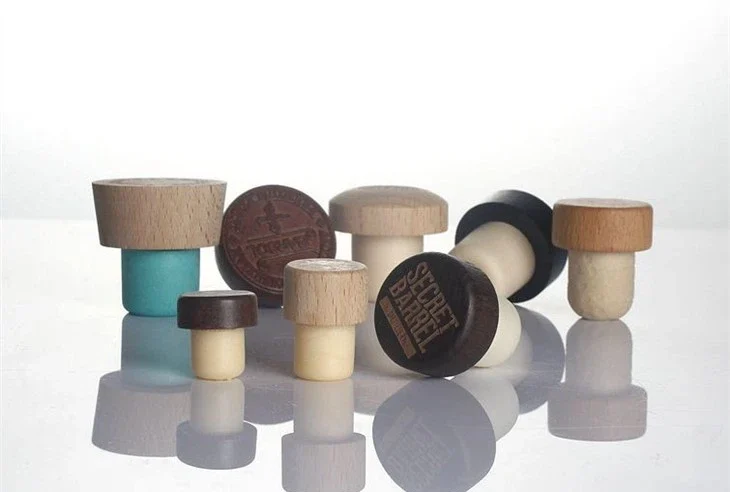
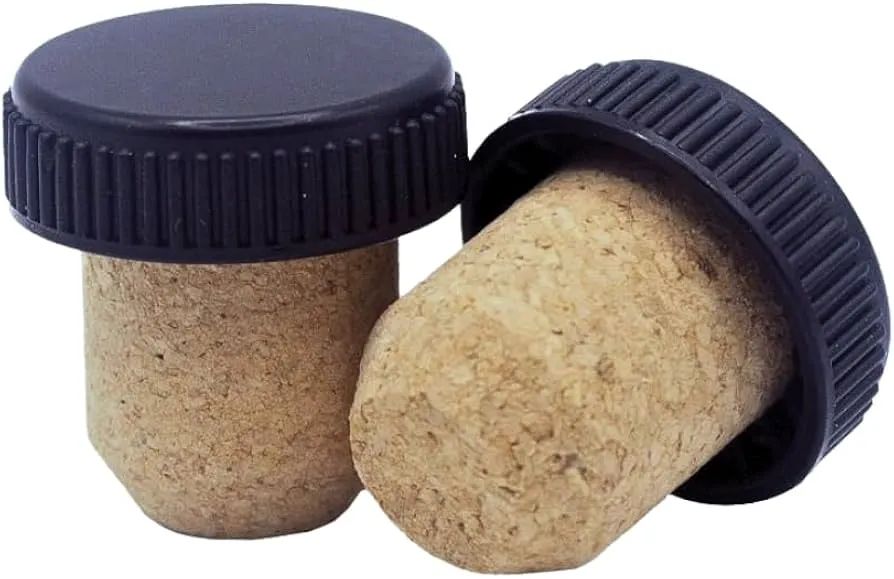
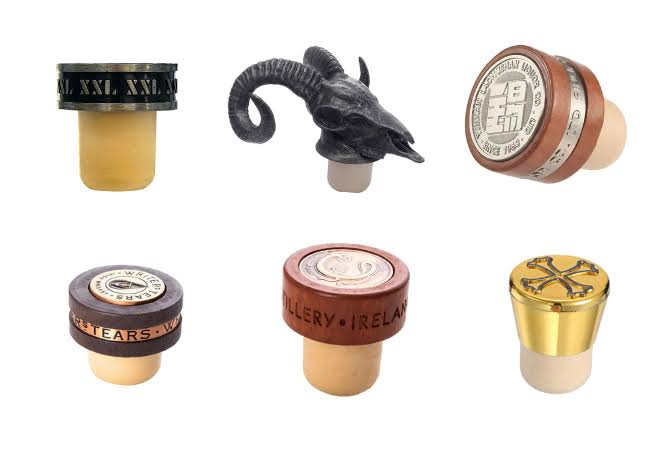
Synthetic stoppers for repeat orders are custom or standard bottle closures reordered according to the same approved product specification. This specification may include cork diameter, cork-body length, cap material, cap shape, cap color, logo artwork, decoration method, packaging quantity, carton labeling, and approved sample reference.
A repeat order should not rely only on photos, memory, or casual descriptions. It should be based on a clear specification sheet, a physical golden sample, and previous production records. This helps the buyer and supplier confirm what must stay the same before production begins.
Specification drift is the main risk. A cap color may shift slightly. A logo may move by a few millimeters. A synthetic cork body may feel tighter or looser. A packing method may change and create surface scratches. These small issues can cause real problems for bottling teams and brand owners.
Working with a closure-focused partner such as Kandacork Closures helps buyers treat the stopper as a controlled packaging component, not a one-time accessory.
Why Repeat-Order Consistency Matters in Spirits Packaging
Repeat-order consistency matters because a spirits closure must perform visually, physically, and commercially. It influences shelf appeal, bottling-line speed, consumer opening experience, and brand trust.
A premium bottle should look consistent when different production batches appear together in a distributor warehouse, duty-free display, tasting room, or retail store. The stopper color, cap finish, logo placement, and top profile should match the approved brand standard.
Fit is just as important. If the synthetic stopper is too tight, insertion may slow down or require more pressure. If it is too loose, the bottle may feel insecure or create leakage concerns. If compression changes between orders, the consumer experience changes too.
Many brands now manage complete spirits bottle programs across multiple SKUs, markets, and bottle sizes. In that environment, repeatable closure supply supports smoother procurement, more predictable bottling, and stronger brand control.
First Order vs Repeat Order Requirements
| Area | First Order Focus | Repeat Order Focus |
|---|---|---|
| Product selection | Choose stopper type, cap style, and decoration method | Confirm the same approved specification |
| Bottle fit | Test bottle neck bore, insertion depth, and compression | Verify no bottle supplier or neck-bore change |
| Appearance | Approve color, surface finish, logo, and cap shape | Match the golden sample and previous production |
| Documentation | Confirm material and intended-use requirements | Confirm documents remain valid and unchanged |
| Production | Approve sample before bulk order | Confirm whether the order is a true repeat or modified repeat |
| Packing | Select carton quantity and protection method | Repeat the same packing and carton labeling |
| Timeline | Build first production schedule | Plan reorder point before inventory becomes urgent |
The first order is about approval. The repeat order is about control. A buyer who understands this difference can prevent avoidable delays, extra sampling, and packaging inconsistency.
How to Order Synthetic Stoppers for Repeat Orders
To order synthetic stoppers for repeat orders, send the supplier the previous order reference, approved sample photos, bottle neck inner diameter, stopper size, cap color, logo artwork, required quantity, packing method, target delivery date, and documentation requirements.
The supplier should first confirm whether the order is a true repeat or a modified repeat.
A true repeat uses the same cork body, cap shape, cap material, color, finish, logo, packing method, and specification.
A modified repeat keeps part of the previous specification but changes one or more details, such as cap color, logo artwork, decoration method, quantity, carton labeling, or bottle type.
This distinction prevents misunderstandings before production. It also helps buyers avoid unexpected changes in fit, color, compression, decoration, or packaging protection.
Key Specifications to Confirm Before Reordering
A repeat-order specification sheet is one of the most useful tools for synthetic stopper procurement. It gives purchasing, quality, design, and production teams one shared reference.
A practical specification sheet should include:
- Brand name and SKU
- Previous order reference
- Approved sample reference
- Bottle supplier
- Bottle model or drawing
- Bottle neck inner diameter
- Stopper cork diameter
- Cork-body length
- Cap diameter and height
- Cap material
- Cap color and finish
- Logo method
- Artwork file version
- Embossing, debossing, or printing position
- Intended spirits category
- Alcohol strength range
- Packing quantity
- Carton labeling
- Compliance documents required
- Target delivery date
For custom spirits packaging, this document reduces reliance on informal communication. It also makes future repeat orders faster because the key details are already recorded.
Compliance and Food-Contact Documentation
Spirits closures are part of a food-contact packaging system. Buyers should consider more than appearance, price, and lead time. Depending on the target market, they may need information related to material composition, intended use, colorants, coatings, adhesives, and supplier declarations.
In the United States, the FDA explains the use of a letter of guaranty for intended food-contact use, which many packaging buyers request from suppliers. For brands selling into the European market, the European Commission provides guidance for plastic food-contact materials, including documentation expectations for materials within the supply chain.
For repeat orders, documents should be easy to retrieve and confirm. If the material, cap finish, colorant, coating, adhesive, or decoration method changes, buyers should verify whether documentation also needs to be updated.
Color Consistency and Cap Finish Control
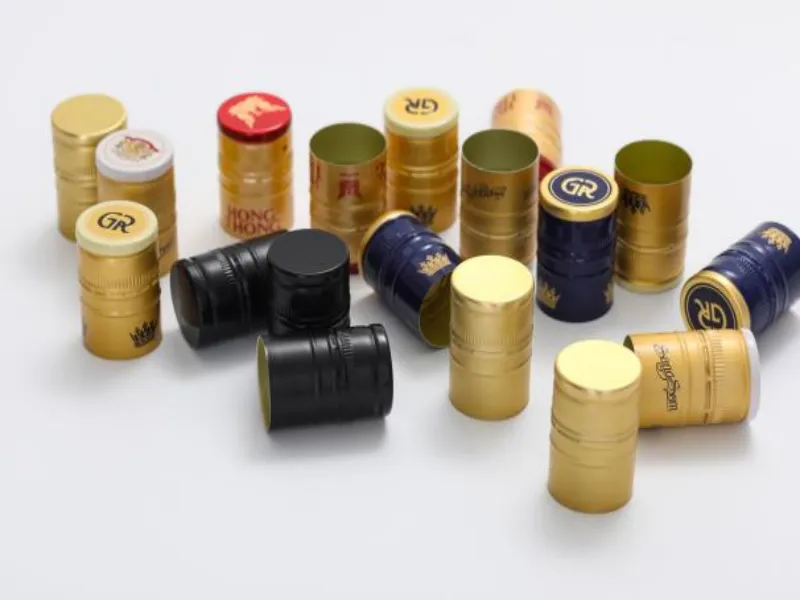
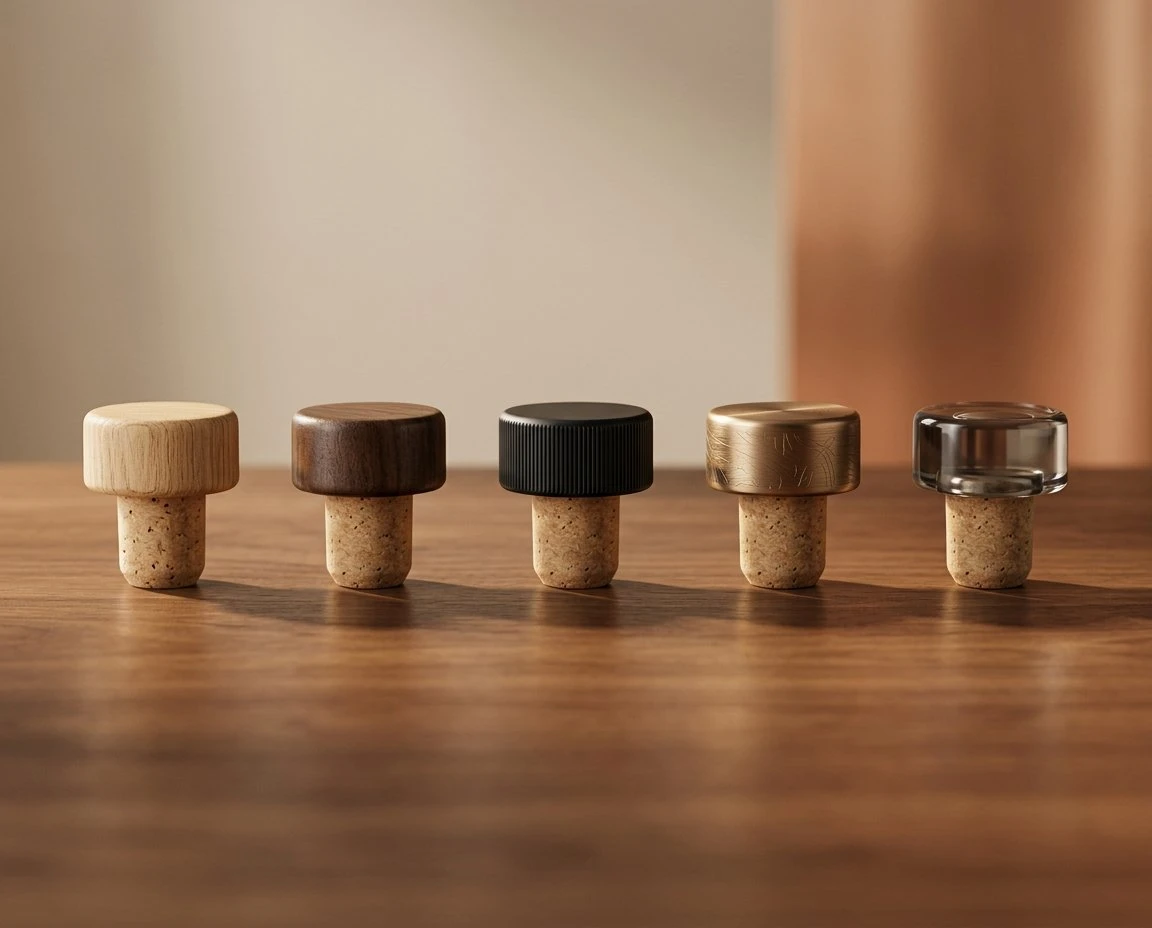
Color drift is one of the most common repeat-order problems in custom closures. A black cap may appear warmer or cooler. A cream, gold, brown, silver, or custom brand color may look different under warehouse light, bottling-line light, or retail display light.
For premium spirits, even a small color difference can make bottles from separate batches look mismatched.
To reduce this risk, brands should approve and store a physical golden sample. Digital files and screen images are useful for communication, but they are not enough for accurate closure matching.
Buyers should confirm the physical sample, cap color reference, surface finish, material or masterbatch reference, decoration method, pre-production sample requirement, and final packing protection. These details help keep repeat synthetic stopper orders consistent and visually aligned with the brand.
Logo, Artwork, and Decoration Control
A custom stopper is a visible brand asset. If the logo shifts, the embossing depth changes, or the printed decoration looks different, the final bottle may no longer match the approved package design.
Repeat orders should confirm the latest artwork file, logo size, cap orientation, print location, embossing depth, debossing position, and sidewall treatment. This is especially important when the stopper is used with a neck label, tamper band, capsule, gift box, or display carton.
Kandacork Closures supports closure-specific sidewall design options for different stopper and cap structures. Brands that need broader bottle decoration planning can also coordinate closure appearance with decoration and branding support to keep bottle, stopper, label, and secondary packaging aligned.
For private-label spirits, limited editions, export labels, and distributor-exclusive SKUs, artwork version control is essential. The supplier should know whether the buyer wants the exact previous decoration repeated or whether the design has changed.
Bottle-Neck Fit and Compression Consistency
Bottle-neck fit depends on bottle neck inner diameter, cork-body outer diameter, compression behavior, insertion depth, and removal feel. A repeat order should confirm both the stopper specification and the current bottle condition.
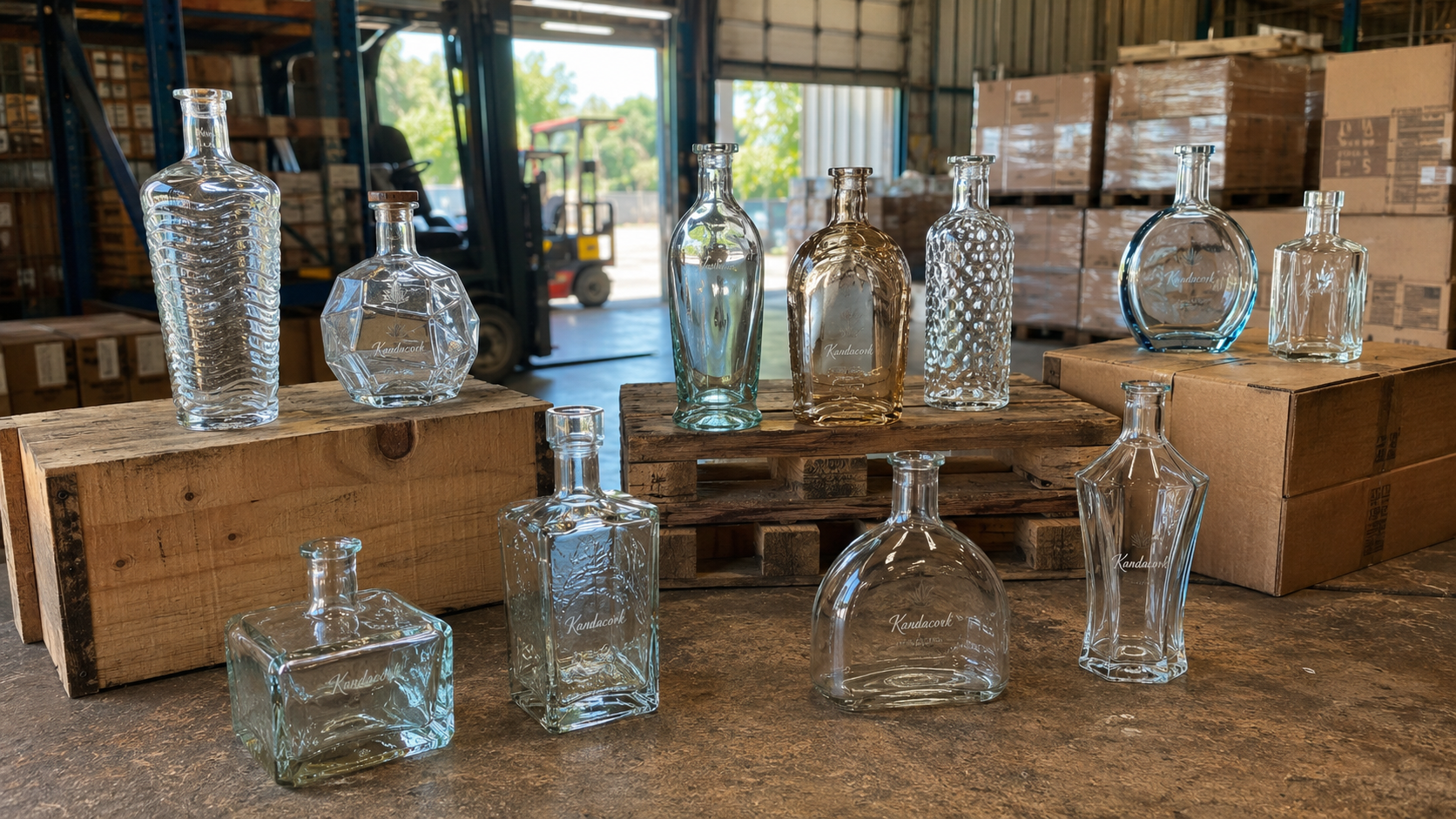
A synthetic stopper should be tested with the actual bottle, not only a drawing. Bottle suppliers may have different tolerances, and even the same bottle design can vary slightly between production batches.
Important technical details include bottle neck inner diameter, cork body diameter, cork-body length, insertion depth, compression tolerance, removal force, stopper head clearance, and compatibility with capsules or seals.
A stopper that worked in the first order may need review if the bottle supplier, bottle mold, corkmouth bore, neck finish, or filling-line setup has changed. This is why repeat orders should always begin with specification confirmation, not assumptions.
Quality Control for Repeat Synthetic Stopper Orders
Repeat-order quality control should begin before production, not only after goods arrive. A practical workflow may include golden sample confirmation, specification review, pre-production sample approval, in-process inspection, final inspection, packing review, and shipment labeling confirmation.
For large production runs, buyers may use AQL inspection principles to define sampling expectations. The official ISO 9001 quality management standard is also relevant as a framework for process control, customer requirements, traceability, and continual improvement.
Important quality checks include dimensional inspection, cap color comparison, logo position review, surface finish inspection, cork-body compression feel, bottle fit testing, packing protection, carton labeling, and batch traceability.
These checks help make repeat synthetic stopper orders more reliable across long-term supply programs.
Real Repeat-Order Scenario: When the Bottle Supplier Changes
A spirits brand may reorder the same synthetic stopper but switch to a new glass bottle supplier. The bottle shape may look almost identical, but the corkmouth bore may be slightly different.
If the buyer places the repeat order without checking the new bottle neck, the approved stopper may feel too tight or too loose during bottling. This can slow insertion, affect removal feel, or create quality concerns.
In this situation, Kandacork Closures can review the new bottle sample, confirm the bottle neck inner diameter, compare it with the previous specification, and recommend whether the same stopper can be repeated or whether a modified repeat is safer.
This type of review helps prevent a common packaging mistake: assuming that similar-looking bottles always accept the same stopper.
Repeat Orders for Multi-SKU Spirits Brands
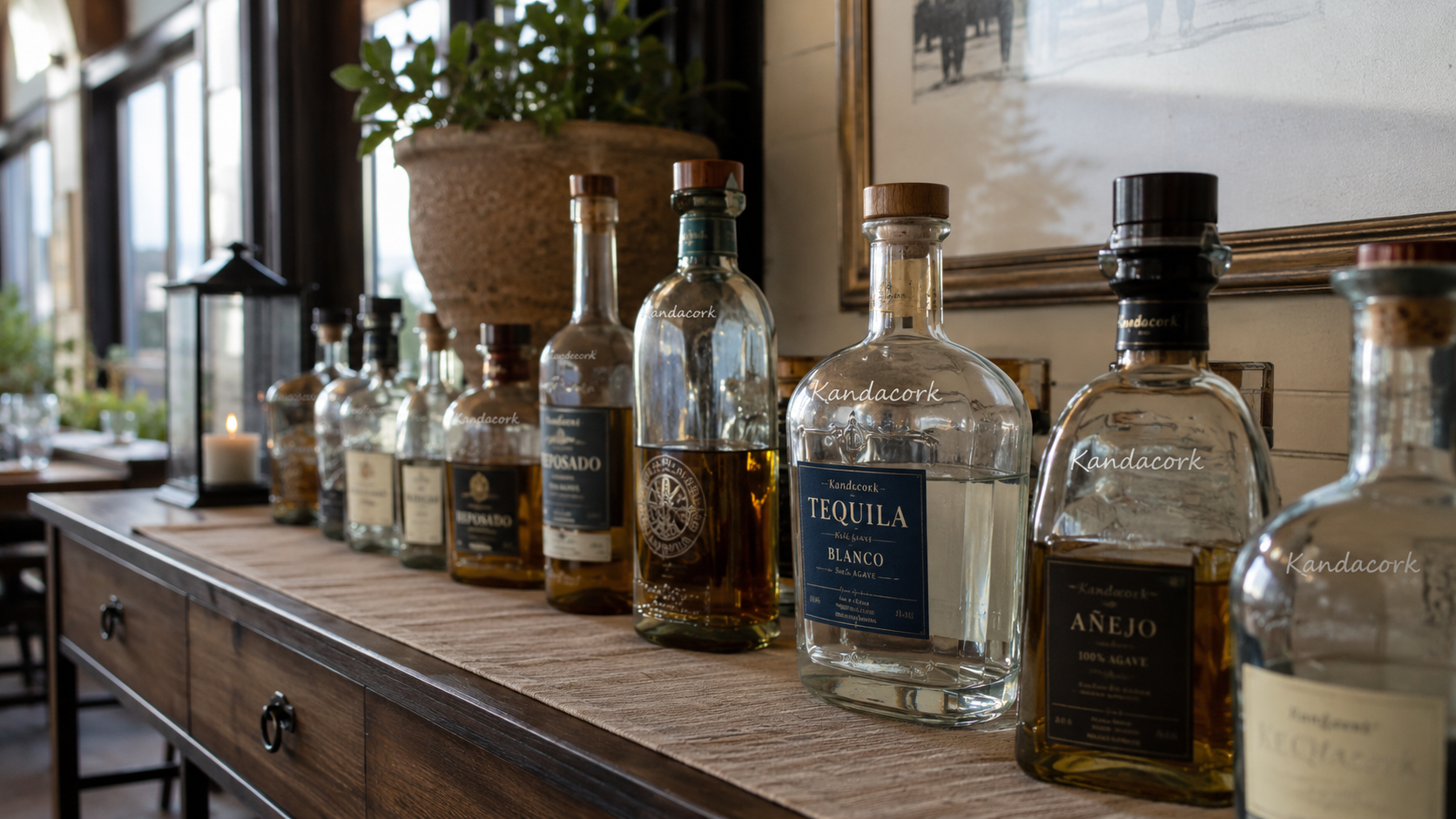
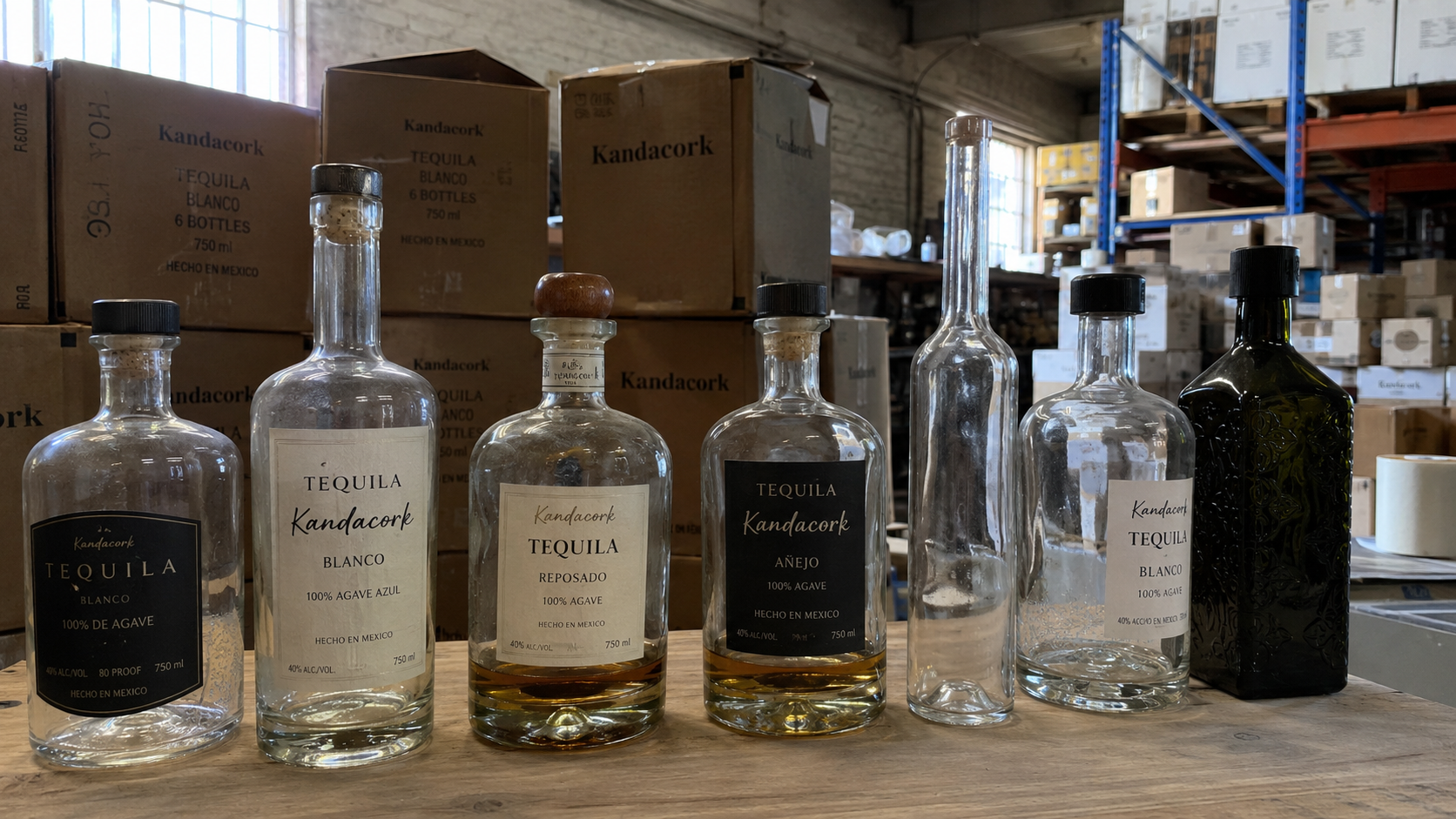
Many spirits brands manage product families rather than one bottle. A gin brand may use different closure colors for London dry gin, pink gin, citrus gin, and navy-strength gin. A rum brand may use related cap finishes for white rum, dark rum, spiced rum, and aged rum. A whisky producer may use one closure structure across core range, single barrel, cask strength, and limited-edition releases.
Synthetic stoppers for repeat orders are useful because they can support a controlled closure platform across multiple SKUs.
A brand can standardize the synthetic cork body and cap shape while adjusting color, decoration, or finish for each product. This improves purchasing efficiency and keeps the product family visually consistent.
When bottle size or container format changes, closure fit should still be reviewed. The TTB’s updated standards of fill for distilled spirits show how packaging formats can evolve, which makes accurate closure matching more important for brands selling across different markets and sizes.
Synthetic Stoppers vs Natural Cork for Repeat Orders
Natural cork has a long history in wine and spirits packaging. It can communicate tradition, sustainability, and authenticity. For some heritage spirits brands, natural variation is part of the appeal.
Synthetic stoppers offer different advantages for repeat-order control. They can provide more consistent appearance, color matching, molded cap shape, decoration placement, and production repeatability. They are often easier to standardize when buyers need bulk supply, custom decoration, and predictable fit across several production runs.
Natural cork may vary in grain, tone, texture, and surface appearance. This can be attractive for certain brands, but it may be less suitable when the brand requires strict visual consistency.
The right choice depends on brand positioning, bottle design, target market, closure feel, sustainability goals, storage conditions, and procurement priorities. For buyers comparing stopper formats, other closure systems such as ROPP closures may also be relevant for specific spirits, oils, or controlled-pour applications.
Packaging System Thinking: Bottle, Stopper, Decoration, and Carton
A stopper does not work alone. It must fit the bottle, align with the decoration, survive packing, and perform through transport and handling.
For example, a wide-cap synthetic stopper may look premium on a heavy glass bottle, but it also needs enough clearance for capsules, neck labels, gift boxes, or display trays. A glossy cap may elevate the package visually, but it needs protective packing to avoid scuffing during shipment.
Packaging buyers should review the full system: glass bottle, neck finish, stopper, decoration, tamper-evident element, carton, and shipping method. Integrated planning helps reduce late changes and makes repeat orders easier to control.
Brands sourcing bottles, closures, and decoration across related packaging programs can coordinate with Kandacork Glass to keep the full container system aligned from concept through repeat production.
Sustainability and Glass Packaging Context
Many spirits brands are also reviewing packaging through a sustainability lens. Closure repeatability can reduce waste by helping brands avoid rejected batches, incorrect colors, misfit stoppers, and emergency resampling.
Glass remains a major format for premium spirits packaging because of its clarity, shelf presence, and recyclability. The Glass Packaging Institute notes that it promotes glass packaging, environmental and recycling policies, and industry standards through the North American glass container industry via the Glass Packaging Institute overview.
When brands combine repeatable synthetic stoppers with well-specified glass bottles, they can improve both operational consistency and packaging presentation. For brands exploring glass-focused packaging programs, Kandacork Eco Glass can support broader bottle and container planning.
When Should a Brand Start a Repeat Order?
A repeat order should begin before inventory becomes urgent. Earlier planning gives the buyer time to confirm the approved sample, review the specification sheet, check bottle-neck dimensions, and approve any required pre-production sample.
Spirits packaging involves several connected components: glass bottles, closures, labels, cartons, capsules, gift boxes, filling schedules, export plans, and distributor deadlines. If the stopper order is late, the entire bottling schedule may be delayed.
Brands should start planning synthetic stoppers for repeat orders before seasonal demand, promotional campaigns, holiday gift sets, export shipments, private-label launches, or bottle supplier changes.
Custom colors, molded caps, special finishes, and logo decoration may require extra confirmation before production. Starting early gives both buyer and supplier enough time to protect the approved specification.
How Kandacork Closures Supports Repeat Orders
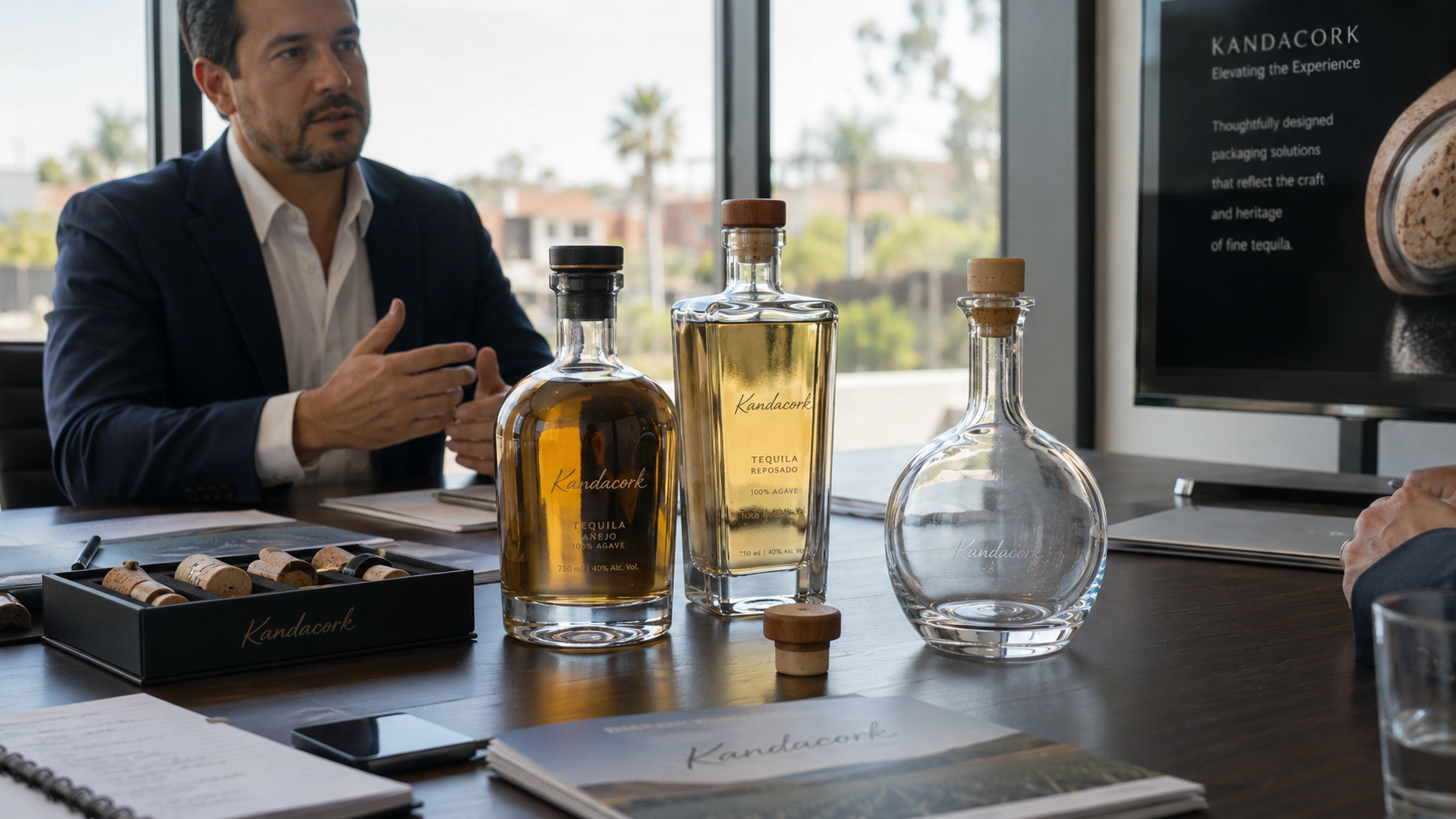
Kandacork Closures helps spirits brands manage the technical and visual details that matter after the first stopper order is approved. Support can include bottle-fit review, stopper size confirmation, cap style matching, cap color review, logo decoration control, finish confirmation, repeat-order communication, and bulk supply planning.
For buyers, this reduces uncertainty. For packaging teams, it supports smoother bottling. For brand owners, it protects the appearance and feel of the final package.
The Kandacork Closures team works with brand owners, bottlers, importers, and packaging partners that need closure programs for real production requirements, not only sample-room presentation.
Kandacork Closures can also support modified repeat orders. A brand may keep the same cork body but change cap color for a seasonal edition. Another brand may keep the same cap profile but update the logo for a distributor-exclusive product. Clear specification control helps the supplier understand what stays the same and what changes.
FAQ
What are synthetic stoppers for repeat orders?
Synthetic stoppers for repeat orders are bottle closures manufactured to the same approved specification across multiple purchasing cycles. They help spirits brands maintain consistent fit, cap color, logo placement, compression, packing, and documentation.
Why are synthetic stoppers useful for spirits brands?
Synthetic stoppers are useful for spirits brands because they can offer controlled appearance, flexible decoration, repeatable dimensions, and stable bulk supply. They are commonly used for whisky, gin, rum, vodka, tequila, brandy, liqueurs, and private-label spirits.
What information should I send before reordering synthetic stoppers?
Send the previous order reference, approved sample, bottle neck inner diameter, stopper size, cap color, finish, logo artwork, packing requirements, target quantity, and delivery timeline.
Do I need a new sample for every repeat order?
A new sample may not be needed if the order is a true repeat with no specification changes. If the bottle, cap color, material, logo, surface finish, or decoration method changes, a new sample is recommended before bulk production.
What is the biggest risk in repeat stopper orders?
The biggest risk is specification drift. This happens when the stopper’s color, size, material, logo position, cap shape, or packing method changes between orders without formal approval.
How can I prevent cap color differences between repeat orders?
Use a physical golden sample, documented color reference, consistent material selection, and pre-production confirmation. Do not rely only on digital images or verbal color descriptions.
What is a golden sample for synthetic stoppers?
A golden sample is the approved physical stopper used as the reference for future production. It helps the buyer and supplier compare color, cap shape, logo position, finish, and overall appearance during repeat orders.
Can synthetic stoppers be used for multiple spirits SKUs?
Yes. One synthetic stopper platform can support multiple SKUs by keeping the same cork body and cap shape while changing cap color, logo, or decorative finish for different products.
When should I start a repeat order?
Start the repeat-order process before inventory reaches a critical level. Earlier planning is recommended before seasonal demand, export shipments, gift-pack production, distributor launches, or bottle supplier changes.
Can Kandacork Closures support modified repeat orders?
Yes. Kandacork Closures can support repeat orders that keep the original specification as well as modified repeat orders that change details such as cap color, logo artwork, finish, or packing method.
Conclusion
Synthetic stoppers for repeat orders help spirits brands protect packaging consistency across multiple production cycles. They support stable bottle fit, controlled cap color, repeatable logo decoration, reliable compression, and clearer procurement communication.
For whisky, gin, rum, vodka, tequila, brandy, liqueurs, and private-label spirits, repeat-order control can prevent costly packaging problems and support a smoother bottling schedule.
Kandacork Closures helps buyers manage the technical and visual details behind repeat synthetic stopper supply, from bottle-neck fit and approved samples to cap finish, artwork control, documentation, and bulk order planning.
Send your previous order reference, bottle neck dimensions, approved stopper photos, target quantity, and delivery timeline to Kandacork Closures for a repeat-order review. A controlled specification today can help prevent color, fit, logo, and packing issues in the next production run.