Choosing between capsules and shrink sleeves is one of the most important neck-finish decisions for spirits packaging. The bottle neck is where the closure, glass finish, label design, security feature, and first opening experience all meet. A strong neck finish makes the bottle look complete. A poor one can create wrinkles, loose fit, difficult opening, weak shelf impact, or a mismatch between the closure and the brand position.
For whisky, vodka, gin, rum, tequila, mezcal, brandy, liqueur, mini bottles, and private-label spirits, both capsules and shrink sleeves can improve presentation. Both can support custom colors, brand printing, tamper-evident features, and commercial retail packaging. However, they solve different problems.
Capsules are usually selected for premium appearance and structured neck decoration. Shrink sleeves are usually selected for visible tamper evidence, flexible coverage, printed communication, or multi-SKU packaging. For buyers comparing capsules vs shrink sleeves, the best decision depends on closure type, bottle neck dimensions, application method, design goals, filling-line requirements, and target market.
Quick Answer: Capsules vs Shrink Sleeves
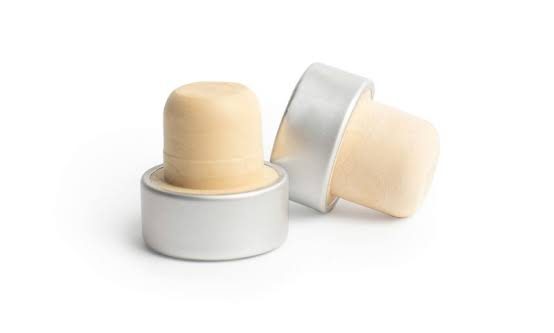
Capsules are usually the better choice when a spirits brand wants a premium, traditional, structured, or gift-ready neck finish. They are often paired with bar-top stoppers, cork-style closures, decorative caps, and high-end bottle designs where the neck area needs to look refined.
Shrink sleeves are usually the better choice when the project needs visible tamper evidence, flexible fit, printed neck graphics, or compatibility with different closure formats. They are commonly used with screw caps, ROPP closures, mini bottles, tamper-evident shrink bands, printed neck sleeves, and full-body shrink sleeve packaging.
The fastest way to decide is to compare the packaging goal. If the neck finish must elevate the bottle visually, capsules are often the stronger option. If the neck finish must communicate security, carry printed information, or work across several bottle sizes, shrink sleeves are often more practical.
Capsules vs Shrink Sleeves: Which Is Better for Your Spirits Bottle?
Capsules are better for premium, structured, traditional neck finishing. Shrink sleeves are better for visible tamper evidence, flexible fit, and printed graphics. For spirits packaging, the best choice depends on closure type, bottle neck size, brand positioning, application method, and whether the bottle needs a decorative finish, a security seal, or both.
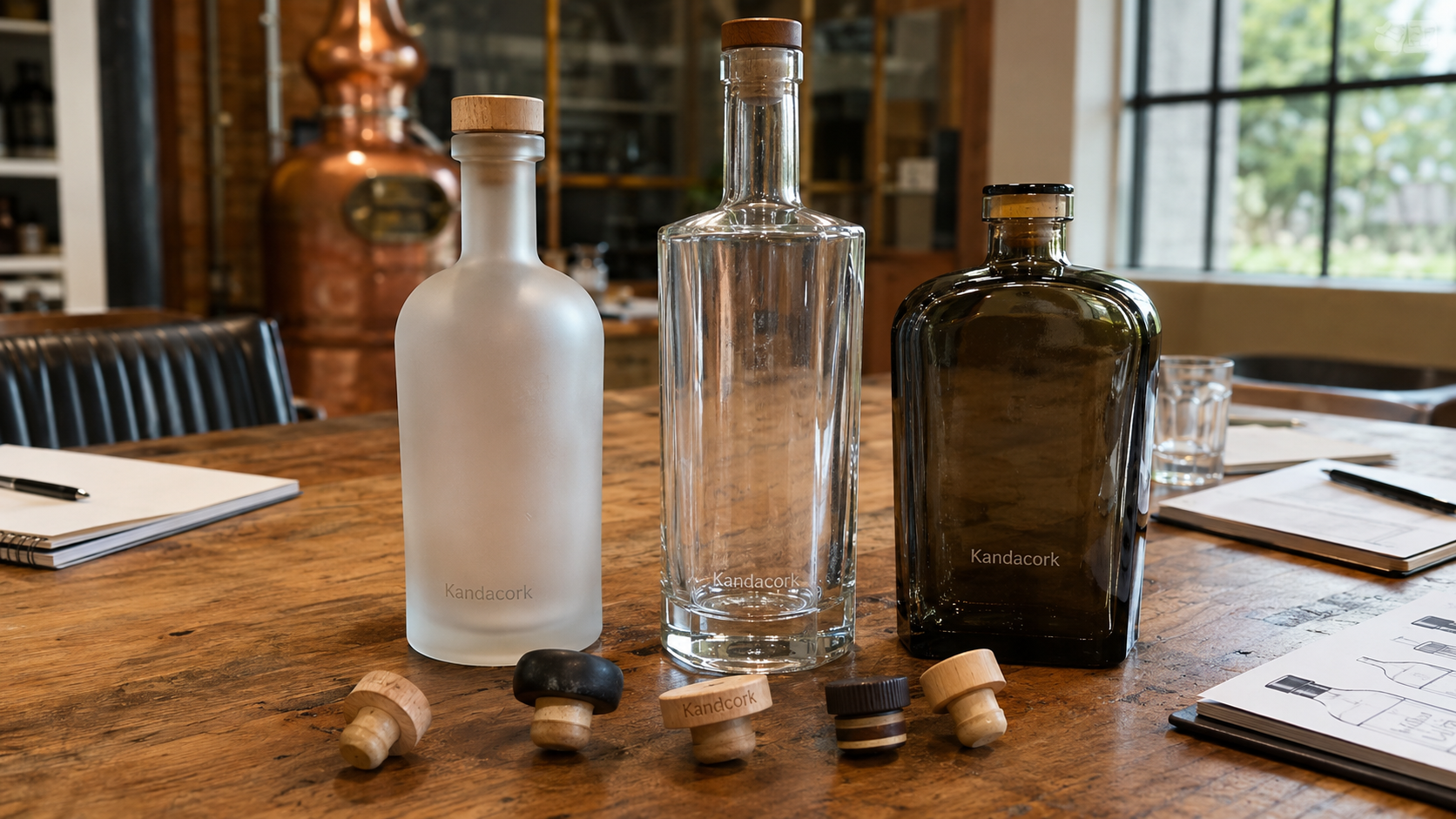
A premium whisky bottle with a wooden bar-top stopper may look stronger with a matte black or metallic capsule. A private-label vodka bottle with a screw cap may perform better with a clear tamper-evident shrink sleeve. A craft gin line may use printed shrink sleeves for flavor differentiation, while an aged rum brand may prefer bronze or copper capsules for a classic shelf impression.
For buyers who need a dedicated product starting point, Kandacork Closures offers custom capsules and shrink sleeves for spirits bottle neck finishing, tamper-evident presentation, and branded packaging programs.
Fast Decision Table
| Choose Capsules If You Need | Choose Shrink Sleeves If You Need |
|---|---|
| A premium traditional neck finish | Strong visible tamper evidence |
| A refined look for bar-top stoppers | Flexible fit for screw caps or ROPP closures |
| Metallic, matte, foil, or embossed decoration | Printed neck graphics or promotional messaging |
| Gift-ready spirits packaging | Multi-SKU private-label flexibility |
| A structured closure-to-label transition | Coverage over the cap, neck, shoulder, or full body |
| A premium whisky, rum, brandy, or tequila look | Modern retail security and graphic impact |
This table gives a quick answer, but the final choice should still be confirmed with bottle drawings, closure samples, artwork, and production testing. A neck component that looks correct in a rendering may perform differently after heat application, capping, labeling, packing, and transport.
What Are Bottle Capsules?
Bottle capsules are decorative or functional components used over the closure and neck area of a bottle. In spirits packaging, they create a clean visual transition between the closure, the glass bottle, and the main label.
A capsule may cover a bar-top stopper, cork stopper, screw cap, ROPP closure, decorative cap, or mini bottle cap. It can be simple and minimal, or it can become a high-value branding element with metallic color, matte coating, gloss coating, hot foil, embossing, debossing, sidewall printing, or top disc decoration.
Capsules are especially common in premium spirits packaging because they make the bottle feel complete. A whisky bottle with a heavy base, textured label, and wooden stopper often looks more finished with a black, copper, gold, or matte capsule. A craft gin bottle may use a custom capsule color to match botanical artwork. A dark rum brand may use bronze or deep red to support aged, barrel-influenced positioning.
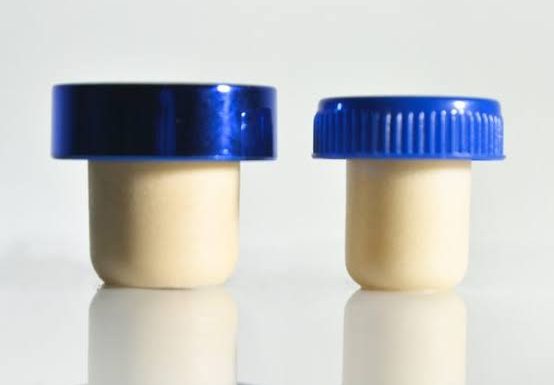
Common capsule options include aluminum capsules, PVC shrink capsules, PET or PET-G capsules, foil-style capsules, matte or gloss finishes, metallic colors, logo printing, top disc printing, embossing, debossing, tear tabs, and perforation features.
When comparing capsules vs shrink sleeves, capsules usually win when the buyer’s main goal is premium structure, classic spirits presentation, and a polished neck finish.
What Are Shrink Sleeves?
Shrink sleeves are heat-applied films that shrink tightly around the bottle closure, neck, shoulder, or full bottle body. In spirits packaging, they can work as a tamper-evident seal, printed neck decoration, promotional message area, or full-surface branding solution.
A narrow shrink format may be called a shrink band, tamper-evident shrink band, bottle neck shrink sleeve, shrink seal, or liquor bottle shrink sleeve. A larger format may cover the shoulder or full body and act like a 360-degree label.
Shrink sleeves can be clear, colored, printed, perforated, or designed with tear strips. They are often used when the packaging team needs visible product security or when one spirits line uses several closure formats across different bottle sizes.
For example, a vodka brand may choose a clear shrink sleeve to keep the neck clean and minimal while showing tamper evidence. A tequila brand may use a printed neck sleeve with brand colors and batch details. A private-label spirits buyer may choose shrink sleeves to change SKU appearance without changing the bottle mold or closure system.
When comparing capsules vs shrink sleeves, shrink sleeves usually win when the buyer needs flexible fit, visible security, printed messaging, and faster adaptation across multiple products.
Main Differences Between Capsules and Shrink Sleeves
The easiest way to compare capsules vs shrink sleeves is to look at purpose. Capsules are usually selected for premium appearance and decorative neck finishing. Shrink sleeves are usually selected for tamper evidence, flexible coverage, and printable branding space.
Appearance
Capsules create a more structured and classic look. They are often used for premium whisky, rum, brandy, cognac, gin, tequila, and gift-ready spirits bottles. A capsule can make the neck area look intentional, balanced, and more luxurious.
Shrink sleeves create a modern, clean, and practical appearance. They are useful when the brand wants clear tamper evidence, strong color blocking, neck graphics, or full-body visual impact.
Coverage Area
Capsules usually cover the closure and neck area. They are focused on the upper part of the bottle.
Shrink sleeves can cover only the cap, the cap and neck, the shoulder, or the entire body. This gives shrink sleeves more flexibility when the project needs larger graphic space, stronger retail visibility, or more obvious security coverage.
Tamper Evidence
Shrink sleeves and shrink bands are often chosen when visible tamper evidence is a priority. A perforated shrink sleeve can show clear signs of opening when removed or broken.
Capsules can also support tamper-evident presentation, but the tear tab, perforation, closure fit, and opening method must be designed correctly. A capsule should not be treated as tamper-evident unless the structure has been tested with the actual bottle and closure.
For U.S. distilled spirits, brands should also consider label and package compliance early because the Alcohol and Tobacco Tax and Trade Bureau provides specific guidance for distilled spirits labeling. Neck decoration, promotional text, QR codes, and label placement should not conflict with required product information.
Branding Area
Capsules provide focused neck branding. They are excellent for logos, color coding, top disc decoration, metallic finishes, premium patterns, and subtle brand details.
Shrink sleeves offer more printable area. They can carry product information, safety messages, promotional graphics, QR codes, private-label designs, batch details, and 360-degree artwork.
If a project needs coordinated bottle decoration beyond the neck finish, Kandacork’s sibling decoration team supports custom glass decoration and branding for screen printing, coatings, embossing effects, and other design elements that can be aligned with capsules or shrink sleeves.
Application Method
Both capsules and shrink sleeves may require heat application, depending on the material and structure. Small samples may be tested with a heat gun, while commercial production often uses a heat tunnel, steam tunnel, or controlled automated system.
Poor application can cause wrinkles, uneven shrinkage, loose fit, seam movement, distorted artwork, or heat damage to nearby decoration. For premium spirits packaging, sample testing should happen before bulk approval.
Application Equipment: Heat Gun, Heat Tunnel, or Steam Tunnel?
The application method can affect final packaging quality as much as the material itself.
Manual heat guns are useful for early sampling, small batches, and quick visual testing. However, they may create inconsistent results in commercial production because heat direction, distance, and movement are controlled by hand. This can lead to wrinkles, uneven shrinkage, or slight artwork distortion.
Heat tunnels provide more stable heat control for larger orders. They are commonly used when brands need consistent shrink results, predictable sleeve position, and better repeatability across many bottles.
Steam tunnels can be useful for shrink sleeves on complex bottle shapes because steam can distribute heat more evenly around curves and shoulders. They may help reduce wrinkles on certain bottle forms, but material choice, sleeve design, and line settings still need to be tested.
For commercial spirits packaging, the safest process is to test the actual bottle, closure, sleeve or capsule, and application method before confirming bulk production.
When Should You Choose Capsules?
Choose capsules when the main goal is premium presentation.
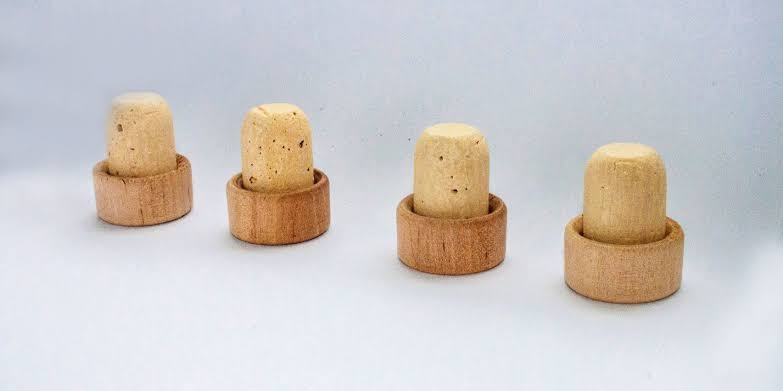
Capsules work well when the bottle uses a bar-top stopper, wooden stopper, synthetic cork stopper, decorative cap, or closure system that needs a more finished visual effect. They are also useful when the neck finish should match the main label, gift box, closure top, or bottle decoration.
Capsules are a strong choice when the brand wants a classic premium look, the bottle uses a bar-top stopper or decorative closure, the neck needs a clean transition between glass and closure, or metallic, matte, gloss, foil, or embossed effects are important.
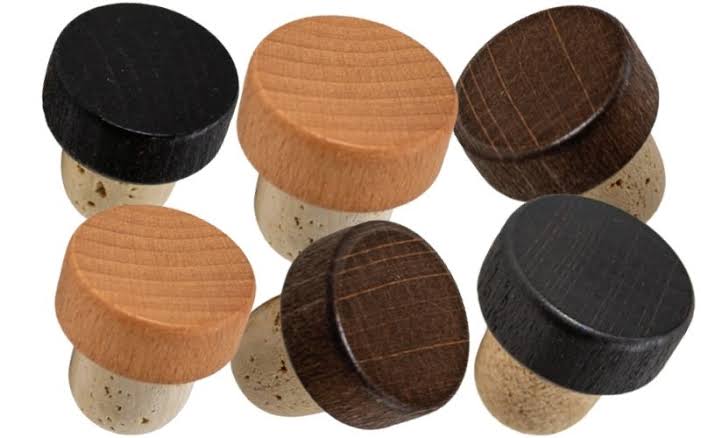
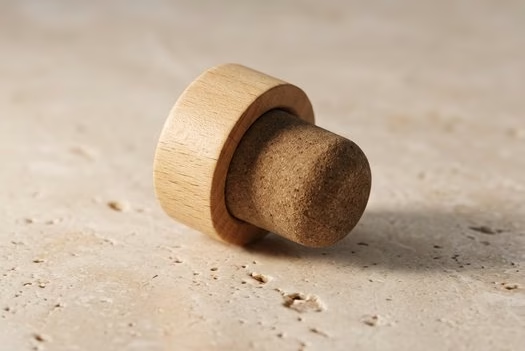
They are also suitable for gifting, hospitality, duty-free, premium retail, and product lines that need consistent visual identity across several bottle sizes. For projects using cork-style or T-top formats, the capsule should be reviewed together with the stopper head diameter, shank fit, neck finish, and opening experience. Kandacork’s range of wooden bar-top stoppers is often paired with decorative capsules when brands want a warmer, more traditional spirits presentation.
For many premium spirits projects, the capsules vs shrink sleeves decision comes down to brand positioning. If the product should look traditional, refined, and gift-worthy, capsules are often the stronger option.
When Should You Choose Shrink Sleeves?
Choose shrink sleeves when the main goal is tamper evidence, flexible fit, or printed communication.
Shrink sleeves are practical for screw caps, ROPP closures, mini bottles, ready-to-drink spirits bottles, private-label liquor, and products that need visible retail security. A shrink sleeve can wrap around the closure and neck so customers can see whether the package has been opened.
Shrink sleeves are a strong choice when tamper evidence is a priority, the project needs printed neck graphics, the bottle uses screw caps or ROPP closures, or several bottle sizes need similar visual treatment.
They are also useful when the brand wants colorful modern messaging, private-label differentiation, promotional neck graphics, or coverage over the cap, neck, shoulder, or full bottle body. For screw-cap and roll-on applications, the sleeve height, cap skirt, perforation, and opening direction should be checked alongside the cap structure. Kandacork Closures can support these projects through custom ROPP closures designed around neck finish, liner choice, torque range, and capping-line performance.
For commercial packaging teams, capsules vs shrink sleeves is often a production decision as much as a design decision. If the brand needs speed, security, and flexibility, shrink sleeves may be the better fit.
What About Shrink Bands?
Shrink bands are narrower than full shrink sleeves. They are usually used mainly for tamper-evident closure protection rather than full decoration.
A shrink band typically covers the cap and a small part of the neck. It may include vertical perforation, horizontal perforation, a tear strip, or an easy-open tab. Shrink bands are common when the brand wants a simple visible security seal without adding a full capsule or full-body sleeve.
| Packaging Goal | Best Option | Why It Works |
|---|---|---|
| Premium neck finish | Capsule | More structured and decorative |
| Visible tamper evidence | Shrink sleeve or shrink band | Shows opening or removal |
| Low-cost closure seal | Shrink band | Simple and efficient |
| Large printed graphics | Shrink sleeve | More printable surface |
| Bar-top stopper presentation | Capsule | Strong premium fit |
| Screw cap or ROPP security | Shrink sleeve or shrink band | Wraps around cap and neck |
| Gift-ready spirits packaging | Capsule | More refined appearance |
| Private-label flexibility | Shrink sleeve | Easier SKU adaptation |
Shrink bands should not be confused with full shrink sleeves. A shrink band is usually a security component. A full shrink sleeve can become a major branding surface.
Material Selection Guide
Material selection affects appearance, shrink performance, cost, recyclability, and application behavior. Packaging teams should evaluate material choice together with bottle shape, closure type, decoration method, and target market.
International packaging categories recognize packaging materials and accessories such as films, foils, wrappers, cords, and sealing devices as part of the broader packaging system; the ISO classification for packaging and distribution of goods is useful context for buyers who want to discuss packaging components using standard terminology.
PVC
PVC is widely used for shrink capsules, shrink sleeves, and shrink bands because it offers strong shrink behavior and cost efficiency. It is common in standard bottle neck shrink applications.
However, brands should also review market expectations and sustainability requirements before choosing PVC. Some retailers, regions, or brand owners may prefer alternatives depending on recyclability goals and packaging policies.
PET and PET-G
PET and PET-G shrink films are often selected when the project requires clear appearance, strong shrink performance, or improved sustainability positioning compared with some traditional shrink materials. PET-G can be useful for complex shapes, but it should be reviewed carefully for compatibility with recycling streams and separation requirements.
The Association of Plastic Recyclers publishes the APR Design Guide to help packaging teams evaluate how design choices can affect plastic recycling compatibility. For shrink sleeves, this makes material selection, ink coverage, separation, and container compatibility important early-stage questions.
Aluminum and Foil-Style Capsules
Aluminum and foil-style capsules are commonly used for premium spirits. They support metallic finishes, top disc decoration, refined color effects, and a more traditional high-end appearance.
For whisky, aged rum, brandy, cognac, tequila, and gift packaging, aluminum or foil-style capsules can help create a stronger premium perception.
OPS and Other Shrink Films
OPS and other shrink films may be suitable for some shrink sleeve applications. The right material depends on shrink ratio, print quality, bottle geometry, application temperature, equipment type, and final appearance requirements.
Design and Artwork Considerations
A good neck finish must work with the whole bottle, not only the closure.
Color Matching
Capsules and shrink sleeves should be checked against the main label, glass color, closure top, carton, and gift box. PMS matching, metallic tones, matte coatings, and gloss coatings can appear different on different materials.
Physical samples are important because screen colors and digital proofs do not always reflect the final production result.
Logo Placement
Capsules can carry sidewall logos, top disc logos, repeated brand patterns, color bands, and premium finish effects. Shrink sleeves can carry logos, neck text, tamper messages, QR codes, promotional claims, or product series details.
For premium spirits, logo placement should stay clean and aligned with the front label. Overcrowding the neck area can make the package look less expensive. If the closure itself also needs to carry a logo, crest, texture, or color system, Kandacork Closures provides custom closure branding options that can be coordinated with the capsule, sleeve, label, and glass decoration.
Perforation and Tear Tab
Perforation affects the consumer opening experience. A weak perforation may break too easily. A strong perforation may be difficult to open. Poor tear-tab placement can make the product feel inconvenient or low quality.
Brands should confirm vertical perforation, horizontal perforation, tear-tab position, opening direction, and whether the sleeve or capsule breaks clearly when opened.
Barcode and QR Code Placement
If a shrink sleeve covers a large area of the bottle, barcode and QR code placement must be reviewed carefully. GS1 US notes that barcode placement can affect scanning and recommends keeping the printed surface smooth with enough surrounding white space, as explained in its guidance on barcode placement on products.
Avoid placing barcodes over seams, heavy curves, wrinkles, or high-shrink areas. This is especially important for supermarkets, duty-free, club stores, export distribution, and e-commerce fulfillment.
Recyclability and Material Separation
Packaging teams should also consider how sleeves, labels, adhesives, inks, and closures affect recycling. A sleeve that improves shelf appeal but creates recovery problems may not support the brand’s long-term packaging goals.
For buyers building sustainability into the total package, coordinating bottle weight, glass color, sleeve material, label selection, and closure system is important. Kandacork’s sibling eco-glass division supports eco-focused glass packaging for brands evaluating recycled glass, bottle lightweighting, and more responsible packaging programs.
Production Risks to Avoid
The most common problems with capsules and shrink sleeves are not caused by the material alone. They usually come from poor measurement, poor fit, poor heat control, or insufficient testing.
Common risks include loose fit after shrinking, wrinkles near the shoulder, uneven shrinkage, artwork distortion, color inconsistency, poor perforation strength, difficult opening experience, heat damage to decoration, sleeve interference with labels, wrong capsule drop length, wrong sleeve height, wrong diameter, visible seam in the wrong position, and mismatch between closure height and sleeve height.
Other risks include poor fit on bar-top stoppers, screw caps, or ROPP closures, as well as interference with tax stamps, front labels, back labels, or gift boxes.
The best way to avoid these issues is to test real samples before bulk production. A drawing is useful, but actual bottles and closures provide better confirmation because glass tolerance, closure assembly, and label position can affect the final result.
For transport and distribution planning, ASTM’s packaging standards cover methods used to evaluate packaging and labeling properties such as strength, adhesion, resistance, and performance; its overview of paper and packaging standards is useful background when buyers think beyond appearance and consider handling, packing, and shipment performance.
How to Measure Before Ordering
Before requesting a quote, prepare accurate bottle and closure information. This helps the supplier recommend the right size, material, and structure.
Important measurements include closure outside diameter, closure height, bottle neck outside diameter, neck finish shape, required coverage height, capsule or sleeve drop length, shoulder transition area, bottle label position, opening direction, application method, shrink ratio requirement, expected filling-line speed, and manual or automatic application method.
For custom bottles, send both drawings and physical samples if possible. This helps reduce risk before confirming tooling, printing, and mass production.
If the bottle itself is still under development, it is better to review the neck finish before mold confirmation. Kandacork’s sibling spirits bottle team supports custom spirits bottle packaging projects where bottle shape, closure selection, and neck decoration can be considered together instead of separately.
Real-World Spirits Packaging Examples
A premium whisky brand may choose a matte black aluminum capsule with gold top disc printing to match a heavy glass bottle, textured paper label, and wooden bar-top stopper.
A private-label vodka project may choose a clear tamper-evident shrink sleeve over a screw cap to keep the bottle minimal while still showing retail security.
A craft gin line may use printed botanical neck sleeves to separate flavors such as citrus, floral, herbal, and barrel-aged expressions without changing the main bottle shape.
An aged rum brand may choose a bronze capsule with a warm metallic finish to match dark glass, a textured label, and premium gift packaging.
An export tequila or mezcal brand may choose a perforated shrink sleeve for visible tamper evidence while adding a small printed brand message around the neck.
These examples show why capsules vs shrink sleeves should be decided by brand positioning, closure system, market requirement, and production reality.
Capsules vs Shrink Sleeves for Different Spirits
Whisky and Whiskey Bottles
Whisky bottles often benefit from capsules when the brand wants a premium, traditional, or gift-ready appearance. Matte black, dark brown, bronze, copper, gold, and embossed finishes are common choices.
Shrink sleeves can also work for whisky when tamper evidence or retail security is the main priority.
Vodka Bottles
Vodka packaging often uses clean, minimal design. Clear or white shrink sleeves can provide tamper evidence without making the neck look heavy. Capsules can be used for premium vodka when the brand wants a stronger luxury signal.
Gin Bottles
Gin brands often use color, botanical artwork, and distinctive label systems. Printed shrink sleeves can support colorful neck details, while capsules can create a refined craft gin presentation.
Rum Bottles
Aged rum often works well with classic capsules in bronze, gold, black, brown, or deep red. White rum, flavored rum, and private-label rum lines may use shrink sleeves for SKU color coding and flexible branding.
Tequila and Mezcal Bottles
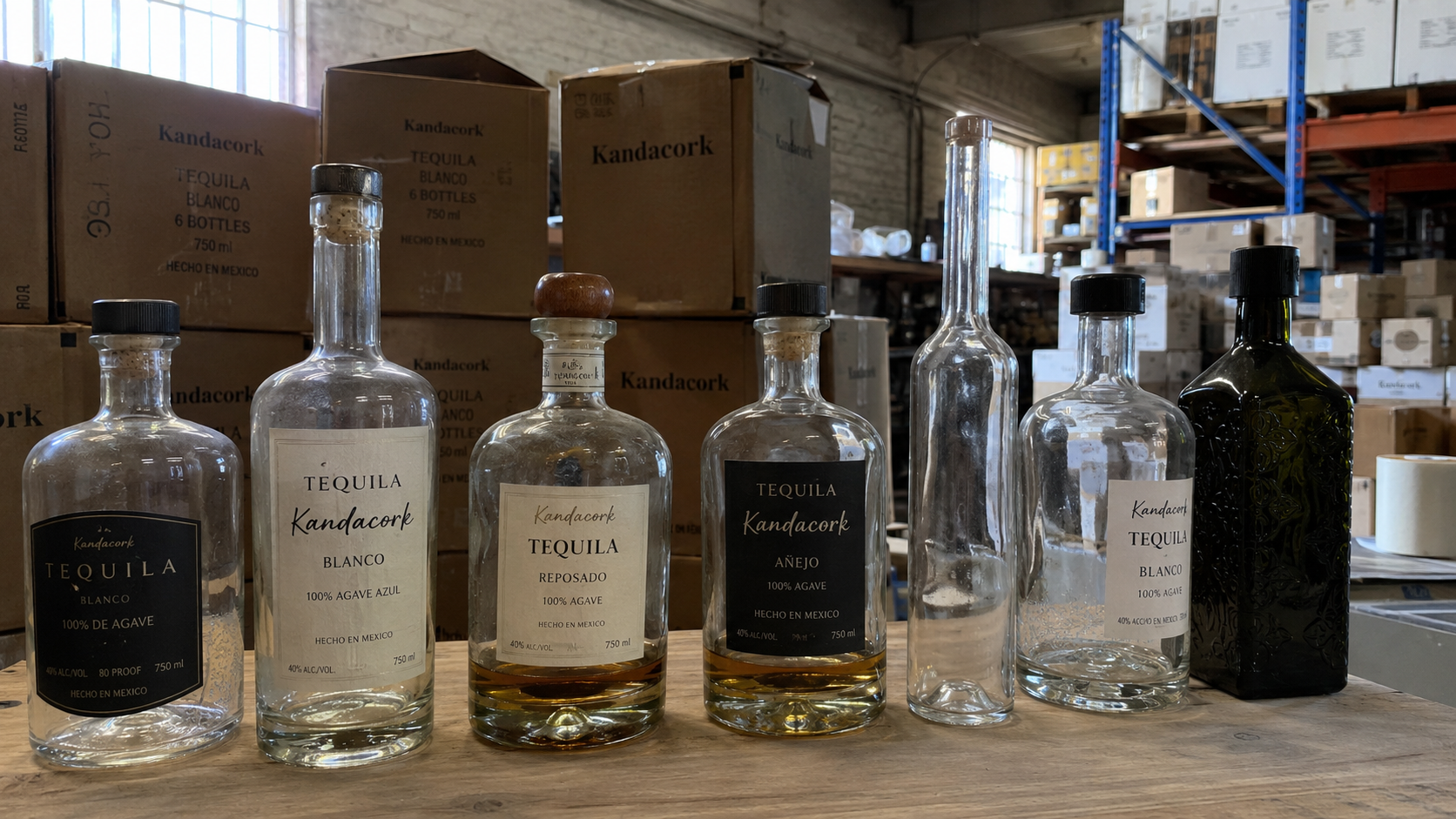
Tequila and mezcal bottles often rely on strong tactile identity. Capsules can support premium artisanal positioning, while shrink sleeves can provide export-friendly tamper evidence and printed neck branding.
Brandy and Cognac Bottles
Brandy and cognac packaging often requires elegance, gifting value, and shelf authority. Capsules with metallic finishes, refined colors, and top disc branding can strengthen perceived quality.
Buyer Decision Matrix
| Buyer Need | Recommended Option | What to Confirm |
|---|---|---|
| Premium retail image | Capsule | Finish, color, top disc, closure fit |
| Export tamper evidence | Shrink sleeve | Perforation, coverage, material |
| Low-cost security seal | Shrink band | Diameter, height, tear feature |
| Large printed graphics | Shrink sleeve | Artwork distortion and barcode area |
| Bar-top stopper finish | Capsule | Closure height and neck fit |
| ROPP closure protection | Shrink sleeve | Cap size and opening method |
| Mini spirits bottle | Shrink sleeve or shrink band | Small diameter and heat control |
| Gift packaging | Capsule | Box fit and visual consistency |
| Private-label range | Shrink sleeve | SKU color system and MOQ |
| Premium aged spirits | Capsule | Metallic or matte finish quality |
This matrix can help buyers narrow the capsules vs shrink sleeves decision before requesting samples.
What Information Should You Send to Kandacork Closures?
To receive an accurate recommendation, send more than a product name. Kandacork Closures needs enough information to check fit, material, decoration, and production feasibility.
Useful details include bottle drawing or bottle sample, closure type, closure diameter and height, bottle neck dimensions, required coverage area, material preference, finish requirement, logo artwork, print colors, tamper-evident requirement, application method, target order quantity, target market, packing requirements, shipment requirements, and launch timeline.
With these details, Kandacork Closures can help compare capsules vs shrink sleeves and recommend a neck finish that matches the bottle, closure, artwork, filling process, and brand positioning.
Why Work With Kandacork Closures?
Kandacork Closures supports custom bottle closures, stoppers, screw caps, ROPP closures, capsules, shrink sleeves, and tamper-evident shrink bands for spirits packaging projects.
This matters because a neck finish should not be selected separately from the closure. A capsule or shrink sleeve must match the bottle neck, closure diameter, stopper height, label position, application method, and brand direction. When these parts are reviewed together, buyers can reduce mismatch risk before bulk production.
Kandacork Closures can help buyers review capsule material and finish, shrink sleeve size and structure, tamper-evident shrink band options, bar-top stopper compatibility, screw cap and ROPP closure fit, logo printing and color matching, sample approval requirements, bulk supply planning, and export packaging coordination.
For distilleries, spirits brands, private-label buyers, and packaging distributors, this integrated approach makes the capsules vs shrink sleeves decision easier, faster, and more reliable. Buyers who need a wider closure review can also explore Kandacork’s complete closures and stoppers range for bar-top stoppers, screw caps, ROPP closures, non-refillable systems, capsules, and shrink sleeves.
Coordinating the Full Bottle Package
A neck finish works best when it is designed as part of the full package, not as a last-minute accessory. Bottle shape, shoulder angle, glass color, stopper material, label stock, closure decoration, and sleeve coverage all influence how the final product appears on shelf and in e-commerce photography.
For brands managing a complete packaging program, the broader Kandacork Glass group can help connect bottle development, closure selection, decoration, and export supply planning. This is especially useful when a new product launch requires consistent appearance across multiple SKUs, bottle sizes, or destination markets.
Request a Packaging Recommendation
Send Kandacork Closures your bottle drawing, closure sample, neck diameter, closure height, desired coverage area, artwork, target quantity, material preference, and application method.
The team can help compare capsules vs shrink sleeves and recommend the best bottle neck finish for your spirits packaging before bulk production. This helps reduce sizing errors, improve visual consistency, and make sure the final package supports your closure system, brand identity, and commercial launch plan.
To begin a project review, request a custom closure quote with your bottle details, closure requirements, target quantity, and launch timeline.
FAQ
Are capsules and shrink sleeves the same?
No. Capsules usually cover the closure and neck area as a decorative or functional neck finish. Shrink sleeves are heat-applied films that can cover the closure, neck, shoulder, or full bottle body.
Which is more premium, capsules or shrink sleeves?
Capsules usually create a more classic premium spirits appearance. Shrink sleeves can also look premium, especially when printed well, but they are often chosen for flexibility, graphics, and tamper-evident function.
Are shrink sleeves tamper-evident?
Shrink sleeves can be tamper-evident when they cover the closure correctly and include suitable perforation, tear strips, or opening features. The design should be tested before production.
Can capsules be printed with a logo?
Yes. Custom capsules can support logo printing, sidewall graphics, top disc printing, embossing, hot foil, matte finishes, gloss finishes, metallic colors, and custom brand patterns.
Which option is better for bar-top stoppers?
Capsules are often better for bar-top stoppers when the goal is premium presentation. Shrink sleeves may also work if the closure diameter, height, and opening method are reviewed carefully.
Which option is better for screw caps or ROPP closures?
Shrink sleeves or shrink bands are often suitable for screw caps and ROPP closures because they can wrap around the cap and neck to create visible tamper evidence.
Can capsules and shrink sleeves be used together?
Sometimes, but it depends on the closure system, required tamper evidence, and visual design. In most spirits projects, brands choose one primary neck finish to avoid unnecessary bulk or opening problems.
Which is cheaper: capsules or shrink sleeves?
Shrink bands are often the most cost-efficient option for basic tamper evidence. Custom capsules and printed shrink sleeves depend on material, printing method, finish, order quantity, and application requirements.
Do shrink sleeves work on irregular bottle necks?
Yes, but the material, shrink ratio, sleeve height, seam position, and heat application method must be tested. Irregular shoulders can cause wrinkles, distortion, or uneven shrinkage if the sleeve is not designed correctly.
Are shrink sleeves suitable for luxury spirits?
Yes, but the design must be handled carefully. Capsules often create a more traditional premium appearance, while shrink sleeves can work for luxury spirits when the material, print quality, finish, and fit are well controlled.
What information is needed for a quote?
A supplier usually needs bottle drawings, closure type, closure diameter, closure height, bottle neck dimensions, coverage area, material preference, artwork, order quantity, application method, and tamper-evident requirements.
Conclusion
The capsules vs shrink sleeves decision should be based on packaging function, not appearance alone.
Choose capsules when the project needs a premium, structured, traditional, or gift-ready spirits bottle neck finish. Choose shrink sleeves when the project needs flexible fit, visible tamper evidence, printed branding, or compatibility with different closure systems.
For the best result, review the bottle, closure, label, artwork, application method, and market requirements together. Kandacork Closures can help buyers compare capsules, shrink sleeves, and tamper-evident shrink bands so the final packaging looks consistent, opens correctly, and supports the brand’s commercial goals.