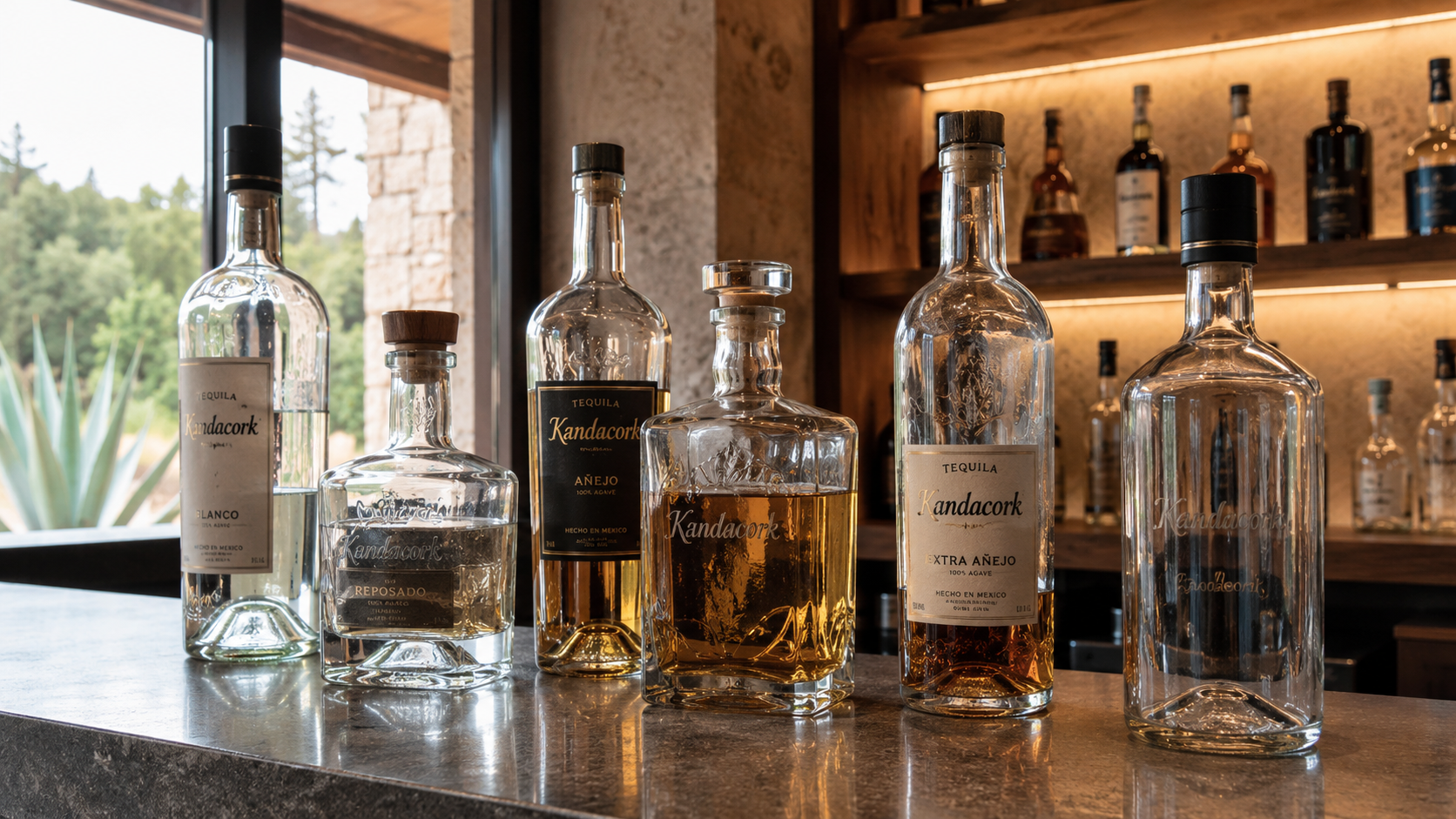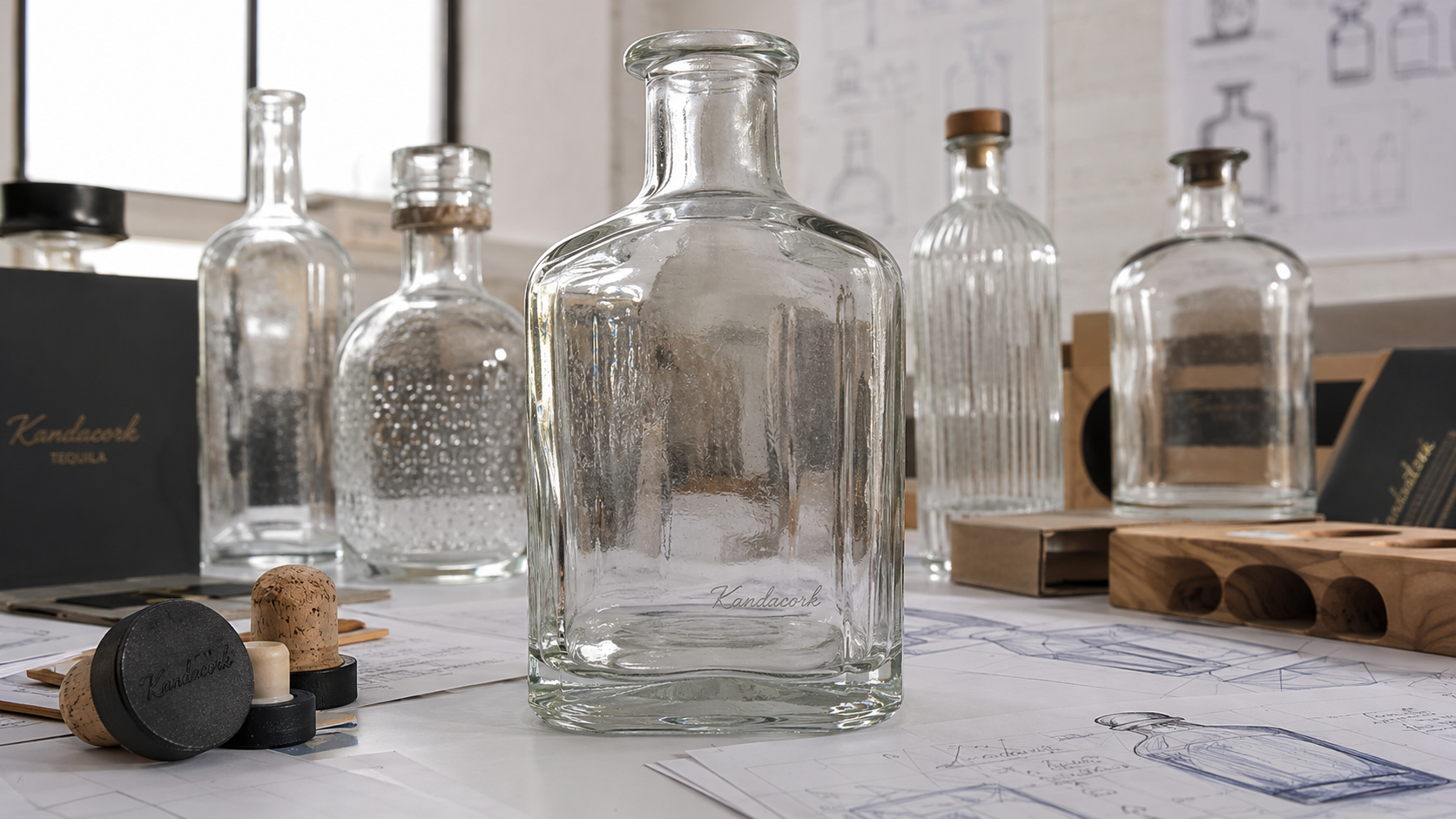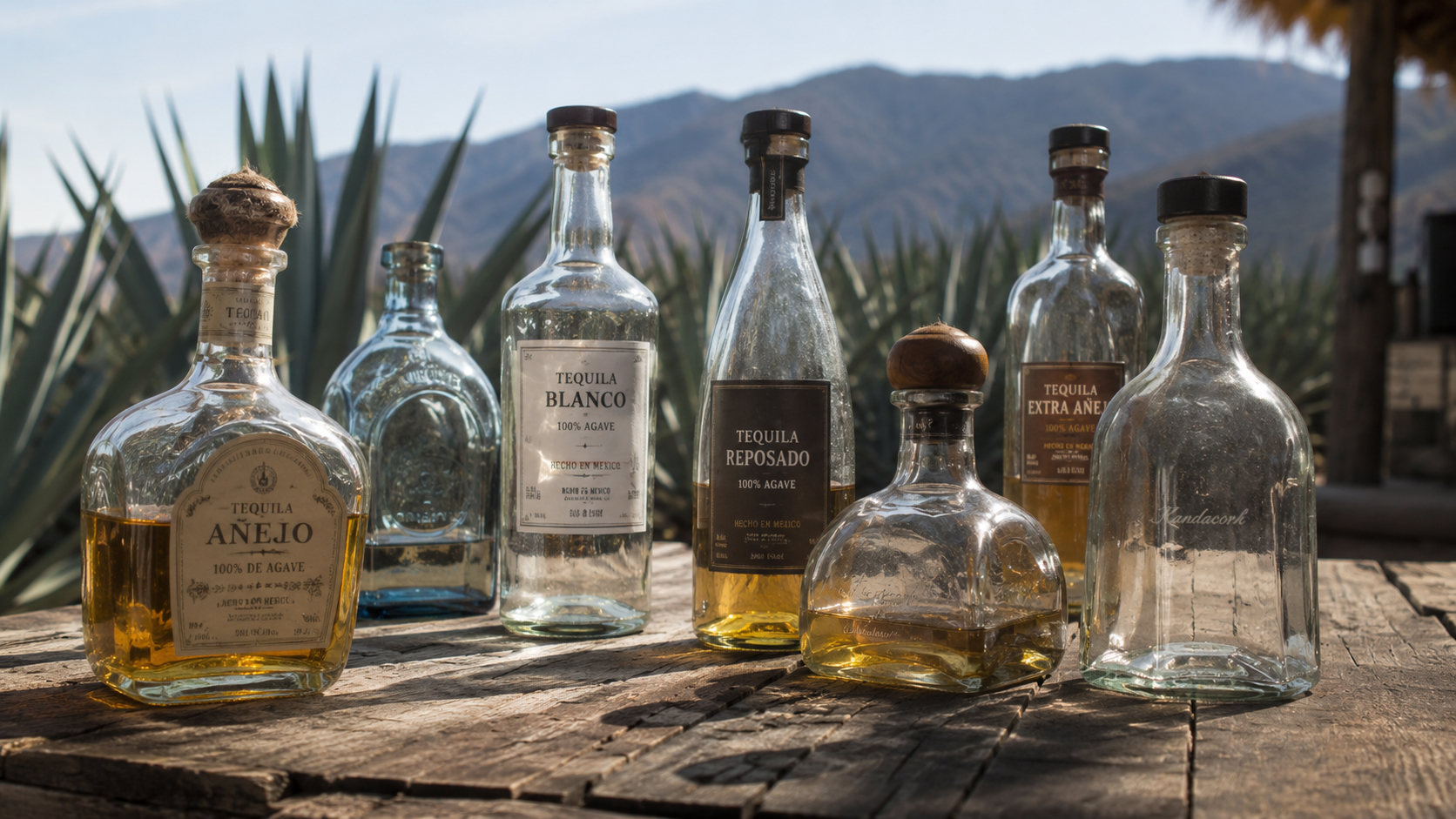
Quick Answer: Which Shank Should You Choose?
Choose a cork shank when your spirits brand needs natural material appeal, traditional opening feel, craft positioning, and a premium heritage story. Choose a synthetic shank when your project needs consistent dimensions, controlled compression, stable pull-out force, scalable production, and repeatable sealing across larger orders.
Best for heritage spirits: cork shank.
Best for private label and export consistency: synthetic shank.
Best next step: request both samples and test them with your actual bottle before bulk production.
The best way to compare cork shank vs synthetic shank for bar-top stoppers is not by material name alone. Buyers should evaluate bottle neck bore, shank diameter, insertion depth, spirit type, alcohol strength, leakage resistance, extraction force, release torque, cap-shank bond strength, and final brand presentation.
For spirits brands, distilleries, private label buyers, importers, distributors, and bottlers, the safest approach is to test both cork and synthetic shank samples under real filling, storage, and shipping conditions.
What Is the Shank in a Bar-Top Stopper?
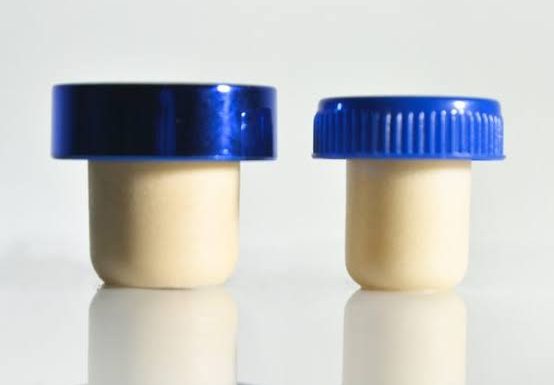
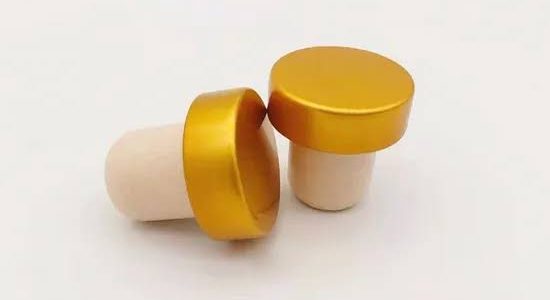
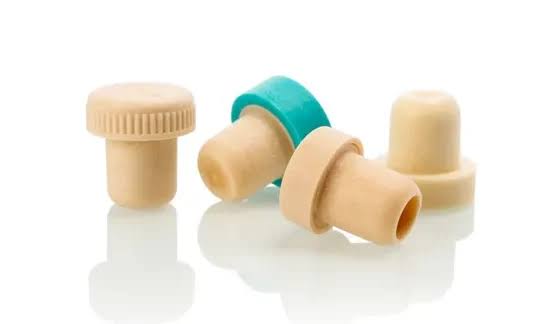
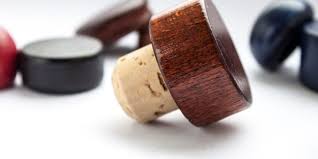
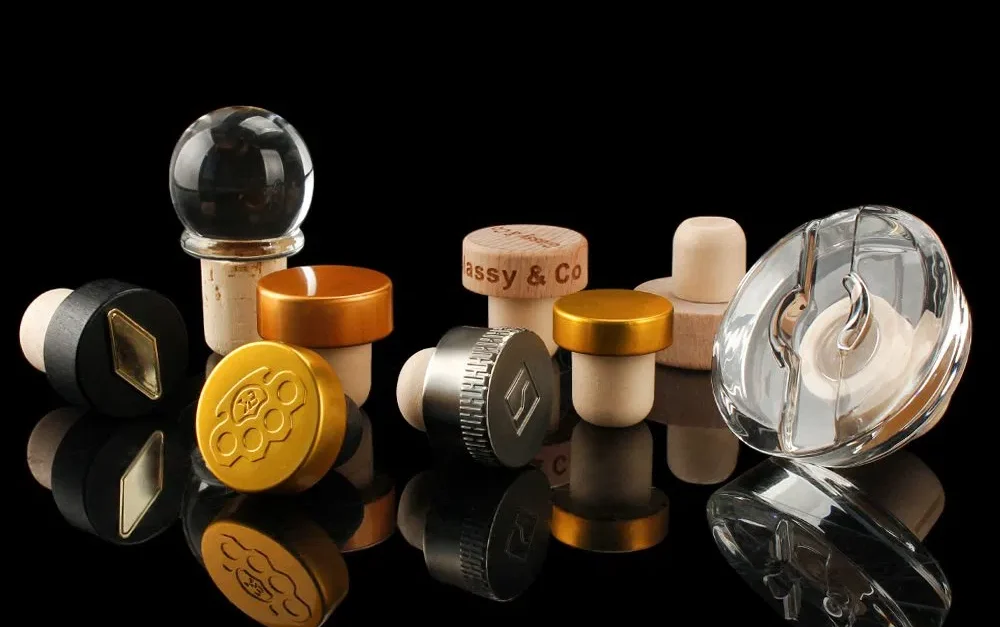
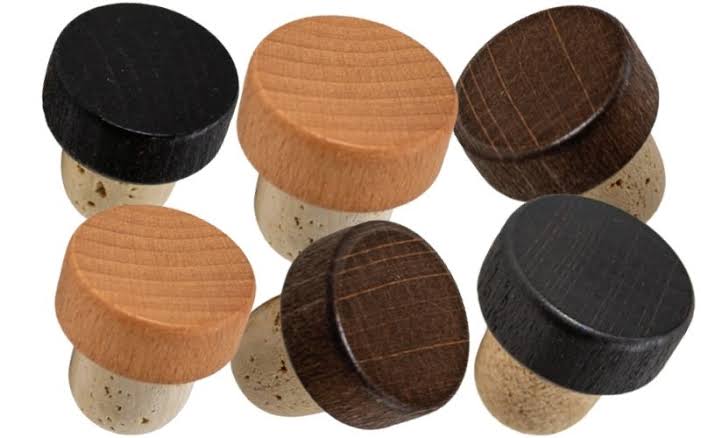
A bar-top stopper, also called a T-top stopper, T-cork, bar-top closure, or spirits bottle stopper, usually has two parts: the head and the shank.
The head is the visible top. It may be made from wood, plastic, aluminum, Zamak, glass, ceramic, resin, or another decorative material. It supports brand identity, logo decoration, color matching, surface finish, weight, and premium shelf appeal.
The shank is the functional lower part inserted into the bottle neck. It creates compression against the inner glass wall and controls sealing, opening feel, resealing, leakage resistance, and consumer experience.
The head builds the visual story. The shank protects the packaging performance.
That is why professional stopper selection should begin with the bottle neck, not only with the stopper design. Buyers comparing custom spirits bottle closures and stoppers should review inner neck bore, neck tolerance, shank diameter, shank length, insertion depth, material hardness, compression recovery, and expected pull-out force before confirming bulk production.
Cork Shank vs Synthetic Shank: Key Differences
| Factor | Cork Shank | Synthetic Shank |
|---|---|---|
| Material impression | Natural, traditional, craft-oriented | Modern, clean, controlled |
| Best brand fit | Heritage spirits, aged products, craft releases | Private label, export, modern premium, high-volume |
| Dimensional consistency | Depends on cork grade and processing | Usually more controlled and repeatable |
| Opening feel | Classic cork feel with natural variation | More predictable pull-out feel |
| Appearance | Natural texture and color variation | Uniform appearance and color control |
| Compression behavior | Elastic, but naturally variable | Engineered for stable compression |
| Sustainability story | Strong natural material story | Depends on material type and documentation |
| QC focus | Odor, TCA management, cork grade, density, dimensions | Hardness, recovery, compression set, alcohol compatibility |
| Typical spirits | Whisky, rum, brandy, cognac, craft gin, tequila | Vodka, gin, tequila, rum, liqueurs, private label spirits |
| Main risk if untested | Leakage, inconsistent pull, natural variation | Wrong hardness, poor compatibility, loose or tight fit |
This comparison does not mean one material is always better. The right choice depends on the bottle, liquid, filling process, target market, brand strategy, and test results.
Common Neck Bore and Shank Matching Examples
For spirits bar-top bottles, buyers often start with the inner neck bore. The shank usually needs to create a controlled interference fit inside the bottle neck. A common starting point is to test a shank slightly larger than the bottle neck opening, but the final choice depends on bottle tolerance, shank material, hardness, surface finish, and pull-out force.
| Bottle Neck Opening | Common Shank Diameter Direction | Buyer Note |
|---|---|---|
| 18.5 mm neck opening | Around 19.5 mm sample range | Confirm with real bottle samples and leakage testing |
| 21.5 mm neck opening | Around 22.5 mm sample range | Common direction for many spirits bar-top bottles |
| Custom neck bore | Supplier-fit recommendation required | Send bottle drawing, bottle samples, and tolerance data |
| Heavy premium stopper head | Tested cork or synthetic shank | Review pull-out force, release torque, and cap-shank bond |
| High-volume private label bottle | Synthetic shank often preferred | Prioritize dimensional consistency and repeatable insertion |
These examples should not be treated as absolute standards. A 1 mm difference may work for one bottle and fail for another if the glass tolerance, material hardness, shank profile, or filling condition is different. For projects that also require matched containers, coordinating stopper selection with custom spirits bottles can reduce neck-fit and filling-line mismatch risks.
Cork Shank: Best Uses, Benefits, and Limits
A cork shank is often selected when the brand wants a natural, traditional, and premium sensory experience. It is especially suitable for whisky, rum, brandy, cognac, tequila, mezcal, craft gin, and limited-edition spirits.
Cork communicates heritage. It feels warm, tactile, and familiar. For aged spirits and craft brands, this material cue can strengthen the perception of authenticity. A wooden bar-top stopper with a cork shank can match an amber rum bottle, embossed label, or classic whisky presentation.
From a functional perspective, cork is lightweight, compressible, and elastic when properly processed. A well-matched cork shank can provide a secure seal while giving consumers a familiar twist-and-pull opening feel.
However, cork is a natural material, so quality control is essential. Buyers should evaluate cork grade, density range, surface finish, coating, moisture control, odor control, TCA management, dimensional tolerance, and batch consistency.
Choose a cork shank when your project needs natural material appeal, traditional opening feel, premium storytelling, and a closer connection to craft or aged-spirit packaging.
Synthetic Shank: Best Uses, Benefits, and Limits
A synthetic shank is designed for controlled performance. It can be produced with consistent diameter, hardness, compression behavior, surface finish, and color. This makes it attractive for high-volume spirits packaging and private-label programs where repeatability is critical.
For importers, distributors, contract bottlers, and brand owners managing several SKUs, synthetic shanks can simplify procurement. A buyer may use the same functional shank structure while changing the decorative top, logo, or color for different product lines.
Synthetic shanks are especially useful when buyers need predictable pull-out force, stable insertion, consistent cap height, and scalable production. For a deeper fit-focused view, buyers can compare this section with Kandacork Closures’ synthetic stopper fit guide.
A synthetic shank does not automatically mean lower-end packaging. Premium spirits can use synthetic shanks successfully when the visible head, surface finish, weight, branding, and opening feel are designed carefully.
Buyers should review polymer type, hardness range, compression set, migration documentation, odor performance, and alcohol-contact suitability before confirming bulk production.
Choose a synthetic shank when your project needs consistent dimensions, controlled compression, private-label stability, export reliability, clean appearance, color control, and predictable reorder quality.
Technical Fit Factors Buyers Must Check
Bottle Inner Neck Bore
The inner neck bore is the starting point for stopper selection. It determines the shank diameter range that may create a secure fit. Even small differences in neck bore can affect leakage, insertion force, and pull-out feel.
Buyers should provide bottle drawings and physical bottle samples. Drawings are useful, but real bottles may vary due to glass manufacturing tolerance.
Shank Diameter
The shank diameter must create enough compression inside the neck. If the diameter is too small, the stopper may feel loose or leak. If it is too large, the stopper may be difficult to insert or remove.
Cork and synthetic materials do not always behave the same at the same diameter. Material hardness, surface finish, profile design, and compression recovery all affect final fit.
Shank Length and Insertion Depth
Shank length affects sealing contact area and cap height. A longer shank may improve contact inside the neck, but it must match the bottle design.
Insertion depth also affects final appearance. A stopper that sits too high may look unfinished. A stopper that sits too low may interfere with neck decoration, capsule design, or premium visual balance.
Hardness and Compression Recovery
Hardness affects insertion and extraction. Compression recovery affects how well the shank returns after being compressed inside the neck.
A good spirits stopper should feel secure but not overly tight. It should reseal smoothly after repeated opening and closing.
Pull-Out Force and Release Torque
Pull-out force is the effort needed to remove the stopper. Release torque is relevant when consumers or bartenders twist the stopper before pulling it out. Both factors influence opening comfort and perceived quality.
The ideal result is balanced: secure enough to reduce leakage risk, but comfortable enough for repeated use. A stopper that is too tight can damage user experience. A stopper that is too loose can damage brand trust.
Leakage Resistance
Leakage testing should be done with filled bottles or realistic test liquids. Buyers should check upright storage, inverted bottles, temperature changes, vibration, and export packing conditions.
A closure that performs well in a short dry-fit test may still fail during shipping, storage, or repeated opening.
Cap-Shank Bond Strength
The decorative head and shank must remain firmly bonded. This is especially important for heavy wood, metal, glass, ceramic, or Zamak tops. For metal-head projects, custom aluminium bar-top stoppers require careful review of head weight, shank fit, and repeated opening performance.
Repeated twist-and-pull use can stress the bond between head and shank. Buyers should review adhesive bond strength, torque resistance, extraction force, and internal QC pass/fail limits before approving mass production.
Buyer Decision Matrix by Project Type
| Buyer Scenario | Recommended Option | Reason |
|---|---|---|
| Craft whisky launch | Cork shank or micro-agglomerated cork shank | Supports heritage, natural material story, and classic opening feel |
| Aged rum limited edition | Cork shank | Matches traditional, warm, premium packaging cues |
| Private label vodka | Synthetic shank | Provides consistent fit, scalable production, and predictable cost |
| Export tequila program | Synthetic shank or tested cork shank | Requires stable sealing under logistics variation |
| Modern botanical gin | Synthetic shank or cork shank depending on brand style | Synthetic supports color control; cork supports craft positioning |
| Premium mezcal | Cork shank or tested synthetic shank | Cork supports artisanal cues; synthetic may improve consistency |
| Flavored liqueur | Tested synthetic shank often preferred | Sugars, extracts, and repeated resealing require careful compatibility testing |
| Multi-SKU spirits family | Synthetic shank | Easier to standardize across products while changing decorative tops |
| Gift-box premium spirits | Cork shank or synthetic shank with premium head | Final choice depends on opening feel, visual weight, and brand story |
This matrix helps buyers narrow the choice, but it should not replace sample testing. Bottle neck geometry and liquid behavior can change the final recommendation.
Sample Testing Plan Before Bulk Order
The most practical way to compare cork shank vs synthetic shank for bar-top stoppers is to test real samples in the real bottle.
What Buyers Should Send to Kandacork Closures
Buyers should provide:
- Bottle drawing
- Physical bottle samples
- Inner neck bore and tolerance
- Neck height and finish details
- Spirit type
- Alcohol percentage
- Filling method
- Target market
- Desired opening feel
- Preferred stopper head material
- Logo or decoration requirements
- Estimated order quantity
- Launch timeline
This information allows Kandacork Closures to recommend shank material, diameter, length, hardness, stopper head size, decoration method, and sample options.
Recommended Testing Workflow
- Empty bottle dry-fit test
- Manual insertion test
- Bottling-line insertion test, if required
- Cap height consistency check
- Filled-bottle upright leakage test
- Inverted leakage test
- Temperature exposure test
- Extraction force or pull-out force test
- Release torque review
- Repeated opening and resealing cycles
- Odor and sensory review
- Cap-shank adhesive bond check
- Torque resistance check for heavy heads
- Shipping vibration simulation
- Final approval sample before mass production
Buyers that need a more structured approval process can align sample development with Kandacork Closures’ quality and testing support for bottle-neck matching, closure review, and export packing control.
Sample Approval Checklist
Before approving bulk production, confirm:
- Correct shank diameter
- Stable insertion feel
- Comfortable pull-out force
- Acceptable release torque
- No visible leakage
- Consistent cap height
- Reliable resealing
- No unwanted odor
- No visible material defect
- Strong cap-shank bond
- Acceptable appearance after repeated use
- Suitable export packing performance
- Clear QC pass/fail criteria
This testing process can prevent expensive problems after filling, shipping, or retail launch.
Compliance and Documentation Checklist
Because the shank directly contacts the beverage, it should be treated as a food-contact component. Requirements vary by market, but professional sourcing should include documentation review.
For U.S.-market projects, buyers should review applicable FDA food-contact expectations for packaging components. For EU-market projects, buyers should review European Commission food contact material requirements, including safety, inertness, and good manufacturing practice expectations. For cork-related components, EDQM cork material guidance can be used as an authoritative reference during compliance planning.
Buyers should ask suppliers for:
- Material specification
- Food-contact declaration
- Batch traceability
- Alcohol-contact suitability
- Odor and sensory review process
- Migration or regulatory documentation where applicable
- Quality-control standards
- Packaging and export documentation
- Adhesive or assembly information when relevant
- Final sample approval record
This section does not replace legal or regulatory advice. It helps procurement teams ask the right supplier questions before bulk production.
Cost, MOQ, Lead Time, and Customization Factors
The material decision also affects commercial planning.
A cork shank may be preferred for premium storytelling, but cork grade, sourcing, inspection, and finishing can influence cost. A high-quality cork shank may cost more than a standard synthetic option, especially for premium grades or special dimensions.
A synthetic shank may support more stable bulk pricing and repeatable production. It can be efficient for private label, export, and multi-SKU programs where consistent dimensions and reorder reliability matter. For plastic-head closures, buyers can also review plastic stoppers with synthetic shanks when cost control, color matching, and repeatable fit are important.
Customization also affects cost and lead time. Stopper head material, logo engraving, debossing, embossing, printing, color matching, surface coating, custom molds, and packaging requirements can all change the quotation.
Buyers should not compare stopper prices only by unit cost. A lower-cost stopper that leaks, feels unstable, or fails during export can create much higher downstream costs.
A practical quotation should include material, size, head type, decoration, sample cost, MOQ, tooling, lead time, packing method, documentation, and quality-control process.
Supplier Quote Brief: What to Include in Your Inquiry
To receive a more accurate custom bar-top stopper recommendation and quotation, buyers should prepare a clear supplier quote brief.
Include the following information:
- Bottle drawing
- Physical bottle samples, if available
- Bottle neck bore and tolerance
- Target shank material: cork, synthetic, or open to recommendation
- Stopper head material preference
- Logo decoration method
- Required color, texture, weight, or finish
- Spirit type and ABV
- Filling line type
- Target market or export destination
- Estimated order quantity
- Sample requirement
- Required compliance documents
- Packaging or carton requirements
- Launch deadline
A complete quote brief helps Kandacork Closures recommend suitable cork shank or synthetic shank options, reduce sampling rounds, confirm production feasibility, and prepare a more reliable quotation.
Supplier Capability Checklist
A reliable stopper supplier should help buyers solve technical and commercial questions together. Before choosing a supplier, confirm whether they can support:
- Cork shank, micro-agglomerated cork, synthetic cork, and engineered synthetic shank options
- Bottle sample review, neck bore evaluation, and shank diameter recommendation
- Custom wood, plastic, aluminum, glass, ceramic, resin, or metal stopper heads
- Logo engraving, debossing, embossing, printing, color matching, and surface finishing
- Sample development before mass production
- Leakage, pull-out force, release torque, resealing, and cap-shank bond testing support
- Food-contact documentation and repeat-order quality control
Kandacork Closures positions stopper development as a complete closure system: bottle, liquid, shank, head, decoration, compliance, testing, and supply.
Common Buyer Mistakes to Avoid
Do not choose the stopper only by appearance. A beautiful head cannot compensate for poor shank fit.
Do not approve mass production from one dry sample only. Filled-bottle testing is necessary.
Do not ignore neck tolerance. Real glass bottles may vary from drawings.
Do not assume cork and synthetic shanks behave the same in the same diameter. Material hardness and compression recovery matter.
Do not focus only on unit price. Leakage, rework, complaints, and export failure can cost far more than a better stopper.
Do not forget the cap-shank bond. A premium stopper must remain intact during repeated twist-and-pull use.
Do not skip documentation review. The shank is a beverage-contact component, so buyers should confirm material and compliance information for the target market.
FAQ
Is cork or synthetic shank better for spirits bar-top stoppers?
Cork shank is better when a brand wants natural material appeal, traditional opening feel, and craft or heritage positioning. Synthetic shank is better when the buyer needs controlled dimensions, repeatable compression, stable pull-out force, and scalable bulk production.
What size shank fits an 18.5 mm spirits bottle neck?
An 18.5 mm bottle neck often starts with a shank sample around the 19.5 mm range, but this is only a starting point. Final selection depends on bottle tolerance, shank material, hardness, surface finish, extraction force, and leakage test results.
What size shank fits a 21.5 mm spirits bottle neck?
A 21.5 mm bottle neck often starts with a shank sample around the 22.5 mm range. Buyers should confirm the fit with real bottle samples, filled-bottle testing, pull-out force review, and cap height inspection before approving bulk production.
Can synthetic shanks be used for premium spirits?
Yes. Synthetic shanks can be used for premium spirits when paired with high-quality stopper heads, strong decoration, stable opening feel, and proper testing. Wood, metal, glass, ceramic, resin, or custom weighted heads can all support a premium presentation.
What tests should be done before bulk ordering bar-top stoppers?
Buyers should test dry fit, insertion, cap height, upright leakage, inverted leakage, temperature exposure, extraction force, release torque, repeated opening, resealing, odor, sensory performance, cap-shank bond strength, and shipping vibration before bulk ordering.
Conclusion: Build the Stopper Around the Bottle, Liquid, and Brand
The choice between cork shank vs synthetic shank for bar-top stoppers should not be treated as a simple natural-versus-modern decision. Both materials can perform well when correctly matched to the bottle, liquid, filling process, and brand strategy.
A cork shank supports natural appeal, traditional opening feel, craft storytelling, and premium heritage positioning. A synthetic shank supports dimensional consistency, controlled compression, stable fit, repeatable pull-out force, and scalable production.
For spirits brands, distilleries, private label buyers, bottlers, importers, distributors, and packaging procurement teams, the best solution is confirmed through sample testing. Review bottle neck bore, shank diameter, insertion depth, leakage resistance, extraction force, release torque, cap-shank bond strength, compliance documentation, and final shelf appearance.
Kandacork Closures helps buyers develop custom bar-top stoppers with cork shanks, synthetic shanks, custom heads, decoration options, sample support, technical review, and quotation-ready specifications. Send your bottle drawing, bottle sample, spirit type, branding requirements, target market, and order quantity to request stopper recommendations, samples, and a custom quotation.