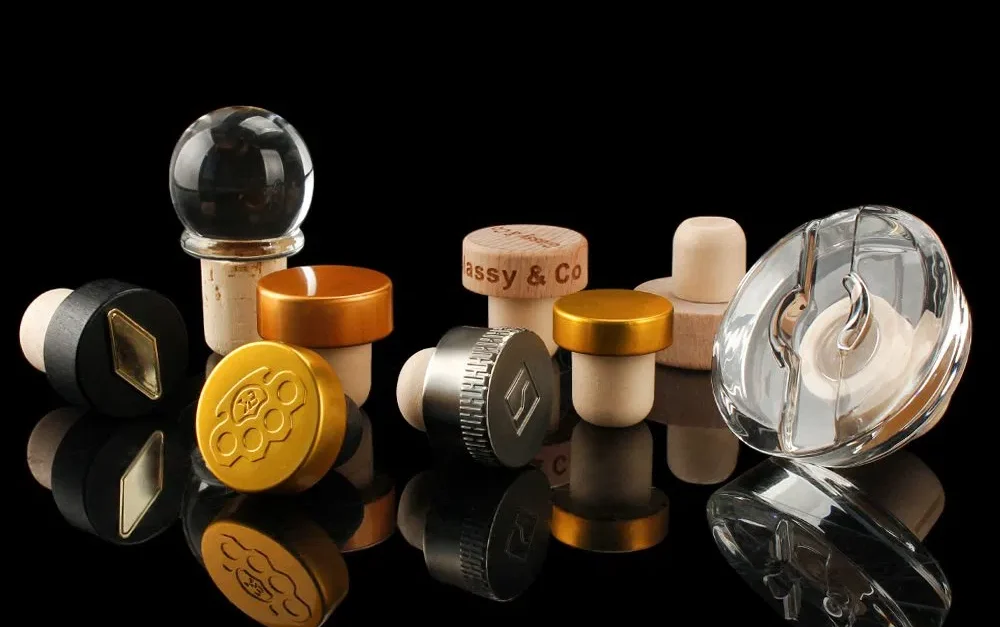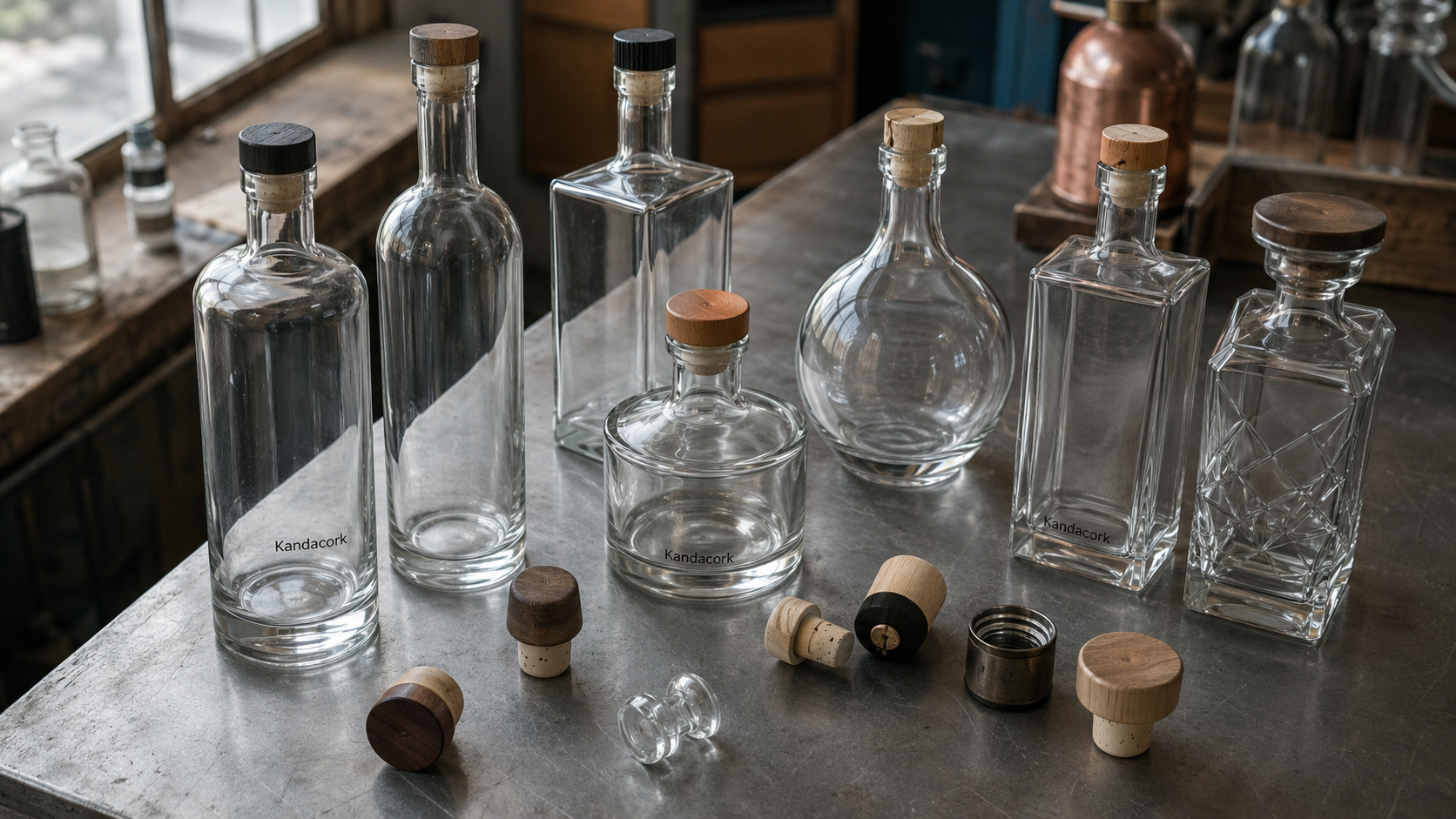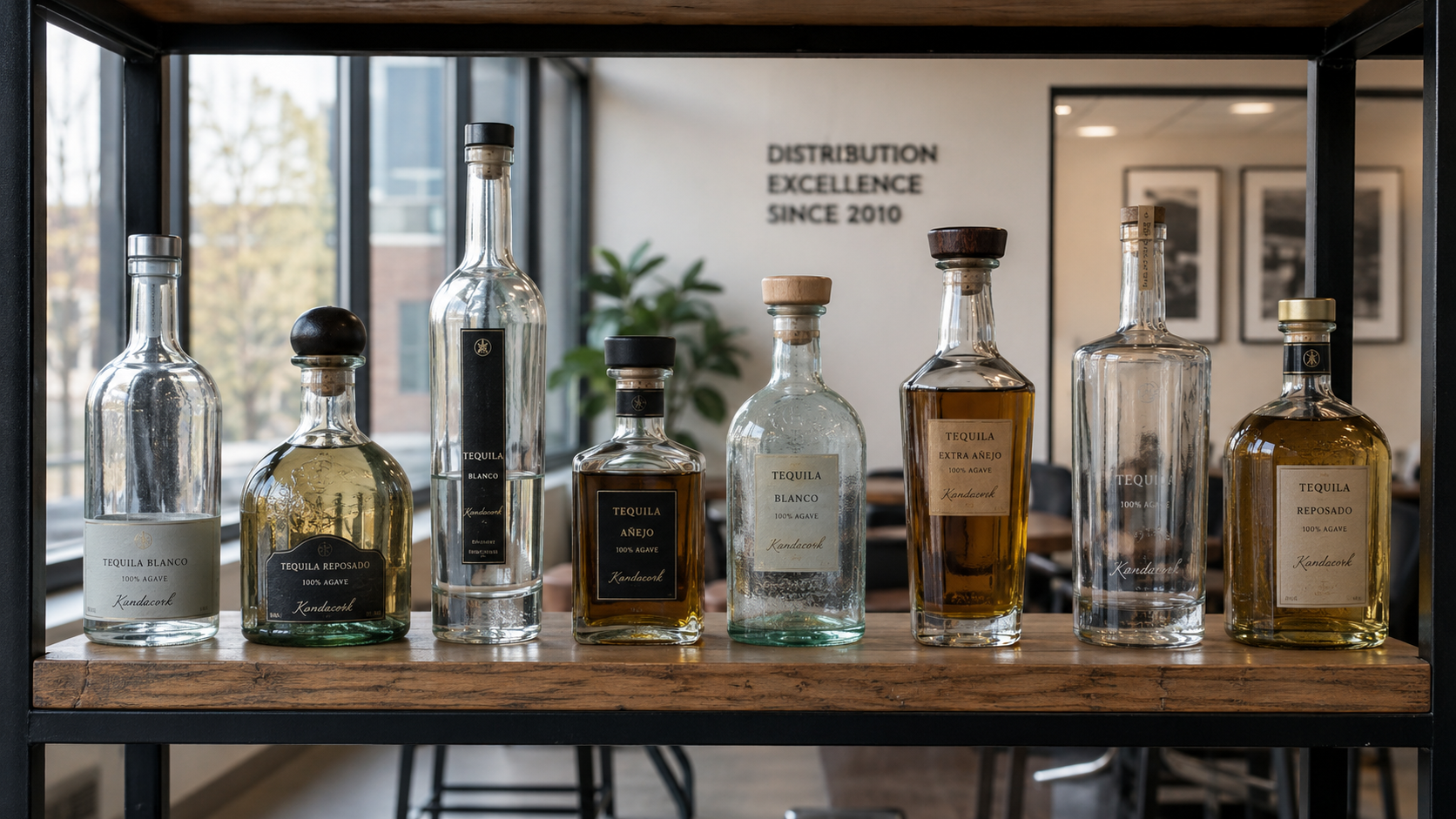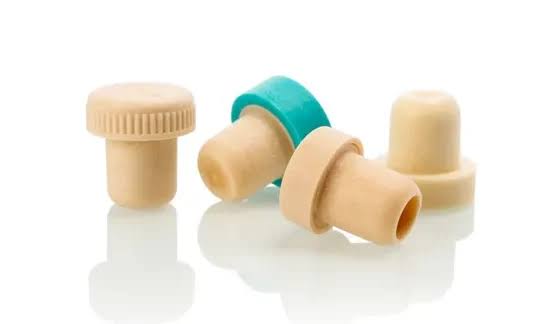
Choosing between non-refillable closures vs ROPP closures is not only a packaging decision. For spirits brands, the closure affects product security, filling-line performance, shelf presentation, tamper evidence, consumer trust, and long-term brand protection.
The key distinction is simple: a ROPP closure is a roll-on pilfer-proof application format, while a non-refillable closure is a security function designed to reduce unauthorized refilling after opening.
That means these two options are not always direct opposites. A spirits brand may choose a standard ROPP closure, a separate non-refillable closure, or a non-refillable ROPP closure that combines roll-on application with internal anti-refill protection.
For distilleries, private-label spirits buyers, importers, packaging engineers, and procurement teams, the right choice depends on bottle neck finish, closure structure, capping equipment, target market, counterfeit risk, tamper-evident requirements, pouring experience, and branding goals.
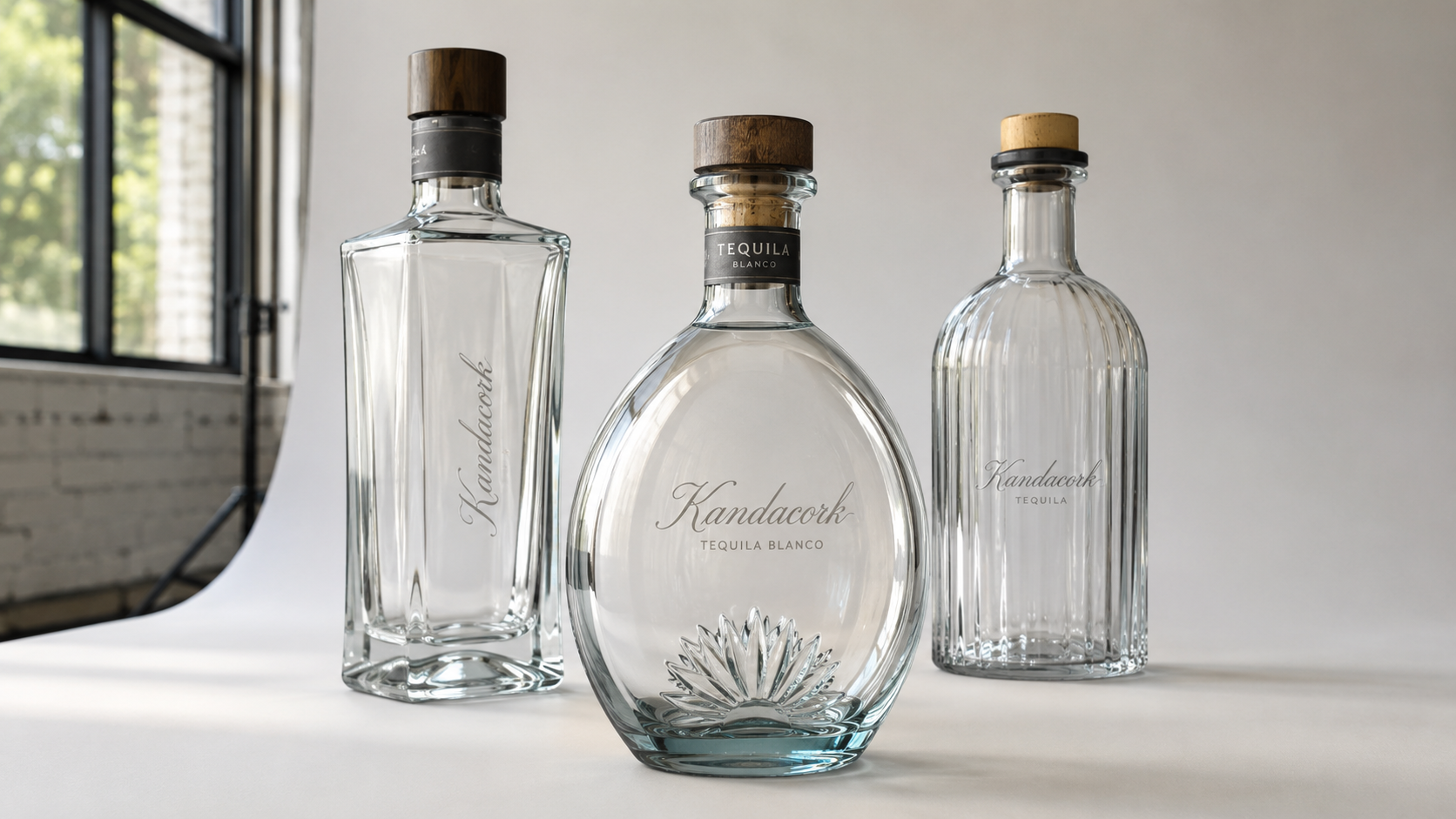
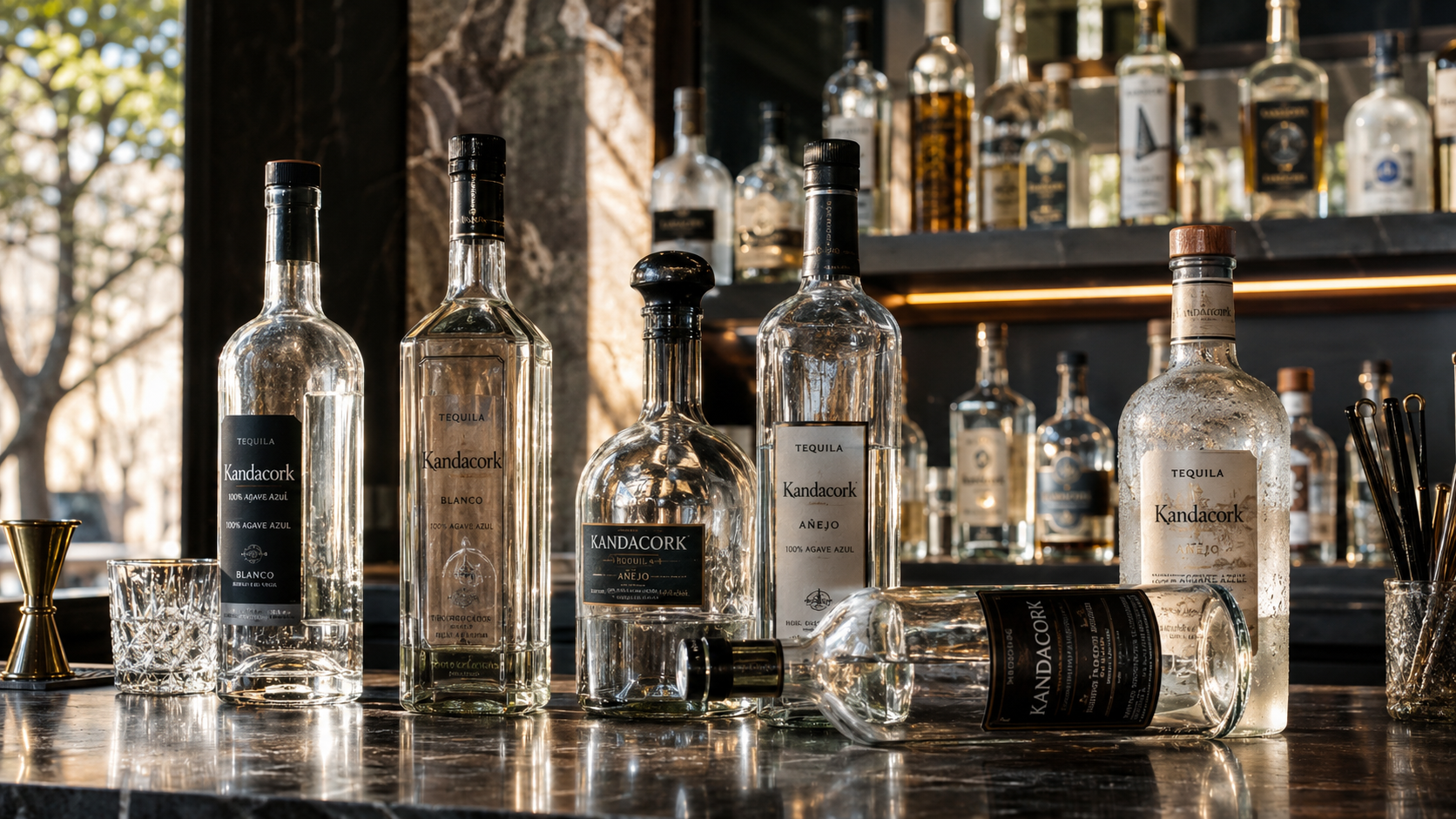
Kandacork Closures helps spirits brands evaluate ROPP caps, non-refillable systems, screw caps, bar-top stoppers, capsules, and custom closure solutions for whisky, vodka, rum, gin, tequila, brandy, liqueurs, and ready-to-drink spirits. For projects that also need matching glass containers, buyers can coordinate closure planning with custom spirits bottles to avoid neck-fit, decoration, and filling-line mismatches.
Quick Definitions
ROPP closure: A ROPP closure is a roll-on pilfer-proof aluminum cap formed onto a bottle neck by capping equipment to create threads, seal compression, and a tamper-evident band.
Non-refillable closure: A non-refillable closure is a security closure with internal components designed to make unauthorized bottle refilling difficult after first opening.
Non-refillable ROPP closure: A non-refillable ROPP closure combines an aluminum roll-on outer cap with an internal anti-refill insert, valve, or pourer system.
Quick Answer: Non-Refillable Closures vs ROPP Closures
Non-refillable closures are security closures designed to reduce bottle refilling, product substitution, and counterfeit reuse after opening. They often include internal pourer inserts, one-way valves, glass balls, anti-pullout structures, and tamper-evident components.
ROPP closures, short for Roll-On Pilfer-Proof closures, are aluminum caps applied by roll-on capping equipment. During application, the cap is formed onto the bottle neck to create threads, seal compression, and a tamper-evident band.
In practical terms, non-refillable closures protect against refilling, while ROPP closures provide roll-on sealing and visible first-opening evidence. A non-refillable ROPP closure can combine both benefits.
Best Choice in 30 Seconds
| Buyer Situation | Best Closure Option |
|---|---|
| You need efficient roll-on sealing for a compatible bottle neck | ROPP closure |
| You need visible first-opening evidence | ROPP closure |
| You need stronger protection against refilling | Non-refillable closure |
| You need controlled pouring for spirits service | Non-refillable closure |
| You need both scalable capping and anti-refill protection | Non-refillable ROPP closure |
| You sell premium spirits in export or duty-free channels | Non-refillable or non-refillable ROPP closure |
| You need a clean aluminum cap with custom decoration | ROPP or non-refillable ROPP closure |
| You are unsure which closure fits your bottle | Request a bottle neck and closure compatibility review |
The best closure is the one that fits the bottle, seals reliably, works with the filling line, supports the brand image, and protects the product in its target market.
What Are Non-Refillable Closures?
Non-refillable closures, also called NRF closures or anti-refill closures, are bottle closures designed to make unauthorized refilling difficult after the original product has been opened. They are commonly used for premium spirits, export liquor, duty-free bottles, hospitality channels, and markets where counterfeit alcohol or bottle reuse is a concern.
A typical non-refillable closure may include an internal pourer insert, one-way valve, glass ball, tamper-evident band, anti-pullout structure, controlled-pour system, decorative shell, and sealing component. The exact structure depends on the bottle neck, liquid type, security requirement, and desired opening experience.
The purpose is not only to close the bottle. The purpose is to protect the product after it leaves the filling line.
For example, a premium tequila, whisky, or vodka brand entering distributor-heavy export markets may want to reduce the risk of genuine bottles being collected, refilled with inferior liquid, and resold. A standard tamper-evident cap can show first opening, but it may not provide enough protection against refilling after the band is broken.
A non-refillable closure adds a higher level of post-opening protection. It can also improve the consumer experience by supporting controlled pouring, reducing glugging, and creating a more secure premium feel.
The commercial need is clear in high-risk supply chains. The OECD’s work on illicit trade in high-risk sectors highlights the wider risks connected with counterfeit and illicit alcohol, including brand damage, consumer safety concerns, and channel-control issues. For spirits brands, closure selection should be treated as part of a broader product integrity strategy.
What Are ROPP Closures?
Custom ROPP closures are Roll-On Pilfer-Proof aluminum closures used for spirits, wine, olive oil, liqueurs, mini bottles, and specialty beverages. Instead of being pre-threaded like many screw caps, a ROPP cap is placed over the bottle neck and then rolled onto the glass finish by a capping head.
During this process, the aluminum shell forms threads around the bottle neck. The lower part forms a tamper-evident band, which breaks or separates when the consumer opens the bottle for the first time.
ROPP closures are popular because they offer reliable sealing, visible tamper evidence, recloseable convenience, clean aluminum appearance, strong decoration options, and efficient application on semi-automatic or automatic filling lines.
For spirits packaging, ROPP cap performance depends on the complete closure system. Buyers must consider cap size, liner selection, shell hardness, bottle neck finish, thread profile, capping-head setup, application pressure, torque, filling speed, and storage conditions.
A ROPP cap that looks correct may still fail if the glass finish is outside tolerance, the liner does not compress correctly, or the capping machine is not adjusted properly. Common issues include leakage, spinning caps, damaged threads, uneven tamper-band break, excessive opening force, weak resealing, or visible cap distortion.
Tamper Evidence, Refill Protection, and Compliance Context
Tamper evidence and anti-refill protection are different.
Tamper evidence shows whether a bottle has been opened. Anti-refill protection makes refilling more difficult after opening.
This distinction matters for buyer expectations, packaging claims, and compliance review. A standard ROPP closure can provide visible tamper evidence, but it does not automatically prevent refilling. A true non-refillable closure requires internal security design.
For the U.S. market, the TTB tamper-evident closure guidance explains that distilled spirits plants and importers must securely affix a tamper-evident closure or similar device to distilled spirits containers. The eCFR distilled spirits bottle closure requirements also provide regulatory context for bottle, label, and closure requirements. Brands should always review the requirements of their destination market before finalizing packaging.
Non-Refillable Closures vs ROPP Closures: Detailed Comparison
When comparing non-refillable closures vs ROPP closures, buyers should not decide only by unit price or exterior design. The more useful comparison is based on security level, sealing method, filling-line compatibility, and market risk.
| Factor | Non-Refillable Closures | ROPP Closures |
|---|---|---|
| Main purpose | Reduce refilling and product substitution | Seal the bottle and show first opening |
| Core function | Anti-refill security | Roll-on pilfer-proof application |
| Common materials | Aluminum, plastic, composite parts, internal inserts | Aluminum shell with liner |
| Internal components | Pourer, valve, glass ball, anti-pullout system | Usually liner and formed aluminum shell |
| Tamper evidence | Often included | Standard key function |
| Anti-refill protection | Stronger when properly designed | Not automatic unless internal anti-refill parts are added |
| Pour control | Often available | Optional depending on closure design |
| Filling-line requirement | Depends on structure | Requires ROPP capping equipment |
| Decoration options | Custom color, logo, shell finish, sleeve design | Printing, embossing, debossing, coating, top decoration |
| Best use cases | Premium, export, duty-free, high-risk channels | Scalable spirits and beverage production |
| Hybrid option | Can use ROPP outer shell | Can include anti-refill inserts |
Use ROPP closures when the main need is efficient sealing and tamper evidence. Use non-refillable closures when the main need is stronger protection against refilling. Use non-refillable ROPP closures when the project requires both.
For buyers comparing multiple formats, Kandacork’s full range of spirits bottle closures and stoppers can help position ROPP, non-refillable systems, screw caps, capsules, and bar-top stoppers within one packaging plan.
Closure Selection by Spirit Type
| Spirit Type | Common Closure Priority | Recommended Direction |
|---|---|---|
| Vodka | Clean aluminum appearance, high-speed filling, tamper evidence | ROPP or non-refillable ROPP |
| Tequila | Premium presentation, refill protection, export security | Non-refillable or non-refillable ROPP |
| Whisky | Premium feel, authenticity, tamper evidence, shelf impact | Non-refillable, ROPP, or bar-top depending on bottle design |
| Rum | Export protection, controlled pour, brand differentiation | Non-refillable or non-refillable ROPP |
| Gin | Decoration flexibility, clean branding, reliable resealing | ROPP or custom screw cap |
| Brandy | Premium image, controlled opening, security | Non-refillable or bar-top closure |
| Liqueurs | Pour control, leak resistance, decorative cap finish | ROPP or non-refillable closure |
| Mini spirits bottles | Fast application, tight sealing, compact cap profile | ROPP closure |
| Duty-free spirits | Anti-refill protection, visible tamper evidence, premium finish | Non-refillable ROPP closure |
| Private-label spirits | Cost balance, customization, scalable production | ROPP or non-refillable ROPP |
This table is a starting point, not a final specification. The correct closure still depends on the actual bottle drawing, neck finish, filling line, product positioning, and target market.
When Should You Choose Non-Refillable Closures?
You should choose non-refillable closures when refill prevention is a serious commercial concern.
This is especially relevant for premium spirits sold through export channels, distributor networks, bars, hotels, travel retail, high-value retail environments, and markets where counterfeit reuse is more likely.
Non-refillable closures are often suitable for premium whisky, vodka, rum, gin, tequila, brandy, cognac-style spirits, liqueurs, private-label liquor, limited-edition releases, duty-free bottles, and high-value export products.
A non-refillable system can support brand protection in several ways. It can make refilling more difficult, show visible tampering, control liquid flow, improve pouring consistency, and make the bottle feel more secure during first use.
This does not mean every spirits bottle needs a non-refillable closure. If a product has low refill risk and the main priority is high-speed production, a standard ROPP cap may be more practical. Non-refillable closures are most valuable when security, authenticity, and channel control matter.
When Should You Choose ROPP Closures?
You should choose ROPP closures when your project needs efficient roll-on sealing, visible tamper evidence, recloseable convenience, and compatibility with roll-on capping equipment.
ROPP closures are common for vodka, gin, liqueur, RTD spirits, mini bottles, specialty beverages, and selected whisky, rum, tequila, and brandy projects. They are especially useful when the bottle neck is designed for ROPP application and the filling line needs repeatable production speed.
A ROPP closure may be the right choice if your line already supports ROPP capping, your bottle finish is compatible, your product needs a tamper-evident band, and your brand wants a clean aluminum closure with custom decoration.
ROPP caps can be decorated with color coating, side printing, top printing, embossing, debossing, metallic finishes, matte surfaces, gloss effects, and brand-specific artwork. Dedicated closure decoration and branding planning is useful when the cap finish, bottle decoration, label, capsule, and carton design need to work as one visual system.
However, ROPP closures are not a universal solution. They require correct bottle finish dimensions, capping-head setup, liner selection, and application control. If the neck finish is wrong or the capping pressure is inconsistent, the closure may leak, spin, deform, or fail to break cleanly at opening.
When Should You Choose Non-Refillable ROPP Closures?
A non-refillable ROPP closure is often the best solution when a spirits brand needs both efficient roll-on application and stronger post-opening protection.
This hybrid system usually combines an aluminum ROPP outer shell with an internal anti-refill pourer, valve, or insert. The ROPP shell supports machine application and tamper-evident opening, while the internal component helps reduce unauthorized refilling after the bottle has been opened.
Non-refillable ROPP closures are especially useful for premium vodka, tequila, rum, whisky, liqueurs, export spirits, private-label spirits, travel retail, distributor-controlled markets, and regions where counterfeit reuse is a known risk.
For many buyers, this is the most practical answer to the non-refillable closures vs ROPP closures question. The choice is not always one or the other. A combined system can provide roll-on production efficiency, aluminum cap branding, visible tamper evidence, and added refill protection.
Technical Selection Factors Buyers Should Check
Bottle Neck Finish
The bottle neck finish is the foundation of closure performance. Buyers should confirm outside diameter, bore diameter, thread profile, bead height, finish height, sealing surface, glass tolerance, and compatibility with the intended closure.
For ROPP closures, the glass finish must allow proper thread formation and tamper-band rolling. For non-refillable closures, the internal insert must fit securely without causing leakage, cracking, difficult assembly, poor pour behavior, or weak retention.
A bottle drawing is useful, but a physical bottle sample is often better. Real samples help identify glass tolerance, surface defects, finish variation, and insertion behavior that may not be obvious from drawings alone.
Filling Line and Capping Equipment
The filling line determines what closure structures are practical. ROPP caps usually require ROPP capping heads. Non-refillable closures may require pressing, inserting, rolling, snapping, or multi-part assembly depending on design.
Buyers should confirm whether the line is manual, semi-automatic, or automatic. They should also review filling speed, capping-head type, application torque, downward pressure, cap feeding method, line space, quality inspection process, and operator controls.
A closure that works during hand sampling may behave differently on a commercial bottling line. That is why capping trials are important before bulk approval.
Liner and Sealing Performance
The liner is one of the most important parts of a ROPP closure. It must compress properly against the bottle sealing surface and remain compatible with the spirit.
For alcohol packaging, buyers should review alcohol compatibility, leakage resistance, liner compression, transport vibration, storage temperature, expected shelf life, and potential flavor or aroma interaction.
For non-refillable closures, sealing performance depends on the outer cap, insert, valve, internal fit, and contact area inside the bottle neck. A high-security closure is only effective if it also seals reliably.
Pouring Experience
A closure is part of the consumer experience. For premium spirits, the pour should feel clean, controlled, and intentional.
Non-refillable closures can include controlled-pour inserts that reduce glugging, splashing, and uncontrolled flow. This can be useful for bar service, hospitality use, and premium products where presentation matters.
However, too much flow restriction can frustrate consumers. Buyers should test pour speed, drip behavior, opening force, resealing feel, and closure removal resistance before approval.
Materials and Sustainability Considerations
Many ROPP closures use aluminum shells because aluminum forms well during rolling, supports high-quality decoration, and can deliver a clean premium appearance. When sustainability is part of the packaging brief, buyers may also review material separation, recycling stream compatibility, secondary packaging, and logistics efficiency. The Aluminum Association provides broader context on aluminum recycling, which can help packaging teams frame material discussions more responsibly.
For glass bottle programs, closure choice should also be reviewed alongside bottle weight, neck finish, decoration surface, carton protection, and freight route. If a brand is building a more responsible packaging platform, eco glass packaging coordination can help align bottle selection, closure matching, and decoration planning from the beginning.
Common Closure Failure Symptoms
| Failure Symptom | Possible Cause | Buyer Action |
|---|---|---|
| Cap leaks during storage | Poor liner compression, damaged sealing surface, wrong cap size | Review neck finish and liner compatibility |
| Cap spins after application | Weak thread formation or incorrect capping-head setup | Run ROPP capping adjustment trial |
| Tamper band does not break cleanly | Incorrect bridge design, poor rolling, incompatible neck finish | Check cap structure and glass finish |
| Cap is too hard to open | Excessive torque or over-compression | Adjust application settings |
| Insert moves or pulls out | Poor internal fit or wrong bore diameter | Retest insert retention with real bottles |
| Pour is too slow | Flow-control insert too restrictive | Review pourer design and target pour speed |
| Product drips after pouring | Insert geometry or flow path mismatch | Test alternative pourer structures |
| Decoration scratches easily | Surface treatment or print durability issue | Request decorated samples and abrasion testing |
| Cap deforms visually | Incorrect shell hardness or application pressure | Check material and capping setup |
| Leakage appears after transport | Vibration, temperature change, or seal relaxation | Add transport simulation and storage testing |
This table helps buyers diagnose whether a problem is caused by the closure, bottle, liner, insert, capping equipment, or testing process.
How to Test Non-Refillable Closures and ROPP Closures Before Bulk Production
Testing is one of the most underused steps in closure sourcing. A closure should not be approved only from photos, renderings, or unit-price quotations.
Start with bottle drawing review. Confirm the neck finish, bore diameter, thread profile, finish height, bead design, and sealing surface.
Next, request closure samples. Test the samples on real bottles, not only on reference bottles or supplier test containers.
Then run a physical fit test. Check whether the closure sits correctly, inserts smoothly, seals evenly, and aligns with the bottle design.
For ROPP closures, complete a capping-line trial. Review thread formation, tamper-band break, torque, opening force, cap deformation, and resealing.
For non-refillable closures, test insert retention, pour speed, drip behavior, anti-pullout resistance, and anti-refill function.
After that, complete leakage testing. Evaluate upright storage, inverted storage where appropriate, transport vibration, temperature variation, and carton handling.
Finally, approve decoration samples. Check color consistency, logo position, embossing depth, print durability, top artwork, side artwork, and overall shelf appearance.
For quality control, many packaging teams use process-based review principles similar to those found in ISO 9001 quality management: define requirements, test against those requirements, document results, and approve production only when the product consistently meets the specification.
Buyer Checklist Before Ordering Closures
Before placing a production order, confirm the following details:
- Bottle drawing and neck finish specification
- Physical bottle samples
- Bottle volume and closure size
- Alcohol type and alcohol by volume
- Target market and distribution channel
- Required tamper-evident function
- Required anti-refill function
- Pour speed and pour-control preference
- Filling-line type and production speed
- Capping method and equipment setup
- Liner compatibility
- Storage and transport conditions
- Decoration method and logo artwork
- Color, finish, embossing, or printing requirement
- Sample testing plan
- Estimated order quantity
- Launch timeline
This checklist helps prevent one of the most common packaging sourcing problems: selecting a closure before confirming whether it fits the bottle, line, market, and brand requirement.
Common Mistakes When Choosing Between NRC and ROPP Closures
One common mistake is treating ROPP and non-refillable as the same category. ROPP refers to the roll-on pilfer-proof application method. Non-refillable refers to the anti-refill security function.
Another mistake is choosing the closure before checking the bottle neck finish. Even a high-quality closure can fail if the glass finish is not compatible.
A third mistake is focusing only on decoration. Color matching, embossing, debossing, metallic finishes, and logo printing are valuable, but they cannot replace sealing performance, liner compatibility, torque control, and anti-refill validation.
Buyers also sometimes assume that tamper-evident means non-refillable. This is not accurate. A tamper-evident band can show first opening, but it does not necessarily stop someone from refilling the bottle after the band is broken.
Another common issue is skipping pre-production samples. Closure performance should be checked before mass production, especially for premium spirits, export orders, new bottle molds, and customized closure structures.
The safest process is to evaluate the closure as a complete packaging system: bottle, cap, liner, insert, capping equipment, liquid, logistics, target market, and consumer use.
Buyer Decision Guide
Choose ROPP closures if your main priority is efficient roll-on sealing, visible tamper evidence, recloseable convenience, clean aluminum decoration, and high-speed production.
Choose non-refillable closures if your main priority is refill prevention, anti-counterfeit protection, channel security, controlled pouring, and stronger post-opening protection.
Choose non-refillable ROPP closures if your project needs both roll-on production efficiency and anti-refill performance.
For a standard vodka line with high production volume and low refill risk, a custom ROPP cap may be enough. For a premium tequila sold in high-risk export channels, a non-refillable closure may be more suitable. For a private-label spirits program that needs scalable filling and added security, a non-refillable ROPP closure may offer the best balance.
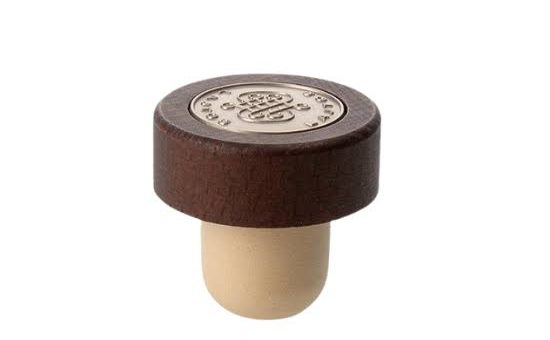
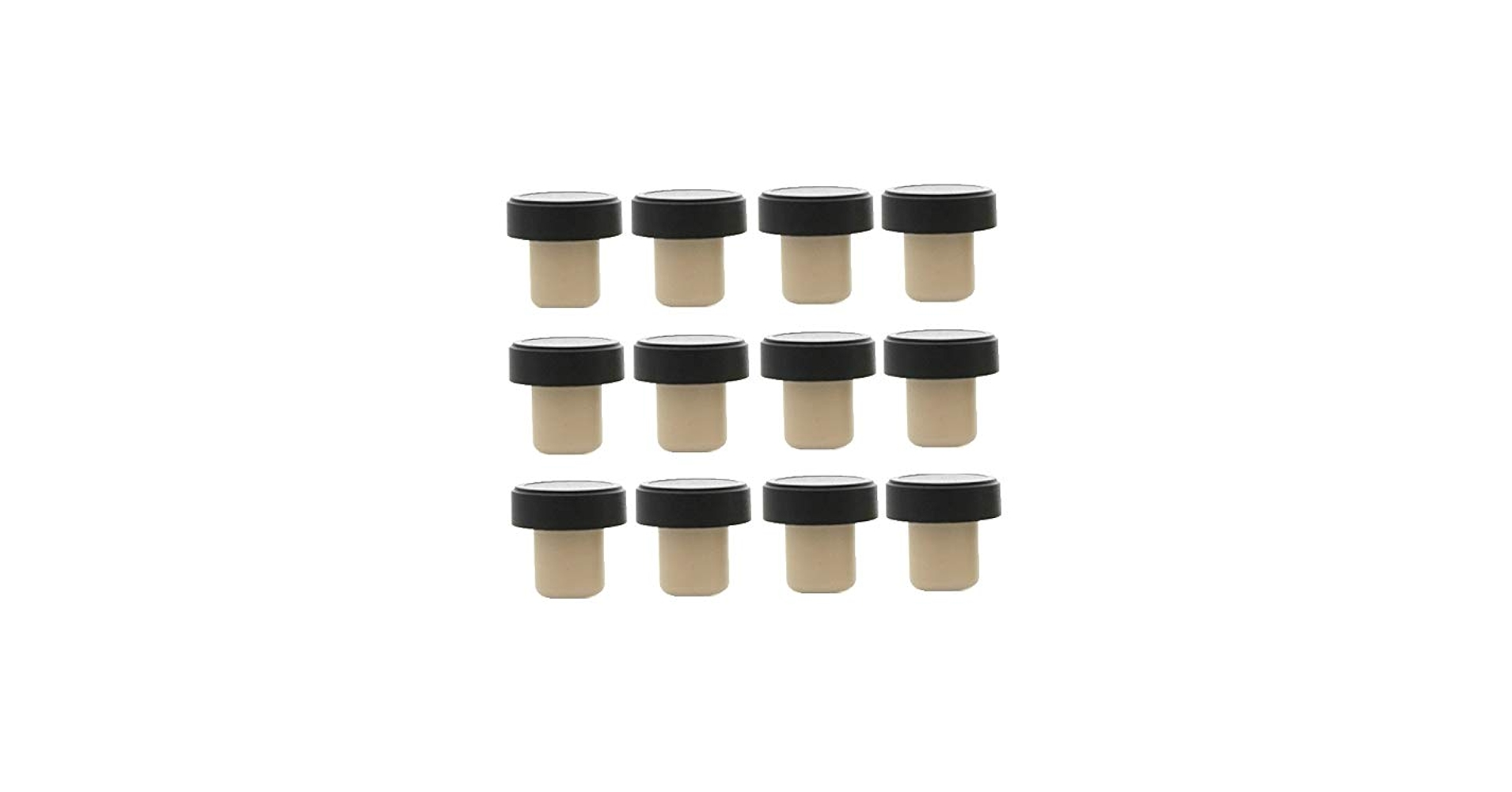
If the bottle design uses a traditional T-top opening experience instead of roll-on aluminum capping, wooden bar-top stoppers may be more suitable for whisky, rum, tequila, gin, brandy, and premium liqueur packaging. If the closure needs additional neck coverage or visible retail security, capsules and shrink sleeves can be reviewed together with the main closure.
How Kandacork Closures Helps You Select the Right Closure
Kandacork Closures supports buyers through a technical selection process that reduces risk before bulk production.
First, the team reviews your bottle drawing, neck finish, bottle photos, physical samples, alcohol type, target market, filling method, and branding requirements.
Next, Kandacork Closures identifies suitable closure options. These may include ROPP closures, non-refillable closures, non-refillable ROPP closures, screw caps, bar-top stoppers, capsules, or customized closure systems.
Then, samples can be prepared for fit checking, sealing review, capping-line testing, pour testing, tamper-band inspection, insert retention testing, and decoration approval.
After the sample stage, Kandacork Closures helps confirm production details such as material, cap size, liner, shell finish, printing method, embossing or debossing, color matching, packaging method, order quantity, and delivery schedule.
For buyers managing full bottle, closure, decoration, and export packaging programs, integrated Kandacork Glass packaging support can help coordinate multiple components so the final bottle system is production-ready rather than assembled from disconnected parts.
What Information Should Buyers Prepare Before Requesting a Quote?
To receive an accurate closure recommendation, prepare the spirit category, bottle volume, alcohol by volume, bottle drawing, neck finish specification, physical bottle sample, filling-line type, capping method, target market, required security level, pouring requirement, decoration requirement, logo artwork, estimated order quantity, launch timeline, and destination country or region.
These details help Kandacork Closures confirm whether a project is better suited to ROPP closures, non-refillable closures, non-refillable ROPP systems, screw caps, bar-top stoppers, capsules, or a custom hybrid closure.
For the fastest technical review, send bottle drawings and sample photos first. If the project involves export spirits, premium positioning, high refill risk, or custom decoration, physical bottle samples are strongly recommended before final approval.
FAQ
Are ROPP closures the same as non-refillable closures?
No. ROPP closures are roll-on aluminum caps used for sealing and tamper evidence. Non-refillable closures are security closures designed to reduce refilling after opening. Some ROPP closures can include non-refillable inserts.
Can a ROPP closure be non-refillable?
Yes. A ROPP closure can be designed with an internal anti-refill pourer, valve, or insert. This creates a non-refillable ROPP closure that combines roll-on application with added refill protection.
Which closure is better for premium spirits?
Premium spirits often benefit from non-refillable closures when refill fraud, bottle reuse, or counterfeit risk is a concern. Standard ROPP closures may be suitable when the main needs are secure sealing, tamper evidence, and efficient filling-line performance.
Do non-refillable closures require special bottle necks?
Yes. Non-refillable closures must match the bottle neck finish, bore diameter, bead height, sealing surface, and insert structure. Bottle drawings and physical samples should be reviewed before production.
Do ROPP closures require special capping machines?
Yes. ROPP closures normally require roll-on capping equipment. The capping head forms the aluminum cap onto the bottle neck and creates the threads and tamper-evident band.
Are tamper-evident closures anti-refill closures?
Not always. Tamper-evident closures show that a bottle has been opened. Anti-refill closures are designed to make refilling difficult after opening. Some closures provide both functions, but buyers should verify the structure before making packaging claims.
What is the best closure for export spirits?
The best closure for export spirits depends on market risk, bottle type, filling line, and brand positioning. Non-refillable closures or non-refillable ROPP closures are often suitable for high-value products, duty-free channels, distributor-heavy markets, and regions where counterfeit reuse is a concern.
What should I send before requesting closure samples?
Send the bottle drawing, neck finish specification, bottle photos, spirit category, alcohol content, target market, filling-line type, decoration requirement, and expected order quantity. Physical bottle samples are recommended for accurate compatibility testing.
Conclusion: How to Choose the Right Closure System
The choice between non-refillable closures vs ROPP closures should be based on function, not only appearance, unit price, or supplier catalog labels.
ROPP closures are a strong choice for efficient roll-on sealing, tamper-evident opening, aluminum cap branding, and scalable production. Non-refillable closures are the better choice when refill prevention, anti-counterfeit protection, controlled pouring, and channel security are major concerns. Non-refillable ROPP closures can combine both advantages in one system.
For spirits brands, the best closure is the one that fits the bottle, protects the liquid, supports the filling line, strengthens the brand, and matches the real risk level of the market.
Kandacork Closures can help review bottle drawings, neck finishes, samples, filling-line requirements, decoration needs, and security goals before bulk production. Whether your project needs custom ROPP caps, non-refillable closures, non-refillable ROPP systems, screw caps, bar-top stoppers, capsules, or integrated closure solutions, technical review can reduce risk and improve packaging performance.
To start a closure project, prepare your bottle drawing, sample photos, alcohol type, target market, filling method, logo artwork, and estimated order quantity. Kandacork Closures can then recommend a closure system that balances security, sealing, branding, production efficiency, and commercial feasibility.