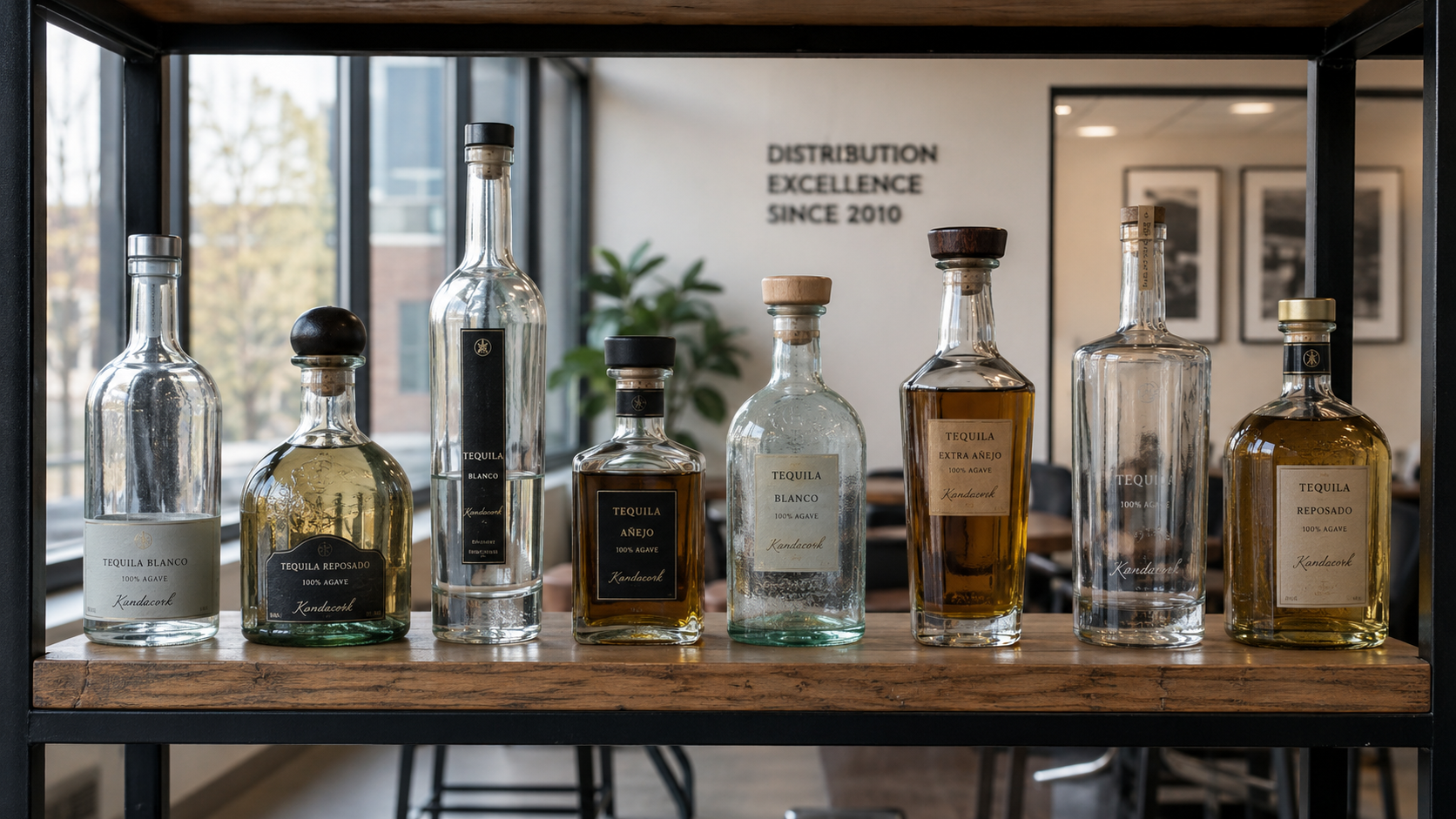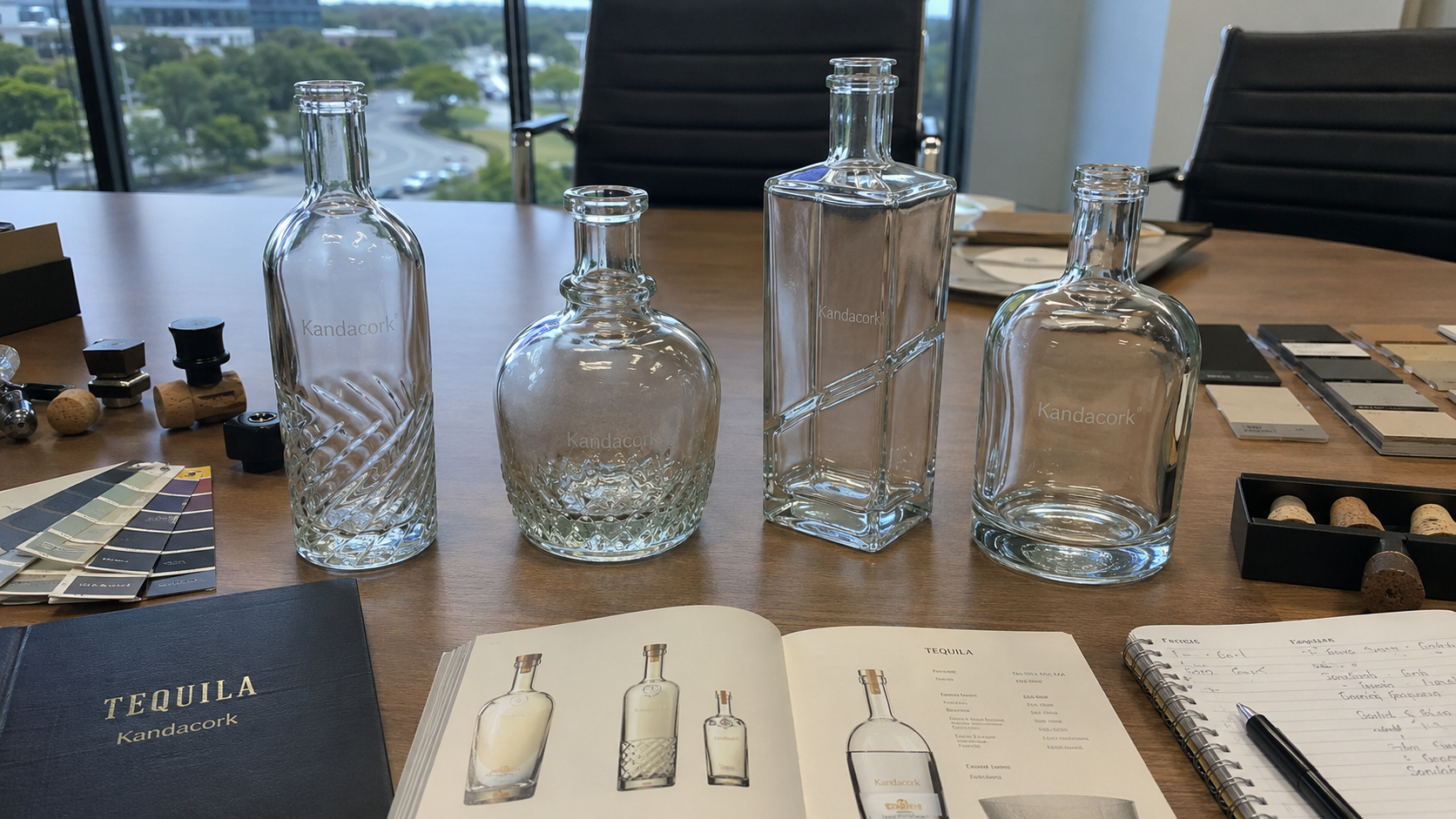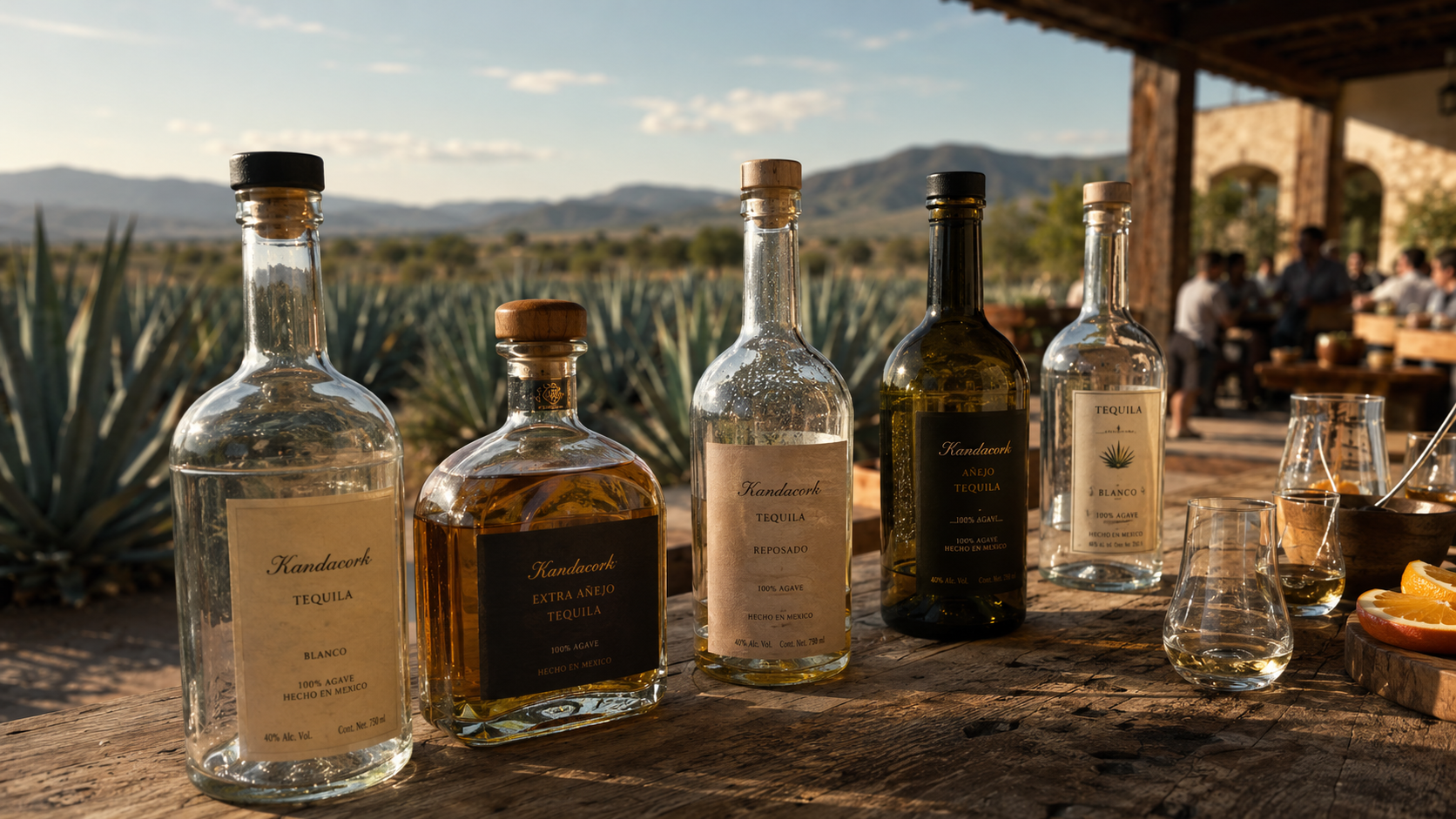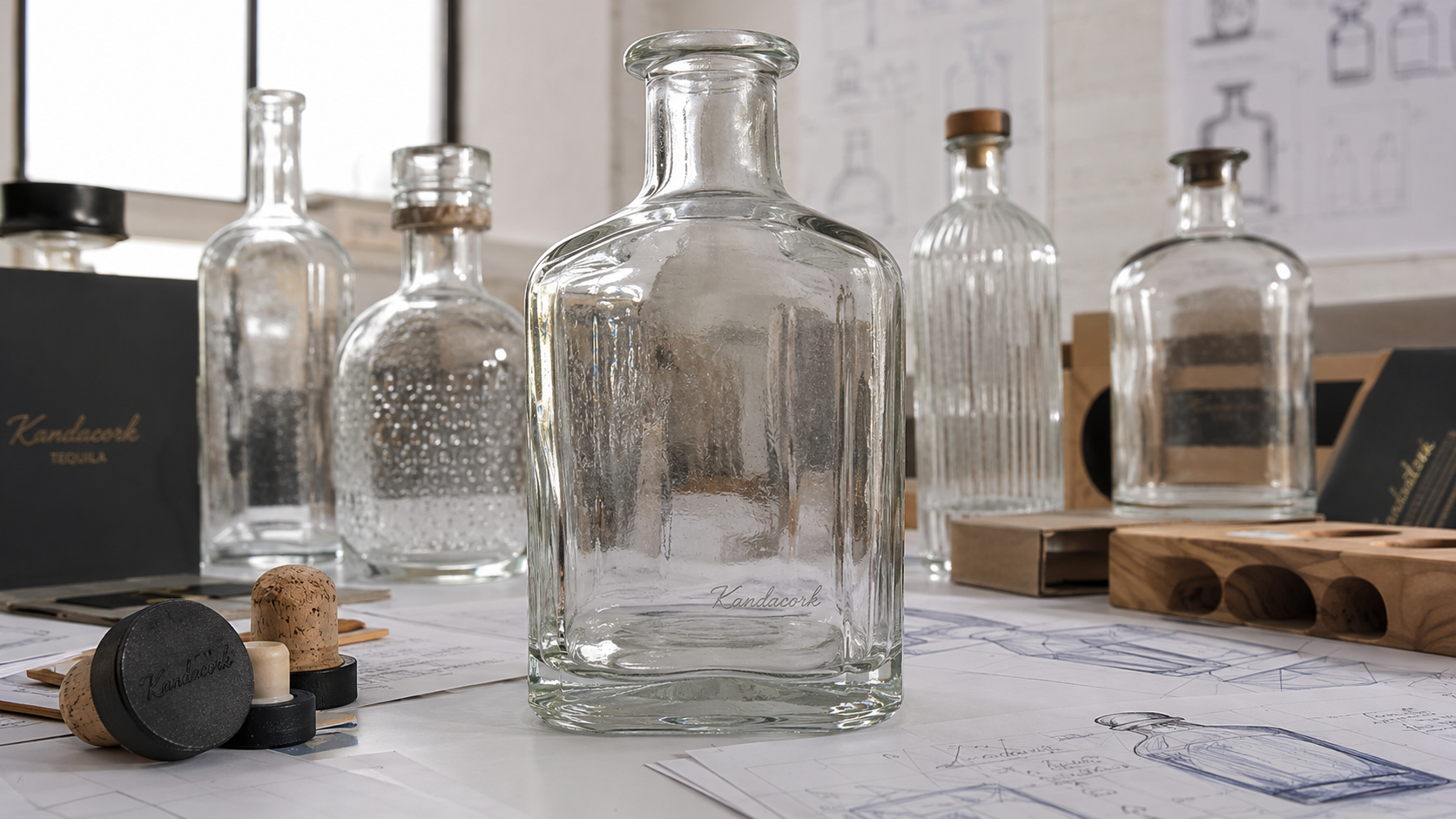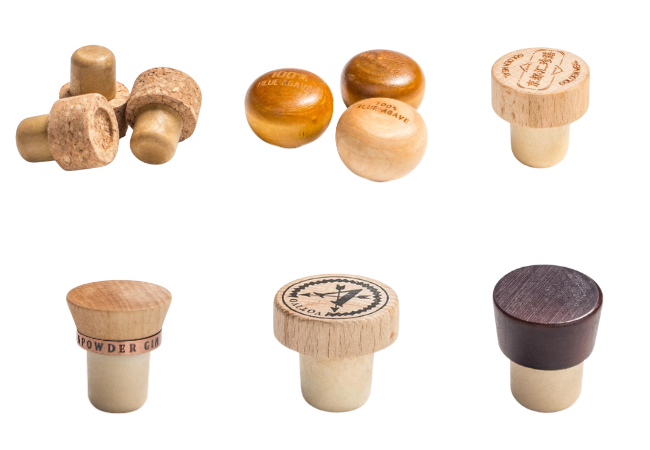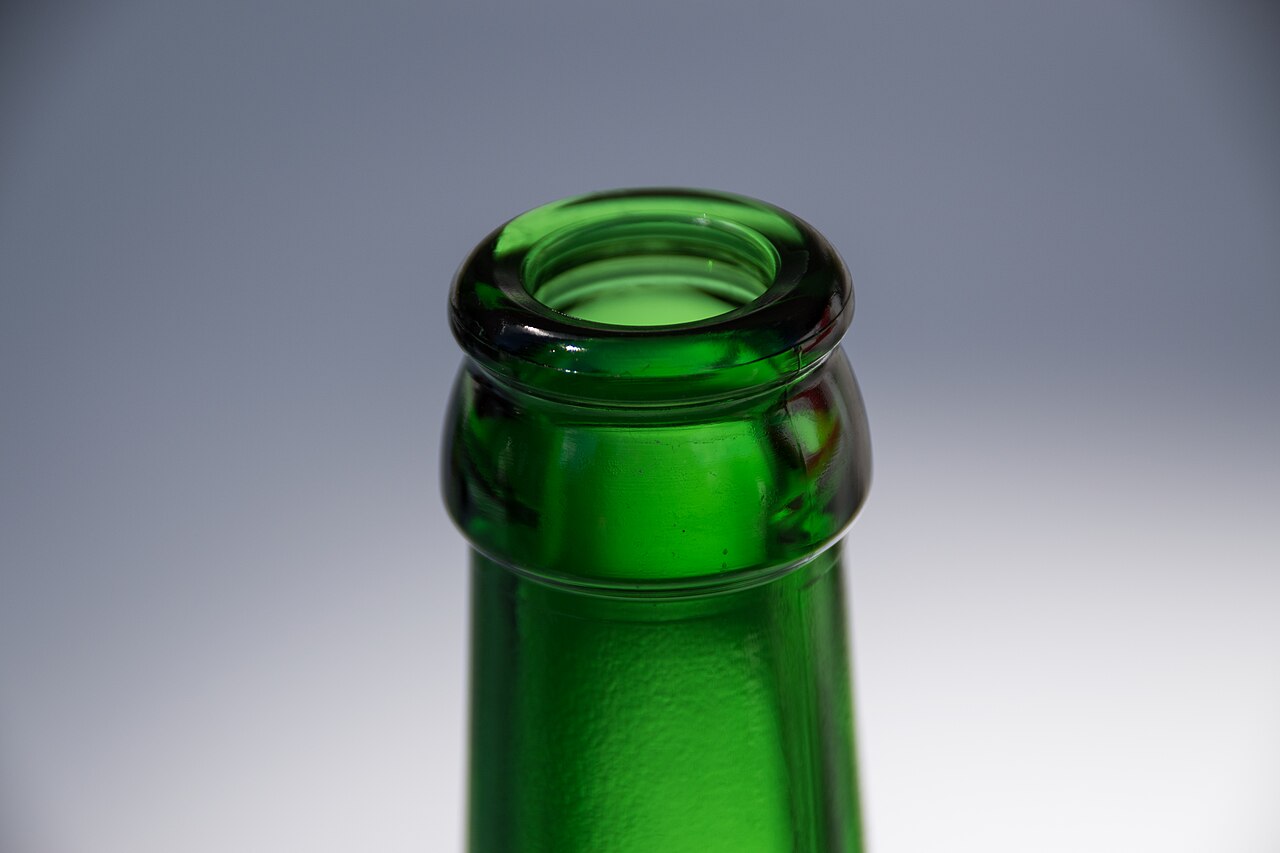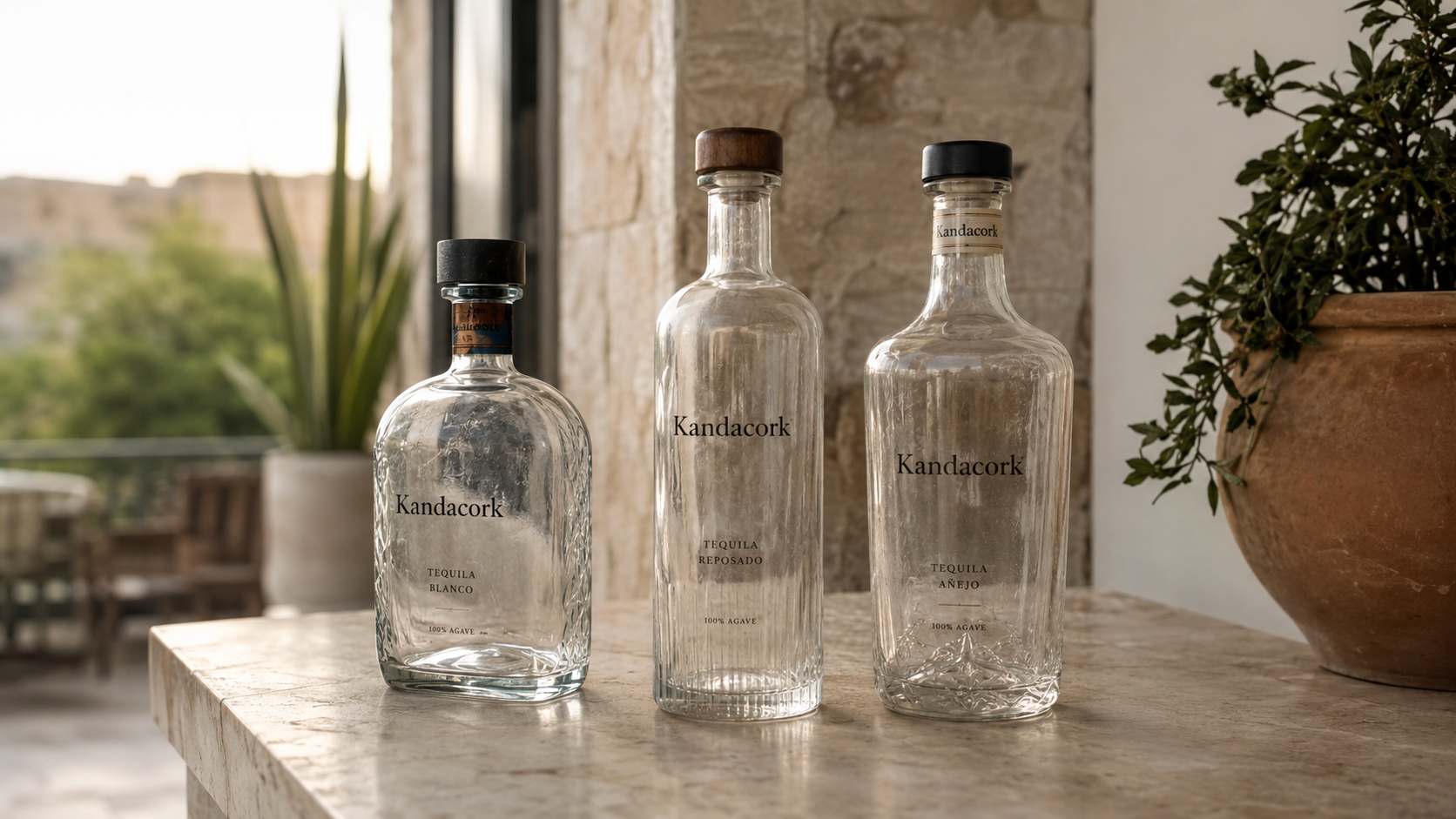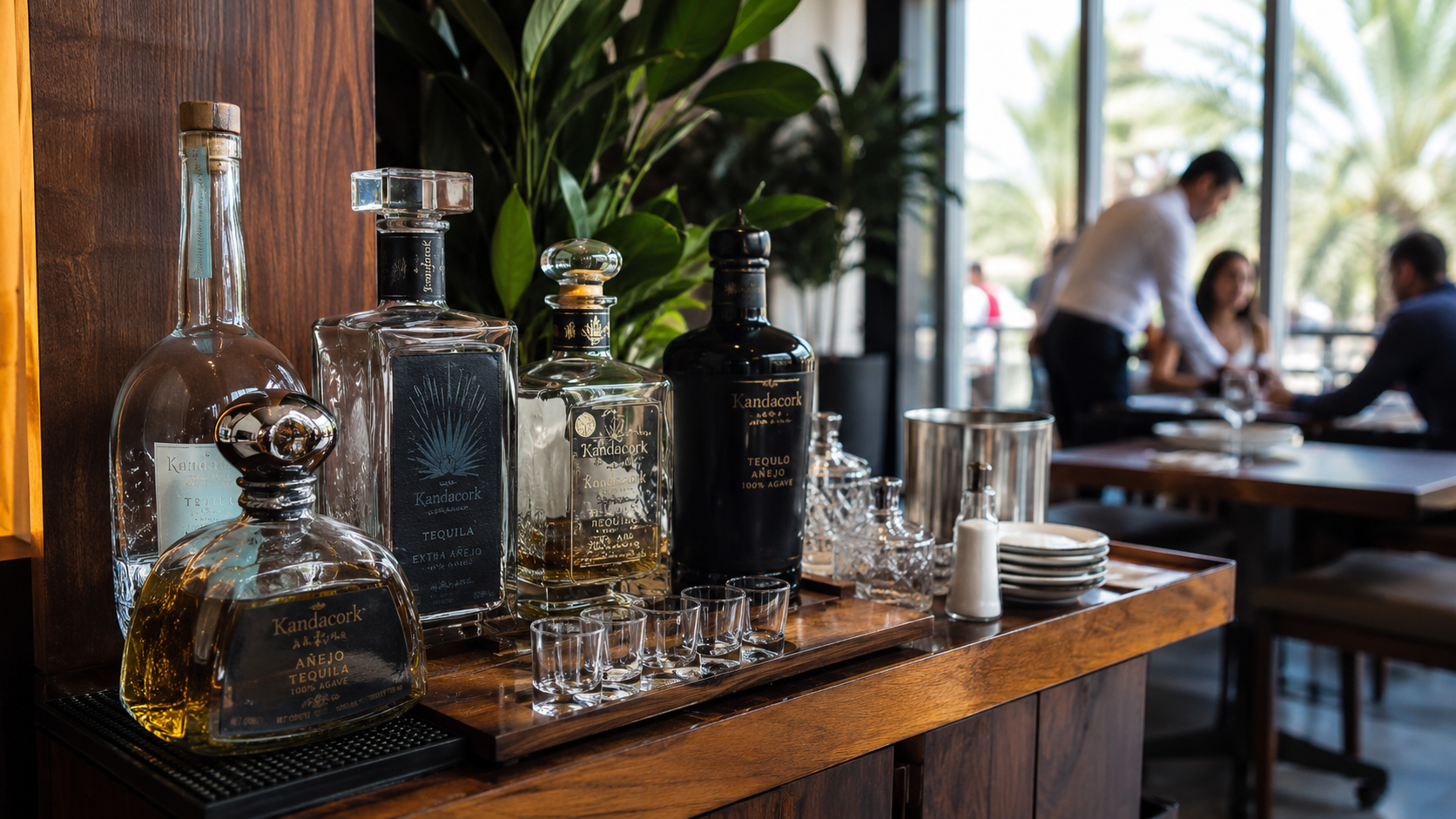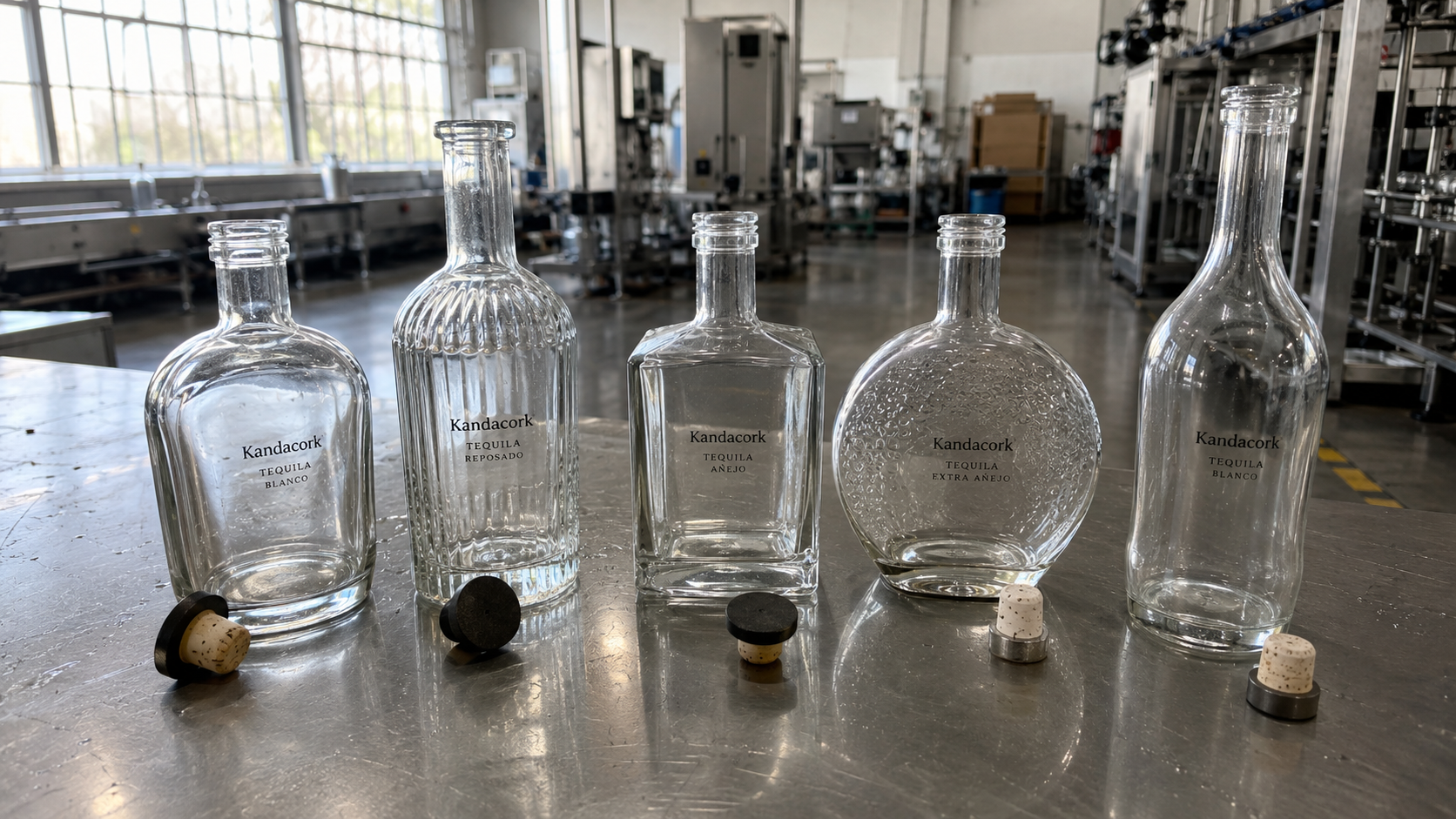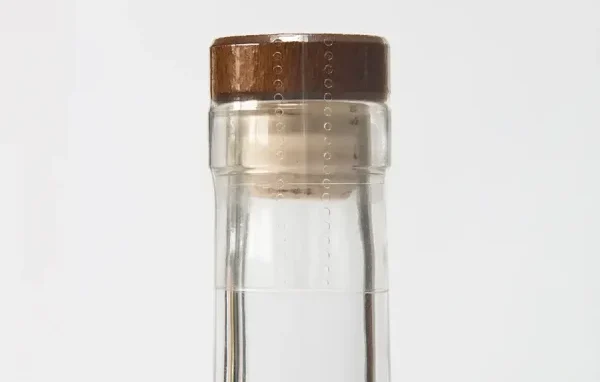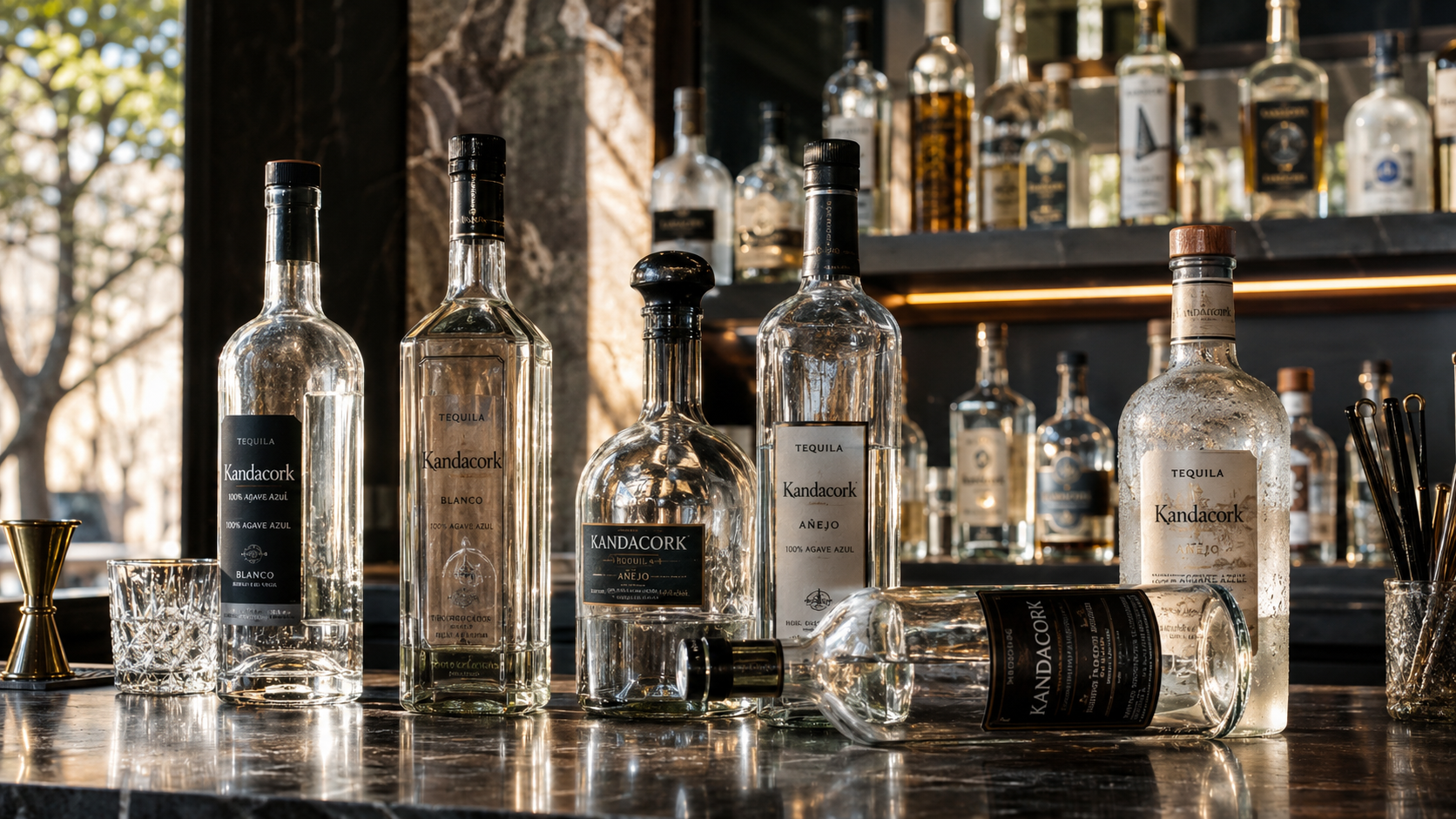
Metal stoppers with cork shanks need accurate neck matching to achieve a secure and comfortable fit. This guide explains how cork shank diameter, compression, insertion feel, pull-out force and leakage testing should be checked before bulk production.
What Are Metal Stoppers with Cork Shanks?
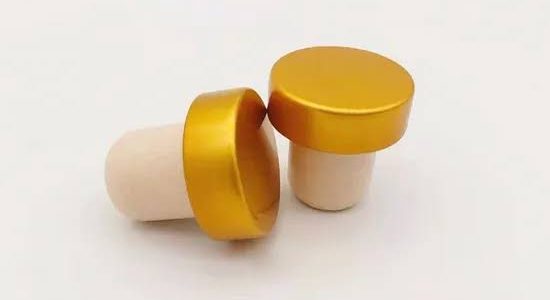
Metal stoppers with cork shanks are also called metal bar-top stoppers, T-top stoppers, bar-top corks, or spirits bottle closures. They include two main parts: a visible metal head and a shank that enters the bottle neck.
The metal head creates the visual identity and hand feel of the closure. It may be made from zinc alloy, aluminum, stainless steel, or a hybrid metal structure. The shank provides compression and resealing performance. It may be made from natural cork, micro-agglomerated cork, synthetic cork, or another engineered stopper material.
This format is popular in premium spirits packaging because it combines function and branding. When a consumer opens the bottle, they feel the stopper weight, surface finish, extraction resistance, and overall quality before tasting the spirit. That small moment can reinforce whether the product feels craft, luxury, traditional, modern, or collectible.
Why Spirits Brands Choose Metal Bar-Top Stoppers
Spirits packaging is highly visual and tactile. Consumers often judge a bottle by glass weight, closure design, label texture, color, and shelf presence before they read the full label. A well-designed metal stopper can make the bottle feel more complete and more valuable.
A heavy zinc alloy stopper can make a whisky or aged rum bottle feel substantial. A brushed aluminum stopper can give a gin or vodka bottle a clean modern identity. A dark antique metal stopper can support tequila, mezcal, brandy, or liqueur packaging with a richer visual tone.
For B2B buyers, the value is practical as well as commercial. A custom metal stopper can support premium pricing, improve shelf differentiation, strengthen brand recognition, and create consistency across flagship SKUs, gift sets, limited editions, and private-label spirits lines. Buyers comparing stopper options can also review Kandacork Closures’ broader range of complete bottle closures and stoppers for coordinated packaging programs.
Choosing the Right Metal Head Material
Zinc Alloy Metal Stoppers
Zinc alloy, often referred to as Zamak in packaging and hardware applications, is commonly selected when a brand wants a heavier stopper with a substantial hand feel. It is suitable for sculptural shapes, embossed logos, debossed marks, antique finishes, and luxury spirits packaging.
Zinc alloy metal stoppers are often used for whisky, bourbon, rum, tequila, mezcal, cognac, brandy, and limited-edition spirits. They can support antique gold, bronze, gunmetal, black nickel, matte silver, copper, and other premium finishes.
Aluminum Metal Stoppers
Aluminum stoppers are lighter than zinc alloy options and work well for clean, modern packaging. They are often used for vodka, gin, flavored spirits, ready-to-drink spirits, and contemporary private-label projects. Buyers looking for lightweight metallic closures can also compare aluminum bar-top stoppers for modern spirits bottle applications.
Aluminum can be polished, brushed, anodized, printed, or color-finished depending on the design direction. It is a strong choice when a buyer wants a premium metallic appearance with controlled weight and efficient production.
Stainless-Style and Hybrid Metal Stoppers
Stainless-style metal stoppers suit brands that want a refined, minimalist, or technical appearance. They often pair well with clear glass, frosted glass, architectural bottle shapes, and premium modern labels.
Some custom projects combine metal with wood, resin, glass, ceramic, enamel, or decorative inserts. A tequila brand may choose a sculpted metal top with an enamel emblem. A rum brand may use antique bronze metal with a textured insert. A gin brand may choose brushed silver with a colored botanical medallion. These details turn the stopper into a branded packaging component instead of a generic closure.
Cork Shank Options for Metal Stoppers
The shank is one of the most important parts of the closure. Even if the metal top looks perfect, the stopper can fail if the shank does not match the bottle neck correctly. Buyers usually compare natural cork, micro-agglomerated cork, and synthetic cork-style shanks.
Natural cork shanks are selected when the brand wants a traditional, premium, and natural packaging signal. They are suitable for craft spirits, heritage whisky, aged rum, brandy, cognac, and premium liqueurs. Natural cork has a familiar extraction feel and a classic appearance, although buyers should expect natural variation in texture, compression behavior, and visual character.
Micro-agglomerated cork shanks are made from cork granules bonded into a more consistent structure. They can offer a balance between cork-based appearance and improved dimensional control. This option works well when a spirits brand wants a cork look but also needs more repeatable performance across batches.
Synthetic cork-style shanks are engineered for consistency. They are often chosen for larger production runs, stable dimensions, and predictable insertion behavior. For projects where filling-line efficiency and uniform fit are priorities, buyers can compare synthetic bar-top stoppers as part of the closure development process.
The cork industry, represented by organizations such as APCOR, has long emphasized cork’s renewable origin and role in premium bottle closures. For spirits packaging, the best shank choice should still be confirmed by bottle testing, not by material preference alone.
Natural Cork vs Micro-Agglomerated Cork vs Synthetic Cork Shank
| Shank Type | Best For | Advantages | Considerations |
|---|---|---|---|
| Natural cork shank | Heritage spirits, craft brands, premium traditional packaging | Natural appearance, classic extraction feel, strong premium association | More natural variation; testing is essential |
| Micro-agglomerated cork shank | Premium projects needing balanced consistency | Cork-based appearance, improved batch control, reliable performance | Food-contact suitability and technical fit should be confirmed |
| Synthetic cork shank | Larger production runs and consistent filling-line performance | Stable dimensions, repeatable insertion and extraction behavior | Less natural appearance than real cork |
The best shank depends on the bottle neck, spirit category, positioning, production volume, export market, and required opening experience. Kandacork Closures helps buyers compare options based on bottle samples and technical requirements rather than appearance alone.
Recommended Stopper Combinations by Spirits Category
| Spirit Category | Suggested Metal Head | Suggested Shank | Recommended Finish Direction |
|---|---|---|---|
| Whisky and bourbon | Zinc alloy | Natural or micro-agglomerated cork | Antique gold, bronze, gunmetal, matte black |
| Gin | Aluminum or stainless-style metal | Synthetic or micro-agglomerated cork | Brushed silver, polished silver, matte white, soft color finish |
| Rum | Zinc alloy | Natural or micro-agglomerated cork | Bronze, copper, dark antique, aged gold |
| Vodka | Aluminum or stainless-style metal | Synthetic cork | Polished silver, matte silver, clean modern finish |
| Tequila and mezcal | Zinc alloy or hybrid metal | Natural or synthetic cork | Black nickel, copper, antique gold, sculpted finish |
| Brandy and cognac | Zinc alloy | Natural or micro-agglomerated cork | Gold, bronze, dark silver, premium classic finish |
| Liqueurs | Aluminum, zinc alloy, or hybrid metal | Synthetic or micro-agglomerated cork | Custom color, polished metal, decorative insert |
Zinc alloy with a natural or micro-agglomerated cork shank often works well for premium whisky, rum, brandy, and cognac. Aluminum or stainless-style metal with a synthetic cork shank is often better for modern gin, vodka, and larger-volume spirits projects.
Brands developing a full bottle family can coordinate stopper selection with bottle structure through Kandacork Spirits, especially when closure fit, neck finish, glass weight, and bottle silhouette need to be developed together.
How to Match Metal Stoppers with Bottle Necks
Choosing metal stoppers with cork shanks should start with the bottle, not the stopper catalog. A closure that looks attractive may not seal correctly if the bottle neck inner diameter, neck finish, and glass tolerance are not reviewed.
Important fitment factors include bottle neck inner diameter, shank diameter, insertion depth, glass tolerance, compression behavior, insertion force, extraction force, and leakage performance. Buyers should also consider whether the closure will be applied by hand or on a filling line.
The shank must compress enough to create a secure fit, but not so much that insertion becomes difficult or extraction feels excessive. If the shank is too small, the stopper may feel loose or create leakage risk. If the shank is too large, the closure may be difficult to insert, difficult to remove, or unsuitable for mass production.
For custom projects, Kandacork Closures recommends confirming the bottle drawing first, then testing stopper samples with real bottles before bulk approval. For brands that also need bottle decoration, coating, printing, or applied branding, Kandacork Decor can help align the closure finish with the full packaging presentation.
Technical Specification Checklist for Buyers
| Technical Factor | What Buyers Should Check | Why It Matters |
|---|---|---|
| Bottle neck inner diameter | Measure the internal opening of the bottle neck | Confirms suitable shank size and compression level |
| Neck finish | Review the bottle neck structure and finish type | Affects stopper seating, capsule use, and appearance |
| Shank diameter | Match the shank to the bottle neck tolerance | Influences seal strength and extraction feel |
| Insertion depth | Confirm how far the shank enters the neck | Affects stability, sealing, and consumer handling |
| Insertion force | Test how easily the stopper can be inserted | Important for filling-line or hand-applied production |
| Extraction force | Test how easily consumers can remove the stopper | Affects opening experience and product perception |
| Metal head weight | Confirm stopper weight and balance | Affects premium feel, bonding strength, and handling |
| Head-to-shank bonding | Test connection strength between top and shank | Reduces risk of separation during opening |
| Leakage performance | Test filled bottles in realistic conditions | Helps prevent transport and storage problems |
| Capsule compatibility | Check capsule, shrink sleeve, or security band fit | Supports tamper-evident packaging and shelf appearance |
Final technical values should be confirmed through physical samples, bottle testing, and filling-line requirements. A specification that works for one bottle mold may not work for another bottle with different glass tolerances.
Common Mistakes When Choosing Metal Stoppers with Cork Shanks
Many closure problems happen because buyers select a stopper based only on appearance. A beautiful metal head cannot compensate for poor fit, weak bonding, or the wrong shank material.
Common mistakes include choosing one shank size for multiple bottle molds, ignoring glass tolerance, skipping leak testing, approving bulk production without real bottle samples, selecting a heavy metal head without checking bonding strength, and forgetting to test capsule or shrink sleeve compatibility.
Another common issue is approving the surface finish under poor lighting. Metal finishes can look different under factory lighting, office lighting, retail lighting, and photography conditions. For premium packaging, finish samples should be reviewed against the bottle, label, capsule, and carton whenever possible.
Customization Options for Metal Stoppers with Cork Shanks
Custom stopper development can include shape, material, finish, logo method, shank type, packaging method, and sample testing. This is where Kandacork Closures can support spirits brands that need more than a standard stopper.
Common customization options include zinc alloy, aluminum, stainless steel, or hybrid metal heads. Shank options may include natural cork, micro-agglomerated cork, or synthetic cork. Finish options may include polished, brushed, matte, satin, antique, plated, coated, or color-filled surfaces.
Logo decoration can include laser engraving, embossing, debossing, printing, color filling, medallion inserts, enamel badges, and custom molded brand marks. Shapes may include round, square, coin-top, sculpted, tapered, textured, heavy-top, and fully custom designs.
For premium spirits, the stopper should look integrated with the bottle. The head diameter, top profile, logo scale, metal finish, bottle shoulder, glass color, and label design should work together. A closure that feels too light, too generic, or visually disconnected can weaken the packaging even if the bottle itself is well designed. Buyers working on complete glass, closure, and decoration systems can coordinate with Kandacork Glass for integrated spirits packaging development.
Quality Testing Before Bulk Production
Before approving metal stoppers with cork shanks for mass production, buyers should test both function and appearance. A proper sample review should go beyond checking whether the stopper simply enters the bottle.
Important quality checks include bottle neck fit testing, insertion force testing, extraction force testing, leakage testing, alcohol compatibility review, stopper head bonding inspection, shank alignment review, logo accuracy inspection, surface finish consistency review, drop simulation, transport packaging review, and filling-line trial when required.
Spirits packaging often moves through long supply chains, including decoration, filling, capping, case packing, export shipping, warehousing, retail display, and consumer use. Packaging buyers can use recognized transit-testing frameworks such as the International Safe Transit Association test procedures to think more systematically about distribution conditions, vibration, compression, and shipment risk.
Buyer Checklist Before Sampling
A clear sampling checklist helps shorten the development timeline and reduce unnecessary revisions. Before requesting samples, buyers should prepare the bottle drawing, physical bottle sample if available, neck inner diameter, neck finish information, target spirit category, expected filling method, preferred metal material, preferred shank material, logo artwork, surface finish reference, target order quantity, market destination, and launch timeline.
For private-label spirits projects, buyers should also provide brand positioning details. A stopper for a value-focused private-label vodka will not require the same material, weight, or finish as a limited-edition aged rum or luxury whisky release.
Sustainability goals may also affect material choice, bottle weight, secondary packaging, and supplier selection. Brands reviewing lower-impact packaging structures can compare glass and closure options with Kandacork Glass Packaging when they need coordinated bottle, closure, and packaging support.
Compliance and Food-Contact Considerations
Metal stoppers with cork shanks should be reviewed for food-contact suitability based on the target market. Buyers should consider the material safety of the shank, adhesive, coating, plating, ink, and any component that may contact the product or bottle mouth.
In the United States, packaging components may fall under food-contact expectations described by the FDA packaging and food-contact substances framework. In the European Union, materials and articles intended to come into contact with food are governed by Regulation (EC) No 1935/2004, which sets general safety and inertness principles for food-contact materials.
Tamper-evident planning is also important for many spirits markets. The U.S. Alcohol and Tobacco Tax and Trade Bureau notes that distilled spirits containers require a tamper-evident closure or similar device, as explained in its TTB tamper-evident closure guidance. A metal bar-top stopper may therefore need to be paired with a capsule, shrink sleeve, security band, or another tamper-evident solution depending on the bottle format and destination market. For bottles that require anti-refill protection or stronger controlled-pour functionality, buyers can also review non-refillable closures as part of the overall packaging plan.
Compliance should not be treated as a final paperwork step. It should be discussed early in the closure development process because material selection, decorative coating, shank bonding, and secondary packaging can all affect the documentation needed for a project.
Kandacork Closures Custom Development Process
Kandacork Closures supports custom closure projects through a structured development process designed to reduce risk before bulk production.
| Development Stage | What Happens | Buyer Benefit |
|---|---|---|
| Requirement confirmation | Review bottle type, spirit category, market, quantity, and launch timeline | Defines the correct project direction early |
| Bottle drawing review | Check bottle neck dimensions, inner diameter, and closure area | Helps prevent fit and sealing problems |
| Shank recommendation | Compare natural cork, micro-agglomerated cork, and synthetic cork options | Matches performance with brand and production needs |
| Metal head selection | Choose zinc alloy, aluminum, stainless-style metal, or hybrid structure | Aligns cost, appearance, and hand feel |
| Logo and finish development | Confirm decoration method, finish sample, color, and logo placement | Improves brand consistency and shelf impact |
| Prototype sampling | Produce initial samples for fit and appearance review | Allows testing before bulk investment |
| Functional testing | Review insertion force, extraction force, leakage, and bonding | Reduces production and consumer-use risks |
| Pre-production confirmation | Approve final sample, packaging method, and inspection standard | Creates a clear benchmark for bulk production |
| Bulk production and inspection | Manufacture, inspect, pack, and prepare for delivery | Supports scalable supply and consistent quality |
This process is especially useful for new spirits brands, custom bottle molds, limited-edition packaging, and private-label programs. It gives buyers a clearer path from creative concept to production-ready closure.
How to Request a Quote from Kandacork Closures
A clear RFQ helps the supplier recommend the right stopper structure and avoid delays during sampling. When requesting metal stoppers with cork shanks, buyers should prepare as much technical information as possible.
Useful RFQ details include bottle drawing, bottle sample, bottle neck inner diameter, neck finish type, target spirit category, fill volume, destination market, preferred stopper head material, preferred shank material, logo artwork, surface finish reference, desired stopper shape, estimated order quantity, required packaging method, filling-line requirements, and target launch timeline.
If the buyer does not yet know the correct shank size, Kandacork Closures can review the bottle neck and recommend sample options for testing. This is especially useful for new bottle molds, custom spirits bottles, and private-label projects where the closure must be developed alongside the bottle design. Buyers ready to discuss sampling, sizing, or bulk supply can request a custom closure quote with project details.
Visual Content Recommendations for Buyers
For a stronger buying process, brands should review closures visually and technically. Useful visual assets include a diagram showing the metal head, bonding area, and cork shank structure; a comparison image of natural cork, micro-agglomerated cork, and synthetic cork shanks; a metal finish gallery showing gold, bronze, silver, matte black, copper, and gunmetal options; and a bottle neck fitment diagram explaining shank compression.
These visuals help purchasing teams, designers, engineers, and brand owners discuss the same closure details with fewer misunderstandings. They also make it easier to compare samples against the bottle, label, carton, capsule, and final retail presentation.
FAQ
What are metal stoppers with cork shanks?
Metal stoppers with cork shanks are reusable bar-top closures that combine a decorative metal head with an insertable cork or cork-style shank. They are commonly used for premium spirits bottles because they provide resealing function, shelf impact, and a stronger opening experience.
Are metal stoppers suitable for spirits bottles?
Yes. Metal stoppers are suitable for whisky, gin, rum, vodka, tequila, mezcal, brandy, cognac, liqueur, and premium liquor packaging. The final design should be matched to the bottle neck, spirit category, brand position, and filling process.
Which shank material is best for a metal stopper?
Natural cork is best for traditional premium appearance, micro-agglomerated cork is useful when a cork-based look and more consistent performance are both needed, and synthetic cork-style shanks are suitable for larger production runs that require repeatable dimensions.
What is the difference between a bar-top stopper and a cork stopper?
A bar-top stopper has a visible top head and an insertable shank. A cork stopper may refer only to a cork-based closure without a decorative top. Metal bar-top stoppers combine branding, resealing function, and premium appearance.
How do I choose the correct stopper size?
The correct stopper size depends on bottle neck inner diameter, shank diameter, glass tolerance, insertion depth, and required sealing performance. The safest method is to test stopper samples with real bottle samples before bulk production.
Can metal stoppers with cork shanks be used on automatic filling lines?
Yes, they may be used on filling lines if the shank size, insertion force, stopper consistency, and application method are compatible with the equipment. Filling-line trials are recommended before bulk production.
Can metal stoppers be customized with a logo?
Yes. Metal stoppers can be customized with laser engraving, embossing, debossing, printing, color filling, medallion inserts, enamel badges, and custom molded shapes. The best decoration method depends on the head material, finish, logo detail, and order quantity.
What MOQ is typical for custom metal bottle stoppers?
MOQ depends on material, mold requirements, finish complexity, logo method, and project specifications. Custom molded zinc alloy or hybrid metal stoppers usually require higher quantities than standard-shape metal bar-top closures.
Do metal stoppers need tamper-evident packaging?
For many spirits markets, tamper-evident planning is important. A bar-top stopper may be paired with a capsule, shrink sleeve, security band, or similar solution depending on local requirements and bottle format.
What information is needed for a custom stopper quote?
A strong RFQ should include bottle drawings, bottle samples, neck dimensions, target spirit, preferred material, logo artwork, finish reference, order quantity, market destination, and launch timeline.
Why choose Kandacork Closures for custom metal stoppers?
Kandacork Closures can support bottle neck review, metal head design, cork shank matching, logo customization, surface finish selection, sampling, quality inspection, and bulk supply for spirits packaging projects.