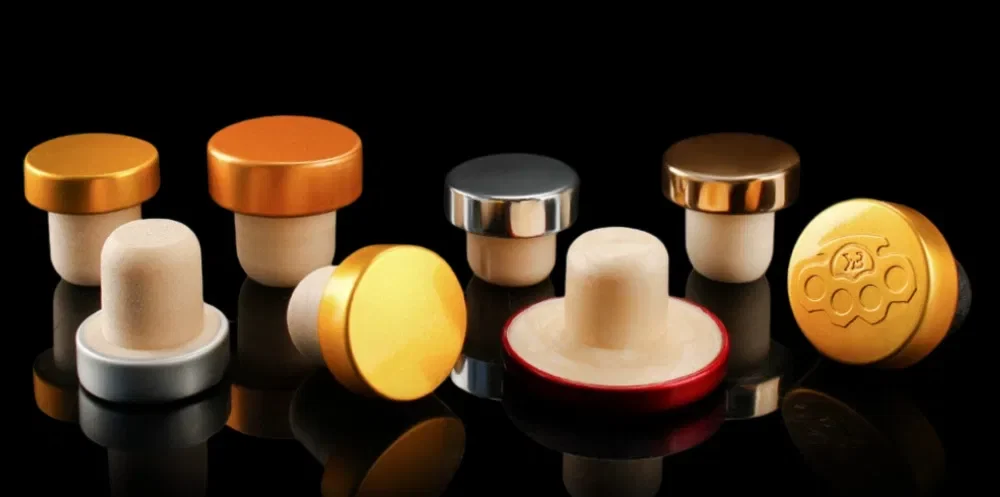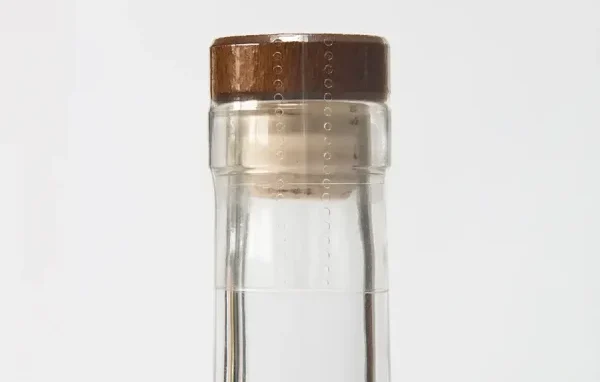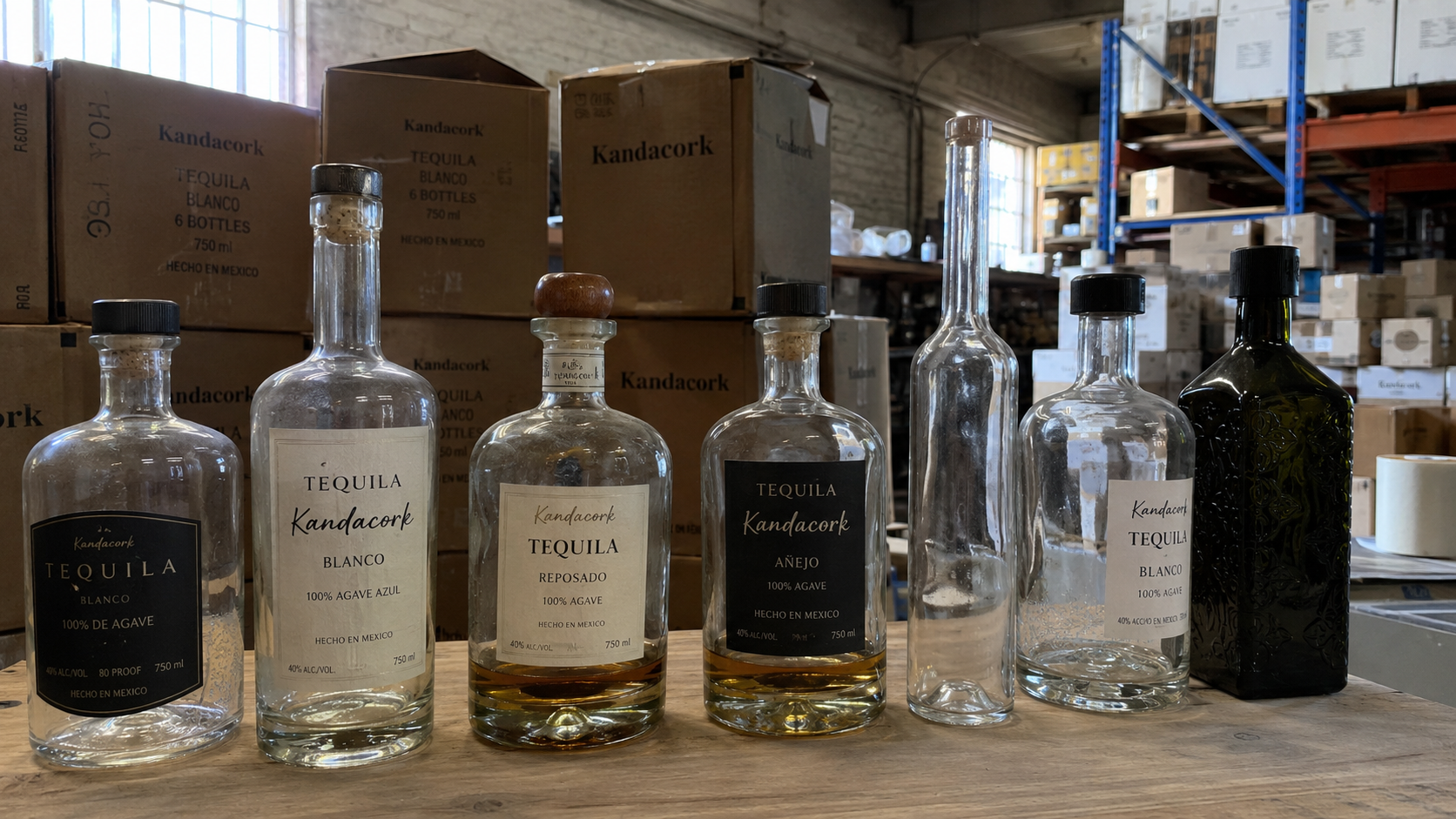
Launching a new spirits brand is not only about choosing a premium bottle or an attractive stopper. The bottle, cap, stopper, liner, neck finish, filling method, and sealing performance must work together as one packaging system.
That is why cap and neck compatibility should be checked before sample approval, filling-line testing, and bulk closure production.
For whiskey, vodka, gin, rum, tequila, brandy, liqueur, and private label spirits, an incorrect closure fit can cause leakage, loose stoppers, poor torque control, failed ROPP forming, damaged tamper bands, delayed launch schedules, and unnecessary repacking costs.
Unlike a general bottle neck finish guide, this article focuses on the launch decisions buyers must make before requesting closure samples, testing filling-line performance, and approving the first bulk order.
This guide helps spirits brands, distilleries, private label buyers, importers, distributors, bottlers, co-packers, and packaging buyers compare custom spirits bottle closures and stoppers before requesting samples or quotations from Kandacork Closures & Stoppers.
Quick Summary for Buyers
Best for: New spirits brands, distilleries, private label buyers, importers, bottlers, co-packers, and packaging buyers.
Main checks: Bottle neck finish, bore diameter, stopper shank, liner contact, torque, ROPP forming, tamper band, and filling-line compatibility.
Next step: Send bottle drawings, physical samples, closure type, decoration requirements, and target quantity to Kandacork for compatibility review.
Need a fast fit check?
Send Kandacork your bottle drawing, bottle sample photos, neck finish, closure type, and target quantity for cap and neck compatibility review.
Quick Answer: What Is Cap and Neck Compatibility?
Cap and neck compatibility means the bottle neck finish, closure size, liner, stopper shank, sealing surface, and application method are correctly matched.
For spirits packaging, compatibility is not confirmed by appearance alone. A stopper may look balanced on a bottle but still be too loose, too tight, unstable during transport, or unsuitable for the filling line.
For bar-top cork stoppers, compatibility depends on bottle bore diameter, stopper shank diameter, material compression, insertion depth, and pull-out force.
For screw caps and ROPP closures, compatibility depends on thread profile, cap diameter, liner compression, application torque, capping equipment, and tamper-evident band performance.
Before launching a new spirits brand, buyers should confirm closure fit through drawings, physical bottle samples, fit testing, and supplier review.
Why New Spirits Brands Must Check Closure Fit Early
Many spirits packaging problems happen because the closure is selected too late or approved only by visual appearance. A new brand may choose a premium wooden stopper, metal cap, synthetic cork, or aluminum ROPP closure before confirming whether it fits the actual bottle neck.
This creates launch risk.
If the closure does not match the bottle neck finish, the brand may need to change the cap, reorder samples, adjust filling equipment, redesign capsules, or delay commercial production.
Cap and neck compatibility should be checked before:
- final bottle approval;
- closure mold development;
- stopper decoration;
- capsule or shrink sleeve design;
- filling-line scheduling;
- distributor sample preparation;
- first bulk purchase order.
For spirits sold in regulated markets, packaging also needs to align with container-size and labeling requirements. For example, the U.S. Alcohol and Tobacco Tax and Trade Bureau provides guidance on distilled spirits net contents, while the eCFR distilled spirits standards of fill list authorized container sizes for distilled spirits in the U.S. market.
Main Closure Types for Spirits Bottles
Different closure systems require different bottle neck finishes. A bottle designed for a bar-top stopper usually cannot use a screw cap unless the neck finish is changed. A threaded bottle usually cannot use a standard cork stopper unless the bottle was specifically designed for that closure system.
| Closure Type | Typical Neck Requirement | Common Use | Key Compatibility Check |
|---|---|---|---|
| Bar-top cork stopper | Straight bore or bar-top finish | Whiskey, rum, tequila, gin, brandy | Bore ID, shank diameter, insertion depth, pull-out force |
| Synthetic stopper | Stopper-compatible mouth | Gin, vodka, liqueur, private label spirits | Shank compression, material behavior, aroma neutrality |
| CT screw cap | Continuous-thread finish | Vodka, liqueur, entry-level spirits | Thread profile, liner contact, torque range |
| ROPP closure | Roll-on pilfer-proof finish | Export spirits, mainstream spirits, tamper-evident packaging | Cap skirt, liner compression, capping head, tamper band |
| Non-refillable closure | Special neck and insert system | Duty-free, export, anti-refill markets | Insert fit, pour control, security performance |
A closure should be chosen according to brand positioning, bottle neck finish, filling method, target market, and commercial production requirements.
For example, a premium whiskey brand may prefer a wooden bar-top stopper with natural cork. A modern vodka brand may choose an aluminum screw cap or ROPP closure. A duty-free spirits brand may need a non-refillable closure for security and market requirements.
Bottle Neck Dimensions Buyers Need to Confirm
Before requesting a closure quotation, buyers should confirm the bottle neck dimensions. A supplier cannot reliably evaluate closure fit based only on bottle capacity, such as “700 ml bottle” or “750 ml spirits bottle.”
Two bottles with the same capacity can have completely different neck finishes. For buyers coordinating bottles and closures together, reviewing spirits bottle specs and closure fit helps align capacity, bottle weight, neck finish, carton packing, and filling-line requirements before production.
Important bottle neck dimensions include:
T dimension: the outside diameter across the thread or neck finish.
E dimension: the outside neck diameter below the thread or finish.
I dimension: the inside bore diameter of the bottle opening.
S dimension: the distance from the top sealing surface to the thread start.
H dimension: the total height of the neck finish.
Sealing land: the top surface where the liner, cap, or closure creates the seal.
For bar-top stoppers, the inside bore diameter is especially important. For CT screw caps and ROPP closures, thread profile, finish height, sealing surface, and tamper-band area are critical.
CETIE provides technical finish data sheets for packaging applications, including bottle finishes and closure-related specifications. These standards help buyers and suppliers communicate more accurately when reviewing bottle neck finish and closure fit. See CETIE finish data sheets.
Bar-Top Stopper Fit: More Than the 1 mm Rule
Many buyers ask: “What stopper fits my spirits bottle?”
A common starting point is that the stopper shank is slightly larger than the bottle bore, allowing the shank to compress and create a friction fit. However, cap and neck compatibility for bar-top stoppers involves more than one simple diameter rule.
A reliable bar-top stopper fit depends on:
- bottle bore diameter;
- glass neck tolerance;
- stopper shank diameter;
- natural cork, synthetic cork, or polymer behavior;
- insertion depth;
- compression and recovery;
- pull-out force;
- cap top weight;
- bottle storage position;
- transport vibration;
- alcohol content;
- filling temperature;
- consumer opening experience.
For buyers comparing stopper materials, sizing, and quotation requirements, this bar-top stopper fit and RFQ guide provides a useful reference for fit checks, material selection, and project information.
A stopper that is too loose may leak, loosen during transport, or create a poor-quality opening feel. A stopper that is too tight may be difficult to insert on the filling line or difficult for consumers to remove.
Decorative tops also matter. A heavy wood, metal, glass, or zinc-alloy top may improve shelf presence, but it can also affect balance and stopper stability. For premium spirits, the closure should feel solid and controlled without creating sealing risk.
For launch projects, Kandacork recommends checking both functional samples and decorated samples. Functional samples confirm fit, sealing, torque, and pull-out force. Decorated samples confirm logo position, coating, top weight, color consistency, and shelf appearance.
Screw Cap and ROPP Compatibility: Same Diameter Is Not Enough
For screw caps and ROPP closures, many buyers focus first on cap diameter. This is useful, but it is not enough.
The same cap diameter does not guarantee compatibility.
For CT screw caps, buyers should confirm:
- thread diameter;
- thread pitch;
- neck height;
- cap skirt depth;
- liner material;
- sealing surface;
- application torque;
- removal torque;
- filling-line capper setup.
For ROPP closures, buyers should confirm:
- ROPP neck finish;
- aluminum shell specification;
- liner compression;
- roller head setting;
- tamper-band position;
- bridge break performance;
- application speed;
- filling temperature;
- final opening feel.
ROPP closures are formed onto the bottle neck by capping equipment. They are not simply screwed on by hand. The bottle finish, aluminum cap shell, liner, and capping head must work together.
If one part is wrong, the cap may wrinkle, spin, leak, fail to break correctly, or create inconsistent opening torque. For threaded bottle projects, buyers can also review screw cap thread finish matching before confirming cap dimensions, liner choice, and torque range.
Buyer Decision Matrix: Which Closure Fits Your Launch?
The best closure depends on the product category, retail position, launch timeline, filling method, and target market.
| Buyer Situation | Recommended Closure Direction | Key Compatibility Check |
|---|---|---|
| Premium whiskey launch | Wooden bar-top stopper | Bore ID, shank diameter, pull-out force |
| Modern vodka launch | Aluminum screw cap or ROPP closure | Thread profile, liner, torque |
| Botanical gin brand | Synthetic or wooden bar-top stopper | Shank compression, aroma neutrality |
| Craft rum launch | Wood, cork, or decorative stopper | Stopper stability, bottle balance |
| Tequila or mezcal launch | Heavy decorative stopper | Cap weight, insertion depth, fit security |
| Export spirits brand | ROPP or non-refillable closure | Tamper evidence, capping equipment, market requirements |
| Private label fast launch | Stock bottle with matched closure | Existing neck finish, sample testing |
| Luxury limited edition | Custom molded stopper | Decoration tolerance, top weight, sealing performance |
| Co-packer filling project | Machine-applied cap or stopper | Application speed, torque, filling-line trial |
For early-stage brands, the safest route is often to select a bottle and closure system together rather than separately. This helps avoid mismatch between design expectations and technical performance.
Compatibility Risk Table: Issue, Cause, and Prevention
Cap and neck compatibility problems usually appear during sampling, filling-line trials, transport testing, or first commercial production. The table below helps buyers identify common risks early.
| Compatibility Issue | What Usually Causes It | How to Prevent It |
|---|---|---|
| Loose stopper | Stopper shank too small or bottle bore tolerance too wide | Test real bottle samples and confirm pull-out force |
| Hard insertion | Shank too large or material too stiff | Check compression, insertion depth, and filling method |
| Screw cap leakage | Poor liner contact or wrong application torque | Test liner material, sealing land, and torque range |
| ROPP spinning cap | Wrong ROPP finish or roller setting | Run ROPP forming trials with actual bottles |
| Tamper-band failure | Incorrect band position or bridge design | Check cap height, neck finish, and tamper band together |
| Heavy stopper instability | Top weight too high for the shank or bottle mouth | Test balance, insertion depth, and transport performance |
| Capsule conflict | Capsule height does not match closure and neck shape | Review closure height before capsule or sleeve approval |
This risk review is especially important when the bottle, closure, capsule, and filling service are sourced from different suppliers.
Bottle Supplier vs Closure Supplier: Who Checks Compatibility?
In a spirits packaging project, several parties may be involved. Each one has a different responsibility.
The bottle supplier confirms the bottle shape, capacity, glass weight, neck finish, and technical drawing.
The closure supplier checks whether the cap, stopper, liner, shank, or decorative closure can match the bottle neck.
The bottler or co-packer confirms whether the closure can run on the filling line at the required speed and application method.
The brand owner or packaging buyer should coordinate the full packaging system before final approval.
This is especially important when sourcing bottles and closures from different factories. A bottle may meet its own specification, and a closure may meet its own specification, but the two may still fail as a combined system if compatibility is not reviewed.
Kandacork Closures & Stoppers can support this process by reviewing bottle samples, neck dimensions, target closure type, decoration requirements, and production expectations before quotation.
Launch Scenario Examples
Real launch situations often involve more than one technical variable. These simplified examples show why early compatibility review matters.
| Launch Scenario | Compatibility Risk | Recommended Action |
|---|---|---|
| New whiskey brand using a stock bottle | Premium stopper looks good but shank is too loose | Send bottle samples and test pull-out force |
| Vodka private label using ROPP cap | Cap diameter matches, but capping head cannot form cleanly | Confirm ROPP finish and run a machine trial |
| Export tequila with heavy decorative stopper | Top weight affects transport stability | Test insertion depth, stopper balance, and carton protection |
| Gin brand using synthetic stopper | Shank fits by hand but changes feel after storage | Test material compression and recovery |
| Limited edition spirits project | Decoration changes closure weight or dimensions | Approve functional samples before decorated bulk samples |
These cases show why buyers should not approve a closure only from a rendering, product photo, or diameter description.
Common Compatibility Mistakes New Spirits Brands Make
New spirits brands can avoid costly delays by checking these common mistakes early.
Choosing the stopper before confirming the bottle neck finish: a premium stopper design may not fit the selected bottle.
Assuming the same cap diameter means compatibility: diameter is only one factor; thread profile, liner compression, and torque also matter.
Approving decoration before testing closure performance: a decorated sample may look excellent but still fail leakage, pull-out, or torque testing.
Using drawings without physical bottle samples: drawings are useful, but glass tolerance and real production variation should be checked with physical samples.
Ignoring filling-line requirements: a closure that fits by hand may not work on an automated or semi-automated filling line.
Selecting a heavy decorative top without checking stability: large wood, metal, or glass tops can affect stopper balance, insertion feel, and transport stability.
Forgetting liner compatibility for high-ABV spirits: poor liner selection can cause leakage or product integrity issues.
Treating the capsule as an afterthought: capsules, shrink sleeves, and tamper-evident elements must match closure height and bottle neck shape.
Closure Compatibility Checklist Before Sampling and Bulk Production
A structured checklist helps buyers move from visual selection to technical confirmation.
Before Sampling
Confirm:
- bottle drawing;
- physical bottle samples;
- bottle neck finish;
- inner bore diameter;
- outer neck diameter;
- neck height;
- target closure type;
- spirit category;
- alcohol by volume;
- filling method;
- capping method;
- tamper-evident requirements;
- decoration direction.
During Sample Testing
Test:
- hand-fit performance;
- leakage resistance;
- side-position or inverted storage where needed;
- stopper pull-out force;
- screw cap application torque;
- screw cap removal torque;
- ROPP forming quality;
- liner contact;
- visual balance between closure and bottle;
- filling-line performance.
Before Bulk Order
Approve:
- final closure material;
- decoration sample;
- pre-production sample;
- filling-line trial result;
- packing method;
- carton and transport protection;
- quotation details;
- MOQ;
- lead time;
- repeat-order specifications.
This process helps reduce leakage risk, fit inconsistency, filling delays, and packaging redesign costs.
What to Send Kandacork for Compatibility Review
To help Kandacork Closures & Stoppers review cap and neck compatibility, buyers should send complete project information whenever possible.
Recommended information includes:
- bottle drawing;
- physical bottle samples, ideally 2–3 pieces;
- bottle capacity, such as 50 ml, 375 ml, 700 ml, or 750 ml;
- bottle neck finish specification;
- inner bore diameter;
- outer neck diameter;
- neck height;
- thread or ROPP finish details;
- target closure type;
- spirit category;
- alcohol by volume;
- filling temperature;
- filling method;
- capping method;
- target market;
- tamper-evident requirements;
- preferred closure material;
- decoration requirements;
- logo artwork if available;
- estimated order quantity;
- launch timeline;
- shipping destination.
If the buyer does not have a complete drawing, Kandacork can start with bottle samples, photos, approximate measurements, and project goals. However, technical drawings and physical samples provide the most reliable basis for compatibility review.
Prepare your bottle samples, neck finish details, closure type, decoration requirements, and target quantity before requesting a quote. This helps Kandacork recommend suitable closure options faster.
RFQ Email Template for Closure Compatibility Review
Buyers can use the following template when requesting a sample review or quotation.
Subject: Closure Compatibility Review for New Spirits Brand Launch
Project: New spirits brand closure compatibility review
Spirit category:
Bottle capacity:
Bottle neck finish:
Inner bore diameter:
Outer neck diameter:
Closure type:
Preferred material:
ABV:
Filling method:
Capping method:
Tamper-evident requirement:
Decoration requirement:
Estimated quantity:
Destination market:
Launch timeline:
Attached files: bottle drawing / bottle photos / artwork
A clear RFQ helps the supplier check fit, material, decoration, MOQ, lead time, and quotation details more efficiently.
Material Options for Spirits Closures
Closure material affects appearance, sealing behavior, cost, consumer experience, and brand positioning. The right material should be selected according to both design and function.
| Material | Best For | Compatibility Note |
|---|---|---|
| Natural cork | Premium whiskey, rum, brandy, tequila | Check compression, consistency, insertion depth, and pull-out force |
| Synthetic cork | Gin, vodka, liqueur, private label spirits | Offers controlled dimensions and stable stopper fit |
| Wood top | Craft, premium, and natural-positioned spirits | Check head weight, balance, decoration, and shank connection |
| Aluminum | Screw caps and ROPP closures | Check liner, torque, capper setup, and tamper-band performance |
| Plastic or polymer | High-volume private label and color-matched projects | Check material feel, molding tolerance, and brand positioning |
| Metal or glass top | Luxury spirits and limited editions | Test added weight, stopper stability, and transport performance |
For brands using glass bottles, sustainability claims should be accurate and supported by real packaging data.
Supplier Capability: How to Evaluate a Closure Partner
A closure supplier should be evaluated on more than unit price. For new spirits launches, technical support, sample response, production consistency, and export experience can be just as important as cost.
A capable closure supplier should provide:
- bar-top stopper, screw cap, and ROPP closure options;
- natural cork, synthetic cork, aluminum, wood, plastic, metal, and decorative material choices;
- bottle neck compatibility review;
- drawing and physical sample evaluation;
- liner and stopper shank matching;
- custom decoration support;
- sample development;
- leakage and fit testing support;
- quality control process;
- export packing experience;
- repeat-order consistency;
- support for future SKU extensions.
Kandacork Closures & Stoppers supports spirits brands with closure selection, cap and neck compatibility review, material comparison, sample development, decoration options, and quotation preparation.
Commercial Buying Path: From Concept to Quotation
A practical spirits closure sourcing process can be simplified into five steps.
Step 1: Confirm Bottle Neck Finish
Start with the bottle drawing, physical samples, neck finish, bore diameter, and sealing surface. Do not approve the closure before confirming the bottle neck.
Step 2: Select Closure Type
Choose a bar-top cork stopper, synthetic stopper, CT screw cap, ROPP closure, non-refillable closure, or custom decorative stopper according to product category and market position.
Step 3: Test Physical Samples
Check hand fit, leakage, torque, pull-out force, liner contact, ROPP forming, and filling-line performance.
Step 4: Approve Decoration and Production Details
Finalize material, top design, color, logo, printing, engraving, coating, packing method, and filling-line requirements.
Step 5: Request Quotation and Approve Pre-Production Sample
Request a quotation based on the final specification, order quantity, MOQ, lead time, and shipping requirements. Approve a pre-production sample before mass production.
FAQ
What does cap and neck compatibility mean?
Cap and neck compatibility means the closure fits the bottle neck correctly and performs properly during filling, sealing, transport, storage, and consumer opening. It includes bottle neck finish, closure size, liner contact, stopper shank, torque, sealing surface, and application method.
What stopper fits my spirits bottle?
The correct stopper depends on the bottle bore diameter, stopper shank diameter, material compression, insertion depth, and pull-out force. Physical bottle samples should be tested before bulk ordering.
Can the same bottle use both cork stoppers and screw caps?
Usually, no. Cork-finish bottles and screw-cap bottles normally have different neck finishes. A bottle can only use both systems if it has been specifically designed and tested for that purpose.
How do I know if my spirits bottle closure will leak?
Leakage risk can be reduced by testing real bottle and closure samples before bulk production. Buyers should check liner contact, stopper compression, pull-out force, torque range, ROPP forming quality, storage position, and filling-line performance.
Is ROPP better than a cork stopper?
ROPP is better for some projects, especially when tamper evidence, high-speed filling, and export consistency are important. Cork and bar-top stoppers may be better for premium positioning and traditional opening experience.
What should I send for a closure quotation?
Send the bottle drawing, physical bottle samples, neck finish, closure type, spirit category, alcohol content, filling method, decoration requirements, quantity, destination market, and launch timeline.