Quick Answer: How to Choose Bar-Top Stoppers for Gin Bottles
To choose bar-top stoppers for gin bottles, measure the bottle neck inner diameter, select a compatible cork or synthetic shank, match the cap material to the gin brand position, test samples for fit and leakage, and confirm technical details before bulk production.
For spirits brands, distilleries, private label buyers, importers, distributors, bottlers, and packaging teams, the stopper is not just a decorative part. It affects sealing performance, shelf presentation, opening feel, tamper-evident planning, filling efficiency, and repeat-order consistency.
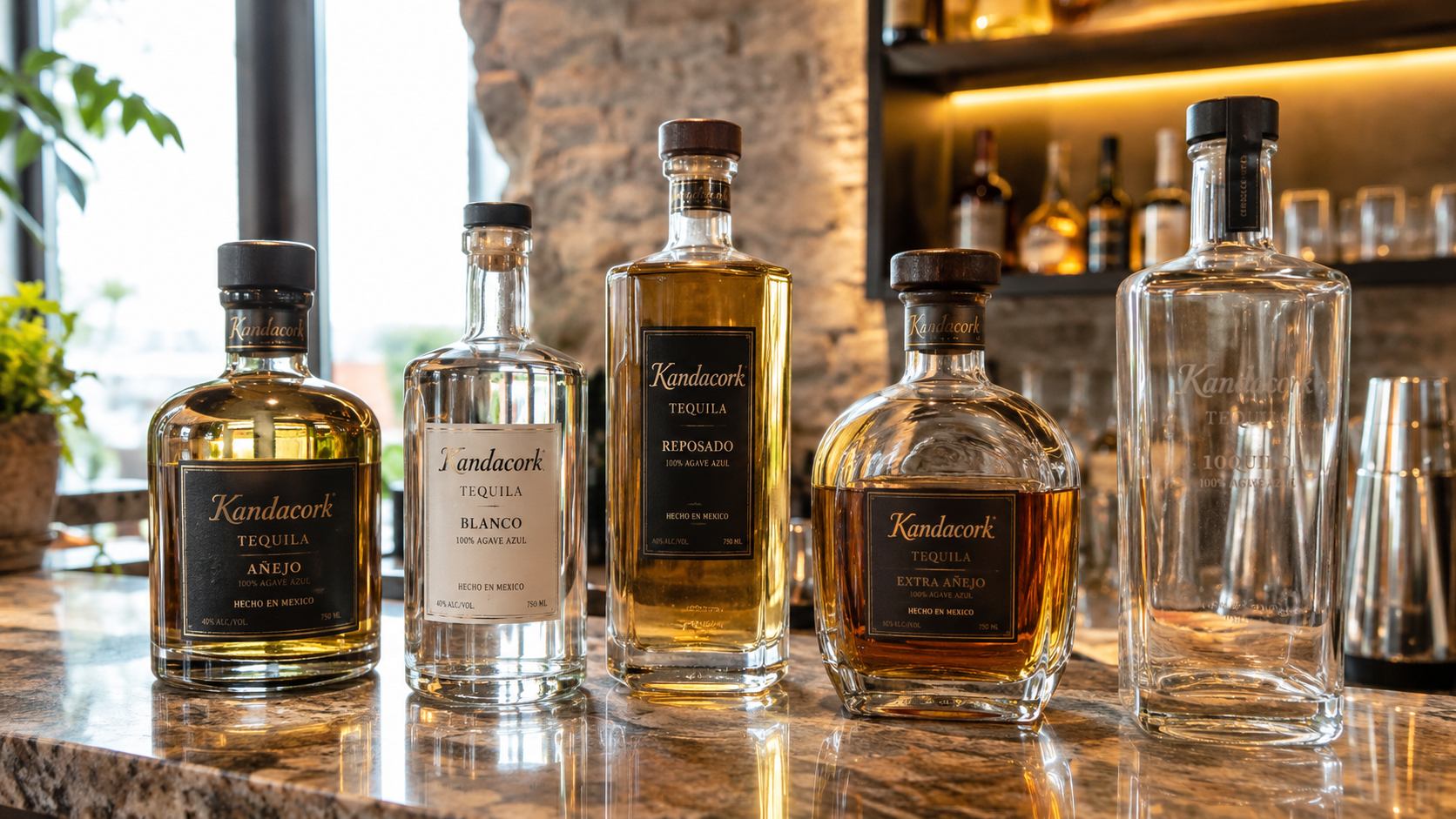
Kandacork Closures supports B2B buyers with custom bar-top stoppers, bottle-neck matching, material comparison, logo customization, sample development, and quotation preparation.
| Step | What to Check |
|---|---|
| Measure | Confirm bottle neck inner diameter and neck finish |
| Match | Choose natural cork, synthetic cork, or another compatible shank |
| Design | Select wood, aluminum, plastic, or metal cap based on brand position |
| Test | Check insertion force, pull-out feel, leakage, alignment, and capsule fit |
Stopper Size Rule of Thumb
A common starting reference is:
Bottle neck inner diameter + approximately 1 mm = starting shank diameter.
For example, an 18.5 mm bottle neck inner diameter may use a 19.5 mm shank as an initial reference. A 21.5 mm bottle neck inner diameter may use a 22.5 mm shank as an initial reference.
This is only a preliminary sizing guide. Final fit should always be confirmed with bottle drawings, physical samples, insertion testing, pull-out testing, leakage testing, and visual alignment review.
Buyer Takeaways for Gin Packaging Teams
Bar-top stoppers should be selected by technical fit first and visual style second.
A strong gin bottle closure should fit securely, support the product’s price position, perform during filling and transport, and work with capsules or tamper-evident systems when required.
Before requesting a quote, prepare the bottle drawing, neck inner diameter, preferred material, logo artwork, order quantity, destination market, and sample timeline.
What Is a Bar-Top Stopper?
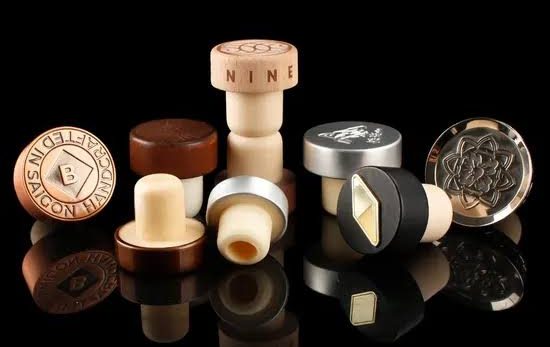
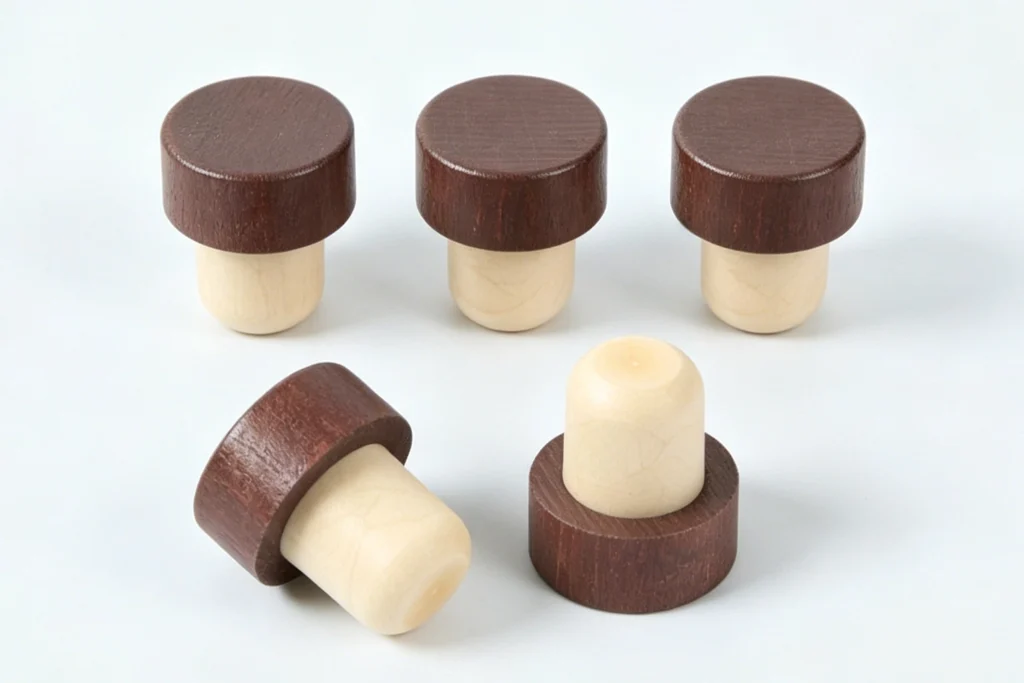
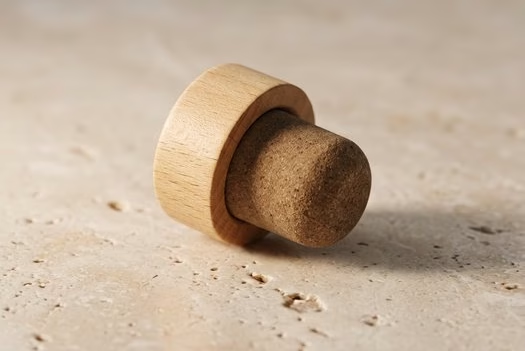
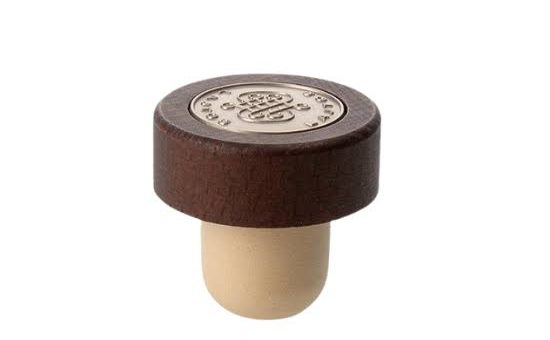
A bar-top stopper is a spirits closure made from two main parts: a visible cap and an inserted shank. The cap can be made from wood, aluminum, plastic, zinc alloy, ceramic, acrylic-style material, or another custom material. The shank is usually made from natural cork, micro-agglomerated cork, or synthetic cork.
These closures are also called T-top stoppers, bar-top corks, capsulated corks, or spirits bottle stoppers. They are widely used for gin, whisky, rum, tequila, vodka, brandy, liqueurs, and other premium spirits.
For gin packaging, the stopper is part of the brand experience. The grip, weight, pull-out feel, surface finish, and logo detail influence how buyers, bartenders, distributors, and consumers perceive the bottle.
Why Premium Gin Brands Use Bar-Top Stoppers
Gin is a design-driven spirits category. Many brands use packaging to express botanical ingredients, craft production, regional identity, flavor profile, or premium positioning. Bar-top stoppers for gin bottles support this storytelling through material, color, texture, weight, and custom decoration.
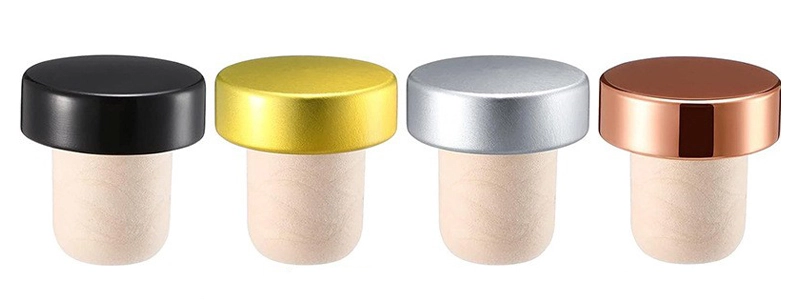
A wooden stopper can reinforce a natural botanical identity. A brushed aluminum stopper can create a clean, modern look. A matte black stopper can support a premium craft image. A sculpted metal stopper can turn a limited-edition bottle into a giftable product.
Compared with a basic screw cap, a custom bar-top stopper creates a stronger opening ritual and gives the brand another visible surface for logos, engraving, embossing, color matching, foil effects, or molded shapes.
Bar-Top Stopper vs ROPP vs Screw Cap
Before selecting a closure, buyers should compare the main spirits bottle closure options.
| Closure Option | Best For | Main Strength | Risk or Limitation |
|---|---|---|---|
| Bar-top stopper | Premium craft gin, botanical gin, gift sets, limited editions | Premium opening feel and strong customization | Requires bottle-neck fit testing and may need tamper-evident support |
| ROPP cap | Export gin, retail channels, automated filling lines | Tamper evidence and line efficiency | Less tactile than a custom stopper |
| Screw cap | Private label gin, mini bottles, promotional formats | Practical, affordable, repeatable | Weaker premium perception |
| Non-refillable closure | Duty-free, export, brand protection programs | Improves product security | Requires more technical validation |
| Bar-top stopper with capsule | Premium retail gin and gift packaging | Combines premium appearance with visible neck protection | Needs sleeve or capsule compatibility testing |
For many premium gin projects, the best solution is not simply “bar-top or ROPP.” Some brands use bar-top stoppers with capsules, shrink sleeves, tax strips, or neck seals. The final choice depends on the bottle neck finish, filling method, sales channel, destination market, and brand position.
How to Measure Gin Bottle Neck Size and Choose Stopper Size
Stopper size should not be selected from bottle capacity alone. A 500 ml gin bottle and a 700 ml gin bottle may have different neck finishes, but capacity does not automatically determine stopper size.
The most important measurement is the bottle neck inner diameter, also called the bore diameter. Buyers should also confirm the neck finish type, insertion depth, shank length, cap diameter, cap height, and filling method. For non-standard bottles, a professional cap and neck compatibility review helps reduce mismatch risk before sampling or bulk production.
| Bottle Neck Inner Diameter | Starting Shank Reference | Buyer Note |
|---|---|---|
| 18.5 mm | 19.5 mm shank | Common reference for some standard spirits bottles |
| 21.5 mm | 22.5 mm shank | Common reference for larger spirits neck formats |
| Custom bore size | Supplier testing required | Do not rely only on charts |
| New bottle mold | Sample testing required before approval | Confirm fit before mass production |
A stopper that looks correct in a product image may not perform correctly in production. Even a small dimensional mismatch can affect sealing, appearance, opening feel, or filling-line efficiency. Buyers comparing more sizing details can also review this bar-top stopper size guide before finalizing a sample request.
Stopper Materials Compared for Gin Bottles
The best material depends on brand image, bottle design, order quantity, target market, budget, and production requirements.
| Stopper Material | Use When | Main Advantage | Buyer Checkpoint |
|---|---|---|---|
| Wood | You want botanical, craft, natural, or heritage cues | Warm, natural, premium feel | Grain, color tolerance, engraving quality |
| Aluminum | You want a clean, modern, premium look | Consistent surface and refined appearance | Coating, edge finish, logo position |
| Plastic | You need flexible color, cost control, or private label supply | Shape and color flexibility | Molding line, surface finish, material quality |
| Zinc alloy / metal | You want gift-pack or luxury shelf impact | Heavy tactile feel and strong shelf presence | Weight, abrasion risk, carton protection |
| Natural cork shank | You want traditional material storytelling | Authentic cork appearance | Dimensional variation, fit consistency |
| Synthetic shank | You need repeatable fit across SKUs | Controlled dimensions and stable performance | Compression, pull-out feel, sealing behavior |
Wooden bar-top stoppers work well when a gin brand wants to communicate botanicals, craft production, heritage, or natural ingredients. They can be stained, painted, laser engraved, printed, or paired with a logo medallion.
Aluminum stoppers are suitable for clear bottles, frosted bottles, minimalist labels, and modern premium positioning. They can be brushed, anodized, embossed, printed, or color matched.
Plastic stoppers are practical for private label gin, seasonal programs, promotional bottles, and controlled-cost projects. The key is to ensure the molding, color, and surface finish still look premium.
Metal and zinc alloy stoppers are best for luxury launches, limited editions, collectible bottles, and gift packaging. Buyers should check cap weight, bottle balance, surface protection, and shipping durability.
Natural cork shanks support traditional and natural material positioning. Synthetic cork shanks support repeatability, dimensional control, and stable multi-SKU production. For buyers comparing both options in more detail, this cork shank vs synthetic shank guide can help clarify material trade-offs.
Gin Bottle Use Case Matrix
Different gin bottle styles need different stopper strategies. This matrix can help buyers narrow the direction before requesting samples.
| Gin Bottle Style | Recommended Stopper Direction |
|---|---|
| Clear gin bottle | Aluminum, light wood, black synthetic top, transparent acrylic-style cap |
| Green gin bottle | Natural wood, matte black, antique metal, brass-effect finish |
| Frosted gin bottle | Brushed aluminum, matte white, matte black, soft-touch plastic |
| Heavy base gin bottle | Zinc alloy, sculpted metal, medallion top, premium capsule |
| Private label gin | Plastic cap, synthetic shank, standard bar-top or ROPP alternative |
| Gift-pack gin | Metal top, capsule, coordinated neck sleeve, custom logo finish |
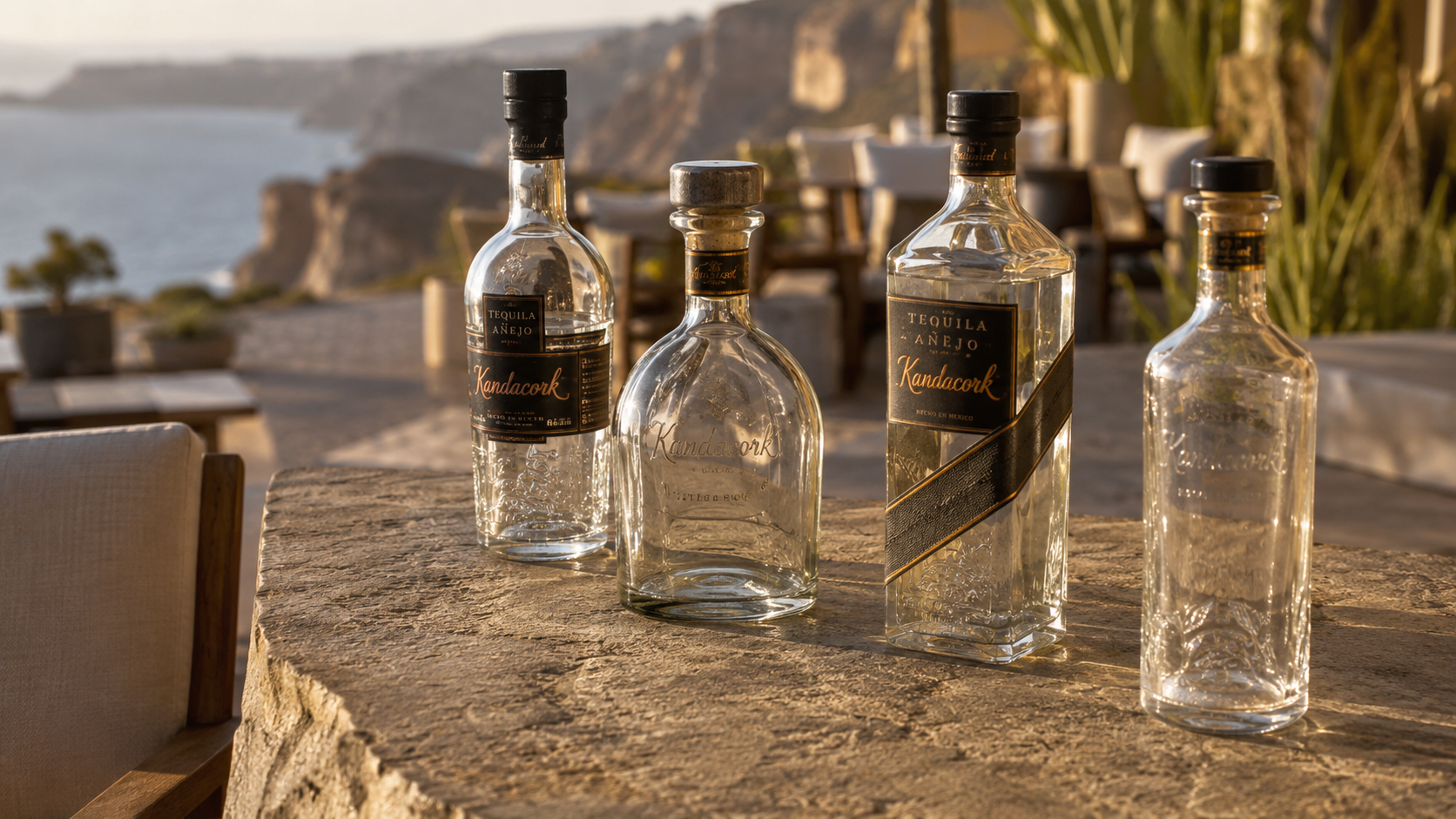
The stopper should match the glass color, bottle weight, label style, price point, and retail environment. A clear bottle may need a clean and balanced top. A colored bottle may need stronger contrast. A heavy glass bottle can support a more substantial closure, while a lightweight bottle may look unbalanced with an oversized metal cap.
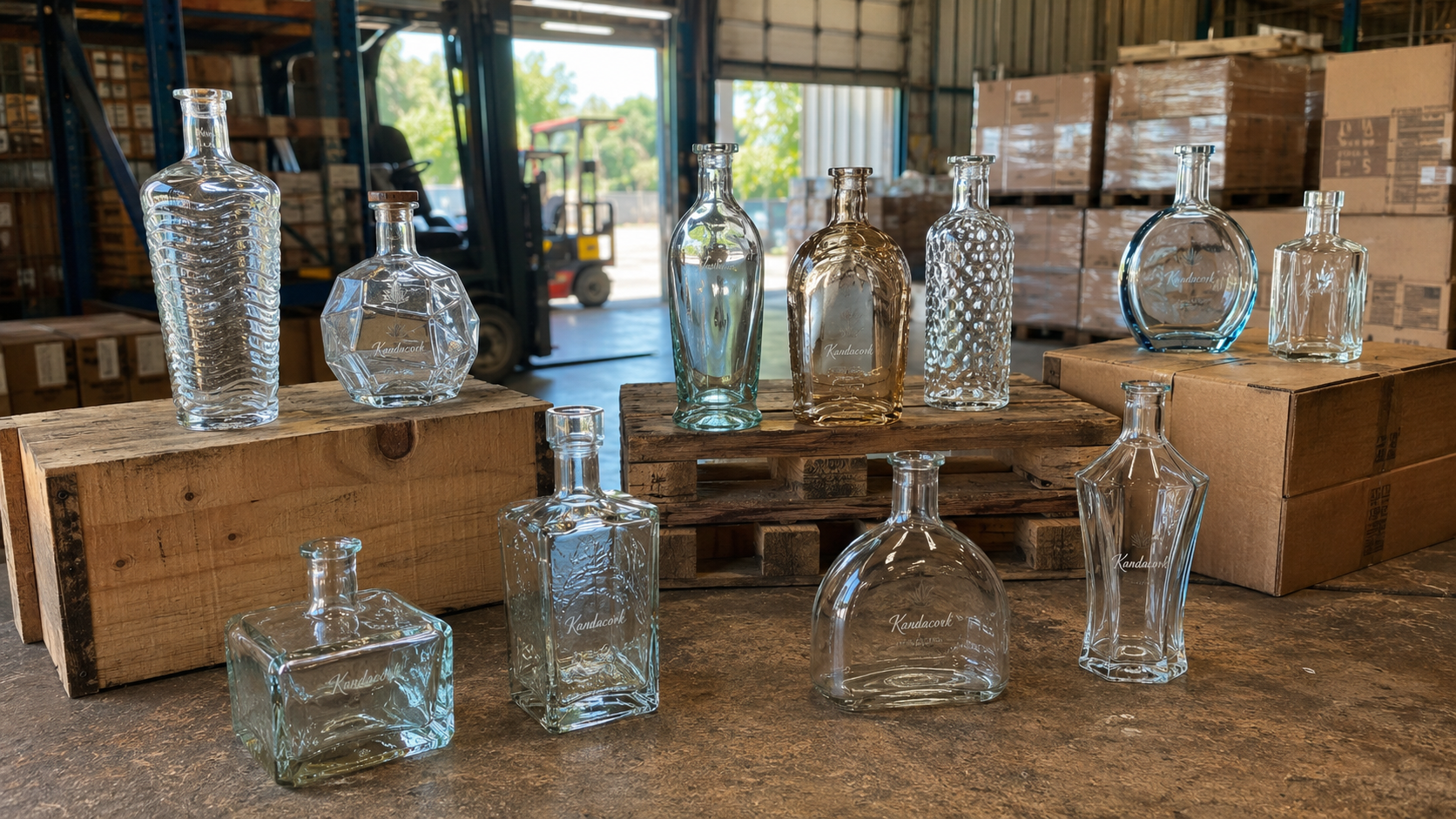
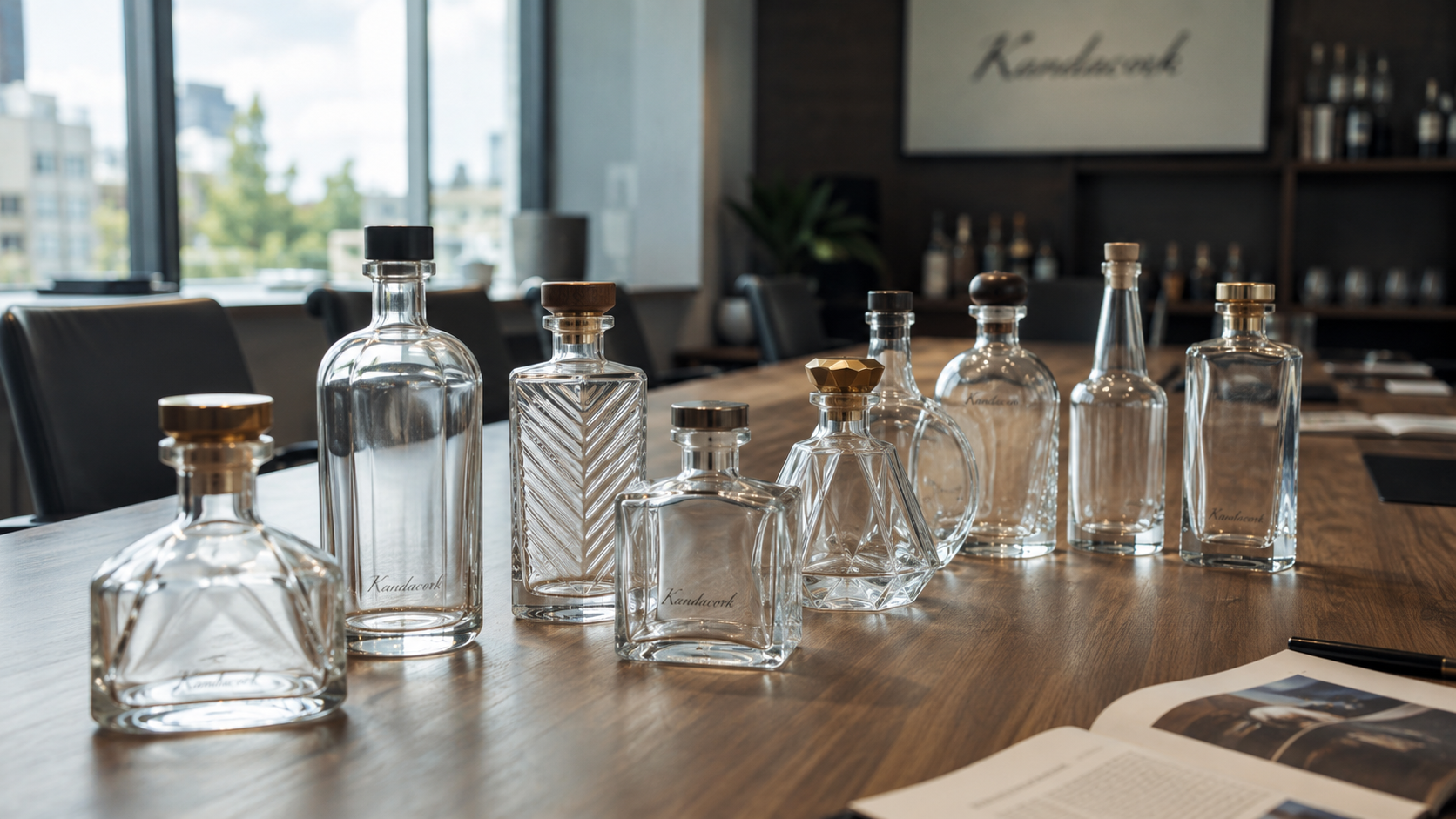
For projects where the bottle shape, glass weight, and closure direction are still being developed together, buyers may also compare suitable custom gin bottle options before confirming stopper dimensions.
Technical Tests Before Bulk Production
A stopper should be tested as part of the complete packaging system. This includes the bottle, stopper, capsule or sleeve, label, carton, filling method, storage condition, and transport route.
Important checks include:
- Bottle neck measurement review.
- Insertion force check.
- Pull-out force evaluation.
- Leakage test.
- Upright storage test.
- Shank compression review.
- Cap alignment inspection.
- Visual proportion review.
- Alcohol-contact compatibility review.
- Capsule or shrink sleeve compatibility check.
- Transport and carton protection review.
- Manual, semi-automatic, or automatic application review.
For export orders, testing is especially important. Packaging may experience vibration, temperature variation, pressure, and long-distance handling. A stopper that passes a simple visual check may still fail during filling, shipping, or retail handling.
Tamper-Evident, Food-Contact and Quality Documents
Bar-top stoppers for gin bottles may need to be combined with tamper-evident features depending on the destination market and sales channel. These features may include capsules, shrink sleeves, tax strips, neck labels, ROPP systems, or other market-specific devices.
Buyers should not assume that a stopper alone satisfies every market requirement. Distilled spirits packaging is often reviewed more strictly than general beverage packaging, especially for export, duty-free, retail chains, and regulated markets. For U.S. distilled spirits projects, buyers can review TTB guidance on tamper-evident closures where applicable.
Closure components that may contact the spirit should also be reviewed for food-contact material suitability. For U.S. market projects, FDA food-contact guidance and 21 CFR references may be relevant. For European market projects, EU food contact material rules and safety principles should be considered. For supplier evaluation, quality-management expectations can support discussions around process control, documentation, and repeatable production.
Ask your stopper supplier for these documents when needed:
| Document or Record | Why It Matters |
|---|---|
| Material specification sheet | Confirms stopper material and construction |
| Dimensional drawing | Helps verify cap and shank size |
| Food-contact documentation | Supports export and retail review |
| Alcohol-contact suitability statement | Reduces product-contact uncertainty |
| Pre-production sample approval record | Confirms the approved reference before bulk production |
| Fit or leakage test record | Supports technical decision-making |
| Color or finish approval sample | Controls visual consistency |
| Export carton specification | Reduces transport damage risk |
| QC inspection standard | Improves repeat-order consistency |
Not every project requires every document, but commercial buyers should know what to request before approving a supplier.
Supplier Evaluation Scorecard
A strong closure supplier should do more than sell stock products. For custom gin bottle closures, supplier capability affects project speed, technical accuracy, and repeat-order reliability.
| Evaluation Item | Why It Matters |
|---|---|
| Bottle drawing review | Prevents neck mismatch |
| Physical sample testing | Confirms real fit before production |
| Multiple material options | Supports different gin brand positions |
| Logo decoration capability | Improves brand consistency |
| Pantone and finish matching | Supports multi-SKU visual control |
| Shank recommendation | Reduces leakage and fit risks |
| Tamper-evident compatibility support | Helps planning for retail and export |
| Quality control process | Improves production consistency |
| Export packing experience | Reduces shipping damage |
| RFQ response quality | Shows B2B service capability |
Kandacork Closures helps buyers compare material options, confirm bottle-closure fit, develop samples, and prepare production quotations based on actual project requirements.
RFQ Checklist for Custom Gin Bottle Stoppers
A clear RFQ helps the supplier recommend the right stopper faster. If you already have a bottle drawing or physical sample, send the neck size, preferred stopper material, logo artwork, and target quantity for a practical stopper recommendation.
Before requesting pricing, prepare the following information:
- Bottle drawing.
- Physical bottle sample if available.
- Bottle neck inner diameter.
- Neck finish type.
- Bottle capacity.
- Bottle glass weight.
- Preferred cap material.
- Preferred shank material.
- Target cap diameter and height.
- Logo artwork in vector format.
- Pantone color or finish reference.
- Order quantity.
- Annual forecast if available.
- Destination market.
- Filling method.
- Tamper-evident requirement.
- Packaging method.
- Sample deadline.
- Bulk production timeline.
This information helps the supplier evaluate both technical feasibility and visual design before preparing a practical recommendation or quotation.
Common Mistakes to Avoid
Many stopper problems happen because closure selection begins too late or focuses only on appearance.
Avoid these mistakes:
- Choosing the stopper before confirming the bottle neck inner diameter.
- Assuming one stopper size fits all gin bottles.
- Selecting a wine cork size for a gin bottle without testing.
- Ignoring insertion depth and pull-out feel.
- Approving bulk production based only on photos.
- Using a heavy stopper on a lightweight bottle.
- Forgetting tamper-evident packaging requirements.
- Treating the bottle, stopper, label, capsule, and carton as separate projects.
- Requesting a quote without drawings, measurements, or samples.
For export projects, these mistakes can cause production delays, leakage concerns, packaging redesign, or rejected samples.
FAQ
What size bar-top stopper fits a gin bottle?
The correct size depends on the bottle neck inner diameter, neck finish, insertion depth, and stopper shank material. A common starting reference is to use a shank about 1 mm larger than the bottle neck inner diameter, but physical sample testing is required before production.
Are bar-top stoppers suitable for premium gin bottles?
Yes. Bar-top stoppers are suitable for premium gin bottles because they create a stronger opening experience, support custom branding, and improve shelf presentation. They are often used for craft gin, botanical gin, limited editions, and gift packaging.
Is natural cork or synthetic cork better for gin bottle stoppers?
Natural cork is better for brands that want a traditional or natural material story. Synthetic cork is better for repeatability, controlled dimensions, and multi-SKU production. The best option depends on brand positioning, bottle neck fit, and production requirements.
Do bar-top stoppers for gin bottles need capsules?
They may need capsules, shrink sleeves, tax strips, or other tamper-evident features depending on the destination market and sales channel. Buyers should confirm market requirements before approving the final packaging system.
What information should I send for a custom gin bottle stopper quote?
A custom gin bottle stopper quote usually needs the bottle drawing, neck size, bottle sample if available, preferred material, logo artwork, color reference, order quantity, destination market, filling method, tamper-evident requirement, and sample deadline.