Quick Answer: How Should a Distillery Choose Bottle Closures?
Distilleries need closure specifications that align with bottle design, filling operations and brand positioning. This checklist explains the key details to confirm before sampling, including closure type, material, neck fit, logo method, testing and packing.
What Are Bottle Closures for Distilleries?
Bottle closures for distilleries are the caps, corks, stoppers, sleeves, and tamper-evident systems used to seal spirits bottles. They include bar-top stoppers, cork stoppers, synthetic stoppers, screw caps, ROPP caps, non-refillable closures, capsules, and shrink sleeves.
These components do more than close the bottle. They protect the spirit from leakage, support product safety, influence consumer trust, and complete the visual identity of the package. A well-chosen closure helps whisky, rum, gin, vodka, tequila, brandy, mezcal, or liqueur feel finished, secure, and premium.
A poor closure can create expensive problems. Loose stoppers may leak. Incorrect screw caps may fail torque testing. A weak liner may be unsuitable for alcohol contact. A poorly matched closure may reduce the opening experience, damage the label during transport, or lower perceived value at retail.
Why Closures Matter for Spirits Brands
Bottle closures for distilleries are small components with a large influence on product performance. They affect sealing, logistics, retail presentation, production efficiency, consumer confidence, and brand memory.
For craft distilleries, the closure often becomes part of the brand story. A wooden bar-top stopper can suggest heritage and craftsmanship. A brushed aluminum cap can create a clean modern look. A glass stopper can support luxury positioning. A tamper-evident ROPP closure can communicate reliability and export readiness.
For commercial spirits brands, closures also influence speed and consistency. High-volume lines need caps and stoppers that fit accurately, run smoothly on filling equipment, and perform consistently across thousands or millions of bottles. A closure that looks good but slows the bottling line can create hidden costs.
Distilleries should not choose closures by appearance alone. The best decision combines bottle-neck compatibility, material suitability, filling-line performance, regulatory awareness, sustainability goals, and packaging design. When a bottle, closure, label, and carton are developed together, the final package feels more intentional and performs better in the supply chain.
Best Closure by Buyer Need
The best closure depends on the buyer’s main packaging goal. A craft distillery may prioritize premium feel and storytelling. An export-focused brand may prioritize tamper evidence and transport stability. A private-label program may prioritize cost control, speed, and repeatable supply.
| Buyer Need | Best Closure Options | Why It Works |
|---|---|---|
| Premium shelf appeal | Bar-top stopper, wooden stopper, glass stopper, metal-top stopper | Creates a stronger opening experience and higher perceived value |
| Leakage prevention | Correctly sized cork stopper, synthetic stopper, lined screw cap, ROPP closure | Improves sealing when matched to the bottle neck and filling process |
| Export security | ROPP cap, tamper-evident screw cap, non-refillable closure | Supports tamper evidence and product protection in retail or duty-free channels |
| Fast filling-line performance | Screw cap, ROPP closure | Works well with automated capping equipment when specified correctly |
| Craft brand identity | Natural cork, wood-top stopper, custom engraved closure | Supports heritage, authenticity, and small-batch positioning |
| Luxury limited edition | Heavy metal top, zinc alloy top, glass stopper, custom molded closure | Adds weight, visual distinction, and collector value |
| Cost-controlled launch | Stock screw cap, semi-custom bar-top stopper, synthetic stopper | Reduces tooling cost and shortens development time |
| Anti-counterfeit packaging | Non-refillable closure, tamper-evident cap, printed capsule | Helps protect premium spirits and market authenticity |
Main Types of Bottle Closures for Distilleries
Bar-Top Stoppers
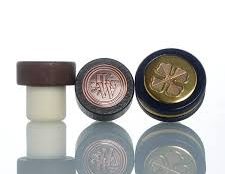
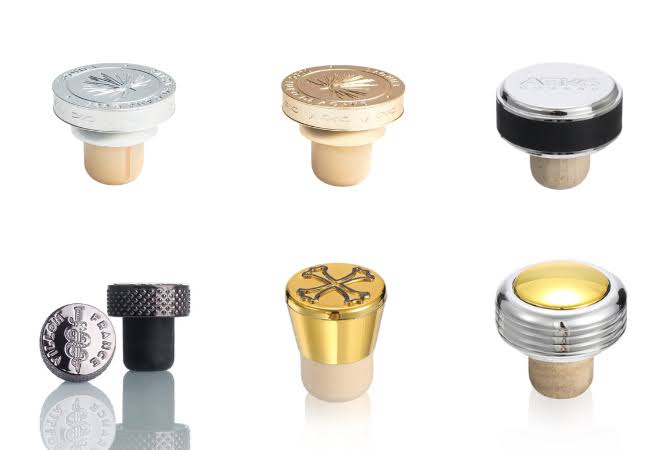
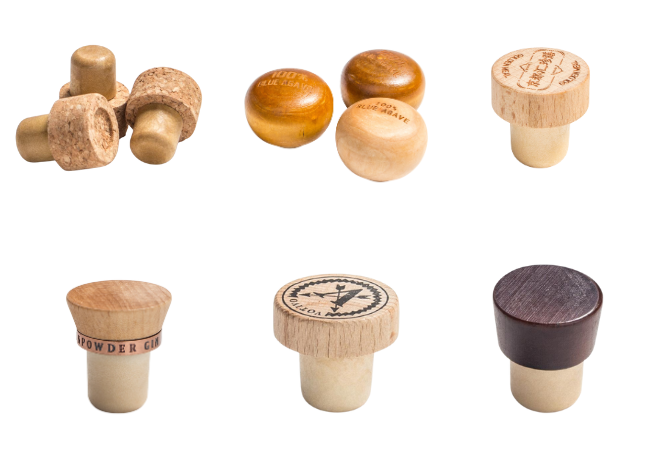
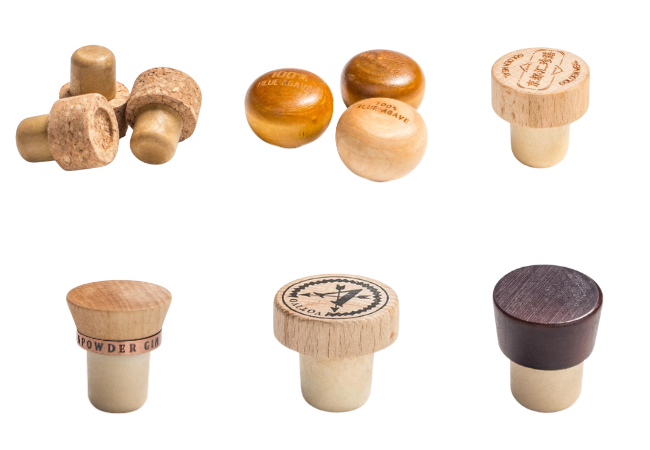
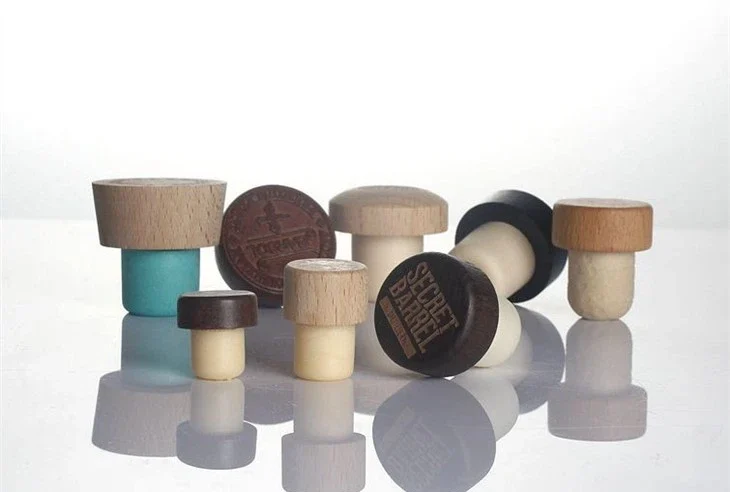
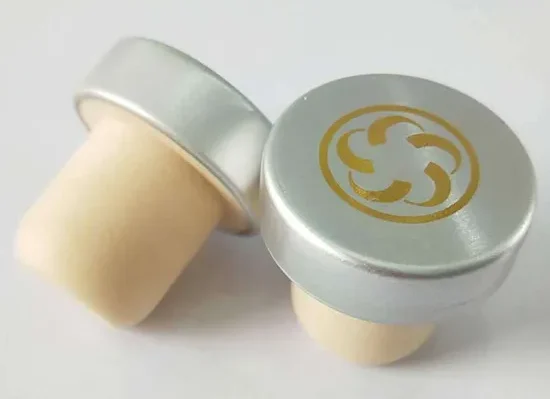
Bar-top stoppers are one of the most widely used bottle closures for distilleries producing premium spirits. They usually combine a decorative top with a cork, synthetic cork, or polymer shank. The top creates the visual and tactile experience, while the shank provides the sealing function.
The top may be made from wood, aluminum, zinc alloy, glass, plastic, ceramic, or composite materials. Bar-top stoppers are commonly used for whisky, rum, gin, tequila, brandy, vodka, and liqueurs. They work especially well when a brand wants a premium, traditional, or craft-oriented identity.
Important technical checks include shank diameter, bottle bore tolerance, insertion depth, compression rate, pull-out force, alcohol compatibility, and top-to-shank bonding strength. Distilleries developing multiple SKUs should also confirm whether the same stopper can work across different bottle formats.
Cork Stoppers
Cork stoppers remain popular because they provide a natural look, elastic sealing behavior, and a traditional opening experience. Distilleries may use natural cork, micro-agglomerated cork, technical cork, or cork shanks combined with decorative tops.
Natural cork supports a premium, heritage feel, but it requires careful quality control because natural variation can affect consistency. Micro-agglomerated cork offers more uniform dimensions. Technical cork can balance natural appearance with controlled performance.
Cork stoppers are especially suitable for premium whisky, craft rum, botanical gin, brandy, and limited-edition spirits. Distilleries should confirm cork treatment, odor control, compression, diameter tolerance, and long-term suitability for the product’s alcohol content.
Synthetic Stoppers
Synthetic stoppers are useful when consistency matters. They can provide controlled dimensions, predictable insertion, and repeatable pull-out force. These closures are often used for private-label spirits, export programs, and larger production runs where every stopper must behave the same way during filling and opening.
Synthetic cork and polymer shanks can also reduce some of the natural variation associated with traditional cork. However, material compatibility is essential. The supplier should confirm that the synthetic material is suitable for contact with the spirit, especially when the product has a high ABV or long shelf life.
Screw Caps
Screw caps are practical bottle closures for distilleries that value convenience, production efficiency, resealing, and cost control. They are common for vodka, gin, liqueurs, miniature spirits, ready-to-drink products, and high-volume lines.
A screw cap may include a liner, tamper-evident band, printed decoration, embossed logo, or color finish. Aluminum screw caps are especially common in spirits packaging because they are lightweight, customizable, and suitable for automated capping.
The main technical factors are thread profile, neck finish, cap height, liner selection, torque range, and capper setup. If torque is too low, the cap may leak. If torque is too high, the cap may deform or become difficult to open.
ROPP Closures
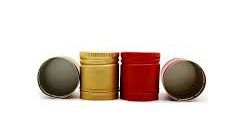
ROPP closures, or roll-on pilfer-proof closures, are aluminum caps formed onto the bottle neck during capping. They are often chosen for tamper evidence, production efficiency, and consistent sealing. Kandacork Closures develops custom ROPP closures for spirits brands that need closure dimensions, liners, skirt height, graphics, and torque range matched to their glass finish and bottling line.
ROPP closures can be a good fit for export spirits, commercial vodka, gin, rum, liqueurs, and private-label bottling. They can also support printing, embossing, color matching, metallic finishes, and premium decoration.
These closures require the correct bottle finish and equipment. Distilleries should review the bottle drawing, thread profile, liner material, capping-head design, and tamper band performance before approving bulk production.
Non-Refillable Closures
Non-refillable closures are designed to make refilling difficult after the bottle has been opened. They may include valve systems, pourer inserts, tamper-evident bands, internal flow-control parts, or anti-refill structures.
These closures are useful for premium spirits, duty-free products, high-risk export markets, and brands concerned about counterfeiting or unauthorized reuse. Because non-refillable systems are more complex than basic caps or stoppers, distilleries should test pouring behavior, sealing strength, bottle compatibility, opening experience, and assembly stability before production.
Capsules and Shrink Sleeves
Capsules and shrink sleeves support tamper evidence, neck decoration, and premium presentation. They may cover the top of the bottle, protect the closure, or complete the packaging design.
Capsules may be made from aluminum, PVC, polylaminate, or other materials. Shrink sleeves can include printed designs, brand colors, batch information, or tamper-evident features. They should be evaluated with the main closure so they fit the bottle neck, avoid interfering with opening, and visually match the label, glass color, carton, and brand position.
For brands that need coordinated sourcing, Kandacork Closures can support bar-top, screw cap, ROPP and non-refillable closure systems as part of a complete spirits packaging project.
Closure Type by Spirit Category
| Spirit Category | Common Closure Choices | Packaging Goal |
|---|---|---|
| Whisky | Wooden bar-top stopper, cork stopper, metal-top stopper | Heritage, premium feel, collectability |
| Rum | Cork stopper, bar-top stopper, non-refillable closure | Craft identity, export security, shelf impact |
| Gin | Bar-top stopper, screw cap, glass stopper | Botanical quality, modern branding, clean presentation |
| Vodka | Screw cap, ROPP cap, glass stopper | Convenience, clarity, production speed |
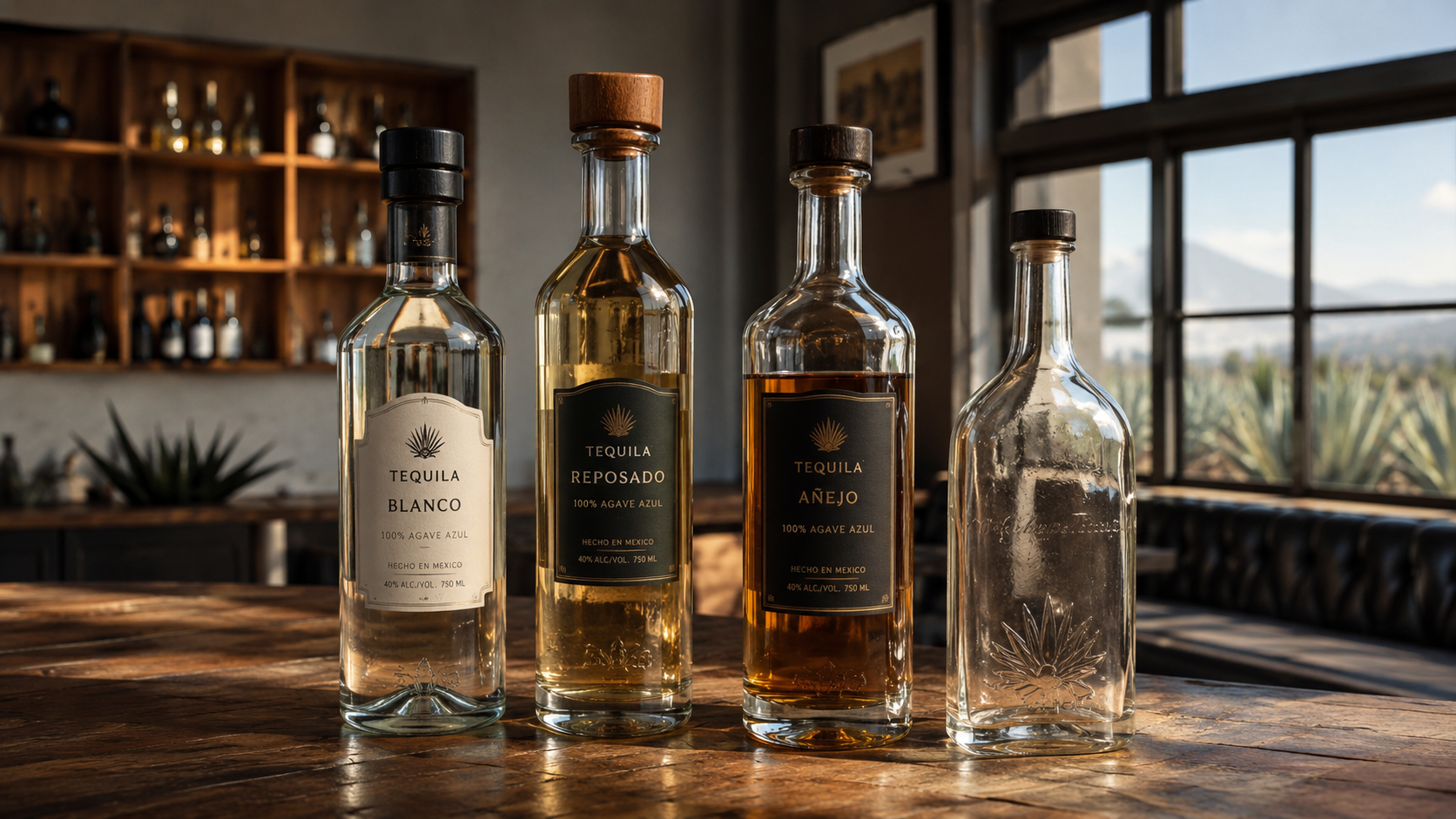
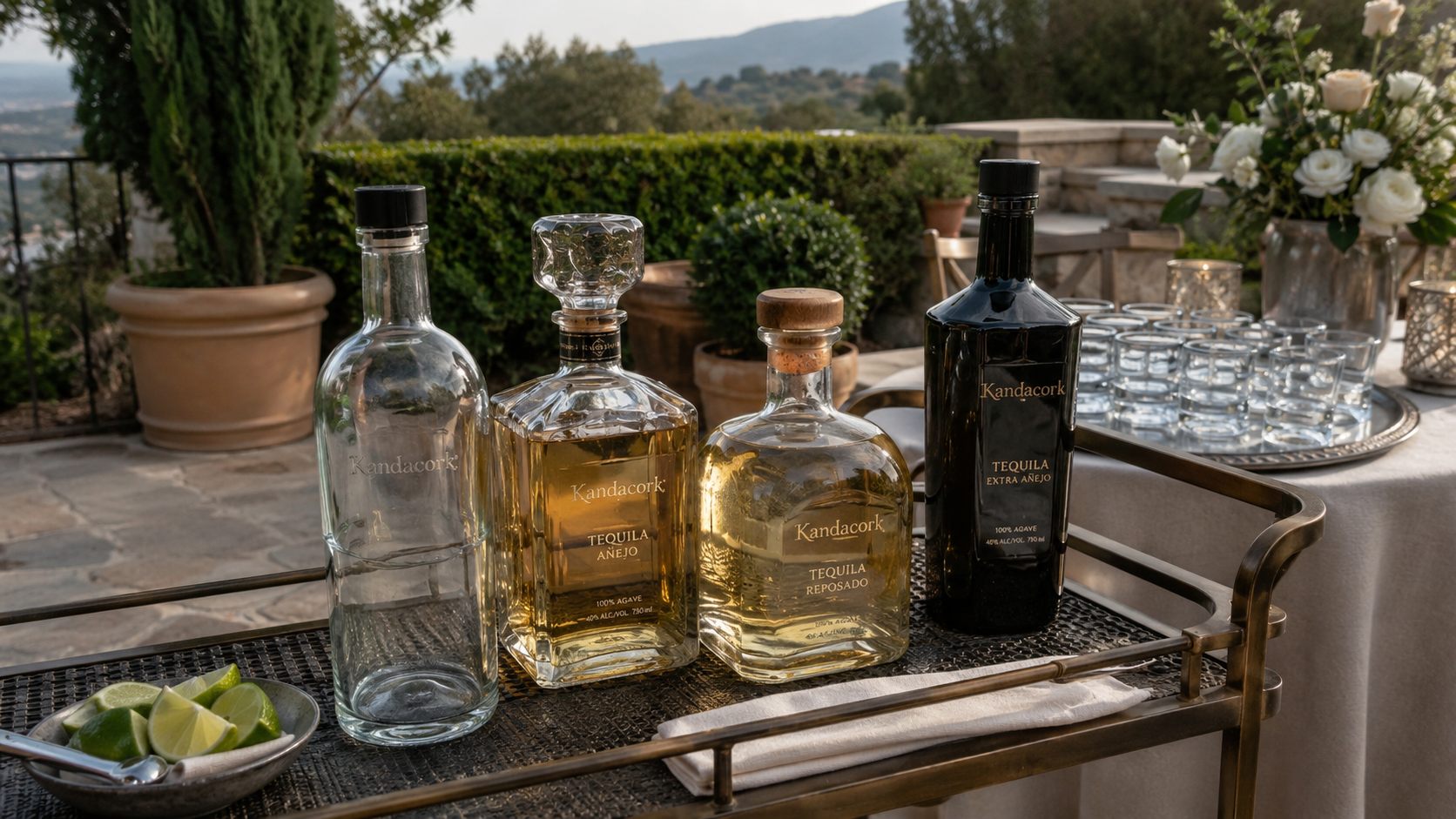
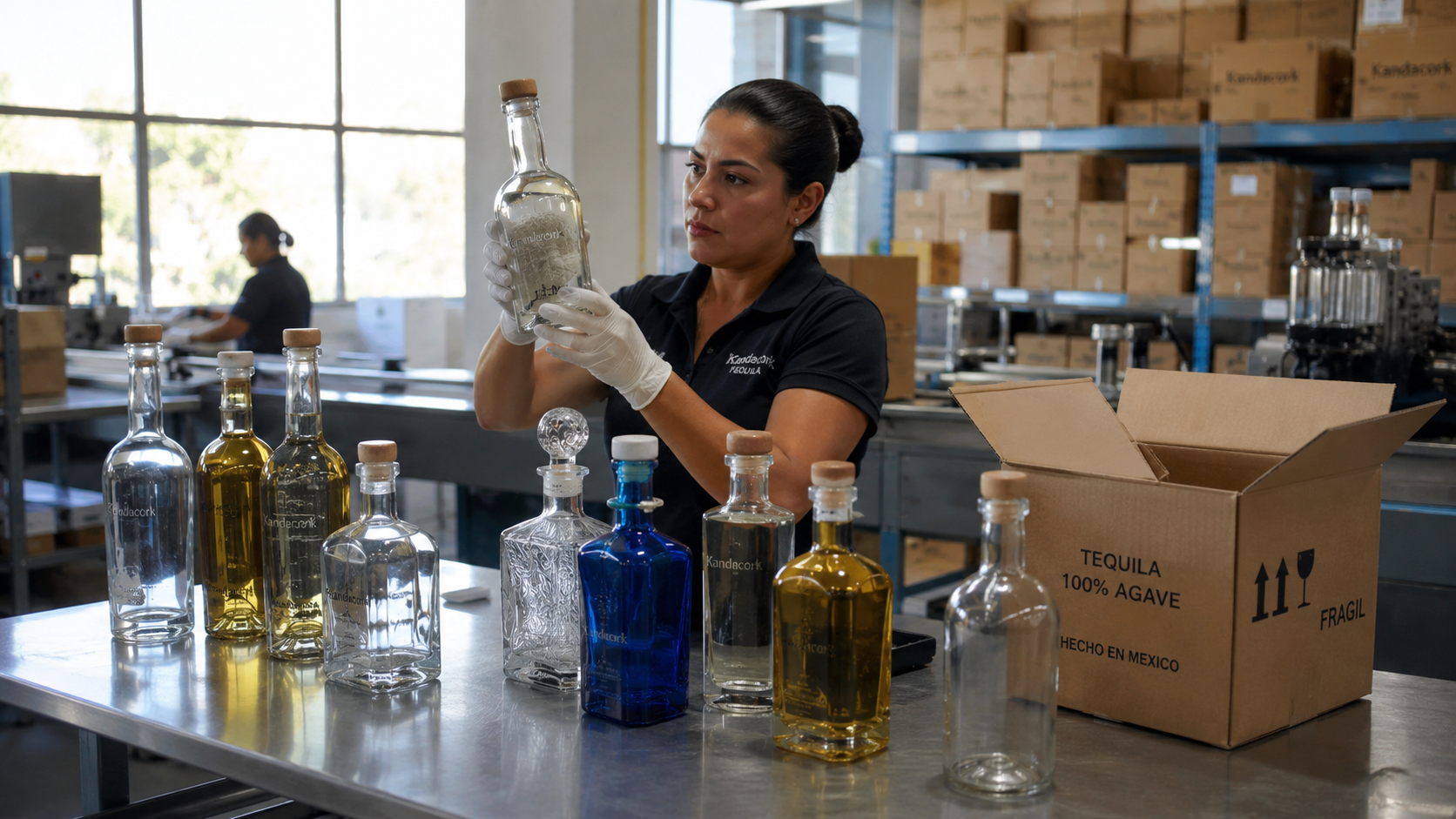
| Tequila | Cork stopper, glass stopper, heavy decorative stopper | Premium identity, luxury, authenticity |
| Brandy | Cork stopper, bar-top stopper, capsule | Traditional presentation, gifting appeal |
| Liqueurs | Screw cap, ROPP closure, synthetic stopper | Resealing, sweetness protection, cost control |
| Miniature spirits | Screw cap, small ROPP cap | Fast filling, portion control, retail efficiency |
How to Match the Closure to the Bottle Neck
Closure selection should begin with the bottle neck, not the logo design. A beautiful closure will still fail if the bore diameter, neck finish, shank size, or thread profile is wrong.
For bar-top stoppers, the supplier must check the bottle bore diameter, inner neck tolerance, shank diameter, insertion depth, compression behavior, and pull-out force. Even a small mismatch can cause leakage, loose fit, or difficult opening.
For screw caps and ROPP closures, the supplier must confirm the thread profile, neck finish, cap height, liner material, tamper-evident band, torque range, and capping equipment. The cap must seal securely without damaging the bottle or making the product hard to open.
A closure that looks attractive in a sample photo may still fail in production. Serious distilleries should send bottle drawings, physical samples, filling-line details, and target market requirements before confirming an order. If the project also involves bottle sourcing, coordinated spirits bottle programs can help align closure selection with glass shape, neck finish, label area, carton design, and filling-line requirements from the start.
Real-World Buyer Examples
Craft Whisky: Solving a Loose Stopper Problem
A craft whisky brand may choose a wooden bar-top stopper to create a premium opening experience. If the stopper feels loose, the issue is often not the top material but the shank-to-bore relationship. The buyer should review bore diameter, shank diameter, compression rate, and pull-out force before changing the full closure design.
Export Vodka: Choosing ROPP for Security and Speed
A vodka exporter may prefer ROPP closures because they support tamper evidence and automated filling-line efficiency. Before bulk production, the brand should confirm bottle finish, thread profile, liner compatibility, capping-head setup, and torque range.
Premium Rum: Adding Anti-Refill Protection
A premium rum brand selling through duty-free or export channels may use a non-refillable closure to reduce refilling risk and protect brand trust. The buyer should test pourer function, valve behavior, bottle-neck compatibility, and consumer opening experience.
Botanical Gin: Matching Closure Style to Shelf Presentation
A botanical gin brand may choose a glass stopper or metal-top bar stopper to match a clean, transparent bottle and premium label design. For luxury spirits projects, custom glass stoppers can support clear, frosted, tinted, faceted, or decorated tops while maintaining a suitable sealing insert for the bottle neck.
Sealing, Leakage, and Performance Testing
Sealing failure is one of the most expensive packaging problems for spirits brands. A leaking bottle can damage labels, cartons, shipping cases, retail shelves, and brand reputation.
Bottle closures for distilleries should be tested before bulk production. Testing helps identify problems with fit, compression, torque, liner material, capper setup, bottle tolerance, and shipping performance.
For premium spirits, the opening experience should also be tested. A closure should feel secure, but not frustrating. A stopper should release smoothly. A screw cap should open cleanly. A tamper-evident band should break properly without damaging the customer experience.
| Test Item | Why It Matters |
|---|---|
| Fit test | Confirms the closure physically matches the bottle neck |
| Leakage test | Checks whether the bottle remains sealed during storage and transport |
| Pull-out force test | Measures how easily a stopper can be removed |
| Torque test | Confirms screw caps and ROPP caps are applied correctly |
| Liner compatibility review | Helps ensure the liner is suitable for the spirit |
| Alcohol compatibility review | Evaluates whether the material is suitable for the product’s ABV |
| Temperature simulation | Tests performance during hot, cold, or changing storage conditions |
| Vibration review | Helps evaluate shipping stability |
| Repeated opening test | Checks resealing and consumer usability |
| Visual inspection | Confirms finish quality, color consistency, and decoration accuracy |
Common Closure Problems and Solutions
| Problem | Possible Cause | Recommended Solution |
|---|---|---|
| Leakage | Wrong shank diameter, poor compression, weak liner, incorrect torque | Test fit, adjust closure size, review liner and capper settings |
| Stopper too loose | Bore tolerance mismatch or insufficient compression | Recheck bottle drawing and shank diameter |
| Stopper too tight | Oversized shank or excessive compression | Adjust shank size and test pull-out force |
| Cap difficult to open | Torque too high or cap deformation | Adjust capping equipment and confirm cap specification |
| Tamper band failure | Wrong neck finish or capping setup | Review bottle finish and equipment settings |
| Off-odor concern | Material or treatment issue | Request material review and sensory checks |
| Poor shelf appearance | Inconsistent finish, color mismatch, weak decoration | Confirm pre-production samples and finish standards |
| Production delays | Missing drawings, unclear MOQ, late artwork | Send full RFQ details early |
Custom Branding Options for Distillery Closures
Custom bottle closures for distilleries can turn a functional packaging component into a brand asset. The closure can communicate luxury, craft, heritage, sustainability, minimalism, or innovation.
Common branding options include logo engraving, embossing, debossing, hot foil stamping, laser marking, pad printing, color matching, matte finishing, gloss finishing, brushed metal effects, metallic plating, custom top shapes, medallions, inserts, capsule printing, and shrink sleeve decoration.
The best design should match the entire packaging system. A matte black bottle may pair well with a brushed aluminum closure. A craft whisky may suit a wooden bar-top stopper. A botanical gin may use a clean glass or metal-top stopper. A premium rum may benefit from a heavy decorative top or non-refillable closure for export markets.
For projects that require logo application, surface finishing, label coordination, or bottle-body effects, integrated decoration and branding support can help align the closure with the bottle, label, capsule, carton, and retail display environment.
Material Options for Spirits Closures
Different materials create different performance, cost, and branding effects.
Wood feels warm, natural, and premium. It is often used for whisky, rum, gin, brandy, and craft spirits. Aluminum is lightweight, durable, and suitable for screw caps, ROPP caps, and decorative tops. Zinc alloy creates a heavier luxury feel for premium releases. Glass provides clarity and elegance for high-end bottles. Plastic supports cost control and shape flexibility.
Cork and synthetic cork are commonly used for stopper shanks. Natural cork supports traditional appeal, while synthetic cork and polymer shanks provide dimensional consistency. For luxury packaging, custom metal bar-top stoppers can add weight, shelf presence, and stronger tactile impact while still requiring careful shank and neck-fit review.
When choosing materials, distilleries should consider sealing performance, alcohol compatibility, decoration method, sustainability goals, MOQ, cost, lead time, and supply stability. If the closure is being developed alongside a custom bottle, early custom glass bottle development helps avoid late-stage fit issues between the bottle neck and closure structure.
Compliance and Food-Contact Considerations
Bottle closures for distilleries should be treated as food-contact packaging components when any part of the closure touches the spirit. This may include cork, synthetic shanks, liners, coatings, adhesives, inks, and internal pourer systems.
In the United States, distilled spirits packaging and labeling are regulated under the Alcohol and Tobacco Tax and Trade Bureau framework, including 27 CFR Part 5. For label and container planning, the TTB distilled spirits labeling rules can help brands understand mandatory information and field-of-vision requirements.
The FDA food-contact substance guidance explains that food packaging and its components may be considered food-contact substances. For products sold in the European Union, the European Commission food-contact materials guidance points to the framework for materials and articles intended to come into contact with food.
This does not replace legal review, but it helps buyers ask better sourcing questions. A responsible closure supplier should be able to discuss material suitability, intended use, alcohol compatibility, and documentation needs.
Sustainability Considerations
Sustainability is now part of spirits packaging decisions. Distilleries evaluate glass bottles, labels, cartons, closures, capsules, and mixed-material components together.
Closure-related sustainability options may include cork-based materials, recyclable aluminum caps, reduced-plastic structures, lighter components, responsibly sourced wood, mono-material designs, and simpler decoration methods that avoid unnecessary material mixing.
However, sustainability should not reduce packaging performance. A closure that leaks, breaks, or causes rejected shipments creates waste. The best strategy is to balance material responsibility, sealing reliability, brand presentation, and supply chain stability.
The Glass Packaging Institute provides industry information on glass packaging, container standards, and recycling topics that are relevant when brands evaluate the full bottle-and-closure system. For brands prioritizing lower-impact packaging strategies, eco-conscious glass packaging can help align bottle weight, decoration choices, closure materials, and retail presentation goals.
Cost, MOQ, Lead Time, and Sampling
The cost of bottle closures for distilleries depends on material, size, closure structure, decoration method, tooling, quantity, assembly process, testing requirements, packing method, and shipping route.
A stock screw cap is usually faster and more economical than a fully customized decorative stopper. A wooden bar-top stopper with engraved logo may require more production planning. A heavy zinc-alloy top may involve tooling, polishing, plating, assembly, and longer lead time.
Small distilleries can often begin with semi-custom closures. Existing molds, standard shanks, stock finishes, and simple logo decoration can reduce risk. Established brands may choose fully custom closures to create stronger shelf differentiation.
Before placing an order, buyers should confirm sample timing, MOQ, tooling fees, decoration limits, production schedule, packing method, and quality control process. This is especially important when the closure must coordinate with capsules, labels, cartons, gift boxes, or multiple bottle sizes.
What to Send a Supplier Before Requesting a Quote
A clear RFQ helps the supplier recommend the right closure quickly and accurately. Distilleries should prepare the following details before requesting custom bottle closures for distilleries:
Bottle drawing or physical bottle sample
Neck finish specification
Bore diameter and outer neck diameter
Preferred closure type
Spirit category and ABV
Filling method
Target order quantity
Destination market
Logo artwork
Color and finish references
Decoration requirements
Tamper-evident needs
Capsule or sleeve requirements
Packaging and carton requirements
Project timeline
Current closure problems, if replacing an existing supplier
This information helps avoid wrong samples, inaccurate pricing, poor fit, and production delays.
Glossary of Distillery Closure Terms
| Term | Meaning |
|---|---|
| Bore diameter | The inner opening measurement of the bottle neck |
| Neck finish | The shape, thread, bead, or sealing area at the top of the bottle |
| Pull-out force | The force required to remove a stopper from the bottle |
| Torque | Rotational force used to apply or remove a screw cap or ROPP cap |
| Liner | The sealing material inside a cap that helps prevent leakage |
| ROPP closure | A roll-on pilfer-proof aluminum cap formed onto the bottle neck |
| Tamper-evident band | A visible feature that indicates whether the bottle has been opened |
| Non-refillable closure | A closure system designed to make refilling difficult |
| Shank | The cork, synthetic cork, or polymer part inserted into the bottle neck |
| Compression | The pressure created when the shank fits tightly inside the bottle bore |
| Capper setup | The machine configuration used to apply caps during bottling |
| Food-contact material | A material intended to touch food or beverage directly or indirectly |
Why Work With Kandacork Closures
Kandacork Closures supports distilleries that need custom caps, corks, stoppers, and closure systems for premium and commercial spirits packaging.
The company can help with bar-top stoppers, cork stoppers, synthetic stoppers, wooden closures, screw caps, ROPP closures, non-refillable closures, capsules, and shrink sleeves. These solutions can be used for whisky, gin, rum, vodka, tequila, brandy, liqueurs, craft spirits, private-label spirits, and export programs.
For distillery buyers, the value is not only product supply. The value is coordinated sourcing support: bottle-neck matching, material selection, decoration planning, sample testing, sealing review, assembly support, export packing, and repeatable bulk supply.
As a custom spirits packaging supplier, Kandacork Closures can help brands align bottle selection, closure engineering, decoration, testing, and commercial order planning. If your current closure leaks, feels inconsistent, looks generic, or does not match your brand position, the team can review the bottle format and recommend a more suitable custom closure solution.
FAQ
What is the best bottle closure for a distillery?
The best closure depends on the bottle neck, spirit type, price position, filling line, tamper-evident needs, and destination market. Premium brands often use bar-top stoppers, cork stoppers, wood tops, or glass stoppers. High-volume and export spirits may use screw caps, ROPP closures, or non-refillable closures.
Are cork stoppers or screw caps better for spirits?
Cork stoppers are often better for premium presentation and a traditional opening experience. Screw caps are often better for convenience, production speed, resealing, tamper evidence, and cost control. The better choice depends on brand strategy and technical requirements.
What causes spirits bottle closures to leak?
Common causes include incorrect shank diameter, poor cork compression, thread mismatch, unsuitable liner material, incorrect torque, bottle tolerance variation, damaged closures, temperature changes, or lack of pre-production testing.
Can bottle closures for distilleries be customized?
Yes. Distillery closures can be customized with engraving, embossing, debossing, hot foil, pad printing, laser marking, molded logos, custom colors, metallic finishes, wood finishes, decorative inserts, printed capsules, and shrink sleeves.
Do distilleries need tamper-evident closures?
Many distilleries use tamper-evident closures for retail, export, duty-free, and anti-counterfeit protection. Options include ROPP caps, tamper-evident screw caps, capsules, shrink sleeves, and non-refillable closures.
What should a distillery test before ordering bulk closures?
A distillery should test fit, leakage, pull-out force, torque, liner compatibility, alcohol compatibility, opening feel, resealing, visual quality, and shipping performance before approving bulk production.
What information should I send for a custom closure quote?
Send the bottle drawing, bottle sample if available, neck finish, bore diameter, spirit type, ABV, closure preference, target quantity, destination market, logo artwork, color references, decoration requirements, timeline, and any current closure problems.
Which closure is best for export spirits?
ROPP closures, tamper-evident screw caps, capsules, and non-refillable closures are often suitable for export spirits because they can support sealing, retail security, tamper evidence, and transport stability. The final choice depends on the bottle finish, filling line, destination market, and brand position.
Where can distilleries buy custom bottle closures?
Distilleries can buy custom bottle closures from specialized closure suppliers that understand spirits packaging, bottle-neck compatibility, sealing tests, decoration methods, MOQ planning, and export packing. Kandacork Closures supports custom closure sourcing for craft, premium, commercial, and private-label spirits brands.
Conclusion
Bottle closures for distilleries protect the liquid, support production, strengthen shelf appeal, and shape the customer’s opening experience. The right closure should match the bottle neck, spirit type, brand position, filling process, compliance needs, and export market.
The safest sourcing process begins with bottle drawings, closure samples, sealing tests, decoration planning, and clear RFQ details. Distilleries should evaluate not only the closure’s appearance, but also its fit, material, torque, pull-out force, liner, tamper-evident performance, and supply reliability.
Kandacork Closures helps spirits brands source custom caps, corks, stoppers, ROPP closures, non-refillable closures, capsules, and shrink sleeves for distillery packaging. Send your bottle drawing, product details, logo artwork, target quantity, and destination market to receive a closure recommendation tailored to your project.