Quick Answer
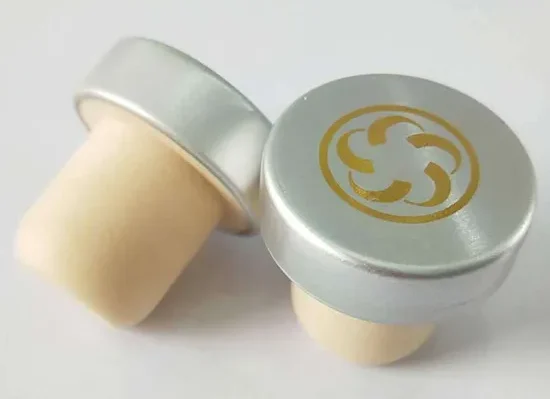
Bar-top stopper assembly joins a decorative head with a cork, synthetic cork, or polymer shank to create a reusable spirits bottle closure. For bulk spirits orders, buyers should confirm bottle neck fit, shank diameter, insertion feel, pull-out force, bonding strength, branding quality, compliance documents, and export packing before mass production.
Send your bottle drawing, neck ID, target quantity, artwork, and material preference to request a fit review before bulk production.
Who This Guide Is For
This guide is for spirits brands, distilleries, private label buyers, importers, distributors, bottlers, and packaging procurement teams that need to evaluate bar-top stopper assembly before placing bulk closure orders.
It is especially useful if you are launching a new spirits bottle, changing closure suppliers, comparing stopper materials, solving leakage or insertion issues, preparing a sample request, or building a repeatable packaging specification for future orders.
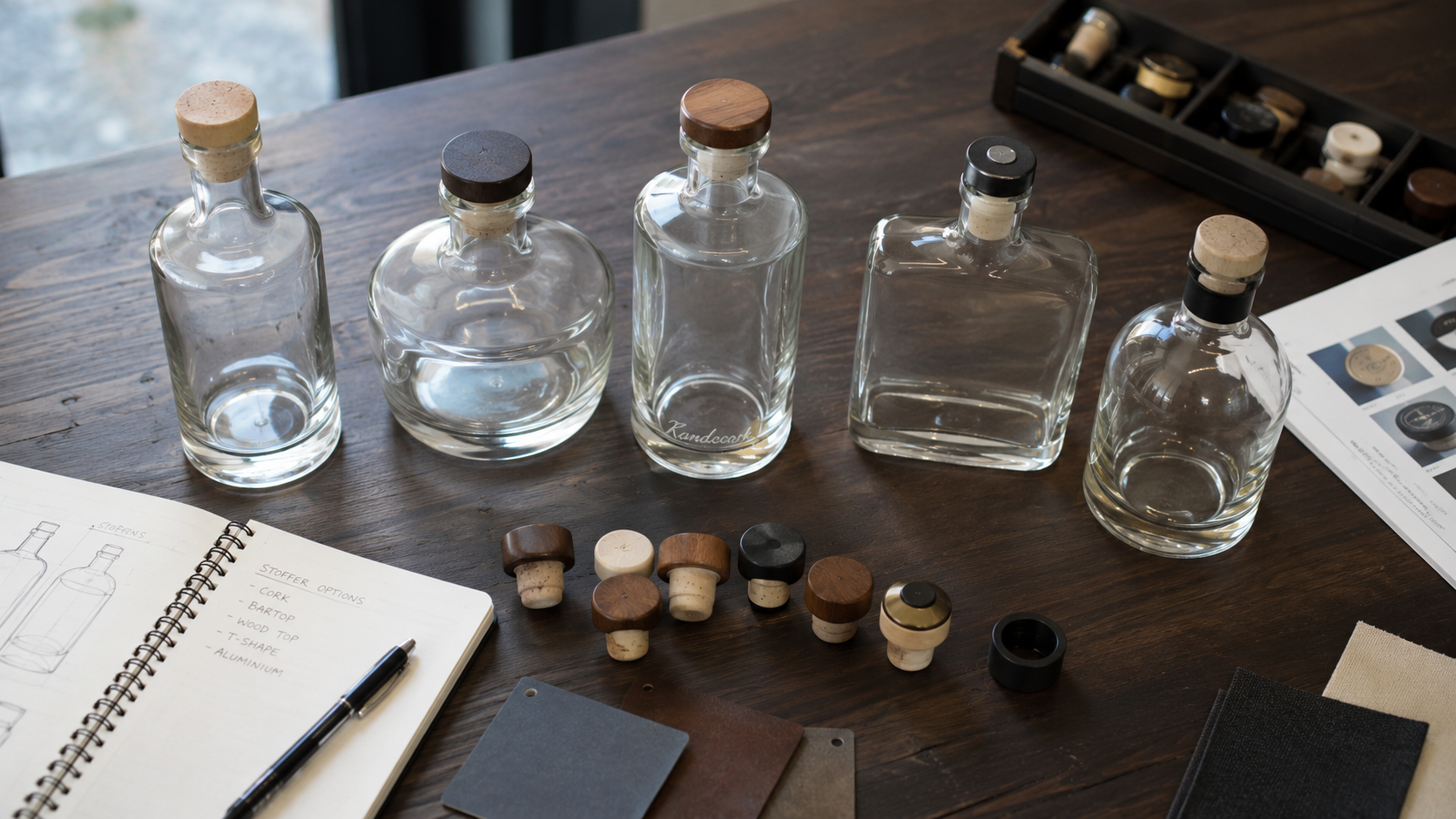
For buyers managing bottle shape, closure fit, decoration, cartons, and export handling as one project, a complete custom spirits packaging manufacturer can also help coordinate the wider packaging system around the closure decision.
The goal is to help buyers move from general product research to a clear technical request that Kandacork Closures can review for sample development, quotation, and bulk production.
Why Bar-Top Stopper Assembly Matters
A bar-top stopper is not just a decorative bottle closure. It affects sealing performance, shelf appearance, filling-line efficiency, consumer opening feel, reclosure stability, and export safety.
In bulk closure orders, small technical problems can become expensive. A loose shank may cause leakage. Weak bonding may cause the head and shank to separate. Poor packing may lead to scratched metal, coated wood, or glossy plastic tops. Inconsistent dimensions may create bottling delays or uneven consumer experience.
A reliable bar-top stopper assembly should answer four buyer questions:
Will it fit the actual bottle neck?
Will the stopper head and shank remain securely bonded?
Will the closure perform during filling, shipping, retail handling, and repeated use?
Can the supplier repeat the same quality across future bulk orders?
For this reason, bulk buyers should evaluate the stopper as a complete assembled system, not as separate decorative and sealing parts.
Main Components: Head, Shank, Bonding, and Finish
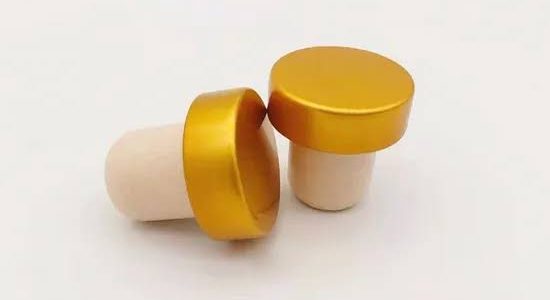
A bar-top stopper, also called a T-top stopper or bartop closure, usually includes a visible head and a sealing shank.
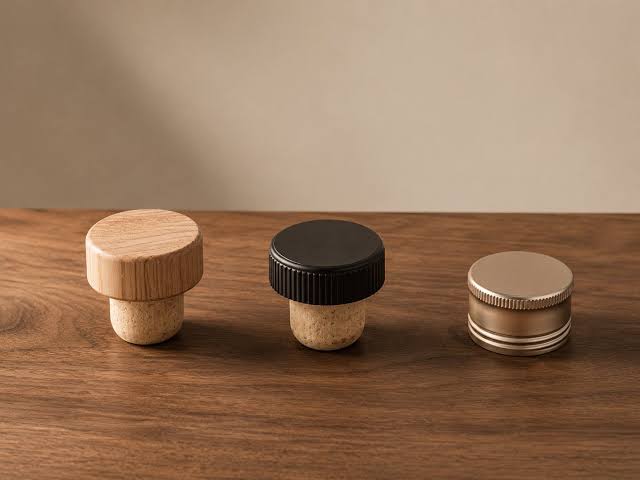
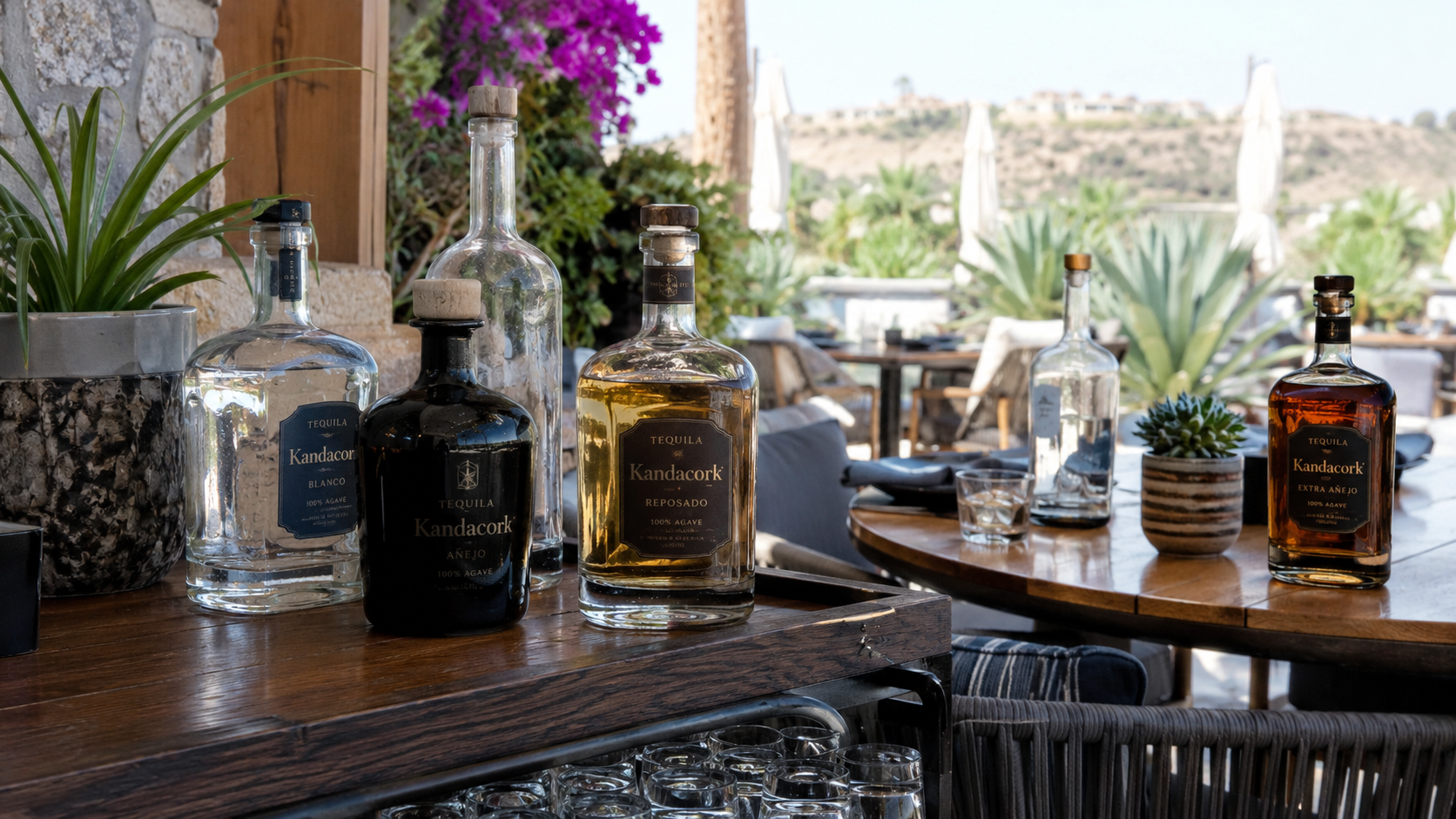
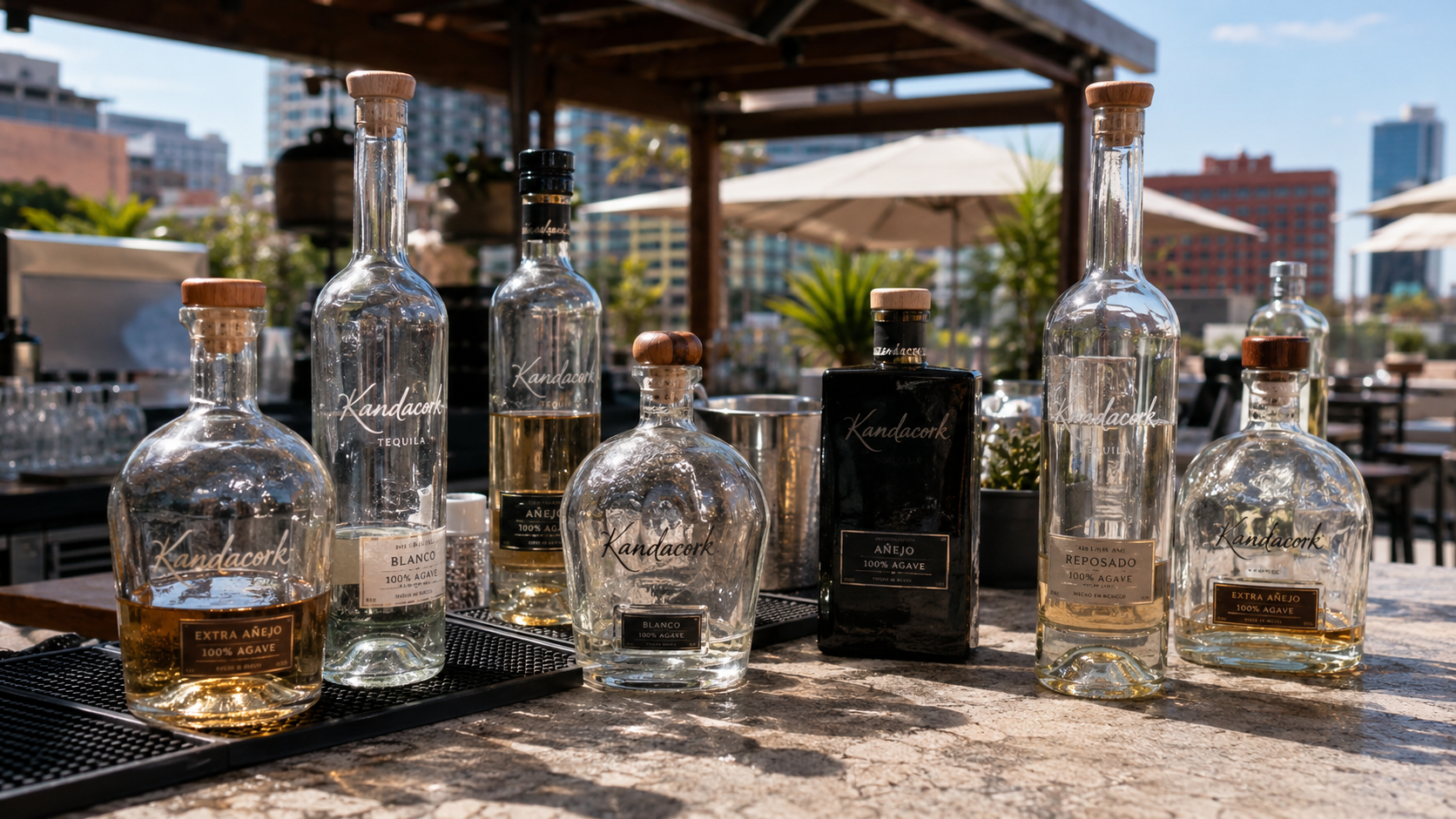
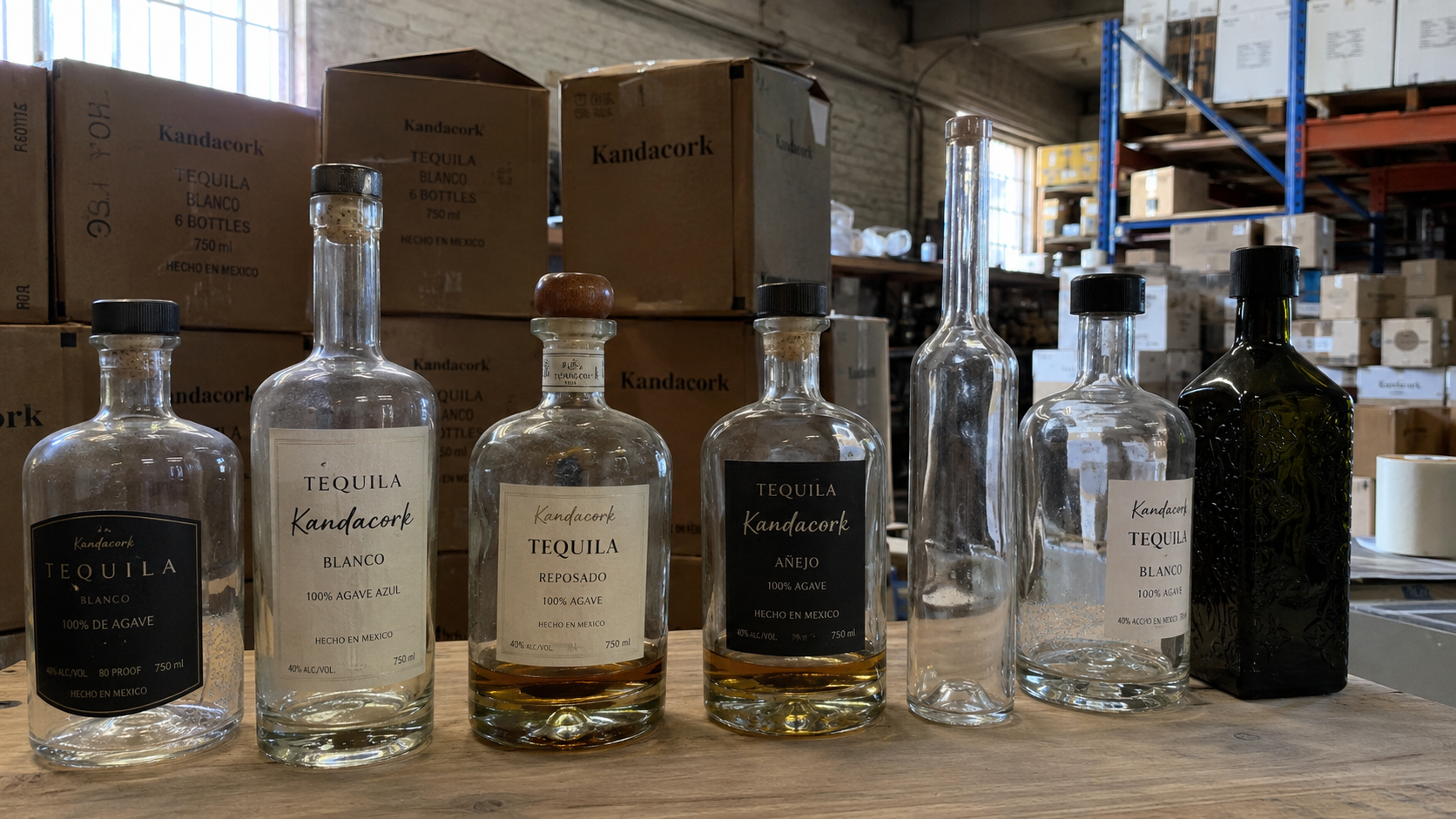
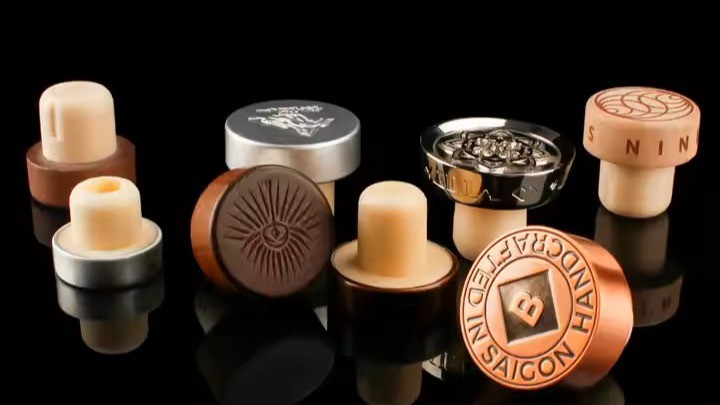
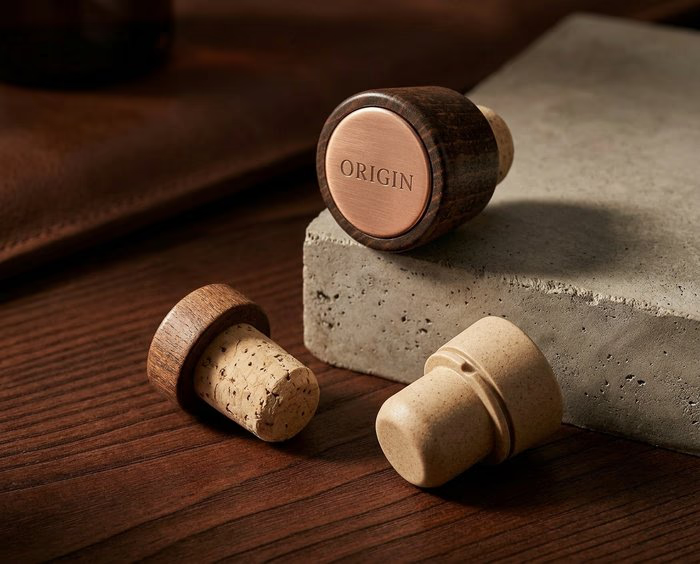
The stopper head creates the visual and tactile identity of the bottle. It may be made from wood, plastic, aluminum, zamak, glass, ceramic, or other custom materials. For brands that want a natural premium feel, wooden bar-top stoppers can be shaped, stained, coated, engraved, or combined with different shank options to match the bottle and brand direction.
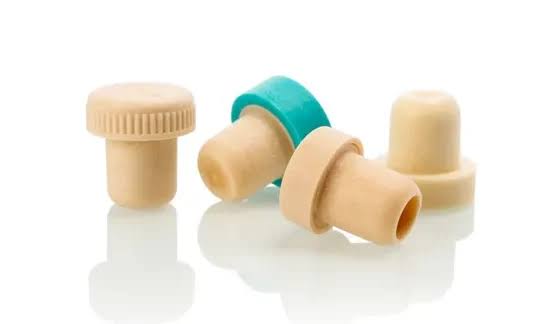
The shank is inserted into the bottle neck. It may be made from natural cork, micro-agglomerated cork, synthetic cork, or polymer material. The shank controls sealing, compression, insertion feel, pull-out force, and reclosure performance.
The bonding or connection system joins the head and shank. This is a critical part of bar-top stopper assembly because weak bonding may cause rotation, separation, tilted appearance, or product complaints.
The finish includes the visible surface, logo decoration, color, coating, plating, edge quality, and packing protection. For premium spirits closures, surface consistency is part of the brand experience.
Material Comparison for Bulk Closure Orders
| Stopper Material | Best Used For | Main Advantage | Buyer Risk / Checkpoint |
|---|---|---|---|
| Wood top | Whiskey, rum, brandy, craft spirits, premium liqueurs | Natural texture and warm premium appearance | Check grain variation, coating quality, odor, logo clarity, and moisture control |
| Plastic top | Private label spirits, high-volume programs, cost-sensitive orders | Flexible color matching and stable production cost | Confirm Pantone color, mold quality, surface defects, and batch consistency |
| Aluminum top | Vodka, gin, tequila, modern spirits | Lightweight premium look and clean finish | Check anodizing, scratches, edge finish, logo position, and packing protection |
| Zamak or zinc alloy top | Luxury spirits, gift packaging, limited editions | Heavy feel, sculpted shape, metallic finish | Check bonding strength, plating quality, carton strength, and abrasion risk |
| Glass top | High-end spirits and collectible bottles | Elegant appearance and strong visual distinction | Check breakage risk, assembly strength, and protective export packing |
| Natural cork shank | Traditional spirits packaging | Classic opening feel and natural positioning | Check cork grade, odor, compression, and dimensional variation |
| Synthetic cork or polymer shank | Bulk spirits closure orders | Consistent size, controlled compression, repeatable production | Confirm shank diameter, insertion feel, alcohol compatibility, and reclosure performance |
The right material depends on brand positioning, bottle neck dimensions, order volume, budget, decoration method, target market, and filling process. A premium-looking material is not always the best choice if it cannot be assembled, packed, or repeated consistently.
Bottle Neck Fit, Shank Size, and Opening Feel
Bottle neck fit is one of the most important factors in bar-top stopper assembly. Buyers should not choose a stopper only by bottle volume, product photo, or catalog name. The bottle neck inner diameter must be measured and tested.
A stopper that is too loose may leak, lift during transport, or feel low quality. A stopper that is too tight may slow bottling, damage the shank, increase operator fatigue, or create a poor consumer opening experience.
Key fit details include:
Bottle neck inner diameter.
Neck depth.
Shank diameter.
Shank length.
Insertion force.
Pull-out force.
Glass tolerance and insertion depth should also be reviewed during sample testing. Even bottles with the same nominal capacity may have different neck dimensions depending on the glass mold, supplier, or production batch.
For distilleries comparing closure types, bottle-neck fit, samples, and supplier capability, this related guide on choosing a bottle closure supplier for distilleries provides additional sourcing context.
Common Neck and Shank Size Reference
The following reference is a practical starting point for bulk spirits closure buyers. Final size must be confirmed through physical bottle testing.
| Bottle Neck Inner Diameter | Common Shank Diameter | Typical Use Case | Buyer Reminder |
|---|---|---|---|
| 18.5mm | 19.5mm | Many standard bar-top spirits bottles | Test with the actual bottle because glass tolerance and shank material affect fit |
| 21.5mm | 22.5mm | Larger spirits bottle openings | Confirm insertion force, pull-out force, and reclosure feel |
| Custom neck size | Custom shank size | Custom glass bottle projects or premium packaging | Provide bottle drawing and physical samples before bulk production |
This table should not replace sample testing. It helps buyers start the conversation with a supplier, but the approved size should always be based on the actual bottle, desired opening feel, filling method, and order requirements.
Bar-Top Stopper Assembly Process
A professional bar-top stopper assembly process should be controlled from bottle review to final shipment.
Review bottle neck data and order requirements. The supplier should check bottle drawings, inner neck diameter, bottle samples, target order quantity, spirit category, ABV, artwork, finish expectations, and packing needs.
Prepare the stopper head material. Wooden heads may be cut, shaped, sanded, stained, coated, and engraved. Plastic heads may be injection molded and color matched. Aluminum or zamak heads may require forming, polishing, plating, anodizing, or special finishing.
Select and size the shank. The supplier should confirm shank diameter, shank length, insertion depth, taper, compression behavior, and suitability for the actual bottle neck.
Apply branding or decoration. Common options include laser engraving, hot stamping, screen printing, pad printing, embossing, debossing, anodizing, plating, coating, and custom texture finishing.
Assemble the head and shank. During this stage, centering, vertical alignment, bonding amount, insertion depth, curing time, and visible cleanliness should be controlled.
Inspect the assembled closure. Dimensional checks, visual checks, bonding checks, odor checks, bottle-fit tests, pull-out tests, and packing checks may be used depending on project risk.
Pack for bulk shipment. Export packing should protect both sealing performance and decorative appearance. Metal, glass, coated wood, and glossy plastic tops often require stronger surface protection.
Common Assembly Defects and Prevention Methods
| Assembly Problem | Possible Cause | Buyer Risk | Prevention Method |
|---|---|---|---|
| Loose shank | Wrong shank diameter or weak compression | Leakage, unstable reclosure, poor consumer feel | Test stopper with actual bottle samples before bulk production |
| Top separates from shank | Weak bonding, poor adhesive control, insufficient curing | Product complaint, brand damage, unusable closure | Use pull resistance and twist resistance checks |
| Tilted stopper | Poor assembly alignment or inconsistent insertion depth | Uneven shelf appearance and premium image loss | Add visual alignment inspection and approved control samples |
| Glue marks | Excess adhesive or poor application control | Dirty appearance and lower perceived value | Control adhesive amount and inspect visible surfaces |
| Logo misalignment | Poor fixture control or unclear artwork approval | Branding inconsistency across bottles | Confirm logo orientation, safe area, and pre-production sample |
| Odor issue | Coating, adhesive, cork, plastic, or storage contamination | Negative consumer perception and quality concern | Conduct odor checks and review material suitability |
| Scratched metal top | Poor inner packing or head-to-head abrasion | Retail appearance defects | Use trays, dividers, protective bags, or stronger cartons |
This defect checklist helps buyers evaluate whether a supplier understands real bulk-order risks. It also gives procurement teams a practical way to compare suppliers beyond price.
Bulk Inspection and Export Packing Checklist
Before a bulk closure shipment leaves the factory, buyers should confirm what will be inspected and how defects will be handled.
| Inspection Item | What to Check | Why It Matters |
|---|---|---|
| Dimensions | Shank diameter, shank length, head size, total height | Controls fit, appearance, and repeatability |
| Bottle fit | Insertion feel, pull-out force, reclosure | Reduces leakage and filling-line problems |
| Assembly strength | Top-to-shank bonding, twist resistance, pull resistance | Prevents separation during use |
| Alignment | Centering, vertical position, tilted closure | Protects premium shelf appearance |
| Surface finish | Scratches, dents, burrs, glue marks, coating defects | Maintains brand presentation |
| Logo quality | Position, clarity, color, depth, orientation | Ensures branding consistency |
| Odor | Cork, plastic, coating, adhesive, storage smell | Protects consumer perception |
| Packing | Inner protection, carton strength, labels, pallet stability | Reduces transport damage |
Export packing should protect both function and appearance. Closures may face vibration, humidity, carton compression, temperature changes, and repeated handling during international logistics.
Depending on the stopper material and order value, packing options may include inner bags, trays, dividers, dust-proof liners, foam protection, reinforced cartons, pallet wrapping, moisture control, and clear carton labeling.
For metal, glass, coated wood, or glossy plastic tops, head-to-head abrasion is a serious risk. For heavy stoppers, carton strength and pallet stability become more important. For printed, plated, or hot-stamped tops, surface protection should be reviewed before shipment.
Supplier Capability Checklist
Choosing a supplier for bar-top stopper assembly is not only a price comparison. Buyers should evaluate whether the supplier can support technical development, sample testing, quality control, export packing, and repeatable production.
Ask these questions before confirming a bulk closure order:
Can you review our bottle drawing and neck inner diameter?
Can you test samples on our actual bottle?
What head and shank materials do you recommend?
How do you inspect top-to-shank bonding?
How do you control shank diameter tolerance?
Can you support custom logo decoration or custom molds?
What documentation can you provide for our target market?
How do you pack closures for export and repeat orders?
For buyers comparing different closure formats, decoration methods, and production risks, this guide to custom closure systems for liquor brands can help frame the stopper as part of a wider packaging decision.
These questions help buyers compare suppliers in a practical way. They also help the supplier prepare a more accurate quotation and sampling plan.
RFQ Checklist for Bar-Top Stopper Projects
A clear RFQ reduces sampling delays and quotation errors. Before requesting pricing, buyers should prepare as much technical and commercial information as possible.
| RFQ Information | Details to Provide |
|---|---|
| Bottle drawing | Neck inner diameter, neck depth, finish details, tolerance if available |
| Bottle sample | Physical bottle for fit testing where possible |
| Current closure sample | Useful if replacing or improving an existing stopper |
| Spirit category | Whiskey, rum, gin, vodka, tequila, brandy, liqueur, or other product |
| Alcohol strength | ABV and filling conditions if known |
| Target market | Domestic market, EU, US, Asia-Pacific, duty-free, or multi-market export |
| Order quantity | Trial order, first bulk order, annual forecast, repeat program |
| Head material | Wood, plastic, aluminum, zamak, glass, ceramic, or custom material |
| Shank material | Natural cork, micro-agglomerated cork, synthetic cork, polymer shank |
| Branding | Logo file, artwork position, decoration method, color reference |
| Surface finish | Matte, glossy, stained, plated, anodized, textured, or special effect |
| Packing requirement | Inner bag, tray, divider, carton, pallet, export label |
| Timeline | Sample deadline, mass production deadline, delivery schedule |
| Inspection requirement | Dimensional inspection, fit testing, surface inspection, packing review |
For buyers who are unsure which material or shank size to choose, Kandacork Closures can review the bottle, brand requirements, and order quantity before recommending sample options.
Example RFQ for a Bulk Bar-Top Stopper Order
Here is a simple RFQ example that buyers can adapt:
We need 30,000 custom bar-top stoppers for a 700ml spirits bottle. The bottle neck inner diameter is 18.5mm. We prefer a 19.5mm synthetic cork shank with a matte black wooden top and laser-engraved logo. The target market is the EU, and we need export carton packing suitable for international shipment. Please recommend sample options, lead time, packing details, available documentation, and quotation terms.
This format gives the supplier enough information to review fit, material choice, decoration process, packing, and documentation before preparing a realistic quotation.
Sample Approval Criteria
Sample approval should confirm both appearance and performance. A sample that looks good in photos may still fail if the fit, bonding, odor, or packing protection is not correct.
| Sample Check | Pass Criteria |
|---|---|
| Bottle fit | Stable insertion and controlled pull-out feel on the actual bottle |
| Assembly strength | No top rotation, looseness, or head-to-shank separation |
| Branding | Logo position, finish, and color match the approved sample |
| Odor | No obvious cork, glue, coating, plastic, or storage odor |
| Surface finish | No visible scratches, dents, burrs, glue marks, or coating defects |
| Reclosure | Stopper remains stable after repeated opening and closing |
| Packing | Surface is protected from abrasion, dust, moisture, and carton pressure |
Once samples are approved, they should become the reference for production inspection, packing review, and future repeat orders.
When Buyers Should Request Samples
Samples should be requested whenever a project involves a new bottle, new supplier, new closure material, custom logo, custom head shape, new export market, high-ABV spirit, gift-box packaging, or automated bottling process.
If the closure will be used on a filling line, production-line testing is strongly recommended. Manual sample testing may not reveal all issues that appear during repeated insertion or high-volume bottling.
When the stopper head carries a visible logo, crest, embossing, or special finish, the top surface design process should also be checked during sample approval so the closure works as both a functional seal and a brand asset.
Compliance and Documentation for Bulk Orders
For export spirits packaging, buyers should confirm food-contact suitability and material documentation before production. Depending on the target market, documentation may reference EU food-contact material rules, FDA food-contact requirements, sampling inspection methods such as ISO 2859-1, transport testing frameworks such as ASTM D4169, or TTB requirements for U.S. distilled spirits packaging and labeling.
The exact document package should match the closure material, destination market, buyer policy, and product risk level. A simple local project may not require the same documentation as a multi-market spirits launch.
Useful documents may include material declarations, food-contact statements, coating information, adhesive information, inspection reports, batch traceability, and packing specifications.
Bulk buyers should ask compliance questions early. It is much easier to confirm documents before mass production than to solve documentation gaps after goods are finished.
Why Work With Kandacork Closures
Kandacork Closures supports spirits brands, distilleries, private label buyers, importers, distributors, bottlers, and packaging teams that need custom bar-top stoppers for bulk closure orders.
The service can include material selection, bottle neck fit review, custom head development, shank recommendation, logo decoration, sample production, assembly control, quality inspection, export packing, and quotation support.
For buyers, the main value is building a repeatable closure specification that works on the actual bottle, matches the brand image, and can be supplied consistently across bulk orders.
Kandacork Closures can help buyers move from idea to sample, from sample to specification, and from specification to bulk production.
Send bottle drawing, neck ID, target quantity, artwork, and material preference to request a fit review and sample recommendation for your bulk bar-top stopper project.
Conclusion
A successful bulk closure order requires more than an attractive stopper design. It depends on correct bottle neck fit, suitable shank material, stable head-to-shank bonding, controlled dimensions, consistent branding, food-contact awareness, inspection planning, and export packing.
The best results come from early technical communication. Buyers should share bottle drawings, bottle samples, artwork, target market details, order quantity, and packing expectations before asking for final pricing.
For spirits packaging buyers, the right closure supplier should act as a technical partner, not just a product vendor. A well-controlled bar-top stopper assembly process helps reduce leakage risk, protect brand appearance, improve consumer experience, and support repeatable bulk supply.
FAQ
What is a bar-top stopper assembly?
A bar-top stopper assembly is a reusable spirits bottle closure made by joining a decorative head with a cork, synthetic cork, or polymer shank. It must provide both brand presentation and reliable bottle sealing.
How do I know if a bar-top stopper will fit my bottle?
Confirm the bottle neck inner diameter, neck depth, shank diameter, shank length, insertion force, and pull-out force. The safest method is to test closure samples on actual bottle samples before approving bulk production.
What shank size is used for an 18.5mm spirits bottle neck?
Many 18.5mm bar-top spirits bottle necks use a 19.5mm shank, but buyers should always test with the actual bottle because glass tolerance, shank material, insertion force, and desired pull-out feel can affect fit.
What causes bar-top stoppers to leak?
Leakage may be caused by incorrect shank diameter, weak compression, glass neck variation, poor reclosure performance, tilted assembly, transport vibration, or insufficient bottle-fit testing.
Should buyers test samples before mass production?
Yes. Samples should be tested for bottle fit, insertion feel, pull-out force, reclosure performance, odor, logo quality, surface finish, assembly strength, and packing stability.
What information is needed for a bulk stopper RFQ?
Buyers should provide bottle drawings, bottle samples, spirit type, ABV, target market, order quantity, preferred materials, logo artwork, decoration method, packing requirements, inspection needs, and delivery schedule.
Can Kandacork Closures develop custom bar-top stoppers from bottle samples?
Yes. Kandacork Closures can review bottle samples, neck dimensions, branding requirements, material preferences, and order quantities to support custom stopper development, sample preparation, and quotation.