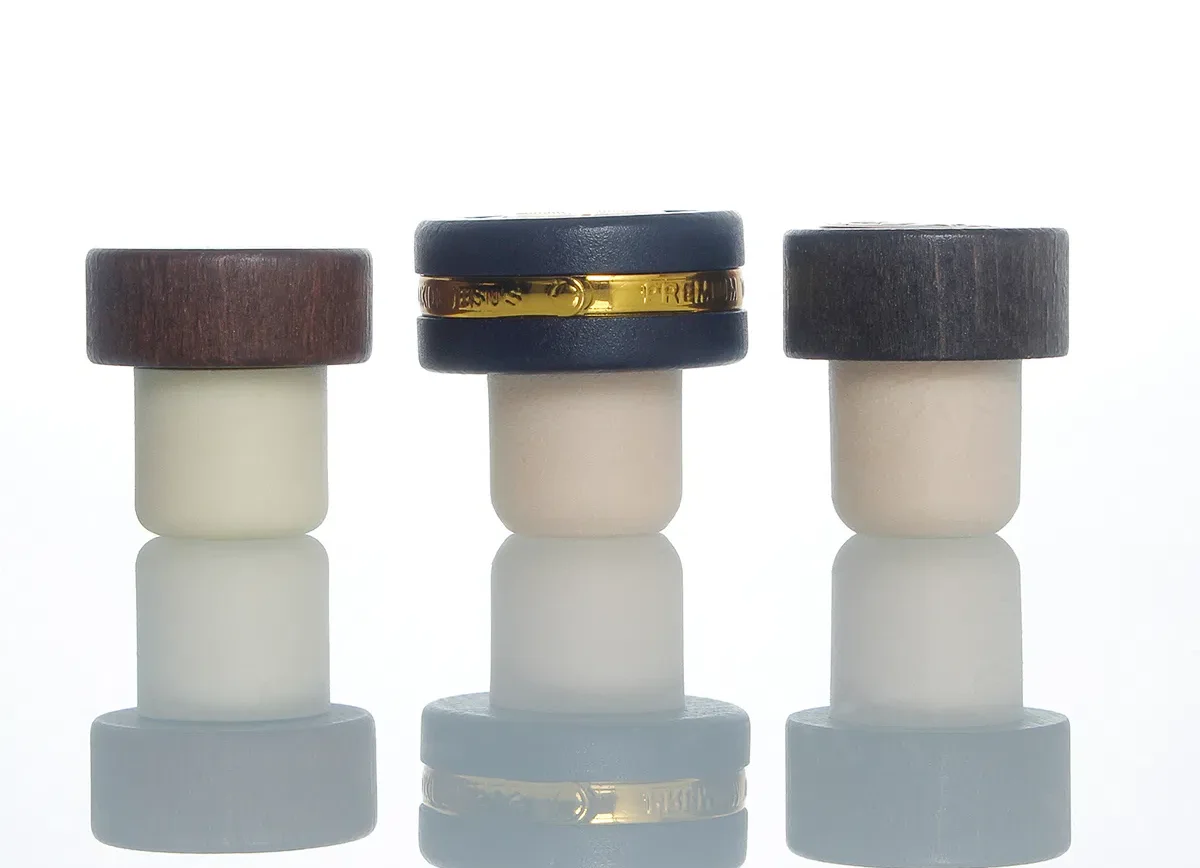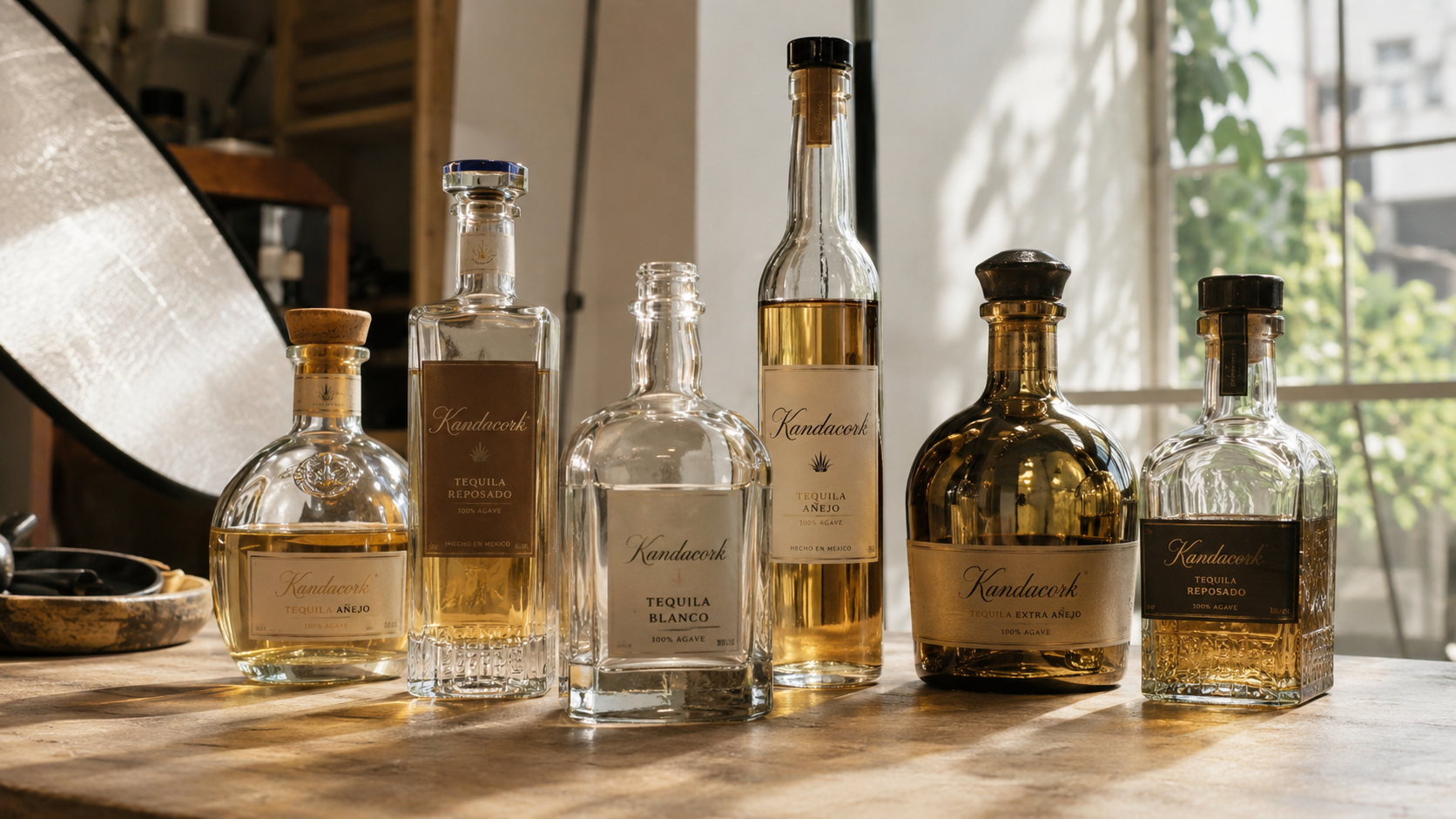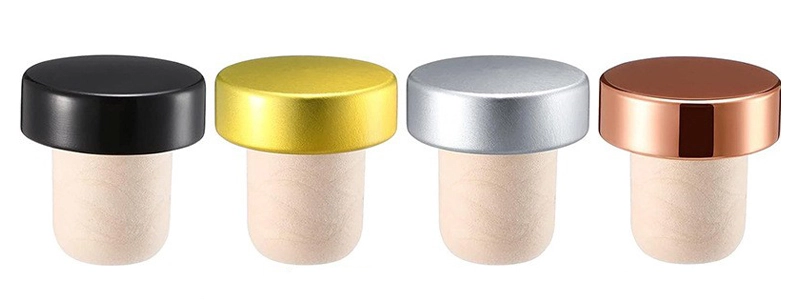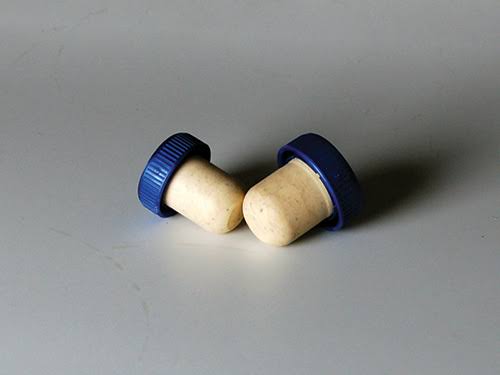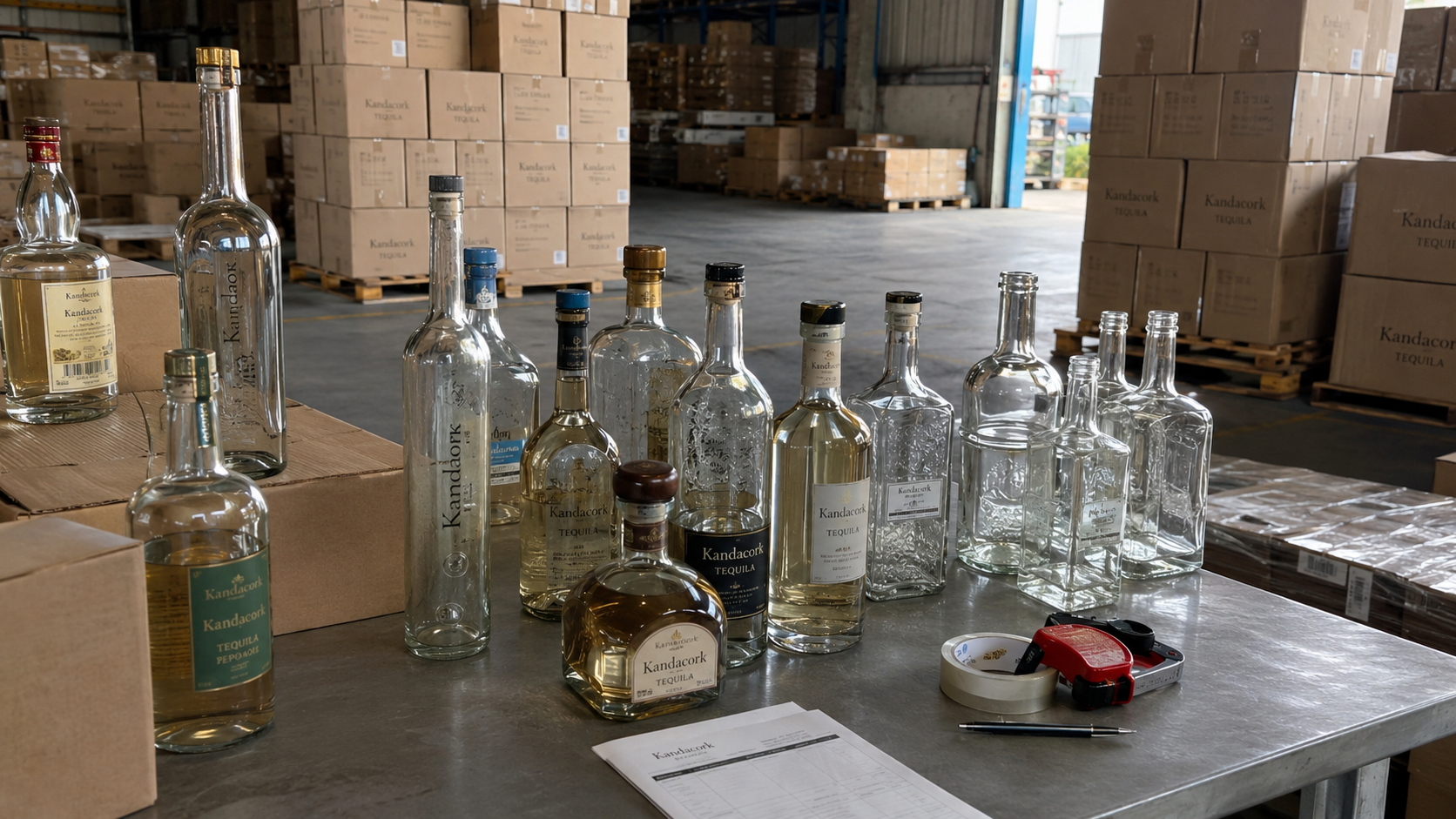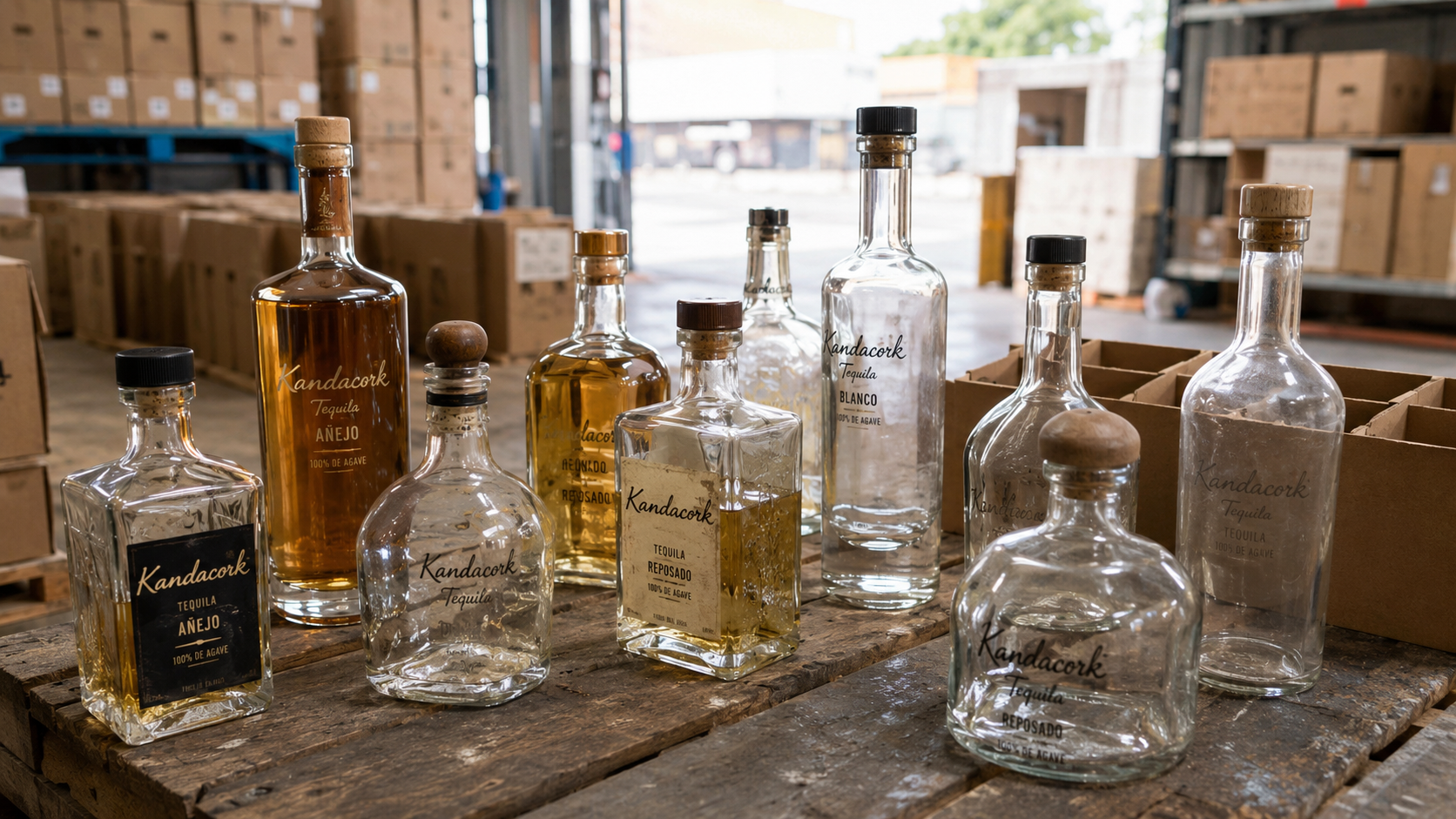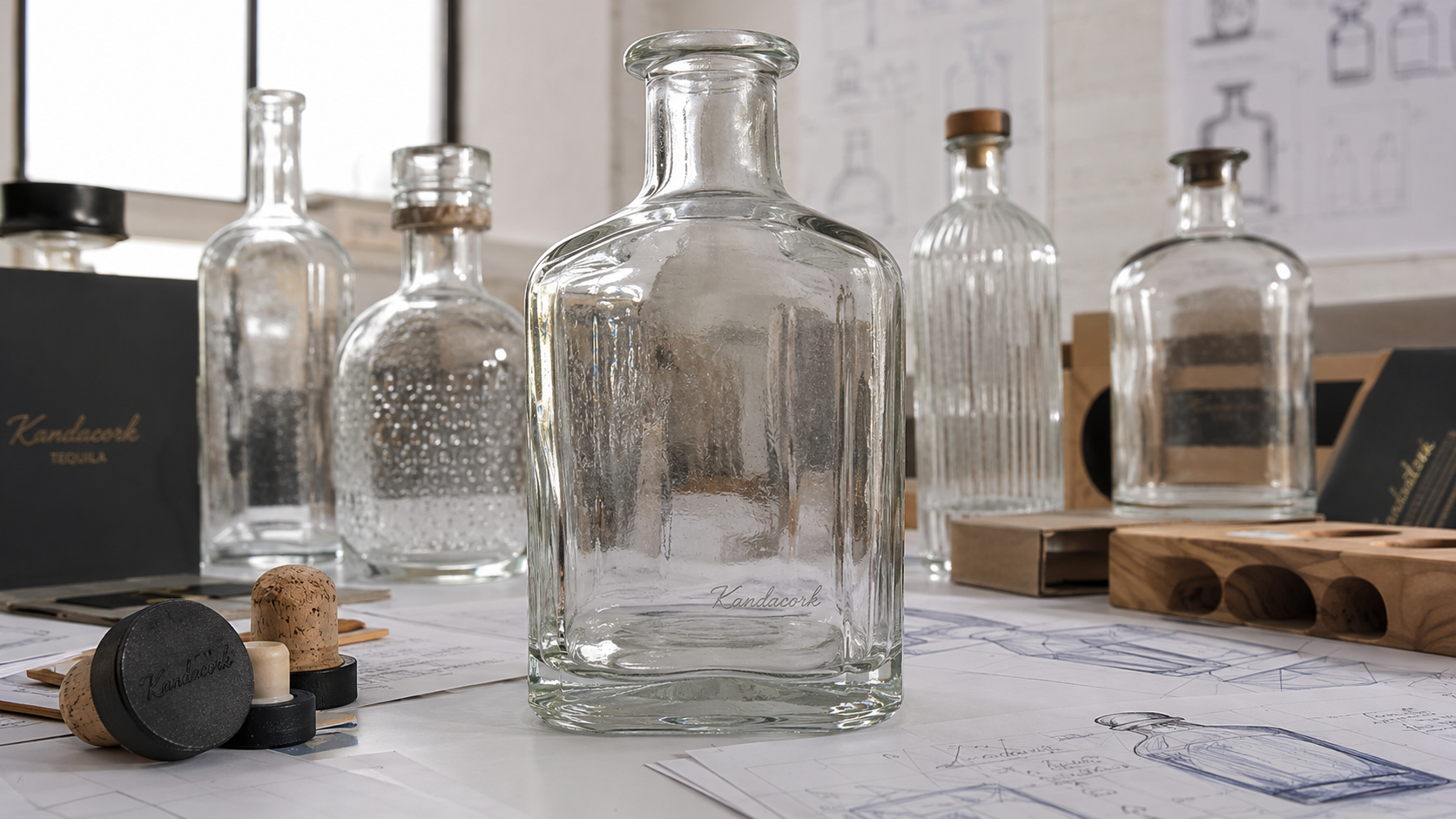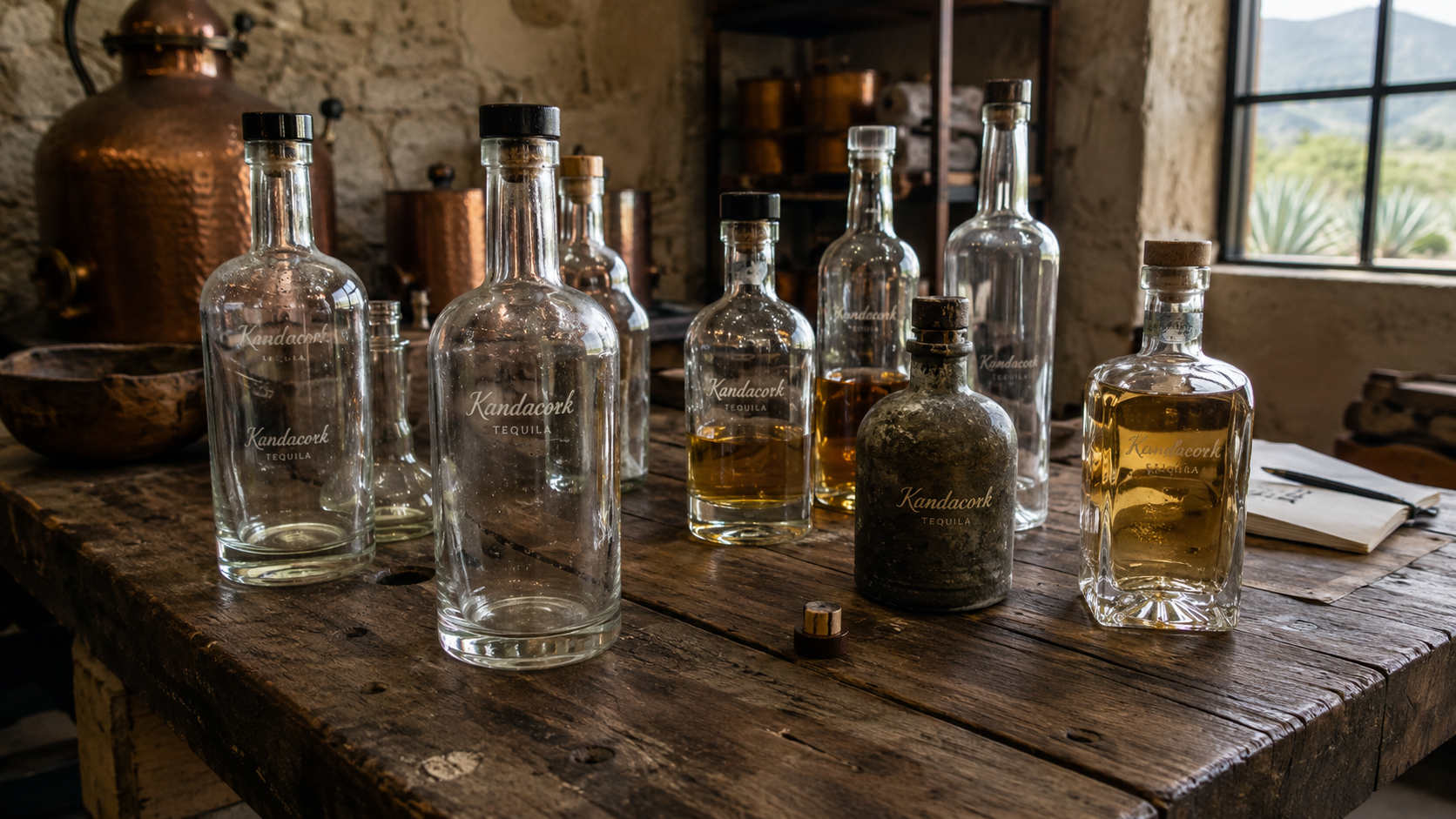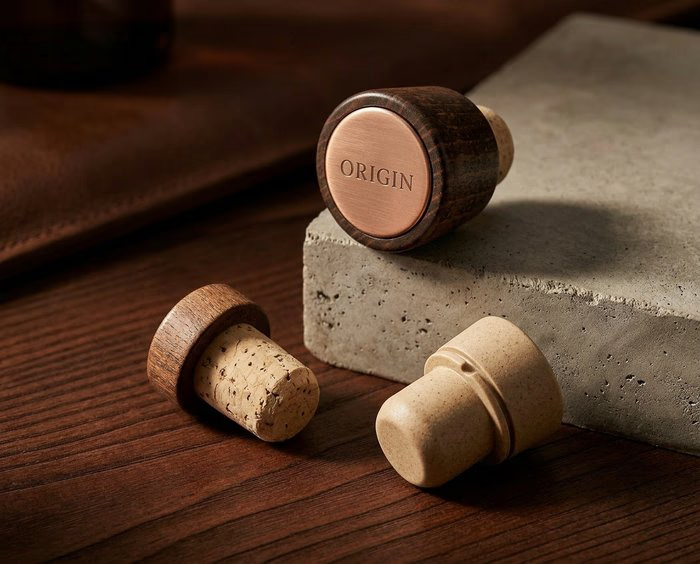
Before a spirits filling line is configured, the bottle closure should be selected, sampled, and tested. Closure choice affects capping equipment, stopper insertion, screw cap torque, ROPP rolling, tamper evidence, line speed, leakage risk, decoration protection, and final packaging appearance.
For distilleries, private label spirits buyers, bottlers, importers, distributors, and packaging procurement teams, closure matching before filling line setup is a practical way to reduce production risk before machinery, bottles, closures, labels, and cartons are confirmed.
Need to confirm closure fit before line setup? Send bottle drawings, neck finish details, bottle photos, and target closure style to Kandacork for a closure matching review.
Who This Guide Is For
This guide is useful for spirits brands, distilleries, private label buyers, bottlers, importers, distributors, and packaging buyers who need to confirm closure compatibility before sample approval, filling-line setup, or bulk quotation.
It is especially relevant for whisky, vodka, gin, rum, tequila, brandy, liqueur, RTD spirits, mini spirits, and export packaging projects where the closure must support both technical performance and brand presentation.
Quick Answer: What Should Be Confirmed Before Filling Line Setup?
Before filling line setup, spirits brands should confirm the bottle neck finish or bore size, closure type, sealing structure, torque or insertion requirement, capping method, tamper-evident function, filling speed, decoration method, and sample test results.
The key questions are:
- Does the closure fit the bottle neck or bore correctly?
- Can the filling line apply the closure consistently?
- Does the closure seal properly after filling, storage, and transport?
- Can the closure protect the brand image and consumer opening experience?
- Can the supplier provide samples, technical support, and bulk production consistency?
For screw caps and other continuous-thread closure systems, ASTM D2063/D2063M-24 is a useful reference for torque retention evaluation during packaging development. In practical spirits packaging projects, technical references should be combined with real bottle samples, closure samples, and line trial feedback.
Pre-Line Closure Matching Checklist
Use this checklist before confirming filling-line equipment, change parts, capping heads, or bulk closure orders.
| Checklist Item | Why It Matters |
|---|---|
| Bottle drawing reviewed | Confirms neck finish, bore size, sealing surface, and tolerance |
| Neck finish or bore size confirmed | Prevents cap mismatch, loose stopper fit, or leakage |
| Closure type shortlisted | Helps compare T-cork, screw cap, ROPP, non-refillable closure, capsule, or sleeve |
| Liner, shank, or insert checked | Confirms sealing structure and application method |
| Torque or pull-out requirement defined | Supports stable capping, opening feel, and consumer experience |
| Filling-line speed confirmed | Ensures closure feeding and application can match production output |
| Real samples tested | Reduces risk before bulk purchase |
| Filling-line supplier receives samples | Helps confirm capper, inserter, rolling head, guide rails, and change parts |
| Packing and transport risks reviewed | Prevents leakage, decoration damage, and carton failure |
| Quotation confirmed after sample approval | Avoids ordering the wrong closure too early |
Why Closure Matching Should Come Before Filling-Line Setup
A filling line is not only a liquid filler. It may include bottle feeding, rinsing, filling, closure application, torque control, stopper insertion, ROPP rolling, inspection, labeling, coding, capsule application, carton packing, and palletizing.
The selected closure can influence many of these steps.
A bar-top stopper may require a press-in stopper inserter. A screw cap may require a chuck capper or spindle capper with accurate torque control. A ROPP closure needs a rolling head matched to the cap skirt and bottle neck finish. A non-refillable closure may require insert fitting, orientation control, and special application tools.
If closure matching is handled too late, the buyer may discover that the capper cannot run the closure, the stopper is too tight for the bottle bore, the ROPP closure does not roll correctly, or the closure scratches decorated bottles during application.
That is why closure matching before filling line setup should be treated as an early pre-production checkpoint.
Recommended Workflow Before Filling-Line Setup
A clear workflow helps buyers move from packaging concept to production with less risk.
1. Confirm Bottle Drawing and Neck Details
Start with the bottle drawing, neck finish, bore size, sealing surface, thread profile, bottle height, shoulder shape, and decoration area. For cork stoppers and T-corks, the internal bore is especially important. For screw caps and ROPP closures, the neck finish and sealing surface are critical.
For broader technical preparation, buyers can also review this glass bottle neck closure matching guide before sending bottle details to a closure supplier.
2. Shortlist Closure Systems
Compare closure systems based on product category, brand position, filling method, consumer opening experience, tamper-evident requirement, and target market.
A premium whisky may need a wood-top T-cork. A high-volume vodka may use a screw cap or ROPP closure. An export spirits brand may require a non-refillable closure. A gift bottle may need a capsule or shrink sleeve for shelf impact.
3. Request Physical Closure Samples
Do not rely only on photos or renderings. Physical samples are needed to check fit, appearance, sealing behavior, pull-out feel, torque, decoration quality, and machine handling.
4. Run Dry Fit and Filled Bottle Tests
Apply the closure to empty bottles first. Then test with filled bottles using water or product-equivalent liquid. Check leakage, stopper movement, liner contact, cap height, tamper-evident function, and opening experience.
5. Share Samples With the Filling-Line Supplier
The filling-line supplier should receive bottle and closure samples before designing change parts, capping heads, stopper insertion tools, ROPP rolling heads, guide rails, or feeding systems.
6. Confirm Quotation After Sample Approval
Bulk quotation should be confirmed after sample fit, functional testing, decoration review, and production feasibility are approved. This avoids buying a closure that looks attractive but fails during bottling.
Main Closure Systems and Their Line Requirements
Spirits bottles use different closure systems depending on brand position, product category, export market, filling method, and consumer experience. Buyers comparing corks, screw caps, ROPP caps, non-refillable systems, capsules, and sleeves can start with Kandacork’s full range of custom spirits bottle closures and stoppers.
Bar-Top Stoppers / T-Corks
Bar-top stoppers, also called T-corks, are widely used for whisky, rum, tequila, gin, vodka, brandy, and premium liqueurs. They usually include a decorative top and a cork, synthetic, or micro-agglomerated shank.
The key matching point is the relationship between the bottle bore and stopper shank. If the shank is too loose, the bottle may leak or the stopper may pull out too easily. If it is too tight, insertion may damage the stopper, slow production, or create poor opening feel.
Before line setup, confirm bore size, shank diameter, insertion depth, compression behavior, pull-out feel, and stopper inserter compatibility. For a deeper stopper-specific guide, see Kandacork’s article on how bar-top stoppers fit spirits bottle necks.
Screw Caps
Screw caps are suitable when brands need resealability, production speed, tamper evidence, or a clean modern packaging format. They may be aluminum, plastic, or composite closures with liners and tamper-evident bands.
For screw caps, the bottle thread finish, liner contact, application torque, and removal torque are critical. Too little torque can cause loose caps or leakage. Too much torque can deform the liner, damage threads, or make the bottle difficult to open.
Before line setup, confirm thread finish, cap diameter, cap height, liner type, tamper-evident band design, torque range, and capper compatibility. For more detail, review Kandacork’s screw cap thread finish matching guide.
ROPP Closures
ROPP means roll-on pilfer-proof. ROPP closures are common in spirits, wine, olive oil, and beverage packaging where a metal closure and tamper-evident function are required.
Unlike a standard screw cap, a ROPP closure is formed onto the bottle during application. The cap skirt, bottle neck finish, liner, bridge, and rolling head must work together.
Before line setup, confirm ROPP neck finish, cap height, material thickness, liner structure, rolling profile, bridge break performance, and appearance after application.
Non-Refillable Closures
Non-refillable closures are used when spirits brands need anti-refill protection, controlled pouring, or extra brand security. They are often used for premium or export spirits.
The main matching points are insert fit, pouring function, anti-refill performance, assembly stability, and application method. Because these closures are more complex, they should be tested early with real bottles and, when possible, on the planned filling line.
Capsules and Shrink Sleeves
Capsules and shrink sleeves are usually secondary packaging components. They improve shelf appearance, protect decoration, or add tamper evidence, but they do not normally replace the primary seal.
Before line setup, confirm closure height, top diameter, bottle shoulder shape, sleeve layflat size, shrink behavior, tear tab position, label clearance, and heat tunnel compatibility.
Information Buyers Should Prepare for Closure Matching
A general description such as “750 ml spirits bottle” is not enough. Two bottles with the same capacity may have different neck finishes, bore sizes, sealing surfaces, and decoration requirements.
| Information Type | What to Prepare |
|---|---|
| Bottle data | Bottle drawing, neck finish, bore size, sealing surface, bottle samples |
| Closure data | Closure type, liner, shank, cap height, insert, tamper evidence |
| Line data | Filling speed, capper type, stopper inserter, ROPP head, sleeve applicator |
| Product data | Whisky, vodka, gin, rum, tequila, brandy, liqueur, alcohol percentage |
| Branding data | Color, logo, top material, printing, embossing, capsule decoration |
| Commercial data | Target market, first order quantity, annual forecast, launch schedule |
The more complete the information, the easier it is for a supplier to recommend the right closure, prepare useful samples, and quote accurately.
If your bottle drawing, neck finish, or closure sample is not finalized yet, send bottle photos and target closure style to Kandacork before your filling-line supplier designs change parts or capping heads.
Closure Type vs Filling-Line Equipment Comparison
| Closure Type | Main Equipment Requirement | Key Technical Check | Main Risk |
|---|---|---|---|
| Bar-top stopper / T-cork | Stopper inserter or press-in station | Bore ID, shank diameter, insertion depth, pull-out feel | Loose fit, tight insertion, leakage |
| Screw cap | Chuck capper or spindle capper | Thread finish, liner, application torque, removal torque | Loose cap, over-torque, liner damage |
| ROPP closure | ROPP rolling head | Neck finish, cap height, rolling profile, bridge break | Poor rolling, leakage, weak tamper evidence |
| Non-refillable closure | Press-fit or assembly system | Insert fit, pourer function, anti-refill performance | Assembly instability, poor pouring |
| Capsule / shrink sleeve | Capsule applicator, spinner, or heat tunnel | Closure height, shoulder shape, shrink behavior | Wrinkles, poor shrink, label interference |
This table should be reviewed before equipment quotation. A filling-line supplier usually needs both bottle samples and closure samples to confirm change parts, capping heads, feeding systems, and layout.
Common Filling-Line Problems and What to Check
Closure problems often appear during dry fit testing, filled bottle testing, or short line trials. Use the table below to diagnose possible causes before changing machinery or ordering bulk closures.
| Problem During Line Trial | Possible Closure Cause | What to Check |
|---|---|---|
| Bottle leakage | Poor liner contact, loose stopper, weak ROPP rolling | Neck finish, liner, shank compression, rolling quality |
| Cap hard to open | Excessive torque or liner deformation | Application torque, removal torque, capper setting |
| Stopper pops out | Wrong shank diameter or low compression | Bore ID, shank size, insertion depth, pull-out force |
| Stopper too tight | Oversized shank or excessive insertion force | Bore tolerance, shank material, inserter pressure |
| ROPP band breaks poorly | Wrong rolling setup or bridge design | Rolling head, cap skirt, bridge structure |
| Line jams | Closure feeding instability | Cap shape, top weight, feeder, orientation system |
| Scratched decoration | Poor handling contact | Guide rails, clamps, capper contact points |
| Capsule wrinkles | Poor sleeve fit or heat setting | Sleeve size, shoulder shape, heat tunnel temperature |
This section helps buyers and filling-line suppliers separate closure-related problems from machine-setting problems.
When to Request Closure Samples
Request closure samples before ordering capping equipment, confirming bottle molds, approving decorated bottles, or booking filling-line trials.
Samples allow the buyer, closure supplier, and filling-line supplier to review fit, sealing, torque, pull-out feel, ROPP rolling, decoration clearance, and machine handling before bulk production.
For buyers comparing several closure structures, it is useful to request a small sample set that includes the intended closure plus one or two alternative options. This helps the team compare appearance, line behavior, cost, and risk before final approval.
Sample Testing Process Before Bulk Production
A structured sample process helps buyers reduce production risk before confirming bulk closures or filling-line setup.
1. Drawing and Dimension Review
Review the bottle drawing, neck finish, bore size, sealing surface, thread profile, bottle height, shoulder shape, and decoration area.
2. Dry Fit Test
Apply the closure to empty bottles. Check visual fit, cap height, stopper position, thread engagement, insertion depth, and overall appearance.
3. Filled Bottle Leakage Test
Use water or product-equivalent liquid to test sealing behavior. Check bottles upright, inverted, and on their side where relevant.
4. Torque, Pull-Out, or ROPP Application Test
For screw caps, check application torque and removal torque. For bar-top stoppers, check insertion and pull-out feel. For ROPP closures, check rolling quality, bridge break, and liner contact.
5. Short Line Trial
Run a small batch on the planned filling line. Watch for feeding problems, misalignment, inconsistent capping, bottle damage, and operator adjustments.
6. Transport and Final Approval
Review carton strength, pallet stacking, vibration exposure, temperature changes, and export handling conditions. Approve the bottle, closure, decoration, line setup, and packing method before bulk production.
How to Evaluate a Spirits Closure Supplier
A qualified spirits closure supplier should provide more than a product catalog. The supplier should help buyers evaluate technical compatibility, sample performance, material options, decoration feasibility, and bulk supply stability.
A good supplier should be able to:
- Review bottle drawings and neck finish data
- Recommend cork, synthetic, screw cap, ROPP, non-refillable, capsule, or sleeve options
- Provide real samples for testing
- Discuss liner, shank, insert, torque, sealing, and application requirements
- Support logo, color, top material, embossing, printing, and capsule decoration
- Advise on MOQ, lead time, carton packing, and export shipment
- Help buyers compare cost, appearance, performance, and production risk
For spirits brands, this support is important because the closure affects both packaging function and consumer perception. Buyers planning a complete bottle, closure, and decoration project can also review Kandacork Group’s broader spirits packaging solutions.
What to Send When Requesting Samples or a Quotation
To receive useful recommendations and a faster quotation, buyers should send complete project information from the beginning.
A strong inquiry should include:
- Product category, such as whisky, vodka, gin, rum, tequila, brandy, or liqueur
- Bottle photos
- Bottle drawing or CAD file
- Neck finish or bore size
- Current closure sample, if available
- Preferred closure type
- Manual, semi-automatic, or automatic filling-line plan
- Filling speed
- Tamper-evident requirements
- Logo, color, material, and decoration requirements
- Target market
- Estimated order quantity
- Expected launch date
If the buyer is unsure whether to use a T-cork, screw cap, ROPP closure, non-refillable closure, capsule, or shrink sleeve, the best first step is to send bottle photos, drawings, and target packaging requirements for preliminary review.
Ready to move from technical review to sampling? Request a custom closure quote with your bottle details, closure type, material preference, logo requirements, and estimated order quantity.
How Kandacork Supports Closure Matching Before Filling-Line Setup
Kandacork Closures & Stoppers supports spirits packaging buyers who need to compare closure options before filling-line setup, sample approval, or bulk production.
Kandacork can assist with:
- Bottle drawing and neck information review
- Bar-top stopper, cork stopper, synthetic stopper, screw cap, ROPP closure, non-refillable closure, capsule, and sleeve comparison
- Closure structure recommendations based on bottle type, product category, and line requirements
- Sample preparation for dry fit, leakage testing, torque review, pull-out testing, and short line trials
- Material, color, logo, top design, and decoration discussion
- Bulk order planning, carton packing, and export shipment support
For new spirits brands, early closure matching can help avoid choosing a closure that looks attractive but fails during production. For bottlers, importers, and packaging buyers, it can reduce technical uncertainty before line setup and quotation confirmation.
FAQ
Should I choose the closure before buying the capping machine?
Yes. The closure should be selected or shortlisted before the capping machine is purchased or configured. Closure type affects capping head selection, torque range, insertion force, cap feeding, guide rails, change parts, inspection method, and line speed.
What bottle information is needed for closure matching?
Buyers should provide bottle drawings, physical bottle samples, neck finish details, bore size, sealing surface information, decoration requirements, product category, and filling-line plan.
Can one filling line run cork stoppers and screw caps?
Sometimes, but not with the same application setup. Cork stoppers usually require press-in insertion, while screw caps require torque-controlled capping. A flexible line may handle both, but it needs different heads, change parts, and operating parameters.
Why does a ROPP closure need special testing?
A ROPP closure is rolled onto the bottle neck during application. The cap skirt, bottle neck finish, liner, rolling head, and tamper bridge must work together. Testing is needed to confirm sealing, appearance, and tamper-evident performance.
What should I send for a closure quotation?
Send bottle photos, bottle drawings, neck finish or bore size, target closure type, product category, filling-line plan, branding requirements, target market, estimated order quantity, and launch schedule.