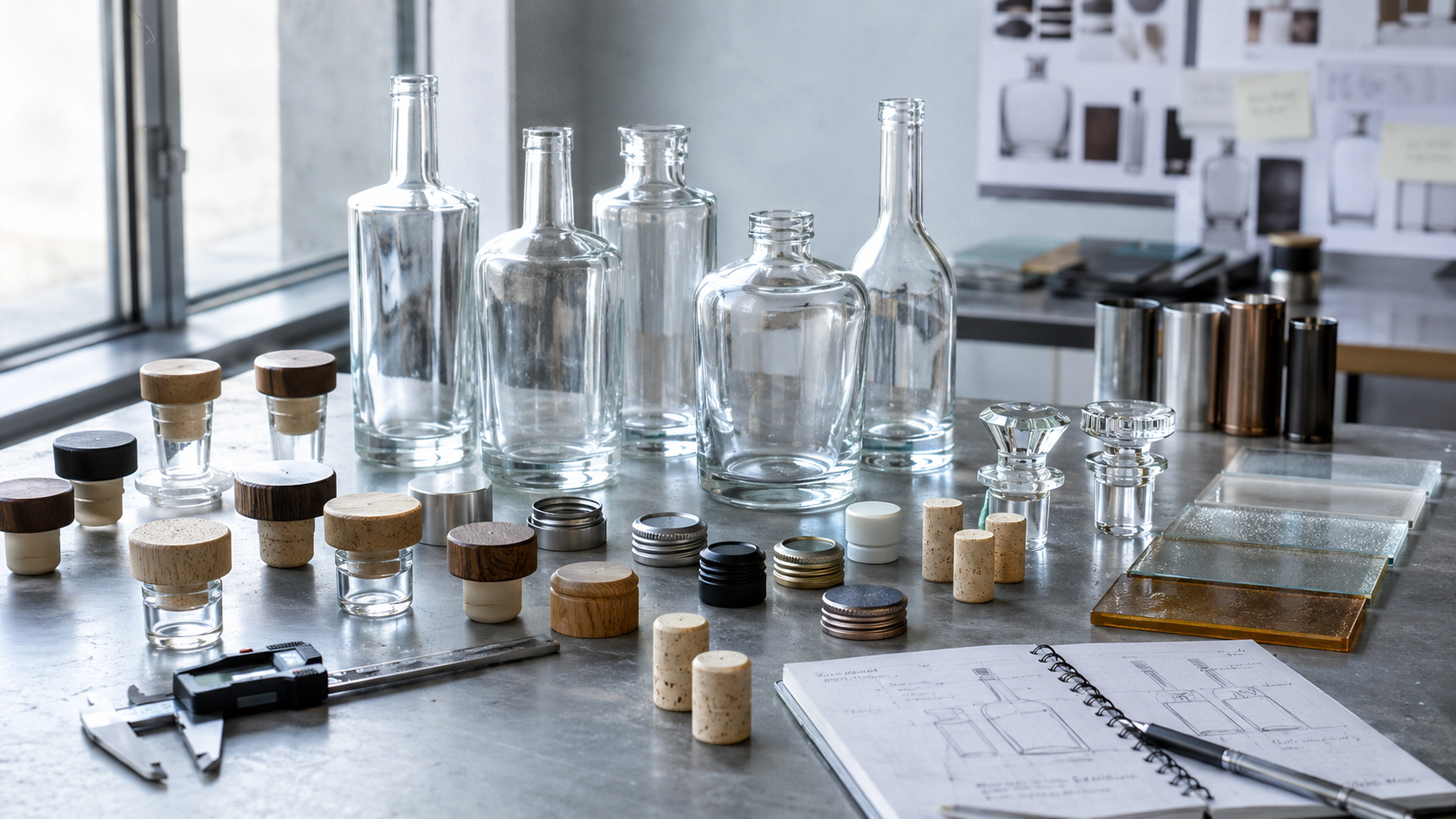
Liquor closure system design should start with the bottle neck, product positioning and production method. This checklist helps buyers define closure type, material, fit, sealing performance, branding method, sample testing and export packing requirements.
What Are Custom Closure Systems for Liquor Brands?
Custom closure systems for liquor brands are complete bottle-closing solutions designed around the bottle, spirit type, market channel, production process, and brand image. A complete system may include a decorative top, cork shank, synthetic insert, liner, gasket, pourer, tamper band, capsule, sleeve, aluminum shell, non-refillable valve, or authentication feature.
Instead of choosing a stopper only by appearance, a professional closure system considers how the closure performs from filling line to warehouse, retail shelf, bar counter, and final consumer use. This is especially important for spirits because liquor bottles often need to withstand long storage periods, export shipping, repeated opening, and premium retail presentation.
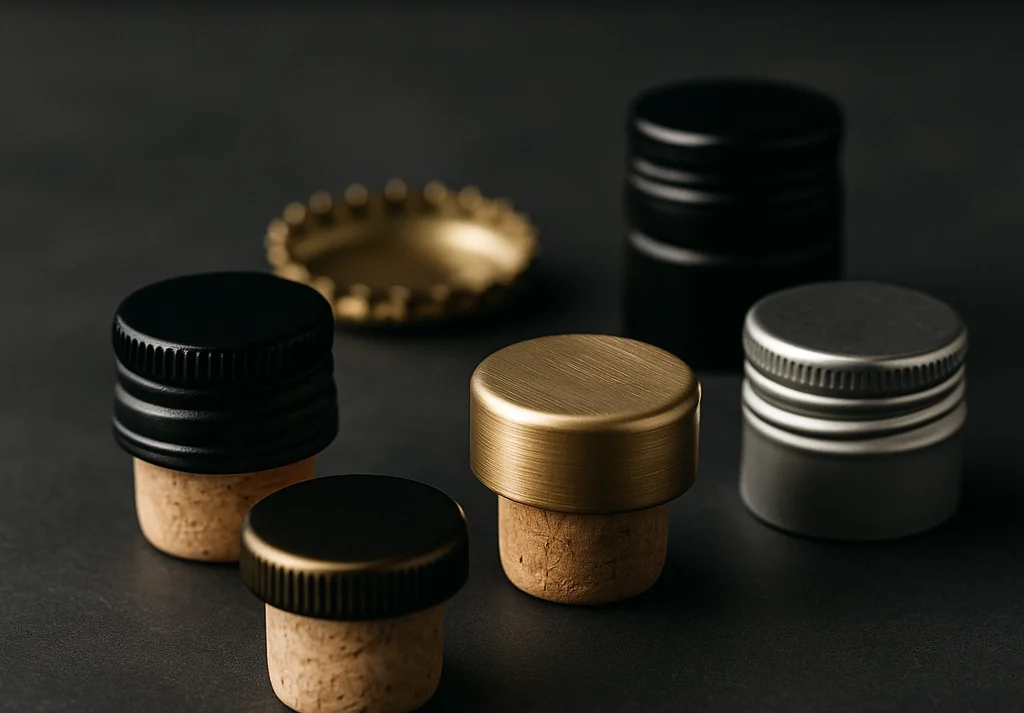
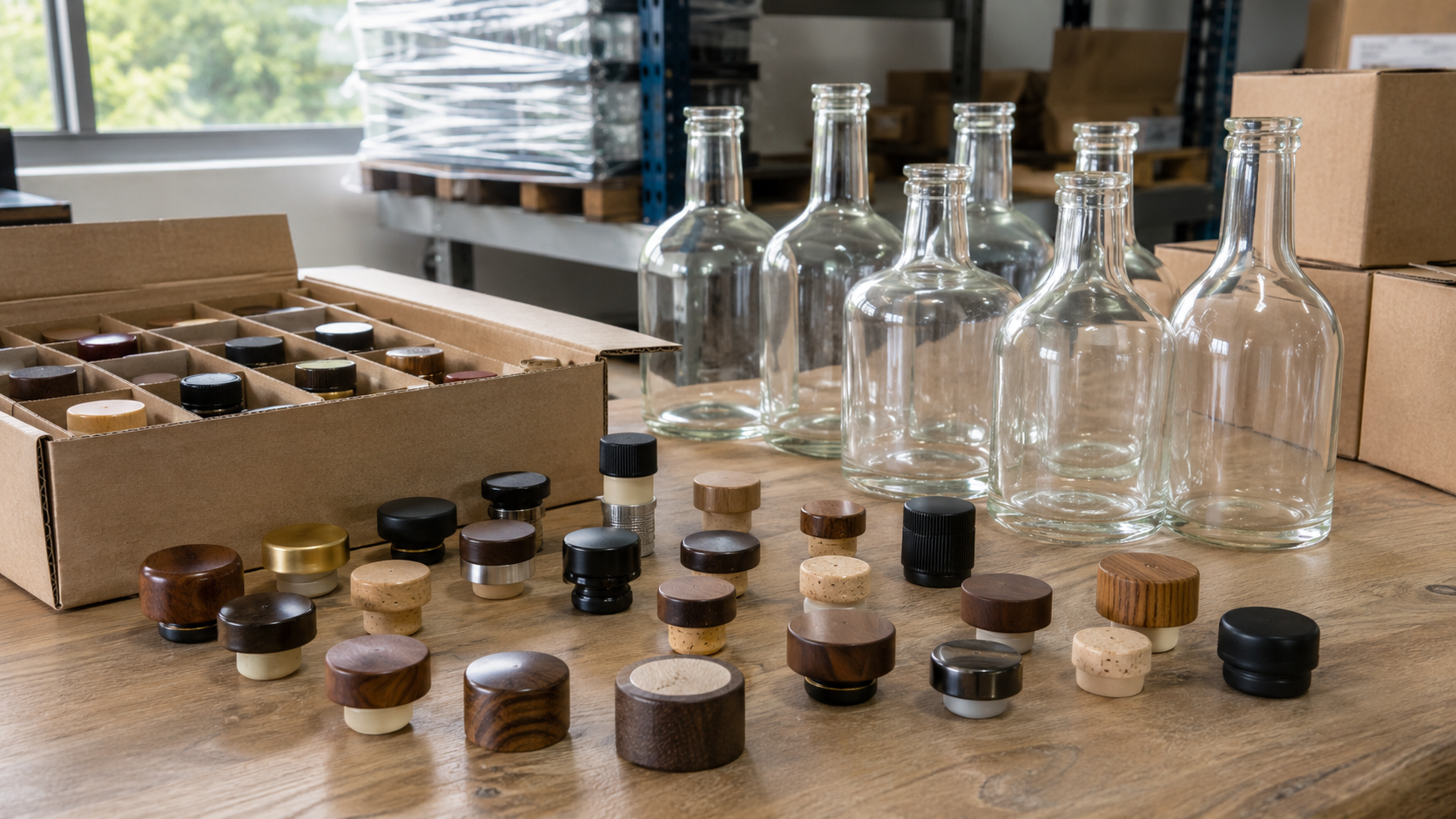
Common liquor bottle closure systems include bar-top corks and T-top stoppers, natural or micro-agglomerated cork inserts, synthetic shanks, aluminum screw caps, ROPP closures, non-refillable spirits closures, glass stoppers, wood tops, metal caps, capsules, shrink sleeves, and pourer inserts. Buyers can review Kandacork’s broader range of custom bottle stoppers and closures when comparing standard and custom options for spirits packaging.
The purpose of a closure system is not simply to close the bottle. It should seal properly, look consistent, open smoothly, protect the product, support the brand story, and work with the buyer’s actual filling and packaging process.
Why Liquor Brands Need Custom Closure Systems
A liquor bottle may pass through warehouses, containers, distributors, retail stores, duty-free shops, bars, restaurants, and e-commerce fulfillment networks before reaching the consumer. During this process, the closure helps protect the spirit from leakage, evaporation, contamination, tampering, and poor presentation.
A standard closure may be enough for some low-risk products, but premium and export spirits often need a more customized approach. A craft whisky brand may need a wood bar-top stopper that feels traditional and premium. A vodka brand using high-speed filling may need an aluminum ROPP cap with reliable torque control. A tequila brand entering international markets may need a non-refillable closure to reduce refill fraud risk.
Custom closure systems for liquor brands are especially valuable when the brand needs distinctive shelf appearance, premium opening experience, consistent fit across bottle batches, logo decoration, tamper-evident packaging, anti-counterfeit protection, line compatibility, or export-ready supply.
The World Health Organization reports that unrecorded consumption accounted for 21% of worldwide total alcohol consumption in 2019. For premium spirits, this does not mean a closure alone can solve market risk, but it does show why visible tamper evidence, non-refillable structures, serialization, and controlled supply chains matter for brand protection.
Main Types of Custom Liquor Bottle Closures
Bar-Top Corks and T-Top Stoppers
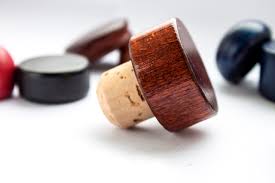
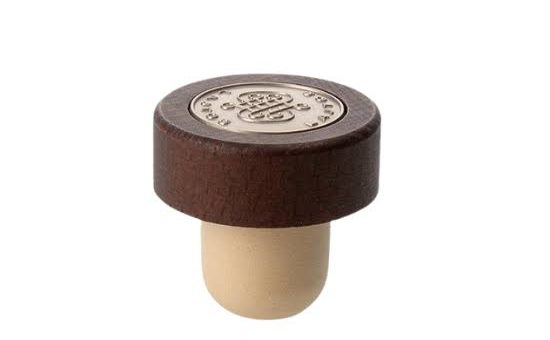
Bar-top corks, also called T-top stoppers, are widely used for whisky, rum, tequila, cognac, brandy, gin, liqueurs, and craft spirits. They usually combine a decorative top with a cork or synthetic shank that compresses into the bottle neck.
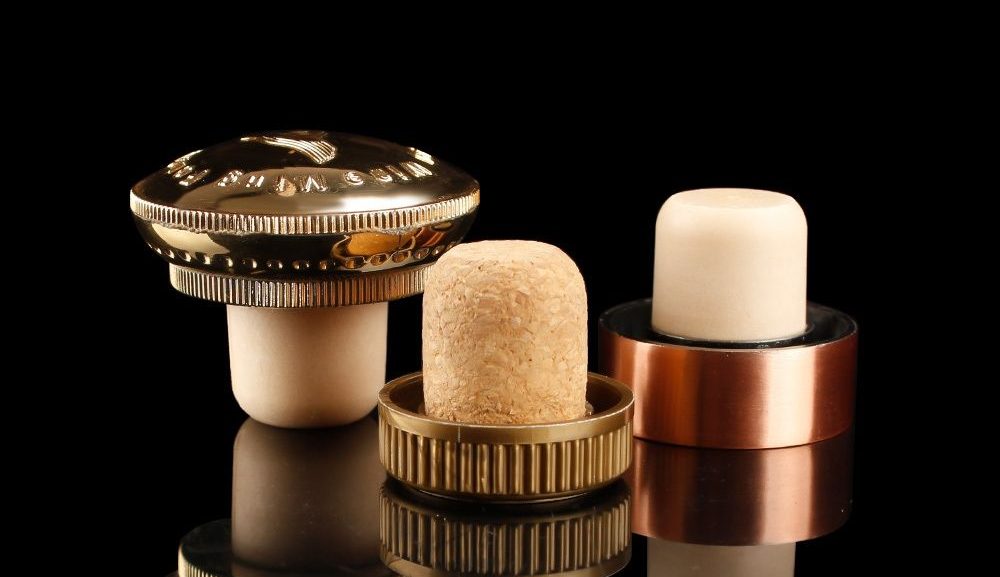
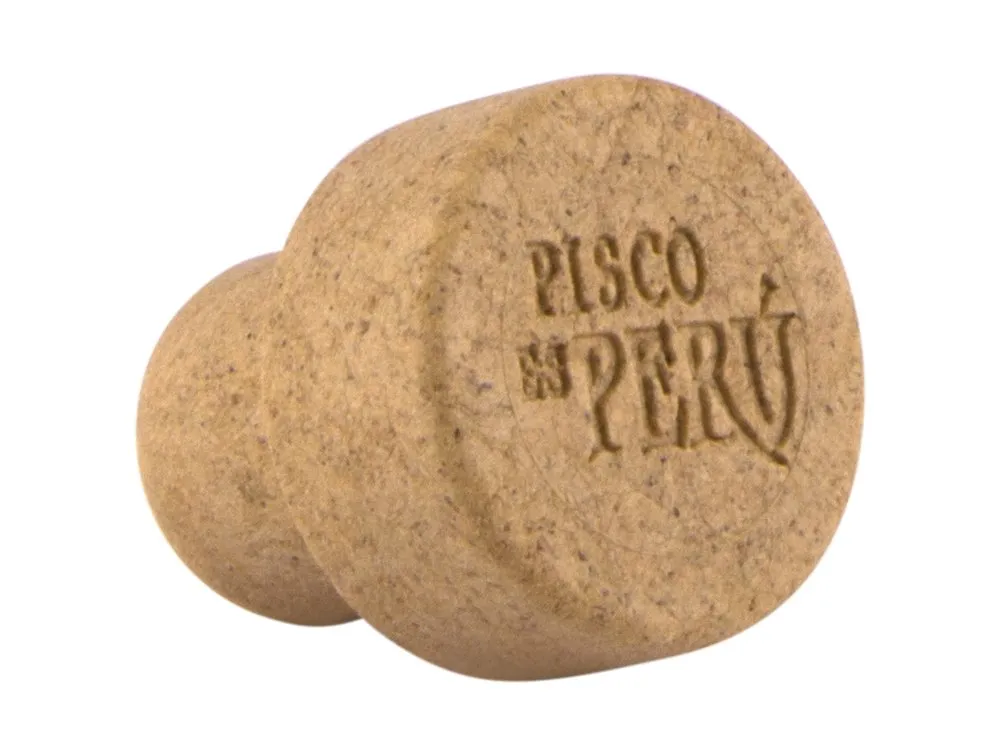
This closure style is popular for premium spirits because it creates a tactile, reusable, and traditional opening experience. The top can be made from wood, metal, glass, ceramic, plastic, or composite materials. It can also be customized with logo embossing, debossing, printing, hot stamping, painting, or metallic finishes.
For bar-top closures, the most important technical factors include cork diameter, cork length, compression rate, neck bore tolerance, insertion force, extraction force, and long-term sealing behavior. A beautiful stopper is not enough if it does not fit the bottle properly.
Aluminum Screw Caps
Aluminum screw caps are commonly used for vodka, gin, liqueurs, ready-to-drink cocktails, and modern spirits packaging. They are efficient for automatic bottling lines and can support a clean, contemporary appearance.
With the right finish, screw caps can also work for premium projects. Matte black, brushed silver, metallic gold, embossed logos, and sidewall printing can make a screw cap look more refined than a standard commodity closure.
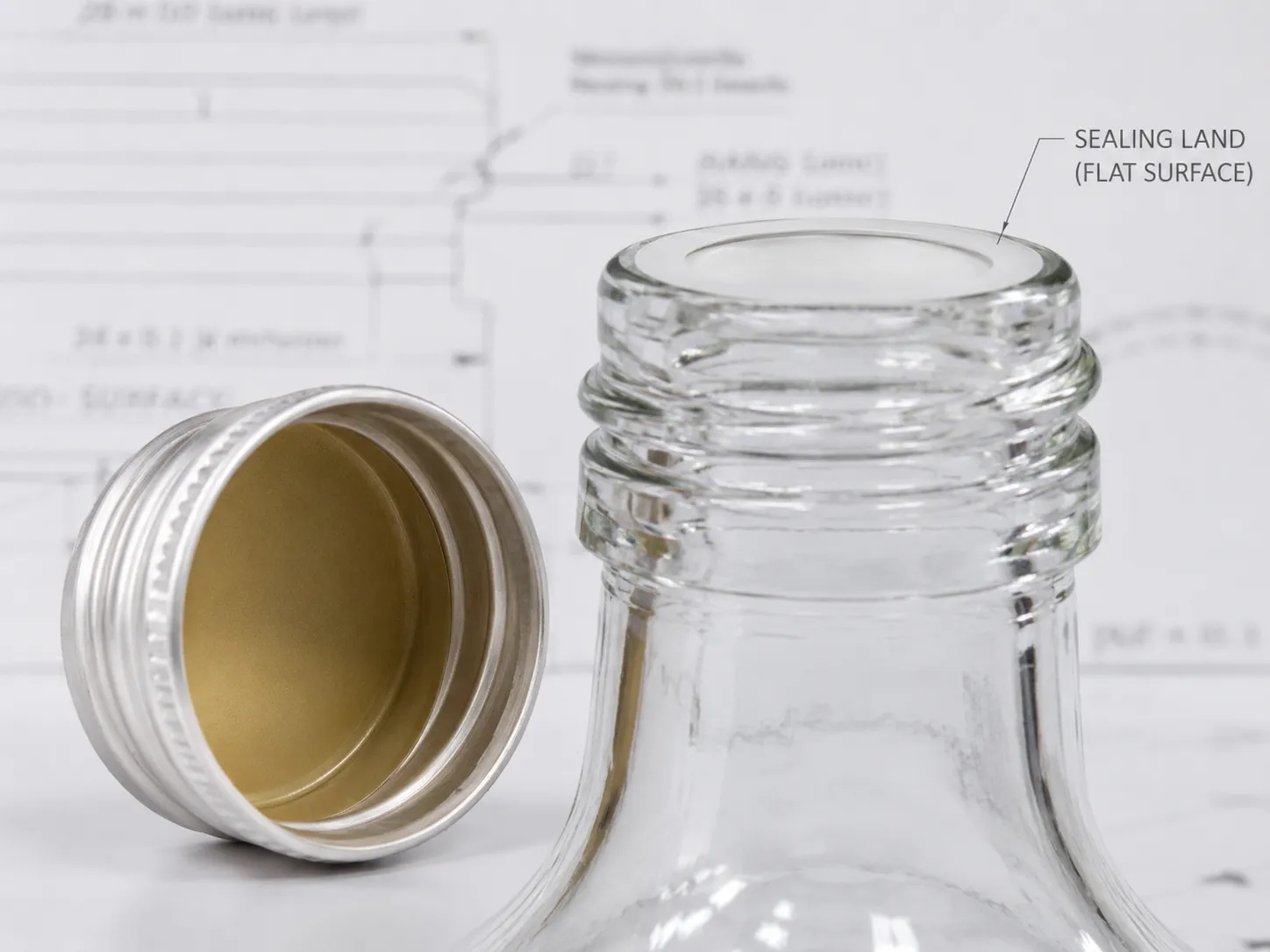
Key considerations include thread finish, liner selection, cap height, skirt design, torque setting, tamper-band performance, alcohol compatibility, and capping machine setup.
ROPP Closures
ROPP means roll-on pilfer-proof. A ROPP closure is usually an aluminum cap applied by rolling the cap shell onto the threaded bottle neck. It normally includes a tamper-evident band that breaks when the bottle is opened.
ROPP caps are suitable for liquor brands that need line efficiency, tamper evidence, and a clean cylindrical branding surface. Kandacork develops custom ROPP closures around shell dimensions, liner selection, skirt height, artwork, torque range, and compatibility with the buyer’s glass finish and capping equipment.
Before choosing a ROPP cap, brands should confirm cap diameter, cap height, bottle thread profile, liner type, knurling design, skirt length, application torque, removal torque, and tamper-band break performance.
Non-Refillable Closures
Non-refillable closures are designed to make unauthorized refilling difficult. They may include one-way valves, pourer inserts, internal flow-control parts, and external tamper-evident components.
This closure type is often used for premium spirits, duty-free bottles, export products, hospitality channels, and markets where refill fraud is a concern. Kandacork’s non-refillable closures can support spirits brands that need added security, controlled pouring, tamper evidence, and a closure structure matched to the bottle neck.
Non-refillable closure systems should be evaluated carefully because they are more complex than standard caps or stoppers. The brand should test pour performance, sealing, tamper evidence, bottle fit, and consumer usability before mass production.
Luxury Decorative Stoppers
Luxury decorative stoppers are used when the closure becomes part of the product’s visual identity. These may include custom glass tops, heavy metal caps, carved wood tops, plated finishes, sculptural shapes, or limited-edition collectible closures.
This category is especially important for whisky, tequila, cognac, brandy, rum, and gift-box spirits. A high-quality stopper can communicate craftsmanship, heritage, exclusivity, sustainability, or modern luxury before the consumer opens the bottle.
Closure Type Comparison Guide
| Closure Type | Best For | Key Advantages | Watchouts |
|---|---|---|---|
| Bar-top cork | Whisky, rum, tequila, brandy, cognac | Premium feel, reusable, highly decorative | Requires accurate cork and neck fit |
| Aluminum screw cap | Vodka, gin, liqueurs, RTD cocktails | Efficient, clean, suitable for automatic lines | May feel less traditional for luxury brown spirits |
| ROPP cap | Spirits and liqueurs with threaded glass bottles | Tamper evident, production efficient, clean branding surface | Requires correct neck finish and capping setup |
| Non-refillable closure | Export, duty-free, premium and high-risk markets | Anti-refill protection, brand security, visible tamper evidence | More complex structure and testing |
| Glass stopper | Luxury spirits and limited editions | High-end appearance, collectible value | Higher cost and more fragile handling |
| Wood-top stopper | Whisky, rum, craft spirits, premium tequila | Natural look, strong tactile appeal | Wood finish and dimensional stability must be controlled |
This comparison helps liquor brands make a practical first decision. However, the final choice should still be confirmed with bottle drawings, samples, capping tests, market requirements, and route-to-market conditions.
How to Choose the Right Closure System for Your Liquor Brand
The best closure depends on the liquid, bottle, filling process, price point, and target market. Custom closure systems for liquor brands should begin with technical and commercial questions rather than only visual preference.
| Buyer Factor | What to Check |
|---|---|
| Spirit type | Whisky, vodka, gin, rum, tequila, brandy, liqueur, RTD |
| Brand tier | Economy, mainstream, premium, luxury, limited edition |
| Bottle neck finish | Bar-top, screw finish, ROPP finish, custom neck |
| Filling line | Manual, semi-automatic, automatic, high-speed |
| Security need | Standard seal, tamper evident, non-refillable, smart authentication |
| Decoration | Color matching, printing, embossing, hot stamping, texture |
| Market channel | Retail, duty-free, e-commerce, bar service, export |
| Compliance | Food-contact materials, tamper evidence, labeling market rules |
| Budget | Standard mold, semi-custom decoration, full custom tooling |
| MOQ and timeline | Sample quantity, mold lead time, production schedule |
A whisky brand launching a premium 700 ml bottle may choose a wood bar-top cork with a decorative capsule. A vodka brand using high-speed production may prefer an aluminum ROPP closure. A tequila brand entering export markets may need a non-refillable pourer closure with visible tamper evidence.
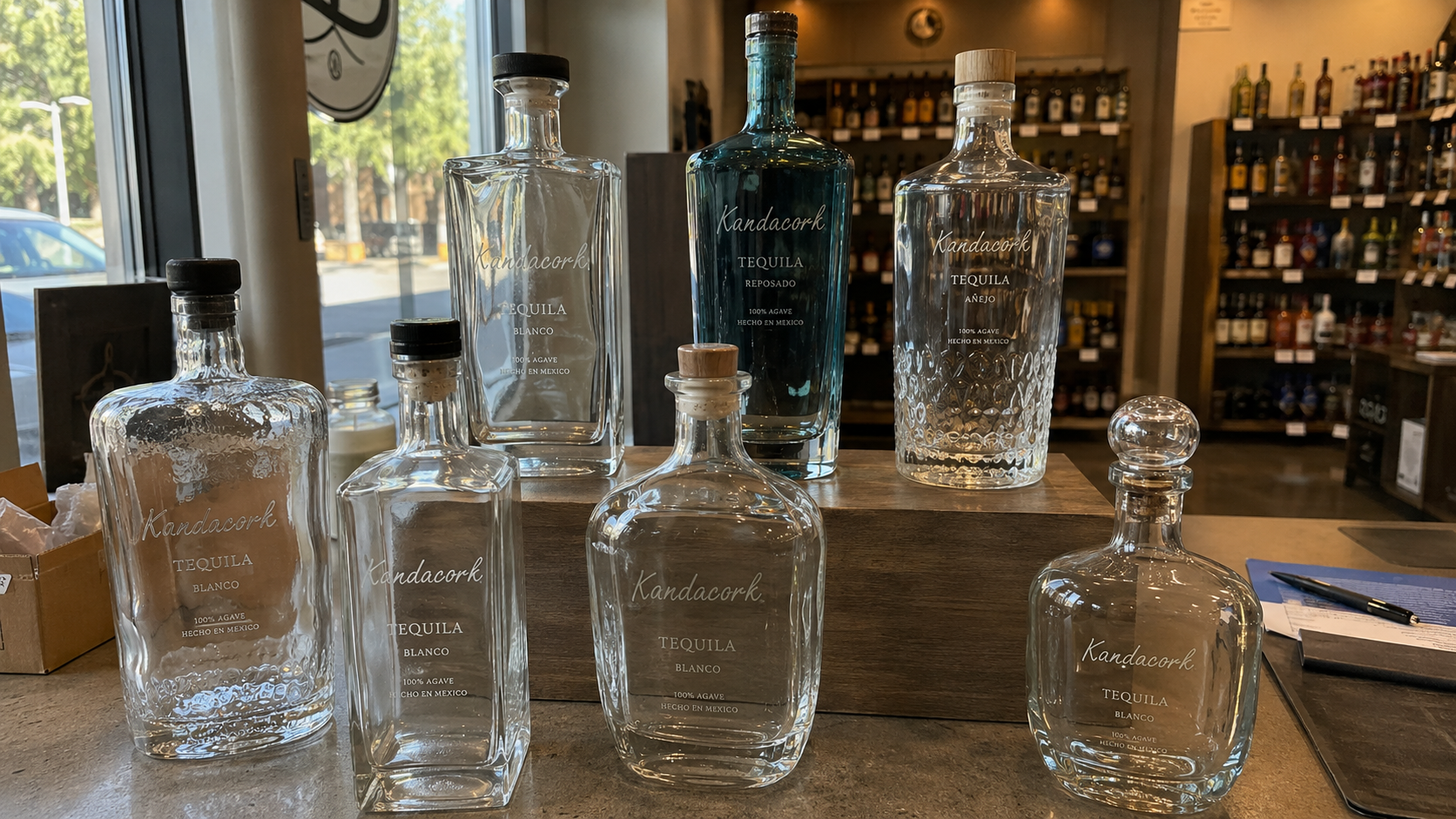
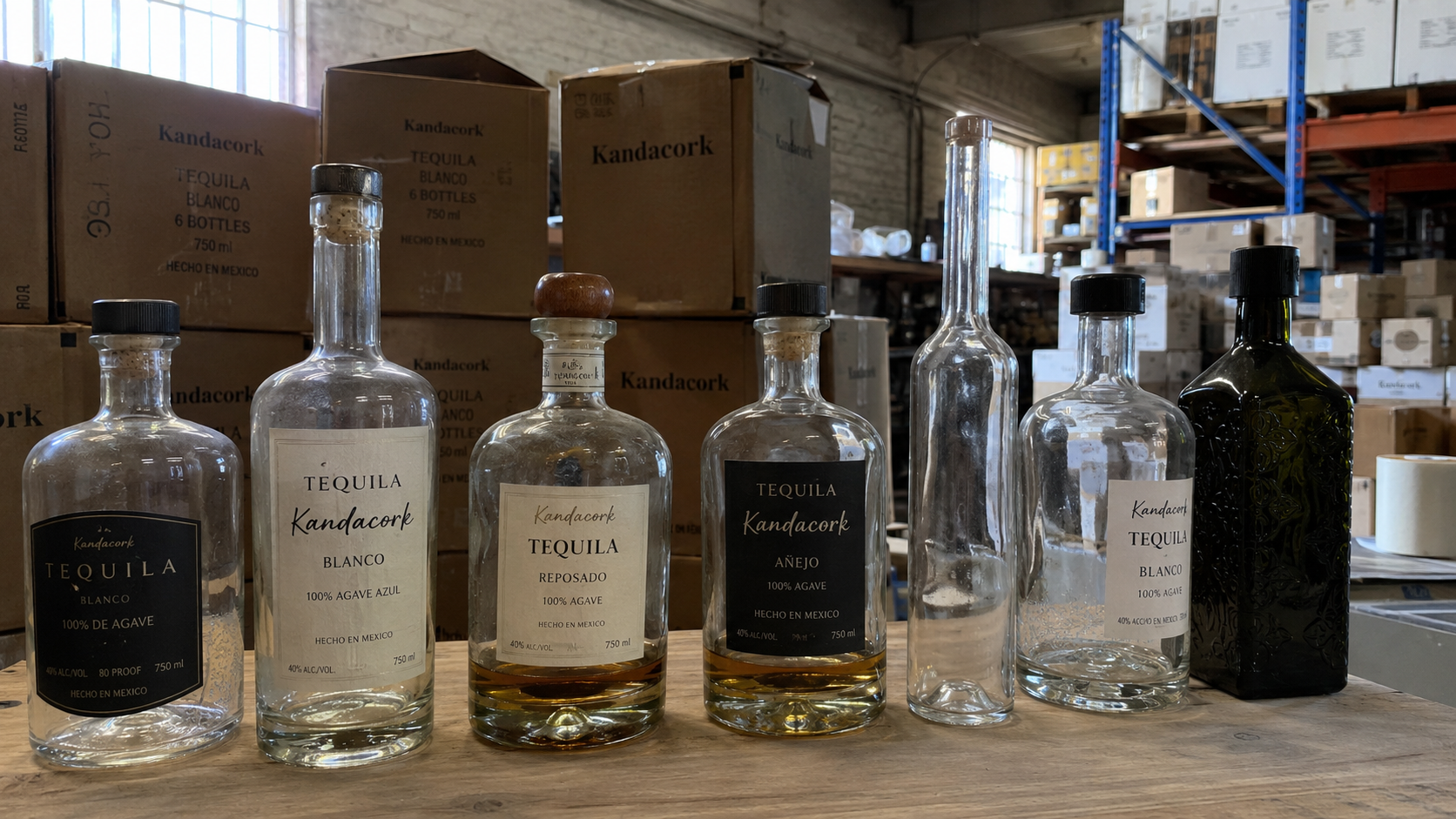
For brands developing both bottle and closure together, coordination with a dedicated custom spirits bottle partner can reduce mismatch between glass neck finish, closure dimensions, decoration area, filling-line setup, and export packing.
Custom Closure Selection by Brand Goal
| Brand Goal | Recommended Closure Direction |
|---|---|
| Premium shelf appeal | Wood, metal, glass, or weighted bar-top stopper |
| High-speed bottling | Aluminum screw cap or ROPP closure |
| Anti-counterfeit protection | Non-refillable closure with tamper-evident band |
| Gift-pack positioning | Decorative stopper with matched capsule and carton |
| Clean modern look | Matte aluminum screw cap or minimalist ROPP cap |
| Export market protection | Non-refillable or tamper-evident spirits closure |
| Craft brand identity | Natural wood, cork, textured finish, or custom molded top |
| Luxury limited edition | Glass, metal, ceramic, or sculptural closure design |
This decision table gives packaging buyers a faster way to match brand strategy with closure structure. The final specification should still be validated through physical samples, fit testing, torque review, leak checks, and packing trials.
Example Closure Solutions for Different Liquor Brand Projects
| Project Type | Recommended Closure Solution |
|---|---|
| Premium whisky launch | Wood-top bar stopper, synthetic cork shank, matched capsule, extraction-force testing |
| Modern vodka brand | Aluminum ROPP cap, clean matte finish, tamper-evident band, torque testing |
| Export tequila project | Non-refillable pourer closure, visible tamper evidence, premium top decoration |
| Craft gin brand | Minimalist screw cap or bar-top stopper, custom color matching, logo printing |
| Limited-edition rum | Heavy metal or glass decorative stopper, custom molded top, gift-box coordination |
| Liqueur or RTD cocktail line | Aluminum screw cap, colorful sidewall printing, flow-control insert, high-speed filling compatibility |
| Duty-free spirits range | Non-refillable closure, tamper-evident band, serialized label or QR-ready packaging |
These examples show how closure selection changes according to brand positioning, filling method, export risk, and shelf presentation. A single closure style is rarely ideal for every liquor project.
Custom Branding Options for Liquor Bottle Closures
For spirits brands, the top of the bottle is a highly visible branding surface. In retail displays and back bars, consumers often see the bottle neck and closure before they read the full label. A customized closure can improve shelf recognition and make the product feel more premium.
Customization options include embossed or debossed logos, printed top logos, sidewall branding, Pantone-matched colors, matte or metallic coatings, brushed finishes, wood-grain effects, hot stamping, foil decoration, custom molded shapes, medallions, capsules, sleeves, and matching cartons. For brands that need a complete visual system across bottle, closure, neck finish, and secondary packaging, coordinated decoration and branding can make the full pack look more intentional.
A closure should match the brand’s price point and story. A craft gin may need a minimalist cap. A high-end tequila may need a sculptural stopper. A heritage whisky may need a warm wood top. A limited-edition rum may need a heavy metal emblem or collectible closure design.
The most successful custom liquor bottle closures are not only attractive. They are also practical, repeatable, and suitable for production.
Bottle Neck Finish, Sealing Performance, and Filling-Line Compatibility
A closure is only reliable when it fits the bottle correctly. For spirits packaging, the bottle neck finish determines closure type, dimensions, thread engagement, cork compression, and sealing method. The Glass Packaging Institute provides industry information on glass containers and glass packaging, which helps buyers understand why bottle geometry, material consistency, and packaging design matter in commercial supply chains.
Important technical factors include neck inner diameter, neck outer diameter, thread profile, finish type, cork shank diameter, cork compression percentage, insertion force, extraction force, liner material, application torque, removal torque, tamper-band behavior, leak testing, inversion testing, drop testing, vibration testing, capping machine compatibility, carton packing, and pallet shipping conditions.
Food-contact safety should also be considered. The U.S. Food and Drug Administration explains that effective food-contact substance notifications include substances demonstrated to be safe for their intended use, with use limitations and specifications. For liquor closures, brands should confirm that liners, gaskets, inserts, cork treatments, plastics, coatings, and inks are suitable for the intended market and alcohol strength.
When bottles and closures are developed together, a specialist such as Kandacork Glass can help align glass structure, neck finish, decoration areas, closure fit, production planning, and export packing so the final package performs as a system rather than a collection of separate parts.
Common Problems in Custom Liquor Bottle Closure Projects
Many closure problems do not come from the visual design. They come from small technical mismatches between the closure, bottle neck, filling line, decoration method, or packing process.
Common issues include:
- Stopper feels too tight or too loose
- Cork extraction force is inconsistent
- ROPP cap does not break cleanly
- Screw cap torque is too high or too low
- Liner is not suitable for the spirit’s ABV
- Decorative finish scratches during packing
- Closure color does not match label or capsule
- Bottle neck tolerance varies between batches
- Tamper band breaks during transportation
- Cap or stopper looks premium but is difficult to apply on the filling line
Kandacork Closures reviews these details before mass production so brands can reduce sampling cycles, improve package reliability, and avoid costly launch delays. For B2B liquor packaging projects, a closure should be tested as part of the complete bottle system, not judged as a standalone component.
Non-Refillable and Tamper-Evident Closure Systems
Tamper-evident closures are designed to show visible evidence after opening. Non-refillable closures are designed to make unauthorized refilling difficult. A closure can be tamper evident without being non-refillable, but many premium spirits projects use both features.
Non-refillable and tamper-evident closure systems can help with brand protection, anti-counterfeit strategy, import confidence, duty-free sales, travel retail, bar environments, consumer safety perception, and premium product authentication.
Some liquor brands may also combine physical closure security with digital authentication. GS1 Digital Link provides a standardized method for encoding identifiers such as GTINs, GLNs, batch numbers, serial numbers, and expiry dates into web-enabled product links. For high-value spirits, QR codes, NFC tags, serialized labels, or connected packaging can support product verification and consumer engagement.
Digital tools should not replace good mechanical design. A QR code cannot stop leakage. An NFC tag cannot correct poor neck fit. A strong closure system should combine physical sealing, visible tamper evidence, packaging quality, supply-chain discipline, and authentication tools where appropriate.
Closure Recommendations by Liquor Category
Whisky, Rum, Brandy, and Cognac
Premium brown spirits often benefit from bar-top corks, wood tops, metal caps, capsules, and heavier decorative elements. These categories usually emphasize heritage, aging, craftsmanship, and gifting value.
Recommended options include natural or synthetic bar-top corks, wood T-top stoppers, metal or weighted decorative tops, capsules, shrink sleeves, non-refillable options for export or duty-free, embossed logos, and premium finishes.
Vodka, Gin, and Clear Spirits
Vodka and gin brands often prefer clean, modern, and efficient closure formats. Aluminum screw caps and ROPP closures are common because they work well with automatic filling and support a sleek appearance.
Recommended options include aluminum screw caps, ROPP caps with tamper bands, matte or metallic finishes, printed or embossed logos, clear or custom color finishes, and optional pourer inserts for controlled serving.
Tequila and Mezcal
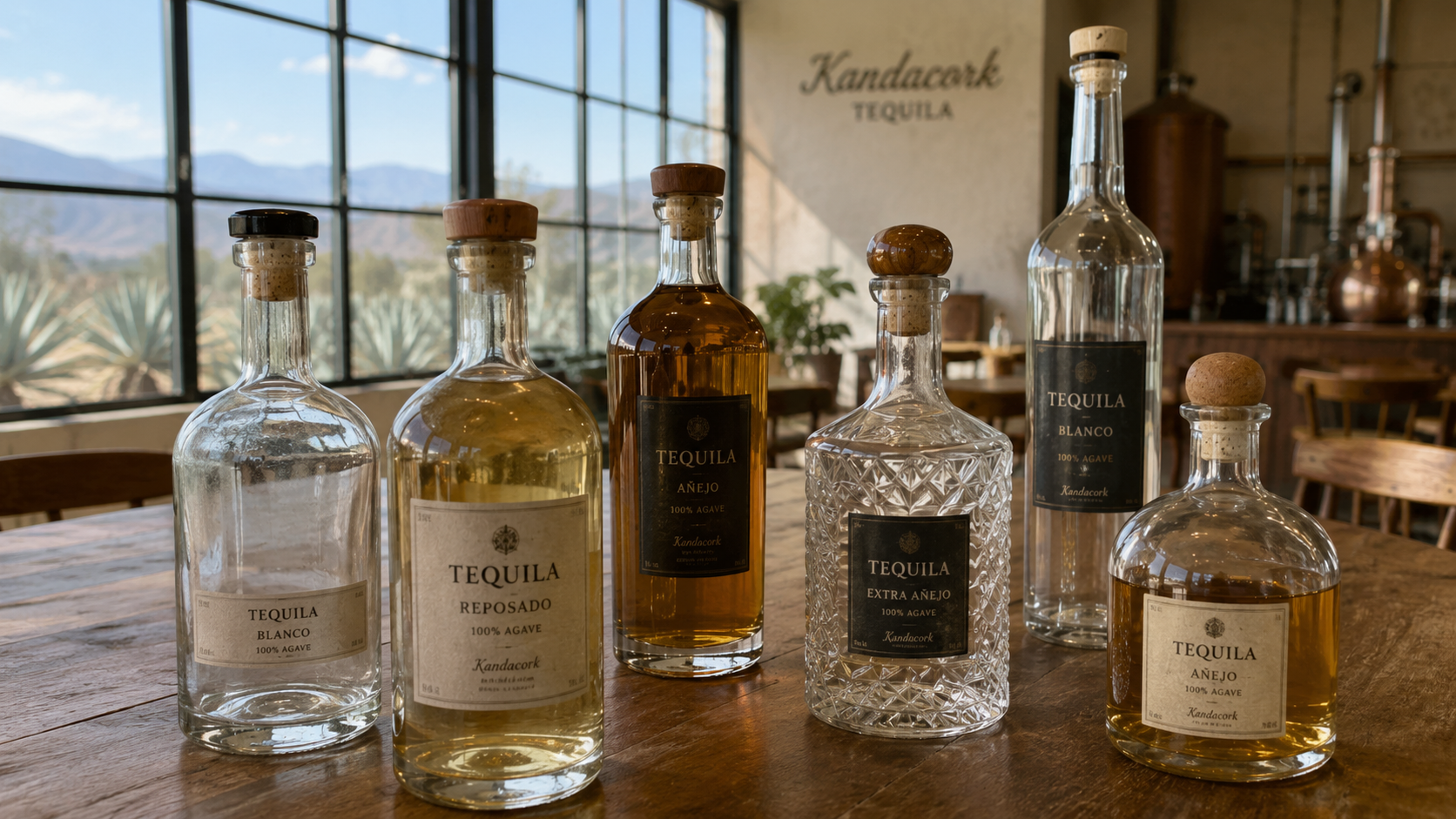
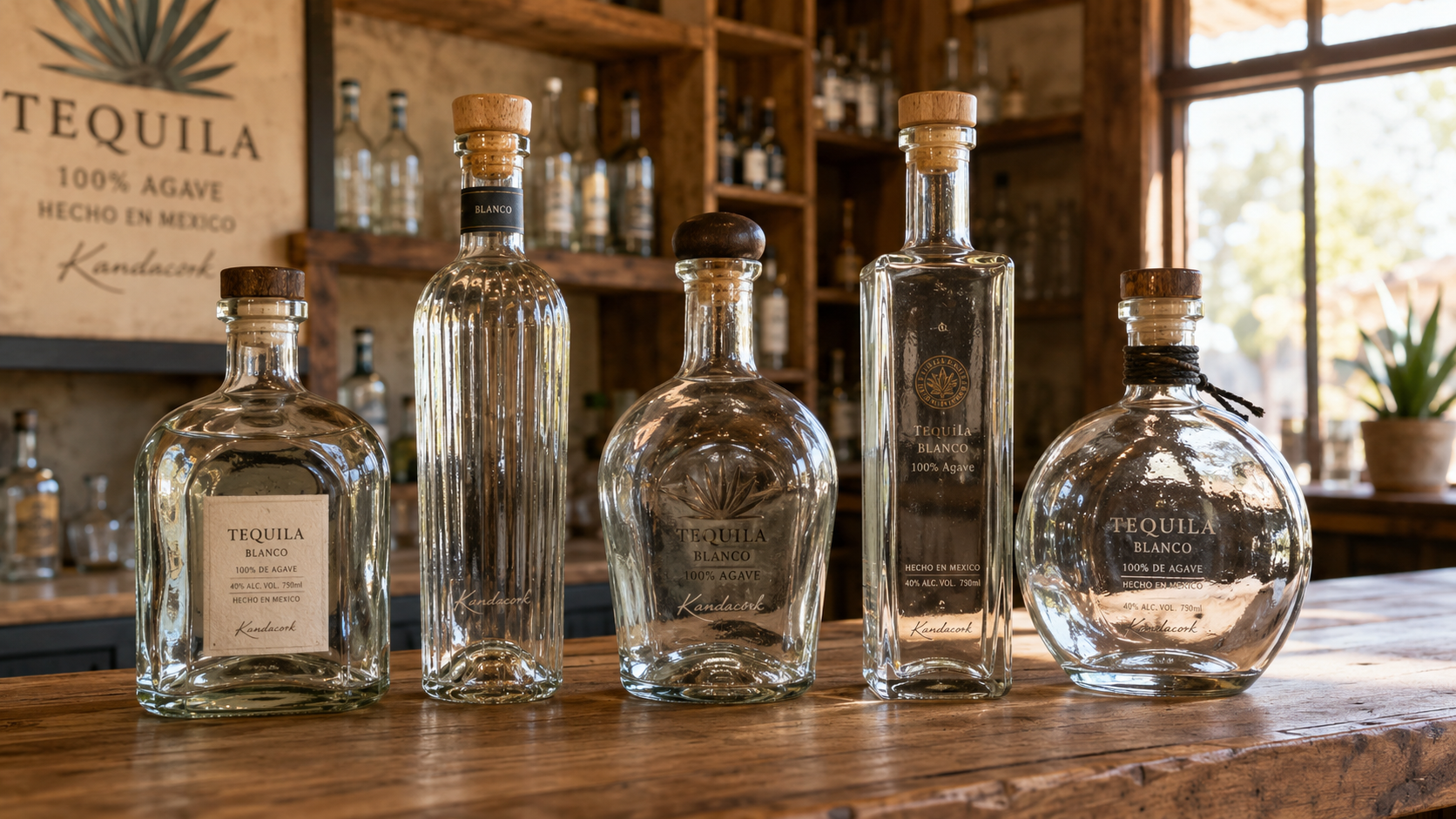
Tequila and mezcal brands often use strong visual identities. Closure design may include wood, metal, ceramic, glass, or custom sculptural tops. For export markets, anti-refill protection may also be valuable.
Recommended options include decorative bar-top stoppers, custom molded tops, cork or synthetic shanks, non-refillable pourer closures, premium capsule matching, logo embossing, and hot stamping.
Liqueurs and RTD Cocktails
Liqueurs and ready-to-drink cocktails may prioritize convenience, color, and cost efficiency. Screw caps, ROPP caps, and flow-control closures are often suitable.
Recommended options include aluminum screw caps, ROPP caps, flow-control pourers, colorful printing, sidewall branding, tamper-evident bands, and high-speed line-compatible closures.
Duty-Free and High-Risk Export Markets
Duty-free, travel retail, and some export channels may require stronger anti-counterfeit thinking. High-value bottles are more exposed to refill fraud and unauthorized resale.
Recommended options include non-refillable closures, tamper-evident bands, one-way pourer systems, serialized labels, QR verification, NFC-ready smart packaging, and visible damage-after-opening features.
For brands that need both premium glass structure and matched closure planning, integrated custom glass packaging support can help simplify development across bottles, closures, decoration, and export cartons.
What to Prepare Before Requesting a Custom Liquor Closure Quote
An accurate quotation requires more than a photo or general idea. The more technical details a buyer provides, the faster a supplier can recommend the correct structure and avoid unnecessary sampling cycles.
| Required Information | Why It Matters |
|---|---|
| Bottle drawing | Confirms neck finish and key dimensions |
| Bottle sample | Allows physical fit testing |
| Spirit type and ABV | Helps assess liner, cork, insert, and material compatibility |
| Target market | Determines tamper-evident, non-refillable, or compliance needs |
| Filling method | Confirms manual, semi-automatic, or automatic compatibility |
| Closure material | Controls appearance, weight, cost, and lead time |
| Logo artwork | Needed for embossing, printing, hot stamping, or molding |
| Estimated quantity | Affects MOQ, mold choice, and unit cost |
| Desired finish | Helps define color, texture, gloss level, and decoration method |
| Launch timeline | Helps plan sampling, tooling, production, and shipping |
Before requesting custom closure systems for liquor brands, buyers should prepare bottle drawings, closure ideas, artwork files, volume estimates, and destination-market information. For multi-category packaging teams, integrated bottle and closure systems can also help reduce the risk of sourcing bottles, caps, pumps, stoppers, or accessories as disconnected parts.
Kandacork Quality Control and Production Support
For liquor brands, closure quality must be consistent from sample approval to mass production. Kandacork Closures focuses on practical production checks that help buyers reduce risk before shipment.
Typical inspection points may include closure dimensions, tolerance review, cork or insert diameter consistency, top material appearance, surface finish, logo position, decoration accuracy, color matching, liner or gasket condition, cap thread structure, tamper-band behavior, ROPP cap application performance, stopper insertion feel, extraction feel, carton strength, and abrasion protection.
For custom projects, Kandacork can support standard mold selection, semi-custom decoration, or full custom tooling depending on the brand’s design target, budget, MOQ, and launch schedule. This makes it easier for new spirits brands and established liquor companies to balance cost, appearance, and performance.
How Kandacork Develops Custom Closure Systems
Project Brief
The buyer shares the bottle drawing, bottle sample, spirit category, ABV, filling method, market channel, target quantity, brand style, and closure concept. If the project involves a complete packaging launch, labels, capsules, cartons, and bottle decoration should also be discussed.
Closure Recommendation
Kandacork Closures reviews the technical and branding requirements, then recommends suitable closure types, materials, sealing structures, tamper features, decoration methods, and possible tooling options.
Sampling and Fit Testing
Samples are checked for visual appearance, bottle fit, insertion or torque performance, extraction force, leak resistance, and handling feel. For custom stoppers, the sample stage is especially important because small dimensional differences can affect sealing and consumer experience.
Decoration and Tooling Confirmation
After fit approval, the brand confirms logo artwork, color, surface finish, top material, mold details, printing method, embossing, hot stamping, or capsule matching. Standard molds can reduce lead time, while fully custom molds can create stronger brand differentiation.
Production and Quality Control
During production, closure dimensions, appearance, color consistency, logo position, cork quality, liner condition, and packing method should be checked. For export projects, cartons and pallets should be designed to reduce deformation, abrasion, and moisture damage.
Export Packing and Delivery
Closures are packed according to order quantity, material type, and shipping route. For B2B buyers, stable batch quality and documentation are often as important as the closure design itself.
Why Choose Kandacork Closures for Custom Liquor Bottle Closures?
Kandacork Closures is positioned for liquor brands that need more than a standard cap. The brand supports customized spirits closures for premium bottles, private-label projects, distillery launches, packaging designers, and international importers.
Kandacork can support custom liquor bottle stoppers, bar-top corks, T-top closures, aluminum screw caps, ROPP closures, non-refillable closure systems, wood tops, glass tops, metal caps, ceramic tops, composite tops, logo decoration, premium finishes, bottle compatibility review, capsule coordination, sleeve coordination, carton packing, sampling, production, quality control, and export supply.
The value of custom closure systems for liquor brands is that they connect design, function, security, and supply reliability. For a new spirits launch, this can reduce packaging risk. For an established liquor brand, it can refresh shelf appeal, improve anti-counterfeit protection, and support premium positioning.
Request a Custom Liquor Closure Quote
To prepare an accurate quotation, send Kandacork Closures the bottle drawing or neck finish specification, physical bottle sample if available, spirit category, ABV, closure type, top material, logo artwork, decoration requirements, target order quantity, destination market, expected launch date, and any special packaging, capsule, sleeve, or carton requirements.
You can send Kandacork Closures a project brief to request a tailored recommendation for your bottle, liquid, filling process, brand design, and market requirements.
FAQ
What is the best closure system for premium liquor bottles?
The best closure system depends on the spirit category, bottle neck finish, brand tier, and target market. Premium whisky, rum, tequila, cognac, and brandy often use bar-top corks or luxury decorative stoppers. Vodka, gin, liqueurs, and RTD cocktails often use aluminum screw caps or ROPP closures.
Can liquor bottle closures be customized with a logo?
Yes. Closures can be customized with embossed logos, debossed logos, printing, hot stamping, foil effects, custom colors, metal emblems, molded shapes, and matched capsules or sleeves.
What information is needed to quote custom liquor closures?
A supplier usually needs the bottle drawing, bottle sample, neck finish, spirit type, ABV, target quantity, closure style, logo artwork, desired material, decoration method, target market, and expected delivery schedule.
What is a non-refillable closure?
A non-refillable closure is designed to make unauthorized refilling difficult. It may include a one-way valve, pourer insert, internal flow-control part, and tamper-evident outer structure.
Are tamper-evident closures required for distilled spirits?
In the United States, tamper-evident closures are required for distilled spirits bottles and containers according to TTB guidance. Requirements may differ by country or market, so brands should confirm local regulations before production.
How do I know if a stopper fits my bottle?
The stopper must be checked against the bottle neck inner diameter, neck finish, cork diameter, cork compression, insertion force, extraction force, and sealing requirements. Physical samples and fit testing are recommended before mass production.
What is the difference between ROPP caps and screw caps?
A screw cap is a general threaded closure. A ROPP cap is an aluminum closure rolled onto the bottle neck during application, usually creating a tamper-evident band. ROPP closures are common in spirits and beverage packaging where tamper evidence and line efficiency are important.
Can Kandacork match closures with bottles and packaging?
Yes. Kandacork Closures can support closure selection, decoration, bottle-fit review, capsule matching, sleeve coordination, carton packing, and export-ready supply for liquor brands.
What closure is suitable for duty-free spirits?
Duty-free spirits often benefit from tamper-evident or non-refillable closures because these channels may involve high-value products, export distribution, and stronger brand-protection needs.
Can one closure design be used across multiple bottle sizes?
Sometimes. A closure design may be used across different bottle sizes if the neck finish, bore diameter, thread profile, and sealing requirements are compatible. Physical testing is recommended before using one closure across a full product range.