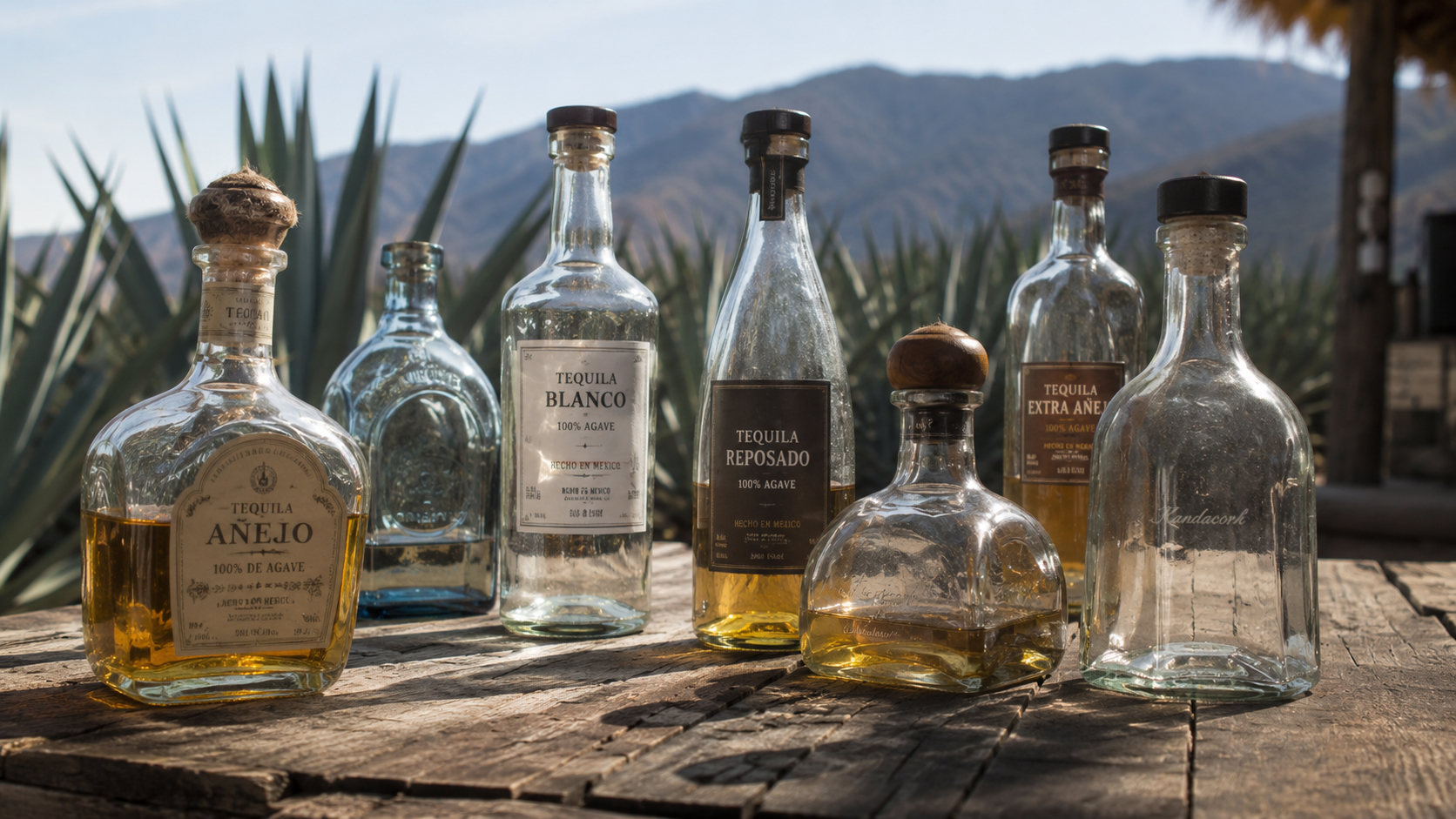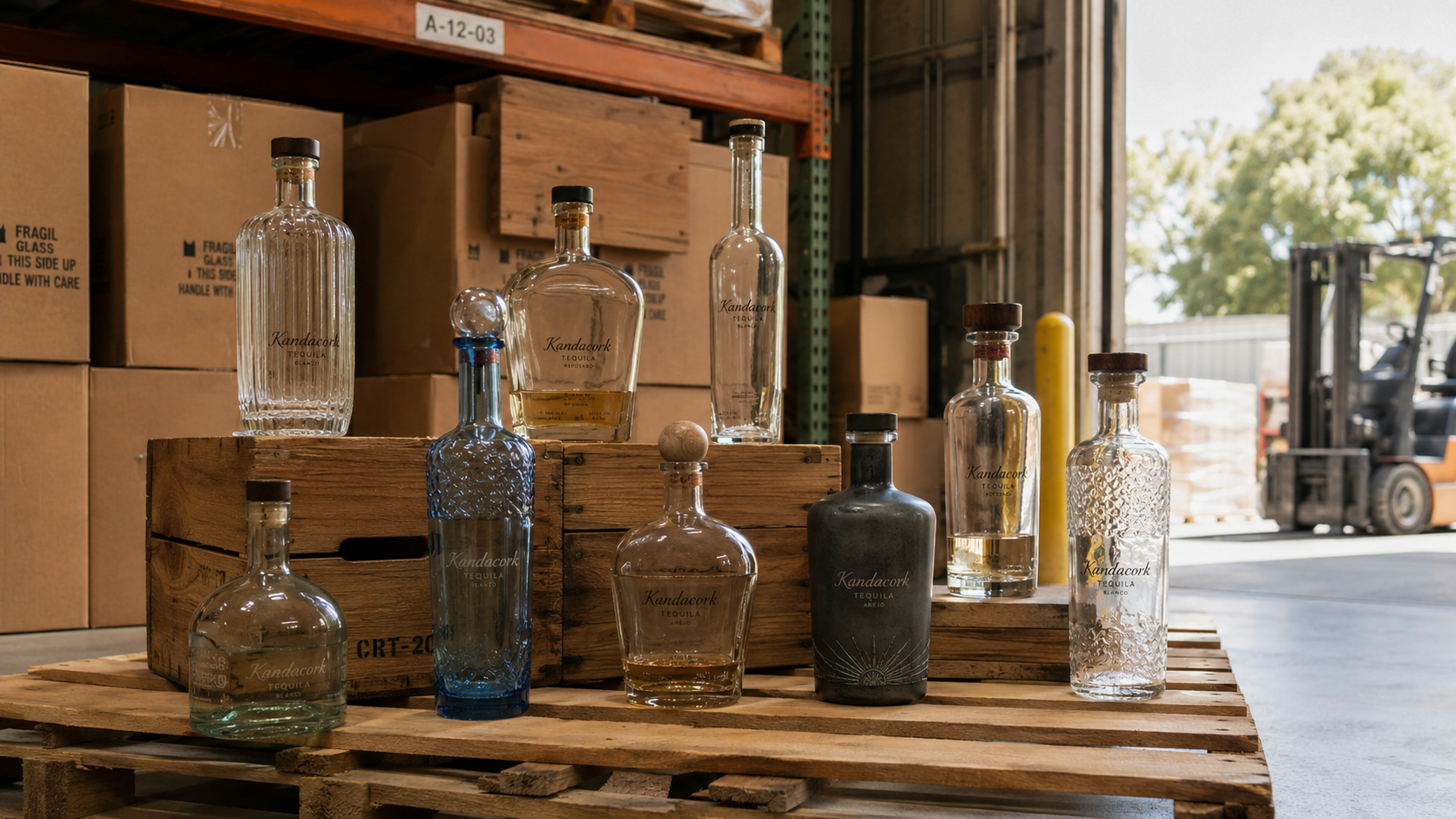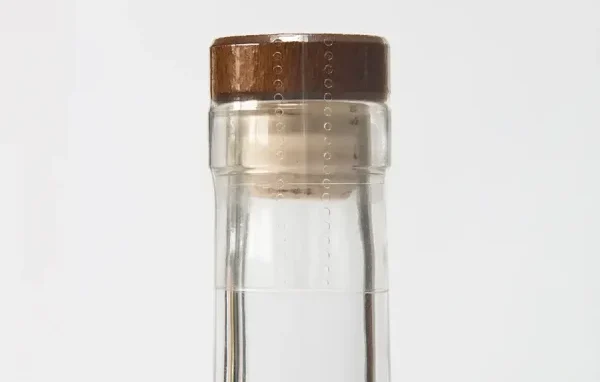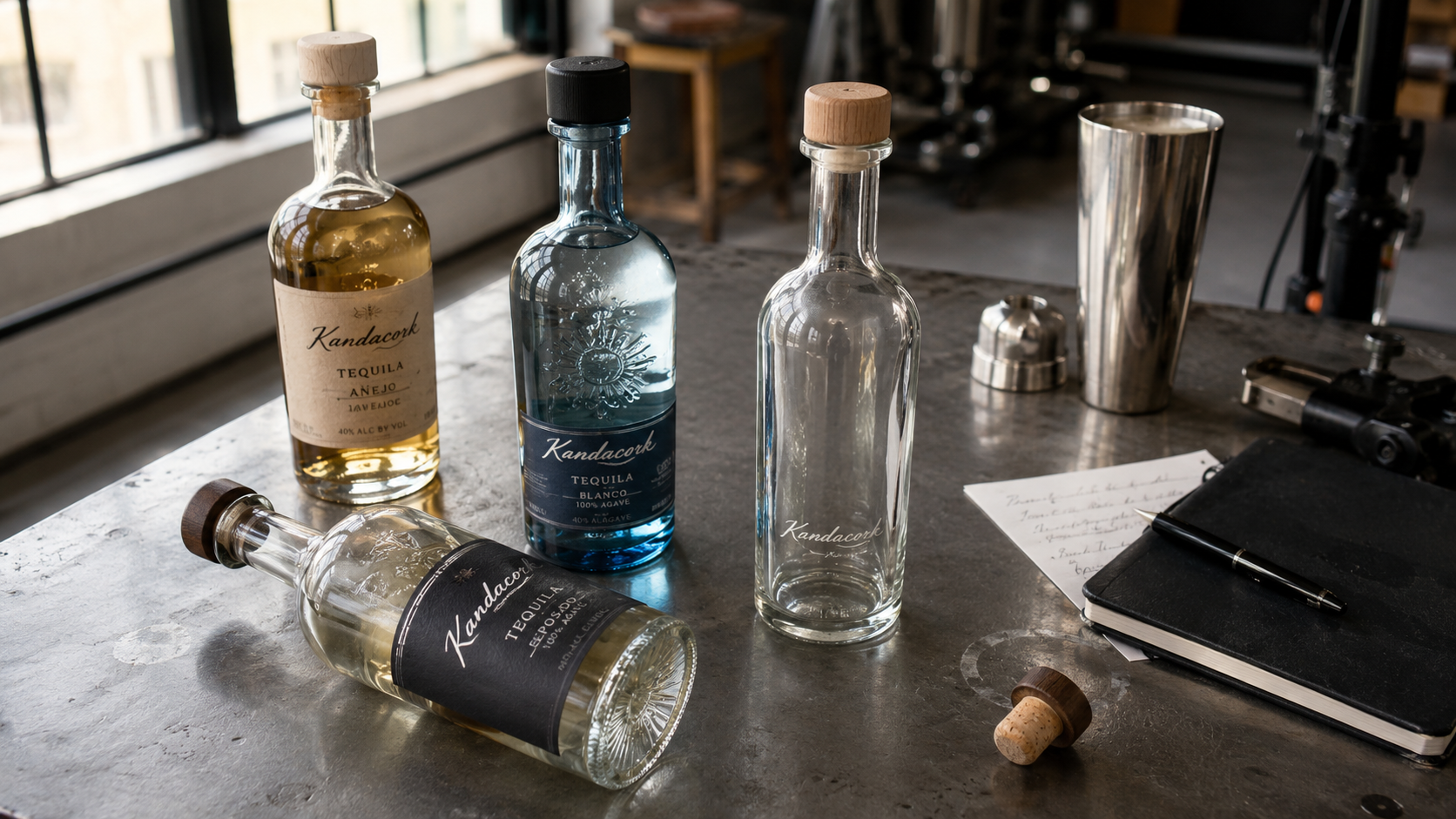
Collectible glass stoppers require stronger planning around shape, handling, packing and presentation. This guide explains how buyers can evaluate custom design feasibility, bottle neck fit, safety, decoration methods and export packing for premium bottle projects.
What Are Collectible Glass Stoppers?
Collectible glass stoppers are glass bottle closures designed to be distinctive, reusable, and visually valuable. They may be clear, colored, frosted, faceted, sculptural, branded, antique-inspired, or custom-molded for a specific product line.
In antique and vintage markets, glass stoppers are often valued for rarity, condition, color, shape, age, and craftsmanship. In modern packaging, the same idea becomes a brand strategy. A stopper becomes collectible when it feels special enough for customers to keep, display, reuse, or associate with a premium product experience.
A gin brand may use a green faceted stopper to reflect botanical ingredients. A perfume brand may choose a clear crystal-style stopper for vanity-table appeal. A rum, brandy, or whiskey brand may use a heavy glass stopper to create a decanter-like opening ritual. A gift packaging brand may use colored or sculptural stoppers to make seasonal packaging feel more exclusive.
The commercial value is simple: collectible glass stoppers help bottles look more premium, feel more memorable, and support stronger product differentiation.
Why Collectible Glass Stoppers Matter in Premium Packaging
Packaging often shapes customer perception before the product is opened. The closure is one of the first details buyers see and one of the first parts they touch. For premium products, this small interaction can influence perceived quality.
A distinctive glass stopper improves shelf presence by changing the bottle silhouette. It can make the product easier to recognize from a distance, especially in retail, bar, duty-free, hotel, and gift environments. It also supports product photography because glass catches light and adds visual dimension.
Collectible glass stoppers can help brands:
- Increase perceived product value
- Improve gift appeal
- Strengthen brand recognition
- Encourage bottle reuse and display
- Support limited-edition storytelling
- Create a more premium opening experience
- Differentiate products from standard closure formats
Glass also has strong material recognition in premium packaging. The Glass Packaging Institute highlights glass as a widely used packaging material with strong recyclability advantages, while the EPA container and packaging data identifies glass containers as part of the broader packaging recovery and waste stream. For brands building reusable or display-oriented packaging, glass stoppers can support a more durable and premium material story.
For multi-category glass programs, buyers may also coordinate closure development with bottle structure, decoration, and sustainability positioning through related packaging partners such as Kandacork Eco Glass.
Quick Buyer’s Guide: How to Choose Collectible Glass Stoppers
Brands should choose collectible glass stoppers by considering bottle compatibility, target market, visual style, sealing needs, production feasibility, and customer experience. A beautiful stopper only succeeds if it also fits the bottle and works with the packaging system.
| Buyer question | What to evaluate |
|---|---|
| What bottle will the stopper fit? | Bottle mouth diameter, internal bore, neck finish, and stopper shank |
| What visual style is required? | Clear, colored, frosted, faceted, sculptural, vintage-inspired, or branded |
| What function is needed? | Decorative display, resealing, aroma protection, transport stability, or gifting |
| Which market is the product for? | Spirits, perfume, home fragrance, beverage, décor, or gift packaging |
| What affects cost? | Mold complexity, glass weight, decoration, finish, tolerance, and quantity |
| What should be tested? | Fit, pull force, surface quality, chip resistance, packed height, and shipping protection |
Before requesting a quotation, prepare bottle drawings, neck dimensions, target market information, desired stopper style, branding requirements, and estimated order quantity. These details help the supplier recommend a practical stopper configuration and avoid unnecessary redesigns.
For spirits-focused bottle programs, some brands coordinate closures with bottle sourcing through Kandacork Spirits Bottle. For projects that require logo application, surface treatment, or premium visual effects, packaging decoration can also be planned with Kandacork Decoration & Branding. When a project requires broader glass packaging coordination across bottles, stoppers, and production planning, Kandacork Glass can support integrated development.
What Makes Glass Stoppers More Collectible?
Glass stoppers become collectible when they combine distinctive design, strong craftsmanship, limited availability, and a meaningful connection to the product story. The best designs are not random decorative pieces. They are intentional brand assets.
Stopper Shape
Shape is one of the strongest drivers of collectibility. A round stopper can feel classic and approachable. A faceted stopper can feel vintage, crystal-like, and luxurious. A sculptural stopper can become a signature visual feature that customers associate with the brand.
Common collectible stopper shapes include:
- Faceted diamond-style stoppers
- Ball-top glass stoppers
- Square and rectangular stoppers
- Lozenge-style decanter stoppers
- Teardrop and flame-shaped stoppers
- Minimal cylindrical stoppers
- Custom logo-inspired stopper tops
- Nature-inspired finials
The finial, or visible top portion of the stopper, is especially important. It affects grip, silhouette, display value, and brand personality. A strong finial design can make a bottle recognizable even when the label is not fully visible.
Color and Finish
Color and finish help a stopper communicate mood, category, and market position. Clear glass feels timeless and crystal-like. Green glass can suggest botanicals, nature, gin, olive oil, or sustainability. Amber glass creates a warm apothecary or heritage impression. Blue glass may suit fragrance, coastal themes, water-inspired products, and lifestyle packaging. Smoky gray or black-tinted glass creates a modern luxury effect.
Finishes also influence perceived value. Frosted glass feels soft and elegant. Polished transparent glass feels clean and refined. Textured glass adds visual depth and can improve handling. Engraving, embossing, or metallic decoration can add gift-ready detail when used with restraint.
The best color is not always the most dramatic one. It should work with the bottle glass, label color, liquid shade, outer box, and customer expectation.
Craftsmanship and Weight
Consumers often associate weight with quality. A glass stopper that feels balanced in the hand can make the opening experience more luxurious. However, more weight is not always better. If a stopper is too heavy, it may increase shipping cost, affect bottle stability, or require stronger protective packaging.
The ideal stopper feels premium without creating usability or logistics problems. Premium stoppers should be checked for surface scratches, chips, cracks, sharp edges, bubbles, dimensional consistency, decoration accuracy, and fit performance.
Limited-Edition Value
Limited availability is one reason customers collect packaging. Brands can use collectible glass stoppers to create urgency, repeat purchases, and long-term interest.
Limited-edition stopper strategies may include:
- Seasonal colors
- Anniversary stopper designs
- Holiday gift editions
- Regional release colors
- Numbered collector series
- Artist collaboration stoppers
- Annual bottle programs
- VIP or travel-retail exclusives
For example, a spirits brand may keep the same core bottle but change the stopper color each year. Over time, customers may want to collect the complete release series.
Brand Story
A stopper becomes more meaningful when it connects to a product story. A tequila brand may reference agave. A gin brand may use botanical details. A rum brand may choose a form inspired by barrels, islands, waves, or nautical heritage. A perfume brand may design the stopper around the emotion of the fragrance.
This is where custom design becomes valuable. Instead of choosing a generic decorative closure, brands can create a stopper that belongs only to their product line.
Common Types of Collectible Glass Stoppers
Faceted Glass Stoppers
Faceted glass stoppers are popular because they catch light and create a crystal-like appearance. They are commonly used for decanters, premium spirits bottles, perfume bottles, and luxury gift packaging.
Facets make the stopper feel decorative without requiring a complex logo or sculptural form. This style is especially effective for vintage-inspired packaging, barware-style bottles, and limited-edition releases.
Colored Glass Stoppers
Colored glass stoppers help brands build strong visual recognition. A green stopper may suit botanical gin or herbal products. Amber may suit vintage, apothecary, or craft spirits packaging. Blue may work for fragrance, coastal themes, or specialty beverages. Smoky glass can help create a modern high-end impression.
Colored stoppers are also useful for product families because each color can represent a flavor, scent, age statement, edition, or collection.
Sculptural Glass Stoppers
Sculptural stoppers use custom forms to create a memorable bottle silhouette. These designs may be inspired by brand icons, natural shapes, architecture, ingredients, symbols, or cultural references.
This type is best suited for brands that want the closure to become a signature packaging feature rather than a purely functional component.
Logo or Signature Glass Stoppers
Logo or signature stoppers include brand marks, molded symbols, monograms, engraved details, or subtle decorative elements. The goal is to reinforce brand identity without making the stopper look overly promotional.
Effective logo stopper options include molded brand marks, engraved top details, frosted logo panels, embossed symbols, custom glass colors, and signature finial shapes. A well-designed branded stopper should feel like part of the bottle architecture, not an added advertisement.
Glass Stoppers vs Cork, Wood, Metal, and Plastic Closures
Brands comparing closure options should consider both function and presentation. Glass stoppers are not always the lowest-cost option, but they offer strong value when collectibility, premium positioning, display appeal, and gifting matter.
| Closure type | Best for | Main limitation |
|---|---|---|
| Glass stopper | Luxury packaging, collectible bottles, fragrance, spirits, premium display | Higher weight and stronger packaging protection requirements |
| Natural cork stopper | Traditional spirits, wine, craft products, heritage branding | Natural variation in appearance and fit |
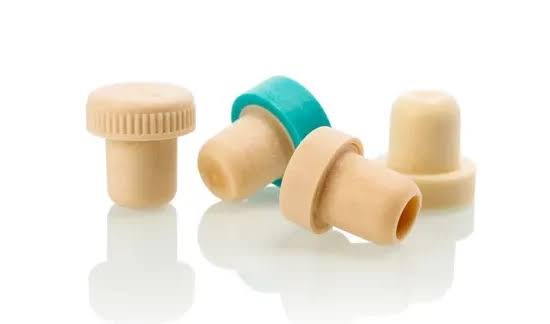
| Synthetic cork stopper | Consistency, controlled fit, moisture resistance | Less decorative or collectible than glass |
| Wood-top closure | Warm, natural, craft, and heritage-style branding | Usually needs a cork or synthetic shank |
| Metal cap or stopper | Durability, weight, and modern premium presentation | Can feel less transparent or less craft-oriented than glass |
| Plastic closure | Lightweight, cost-sensitive packaging | Lower premium perception |
For buyers comparing natural materials and warm visual styles, wooden bar-top stoppers may be suitable for whisky, rum, brandy, and craft spirits. For brands that prioritize tamper evidence, line efficiency, and screw-cap performance, ROPP closures may be more appropriate.
Glass is strongest when the brand wants a premium, reusable, and display-worthy closure. For technical sealing needs, glass heads may be combined with cork, synthetic cork, polymer inserts, or gasket systems.
How to Design a Custom Glass Stopper That Can Be Produced at Scale
A custom stopper must balance creativity with production reality. A design that looks excellent in a rendering may be difficult to manufacture if it has sharp undercuts, uneven thickness, fragile edges, or extremely tight decorative details.
A scalable collectible glass stopper should consider:
- Mold feasibility
- Glass thickness
- Dimensional tolerance
- Surface finishing
- Decoration method
- Weight control
- Shank compatibility
- Packed height
- Quality inspection
- Transit protection
- Repeat production consistency
Early technical review helps brands avoid expensive redesigns and launch delays. Buyers should review the stopper as part of the complete packaging system, not as an isolated decorative item. Kandacork can help evaluate closure systems that combine visual design, fit, sealing performance, and production practicality.
Bottle Fit, Shank Design, and Sealing Performance
Fit is one of the most important technical details in stopper development. The stopper must match the bottle mouth, internal bore, neck finish, and intended sealing system. If the fit is too loose, the stopper may move, leak, or feel low quality. If it is too tight, customers may struggle to open the bottle.
Brands should confirm:
- Bottle opening diameter
- Internal bore tolerance
- Neck finish
- Stopper shank size
- Sealing insert material
- Insertion force
- Removal force
- Transport stability
- Final assembled height
The shank is the lower part of the stopper that enters the bottle neck. It affects stability, fit, and sealing performance. Some stoppers use a glass shank. Others use cork, synthetic cork, polymer inserts, or gasket-style components. Cork can support a natural and traditional appearance. Synthetic materials may offer consistency and controlled fit. Gasket systems may help with certain closure requirements.
Sealing requirements also vary by category. A fragrance stopper, spirits stopper, diffuser stopper, and decorative bottle stopper may all require different performance standards. Brands should consider aroma protection, resealability, leak resistance, evaporation control, product compatibility, tamper evidence, shipping stability, consumer safety, and applicable regulations.
For beverage alcohol in the United States, the Alcohol and Tobacco Tax and Trade Bureau provides important labeling and regulatory context for distilled spirits. For distribution performance, ASTM International distribution testing standards are commonly referenced when evaluating packaged-product shipping hazards. For product categories where child-resistant packaging may apply, the ISO child-resistant packaging standard is a useful technical reference.
Specification Summary for Buyers
| Specification | Why it matters |
|---|---|
| Bottle mouth diameter | Determines whether the stopper can enter the bottle correctly |
| Internal bore tolerance | Prevents looseness, excessive tightness, or inconsistent fit |
| Shank material | Affects sealing feel, insertion force, and brand perception |
| Stopper weight | Influences perceived quality, shipping cost, and bottle stability |
| Decoration method | Affects branding, cost, durability, and production feasibility |
| Packed height | Impacts gift boxes, cartons, shelf display, and transit protection |
| Surface finish | Determines tactile feel, light reflection, and visual quality |
| Pull-out force | Affects opening experience and consumer usability |
| Transit protection | Reduces breakage, scratches, and movement during shipping |
This information should be confirmed before tooling, sampling, or bulk production. The more accurate the early specification, the smoother the development process will be.
Industries That Use Collectible Glass Stoppers
Spirits and Liquor Packaging
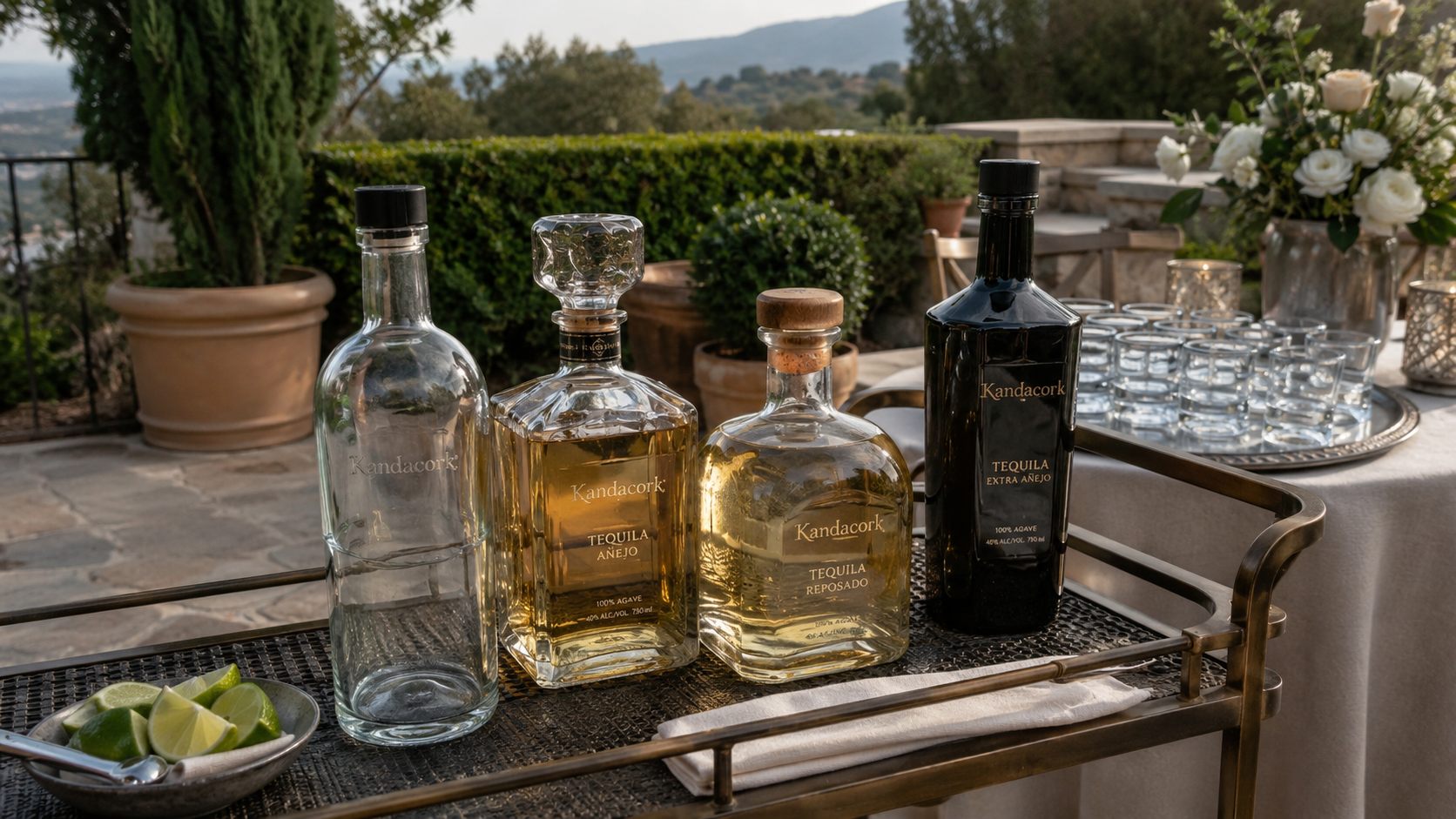
Spirits brands are among the strongest users of collectible glass stoppers. Whiskey, brandy, rum, gin, tequila, vodka, and liqueur packaging often benefits from closures that create a premium opening ritual.
A heavy glass stopper can make a bottle feel closer to a decanter. A colored stopper can help separate product lines. A sculptural stopper can create a luxury identity that customers remember. For limited-edition spirits, the stopper can become part of the purchase motivation.
Fragrance and Perfume Packaging
Perfume bottles have a long relationship with decorative stoppers. A fragrance bottle is often displayed on a vanity, shelf, or retail counter, so the stopper plays a major role in visual appeal.
For fragrance brands, the stopper should match the scent concept. Soft frosted glass may suit a powdery floral fragrance. Clear faceted glass may suit a classic luxury perfume. Colored sculptural glass may support niche fragrance storytelling.
Gift Packaging
Collectible glass stoppers work well in gift packaging because they make a bottle feel complete, premium, and display-worthy. Gift buyers often respond to decorative details, limited-edition colors, reusable packaging, rigid boxes, and premium opening experiences.
A custom stopper can make a product more suitable for holidays, corporate gifts, collector sets, promotional launches, and high-end retail displays.
Home Fragrance and Lifestyle Products
Diffuser bottles, decorative containers, apothecary-inspired packaging, and lifestyle products can also benefit from glass stoppers. In these categories, the stopper may be kept long after the original product is used, supporting reuse value and keeping the brand visible in the customer’s home.
Design Ideas for Premium Brands
Vintage Apothecary Style
Use clear, amber, or smoky glass with simple rounded or faceted forms. This style works well for herbal products, botanical spirits, wellness-inspired packaging, and classic fragrance concepts.
Art Deco Geometry
Use stepped forms, sharp facets, fan shapes, or symmetrical silhouettes. This direction is ideal for premium spirits, luxury perfume, and limited-edition gift sets.
Crystal Decanter Style
Use clear glass, heavier proportions, and multi-faceted surfaces. This creates a barware-inspired appearance suitable for whiskey, brandy, rum, and other premium spirits.
Minimal Modern Style
Use clean cylindrical forms, soft frosting, and restrained branding. This approach works well for contemporary fragrance, premium beverages, home fragrance, and modern lifestyle packaging.
Nature-Inspired Style
Use leaf, drop, flame, stone, botanical, or water-inspired shapes. This direction is useful for gin, herbal liqueurs, natural fragrance, olive oil, and eco-conscious packaging stories.
How Brands Can Increase Packaging Value with Collectible Glass Stoppers
A collectible glass stopper can increase packaging value when it supports a clear business goal. For a premium launch, the goal may be shelf differentiation. For a gift set, the goal may be higher perceived value. For a limited edition, the goal may be collectibility and urgency. For a heritage brand, the goal may be tradition and craftsmanship.
Practical strategies include:
- Create a signature closure shape customers associate with the brand
- Use stopper colors to organize flavors, scents, ages, or product collections
- Develop seasonal or annual stopper designs to encourage repeat collecting
- Pair the stopper with storytelling on the product page, box insert, or QR-code landing page
- Use reusable packaging language to encourage customers to keep and display the bottle
- Design stoppers that photograph well for ecommerce, social media, influencer kits, and retail displays
The strongest packaging programs treat collectible glass stoppers as part of the full brand experience, not just as accessories.
How to Choose a Collectible Glass Stopper Supplier
Choosing the right supplier is important because collectible glass stoppers require design capability, fit knowledge, material understanding, and production control.
Custom Design Capability
A strong supplier should help turn design ideas into manufacturable stopper solutions. This may include shape development, glass color selection, decoration planning, insert selection, and sample review.
Bottle Compatibility Experience
The supplier should understand bottle-mouth matching, internal bore tolerance, shank design, sealing components, and closure testing. This is especially important when the stopper must fit an existing bottle.
Sampling and Prototyping Support
Sampling helps brands test fit, appearance, weight, usability, packed height, and customer experience before mass production. For custom molds, prototype review can reduce risk before tooling and bulk orders.
Quality Control Process
Premium stoppers require consistent inspection. Important quality-control points include glass clarity, surface finish, chip resistance, decoration alignment, color consistency, shank fit, dimensional tolerance, and packing protection.
Scalable Production
A supplier should be able to support limited editions, pilot launches, seasonal programs, and repeat commercial orders. Repeatability is especially important if the stopper will become a signature packaging element.
Why Choose Kandacork Closures for Collectible Glass Stoppers?
Kandacork Closures helps brands create custom closure solutions that support both function and presentation. For collectible glass stoppers, this means combining design appeal with fit, usability, quality control, and scalable production thinking.
Brands can work with Kandacork Closures for:
- Custom collectible glass stopper development
- Decorative glass bottle stopper concepts
- Bottle and stopper matching
- Cork, synthetic cork, or insert compatibility
- Color and finish guidance
- Premium packaging support
- Sample development
- Bulk closure sourcing
Kandacork Closures supports spirits, fragrance, gift packaging, lifestyle, and specialty bottle projects that need closures with stronger visual identity and commercial value.
To begin a project, request a custom closure quote with your bottle drawing, neck finish, target market, desired stopper style, branding requirements, and estimated order quantity.
FAQ
What makes glass stoppers collectible?
Glass stoppers become collectible when they have a distinctive shape, attractive color, quality craftsmanship, limited-edition value, historical inspiration, or a strong connection to the bottle or brand.
Are collectible glass stoppers only for antique bottles?
No. Antique glass stoppers are popular with collectors, but modern brands also use collectible glass stoppers for spirits, perfume, gift packaging, home fragrance, and premium lifestyle products.
Can glass stoppers be customized with a logo?
Yes. Glass stoppers can be customized with molded details, engraving, frosting, embossing, color accents, or subtle brand marks, depending on the design and production method.
Are glass stoppers suitable for premium spirits packaging?
Yes. Glass stoppers are well suited for premium spirits because they add visual weight, tactile quality, and a decanter-like opening experience. The stopper must be matched correctly to the bottle neck and sealing requirements.
How do I choose the right size glass stopper?
Start with the bottle mouth diameter, internal bore, neck finish, shank size, sealing material, and insertion force. Sampling is recommended before bulk production to confirm fit and performance.
Are colored glass stoppers better than clear glass stoppers?
Neither is automatically better. Clear glass feels timeless and crystal-like, while colored glass can strengthen brand identity and product differentiation. The best option depends on the bottle design, label, product category, and target customer.
Can collectible glass stoppers improve gift packaging?
Yes. A decorative glass stopper can make a bottle feel more premium, reusable, and display-worthy. This is especially valuable for holiday sets, collector editions, corporate gifts, and luxury product launches.
What is the difference between decorative glass stoppers and functional glass stoppers?
Decorative glass stoppers mainly improve appearance and display value. Functional glass stoppers must also meet fit, sealing, stability, and product compatibility requirements. Many premium packaging projects need both decorative and functional performance.
Can Kandacork Closures help with custom glass stopper samples?
Yes. Kandacork Closures can support custom glass stopper design, sample development, bottle compatibility review, and production planning for premium packaging projects.
Conclusion
Collectible glass stoppers combine beauty, function, and brand storytelling. They help bottles feel more premium, giftable, reusable, and memorable.
For brands, the best results come from treating the stopper as part of the full packaging system. Shape, color, glass weight, fit, sealing material, bottle compatibility, production feasibility, and transit protection should all be considered together.
Kandacork Closures helps brands develop custom collectible glass stoppers for premium bottles, limited-edition launches, gift packaging, spirits, fragrance, and lifestyle products. With the right stopper design, a bottle can become more than packaging. It can become a keepsake customers remember, reuse, and associate with a premium brand experience.