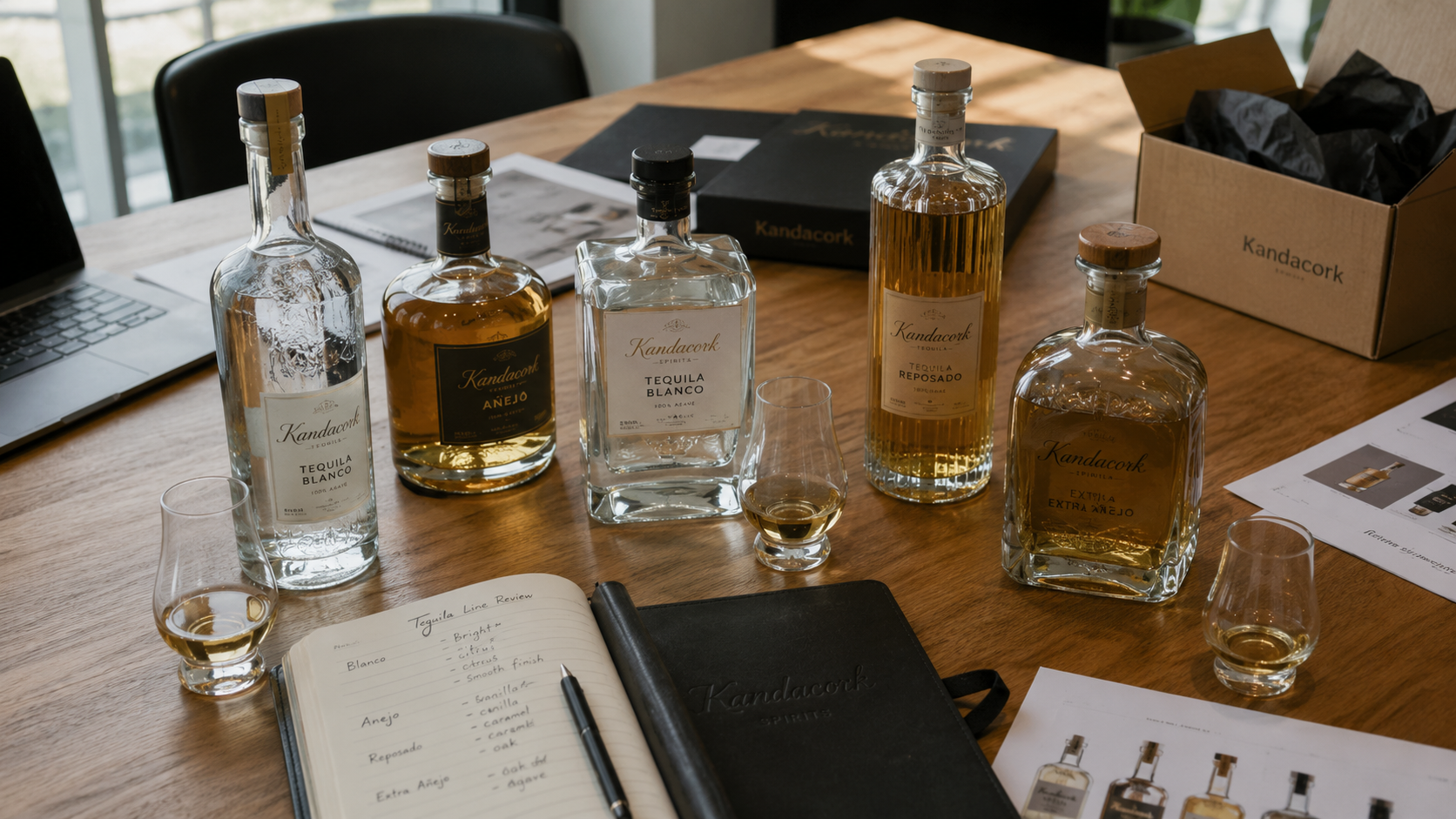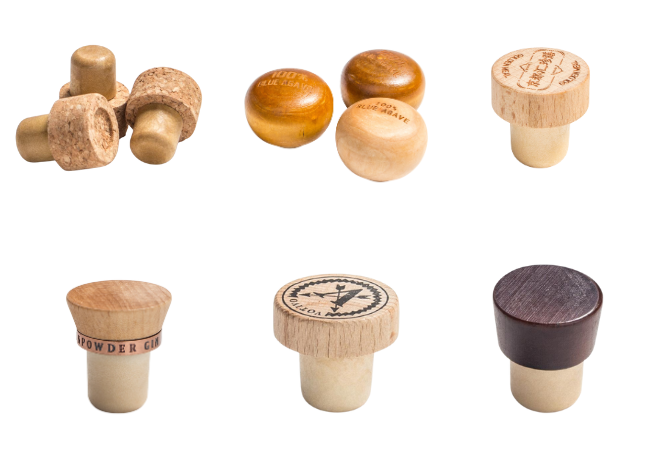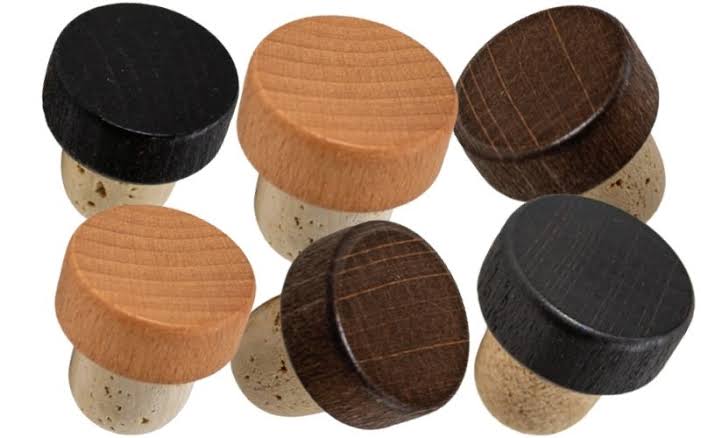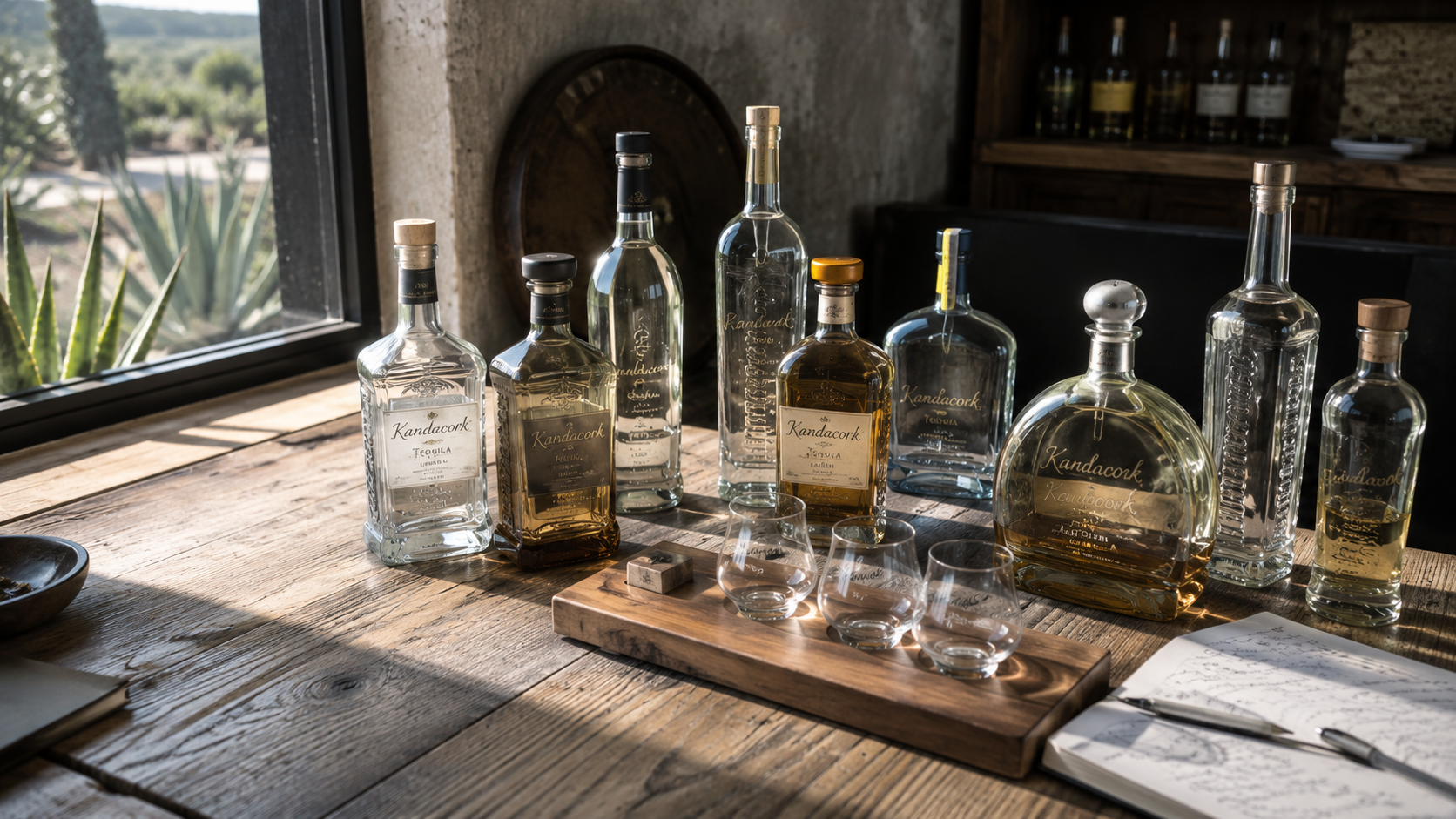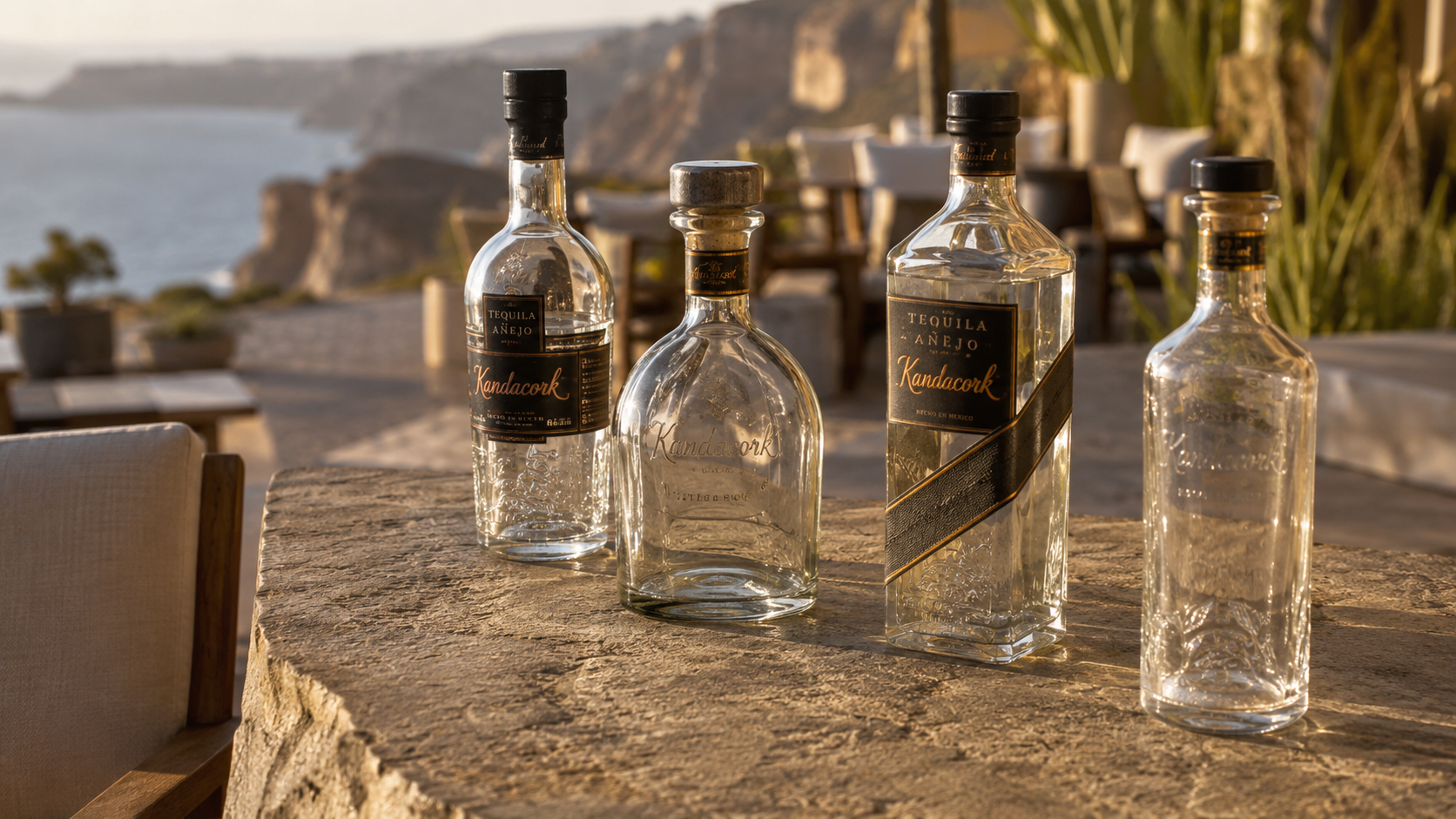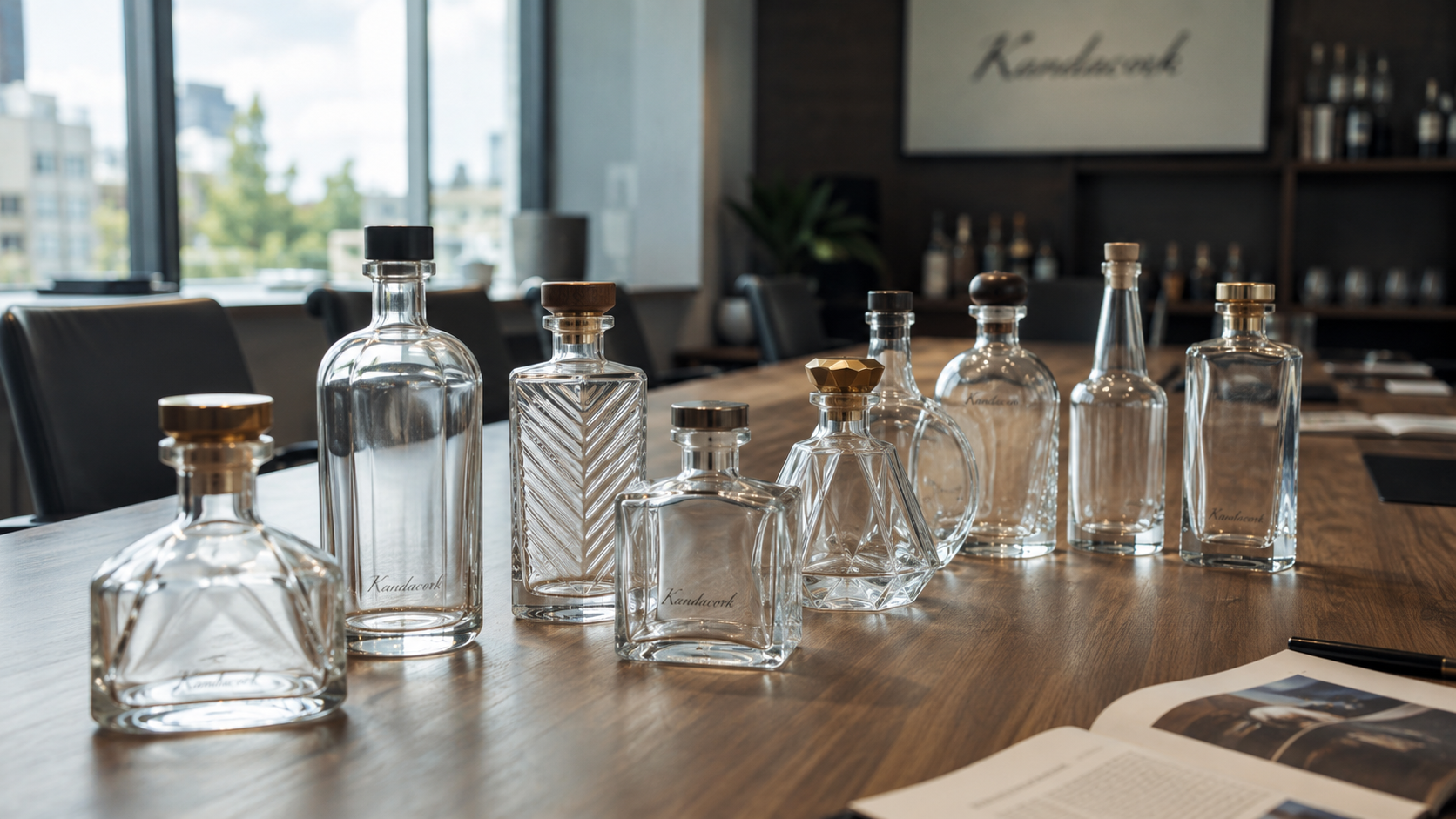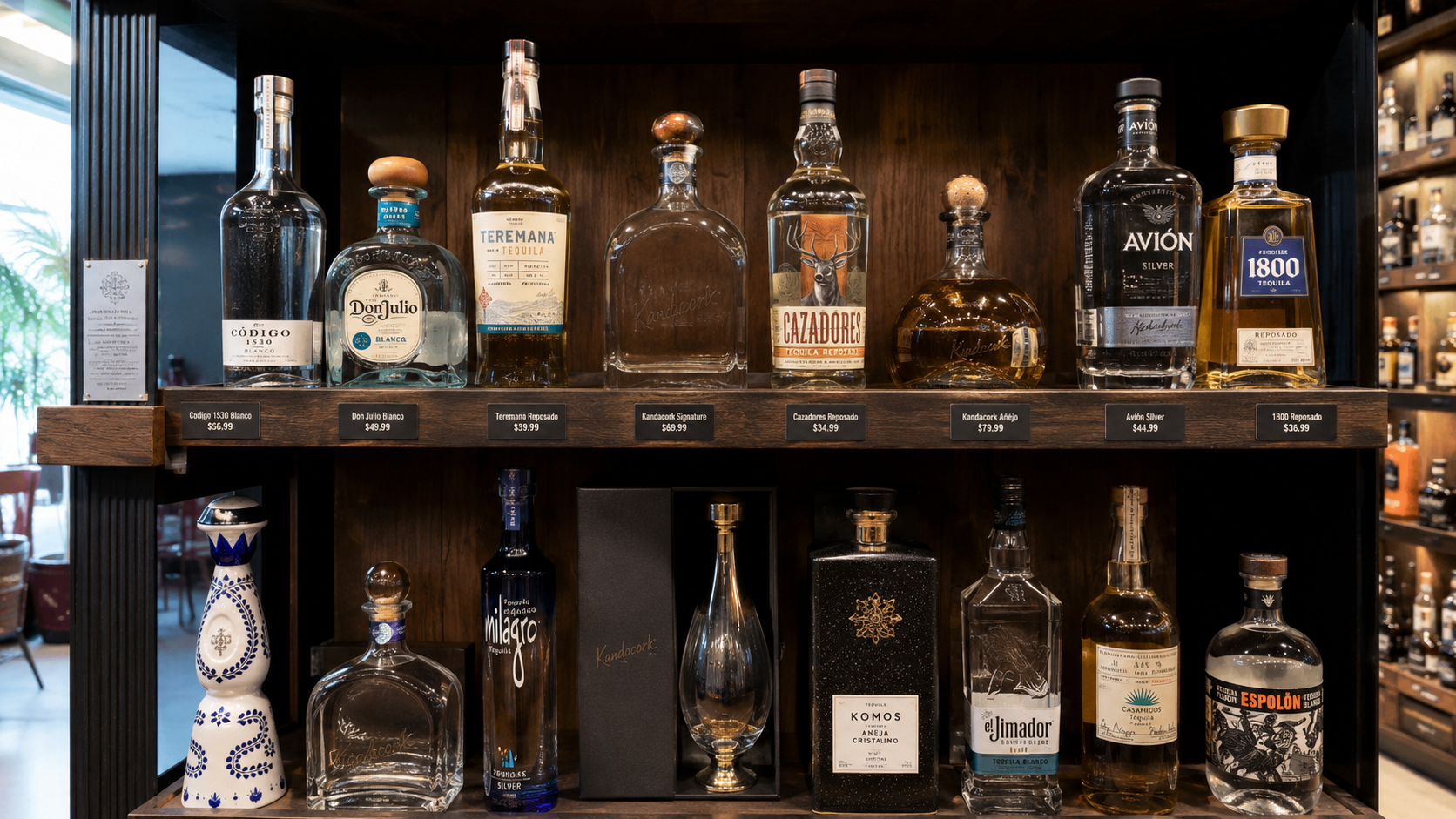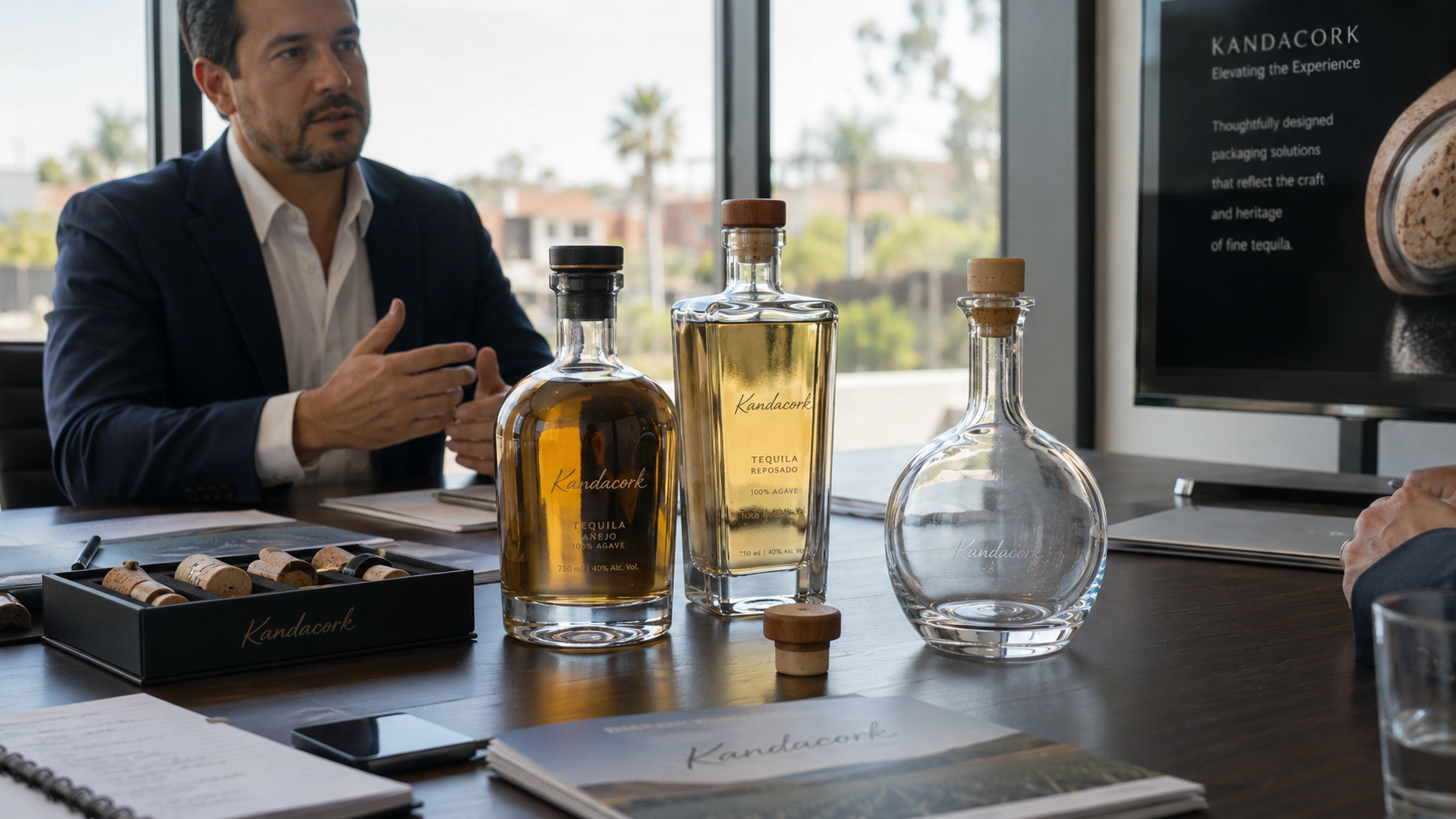
Synthetic and natural cork stoppers offer different advantages for bottle closure projects. This guide compares appearance, compression, fit consistency, material variation, branding flexibility and supply stability for wine and spirits buyers.
What Are Synthetic Stoppers?
Synthetic stoppers are engineered closures made from polymer, elastomer, synthetic-cork, or plant-based material systems. They are designed to deliver cork-like sealing behavior while offering controlled dimensions, repeatable color, stable compression, and flexible branding options.
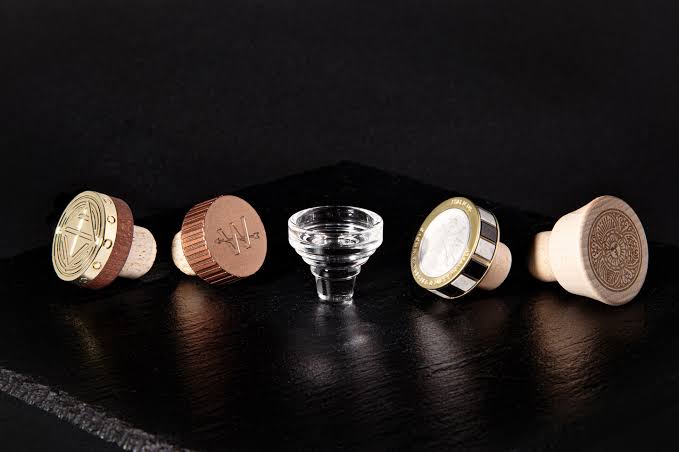
In beverage packaging, synthetic stoppers may include extruded synthetic corks, co-extruded wine closures, molded polymer plugs, TPE or PE shanks, and bar-top stoppers with a synthetic lower shank. In spirits packaging, the shank is commonly paired with a visible top made from plastic, wood, metal, glass-look material, ceramic-look material, or a custom molded form.
The main strength of synthetic stoppers is consistency. Because they are engineered rather than cut from natural bark, they can be specified by diameter, hardness, compression behavior, insertion depth, pull-out force, surface finish, and color. This makes them useful for multi-SKU beverage ranges, export projects, private-label spirits, promotional packs, and repeat orders where visual and dimensional consistency matter.
Synthetic stoppers are especially valuable when a brand needs predictable closure performance across thousands or millions of bottles.
What Is Natural Cork?
Natural cork is made from the bark of the cork oak tree. It has been used for centuries as a bottle closure because it is compressible, elastic, lightweight, and strongly associated with premium wine culture.
Natural cork closures may include one-piece natural cork, colmated cork, agglomerated cork, micro-agglomerated cork, and technical cork. These categories are often used in commercial cork specifications and international standards discussions. For spirits packaging, natural cork is also used as a shank material in bar-top closures, especially when the brand wants a traditional tactile feel.
The appeal of natural cork is both functional and emotional. It compresses into the bottle neck, rebounds to create a seal, and gives consumers the familiar opening ritual. It also supports a natural material story, which can be important for premium wines, heritage spirits, craft distilleries, and gift packaging.
However, natural cork is a biological material. Each piece may vary in density, porosity, appearance, moisture, elasticity, and oxygen behavior. Modern processing has improved cork quality, but natural variation remains a real factor for procurement teams and bottling engineers.
Synthetic Stoppers vs Natural Cork: Quick Comparison
| Factor | Synthetic Stoppers | Natural Cork |
|---|---|---|
| Material | Engineered polymer, elastomer, or synthetic-cork system | Cork oak bark |
| Consistency | High dimensional and visual consistency | Natural variation between pieces |
| Cork taint risk | No natural cork TCA risk | Possible TCA risk depending on grade and quality control |
| Oxygen behavior | Can be engineered for defined performance targets | Traditionally valued for wine aging, but variable by grade |
| Cost control | Easier to manage for repeat and bulk orders | Premium grades can be more expensive |
| Appearance | Modern, clean, customizable | Traditional, natural, premium |
| Sustainability story | Depends on material source, recyclability, and claims | Renewable and natural |
| Best use cases | Spirits, liqueurs, private label, short-to-medium shelf-life products | Premium wines, heritage brands, natural-positioned products |
| Custom branding | Strong color, shape, logo, and top customization | Strong heritage story and tactile value |
| Procurement | Good for specification control and repeat orders | Requires careful grade selection and supplier QC |
Synthetic stoppers are best for spirits, liqueurs, private-label beverages, multi-SKU ranges, promotional bottles, export projects, colorful packaging, and short-to-medium shelf-life wines.
Natural cork is best for premium wines, heritage spirits, luxury gift packaging, renewable material branding, traditional wine positioning, and products where the opening ritual is part of the customer experience.
Product Preservation: Why the Liquid Matters
The right closure depends on what is inside the bottle.
For wine, oxygen management is central. Research from UC Davis wine chemistry explains that oxygen exposure is one of the most important factors in wine aging, while too much oxygen can damage color, aroma, and flavor. That is why wine producers often evaluate closure oxygen behavior, bottle storage time, and intended drinking window before choosing between synthetic stoppers vs natural cork.
For spirits, the priorities are different. Whisky, vodka, gin, rum, tequila, brandy, and liqueurs do not usually rely on wine-style bottle aging after filling. A spirits closure must fit securely, reseal after repeated opening, resist loosening during transport, avoid unwanted odor transfer, and support the bottle’s premium presentation.
For flavored spirits, cream liqueurs, botanical drinks, and non-alcoholic premium beverages, aroma retention and sensory neutrality are especially important. The closure should not interfere with the liquid’s intended flavor profile.
Oxygen Transmission and Shelf Life
Oxygen transmission rate, often called OTR, describes how much oxygen passes through or around a closure over time. In wine packaging, OTR can influence freshness, reduction, oxidation, bottle variation, and aging potential.
The AWRI oxygen transmission guidance notes that closure OTR can significantly affect wine shelf life. Very low OTR may contribute to reductive characters in some wines, while higher oxygen ingress can shorten freshness and accelerate oxidative change.
Natural cork has historically been valued because it can allow small oxygen interactions while maintaining a seal. However, its oxygen behavior can vary. Synthetic closures, technical corks, and screw caps have developed partly because wine and beverage brands want more predictable oxygen control.
For spirits brands, OTR is usually less important than shank fit, leakage resistance, extraction force, alcohol-contact suitability, and the repeated opening experience. In this category, a well-specified synthetic shank can be a practical advantage.
Cork Taint and Flavor Neutrality
Cork taint is one of the most common reasons buyers compare synthetic stoppers vs natural cork.
Cork taint is often associated with TCA, a compound that can create musty, muted, or mold-like aromas. It is most closely associated with natural cork, although modern cork producers have improved screening, cleaning, and quality control processes.
Synthetic stoppers do not come from cork bark, so they do not carry the same natural cork TCA risk. This is important for brands that want a neutral closure and predictable quality across large production runs.
That does not mean any synthetic stopper is automatically suitable. Buyers still need to confirm food-contact suitability, alcohol-contact compatibility, odor neutrality, color stability, and material documentation. In the United States, packaging and closure materials that contact food or beverages may fall under FDA food-contact substance requirements. For products sold into the European market, buyers should also understand the European Commission food-contact materials framework.
Cost and Procurement Factors
Unit price is only one part of closure cost.
A lower-cost stopper can become expensive if it causes leakage, poor insertion, inconsistent pull-out force, crooked seating, cap-shank separation, damaged packaging, or customer complaints. A higher-quality closure can protect margin by reducing rework, improving filling-line reliability, and supporting premium shelf value.
When comparing synthetic stoppers vs natural cork, buyers should evaluate:
- Bottle neck inner diameter tolerance
- Stopper outer diameter
- Stopper compression ratio
- Insertion force
- Pull-out force
- Extraction feel
- Insertion depth
- Resealing performance
- Leakage resistance
- Alcohol-contact material testing
- Sensory neutrality testing
- Repeat-order color consistency
- Bulk closure inspection standards
- Top material compatibility
- Filling-line compatibility
- Temperature and shipping stability
- Logo printing, embossing, or debossing quality
Synthetic stoppers often provide procurement advantages because they are easier to standardize. A spirits brand may use the same closure structure across vodka, gin, rum, and liqueur products, while changing top colors or logos for each SKU. Natural cork may still be the better choice when the brand story depends on traditional material cues, but grade, moisture, dimensions, and inspection standards should be clearly defined.
Sustainability Comparison
Sustainability should be evaluated honestly, not reduced to a simple material slogan.
Natural cork has a strong environmental story because it is renewable and harvested from cork oak bark. It also supports a natural look and biodegradable material narrative. For premium wine and heritage spirits, this can be commercially valuable as well as environmentally meaningful.
Traditional synthetic stoppers may rely on petroleum-based polymers, so brands should be careful with broad eco-claims. However, synthetic closures may also reduce product waste when they improve consistency, lower defect rates, and prevent leakage. Plant-based synthetic stopper options can offer a middle path, combining engineered performance with a more sustainability-focused material story.
The full packaging system matters. Bottle weight, secondary packaging, transport distance, recyclability, and local waste systems all influence the final impact. The Glass Packaging Institute notes that glass can be recycled without loss of quality or purity, which is why closure decisions should be reviewed alongside bottle and decoration choices rather than in isolation.
Brand Perception: Ritual, Touch, and Shelf Impact
Customers judge closures by more than function. They notice sound, touch, weight, color, texture, and the ritual of opening.
Natural cork communicates tradition. It fits wine heritage, craft production, natural material storytelling, and classic premium positioning. It can be especially powerful for age-worthy wines, small-batch whiskey, brandy, cognac, and craft spirits that want warmth and authenticity.
Synthetic stoppers communicate modern consistency. They work well for colorful spirits, contemporary gin, flavored liqueurs, RTD concepts, seasonal packaging, and private-label lines where consistent color, shape, and finish are important.
The visible top is often as important as the shank. A synthetic shank with a heavy metal top can feel more premium than a natural cork shank with a poorly proportioned plastic head. A natural cork shank with a beautiful wooden top can reinforce craft value. The full closure system must match the bottle, label, capsule, carton, retail channel, and price tier.
Product-Use Decision Matrix
| Product Type | Recommended Closure Direction | Why It Works |
|---|---|---|
| Everyday wine | Synthetic stopper or technical cork | Good consistency, cost control, and short-to-medium shelf-life performance |
| Age-worthy wine | High-grade natural cork or technical cork | Supports traditional aging expectations and premium perception |
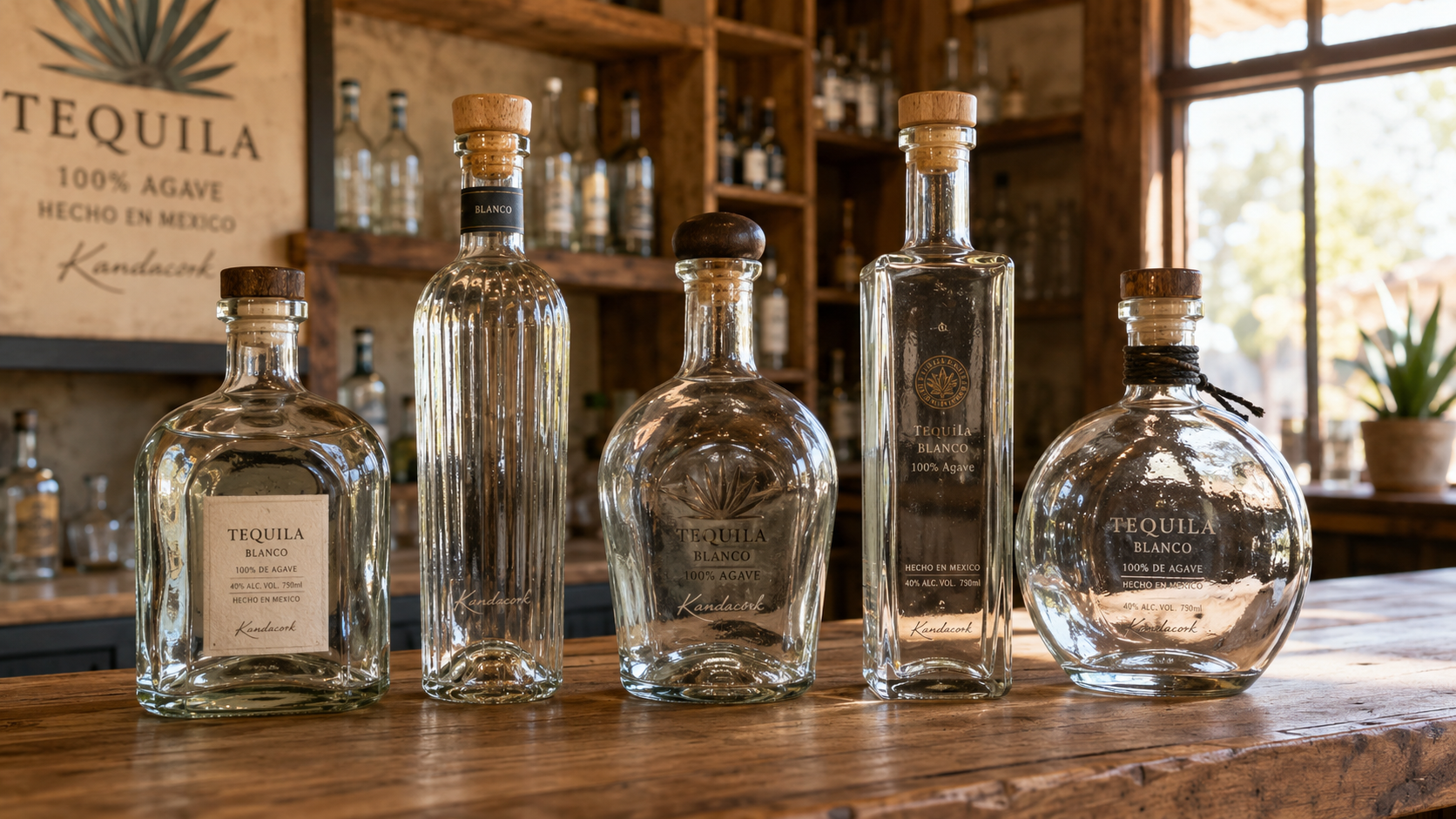
| Vodka, gin, or tequila | Synthetic bar-top stopper | Clean appearance, consistent fit, and strong customization |
| Whiskey or rum | Natural cork or synthetic shank with premium top | Choice depends on heritage story, tactile feel, and closure consistency |
| Liqueur or flavored spirits | Synthetic stopper | Useful for aroma retention, repeat resealing, and stable dimensions |
| Premium gift bottle | Natural cork or custom synthetic stopper | Best option depends on brand story, top material, and shelf impact |
| Private-label beverage | Synthetic stopper | Helps control cost, color, repeatability, and multi-SKU consistency |
| Craft limited edition | Natural cork or hybrid closure | Supports handmade, premium, or heritage-inspired positioning |
Synthetic vs Natural Cork for Spirits Bottles
For spirits, the debate is not the same as it is for wine.
A spirits bottle closure must perform after repeated opening. It should feel secure but not difficult to remove. It should reseal smoothly, align visually with the bottle neck, and maintain a clean shelf presentation through transport, display, and use.
Synthetic shanks are often selected for consistency. They support stable compression, controlled extraction force, and repeatable fit across production runs. They also pair well with custom top shapes, colored heads, molded logos, printed details, and modern packaging styles.
Natural cork shanks are often selected for premium perception. They work well with wooden bar-top stoppers used on whiskey, rum, brandy, cognac, and craft spirits. The natural texture can reinforce authenticity, but buyers should test odor neutrality, cork grade, compression, insertion depth, and pull-out force.
For a complete spirits pack, closure material should be reviewed together with bottle shape, neck bore, shoulder profile, label area, capsule clearance, and secondary packaging.
Synthetic vs Natural Cork for Bar-Top Closures
Bar-top closures combine a stopper shank with a decorative top. They are widely used for spirits, liqueurs, premium oils, vinegars, and specialty beverages.
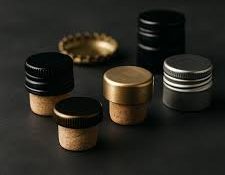
A synthetic shank with a plastic top is practical for cost-controlled projects, private-label spirits, promotional packs, and colorful modern branding. Kandacork Closures also supports plastic bar-top stoppers when buyers need flexible molded shapes, lower weight, and strong color matching.
A synthetic shank with a metal top can create a more premium effect while keeping the functional advantages of engineered fit. For flagship SKUs, travel retail, and gift packaging, metal stoppers can add weight, shine, and tactile value.
A natural cork shank with a wood top can work beautifully for heritage products. However, it should still be tested against the real bottle. Bottle drawings are useful, but physical samples reveal details such as shank bite, seating height, corking pressure, removal feel, and cap alignment.
For any bar-top closure, the complete system matters: shank diameter, top diameter, top height, adhesive strength, logo method, capsule fit, hand feel, and repeat resealing performance.
When Should a Brand Request Samples?
A brand should request samples before confirming bulk closure production when launching a new SKU, changing bottle suppliers, changing closure materials, adjusting cap-top design, switching filling lines, entering a new market, or moving from manual corking to semi-automatic or automatic stoppering.
Sampling helps buyers check appearance, bottle fit, insertion depth, extraction force, top alignment, color accuracy, logo quality, leakage resistance, and packaging compatibility. It also gives marketing, procurement, quality, and production teams a shared physical reference before mass production.
For spirits and liqueurs, samples are especially important because the closure will usually be opened and closed many times. The stopper should feel premium every time, not only during the first opening.
Common Mistakes When Choosing Bottle Stoppers
Many closure problems begin before production because the buyer evaluates only appearance or unit price.
Common mistakes include choosing a stopper based only on photos, ignoring bottle neck tolerance, skipping leakage testing, failing to test repeated opening, using one closure specification for bottles from different suppliers, confirming bulk production without line trials, and making sustainability claims without material verification.
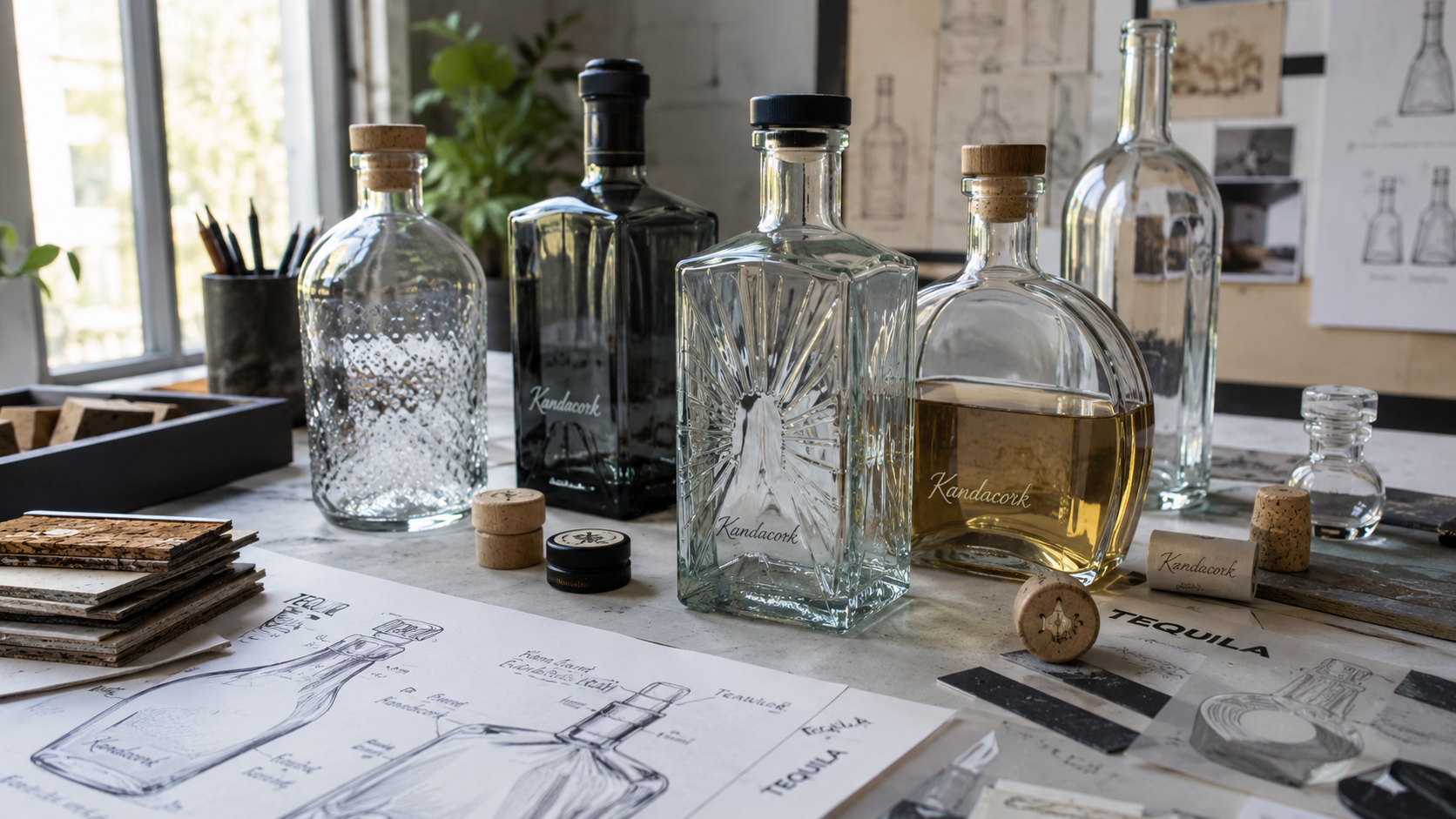
Another common mistake is separating closure design from bottle design. A stopper that looks good on its own may feel too small, too tall, too light, or visually disconnected once placed on the finished bottle. For a stronger brand presentation, the closure should be designed with the bottle, label, capsule, carton, and display channel in mind. Brands developing new glass formats can coordinate closure fit with custom spirits bottles from the early design stage.
How Decoration and Bottle Design Influence Closure Choice
Closure material is only one part of the finished pack. Surface decoration can change how the same closure feels.
A black synthetic stopper may look minimal on a clear vodka bottle, premium on a frosted gin bottle, or too plain on a heavily embossed whiskey bottle. A natural cork shank may look rustic with kraft paper labels but less suitable for a high-gloss metallic pack. A metal top may look luxurious on a heavy-base bottle but oversized on a small liqueur format.
Finishes such as screen printing, hot stamping, coating, frosting, embossing, and metallization should be reviewed together with cap color and stopper shape. For brands that need a unified appearance across bottle, closure, and label, coordinated decoration and branding can help the closure feel intentional rather than added at the end.
What Information Should You Send to Kandacork Closures?
To receive accurate recommendations, send the most important bottle and project details at the beginning of the sourcing process.
Useful information includes bottle drawing, neck inner diameter, neck finish, opening style, required insertion depth, product type, alcohol level, expected shelf life, filling method, manual or automatic bottling process, target order quantity, preferred closure material, top material, color requirement, logo method, destination market, launch timeline, and reference photos.
If the bottle is still under development, Kandacork Closures can review closure direction alongside bottle structure. For buyers working across multiple categories or packaging formats, Kandacork Glass can support broader bottle and closure coordination, while Kandacork Glass Packaging supports custom glass packaging needs across spirits, beauty, home fragrance, gourmet, and specialty product categories.
Final Decision Table
| Choose Synthetic Stoppers If… | Choose Natural Cork If… |
|---|---|
| You need consistent dimensions | You need traditional premium appeal |
| You want no natural cork taint risk | You want renewable natural material positioning |
| You run multi-SKU production | You sell age-worthy wines |
| You need custom colors or logos | You want cork-pull ritual |
| You need stable repeat orders | You want heritage packaging |
| You produce spirits or liqueurs | You emphasize natural material value |
| You need strong private-label flexibility | You are building a classic wine or craft story |
| You want predictable extraction force | You are prepared to manage cork-grade variation |
Why Work With Kandacork Closures?
Kandacork Closures supports brands that need practical, production-ready closure solutions rather than generic material advice.
For synthetic stoppers, the team can help evaluate stopper size, compression behavior, color options, top design, shank structure, logo process, and repeat-order suitability. For natural cork and cork-based closures, Kandacork Closures can help buyers compare grade, appearance, fit, sensory neutrality, and premium positioning.
Kandacork Closures also supports adjacent closure systems such as screw caps, capsules, non-refillable closures, and ROPP closures when a project requires tamper evidence, torque control, or a different opening experience.
The best first step is to share the bottle neck dimensions, product category, order quantity, closure style, design direction, and destination market. From there, Kandacork Closures can recommend suitable options for sampling, fit testing, and bulk production.
Conclusion
Synthetic stoppers vs natural cork is not a one-size-fits-all decision.
Choose synthetic stoppers when your brand needs consistency, cost control, no natural cork taint risk, custom colors, stable repeat orders, and reliable performance for spirits, liqueurs, private-label products, or short-to-medium shelf-life beverages.
Choose natural cork when your brand needs traditional premium perception, renewable material positioning, wine-aging heritage, and a cork-pull ritual that supports the product story.
For many beverage brands, the smartest decision comes from testing both. By comparing fit, extraction force, sealing behavior, appearance, cost, compliance needs, and brand message, you can select a closure that protects the product and strengthens the customer experience.
FAQ
Are synthetic stoppers better than natural cork?
Synthetic stoppers are better when a brand needs consistent dimensions, no natural cork taint risk, custom color options, and predictable bulk production. Natural cork is better when a brand needs traditional premium appeal, renewable material messaging, and proven use for certain age-worthy wines.
What is the difference between synthetic cork and natural cork?
Synthetic cork is an engineered closure made from polymer, elastomer, or plant-based material. Natural cork is made from cork oak bark. Synthetic cork usually offers stronger consistency, while natural cork offers traditional appearance, natural material value, and premium wine heritage.
Do synthetic stoppers cause cork taint?
Synthetic stoppers do not come from cork oak bark, so they do not carry the same natural cork TCA risk. Buyers should still request material documentation and conduct sensory testing to confirm odor neutrality.
Is natural cork more sustainable than synthetic cork?
Natural cork has a strong sustainability story because it is renewable and natural. Synthetic stoppers vary by material. Petroleum-based synthetics are less strong for biodegradability claims, while plant-based or recyclable synthetic options may support more sustainability-focused positioning.
Which is cheaper, synthetic cork or natural cork?
Synthetic cork is often more cost-effective for high-volume and repeat-order projects. Natural cork pricing depends on grade, appearance, quality control, and availability. Buyers should compare total cost, not only unit price.
Do synthetic stoppers seal as well as natural cork?
High-quality synthetic stoppers can provide reliable sealing when properly matched to the bottle neck. Natural cork can also seal well, but performance varies by cork grade and natural material variation. Fit testing is essential for both options.
Are synthetic stoppers good for wine aging?
Some synthetic stoppers are suitable for short-to-medium-term wine storage, while premium age-worthy wines often use high-grade natural cork or technical cork. The right choice depends on wine style, oxygen needs, shelf life, and brand positioning.
Which closure is better for spirits bottles?
For spirits bottles, the best closure depends on bottle neck fit, resealing performance, alcohol compatibility, top design, and brand positioning. Synthetic shanks are often chosen for consistency, while natural cork shanks are often chosen for premium tradition.
Can synthetic stoppers be customized with colors and logos?
Yes. Synthetic stoppers and bar-top closures can often be customized with specific colors, top shapes, printed logos, embossed branding, debossed branding, surface textures, and different top materials.
How do I choose the right stopper size?
Measure the bottle neck inner diameter, required insertion depth, and target extraction force. Then request samples for fit testing, leakage testing, opening-feel testing, and visual evaluation before confirming bulk production.