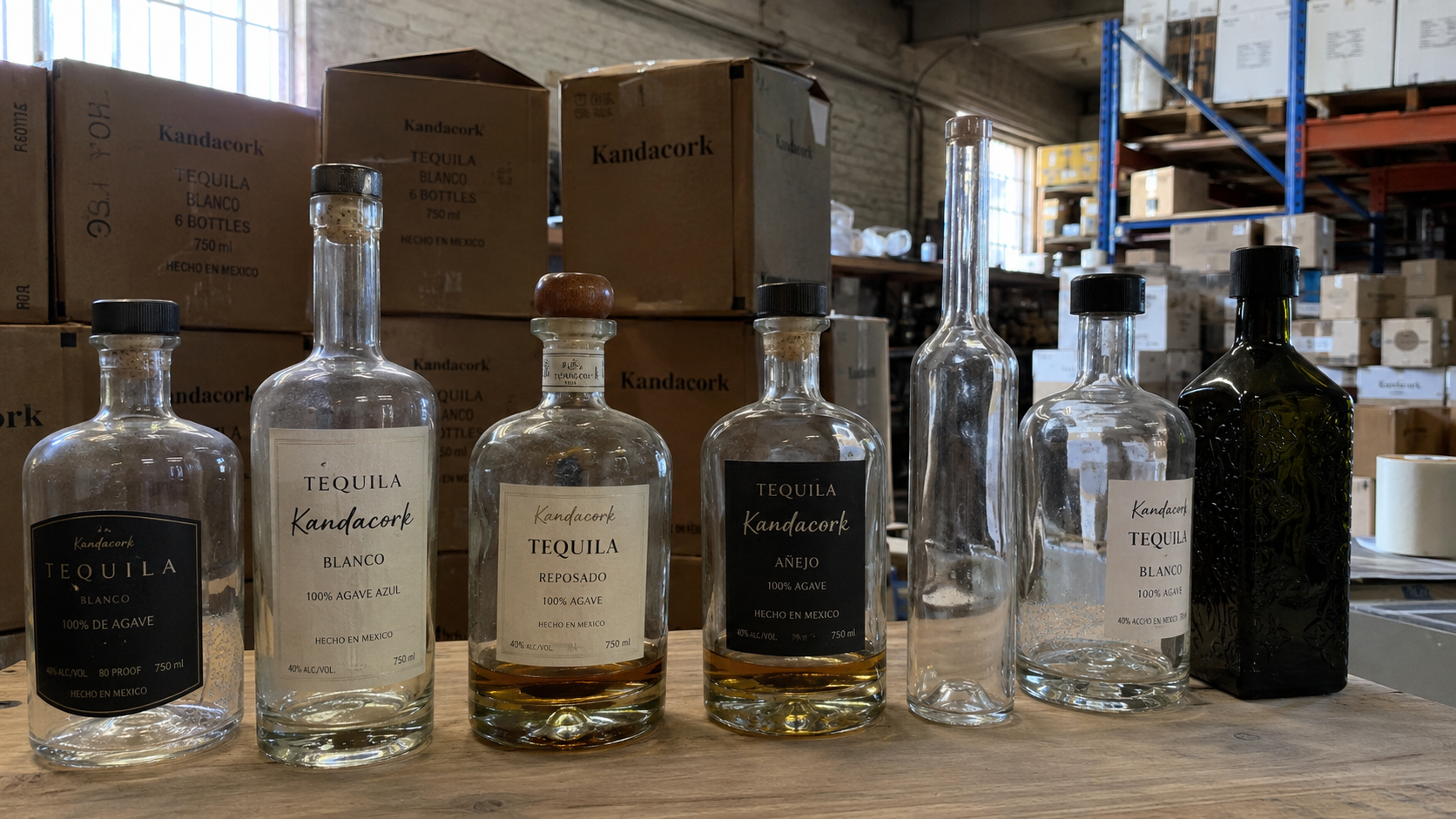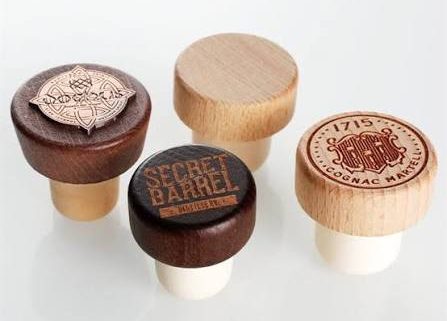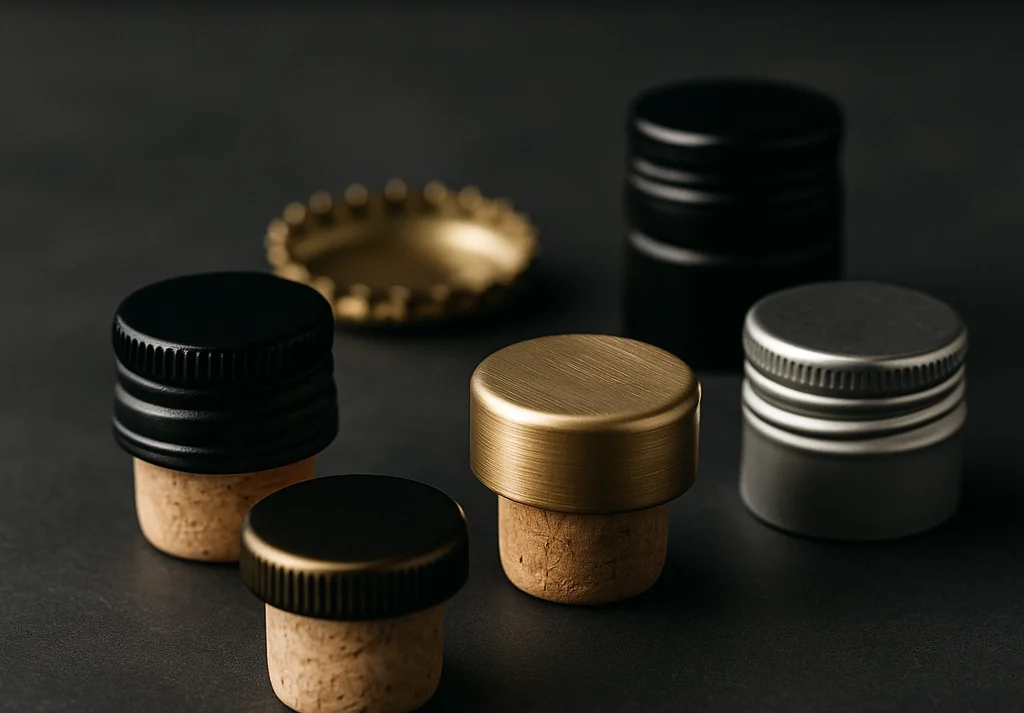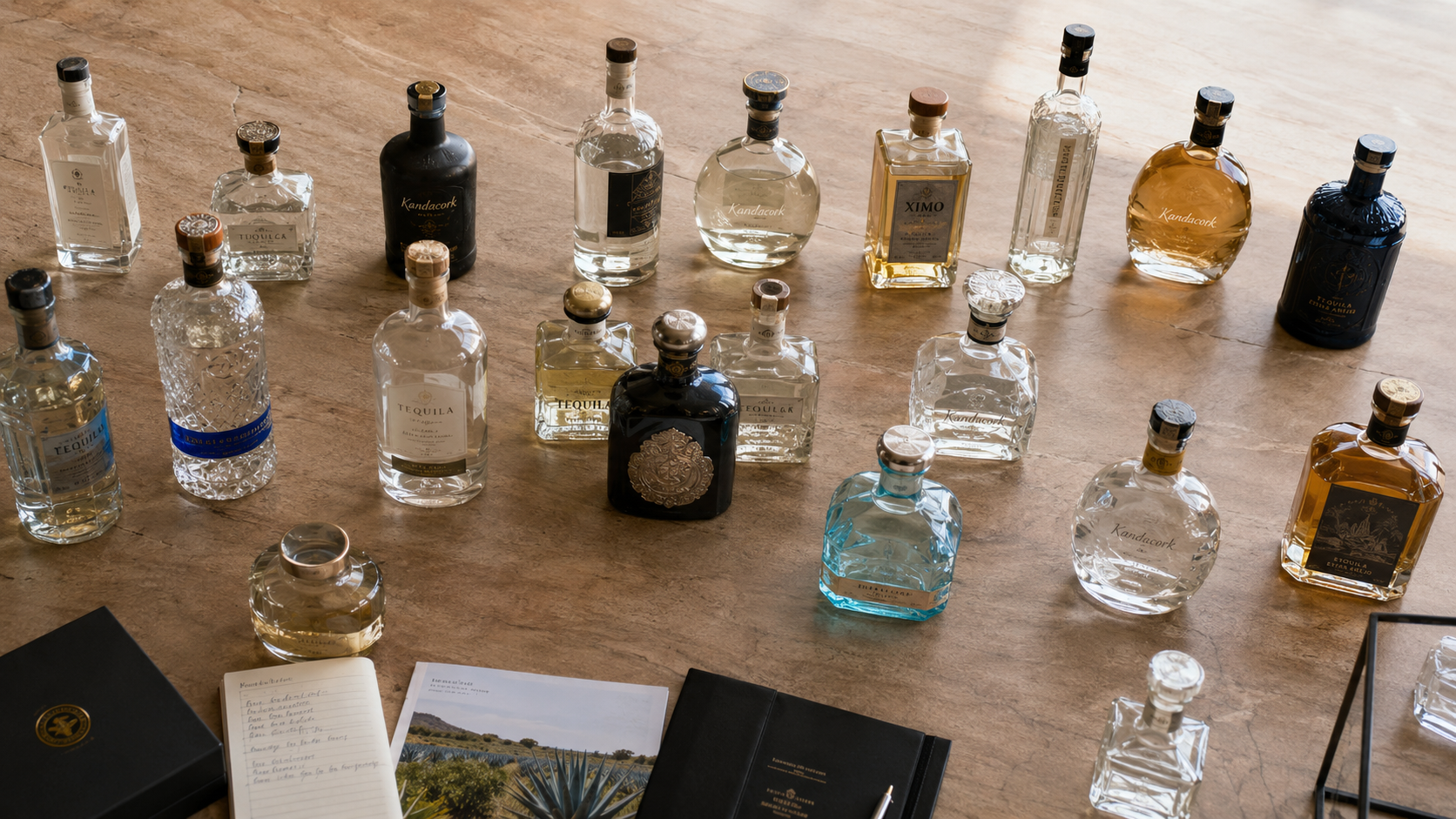
Choosing the right ROPP torque, pilfer bands and neck finish combination is critical for leak prevention, smooth opening, visible tamper evidence and stable high-speed capping. A ROPP closure may look simple from the outside, but its actual performance depends on how the aluminum cap, liner, bottle neck finish, pilfer band and capping equipment work together.
For packaging buyers, distilleries, beverage brands and private-label manufacturers, the biggest risk is not only ordering the wrong cap size. The bigger risk is approving a closure before validating torque retention, liner compression, pilfer band break behavior and neck finish compatibility under real filling and storage conditions.
For projects that need reliable metal closures, branded finishing and bulk production consistency, ROPP closures are often selected because they combine resealability, tamper evidence and a clean premium appearance. The key is choosing a closure system that fits the bottle and product, not simply a cap that looks correct in a sample photo.
Why ROPP Torque, Pilfer Bands and Neck Finish Must Be Matched
ROPP torque, pilfer bands and neck finish must be matched because the closure is formed directly onto the bottle during capping. The neck finish controls thread formation and pilfer band locking. The liner and top pressure control sealing. Torque testing confirms whether the closure opens smoothly, seals reliably and provides clear tamper evidence after first opening.
If any part of this system is mismatched, the package may leak, spin, open too tightly, open too loosely, lose torque during storage or fail tamper-evident inspection. This is why sourcing decisions should involve both packaging design and technical validation.
What Are ROPP Closures?
ROPP means Roll-On Pilfer-Proof. A ROPP closure is usually made from aluminum or aluminum alloy and applied with a dedicated capping machine. Unlike a pre-threaded screw cap, a ROPP cap often starts as a smooth shell. During application, rollers form the thread profile around the bottle neck and tuck the lower pilfer band under the neck bead.
This process creates a closure that seals the product, allows resealing after opening and provides visible tamper evidence. When the consumer opens the bottle for the first time, the pilfer band should separate from the upper cap and remain on the bottle neck.
ROPP closures are common in spirits, liquor, wine, premium beverages, olive oil, syrups, pharmaceutical liquids and specialty glass packaging. They are especially useful when brands need a clean metal closure, reliable machine application and a consistent opening experience.
For buyers, the most important point is simple: a ROPP closure is not just a decorative cap. It is a technical packaging component that must match the bottle, product and filling line. Kandacork Closures supports buyers who need this balance between functional performance and brand presentation.
Why the Complete ROPP System Matters
A successful ROPP closure project depends on several connected factors. Closure size must match the bottle neck diameter and finish height. Cap height affects skirt coverage, thread formation and pilfer band position. The liner controls sealing, product compatibility and torque behavior. The neck finish controls thread rolling, liner compression and band locking.
The pilfer band provides visible tamper evidence after first opening, while the bridges control how the band breaks. The capping head applies top pressure and forms both the thread and the band. Torque testing confirms opening force, seal security and consumer usability.
When these factors are aligned, the closure seals well, opens consistently and supports a premium user experience. When they are not aligned, even a high-quality cap may fail in production.
Buyers comparing different closure and stopper options should evaluate the full packaging system rather than treating the cap as a standalone component.
Key ROPP Closure Terms Buyers Should Know
Application Torque
Application torque refers to the tightening or forming force involved when the closure is applied. In ROPP capping, the process is different from ordinary screw-cap application because the thread is formed during capping.
The machine applies downward pressure, compresses the liner and uses rollers to shape the aluminum skirt around the bottle finish. For this reason, buyers should avoid judging ROPP performance by a generic torque value only. The correct target depends on closure size, cap height, liner type, neck finish, product formulation and capping equipment.
Removal Torque
Removal torque is the force required to open the closure. It is one of the most important quality-control indicators for ROPP closures because it reflects both seal performance and consumer usability.
If removal torque is too low, the closure may not feel secure and may lose sealing strength. If removal torque is too high, consumers may struggle to open the bottle. For premium spirits and beverages, opening feel can influence perceived product quality.
Torque Retention
Torque retention describes how torque changes after the closure has been applied. A cap may pass an immediate torque test but lose torque after liner compression, transport vibration, temperature change or storage time.
A good ROPP torque test should include immediate checks and delayed checks. Buyers should also test real product conditions, not only empty bottles or water-filled samples.
Pilfer Band
The pilfer band is the lower tamper-evident part of the closure. During capping, the band is tucked under the bottle neck bead. During first opening, it should separate from the upper cap and remain on the bottle neck.
The pilfer band helps consumers see whether the bottle has already been opened. For spirits, beverages and regulated product categories, this visible tamper evidence is an important part of packaging trust.
ROPP Bridges
ROPP bridges are the small connection points between the main cap skirt and the pilfer band. They must be strong enough to survive capping, filling-line movement and shipping, but controlled enough to break cleanly during first opening.
Bridge design affects opening force, tamper-evident appearance and consumer experience. If bridges are too weak, the band may break too early. If bridges are too strong, the bottle may be difficult to open.
Neck Finish
The neck finish is the upper part of the bottle that interacts with the closure. For ROPP applications, it includes the sealing surface, bead, undercut, thread-forming area, height and diameter.
The neck finish controls how the liner compresses, how the aluminum thread is formed and how the pilfer band locks under the bead. A small difference in neck finish geometry can cause a major difference in closure performance.
How the ROPP Capping Process Works
ROPP capping usually follows a controlled forming sequence.
The closure is placed squarely on the bottle mouth. If placement is tilted, the thread may form unevenly and the pilfer band may sit incorrectly.
The capping head applies downward pressure. This compresses the liner against the sealing surface and helps create leak resistance.
Thread rollers press the aluminum skirt against the bottle finish. The bottle neck acts as the forming profile, allowing the cap to become threaded around the finish.
Pilfer-band rollers tuck the lower band under the neck bead. This creates the tamper-evident lock.
After capping, the package should be inspected for cap height, thread definition, band position, bridge condition, liner compression, leakage and opening torque.
This process explains why ROPP closure quality is not determined by the cap alone. The bottle, closure, liner and capping setup must be tested as a complete system.
ROPP Neck Finish Requirements
Diameter and Closure Height
ROPP closures are often specified by diameter and height, such as 28 mm, 30×35 mm, 30×44 mm or 30×60 mm. However, size alone is not enough. Two bottles may both use a 30 mm closure, but they can perform differently if their bead shape, undercut or sealing land is different.
Before bulk production, buyers should confirm both the closure size and the detailed neck finish drawing.
Bead Geometry
The bead is critical for pilfer band performance. If the bead is too shallow, too sharp, too rounded or positioned incorrectly, the band may not seat properly. This can cause weak tamper evidence, uneven band breakage or a band that slips during opening.
Good bead geometry allows the pilfer band to tuck under the neck and remain there after first opening.
Undercut Depth
The undercut is the area below the bead that gives the pilfer band space to lock in place. If the undercut is insufficient, the band may not engage correctly. If the band cannot engage, the closure may open without clear tamper evidence.
This is a common problem when buyers try to use a ROPP cap on a bottle that was not originally designed for ROPP application.
Sealing Land
The sealing land is the surface where the liner contacts the bottle. It should be flat, clean and dimensionally consistent. A poor sealing land can cause leakage even when torque appears acceptable.
For alcoholic products, oils, acidic beverages, syrups or export packaging, liner and sealing land compatibility should be validated through actual product testing.
Glass Finish Tolerance
Glass bottles can have dimensional variation from batch to batch. Small differences in neck finish tolerance may affect torque repeatability, liner compression and pilfer band behavior.
The Glass Packaging Institute is a useful industry entity for buyers seeking clearer language around glass container terminology and packaging communication. In practical sourcing, buyers should still confirm performance with drawings, physical samples and capping-line trials.
ROPP Torque Testing for Buyers
ROPP torque testing should be done with the actual bottle, actual closure, selected liner and intended capping setup. Visual approval is not enough. A closure may look attractive but fail sealing, torque retention or tamper-evident requirements.
ASTM International is often referenced by packaging professionals when developing test-method thinking for handling, closure performance and transport validation. For production systems, ISO 9001 quality management principles can also help buyers define measurable acceptance criteria and repeatable inspection routines.
A practical ROPP torque test plan should include immediate removal torque, delayed removal torque, leak testing, cap spinning checks, pilfer band break checks, bridge inspection, liner compression review, transport simulation and temperature exposure. For premium packaging, testing should include both technical performance and consumer opening feel.
Common ROPP Closure Problems and Solutions
Cap spinning after application may come from weak thread formation, wrong cap size, unsuitable neck finish, shallow rolling pressure or inconsistent bottle tolerance. Buyers should review the bottle drawing, cap height, roller setup and thread-forming area.
Closure leakage may come from poor liner compression, a damaged sealing land, the wrong liner material, low top pressure or product residue on the finish. Buyers should inspect the sealing surface, confirm liner compatibility and test the actual product instead of relying only on water trials.
High opening torque may be caused by an over-formed thread, excessive roller pressure, high liner friction or product residue. This can make a premium bottle feel difficult to open, even if the closure is technically secure.
Low opening torque may indicate under-formed threads, poor torque retention, weak liner compression or a neck finish mismatch. Delayed torque testing is especially important because some issues appear only after storage or transport.
Pilfer band failure may involve poor bridge design, bead mismatch, incorrect band tuck, excessive roller pressure or wrong band clearance. Buyers should check whether the band survives capping, remains secure during handling and breaks cleanly during first opening.
These issues are especially important when a brand moves from small-batch filling to automated production. Problems that appear minor during hand sampling can become costly when production volume increases.
Pilfer Band Design and Tamper-Evident Performance
A ROPP pilfer band works by locking under the bottle neck bead. When the consumer opens the cap, the bridges break and the band remains on the neck. This creates visible evidence that the product has been opened.
Pilfer band performance depends on cap material, band clearance, bridge design, bead shape, undercut depth and roller setup. A strong tamper-evident system should survive capping and transportation, but still open cleanly for the consumer.
For spirits and premium beverages, the first opening experience is part of the product’s perceived quality. A band that breaks unevenly, requires excessive force or fails to stay on the neck can reduce confidence in the package.
For buyers comparing materials and finishes, custom aluminum closures may provide the right balance of premium appearance, forming performance and decoration flexibility.
When to Request a ROPP Closure Sample
Buyers should request samples before bulk ordering whenever the bottle, product, liner or filling line changes.
Sample testing is especially important when a new bottle mold is being used, the glass supplier changes, the neck finish drawing changes, a new liner is required, or the product contains alcohol, oil, acid or syrup.
Samples are also important when a brand is moving from hand capping to machine capping, preparing export packaging, solving previous leakage issues, checking pilfer band performance or approving custom printing, embossing or special finish treatment.
For products that may fall under food-contact packaging expectations, buyers can also review relevant food-contact packaging guidance from the FDA when planning regulated-market requirements. Final material decisions should always consider the product formula, destination market and supplier documentation.
Example ROPP Closure Specification for Buyer Review
A clear specification helps the supplier understand the project and recommend the right structure.
A practical project brief may include the closure type, closure size, product category, bottle material, neck finish drawing, physical bottle samples, liner requirements, decoration style, performance targets and production-line details.
For example, a premium spirits project may require a 30×60 mm aluminum ROPP closure, a glass bottle with verified neck finish, product-compatible liner, custom color, top logo, side printing, removal torque testing, leak testing and pilfer band break validation before bulk order.
This type of specification gives the closure supplier enough information to evaluate feasibility and reduce guesswork.
Project Information Buyers Should Prepare
Before requesting a quote or production sample, buyers should prepare the bottle drawing, neck finish drawing, physical bottle samples, required closure diameter and height, product type, formulation details, filling method, filling temperature, expected shelf life and liner requirements.
Buyers should also share cap color, surface finish, logo artwork, embossing requirements, printing requirements, capping machine model, line speed, target torque range, leak testing expectations, destination market and estimated order quantity.
The more complete the project information, the easier it is to match the closure to the bottle and reduce sampling cycles. For oil-based products, buyers can also compare dedicated olive oil closures when pour control, liner compatibility and leakage prevention are major concerns.
ROPP Closures for Spirits and Premium Beverages
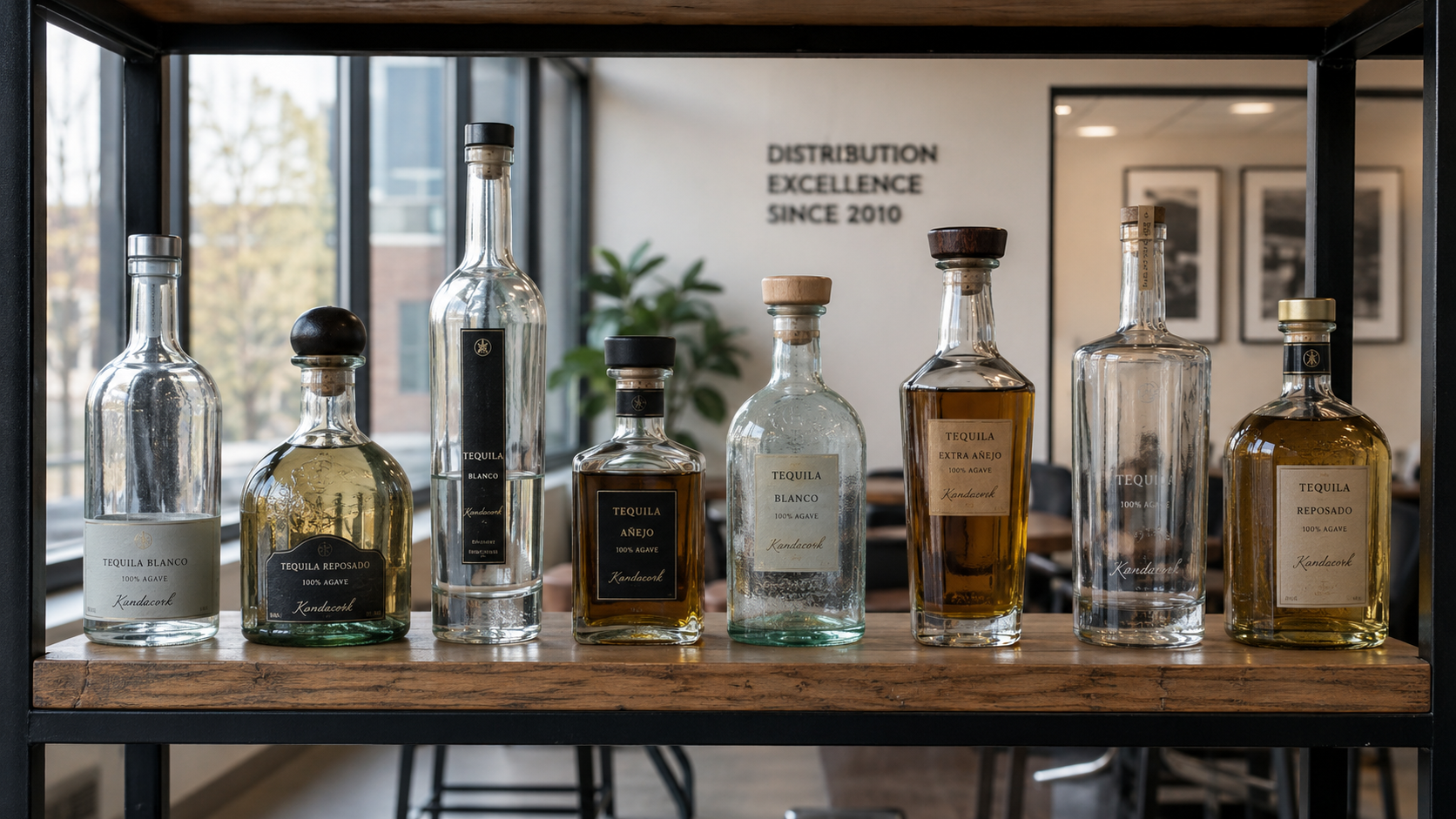
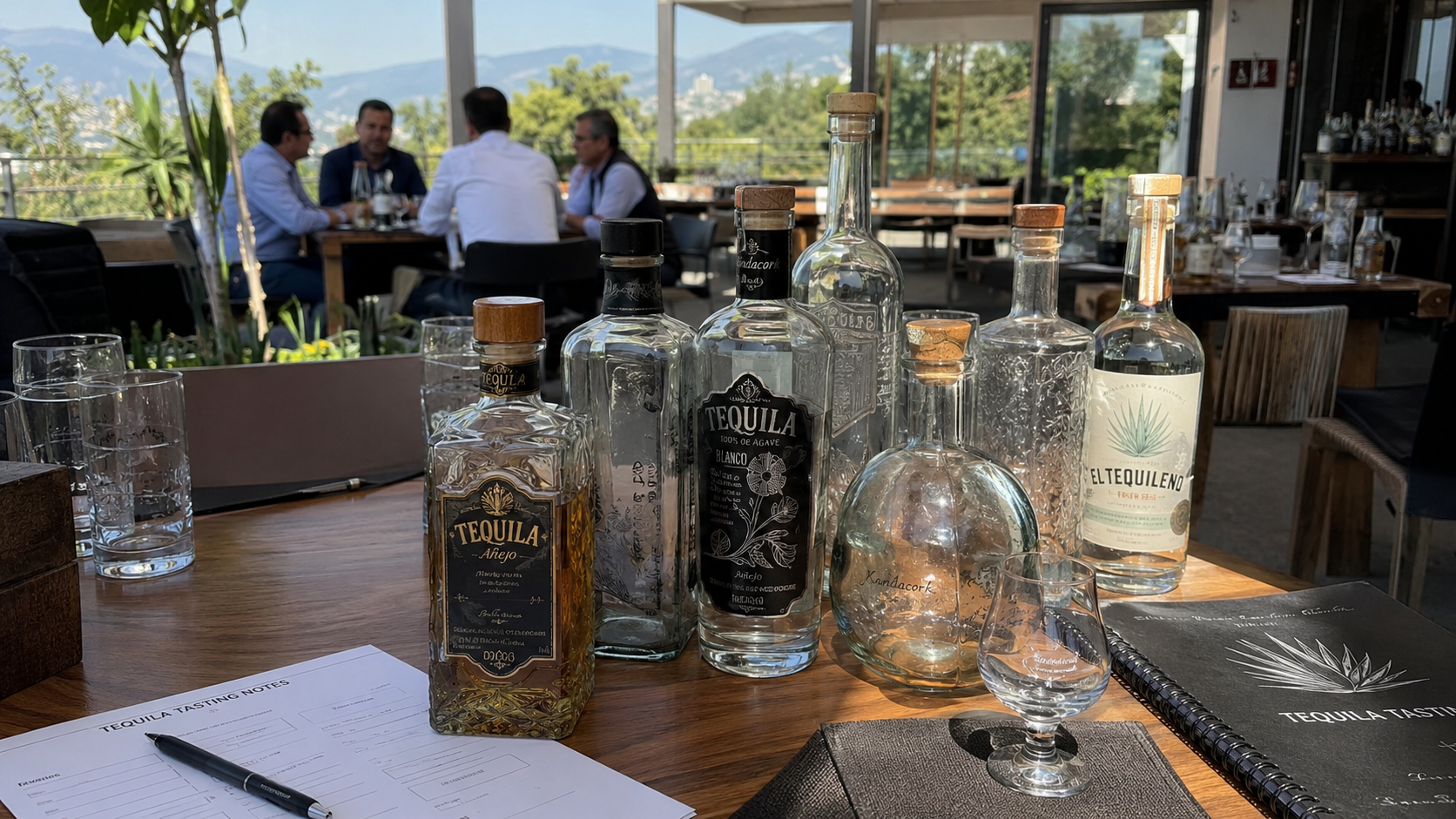
Spirits packaging has high expectations for both function and appearance. A whisky, vodka, gin, rum, tequila or liqueur bottle must seal reliably, open smoothly and look premium on shelf.
ROPP closures are often chosen for spirits because they provide a clean aluminum appearance, resealable function and visible tamper evidence. They can support custom colors, top printing, side printing, embossing, matte finishes, gloss finishes and metallic effects.
However, decoration should not be approved before functional testing. A cap may look perfect in a digital mockup but still fail if the liner, neck finish and torque range are not validated together.
For brands developing a full bottle and closure presentation, related resources for spirits bottle packaging and closure decoration and branding can support a more coordinated packaging system.
ROPP Closures for Oils, Syrups and Specialty Liquids
ROPP closures are also used for olive oil, edible oils, syrups, extracts and other specialty liquid products. These applications may require careful liner selection, controlled pourer compatibility and additional leak testing.
Oil-based products can reveal sealing weaknesses quickly because oil may migrate through small gaps. Syrups and sweet liquids can create residue around the finish, which may affect opening torque over time.
Buyers should test the actual product, not only water. Product viscosity, acidity, alcohol content, oil content and filling temperature can all influence ROPP closure performance.
When the bottle itself is still being developed, buyers may also need support with custom glass bottle development so the closure choice and bottle finish are planned together instead of corrected after sampling.
Quality Control Recommendations
Production quality control should use measurable acceptance criteria. These may include cap height range, visual band position, bridge condition, immediate removal torque, delayed removal torque, leak test result, band break behavior, liner compression condition, decoration quality and carton performance.
Quality checks should be performed at startup, during production and after equipment adjustments. If torque begins to drift, the production team should check capper pressure, roller wear, bottle finish consistency and closure batch variation.
For brands with sustainability goals, the Aluminium Stewardship Initiative can provide useful context for responsible aluminum value chains. Buyers building broader packaging programs may also consider sustainable glass packaging when bottle weight, recyclability, decoration and closure compatibility are part of the same sourcing decision.
Why Work With Kandacork Closures?
Kandacork Closures supports custom ROPP closure projects for brands that need reliable sealing, visible tamper evidence and a premium packaging appearance. For spirits, liquor, wine, olive oil, beverage and specialty bottle projects, the right closure must do more than fit the bottle visually.
The team can help buyers review closure size, cap height, aluminum finish, liner options, color matching, logo decoration, pilfer band compatibility and sample testing before bulk orders.
This support is especially valuable for growing brands moving from small-batch packaging to larger filling lines. As production volume increases, small closure issues become expensive. Validating ROPP torque, pilfer bands and neck finish compatibility early can reduce leakage, rework, consumer complaints and shipment risk.
Send Kandacork Closures Your Project Details
To start a custom ROPP closure project, prepare your bottle drawing, neck finish drawing, bottle samples, target torque range, product details and artwork files.
Kandacork Closures can help review closure dimensions, liner selection, pilfer band fit, decoration methods and sample testing requirements before bulk production. This gives buyers a clearer path from concept to validated packaging.
For sample review, quotation support or project discussion, contact Kandacork Closures with your packaging requirements and available technical files.
Buyer Takeaway
Before ordering ROPP closures in bulk, confirm three things: the cap fits the neck finish, the pilfer band breaks correctly, and torque remains stable after storage.
These checks reduce leakage risk, improve tamper-evident performance and protect the consumer opening experience. For buyers, the safest decision is to validate the bottle, closure, liner and capping setup together before approving mass production.
FAQ
What torque should a ROPP cap have?
The correct ROPP torque depends on closure size, bottle neck finish, liner material, capping equipment and product type. Buyers should not use a generic value as final approval. The best method is to test actual closures on actual bottles with the intended filling-line setup.
Why does the ROPP neck finish matter?
The neck finish controls thread formation, liner compression and pilfer band engagement. If the finish is wrong, the closure may leak, spin, open poorly or fail to provide clear tamper evidence.
What causes poor ROPP torque retention?
Poor ROPP torque retention may be caused by weak liner compression, incorrect roller pressure, finish mismatch, closure deformation, product residue, temperature change or bottle tolerance variation.
How does a ROPP pilfer band work?
The pilfer band is tucked under the bottle neck bead during capping. When the cap is opened for the first time, the bridges break and the band stays on the neck, giving visible tamper evidence.
Are ROPP closures suitable for spirits bottles?
Yes. ROPP closures are suitable for many spirits bottles when the closure, liner, neck finish and capping process are validated together. They are often used for liquor, wine, spirits and premium beverage packaging.
What samples are needed before ordering ROPP closures in bulk?
Buyers should provide bottle samples, bottle drawings, neck finish drawings, product details, capping machine information, liner requirements, artwork files and target torque expectations. These details help prevent fit and sealing problems before production.
Can Kandacork Closures review my bottle neck finish before production?
Yes. Buyers can send bottle drawings, neck finish drawings and physical samples so Kandacork Closures can help evaluate ROPP closure size, liner selection, pilfer band fit and sample testing requirements before bulk production.
How do I request custom ROPP closure samples?
Send the closure size, bottle samples, neck finish drawing, product type, target torque range, artwork files and expected order quantity. This helps Kandacork Closures prepare a more accurate sample and quotation plan.
Conclusion
ROPP closure performance depends on more than cap size. Buyers need to understand how ROPP torque, pilfer bands and neck finish design work together. The best closure is not only attractive; it must seal reliably, open smoothly, show clear tamper evidence and run consistently on the filling line.
For packaging buyers, the safest path is to validate the complete system before bulk production. That means testing the actual bottle, actual closure, selected liner and intended capping equipment under realistic product and shipping conditions.
Kandacork Closures helps brands develop custom ROPP closures that balance technical performance with premium shelf appeal. By reviewing torque requirements, pilfer band behavior and neck finish compatibility early, buyers can reduce packaging risk and build a more reliable product experience.