Direct Answer
The four main bar-top stopper materials are wood, metal, plastic and glass. Wood is best for craft and heritage spirits, metal for luxury bottles, plastic for color consistency and high-volume private label projects, and glass for premium gift packaging. Buyers should choose the top material together with shank size, bottle neck fit, decoration method, compliance documentation and supplier capability.
Introduction: Choosing the Right Stopper Material for Spirits Packaging
Choosing the right bar-top stopper materials is a practical packaging decision for spirits brands, distilleries, private label buyers, importers, distributors, bottlers and procurement teams. The stopper top affects shelf appeal, hand feel, cost, decoration quality, compliance review and sample approval.
Wood, metal, plastic and glass each create a different brand signal. Wood supports craft and heritage. Metal adds weight and luxury. Plastic offers color consistency and cost control. Glass creates clarity and gift-pack appeal.
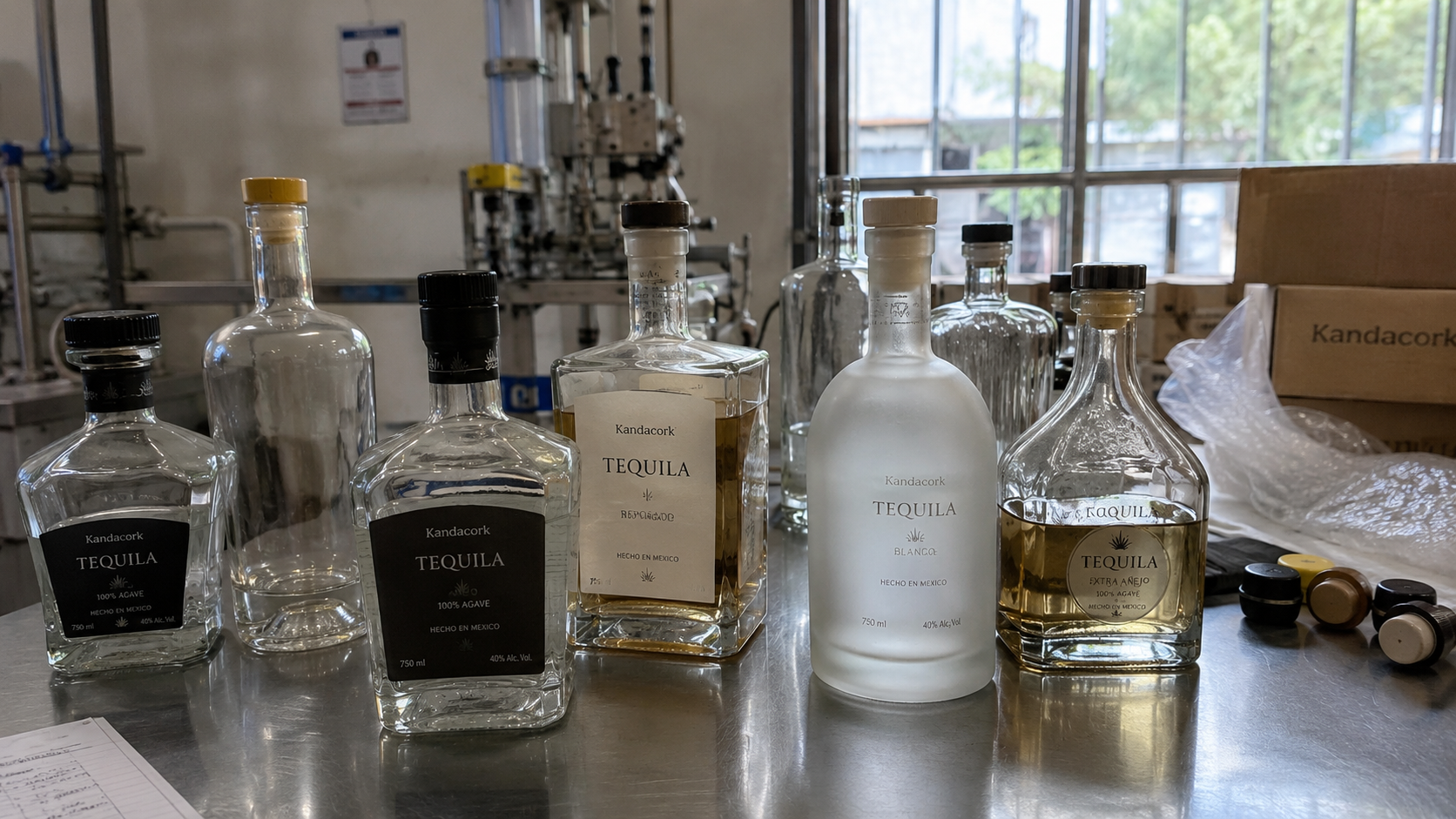
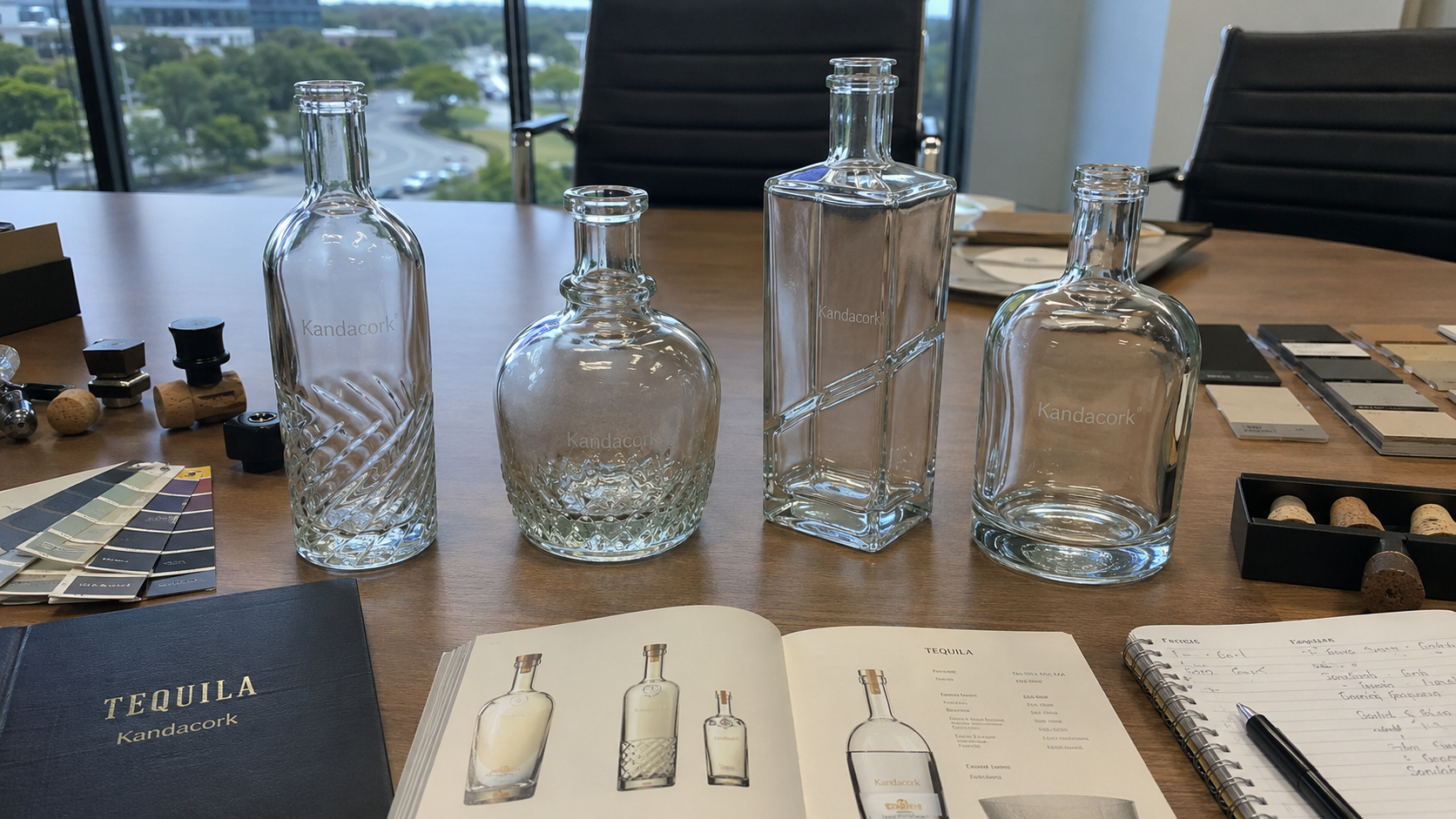
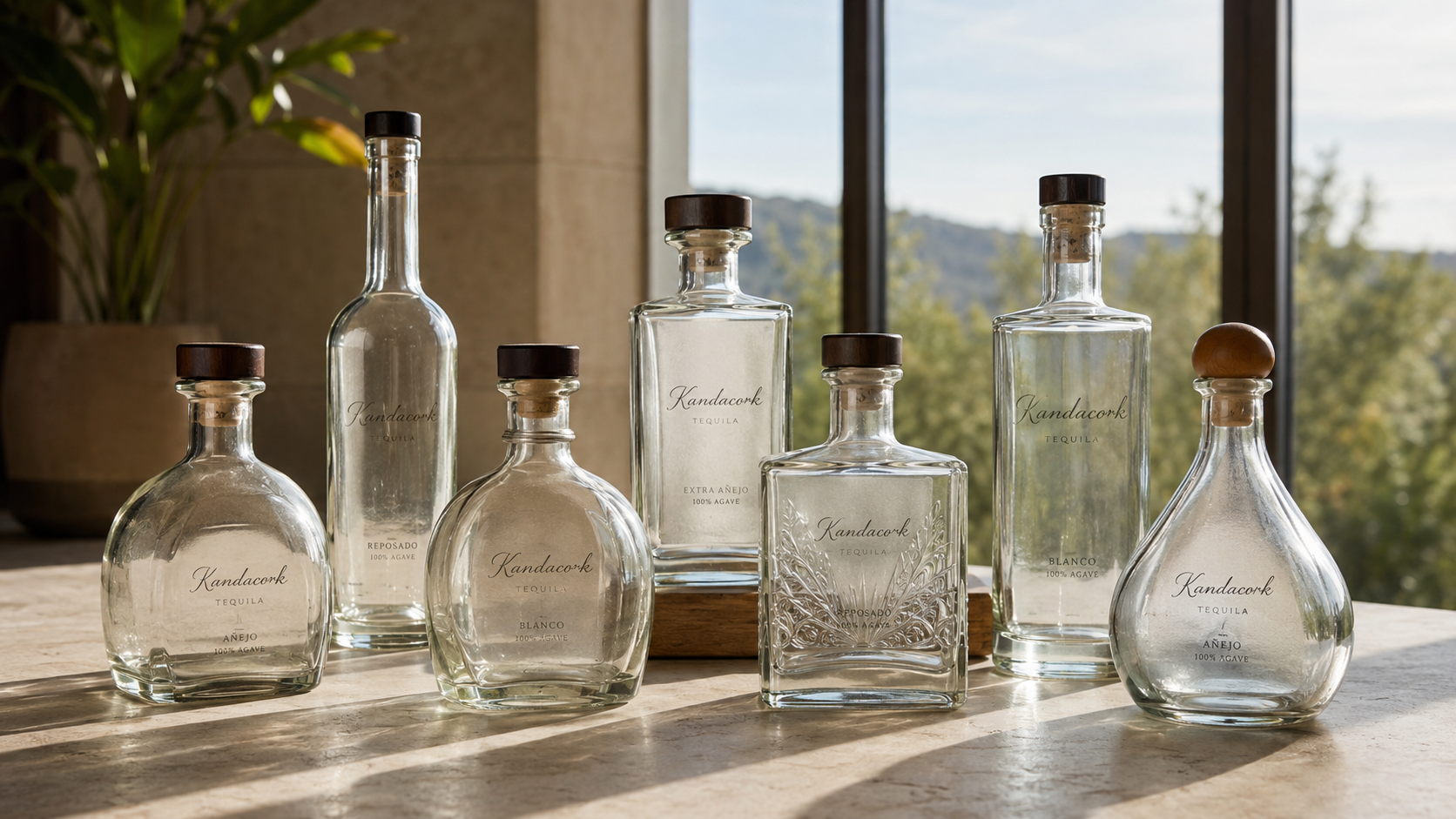
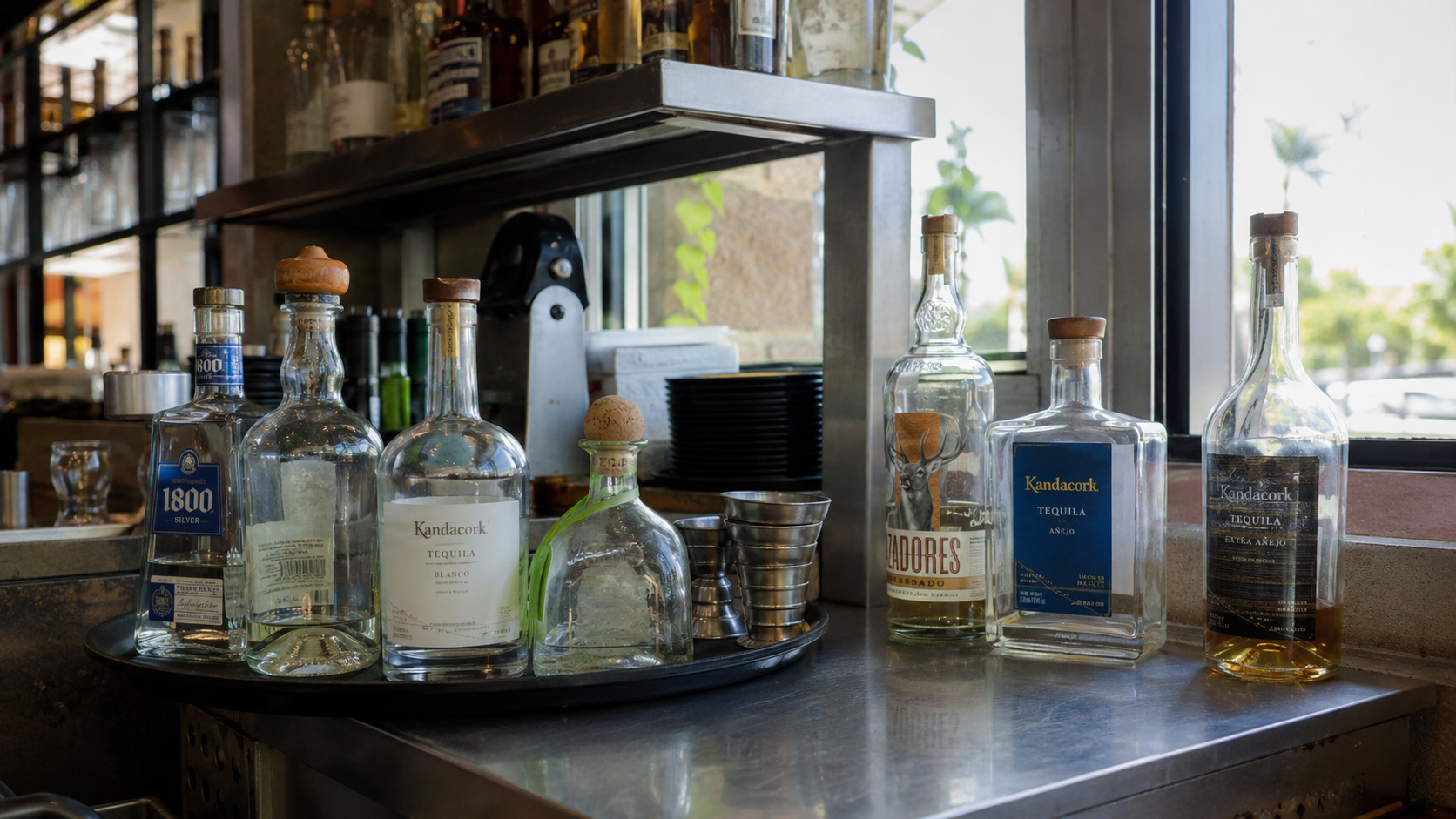
However, stopper material should not be selected by appearance alone. Buyers should evaluate the complete closure system: top material, shank material, bottle neck fit, insertion force, removal force, decoration method, food-contact documentation, MOQ, lead time and export packing. For buyers comparing full closure options, Kandacork Closures provides custom spirits bottle closures and stoppers for whisky, vodka, gin, rum, tequila, brandy, liqueur and private-label packaging projects.
What Is a Bar-Top Stopper and Why Neck Fit Matters
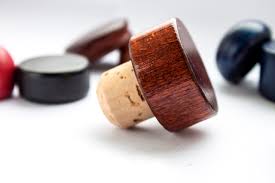
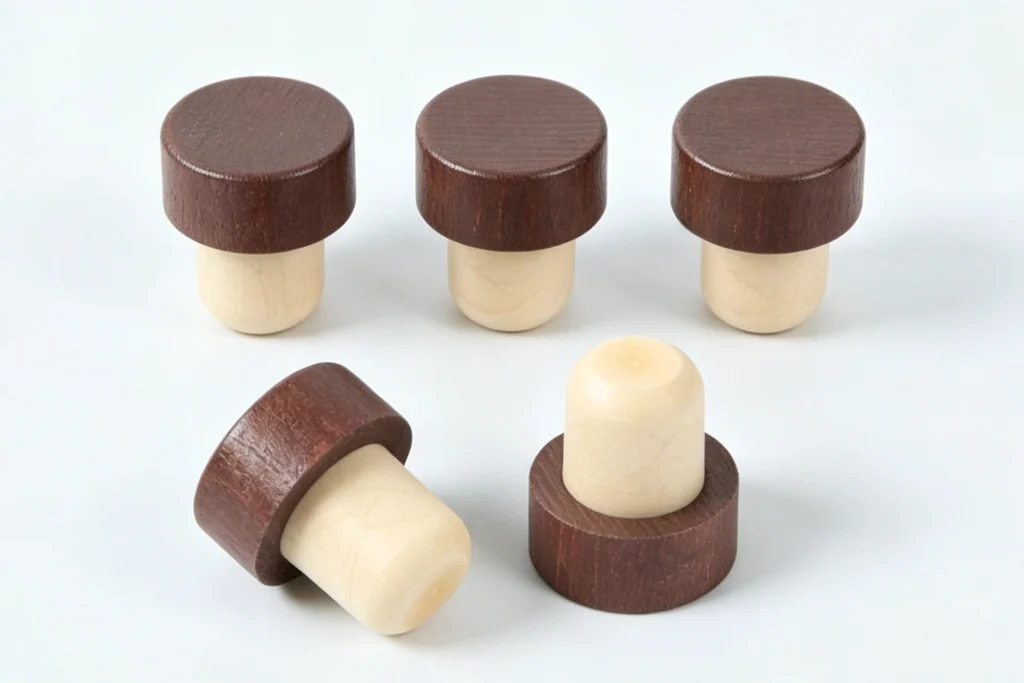
A bar-top stopper, also called a T-top stopper or bar-top cork, is a closure commonly used for spirits bottles, liqueurs, decanters and premium beverage packaging. It usually includes two parts: the visible top and the sealing shank.
The top, also called the head or cap, is the part consumers hold when opening the bottle. It provides visual identity, grip, decoration space and brand value. The shank is inserted into the bottle neck and provides the sealing function. It may be made from natural cork, micro-agglomerated cork, synthetic cork or another engineered material.
Before comparing bar-top stopper materials, buyers should confirm the bottle neck inner diameter. This dimension helps determine the correct shank diameter. In many projects, the shank is slightly larger than the bottle neck inner diameter to create compression, but the final size should always be validated with real bottle samples or accurate bottle drawings.
| Specification | Why It Matters |
|---|---|
| Bottle neck inner diameter | Determines suitable shank diameter |
| Shank diameter | Affects sealing, insertion force and removal force |
| Shank height | Influences stability and sealing contact area |
| Top diameter | Affects bottle proportion and consumer grip |
| Total stopper height | Impacts visual balance and carton design |
| Insertion force | Important for manual or automatic bottling |
| Removal force | Affects consumer opening experience |
| Leakage testing | Confirms sealing performance before bulk production |
A premium metal top or elegant glass head will not solve poor fit. If the shank is wrong, the closure may leak, loosen or feel difficult to open. Material selection and neck-fit testing should happen together.
Common Bar-Top Stopper Sizes for Spirits Bottles
Common size references can help buyers start a project, but they should not replace sample testing. Bottle neck tolerance, shank material, cork compression, filling method and target opening force can all affect the final recommendation.
| Bottle Neck Inner Diameter | Common Shank Direction | Typical Use |
|---|---|---|
| 18.5 mm | Around 19.5 mm after testing | Standard spirits bottles, vodka, gin, rum and liqueurs |
| 21.5 mm | Around 22.5 mm after testing | Larger bar-top finishes and premium bottle formats |
| Custom neck finish | Confirm by drawing and sample test | Decanters, custom spirits bottles and limited editions |
These dimensions are reference points only. Final fit should be confirmed through bottle samples, insertion testing, removal-force review and leakage testing.
Quick Comparison: Wood vs Metal vs Plastic vs Glass
| Material | Brand Positioning | Cost Level | Decoration Flexibility | Best Spirits Categories | Key Buyer Checks |
|---|---|---|---|---|---|
| Wood | Natural, craft, heritage | Medium | High | Whisky, rum, gin, brandy, craft spirits | Grain variation, coating, moisture, odor |
| Metal | Luxury, heavy, premium | Medium to high | Very high | Whisky, tequila, cognac, rum, premium vodka | Weight, plating, tooling, scratch resistance |
| Plastic | Practical, colorful, scalable | Low to medium | High | Vodka, gin, mini spirits, liqueurs, private label | Resin, color accuracy, perceived value |
| Glass | Clear, elegant, gift-oriented | High | Medium | Vodka, gin, liqueurs, decanters, limited editions | Breakage, weight, sealing structure, packing |
For craft whisky, wood is usually a safe first option because it supports oak, aging and heritage cues. For premium tequila or collector bottles, metal can create stronger weight and sculptural value. For high-volume private label vodka, plastic is often more practical. For gift-pack vodka, gin or liqueurs, glass can create stronger visual differentiation.
Need help comparing stopper materials? Share your bottle drawing, neck inner diameter, artwork, target quantity and destination market with Kandacork Closures. Our team can help compare wood, metal, plastic and glass options before sample development.
When Not to Choose Each Stopper Top Material
A strong material comparison should include both advantages and limitations. Not every material is suitable for every project.
| Material | Not Ideal When |
|---|---|
| Wood | The buyer needs perfectly identical grain and color across every unit |
| Metal | The bottle is lightweight or the project cannot absorb tooling, plating or higher packing costs |
| Plastic | The brand depends heavily on ultra-premium tactile value or collector appeal |
| Glass | The project involves fragile export logistics, high-speed line risk or strict weight limits |
This negative selection approach helps buyers avoid costly mismatches. A material may look attractive in a sample room but still create problems in mass production, export shipping or retail handling.
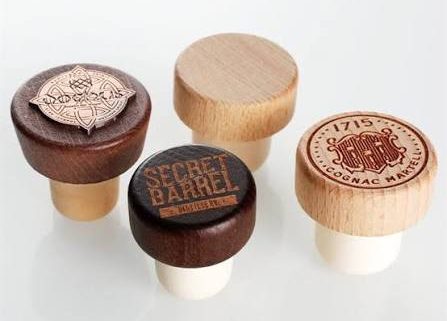
Wooden Bar-Top Stopper Tops
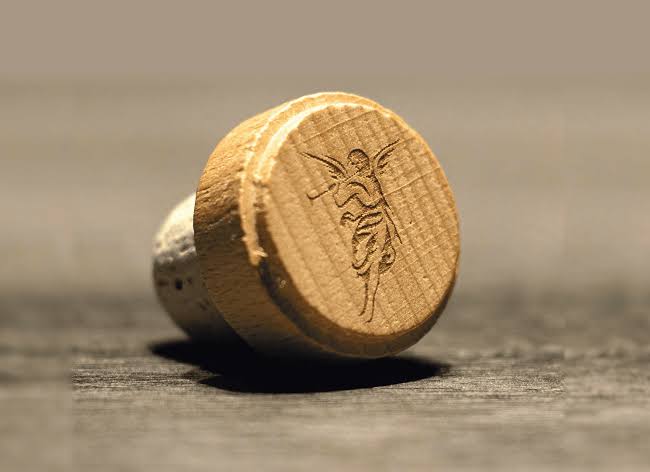
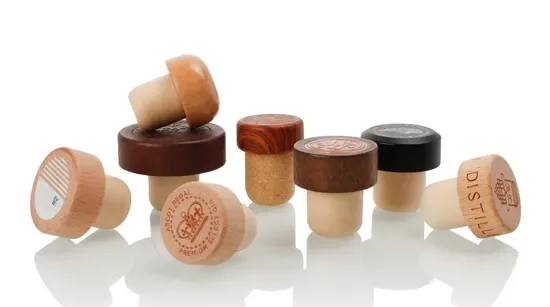
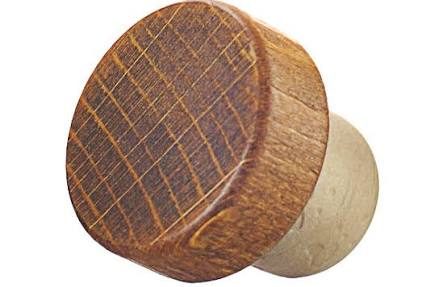
Wooden stopper tops are suitable for brands that want natural texture, craft positioning and premium warmth. They are often used for whisky, bourbon, aged rum, brandy, gin, tequila, mezcal and small-batch liqueurs.
Common wooden styles include cylindrical tops, domed tops, flat-top caps, mushroom-style heads, beveled profiles, square heads and custom-shaped wooden heads. Finishes may include natural wood, stained wood, painted wood, lacquered wood, matte coating, dark walnut tone or light beech-style finish.
Wood offers strong decoration flexibility. Common processes include laser engraving, pad printing, hot stamping, side printing, color coating, top logo marking and decorative inserts. Buyers comparing wood with other stopper materials can review this guide to plastic vs wooden stoppers for spirits bottles before narrowing the material direction.
Buyers should confirm wood species, grain tolerance, color consistency, coating quality, moisture control, odor neutrality, surface smoothness and scratch resistance. Since wood is a natural material, some grain variation is expected. For premium retail programs, approval samples should define acceptable color and grain variation before mass production.
Wooden tops can be paired with natural cork, micro-agglomerated cork or synthetic shanks. The shank choice should be based on bottle neck size, sealing requirement, production quantity and target cost.
Metal Bar-Top Stopper Tops
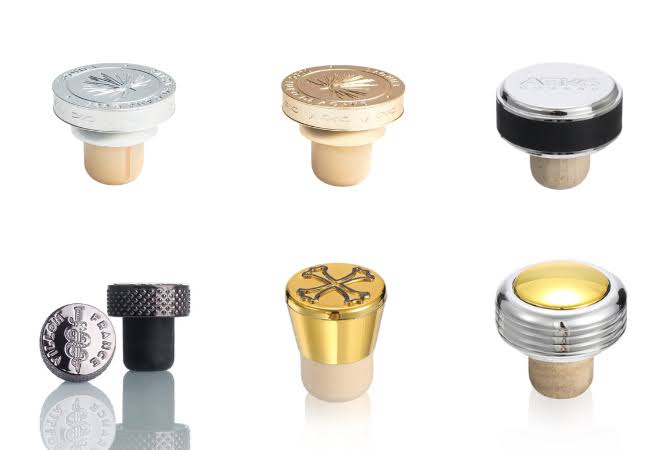
Metal stopper tops are commonly selected when buyers need higher unit weight, plated finishes, custom relief details or collectible packaging value. They are suitable for high-end whisky, tequila, cognac, vodka, rum, collector bottles and limited-edition launches.
Common metal options include aluminum, zinc alloy and Zamak-style decorative alloys. Aluminum is relatively lightweight and modern. Zinc alloy and Zamak-style materials can support heavier and more dimensional custom forms.
Metal finishes may include polished silver, brushed aluminum, matte black, antique gold, rose gold, bronze, gunmetal, chrome-like plating, painted color or textured coating. Decoration options include embossing, debossing, engraving, laser marking, plating, color coating, logo plates and molded relief.
Buyers should evaluate metal weight, plating quality, scratch resistance, mold cost, MOQ, tooling lead time and export packing. A heavy metal top can improve perceived value, but it must match the bottle weight and neck structure. If the bottle is too light, the closure may feel unbalanced.
Metal tops should be tested for abrasion, fingerprints, coating stability and packing protection. For premium projects, buyers should approve both visual samples and functional fit samples before bulk production.
Plastic Bar-Top Stopper Tops
Plastic stopper tops are practical when buyers need cost control, lightweight handling, color consistency and scalable production. They are common in vodka, gin, mini spirits, liqueurs, promotional bottles, private label projects and multi-SKU spirits ranges.
Plastic does not automatically mean low-end. With the right mold design, resin selection, surface finish, decoration quality and color control, plastic stopper tops can look clean, modern and brand-consistent.
Common plastic styles include molded color tops, glossy tops, matte tops, ribbed grip tops, cylindrical tops, domed tops and custom molded heads. Plastic is especially useful for SKU-coded ranges where different cap colors help consumers distinguish product variants.
Decoration options include pad printing, hot stamping on suitable surfaces, molded logos, embossed logos, top printing, side printing, matte coating, glossy coating and color matching. For programs requiring coordinated closure colors, plated effects or brand-matched finishes, buyers can review Kandacork’s custom colors and finishes for spirits closures during decoration planning.
Buyers should check resin type, color tolerance, mold precision, surface finish, alcohol resistance, odor neutrality and compatibility with adhesive and shank materials. If a brand wants to make recycled content, recyclability or bio-based material claims, the supplier should provide supporting documentation.
Plastic stopper tops are often paired with synthetic or engineered shanks for consistent high-volume production, but natural cork or micro-agglomerated cork can also be used depending on the project.
Glass Bar-Top Stopper Tops
Glass stopper tops are selected for clarity, elegance, gift appeal and premium presentation. They are suitable for vodka, gin, liqueurs, decanter-style bottles, luxury spirits and limited-edition packaging.
Glass can create a crystal-like effect that works well with clear bottles, frosted bottles, heavy-base bottles, transparent labels and minimalist branding. For brands that want purity, brightness and visual differentiation, glass can be a strong choice.
Common glass styles include clear glass tops, frosted tops, colored glass effects, faceted shapes, round tops, square tops and custom decorative forms. Some glass tops are combined with polymer sealing rings, cork shanks, synthetic shanks, metal inserts or decorative badges.
Decoration options include frosting, etching, color accents, top marking and combination decoration with metal or printed elements. Since glass already has strong visual presence, decoration is often more restrained than with plastic or metal.
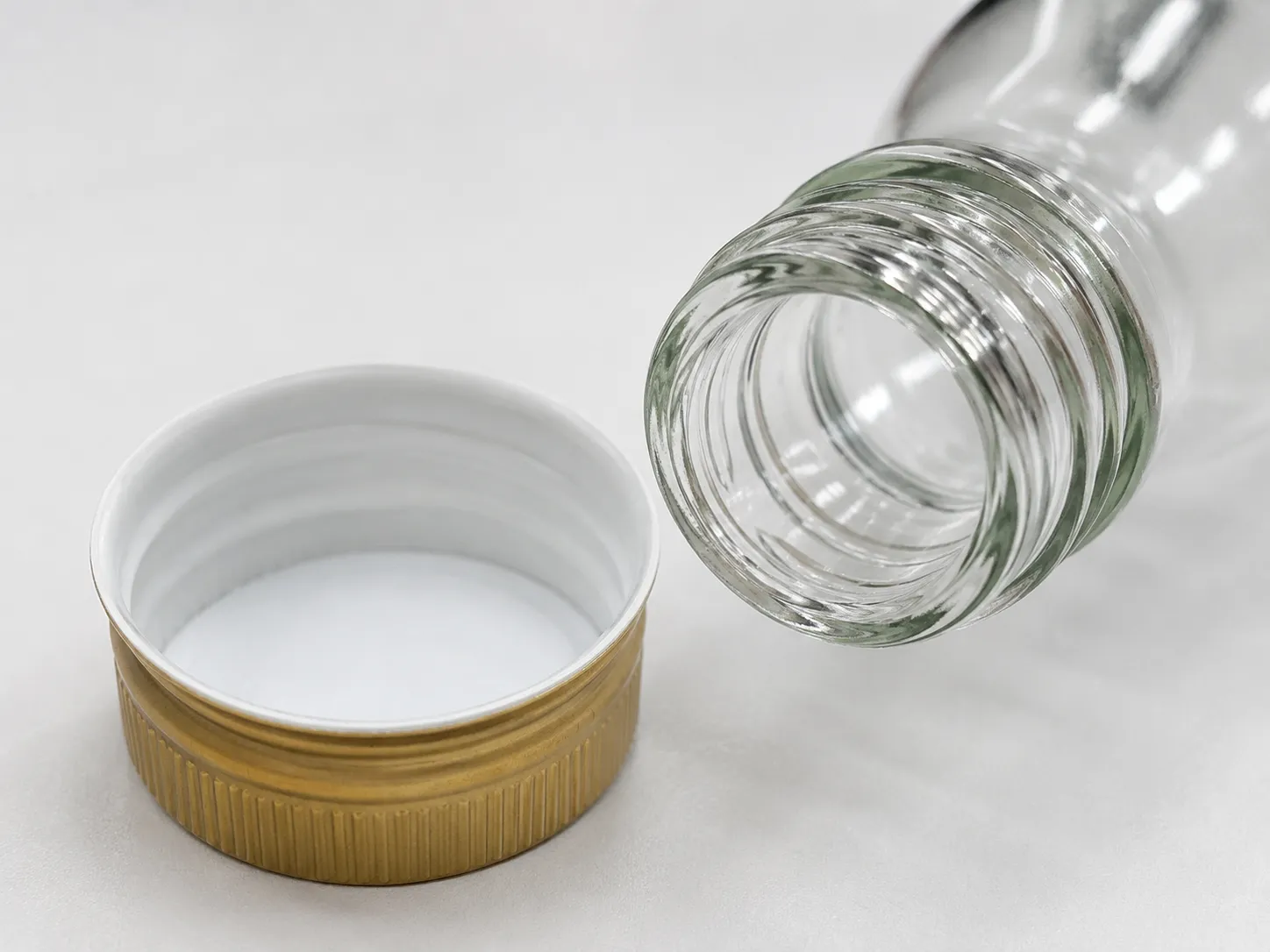
Buyers should consider weight, fragility, packing protection, breakage risk, shipping method and compatibility with the bottle neck. For projects where glass tops must match custom bottles, buyers may also review glass stopper neck finish matching before confirming samples.
Decoration Options by Stopper Top Material
Decoration is one of the main reasons buyers compare bar-top stopper materials. The right process depends on material surface, logo detail, finish target, order quantity and price point.
| Decoration Method | Wood | Metal | Plastic | Glass | Best Use |
|---|---|---|---|---|---|
| Laser engraving | Excellent | Good | Limited | Limited | Premium logo detail |
| Pad printing | Good | Good | Excellent | Limited | Flexible branding |
| Hot stamping | Good | Good | Possible | Limited | Metallic logo effect |
| Embossing | Limited | Excellent | Good with mold | Limited | Tactile branding |
| Debossing | Limited | Excellent | Good with mold | Limited | Luxury logo depth |
| Color coating | Good | Good | Excellent | Possible | Brand color matching |
| Plating | No | Excellent | No | No | Luxury metallic finish |
| Frosting | No | No | No | Excellent | Soft glass appearance |
| Etching | Limited | Good | No | Excellent | Subtle premium marking |
Buyers should request decoration samples before approving the final method. A logo that works on a flat label may need adjustment for a curved wooden top, small plastic cap, plated metal surface or transparent glass head.
Technical Requirements Before Sampling
Before requesting samples or a quotation, buyers should prepare technical information. This helps the supplier recommend the right top material, shank size and decoration process.
Important details include bottle drawing, bottle sample, bottle neck inner diameter, neck finish tolerance, target shank diameter, shank height, top diameter, total stopper height, bottle weight, filling method, insertion method and destination market.
Testing should include insertion force, removal force, leakage risk, short-term inversion testing, upright storage behavior, odor neutrality, alcohol resistance, coating resistance and transport simulation.
For decorated stoppers, buyers should also test logo durability, scratch resistance, surface abrasion, color stability and batch consistency. If the stopper will be used with semi-automatic or automatic filling equipment, line compatibility should be reviewed before bulk production.
Food-Contact, Coating and Documentation Questions
Spirits packaging buyers should treat bar-top stoppers as part of the complete food-contact packaging system. Even when the visible top does not directly touch the liquid, the shank, adhesive, coating, ink, insert, colorant or assembly material may still require review depending on the closure structure and target market.
For the U.S. market, buyers commonly review FDA food-contact packaging guidance, especially when closure components, adhesives, coatings or colorants may be relevant to the packaging system. For the European market, buyers often consider the European Commission food-contact material framework, including safety, inertness, traceability and good manufacturing practice expectations. Other destination markets may require additional documentation.
Useful supplier questions include:
Is the shank material suitable for contact with spirits?
Are coatings, inks, colorants, adhesives and inserts appropriate for the target market?
Can the supplier provide material declarations?
Is batch traceability available?
Are odor or migration-related tests required for this closure structure?
Can the supplier support export documentation?
Has the decoration process been tested for alcohol resistance and handling durability?
This section is not legal advice. It is a practical procurement checklist to help buyers identify documentation needs before bulk ordering.
Bar-Top Stopper Supplier Evaluation Scorecard
A qualified supplier should offer more than a product catalog. For commercial spirits packaging projects, the supplier should connect material choice, bottle fit, decoration, compliance, sampling and production feasibility.
| Evaluation Area | What to Check | Why It Matters |
|---|---|---|
| Fit capability | Neck ID review, shank recommendation, sample testing | Helps prevent leakage and poor opening force |
| Material range | Wood, metal, plastic, glass, cork and synthetic shanks | Supports different brand positions and budgets |
| Decoration support | Engraving, printing, stamping, plating, frosting | Reduces branding and finish approval risk |
| Compliance support | Material declarations, traceability, coating and ink information | Supports export markets and buyer documentation |
| Bulk consistency | Color tolerance, finish inspection, packing protection | Reduces batch complaints and repeat-order risk |
| Project communication | MOQ, tooling cost, timeline and sample approval clarity | Improves quotation accuracy and launch planning |
Buyers may also consider whether the supplier follows quality management standards, keeps batch-level records and provides clear inspection criteria for dimensional tolerance, finish defects, decoration quality and export packing.
Kandacork Closures supports spirits brands, distilleries, private label buyers, importers, distributors, bottlers and packaging buyers with stopper material selection, sample development, neck-fit review, logo decoration and bulk closure supply. For buyers coordinating the bottle, closure and decoration as one complete packaging project, Kandacork Glass can support broader spirits packaging alignment across glass bottles, closures and finishing.
Sample Validation Workflow
A clear validation process helps buyers reduce development risk before bulk ordering.
First, review the bottle drawing or receive bottle samples. The supplier should check bottle neck inner diameter, neck profile and closure proportion.
Second, recommend the shank diameter and stopper top direction. This step connects bottle fit with material choice, cap size, opening force and visual balance.
Third, produce fit samples and decoration samples. Fit samples help confirm sealing and opening experience. Decoration samples help review color, logo position, surface finish and brand consistency.
Fourth, test insertion force, removal force, leakage risk, odor neutrality, alcohol resistance and packing protection. If the stopper is used on a filling line, line compatibility should also be checked.
Fifth, confirm pre-production samples before bulk production. Approval should include material, dimensions, decoration, finish, packing method and inspection standard.
This workflow is especially useful for custom spirits bottle closures, private label launches, limited editions and export packaging projects.
How to Request Samples or a Quotation
To receive useful samples and an accurate quotation, buyers should provide clear project information.
First, send a bottle drawing or bottle sample. Second, confirm the bottle neck inner diameter and target shank size. Third, choose the preferred top material: wood, metal, plastic or glass. Fourth, provide artwork, color reference, finish requirement, order quantity, destination market and expected timeline. Fifth, approve fit samples and decoration samples before bulk production.
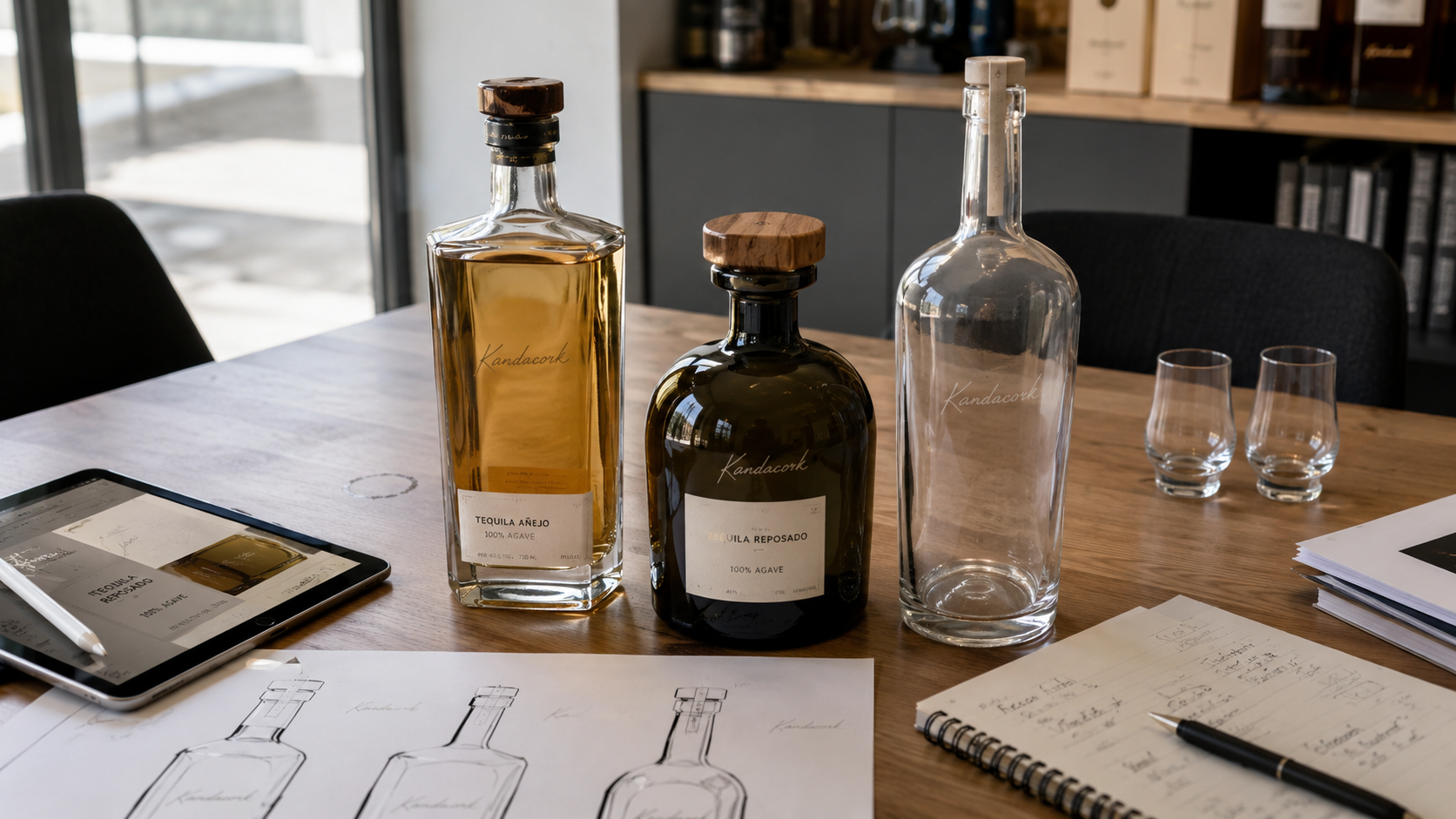
If the project is still in early design, buyers can compare several material directions. For example, a premium rum brand may test dark stained wood, antique metal and glass. A private label gin range may compare color-matched plastic and light wood. A tequila brand may compare standard metal and custom sculpted metal.
Sampling helps buyers compare appearance, hand feel, fit, opening force, decoration quality and packing requirements before confirming a bulk order. To start a material review, sample request or bulk quotation, send your project details through the Kandacork Closures custom closure quote page.
Conclusion: Choosing the Right Bar-Top Stopper Material
The best bar-top stopper materials depend on brand positioning, technical fit, budget, decoration needs, compliance requirements, order quantity and consumer experience.
Wood is suitable for natural, craft, heritage and barrel-aged positioning. Metal is strong for luxury, weight, prestige and custom sculptural branding. Plastic is practical for color flexibility, cost control, lightweight handling and high-volume production. Glass is best for clarity, elegance, gift appeal and premium visual differentiation.
For serious spirits packaging projects, buyers should evaluate the full closure system: top material, shank type, bottle neck fit, decoration, documentation, supplier capability and export packing. Kandacork Closures can help buyers compare options, develop samples, review fit, customize decoration and prepare bulk quotations.
FAQ
What are the most common bar-top stopper materials?
The most common bar-top stopper materials are wood, metal, plastic and glass. Wood is often used for craft and premium spirits, metal for luxury packaging, plastic for scalable and colorful projects, and glass for gift bottles or decanter-style spirits.
Which material is best for premium spirits?
Wood and metal are the most common choices for premium spirits. Wood gives a natural and craft-focused appearance, while metal provides weight, luxury feel and detailed decoration. Glass can also be used for high-end gift packaging.
How do I choose between wood and metal stopper tops?
Choose wood if the brand needs warmth, natural texture, craft identity or barrel-aged heritage. Choose metal if the brand needs weight, plating options, sculptural branding or a more collectible appearance.
Why is bottle neck size important for bar-top stoppers?
Bottle neck size determines the correct shank diameter and affects sealing performance, insertion force, removal force and leakage risk. Buyers should confirm the bottle neck inner diameter before approving samples or bulk production.
What information is needed for a quotation?
Buyers should provide bottle drawings or samples, neck inner diameter, target shank size, preferred stopper top material, logo artwork, decoration requirements, color reference, order quantity, destination market and expected timeline.