Direct Answer
Plastic stoppers are best for spirits brands that need cost control, color consistency, scalable production, and flexible customization. Wooden stoppers are best for premium spirits brands that want natural texture, craft appeal, and higher perceived value. The right choice also depends on shank material, bottle neck fit, sealing performance, alcohol compatibility, decoration method, MOQ, and bulk inspection standards.
Introduction
Choosing between plastic stoppers vs wooden stoppers is not only a packaging design decision. For spirits brands, the closure affects sealing performance, production efficiency, shelf impact, customer perception, and long-term brand value.
A plastic stopper can support high-volume repeat orders, precise color matching, and modern brand design. A wooden stopper can create a more premium, tactile, and craft-oriented experience. Both materials can work well when they are matched with the right bottle, shank, decoration method, and quality standard.
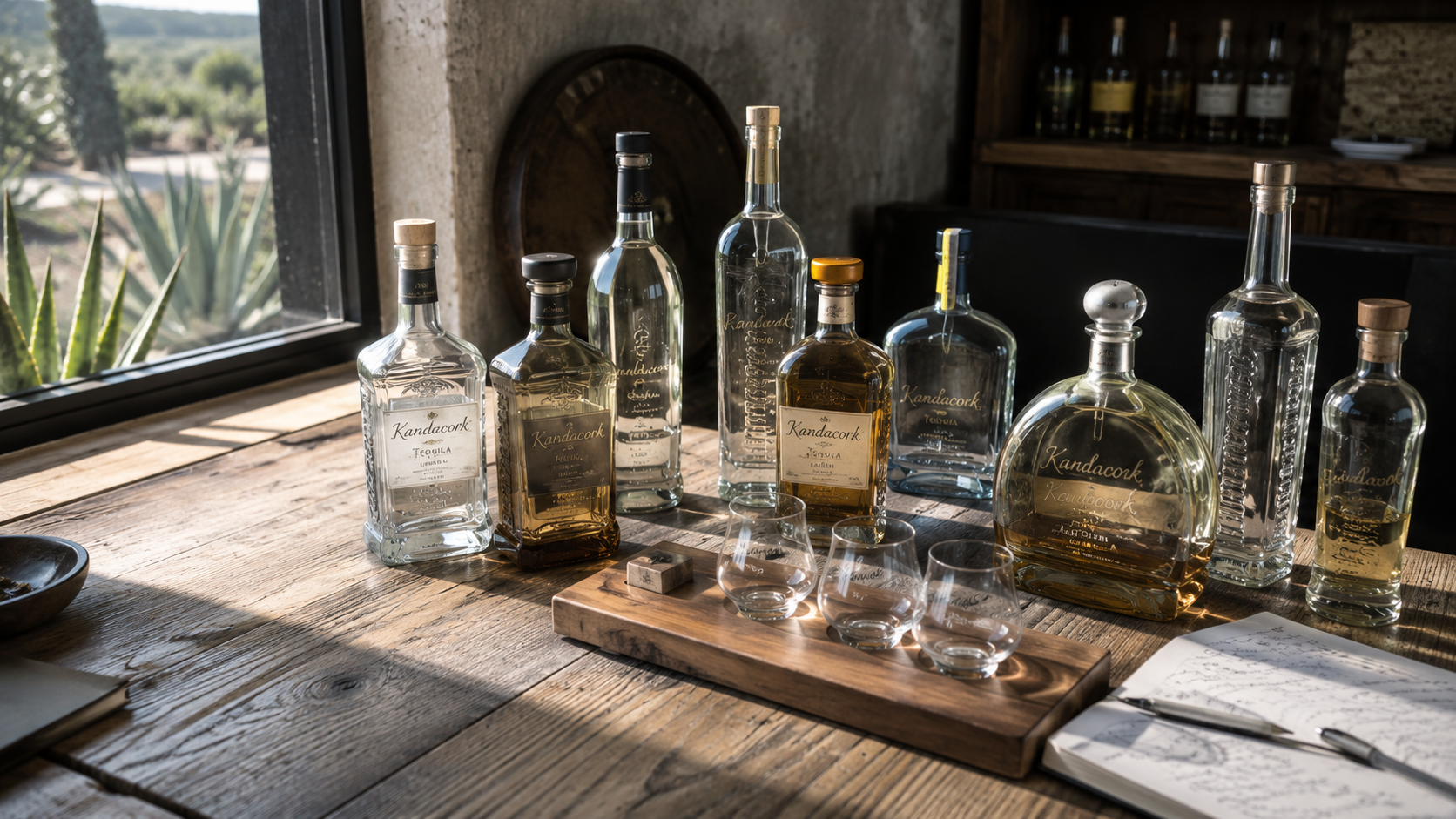
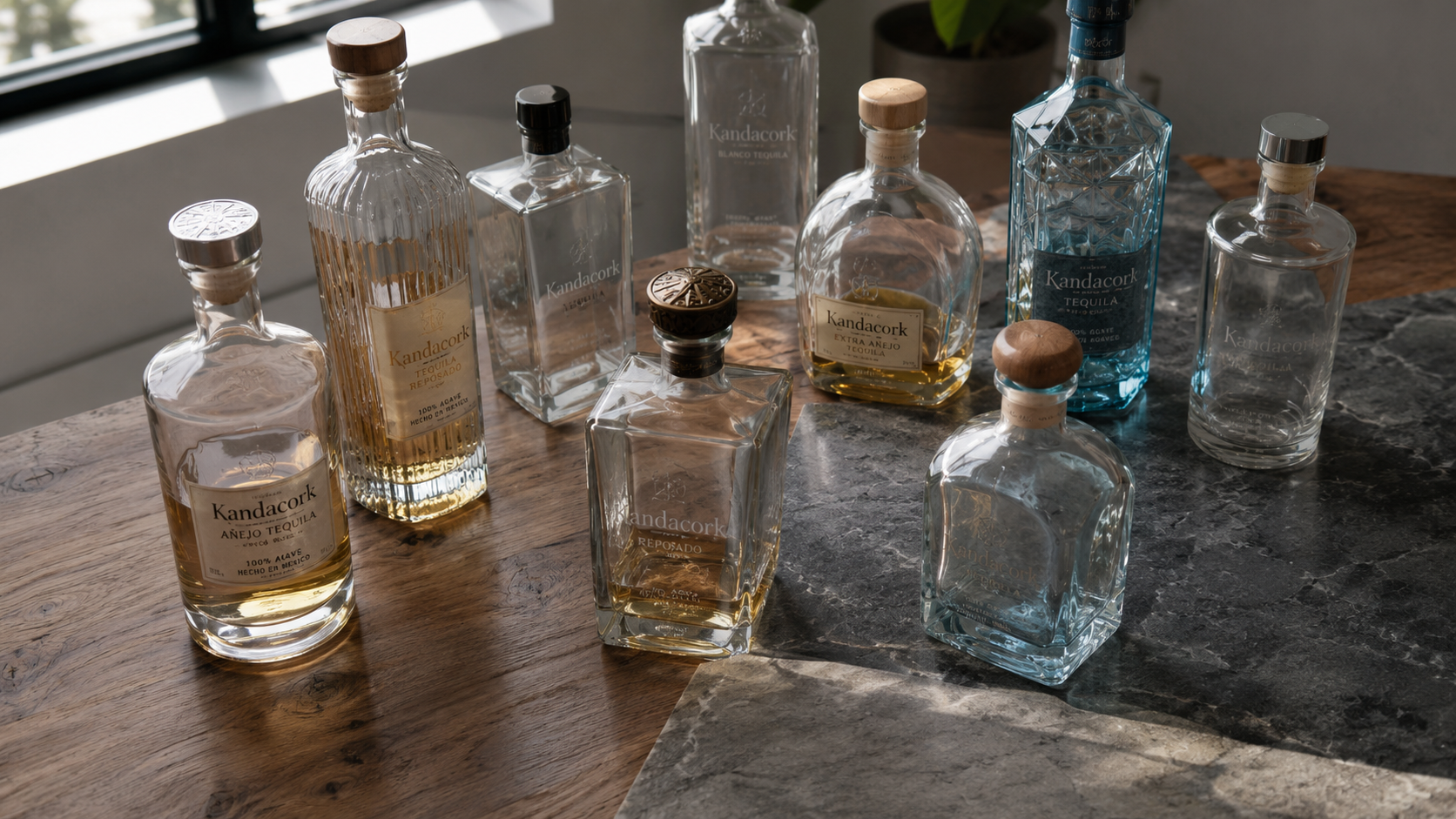
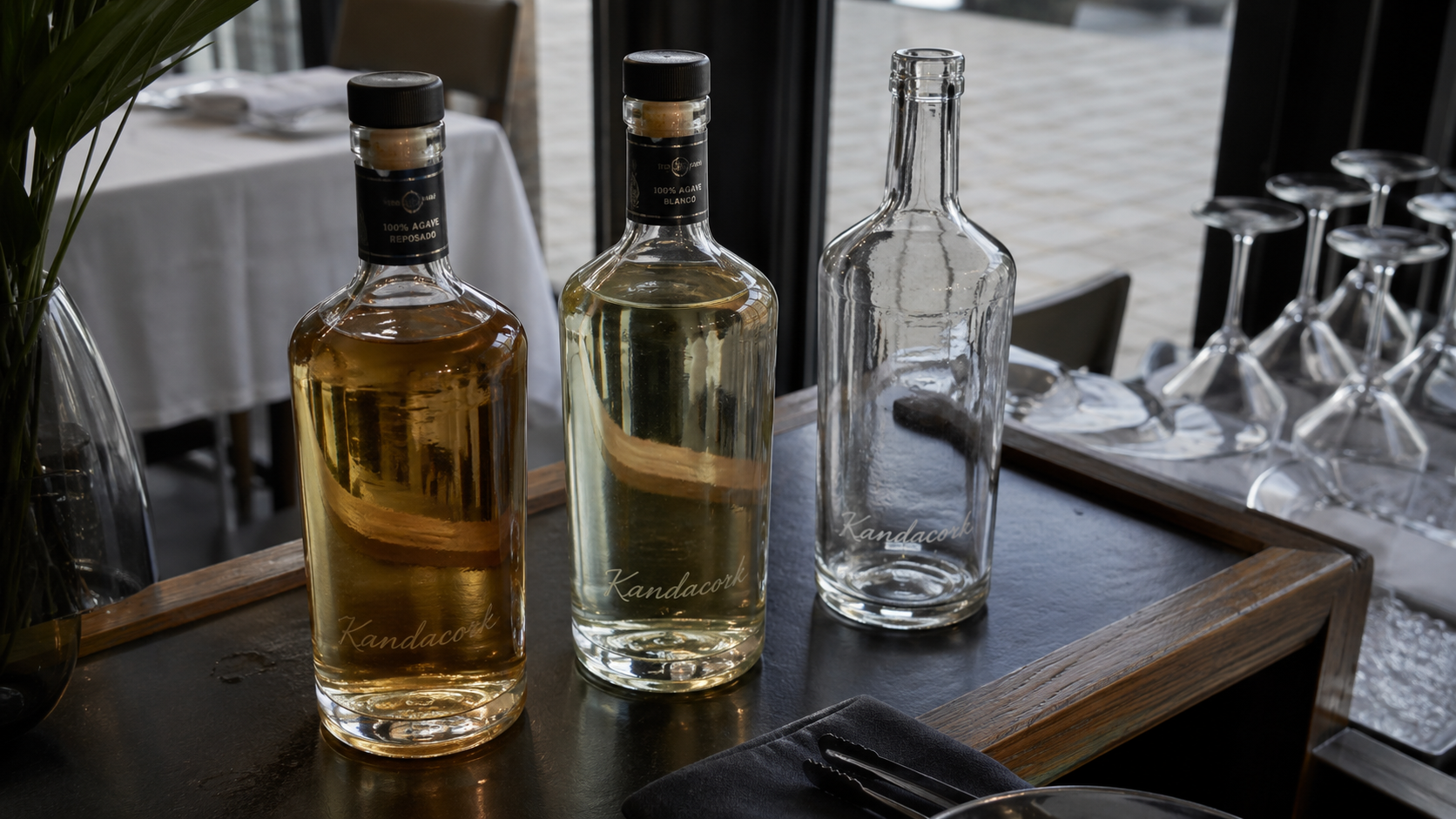
Kandacork Closures helps spirits brands evaluate the complete stopper system, not just the visible top. A bar-top stopper includes both the decorative head and the inserted shank. The top creates brand impact, while the shank controls fit, compression, leakage resistance, insertion feel, and resealing performance. Brands comparing closure options can start with Kandacork’s full range of bottle stoppers and closures to understand how different materials, structures, and decoration methods support different spirits packaging goals.
For a successful spirits packaging project, the right question is not simply “plastic or wood?” The better question is: which stopper structure best fits your bottle neck, brand position, target price, production plan, and market requirements?
What Are Plastic and Wooden Bar-Top Stoppers?
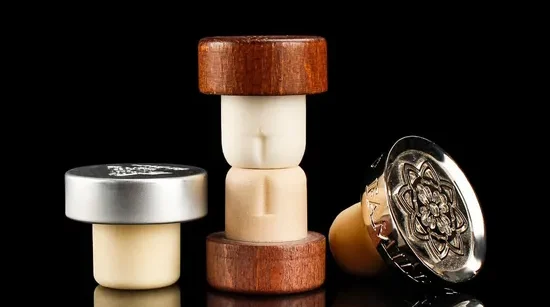
A bar-top stopper is a closure made from two main components: the visible top and the inserted shank. The top is the part consumers see and touch. The shank is the part inserted into the bottle neck to create the seal.
In plastic stoppers vs wooden stoppers, the material name usually refers to the top head. The shank may be natural cork, micro-agglomerated cork, synthetic cork, TPE, or another food-contact material. This is important because the visible material affects appearance, while the shank affects sealing performance.
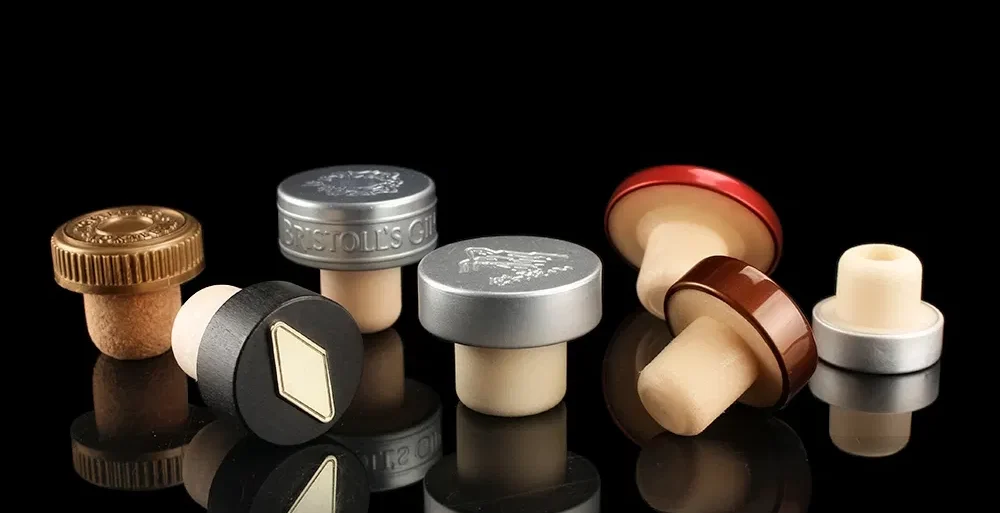
A plastic bar-top stopper usually has a molded plastic head. It can be produced in custom colors, shapes, textures, and finishes. It can also support logo printing, embossing, debossing, hot stamping, and molded brand details. For high-volume or color-sensitive spirits projects, plastic bar-top stoppers are often selected because they combine repeatable molded presentation with practical cost control.
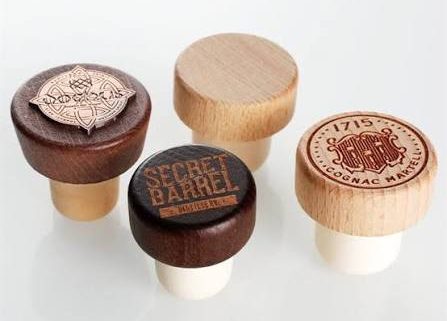
A wooden bar-top stopper usually has a natural or stained wood head. It may be engraved, printed, hot stamped, varnished, color coated, or combined with decorative inserts. For brands that need a warmer, more tactile closure style, wooden stoppers can support a premium, craft, or heritage packaging direction.
Plastic Stoppers vs Wooden Stoppers: Comparison Table
| Factor | Plastic Stoppers | Wooden Stoppers | Better Choice |
|---|---|---|---|
| Unit cost | Usually lower | Usually higher | Plastic |
| High-volume production | Strong repeatability | Requires more sorting | Plastic |
| Color consistency | Excellent | Natural variation | Plastic |
| Premium hand feel | Moderate to high | High | Wood |
| Natural texture | Limited | Strong | Wood |
| Custom shape | Strong molded flexibility | Moderate machining flexibility | Plastic |
| Logo engraving | Possible but less natural | Excellent | Wood |
| Multi-SKU color systems | Excellent | More difficult | Plastic |
| Craft spirits positioning | Good with right design | Very strong | Wood |
| Moisture and finish control | Stable with correct material | Requires coating control | Plastic |
| Luxury perception | Depends on design quality | Usually stronger | Wood |
| Best use case | Scalable, modern, cost-controlled packaging | Premium, craft, heritage packaging | Depends on brand tier |
This comparison shows why plastic stoppers vs wooden stoppers should be evaluated by business goal, not by material alone. Plastic is often more efficient and consistent. Wood is often more emotional and premium.
When Should Spirits Brands Choose Plastic Stoppers?
Plastic stoppers are a strong choice when a spirits brand needs cost efficiency, repeatable production, and flexible customization.
They are especially useful for vodka, gin, liqueur, RTD spirits, mini bottles, promotional packaging, and private-label spirits. These categories often require consistent color, fast scaling, and controlled packaging cost. If the stopper must match several label colors or product flavors, plastic usually offers the most predictable visual result.
A plastic stopper can be molded into a clean cylindrical top, ribbed grip top, flat logo top, rounded cap, or custom brand shape. It can be produced in matte black, glossy white, transparent effects, metallic-look finishes, or custom brand colors.
Plastic stoppers are also useful for multi-SKU brands. For example, a flavored gin line may use different stopper colors for different botanicals. A liqueur brand may need bright colors for shelf visibility. A private-label spirits program may need one closure system that can be repeated across several bottle sizes.
The main risk is low perceived value. Poor plastic molding, weak printing, visible flash lines, inconsistent color, and cheap surface finishes can damage the appearance of the full bottle. For premium use, plastic stoppers must be designed with controlled texture, precise molding, clean decoration, and stable color standards.
When Should Spirits Brands Choose Wooden Stoppers?
Wooden stoppers are a strong choice when a spirits brand wants premium shelf appeal, natural texture, and craft storytelling.
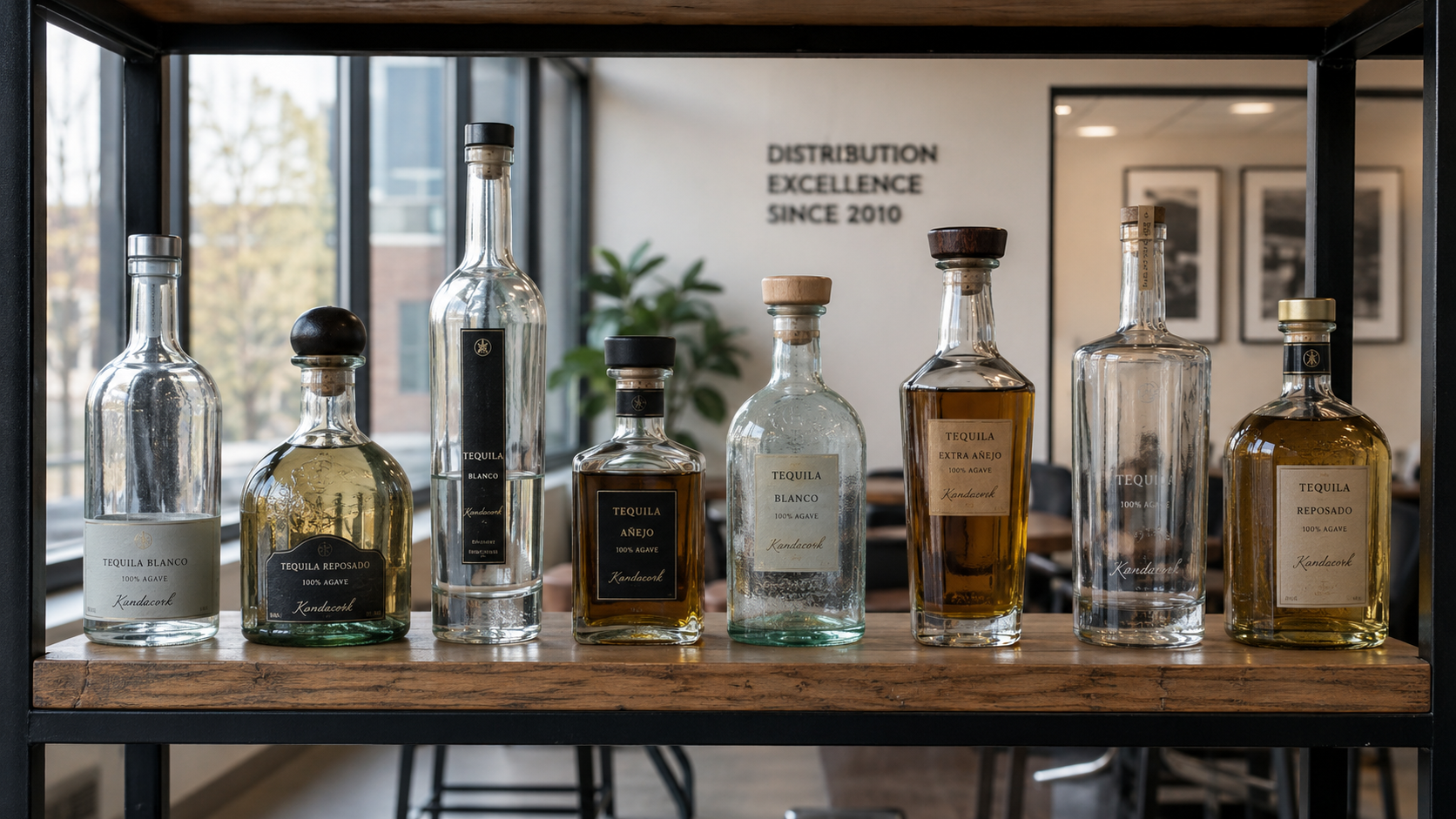
They are commonly used for whisky, bourbon, rum, brandy, cognac, tequila, mezcal, craft gin, and limited-edition spirits. These categories often rely on heritage, aging, barrel influence, natural materials, and gift value. A wooden stopper can support those cues immediately.
In plastic stoppers vs wooden stoppers, wood usually has a stronger tactile advantage. Consumers notice the feel of the closure when opening the bottle. A smooth wooden top can make the packaging feel more substantial, especially when paired with heavy glass, textured labels, embossed paper, or premium cartons.
Wooden stoppers also offer strong decoration options. Brands can use laser engraving for a natural mark, dark staining for a whisky-style finish, hot stamping for metallic detail, or a decorative metal insert for luxury packaging.
The main risk is variation. Wood grain, color absorption, moisture content, and surface texture can vary from batch to batch. This may be attractive for craft brands, but it can be challenging for global brands that require strict consistency.
Before bulk production, buyers should confirm the wood species, finish standard, logo method, coating, odor control, moisture control, sorting standard, and approved color range.
Plastic Stoppers vs Wooden Stoppers: Cost Difference
Plastic stoppers are usually more cost-efficient for high-volume orders, while wooden stoppers usually cost more because they require machining, sanding, staining, coating, sorting, and finish control.
Cost factors for plastic stoppers include mold complexity, plastic material, color matching, surface finish, logo decoration, shank material, packaging method, and order quantity.
If a custom mold is required, the initial tooling cost should be considered. However, for repeat orders, plastic can become highly economical because the same mold can be used for consistent production.
Wooden stoppers usually have a higher unit cost because wood requires more material handling and surface finishing. Premium wood species, complex shapes, darker stains, metal inserts, or strict grain selection can increase cost further.
For entry-level spirits, plastic stoppers often provide the best balance of function and price. For premium core products, wooden stoppers may justify the higher cost through stronger perceived value. For luxury limited editions, wood can be combined with metal, glass, or decorative elements to increase collectability.
Plastic Stoppers vs Wooden Stoppers: Which Looks More Premium?
Wooden stoppers usually look more premium because they provide natural texture, warmth, and a craft-oriented feel. They work especially well with brown glass, clear heavy-base bottles, aged spirits, embossed labels, textured paper, and gift cartons.
However, plastic stoppers can also look premium when they are well designed. A matte black plastic top with a debossed logo can look modern and high-end. A custom-colored plastic top can create strong shelf recognition. A clean molded shape can support minimalist vodka, gin, or liqueur packaging.
The premium effect depends on execution. A poorly finished wooden stopper can look inconsistent. A well-made plastic stopper can look precise and contemporary. Brands should evaluate the closure together with the bottle, label, capsule, carton, and target retail price.
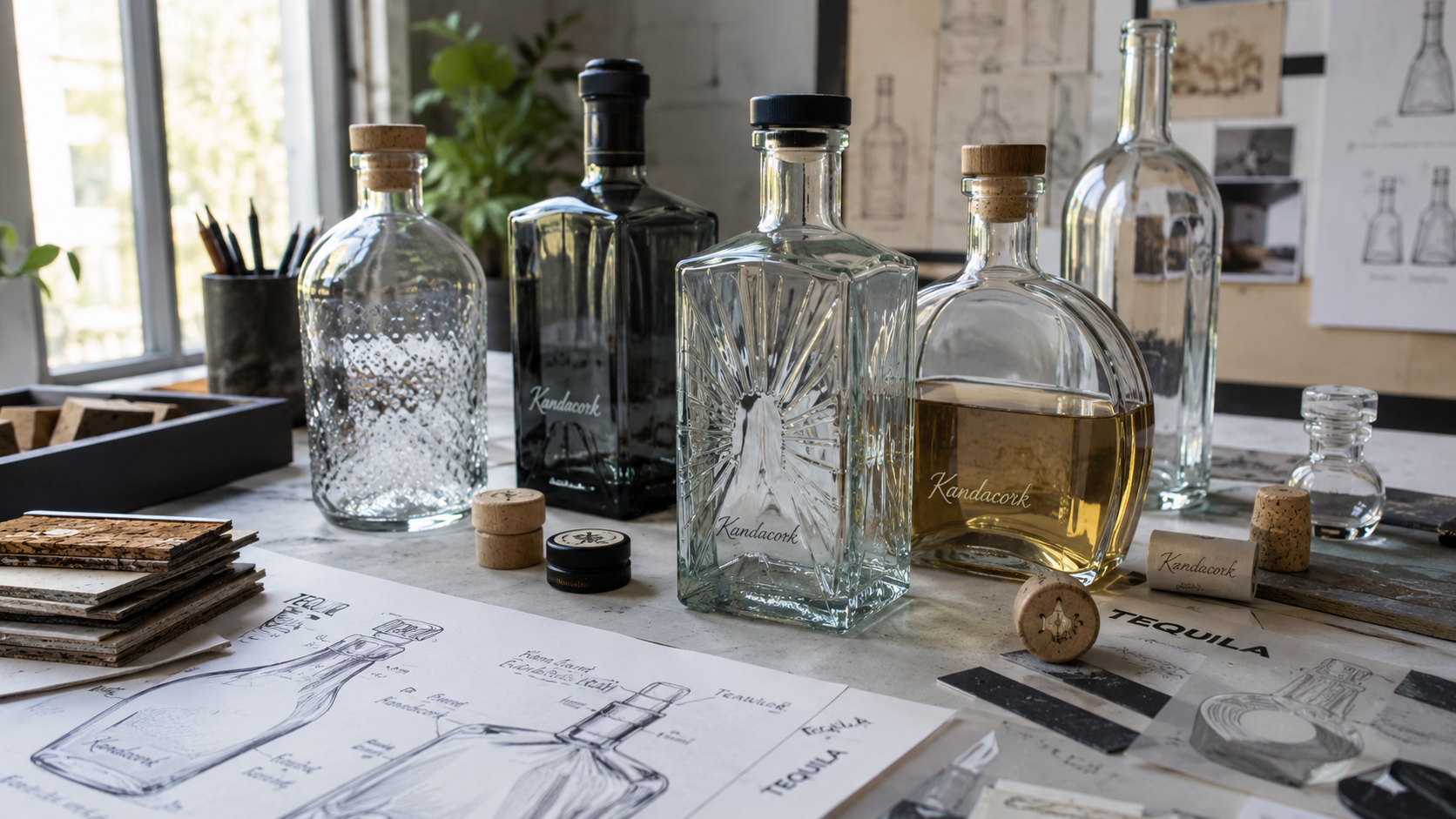
For a complete packaging system, stopper choice should also align with the bottle profile. A closure for a slim modern vodka bottle may need a different silhouette from a closure for a heavy-base whisky or rum bottle. Brands developing new bottle formats can coordinate stopper proportions with custom spirits bottles through Kandacork Spirits so the bottle and closure look intentional as one finished package.
Does Plastic or Wood Seal Better?
Neither material automatically seals better. Sealing performance depends mainly on the shank, bottle neck bore, compression behavior, insertion depth, and dimensional tolerance.
This is one of the most important points in plastic stoppers vs wooden stoppers. The top material affects appearance and handling. The shank affects leakage resistance, resealing, pull-out force, and user experience.
A closure that is too loose may leak or feel unstable. A closure that is too tight may be difficult to insert on the filling line and difficult for consumers to remove. The correct stopper should feel secure, open smoothly, and reseal reliably.
Buyers should test the stopper with real glass bottle samples before mass production. Bottle drawings are useful, but actual bottle neck tolerances can vary. Physical fit testing helps reduce the risk of leakage, difficult insertion, uneven seating, and poor consumer experience.
Shank Material Matters More Than Many Buyers Think
The shank is the functional core of a bar-top stopper. It may be made from natural cork, micro-agglomerated cork, synthetic cork, TPE, or another food-contact material.
Natural cork shanks provide traditional appeal and compressibility, but they may show natural variation. Micro-agglomerated cork shanks offer more controlled structure and appearance. Synthetic bottle stoppers can provide stable sizing, predictable compression, and visual repeatability when brands need consistent fit across larger production runs.
When comparing plastic stoppers vs wooden stoppers, buyers should ask two questions: what is the top made from, and what is the shank made from?
A plastic top with a well-engineered synthetic shank may perform better than a wooden top with a poorly matched insert. A wooden top with a properly sized micro-agglomerated or synthetic shank can perform very well for premium spirits. The complete closure system matters more than the top material alone.
Why Buyers Should Not Choose by Appearance Alone
A stopper must do more than look attractive on a bottle. It must match the bottle neck, filling process, storage conditions, transportation environment, target market, and consumer opening experience.
A stopper that looks beautiful but fits poorly can create leakage, difficult insertion, loose resealing, uneven seating, or customer complaints. A stopper that fits well but looks cheap can weaken the perceived value of the bottle.
This is why the decision between plastic stoppers vs wooden stoppers should include technical validation. The final choice should balance brand identity, fit testing, shank compression, alcohol compatibility, decoration quality, cost target, and documentation needs.
For B2B spirits packaging, appearance creates the first impression, but fit and consistency protect the project during production and distribution.
How Kandacork Closures Tests Stopper Fit Before Bulk Production
Kandacork Closures recommends a fit-first development process for custom spirits stoppers. This helps buyers reduce production risk before confirming bulk orders.
The process begins with bottle information. Buyers should provide the bottle drawing, inner neck diameter, neck tolerance, bottle sample, target fill volume, spirit type, ABV, and preferred closure style.
Sample testing should check insertion feel, seating height, shank compression, pull-out force, leakage behavior, and resealing performance. Pull-out force should be validated according to bottle size, shank material, consumer opening expectations, and filling-line requirements.
Visual inspection should confirm top shape, color, wood finish, logo position, print clarity, engraving depth, surface texture, and batch consistency. For wooden stoppers, grain range and stain tolerance should be approved with physical samples. For plastic stoppers, color approval should use a physical master sample rather than only a digital color reference.
Pre-production approval should include material confirmation, decoration proofing, stopper-to-bottle fit review, surface-finish review, packaging method, and approved sample retention. This creates a clear reference for future repeat orders.
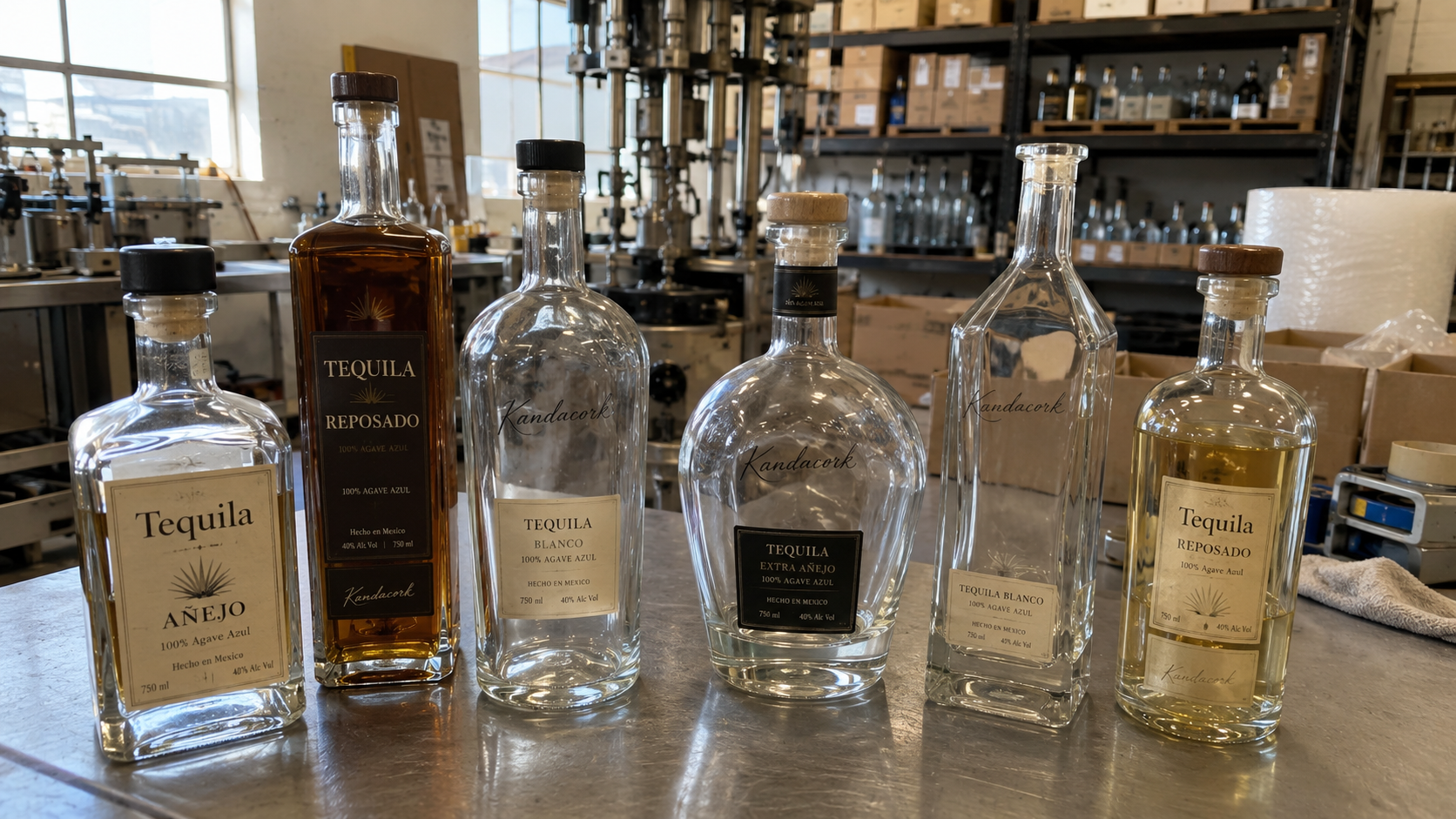
Pre-shipment inspection should review dimensions, appearance, packaging protection, quantity, labeling, and approved sample matching. Brands that need integrated bottle, closure, and carton coordination can also work with Kandacork Glass to manage packaging components as a connected project rather than isolated purchases.
Food Contact, Alcohol Compatibility, and Documentation
Spirits stoppers should be treated as food-contact packaging components. A stopper may include plastic resin, wood, cork, synthetic elastomer, adhesive, coating, ink, varnish, stain, or decorative metal.
For plastic stoppers, buyers should ask about food-contact suitability, material declaration, colorant control, migration testing when required, odor neutrality, and compatibility with alcoholic beverages. The U.S. FDA explains that food packaging and other food-contact substances can include materials and components that contact food, which is relevant when reviewing closure materials, coatings, adhesives, and colorants.
For wooden stoppers, buyers should ask about wood treatment, coating safety, adhesive selection, ink or stain suitability, odor control, and sensory neutrality.
High-ABV spirits require careful review because alcohol may interact with some materials differently from water-based beverages. A stopper that looks acceptable in a dry display test should still be evaluated under real filling, storage, transport, and market conditions.
For brands selling into Europe, the European Commission’s guidance on food contact materials is relevant because packaging materials should not transfer constituents to food in unsafe amounts or negatively affect taste and odor. For plastic components, Commission Regulation (EU) No 10/2011 provides specific rules for plastic materials and articles intended to come into contact with food.
Sustainability Considerations
Sustainability should be evaluated through the complete closure system, not just the visible top material.
Plastic stoppers may offer lightweight production, low breakage risk, and efficient repeatability. However, mixed-material closures can be difficult to separate for recycling, especially when plastic heads are combined with cork, synthetic shanks, adhesives, or decorative elements.
Wooden stoppers may support a natural or renewable material story, especially when responsible sourcing is documented. However, coatings, stains, adhesives, inks, varnishes, and mixed inserts still affect end-of-life performance. For wood-based claims, the Forest Stewardship Council notes that FSC certification supports responsible sourcing, traceability, and transparency in wood supply chains.
Brands should avoid vague claims such as “eco-friendly” unless they can support them with sourcing data, material declarations, recognized certifications, or clear sustainability documentation. For plastic, recycled content, material reduction, and separability may be important considerations. For brands designing broader packaging systems, Kandacork Eco Glass can support glass packaging decisions where material reduction, decoration compatibility, and matched closures need to be considered together.
Before making sustainability claims, buyers should ask whether the stopper components can be separated, whether the wood source is documented, whether recycled content is available, whether the coating is suitable for the target market, and whether the supplier can provide material declarations.
Branding and Decoration Options
Plastic stoppers are excellent for brands that need precise color systems, custom shapes, and repeatable decoration. They can support molded logos, pad printing, screen printing, hot stamping, embossing, debossing, ribbed textures, matte finishes, gloss finishes, and custom color matching.
Wooden stoppers are excellent for brands that need natural texture, craft detail, and premium decoration. They can support laser engraving, hot stamping, wood staining, varnishing, color coating, printed marks, carved shapes, metal inserts, and decorative collars.
For a modern vodka or flavored gin, plastic may support a sharper visual identity. For a barrel-aged rum or craft whisky, wood may create stronger emotional value. For tequila or mezcal, either material can work depending on whether the brand wants a modern-minimal or artisanal-heritage style.
The best choice should match the complete packaging system, including bottle silhouette, glass weight, label material, capsule, carton, retail channel, and price tier. When a closure needs logo development, surface decoration, embossing, foil detail, or coordinated brand graphics, Kandacork Decoration & Branding can help align the stopper finish with the wider packaging identity.
Quality Control and Production Consistency
Quality control is essential for both plastic and wooden stoppers. The visible head, shank, decoration, and packaging all need repeatable standards if the closure will be used across multiple production batches.
For plastic stoppers, inspection should focus on molded dimensions, surface finish, color consistency, logo clarity, flash control, shank bonding, and packaging protection. A physical color master is especially useful because digital references do not always translate accurately into molded plastic.
For wooden stoppers, inspection should focus on wood grain range, moisture control, stain uniformity, sanding quality, engraving clarity, coating consistency, odor neutrality, and head-to-shank alignment. Buyers should define an acceptable range instead of expecting every wood top to look identical.
For general management systems, the International Organization for Standardization explains that ISO standards bring global experts together to define recognized ways of doing things across industries. In closure sourcing, this reinforces the value of documented specifications, controlled samples, inspection records, and repeatable approval procedures.
Decision Framework for Choosing the Right Stopper
Define the product category and retail price. A budget liqueur, premium whisky, craft gin, and luxury tequila do not need the same closure strategy.
Confirm the bottle neck drawing and actual bottle samples. The stopper must match the inner neck diameter, tolerance, and seating height.
Choose the shank material before finalizing the top. The shank controls sealing performance, insertion feel, and resealing behavior.
Match the top material to brand positioning. Plastic supports modern, scalable, and color-consistent packaging. Wood supports premium, natural, and craft-oriented packaging.
Approve samples before bulk production. Check appearance, fit, leakage resistance, logo decoration, surface finish, odor, packaging, and batch consistency.
Buyer Checklist for Quotation
Before requesting a custom stopper quote, prepare the key project details.
Bottle drawing
Physical bottle sample
Bottle neck inner diameter
Neck tolerance
Bottle capacity
Spirit type and ABV
Target sales market
Annual order volume
Preferred top material
Preferred shank material
Target unit cost
Logo artwork
Color reference or wood finish reference
Decoration method
Capsule or shrink-sleeve requirement
Food-contact documentation needs
Sample deadline
Bulk delivery schedule
Retail price tier
Brand positioning
This information helps Kandacork Closures recommend a stopper that fits both the bottle and the brand. Without these details, a supplier can only provide a general suggestion.
Recommended Choice by Spirits Category
For whisky and bourbon, wooden stoppers are often the stronger choice for premium and craft lines. They support aged-spirit cues, barrel storytelling, and a more substantial opening experience.
For rum and brandy, wooden stoppers work well for heritage, warmth, and gift packaging. Plastic stoppers can still be suitable for high-volume retail lines, promotional bottles, or price-sensitive products.
For vodka and gin, plastic stoppers are often a strong choice for clean, modern, colorful, or minimalist brand systems. Wooden stoppers can work well for botanical gin, craft gin, or premium editions.
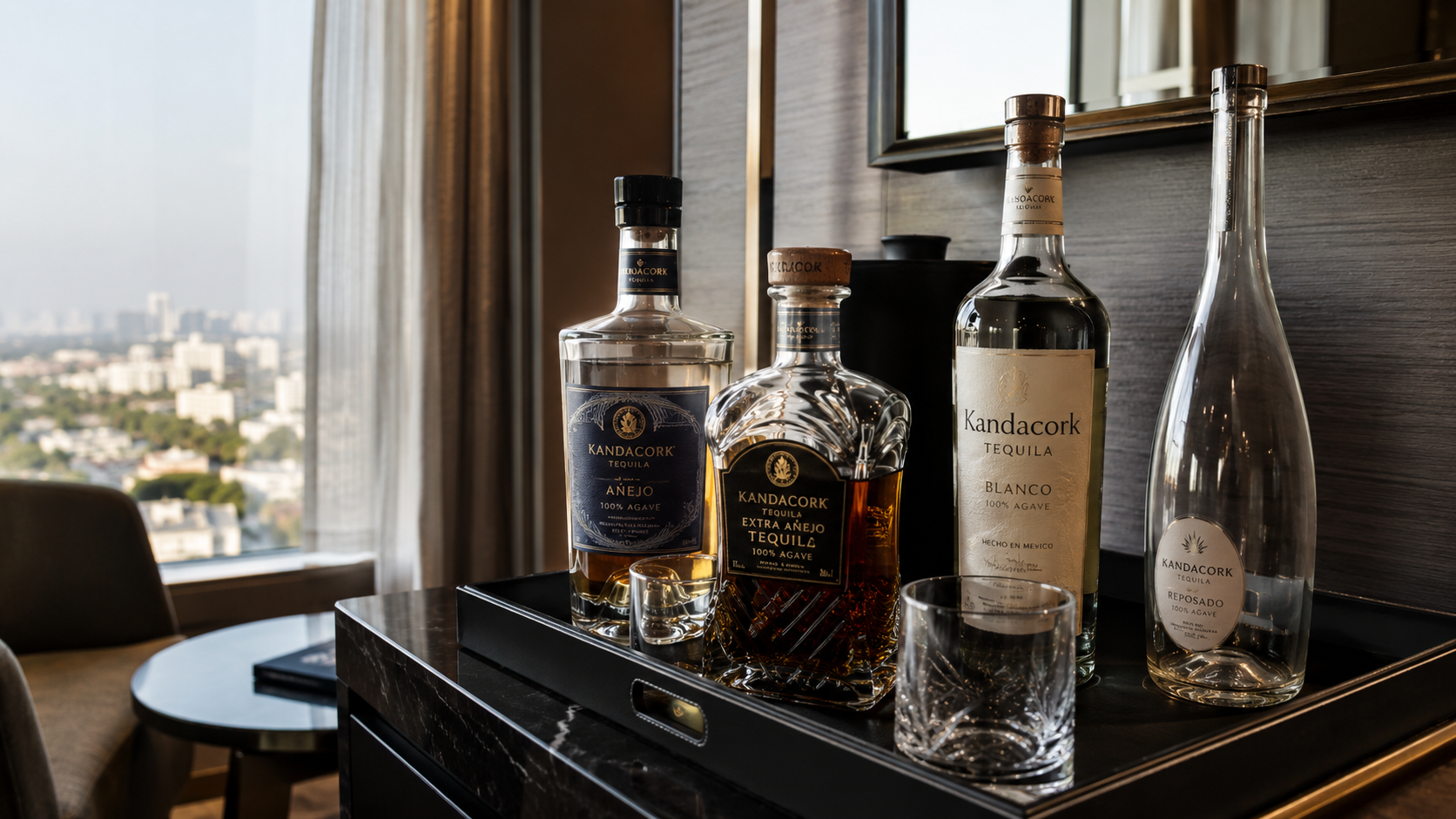
For tequila and mezcal, wooden stoppers can communicate artisanal value and natural character. Plastic stoppers may be better for large-volume SKUs that need consistent color and controlled cost.
For liqueurs and RTD spirits, plastic stoppers are often practical because they support color variety, lower unit cost, and fast production scaling.
For brands working across several product formats, Kandacork Glass Packaging can help coordinate bottles, jars, closures, decoration-ready surfaces, and accessories for wider packaging programs beyond a single spirits SKU.
Final Selection Matrix
| Brand Need | Recommended Stopper |
|---|---|
| Lowest unit cost | Plastic stopper |
| Strict color consistency | Plastic stopper |
| Multi-SKU flavor line | Plastic stopper |
| Modern vodka or gin | Plastic stopper |
| High-volume private label | Plastic stopper |
| Premium craft image | Wooden stopper |
| Natural texture | Wooden stopper |
| Whisky, rum, or brandy gift bottle | Wooden stopper |
| Heritage or barrel-aged positioning | Wooden stopper |
| Luxury limited edition | Wooden stopper with decorative insert |
| Strongest sealing performance | Depends on shank and bottle neck fit |
| Best alcohol compatibility | Depends on material testing and documentation |
This matrix gives buyers a fast way to compare plastic stoppers vs wooden stoppers. For final approval, the stopper should still be tested with the actual bottle and filling conditions.
FAQ
Are plastic stoppers cheaper than wooden stoppers?
Yes. Plastic stoppers are usually more cost-efficient than wooden stoppers, especially for high-volume orders. The final cost depends on mold complexity, material, color matching, decoration method, shank material, and order quantity.
Do wooden stoppers seal better than plastic stoppers?
Not automatically. Sealing performance depends mainly on the shank and bottle neck fit. The visible top may be plastic or wood, but the insert must match the bottle’s inner neck diameter, tolerance, compression requirement, and expected pull-out force.
Are plastic stoppers suitable for premium spirits?
Yes. Plastic stoppers can look premium when they use a refined shape, precise molding, matte or satin finish, clean color control, and high-quality logo decoration. Poor plastic looks cheap, but well-designed plastic can support modern premium packaging.
Are wooden stoppers suitable for high-volume production?
Yes, but they require stronger quality control. Wood has natural grain and color variation, so buyers should confirm sorting standards, finish consistency, moisture control, and approved samples before bulk production.
Which is better for custom branding?
Plastic is often better for molded shapes, custom colors, and repeatable multi-SKU systems. Wood is often better for engraving, natural texture, craft identity, and premium storytelling.
Which stopper is better for whisky?
Wooden stoppers are often better for premium whisky because they support barrel-aged cues, natural texture, and luxury perception. Plastic stoppers may still work for entry-level whisky, mini bottles, or promotional packaging.
Which stopper is better for gin?
Plastic stoppers are often strong for modern gin brands because they support clean colors, botanical SKU systems, and contemporary packaging. Wooden stoppers can work well for craft gin or premium botanical positioning.
What should I send to a supplier for a stopper quote?
Send the bottle drawing, bottle sample if available, neck inner diameter, spirit type, ABV, annual quantity, target market, preferred top material, shank requirement, logo artwork, color or wood finish reference, documentation needs, and launch timeline.
Conclusion
The best choice between plastic stoppers vs wooden stoppers depends on your bottle, brand position, budget, production volume, and target consumer experience.
Choose plastic stoppers if you need cost control, color consistency, repeatable production, flexible branding, and efficient scaling across multiple SKUs.
Choose wooden stoppers if you need premium shelf appeal, natural texture, craft storytelling, and a stronger tactile experience for whisky, rum, tequila, brandy, or luxury spirits.
For the most reliable result, do not choose by appearance alone. Review the full closure system, including top material, shank material, bottle neck fit, decoration method, alcohol compatibility, food-contact documentation, and bulk inspection standard.
Kandacork Closures supports custom plastic stoppers, wooden stoppers, synthetic stoppers, cork shanks, logo decoration, neck-fit sampling, and bulk production for spirits brands. For material selection, sampling, or project review, contact the custom closure quote team with your bottle drawing, target quantity, market requirements, and brand style.