Quick Answer: What Should the Checklist Include?
A bar-top stopper quality control checklist for bulk spirits orders should verify bottle neck fit, shank dimensions, stopper head appearance, head-to-shank adhesion, insertion force, pull-out force, leakage resistance, odor neutrality, logo accuracy, packing strength, and supplier inspection records before shipment.
For bulk spirits packaging buyers, the goal is not only to reject defective stoppers. The real goal is to prevent leakage, filling-line delays, export damage, brand presentation issues, and supplier disputes before mass production.
This checklist is designed for distilleries, spirits brands, private label buyers, importers, distributors, bottlers, and packaging teams that need to compare closure suppliers, approve samples, and move confidently toward bulk orders.
Why Bulk Spirits Orders Need Stopper QC
A bar-top stopper is both a sealing component and a visible brand detail. If the stopper is too loose, it may cause leakage, stopper pop-up, wet labels, damaged cartons, or product loss. If it is too tight, it may slow down filling, create inconsistent seating height, or make the bottle difficult to open.
In bulk orders, small defects can become large commercial problems. A minor shank diameter issue, weak head-to-shank bond, strong odor, logo misalignment, or unstable export carton can affect thousands of finished bottles.
A written stopper QC checklist gives buyers and suppliers the same standard before production begins. It defines what should be measured, what should be tested, which defects should be rejected, and what evidence should be reviewed before shipment.
Kandacork Closures builds quality control into closure development through material review, dimensional checks, visual inspection, bottle fit review, and production approval support. Buyers can review the company’s quality and testing approach when evaluating supplier capability.
Bar-Top Stopper Structure: Head, Shank and Bottle Fit
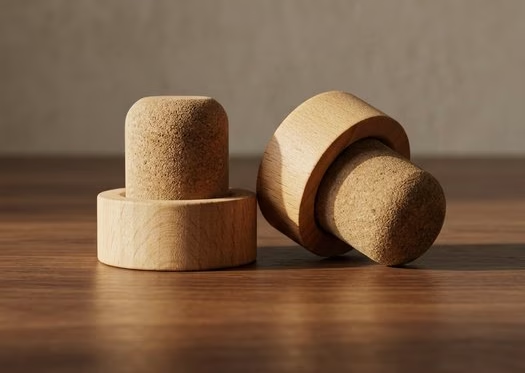
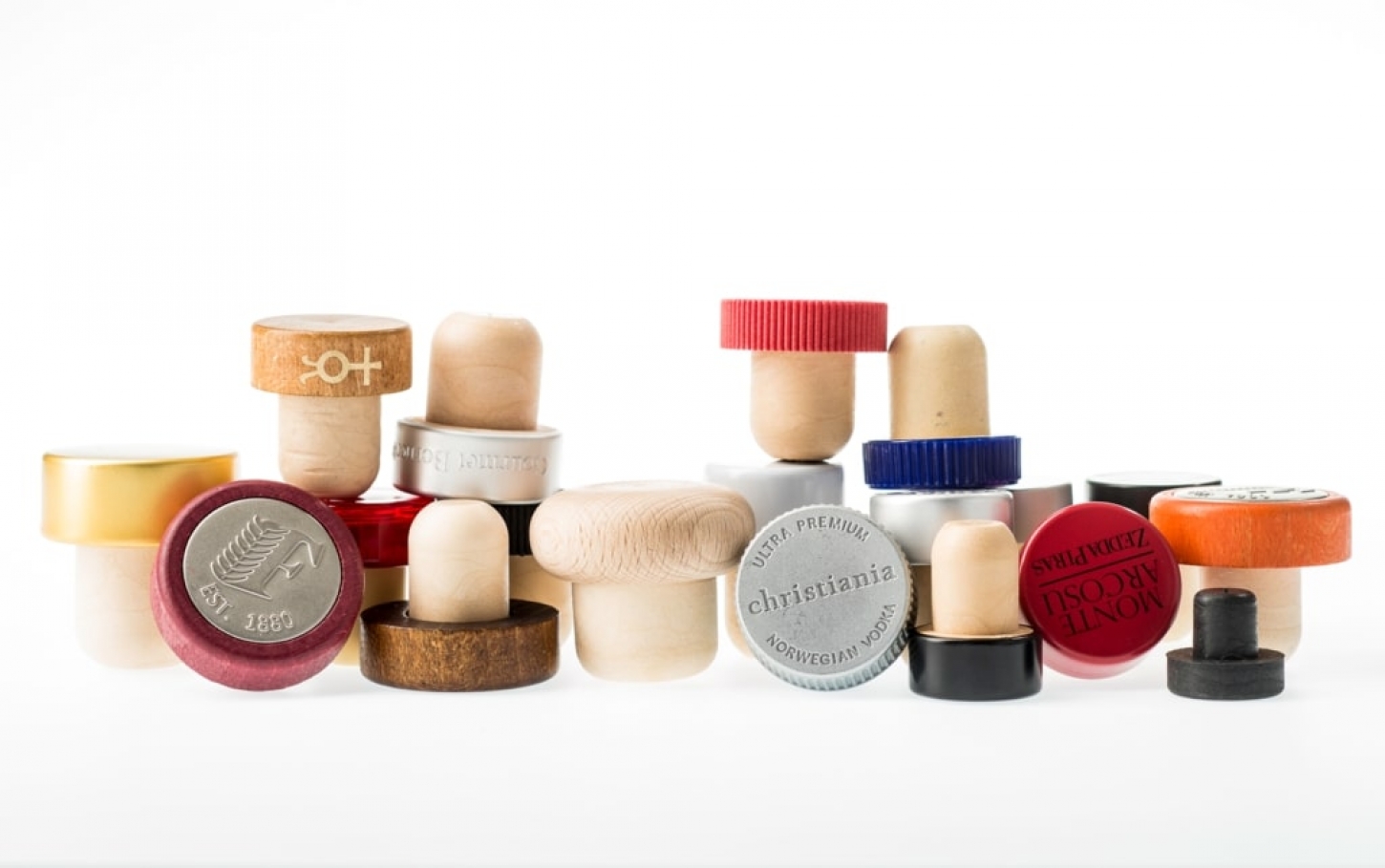
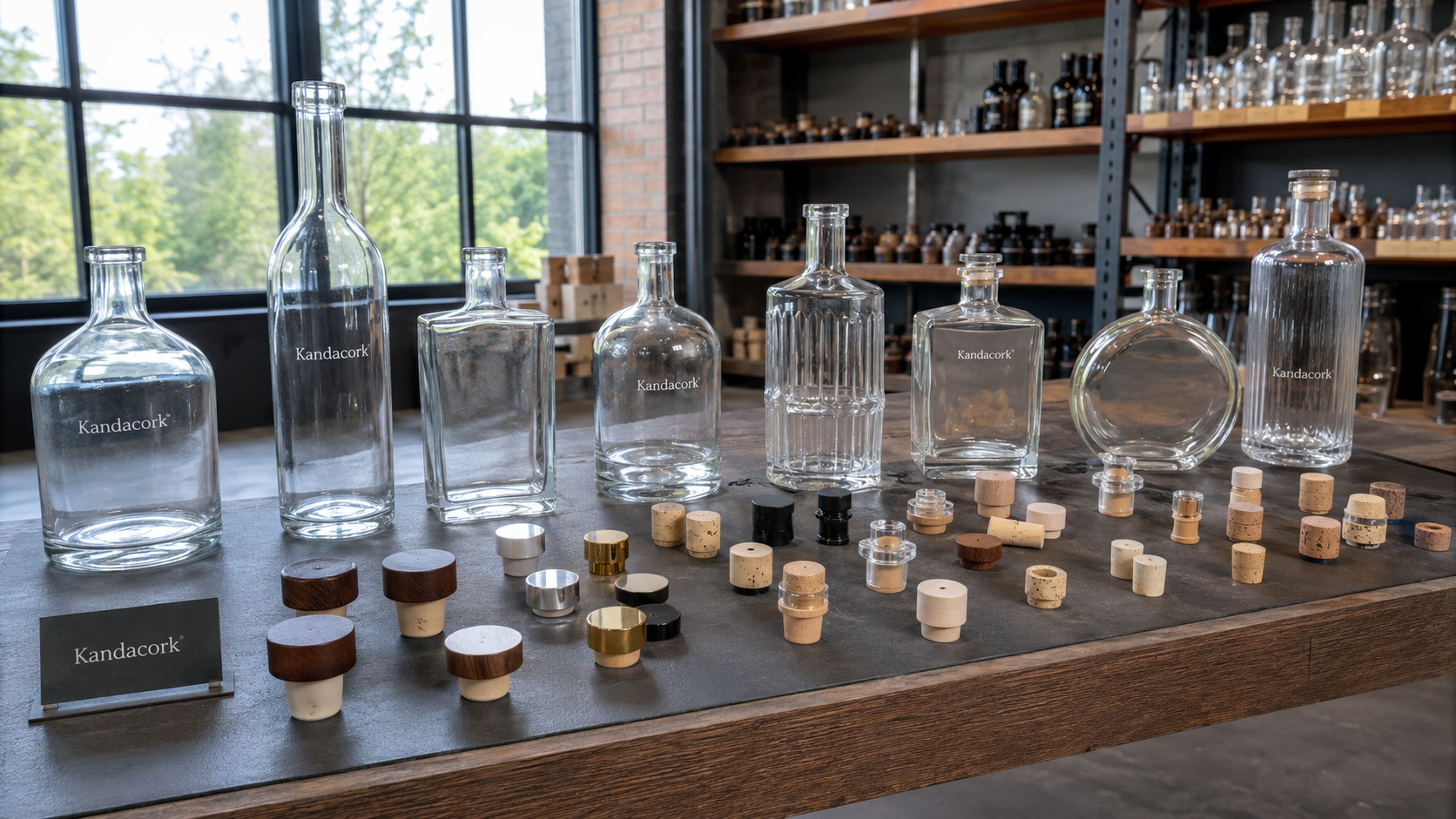
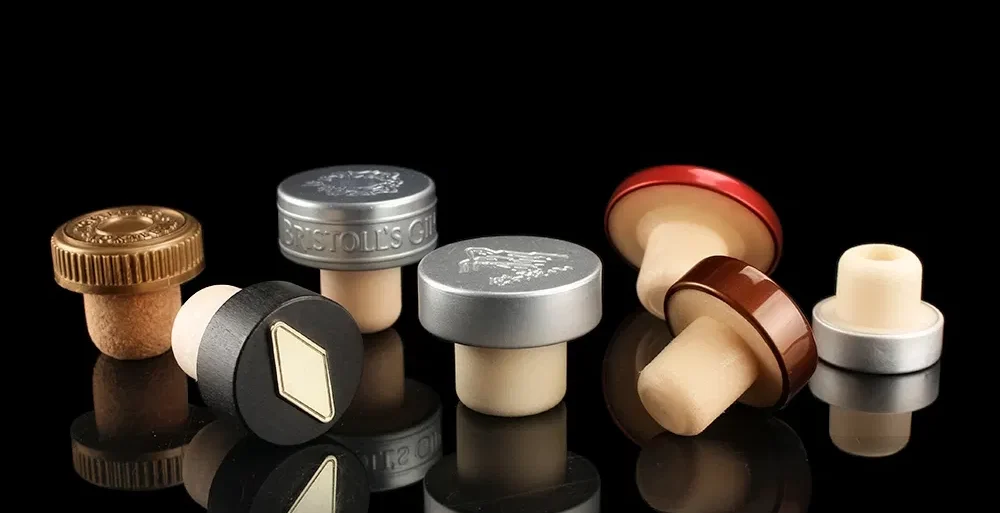
A bar-top stopper, also called a T-top stopper or cork-top stopper, has two main parts: the visible head and the inserted shank.
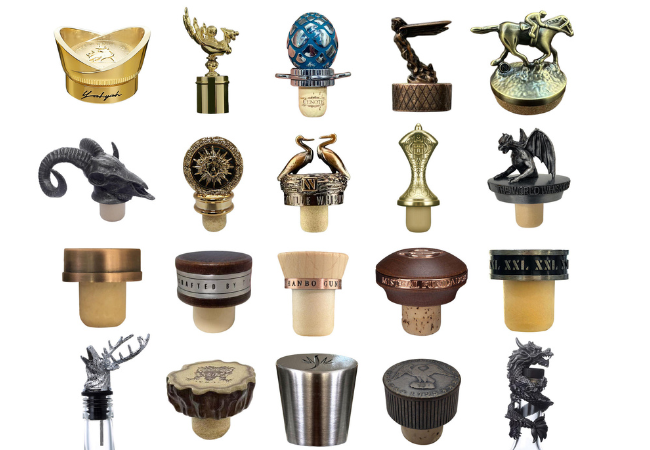
The head may be made from wood, plastic, aluminum, zinc alloy, glass, ceramic, or custom molded material. It affects appearance, grip, logo presentation, and the perceived value of the spirits bottle.
The shank may be made from natural cork, micro-agglomerated cork, synthetic cork, or polymer material. It controls fit, compression, sealing pressure, insertion feel, pull-out force, leakage resistance, and reclosing performance.
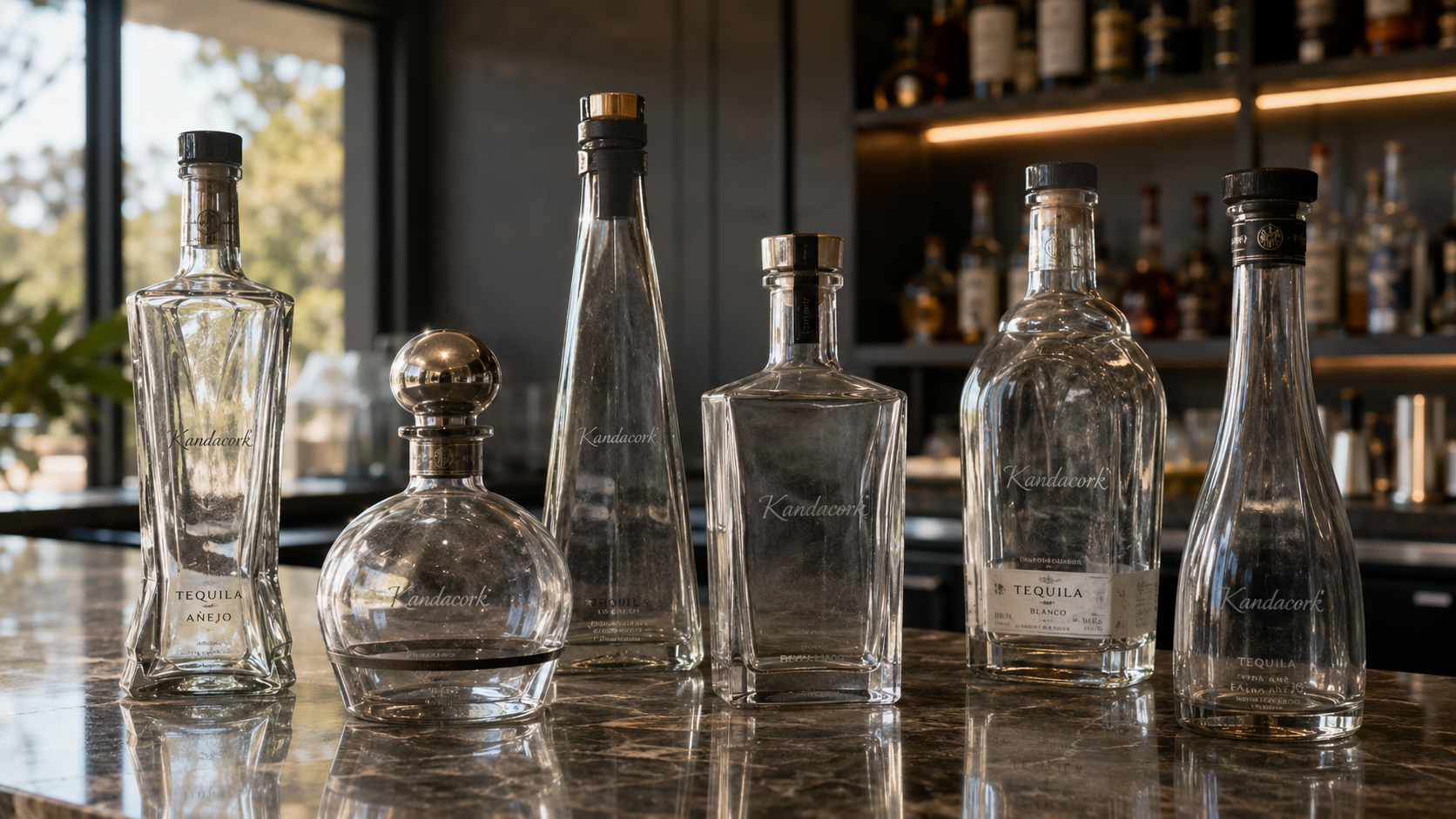
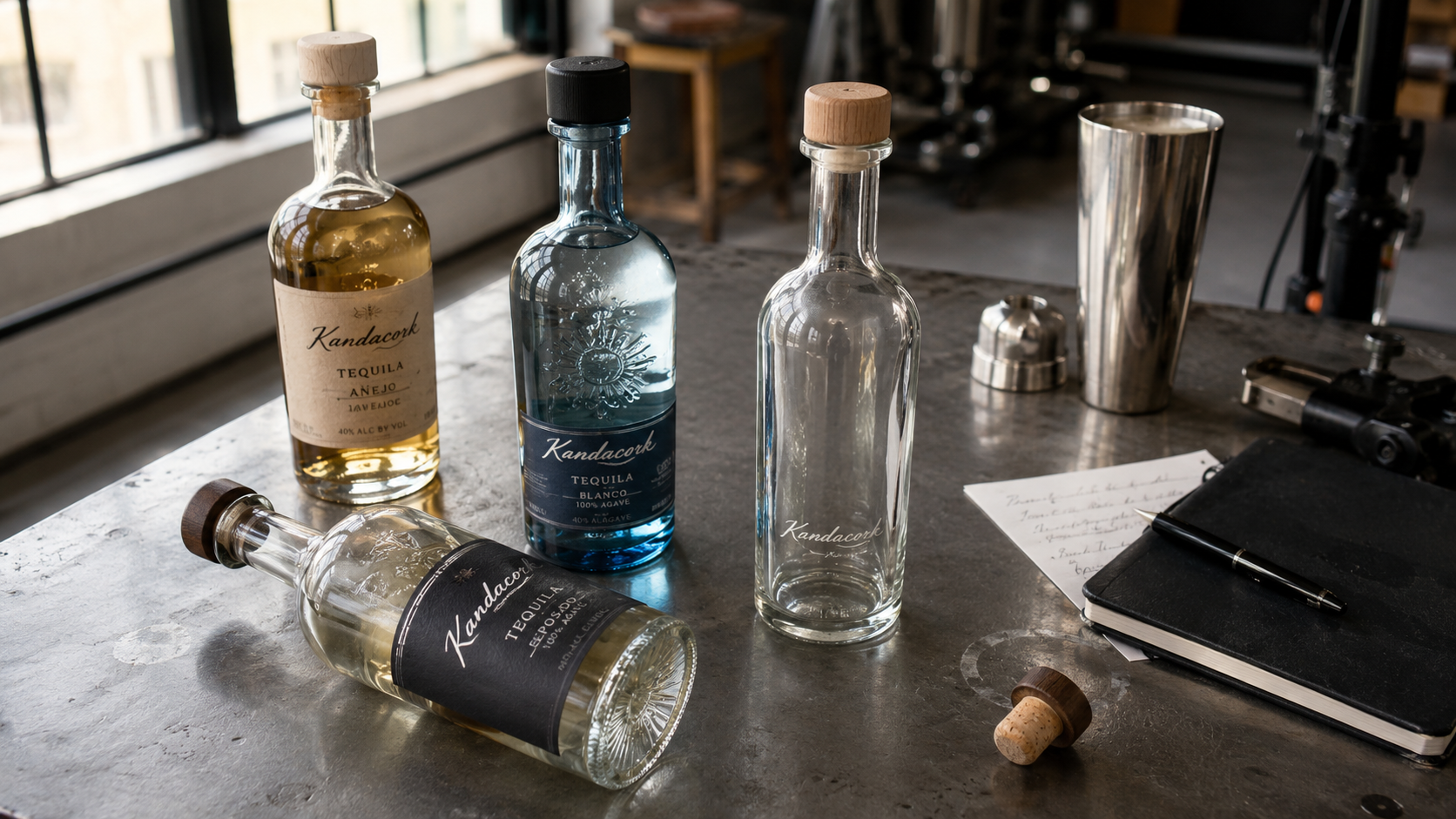
A reliable closure inspection checklist should evaluate the head and shank separately, then test the complete stopper with actual production bottles. For customized projects, buyers can start with custom bar-top closures for spirits bottles and confirm bottle neck dimensions, head material, shank structure, decoration method, filling conditions, and export requirements together.
Bulk Bar-Top Stopper QC Checklist for Spirits Buyers
| QC Stage | What to Check | Why It Matters | Buyer Action |
|---|---|---|---|
| Pre-production | Drawing, material, color, logo, bottle neck fit | Prevents wrong bulk production | Approve technical sheet and golden sample |
| Incoming material | Head material, shank material, odor, dust, cracks | Controls raw material defects | Request material inspection record |
| In-process QC | Dimensions, logo position, finish, assembly alignment | Catches defects before full batch completion | Review production photos and measurement data |
| Functional testing | Insertion force, pull-out force, leakage, reclosing | Confirms real bottle performance | Test with actual bottles and filled samples |
| Pre-shipment | Quantity, SKU, appearance, packing, pallet condition | Prevents shipment disputes | Request final QC report before delivery |
| Receiving inspection | Carton condition, random fit test, sample comparison | Confirms goods after arrival | Compare with approved sample quickly |
This table can be used as a purchasing checklist when comparing bar-top stopper suppliers for bulk spirits packaging.
Pre-Production Checks: Drawing, Sample and Bottle Neck Fit
Before mass production, the buyer and supplier should confirm a technical specification sheet. This document should include head material, head diameter, head height, shank material, shank diameter, shank length, total assembly height, tolerance range, surface finish, logo process, color reference, packing method, and carton quantity.
A golden sample should also be approved before bulk production. The golden sample should match the final material, color, logo, finish, shank size, and bottle fit. It becomes the reference for production and final inspection.
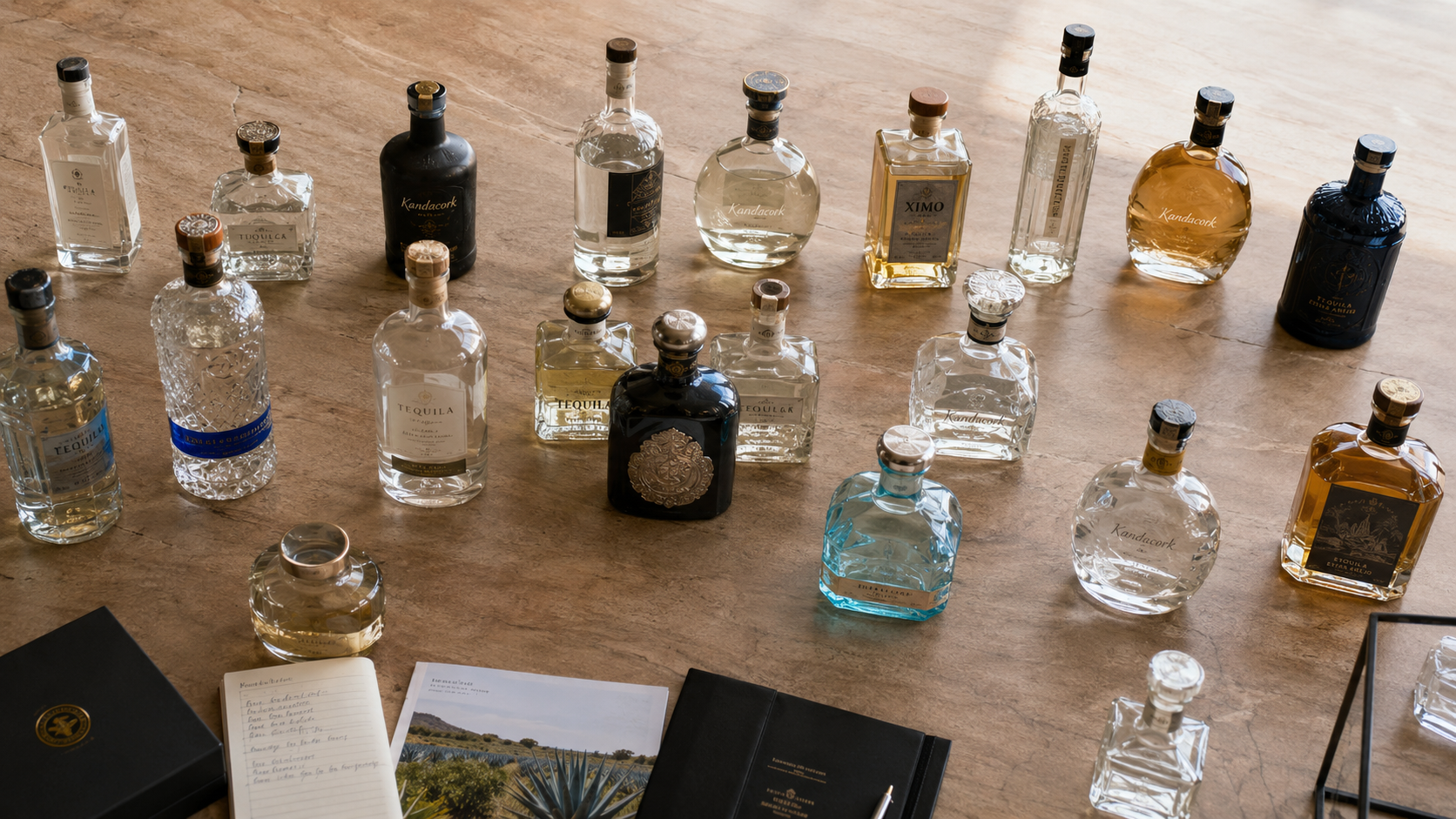
Bottle neck compatibility is one of the most important pre-production checks. A stopper that fits one bottle may not fit another bottle with a similar appearance. Inner neck diameter, neck finish, glass tolerance, insertion depth, top sealing area, and filling conditions can all affect performance. For more detail, buyers can use a glass bottle neck closure matching guide before approving bulk production.
The common rule of choosing a shank about 1 mm larger than the inner neck diameter is only a starting point. Real bottle testing is still necessary because glass tolerance, shank material, compression behavior, insertion depth, and alcohol storage conditions can change the final fit.
Before confirming a bulk order, buyers should test:
- Internal neck diameter
- Stopper seating height
- Insertion feel
- Pull-out feel
- Reclosing behavior
- Leakage after filling
- Fit across multiple bottle samples
For new projects, buyers should send bottle samples or neck drawings to the closure supplier before approving production.
Material and Appearance Inspection
Material inspection should begin before assembly. The stopper head and shank should both be checked against the approved sample and specification sheet.
For wooden heads, inspect grain consistency, cracks, knots, sanding quality, coating smoothness, color variation, logo clarity, and edge finish. Natural wood variation may be acceptable when it supports the brand style, but cracks, rough edges, coating bubbles, and severe color mismatch should be rejected.
For metal heads, check scratches, dents, oxidation, plating consistency, burrs, sharp edges, and logo position. For plastic heads, check molding flash, deformation, sink marks, color marks, and uneven gloss. For glass or ceramic heads, check chips, cracks, glaze defects, bubbles, and surface contamination.
For shanks, inspect diameter, length, surface smoothness, density, dust, odor, cracks, contamination, compression behavior, and dimensional consistency. Cork-based shanks need special attention to cork dust, crumbling, cracks, moisture-related issues, and sensory neutrality. Synthetic shanks should be checked for molding quality, flexibility, color consistency, and cut quality.
Odor should be part of the inspection process. A closure may look acceptable but still create risk if it smells like glue, solvent, plastic, mold, smoke, or contaminated carton material.
Functional Testing: Insertion, Pull-Out, Leakage and Reclosing
Functional testing confirms whether the stopper works with the real bottle, not just on paper.
The bottle fit test should verify smooth insertion, correct seating height, stable alignment, no looseness, no excessive tightness, and consistent fit across multiple bottles. Testing only one bottle is risky because glass tolerances may vary.
Insertion force affects bottling-line efficiency and manual application. If the force is too high, production may slow down or the stopper may not seat correctly. If the force is too low, sealing pressure may be insufficient.
Pull-out force affects consumer experience and closure security. A stopper that pulls out too easily may feel unsafe or low quality. A stopper that is too difficult to remove may frustrate consumers and increase breakage risk.
Leakage testing is critical for bulk spirits orders. Buyers should test the final bottle, final stopper, and representative filling conditions whenever possible. Useful checks may include upright storage, side-position storage, inversion testing, temperature exposure, and transport simulation. Inspectors should look for weeping, seepage, stopper pop-up, wet neck finish, stained labels, and carton moisture.
For more detailed leakage prevention planning, buyers can review the guide on preventing spirits bottle closure leaks before bulk orders.
Reclosing should also be tested. Many spirits bottles are opened and closed many times. The stopper should continue to insert smoothly, sit straight, and maintain sealing performance after repeated use.
For high-proof spirits, buyers should review whether the shank, adhesive, coating, ink, and decorative materials are suitable for the alcohol strength and storage conditions. This helps reduce the risk of swelling, odor transfer, color change, softening, adhesive failure, or sensory impact.
How Standards Support Better Stopper QC
Recognized standards and regulatory entities can help buyers turn quality expectations into practical inspection actions.
ISO cork stopper sampling and quality-control concepts are useful when defining dimensional checks, extraction force, liquid tightness, dust control, and sensory review. For bar-top stoppers, buyers can use these concepts to ask for clearer measurement records, fitment evidence, leakage results, and odor inspection.
Food-contact requirements should also be considered when closure components may contact the beverage or affect the packaging environment. Materials such as cork, polymers, adhesives, coatings, inks, colorants, and surface treatments should be reviewed according to the destination market.
For export orders, ASTM D4169 distribution testing can support carton, pallet, vibration, compression, drop, and transport simulation decisions. A bulk closure order should not only pass product inspection; it must also arrive in usable condition.
The purpose of referencing standards is not to make the article more technical than necessary. The purpose is to help buyers ask better supplier questions and request better QC evidence before shipment.
Natural Cork vs Synthetic Cork Stopper QC Comparison
| QC Item | Natural Cork Shank | Synthetic Cork Shank |
|---|---|---|
| Appearance | Natural variation is expected | More consistent visual appearance |
| Dimensional control | May vary depending on cork quality | Usually more repeatable |
| Odor risk | Needs closer sensory inspection | Usually easier to standardize |
| Dust control | Cork dust must be monitored | Lower cork dust risk |
| Premium positioning | Traditional and natural appeal | Clean, modern, scalable positioning |
| Compression behavior | Depends on cork grade and processing | More controlled in mass production |
| Main QC focus | Cracks, dust, odor, recovery, density | Molding, flexibility, color, consistency |
Natural cork is often suitable for premium, craft, heritage, or traditional spirits packaging. Synthetic cork is often suitable for brands that prioritize dimensional consistency, clean appearance, and repeatable performance in large orders.
The best choice depends on bottle neck design, spirit category, filling method, export conditions, brand positioning, and target market expectations. Buyers comparing materials can also review the guide to synthetic cork vs natural cork stoppers.
Critical, Major and Minor Closure Defects
Defect classification should be agreed before production. This helps both buyer and supplier handle quality issues consistently.
| Defect Level | Examples | Recommended Action |
|---|---|---|
| Critical defect | Leakage, unsafe material, detached head, severe odor, sharp edge, wrong shank size causing sealing failure | Reject, hold shipment, investigate root cause |
| Major defect | Logo misalignment, poor adhesion, wrong color, mixed SKU, visible scratches, unstable fit, poor packing | Rework, replace, sort, or request corrective action |
| Minor defect | Slight wood grain variation, tiny surface mark within agreed limit, minor shade difference | Accept if within agreed tolerance or sampling standard |
Critical defects affect sealing, safety, or product integrity. Major defects affect function, brand appearance, or order accuracy. Minor defects are small appearance variations that may be acceptable if they fall within the approved standard.
Common Bar-Top Stopper Defects in Bulk Orders
| Defect | Likely Cause | Prevention Method |
|---|---|---|
| Loose fit | Shank diameter too small or bottle neck too wide | Test with real bottles and confirm tolerance |
| Over-tight fit | Shank diameter too large or poor compression behavior | Adjust material or shank size before mass production |
| Stopper pop-up | Poor fit, internal pressure, unsuitable shank material | Perform filled-bottle and storage testing |
| Leakage or weeping | Insufficient sealing pressure or neck mismatch | Confirm bore diameter, insertion depth, and leakage results |
| Tilted shank | Poor assembly alignment | Add in-process alignment inspection |
| Detached head | Weak adhesive or poor curing | Test adhesion and rotation resistance |
| Scratched head | Handling or packing damage | Improve trays, dividers, bags, and operator handling |
| Color inconsistency | Material or coating batch variation | Use approved color reference and batch checks |
| Logo misalignment | Poor fixture control or artwork setup | Confirm decoration fixture and golden sample |
| Cork dust | Poor shank finishing or cleaning | Add dust inspection and cleaning process |
| Strong odor | Material, glue, coating, or carton contamination | Add sensory check and material traceability |
| Carton crushing | Weak export packing or poor palletization | Confirm carton strength and pallet method |
| Mixed SKU packing | Weak warehouse control | Use SKU labels, barcode checks, and final packing audit |
This table is useful for both supplier audits and pre-shipment inspection. It connects real defects with practical prevention steps.
Pre-Shipment Stopper Inspection and Export Packing
For bulk orders, casual checking is not enough. A defined sampling plan should be used before shipment. The inspection plan should define sample size, defect levels, acceptance criteria, inspection methods, and reporting format.
Pre-shipment inspection should confirm order quantity, SKU, material, head color, logo position, shank size, dimensional measurements, appearance defects, head-to-shank alignment, insertion performance, pull-out performance, leakage results, odor review, carton labels, inner packaging, pallet stability, and final approval record.
Export packing should also be inspected carefully. Closures may pass factory inspection but still arrive damaged if cartons, dividers, bags, or pallets are not suitable for long-distance transport.
Buyers should check inner bag protection, carton strength, divider or tray design, quantity per carton, carton label accuracy, moisture protection, pallet stacking method, pallet wrapping, drop risk, vibration risk, and mixed SKU separation.
For premium closure heads, surface protection is especially important. Wooden, metal, glass, ceramic, and coated heads may require better separation to prevent scratches during shipping.
What QC Evidence Should Buyers Request Before Shipment?
Before shipment, buyers should request evidence that the bulk order matches the approved sample and technical specification. Useful evidence includes dimensional measurement records, fitment test photos or videos, leakage test results, defect sorting notes, packing photos, pallet photos, and a final inspection report.
For customized orders, the report should also confirm logo position, surface finish, color reference, SKU separation, carton labels, and any agreed special requirements.
A strong QC evidence package helps purchasing, quality, production, and logistics teams make faster decisions. It also reduces disputes if goods are damaged, mixed, incorrectly decorated, or rejected during receiving inspection.
Supplier Capability Checklist
A supplier should be evaluated as carefully as the stopper itself. Before placing a bulk order, buyers should ask whether the supplier can provide technical drawings, tolerance standards, bottle fit testing, pre-production samples, retained golden samples, inspection records, production photos, and corrective action reports.
Buyers should also confirm whether the supplier can support custom head materials, shank options, decoration processes, material declarations, food-contact documentation if required, and export packing standards.
A reliable bar-top stopper supplier should be able to explain how it controls critical, major, and minor defects. Vague answers may indicate higher risk during production, inspection, shipment, or bottling.
Buyers can use these questions to compare suppliers not only by unit price, but by fitment support, testing evidence, documentation quality, export packing, and corrective action capability.
What Buyers Should Prepare for Sample Requests or Quotations
To receive accurate samples and pricing, buyers should prepare clear project information before contacting the supplier.
Useful information includes:
- Bottle sample or neck drawing
- Inner neck diameter
- Bottle neck finish information
- Spirit category
- Alcohol strength if relevant
- Preferred head material
- Preferred shank material
- Logo artwork
- Surface finish requirement
- Target order quantity
- Destination market
- Required documents or test reports
- Packing method
- Expected delivery schedule
The more complete the information, the faster the supplier can recommend the right stopper structure, testing plan, and quotation.
Need to approve bar-top stoppers before bulk production? Send your bottle sample, neck drawing, artwork, target quantity, and QC requirements through the Kandacork Closures quote page for sample development and quotation support.
Common Buyer Mistakes in Bulk Bar-Top Stopper Orders
Many bulk order problems happen before production starts. Common mistakes include approving decoration before testing bottle fit, testing only one bottle sample, ignoring pull-out force, checking appearance without leakage testing, confirming price before confirming tolerance, and skipping export packing review.
These mistakes can cause delays, rework, shipment disputes, or finished-product complaints. A buyer may save time during sampling but lose much more time during filling, export inspection, or retail distribution.
The safer approach is to confirm bottle fit, material suitability, decoration quality, functional performance, supplier documentation, and packing protection before approving mass production.
How Kandacork Closures Supports Bulk Stopper QC
Kandacork Closures supports spirits packaging buyers from sample development to bulk shipment. The process can include material selection, stopper sizing, bottle neck fitment review, custom head design, logo decoration, surface finishing, shank matching, quality inspection, and export packing support.
For new projects, buyers can provide bottle samples, neck drawings, artwork, target quantity, spirit category, market requirements, and launch timeline. Kandacork Closures can then recommend suitable bar-top stopper materials, decoration methods, sampling steps, and bulk-order QC points.
For existing projects, buyers can share current stopper problems such as leakage, loose fit, tight insertion, scratched heads, odor, color difference, detached heads, or unstable packing. The team can review the issue and suggest specification adjustments or inspection improvements.
FAQ
What should a bar-top stopper quality control checklist include?
It should include bottle neck fit, shank dimensions, stopper head appearance, head-to-shank adhesion, insertion force, pull-out force, leakage resistance, odor neutrality, logo accuracy, packing condition, and supplier inspection records.
How do you test bar-top stopper leakage before bulk orders?
Leakage should be tested with the final bottle and final stopper under representative filling conditions. Buyers may use upright storage, side-position storage, inversion testing, temperature exposure, or transport simulation to check for weeping, seepage, stopper pop-up, wet labels, or carton moisture.
How do buyers know if a stopper is too loose or too tight?
Buyers should test insertion force, pull-out force, seating height, leakage behavior, and repeated reclosing. A stopper that feels acceptable in one bottle may not work well across a full production batch, so multiple bottle samples should be tested.
Natural cork or synthetic cork: which is better for bulk spirits orders?
Natural cork is often better for traditional premium positioning, while synthetic cork is often better for dimensional consistency, controlled appearance, and repeatable performance. The best choice depends on bottle design, spirit type, brand positioning, filling method, and export requirements.
What should be included in a supplier QC report?
A supplier QC report should include batch information, sample size, inspection method, measured dimensions, defect photos, functional test results, leakage review, packing condition, inspector notes, and final shipment approval status.