A cap that fits by hand can still leak, cross-thread, spin, or fail on the filling line if the bottle thread finish is not verified before production. For spirits brands, bottlers, private label buyers, importers, distributors, and packaging teams, this small technical detail can affect launch schedules, export shipments, decorated cap costs, and consumer experience.
This article is not only a neck finish guide. It is a pre-production approval checklist for buyers who need to confirm thread finish before cap production, test closure samples, reduce packaging risk, and prepare accurate quotation information.
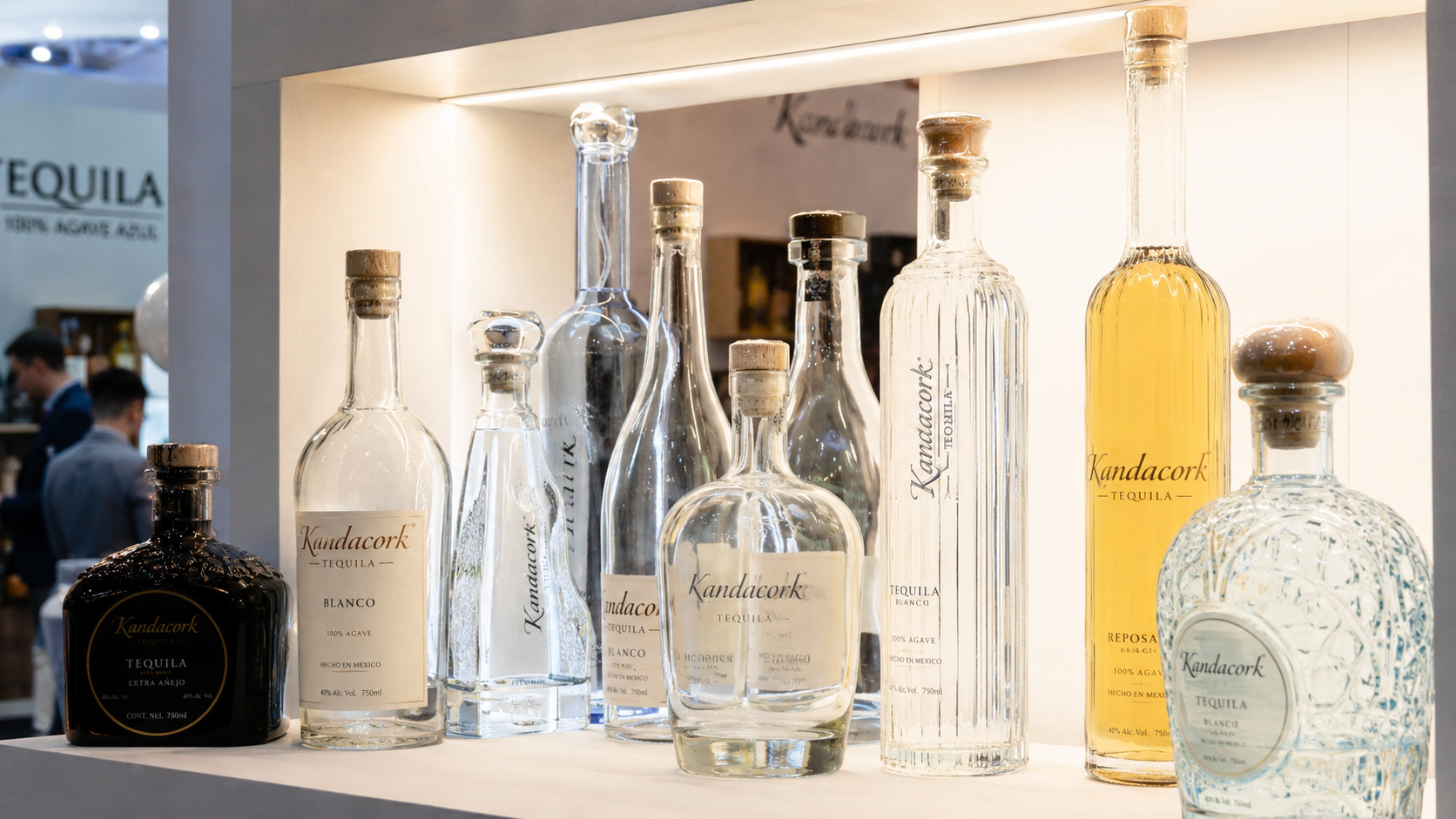
For complete spirits packaging projects, bottle finish confirmation should be reviewed together with glass bottle design, closure structure, decoration, and filling-line requirements. Buyers working on full packaging programs can also review Kandacork Glass integrated spirits packaging solutions to understand how bottle, closure, and decoration planning connect before production.
Quick Answer: How Do You Confirm Thread Finish Before Cap Production?
To confirm thread finish before cap production, verify the bottle neck finish code, measure key neck dimensions, test real bottle samples with closure samples, check liner compression, validate application and removal torque, and run leak or transport testing before approving mass cap production.
A practical workflow is:
Bottle drawing → Bottle samples → Neck finish measurement → Cap sample matching → Liner contact check → Torque test → Leak test → Production approval
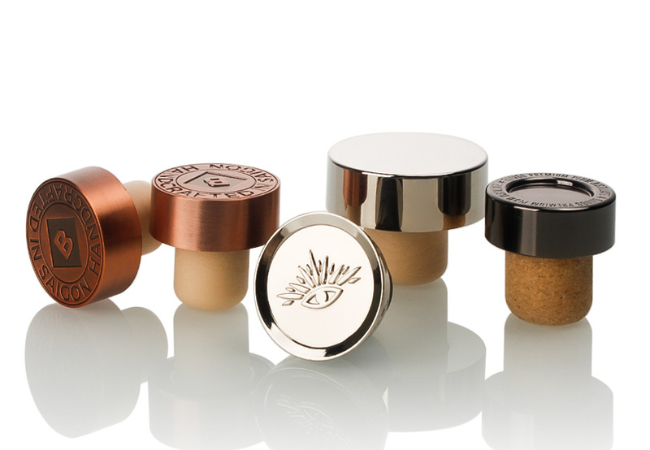
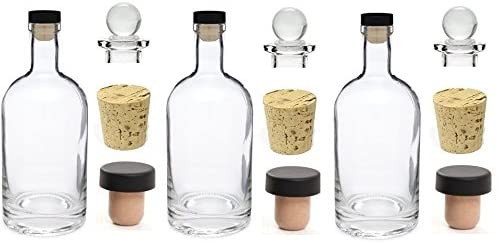
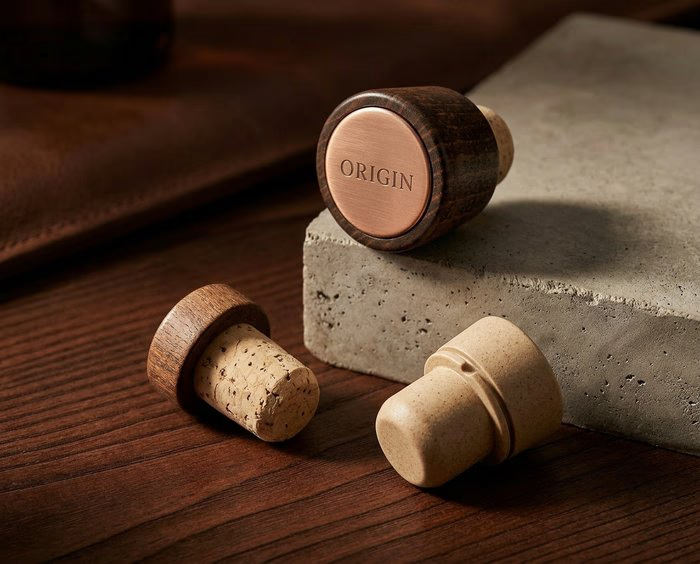
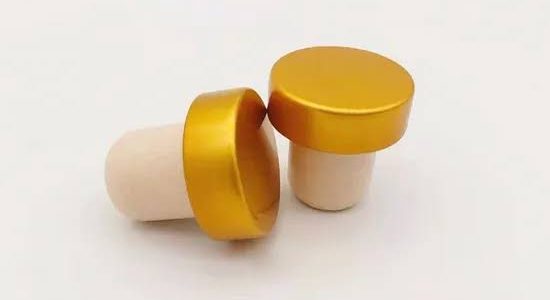
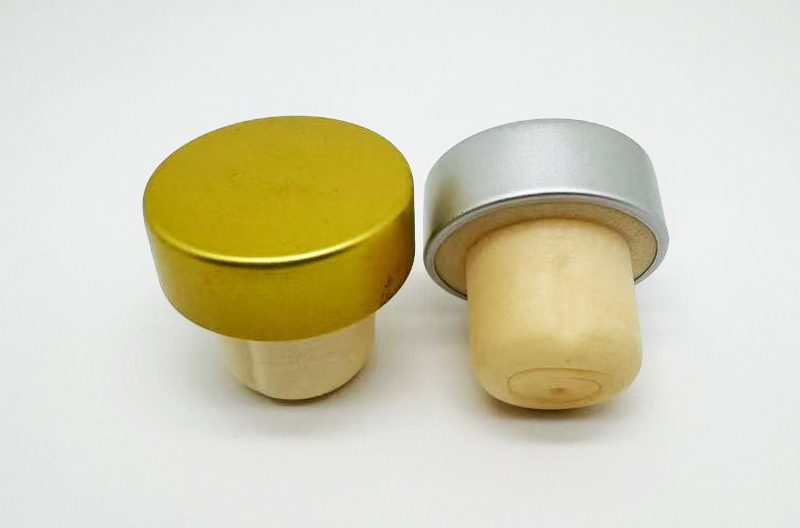
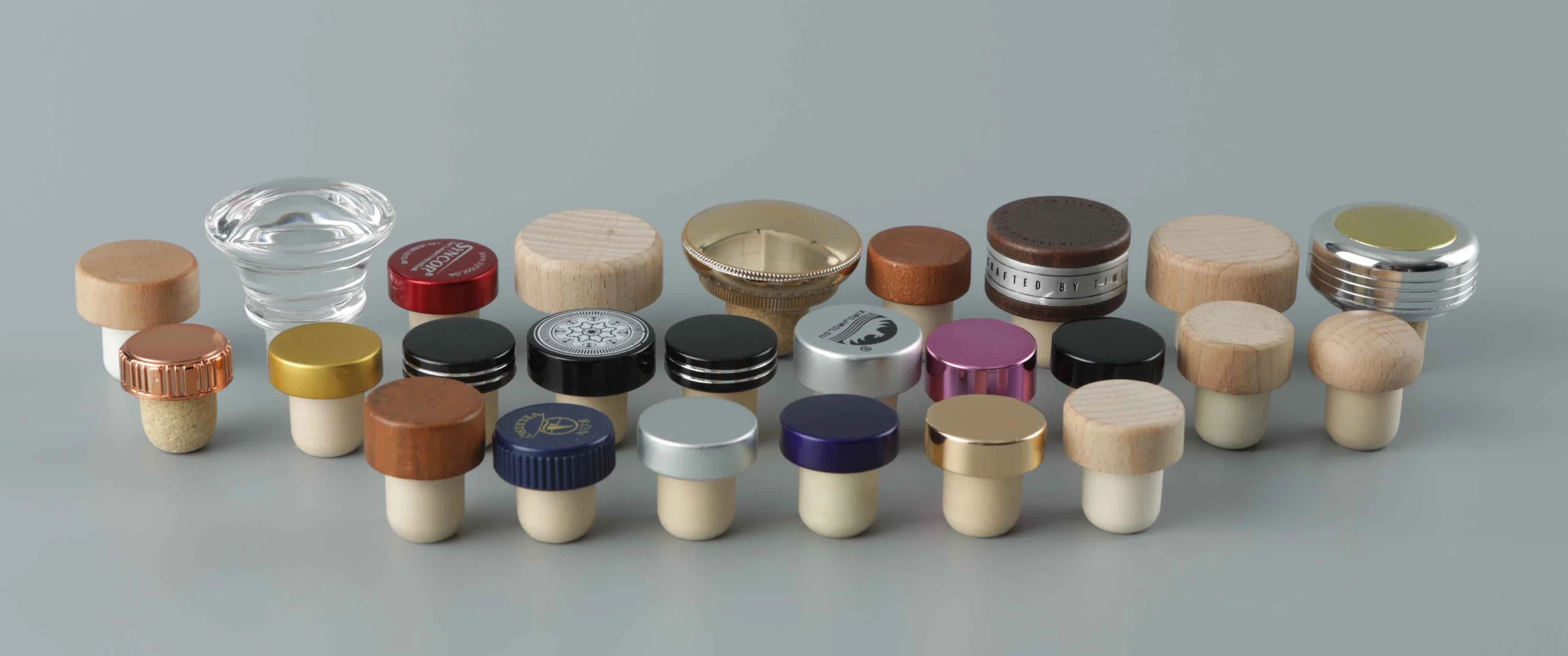
This process is especially important for custom spirits bottle closures, including aluminum screw caps, ROPP caps, bar-top stoppers, non-refillable closures, tamper-evident caps, and premium decorative closures. For buyers comparing available closure structures, Kandacork’s custom spirits closures and stoppers page gives a broader view of product options before a technical fit review.
Why Thread Finish Confirmation Matters Before Production
A bottle closure must do more than look correct. It must seal the product, work with the filling line, protect alcohol quality, support tamper evidence, and create a consistent opening experience.
If the bottle finish is assumed instead of verified, buyers may face:
- Leakage during storage or export shipping
- Cross-threading during automatic capping
- Inconsistent application torque
- High or low removal torque
- Poor liner compression
- Spinning ROPP caps
- Weak pilfer-band breakage
- Crooked cap appearance
- Loose stopper fit
- Rework after cap decoration approval
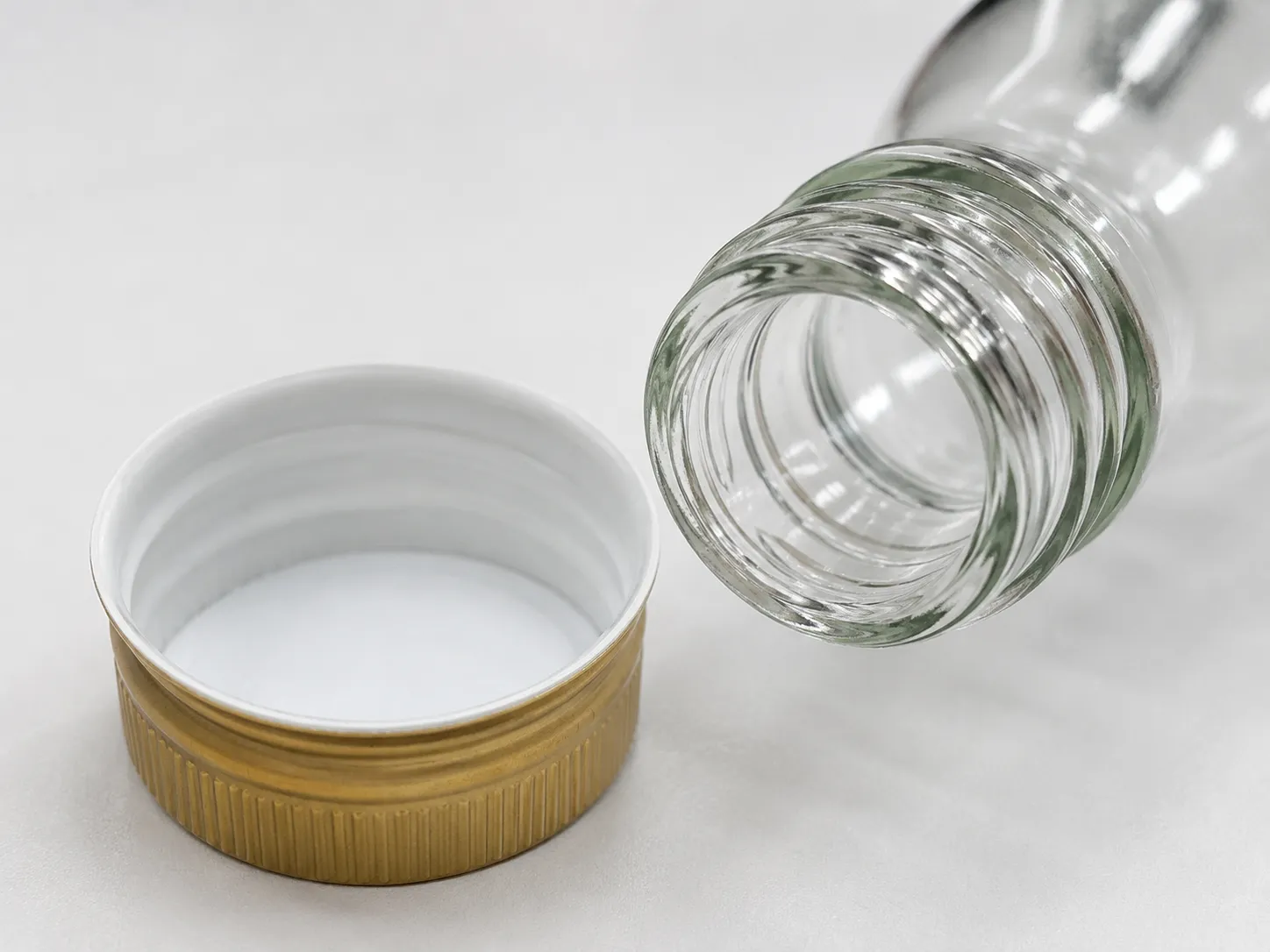
Closure compatibility depends on defined dimensions, tolerances, sealing surfaces, and test performance, not only visible bottle mouth diameter. For threaded caps, buyers who need more detail can review Kandacork’s screw cap thread finish matching guide to understand how cap diameter, thread profile, liner contact, and bottle finish geometry work together.
For spirits packaging, this is both a technical and commercial issue. A premium whisky, vodka, gin, rum, tequila, brandy, or liqueur bottle needs a closure that performs reliably while supporting the brand’s shelf appearance.
What Is a Bottle Thread Finish?
A bottle thread finish is the finished neck area where the closure engages with the bottle. It may include the thread, sealing land, neck height, bore, bead, and tolerance range.
In packaging catalogs, thread finishes may appear as codes such as 24-400, 24-410, 28-410, or supplier-specific finish types. The first number usually refers to the approximate neck diameter in millimeters, while the second number describes the thread style or finish series.
However, the same diameter does not always mean the same closure fit. A 24-400 and a 24-410 finish may have similar nominal diameter, but different thread profiles, finish heights, and sealing behavior. That is why buyers should confirm closure fit with drawings and physical samples before custom cap production.
Key Neck Finish Dimensions Buyers Should Check
The most common bottle neck finish dimensions are T, E, I, S, and H. These dimensions help determine whether the cap can engage, seal, and perform correctly.
| Dimension | What It Means | Why It Matters | Buyer Action |
|---|---|---|---|
| T Dimension | Outside diameter across the thread | Determines cap thread engagement and closure size | Ask the supplier to check cap thread fit against real samples |
| E Dimension | Neck diameter below the thread | Affects cap clearance and thread depth | Confirm cap skirt and internal profile clearance |
| I Dimension | Inner bore diameter | Affects filling, pourer fit, stopper fit, and insert fit | Send real bottle samples for bore measurement |
| S Dimension | Distance from top sealing surface to thread start | Affects cap travel, start position, and sealing point | Check cap seating and liner position |
| H Dimension | Total neck finish height | Affects cap height, liner compression, skirt coverage, and tamper band position | Confirm cap height before decoration approval |
For bar-top stoppers, the I dimension is especially important because it affects stopper shank compression and pull-out feel. For ROPP caps, the bead, skirt length, and rolling area are critical. For screw caps, T dimension, thread profile, liner contact, and torque range are usually the main concerns.
Step-by-Step Process to Confirm Thread Finish Before Cap Production
1. Request the Bottle Drawing
Start with the official bottle drawing from the glass bottle supplier or bottle manufacturer. The drawing should show the neck finish code, thread profile, sealing land, bore, bead, height, and tolerance range.
Do not rely only on a catalog description such as “28 mm cap.” A simple diameter description does not confirm the exact thread style or sealing structure.
2. Confirm the Neck Finish Code
The neck finish code helps identify the closure family, but it is only the starting point. For continuous thread closures, this may be a code such as 24-400 or 28-410. For ROPP closures, the finish may follow a beverage or spirits packaging specification. For bar-top stoppers, bore size and stopper shank fit may matter more than thread code.
The finish code helps shortlist options. It does not replace sample testing.
3. Measure Real Bottle Samples
Buyers should send real bottle samples before cap production. Ideally, samples should come from the same bottle supplier, mold, and production batch intended for the final project.
Check several bottles, not only one. Measure the thread diameter, bore, finish height, sealing land, bead position, and neck roundness. A closure must work across normal bottle variation, not just one ideal sample.
4. Compare Drawing Tolerances With Actual Samples
The drawing shows the intended specification. Real samples show actual manufacturing output. Both should be reviewed together.
If the drawing allows a tolerance range, the closure should still seal at the high and low ends of that range. A cap that works on one sample may fail if the next bottle batch is slightly different.
5. Match the Closure Sample
Once the bottle finish is confirmed, test the actual closure sample. This includes cap diameter, cap height, internal thread, liner, insert, tamper-evident band, stopper shank, or pourer structure.
For custom spirits closures, do not approve decoration before confirming function. If the cap height, insert, liner, or thread structure changes after testing, artwork position, embossing area, hot stamping, or skirt design may also need adjustment.
6. Check Liner Contact
The liner must contact the sealing land evenly. A cap can feel tight but still leak if the liner does not compress correctly.
Liner selection may depend on product type, alcohol percentage, aroma protection, storage conditions, export requirements, and closure material. For spirits products, buyers should confirm liner compatibility before final approval.
7. Test Torque, Leakage, and Transport Performance
Application torque is the force used to apply the cap. Removal torque is the force required to open it. If application torque is too low, leakage risk increases. If it is too high, the cap may deform or become difficult for consumers to open.
Before approving bulk production, test:
- Dry fit and thread engagement
- Liner compression
- Application torque
- Removal torque
- Inversion leakage
- Side-position leakage where relevant
- Tamper-evident band performance
- Capping machine compatibility
- Transport or vibration risk for export shipments
For threaded closures, ASTM’s D5094/D5094M gross leakage test methods are a useful non-competitive technical reference for understanding how container-closure systems may be evaluated for leakage during storage or distribution. Buyers planning screw cap projects can also review Kandacork’s screw cap torque guide for more detail on application torque, removal torque, and closure testing.
Do Not Approve Cap Production Until These Are Confirmed
Before custom cap production, buyers should confirm each critical point below:
- The bottle drawing matches the physical bottle samples.
- Multiple bottle samples have been measured.
- The cap or stopper sample has been tested on the real bottle.
- Liner contact is visible, even, and suitable for the product.
- Application and removal torque are within the target range.
- Leak or inversion testing has passed.
- Tamper-evident function works as expected.
- Capping machine compatibility has been reviewed.
- Decoration is approved only after functional fit is confirmed.
- Final quotation is based on confirmed technical specifications.
This step protects buyers from producing decorated caps that later require structural changes.
Closure Type Comparison for Spirits Bottles
Different spirits closure systems require different confirmation points. A screw cap, ROPP cap, bar-top stopper, and non-refillable closure should not be evaluated in the same way.
| Closure Type | What to Confirm Before Production | Common Risk if Not Confirmed |
|---|---|---|
| Aluminum screw cap | Thread finish, liner contact, cap height, torque range | Leakage, loose cap, cross-threading |
| ROPP cap | Neck bead, rolling profile, skirt length, pilfer band | Spinning cap, poor tamper break |
| Bar-top stopper | Inner bore, shank diameter, compression, pull-out force | Loose stopper, hard insertion, leakage |
| Non-refillable closure | Insert depth, valve fit, pourer function, cap engagement | Poor pouring, leakage, tamper failure |
| Decorative overcap | Cap height, visual alignment, embossing area | Poor premium appearance or loose fit |
This table helps buyers avoid choosing closures by diameter only. The complete closure system should be confirmed before production. For premium stopper projects, Kandacork’s guide on how bar-top stoppers fit spirits bottle necks gives additional detail on bore size, shank compression, pull-out feel, and closure selection.
Troubleshooting: Why Cap Fit Fails Before or After Production
Use this table when a sample cap appears to fit but fails during torque, leak, or capping-line testing.
| Problem | Likely Cause | What to Check |
|---|---|---|
| Cap fits but leaks | Poor liner compression or wrong sealing point | Liner size, sealing land, torque, cap height |
| Cap feels tight but still leaks | Thread friction without sealing pressure | Liner contact, application torque, finish height |
| ROPP cap spins | Wrong rolling profile or bead mismatch | Neck bead, skirt length, capping head setup |
| Pilfer band fails | Band bridge or bead mismatch | Finish height, band design, application force |
| Cap looks crooked | Thread variation or capping misalignment | T dimension, neck ovality, capping equipment |
| Works on one bottle but not another | Bottle batch or mold variation | Multiple bottle samples and tolerance range |
This troubleshooting approach helps buyers identify whether the issue comes from the bottle, closure, liner, capping machine, or production tolerance.
What to Send Before Requesting Samples or a Quotation
To confirm thread finish before cap production and receive an accurate quotation, buyers should prepare project information in two levels.
Minimum Information for Initial Review
Send these items first if the project is still in early evaluation:
- Bottle drawing
- Physical bottle samples
- Target closure type
- Product type and alcohol percentage
- Estimated order quantity
- Decoration requirement
This information is usually enough for an initial compatibility review and sample recommendation.
Best Information for Accurate Quotation
For a more accurate quotation, prepare:
- Neck finish drawing
- Current closure sample, if available
- Filling temperature
- Capping machine information
- Target application torque
- Target removal torque
- Liner preference
- Tamper-evident requirements
- Destination market
- Launch timeline
- Packaging compliance requirements
Complete information helps the supplier recommend the right closure structure, prepare samples, identify technical risks, and quote based on confirmed specifications instead of assumptions.
How to Choose a Closure Supplier Before Cap Production
A qualified closure supplier should do more than offer a catalog cap. Before production, buyers should evaluate whether the supplier can support technical confirmation, sample testing, and commercial execution.
Ask these questions:
- Can the supplier review bottle and neck finish drawings?
- Can they measure physical bottle samples?
- Can they support screw caps, ROPP caps, bar-top stoppers, and non-refillable closures?
- Can they recommend liner materials for spirits products?
- Can they provide pre-production samples?
- Can they advise on torque and sealing performance?
- Can they review tamper-evident function?
- Can they support decoration after fit confirmation?
- Can they quote based on confirmed technical data?
A supplier with these capabilities can help buyers reduce production risk before money is spent on decorated closures, tooling, or bulk shipment.
What Kandacork Checks During a Compatibility Review
During a cap and neck compatibility review, Kandacork Closures & Stoppers checks whether the bottle drawing matches the real bottle samples, whether the cap or stopper sample seats correctly, whether the liner contacts the sealing land evenly, and whether the closure structure is suitable for the product, capping method, tamper-evident requirement, and decoration plan.
For spirits closure projects, this review may include screw cap thread fit, ROPP bead and skirt compatibility, bar-top stopper bore and shank compression, non-refillable insert fit, application torque, removal torque, leakage risk, and decoration feasibility before bulk cap production. Kandacork’s cap and neck compatibility review helps buyers move from uncertain bottle-neck information to a clearer sample request or RFQ based on confirmed bottle and closure data.
Buyer Checklist Before Bulk Cap Production
| Confirmation Item | Status |
|---|---|
| Bottle drawing received | Pending / Approved |
| Neck finish code confirmed | Pending / Approved |
| Physical bottle samples measured | Pending / Approved |
| Closure type selected | Pending / Approved |
| Cap or stopper sample tested on real bottle | Pending / Approved |
| Liner contact checked | Pending / Approved |
| Application torque tested | Pending / Approved |
| Removal torque tested | Pending / Approved |
| Leak or inversion test passed | Pending / Approved |
| Tamper-evident function checked | Pending / Approved |
| Capping machine compatibility reviewed | Pending / Approved |
| Decoration approved after fit test | Pending / Approved |
| Final quotation based on confirmed specifications | Pending / Approved |
FAQ
How do I confirm thread finish before cap production?
Confirm the bottle neck finish code, measure key dimensions, compare bottle samples with the drawing, test closure samples, check liner contact, validate application and removal torque, and complete leak testing before approving bulk cap production.
Can I choose a cap by bottle diameter only?
No. Bottle diameter is only one factor. Buyers must also confirm thread style, finish height, sealing land, bore diameter, bead position, liner contact, and tolerance range.
Why does a bottle cap leak even when it feels tight?
A cap may feel tight because of thread friction, but the liner may not be compressed correctly. Leakage can also result from incorrect torque, uneven sealing land, wrong cap height, out-of-round necks, or incompatible liner material.
Why does a ROPP cap spin after application?
A spinning ROPP cap may be caused by incorrect bottle bead geometry, wrong rolling profile, unsuitable cap skirt length, poor capping-head setup, or neck finish variation.
What should I send to Kandacork for a closure quotation?
For initial review, send the bottle drawing, physical bottle samples, target closure type, product type, alcohol percentage, estimated quantity, and decoration requirement. For accurate quotation, also send the neck finish drawing, current closure sample, capping machine information, torque target, liner preference, destination market, and launch timeline.