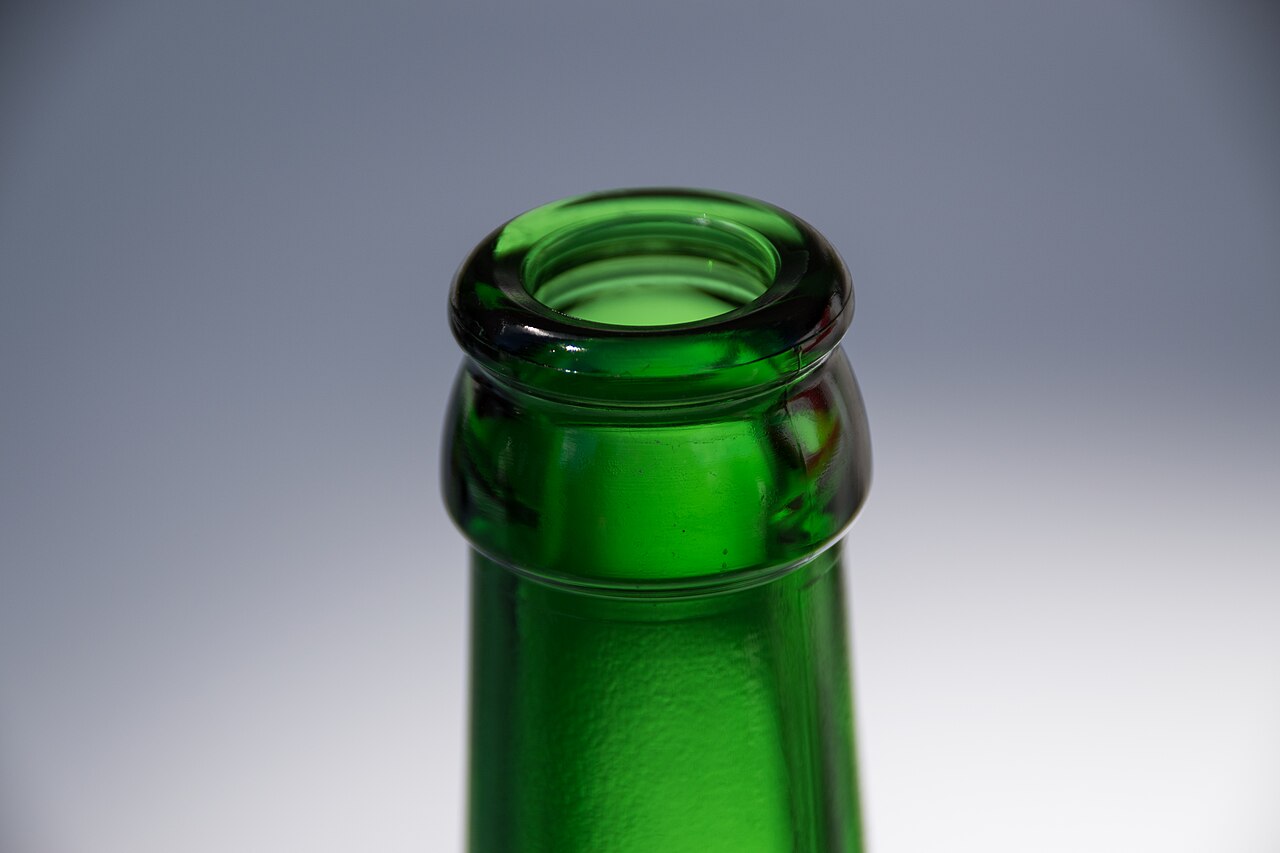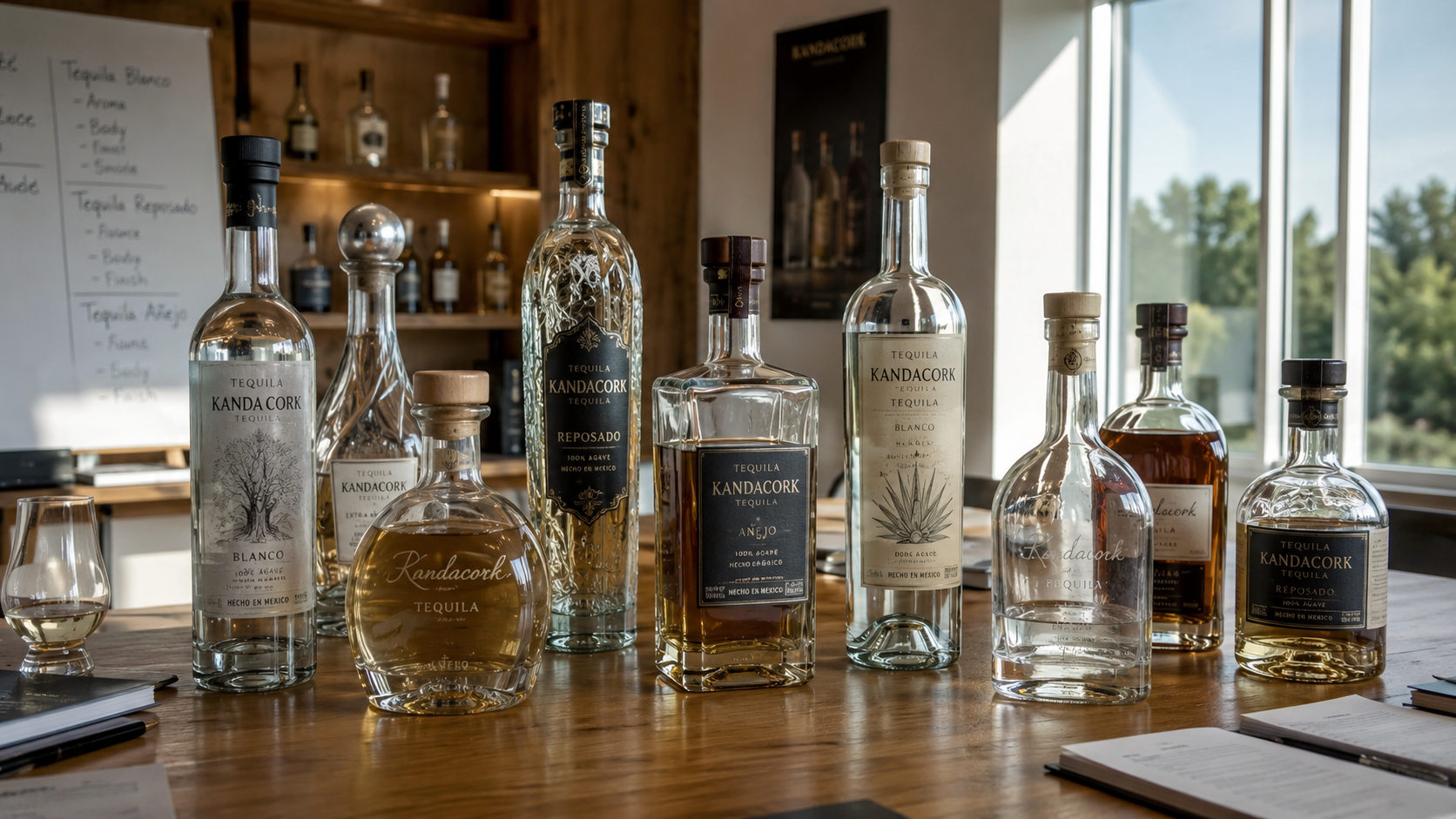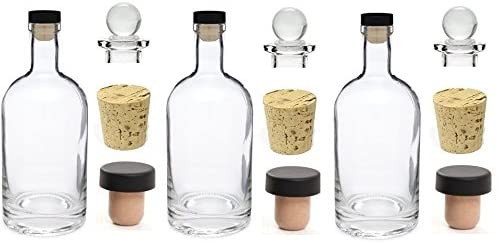
Introduction: Why Stopper Material Matters in Spirits Packaging
For spirits brands, the bottle closure is part of the product experience. It affects shelf impact, opening feel, reclosure performance, brand recognition and perceived value. A bottle may attract attention through its shape or label, but the bar-top stopper often confirms whether the product feels standard or high-value.
That is why many distilleries, private label buyers, importers, distributors, bottlers and packaging teams compare glass vs metal bar-top stoppers before confirming a spirits packaging project. Both materials can create a strong result, but they support different brand messages and technical requirements.
For most premium spirits projects, glass is the better choice when visual clarity, decanter-style presentation and collectible appeal matter most. Metal is the better choice when weight, logo depth, plated finishing and handling durability matter more.
The right choice should be based on bottle design, neck fit, shank material, stopper weight, decoration method, order quantity, quality requirements, export packing and destination market. Kandacork Closures helps buyers evaluate these details before sample development, quotation and bulk production.
Quick Answer: Glass vs Metal Bar-Top Stoppers
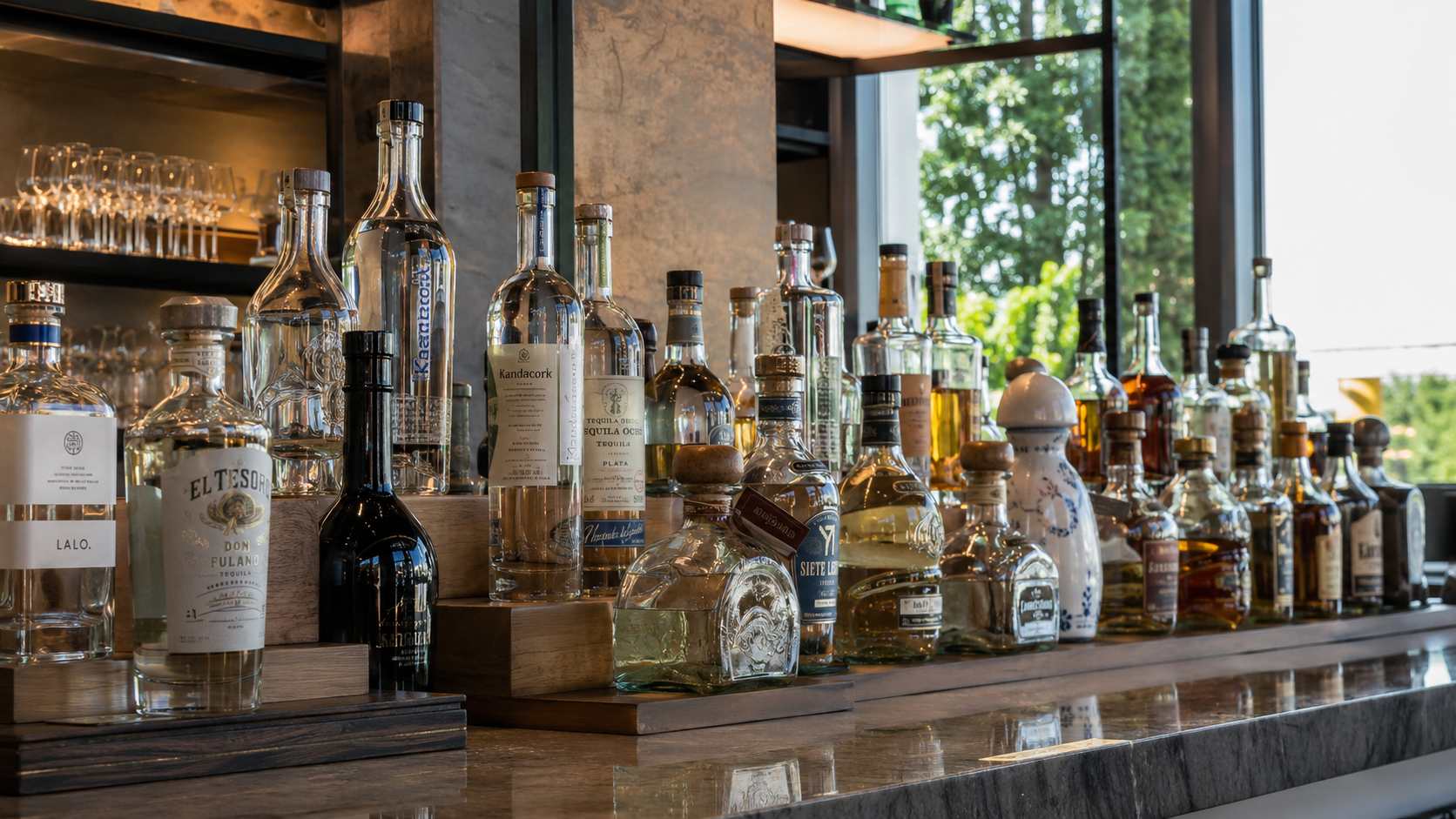
Glass bar-top stoppers are best for spirits bottles that need a clear, crystal-style or display-oriented look. They are often used for vodka, gin, liqueur, tequila, mezcal, brandy, gift sets and decanter-style bottles.
Metal bar-top stoppers are best for bottles that need stronger durability, heavier hand feel, logo depth, plated finishes or sculptural decoration. They are often used for whisky, bourbon, rum, tequila, mezcal, cognac and premium private label spirits.
For B2B buyers, the decision should not be based on appearance alone. Bottle neck dimensions, insert compression, leakage testing, pull-out force, decoration durability, food-contact suitability and supplier capability should all be checked before bulk ordering.
| Stopper Type | Best For | Buyer Should Check |
|---|---|---|
| Glass bar-top stopper | Clear, collectible and decanter-style spirits bottles | Clarity, edge finish, chip risk, bonding, insert fit and packing |
| Metal bar-top stopper | Weighted, logo-heavy and plated spirits closures | Plating, logo depth, oxidation risk, scratches, stopper weight and fit |
Send your bottle drawing or neck dimensions to Kandacork Closures to confirm whether a glass or metal stopper is the safer starting point.
Glass vs Metal: Buyer Decision Table
| Buyer Factor | Glass Bar-Top Stopper | Metal Bar-Top Stopper |
|---|---|---|
| Visual clarity | Excellent | Medium |
| Weighted hand feel | Medium | Excellent |
| Logo embossing or debossing | Medium | Excellent |
| Crystal or decanter-style look | Excellent | Medium |
| Frequent handling | Medium | Excellent |
| Plated metallic finish | Limited | Excellent |
| Breakage resistance | Medium | Excellent |
| Gift packaging appeal | Excellent | Excellent |
| Custom sculptural branding | Good | Excellent |
| Tooling complexity | Medium to high for custom shapes | Medium to high for sculptural Zamak designs |
| Surface defect risk | Chips, bubbles, polishing marks | Scratches, plating variation, oxidation |
| Freight impact | Protective packing needed | Weight may increase freight cost |
| Sample approval focus | Clarity, edge, fit, bonding | Plating, logo depth, edge, fit |
| Best RFQ evidence | Bottle sample and neck drawing | Bottle sample, logo artwork and finish target |
This table gives buyers a practical starting point. Glass usually supports clear visual continuity between bottle and stopper. Metal usually supports stronger tactile value, deeper logo detail and more visible surface finishing.
What Is a Bar-Top Stopper?
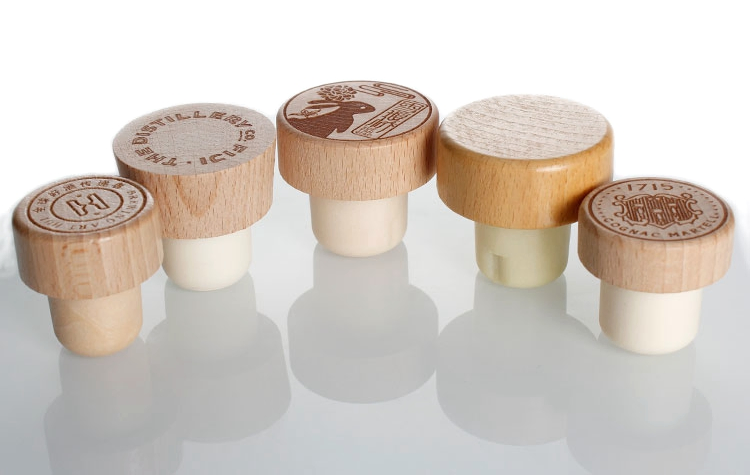
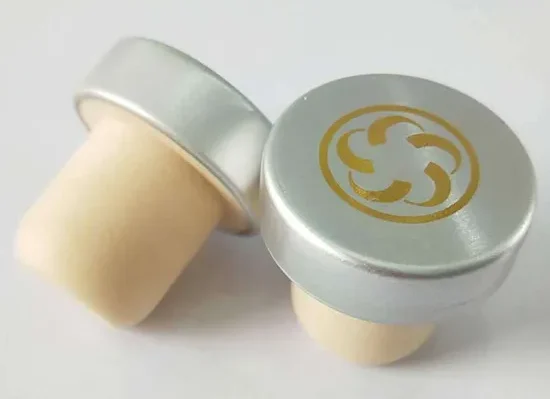
A bar-top stopper, also called a T-top stopper, is a closure commonly used for spirits bottles. It has two main parts: a decorative top and a sealing shank.
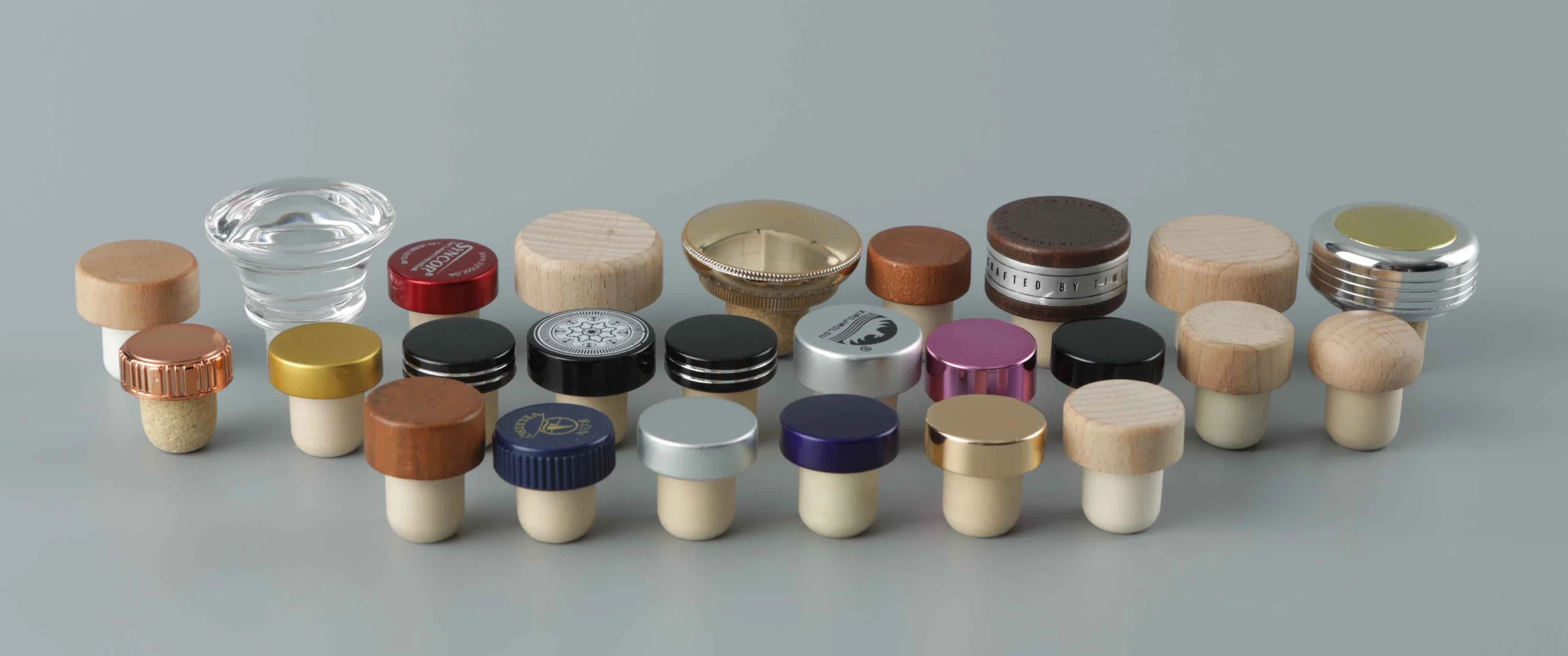
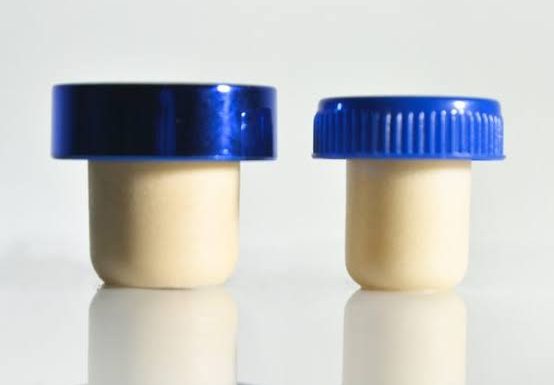
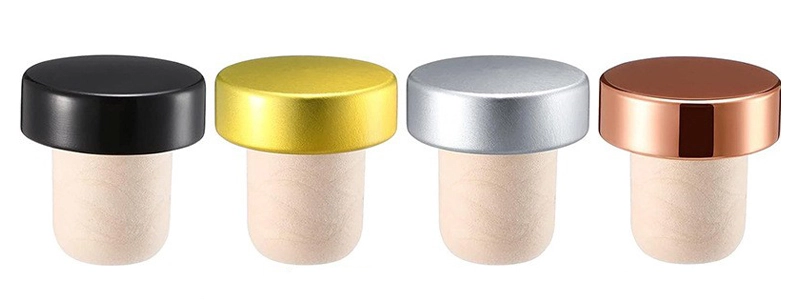
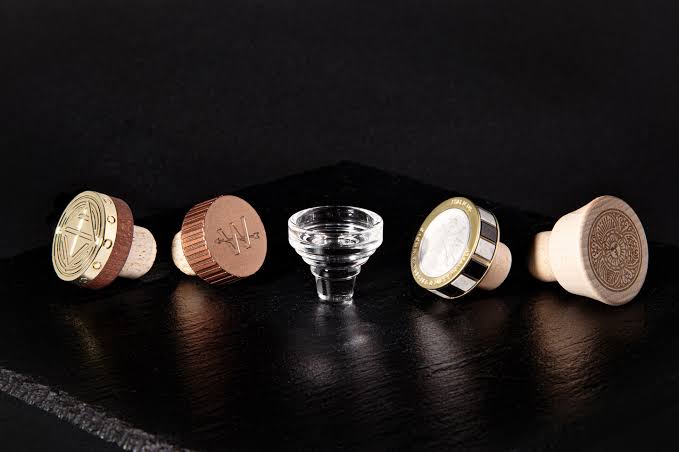
The decorative top is the visible part consumers touch when opening the bottle. It may be made from glass, crystal-style glass, aluminum, Zamak, zinc alloy or another custom material. The sealing shank fits into the bottle neck and may use natural cork, micro-agglomerated cork, synthetic cork, polymer or TPE.
The top creates the brand impression. The shank controls sealing, compression, pull feel and leakage resistance. A beautiful stopper top cannot compensate for poor bottle neck fit, so the decorative material and sealing structure must be evaluated together.
Glass Bar-Top Stoppers
Glass bar-top stoppers use a decorative glass or crystal-style top combined with a cork, synthetic or polymer sealing insert. They may be clear, frosted, tinted, engraved, polished, molded or combined with a small metal element.
The main advantage of glass is visual harmony. It works especially well with transparent bottles, thick glass bottles, heavy-base bottles and decanter-style spirits packaging. A clear glass stopper can make the closure feel like an extension of the bottle rather than a separate part.
Glass stoppers are suitable for vodka, gin, tequila, mezcal, liqueur, brandy, duty-free gift sets and limited-edition packaging. They are a strong option when the brand message depends on clarity, display value, clean shelf impact or collectible presentation.
The main limitation is fragility. Buyers should check edge finish, chip risk, polishing quality, glass clarity, bubbles, dimensional consistency and bonding strength between the glass top and insert. Export packing also needs attention. Protective trays, dividers, foam or custom inner cartons may be required to reduce damage during shipping.
Choose glass when the bottle’s value depends on clear presentation, polished edges, decanter-style structure and visual consistency.
Metal Bar-Top Stoppers
Metal bar-top stoppers use a metal decorative top with a cork, synthetic or polymer sealing insert. Common materials include aluminum, Zamak and zinc alloy. Metal tops can be polished, brushed, plated, engraved, embossed, debossed, antique-finished, color-coated or laser-marked.
The main advantage of metal is tactile value. A metal stopper can make a spirits bottle feel heavier and more substantial in the hand. It also provides strong branding options, including raised logos, recessed logos, crests, medallions, initials and sculptural shapes.
Metal bar-top stoppers are widely used for whisky, bourbon, aged rum, tequila, mezcal, cognac, brandy, premium gin and private label spirits. They are a good choice when the brand needs a strong top-view identity or a closure that supports frequent handling in retail, hospitality and gifting environments.
The main quality risks are surface-related. Buyers should review plating consistency, scratches, oxidation risk, color variation, coating adhesion, sharp edges, polishing marks and packing protection. Metal weight should also be controlled because an overly heavy stopper can affect bottle balance, carton design and freight cost.
Choose metal when the brand needs weighted hand feel, logo depth, plated finish, impact-resistant handling and stronger closure identity.
Standard vs Custom Bar-Top Stoppers
Some projects can use standard bar-top stoppers, while others need a custom closure. The best route depends on bottle neck dimensions, brand requirements, timeline and launch volume.
Standard bar-top stoppers are useful for faster sourcing, sampling, market testing and projects using common bottle neck finishes. They can reduce development time and may help buyers compare insert materials before investing in custom molds.
Custom bar-top stoppers are better when the brand needs a specific top shape, logo depth, stopper weight, color finish or limited-edition design. Custom glass stoppers require attention to mold accuracy, glass clarity, polishing, chip control and bonding. Custom metal stoppers require attention to material choice, logo artwork, plating, oxidation resistance, edge finishing and surface protection.
For high-value spirits launches, the safest approach is to test standard or semi-custom samples first, then move into custom tooling when the bottle fit, brand direction and production quantity are clear. Buyers comparing materials, sizing, logo options and sample routes can also review this custom bar-top closure project guide before preparing an RFQ.
Best Stopper Choice by Spirits Category
| Spirits Category | Recommended Stopper Option | Reason |
|---|---|---|
| Whisky / Bourbon | Metal bar-top stopper | Weight, heritage feel, embossed logo and metallic finish |
| Rum | Metal or glass stopper | Metal for aged rum; glass for gift or decanter-style rum |
| Gin | Glass or aluminum-style metal stopper | Glass for clarity; metal for modern contrast and logo detail |
| Vodka | Glass bar-top stopper | Clean, transparent and refined appearance |
| Tequila / Mezcal | Metal or custom glass stopper | Metal for sculptural branding; glass for collectible presentation |
| Cognac / Brandy | Glass or metal stopper | Glass for decanter elegance; metal for crest-style branding |
| Liqueur | Glass bar-top stopper | Supports liquid color visibility and gift-pack appeal |
| Private Label Spirits | Glass, metal or composite stopper | Depends on price point, brand story and launch volume |
This table is a starting point, not a fixed rule. A whisky brand may choose glass for a decanter-style limited edition. A gin brand may choose metal when it wants strong contrast, brushed finishing or a top-view logo. Final selection should always be confirmed with actual bottle samples and fit testing.
Technical Fit and Sample Testing Process
Before choosing glass or metal bar-top stoppers, buyers should confirm how the stopper works with the bottle neck and filling process.
| Technical Item | Why It Matters |
|---|---|
| Bottle neck inner diameter | Determines insert size and sealing fit |
| Neck bore tolerance | Prevents loose or over-tight stopper fit |
| Shank diameter | Controls compression and leakage resistance |
| Shank length | Affects stability and insertion depth |
| Insert material | Influences pull feel, sealing and consistency |
| Pull-out force | Affects consumer opening experience |
| Insertion force | Affects bottling line performance |
| Leakage testing | Reduces storage and transport risk |
| Repeated opening test | Confirms reclosure performance |
| Alcohol compatibility | Helps avoid material interaction problems |
| Transport simulation | Checks performance under shipping conditions |
A stopper that looks correct may still fail if the neck bore tolerance or insert compression is not suitable. Actual bottle testing is strongly recommended before bulk production. For projects where bottle mouth data is incomplete, a cap and neck compatibility review can help buyers confirm the relationship between bottle neck finish, shank fit, sealing surface and sample testing needs.
A practical sample testing process should include:
- Review the bottle drawing and neck inner diameter.
- Match the shank diameter and insert material.
- Prepare glass or metal stopper samples.
- Test insertion force and pull-out feel.
- Check upright and inverted leakage.
- Test repeated opening and reclosing.
- Review logo decoration, surface finish and packing protection.
- Confirm the final approved sample before bulk production.
Kandacork Closures can help compare insert fit, stopper weight, logo method and packing risk before bulk production.
Practical Notes from Closure Sampling Projects
In glass stopper sampling, the most common approval points are edge finish, chip control, clarity, bonding strength and protective packing. A sample may look impressive in photos, but buyers should still check the actual stopper edge, insert alignment and carton protection before approving production.
In metal stopper sampling, the most common approval points are plating color, logo depth, surface scratches, oxidation resistance, edge smoothness and stopper weight. Buyers should compare finish samples under normal lighting and check whether the selected finish can remain stable during packing, shipping and handling.
For both glass and metal bar-top stoppers, visual approval is not enough. Final approval should include bottle neck fit, insertion force, pull-out feel, leakage checks, repeated opening and packing review. This reduces the risk of approving a beautiful closure that performs poorly after filling or transport.
Food-Contact, Quality Control and Export Packing
Food-contact safety matters because the insert, adhesive, coating, colorant or lower closure surface may contact the beverage or beverage vapor. Buyers can refer to FDA food-contact substance guidance for packaging components that may contact food, and European Commission food-contact material rules for materials such as glass, metal, plastics and coatings.
For glass bar-top stoppers, buyers should focus on bonding adhesive, edge finishing, chip risk, insert material, polishing quality and glass clarity. Even if the glass top does not directly contact liquid, any adhesive or insert system near the bottle neck should be reviewed.
For metal bar-top stoppers, buyers should review plating, coating, colorant, oxidation resistance, adhesive, insert material and any possible contact or vapor exposure area. Surface finishing should be stable enough for the intended market, packing method and handling environment.
For cork, synthetic cork, polymer or TPE inserts, buyers should review alcohol compatibility, odor, compression, pull force, dimensional consistency and relevant material documentation for the destination market.
Quality control should include both appearance and performance. Glass stopper inspection should cover clarity, bubbles, polishing marks, edge chips, shape consistency, bonding strength and protective packing. Metal stopper inspection should cover plating color, scratches, logo depth, coating adhesion, oxidation resistance, edge smoothness and packing protection.
Export packing is part of product quality. Glass stoppers need protection against breakage and edge damage. Metal stoppers need protection against scratches, friction marks and surface deformation. Packaging test concepts can help buyers think about vibration, drop, compression and distribution handling risks.
Supplier Capability and RFQ Checklist
A capable closure supplier should help buyers reduce project risk, not simply offer a product list. This is especially important for custom glass and metal bar-top stoppers, where fit, finish, weight and packing all affect the final result.
| Supplier / RFQ Item | What Buyers Should Confirm |
|---|---|
| Bottle drawing review | Neck ID, tolerance and neck finish |
| Physical bottle sample testing | Real fit, insertion feel and leakage performance |
| Material options | Glass, crystal-style glass, aluminum, Zamak, zinc alloy or composite |
| Insert options | Natural cork, micro-agglomerated cork, synthetic cork, polymer or TPE |
| Decoration support | Engraving, embossing, debossing, frosting, plating, printing or laser marking |
| Sample development | Shape, weight, finish, logo and fit confirmation before bulk production |
| Quality process | Appearance inspection, dimensional checks, bonding review and batch consistency |
| Export packing | Protection against breakage, scratches and transport damage |
| Order details | Trial order, launch order, annual forecast and target MOQ |
| Compliance needs | Destination market and required material documentation |
| Timeline | Sample approval date, production schedule and launch deadline |
ISO 9001 is widely used as a quality management reference for organizations that want consistent processes and customer satisfaction. For spirits packaging buyers, supplier process control matters because custom stopper projects require repeatable fit, finish and packing quality.
When submitting an RFQ, buyers should provide bottle drawings, neck dimensions, physical bottle samples if available, spirit category, alcohol percentage, target material, stopper shape, logo artwork, decoration method, insert preference, order quantity, destination market and packing requirements. Buyers who are still comparing stopper, cap and seal structures can also use this bottle closure selection checklist to clarify the project direction before sampling.
How Kandacork Closures Supports Spirits Packaging Buyers
Kandacork Closures supports spirits brands, distilleries, private label buyers, importers, distributors, bottlers and packaging buyers with glass and metal bar-top stopper selection.
The process starts with the bottle and brand position. If the product needs clarity, display value and a clean bottle-to-stopper transition, glass stoppers may be the first direction to test. If the product needs weight, logo recognition, metallic finish and stronger handling performance, metal stoppers may be the better starting point.
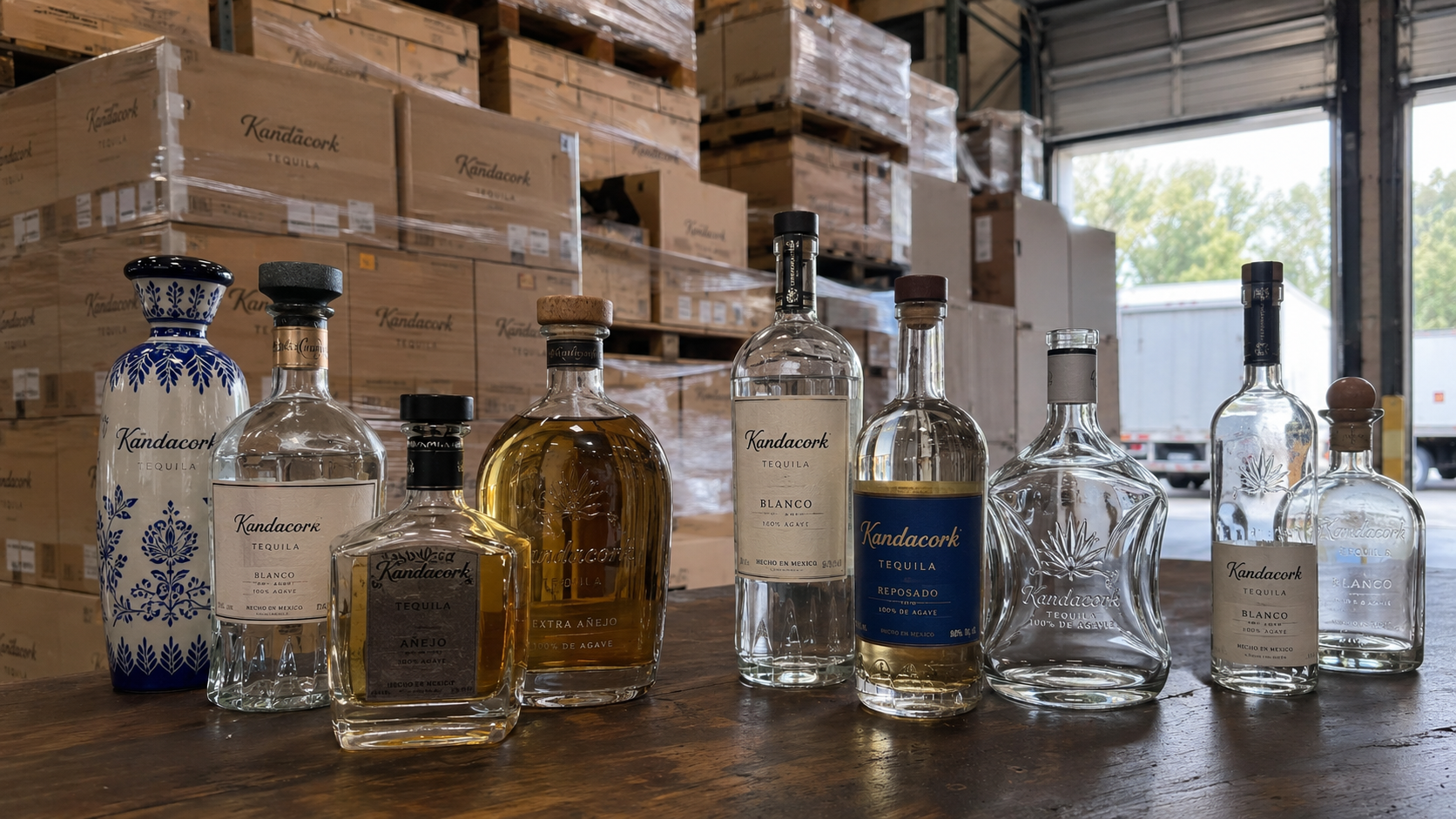
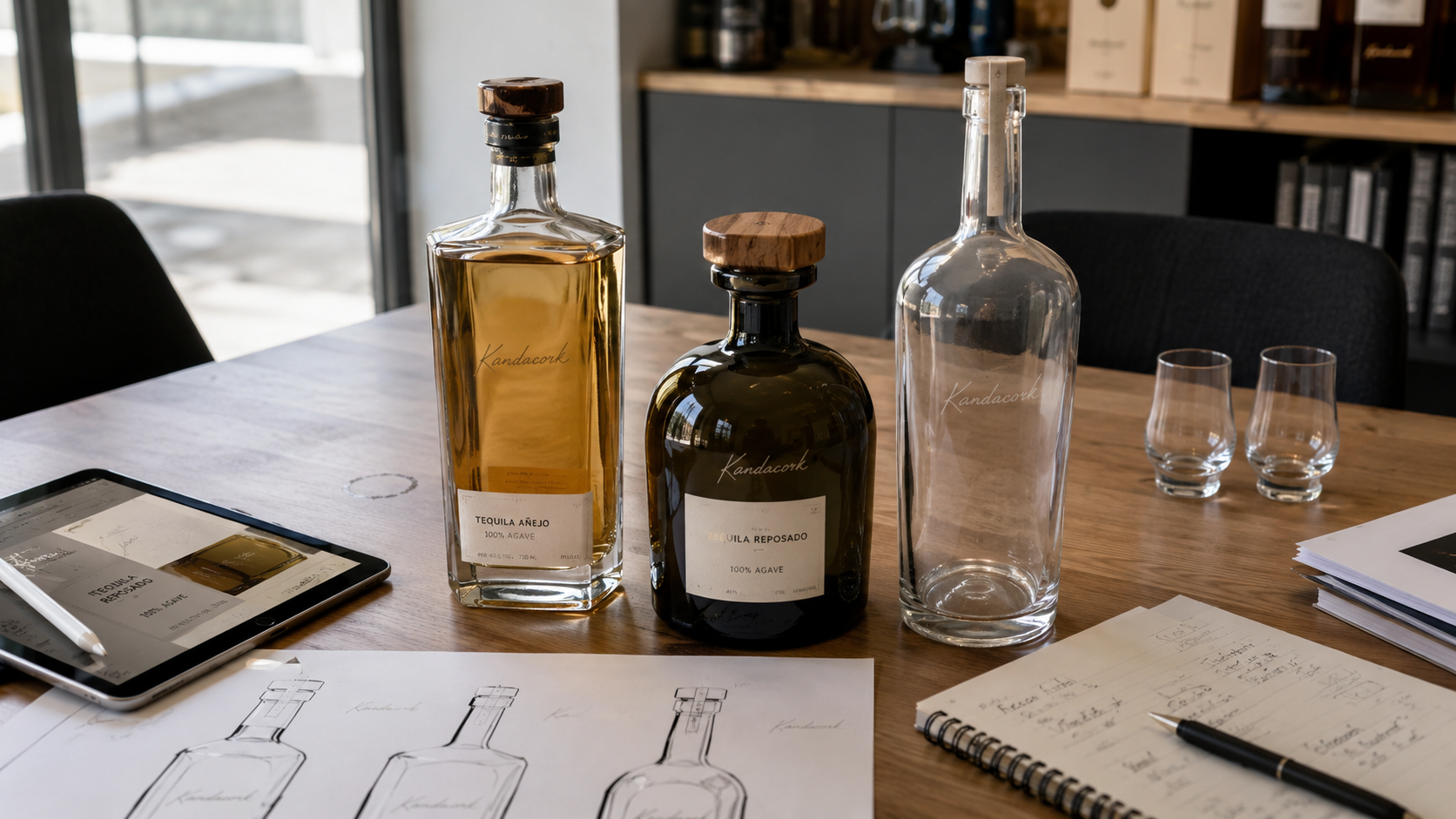
Kandacork Closures can help buyers review the full closure system, including decorative top material, bottle neck fit, insert structure, stopper weight, logo decoration, surface finish, sample testing, quality control and export packing. For buyers coordinating the complete bottle, stopper and decoration system, Kandacork Spirits can also support broader spirits packaging development around custom liquor bottles and matched closure solutions.
This approach helps buyers move from material comparison to sample development and quotation with fewer uncertainties.
FAQ
Are glass bar-top stoppers better than metal bar-top stoppers?
Glass bar-top stoppers are better for clear, collectible and decanter-style spirits packaging. Metal bar-top stoppers are better for durability, heavier hand feel, plated finishes and bold logo branding. The better choice depends on bottle design, brand positioning, handling requirements and technical fit.
Are glass stoppers more fragile than metal stoppers?
Yes. Glass stoppers are generally more fragile than metal stoppers and require more careful packing. They can still be suitable for premium spirits packaging when edge finishing, inspection and export protection are properly controlled.
Can glass and metal stoppers use the same sealing insert?
Yes. Both glass and metal bar-top stoppers can use natural cork, micro-agglomerated cork, synthetic cork, polymer or TPE inserts. The decorative top changes the appearance and feel, while the insert controls sealing performance.
Which stopper is better for whisky, gin, rum, tequila or vodka?
Metal stoppers are often preferred for whisky and bourbon because they provide weight, durability and embossed branding. Glass works well for vodka, modern gin and liqueur bottles where clarity matters. Rum and tequila can use either glass or metal depending on whether the brand wants decanter-style elegance or stronger sculptural branding.
What should buyers test before bulk production?
Buyers should test bottle neck fit, leakage resistance, pull force, insertion force, insert compression, repeated opening, decoration durability, surface finish, packing safety and food-contact suitability. Testing should use the actual bottle whenever possible.
What information should I provide for a stopper quotation?
Prepare bottle drawings, neck dimensions, physical bottle samples if available, spirit category, alcohol percentage, target stopper material, stopper shape, logo artwork, decoration method, insert preference, quantity, timeline, destination market and packing requirements.
Conclusion: Match the Stopper to the Brand, Bottle and Supply Chain
The choice between glass vs metal bar-top stoppers should be based on both brand strategy and technical performance.
Glass stoppers are ideal for clear presentation, transparent bottle design, collectible packaging and decanter-style spirits projects. Metal stoppers are ideal for weight, logo depth, plated finishes, handling durability and a more powerful opening experience.
For spirits brands and packaging buyers, the safest process is to review the bottle neck, compare material samples, test insert fit, confirm decoration quality, evaluate supplier capability and approve export packing before bulk production.
Request glass or metal bar-top stopper samples, submit your artwork, or ask Kandacork Closures for a project-specific quotation.