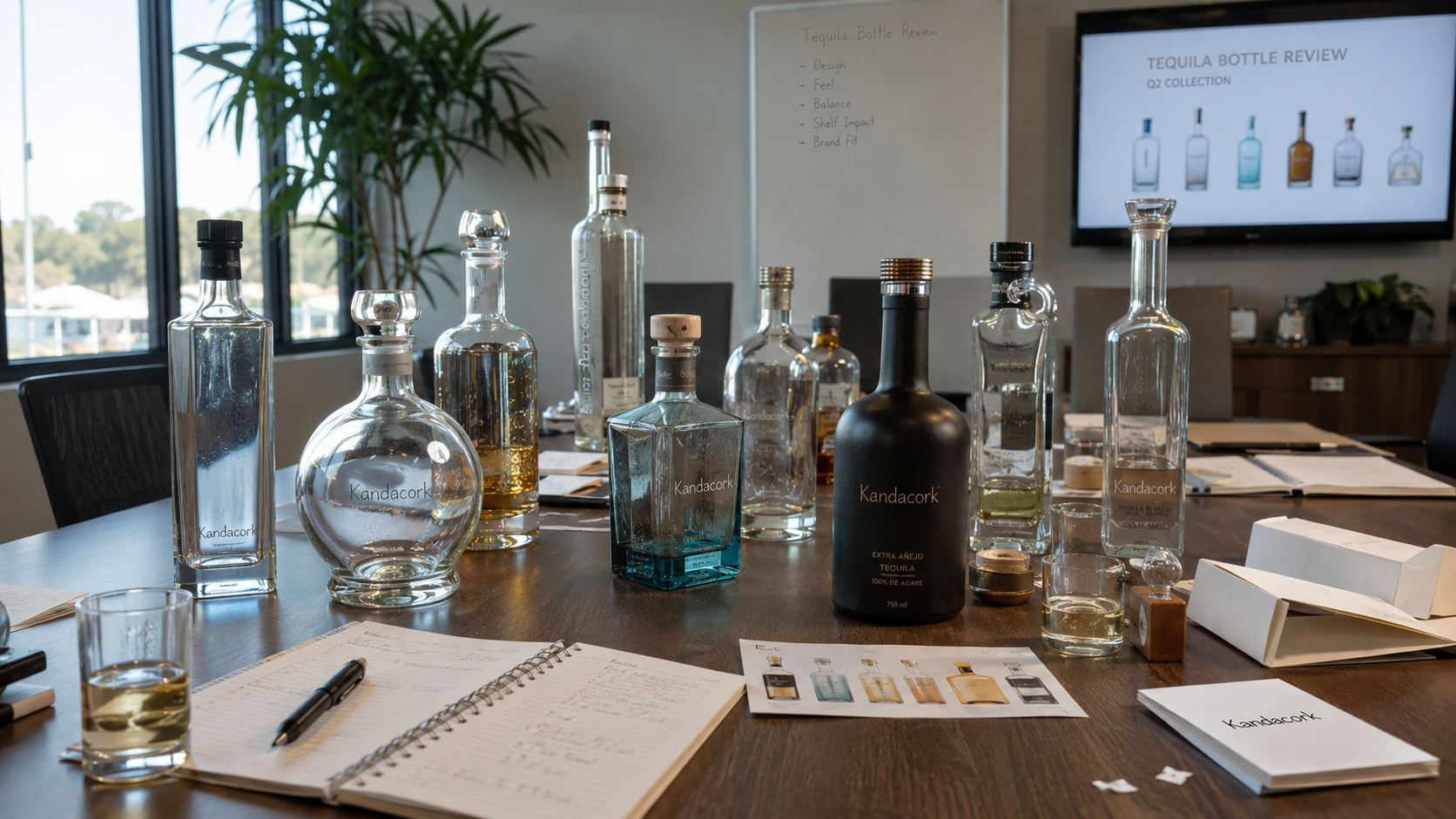
Quick Answer: What Is Cap and Neck Compatibility?
Cap and neck compatibility means the bottle neck finish, bore diameter, closure size, liner, sealing surface, and application method are correctly matched before sample approval or bulk production.
For spirits importers and distributors, this check helps prevent leakage, loose stopper fit, incorrect torque, failed tamper evidence, damaged cartons, and shipment claims.
Because spirits buyers often source bottles, closures, labels, cartons, and filling services from different suppliers, closure compatibility should be verified before placing a bulk order. Kandacork Closures & Stoppers helps buyers review bottle neck details, compare closure options, request matched samples, and prepare RFQs before production.
Not sure whether your bottle neck works with a bar-top stopper, ROPP cap, or screw cap? Send your bottle drawing, bore diameter, and closure requirement for closure compatibility review.
Who This Guide Is For
This guide is written for spirits brands, distilleries, private-label buyers, importers, distributors, bottlers, and packaging buyers who need to confirm closure fit before sample approval, filling trials, or bulk closure orders.
It is especially useful if you are sourcing bottles and closures from different suppliers, changing closure types, preparing a private-label spirits launch, or solving leakage and fit problems after shipment.
Why Importers and Distributors Face Higher Closure Compatibility Risk
Cap and neck compatibility is important for every spirits package, but it is especially important for importers and distributors. A local bottler may be able to correct a closure problem quickly. An importer receiving a container shipment usually cannot.
Once bottles are filled, packed, shipped, and delivered, a small compatibility issue can become a large commercial problem.
Bottles and Closures Often Come From Different Suppliers
Many spirits buyers purchase glass bottles from one supplier and closures from another. The filling operation may also be handled by a separate bottler. If these suppliers do not check the complete package together, the buyer carries the risk.
A bottle may meet its own drawing, and a closure may meet its own specification, but the two components still need to work together in real filling, sealing, storage, and transport conditions.
Sea Freight Increases Leakage Risk
Export spirits packaging may face vibration, temperature change, pressure variation, stacking force, and long transit time. A closure that looks acceptable during a quick hand-fit test may still leak after weeks of transport.
This is why importers should test filled bottles before approving bulk closure production.
Multi-SKU Distributors Need Consistent Closure Families
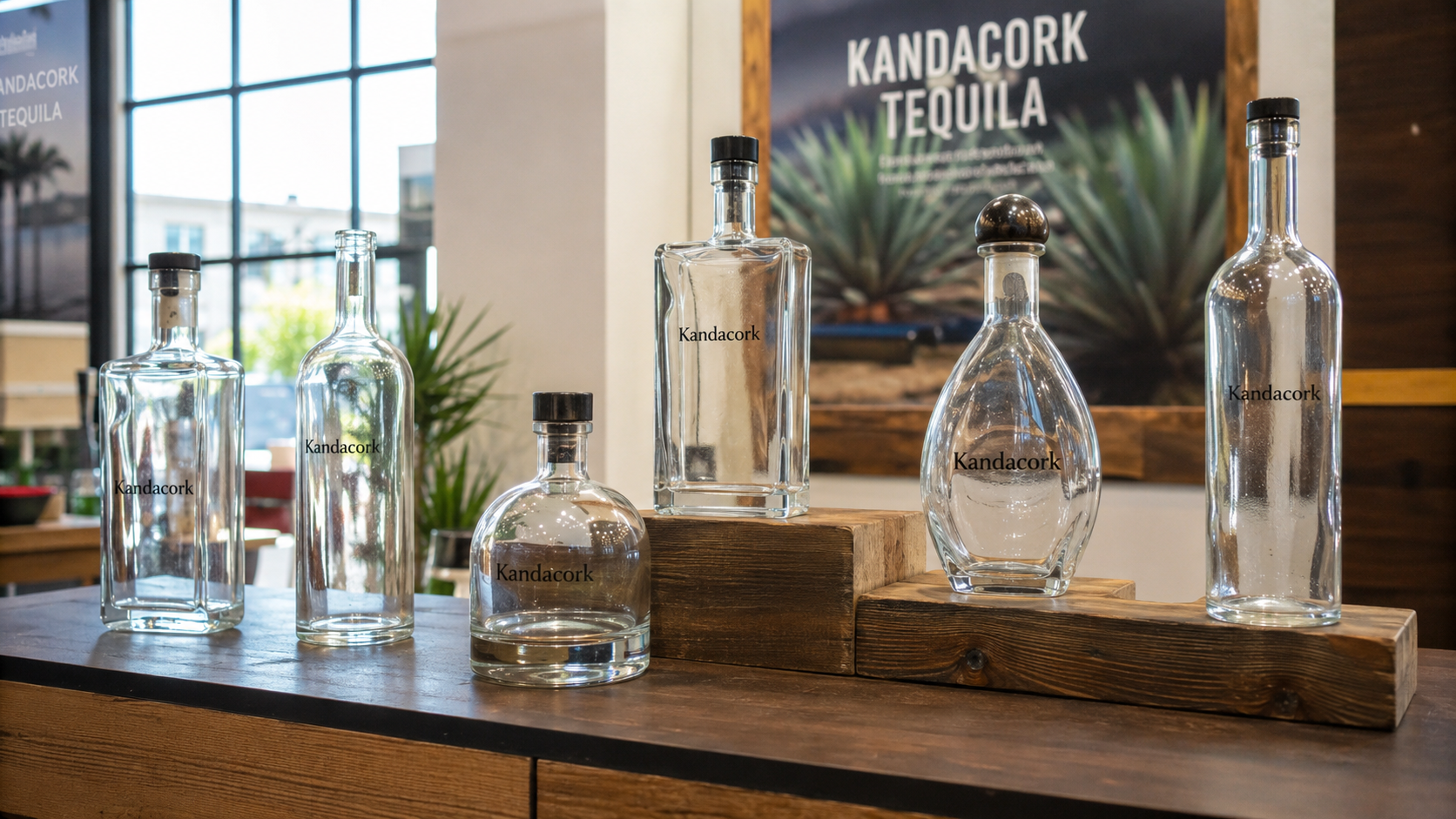
Distributors often manage multiple products across whisky, rum, gin, vodka, tequila, brandy, liqueurs, and private-label spirits. Using a consistent closure family can simplify inventory and strengthen brand identity, but only when each bottle shares compatible neck and closure requirements.
Bottle capacity alone does not determine closure fit. Neck finish, bore diameter, thread profile, sealing surface, and cap height must also be checked.
Claims Are Harder to Solve After International Delivery
If leakage, loose stoppers, or broken tamper bands are discovered after delivery, it may be difficult to determine whether the problem came from the bottle, closure, liner, capping method, filling process, shipping, or storage.
Compatibility review before bulk production is much easier than solving claims after shipment.
Importer Procurement Checklist: What to Confirm Before Ordering Closures
Before requesting samples or placing a bulk order, importers and distributors should confirm the key packaging details below.
| Checkpoint | Why It Matters | What to Prepare |
|---|---|---|
| Neck finish code | Confirms threaded closure compatibility | Bottle drawing or supplier specification |
| Bore diameter | Critical for bar-top stopper, insert, and pourer fit | Caliper measurement or sample bottle |
| Closure type | Determines sealing method and testing process | Bar-top, ROPP, screw cap, non-refillable, capsule |
| Liner or shank material | Affects leakage, sealing pressure, and alcohol contact | Material preference and product ABV |
| Capping method | Affects torque, insertion force, and production speed | Manual, semi-auto, or automatic process |
| Shipping route | Helps assess leakage and carton damage risk | Domestic, sea freight, or export market |
| Sample approval | Reduces bulk order and repeat-order risk | Empty and filled test samples |
This checklist helps buyers prepare a clearer RFQ and reduces unnecessary sample rounds.
Main Closure Types for Spirits Bottles
Different spirits closures require different compatibility checks. Importers should compare closure types based on product category, brand position, filling method, target market, and transit risk.
Bar-Top Stoppers
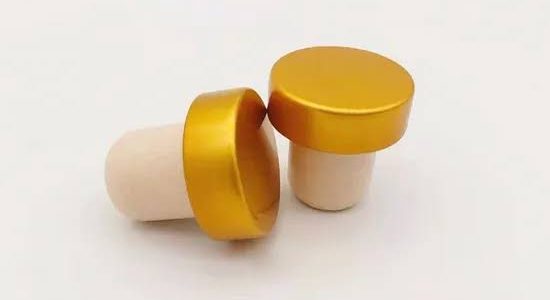
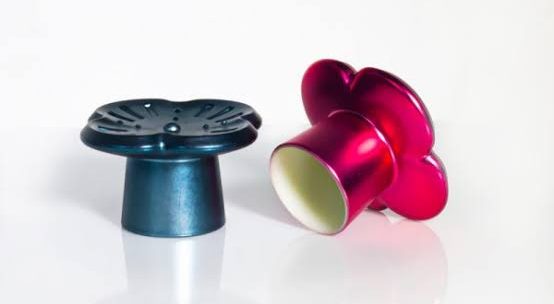
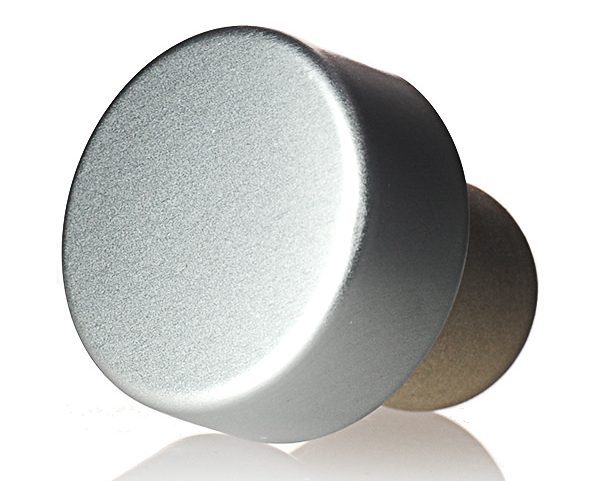
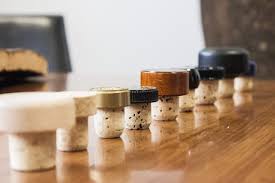
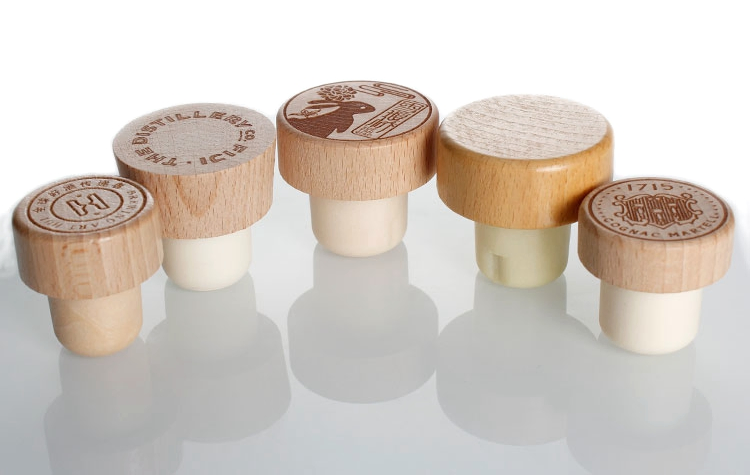
Bar-top stoppers are widely used for whisky, rum, brandy, tequila, gin, vodka, liqueurs, and premium spirits. They usually combine a decorative top with a cork, micro-agglomerated cork, or synthetic shank.
For bar-top stoppers, the most important compatibility point is usually the bottle mouth inner diameter, also called the bore. The stopper shank must compress correctly inside the bottle neck. If the shank is too small, the stopper may feel loose or leak. If it is too large, insertion and opening may become difficult.
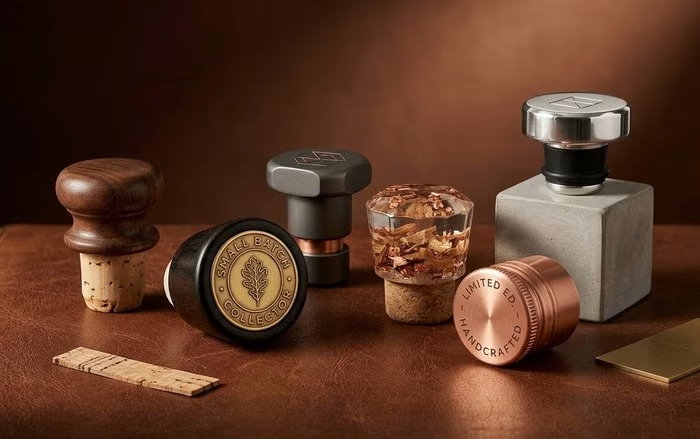
Common top materials include wood, aluminum, plastic, glass, metal, ceramic, and custom decorative materials. Buyers can review custom spirits closures and stoppers when comparing top materials, cork shanks, synthetic shanks, logo decoration, and premium finishes.
ROPP Closures
ROPP means Roll-On Pilfer-Proof. ROPP closures are common for vodka, gin, rum, mini spirits bottles, export spirits, and products that need tamper evidence.
Buyers should confirm the ROPP neck finish, cap height, skirt height, liner material, pilfer band, and capping-head setup. If the cap and bottle finish do not match, the closure may leak, roll poorly, or fail to break cleanly when opened.
Screw Caps
Screw caps are used for high-volume spirits, liqueurs, small bottles, private-label projects, and convenient reclose packaging.
Screw cap compatibility depends on the bottle neck finish, thread profile, liner, cap height, sealing surface, application torque, and opening torque. A cap may appear to screw onto a bottle but still fail in filled-bottle testing.
Non-Refillable Closures
Non-refillable closures are used when brands need extra protection against refilling, counterfeiting, or product tampering. They are common in premium spirits, duty-free channels, and export markets.
These closures may include inserts, pourers, valves, and tamper-evident parts. Buyers should check the bottle neck finish, inner bore, insert depth, pourer fit, valve position, sealing contact, and opening performance.
Capsules and Shrink Sleeves
Capsules and shrink sleeves support premium presentation and tamper-evident appearance. They do not always create the primary seal, but they strongly affect shelf appeal.
Key checks include neck height, shoulder shape, closure top diameter, capsule length, shrink ratio, heat application method, logo alignment, and final visual finish.
Closure Selection Matrix for Spirits Buyers
| Closure Type | Best For | Key Neck Check | Main Risk | Recommended Sample Test |
|---|---|---|---|---|
| Bar-top stopper | Whisky, rum, brandy, tequila, gin, premium liqueurs | Bore diameter and shank compression | Loose fit, leakage, difficult opening | Pull-out test and filled leakage test |
| ROPP cap | Vodka, gin, mini bottles, export spirits | ROPP neck finish and skirt height | Band failure, torque issue, leakage | Capping line test |
| Screw cap | High-volume spirits and private label ranges | Thread style, liner, torque | Poor seal, cross-threading, difficult opening | Torque and leakage test |
| Non-refillable closure | Duty-free and anti-refill markets | Bore, insert fit, valve position | Pourer failure, tamper risk | Fill, pour, and opening test |
| Capsule or shrink sleeve | Premium presentation and tamper evidence | Neck height and shoulder shape | Wrinkles, poor coverage, misalignment | Shrink and visual inspection |
This matrix helps importers and distributors narrow their closure direction before requesting samples. The final choice should still be confirmed with actual bottles and filled-product testing.
Bottle Neck Measurements Buyers Should Know
Most cap and neck compatibility problems begin with incomplete bottle information. Before requesting samples or a quotation, buyers should understand the basic neck dimensions used by packaging suppliers, glass bottle factories, closure manufacturers, and bottlers.
Industry references such as ISBT Threadspecs are useful for understanding beverage bottle finishes and closure specifications. However, standards and drawings do not replace physical sample testing with the buyer’s actual bottle and closure.
For a deeper technical explanation, buyers can also read this related spirits bottle neck finish guide.
T Dimension
The T dimension is the outside diameter of the thread. It helps determine the closure diameter and thread engagement for screw caps and some tamper-evident closures.
A cap with the wrong T dimension may not engage properly, may cross-thread, or may fail to seal.
E Dimension
The E dimension is the outside diameter of the neck excluding the thread. It affects thread depth and closure seating.
If the E dimension is outside tolerance, the cap may sit unevenly or feel loose during application.
I Dimension / Bore Diameter
The I dimension is the inner diameter of the bottle opening. For spirits packaging, this is especially important for bar-top stoppers, pour inserts, filling tubes, and non-refillable closures.
For bar-top stoppers, the bore diameter helps determine the correct cork or synthetic shank size. A loose bore-to-shank match can cause leakage or weak pull-out feel. A tight match can cause high insertion force, stopper deformation, or difficult opening.
S Dimension
The S dimension refers to the distance from the top of the finish to the start of the thread. It affects thread engagement and final cap position.
This dimension is important for threaded caps, ROPP closures, and closures that require accurate cap seating.
H Dimension
The H dimension is the height of the neck finish. It is important for screw caps, ROPP caps, tamper-evident bands, capsules, and shrink sleeves.
If the H dimension does not match the closure or capsule, the cap may not cover correctly, the pilfer band may not break properly, or the sleeve may sit unevenly.
If available, send the bottle drawing, neck finish code, bore diameter, bottle photos, and empty bottle samples for review.
Compatibility Problem Diagnosis Table
When a closure does not perform correctly, the visible problem is often only the result. The real cause may be the bottle neck, closure material, liner, capping setup, or shipping condition.
| Problem | Possible Cause | Buyer Action |
|---|---|---|
| Bottle leaks during shipping | Loose stopper, weak liner compression, wrong torque, unsuitable closure material | Run filled leakage and transit tests |
| Stopper feels loose | Bore too large or shank too small | Test larger shank or different material |
| Stopper is hard to remove | Bore too tight or shank over-compressed | Adjust shank size or cork material |
| Screw cap cross-threads | Thread style mismatch or incorrect cap size | Confirm finish code and cap thread profile |
| ROPP band fails | Wrong skirt height, pilfer band issue, or capping-head setup problem | Test with actual capping equipment |
| Capsule wrinkles | Wrong capsule length, shoulder shape, or shrink setting | Test sleeve with real bottle and heat process |
| Different batches fit differently | Tolerance change, material variation, or unapproved substitution | Compare against approved golden sample |
This table can help importers communicate problems more clearly with closure suppliers, bottle suppliers, and bottling partners.
5-Step Compatibility Testing Workflow Before Bulk Orders
A clear testing workflow helps importers and distributors reduce risk before placing a large closure order.
Step 1: Review Bottle Drawing and Neck Finish
Start with the bottle drawing, neck finish code, bore diameter, finish height, and product application. If a drawing is not available, measure the bottle carefully and provide clear photos.
Step 2: Select Compatible Closure Samples
Choose sample options based on closure type, bottle dimensions, product category, brand position, material preference, and target market.
For bar-top stoppers, buyers may test different shank sizes or materials. For screw caps and ROPP closures, buyers may test different liners, heights, or tamper-evident structures.
Step 3: Test Empty Bottle Fit and Visual Position
The first physical test should confirm whether the closure fits the empty bottle. Check insertion, seating, appearance, thread engagement, top proportion, capsule coverage, and final closure position.
Step 4: Test Filled Bottles for Leakage, Torque, or Pull-Out Feel
Empty fit is not enough. Filled bottles should be tested under realistic handling, storage, and shipping conditions.
For export projects, buyers may consider inverted bottle testing, side-position testing, vibration simulation, temperature variation, carton packing review, and sample transit testing.
For bar-top stoppers, check pull-out feel and resealing. For screw caps and ROPP closures, check application torque, opening torque, liner compression, and pilfer band performance. Buyers comparing cork and synthetic shank behavior can review this cork shank vs synthetic shank guide before final sample testing.
Step 5: Approve a Golden Sample Before Bulk Production
Before mass production, approve a final reference sample. This golden sample should represent the agreed bottle, closure, liner, material, decoration, fit, and appearance.
Both buyer and supplier should keep approved samples for future quality comparison and repeat orders.
Questions to Ask a Closure Supplier Before Bulk Orders
Before choosing a closure supplier, importers and distributors should ask practical questions that go beyond price.
Can You Review Bottle Drawings and Bore Diameter?
A qualified supplier should be able to review bottle neck details, including the neck finish code, bore diameter, finish height, and relevant closure dimensions.
Can You Provide Matched Samples Before Bulk Production?
Physical samples are essential. A buyer should test actual closures with actual bottles before approving production.
Can You Support Both Bar-Top Stoppers and Threaded Closures?
A supplier with multiple closure options can help buyers compare bar-top stoppers, ROPP caps, screw caps, non-refillable closures, and decorative capsules based on project needs.
Can You Advise on Liner, Shank, Torque, and Capping Method?
Compatibility is not only about size. Liner material, cork or synthetic shank behavior, application torque, pull-out feel, and filling-line setup all affect performance.
Can You Keep Approved Samples for Repeat Order Consistency?
Repeat orders should match the approved golden sample. Ask whether the supplier can keep reference samples and maintain agreed specifications across future batches.
RFQ Checklist for Importers and Distributors
A complete RFQ helps a closure supplier recommend compatible samples and prepare a faster quotation. When contacting Kandacork Closures & Stoppers, send as many of the following details as possible.
Bottle Details
- Bottle drawing.
- Neck finish code.
- Bottle mouth inner diameter.
- Bottle capacity.
- Fill level.
- Bottle photos.
- Empty bottle samples, if available.
- Current closure sample, if replacing an existing closure.
Closure Requirements
- Closure type.
- Cap or top diameter.
- Stopper shank material.
- Liner requirement.
- Cap height or skirt height.
- Material preference.
- Color and finish.
- Logo or decoration requirement.
- Tamper-evident requirement.
- Sample quantity needed.
Production and Market Details
- Order quantity.
- Filling method.
- Manual or automatic capping.
- Alcohol by volume.
- Target market.
- Shipping method.
- Launch timeline.
- Current leakage or fit problem, if any.
- Required compliance or documentation.
Copy-and-Send RFQ Template
Hello Kandacork team,
We are looking for compatible closures for a spirits bottle project.
Bottle capacity:
Neck finish / bore diameter:
Closure type:
Material / decoration:
Quantity:
Filling method:
Target market:
Timeline:
Current problem, if any:
Please recommend suitable closure samples and quotation options.
Thank you.
For faster support, buyers can request closure samples and include bottle drawings, bore diameter, photos, and target order quantity.
How Kandacork Supports Closure Matching
Kandacork Closures & Stoppers supports spirits brands, distilleries, importers, distributors, bottlers, and private-label buyers that need reliable closure matching for sample development and bulk orders.
Bottle Drawing Review
The team can review bottle drawings, neck finish dimensions, bore diameter, and closure requirements before recommending sample options.
This is especially useful when buyers source glass bottles and closures from different suppliers.
Matched Closure Sample Support
Sample support is available for bar-top cork stoppers, synthetic stoppers, wood-top closures, aluminum-top closures, screw caps, ROPP closures, non-refillable closures, decorative capsules, shrink sleeves, and custom spirits closures.
Before placing a bulk order, buyers can request matched closure samples and test them with the actual bottle, product, and filling process.
Material and Decoration Matching
A spirits closure must fit the bottle and the brand. Buyers can compare natural cork, micro-agglomerated cork, synthetic shanks, wood tops, aluminum tops, plastic tops, glass tops, metal components, embossing, debossing, printing, color matching, and premium surface finishes.
For distributors managing multiple SKUs, a closure family may also be evaluated across several bottle sizes or product lines.
Bulk Production and Export Support
After sample approval, the supplier can support bulk closure production, export packing requirements, repeat order consistency, and communication during production.
For projects that also require custom glass bottles, decoration, and coordinated export packaging, buyers can explore complete spirits glass packaging projects through Kandacork’s broader packaging group.
FAQ
What does cap and neck compatibility mean?
Cap and neck compatibility means the bottle neck finish, bore diameter, closure size, liner, sealing surface, and application method work together to create a secure and functional package.
How do I know which closure fits my spirits bottle?
Start with the bottle drawing, neck finish code, bore diameter, and closure type. Then request physical samples and test the closure with the actual bottle before bulk ordering.
Is bottle capacity enough to choose a closure?
No. Bottle capacity does not determine closure fit. The neck finish, bore diameter, thread profile, sealing surface, finish height, and closure type must be checked.
What is the most important measurement for bar-top stoppers?
The bottle mouth inner diameter, or bore, is usually the most important measurement. The stopper shank diameter, material, compression, and insertion depth must match the bore.
Do ROPP caps need a special bottle neck finish?
Yes. ROPP caps require a compatible ROPP neck finish, correct cap height, liner, skirt height, pilfer band structure, and suitable capping equipment.
Why do spirits bottles leak during shipping?
Spirits bottles may leak because of poor cap and neck compatibility, weak liner compression, loose stopper fit, wrong torque, bottle neck tolerance variation, unsuitable closure material, or untested shipping conditions.
What should importers send for a closure quote?
Importers should send the bottle drawing, neck finish code, bore diameter, bottle photos, closure type, material preference, decoration requirement, order quantity, filling method, target market, and launch timeline.