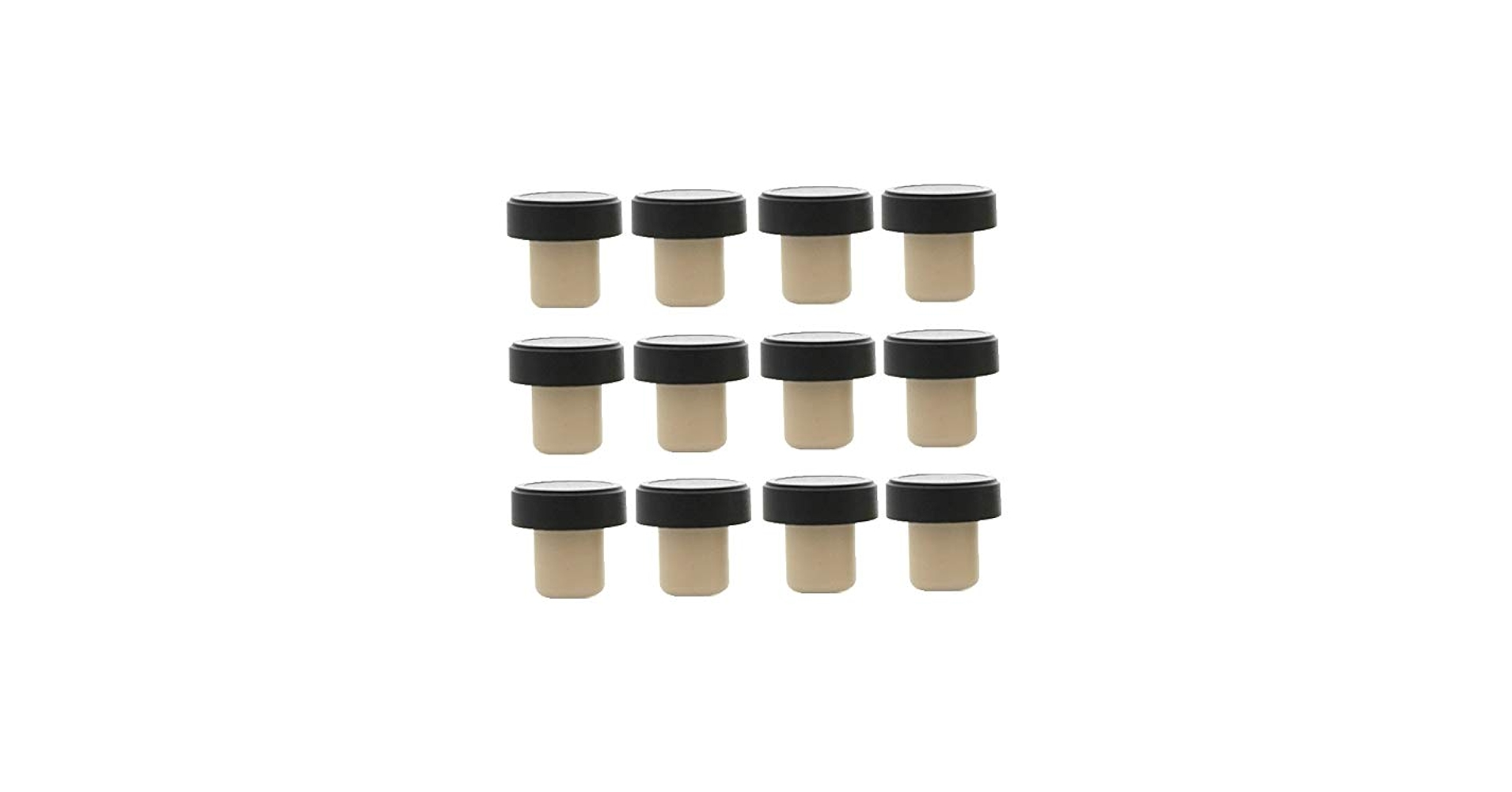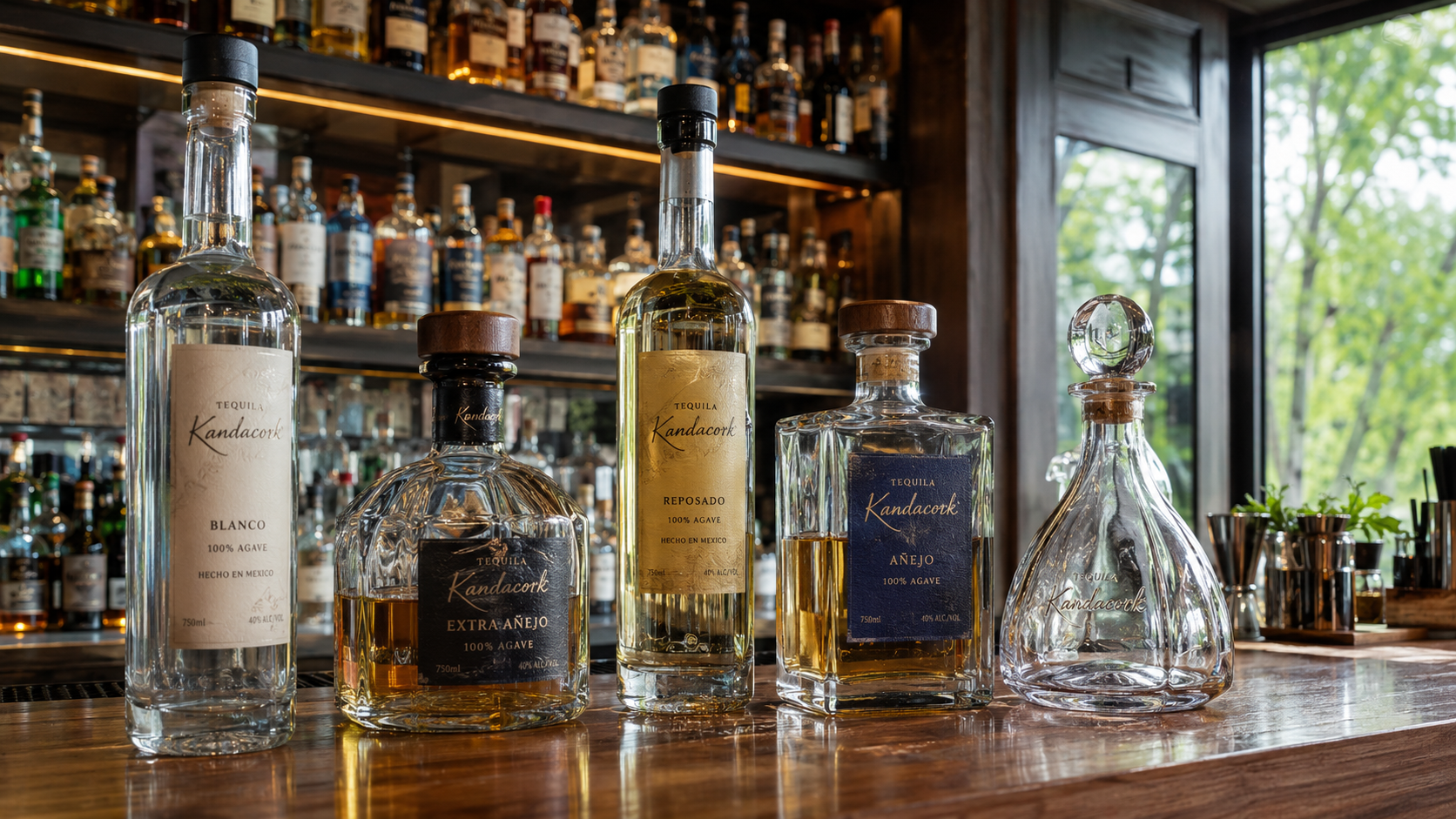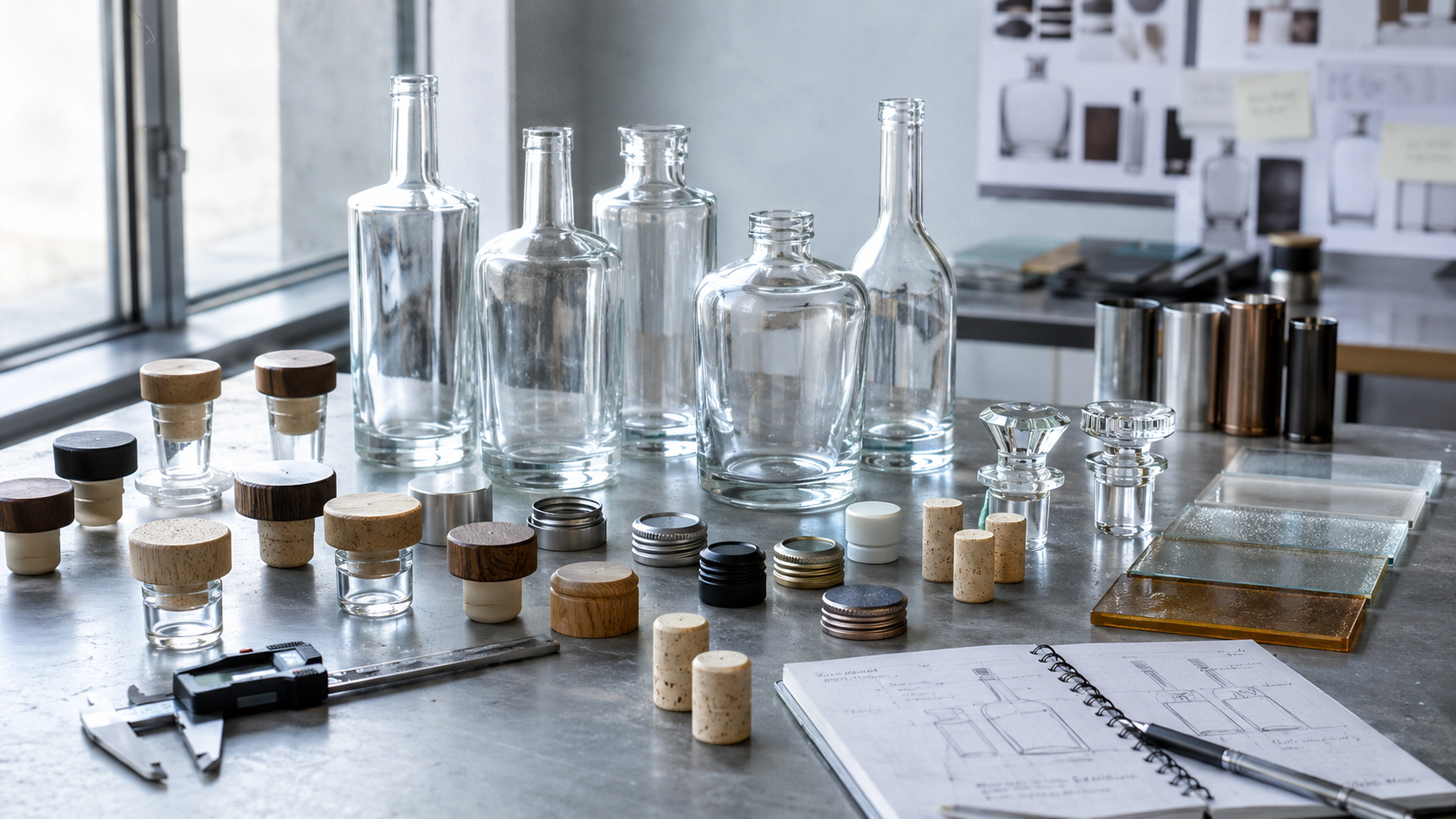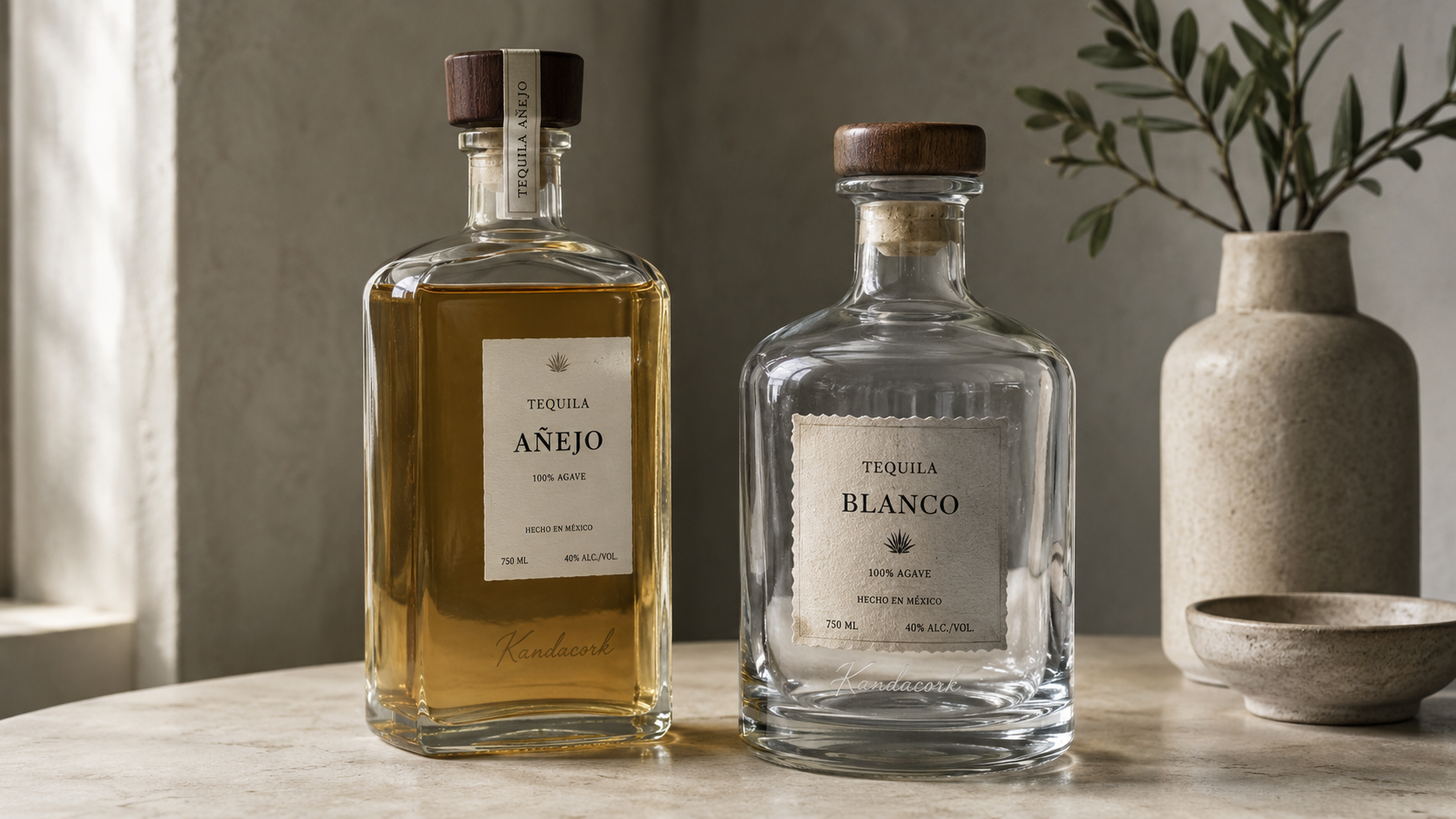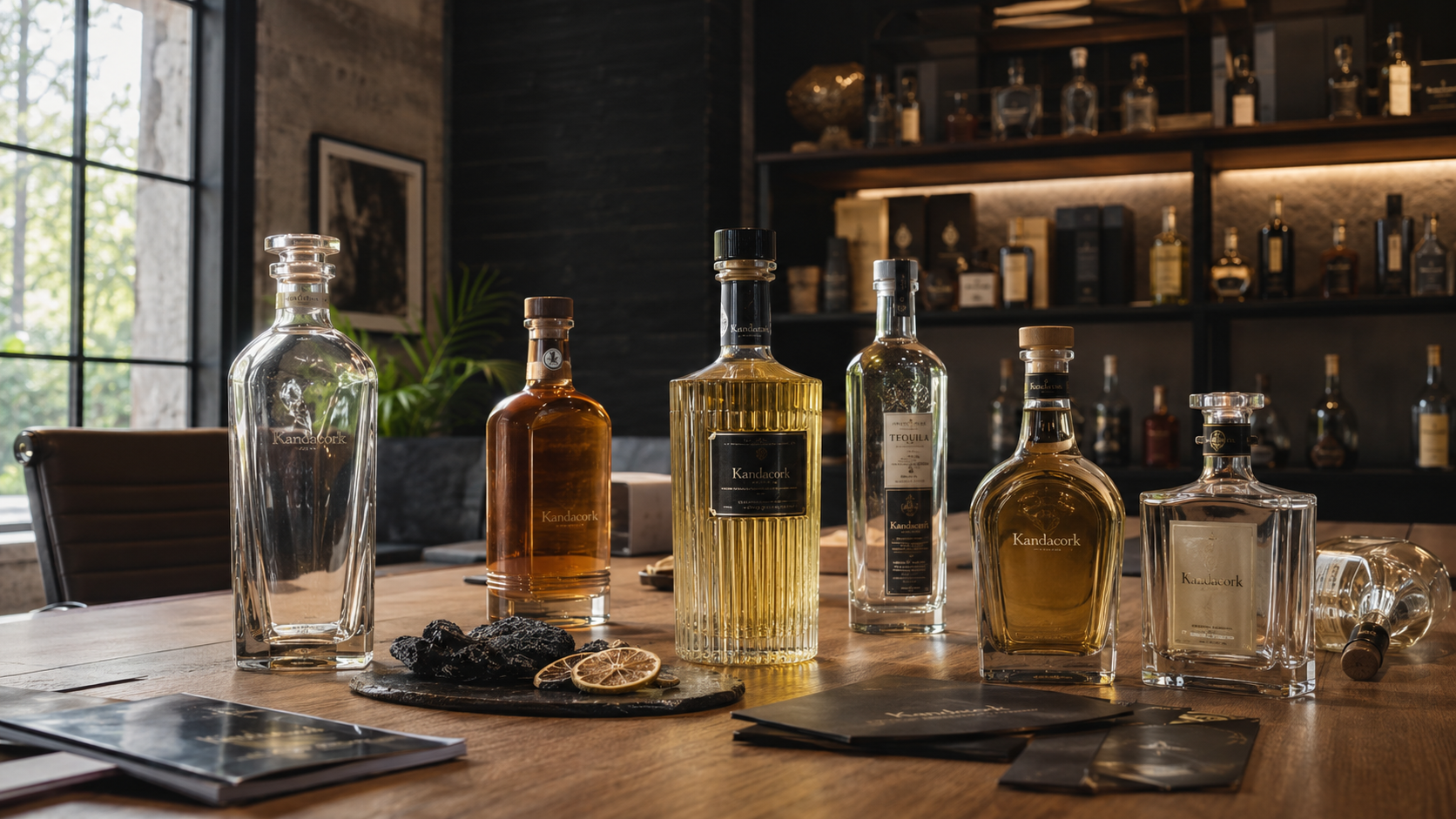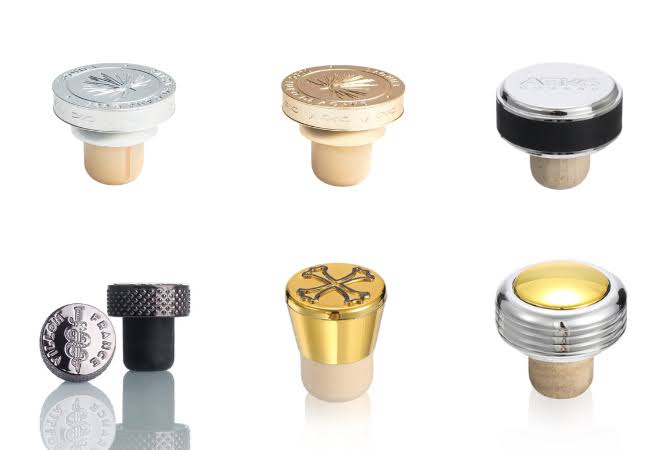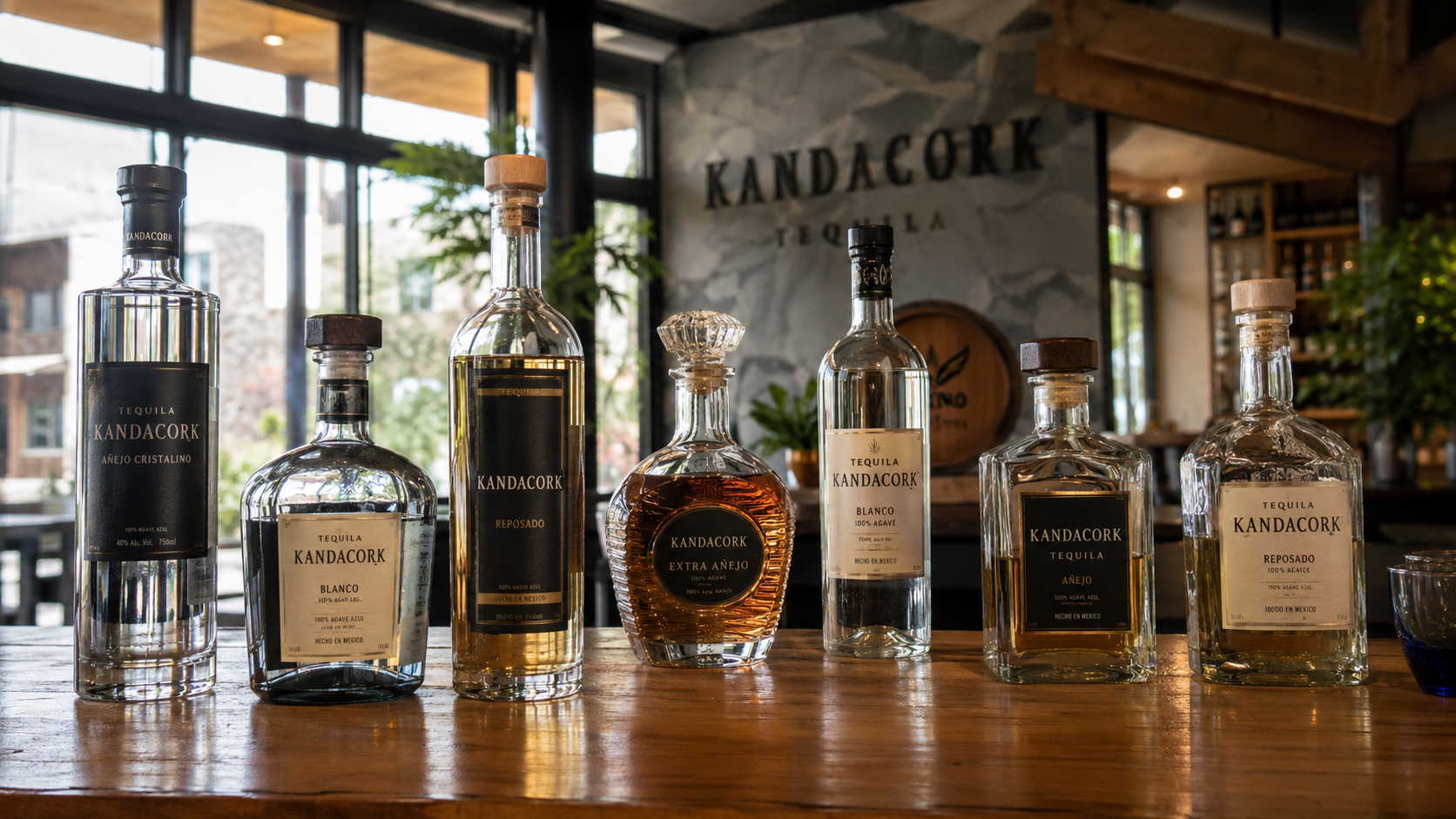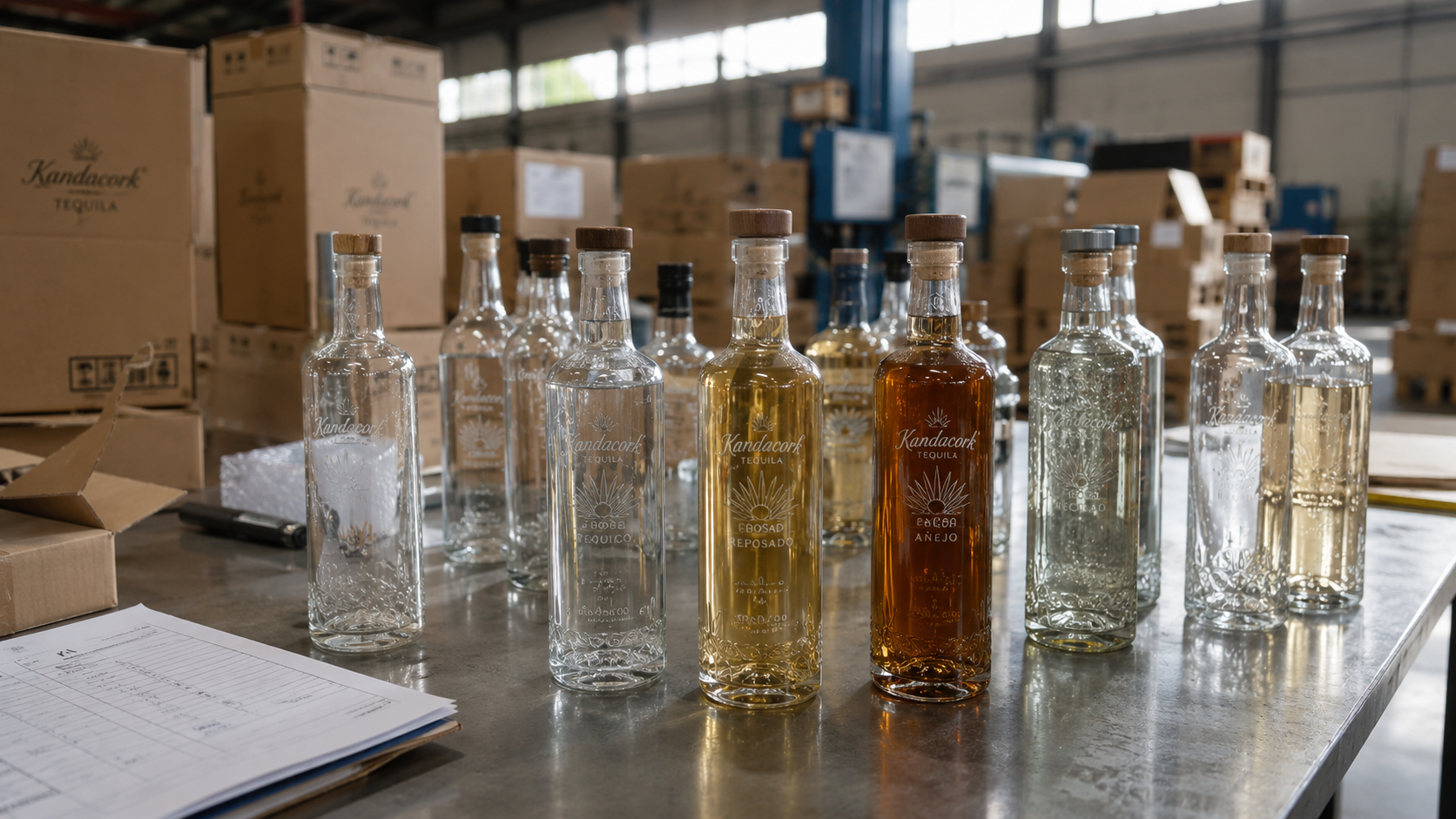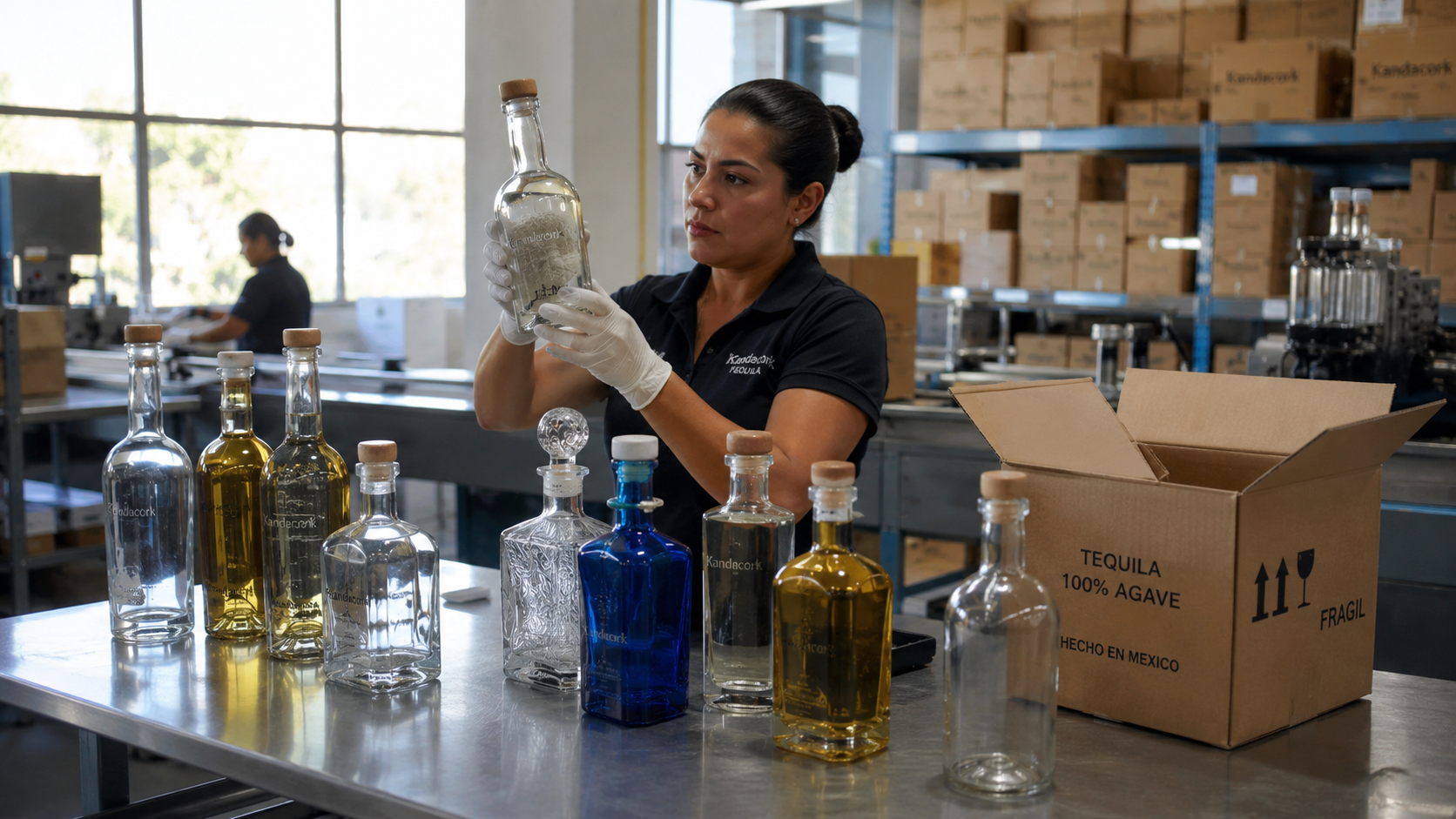
Premium wooden stoppers need a finish and branding method that match the bottle and brand identity. This guide explains common surface treatments, logo application options, color consistency, handling protection and bulk inspection requirements.
What Are Premium Wooden Stoppers for Spirits Bottles?
Premium wooden stoppers combine a decorative wooden head with a functional sealing shank. The wooden head is the visible and touchable part of the closure. The shank enters the bottle neck and helps create the seal.
In spirits packaging, these closures are also called wooden bar-top stoppers, wooden T-top closures, custom wooden bottle stoppers, wood-top closures, or wooden liquor bottle stoppers. They are commonly used for premium spirits because they offer stronger shelf presence than basic plastic caps and a more tactile opening experience than many standard closure types.
A well-designed stopper is not only decorative. It is a packaging component engineered around the bottle neck, liquid category, filling process, brand design, and target market.
| Stopper Component | Main Function | Buyer Decision |
|---|---|---|
| Wooden head | Branding, hand feel, premium appearance | Shape, wood type, finish, decoration |
| Shank | Sealing, resealing, pull-out performance | Natural cork, micro-agglomerated cork, synthetic |
| Assembly | Structural stability | Adhesive, fit, durability, food-contact suitability |
| Decoration | Brand recognition | Engraving, printing, embossing, foil, medallion |
| Surface finish | Visual style and touch | Natural, stained, matte, gloss, black, walnut tone |
Why Spirits Brands Choose Premium Wooden Stoppers
Premium wooden stoppers help spirits brands create a stronger opening ritual, a more natural hand feel, and a higher perceived bottle value.
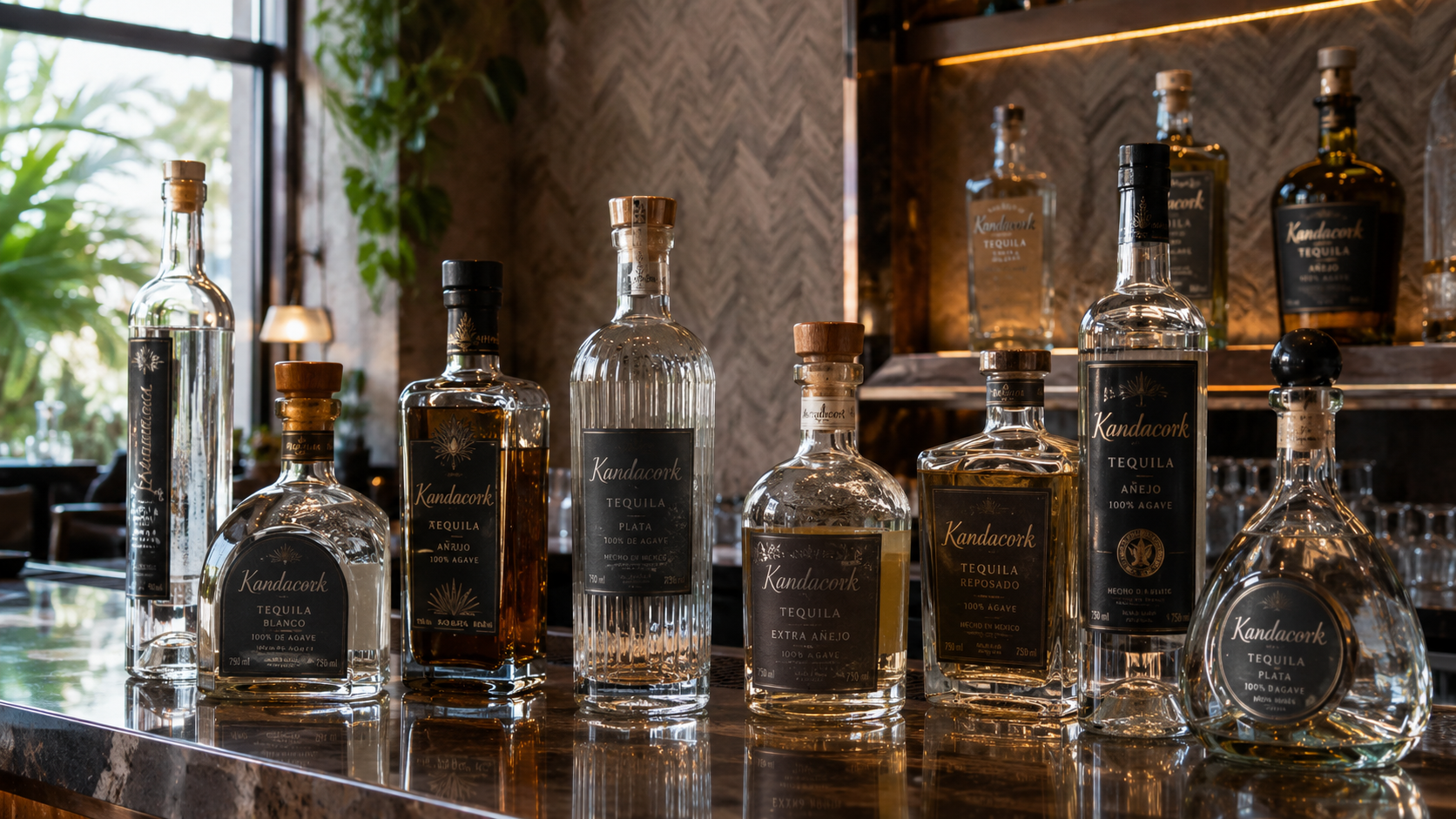
Spirits packaging competes through visual identity, tactile quality, and emotional storytelling. Wood adds warmth that metal and plastic may not provide. A dark walnut-style stopper can support an aged whisky or premium rum. A clean beechwood stopper can fit a botanical gin bottle. A rustic engraved stopper can match tequila or mezcal packaging. A smooth stained wooden top can elevate brandy, liqueur, or gift-pack spirits.
Premium wooden stoppers also improve the consumer experience after purchase. The customer feels the shape, resistance, surface finish, and resealing action. This small detail can make the product feel more considered and memorable.
For B2B buyers, wooden bar-top stoppers can also support product family consistency. A brand can use related stopper shapes across standard bottles, premium releases, seasonal editions, and export SKUs while changing wood color, engraving, or medallion details.
Custom Design Options for Premium Wooden Stoppers
The wooden head is the most visible part of the closure. Its shape should match the bottle structure, label style, target price point, and brand personality.
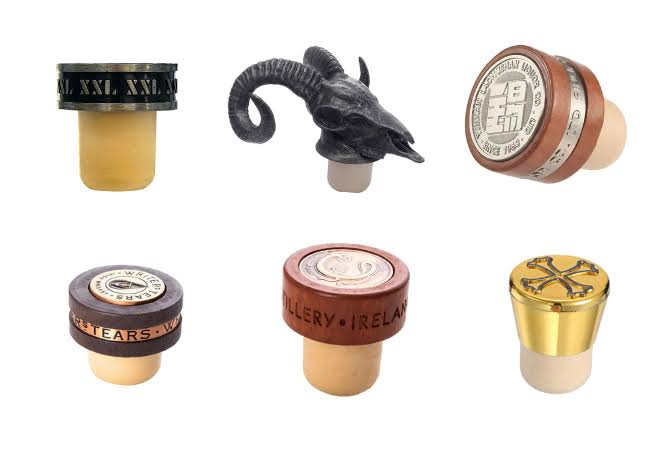
Common wooden head shapes include flat-top cylinders, beveled cylinders, low domes, mushroom tops, tall straight-sided tops, rounded ball heads, faceted profiles, and wood-and-metal composite designs. A heavier bottle often pairs well with a wider stopper. A slim gin bottle may look better with a compact cylinder. A heritage-style rum bottle may benefit from a domed or engraved wood top.
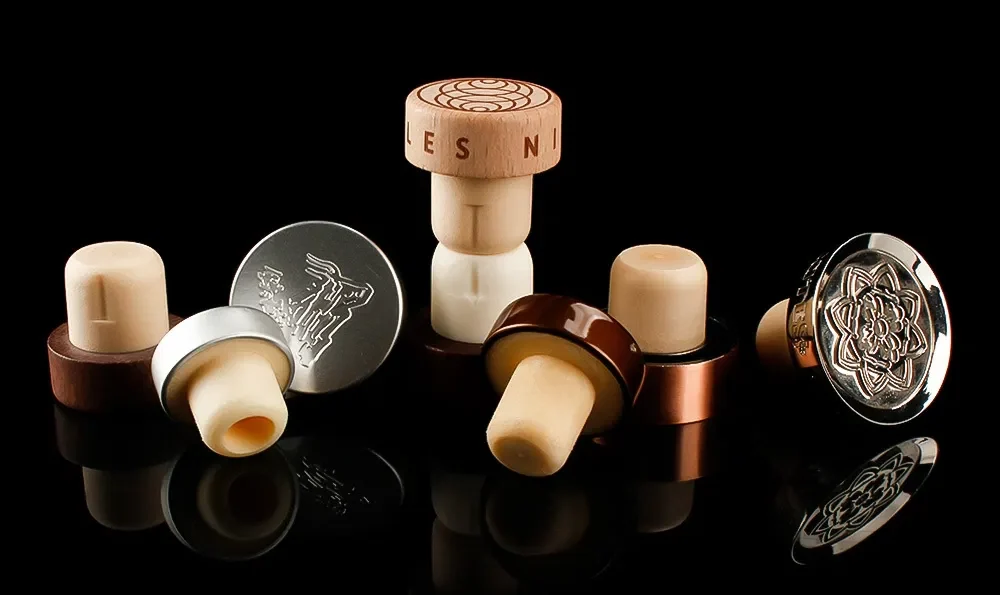
Wood type and finish also influence brand perception. Beech can feel clean and accessible. Walnut tones suggest maturity and warmth. Oak effects can connect visually with barrel aging. Black-stained wood feels modern and premium. Matte finishes feel understated, while gloss finishes can support gift-ready packaging.
The stopper should be designed as part of the wider bottle identity. Brands that need deeper label, coating, embossing, printing, or gift-pack styling can coordinate stopper decisions with decoration and branding support so the closure finish, bottle surface, and visual system feel consistent.
Kandacork Closures can support custom logo wooden bottle stoppers with laser engraving, top printing, side printing, embossing, debossing, foil accents, color filling, metal rings, custom medallions, and limited-edition markings. Its colors and finishes for custom spirits closures support helps buyers align stopper color, texture, and finish with the bottle design and brand position.
Choosing Cork or Synthetic Shanks for Premium Wooden Stoppers
The best shank for premium wooden stoppers depends on the bottle neck and brand position. Natural cork supports traditional luxury, micro-agglomerated cork improves cork-based consistency, and synthetic shanks support repeatable high-volume production.
The shank is the technical core of the closure. It affects bottle fit, seal security, resealing feel, and production consistency.
Natural cork shanks are often selected for traditional premium spirits. Cork offers natural elasticity and a familiar opening experience. It supports a heritage image and works well for brands that want a natural material story.
Micro-agglomerated cork shanks offer more controlled dimensional consistency than many natural cork formats. They can balance natural cork perception with scalable production requirements. This option is often suitable for mid-to-premium spirits lines that need both visual quality and performance stability.
Synthetic shanks are widely used when repeatable fit, controlled compression, and high-volume consistency are priorities. Buyers comparing cork-based options with synthetic bottle stoppers should evaluate sealing feel, production volume, bottle tolerance, brand positioning, and export conditions together.
| Shank Type | Best For | Main Strength | Watch Point |
|---|---|---|---|
| Natural cork | Heritage whisky, rum, brandy, craft spirits | Natural premium feel and traditional image | Natural material variation must be managed |
| Micro-agglomerated cork | Scalable premium spirits lines | More consistent cork-based performance | Density and specification should match the bottle |
| Synthetic shank | High-consistency and export projects | Stable dimensions and repeatable compression | Less natural positioning than cork |
| Hybrid structure | Multi-SKU premium packaging | Balance of appearance, cost, and performance | Requires careful sampling and validation |
Best shank selection depends on bottle neck tolerance, alcohol category, filling process, storage conditions, export market, and brand positioning. For custom premium wooden stoppers, the shank should be tested with the actual bottle instead of selected only from a catalog size.
How Bottle Fit Affects Premium Wooden Stopper Performance
Bottle fit directly affects sealing performance, pull-out feel, resealing stability, and customer satisfaction. A premium wooden stopper must fit the actual bottle neck, not just an estimated standard size.
A beautiful wooden head cannot solve poor shank sizing, excessive pull-out force, loose sealing, or inconsistent insertion depth. Bottle fit depends on the inner neck diameter, neck finish tolerance, glass production variation, shank diameter, taper, shank height, insertion depth, and material compression.
The stopper should feel secure but not difficult to remove. It should reseal after opening and remain stable during storage, transport, display, and consumer use.
Common fit problems include loose closures, leakage, difficult removal, uneven stopper height, shank deformation, and inconsistent feel between bottles. These issues often appear when buyers choose a stopper before confirming bottle drawings or physical samples.
Kandacork Closures recommends confirming the bottle drawing, neck finish, actual bottle sample, and target stopper style before bulk production. Physical sampling helps verify insertion force, pull-out force, resealing feel, visual alignment, and packaging compatibility.
If the bottle is still being developed, stopper engineering should be considered alongside custom glass packaging so the bottle neck, closure height, label panel, and carton fit can be reviewed together.
Premium Wooden Stoppers by Spirits Category
Different spirits categories need different packaging signals. Premium wooden stoppers should be selected according to product identity, retail channel, bottle shape, and target customer.
| Spirit Category | Recommended Wood Look | Suggested Stopper Style | Packaging Message |
|---|---|---|---|
| Whisky | Walnut, oak, dark stain | Wide cylinder, beveled top, low dome | Mature, aged, traditional, premium |
| Rum | Dark wood, vintage tone, engraved finish | Domed, mushroom, beveled, rustic profile | Warm, craft, heritage, tropical |
| Gin | Light wood, black wood, clean matte finish | Minimal cylinder, low-profile top | Botanical, modern, clean, refined |
| Tequila and mezcal | Rustic wood, natural grain, sculptural profile | Engraved, rounded, custom shape | Artisanal, expressive, distinctive |
| Brandy and liqueur | Stained wood, gloss finish, metal accent | Elegant dome, medallion top | Gift-ready, smooth, luxury-oriented |
| Vodka | Black, whitewashed, or minimalist wood | Straight cylinder, clean edge | Pure, modern, controlled |
Wooden bar-top stoppers for whisky bottles usually benefit from darker tones, heavier proportions, and cork-based shanks. Rum bottles can use warmer colors and vintage forms. Gin bottles often work best with clean lines and understated decoration. Tequila and mezcal brands may choose more sculptural wood shapes to create shelf impact.
For packaging programs that involve bottle sourcing, closure matching, decoration, and export coordination, integrated Kandacork Glass packaging coordination can help align different packaging components before production.
Wooden Stoppers vs Metal, Plastic, Glass, and Screw Closures
Premium wooden stoppers are often chosen when a brand wants warmth, natural texture, and a crafted opening experience. They work especially well for mid-range, premium, craft, limited-edition, and gift-oriented spirits.
Metal stoppers can feel heavy and luxurious, but they may increase cost and create a cooler visual impression. Brands comparing wood with custom metal stoppers should consider hand feel, bottle weight, retail price point, decoration style, and target consumer expectations.
Plastic stoppers are practical and cost-efficient, but they usually communicate less premium value unless carefully designed. Glass stoppers can look elegant, but they may be heavier, more fragile, and less suitable for some production lines. Screw caps are efficient and convenient, but they do not always deliver the same opening ritual as a bar-top closure.
| Closure Type | Strength | Limitation | Best Use |
|---|---|---|---|
| Wooden stopper | Natural texture, premium feel, strong branding | Requires accurate bottle-fit testing | Premium spirits, craft spirits, limited editions |
| Metal stopper | Weight, shine, luxury impression | Higher cost and colder feel | Ultra-premium or modern packaging |
| Plastic stopper | Cost efficiency, design flexibility | Lower premium perception | Economy and high-volume packaging |
| Glass stopper | Decorative and elegant appearance | Fragility and production limitations | Niche gift packaging |
| Screw cap | Convenience and production efficiency | Less ritual and lower craft perception | Fast-moving or convenience-focused products |
For many spirits brands, premium wooden stoppers offer the strongest balance of natural material appeal, custom branding, resealing performance, and scalable production.
Custom Premium Wooden Stopper Development Process
A structured development process helps reduce sampling errors, shorten communication time, and improve bulk order consistency.
| Development Stage | What Happens | Buyer Benefit |
|---|---|---|
| Design brief | Confirm bottle type, spirit category, brand style, and target market | Clearer stopper direction |
| Technical review | Check bottle drawing, neck dimensions, stopper height, and fit requirements | Lower leakage and sizing risk |
| Material selection | Choose wood type, finish, shank material, and construction | Better cost-performance balance |
| Decoration testing | Test logo engraving, printing, embossing, color filling, or medallion details | More accurate brand result |
| Sampling | Confirm appearance, insertion force, pull-out feel, and resealing stability | Safer production approval |
| Bulk production | Produce with quality checks and export packaging controls | Stable commercial supply |
This process is especially valuable for brands developing custom wooden T-top closures, wooden liquor bottle stoppers wholesale, or premium spirits bottle closure programs across multiple SKUs.
For new brands, the process helps turn a visual idea into a production-ready closure. For established brands, it helps upgrade packaging without disrupting bottle compatibility or bottling operations.
Kandacork Closures also supports broader bottle stoppers and closures projects when buyers need to compare wooden, synthetic, metal, glass, plastic, ROPP, or non-refillable closure directions before choosing the best solution.
Food Contact, Safety, and Compliance Considerations
A wooden stopper used for beverage packaging should be evaluated as a food-contact packaging component. This includes not only the shank, but also adhesives, coatings, inks, pigments, decorative elements, and any part that may contact the bottle mouth or liquid.
In the United States, the FDA food-contact materials guidance explains that food-contact substances can include packaging components, adhesives, colorants, and substances applied to packaging surfaces. In the European Union, European Commission food-contact materials legislation sets general principles for safety and inertness in materials intended to contact food.
For distilled spirits sold in the United States, TTB distilled spirits closure requirements explain that bottles or containers of distilled spirits must use a tamper-evident closure or similar device that is broken when the container is opened. For buyers, this means the stopper, capsule, sleeve, tamper band, or supporting closure system should be reviewed as part of the complete packaging design.
A qualified closure supplier should understand material declarations, food-contact expectations, production traceability, and export packaging requirements. These points should be discussed early, not after bottle filling has already been scheduled.
Sustainability and Responsible Sourcing
Sustainability is now part of premium packaging value. Many spirits brands want closures that support a natural image without creating sourcing or compliance concerns.
Wooden heads can be developed with responsible sourcing expectations in mind. FSC chain-of-custody certification is one recognized way to support traceability for forest-based materials through the supply chain. Cork also has a strong sustainability story because it is harvested from cork oak bark without cutting down the tree, and cork oak landscapes are widely associated with biodiversity and long-term land management.
Sustainability claims should be specific and supportable. Instead of using vague language such as “eco-friendly,” brands should describe the material, sourcing option, certification status, packaging reduction benefit, or quality-control advantage.
Packaging decisions should also consider material optimization, reuse, recycling, recovery, and source reduction. The ISO packaging and the environment committee focuses on harmonizing environmental aspects of packaging systems across the packaging life cycle, which reflects the broader direction of responsible packaging development.
Premium wooden stoppers can support sustainability goals when they are accurately fitted, durable, responsibly sourced, and manufactured with stable quality. Reducing leakage, rejects, replacement shipments, and over-packaging is also part of responsible packaging design.
How to Request a Quote for Custom Premium Wooden Stoppers
A clear technical brief helps reduce sampling time and improves quotation accuracy. Buyers should prepare practical information before requesting custom premium wooden stoppers for spirits bottles.
| Information Needed | Why It Matters |
|---|---|
| Bottle drawing | Confirms neck dimensions and tolerance |
| Bottle sample | Allows physical fit and pull-out testing |
| Current stopper sample | Helps benchmark size and performance |
| Target wooden head shape | Guides tooling and visual design |
| Preferred wood finish | Affects color, texture, and logo visibility |
| Logo artwork | Determines engraving, printing, or embossing method |
| Shank material preference | Affects sealing feel and cost |
| Filling method | Influences insertion and line compatibility |
| Target market | Affects documentation and compliance needs |
| Order quantity | Influences tooling, MOQ, pricing, and production planning |
| Launch date | Helps plan sampling and bulk production timing |
If the bottle is already selected, the stopper should be engineered around that neck finish. If the bottle is still in development, the bottle and closure can be considered together to improve fit, proportion, and packaging efficiency.
Buyers can use the Kandacork Closures custom closure quote page to share bottle drawings, target stopper style, logo artwork, expected order quantity, and market requirements for a custom premium wooden stopper recommendation.
Common Mistakes When Selecting Premium Wooden Stoppers
One common mistake is choosing a stopper only by appearance. A good-looking wooden head still needs the correct shank material, diameter, taper, and insertion depth.
Another mistake is assuming that “standard bottle neck” is enough information. Glass bottle tolerances can vary by supplier, mold, and production batch. Physical sampling is safer than relying only on general dimensions.
Some buyers also select decoration too late. Logo engraving, color filling, and medallion placement can affect tooling, finish selection, lead time, MOQ, and unit cost. Decoration should be considered during early design, not after stopper sizing is complete.
A fourth mistake is ignoring the bottling line. Manual insertion and automatic insertion may require different consistency standards. High-speed bottling usually needs stronger control over shank dimensions and stopper height.
Kandacork Closures helps buyers avoid these issues by connecting stopper design, bottle fit, decoration, sampling, and production planning in one development process.
Why Work with Kandacork Closures?
Kandacork Closures focuses on custom closure solutions for beverage and spirits packaging. For premium wooden stoppers, the goal is not only to supply a decorative wood top. The goal is to help buyers create a closure that fits the bottle, supports the brand, performs reliably, and can be produced at commercial scale.
The company can support wood selection, head profile development, shank matching, surface finish, custom logo decoration, sample testing, production planning, MOQ evaluation, and export packaging. This makes Kandacork Closures a practical partner for distilleries, packaging designers, glass bottle suppliers, importers, and private-label spirits brands.
For a new spirits launch, the stopper can become a signature brand detail. For an established product, it can support a packaging upgrade, limited-edition release, premium line extension, or market repositioning. For private-label buyers, it can improve perceived value without requiring a complete bottle redesign.
FAQ
Are premium wooden stoppers suitable for all spirits bottles?
Yes, premium wooden stoppers can be designed for most spirits bottles if the shank diameter, taper, and bottle neck tolerance are correctly matched. They are commonly used for whisky, rum, gin, tequila, vodka, brandy, and liqueur bottles.
What is the difference between a wooden stopper and a wooden bar-top stopper?
A wooden stopper is a broad term for a closure with a wooden component. A wooden bar-top stopper usually means a T-top closure with a wooden head and a cork, synthetic, or micro-agglomerated shank.
Which shank is better for spirits bottles: natural cork or synthetic?
Natural cork is best for traditional premium positioning, while synthetic shanks are best for dimensional consistency and scalable production. Micro-agglomerated cork is a balanced option for brands that want cork-based perception with more controlled performance.
Can premium wooden stoppers be customized with a logo?
Yes, premium wooden stoppers can be customized with laser engraving, printing, embossing, debossing, foil accents, color filling, metal rings, and custom medallions. The best method depends on the wood finish, logo detail, and brand style.
What makes a wooden stopper feel premium?
A wooden stopper feels premium when it has a refined finish, accurate dimensions, comfortable hand feel, stable sealing performance, consistent branding, and a design that matches the bottle. Premium quality comes from both appearance and engineering.
What information does Kandacork Closures need for a quote?
Kandacork Closures usually needs the bottle drawing or sample, neck dimensions, desired stopper style, wood finish preference, shank material, logo artwork, order quantity, target market, and any compliance or testing requirements.
Conclusion
Premium wooden stoppers help spirits brands combine function, branding, and customer experience in one small but important packaging component. The right stopper can make a bottle feel more crafted, more valuable, and more memorable.
For buyers, the best results come from selecting the right wood head, surface finish, decoration method, shank material, and bottle-fit specification. A premium closure should look refined, seal reliably, open smoothly, and support the brand’s market position.
To develop custom premium wooden stoppers for your spirits bottle project, send Kandacork Closures your bottle drawing, stopper reference, logo artwork, target quantity, and market requirements. The team can help recommend wood style, shank material, decoration method, and sampling direction before bulk production.