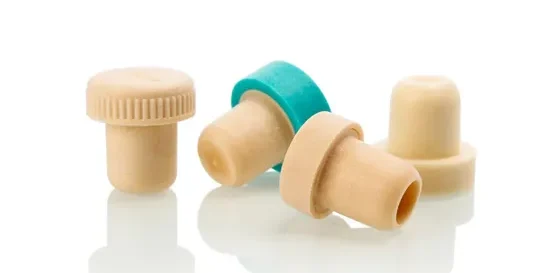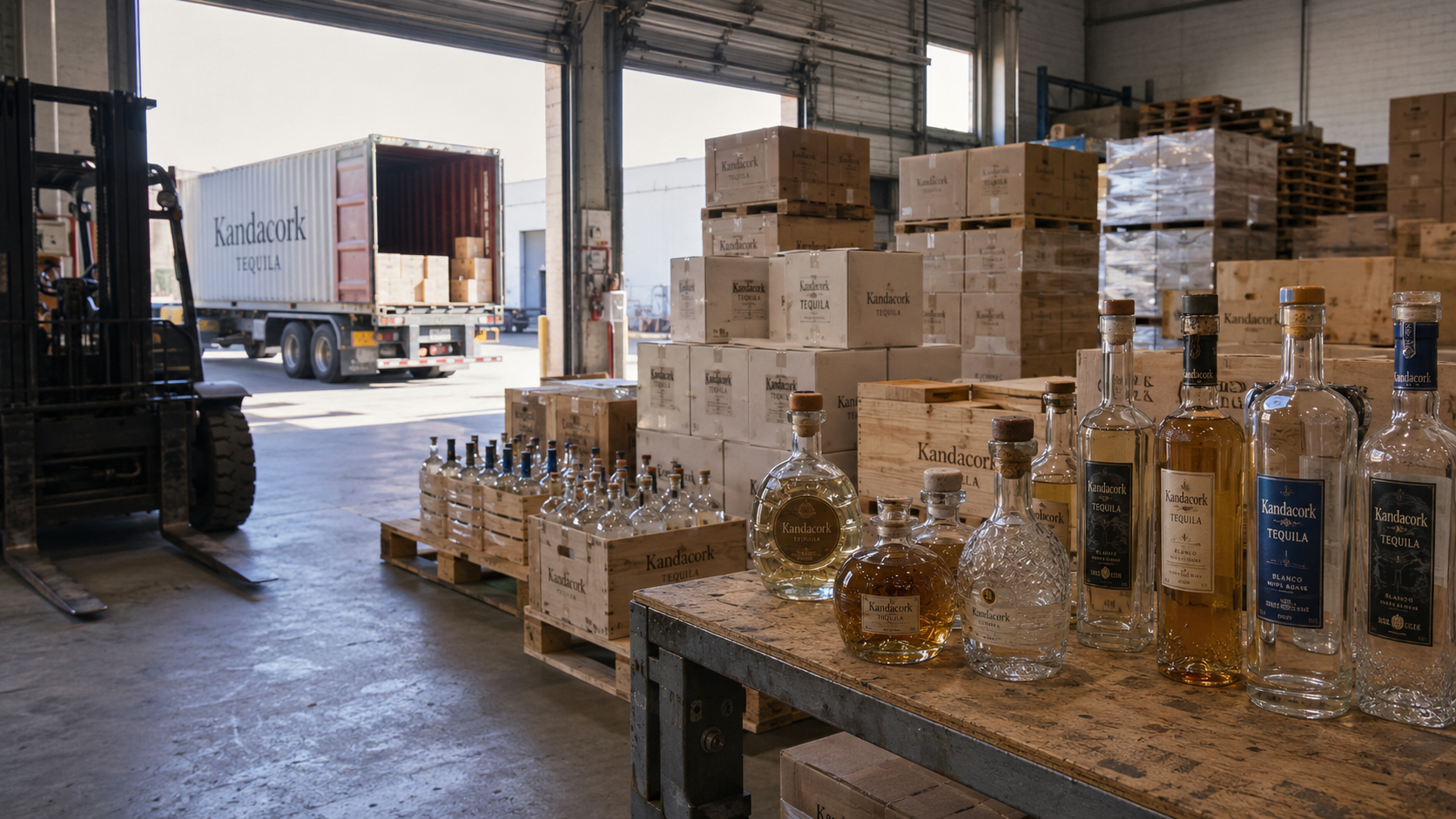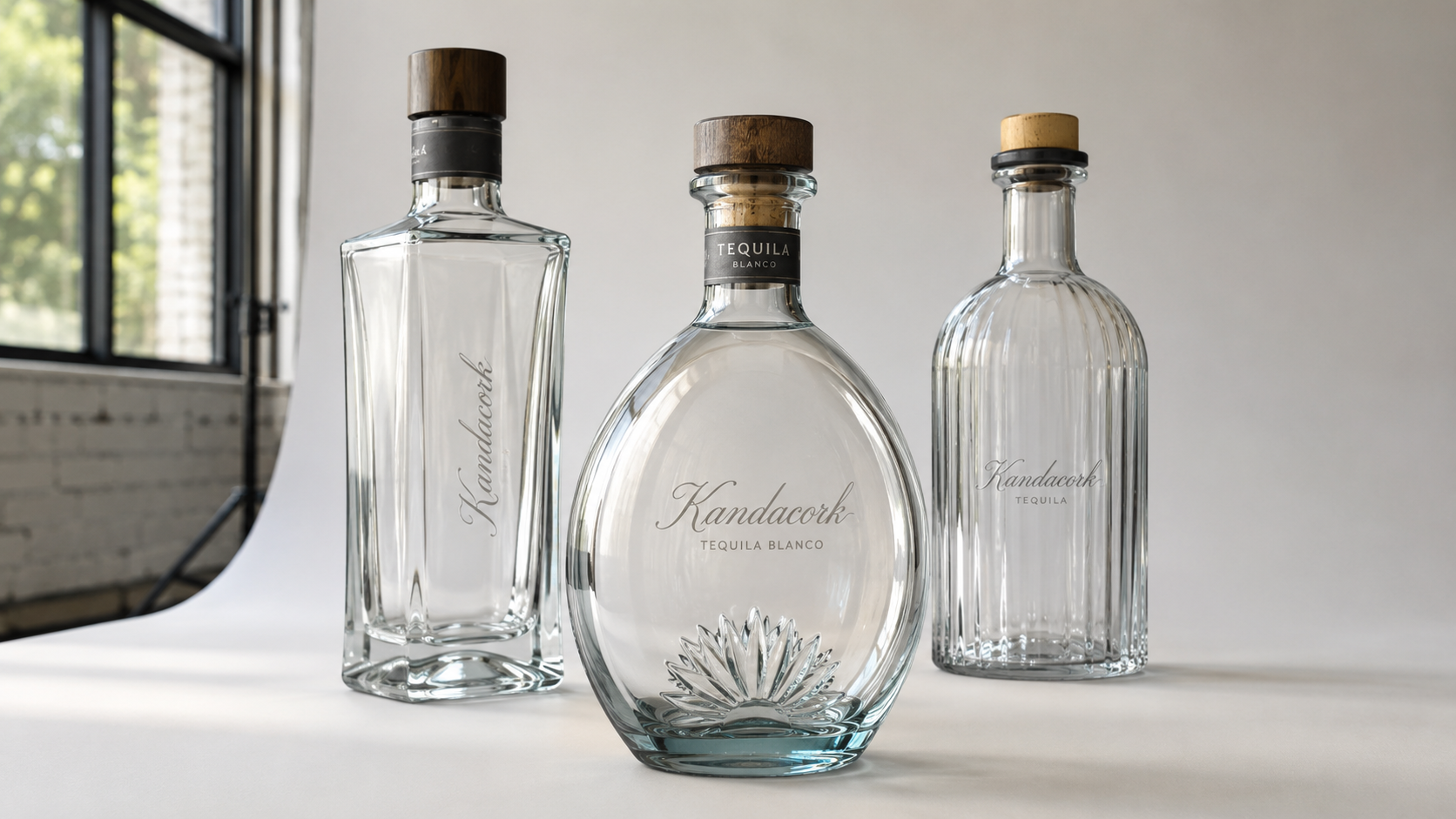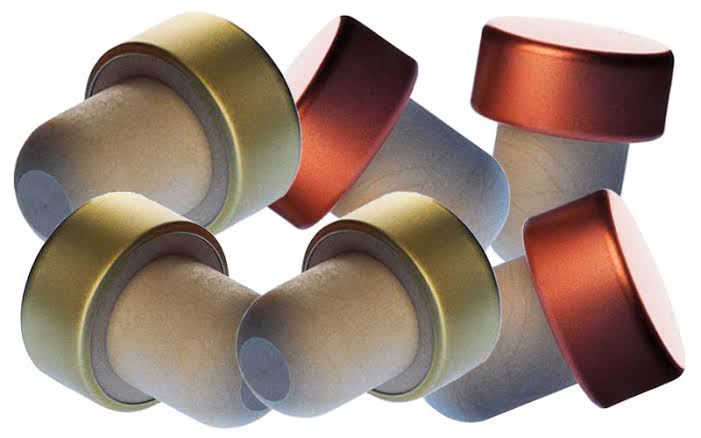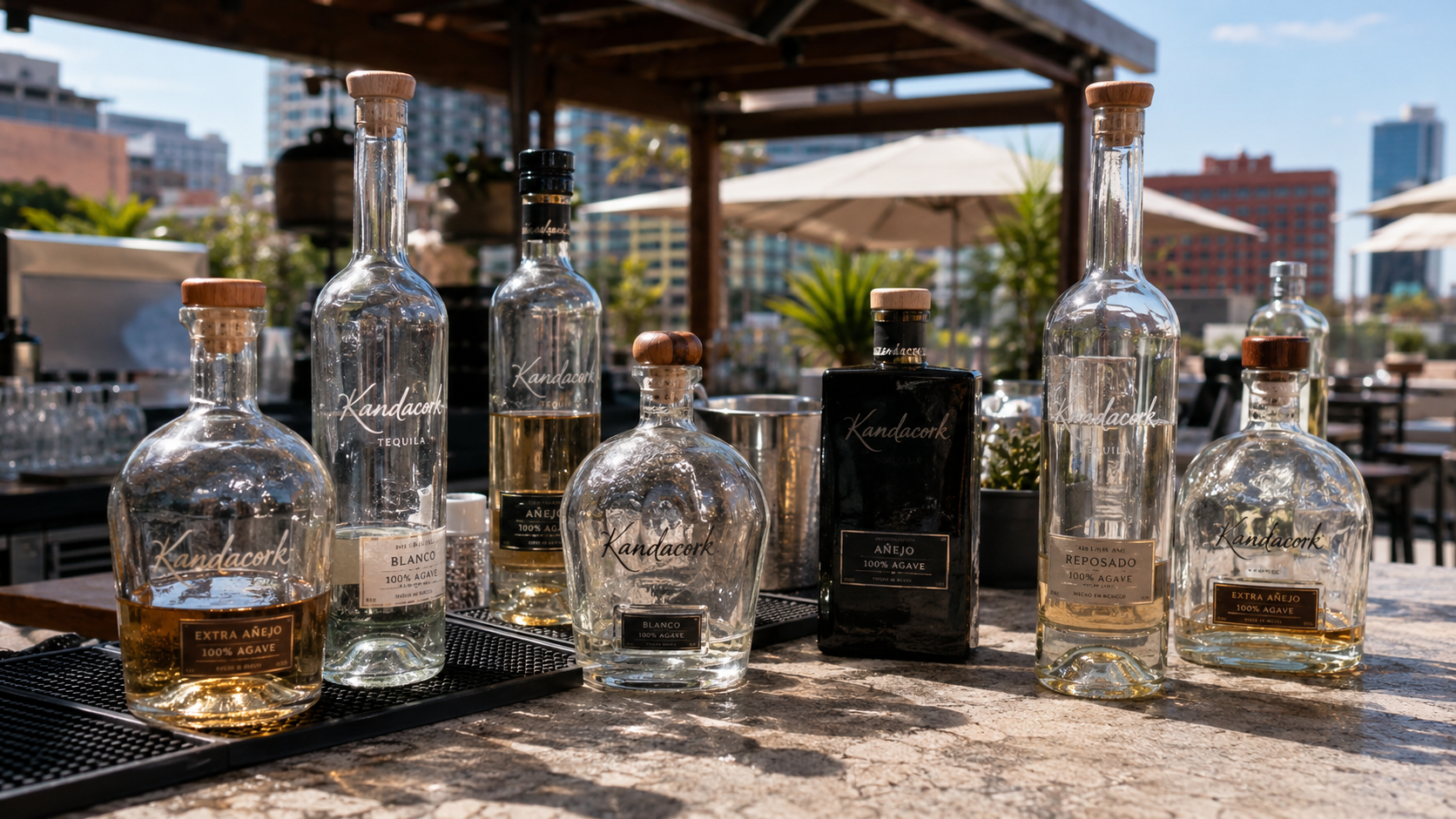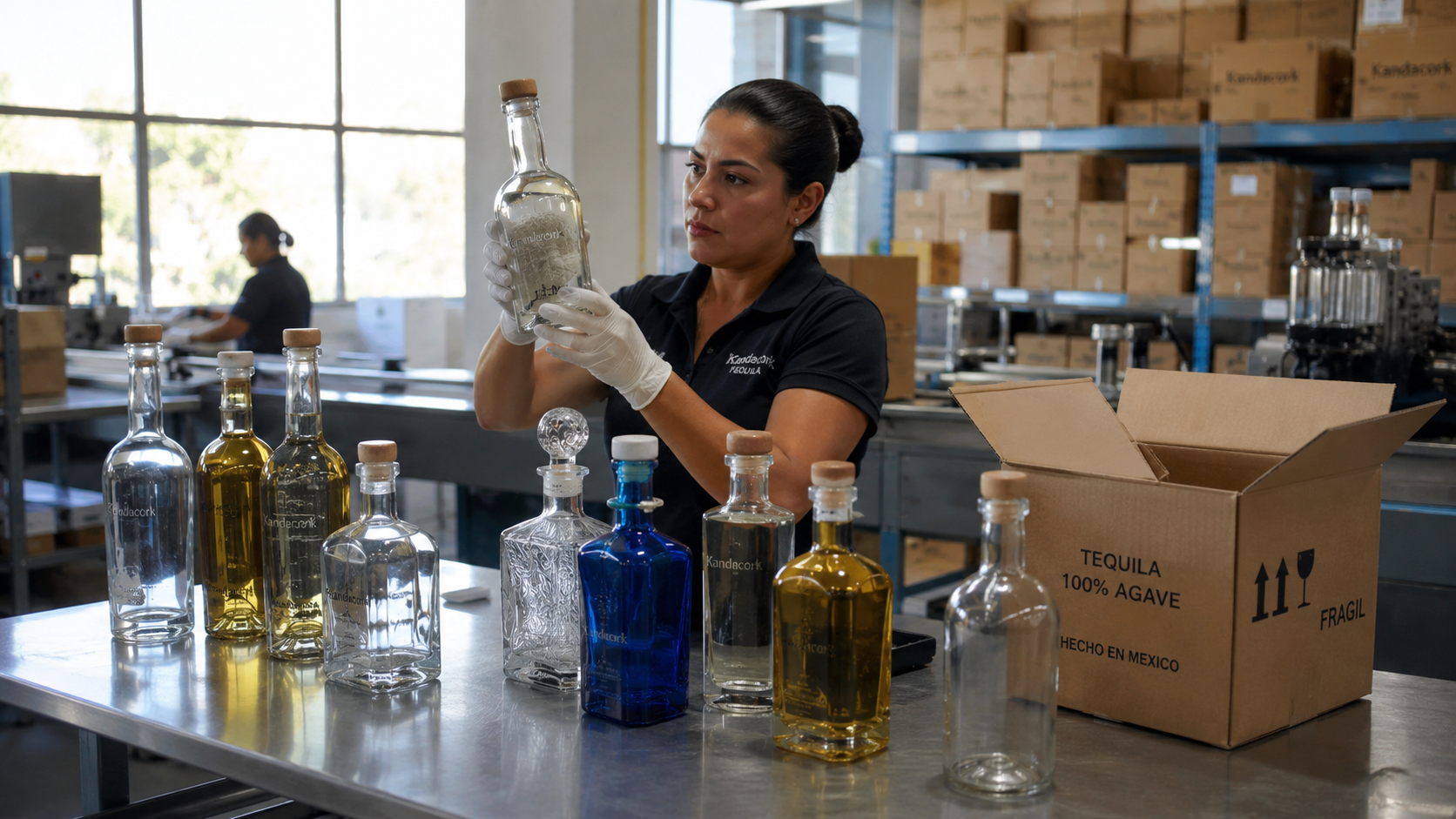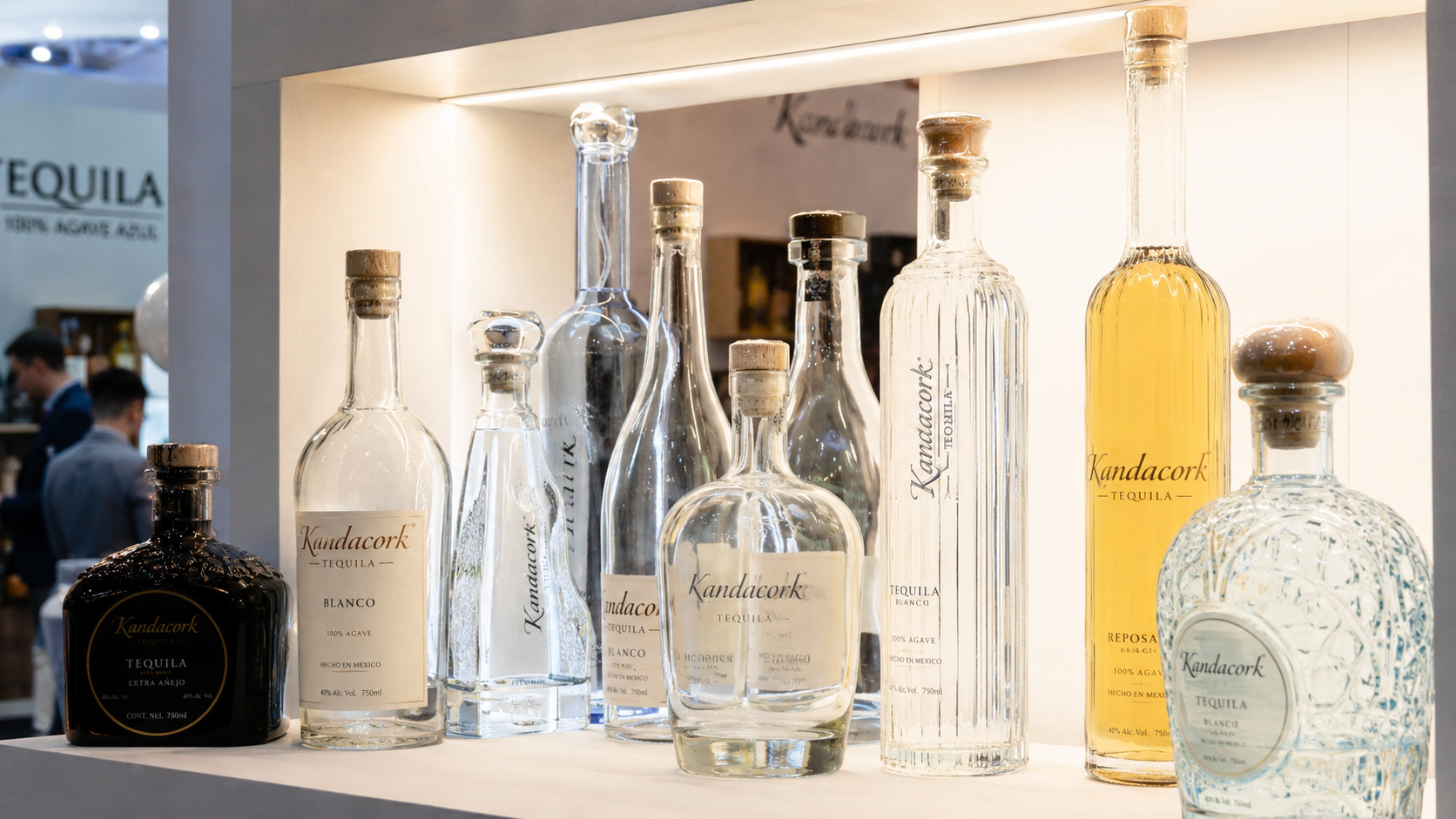
Non-refillable closures can help spirits brands protect packaging integrity in certain markets and distribution channels. This guide explains how anti-refill structure, tamper-evident design, pour control and bottle compatibility affect brand protection projects.
What Are Non-Refillable Closures for Spirits Bottles?
Non-refillable closures are bottle closure systems designed to reduce or prevent unauthorized refilling after the bottle has been opened. In spirits packaging, they may include one-way valves, pourer inserts, internal balls, flow-control components, anti-pull-out structures, tamper-evident bands, security sleeves, or integrated pouring mechanisms.
A standard closure mainly seals the bottle. A non-refillable closure adds a brand protection function. It allows normal outward pouring but restricts inward liquid flow or makes forced refilling difficult to hide.
These closures are also called NRF closures, anti-refill closures, non-refillable caps, anti-refill bottle closures, or non-refillable spirits closures. The wording varies by market, but the commercial purpose is consistent: reduce bottle reuse, protect product authenticity, and strengthen spirits packaging security.
The broader risk environment is real. The World Health Organization highlights the ongoing global challenge of alcohol-related harm and unrecorded alcohol, while the OECD identifies illicit alcohol as a high-risk trade category involving counterfeiting, falsification, tampering, and unauthorized distribution. For spirits brands, secure packaging is one practical layer of protection.
Why Spirits Brands Use Non-Refillable Closures for Brand Protection
Spirits brands use non-refillable closures because premium bottles can become targets after the original product is consumed. Counterfeiters may collect empty bottles, refill them with lower-quality alcohol, reseal them, and resell them through informal or poorly controlled channels.
This risk is especially relevant for high-value spirits, export markets, bars, hotels, duty-free shops, tourist destinations, distributor-heavy markets, and regions where counterfeit alcohol or bottle reuse is a known concern.
Non-refillable closures help protect brand reputation, consumer confidence, premium price positioning, distributor trust, retail channel integrity, hospitality channel control, and tamper-evident packaging performance. A closure cannot eliminate every counterfeit risk alone, but it can make bottle reuse harder, slower, more expensive, and easier to detect.
The economic impact of counterfeiting is also significant. The EUIPO has reported substantial losses linked to counterfeit wine and spirits in the European market. For brand owners, these losses are not only financial. A poor consumer experience with a refilled bottle can damage trust in the genuine product.
How Kandacork Closures Supports Secure Spirits Packaging
Kandacork Closures helps spirits brands select closure systems based on bottle design, filling equipment, market risk, product category, and brand positioning. For a new spirits project, closure selection should not start only with appearance. Buyers should also consider bottle neck finish, sealing performance, tamper-evident break force, anti-refill function, opening torque, capping method, pouring behavior, decoration requirements, transport conditions, and target market risk.
Kandacork Closures can support non-refillable ROPP closures, non-refillable screw caps, snap-on security closures, pourer inserts, aluminum-plastic closure structures, decorative top discs, sidewall finishes, custom colors, printing, embossing, hot stamping, bottle neck compatibility review, and sample testing before bulk production.
For buyers comparing closure families, the broader bottle closures and stoppers range helps position non-refillable systems alongside ROPP caps, screw caps, bar-top stoppers, capsules, sleeves, and pourers. This makes the closure part of a complete spirits packaging security strategy rather than a simple sealing component.
Non-Refillable Closures vs Tamper-Evident Closures vs Anti-Counterfeit Packaging
Many spirits brands confuse non-refillable, tamper-evident, and anti-counterfeit packaging features. They are related, but each function solves a different problem.
| Packaging feature | Main purpose | Typical function | Best use case |
|---|---|---|---|
| Tamper-evident closure | Shows first opening | Breakable band, tear strip, capsule, security sleeve | Retail, compliance, consumer confidence |
| Non-refillable closure | Reduces bottle refilling | One-way valve, pourer insert, anti-pull-out system | Spirits brand protection and refill fraud prevention |
| Anti-counterfeit feature | Helps verify authenticity | Hologram, security ink, serialized QR code, NFC tag | Premium spirits, export markets, authentication |
| Connected packaging | Links package to digital data | Digital identity, batch information, traceability page | Consumer engagement and supply chain visibility |
A tamper-evident closure shows that a bottle has been opened. A non-refillable closure makes the bottle harder to refill after opening. An anti-counterfeit feature helps verify whether the product is genuine.
For stronger protection, many premium spirits brands combine visible tamper evidence, physical anti-refill performance, custom decoration, and digital authentication. The World Intellectual Property Organization explains how authentication technologies can help brands and authorities distinguish genuine goods from counterfeit products. In spirits packaging, those tools work best when supported by physical bottle and closure security.
How Anti-Refill Closures Protect Spirits Brand Value
Anti-refill closures protect brand value by reducing the opportunity for bottle reuse. If a genuine bottle cannot be easily refilled, the empty bottle becomes less useful to counterfeiters.
This matters because spirits packaging often carries strong visual recognition. A heavy glass bottle, embossed logo, premium label, capsule, and branded closure can make a counterfeit product look convincing at first glance. If the original bottle is reused, the counterfeit product may appear authentic to consumers, bartenders, retailers, or distributors.
A well-designed non-refillable closure can reduce this risk through restricted inward liquid flow, internal pourer components, anti-pull-out construction, visible tamper evidence, difficult removal without damage, controlled pouring performance, secure fit on the bottle neck, and premium decoration that is harder to copy.
Physical closure security can also be paired with digital product identity. GS1 Digital Link provides a standardized way to connect product identifiers to online information, which can support traceability, product education, batch-level data, and consumer engagement. However, digital tools should not replace physical security. A copied code or label is harder to abuse when the original bottle cannot be easily refilled.
When Should a Spirits Brand Use Non-Refillable Closures?
A spirits brand should consider non-refillable closures when bottle reuse, refill fraud, unauthorized redistribution, or counterfeit substitution could damage product trust. They are especially useful for premium whisky, rum, gin, vodka, tequila, brandy, cognac, and liqueurs; export products sold through long distribution chains; duty-free spirits exposed to high-value resale channels; and hospitality products used in bars, hotels, clubs, and restaurants.
They are also valuable for brands entering new markets with limited local control, private label spirits that need secure and consistent packaging, and limited-edition products with collector appeal. If the bottle itself has resale value after use, a non-refillable closure should be evaluated early in packaging development.
Closure Security Level by Market Risk
The right closure depends on the risk level of the product and market. Not every spirits brand needs the same level of anti-refill protection.
| Market risk level | Typical scenario | Recommended closure approach | Key focus |
|---|---|---|---|
| Low risk | Domestic retail with stable distribution | Tamper-evident closure with basic anti-refill support | Clean opening, sealing, cost control |
| Medium risk | Distributor markets or premium retail | Non-refillable closure with stronger anti-removal design | Bottle reuse prevention and brand consistency |
| High risk | Export, duty-free, hospitality, or counterfeit-prone channels | Non-refillable closure with valve, pourer insert, tamper evidence, and custom decoration | Anti-refill protection, authentication, visible security |
| Luxury risk | High-value spirits or limited editions | Layered closure system with physical and digital protection | Premium presentation and difficult replication |
This framework helps buyers avoid overengineering low-risk products or underprotecting premium spirits in high-risk channels.
Common Types of Non-Refillable Closures and NRF Caps
Different spirits projects require different closure structures. The best option depends on bottle neck finish, filling line setup, market risk, decoration needs, and user experience.
| Closure type | Best for | Main advantage | Buyer concern |
|---|---|---|---|
| Non-refillable ROPP closure | Whisky, vodka, gin, rum, tequila, brandy | Efficient capping, tamper evidence, aluminum appearance | Neck finish and capping head compatibility |
| Non-refillable screw cap | Resealable spirits and selected liqueurs | Familiar opening and reclosing experience | Torque, liner, and thread fit |
| Snap-on security closure | Export markets and regional spirits | Fast application and visible anti-removal design | Pull-off strength and bottle tolerance |
| Capsule-covered NRF system | Premium and heritage spirits | Traditional luxury appearance with hidden security | Capsule fit, decoration, and opening experience |
| Pourer insert system | Controlled serving and anti-refill protection | Flow control and inward-flow resistance | Pour rate, drip control, and insert retention |
Non-Refillable ROPP Closures
ROPP closures, or roll-on pilfer-proof closures, are widely used in spirits packaging because they offer efficient application, tamper-evident performance, and a clean metal appearance. A non-refillable ROPP closure may include an internal insert, valve, or pourer system that adds anti-refill functionality.
This option is suitable for brands that need high-volume production compatibility, reliable sealing, strong decoration flexibility, and visible tamper evidence. Key technical points include thread forming, pilfer band performance, cap height, liner compression, aluminum shell thickness, application torque, and bottle neck finish accuracy.
For projects that require line-friendly aluminum security caps, custom ROPP closures are often a practical starting point because they can combine production efficiency with tamper-evident structure and premium sidewall decoration.
Non-Refillable Screw Caps
Non-refillable screw caps combine convenient opening and reclosing with added anti-refill protection. They are useful when the brand wants a familiar user experience without sacrificing bottle security.
Important technical factors include thread profile, torque control, liner compatibility, bore diameter, opening force, resealing feel, and anti-refill insert retention. For spirits brands, the screw cap should feel secure and premium, not loose or disposable. The finish, weight, decoration, and opening sound all influence the consumer’s perception of quality.
Snap-On Security Closures
Snap-on security closures are often selected for markets where visible protection and fast application are priorities. They can include security sleeves, internal pourers, tamper-evident features, or anti-removal components.
These closures can be effective for export spirits, regional liquor brands, and products that need a strong visible signal against tampering. The main technical checks are snap fit, pull-off resistance, bottle neck tolerance, application pressure, closure skirt strength, and whether removal causes visible damage.
Capsule-Covered Non-Refillable Systems
Some premium spirits brands prefer a traditional capsule appearance. In this case, the non-refillable function can sit below a decorative capsule or sleeve.
This approach is useful for brands that want heritage packaging, luxury appearance, and discreet security. It allows the bottle to maintain a classic look while adding modern anti-refill protection. The capsule must align with the closure height, bottle shoulder, label design, and opening experience.
Non-Refillable Closure Specification Checklist
A strong closure recommendation depends on measurable specifications. Buyers should prepare as many technical details as possible before sample development or bulk ordering.
| Specification | Why it matters |
|---|---|
| Neck finish diameter | Determines closure fit and sealing accuracy |
| Inner bore diameter | Affects pourer insert fit and liquid flow |
| Bead profile | Influences snap fit, retention, and tamper-evident performance |
| Thread profile | Determines screw cap or ROPP compatibility |
| Closure height | Affects visual proportion and capping equipment setup |
| Cap diameter | Impacts bottle fit, appearance, and capping head selection |
| Liner material | Supports sealing, leakage resistance, and product compatibility |
| Application torque | Controls secure capping and opening feel |
| Pull-off resistance | Helps prevent forced closure removal |
| TE band break force | Affects tamper-evident reliability |
| Valve retention | Supports anti-refill function and insert stability |
| Pour rate | Controls serving experience and consumer satisfaction |
| Aluminum shell thickness | Influences appearance, forming, strength, and premium feel |
| Decoration tolerance | Affects print alignment, embossing quality, and visual consistency |
This checklist improves supplier communication and reduces the risk of ordering a closure that looks attractive but fails in production or market use.
Technical Checklist for Choosing Non-Refillable Spirits Closures
Choosing non-refillable closures requires more than selecting a cap style. The closure must fit the bottle, protect the product, run on the filling line, and support the brand’s commercial goals.
Bottle Neck Finish and Closure Fit
Bottle neck finish is one of the most important factors. Buyers should confirm the outer diameter, inner bore, bead height, sealing surface, thread profile, and dimensional tolerance. Even a small mismatch can cause leakage, loose application, difficult opening, poor tamper-evident break, or weak anti-removal strength.
Before bulk production, brands should provide technical drawings or physical bottle samples for fit review. Brands developing a complete bottle and closure system can also coordinate with a specialist spirits bottle partner to align glass shape, neck finish, closure height, and label layout from the beginning.
Filling Line and Capping Compatibility
A secure closure must also work with the filling line. Buyers should check capping speed, capping head type, torque setting, application pressure, closure orientation, and whether the line supports ROPP, screw, snap-on, or capsule application.
A closure sample that looks correct by hand may still need adjustment during machine application. Line trials help confirm practical performance before mass production.
Pouring Performance and User Experience
The closure should pour cleanly and match the spirits category. Whisky, tequila, gin, vodka, rum, and liqueurs may require different flow expectations.
The buyer should test flow rate, drip control, first opening, resealing feel, and consumer handling. A closure that protects the bottle but pours poorly can still damage the product experience.
Tamper-Evident Break and Anti-Removal Strength
Tamper-evident performance should be secure but not frustrating. If the band breaks too easily, the package may feel weak. If it is too difficult to open, consumers may see the product as inconvenient.
Anti-removal strength is also important. The closure should resist unauthorized removal or make forced removal visibly damaging. In the U.S. spirits market, the Alcohol and Tobacco Tax and Trade Bureau provides guidance on liquor bottle closure requirements, including tamper-evident closure expectations for distilled spirits containers.
Leakage and Transport Resistance
Spirits products may face long-distance shipping, warehouse storage, temperature changes, vibration, and retail handling. Closure testing should include upright leakage, inverted leakage, torque retention, drop simulation, vibration testing, and carton transport conditions.
For export spirits, leakage resistance is especially important because long transit times can magnify small packaging defects.
Best Non-Refillable Closure Focus by Spirits Category
Different spirits categories often require different closure priorities. A closure that works well for a high-volume vodka may not be the best choice for a luxury rum or limited-edition cognac.
| Spirits category | Recommended closure focus |
|---|---|
| Whisky | Premium finish, tamper-evident band, anti-refill pourer, strong shelf presence |
| Vodka | Clean metal appearance, efficient capping, leakage resistance, consistent opening |
| Rum | Anti-refill strength, export durability, decorative consistency, bottle reuse prevention |
| Tequila | Premium cap finish, anti-refill insert, controlled pouring, strong neck fit |
| Gin | Custom color, clean pouring, brand-aligned decoration, reliable resealing |
| Brandy | Traditional appearance, capsule compatibility, tamper evidence, smooth opening |
| Cognac | Luxury finish, difficult replication, layered authentication, precise decoration |
| Liqueur | Flow control, liner compatibility, drip control, resealing comfort |
This category-based approach helps buyers match closure performance with consumer expectations and channel risk.
Common Mistakes When Choosing Non-Refillable Closures
Many closure problems happen because the decision is made too late or based only on appearance. Spirits brands can reduce risk by avoiding common mistakes.
Common mistakes include choosing a closure before confirming the bottle neck finish, ignoring filling-line compatibility, testing only by hand instead of using real capping equipment, selecting decoration before confirming closure structure, using water for testing when the final liquid has different viscosity or alcohol content, ordering bulk production before leakage and transport testing, assuming tamper evidence and non-refillability are the same function, using only digital authentication without physical anti-refill protection, overlooking pull-off resistance and valve retention, and choosing a low-cost closure that weakens premium brand perception.
Avoiding these mistakes helps brands reduce delays, rework, leakage claims, and market complaints.
Custom Branding Options for Non-Refillable Closures
Security should support brand identity, not weaken it. Non-refillable closures can be customized to match the bottle, label, carton, and market positioning.
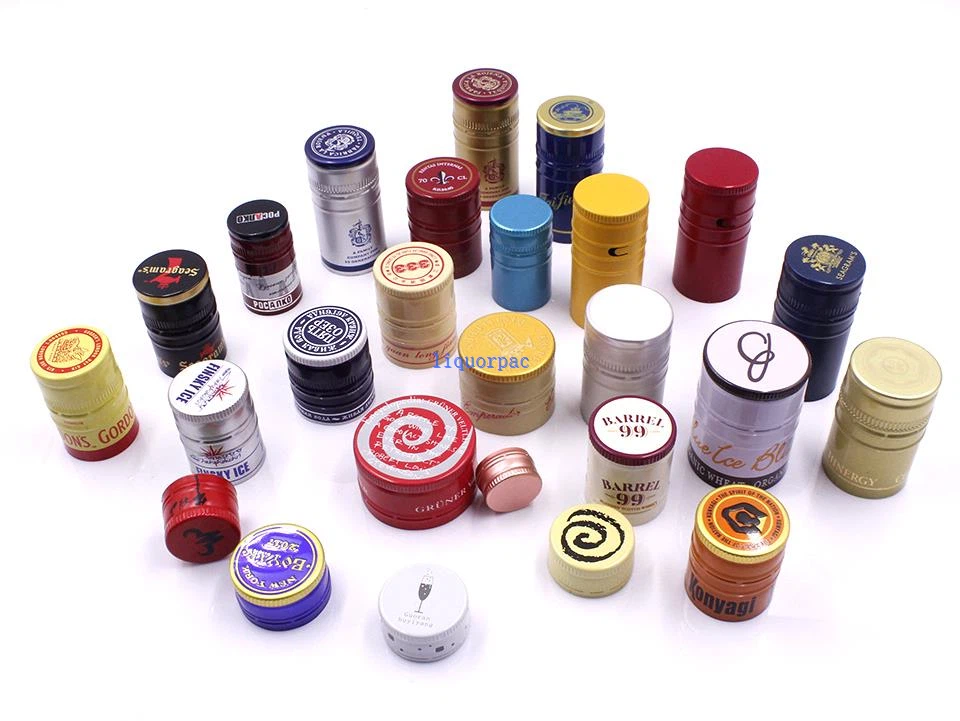
Common options include aluminum shell colors, plastic component colors, matte finishes, gloss finishes, metallic effects, brushed textures, top-disc printing, sidewall printing, embossed logos, debossed logos, hot stamping, custom closure height, capsule matching, sleeve matching, and color matching with labels or glass.
For premium visual identity, colors and finishes for spirits closures should be reviewed under real retail and back-bar lighting. A closure that looks perfect under studio light may shift visually next to tinted glass, metallic labels, or dark shelf environments.
For brands that need coordinated closure graphics, foils, labels, and outer packaging, decoration and branding can help align visual identity across the complete package. This matters because a closure with precise color, logo, finish, and structure is more difficult to copy convincingly than a plain stock cap.
Glass, Closure, and Packaging Alignment
Non-refillable closure performance depends heavily on bottle geometry. Neck finish, bore diameter, bead height, shoulder angle, bottle weight, and closure height all affect how the final package feels and performs.
When a project involves custom glass, closure, capsule, label, and carton development, packaging teams should avoid treating each component separately. A closure may be technically secure, but if it looks too tall, too narrow, too light, or visually mismatched, the overall pack can lose premium value.
For projects that require coordinated bottle and closure development, Kandacork Glass can support broader glass packaging alignment, while brands focused on lower-impact packaging choices can explore Kandacork Eco Glass for glass packaging context. The best result is a bottle system where the glass, closure, decoration, and security function feel designed together.
How to Choose Anti-Refill Closures for Your Spirits Brand
The best anti-refill closure depends on real commercial risk, not only appearance. A craft gin sold mainly through local retail may need a different system from a premium tequila exported to high-risk hospitality channels. A mass-market vodka may prioritize filling-line speed and cost efficiency, while a luxury cognac may prioritize premium decoration and layered authentication.
Brands should evaluate target market risk, spirits category, bottle value, glass bottle design, closure appearance, filling line compatibility, anti-refill strength, tamper-evident requirement, pouring experience, decoration complexity, order quantity, and project timeline.
This process helps avoid costly packaging changes after launch.
Testing Checklist Before Bulk Production
Before ordering non-refillable closures in volume, spirits brands should complete a structured testing process.
Recommended checks include bottle drawing review, physical bottle sample review, neck finish measurement, closure fit test, application test on capping equipment, leakage test, opening force test, tamper-evident band break test, anti-removal strength test, anti-refill performance test, pouring flow test, drip-control review, decoration approval, transport simulation, and market compliance review.
This testing process reduces risk before mass production and helps prevent leakage, poor opening, visual mismatch, or line stoppage.
Information Needed for an Accurate Quote
To recommend the right closure, Kandacork Closures needs clear project information. Useful details include bottle drawing, physical bottle sample, neck finish measurements, spirits category, fill volume, preferred closure type, required anti-refill function, tamper-evident requirements, decoration requirements, filling line type, target market, order quantity, project timeline, and packaging photos or design references.
For a practical next step, send your bottle drawing, neck finish, target market, decoration requirements, closure performance needs, and annual quantity through the custom closure quote page to request a non-refillable closure fit review.
Why Work With Kandacork Closures
Kandacork Closures helps spirits brands develop closure systems that combine security, usability, technical fit, and premium design. For brands concerned about refill fraud, tampering, unauthorized bottle reuse, or counterfeit risk, non-refillable closures provide a practical packaging-level solution.
The focus is not only supplying closures. It is helping brands match the closure to the bottle, filling line, product category, market risk, and brand identity. For buyers comparing modular anti-refill options, non-refillable closure solutions can support projects that need security level selection, brand-matched design, and production-ready sampling.
FAQ
What does NRF closure mean?
NRF closure means non-refillable closure. It is a closure system designed to let liquid pour out while making it difficult to refill the bottle after opening.
What are non-refillable closures used for?
Non-refillable closures are used to reduce refill fraud, bottle reuse, tampering, and unauthorized resale. They are common in spirits packaging, especially for premium, export, and hospitality channels.
Can non-refillable closures stop counterfeiting completely?
No. Non-refillable closures cannot stop all counterfeiting, but they can reduce bottle reuse and refill fraud. They work best with tamper-evident features, custom decoration, serialized codes, and controlled distribution.
What is the difference between tamper-evident and non-refillable?
Tamper-evident packaging shows that a bottle has been opened. Non-refillable packaging helps prevent the bottle from being refilled after opening. Many spirits brands use both functions together.
Are non-refillable closures suitable for premium spirits?
Yes. Non-refillable closures are suitable for premium whisky, vodka, rum, gin, tequila, brandy, cognac, and liqueurs because these products often face higher bottle reuse and counterfeit risk.
Do I need bottle samples before ordering?
Yes. Bottle samples or accurate drawings are strongly recommended because neck finish, bore size, sealing surface, thread profile, and tolerance all affect closure fit and performance.
Can non-refillable closures be customized?
Yes. Non-refillable closures can be customized with colors, aluminum shells, plastic components, printed top discs, embossing, sidewall printing, hot stamping, matte finishes, metallic finishes, and capsule-matching designs.
Which spirits markets need non-refillable closures most?
Non-refillable closures are most valuable in export markets, duty-free channels, hospitality channels, premium retail, and regions where bottle reuse or counterfeit spirits are known concerns.
How do I choose the right anti-refill closure?
Choose the closure based on bottle neck finish, filling line compatibility, market risk, tamper-evident needs, pouring performance, decoration goals, and target price range.
What information is needed for a non-refillable closure quote?
A supplier usually needs bottle drawings, physical samples, neck finish measurements, spirits category, closure type, decoration requirements, filling line details, target market, order quantity, and project timeline.
Conclusion
Non-refillable closures are an important part of modern spirits brand protection. They help reduce unauthorized refilling, support tamper-evident packaging, protect premium positioning, and improve consumer confidence across retail, export, hospitality, and duty-free channels.
The right closure should do more than seal the bottle. It should fit the neck finish, run smoothly on the filling line, pour cleanly, support the brand’s visual identity, and reduce the risk of bottle reuse.
Kandacork Closures helps spirits brands choose and customize non-refillable closures for real packaging challenges. A strong project starts with accurate bottle drawings, sample testing, market-risk review, decoration planning, and a closure structure matched to the actual filling line and target channel.