Introduction
For most spirits packaging buyers, the first question is simple: will this bar-top stopper fit my bottle neck correctly? A bar-top stopper drawing review before production helps answer that question before tooling, sample approval, bulk manufacturing, or bottling begins.
For spirits brands, distilleries, private label buyers, importers, distributors, bottlers, and packaging buyers, the stopper drawing is more than a technical file. It connects bottle neck compatibility, shank diameter, cap design, material selection, decoration feasibility, sample testing, quality control, and final quotation.
Many packaging problems start before production. A cork shank may look correct in a 3D rendering but fit too loosely in the real bottle neck. A wood cap may look premium on screen but appear oversized on the bottle. A logo may look sharp in artwork but lose detail after embossing, debossing, laser engraving, or hot stamping. A missing tolerance note may not become visible until bulk inspection.
This guide explains how to review bar-top stopper drawings before production, reduce leakage and rework risk, evaluate supplier capability, and move confidently toward sample requests or quotation inquiries with Kandacork Closures.
Need help checking stopper fit? Send your bottle neck drawing and target stopper style to Kandacork Closures for a preliminary fit review.
Quick Answer: How Should Buyers Review Bar-Top Stopper Drawings Before Production?
Buyers should check cap dimensions, shank diameter, insertion depth, bottle neck inner diameter, material structure, tolerances, logo position, decoration feasibility, sample testing requirements, and supplier QC standards. The stopper drawing should be reviewed against the bottle drawing and physical bottle samples whenever possible.
What Is a Bar-Top Stopper Drawing?
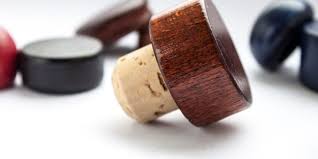
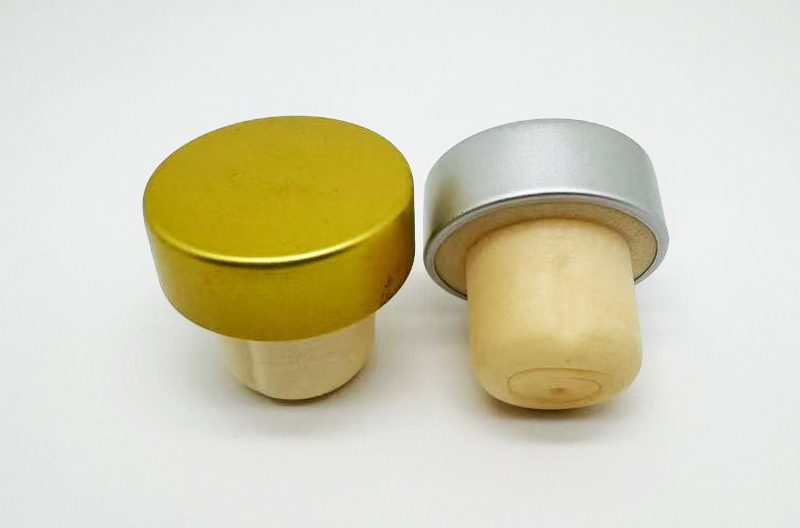
A bar-top stopper drawing is a technical document that defines the size, structure, materials, decoration, tolerances, and approval requirements of a bar-top closure. It usually includes the decorative top cap, lower sealing shank, assembly details, logo area, color or finish reference, material specification, and drawing revision number.
A complete drawing should help buyers answer five practical questions:
Will the stopper fit the bottle neck?
Will the shank seal the product consistently?
Will the cap look proportional on the bottle?
Can the logo be reproduced clearly?
Can the supplier control the approved specification during bulk production?
If a drawing only shows a visual concept without measurable details, it should be treated as a design reference, not a production approval document. Buyers comparing closure structures can also review Kandacork Closures’ broader range of bottle stoppers and closures for spirits packaging projects.
Why Drawing Review Matters Before Production
A bar-top stopper is both a functional closure and a visible brand element. It must seal the spirit, support a smooth opening experience, stay stable during transport, and reinforce the brand’s shelf image.
A proper bar-top stopper drawing review before production helps prevent loose fit, difficult insertion, leakage, tilted cap appearance, logo misalignment, wrong cap overhang, inconsistent pull-out force, production rework, delayed bottling, and distributor rejection.
The cost of changing a drawing is usually low. The cost of correcting finished closures, delaying shipment, or handling leaking bottles is much higher.
Bar-Top Stopper Drawing Review Checklist
Before sample confirmation or bulk production, buyers should review the stopper drawing as a technical, visual, and commercial approval file.
| Category | Drawing Item | What to Check | Why It Matters | Buyer Action |
|---|---|---|---|---|
| Functional | Shank diameter | Compare with bottle inner diameter | Controls sealing, leakage risk, and pull-out force | Test with real bottle samples |
| Functional | Shank length | Confirm insertion depth | Prevents weak sealing or over-insertion | Check against neck profile |
| Functional | Taper profile | Review contact area inside the neck | Improves fit consistency | Ask supplier to explain fit logic |
| Functional | Assembly depth | Check cap-to-shank connection | Reduces head separation risk | Confirm assembly standard |
| Visual | Cap diameter | Compare with neck and shoulder | Controls visual proportion and overhang | Review with bottle mockup |
| Visual | Cap height | Check total bottle height | Affects premium look and carton fit | Confirm with packaging layout |
| Visual | Logo area | Check size, position, and method | Prevents unclear branding | Request decoration proof |
| Visual | Color and finish | Confirm Pantone, stain, coating, or texture | Controls brand consistency | Approve physical sample |
| Packaging | Total height | Check stopper with bottle and carton | Prevents gift box or case mismatch | Confirm final pack-out |
| Quality | Tolerances | Identify critical dimensions | Reduces batch variation | Ask for QC inspection criteria |
| Quality | Revision number | Confirm latest approved version | Avoids production from old files | Use signed drawing approval |
This checklist gives buyers a practical way to compare suppliers. A strong supplier should be able to explain each item, not only quote a unit price.
Suggested image alt text: bar-top stopper drawing with cap diameter and cork shank dimensions
Common Bottle Neck and Shank Size Examples
Many buyers first search for bar-top stopper size by bottle neck opening. A common starting point is to use a shank diameter slightly larger than the bottle neck inner diameter. However, this should never replace physical testing.
| Bottle Neck Inner Diameter | Common Starting Shank Reference | Review Note |
|---|---|---|
| 18.5 mm | Around 19.5 mm | Confirm with real bottle samples before production |
| 21.5 mm | Around 22.5 mm | Check neck taper, insertion depth, and pull-out force |
| Custom bore | Supplier-recommended size | Measure the internal neck profile first |
This table is only a starting reference. Final fit depends on the bottle inner profile, glass tolerance, shank material, compression recovery, insertion depth, storage conditions, and filling process. For a broader explanation of stopper structure, shank behavior, and fit logic, buyers can read the bar-top stopper guide for spirits bottles.
Match the Stopper Drawing With the Bottle Neck Drawing
The stopper drawing should never be reviewed alone. It must be checked against the bottle drawing, especially the neck finish, inner bore, top land, and insertion area.
The bottle neck inner diameter is one of the most important dimensions for bar-top stopper fit. Buyers should confirm both the nominal size and the tolerance range.
Key questions include:
What is the nominal bore size?
What are the upper and lower tolerance limits?
Is the neck straight or tapered?
Is there a pinch point inside the neck?
Does the internal diameter change below the opening?
Are bottles produced from one mold or multiple molds?
Has the bottle supplier confirmed actual production tolerance?
A common sizing rule may help with early selection, but it is not enough for final approval. The supplier should review the drawing, measure actual bottle samples, and confirm whether the shank diameter, shank length, and insertion depth are suitable for the real bottle.
Suggested image alt text: bottle neck inner diameter for bar-top stopper fit review
Check the Bottle Finish and Top Land
The bottle finish affects how the stopper sits on the neck. Even if the shank seals properly, the cap may look wrong if it appears too wide, too tall, uneven, or tilted.
Review top land flatness, rim thickness, neck outer diameter, neck height, shoulder transition, capsule clearance, tamper-evident band clearance, and neck label position.
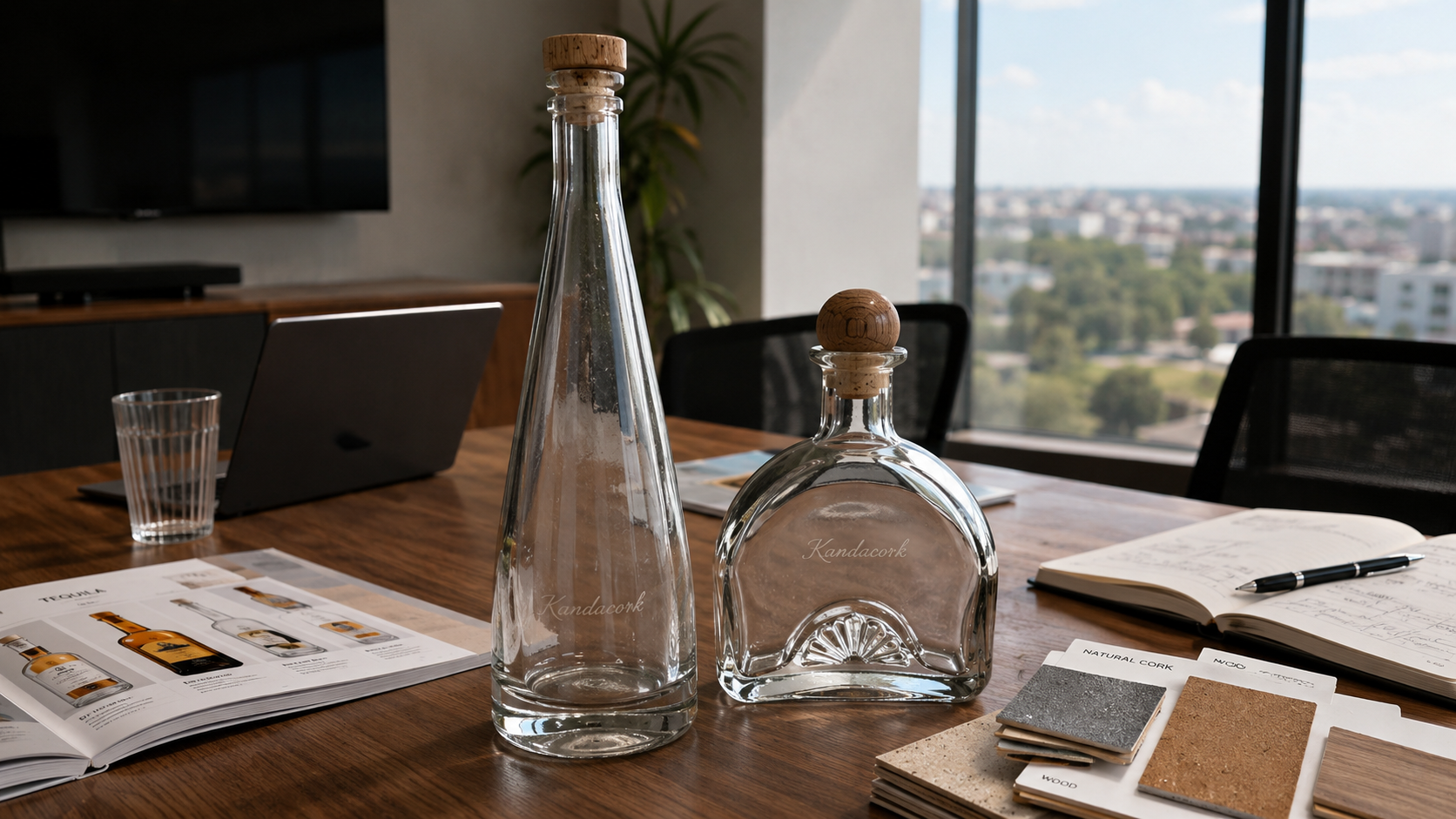
For spirits brands using capsules, tax strips, neck labels, or gift boxes, the stopper drawing should be reviewed together with the complete packaging system. If the bottle is still being developed, coordinating the closure review with a complete custom spirits bottle project can help align bottle finish, stopper size, label position, and carton layout before production.
Confirm Physical Bottle Samples
A bottle drawing is useful, but real bottle samples are essential before final production approval. Physical samples can reveal neck ovality, mold variation, glass thickness inconsistency, insertion resistance, loose fit, and unexpected cap position.
For custom or high-risk projects, buyers should send several bottles from the intended production batch, not just one display sample. Multiple samples help the supplier check bottle-to-bottle variation and reduce the risk of approving a stopper based on one unusually tight or loose neck.
Before bulk production, buyers should test the stopper with actual bottles from the intended bottle supplier.
Material and Decoration Review
Material selection affects stopper performance, appearance, cost, MOQ, production lead time, and brand positioning. The right choice depends on bottle neck design, spirit type, alcohol by volume, target price range, and desired brand image.
| Material Option | Best Use | Buyer Consideration |
|---|---|---|
| Natural cork shank | Traditional and premium spirits packaging | Natural variation should be accepted and tested |
| Micro-agglomerated cork shank | More controlled cork appearance and structure | Suitable when consistency is important |
| Synthetic cork shank | Stable size and clean appearance | Compression feel may differ from cork |
| Polymer shank | High dimensional consistency | Product compatibility should be reviewed |
| Wood cap | Warm, premium, natural look | Grain and stain variation should be approved by sample |
| Plastic cap | Flexible color and shape options | Finish quality affects premium perception |
| Metal cap | Luxury and weight perception | Cost, surface finish, and assembly should be checked |
| Glass cap | Distinctive high-end presentation | Breakage risk and assembly method must be reviewed |
Branding details should be reviewed before sample production. A logo that looks clear in a large artwork file may not work on a small cap.
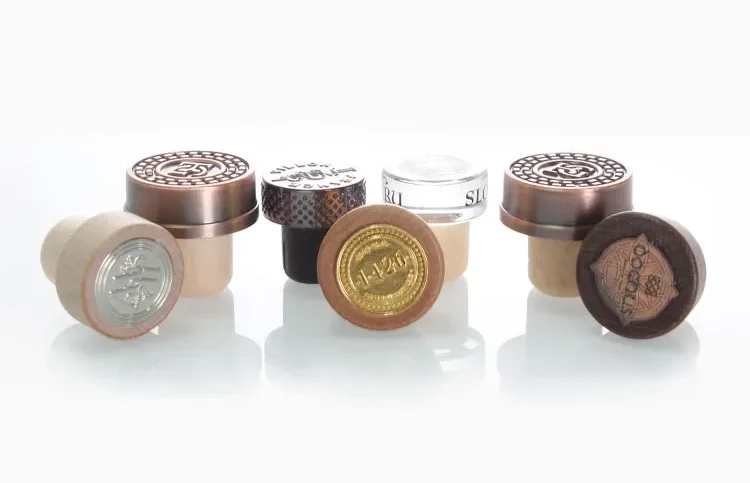
Buyers should confirm top logo diameter, side logo position, embossing depth, debossing depth, laser engraving area, hot stamping area, pad printing area, minimum text size, and registration tolerance.
Color and finish should also be defined clearly. Words such as “black,” “gold,” “natural,” or “premium” are not precise enough for production control. Use Pantone numbers, approved color swatches, wood stain samples, matte or gloss references, brushed or polished finish standards, coating requirements, texture direction, and approved pre-production samples.
For premium spirits packaging, the physical sample should become the final reference for material, color, finish, logo effect, and hand feel. Buyers comparing head, shank, bonding, and decoration areas can use the bar-top stopper components guide to prepare clearer specifications before supplier review.
Production Feasibility and Sample Testing
A good drawing must be manufacturable. Before approving tooling or sampling, buyers should ask the supplier to confirm mold feasibility, assembly feasibility, decoration feasibility, and QC feasibility.
Custom cap designs may involve molding, machining, casting, stamping, polishing, painting, or assembly. Potential risks include sharp edges, thin walls, deep undercuts, excessive logo depth, complex 3D surfaces, material shrinkage, difficult demolding, and high polishing requirements.
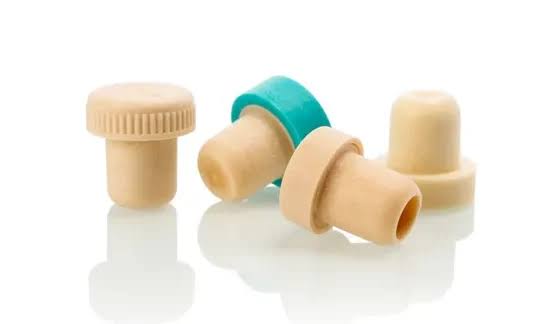
Most bar-top stoppers combine a decorative cap with a lower sealing shank. The connection must remain stable during opening, reclosing, shipment, and storage. Buyers should review cap and shank bonding method, assembly depth, shank centering, vertical alignment, glue or mechanical lock, head separation risk, pull-out consistency, and visual inspection standards.
Decoration feasibility should also be confirmed before sample approval. Fine logo lines may disappear during embossing. Foil may not transfer evenly on textured surfaces. Laser engraving may vary on natural wood. The drawing should define what can be produced consistently, not only what looks attractive in a concept image.
After drawing approval, buyers should test samples with real bottles and realistic handling conditions.
Recommended checks include:
Insertion force test
Pull-out force test
Inverted leakage test
Upright storage test
Temperature exposure test
Transport vibration check
Repeated opening and reclosing test
Cap alignment inspection
Odor review
Visual defect inspection
Testing should match the actual product. A high-ABV spirit, flavored liqueur, oil-based infusion, or limited-edition product may require additional review. Storage temperature, shipping route, bottle orientation, and destination market can also affect performance requirements.
For export packaging and quality planning, the International Safe Transit Association publishes ISTA test procedures that packaging teams often reference when evaluating transport stress, vibration, temperature exposure, and shipment protection. For material review, buyers should also consider destination-market expectations for components that may contact food or beverage products, including the U.S. FDA’s information on food-contact substances.
Suggested image alt text: bar-top stopper sample testing before bulk production
What Happens If the Drawing Is Approved Too Early?
Approving a bar-top stopper drawing too early can create commercial problems beyond the closure itself. Possible consequences include sample rework cost, mold modification delay, shipment postponement, filling line interruption, leakage complaints, distributor rejection, retail launch delay, packaging redesign, and brand image damage.
For example, a private label buyer may approve a stopper based on a rendering before the bottle supplier confirms the actual neck inner diameter. When physical bottles arrive, the stopper may fit too tightly or too loosely. This can force a second sample round, delay quotation confirmation, and push back the bottling schedule.
A professional bar-top stopper drawing review before production helps prevent these issues before they become expensive.
Supplier Capability Checklist for Bar-Top Stopper Projects
A reliable stopper supplier should provide technical support, not only product photos and prices. Buyers should evaluate whether the supplier can review fit, materials, decoration, samples, and production control.
| Supplier Capability | Basic Supplier | Strong Supplier |
|---|---|---|
| Drawing support | Provides product photo only | Provides 2D drawing, 3D view, or CAD support |
| Neck fit review | Uses generic size rule | Checks bottle drawing and physical sample |
| Material advice | Offers standard options only | Recommends material based on product, bottle, and brand |
| Decoration review | Confirms verbally | Provides decoration proof or sample |
| Tolerance control | Not clearly defined | Defines critical dimensions and QC criteria |
| Sample process | Sends available stock sample | Produces project-specific sample |
| Revision control | Uses email confirmation only | Tracks approved drawing version |
| Commercial support | Quotes unit price only | Supports sample request, quotation, and production plan |
The approved drawing version should match the sample approval record, quotation, purchase order, QC checklist, and packing specification. This prevents production teams from using an old drawing or an unapproved revision.
Kandacork Closures supports buyers by reviewing stopper structure, material options, neck compatibility, decoration feasibility, sample requirements, and production readiness. For projects where fit, leakage risk, dimensional checks, visual inspection, or export packing need to be confirmed, Kandacork Closures’ quality and testing support helps connect drawing approval with practical production control.
What to Send for Drawing Review and Quotation
To start a bar-top stopper drawing review before production, send as much project information as possible. Complete information helps improve quotation accuracy and reduce unnecessary sample revisions.
For technical review, buyers should send:
Bottle technical drawing
Bottle neck finish drawing
Physical bottle samples if available
Spirit type and alcohol by volume
Fill volume and fill temperature
Preferred cap and shank material
Logo file
Pantone or color reference
Decoration method
Target order quantity
Destination market
Timeline
Packing requirements
Before production approval, buyers should confirm:
Approved stopper drawing
Approved bottle neck drawing
Approved material sample
Approved color sample
Approved decoration proof
Approved tolerance sheet
Approved QC inspection criteria
Approved packing specification
Approved quotation and lead time
Approved drawing revision number
Send Kandacork Closures your bottle neck drawing, stopper concept, logo file, target quantity, and destination market to receive a fit review, sample recommendation, and quotation plan.
If some details are not available, Kandacork Closures can still begin with a preliminary review. However, final production approval should be based on confirmed bottle dimensions, approved samples, and functional testing.
From Review to Sample Request and Quotation
A practical sourcing process should be simple and controlled.
First, the buyer sends bottle drawings, neck details, logo files, target quantity, and preferred stopper style.
Kandacork Closures reviews fit, material, decoration, feasibility, sample requirements, and production risks.
Samples are then produced and tested with real bottles. If needed, the drawing is revised before final approval.
After the specification is confirmed, the buyer can approve the final drawing, quotation, lead time, packing method, and production plan.
This workflow helps spirits packaging buyers reduce technical risk before committing to mold cost, sample cost, or bulk production. To move from drawing review to sampling and pricing, buyers can request a custom closure quote with bottle drawings, sample photos, logo files, and target order details.
FAQ
What is a bar-top stopper drawing review before production?
A bar-top stopper drawing review before production is the process of checking stopper dimensions, shank fit, cap shape, material, logo placement, tolerances, sample requirements, and production feasibility before samples or bulk manufacturing begin.
Can I approve a bar-top stopper drawing without bottle samples?
You can approve an early concept without bottle samples, but final production approval should include physical bottle testing. For custom projects, buyers should send several bottles from the intended production batch whenever possible to check neck tolerance, insertion feel, bottle-to-bottle variation, and stopper fit.
What is the most important dimension on a bar-top stopper drawing?
The shank diameter is usually the most important functional dimension because it affects sealing, insertion force, leakage risk, and pull-out performance. Shank length and insertion depth are also critical.
Is the common 1 mm oversize rule enough for stopper sizing?
No. The 1 mm oversize rule can be a starting point, but it is not enough for final approval. Buyers should also review bottle neck inner profile, taper, tolerance, shank material, compression behavior, and physical sample testing.
What causes a bar-top stopper to leak?
Common causes include incorrect shank diameter, poor neck fit, insufficient compression, inconsistent bottle neck dimensions, unsuitable material, poor assembly, product compatibility issues, and lack of sample testing before bulk production.
What should buyers send when requesting a quotation?
Buyers should send bottle drawings, neck finish details, physical bottle samples if available, target quantity, spirit type, alcohol by volume, material preference, logo file, color reference, destination market, packing requirements, and timeline.