Anti-refill systems and standard screw caps serve different packaging purposes. This guide compares their structure, sealing method, tamper-evident function, cost considerations, bottle compatibility and typical use cases for spirits bottle projects.
Quick Answer
Non-refillable closures are better for premium spirits, export channels, hospitality, duty-free, distributor-heavy supply chains, and markets with refill or counterfeit risk. Screw caps are better for cost-sensitive products that need simple sealing, easy opening, resealing convenience, and efficient bottling.
Some screw caps can also be engineered as non-refillable closures when they include an internal anti-refill insert, valve, or controlled-pour system. This makes the comparison more nuanced than “security cap versus simple cap.” The right answer depends on product value, bottle neck finish, filling method, target market, and the level of post-sale control the brand needs.
What Are Screw Caps?
Screw caps are threaded bottle closures that open and close by twisting. They are commonly made from aluminum, plastic, or composite materials and may include liners, tamper-evident bands, printed decoration, embossing, debossing, color coating, or decorative top discs.
For spirits packaging, screw caps are widely used on vodka bottles, gin bottles, liqueur bottles, mini spirits bottles, RTD cocktails, flavored spirits, and value-oriented private-label products. They are practical, familiar to consumers, and efficient for high-volume filling lines.
Screw caps are often chosen because they provide easy opening, resealing convenience, cost efficiency, automated bottling compatibility, and flexible branding options. For many standard spirits bottles, a well-matched screw cap can provide reliable sealing and a clean retail appearance.
However, standard screw caps are not always designed to stop refilling. A tamper-evident band may show that the bottle has been opened, but it does not necessarily prevent the container from being refilled after first use. This difference matters when a brand is selling high-value spirits in channels where product substitution or unauthorized refilling can damage consumer trust.
What Are Non-Refillable Closures?
Non-refillable closures, also called NRF closures, anti-refill closures, controlled-pour closures, or anti-counterfeit closures, are security-focused bottle closures designed to reduce the risk of unauthorized refilling after opening.
A typical non-refillable closure may include an outer cap, tamper-evident band, internal pourer insert, sealing component, flow-control channel, and one-way valve system. The exact structure depends on the bottle neck, liquid type, filling method, market requirement, and desired consumer experience.
Non-refillable closures are especially common in spirits packaging because alcohol brands may face refill fraud, counterfeit substitution, and channel-control problems after the bottle leaves the filling line. The OECD–EUIPO counterfeit trade report shows why product authenticity remains a serious business and consumer-safety concern across global supply chains.
For spirits brands, non-refillable closures help make unauthorized refilling more difficult, provide visible or functional tamper control, support brand protection in higher-risk markets, improve consumer confidence at opening, and add controlled pouring or anti-drip performance.
Non-refillable closures are often used for whisky, vodka, gin, rum, tequila, mezcal, brandy, cognac, liqueur, and premium private-label spirits. They are also valuable for duty-free, travel retail, export markets, hotel and bar channels, and distributor-heavy supply chains.
Non-Refillable Closures vs Screw Caps: The Main Difference
The main difference between non-refillable closures vs screw caps is the level of security.
A screw cap is mainly designed to seal, open, and reseal the bottle. A non-refillable closure is designed to reduce refilling and support brand protection after the bottle has entered the market.
This means the comparison is not only about appearance. Two closures may look similar from the outside but perform very differently inside. A simple screw cap may have threads and a liner. A non-refillable closure may include a hidden pourer insert, anti-refill valve, tamper-evident bridge, and controlled-flow structure.
For procurement teams, the key question is not “Which cap looks better?” The better question is “What risk does this closure need to control?”
If the product is low-risk, cost-sensitive, and sold through predictable retail channels, a standard screw cap may be the most efficient option. If the product is premium, exported, distributed through multiple intermediaries, or exposed to refill fraud, a non-refillable closure may be worth the added investment.
Comparison Table
| Factor | Standard Screw Caps | Non-Refillable Closures |
|---|---|---|
| Main purpose | Sealing and resealing | Anti-refill protection and brand security |
| Best for | Cost-sensitive and low-risk products | Premium spirits and high-risk markets |
| Reusability | Usually resealable | Designed to prevent or discourage refilling |
| Security level | Basic to moderate | Moderate to high |
| Tamper evidence | Optional band or bridge | Often combined with tamper-evident features |
| Pour control | Basic pouring | Can include controlled-pour inserts |
| Unit cost | Usually lower | Usually higher |
| Technical validation | Fit, torque, liner, and leak testing | Neck fit, valve, insert, pour, leak, and tamper testing |
| Brand positioning | Practical and accessible | Premium, protected, and security-focused |
| Buyer priority | Cost and convenience | Protection and channel control |
Decision Matrix: Which Closure Should You Choose?
| Packaging Situation | Recommended Closure |
|---|---|
| Low-cost domestic spirit | Standard screw cap |
| Entry-level liqueur or RTD cocktail | Standard screw cap or tamper-evident screw cap |
| Mid-market bottle needing visible first-open control | Tamper-evident screw cap or ROPP closure |
| Premium spirit in export markets | Non-refillable closure |
| Bar, hotel, or hospitality channel | Controlled-pour non-refillable closure |
| Buyer wants screw-cap convenience plus stronger security | Non-refillable screw cap |
| High-value limited edition | Custom NRF closure with premium decoration |
| Product with refill or counterfeit exposure | Anti-refill closure for spirits bottles |
This decision matrix helps buyers compare non-refillable closures vs screw caps based on business risk, channel exposure, bottle value, and required security level instead of only unit price.
Are Non-Refillable Closures Better Than Screw Caps?
Non-refillable closures are better when the main goal is anti-refill protection, counterfeit prevention, controlled pouring, and premium brand security. Screw caps are better when the main goal is simple resealing, lower cost, high-speed production, and consumer convenience.
Neither option is automatically better for every bottle. The right choice depends on the product, market, and channel.
A standard screw cap may be suitable for entry-level spirits, RTD cocktails, mini bottles, domestic low-risk retail channels, private-label programs with tight cost targets, and products where resealing convenience is more important than anti-refill security.
A non-refillable closure may be more suitable for premium whisky, vodka, rum, gin, tequila, brandy, cognac, and liqueur; export spirits; duty-free bottles; bar and hospitality channels; high-counterfeit markets; distributor-controlled alcohol markets; and products with strong brand protection requirements.
For high-value spirits, the cost of a more secure closure should be compared with the potential cost of brand damage, consumer complaints, gray-market refilling, and lost trust. A cheaper closure is not always the lowest-risk choice.
Can a Screw Cap Be Non-Refillable?
Yes. A screw cap can be engineered as a non-refillable screw cap if the closure includes an internal anti-refill insert, pourer, valve, or tamper-control system.
This is why buyers should avoid comparing closure options only by outer appearance. “Screw cap” refers to how the closure opens, closes, or applies to the bottle. “Non-refillable” refers to what the closure is designed to prevent.
A non-refillable screw cap may still look familiar to consumers, but inside the closure it can include a controlled-pour component or one-way system that makes refilling difficult. This type of structure can be useful when a brand wants the convenience of a screw cap but needs more protection than a basic threaded closure provides.
For buyers choosing between screw-cap convenience and anti-refill protection, Kandacork can review whether a standard screw cap, ROPP closure system, non-refillable screw cap, or full NRF system is more suitable for the bottle design and market requirement.
Tamper-Evident vs Non-Refillable Closures
Tamper-evident and non-refillable are related, but they are not the same.
A tamper-evident closure is designed to show visible evidence after opening. This may include a broken band, tear-off strip, bridge break, or damaged sleeve. A non-refillable closure goes further by reducing the ability to refill the bottle after it has been opened.
Many spirits closures combine both functions. For example, a closure may have a tamper-evident band to show first opening and an internal pourer insert to reduce refill risk. This combination is especially valuable for premium spirits and export packaging.
In the United States, the Alcohol and Tobacco Tax and Trade Bureau states that distilled spirits plants and importers must securely affix a tamper-evident closure or similar device to bottles or containers of distilled spirits. For brands selling into regulated markets, closure selection should be reviewed together with applicable packaging, labeling, and distribution requirements.
Why Closure Security Matters for Spirits Brands
Spirits are not ordinary packaged goods. Many bottles contain high-value liquid, premium branding, tax-sensitive alcohol, and strong consumer expectations around authenticity. Once a bottle leaves the filling line, the brand has less control over how the package is handled across distributors, warehouses, retail stores, bars, hotels, clubs, and secondary markets.
This is why non-refillable closures are not only a technical packaging feature. They are part of a wider brand protection strategy.
A secure closure can help protect premium price positioning, reduce product substitution risk, support distributor confidence, strengthen consumer trust at opening, improve export channel control, and make counterfeit bottle reuse more difficult.
For a spirits brand, the bottle closure is one of the first physical signs of product integrity. A weak closure can make a high-value product feel underprotected. A well-designed closure can support the brand story, reinforce authenticity, and give distributors and consumers more confidence in the bottle.
Technical Factors Buyers Should Check Before Choosing
Before comparing non-refillable closures vs screw caps, buyers should confirm the bottle and filling details. A closure that looks correct in a catalog may still fail if it does not match the neck finish, liner requirement, sealing surface, or capping equipment.
Bottle Neck Finish
The closure must match the bottle neck diameter, thread profile, bore size, bead height, sealing surface, and glass tolerance. Even small dimensional differences can affect leakage, cap spinning, opening force, or tamper-band break behavior.
For non-refillable closures, neck details are even more important because the internal insert must seat correctly inside the bottle mouth. A poor insert fit can cause leakage, loose components, slow pouring, or inconsistent security performance.
When a closure project is developed together with the bottle, suppliers can reduce mismatch between glass tolerance, thread profile, shoulder shape, cap height, and decorative finish. Brands that need both containers and closures can coordinate with a specialist spirits bottle packaging partner before finalizing the closure style.
Liner and Sealing System
Screw caps often depend on liner compression for sealing. Common liner considerations include material compatibility, alcohol resistance, compression set, oxygen sensitivity, and storage conditions.
The FDA food-contact substance guidance is useful for understanding why closure liners, gaskets, plastic inserts, coatings, and other contact components should be reviewed for the intended beverage and market.
For spirits bottles, the closure system should be considered as part of the total package. Alcohol percentage, storage duration, filling temperature, capping pressure, and shipping environment can all affect final closure performance.
Insert and Valve Fit
Non-refillable closures require additional fit review because internal pourer inserts and anti-refill components must sit correctly inside the bottle neck. The insert should support secure retention, clean pouring, and anti-refill function without affecting the normal drinking experience.
A good anti-refill structure should make unauthorized refilling difficult while still allowing the consumer or bartender to pour smoothly. The ideal result is a closure that protects the product without making legitimate use inconvenient.
Application Torque and Capping Method
For screw caps and ROPP closures, application torque or roll-on setting must be controlled. Too little torque may cause leakage. Too much torque may deform components, damage the liner, or create poor opening experience.
Buyers should confirm whether the closure will be applied manually, semi-automatically, or automatically. Filling-line speed, capping-head type, torque setting, and operator consistency can all influence final performance.
Pouring Performance
For non-refillable closures, pour flow matters. The closure should support a controlled, clean pour without excessive dripping, blockage, or slow dispensing.
This is especially important for bars, restaurants, hotels, travel retail, and tasting rooms where the opening and pouring experience affects how the brand is perceived.
Transportation and Storage
Closures should be tested for leakage, vibration, temperature change, carton handling, and long-distance shipping. Export spirits may face more complex transport conditions than domestic products.
A closure that performs well in a sample room still needs to perform after filling, packing, palletizing, shipping, storage, and retail handling. Distribution testing frameworks such as ASTM D4169 are widely used to evaluate how packaged units perform under expected transportation hazards.
Closure Testing and Compliance Checklist
| Checkpoint | Why It Matters |
|---|---|
| Food-contact material review | Confirms liners, inserts, coatings, and plastics are suitable for beverage use |
| Neck-fit testing | Helps prevent leakage, cap spinning, poor insert seating, and unstable sealing |
| Tamper-evident behavior | Confirms visible first-open indication and proper break performance |
| Anti-refill function | Checks whether the closure reduces unauthorized refilling after opening |
| Torque or roll-on control | Supports sealing consistency and comfortable opening force |
| Pour-flow testing | Confirms clean dispensing for consumers, bartenders, and hospitality use |
| Leakage testing | Helps identify sealing problems before bulk production |
| Transport simulation | Reviews closure performance under vibration, handling, and temperature variation |
| Market regulation review | Helps align packaging with target-market requirements |
| Decoration durability | Checks whether printing, coating, embossing, or finish remains stable during handling |
This checklist connects packaging compliance, closure engineering, and buyer risk control. It is especially useful before placing a bulk order for custom non-refillable closures or spirits bottle screw caps.
Common Mistakes When Choosing Spirits Bottle Closures
Many closure problems happen before bulk production because the buyer selects a cap too quickly. Avoiding these mistakes can reduce sourcing risk and shorten the approval process.
Choosing by Appearance Before Confirming Neck Fit
A closure may look premium in a photo but still fail if the neck finish is not compatible. Bottle drawings, physical samples, and dimensional checks should come before final approval.
Confusing Tamper-Evident with Non-Refillable
A tamper-evident band shows opening evidence. It does not automatically prevent refill fraud. If refill prevention is the main concern, buyers should ask for an anti-refill insert, valve, or NRF structure.
Ignoring Filling-Line Compatibility
A closure must work with the actual filling and capping process. Torque, capping head, bottle stability, line speed, and operator method should be reviewed before bulk production.
Approving Decoration Before Performance Testing
Color, logo, embossing, and finish are important, but they should not be finalized before confirming sealing, opening, tamper evidence, and pour behavior. For complex premium programs, closure color, capsule finish, bottle decoration, and label placement should be reviewed together with a dedicated decoration and branding specialist so the final package looks cohesive and runs correctly.
Using a Basic Screw Cap in a High-Risk Export Channel
A standard screw cap may be cost-effective, but it may not provide enough security for premium spirits in markets with refill or counterfeit exposure.
Not Testing Pour Flow for Hospitality Use
For bar and hotel channels, a closure should not only protect the bottle. It should also pour cleanly and consistently during real service conditions.
Cost Comparison: Should You Pay More for Non-Refillable Closures?
Non-refillable closures usually cost more than standard screw caps because they include more components and require more technical validation. However, the buyer should not judge the decision by unit price alone.
A better framework is total packaging risk.
For a low-cost product sold in a controlled channel, a standard screw cap may deliver the best cost-performance ratio. For a premium bottle sold through export, hospitality, or duty-free channels, the added cost of a non-refillable closure may be justified by the protection it provides.
Brands should consider product retail price, market counterfeit risk, channel complexity, consumer trust requirements, distributor expectations, bottle design value, closure failure risk, brand reputation cost, technical validation cost, and long-term supply consistency.
A closure is a small part of the total package, but it controls access to the product. For high-value spirits, that makes closure selection a strategic decision.
Sustainability and Compliance Considerations
Closure selection should also consider material choice, recyclability, food-contact suitability, and market regulations.
In the European Union, the Packaging and Packaging Waste Regulation increases attention on packaging design, recyclability, material reduction, labeling clarity, and circularity. Spirits brands selling into Europe should consider how multi-material closures, decorative sleeves, metal shells, plastic inserts, and recyclability expectations affect long-term packaging decisions.
This does not mean every brand should choose the lightest or simplest closure. Premium spirits often require a balance between protection, presentation, functionality, and responsible material use. The goal is to choose a closure that performs correctly without unnecessary complexity.
For brands exploring glass, closure, and packaging coordination, an integrated custom glass packaging supplier can help align bottle structure, closure fit, decoration, cartons, and export packaging requirements from the start of the project.
How to Choose Between Non-Refillable Closures and Screw Caps
Choose standard screw caps if your priority is lower unit cost, easy opening, resealing convenience, high-speed filling-line efficiency, simple bottle sealing, familiar consumer experience, low-risk distribution, or entry-level and mid-market positioning.
Choose non-refillable closures if your priority is anti-refill protection, brand security, premium product positioning, export channel control, duty-free or hospitality sales, reduced counterfeit reuse risk, controlled pouring, or stronger consumer confidence.
Choose a non-refillable screw cap or ROPP NRF system if you need screw-cap convenience, tamper evidence, machine application efficiency, internal anti-refill protection, and a familiar appearance with upgraded security.
The strongest answer is not always one closure type. Many brands use different closure systems across product tiers. A standard screw cap may work for one SKU, while a non-refillable closure may be the better choice for a premium, export, or limited-edition range.
How to Choose a Non-Refillable Closure or Screw Cap Supplier
Choosing the right supplier is as important as choosing the right closure type. A reliable closure supplier should understand both brand presentation and technical packaging performance.
For custom non-refillable closures and spirits bottle screw caps, buyers should evaluate whether the supplier can review bottle neck fit, recommend the right closure structure, support sample development, and provide stable bulk supply.
A strong closure supplier should be able to support:
- Bottle drawing and physical sample review
- Screw cap, ROPP, and NRF closure comparison
- Neck-fit validation
- Liner, insert, and valve compatibility review
- Leak, torque, pour-flow, and tamper-evident testing
- Custom decoration, printing, embossing, and color matching
- MOQ planning and production scheduling
- Packaging consistency for repeat orders
- Export carton and shipping support
- Technical communication before bulk production
For buyers comparing suppliers, the lowest cap price should not be the only deciding factor. A closure that fails during filling, transport, or market use can create higher costs than the original unit-price difference. Supplier experience, sampling accuracy, quality control, and technical support can have a direct impact on project success.
How Kandacork Closures Helps Buyers Select the Right System
Kandacork Closures supports custom closure development for spirits bottles, including screw caps, ROPP closures, non-refillable closures, bar-top stoppers, capsules, shrink sleeves, and decorative stopper systems. Buyers can review the broader spirits closure and stopper range when comparing practical options for whisky, vodka, gin, rum, tequila, brandy, liqueur, and RTD packaging.
For buyers comparing non-refillable closures vs screw caps, Kandacork can help review both the commercial and technical side of the project. This includes closure structure recommendation, bottle neck-fit review, screw cap and NRF system comparison, material and finish selection, logo decoration, color matching, tamper-evident structure review, pourer compatibility, sample development, leak testing, opening-performance review, and bulk supply planning.
This helps buyers avoid common sourcing mistakes, such as choosing a closure based only on appearance, using a cap that does not match the neck finish, or approving decoration before technical fit has been validated.
Kandacork Closures can also help buyers compare practical sourcing routes. An entry-level spirits bottle may only need a decorated screw cap. A premium rum or tequila bottle may need a controlled-pour non-refillable closure. A brand exporting into higher-risk channels may need a custom anti-refill closure with visible tamper evidence and premium decoration.
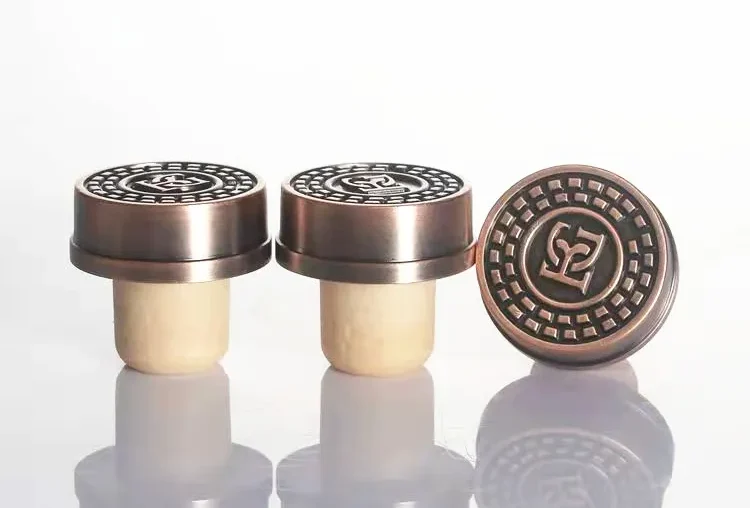
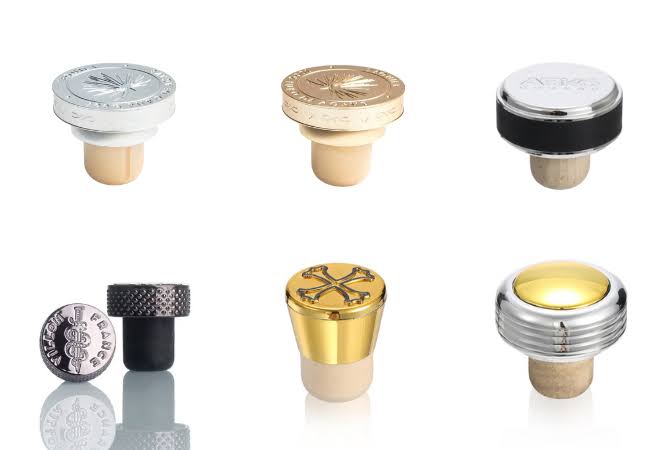
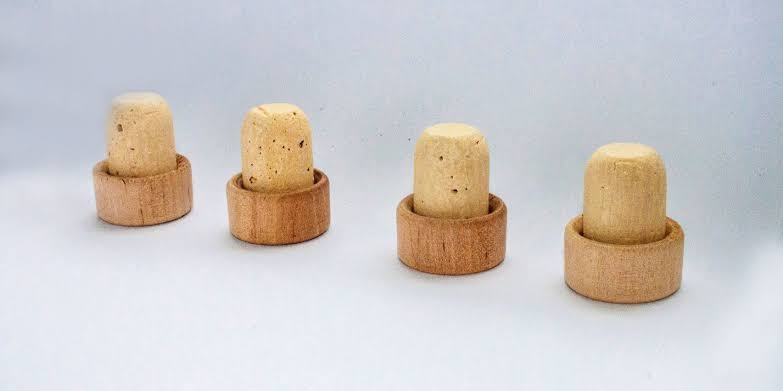
For projects that require premium stopper options instead of screw-cap systems, buyers can also compare wooden bar-top stoppers, glass stoppers, aluminum stoppers, metal stoppers, and synthetic stoppers according to bottle style, brand positioning, and neck-fit requirements.
What Information Is Needed for a Quote?
To recommend the right closure, Kandacork Closures typically needs the bottle drawing or physical bottle sample, neck finish dimensions, product type and alcohol percentage, bottle volume, target market, required security level, preferred closure type, filling and capping method, decoration requirements, color and finish preferences, estimated order quantity, packing requirements, shipping requirements, and target delivery schedule.
For non-refillable closures, bottle neck details are especially important because the internal insert and anti-refill system must fit correctly. A sample approval process is recommended before bulk production.
The more complete the project information, the easier it is to reduce closure-bottle mismatch, shorten sample approval time, and choose the right solution before mass production.
If the bottle program also needs a coordinated container, closure, decoration, and sustainability direction, buyers can explore eco-focused glass packaging support before locking the final cap format.
FAQs
What is the main difference between non-refillable closures and screw caps?
Screw caps are mainly designed for sealing, opening, and resealing. Non-refillable closures are designed to reduce unauthorized refilling and support stronger brand protection.
Are screw caps tamper-evident?
Some screw caps include tamper-evident bands or bridges. However, tamper evidence is not the same as anti-refill protection. A tamper-evident screw cap may show first opening but may not prevent refilling.
Are non-refillable closures suitable for all spirits bottles?
Non-refillable closures are suitable for many spirits bottles, but the final design depends on bottle neck finish, insert fit, filling method, product type, and security requirement.
Do non-refillable closures cost more than screw caps?
Usually yes. Non-refillable closures often include more components, such as pourer inserts, valve systems, tamper-evident parts, and decorative shells. They also require more technical testing.
Can a screw cap be non-refillable?
Yes. A screw cap can be designed as a non-refillable screw cap if it includes an internal anti-refill insert, pourer, valve, or security structure.
Which closure is better for premium spirits?
For premium spirits, non-refillable closures are often better when the product faces refill risk, counterfeit exposure, export complexity, or brand protection requirements. For lower-risk products, a decorated screw cap may be sufficient.
What should buyers test before bulk ordering?
Buyers should test neck fit, sealing performance, leakage resistance, opening force, tamper-evident break behavior, pour flow, capping compatibility, and transport stability.
When should a brand not use a non-refillable closure?
A brand may not need a non-refillable closure if the product is low-risk, low-cost, sold through controlled domestic channels, and does not require anti-refill protection. In that case, a standard screw cap or tamper-evident screw cap may be more cost-effective.
How do buyers choose the right closure supplier?
Buyers should choose a supplier that can review bottle neck fit, provide closure samples, support custom decoration, test sealing and pour performance, and maintain consistent quality for bulk production.
Conclusion
The decision between non-refillable closures vs screw caps should be based on risk, not only cost.
Screw caps are practical, economical, and convenient for many spirits bottles. They are ideal when resealing, speed, and cost efficiency are the main priorities.
Non-refillable closures are better when brand protection, anti-refill performance, controlled pouring, and premium market confidence matter more. They are especially valuable for export spirits, duty-free bottles, hospitality channels, distributor-heavy markets, and high-value products where unauthorized refilling can damage brand reputation.
For many spirits brands, the best solution is a structured comparison. Start with the bottle neck, product value, filling method, market risk, and desired consumer experience. Then choose the closure system that protects both the liquid and the brand.
Kandacork Closures helps spirits brands compare screw caps, ROPP closures, non-refillable closure systems, capsules and shrink sleeves, and premium glass stopper solutions based on technical fit, packaging performance, custom branding, and bulk supply requirements. Send your bottle drawing, neck finish, filling method, target market, and closure security requirement to Kandacork Closures for a screw cap, ROPP, or non-refillable closure recommendation before bulk production.