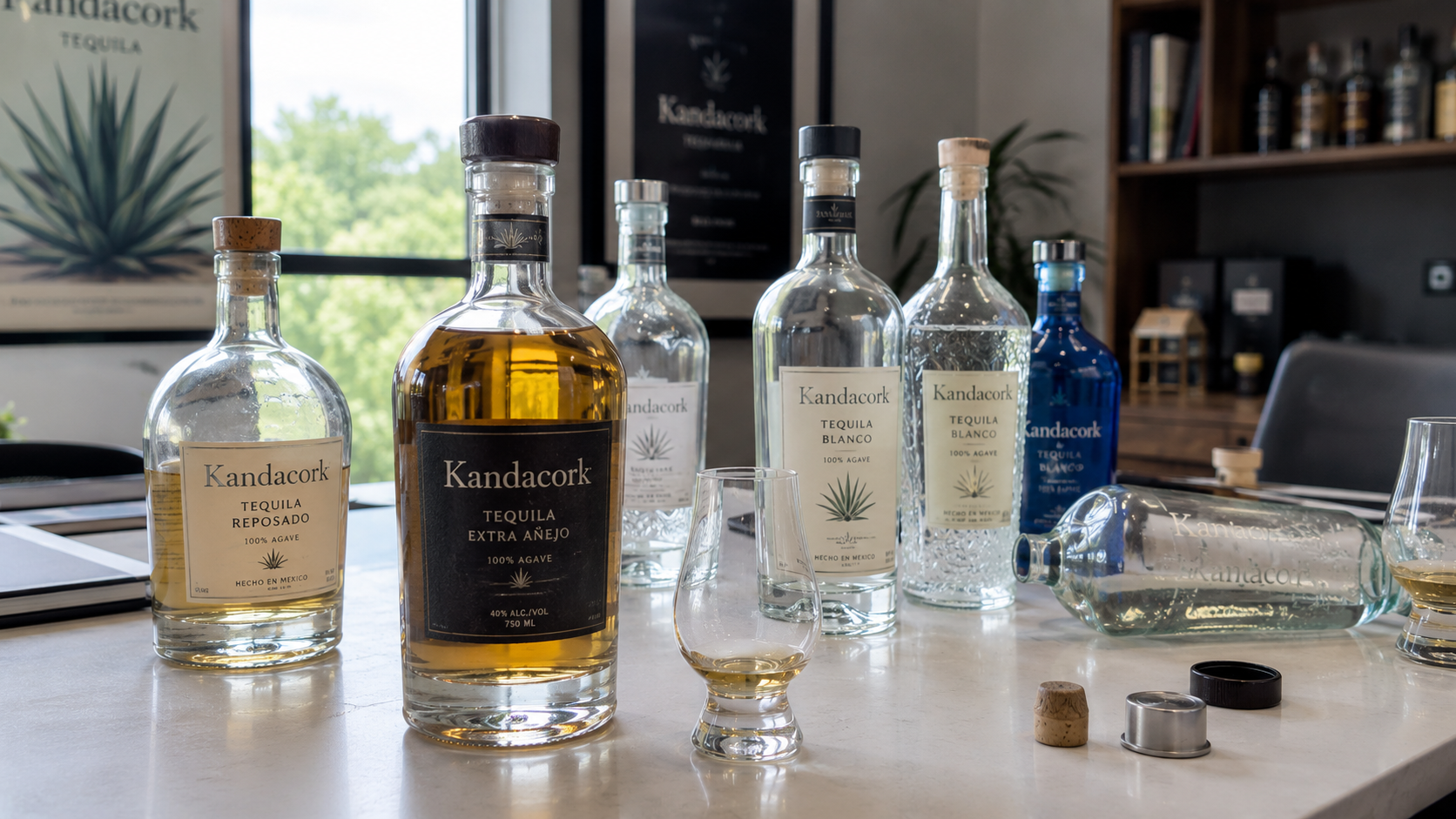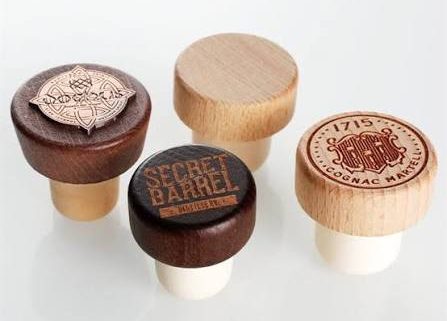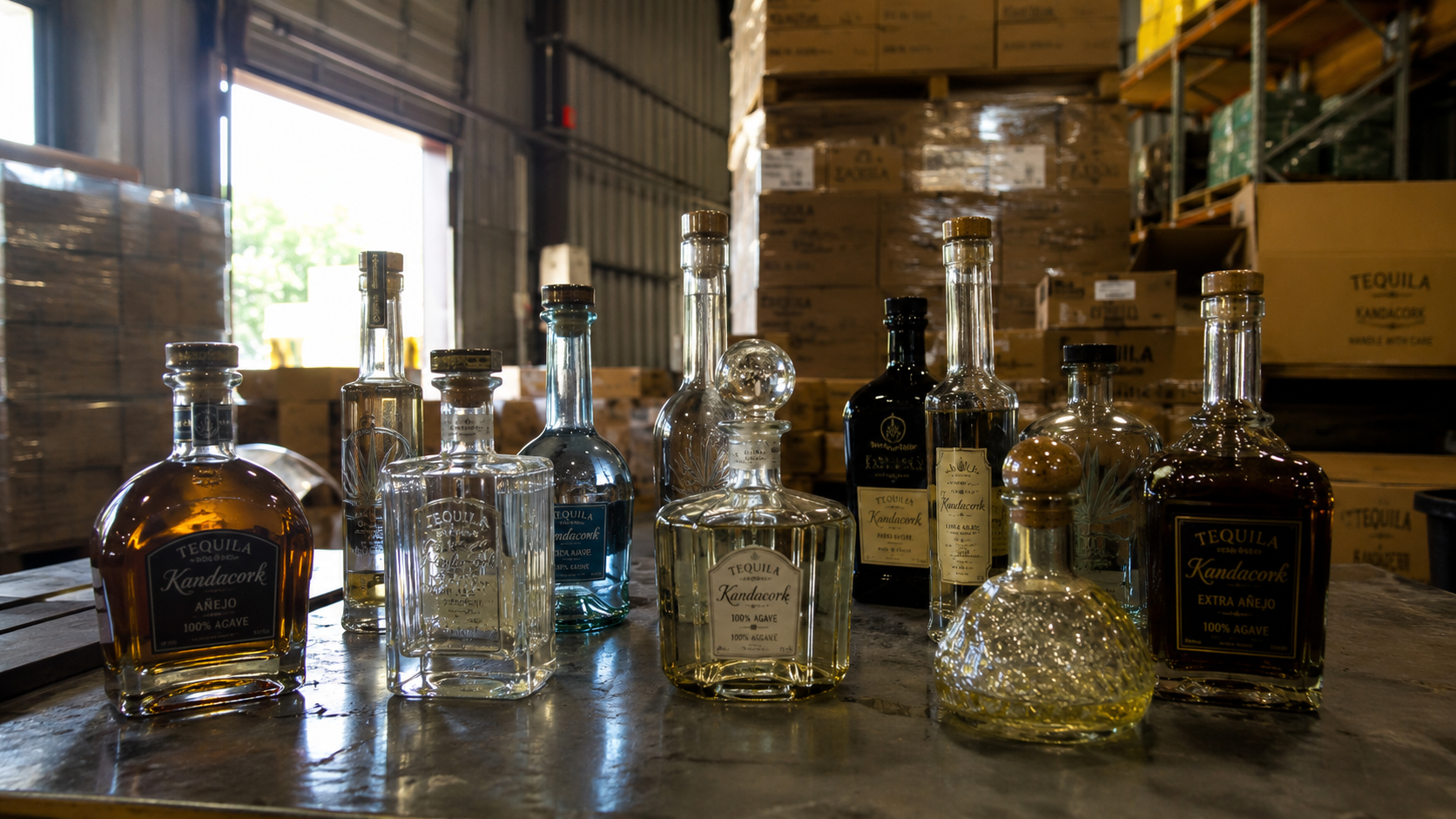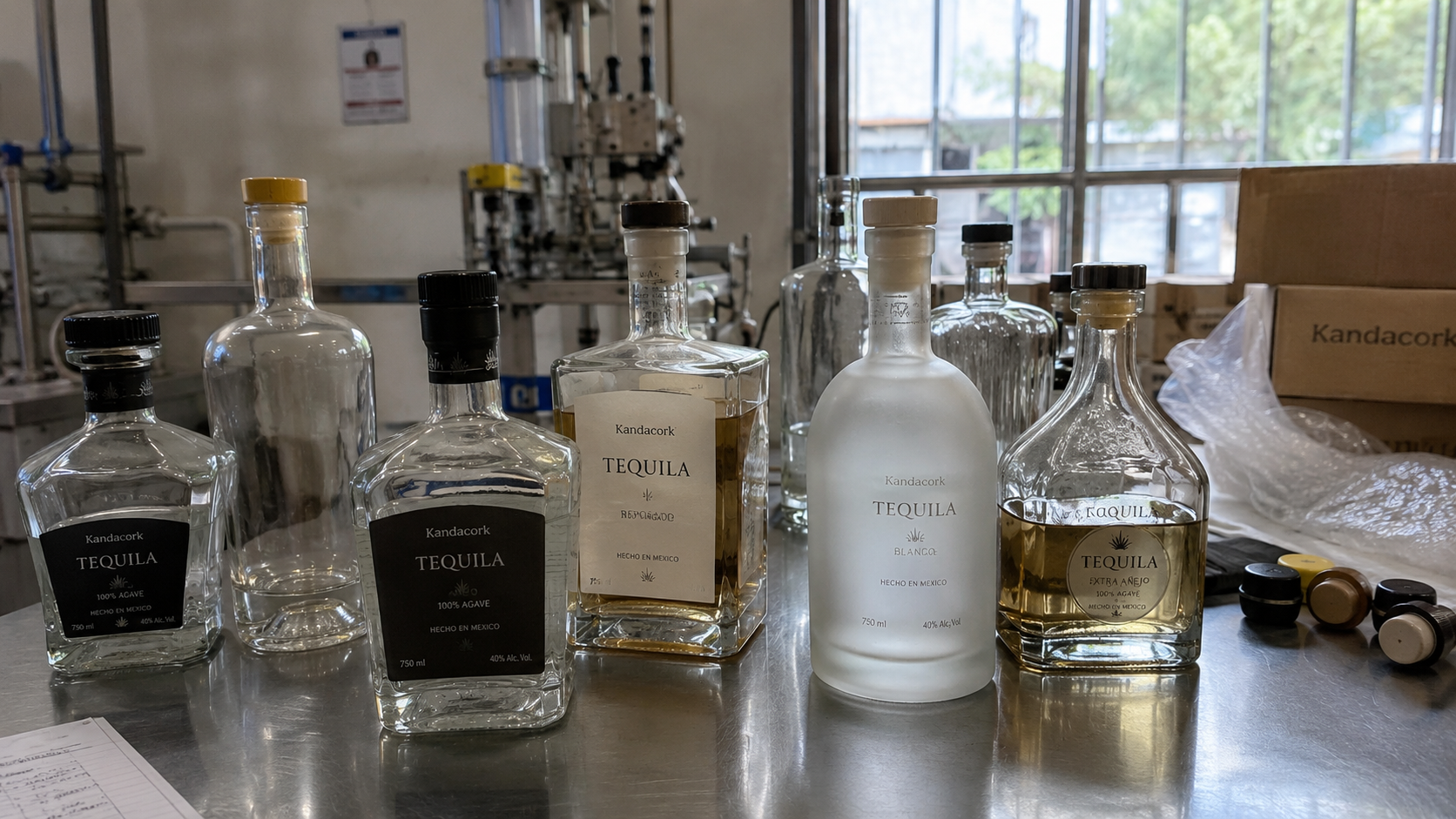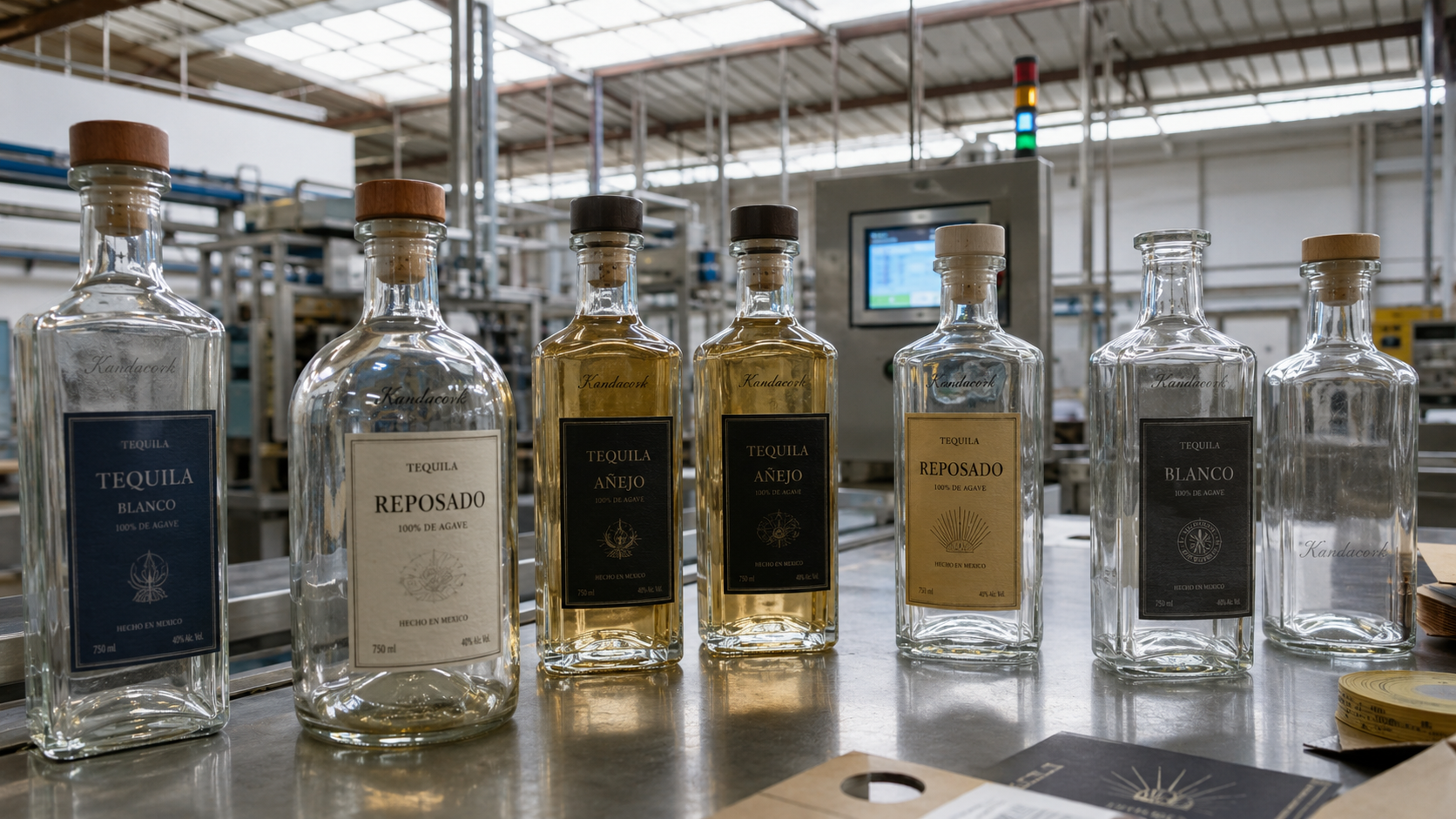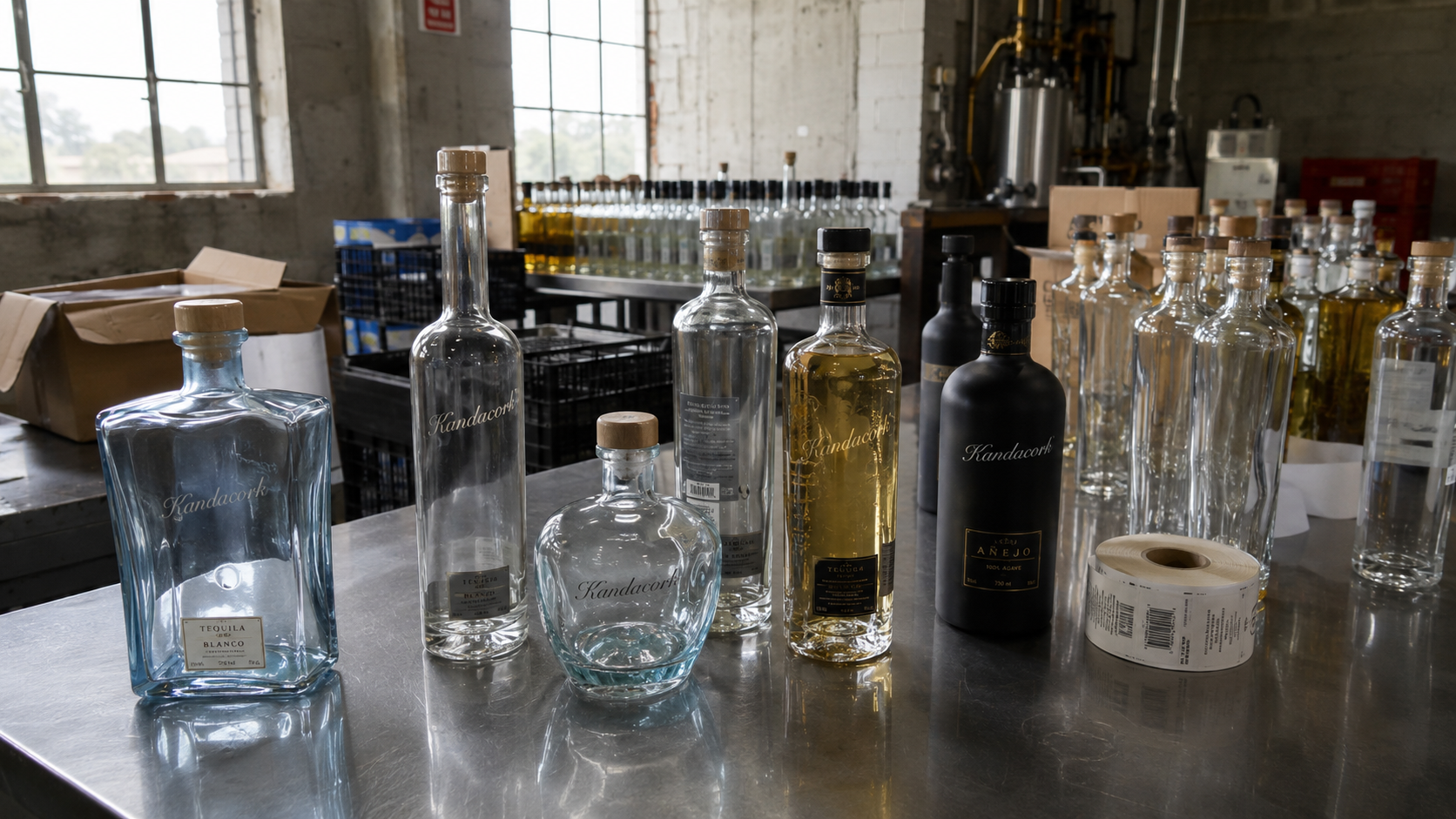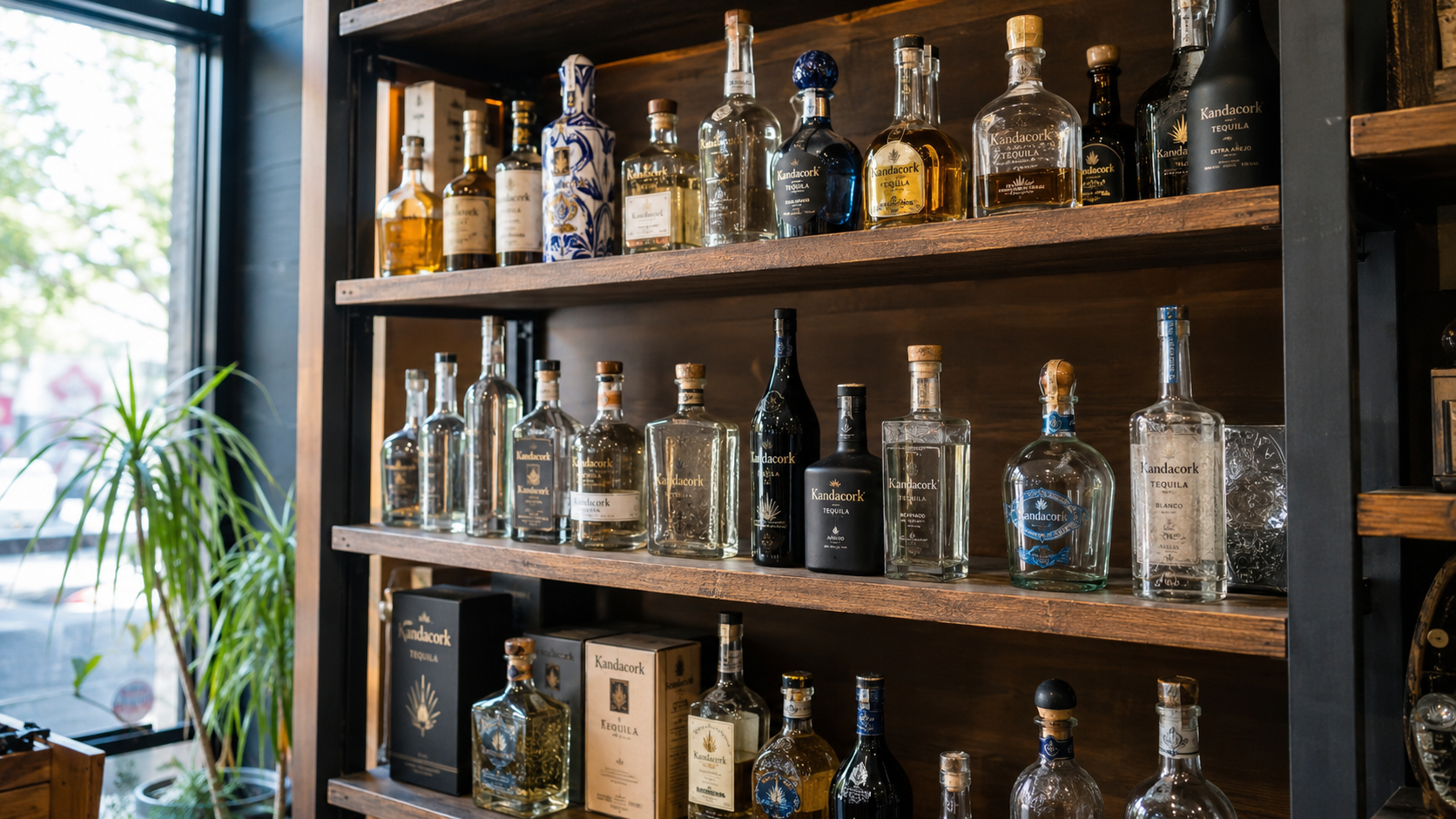
Export-ready closure supply depends on consistent production, careful inspection and protective packaging. This guide explains how spirits brands and importers can review closure fit, surface finish, assembly quality, carton packing and shipment preparation before approving bulk orders.
What Does an Export-Ready Closure Supplier Do?
An export-ready closure supplier provides bottle closures and supports the technical, quality, compliance, and logistics needs of international buyers. For spirits packaging, this includes bottle-neck fit review, sealing performance, material compatibility, sample approval, export cartons, shipment labels, and buyer-requested documents.
A supplier is not truly export-ready if it only provides a product image and a unit price. International spirits buyers need practical answers before placing a bulk order. They need to know whether the closure fits the bottle, whether it can prevent leakage, whether the decoration can be repeated in production, and whether the shipment will arrive in good condition.
For a spirits bottle project, export readiness should include:
- Bottle neck finish review
- Cork shank or cap size confirmation
- Liner and sealing surface evaluation
- Alcohol compatibility check
- Pull-out force or application torque review
- Tamper-evident or non-refillable function review
- Decoration sample approval
- Batch-to-batch quality control
- Export carton and pallet planning
- Packing list and documentation support
This type of support is especially important for whisky, rum, brandy, vodka, gin, tequila, mezcal, liqueur, and private-label spirits projects where packaging quality affects both product safety and brand image.
Why Export Readiness Matters in Spirits Packaging
Spirits closures must perform under real commercial conditions. A bottle may be filled in one country, stored in a warehouse, shipped by sea, cleared through customs, distributed to retailers, and displayed for months before the consumer opens it. During that journey, the closure must help protect the liquid, preserve presentation, and support a smooth consumer experience.
For export spirits projects, the closure is part of a complete packaging system. It works together with the bottle neck finish, liner, cork shank, capsule, label, carton, pallet, and filling equipment. If one part is mismatched, the result can be leakage, poor opening feel, loose fit, broken tamper bands, scratched decoration, or damaged cartons.
An export-ready closure supplier should understand how these packaging details interact. A ROPP cap may require a specific neck finish and capping head setting. A bar-top cork may need a specific shank diameter and insertion depth. A shrink sleeve may need the right shrink ratio for the bottle shoulder. A luxury stopper may need extra protection to prevent surface damage during shipment.
For buyers developing a full bottle program, closure selection should also align with bottle shape, decoration method, label area, outer carton, retail channel, and shipment route. When the bottle project is still being developed, coordination with a dedicated spirits bottle development team can help align the neck finish, closure type, filling process, and export packing plan from the beginning.
Kandacork Support at a Glance
| Buyer need | Best-fit Kandacork support |
|---|---|
| Premium shelf appearance | Bar-top corks, wood stoppers, zamac stoppers, glass-top closures |
| High-speed bottling | ROPP caps, screw caps, aluminum-plastic closures |
| Brand protection | Tamper-evident closures, non-refillable closures, shrink sleeves |
| Export shipment | Inner packing, cartons, pallets, shipping marks, documentation support |
| Private-label launch | Custom colors, logo decoration, sample review, repeat-order support |
| Multi-SKU programs | Clear carton labels, SKU separation, packing list support, batch traceability |
This makes Kandacork suitable for liquor brands, spirits importers, packaging distributors, contract bottlers, and private-label companies that need more than a basic closure product.
RFQ Checklist for Faster Quotation
Buyers can speed up the quotation process by preparing the right information before contacting an export-ready closure supplier.
| RFQ item | Why it matters |
|---|---|
| Bottle drawing or neck finish | Confirms whether the closure can fit and seal correctly |
| Physical bottle sample | Helps test real fit, insertion, torque, and appearance |
| Closure type | Defines whether the project needs cork, ROPP, screw cap, stopper, capsule, or security closure |
| Spirits category | Helps evaluate alcohol compatibility, brand positioning, and closure style |
| Target market | Affects documentation, tamper evidence, and packing requirements |
| Order quantity | Determines MOQ, production method, unit cost, and lead time |
| Logo and decoration request | Affects tooling, printing, embossing, hot stamping, or color matching |
| Required documents | Helps the supplier prepare inspection, material, packing, and compliance support |
| Shipping destination | Supports carton design, pallet planning, and freight coordination |
| Launch timeline | Helps align sample approval, production, inspection, and shipment |
Need help matching a closure to your bottle neck? Send Kandacork your bottle drawing or sample details for review before bulk ordering.
Main Closure Types for Export Spirits Projects
Different spirits categories require different closure structures. A reliable export-ready closure supplier should help buyers choose the right option based on bottle design, filling method, brand positioning, and target market.
Bar-Top Corks and T-Top Stoppers
Bar-top corks are widely used for whisky, rum, brandy, cognac, tequila, mezcal, craft gin, and premium gift packaging. They create a strong opening ritual and give the bottle a premium appearance.
The top can be made from wood, zamac, glass, plastic, ceramic, or composite materials. The shank can use natural cork, micro-agglomerated cork, synthetic cork, or engineered alternatives. For export projects, buyers should confirm shank diameter, insertion depth, pull-out force, cork compression, top alignment, and alcohol compatibility.
For whisky and premium brown spirits, custom bar-top corks can become a brand asset rather than a simple sealing component. The weight, texture, profile, and logo placement of the stopper influence how the bottle feels when opened and how it is perceived on the shelf.
ROPP Closures
ROPP means roll-on pilfer-proof. These aluminum closures are formed onto the bottle neck during the capping process. They are commonly used for vodka, gin, tequila, liqueurs, RTD spirits, and high-volume bottling lines.
ROPP closures can support tamper evidence, efficient application, recloseability, and clean branding. Performance depends on cap dimensions, liner material, bottle thread profile, sealing surface, capping head settings, and application torque. For projects that require high-speed production or consistent reclosure, custom ROPP closures should be evaluated with the actual bottle finish and capping setup before mass production.
Screw Caps and Aluminum-Plastic Closures
Screw caps are practical for spirits, beverages, oils, syrups, and other liquid products. In spirits packaging, they are often selected for easy opening, stable sealing, strong branding, and efficient production.
Aluminum-plastic closures may include an external aluminum shell and an internal plastic component. Depending on the design, they can support improved pouring, tamper evidence, or non-refillable function. Buyers should confirm material structure, closure size, liner type, printing method, and application method before ordering.
Non-Refillable Closures
Non-refillable closures are used when brand protection is a priority. They are common in markets where counterfeit refilling is a risk. These closures may include a valve, pourer, internal insert, security band, or other anti-refill structure.
A non-refillable closure must be matched carefully with the bottle finish. Buyers should confirm whether the closure is designed for a roll-on finish, snap-on finish, Guala-type finish, or another neck structure. For high-risk channels, duty-free programs, and premium liquor brands, non-refillable closures can help protect brand reputation while preserving a smooth pouring experience.
Tamper-Evident Closures
Tamper-evident closures help show whether a bottle has been opened. They are used for consumer confidence, channel protection, and product integrity. Tamper evidence can appear as a bridge band, tear strip, shrink sleeve, capsule, security ring, or other visible feature.
For export spirits packaging, tamper-evident performance should be checked after filling, capping, carton packing, transport simulation, and storage. A tamper feature that looks secure in a sample room must still perform consistently on the filling line and through distribution.
Capsules and Shrink Sleeves
Capsules and shrink sleeves add a finishing layer to spirits bottles. They improve appearance, cover the neck area, support tamper visibility, and create a more complete brand presentation.
Common materials include PVC, PET, aluminum, tin, and composite structures. Decoration may include hot stamping, embossing, matte finish, gloss finish, metallic effects, and custom colors. When a project requires closure, label, coating, and carton to work as one visual system, dedicated bottle decoration and branding support can help keep the full packaging presentation consistent.
Closure Selection Guide for Export Spirits Bottles
The best closure depends on the liquid, bottle, filling line, target market, and brand price level. Buyers should avoid choosing only by appearance or unit cost.
| Spirits category | Recommended closure options | Key risk | Buyer check |
|---|---|---|---|
| Whisky, rum, brandy | Bar-top cork, wood stopper, zamac stopper | Loose or tight fit | Neck drawing, shank diameter, pull-out force |
| Vodka, gin | ROPP cap, screw cap, aluminum-plastic closure | Leakage or poor thread forming | Capper test, liner review, torque check |
| Tequila, mezcal | Wood stopper, glass-top stopper, zamac closure | Decoration mismatch or sealing issue | Sample approval, bottle fit test |
| Liqueur, RTD spirits | Screw cap, ROPP cap, tamper-evident cap | Liner compatibility | Alcohol and storage test |
| Mini bottles | Small screw cap, small ROPP cap, synthetic stopper | Handling and filling-line tolerance | Size control, filling-line trial |
| Duty-free or high-risk markets | Non-refillable closure, tamper-evident closure | Counterfeit refilling | Security function review |
| Premium gift packaging | Luxury stopper, capsule, decorative sleeve | Surface damage during transport | Protective packing and carton test |
For private-label spirits brands, cost control and repeat-order consistency may matter more than complex decoration. For premium spirits brands, material feel, weight, logo detail, and opening experience may be more important. A professional export-ready closure supplier should help compare these priorities rather than pushing one standard product.
How to Compare Export-Ready Closure Suppliers
Choosing an export-ready bottle closure supplier should involve more than checking unit price. A low-cost closure can become expensive if it causes leakage, delayed filling, repacking, inconsistent decoration, or documentation issues.
| Evaluation point | What to ask the supplier |
|---|---|
| Technical fit | Can you review my bottle neck drawing before quotation? |
| Sample process | Can you provide samples or pre-production samples for approval? |
| Decoration capability | Can you match color, logo, material, and finish requirements? |
| Quality control | What inspection steps are used before shipment? |
| Documentation | What specifications, reports, and packing documents can be provided? |
| Export packing | How are closures protected during international shipment? |
| Repeat orders | Can you maintain color, dimensions, material, and packaging consistency? |
| Communication | Can you support buyers, bottlers, designers, and freight forwarders during the project? |
A strong export-ready closure supplier should be able to explain the relationship between bottle neck finish, closure structure, sealing performance, decoration, and packing. If the supplier cannot answer basic questions about fit, torque, pull-out force, liner compatibility, or export cartons, the buyer should be cautious.
For brand owners that need bottles, closures, decoration, and packaging coordination under one group, an integrated liquor packaging approach can reduce communication gaps between design, engineering, sourcing, and shipment teams.
Technical Checks Before Mass Production
Before bulk production, buyers should confirm that the closure works with the real bottle and the intended filling process. This is especially important when the bottle, closure, capsule, and filling equipment come from different suppliers.
Important technical checks include:
- Bottle neck drawing and tolerance
- Closure inner diameter or cork shank diameter
- Insertion depth or cap height
- Liner material and sealing surface
- Alcohol compatibility
- Application torque for screw caps or ROPP closures
- Pull-out force for cork stoppers
- Bridge break or tamper-band performance
- Leakage and tilt testing
- Drop and vibration simulation
- Logo position and color approval
- Surface finish durability
- Carton packing and pallet loading method
A bar-top cork may look perfect in a sample photo but fail if the shank diameter does not match the bottle neck tolerance. A ROPP cap may appear correct but leak if the liner, torque, or thread profile is not suitable. A shrink sleeve may look premium but wrinkle if the bottle shoulder and shrink ratio are not considered.
This is where an export-ready closure supplier adds value. The supplier helps test the full packaging system, not just the individual closure.
Material, Compliance, and Food-Contact Considerations
Closure materials should be selected according to function, appearance, cost, and destination-market expectations. A premium wood-top stopper may support a traditional craft image, while a metal or glass-top stopper can create a heavier luxury feel. A lightweight plastic stopper may be appropriate for private-label programs, RTD lines, or brands that need cost control across multiple SKUs.
Materials that may contact the beverage, such as liners, cork shanks, plastic inserts, gaskets, coatings, and adhesives, should be reviewed carefully. The U.S. FDA explains that food-contact substances include food packaging and its components, as well as substances applied to packaging surfaces, such as adhesives, colorants, and coatings. Buyers selling into the United States can use FDA food-contact substance information as a reference point when discussing material requirements.
For the European Union, Regulation EC No. 1935/2004 sets the general framework for food-contact materials, including principles of safety and inertness. Buyers targeting the EU can refer to the European Commission’s page on EU food contact materials legislation when preparing internal compliance expectations.
A closure supplier should not make unsupported regulatory claims. Instead, it should clarify material composition, intended use, available declarations, and buyer-specific documentation needs.
Export-Ready Closure Compliance and Testing Checklist
Compliance expectations depend on the closure material, beverage type, destination market, and buyer requirements. For export spirits packaging, buyers should consider both product-contact safety and distribution performance.
| Area | What to check | Why it matters |
|---|---|---|
| Material contact | Liner, cork shank, plastic insert, coating, adhesive | Supports food-contact and alcohol compatibility review |
| Dimensional control | Diameter, height, thread, shank, top alignment | Reduces fit and sealing risk |
| Sealing performance | Leakage, tilt, torque, pull-out force | Helps prevent product loss and complaints |
| Tamper evidence | Bridge band, tear strip, capsule, sleeve | Supports consumer trust and channel control |
| Decoration durability | Printing, hot stamping, embossing, coating | Protects brand appearance during handling |
| Export packing | Inner bags, cartons, pallets, shipping marks | Reduces damage during ocean or air freight |
| Traceability | Batch number, carton label, packing list | Supports receiving, inspection, and issue tracking |
| Transport resistance | Drop, vibration, compression, climate stress | Helps validate packaging for real distribution |
For shipment identification, GS1 defines the Serial Shipping Container Code as an identifier for logistics units such as cases and pallets. A clear logistics-unit system based on GS1 SSCC principles can help buyers match cartons, pallets, packing lists, and receiving records.
For distribution testing, ASTM D4169 provides a practice for evaluating shipping units using established test methods at levels representative of actual distribution conditions. Buyers can use ASTM D4169 performance testing as a reference when discussing carton strength, palletization, compression, vibration, and handling risks. The International Safe Transit Association also publishes ISTA test procedures that help packaging teams evaluate how packaged products may perform during distribution.
Quality Control and Documentation for International Buyers
International buyers often need more than samples and invoices. They may need documents for internal approval, customs clearance, distributor review, quality records, or market entry files.
Common closure documents may include:
- Product specification sheet
- Material declaration
- Certificate of analysis or inspection report
- Food-contact statement, when applicable
- Packing list
- Carton details
- Production photos
- Batch or lot information
- Third-party inspection support
- Custom compliance statement requested by the buyer
Quality control should cover both appearance and function. A premium stopper must match approved color, weight, logo position, and surface finish. A screw cap must match dimensions and sealing requirements. A capsule must fit the bottle neck and shrink cleanly. A carton must protect the closures during storage and shipment.
An export-ready closure supplier should maintain batch-to-batch consistency, traceability, and clear communication before shipment.
Export Packing and Logistics Coordination
Export packing is often ignored until problems happen. For closures, poor packing can lead to scratches, deformation, dust contamination, crushed cartons, mixed SKUs, or receiving delays.
Export-ready packing should consider:
- Inner bags, trays, or dividers to reduce dust and friction
- Carton strength suitable for stacking
- Clear carton labels and SKU identification
- Moisture protection when required
- Pallet size and loading plan
- Shipping marks requested by the buyer
- Mixed item coordination
- Container loading photos when needed
- Freight-forwarder communication
For closure shipments, the carton design should match the closure material and surface finish. Metal, glass, and decorated tops may need more protection than plain plastic caps. Capsules and shrink sleeves may require careful stacking to prevent deformation. Mixed-SKU shipments should be separated clearly so the buyer’s warehouse can receive, inspect, and allocate items without confusion.
If a buyer is developing a complete bottle and packaging system, the closure packing plan should also fit the wider custom glass packaging plan, including bottle cartons, pallets, decoration protection, and container loading sequence.
Common Closure Sourcing Risks and How to Avoid Them
Many sourcing issues happen because the closure is selected too late or evaluated only by appearance. Buyers can reduce risk by reviewing the closure as part of the full bottle packaging system.
| Sourcing risk | Likely cause | Prevention method |
|---|---|---|
| Closure looks good but does not fit | Bottle neck drawing was not reviewed | Confirm drawing, tolerance, and physical sample |
| Stopper feels too loose or too tight | Shank size does not match bottle neck | Test pull-out force and insertion depth |
| ROPP cap leaks after filling | Liner, torque, or thread profile mismatch | Run capper trial and leakage test |
| Decoration differs from sample | Color or logo standard was unclear | Approve color sample and production artwork |
| Tamper band breaks poorly | Cap bridge or application setting issue | Test with actual bottle and capping equipment |
| Cartons arrive damaged | Weak carton or poor palletization | Confirm export carton strength and loading plan |
| Warehouse receives mixed SKUs | Carton labels are unclear | Use clear SKU labels, packing list, and shipping marks |
Kandacork Closures helps buyers address these risks through sample review, specification confirmation, production control, and export packing support.
Kandacork Export Closure Development Process
Kandacork follows a practical development process to help buyers move from initial idea to export-ready shipment.
| Stage | What Kandacork supports |
|---|---|
| Project review | Review bottle type, spirits category, target market, quantity, and launch timeline |
| Technical fit check | Review bottle drawing, neck finish, closure size, shank diameter, or cap structure |
| Material selection | Recommend wood, cork, synthetic cork, zamac, glass, aluminum, plastic, or composite options |
| Decoration planning | Confirm logo method, color, embossing, debossing, printing, hot stamping, or surface finish |
| Sample development | Prepare samples or pre-production samples for buyer approval |
| Performance review | Check fit, sealing, torque, pull-out force, appearance, and packing method |
| Bulk production | Control dimensions, color, decoration, appearance, and batch consistency |
| Final inspection | Check product quality, carton details, labels, and packing documents |
| Export packing | Prepare inner protection, cartons, pallets, shipping marks, and shipment coordination |
This process helps reduce misunderstanding between brand owners, packaging designers, purchasing teams, bottlers, and logistics partners. It also gives international buyers a clearer path from concept to repeat production.
Branding Details That Influence Buyer Perception
A closure is one of the first physical touchpoints the consumer notices when opening a spirits bottle. The sound, weight, grip, surface finish, and opening force all influence perceived quality. A heavy metal stopper may communicate luxury. A smooth wood top may communicate craft. A clean ROPP cap may communicate precision and modernity. A non-refillable system may communicate security in high-risk markets.
For premium and private-label brands, closure branding should be planned with the label, bottle coating, capsule, carton, and retail environment. Kandacork’s custom branding for spirits closures can support color matching, logo placement, embossing, debossing, hot stamping, sidewall design, and coordinated finish development.
The best result is not simply a beautiful closure. It is a closure that supports the bottle’s positioning, runs reliably in production, and remains consistent across repeat orders.
What Makes Kandacork Closures Different?
Kandacork Closures focuses on custom closure solutions for spirits bottles and premium packaging projects. Instead of offering only standard caps, Kandacork supports buyers with closure selection, material options, logo decoration, sample review, bulk production, export packing, and documentation support.
Our closure range includes:
- Wooden bar-top stoppers
- Zamak spirits stoppers
- Glass-top closures
- Synthetic and cork-based shanks
- ROPP closures
- Screw caps
- Non-refillable closures
- Tamper-evident closure systems
- Capsules and shrink sleeves
- Custom decorative closure components
Kandacork can support spirits brands, bottlers, importers, distributors, packaging agencies, and private-label companies. Whether you need a premium whisky stopper, a tequila bottle closure, a vodka ROPP cap, or a complete closure-and-capsule solution, the team can review your bottle and recommend suitable options.
As an export-ready closure supplier, Kandacork understands that overseas buyers need more than attractive samples. They need predictable production, clear specifications, stable packing, and practical communication from inquiry to shipment.
How to Request a Quote from Kandacork Closures
To receive an accurate quotation, send as much project information as possible. The more details you provide, the faster Kandacork can recommend the right closure solution.
Helpful RFQ information includes:
- Bottle drawing or neck finish
- Physical bottle sample, if available
- Closure type
- Spirits category and alcohol percentage
- Target market or destination country
- Required quantity and reorder forecast
- Logo, color, and decoration requirements
- Preferred material, such as wood, zamac, glass, cork, synthetic cork, aluminum, or plastic
- Required documents
- Packing requirements
- Shipping destination
- Launch schedule
If you are not sure which closure is best, Kandacork can compare options based on your bottle, brand position, and export plan. You can request a closure quote with your project details and receive practical guidance for fit, decoration, packing, and documentation.
FAQ
What is an export-ready closure supplier?
An export-ready closure supplier provides closures that are ready for international production, documentation review, shipment, and market launch. For spirits bottles, this includes bottle-neck fit, sealing performance, material compatibility, tamper-evident options, export packing, and shipment documentation.
Which closure is best for spirits bottles?
The best closure depends on the spirit type and bottle design. Whisky, rum, brandy, and tequila often use bar-top corks or premium stoppers. Vodka, gin, liqueurs, and RTD spirits often use ROPP closures or screw caps. High-risk markets may require tamper-evident or non-refillable closures.
Do I need to provide a bottle drawing?
Yes. A bottle drawing is highly recommended because the neck finish, inner diameter, sealing surface, and tolerance affect closure fit and sealing performance. A physical bottle sample is even better for custom projects.
Can Kandacork customize closures with a logo?
Yes. Kandacork Closures can support logo printing, embossing, debossing, hot stamping, engraving, custom colors, matte finish, gloss finish, metallic effects, and custom top materials, depending on the closure structure.
What documents can be provided for export orders?
Common documents include product specifications, inspection reports, packing lists, material statements, carton details, production photos, and project-specific documents. Food-contact or compliance documents depend on the material, product structure, and destination market.
What is the difference between a tamper-evident closure and a non-refillable closure?
A tamper-evident closure shows visible evidence if the bottle has been opened. A non-refillable closure is designed to help prevent unauthorized refilling. Some spirits projects may require one or both features.
How can I reduce leakage risk before mass production?
Send the bottle drawing and samples, confirm the closure structure, test fit and sealing, check torque or pull-out force, review alcohol compatibility, and approve final samples before bulk production.
Is Kandacork suitable for private-label spirits brands?
Yes. Kandacork supports private-label and OEM spirits packaging projects with custom stoppers, caps, capsules, decoration, packing, and export documentation support.
Final CTA
Looking for an export-ready closure supplier for your spirits bottle project? Send your bottle drawing, closure requirements, decoration idea, order quantity, and destination market to Kandacork Closures. The team will review your packaging needs and recommend a custom closure solution for production, branding, and export shipment.