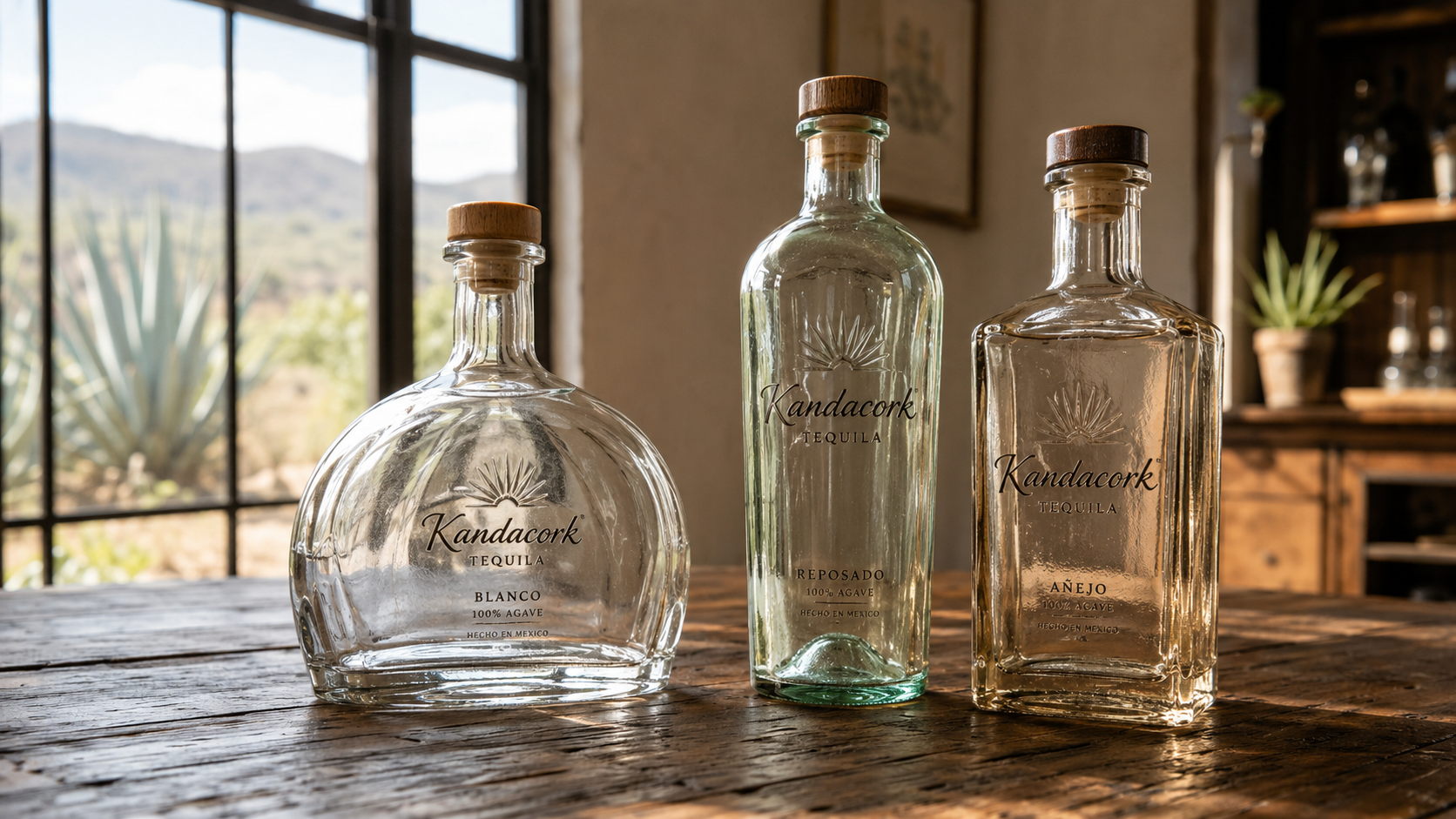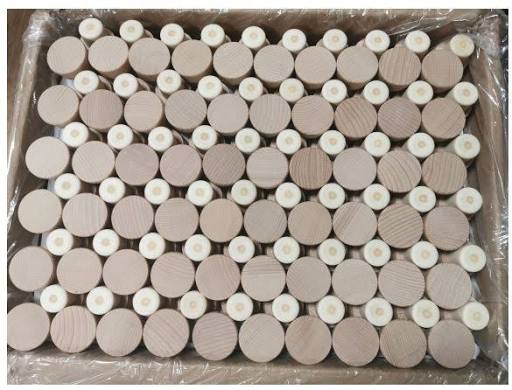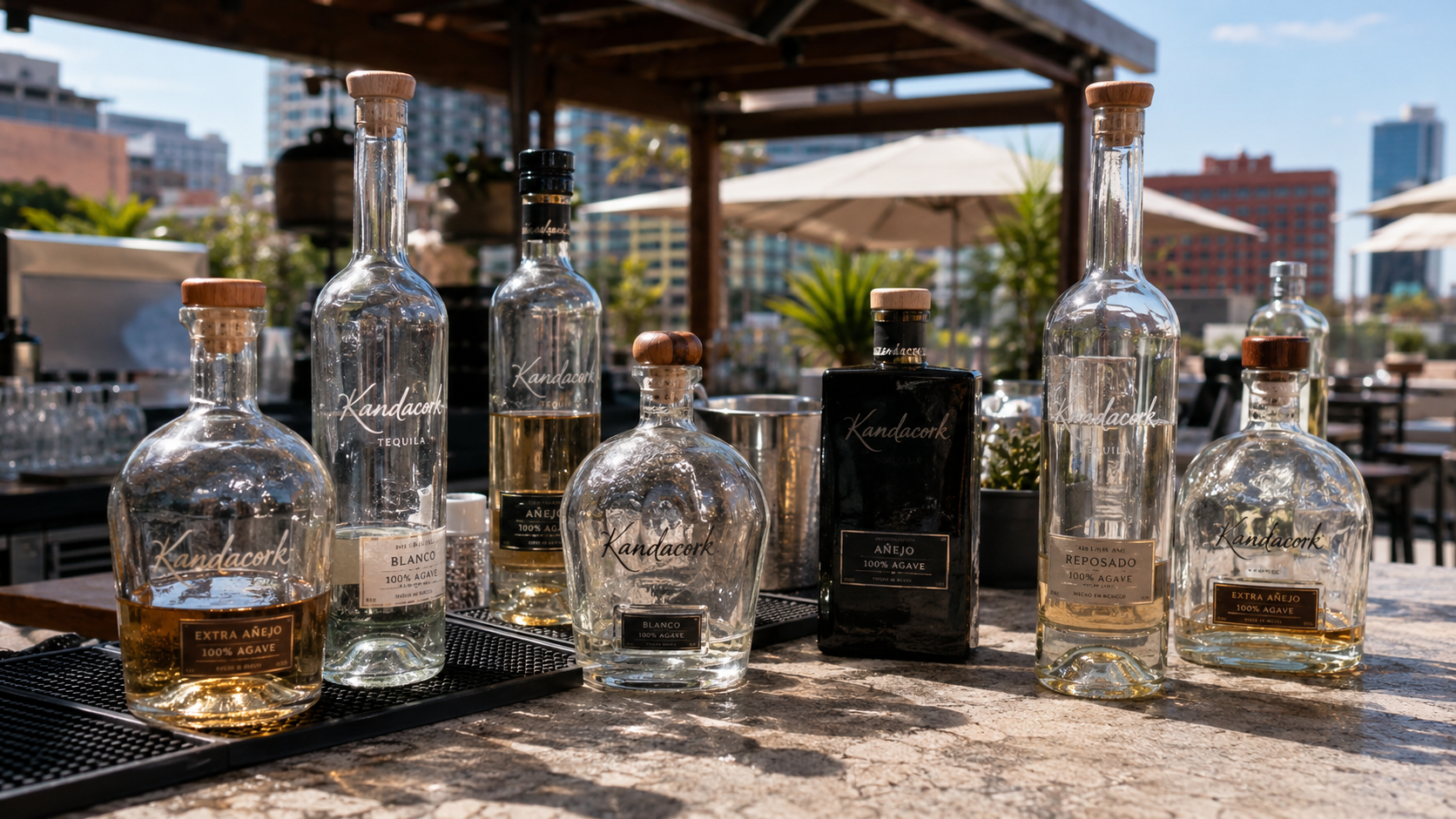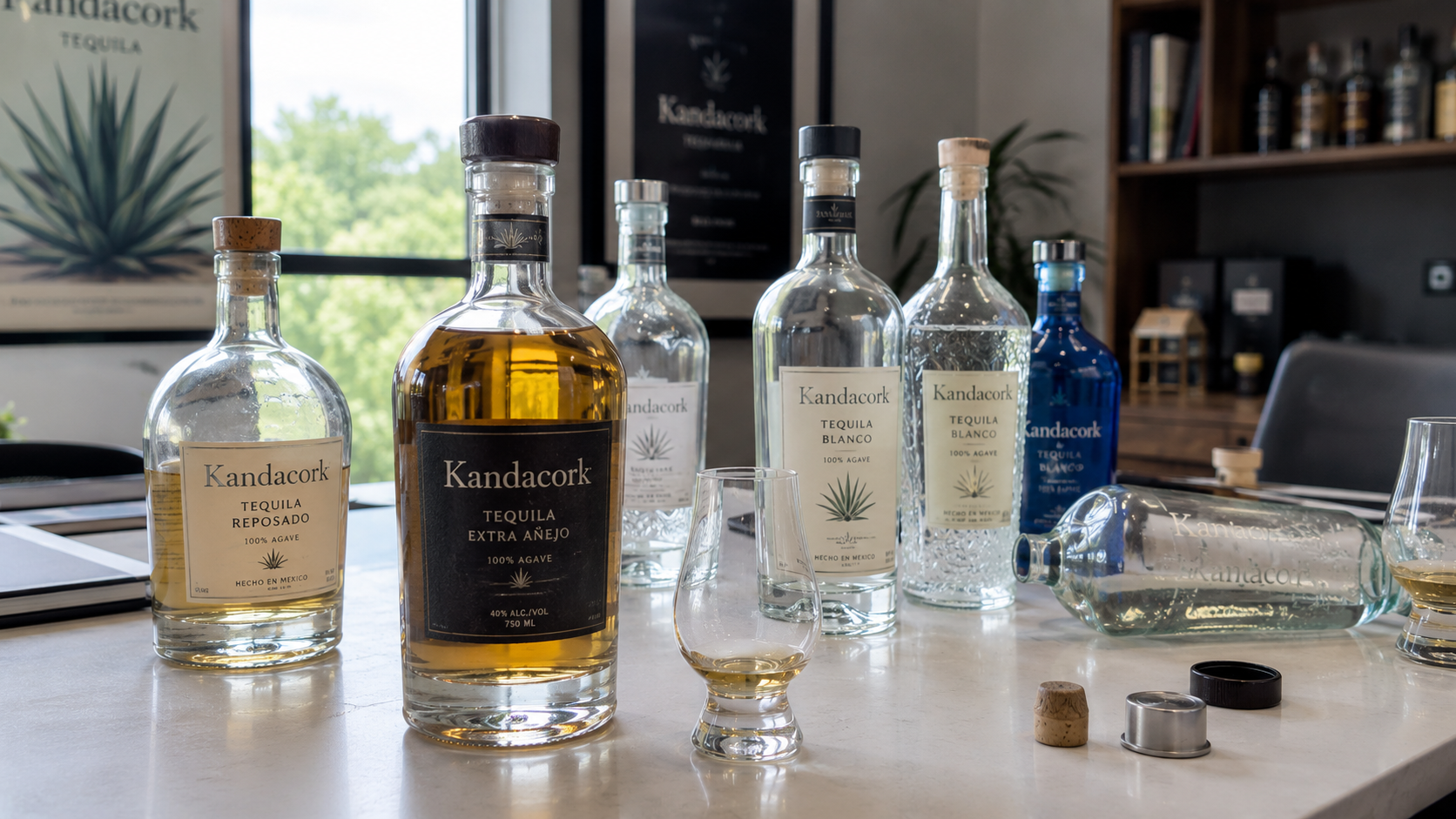
Wooden stopper sourcing should be based on fit, branding needs, material stability and bulk production consistency. This checklist helps spirits brands review neck dimensions, shank options, finish choices, logo methods and inspection points.
What Are Wooden Stoppers for Spirits Bottles?
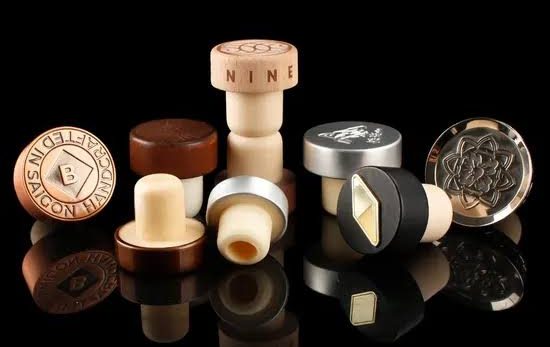
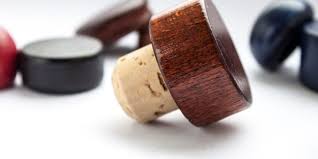
Wooden stoppers for spirits bottles are reclosable bar-top closures designed for glass spirits packaging. They usually include a visible wooden top and a lower shank that inserts into the bottle neck.
The wooden head creates the visual and tactile impression. It can be flat, domed, mushroom-shaped, beveled, faceted, stained, painted, engraved, or combined with metal details. This part of the stopper helps communicate the brand’s quality, style, and price tier.
The shank controls the seal and fit. It may be made from natural cork, micro-agglomerated cork, synthetic material, or a custom hybrid insert. This component affects insertion force, pull-out feel, compression, resealing behavior, and bottling-line performance.
A simple way to understand the structure is this: the wood head controls appearance, while the shank controls fit and seal. Both parts must be designed together for a reliable spirits closure.
Why Spirits Brands Choose Wooden Bottle Stoppers
Wooden stoppers are widely used in premium spirits packaging because they communicate craftsmanship, natural texture, and higher perceived value. Compared with basic plastic caps or standard screw closures, a wooden bar-top stopper gives the bottle a warmer and more tactile finish.
For whisky and whiskey brands, dark stained wooden stoppers can reinforce barrel-aging, heritage, and premium quality cues. For rum, a warm wood tone can support aged, spiced, tropical, or vintage positioning. For gin, natural or color-matched wood can create contrast against clear, green, blue, or frosted glass. For tequila and mezcal, rustic wood finishes can support craft and agave-based storytelling.
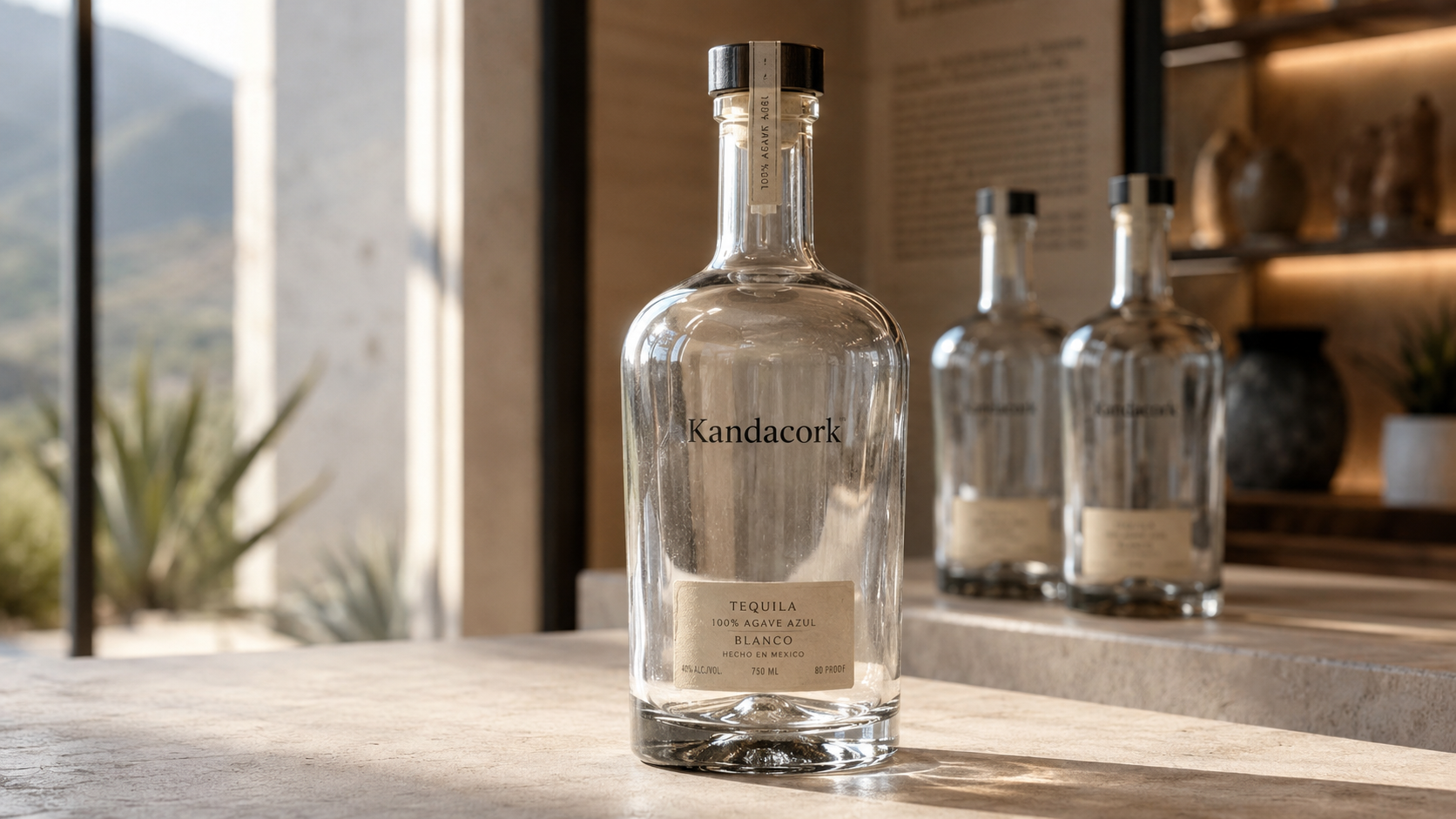
Wooden stoppers for spirits bottles are also useful for limited editions, gift packs, travel retail, collectible bottles, export launches, and private-label spirits. They can help a brand look more complete on shelf while giving consumers a satisfying opening and resealing experience.
| Spirit category | Recommended wooden stopper style | Brand positioning benefit |
|---|---|---|
| Whisky and whiskey | Dark stained domed or stepped wood top | Mature, aged, premium, heritage |
| Rum | Warm natural or dark wood bar-top stopper | Crafted, tropical, vintage, aged |
| Gin | Light wood, faceted wood, or color-matched stopper | Botanical, modern, design-led |
| Tequila and mezcal | Compact mushroom or rustic natural wood stopper | Artisanal, agave-focused, authentic |
| Vodka | Slim cylindrical wooden stopper | Clean, modern, premium |
| Brandy and liqueur | Polished wood top with engraving or medallion | Elegant, gift-ready, refined |
Key Benefits of Wooden Stoppers for Spirits Bottles
A well-designed wooden stopper can improve the bottle in several practical ways.
It strengthens shelf appeal. A shaped, stained, or engraved wood top can make the bottle look more premium from the front, side, and top.
It improves tactile value. Consumers often associate wood with craftsmanship, authenticity, and quality, especially in premium spirits categories.
It supports reclosure. When paired with the correct shank, the stopper can be removed and reinserted smoothly after opening.
It allows custom branding. Wooden heads can be engraved, printed, stained, color-matched, or combined with decorative inserts.
It fits many spirit categories. One closure family can be adapted across whisky, rum, gin, vodka, tequila, liqueur, and private-label lines.
It supports premium pricing. For brands competing in crowded retail or bar environments, the stopper can help communicate product tier before the consumer reads the label.
Wooden Stopper Head Styles
Stopper head shape affects both brand image and user experience. Buyers should evaluate the stopper from multiple angles, including how it looks on the bottle, how it feels when pulled, and how it fits inside secondary packaging.
A flat-top cylindrical wooden stopper gives a clean and contemporary appearance. It works well for modern gin, vodka, and private-label spirits where the packaging needs to feel refined but not overly traditional.
A mushroom-style wooden stopper creates a classic spirits profile. It is commonly used for whisky, rum, tequila, brandy, and premium liqueurs because it is easy to grip and visually familiar.
A domed wooden stopper creates a softer and more heritage-inspired silhouette. It can make a bottle feel more crafted, collectible, or artisanal.
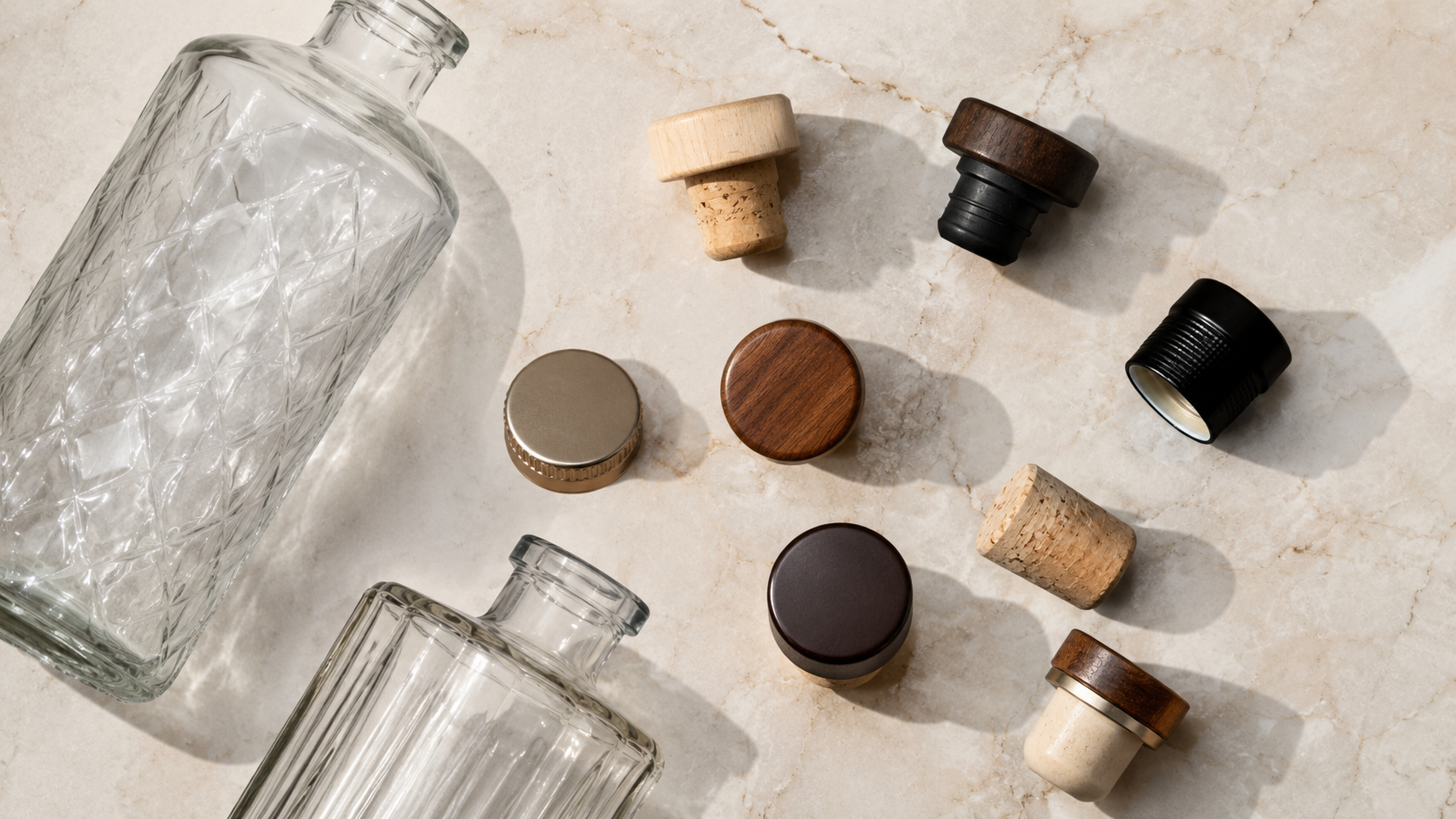
A beveled or faceted wooden stopper adds visual detail. This style is useful for design-led bottles that need a distinctive closure without relying on heavy metal components.
A stepped wooden stopper creates a structured premium look. It pairs well with heavy-base glass, square bottles, decanter-style packaging, and flagship spirits.
A wood-and-metal composite stopper can add luxury cues. Metal medallions, collars, badges, or inlays can help the closure feel more valuable for limited-edition or gift-pack spirits.
Brands that are still comparing closure families can review Kandacork’s broader closure and stopper range to understand how wooden stoppers, metal stoppers, plastic stoppers, screw caps, and non-refillable systems support different packaging goals.
Wood Types, Colors, and Surface Finishes
Wooden stoppers for spirits bottles can be finished in many ways to match a brand’s packaging system. The right choice depends on spirit type, bottle color, label material, carton design, price tier, and target market.
Natural wood finishes show grain variation and work well for craft, botanical, organic, heritage, and small-batch spirits. Light wood tones often feel fresh, approachable, and natural.
Dark stained wood gives a more mature and premium impression. It is often used for aged whisky, dark rum, brandy, cognac-style spirits, and luxury gift packaging.
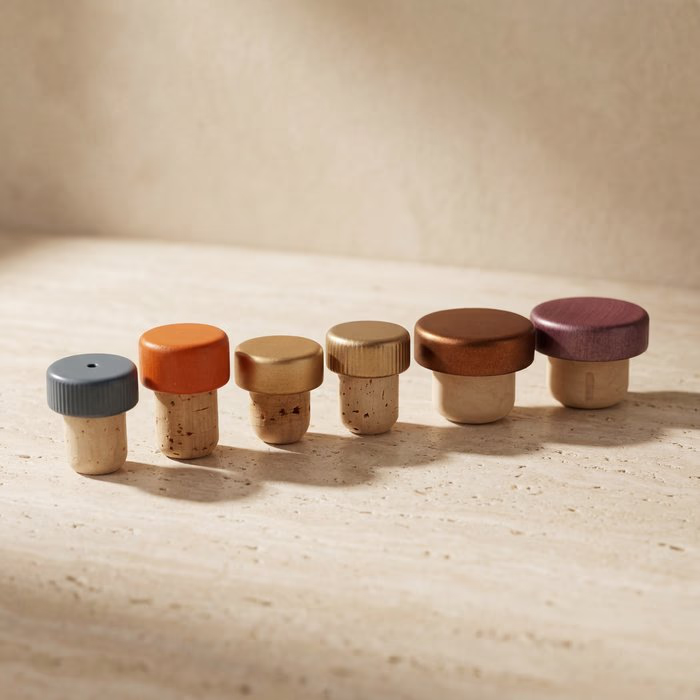
Painted or color-matched wood can align the stopper with brand identity. A matte black stopper may suit a modern whisky or vodka bottle. A green, cream, navy, or botanical color may work well for gin or liqueur packaging.
Surface finish also changes perception. Matte finishes feel understated and natural. Satin finishes balance softness and protection. Gloss finishes create stronger light reflection and can be useful for display packaging, although they may show fingerprints more easily.
Physical samples are important because real wood color can vary by grain, coating thickness, stain absorption, and lighting. Digital renderings are helpful for concept review, but bulk approval should be based on real samples. For projects where closure color must match labels, capsules, cartons, or coated glass, Kandacork’s colors and finishes for custom spirits closures can help buyers define a more consistent visual system.
Shank Options for Wooden Bottle Stoppers
The shank is the performance core of a wooden stopper. It determines how the closure inserts, seals, opens, and reseals.
Natural cork shanks provide a traditional look and feel. They are often selected for premium spirits where the brand wants a classic packaging cue. Buyers should review visual grade, size consistency, and suitability for the intended market.
Micro-agglomerated cork shanks are made from cork granules formed into a controlled structure. They can offer a cork-based appearance with more predictable dimensions and compression behavior than some natural cork options.
Synthetic shanks are selected when repeatability, controlled fit, and production consistency are top priorities. They are useful for larger-volume spirits lines, private-label programs, and brands that need stable performance across many bottles.
Hybrid inserts can be developed when a project requires special fit, appearance, or production behavior. For example, a brand may choose a natural wood head with a synthetic shank for controlled bottling performance, or a dark stained wood top with a cork shank for a more traditional opening feel.
| Shank material | Main advantage | Best use case | Buyer consideration |
|---|---|---|---|
| Natural cork | Traditional look and tactile appeal | Premium whisky, rum, brandy, craft spirits | Review visual grade and dimensional consistency |
| Micro-agglomerated cork | Controlled cork-based structure | Premium and mid-volume spirits | Confirm compression and pull-out force |
| Synthetic shank | Repeatable fit and scalable production | Larger-volume spirits and private-label lines | Confirm material compatibility and opening feel |
| Hybrid shank | Custom balance of fit and appearance | Special bottles, gift packs, limited editions | Requires sample testing and technical review |
How to Match Wooden Stoppers with Bottle Neck Finishes
One of the most important steps in selecting wooden stoppers for spirits bottles is confirming bottle neck compatibility. A stopper can look excellent but fail in production if the shank diameter, insertion depth, or compression behavior does not match the bottle.
Start with the bottle drawing. Buyers should confirm the inner neck diameter, neck finish tolerance, mouth shape, bore depth, and any special glass variation caused by the bottle production process.
Then compare the stopper’s shank diameter, insertion length, and compression range. The shank should fit firmly enough to seal and reseal, but not so tightly that insertion becomes difficult or the opening experience feels poor.
Pull-out force should feel controlled. A loose stopper can create leakage concerns and reduce consumer confidence. An overly tight stopper can make the bottle difficult to open, especially for bartenders, tasting rooms, and consumers who use the bottle repeatedly.
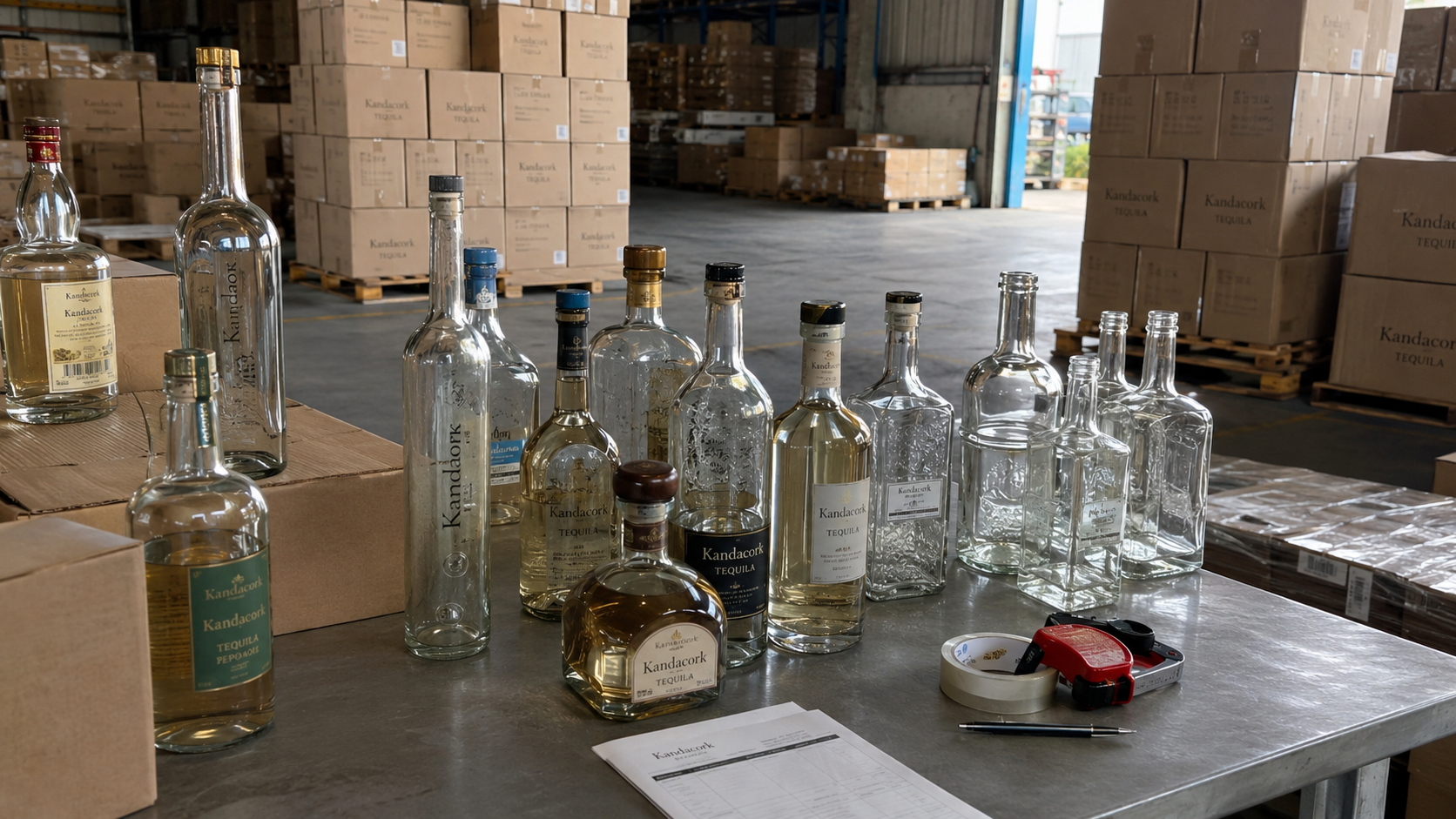
Samples should always be tested on the actual bottle. Bottles with similar nominal neck dimensions can behave differently because of glass tolerance, finish geometry, and production batch variation.
Bottle design and closure fit should be considered together from the start. Brands developing new glass can coordinate wooden stopper requirements with custom glass spirits bottles so the neck finish, shoulder shape, filling line, and closure experience are aligned before tooling or bulk ordering.
Branding and Decoration Options
Wooden stoppers offer strong branding flexibility because the closure is visible when the bottle is displayed on a shelf, bar counter, gift box, tasting table, or retail display.
Laser engraving creates a permanent mark on the top or side of the wooden head. It works well for logos, symbols, batch marks, simple typography, and premium craft branding.
Pad printing and screen printing can add color. These methods are useful when the brand needs a specific logo color, small graphic, or contrast against light or dark wood.
Color filling can make engraved marks more visible. It is often used when a logo needs both texture and contrast.
Metal medallions and inlaid badges can create a luxury effect. These details are suitable for flagship spirits, collectible editions, and premium gift packaging.
Side branding is useful when the bottle is usually viewed from the front and the top of the stopper is not visible. A side logo, groove, ring, or printed band can make the closure recognizable at eye level. Buyers exploring grooves, bands, side logos, or tactile wall treatments can review Kandacork’s sidewall design options for closure branding ideas.
| Decoration method | Visual effect | Best suited for |
|---|---|---|
| Laser engraving | Permanent, tactile, natural | Craft whisky, rum, gin, tequila |
| Pad printing | Clean colored logo | Modern spirits and private-label lines |
| Screen printing | Strong graphic coverage | Larger logos and bold brand marks |
| Color filling | High-contrast engraved detail | Premium and gift-pack closures |
| Metal medallion | Luxury and collectible feel | Flagship spirits and limited editions |
| Side branding | Eye-level brand visibility | Retail shelf and bar display bottles |
For brands that need full packaging coordination, closure decoration should be developed alongside label design, bottle coating, carton graphics, and secondary packaging. Integrated bottle decoration and branding helps keep the stopper, glass, label, and gift pack visually consistent.
Wooden Stoppers for Different Spirits Bottle Designs
Different spirits bottle designs require different closure strategies. A stopper should match the glass weight, shoulder shape, neck height, label area, and secondary packaging.
Heavy-base whisky bottles often work well with wider wooden heads, dark stains, domed tops, and stepped collars. The stopper should feel substantial enough to match the weight and premium image of the glass.
Vintage rum bottles may benefit from rounded profiles, warm wood tones, darker stains, engraved marks, and traditional cork shanks. These design choices can support aged, barrel, and heritage cues.
Clear gin bottles often need a stopper that adds character without overpowering the label. Light wood, faceted wood, or color-matched finishes can support botanical and craft positioning.
Tall vodka bottles may require a slimmer stopper profile to preserve a clean vertical line. A simple cylindrical wood top with a consistent synthetic shank can create a premium but modern finish.
Tequila and mezcal bottles may use compact mushroom tops, rustic wood grain, tactile side details, or natural stains to support artisanal positioning.
Limited-edition and decanter-style bottles need extra clearance checks. Buyers should confirm carton fit, stopper head diameter, neck height, bottle shoulder geometry, and how the closure aligns with embossing or decorative glass features.
For brands managing bottle structure, closure selection, and export packing in one program, integrated glass packaging support can help align the wooden stopper with the full spirits packaging system.
Common Wooden Stopper Problems and How to Prevent Them
Even a premium-looking wooden stopper can create problems if it is not matched correctly to the bottle and production process. Most issues are preventable during sampling and technical review.
A loose stopper fit may happen when the shank diameter is too small for the bottle neck or when glass tolerance is not fully considered. To prevent this, test multiple bottle samples from the actual production batch and confirm pull-out force before bulk approval.
An overly tight stopper can make insertion difficult and create a poor opening experience. This may happen when the shank is too large, the compression range is unsuitable, or the bottling line applies inconsistent force. Sample trials should include both manual handling and production-style insertion.
Tilted stopper seating can occur when the shank does not enter the neck evenly or when the head design is not balanced with the insert. Checking finished height, straightness, and seating consistency helps prevent visual defects on shelf.
Inconsistent stain color is a common concern with natural wood. Wood grain and absorption can vary, so buyers should define an acceptable color range rather than expecting every piece to look identical.
Unclear logo engraving may result from overly fine artwork, unsuitable grain direction, or insufficient contrast. Logo files should be reviewed before sampling, and engraving depth should be approved on physical samples.
Carton clearance problems can happen when the stopper head is wider or taller than expected. Brands using gift boxes, cartons, dividers, or molded inserts should test the complete packaging system before final approval.
| Problem | Likely cause | Prevention method |
|---|---|---|
| Loose fit | Shank too small or neck tolerance mismatch | Test real bottles and confirm pull-out force |
| Overly tight fit | Shank too large or unsuitable compression | Run sample trials before bulk order |
| Tilted seating | Uneven insertion or unbalanced construction | Check straightness and finished height |
| Color inconsistency | Natural wood grain and stain variation | Approve an acceptable color range |
| Weak logo visibility | Fine artwork or low contrast | Test engraving or printing on real samples |
| Carton conflict | Stopper too tall or wide | Test with full secondary packaging |
| Bonding weakness | Head and shank connection issue | Confirm bonding strength during QC |
| Poor resealing | Shank material or fit mismatch | Test repeated opening and closing |
Production and Quality Checks Before Bulk Orders
A structured approval process helps prevent delays, leakage problems, fit issues, and visual inconsistency.
Buyers should first confirm the bottle drawing and actual glass sample. Technical drawings are essential, but real bottle samples reveal practical tolerance and production behavior.
Stopper samples should then be tested for fit. Check insertion feel, pull-out force, resealing behavior, seating height, straightness, and stability after repeated use.
Decoration samples should be reviewed carefully. Check logo clarity, engraving depth, print alignment, color accuracy, grain variation, coating consistency, and how the stopper looks under retail lighting.
If the closure will be used on a bottling line, test the stopper under realistic filling and insertion conditions. Production behavior can differ from manual desk testing.
Packing and storage should also be confirmed. Wooden heads should be protected from abrasion, excessive moisture, contamination, and inconsistent temperature or humidity during transport and warehousing.
Quality standards should be defined before bulk production. Buyers should clarify acceptable variation in wood grain, stain color, coating, logo position, shank size, bonding strength, finished height, and packing format.
For larger programs, buyers can use ISO 9001 quality management principles to define inspection points, approval samples, batch records, and corrective actions. This helps align expectations between brand owner, bottler, and closure supplier.
| Buyer checkpoint | Why it matters |
|---|---|
| Bottle drawing and physical bottle sample | Confirms real neck dimensions and tolerance |
| Shank diameter and insertion depth | Controls seal, fit, and resealing behavior |
| Pull-out force | Affects consumer opening experience |
| Decoration sample | Confirms logo clarity and brand appearance |
| Filling-line trial | Reduces bottling and production risk |
| Carton clearance | Prevents secondary packaging conflicts |
| Packing method | Protects wooden heads during transport |
| QC standard | Aligns expectations before bulk production |
Sustainability and Responsible Material Considerations
Sustainability claims in spirits packaging should be specific, documented, and realistic. Wooden stoppers can support a more natural packaging story, but brands should avoid vague language unless they can verify material sourcing and supply chain practices.
Responsible sourcing may include supplier records, chain-of-custody documentation, forestry certification where applicable, and clear communication about coatings, adhesives, cork, synthetic inserts, and other closure components. Buyers that need forestry-related documentation often refer to FSC Chain of Custody certification when evaluating traceability claims for wood-based materials.
Food-contact considerations are also important. Buyers should review applicable requirements for materials that may contact the bottle opening or beverage environment. In the United States, the FDA explains that food-contact substances can include packaging components, adhesives, colorants, and materials used in food-contact applications; buyers can use the agency’s food packaging and food-contact substance information as a reference point during supplier review.
For European projects, the European Commission food contact materials guidance is relevant because food-contact materials are expected to meet safety requirements and avoid transferring substances to food or drink in ways that could endanger health, change composition, or affect taste and odor.
For spirits brands, sustainability should be balanced with performance. A closure that looks responsible but causes leakage, high rejection rates, inconsistent fit, or transport failure is not a sustainable packaging decision in practice. Brands developing broader sustainability-focused packaging lines may also consider eco glass packaging options alongside closure material choices.
Regulatory and Market Considerations for Spirits Brands
Wooden stoppers do not work in isolation. They are part of a complete spirits pack that may include the glass bottle, label, capsule, carton, tamper-evident component, shipping case, and market-specific documentation.
For U.S. market planning, spirits brands should also consider labeling and packaging presentation requirements. The Alcohol and Tobacco Tax and Trade Bureau provides distilled spirits labeling guidance that can help brand owners understand how label approval, mandatory information, and product presentation fit into the broader launch process.
Closure design should not interfere with label visibility, tamper-evident features, barcode scanning, carton packing, or retail display. For export markets, buyers should also confirm whether the closure system needs special security features, such as tamper-evident bands, non-refillable inserts, capsules, or shrink sleeves.
For premium spirits, the consumer experience matters as much as technical compliance. The stopper should open with confidence, reseal smoothly, sit straight on the bottle, and remain consistent across production batches.
How to Choose a Wooden Stopper Supplier
A wooden stopper supplier should understand both visual design and packaging engineering. Spirits closures are functional packaging components, not generic decorative accessories.
A strong supplier should support bottle neck review, shank selection, head design, decoration development, sample testing, quality control, and bulk production planning.
Buyers should evaluate whether the supplier can match the stopper to the actual bottle neck finish, provide multiple shank options, customize head shape and finish, support logo decoration, and provide samples for fit testing.
The supplier should also explain MOQ, lead time, packing method, tolerance control, batch inspection, and communication during custom development.
For B2B buyers, the goal is not only to find an attractive wooden stopper. The goal is to reduce sourcing risk, protect launch schedules, and ensure that the closure performs consistently from sample approval to commercial production.
Custom Wooden Stopper Capabilities from Kandacork Closures
Kandacork Closures supports custom wooden stoppers for spirits bottles across design, engineering, decoration, and bulk supply requirements.
Custom head shapes can be developed for different brand styles, including flat-top, mushroom, domed, beveled, faceted, stepped, low-profile, and premium composite designs.
Wood finish options can include natural wood looks, light stains, dark stains, matte finishes, satin finishes, gloss coatings, painted colors, and brand-matched tones.
Shank options can include natural cork, micro-agglomerated cork, synthetic inserts, and hybrid constructions depending on the required fit, opening feel, resealing behavior, and production scale.
Decoration capabilities can support laser engraving, pad printing, screen printing, side branding, color filling, metal medallions, and other custom visual details based on artwork and order requirements.
Technical support can include bottle-neck review, sample development, physical fit testing, decoration sampling, packing review, and bulk production quality control.
This capability-based approach helps spirits brands develop wooden stoppers that match both packaging identity and functional requirements. If a project needs a different material direction, such as a lighter, highly repeatable, or cost-sensitive closure family, Kandacork also develops custom plastic T-top stoppers for spirits bottles.
Prepare These Details Before Requesting a Wooden Stopper Quote
A clear quote request helps the supplier recommend the right closure faster. It also reduces sample revisions and shortens the development process.
Before requesting a custom wooden stopper quote, prepare the bottle drawing, bottle sample, spirit type, target market, expected order quantity, desired launch date, and decoration requirements.
Buyers should also define the preferred head shape, wood color, surface finish, shank material, logo placement, packing requirements, and whether the closure will be inserted manually or on a bottling line.
| Quote detail | Why it helps |
|---|---|
| Bottle drawing | Allows technical review of neck finish |
| Physical bottle sample | Supports accurate fit testing |
| Spirit type | Helps match stopper style with category expectations |
| Head shape preference | Guides mold, machining, and design review |
| Wood color and finish | Supports brand and label matching |
| Shank material preference | Affects sealing, cost, and production behavior |
| Logo artwork | Confirms engraving or printing feasibility |
| Estimated order quantity | Helps calculate MOQ and unit cost |
| Launch schedule | Guides sampling and production timeline |
| Bottling method | Confirms insertion and line-performance requirements |
Why Work with Kandacork Closures?
Kandacork Closures supports custom wooden stoppers for spirits bottles by combining closure design, material selection, decoration, sampling, and production guidance.
For premium spirits brands, Kandacork Closures can help define the right wood head profile, shank material, color finish, decoration method, and fit standard based on bottle design and market positioning.
For distilleries and bottlers, the priority is practical performance. The stopper must seal correctly, insert smoothly, support the filling process, and arrive with consistent appearance and dimensions.
For packaging buyers and private-label programs, Kandacork Closures can help align stopper design with cost targets, production scale, visual identity, and launch timelines.
Whether the project involves a dark wooden stopper for aged whisky, a natural wood bar-top stopper for craft gin, a branded stopper for rum, or a custom closure family for multiple spirits SKUs, the right development process starts with bottle drawings, physical samples, target performance standards, and clear brand goals.
To begin development, share your bottle drawings, target style, sample requirements, order quantity, and launch schedule through the Kandacork Closures page to request a custom closure quote.
FAQ
Are wooden stoppers suitable for spirits bottles?
Yes. Wooden stoppers are suitable for many spirits bottles when the wood head is paired with the correct cork, micro-agglomerated cork, synthetic, or hybrid shank. The stopper should always be tested with the actual bottle neck before bulk approval.
What is the difference between a wooden stopper and a cork stopper?
A wooden stopper usually refers to the visible wooden head, while a cork stopper often refers to the sealing insert. Many wooden stoppers for spirits bottles combine a wood top with a cork or synthetic shank.
How do I choose the right stopper size?
Start with the bottle neck drawing, then test physical samples on the actual bottle. Confirm shank diameter, insertion depth, pull-out force, resealing feel, and compatibility with manual or automatic bottling.
Can wooden bottle stoppers be customized with a logo?
Yes. Wooden bottle stoppers can be customized with laser engraving, pad printing, screen printing, color filling, side branding, metal medallions, stains, coatings, and custom head shapes.
Which spirits use wooden stoppers most often?
Wooden stoppers are commonly used for whisky, rum, gin, tequila, mezcal, vodka, brandy, cognac-style products, liqueurs, limited editions, gift packs, and premium private-label spirits.
Are wooden stoppers better than plastic or metal stoppers?
Wooden stoppers are ideal when a brand wants warmth, natural texture, and premium craft cues. Plastic stoppers may be more cost-efficient for large-volume lines, while metal stoppers can add weight and luxury shine. The best choice depends on brand positioning, cost, sealing needs, and production requirements.
What should buyers confirm before ordering wooden stoppers in bulk?
Buyers should confirm bottle neck fit, shank material, head shape, decoration quality, color tolerance, pull-out force, insertion behavior, carton clearance, packing method, lead time, MOQ, and quality-control standards.
Can wooden stoppers be used for private-label spirits?
Yes. Wooden stoppers are suitable for private-label spirits because they can be customized by head shape, color, logo decoration, shank material, and packaging style. They help private-label products look more premium and differentiated.
What is the best shank material for wooden stoppers?
The best shank material depends on the bottle and production requirements. Natural cork supports traditional appeal, micro-agglomerated cork offers more controlled cork-based consistency, and synthetic shanks support repeatable fit for scalable production.
How can brands prevent wooden stopper fit problems?
Brands can prevent most fit problems by sharing bottle drawings, testing physical samples on actual bottles, confirming pull-out force, checking repeated resealing, and reviewing production-line insertion before approving bulk orders.
Conclusion: Build a Better Spirits Closure from Design to Fit
Wooden stoppers for spirits bottles can elevate a brand when they are designed as both a visual feature and a functional closure system. The wood head creates shelf appeal and tactile value, while the shank controls fit, seal, and resealing performance.
For spirits brands, the best results come from matching stopper style with bottle design, spirit category, decoration needs, production process, and market expectations. A good wooden stopper should look premium, feel natural, seal reliably, and perform consistently from sample approval to bulk delivery.
Kandacork Closures helps spirits brands, bottlers, and packaging buyers develop custom wooden bottle stoppers that support both brand identity and technical performance. With the right bottle drawings, physical samples, decoration plan, and quality standards, wooden stoppers can become a practical, brand-building closure choice for premium spirits packaging.