Olive oil closures and spirits closures may look similar at first glance, but they are designed around different liquids, different usage habits, and different buyer priorities. Olive oil closures focus on controlled pouring, anti-drip performance, food-contact suitability, and repeat kitchen or table use. Spirits closures focus on secure sealing, aroma protection, tamper evidence, anti-counterfeiting, and premium brand presentation.
For packaging buyers comparing olive oil closures vs spirits closures, the best choice depends on the product, bottle neck finish, filling method, target market, and brand position. A closure should not be selected by appearance alone. It should be validated as part of the complete bottle-and-closure system before mass production.
Kandacork Closures supports buyers with custom olive oil closures, spirits closures, pourer caps, stoppers, tamper-evident systems, and closure matching for export-ready packaging projects.
Why Closure Choice Matters
A bottle closure is a small component, but it has a direct effect on product quality, shelf appearance, filling-line stability, and customer satisfaction.
A premium olive oil bottle may need a clean-pour insert, anti-drip spout, food-contact liner, and tamper-evident band. A premium spirits bottle may need a bar-top stopper, ROPP cap, synthetic stopper, capsule, or non-refillable system that protects the liquid and strengthens the opening experience.
Both categories require a reliable seal, but the performance logic is different. Olive oil is viscous and often poured in small amounts during cooking, dining, or foodservice. Spirits are lower-viscosity alcoholic liquids where resealing, aroma retention, tamper evidence, and brand image are often more important.
For brands launching premium oils, spirits, condiments, or beverage products, the right closure reduces packaging risk and improves the final consumer experience.
Quick Comparison: Olive Oil Closures vs Spirits Closures
| Buyer Criteria | Olive Oil Closures | Spirits Closures |
|---|---|---|
| Main purpose | Controlled dispensing and clean pouring | Secure sealing, premium opening, and tamper evidence |
| Common formats | Pourer caps, screw caps, ROPP caps, anti-drip inserts, non-refillable pourers | Bar-top stoppers, cork stoppers, synthetic stoppers, ROPP caps, screw caps, capsules, non-refillable closures |
| Main user experience | Clean table use and accurate flow | Premium opening feel and secure resealing |
| Liquid challenge | Oil viscosity and drip control | Ethanol compatibility and aroma protection |
| Common failure risk | Leaking, dripping, clogging, poor flow | Loose fit, evaporation, weak tamper evidence, poor pull-out force |
| Bottle compatibility | ROPP finish, screw finish, pourer-compatible neck, custom oil bottle neck | Cork-mouth finish, bar-top finish, GPI screw finish, ROPP finish, custom spirits neck |
| Brand focus | Clean, culinary, premium, practical | Luxury, tactile, decorative, secure |
| Testing focus | Flow rate, leak test, oil resistance, torque, inverted bottle test | Pull-out force, torque, leak test, ethanol compatibility, transport test |
| Best-fit products | Olive oil, vinegar, dressings, sauces, infused oils | Whisky, vodka, gin, rum, tequila, brandy, cognac, liqueurs |
| Commercial priority | Clean dispensing and product authenticity | Premium presentation and brand protection |
The comparison shows why olive oil closures vs spirits closures should not be treated as interchangeable parts. A ROPP cap, screw cap, or non-refillable closure may serve both categories, but the liner, insert, material structure, torque range, decoration, and bottle finish must be specified for the actual product.
What Are Olive Oil Closures?
Olive oil closures are closure systems used for extra virgin olive oil, refined olive oil, infused oils, vinegar blends, dressings, sauces, syrups, and specialty condiments. Their main role is to protect the product while giving consumers a smooth, clean, and controlled pouring experience.
Common olive oil bottle closures include screw caps, pourer caps, tamper-evident caps, anti-drip pourer inserts, T-cap pourers, snap-on dispensing closures, ROPP caps, and non-refillable pouring systems.
For olive oil brands, the closure must do more than close the bottle. It must help consumers pour a viscous liquid accurately without staining the label, leaving residue around the neck, or creating a messy table-use experience.
The closure also needs to support food-contact expectations. In the United States, the FDA provides regulatory language for closures with sealing gaskets for food containers, while the EU food-contact framework sets general safety principles for materials intended to contact food.
A premium olive oil package can lose value if the closure leaks during shipping or pours poorly after opening. For this reason, closure fit, liner selection, pourer design, oil resistance, and application torque should be reviewed before bulk production.
What Are Spirits Closures?
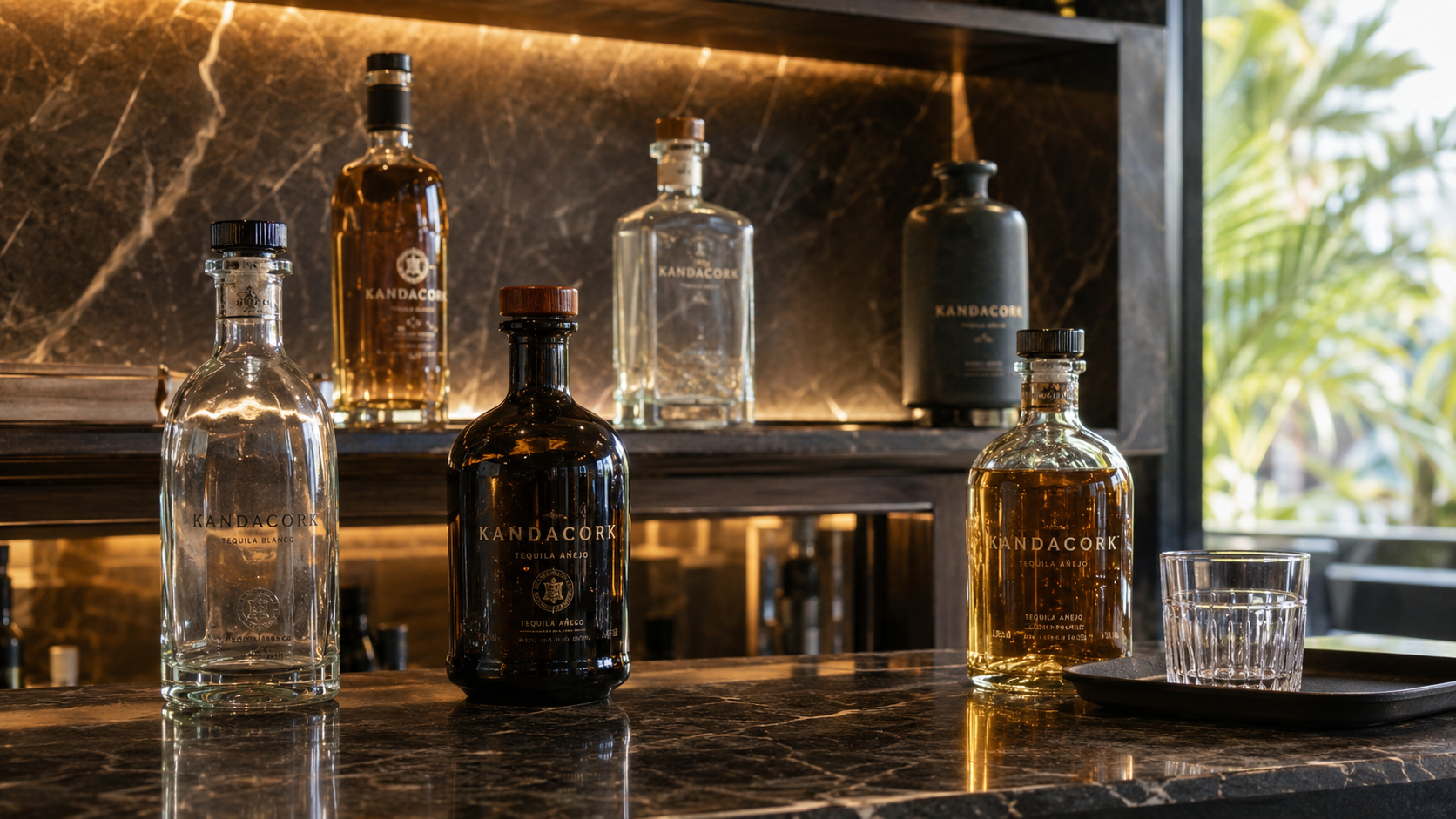
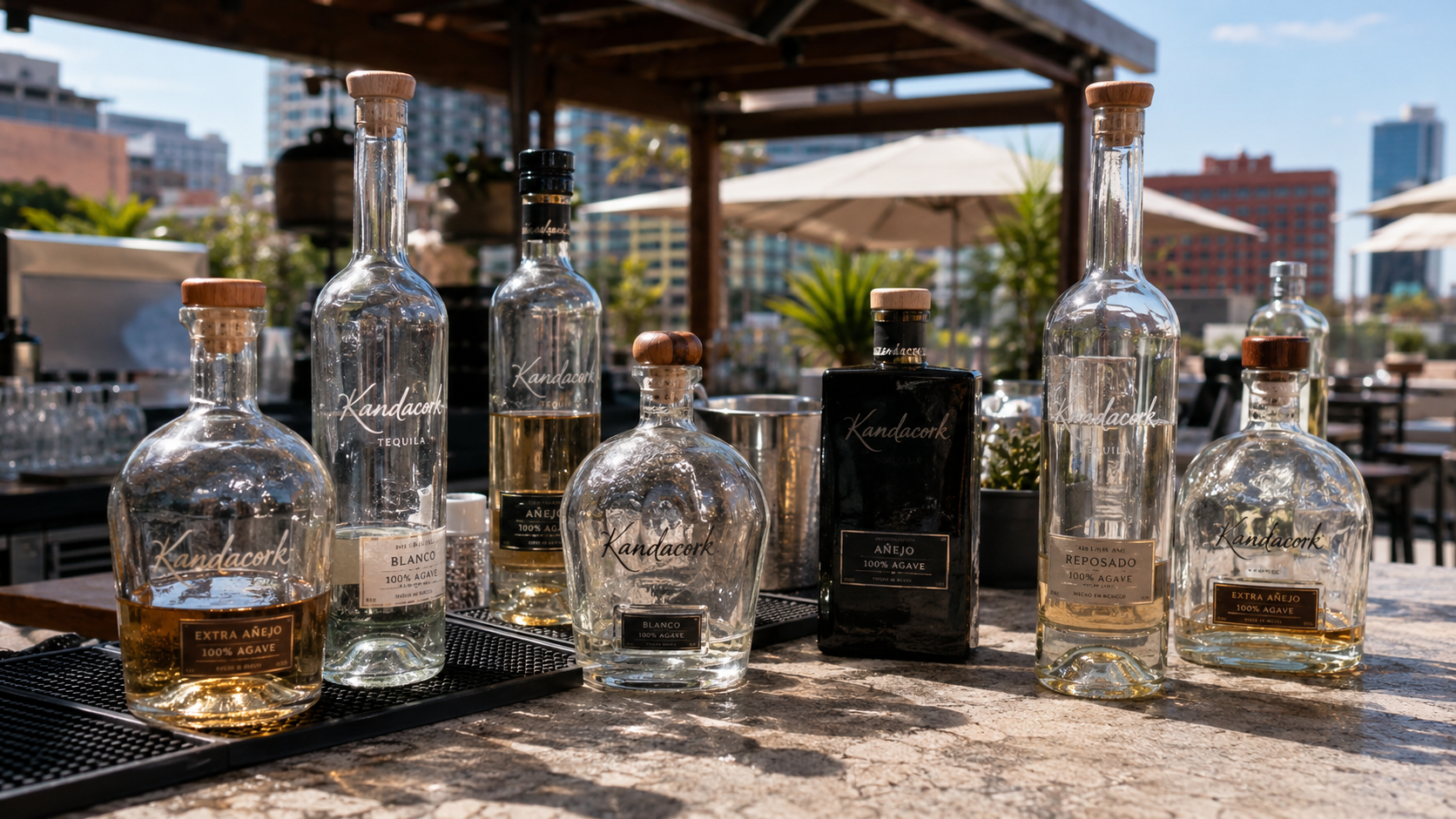
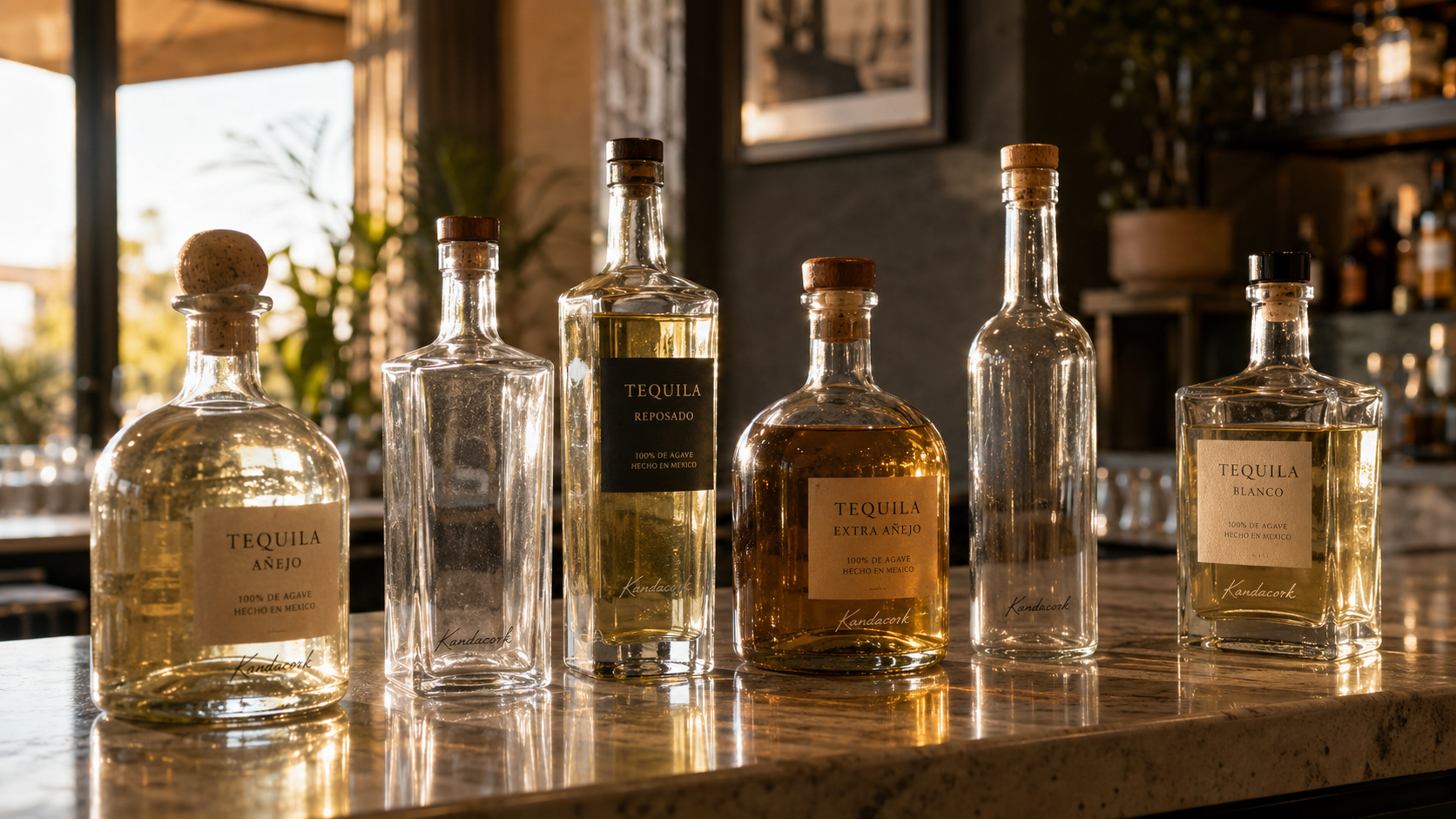
Spirits closures are used for whisky, vodka, gin, rum, tequila, brandy, cognac, liqueurs, mezcal, and other alcoholic beverages. Their main role is to protect the liquid, preserve aroma, provide first-opening security, and support premium brand identity.
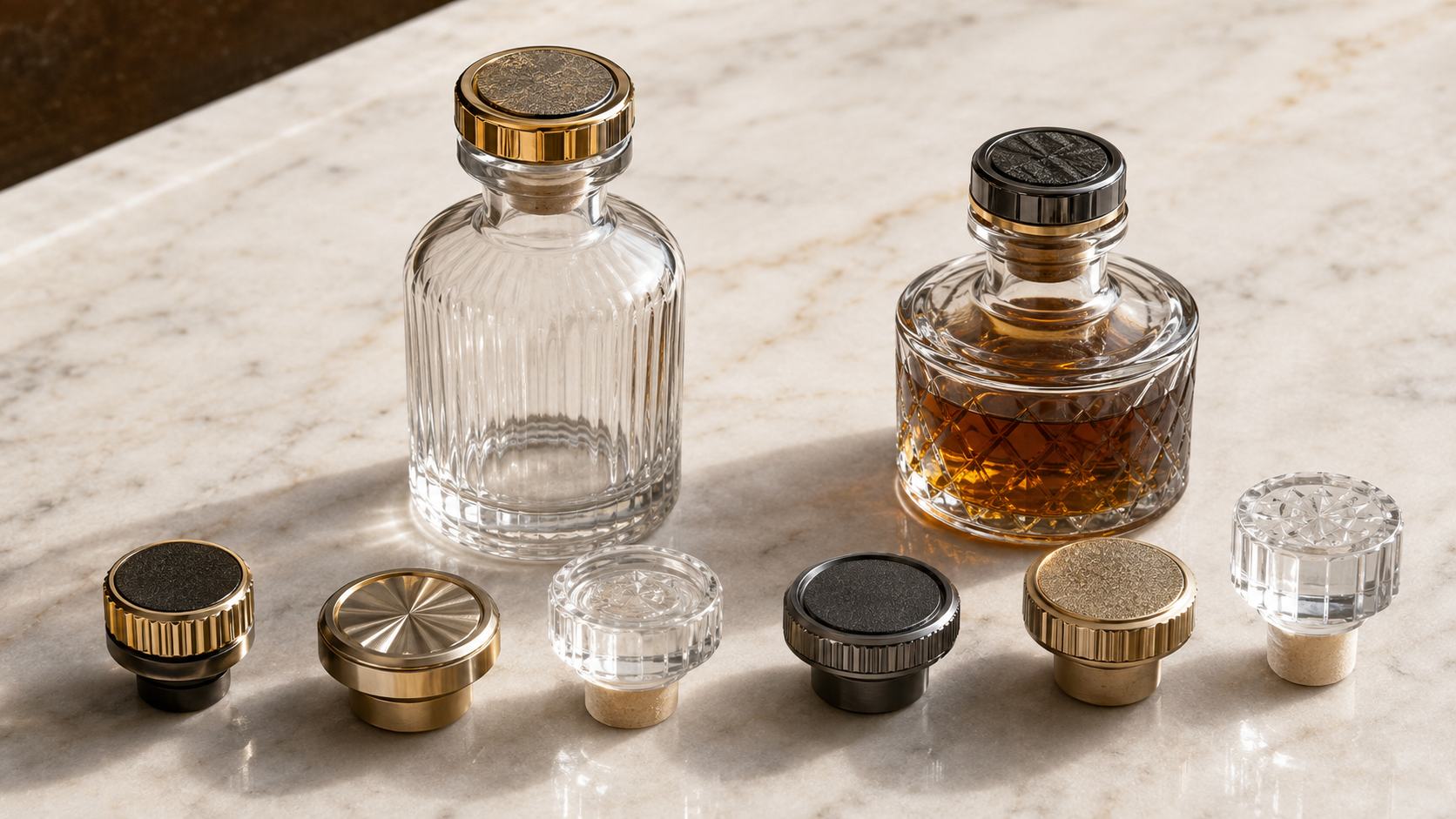
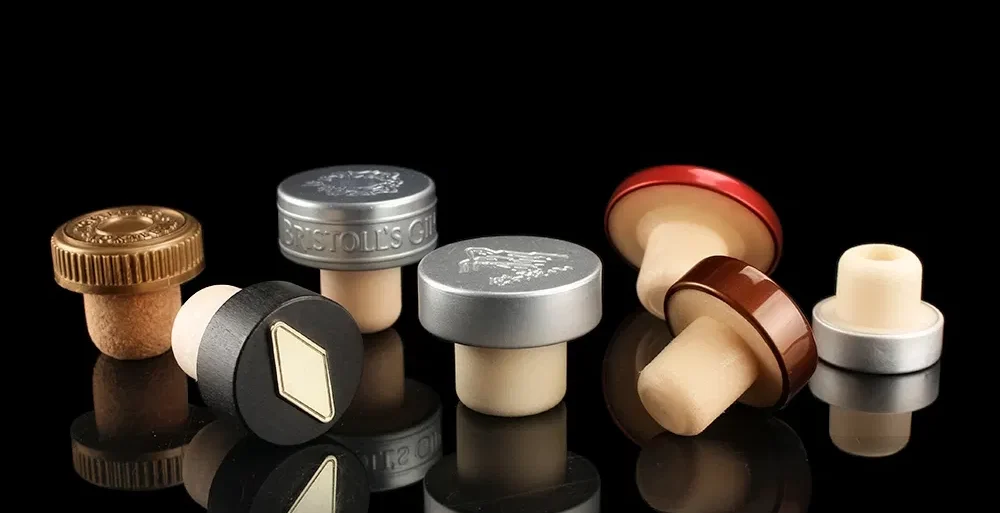
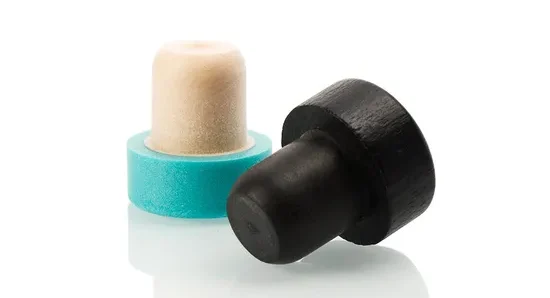
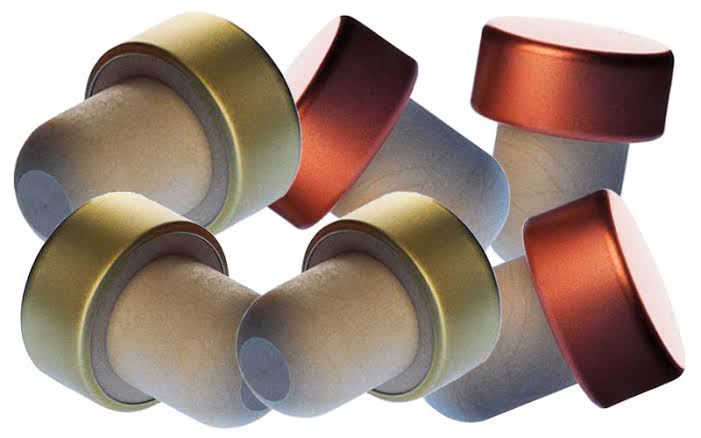
Common spirits bottle closures include natural cork stoppers, synthetic stoppers, bar-top closures, wood-top closures, aluminum-top closures, plastic-top closures, ROPP caps, GPI screw caps, capsules, shrink sleeves, tamper-evident caps, and non-refillable systems.
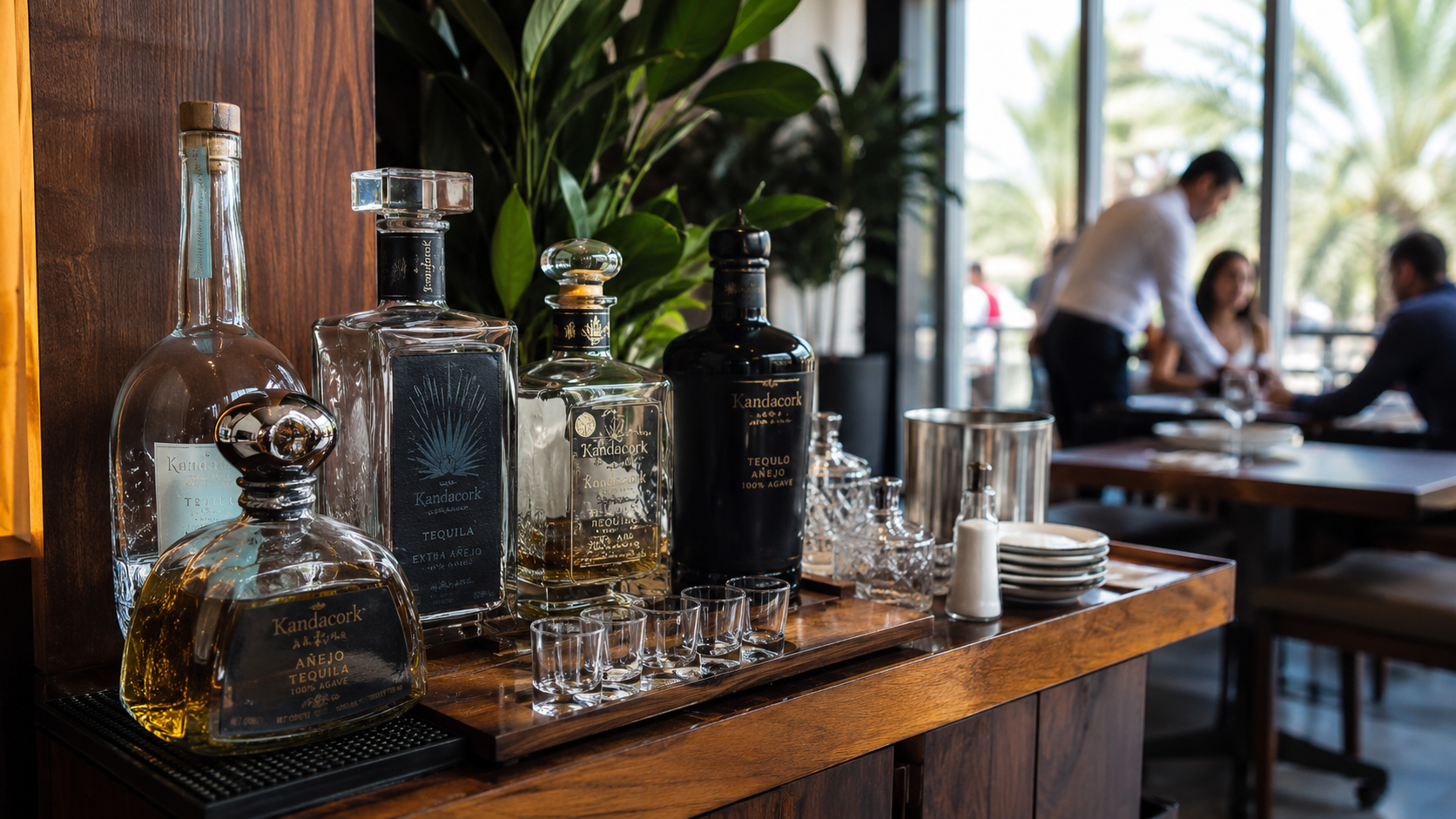
For spirits brands, the closure is part of the product ritual. The weight, sound, grip, top material, color, and resealing feel can influence how consumers judge the bottle before and after purchase. A luxury rum, craft gin, or premium whisky bottle often relies on the closure to communicate quality before the label is even read.
For projects involving custom bottles, Kandacork’s spirits bottle projects can help buyers align bottle shape, closure type, and shelf positioning from the early concept stage.
Key Differences Buyers Should Understand
The most important difference is product behavior. Olive oil is thicker and needs controlled flow. Spirits are thinner and need secure sealing, aroma protection, and alcohol-compatible materials.
The second difference is consumer use. Olive oil bottles are often opened repeatedly during cooking, dining, or restaurant service. Spirits bottles may be opened less frequently, but the opening experience carries stronger emotional and premium-brand value.
The third difference is brand risk. Olive oil brands must avoid leakage, messy pouring, and refill fraud. Spirits brands must avoid leakage, evaporation, weak tamper evidence, counterfeiting, and poor shelf presentation.
The fourth difference is closure structure. Olive oil closures often use inserts, vents, pourers, and anti-drip systems. Spirits closures often use cork shanks, synthetic shanks, decorative heads, capsules, ROPP bands, or anti-counterfeit components.
Pour Control
Pour control is one of the main reasons buyers compare olive oil closures and spirits closures.
Olive oil is usually dispensed in small amounts over salads, bread, pasta, grilled vegetables, or cooking pans. A good olive oil closure should help the user pour smoothly without flooding the food or leaving oil around the bottle neck.
This is why many olive oil closures use flow-control inserts, anti-drip lips, air-return vents, and non-refillable pourer systems. These components influence flow speed, cut-off behavior, and cleanliness after repeated pouring.
Spirits closures may also support controlled pouring, especially for hospitality and non-refillable applications. However, many spirits projects prioritize resealing, premium touch, and brand protection. A whisky bar-top stopper, for example, is often judged by how securely it fits and how premium it feels during opening.
Seal Integrity
Both categories need reliable sealing, but the risks are different.
For olive oil, poor sealing can cause oil leakage, stained labels, damaged cartons, greasy bottle surfaces, and customer complaints. Because oil can move through small gaps, bottle finish tolerance and closure fit are critical.
For spirits, poor sealing can cause leakage, alcohol evaporation, aroma loss, and reduced customer trust. Ethanol can interact with some closure materials, so liners, shanks, gaskets, and inserts should be checked for compatibility.
A closure that looks correct on a drawing may perform differently during filling, shipping, storage, and consumer use. Buyers should test with the actual bottle, actual liquid, and expected filling conditions.
Tamper Evidence
Tamper-evident closures protect consumer confidence and brand reputation.
Olive oil closures often use tamper-evident bands, tear strips, ROPP systems, or non-refillable pourers to show whether the package has been opened. This matters in premium retail, foodservice, hotels, tasting rooms, and export markets.
Spirits closures often require stronger first-opening protection. In the United States, TTB guidance states that distilled spirits plants and importers must securely affix a tamper-evident closure or similar device to bottles or containers of distilled spirits.
A good tamper-evident closure should be visible, reliable, easy to understand, and compatible with the filling line. If the tamper band breaks too early, does not break cleanly, or is hard for consumers to recognize, the closure may weaken trust instead of building it.
ROPP Closures for Oil and Spirits
ROPP means roll-on pilfer-proof. These closures are widely used where buyers need tamper evidence, recloseability, and efficient machine application.
For olive oil, ROPP closures are often selected for retail bottles that need a secure cap, pilfer-proof band, and compatibility with controlled pourer inserts. They can work well for export olive oil, vinegar, dressings, and other specialty food products.
For spirits, ROPP caps are common in vodka, gin, whisky, rum, brandy, and liqueur packaging where brands want a secure closure with consistent application. They may be paired with aluminum decoration, printed sidewalls, embossed tops, or capsules depending on the brand position.
ROPP closures are not one-size-fits-all. Shell height, skirt profile, liner type, thread forming, torque range, and bottle finish all need review. A cap that performs well on one glass finish may need adjustment for another.
Non-Refillable Closure Systems
Non-refillable closures are a major overlap between olive oil and spirits packaging.
For olive oil, non-refillable closures help protect product authenticity in restaurants, hotels, tasting rooms, and premium retail. They reduce the risk of bottles being refilled with lower-quality oil.
For spirits, non-refillable systems help fight refilling and counterfeiting, especially for high-value whisky, rum, tequila, vodka, gin, and cognac. These systems may use internal valves, ball mechanisms, flow-control inserts, or one-way structures.
The same concept can serve both markets, but the internal design should be adapted. Olive oil needs smooth flow for a viscous liquid. Spirits need alcohol-compatible materials, secure sealing, and strong anti-counterfeiting performance.
Materials and Components
Closure material selection affects safety, function, appearance, and cost.
Olive oil closures often use aluminum shells, PE or PP inserts, plastic pourers, food-contact liners, tamper-evident bands, and oil-compatible polymers. Materials should support clean pouring and remain suitable for edible oil packaging.
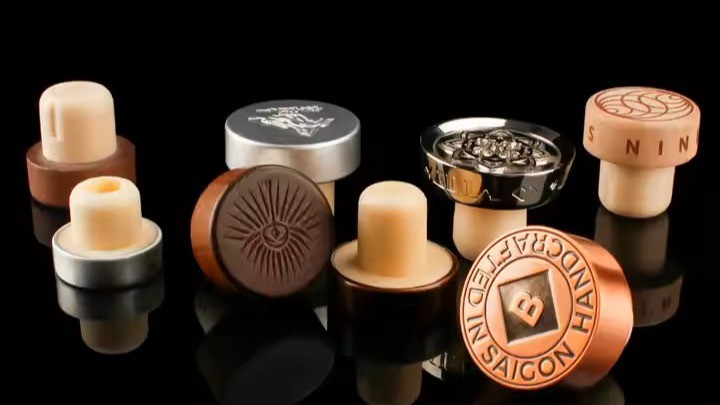
Spirits closures may use natural cork, micro-agglomerated cork, synthetic shanks, wood tops, aluminum tops, plastic heads, glass heads, zinc alloy parts, capsules, liners, and decorative shells. Premium spirits closures often combine several materials to create stronger shelf impact.
For olive oil sold in the European market, buyers should also consider the EU food-contact materials framework, which emphasizes safety and inertness for materials intended to contact food.
Buyers should confirm which components contact the liquid, whether the materials are compatible with oil or alcohol, whether documentation is available, and whether decoration will affect performance.
Bottle Neck Finish Compatibility
Closure selection should begin with the bottle neck finish.
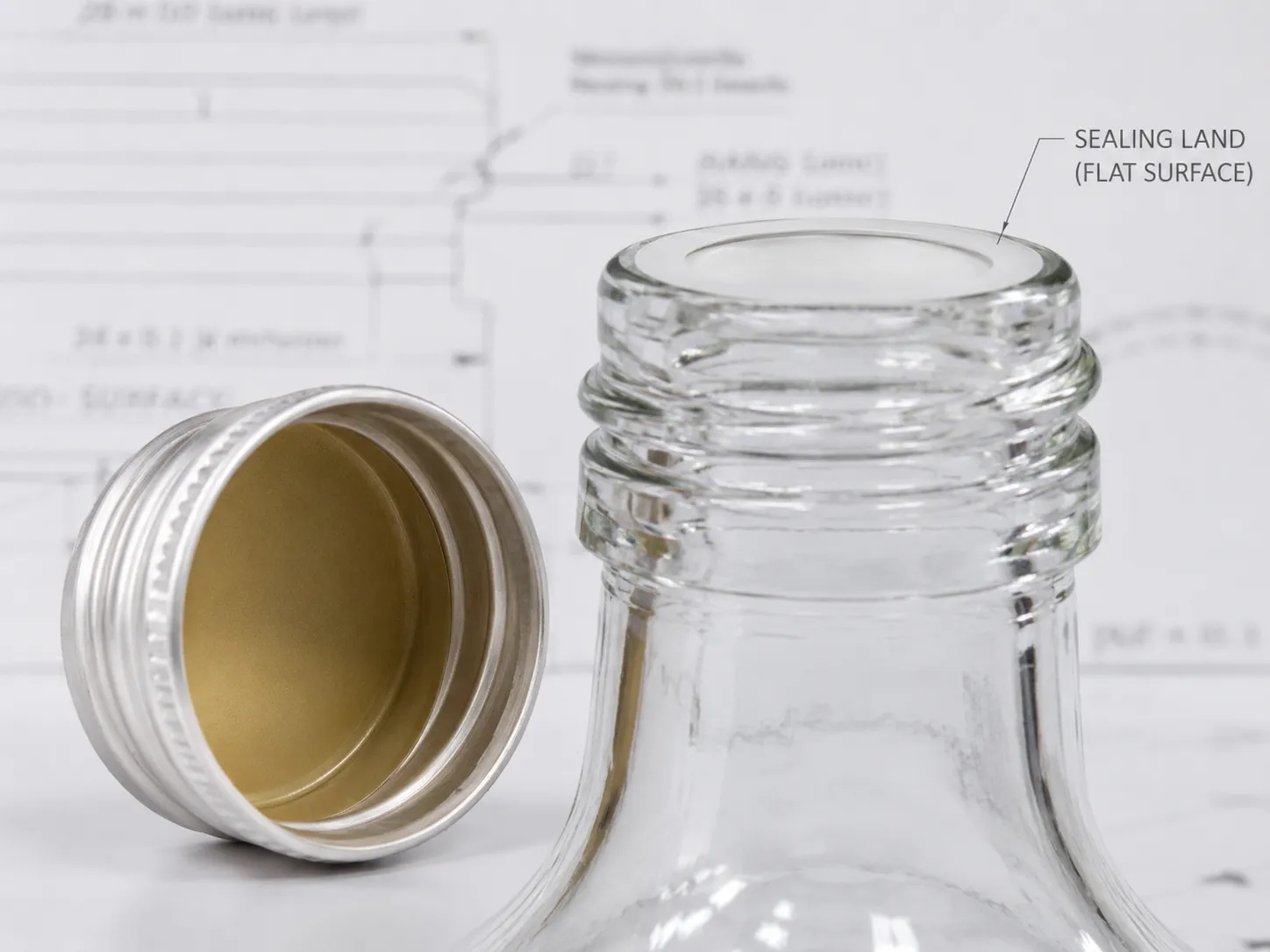
Neck diameter, thread profile, bead height, bore diameter, sealing surface, finish tolerance, and glass quality all influence closure performance. Even a small mismatch can cause leakage, weak tamper-band breakage, poor torque, unstable application, or an inconsistent opening experience.
Olive oil bottles may use ROPP finishes, screw finishes, snap-on finishes, or pourer-compatible necks. Spirits bottles may use cork-mouth finishes, bar-top finishes, GPI screw finishes, ROPP finishes, or custom luxury neck designs.
Before production, buyers should provide the bottle drawing, bottle sample, neck finish specification, product type, filling method, target market, and decoration requirements. Kandacork Closures can support cap and neck compatibility review before tooling, sampling, or bulk ordering.
Filling Line and Application Requirements
A closure that works during manual sampling may fail on a production line if application conditions are ignored.
Olive oil closures may require controlled cap torque, accurate pourer insertion, stable tamper-band application, leak resistance after filling, and good performance under transport vibration.
Spirits closures may require pull-out force control, insertion force testing, torque control, capsule application, shrink sleeve application, ROPP capping head compatibility, and consistent resealing performance.
Buyers should confirm whether the closure will be applied manually, semi-automatically, or fully automatically. Line speed, capping head type, operator process, bottle stability, and torque range can all affect final performance.
Closure Testing Before Bulk Production
Professional buyers should validate closure performance before mass production. Useful tests include torque testing, leak testing, inverted bottle testing, flow-rate testing, anti-drip testing, pull-out force testing, insertion force testing, ethanol compatibility testing, oil resistance testing, transport vibration testing, drop simulation, aging review, and filling-line trials.
Testing should use the actual bottle, actual product, and expected filling conditions. This reduces the risk of leakage, poor fit, line stoppages, consumer complaints, and shipment delays.
Quality management also matters. The ISO 9001 standard for quality management systems is widely used to support process control, repeatability, traceability, corrective action, and customer-focused quality improvement. For closure buyers, this type of quality thinking is important because packaging components must perform consistently across production batches.
Branding and Decoration Options
Closures are small components, but they strongly influence perceived value.
For olive oil packaging, closure design often supports a clean, culinary, premium, or artisanal identity. Matte black, brushed aluminum, gold, silver, deep green, and natural tones can work well with olive oil bottle designs.
For spirits packaging, the closure may be one of the strongest premium signals. Wood tops, embossed logos, metallic finishes, custom colors, hot stamping, glass-like heads, and tactile materials can make a bottle feel more valuable.
Kandacork’s custom decoration and branding support can help brands align closure finishes with bottle decoration, label design, carton graphics, capsule color, and shelf positioning.
Common decoration options include top printing, side printing, embossing, debossing, hot stamping, laser marking, matte coating, gloss coating, metallic finishing, color matching, custom head shapes, and capsule coordination.
Real-World Buyer Scenarios
Premium Olive Oil Brand
A premium olive oil brand selling through retail and restaurants may need a tamper-evident pourer closure with an anti-drip insert. The closure should support clean table use, food-contact requirements, and product authenticity.
For this type of project, Kandacork Closures may recommend flow-rate testing, oil resistance testing, tamper-band break evaluation, and closure fit testing with the selected glass bottle.
Craft Gin Distillery
A craft gin distillery may need a closure that supports aroma protection, shelf appeal, and a premium opening experience. Depending on the bottle design, the brand may choose a synthetic bar-top stopper, custom wood-top closure, ROPP cap, or decorative capsule.
For this type of project, Kandacork Closures may recommend ethanol compatibility testing, pull-out force checks, resealing evaluation, decoration review, and neck tolerance confirmation.
Hospitality Olive Oil Supplier
A hospitality olive oil supplier may need a non-refillable closure to reduce refill risk in restaurants and hotels. The closure should pour cleanly, resist leakage, and clearly show first-opening protection.
For this type of project, Kandacork Closures may recommend non-refillable pourer testing, inverted leak testing, repeated-pour testing, and carton transport simulation.
Bar-Top Stoppers, Screw Caps, and Premium Feel
Spirits buyers often compare closure formats based on how the bottle feels in the hand. A premium stopper can make the bottle feel more collectible, while a screw cap can support convenience, line speed, and familiar opening behavior.
Kandacork Closures supplies bar-top stoppers for spirits brands that need custom heads, reliable shanks, controlled pull-out force, and premium shelf presence. These stoppers are commonly used for whisky, gin, rum, tequila, brandy, liqueurs, and specialty spirits.
For projects that need recloseable convenience, consistent torque, and efficient application, screw caps may be suitable for spirits, beverage, oil, and specialty packaging applications.
The choice depends on the brand promise. A luxury spirits bottle may benefit from a custom stopper and capsule system. A high-volume product may need a cap that runs efficiently and consistently on automatic lines.
Olive Oil Closures vs Spirits Closures: Which Should You Choose?
Choose olive oil closures when the project depends on clean dispensing, oil resistance, anti-drip performance, food-contact suitability, and convenient repeated use.
Choose spirits closures when the project depends on premium opening feel, aroma protection, ethanol compatibility, tamper evidence, anti-counterfeiting, and high-end shelf presentation.
For some products, the answer may be a shared closure family with different specifications. ROPP caps, screw caps, tamper-evident closures, and non-refillable systems can appear in both markets. The key is to customize the liner, insert, finish, decoration, and test protocol for the specific liquid and bottle.
| Buyer Need | Recommended Closure Direction |
|---|---|
| Clean olive oil pouring | Anti-drip pourer closure |
| Premium olive oil retail | Tamper-evident ROPP cap or pourer cap |
| Hospitality refill prevention | Non-refillable olive oil pourer |
| Craft spirits presentation | Custom bar-top stopper or decorative cap |
| Mass-market spirits | ROPP cap or screw cap |
| High-value spirits protection | Non-refillable tamper-evident closure |
| Export packaging | Validated closure with documentation |
| Luxury shelf impact | Custom decorative stopper or premium capsule |
This table helps buyers move from product need to closure direction before requesting samples.
Packaging System Considerations
A closure works best when it is selected together with the full packaging system. Bottle weight, neck tolerance, label material, decoration method, carton structure, packing format, and shipping conditions can all affect final performance.
For buyers developing new glass bottles, integrated glass packaging programs can help align bottle shape, closure specification, decoration, and export packing from the beginning. This is especially useful for brands launching premium spirits, high-end olive oil, gift sets, private-label ranges, or multi-SKU packaging families.
Glass packaging is also a key part of premium food and beverage presentation. The Glass Packaging Institute highlights glass as a major packaging material for brands that care about product protection, recyclability, and shelf appeal. For closure buyers, this means the closure should complement the bottle’s sustainability story as well as its visual identity.
Quote Preparation for Buyers
To receive an accurate closure recommendation, buyers should prepare the product category, bottle drawing, bottle sample if available, neck finish specification, fill volume, liquid type, filling temperature, filling method, capping method, annual quantity, closure type preference, tamper-evident requirement, non-refillable requirement, decoration requirements, target market, testing needs, and delivery schedule.
Send Kandacork Closures your bottle drawing, neck finish, liquid type, filling method, and target market to receive closure recommendations for olive oil, spirits, or custom beverage packaging projects.
Clear project information helps reduce sampling delays and prevents the common mistake of choosing a closure that looks suitable but does not match the bottle finish, line setup, or product behavior.
Why Work with Kandacork Closures?
Kandacork Closures supports buyers who need more than a standard cap. The company helps evaluate closure structure, bottle compatibility, material selection, decoration options, sample matching, and production requirements.
For olive oil brands, Kandacork Closures can support pourer closures, tamper-evident caps, ROPP closures, anti-drip concepts, non-refillable systems, and custom appearance options.
For spirits brands, Kandacork Closures can support premium stoppers, bar-top closures, synthetic closures, aluminum caps, decorative tops, capsules, and tamper-evident systems.
For buyers who need bottle sourcing as well as closure matching, Kandacork’s glass packaging support can help coordinate glass bottle direction with closure structure, decoration, and export packing.
The goal is not simply to supply a closure. The goal is to reduce packaging risk, improve product presentation, and help brands create a reliable consumer experience.
FAQ
Are olive oil closures and spirits closures interchangeable?
Not always. Some closure families, such as ROPP caps and non-refillable systems, may be used in both categories. However, olive oil closures vs spirits closures should still be tested separately because liner selection, insert design, neck finish, material compatibility, and performance requirements can differ.
What is the biggest difference between olive oil closures and spirits closures?
The biggest difference is the performance priority. Olive oil closures usually focus on controlled pouring, anti-drip performance, and food-contact suitability. Spirits closures usually focus on sealing, tamper evidence, aroma protection, anti-counterfeiting, and premium presentation.
Can ROPP closures be used for both olive oil and spirits?
Yes. ROPP closures can be used for both olive oil and spirits, but the specification must match the bottle finish, liquid type, liner material, torque requirement, and tamper-evident structure.
When should I use a non-refillable closure?
Use a non-refillable closure when product authenticity, refill prevention, or anti-counterfeiting protection is important. This is common for premium olive oil, hospitality oil bottles, and high-value spirits.
What closure is best for premium olive oil bottles?
A premium olive oil bottle often benefits from a tamper-evident pourer closure, anti-drip insert, non-refillable pourer, or high-quality ROPP cap with oil-compatible and food-contact suitable materials.
What closure is best for premium spirits bottles?
A premium spirits bottle often benefits from a custom bar-top stopper, wood-top closure, synthetic stopper, decorative aluminum cap, capsule, or tamper-evident closure system matched to the bottle design.
Why does bottle neck finish matter?
Bottle neck finish affects sealing, torque, pull-out force, leak resistance, tamper-band performance, and filling-line stability. A closure should always be tested with the actual bottle finish before mass production.
What tests should buyers run before ordering closures?
Buyers should consider torque testing, leak testing, inverted bottle testing, flow-rate testing, anti-drip testing, pull-out force testing, ethanol or oil compatibility testing, transport testing, and filling-line trials.
What information does Kandacork Closures need for a quote?
Kandacork Closures typically needs the bottle drawing, bottle sample, neck finish, product type, filling method, closure preference, annual quantity, decoration requirements, target market, and testing needs.
Conclusion
Olive oil closures vs spirits closures is not a simple visual comparison. The right choice depends on the liquid, bottle neck finish, pouring behavior, sealing requirement, tamper-evident design, branding goals, filling-line conditions, and target market.
Olive oil closures should deliver clean dispensing, controlled flow, oil resistance, food-contact suitability, and reliable table-use performance. Spirits closures should deliver secure sealing, premium opening feel, tamper evidence, aroma protection, and strong brand identity.
For buyers developing a new olive oil or spirits packaging project, the best approach is to test the closure with the actual bottle, product, and filling process. Kandacork Closures can help match technical closure performance with commercial packaging goals, helping brands build packaging that looks good, works reliably, and supports customer trust.