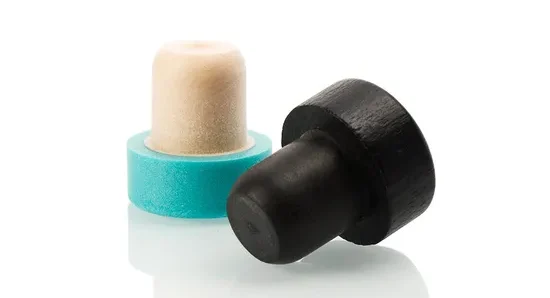
Quick Answer: How Should Buyers Choose a Stopper Finish?
A bar-top stopper finish should be selected by matching brand positioning, bottle neck fit, stopper material, shank performance, decoration method, durability, capsule compatibility, production volume, and budget. Premium spirits buyers should approve the finish only after testing actual samples with the bottle, shank, capsule, and packing system.
Bottle neck fit should always come before final finish approval. A beautiful stopper can still fail if the cork or synthetic shank is too loose, too tight, too short, or incompatible with the bottle neck profile.
This guide is written for spirits brands, distilleries, private label buyers, importers, distributors, bottlers, and packaging buyers comparing standard and custom bar-top stopper finishes for premium spirits packaging.
What This Guide Covers
This guide helps packaging buyers compare:
- Bar-top stopper finish options
- Bottle neck fit and shank requirements
- Metal, wood, plastic, resin, and glass-style stopper finishes
- Standard finish vs custom finish decisions
- QC testing and compliance considerations
- Logo decoration methods
- Supplier capability questions
- Sample approval and quotation preparation
Why Stopper Finish Matters in Premium Spirits Packaging
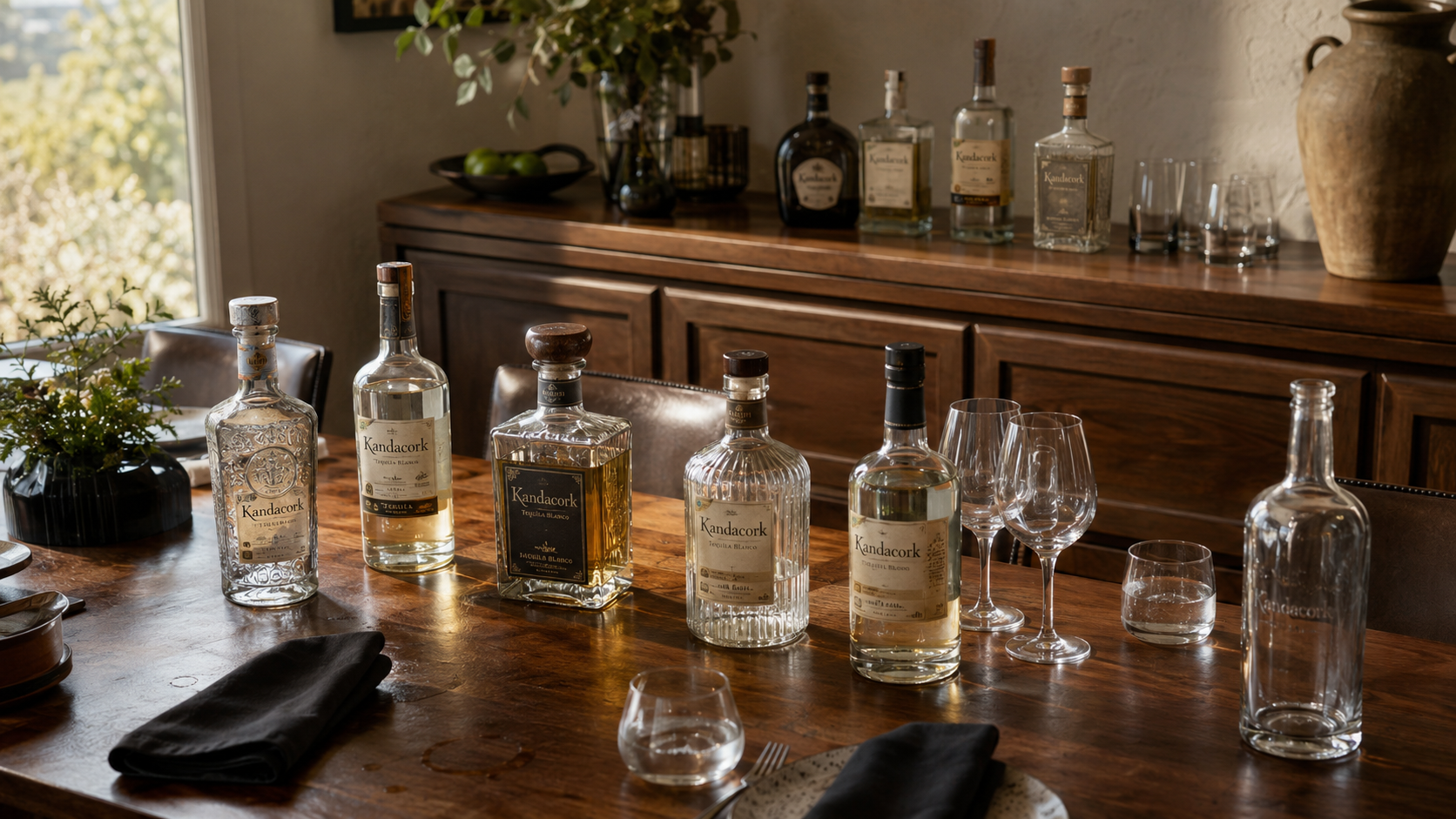
The stopper is one of the first packaging elements a consumer touches. Labels communicate the brand visually, but the closure creates the first physical impression when the bottle is opened. A heavy metal stopper feels different from a matte wooden stopper. A ribbed plastic stopper performs differently from a polished glass-style closure.
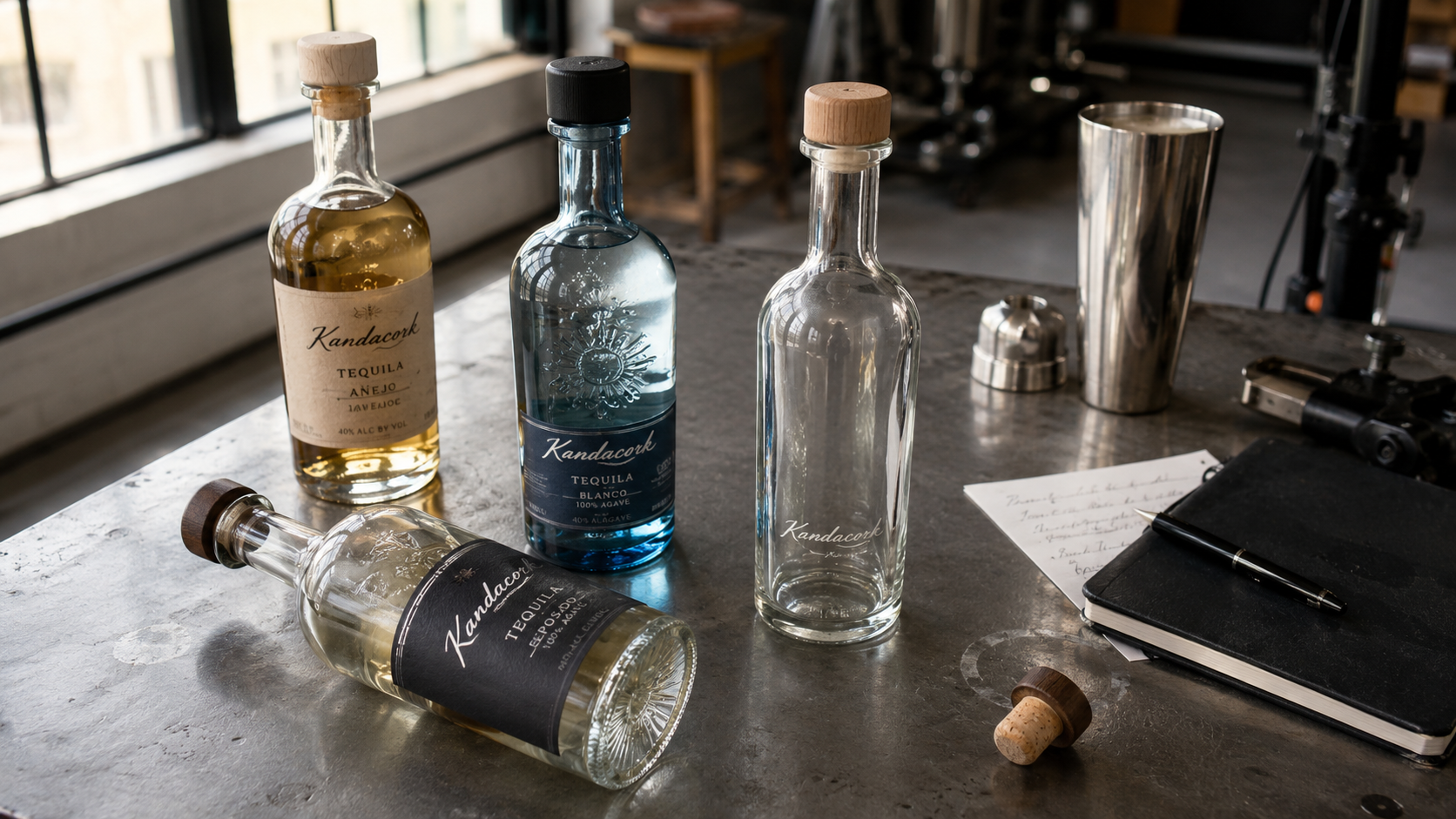
In premium spirits packaging, finish quality influences perceived value. Brushed gunmetal can make a whisky bottle feel modern and bold. Dark varnished wood can support a mature rum or bourbon identity. Frosted resin can create a clean vodka or gin presentation. Matte black can help tequila, mezcal, or craft spirits stand out in retail.
Surface finish also affects commercial performance. Poor coating adhesion, visible scratches, color inconsistency, weak logo definition, or scuffing during export can reduce the value of an otherwise well-designed bottle. Buyers should review stopper samples together with the bottle, label, capsule, carton, and shipping pack before confirming bulk production.
Kandacork Closures supports custom stopper projects through custom colors and finishes for spirits closures, helping buyers compare finish options, review bottle compatibility, and prepare production-ready closure specifications.
Surface Finish Selection Matrix
| Surface Finish | Best Material | Visual Effect | Suitable Spirits | Main Risk |
|---|---|---|---|---|
| Matte black | Metal, plastic, resin | Modern, understated, premium | Gin, tequila, mezcal, whisky | Rub marks or oil visibility |
| Gloss black | Plastic, coated wood, metal | Deep, polished, high contrast | Vodka, liqueur, private label spirits | Fingerprints and scratches |
| Brushed silver | Aluminum, zinc alloy, stainless steel | Clean, refined, technical | Vodka, gin, whisky | Directional texture variation |
| Polished silver | Metal, glass-style material | Bright, reflective, luxury | Vodka, gin, limited editions | Fingerprints and scuffing |
| Antique gold | Zamak, zinc alloy | Warm, heritage, premium | Rum, whisky, brandy, cognac | Plating tone variation |
| Gunmetal | Zinc alloy, aluminum | Dark, bold, contemporary | Whisky, tequila, mezcal | Scratch visibility |
| Copper | Metal | Warm, craft, distinctive | Rum, bourbon, craft spirits | Color and oxidation-style variation |
| Natural wood | Wood | Craft, organic, warm | Gin, rum, bourbon, whisky | Grain and tone variation |
| Dark varnished wood | Wood | Mature, classic, premium | Whisky, rum, brandy | Coating consistency |
| Ribbed plastic | PP, resin, synthetic material | Practical, grippable, cost-effective | Private label, mini bottles, flavored spirits | Mold marks and lower perceived value |
| Frosted resin | Resin, plastic | Soft, clean, modern | Vodka, gin, liqueur | Scuffing and color shift |
| Custom brand color | Plastic, resin, coated wood, coated metal | Brand-specific, flexible | Multi-SKU spirits, private label | Batch color consistency |
This table should be used as an early screening tool. Final approval should depend on actual samples, bottle neck fit tests, finish durability checks, and packaging compatibility.
Bottle Neck Fit, Cork Shank, and Synthetic Shank Requirements
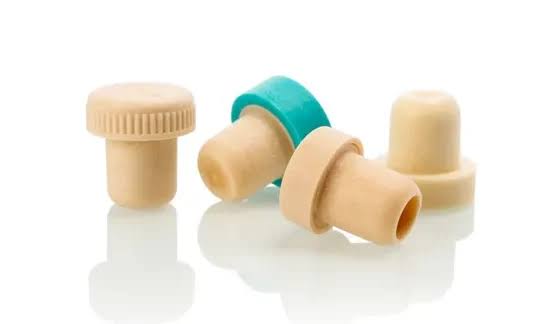
The stopper head creates the visual impression, but the shank controls closure performance. Natural cork, micro-agglomerated cork, and synthetic shanks each offer different compression, extraction force, appearance, and consistency.
Natural cork creates a traditional look but may vary in texture and density. Micro-agglomerated cork can offer better consistency while retaining cork character. Synthetic shanks are often used when buyers need stable dimensions, consistent appearance, and predictable bulk performance.
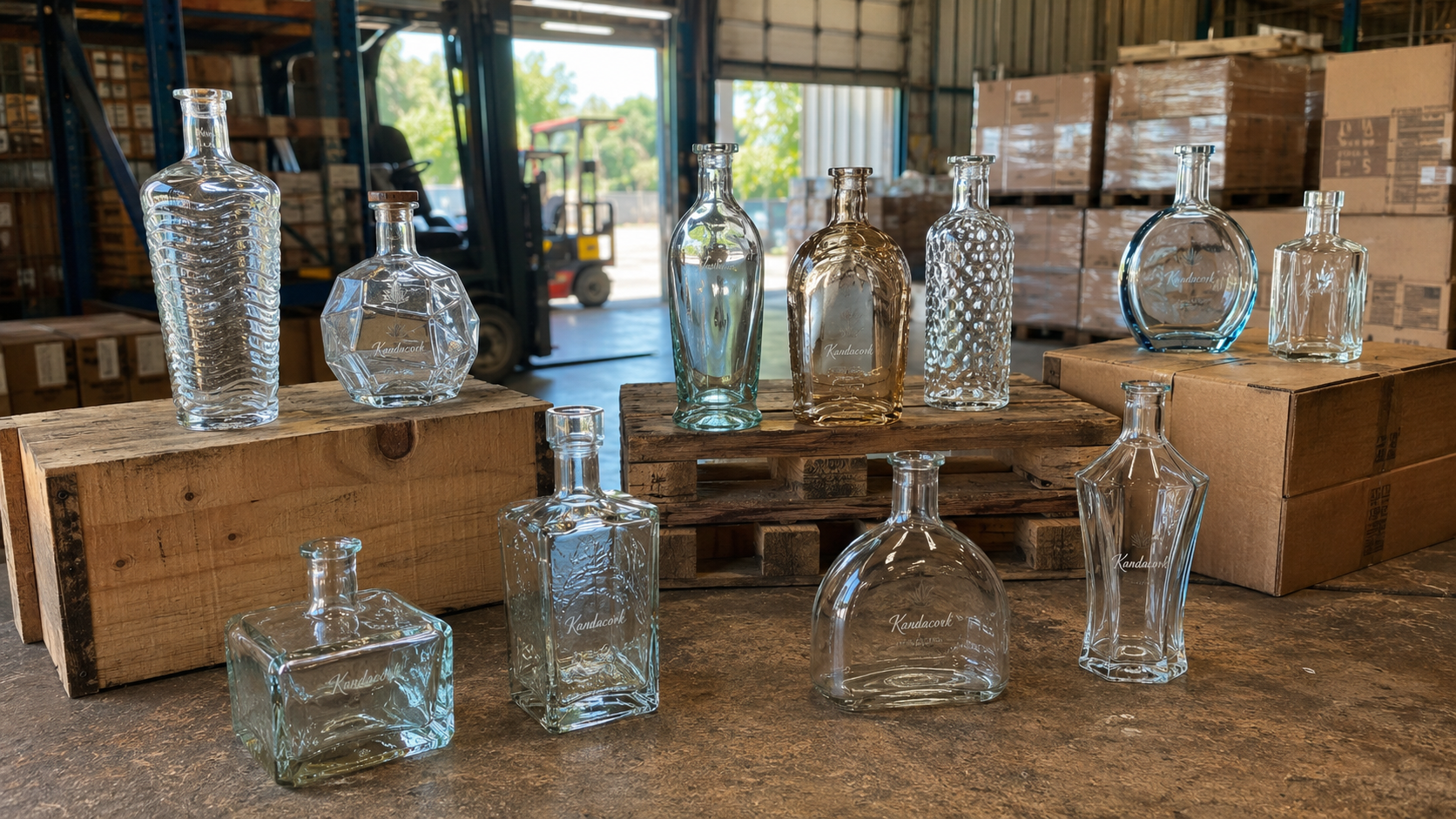
A stopper finish should never be approved before the shank is tested in the actual bottle. A premium closure can still fail if the shank is too loose, too tight, too short, too long, or incompatible with the bottle neck profile. For projects where bottle drawings or neck details are uncertain, a glass bottle neck closure matching guide can help buyers prepare a clearer sampling specification.
| Fit Parameter | Why It Matters | What Buyers Should Confirm |
|---|---|---|
| Inner neck diameter | Determines shank size | Test with the actual bottle, not only drawings |
| Bore diameter | Affects insertion and seal | Confirm recommended shank diameter |
| Neck depth | Affects shank length | Check whether the shank sits correctly |
| Neck taper | Influences compression | Confirm whether the neck is straight or tapered |
| Shank diameter | Controls tightness | Avoid loose fit or difficult insertion |
| Shank length | Affects stability | Ensure enough contact area |
| Insertion force | Impacts bottling process | Confirm manual or machine application suitability |
| Extraction force | Impacts consumer experience | Ensure the stopper is secure but easy to open |
| Compression recovery | Affects long-term fit | Check shank recovery after insertion |
| Stopper pop-up risk | Prevents closure failure | Test after filling and storage |
| Leakage resistance | Protects product and brand | Request fit and leak checks where applicable |
These fit checks help prevent loose closures, difficult opening, leakage, stopper pop-up, inconsistent insertion, and bottling-line delays.
Standard Finish vs Custom Finish: Which Should Buyers Choose?
A standard stopper finish is suitable when buyers need faster sampling, lower development risk, smaller trial runs, or cost-controlled packaging. Standard plastic, natural wood, ribbed plastic, smooth black, silver metal, or common varnished finishes can work well for market testing, entry-level premium spirits, or private label projects with tight timelines.
A custom stopper finish is better when the closure must match a brand color, limited-edition concept, gift pack, premium SKU, or long-term product line. Custom finishes may include Pantone-matched colors, antique plating, gunmetal, black nickel, special wood stains, frosted resin, logo engraving, medallion inserts, or multi-process decoration.
Custom projects require more control. Buyers should confirm master samples, color tolerance, logo trials, lead time, MOQ, packing protection, and repeat-order consistency before production.
Metal, Wood, Plastic, Resin, and Glass Finish Options
Metal Stopper Finishes
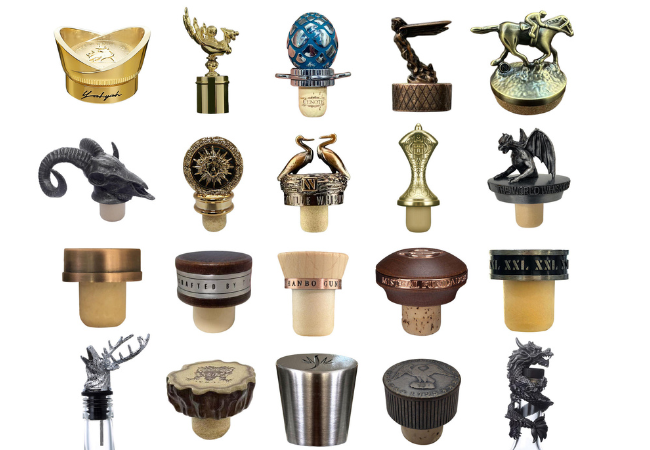
Metal bar-top stoppers are often chosen for premium and luxury spirits because they create weight, shine, and a strong hand feel. Common materials include zinc alloy, Zamak, aluminum, and stainless steel.
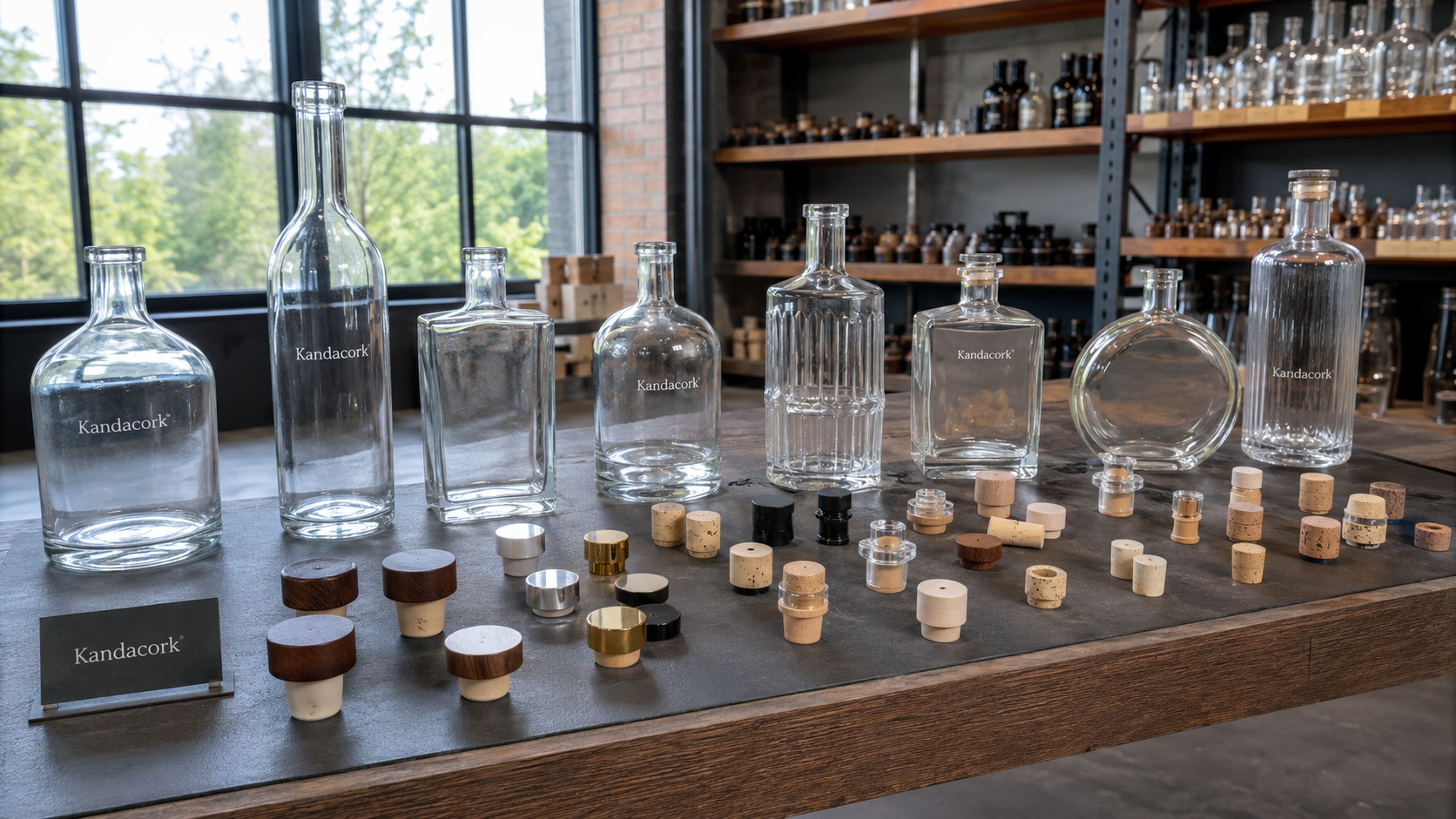
Popular metal finishes include brushed silver, polished silver, antique gold, bright gold, gunmetal, black nickel, copper, matte plating, and custom color coating. Metal also supports premium logo decoration such as embossing, debossing, engraving, color filling, sculpted relief, and medallion inserts.
Metal is suitable for whisky, tequila, mezcal, rum, cognac, brandy, and limited-edition spirits. Buyers comparing custom metal bar-top stoppers for spirits bottles should check plating tone, logo sharpness, edge smoothness, fingerprint visibility, scratch resistance, coating adhesion, and export packing protection.
Wooden Stopper Finishes
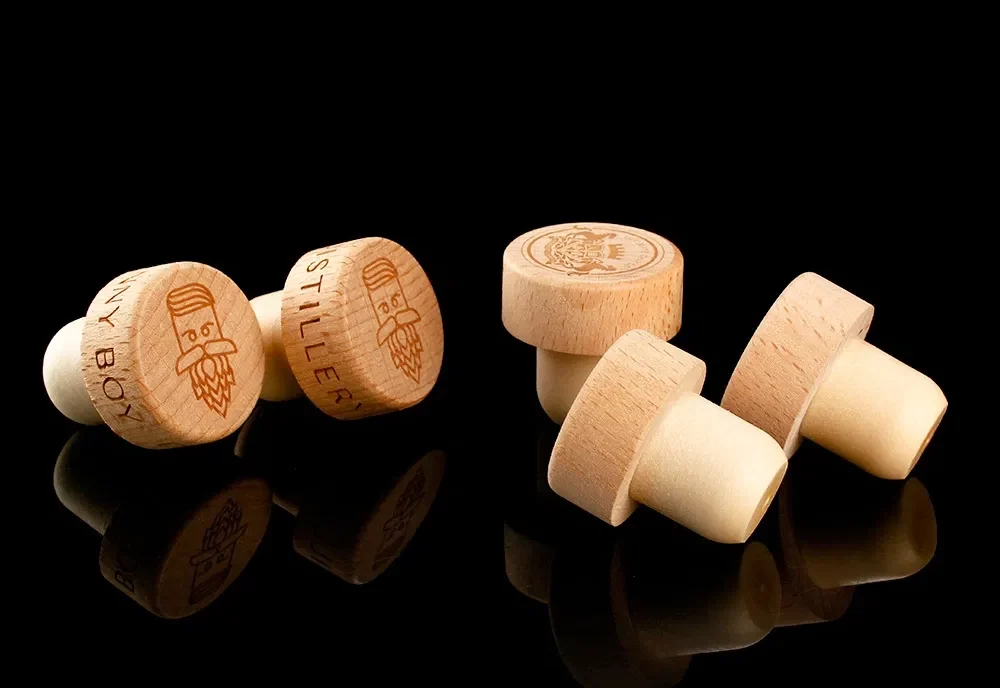
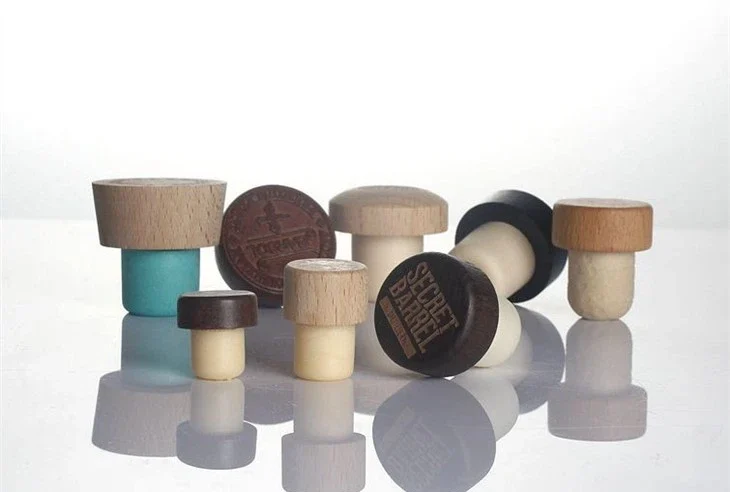
Wooden stoppers create a natural, craft, and heritage feeling. Common finishes include natural wood grain, light stain, dark stain, black varnish, matte varnish, gloss varnish, and custom color coating.
Wood is suitable for bourbon, whisky, rum, gin, craft spirits, organic spirits, and brands that want a warmer alternative to metal. A natural grain finish makes each bottle feel slightly unique, while a dark varnished finish creates a more mature and traditional presentation.
The main buying issue is variation. Wood is a natural material, so grain, color absorption, and tone may vary between pieces and batches. Buyers should approve an acceptable color and grain range rather than judging every stopper against one perfect sample.
Plastic and Resin Stopper Finishes
Plastic and resin stoppers are practical for private label programs, flavored spirits, promotional ranges, mini bottles, and cost-controlled premium packaging. They can be finished in smooth gloss, soft matte, ribbed texture, frosted resin, metallic-look coating, molded color, or custom Pantone-matched colors.
A ribbed plastic finish improves grip and is useful in bar environments. A smooth top supports cleaner pad printing or molded logos. Matte finishes create a modern appearance, while gloss finishes increase color depth.
Plastic and resin are useful for multi-SKU product lines. A flavored spirits range may use different stopper colors to identify flavors. A private label buyer may need a closure color that matches the capsule, label accent, carton artwork, or retail theme. Buyers evaluating plastic bar-top stoppers for spirits bottles should check mold marks, flow lines, coating adhesion, scuffing, gloss consistency, and batch color stability.
Glass and Crystal-Style Stopper Finishes
Glass and crystal-style stoppers are suitable for brands that want clarity, purity, and visual refinement. Common finishes include clear glass, frosted glass, tinted glass, polished edges, molded shapes, and engraved details.
These closures are often used for vodka, gin, liqueurs, and luxury minimalist packaging. They can create a clean, architectural appearance, especially when paired with flint glass bottles or understated labels.
However, transparent and reflective materials show defects more easily than wood or matte plastic. Buyers should review weight, breakage risk, edge quality, bubble visibility, surface marks, packing protection, and compatibility with the bottle neck.
Finish Durability and QC Testing
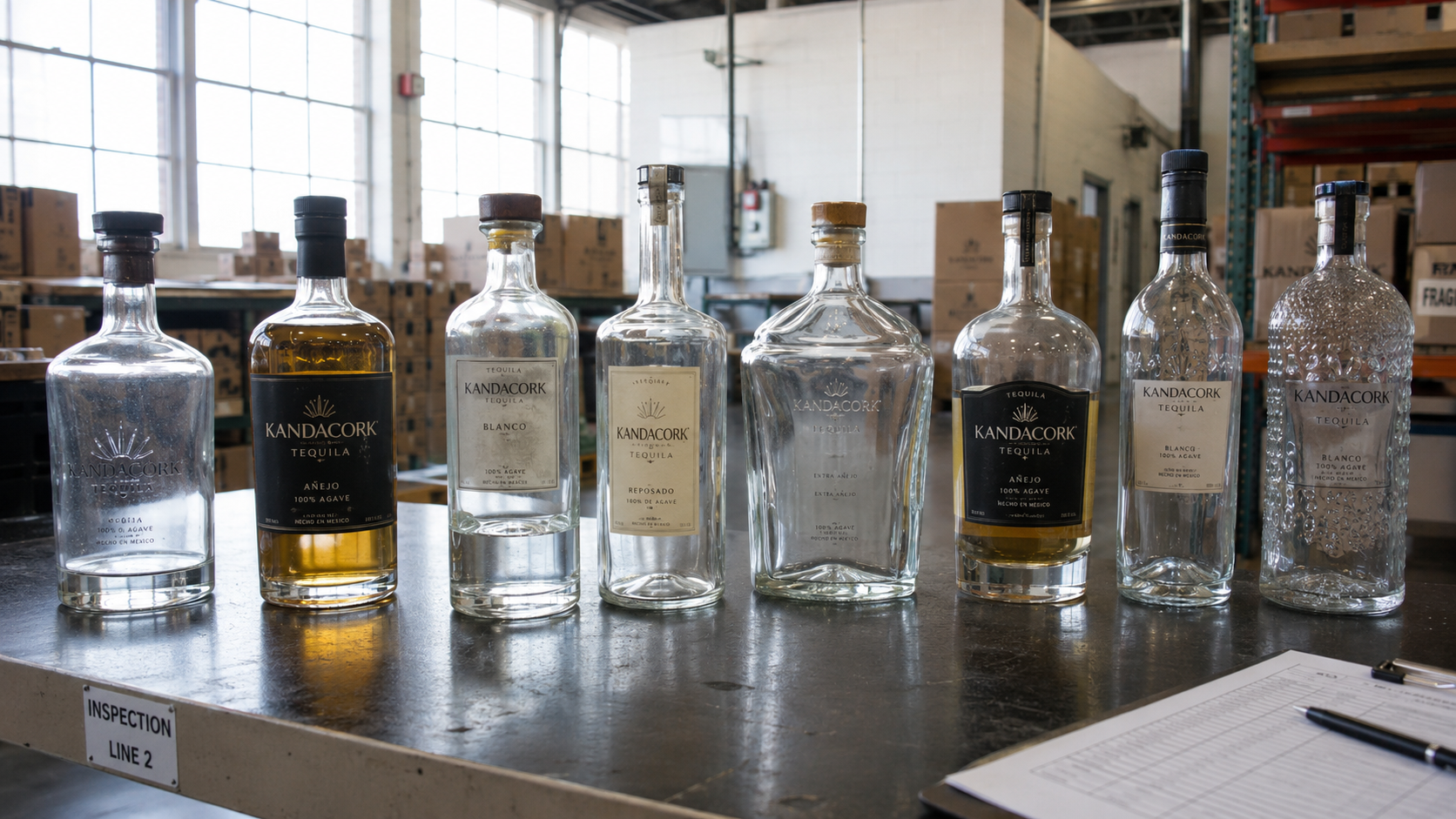
A premium closure finish should be tested for appearance and durability. Buyers should not approve a finish based only on first-look attractiveness. The finish must survive handling, insertion, packing, shipping, retail display, and consumer use.
Important QC checkpoints include coating adhesion, rub resistance, scratch resistance, fingerprint visibility, color consistency, gloss consistency, logo clarity, capsule compatibility, and packing protection.
For coated, plated, or painted surfaces, buyers can reference recognized adhesion test concepts such as ASTM D3359 coating adhesion testing where appropriate. For supplier process control, ISO 9001 is a useful quality management reference. For color matching, Pantone references and physical master samples are widely used in packaging development.
Color should be reviewed under multiple light sources, including daylight, retail lighting, office lighting, and photography lighting. This is especially important for black, white, metallic, green, blue, and custom brand colors. A closure may look correct in one setting but appear different when placed next to the bottle, capsule, label, or carton.
Food-Contact and Compliance Considerations
Compliance should be treated as a purchasing risk, not only a regulatory topic. Buyers should request documentation when the closure includes plastic shanks, coated heads, adhesives, special colorants, recycled components, or export-market requirements.
Although the stopper head may not directly contact the spirit, the closure system may include materials, shanks, coatings, adhesives, colorants, or plastic components that require review. Buyers should ask suppliers for material declarations, traceability information, and documentation suitable for the target market.
For U.S. projects, FDA food-contact substance concepts may be relevant when closure components can contact food or beverage areas. For European projects, Regulation (EC) No. 1935/2004 provides the general framework for food-contact materials, while EU Regulation No. 10/2011 is relevant for plastic materials intended to contact food.
Matte vs Gloss: Which Finish Is Better?
Matte and gloss finishes serve different branding goals.
A matte stopper finish is modern, understated, and less reflective. It works well for craft spirits, botanical gin, dark labels, contemporary tequila, mezcal, and premium minimalist packaging. However, matte surfaces may show oils, rub marks, or abrasion if the coating is weak.
A gloss finish creates stronger shine and deeper color. It is useful for retail shelf impact, promotional packaging, flavored spirits, and bold private label designs. Gloss black, gloss red, gloss green, or gloss metallic-look finishes can look premium when executed well, but they may show fingerprints and scratches more easily.
Buyers should compare matte and gloss samples under real lighting and handling conditions before approving the final closure finish.
Choosing Finish by Spirits Category and Project Type
Whisky and bourbon brands often choose dark varnished wood, antique gold, brushed metal, black nickel, copper, or heavy Zamak finishes. These options support maturity, craftsmanship, and weight.
Vodka brands often prefer polished silver, frosted resin, clear glass, white, or minimalist metallic finishes. These communicate purity, clarity, and clean premium design.
Gin brands can use natural wood, matte colors, brushed aluminum, botanical green, pale tones, or custom brand colors. These finishes support botanical, craft, and modern positioning.
Rum brands often benefit from warm wood stain, antique gold, bronze, copper, dark varnish, or heritage textures. These tones match aged liquid color and traditional brand narratives.
Tequila and mezcal brands may choose sculpted metal, matte black, earth-tone resin, rustic wood, high-relief logos, or textured finishes. These support origin, craft, and strong shelf identity.
Liqueurs and flavored spirits often use bright custom colors, gloss plastic, printed logos, or flavor-coded stopper systems. For these projects, repeat color consistency across SKUs is very important.
Project type also matters. A startup craft spirits brand may prefer stained wood, matte plastic, standard resin, or simple logo printing to reduce tooling cost and development risk. A private label buyer may prioritize custom color plastic, resin stoppers, synthetic shanks, and stable repeat production. A premium whisky or rum brand may choose heavy Zamak, antique plating, dark varnished wood, embossed logos, or medallion inserts. A high-volume export bottler may focus on synthetic shanks, durable coatings, efficient application, and protective cartons.
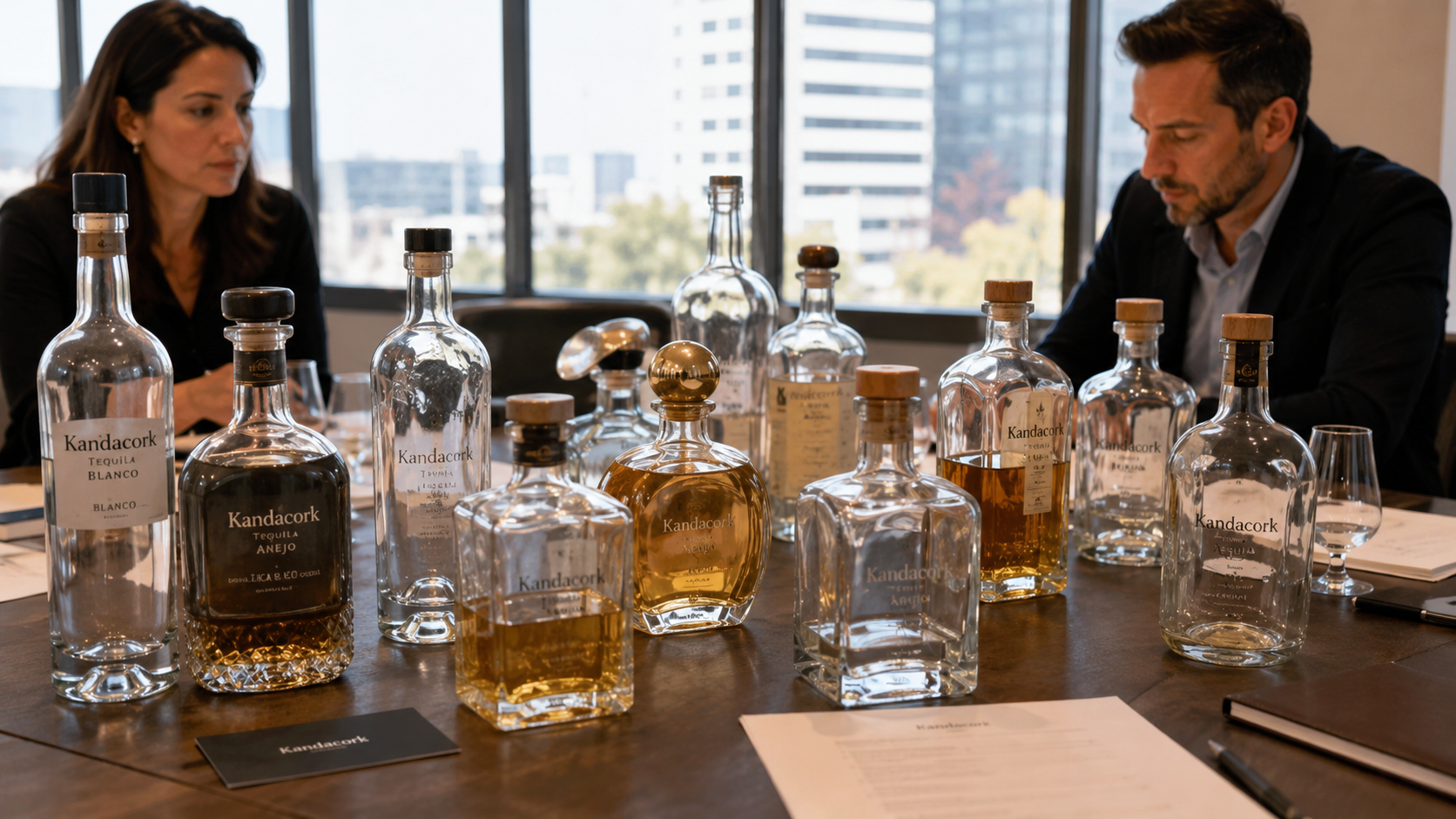
When buyers are unsure between two finish directions, physical sample comparison is usually more reliable than judging by renderings or catalog images.
Logo Decoration Options by Finish
The right decoration method depends on the stopper material and finish. Buyers should choose the decoration method after confirming the surface finish, because the same logo artwork may perform differently on polished metal, stained wood, ribbed plastic, frosted resin, or coated surfaces.
Embossing creates a raised logo and works well on molded plastic, resin, and metal stoppers. Debossing creates a recessed logo and gives a more subtle luxury impression. Engraving is suitable for metal, wood, glass, and selected coated surfaces. Laser marking is useful for wood and some coated materials, but contrast depends on surface color and material.
Pad printing supports colored artwork on smooth plastic, resin, and wooden tops. Adhesion and rub resistance should be tested before bulk approval. Hot foil adds metallic detail and works best on flat or controlled surfaces. Medallion inserts create a luxury look on metal or wooden stopper heads and are suitable for collector bottles, gift packs, and high-end spirits packaging.
Full Packaging System Compatibility
A stopper finish should be evaluated together with the complete packaging system. The stopper head diameter, height, surface texture, and decoration method can affect other packaging components.
Buyers should test bottle neck fit, capsule clearance, shrink sleeve compatibility, tamper-evident band fit, label balance, carton insert protection, gift box clearance, pallet protection, retail display appearance, and photography results.
A premium stopper may look attractive as a loose sample but fail once paired with the full package. For bottle, closure, and decoration coordination across a wider spirits packaging project, buyers may also review integrated custom spirits packaging solutions before finalizing the closure specification.
Common Mistakes When Selecting Stopper Finishes
A common mistake is approving the surface finish before testing bottle neck fit. This can lead to loose closures, difficult insertion, leakage, or stopper pop-up after filling.
Another mistake is judging color from photos instead of physical samples. Photos cannot accurately show gloss level, grain variation, plating tone, transparency, or tactile quality.
Buyers may also ignore capsule clearance. A stopper head that is too tall, too wide, or too textured can create problems with shrink sleeves, capsules, tax strips, or tamper-evident bands.
Glossy, plated, glass-style, and dark coated finishes can also be damaged if packing protection is not considered early. Export cartons, trays, dividers, and gift box inserts should be reviewed before bulk production.
Finally, buyers should avoid selecting a logo process that does not suit the surface material. A decoration method that works on polished metal may not work well on ribbed plastic, stained wood, or frosted resin.
Supplier Capability Checklist: What Buyers Should Ask
| Buyer Question | Why It Matters |
|---|---|
| Can you test the stopper with our actual bottle? | Confirms real bottle neck fit |
| Can you recommend the correct shank diameter and length? | Reduces leakage, pop-up, and insertion risk |
| Can you provide finish samples before bulk production? | Allows visual and tactile comparison |
| Can you match a Pantone color or physical packaging sample? | Supports brand color consistency |
| Can you define acceptable color and gloss tolerance? | Prevents batch variation |
| Can you test capsule clearance with our selected capsule? | Avoids filling-line and packaging problems |
| Can you check coating adhesion or rub resistance? | Reduces finish failure risk |
| Can you provide material and compliance documentation? | Supports export and regulatory review |
| Can you maintain the same finish for repeat orders? | Protects long-term brand consistency |
| Can you recommend packing protection for export shipping? | Helps prevent scratches and scuffing |
For custom bar-top stopper projects, supplier capability is often the difference between an attractive sample and a stable production result. Buyers should evaluate technical support, not only unit price.
Sample Approval Workflow
A professional approval process should begin with technical information. Buyers should send the bottle drawing or physical bottle sample, spirit category, alcohol percentage, target market, order quantity, stopper material preference, shank preference, finish reference, logo artwork, capsule requirements, and packing requirements.
The supplier can then develop first samples for visual and fit review. Buyers should test bottle fit, extraction force, insertion feel, finish appearance, logo clarity, capsule compatibility, color consistency, and packing protection.
Once the buyer approves the final version, that sample should become the master sample for bulk production. The master sample should define material, color, gloss level, logo position, logo depth, shank size, finish tolerance, and packing method.
This process helps reduce sampling rounds and gives both buyer and supplier a clear quality reference before production.
Cost, MOQ, and Lead Time Factors
Surface finish complexity affects cost, MOQ, and lead time.
Lower-complexity options include standard plastic, standard wood, simple pad printing, ribbed plastic, smooth plastic, and stock finishes. These are suitable for faster projects or cost-sensitive packaging.
Medium-complexity options include custom color plastic, stained wood, matte coating, gloss coating, laser marking, printed logos, and selected metallic-look finishes.
Higher-complexity options include custom metal molds, heavy Zamak stoppers, antique plating, black nickel, medallion inserts, multi-process decoration, sculpted shapes, and specialty coatings.
The lowest unit price is not always the best commercial decision. Premium spirits buyers should consider total project risk, including sampling time, defect rate, packaging protection, color stability, compliance documentation, and repeat-order consistency.
What to Send for a Quotation
To receive an accurate quotation, buyers should prepare:
- Bottle drawing or physical bottle sample
- Bottle neck inner diameter
- Bottle neck height and depth
- Spirit category and alcohol percentage
- Target sales market
- Order quantity
- Preferred stopper material
- Preferred shank material
- Surface finish reference
- Pantone number or physical color sample
- Logo artwork
- Capsule or sleeve requirements
- Packing requirements
- Project timeline
- Compliance requirements
Complete information helps Kandacork Closures recommend a suitable closure finish faster and reduce unnecessary sampling rounds. Buyers can share these details through the custom closure quote and inquiry page to begin sample or quotation review.
FAQ
What is the best surface finish for premium bar-top stoppers?
The best finish depends on brand positioning, bottle design, stopper material, production volume, and technical fit. Metal finishes suit luxury and weight. Wood finishes support craft and heritage positioning. Plastic and resin finishes are practical for custom colors, private label projects, and multi-SKU spirits packaging.
Is matte or gloss better for spirits bottle stoppers?
Matte finishes are better for modern, understated, and craft-style packaging. Gloss finishes are better for strong color depth and polished shelf impact. Buyers should compare both options using physical samples under real lighting and handling conditions.
Can bar-top stoppers be color matched to a brand color?
Yes. Plastic, resin, coated wood, and coated metal stopper heads can often be matched to brand colors. Buyers should provide Pantone references, physical color samples, label artwork, or approved packaging components for comparison.
Which finish is best for whisky bottles?
Whisky brands often choose dark varnished wood, antique gold, brushed metal, black nickel, copper, or heavy Zamak finishes. These options support premium weight, mature brand identity, and heritage-style packaging.
Does surface finish affect stopper performance?
The finish affects handling, durability, decoration quality, scuff resistance, and packaging presentation. However, sealing performance depends mainly on bottle neck fit, shank diameter, shank material, insertion force, extraction force, and leakage resistance.
What should buyers test before approving custom bar-top stoppers?
Buyers should test bottle neck fit, insertion force, extraction force, stopper stability, finish durability, color consistency, logo clarity, capsule clearance, packing protection, and repeatability against the approved master sample.